A glass of wine…A late night…

The beautiful beach at our condo in Maui.

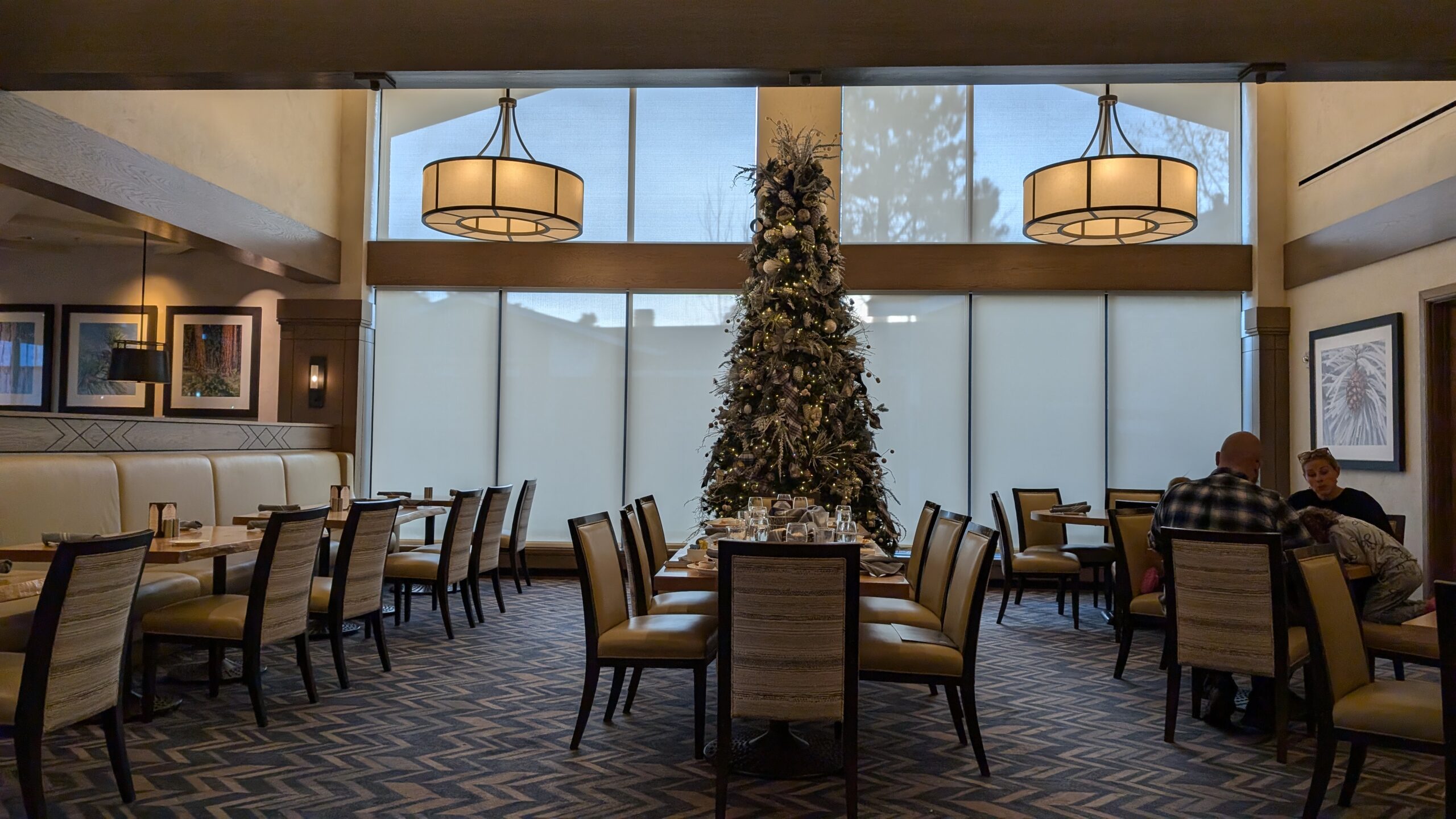
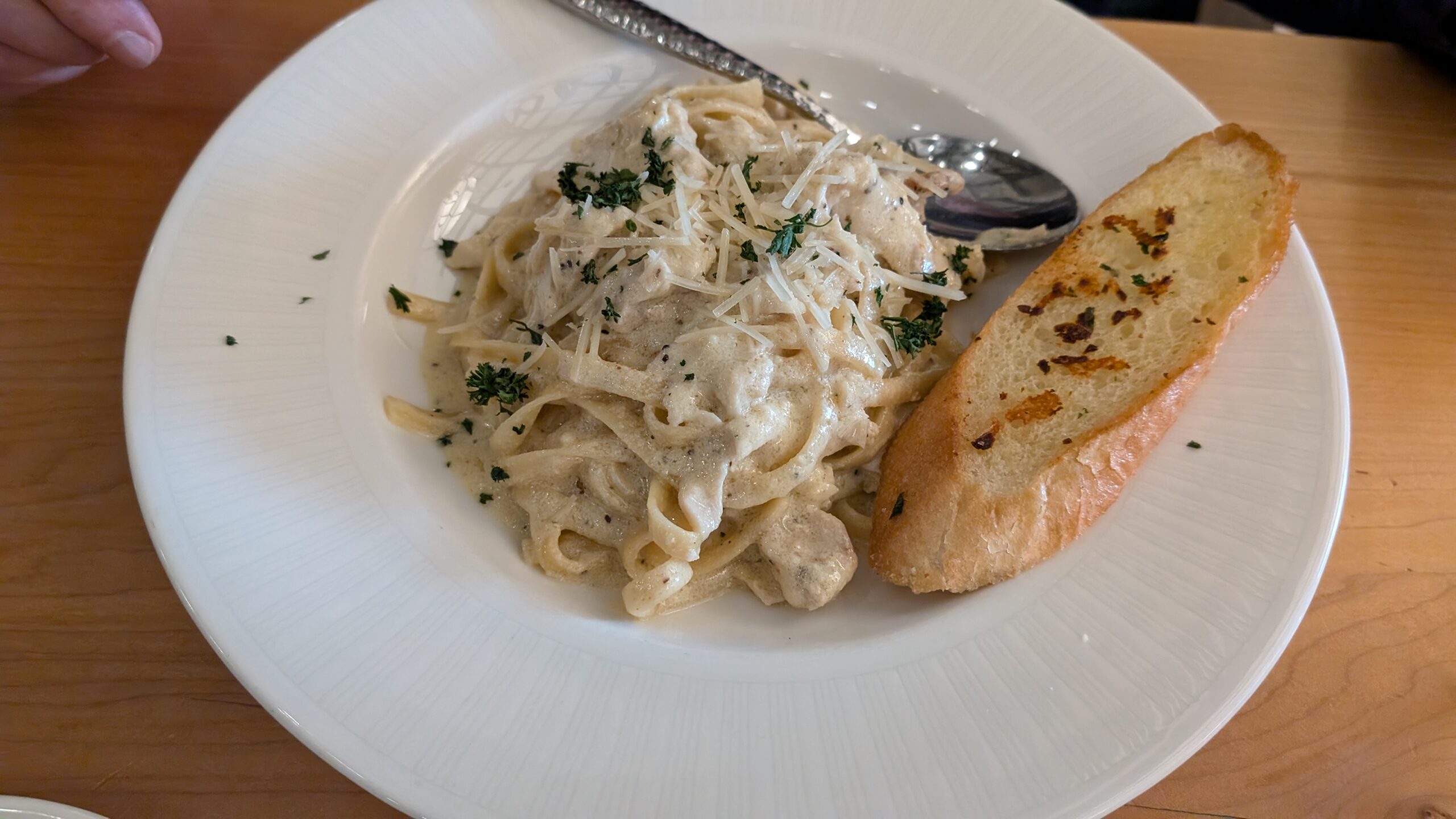
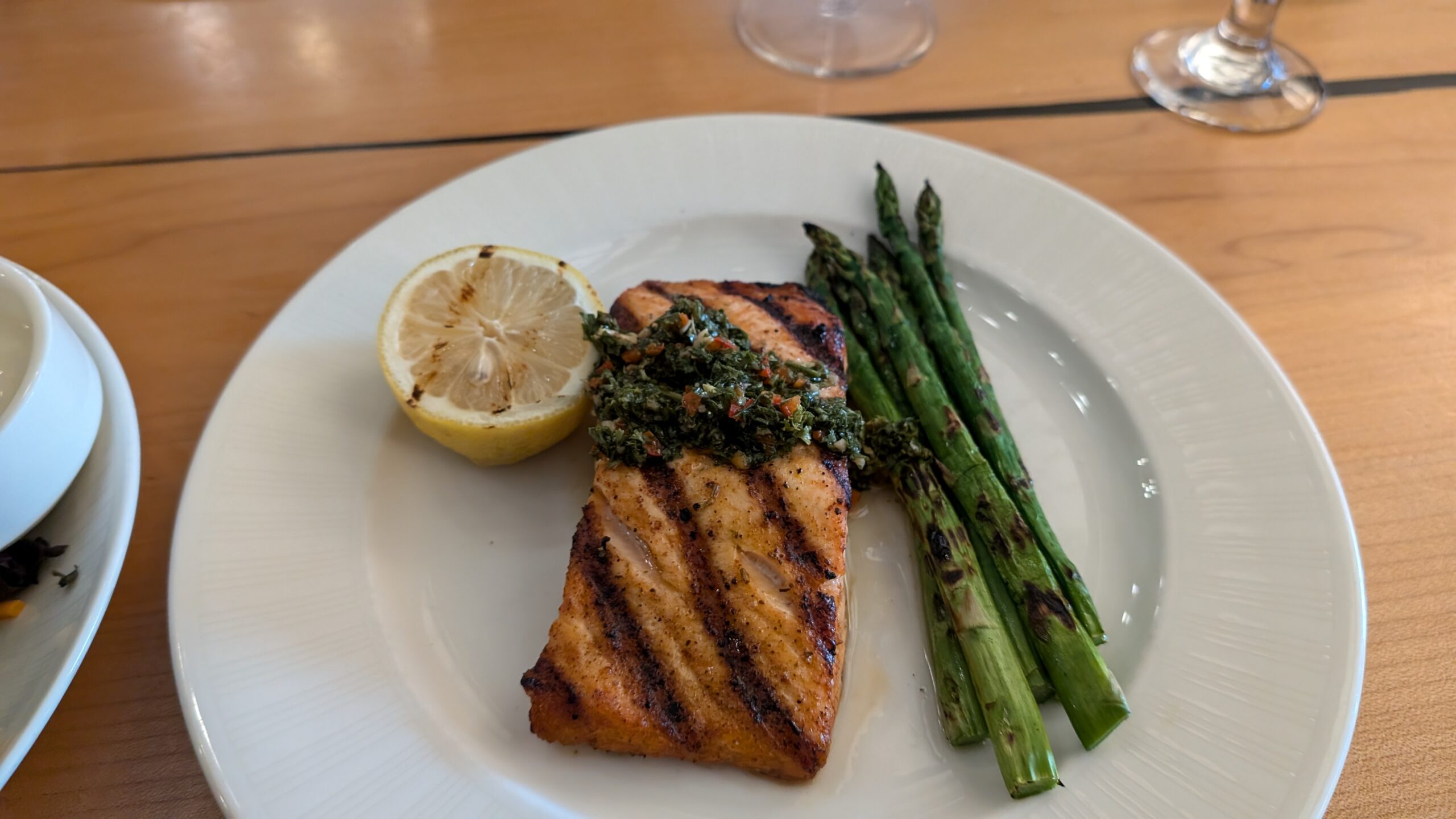
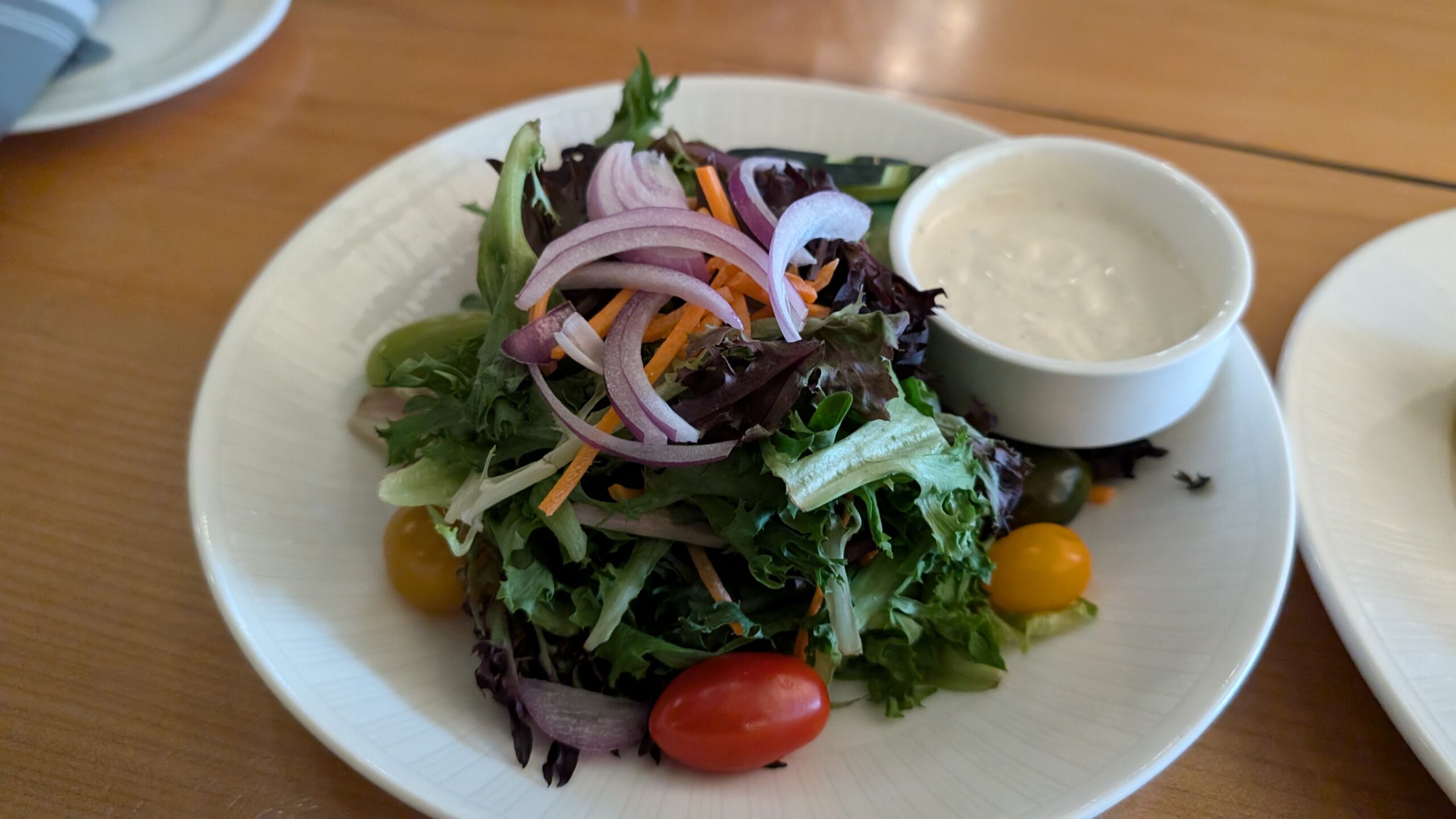
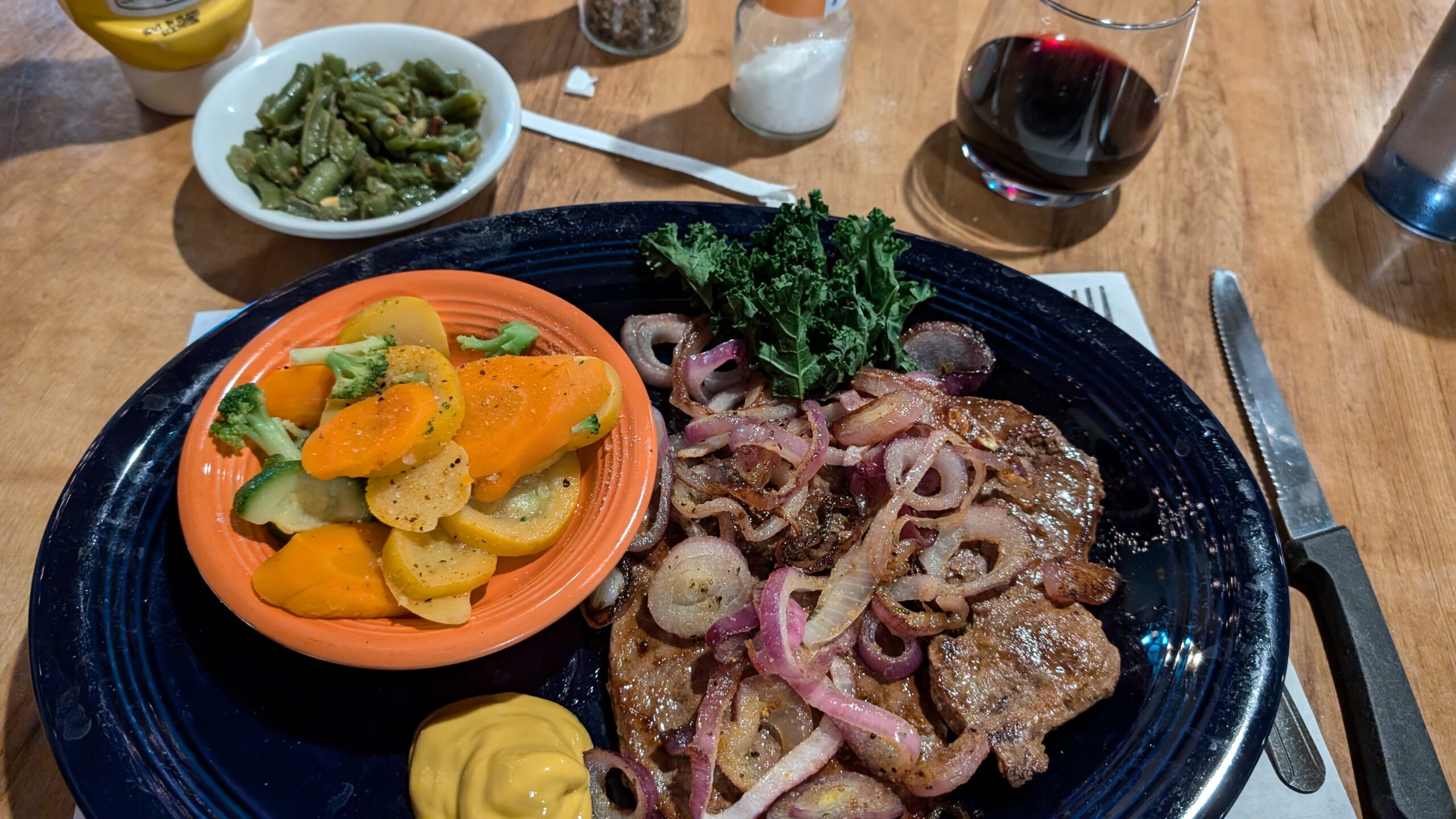
Early yesterday afternoon, we had our first cocktails in 2½ months. Tom had brandy and water, and I had two small glasses of low-alcohol white wine. Before all this medical stuff was exacerbated in the past year, I hadn’t had much wine, only a few glasses here and there on special occasions, but nothing at all since we left Minnesota on August 25.

Tom, who doesn’t drink much or drink alone, joined me. It was pretty pleasant, and it almost felt like we were “on a date.” We were celebrating that we could leave Cleveland in 38 days as we made our way via a road trip to Lake Las Vegas, Nevada, while we waited for our flight to Africa at the beginning of March, yet to be booked.

After our drinks, we had a lovely dinner and settled in for the evening, streaming a few shows until about 8:00 pm to watch the election news. Tom faded about midnight, but I kept watching the news on my phone long after I went to bed, using earbuds to avoid bothering him.

I’ve always watched presidential elections. Regardless of our preferences for the winning candidate, we can only hope and pray for our country’s many domestic and international issues. We shall see what transpires over the next few years.

When I finally turned off my phone, I struggled to sleep. I brought up a sleep app on Fitbit, and I nodded off in no time. I awoke several times during the night and never had adequate sleep. My Fitbit says I slept eight hours, but it was actually only about five hours. Sometimes, when lying very still in bed, the Fitbit “thinks” I am sleeping. I barely move around to avoid awakening Tom.

I won’t go to the fitness center today since I feel sluggish and don’t want to stress my body after so little sleep. Instead, every 15 minutes (I set the timer on my phone), I’ll get up from sitting and walk around our hotel room for 250 steps at a good pace. At this pace, I can do 1000 steps per hour and do this several hours a day until I reach my goal.

If I start this process by 9:00 am and 4:00 pm, I can get to 7000 steps. The new “magic number of steps” for seniors is 7000-8000 daily. This isn’t necessary to accomplish in one fell swoop, which is difficult for me right now. Also, in a way, I feel more of a benefit, getting up from sitting every 15 minutes instead of walking all at once and then sitting for the remainder of the day.

Today, we have delicious leftovers for Tom, and I will make a new dinner for myself, which is very easy. I roasted a pile of veggies yesterday and will have those with a turkey burger and a side salad. Easy peasy.

Have a lovely day.

Be well.

Photo from ten years ago today, November 6, 2014:

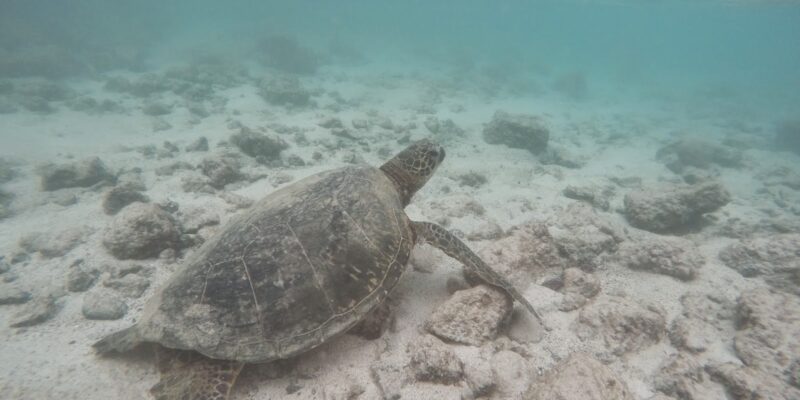
Looking carefully, we could see the outline of a sea turtle on the beach in Maui. They are huge, much larger than we’d expected. For more photos, please click here.

Still reeling over our great news…Why is Spam so popular in Hawaii?..

Hawaii has more varieties of Spam than anywhere else in the US.

You may say, “What does Spam have to do with Hawaii, let alone travel?”

Yes, we try to keep our topics relevant to our personal lives and travel. Still, occasionally, we wander off-topic when curiosity impacts us in even the most subtle ways regarding our travels.

When we spent eight months living on four of the Hawaiian Islands in 2014/’2015, we were amazed at the countless flavors of Spam we encountered at grocery stores. What is that all about?

Hawaii has many varieties of Spam since the canned meat has become a staple of Hawaiian culture and cuisine, and the company that owns Spam has released special flavors for the state: 

  • Cultural significance

    Spam is integral to Hawaiian culture; some say it represents family, friends, and culture. 

  • Special flavors

    Hormel, the company that owns Spam, has released special flavors for Hawaii, including ones featuring a hula girl, a shaka hand, or a flower lei on the packaging. 

  • Versatile

    Spam is versatile and can be used in many ways, including musubi, fried rice, fried wontons, and more. 

  • Long shelf life

    Spam can last up to five years, valuable in Hawaii, where food preservation can be limited. 

  • Affordable

    Spam is cheaper than other meats, and it’s more accessible and more affordable to import shelf-stable meat than fresh meat. 

  • Convenience

    Spam is convenient because it’s shelf-stable and doesn’t need to be imported like fresh meat. 

  • Popularity

    Hawaii has the highest per capita consumption of Spam in the United States, with residents eating an average of five cans per person per year. 

  • History
    Spam was introduced to Hawaii during World War II when it was served to GIs, and it became a staple of local culture after the war. 

The story of Spam’s popularity in Hawaii is a unique blend of history, necessity, culinary creativity, and a touch of cultural pride. For most people in the continental United States, Spam is known as a canned meat product with a quirky reputation. But in Hawaii, Spam has taken on a much deeper significance, ingrained in local culture, everyday cuisine, and even the state’s identity. Spam has been transformed from a wartime staple into a beloved ingredient, celebrated in dishes from home-cooked meals to fine dining experiences.

A Wartime Introduction with a Lasting Impact

Spam’s introduction to Hawaii dates back to World War II, when food supplies were limited and shelf-stable foods were essential for feeding large groups of people. The U.S. military brought in Spam as a solution—a durable, high-protein food that didn’t require refrigeration. American troops stationed in Hawaii relied on it as a convenient and long-lasting protein source. As the war ended and Hawaii gradually moved away from a wartime economy, Spam didn’t disappear; instead, it became even more popular. With other meats in limited supply due to the state’s isolation, Spam remained one of the few affordable and available protein sources for local people.

After the war, Spam remained a household staple across the islands, serving as an accessible alternative to other proteins that were either hard to come by or prohibitively expensive due to high shipping costs. For many Hawaiian families, Spam was more than a meal—it was a means of sustenance, helping people stretch their grocery budgets and feed their families with food that had become a comforting constant in an uncertain time. Spam became deeply associated with practicality, resilience, and the resourcefulness of the Hawaiian people.

Culinary Innovation and Cultural Adaptation

Over time, Spam took on a life of its own in Hawaiian cuisine, thanks to local chefs and home cooks’ culinary innovation and cultural creativity. Hawaiians have a unique ability to blend different cultural influences, reflecting a history of immigration and intercultural exchange from countries like Japan, Korea, the Philippines, and China. Spam became a natural addition to this mix, harmonizing with the local love for bold, savory, and umami-rich flavors.

One of the most iconic Hawaiian dishes featuring Spam is Spam musubi, a simple yet delicious combination of Spam, rice, and nori (seaweed). Resembling Japanese sushi, Spam musubi is inexpensive, easy to make, and incredibly satisfying. It’s available everywhere in Hawaii, from grocery stores and gas stations to food trucks and high-end restaurants. Spam musubi reflects a more significant trend in Hawaiian cuisine, where influences from various Asian cultures blend with local ingredients and techniques to create something uniquely Hawaiian.

Spam has also been incorporated into many traditional Hawaiian dishes, including the “plate lunch,” a hearty meal consisting of rice, macaroni salad, and a protein, often Spam. Today, you can find Spam in fried rice, stir-fries, stews, and even as a topping on Hawaiian pizza. High-end chefs have even included Spam in modern interpretations of Hawaiian cuisine, creatively showcasing its versatility and paying homage to its place in the state’s food culture.

Nostalgia and the Comfort Factor

Spam holds a sense of nostalgia for many locals in Hawaii, evoking memories of family gatherings, beach picnics, and backyard barbecues. It’s often associated with “comfort food” in Hawaii, where it’s a common sight at family gatherings and community events. Generations of Hawaiians have grown up eating Spam in various forms, and the taste and texture can evoke strong feelings of home and connection to local culture. For many, Spam is a link to simpler times, reminding them of their grandparents or parents who prepared it in traditional recipes.

This sense of nostalgia has helped maintain Spam’s popularity in Hawaii. Over the years, Spam has come to represent more than just a canned meat product—it symbolizes local identity and pride. The annual Waikiki Spam Jam, a lively festival dedicated to all things Spam, attracts thousands of attendees who celebrate Spam through music, dance, and countless creative Spam dishes. The festival exemplifies how Spam has transformed from a wartime necessity into an enduring part of Hawaii’s cultural identity.

Practicality Meets Culinary Versatility

For many Hawaiians, Spam’s practicality is as essential as its cultural value. The islands’ remote location means importing fresh foods can be costly and challenging. Because Spam is shelf-stable and relatively inexpensive, it’s an easy choice for households trying to balance quality and affordability. Even as food supply chains have expanded and more meats are available, Spam remains a staple because of its reliability and familiarity with Hawaiian tables.

Spam’s taste profile is another reason for its popularity. Its salty, savory flavor is well-suited to Hawaiian palates, which appreciate umami-rich foods often seasoned with soy sauce, teriyaki, and other bold flavors. Its texture and adaptability work well in various dishes, from traditional Hawaiian fare to fusion cuisine inspired by the island’s diverse cultural landscape. The Hawaiian love for Spam exemplifies that food can be practical and deeply meaningful.

A Symbol of Resilience and Community

Spam’s popularity in Hawaii is a testament to the resourcefulness and resilience of its people. Despite its reputation elsewhere as a humble canned meat, Spam is a reminder of how Hawaiians have adapted to the challenges of island life. It’s become more than just a food item; it’s a part of the social fabric, representing the spirit of community and adaptability that defines the Hawaiian way of life. By turning Spam into a culinary staple, Hawaii has shown how a community can take something simple, often overlooked, and turn it into a beloved symbol of local pride and cultural resilience.

As mentioned in a recent post, when we arrived in Maui in mid-October 2014, there were imminent hurricane warnings. Immediately, we headed to Costco to purchase non-perishable foods during power outages. Our first choice was canned foods, including meats such as Spam, canned chicken, tuna, and vegetables, which we seldom purchase in a can.

That trip to Costco was the first time we’d seen so many varieties of Spam—too many to list here, as the varieties change frequently. But our above photo, taken at a grocery store in Maui, gives you an idea of what we’re talking about.

Thank you for the countless messages about our ability to leave Cleveland next month. I tried responding to each of your messages, which has kept me very busy. However short our replies, please know how much we appreciate all of our readers.

Be well.

Photo from ten years ago today, November 4, 2014:

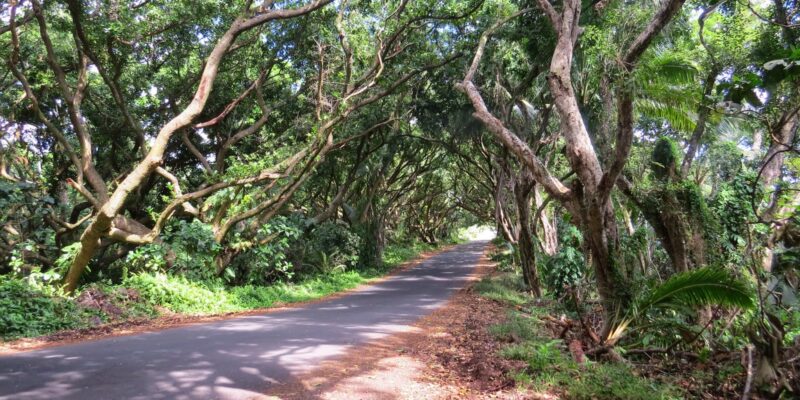
View from the car on a road trip on a cloudy day. For more photos, please click here.

Part 2…We have news!!!

In Maui, the clouds and mountaintops are a sight to see.

This morning, we spent two hours in the little kitchen preparing a special celebratory meal for tonight’s dinner: Low Carb Mushroom Scramble and Keto Broccoli Salad, a perfect pairing. We’ve stopped having desserts this week, especially now that we want to be able to maintain our weight (or lose a little) with travel days on the horizon.

No, we don’t have the most exciting news for our readers about where we’ll be from December 18 to March 1, 2025 (73 days). We are immeasurably excited about leaving this hotel on December 14 (41 days from today) to begin another road trip back to Lake Las Vegas, Nevada.

On March 1, 2025, we fly back to South Africa to Johannesburg and then fly to Marloth Park (Mpumalanga), where we’ll stay for the next several months, the exact dates of which we aren’t certain at this point. After 90 days, we’ve leave the country to go on a tour of Madagascar, and if it works out, we’ll return to Marloth Park for another 90 days with a new visa stamp in our passports, taking us to next October or thereabouts.

After Africa, we may try a few cruises, revisit favorite countries from our past travels, and explore new locations we’ve yet to see. There are plenty of places in the world we haven’t explored. It’s a new day—a new beginning—and we couldn’t be more hopeful and excited.

We chose to return to Lake Las Vegas because we couldn’t find any holiday homes in countries we were interested in staying, with only the most expensive properties available on the market during the upcoming busy holiday season. We aren’t interested in staying in hotels or paying $500 a night for a holiday/vacation home. We’ve had our fill of hotels, although it’s been comfortable for almost the past year.

We couldn’t find availability on such short notice over the upcoming holiday season, especially now that more and more people are traveling internationally since the pandemic. We had no interest in going to Florida after the hurricane damage impacted many areas. Our next best option was to return to our home state of Nevada and, if possible, once again stay in beautiful Lake Las Vegas, away from the Strip and the crowds.

Thus, we began our search for Lake Las Vegas. Again, the options were few, and the remaining rentals were few, considering our preferences for two bedrooms and two baths, especially in the Viera Building we loved so much. Lo and behold, “safari luck” prevailed, and the fantastic condo we rented last December popped up.

Immediately, we called the owner, who gave us the “deal of a lifetime,” remembering us as “great renters. ” By a fluke, his unit would be available on December 18. Moments after hanging up, we sent him the rent by PayPal. He was thrilled, like us.

With this plan, we will stay in Cleveland for the next 41 days, when we’ll begin the drive to Lake Las Vegas. It’s 2100 miles or more since we plan to head directly South to get away from the snowy areas in the country. We plan to take four to five days since we don’t care to drive much more than 400 miles each day.

We won’t need a rental car in Las Vegas as in the past since we never spent more than $300 a month on Uber or Lyft to meet family for get-togethers. Seeing family is a huge perk. A rental car costs at least $1200 per month. At that fantastic property, we can walk down a flight of stairs for less than ten minutes to several outstanding restaurants and pubs, a UPS store, a salon, and a grocery store. We ordered most of our groceries online, but it was a short walk to a quaint and charming market when we ran out of anything, including wine, beer, or other beverages.

Then, the joy of all joys, on March 1 or a few days thereabouts, we’ll fly to my favorite place in the world, Marloth Park, South Africa. I texted Louise yesterday, and she confirmed our favorite house on Ratel Street and our favorite wildlife, will await us. Of course, we can’t wait to see Louise and Danie, Dawn and Leon at Jabula, and our many wonderful friends in the park.

However, a special treat we never imagined was possible is that our friends Kathy and Don plan to arrive in Marloth Park within a few days of our arrival. We have all stayed in touch almost daily since they left Marloth Park for their home in Hawaii for medical reasons three years ago. Wow! Amazing! We can’t wait!

Be well.

Photo from ten years ago today, November 3, 2014:

Another Gold Dust Day Gecko in Hawaii. For more photos, please click here.

US Government health warnings for cruisers…Are hot tubs at travel venues dangerous?…

Cruising Hot Tube Cruise Ship Passengers Enjoy Hot Tub Travel — Stock Photo, Image
A cruise ship hot tub. Not our photo.

Over the past many months, we’ve been posting “news-type” stories of information that may (or may not) interest some of our readers, especially those who travel, whether seldom or frequently. For those of our readers who don’t travel often, don’t cruise, or travel internationally, much of this information may be dull and unappealing.

For those readers, we apologize for continuing to post stories that may only impact traveling readers. However, as we spend this quiet time in Cleveland without recent photos and stories to tell, we are using these morsels of information to fulfill our goal of preparing a post every day.

As you’ve noticed, we’ve been taking off about one day a week, most recently. This is not due to my lack of interest in writing to you but rather the lack of fodder that can be sufficient for a new post. Most of you have figured this out. Of course, we can’t wait to be on the move again and to be able to share exciting and engaging real-life stories with photos.

Thus, we continue in hopes of holding onto our readers, both new and long-term, for the next 120 days until we can leave Cleveland, Ohio, and recommence our travels to more exciting venues with less focus on my health, medical tests, and procedures.

We thank all of you for staying with us during this lengthy stay in the US. By leaving in early March 2025, we’ll have been in the US for 15 months, which is way too long for world travelers like us.

__________________________________________________________________

In the past 12 years of world travel, we have sailed on 34+ cruises, all of which had hot tubs, except for river cruise ships. We’ve also rented several holiday/vacation homes with hot tubs. In either of those situations, we have not used the hot tubs. The only times we’ve used a hot tub are part of a swimming pool at a private residence we’ve rented.

We have not used hot tubs at community pools, condos, townhouses, apartments, or hotels we’ve rented along the way. Not once.

Here’s a new story we received by email last night from this publication:

Come Cruise With Me

US government issues serious warning for cruise passengers

Veronika Bondarenko

While many turn to cruise ships for a relaxing and luxurious experience, having that many people in an isolated and, except the deck areas, the primarily confined environment creates a heightened risk of disease outbreak.

That is why outbreaks of norovirus, measles, and different types of gastrointestinal illness are more common on cruise ships. The Centers for Disease Control and Prevention (CDC) regularly warns about contagions that may be a small and calculated risk for healthy travelers but pose severe dangers for more vulnerable populations.

Related: This cruise line officially has the most unsanitary ships

Certain parts of the cruise ship can also carry higher risks. The latest report from the CDC found approximately a dozen outbreaks of Legionnaire’s Disease tied to private hot tubs aboard ships between November 2022 and June 2024.

Legionnaire disease is a term for a specific type of severe pneumonia that causes severe coughing, high fevers, and risk of lung damage.

Hot tubs offer favorable conditions for growth and transmission.

While not naming specific cruise ship companies, the CDC said that various “sampling results identified private hot tubs on selected cabin balconies as the most likely exposure source” on the outbreaks it studied.

Private hot tubs are those within the cabin or on a suite’s balcony. While viewed as extremely luxurious and a major upgrade of one’s cruising experience, the CDC warns that they may not always be cleaned as thoroughly as public hot tubs in the deck and pool areas, which many fear are disease carriers.

“Hot tubs offer favorable conditions for Legionella growth and transmission when maintained and operated inadequately, regardless of location,” the national health agency writes in the report. “Private hot tubs on cruise ships are not subject to the same maintenance requirements as are public hot tubs in common areas.”

One analysis found six of the ten samples from private balcony hot tubs on a given cruise ship contained Legionella bacteria. On a different cruise ship, 10 of the 12 passengers who fell ill from the Legionella bacteria experienced symptoms so bad they had to be hospitalized.

You need to know this about cruise ship cleanliness and hot tubs…

The study authors who examined the outbreak numbers warned that it is “important” for cruise ship staff to “assess and adapt public hot tub maintenance and operations protocols for use on private outdoor hot tubs.”

A running list from the CDC also identifies cruise ships based on cleanliness examined over the last two years; last month, Carnival was identified as having the most cruise ships at the bottom of its cleanliness rating.

The cruise line’s Elation, Miracle, and Breeze ships scored a respective 89, 88, and 86 points, while anything below 85 is considered non-satisfactory by the agency. That said, the ratings are still relatively high considering that Hapag-Lloyd Cruises’ Hanseatic Inspiration ship received the bottom score of 62 — Carnival’s Panorama and Spirit ships also scored a perfect 100.

In response to these scores, Carnival issued a statement saying that it “continually strives [s] for the highest sanitation standards and implements [s] immediate corrective action [from] the outcomes of these inspections.”

We hope this hot tub warning to our travelers, especially those who have used hot tubs on cruise ships, will heed this potentially life saving information.

Be well.

Photo from ten years ago today, November 1, 2014:

Plumeria flowers are often used to make leis. For more photos, please click here.

Today is our 12 year world travel anniversary. Happy Halloween!

A gnome sitting on a pumpkin with Thanksgiving decorations clipart, cozy autumn vibes, digital painting, isolated on white background
Happy Halloween!

It was 12 years ago today, Tom retired from Burlington Northern Santa Fe Railroad, and we left Minnesota. We loaded up his SUV with way too much stuff to drive to Arizona for a two-month stay to wrap up some paperwork, buy new laptops and smartphones, and work on visas for upcoming cruises and travels.

Everything we’d owned was sold and gone, albeit with a modicum of tears that flowed freely after saying goodbye to our loved ones. We knew we’d miss family, but with easy Facetime access online, it wouldn’t be as challenging to be away as it might have been decades ago, before the internet.

We chose to stay in Arizona for a few months to see if we’d like to live there when we eventually settled down. The two months in Scottsdale convinced us that Arizona was unsuitable for us. The summer heat was unappealing, and somehow, we never acquired a connection to the state.

While there, we enjoyed spending time with Tom’s sisters in Apache Junction, but again, we couldn’t see ourselves living in a retirement community in Arizona or anywhere. In time, that may change our minds about living in a retirement community, but not now.

Here we are now, after 12 years of the most exciting and adventurous times of our lives, seeking the medical care we knew would eventually come to pass. Nothing we’ve discovered about my health thus far requires us to stop traveling. In our travels over the past 12 years, we’ve met many seniors with heart conditions similar to mine who continue to travel regularly, some even full-time, like us.

We’re not done yet. We still have plenty of world left to see and feel no urgency to make any permanent decisions. It’s funny, isn’t it, that we feel totally at ease with that uncertainty? Many have said that not having a home would make them uncomfortable and unsettled. For us, it’s not an issue at all.

I suppose this lifestyle has reshaped our needs, and we no longer feel compelled to have a place we call “home.” We’ve learned that such a decision can be made whenever we are ready from wherever we may be at any given time.

What are we doing to celebrate today? Without a rental car, there are no exceptional restaurants nearby that warrant an Uber ride, and the fact that we’ve already ordered takeaway meals from the best nearby restaurants, we see no reason to venture out. We considered having cocktails tonight since I have one unopened bottle of white wine, and Tom has a bottle of brandy. But it’s been two months since we’ve had a drink, and we don’t need to do so today.

Today is special to both of us, and neither food nor drink is required to revel in the memories we created over the past 12 years, let alone the 4448 posts we’ve uploaded since March 2012, (see the first post here) months before we left Minnesota, when we wrote our first post. At any moment, we can enjoy the memories of the past 12 years with only a few clicks in our archives.

When we look back at any of those posts, we are immediately transported back to those precious times, memories flooding our minds, with smiles on our faces and feelings of warmth in our hearts. We are grateful for the experiences, the times we spent together, the people we met along the way, and the people and places we have yet to see. We are grateful for the safety in our travels, although, at times, we encountered challenging situations.

And now, as we near the end of our time at Cleveland Clinic (four months to go), we are again grateful for the exceptional medical care and upcoming peace of mind we’ll carry with us when we leave.

Happy Halloween to all.

Be well.

Photo from ten years ago today, October 31, 2014:

This rooster was strutting around, showing off his pretty plumage at a vegetable stand in Maui. For more photos, please click here.

Rough seas for cruising friends now and for us many times on past cruises…

The Norwegian Epic has an unusual design which contributed to its difficulty in handling the rough seas we encountered in 2013.

Our friends Rita and Gerhard are currently on a 24-night cruise on the Westerdam, Holland America cruise line from Seattle, Washington, stopping in Hawaii and then sailing on to Sydney, Australia. They are experiencing rough seas at this time, which brought to mind questions many potential cruisers have asked us: “What is the likelihood of experiencing rough seas resulting in seasickness and gross discomfort?”

There’s no particular number or percentage of times this may occur on a cruise when weather conditions that produce rough seas are unpredictable. After 34 cruises since 2013, we have experienced no less than five cruises that come to mind, but only one was considered terrifying by many passengers.

We were on the Norwegian Epic during an April 2013 cruise, experiencing rough seas. A major storm system in the Atlantic created turbulent conditions that affected the ship, resulting in a challenging and memorable experience for passengers. Reports from the time mentioned strong winds and large waves, which caused some disruptions to the ship’s itinerary and onboard activities. The crew had to take precautions, and stabilizers were deployed, but even with these measures, the ship’s movement was still noticeable, especially for those unaccustomed to rough seas.

The captain initially announced the waves were 30 feet (9.14 meters). He later admitted they were 50 feet (15.24 meters) with 65 MPH (104.6 km) winds. He hesitated to alarm the passengers further when many were in their cabins, lying in bed, attempting to mitigate seasickness.

Fortunately, neither of us was seasick and never spent daytime hours in our cabin. Instead, we wandered about the ship, hanging on to whatever we could grab to maintain stability. There were a handful of other passengers out and about like us. The three nights were challenging, with the loud creaking of the ceiling in our cabin, the sounds of the ship heaving in the storm, and the sliding glass shower door banging. We tried, unsuccessfully, using towels to reduce the sounds from the shower but nothing worked. We had little sleep those three nights.

Read our post about that event here.

Guests have shared mixed feelings about the experience; some found it thrilling, while others were uncomfortable with the ship’s movement. Events like this can remind us just how powerful the ocean can be and the importance of an experienced crew and a well-prepared ship in handling such conditions.

Encountering rough seas on a cruise ship can be a concern, though modern cruise ships are built to handle challenging conditions and prioritize passenger safety. Here are some risks and what you might experience if the seas get choppy:

  1. Motion Sickness
    This is one of the most common discomforts of rough seas. You’ll feel movement on a cruise ship even with the most sophisticated stabilizers. The combination of large swells and ship movement can be disorienting for those prone to seasickness. Many people prepare by bringing motion sickness medication or using acupressure bands.
  2. Injury from Slips and Falls
    When the ship rolls, losing your balance is likely, especially if you’re walking around. Cruise lines advise passengers to hold onto railings during rough seas, and you may see crew temporarily close areas where movement is more likely to lead to slips or falls.
  3. Delayed or Altered Itinerary
    Captains usually receive early warnings of approaching rough weather, allowing them to change course to avoid the worst of it. However, this sometimes means missing ports of call or rearranging the schedule. While disappointing, these detours prioritize safety.
  4. Potential Seasickness in Cabins
    While midship and lower deck cabins are generally less affected by the ship’s movement, rooms in the front and back may sway more. During rough seas, some passengers find themselves confined to their cabins to reduce symptoms.
  5. Dining and Entertainment Restrictions
    Some onboard dining options or entertainment venues may close temporarily during rough conditions. Buffets and activities that require standing may not be available for safety reasons.
  6. Cabin Movement and Noise
    During rough seas, you may notice creaking sounds from the ship’s structure, which can be unsettling for first-time cruisers. The cabins can sway more than usual, making it feel like sleeping on a rocking hammock.

Fortunately, cruise lines are highly prepared for unexpected weather. Their advanced monitoring systems and experienced crews work to minimize discomfort and prioritize passenger safety. If you ever encounter rough seas, you’ll likely receive updates from the captain and staff to keep you informed.

We hope this information is helpful for you and answers some of your questions.

Be well.

Photo from ten years ago today, October 29, 2014:

A park at the beach on Honoapiilani Highway. For more photos, please click here.

Where would we like to travel if circumstances allow?…

Here’s a familiar spot found in Maui!

As we spend month after month in the US, longing to travel again, we often wonder where we’d like to go once the doctors at Cleveland Clinic give us the go-ahead. In the worst case, we’ll be able to leave by the end of February. In the best case, we can go in mid-December, which isn’t the ideal time to travel.

If we can leave in December, a cruise might be ideal over the Christmas season, especially if the cruise begins by December 15 and ends a few days after New Year’s Day. This way, we’ll be able to avoid the rush at airports, which we attempt to avoid if we can.

Otherwise, if we have to stay until the end of February, with the goal to be in Marloth Park by March in order to be there at the same time as our friends Kathy and Don, who plan to arrive by March 6 and stay for two months, Gee…if all goes well, we could possibly be there the same time as they will. If so, we won’t need to be concerned about where we’ll go between leaving Cleveland and arriving in Marloth Park.

We’ll stay in Marloth Park for three months until our visas expire, then head to another country in Africa for a short visit to get a new visa when we return to South Africa to stay for another 90 days. This could take us through next October. What shall we do afterward?

We are seriously considering returning to Australia, New Zealand, and, most importantly, Tasmania to Penguin, Tom’s favorite place in the world. We continue to return to Marloth Park, my favorite place but have yet to return to Tom’s. He loves the quaint little ocean town, its people, and its ambiance. I loved Penguin as well, but not as much as Marloth Park.

We’d like to visit several other countries, including Japan and many others in Europe, such as Sweden, Austria, Germany, and Poland. We’d consider returning to Spain and Portugal, where we spent a little time but not enough.

Perhaps on the top of my list of new places to explore is Macquarie Island, an island in the southwestern Pacific Ocean, about halfway between New Zealand and Antarctica. Regionally part of Oceania and politically a part of Tasmania, Australia, since 1900, it became a Tasmanian State Reserve in 1978 and was inscribed as a UNESCO World Heritage Site in 1997.

For more on Macquarie Island, click here:

Macquarie Island is far enough south that human access is limited and far enough north to allow sub-Antarctic species to thrive. Sir Douglas Mawson described it as a wonder spot of the world. The island is an important site for a proliferation of wildlife, including extensive seal colonies and an array of penguin species. Around 3.5 million seabirds and 80,000 elephant seals arrive on Macquarie Island each year to breed and molt.

Macquarie Island is a site of outstanding geological and natural significance and was awarded World Heritage status in 1997, forming a second Tasmanian World Heritage Area.

Macquarie Island is managed by the Tasmania Parks and Wildlife Service, by the Macquarie Island Nature Reserve and World Heritage Area Management Plan 2006.”

The world is vast. We have yet to visit a blip in the magnitude of exciting places left to see. For more details on where we have been, PLEASE CLICK ON OUR TRAVEL MAP ON THE RIGHT SIDE OF OUR MAIN PHOTO to see how much we have seen thus far. Looking at this map even boggles our minds when it’s hard to believe how many places we’ve been already.

Be well.

Photo from ten years ago today, October 28, 2014:

At a park in Maui, we spotted this bird, a Red-Crested Cardinal. For more photos, please click here.

Is reviewing travel advisories at the US State Department (or state departments in other countries) enough for international travel?

The wharf was a few blocks from the condo in Maui in 2014.

When we first began traveling the world in 2012, we never failed to read travel advisories from the US State Department, which can be found here. The problem we encountered is that they often didn’t appear updated to date, which required an additional search on their site:” travel advisories 2024.”

Scrolling through the advisories, you will see many started in 2024. However, those listed for earlier dates, such as 2023, can mislead some travelers, who assume these warnings are older and may have expired. All they’d have to do is add another column, “date advisory was first issued.”

After experiencing much confusion recently about the processing of Medicare claims, it’s not surprising that US State Department Travel Advisory information could be equally confusing. When reviewing the warnings for a country you intend to visit, it’s imperative to carefully read the entry to determine if traveling to that country is riskier at this time than visiting other seemingly safer locations.

Much to our dismay, the State Department listings do not include crime-ridden cities in the US. If foreign travelers were to use this US resource to guide their travels, they may end up booking hotels and venues in areas many US citizens wouldn’t consider safe to visit.

No country, including the US, is exempt from crime, including the risks of pickpocketing and violent crime. So, how do travelers reassure themselves that their chosen destination(s) are safe? Research, research, and research! Check police department records and national and local statistics, and search for recent (past 12 months) news stories. Ask other travelers who have traveled to particular cities you plan to visit.

Although not explicitly related to the US State Department, here is a good website with statistics.

Most often, a country may be safe overall, but specific cities should be avoided. Simply because a city or town is a popular tourist attraction doesn’t mean it is entirely safe to visit. Cape Town, South Africa, is listed as the #12 most dangerous (murders) city in the world, but that doesn’t prevent us from going to South Africa to live in the bush. Cleveland, where we are now, is listed at #27, but we don’t feel unsafe here. Please do your research.

However, along with all of your discoveries, it’s imperative to exercise caution wherever you may travel and secure documents such as passports, digital equipment, wallets, and credit cards. Never carry a bag that doesn’t require at least a zipper to access contents, although more complicated access is preferable.

Do not, under any circumstances, get involved in road rage or other conflicts, regardless of how difficult it may be to control your opinions and emotions. Stream the TV series “Road Rage” (Prime, Hulu, and others) to convince you further to avoid road rage and angry public outbursts at all costs. It’s just not worth it.

Reviewing travel advisories from the U.S. State Department is essential in trip planning, especially for international travel. Here’s why it’s so important:

  1. Safety and Security Awareness: Travel advisories provide up-to-date information about potential risks in specific countries, such as political unrest, natural disasters, terrorism, crime, or health risks. This knowledge can help you avoid areas with heightened dangers.
  2. Entry and Exit Requirements: Countries sometimes change their entry rules due to political conditions, public health concerns, or security situations. Advisories often include visa requirements, vaccination needs, and travel restrictions.
  3. Local Laws and Customs: Understanding a destination’s cultural and legal landscape helps prevent misunderstandings or inadvertent legal issues. Travel advisories often outline behaviors that could be frowned upon or illegal.
  4. Insurance and Travel Plans: Some insurance policies may not cover you in countries with high-level travel advisories. Reviewing the advisories allows you to adjust your insurance accordingly and make more informed decisions about going or delaying your trip.
  5. Emergency Preparedness: Travel advisories for emergencies include contacts for U.S. embassies or consulates and steps to take if you are in a crisis.
  6. Understanding the Situation Beyond the Headlines: The media might focus on dramatic events, but travel advisories often provide a more nuanced and localized assessment of the situation.

Ultimately, reviewing these advisories gives you peace of mind, ensuring you’re prepared to handle potential risks. While it might seem like just another item on the travel checklist, it’s a proactive way to safeguard your journey.

Be well.

Photo from ten years ago today,  October 23, 2014:

The sky at sunset at the condo in Maui, Hawaii. For more photos, please click here.

We voted!…It was great to receive our ballots at our mailing service…Although no political talk here…

We loved seeing this colorful juice truck in Maui. Although we don’t drink fruit juices or sweetened beverages, it was fun to see.

We haven’t always been able to vote while living in foreign countries, mainly because the ballots didn’t arrive in time to get to us while living in a foreign country and to have them returned in time for the deadline. We were finally able to vote because we were in the US now.

Our mailing service in Nevada notified us, as they always do, that new mail arrived with a photo of the outside of the arriving envelope. When we saw it was our ballots, we immediately requested they be forwarded to us at this hotel. We received them in about five days by USPS since we didn’t need to get them any sooner.

While living in the US temporarily, we could complete our ballots and mail them in the provided envelopes in plenty of time for the election. That was quite a relief.

Also, this week, I took care of some medical bills that needed to be paid by Medicare and my Plan G supplement. It’s incredible how long it takes for many Medicare bills to be paid. These bills come in my name, and I am constantly aware of protecting my credit when some medical bills can be outstanding for months. I’m sure other seniors are familiar with these issues.

A few days ago, I started working out on the hotel’s fitness center’s elliptical machine. Since I’ve spent the last year with heart rhythm issues, I have become unfit, which was unlikely for me in years past. I sometimes feel unsteady and have had to work hard to maintain my balance when walking, even from room to room in our hotel.

The wheelchair we purchased in Minnesota three months ago has had plenty of use. I cannot allow myself to become wheelchair-bound when I know that with proper exercise, I can rebuild my strength and stamina and no longer need to use the wheelchair. For most, like me,  it’s nearly impossible to work out with frequent heart rhythm issues. When my heart feels as if it’s pounding out of my chest, it’s hard to be motivated to increase my heart rate further by exercising. That’s been me over the past year.

Sure, I’ve attempted to walk the corridors and outdoors around the hotel buildings back in Minnesota, but I haven’t made the progress I hoped for. A few days ago, as mentioned above, I started working out in the health club, building muscle instead of just walking.

The first day, I barely got myself up and on the elliptical. My legs are so weak, even with the walking I have been doing. The nice thing about the elliptical is it uses arms and legs, building strength in both. The first time I tried it, I carefully watched my heart rate to ensure it didn’t get too high. I was shocked I could only do a few minutes the first few times. My legs were willing to continue. My heart was not.

Knowing this, I will take it slow and gradually build up the pace and number of minutes, using my heart rate as a guide. Since we’ll be here much longer, I have plenty of time to work on this. I’ll lift some light weights once I get up to about 10 minutes on the elliptical. By then, I’ll have enough strength to avoid injuring myself.

Tonight, we’re repeating last night’s dinner, making everything fresh again. When we have the same meats for three days, we cook them fresh each day, including side dishes and salad.

That’s it for today, dear readers. Thank you for your continued support and encouragement. Just think.—In four months, we’ll be on the move. That’s so exciting for both of us.

Be well.

Photo from ten years ago today, October 22, 2014:

This receipt from Safeway in Maui, Hawaii, ten years ago is interesting to read in today’s market conditions. For more, please click here.

We’re back…Wrapped up in cloud issues…

Our condo building in Maui in October 2014.

It’s been a busy past 24 hours and a busy morning before I could get to today’s post. Finally, I’m able to sit down and get to it. I may be interrupted when the housekeeping staff comes to do a complete cleaning, which was supposed to occur yesterday, but “they were too busy” to do it.

Today, they tried to postpone it again to tomorrow, stating that they were too busy, but we insisted we needed it done today. We have been having the room refreshed daily to avoid their confusion over what to do here every other day, with a once-weekly complete cleaning on Friday. It may not sound too tricky, but it seems to continue to be a problem.

Yesterday, I spent the bulk of the morning removing all of my data from Dropbox to our external hard drive, which Rita and Gerhard gave me a few years ago for my birthday. It is loaded with 1000 movies. One can usually purchase such a device with two terabytes for under $70, which should serve the needs of most household users. Click on the Amazon link on the right side of our page to buy, searching for “portable hard drive.”

It’s easy to purchase and use. Like a flash drive, you plug it into your device using the USB outlet and drag and drop your preferred files to the device. Once you confirm your files have been transferred, you can remove them from your primary device or save them as a backup.

Since September 2008, when Dropbox first became available to the public for free, I started backing up all my files there. It was easy to use, and for the past 16 years, it has been easy to access and use as needed.

When I tried logging in a few days ago to search for a recipe, I was directed to a signup/ payment page with fees of as much as $15 to $24 a month, depending on the storage needed. See that page here. There still is a one-month free trial, but I didn’t see any free long-term use options.

Although I can’t confirm this, users with low storage volumes currently in use may still be able to use Dropbox. Tom tried and had no problem. You’ll only know if you try to log in and see if you are directed to the payment page. I was locked out of my account until I signed up for the free 30-day trial, which requires a credit or debit card.

Then, I transferred all my data to my external hard drive, removing all my files after I verified they were on the external drive. Very important: CANCEL THE SERVICE IMMEDIATELY AFTER YOU ARE DONE. IF YOU FORGET TO DO THIS, YOUR CREDIT CARD WILL BE CHARGED IN A MONTH FOR THE PLAN YOU SELECTED.

In most cases, this process can be completed in less than 30 minutes, but I went through the files and deleted any I no longer needed. That’s why you didn’t see a post yesterday. I was wrapped up in this process for hours, and it was satisfying when I was done.

Before starting the post this morning, I baked Tom a German Chocolate Cake for the first time in over 12 years. Tonight, after dinner, he’ll savor his first serving. Afterward, I placed an early order at Costco for some of the non-fresh ingredients for Thanksgiving dinner, which I plan to make this year, making Tom’s favorite dishes, most of which I don’t eat. I’ll order the balance of the items closer to Thanksgiving Day, which will be on November 28.

I’ll have turkey, roasted Brussels sprouts, cauliflower mash, homemade sugar-free cranberry sauce, and salad, and Tom will have turkey with homemade dressing, mashed potatoes, gravy, and green bean casserole. He doesn’t like cranberry sauce and won’t eat salad that day. It will be a lovely dinner.

Be well.

Photo from ten years ago today, October 19, 2014:

There were several of these police jet skis in the water for hours after a shark attack occurred in front of our condo in Maui. For more photos, please click here.