Quiet in the bush…Longevity…how do we attain it?…

Beautiful female bushbuck jumped the fence to enter the garden close to the house.

It’s cool. It’s quiet. Every half hour I get up from my seat on the veranda and walk, walk, walk. It’s boring and tedious but I know I must do it, for my heart, to extend my life, to stay fit and agile to enable us to continue traveling the world.

Fast approaching 75 years old, I wonder how much control I actually have over extending my life considering the precarious cardiovascular disease I possess, acquired from heredity, certainly not my lifestyle. From the time I was 16 years old, having seen family members die from heart disease and diabetes, I went on a rampage of exercising and eating a healthy diet. And yet, it didn’t save me from developing cardiovascular disease. But it may have kept me alive.

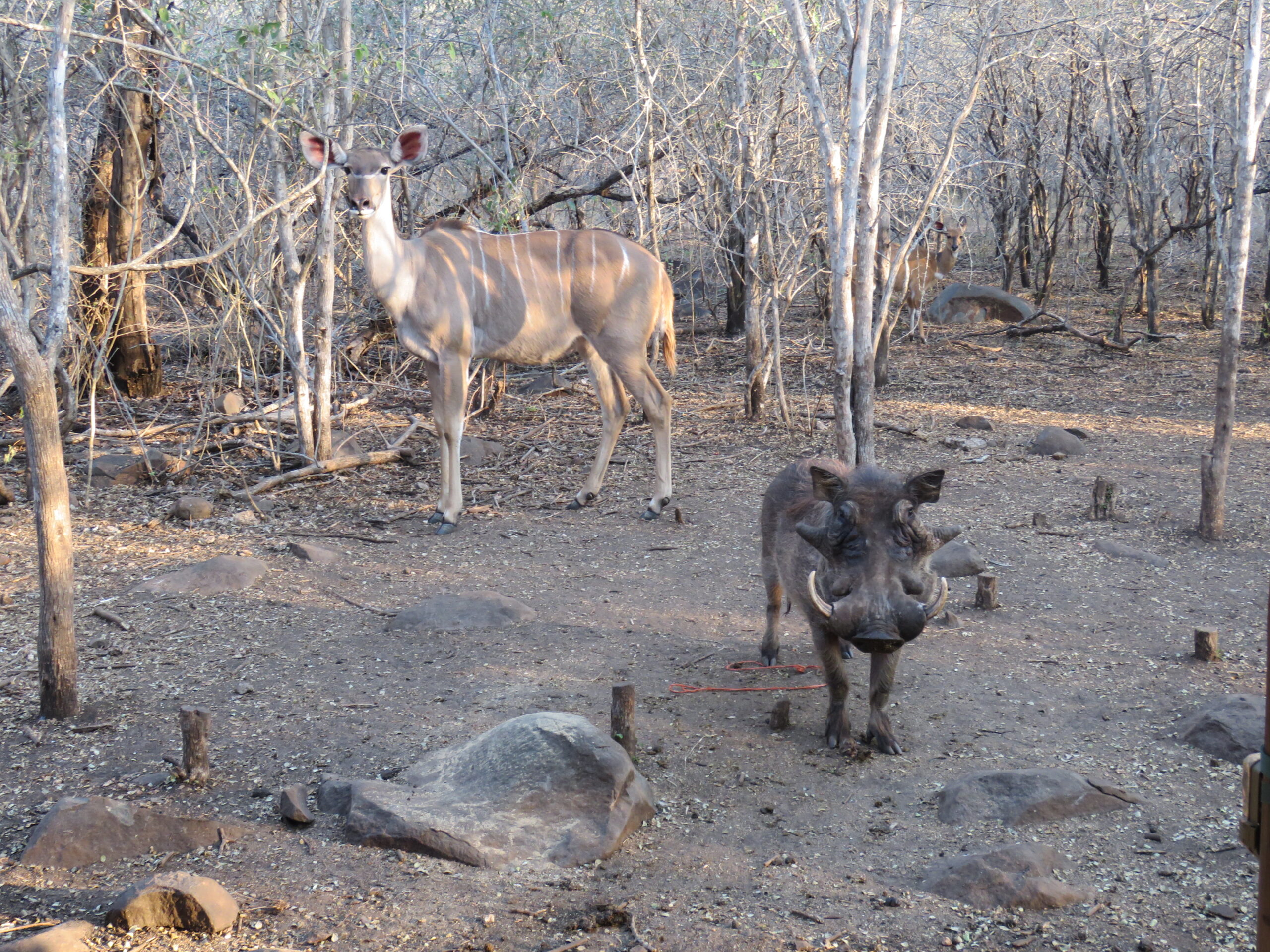
This is our favorite new warthog, Lollie, since her tusks are lopsided. She spends most of her days and nights in our garden. She already knows her name and comes when we call her.

However, like all of us,  we have stress in our day-to-day lives, and as a single mom, breadwinner, and business owner, I had my share. There was no escaping it. Now, I have little stress, living this blissful life, barring a few obstacles along the way.

If happiness results in a long life of good health, we should live until well into our 100s. I have this cardiovascular situation, but I know many who’ve had the surgery and have gone on to live long and full lives. I hang onto that hope, trying not to spend any  time thinking about having a heart attack, stroke or even another surgery. The worry alone could result in enough stress to impact the outcome. I choose not to go down that road.

Yet to be named baby bushbuck.

But, even with perfect health at 75, one’s days might be numbered. For me, it’s not about fear. It’s about passion for continuing to live this beautiful life with my loving partner, husband, and friend. I couldn’t ask for more. Nor could I ask for more meaning and purpose in our day-to-day lives.

Unabashedly, I admit that writing here daily is highly instrumental in enhancing the quality of our lives. Why is this the case? For many reasons, some are hard to explain. In part, it’s the magical process of seeing our lives in print each day. Who does that? We whine, cajole, praise, and critique everything we encounter along the way. This is therapeutic in a manner that is difficult to explain. It reduces stress once we have an opportunity to write it down.

Mom and baby bushbuck and perhaps an auntie or older sibling.

Often psychologists and therapists suggest patients write down their feelings and experiences. Could the benefit of this often prescribed undertaking have an impact on our lives as well? Being vulnerable and documenting our flaws and foibles provides a sense of reality that makes us look hard at ourselves and how we can improve as individuals and as a couple.

The profound sense of inclusion and support is a natural by-product of our daily postings. When I wrote about the chigger bites, countless readers wrote with suggestions. In one’s life, do they have such a pool of opinions from which to glean information? For us, it’s only a click away.

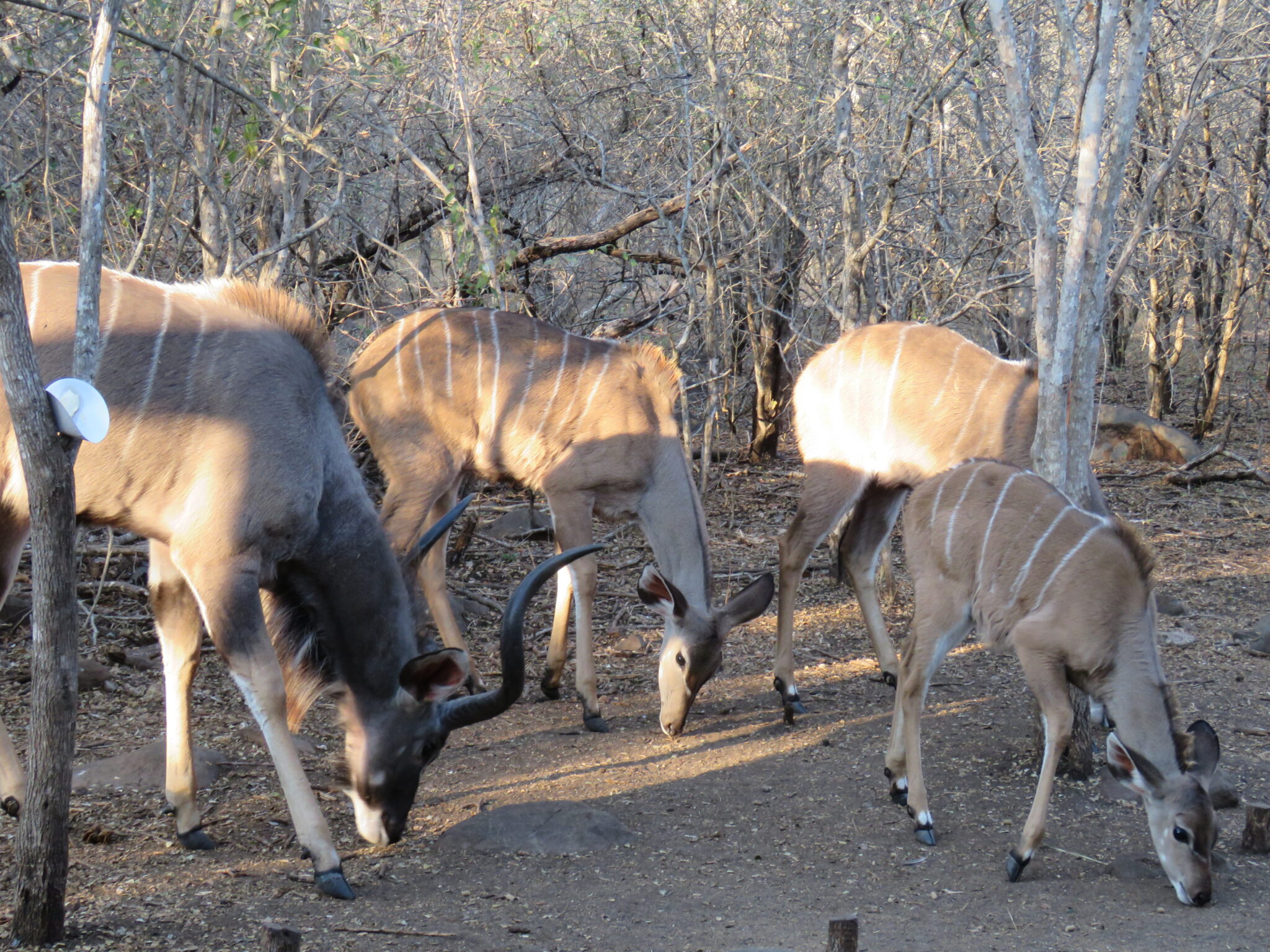
Kudus eating pellets in the garden.

We have a lot to learn. That will never change. But, learning in the senior years has been proven to add to longevity, mental acuity, and good health. Our lives are abundant in learning. Every single day we research information about our surroundings wherever we may be in the world.

You’d think after so much time in Africa; we’d fulfilled our desires for knowledge about this continent, its people, its cultures, and its wildlife. We haven’t experienced or learned more than a grain of sand on 100 miles of beach compared to what we could know after spending decades on the continent.

A young female kudu checks us out.

The secrets to longevity from the medical community are fraught with conflicting opinions, studies, confusion, and uncertainty. Eat this, eat that. Drink this, drink that. Red wine is good; red wine is bad. Oh, good grief. We are left to our knowledge and perceptions on what will benefit us in the long haul. And once we’re gone…well, we’ll have no perception then.

So, what do we do? For us, we consider our genetics and proceed from there. We implement that which makes us “feel well” and healthy. But, in reality, it may be as simple as “when your number is up, your number is up.” Perhaps it boils down to the quality of life. What does it take to make us feel good, living one day at a time? What does it take to feel content, fulfilled, and ultimately happy? Do that, not something else.

Be well. Be happy.

Photo from one year ago today, June 18, 2021:
Tiny and Bossy were waiting for treats. For more photos, please click here.

Last night’s change in plans…What’s a confusion?…

It’s a joy to see the nyala family stop by for pellets. Here’s dad on the right, son on the left.

Yesterday, we decided to go out to dinner, even though we’d be out on Friday night, as always, at Jabula Lodge and Restaurant. Since we returned almost a month ago, we hadn’t been to any other restaurants and thought a meal at Giraffe would hit the spot.

Their food isn’t as good as Jabula’s delicious dishes. Also, they only have one option on the menu that works for me, a salad with chicken and vegetables, which is tasty but not very filling. For an occasional bite to eat, it’s an excellent place to eat and drink for most locals and visitors.

They are muscular and appear to be in good physical condition.

We left the house at 4:00 pm, 1600 hrs., thinking we’d better get there early due to the holiday weekend. We didn’t plan to eat until 6:00 om, 1800 hrs., but it can be fun to sit at the long bar at that restaurant, too, especially when we run into people we know. Immediately upon entry, we found seats at the bar.

I ordered a glass of low-alcohol white wine, and Tom ordered a Castle beer. He prefers Lion beer, but it hasn’t been available locally in the past several months, most likely due to the after-effects of the pandemic. There were several TVs, and they all were tuned to a cricket game. It was a little loud. The environment didn’t fit our socializing goals, and an hour later, we were on our way to Jabula, where we knew we’d have a good time.

They tend to “eat and run.”

Well, of course, we did!  We were warmly welcomed by Dawn and David and felt as comfortable as we could be. The bar quickly became packed with every seat taken, and as always, we were included in multiple lively conversations. The evening flew by in a flurry of delightful interactions.

Around 6:30, 1830 hrs., we ordered our meals but gladly ate at the bar. It was too cool for our liking to eat on the veranda, and we often enjoyed continuing the banter while we ate our dinner at the bar, which many customers do. After dinner and more chatter, we decided to head back to our house to stream a few more episodes of Outlanders. We’re well into season five with only one more season to go. The final season seven is in the works to be released in six to eight months.

Nyala’s mom, Nina, wanders into the bush rather than partake of the pellets with dad and son.

By 10:15, 2215 hrs., we turned off our JBL speaker and the laptop and hunkered down for the night. We both slept well. Thank goodness, the nighttime coughing from having had Omicron has ended, and we’re both able to sleep much better. Overall, we’re both feeling great, a massive relief after being sick for over a month. In a few days, it will be two months since we first tested positive. It’s hard to believe so much time has passed.

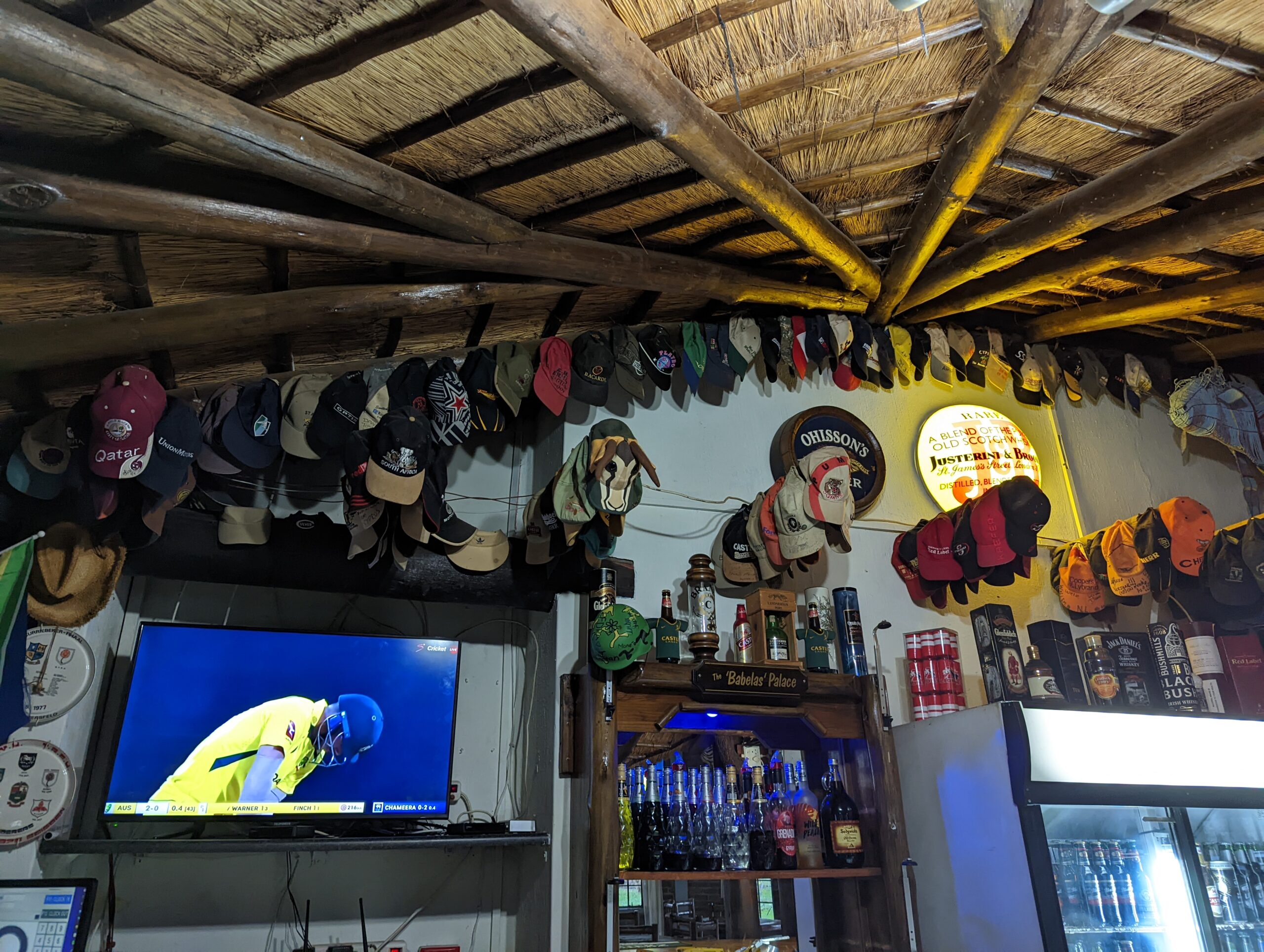
Inside Giraffe Bar with hundreds of donated hats on display.

With the holiday weekend, we’re seeing fewer animals in the garden today. But, we did get a lovely visit from the nyala family, with mom, Nina, Dad Norman, and baby Noah. It’s so sweet the way the three of them are always together. This is not the case with bushbucks, duikers, and other species when we seldom see a dad with the mom and baby. But the nyala family is a unit. It’s fun to see.

Often kudu moms and babies visit on their own, but occasionally we may see a group of kudus, known as a forkl, with moms, dads, and babies. We never see zebras or wildebeests with moms, dads, and babies, who group into a “dazzle.” Warthog dads don’t stay with the mom and babies. But, it’s fun to see impalas, known as a herd, with moms, dads, babies, and more family members in large herds. This morning a large family stopped by. They bark. It’s funny to hear.

Herd of impalas stopped by this morning.

Oddly, a group of wildebeest is called a ‘confusion” which may include both parents for some time. Then, the young males wander off into male bachelor groups, not unlike male Cape buffalos.

Ah, nature, it’s a wonderful thing. We feel blessed to be among it and all the wonderful people we meet along the way. And yes, although we went to Jabula last night, we’ll be going again tonight per our usual schedule. More fun to be had.

Have a fantastic weekend.

Photo from one year ago today, June 17, 2021:

The sun began disappearing on the horizon while we were at Amazing River View for dinner. For more photos, please click here.

Nighttime treasures…Daytime wonders…

Note: Whenever we do not post captions under photos, it is due to the fact they are self-explanatory.
Early this morning, we headed to Komatipoort to shop for groceries, fill the car with petrol, and make a quick trip to the liquor store to re-tock Tom’s brandy. I’d planned for a short trip to the pharmacy, but they were closed due to the holiday weekend, which officially started today.

Shortly after, on July 9, the school holidays begin, ending on July 24, during which many tourists will visit Marloth Park. The influx of visitors is vital to the support of this conservancy for the revenue generated for the shops, restaurants, and resorts, especially after the severe loss of income incurred during the lockdown due to the pandemic.

Many tourists who fall in love with the bush buy homes in Marloth Park to turn them into holiday rentals when they aren’t here to offset their operating costs. For some, this works out well; for others, not so much. This is where Louise and Danie come in…they own some houses and manage others, offering the most extraordinary customer service.

We enjoy the benefits of their exceptional customer service, but over the nine years since we’ve been here, we’ve been blessed to form a lifelong friendship with this special couple. We stopped by a few nights ago to visit them for sundowners during a power outage. But that didn’t stop us from having a great time.

We stayed a lot longer than we’d expected. Danie had put together some delicious low-carb snacks, and by the time we returned to the house with everything prepped for dinner, neither of us was hungry enough to make the dinner we had planned. Instead, we had it the following night.

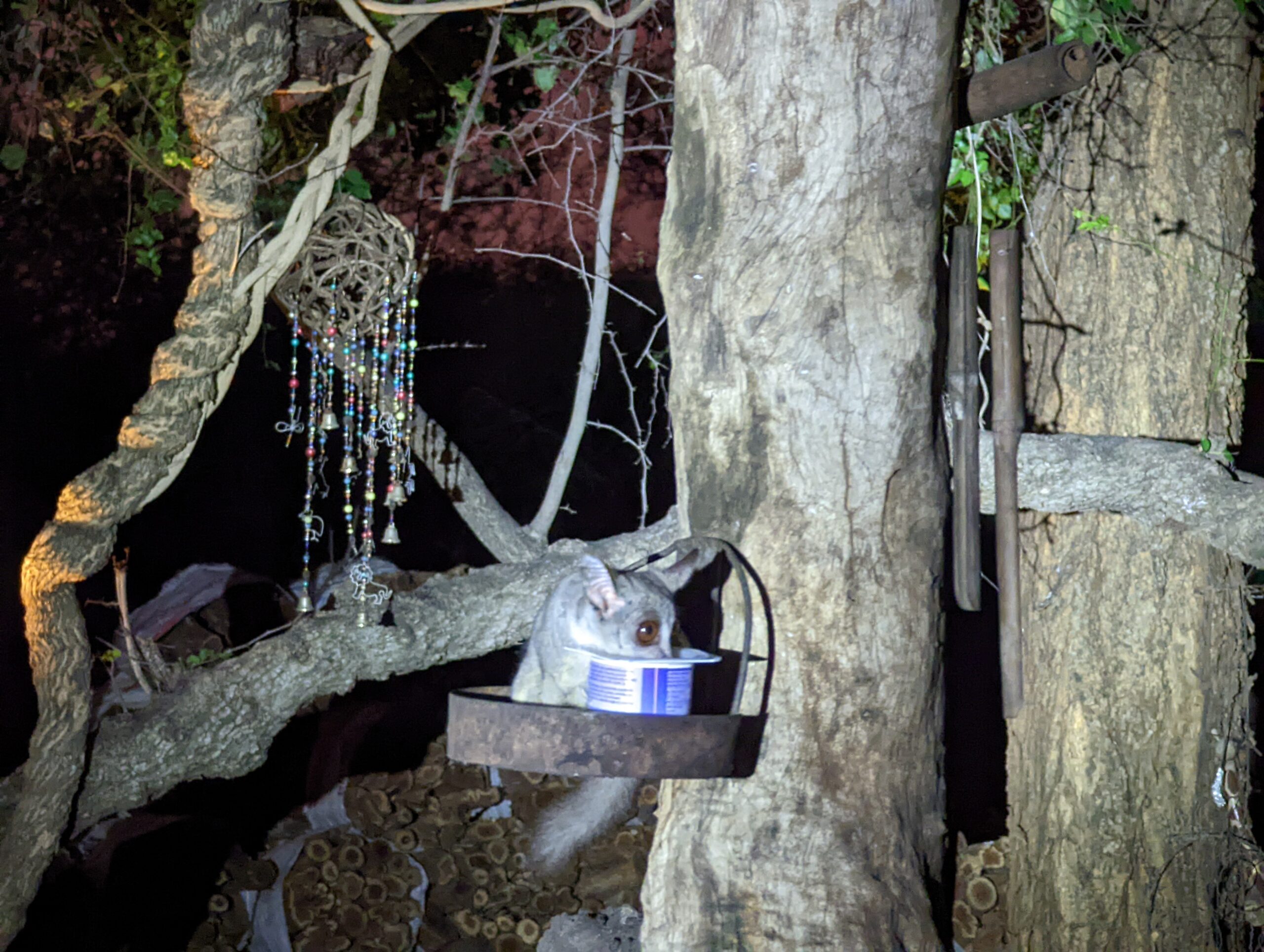
While outside on their veranda, candles lit our surroundings while the power remained out; we had an extraordinary time. The animals were in abundance while we particularly enjoyed their two-tiered bushbaby stand, on which Louise placed little yogurt cups. Bushbabies love fruity yogurt. We’d recently had the same experience at our place, but I hadn’t taken photos.

The photos we’re posting today are those we took at their house of the bushbabies. What a pleasant evening was had by the four of us. We always enjoy the special evenings we spend with the two of them, as we do with all of our beautiful friends in Marloth Park.

Many dear friends are not here now, such as Kathy and Don, Janet and Steve, and Lynne and Mick. Hopefully, we look forward to their return sometime in the next year. Only a few of our close friends rent their homes when they are away. People watch their houses in their absence, and all have comprehensive security systems.

On another note, I am getting fewer bites from sand fleas. Tom sprays the bedroom every evening when we’re out of the room, I wear repellent around the clock, and lately I’ve been eating lots of garlic as recommended at several sites. I told Tom to tell me if I smelled like garlic since eating an abundance of garlic causes it to seep through the skin and breath. It is this very process that may repel mosquitos and other biting insects.

It’s not so much that the biting flies, fleas, and mosquitos don’t like garlic or even DEET. It is just that these substances mask the smell of carbon dioxide, as stated in this article from this site:

“Eating garlic offers mild protection from mosquitoes, both from the odor on your breath and sulfur compounds that you emit through your skin. The smell of garlic is known to repel mosquitoes. For example, you can buy garlic sprays in your garden if you don’t mind the yard smelling like an Italian restaurant. Smearing your body with garlic-scented lotion is apparent, although it will probably repel more than just mosquitoes. Eating garlic may also give you some mild protection from the odor on your breath and sulfur compounds emitting through your skin when you eat garlic.”
Lately, unaware of this fact until now, I have been craving brussels sprouts. Knowing this new information explains why I have been craving this less-than-popular cruciferous vegetable. They are high in sulfur. Gee…our bodies are amazing at telling us what we need. I hope my roasted brussels sprouts, made with tons of fresh garlic, are keeping the biting insects away. I hope I don’t leave the toxic smell of garlic around Tom and other humans. We’ll see how it continues to go.
That’s t for today, folks. We hope you have a great day.

Photo from one year ago today, June 16, 2021:

Our friend Frank, of Frank and The Misses, francolins, had a self-tour of our house, including the kitchen. For more photos, please click here.

In the past almost 10 years of world travel which National Parks have we visited in Africa?…

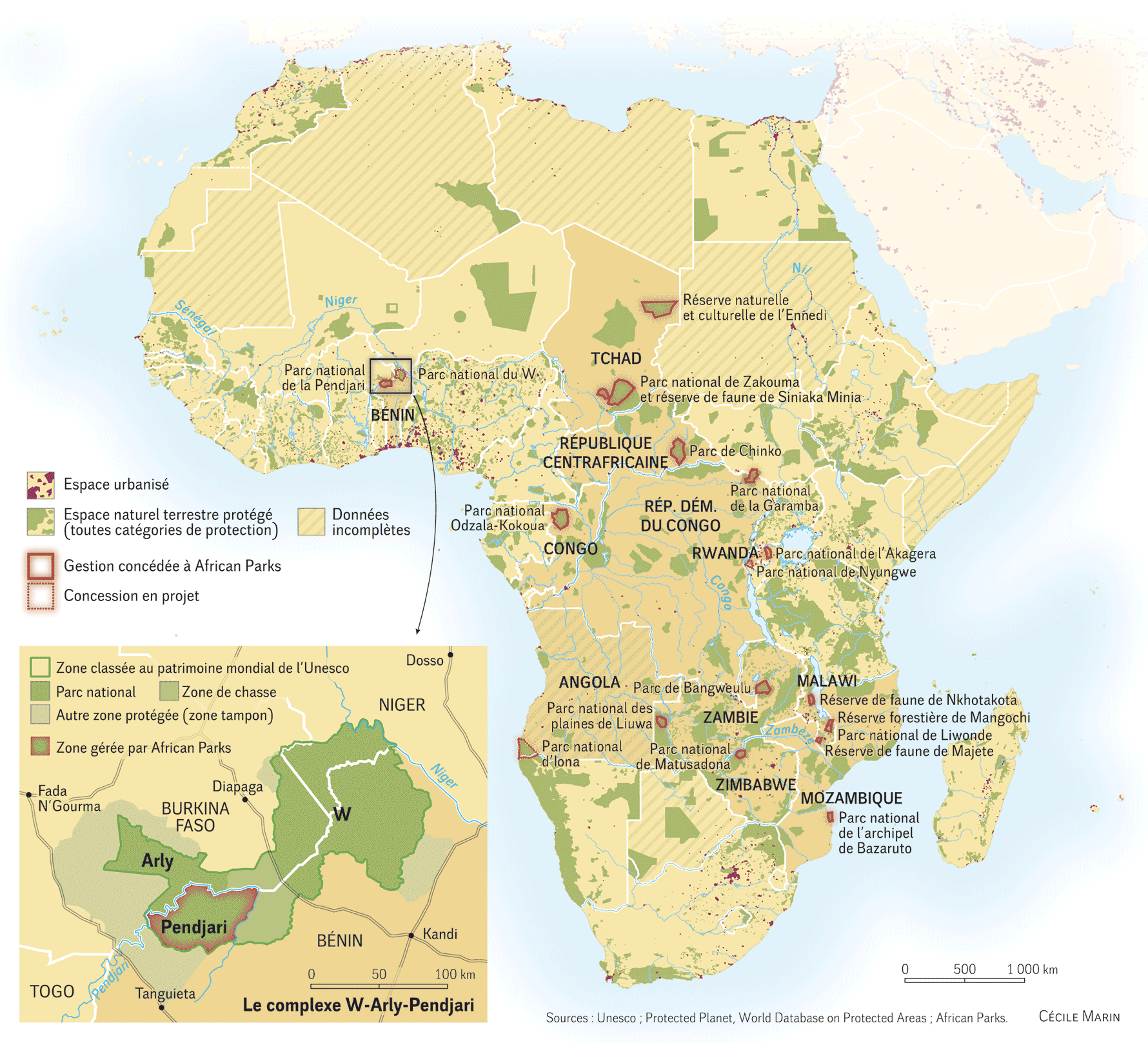
Map of national parks on the African continent.

Best  National Parks in Africa’s Top Safari Countries from this site:

  1. Masai Mara National Reserve – Kenya

  2. Serengeti National Park – Tanzania

  3. Chobe National Park – Botswana

  4. Kruger National Park – South Africa

  5. Etosha National Park – Namibia

  6. South Luangwa National Park – Zambia

  7. Hwange National Park – Zimbabwe

  8. Queen Elizabeth National Park – Uganda

  9. Liwonde National Park – Malawi

When we review the above list of African national parks, we cannot help but smile. Of course, we’d love to have visited each of these national park, and perhaps we will at some point. But, at this time, we’ve been to six of these nine top locations, which are highlighted in bold type.

Besides Africa, we’ve been to three national parks in India from this site, including:

1. Kanha National Park

2. Bandhavgarh National Park

3. Kaziranga National Park

4. Nagarhole National Park

5. Ranthambhore National Park

6. Periyar National Park

7. Gir National Park

8. Sunderbans National Park

9. Nanda Devi Biosphere & Valley of Flowers National Parks

10. Jim Corbett National Park

Again, those we visited in India are highlighted in bold type. As shown, in the case of India, we’ve been to three out of ten, and we doubt we will return to see the others.

When we say “visited” national parks, we mean having been on safari in each of these national parks. While on the last cruise, another passenger asked how many safaris we’d been on. We haven’t kept an exact count, which I wish we had at this point.

But, based on a reasonable estimate, we’d say it’s no less than 200 or 300. And yet still, we revel in the excitement of “one more time.”  Many of these safaris were with a guide. In India, our private tour of the country included our private safaris with a driver and our guide, which occurred in Kanha National Park and Bandhavgarh National Park where on both occasions we saw the elusive tigers.

We were on safari in Ranthambhore, hoping to see the Bengal tiger but that was in a group tour while we were on the Maharajas Express Train with about 20 passengers. It was, by far, our least favorite of all guided safaris when we saw very little, certainly not a tiger, and the driver drove too fast. One of the passengers was injured, falling out of her seat. This story is detailed in our post from that date here. This post also includes our final expenses from the luxury train adventure.

But, besides that less than stellar experience, we’ve enjoyed ourselves every time. Probably, we’ve done self-drive safaris considerably more than guided safaris. We’ve been on many guided safaris in Kruger National Park, which in some cases had resulted in the most sightings, particularly one of our favorites when we experienced the Ridiculous Nine as opposed to the Big Five. See our link here.

The Big Five is often a goal for first-time visitors to Africa and many safaris later for some. The Big Five sightings consist of the following: rhino, lion, elephant, leopard, and Cape buffalo. Sure, we love seeing all these majestic animals, but we’re long past that goal. We are grateful to see whatever treasures Mother Nature bestows upon us on any safari in a national park.

And “safari luck?” We coined that phrase years ago when we found ourselves lucky on safari and at other times in our world travels. Yes, we’ve had some ups and downs, most recently with our unpleasant experiences getting Covid -19 on the first cruise, having to cancel the second cruise, and later becoming ill with salmonella when we first arrived in Marloth Park.

But now, we feel our safari luck is returning with the plethora of animals visiting us at this house, and surely when we soon head to Kruger National Park for more adventures.

Be well.

Photo from one year ago today, June 15, 2021:

It was a busy morning in the bush. For more photos, please click here.

Bird watching in the morning!…Delightful first time sighting…

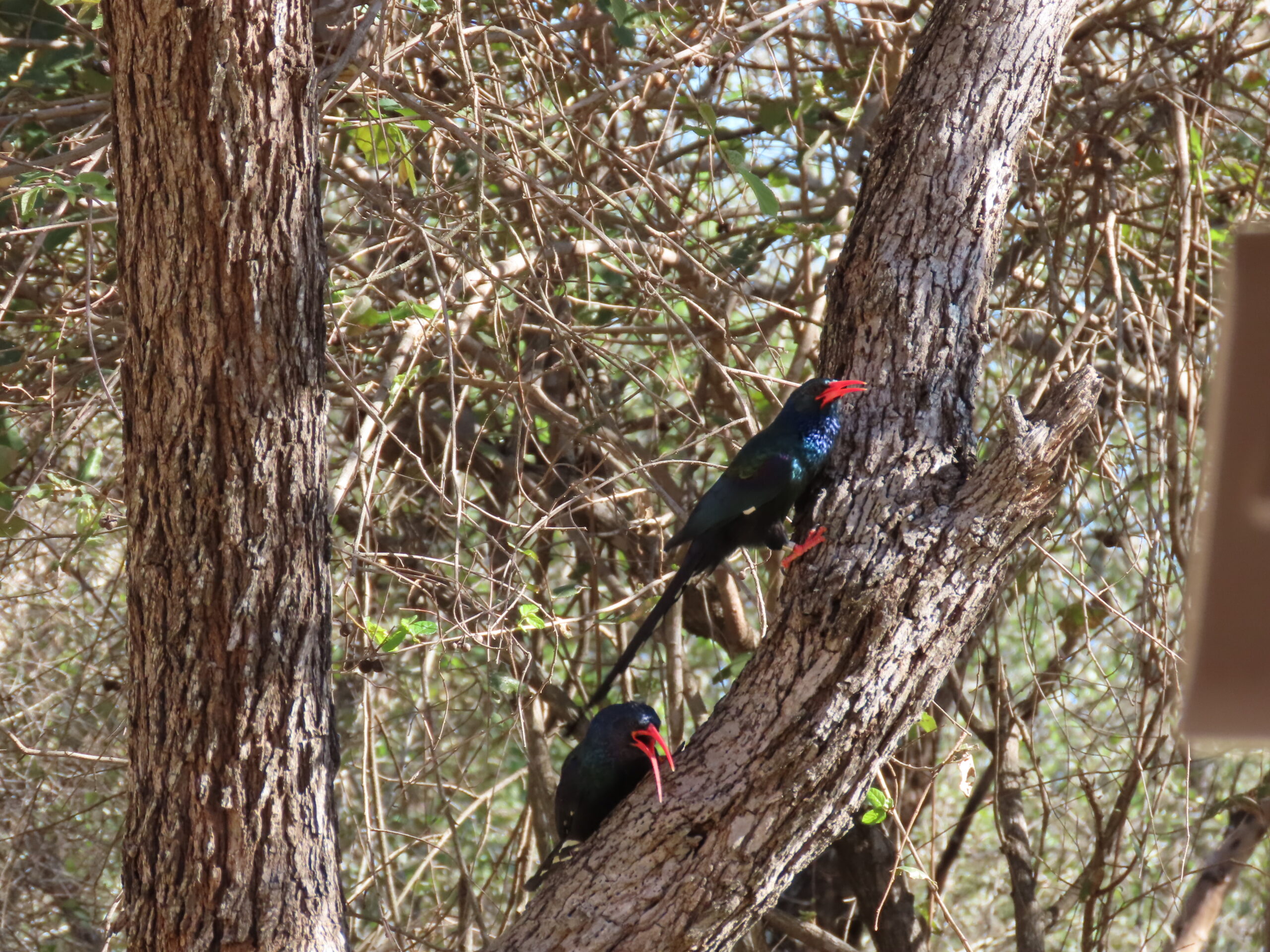
When we spotted the white marks on this bird’s feathers, we wondered about these rectangle-shaped markings on his feathers.

A band of about 40 mongooses arrived as we began today’s post. Last night, we had rib-eye steaks on the braai that proved too fatty for our taste. We ate some of the meat but left lots of meat and fat on the bones. Guess who loves fat and meat besides, South Africans? Mongooses. As carnivores, they love when we offer them meat of any kind. We always make sure the meat is fresh and safe for them to eat. We don’t keep leftover meat for more than a few days.

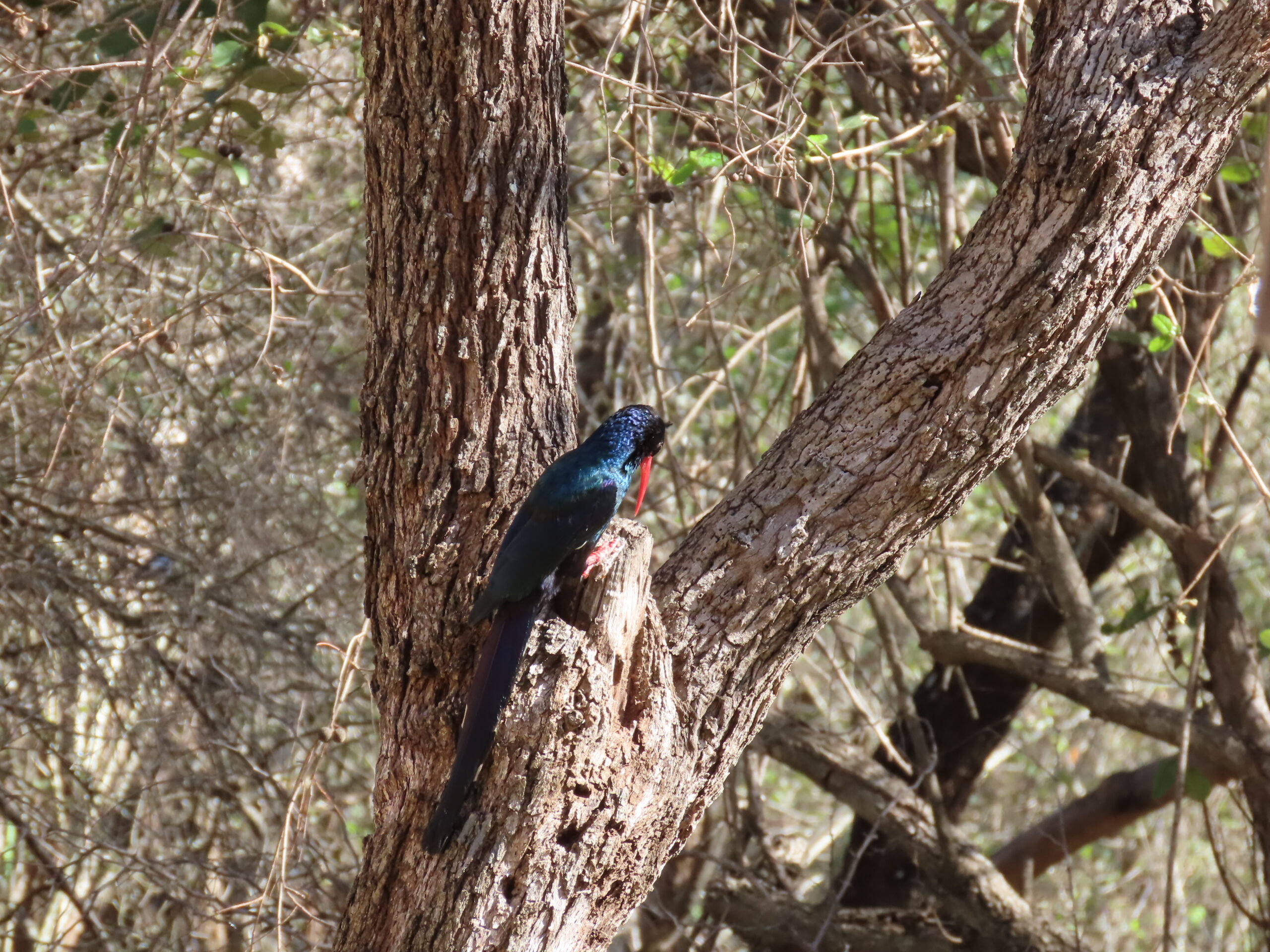
Zoom in to see detail on this fascinating bird, a green wood hoopoe. It’s called green based on the luminosity when the sun hits it. Due to its red/orange bill and feet, it’s also a red-billed wood hoopoe.

Now at almost noon, we’ve had a busy morning. Lots of animals stopped by, including six zebras. We’d hoped to go to Kruger National Park this morning but decided to go tomorrow instead. We had some tasks we wanted to accomplish today. Also, I prepped dinner for tonight and tomorrow night, so we’ll be good to go first thing in the morning.

Like a woodpecker, he pecked at the tree to find worms and insects. He was successful and found a worm sharing it with his mate.

It’s been a gorgeous day since I started walking today, and I am also doing steps, one flight at a time. It will take about three weeks to get back to my former goal of 8,000 – 10,000 steps a day. Plus, I plan to do ten flights of stairs daily, which will further enhance my stamina.

He was determined to get a snack out of this tree.

Since this property is much larger than the last holiday home, it will be easier to get in the number of steps by walking around the grounds and into the house. Still, I don’t feel comfortable walking on dirt roads with countless potholes and uneven terrain, which could easily result in a fall.

Taking photos was tricky since the movement of any type would send him and his mate on their way.

Sunday morning, while we sat at the table on the veranda, we noticed many birds flying around the garden.. There were the usual oxpeckers, hornbills, and white crested-helmet shrike. Still, we stopped dead in our tracts when we spotted a bird neither of us had ever seen in South Africa or any other African country.

He was intent on finding something in that hole.

Immediately, we started researching online to find the name of the bird which is shown in today’s photos, a green wood hoopoe, also known as the red-billed wood hoopoe, described as follows from this site:

“An elongated, metallic-green-black bird with red feet and a long, decurved, red-orange bill. Juveniles have dark bills but are often in the company of adults. It flies heavily, with the long, floppy, white-tipped tail dangling behind. Pairs and groups of up to 14 birds are highly social, occupying savanna, woodland, riverine forest, and gardens, where they nest and roost in natural cavities. Clambers in trees, probing bark and crevices for insects and small vertebrates. They communicate using a strong cackling chatter that sounds maniacal. The almost identical Grant’s and Violet woodhoopoes (with which it sometimes hybridizes) differ from Green Woodhoopoe only by having a coppery-purple (not glossy greenish) metallic sheen.”

The mating pair, who mate for life, were together on the tree. He fed her a worm.

This bird is not endangered, but after all of the time we’ve been in Africa, we were surprised we hadn’t seen it in the past. It was exciting to watch it pecking at the inside of the tree, as shown in the photos, and finding a worm he fed to his mate, who joined him on the tree. We couldn’t get the camera since we knew if we did so, they would fly away, so we missed that special photo op.

However, once we grabbed the camera off the dining room table and sat back down at the veranda table, we were thrilled to get the shots we were sharing today. What a fantastic sighting this was for us both. Immediately, we put out bird seeds which the woophoe and the hornbills seemed content to share.

This is a hanging bird feeder on a pulley line used to prevent monkeys from getting the seed. But it’s not foolproof, as we observed last week when a monkey made its way across the line and ate all the seeds.

No, we don’t have a Frank here, which is disappointing. But, perhaps we’ll “build relationships” with other birds visiting. Every creature, big and small, has a special meaning to us, whether it’s an insect, a rodent, or a massive beast. They all are unique and exciting.

We’ve always enjoyed watching hornbills, widespread birds in Africa, but they are somewhat entertaining.

We’re cooking lamb for me and bacon-wrapped pork tenderloin for Tom, with rice for him, avocado slices for me, and salad for us both. Since Tom’s weight is holding and he’s feeling well, I used up the remainder of the bananas to make him coconut banana bread, a recipe from our old lives. It’s slowly baking in the oven now in a springform pan I found in the back of the cupboard.

All is well here. Gradually, we’re regaining our strength and stamina and are grateful to be feeling better.

Be well.

Photo from one year ago today,  June 13, 2021:

Our friends, Rita and Gerhard, with their new “bakkie.” It was a very smooth ride! We look forward to their return to Marloth Park in months. Last New Year’s Eve, they surprised us and showed up at a party we attended. For more photos, please click here.

Fun and very late night in the bush…Zebras!!!…

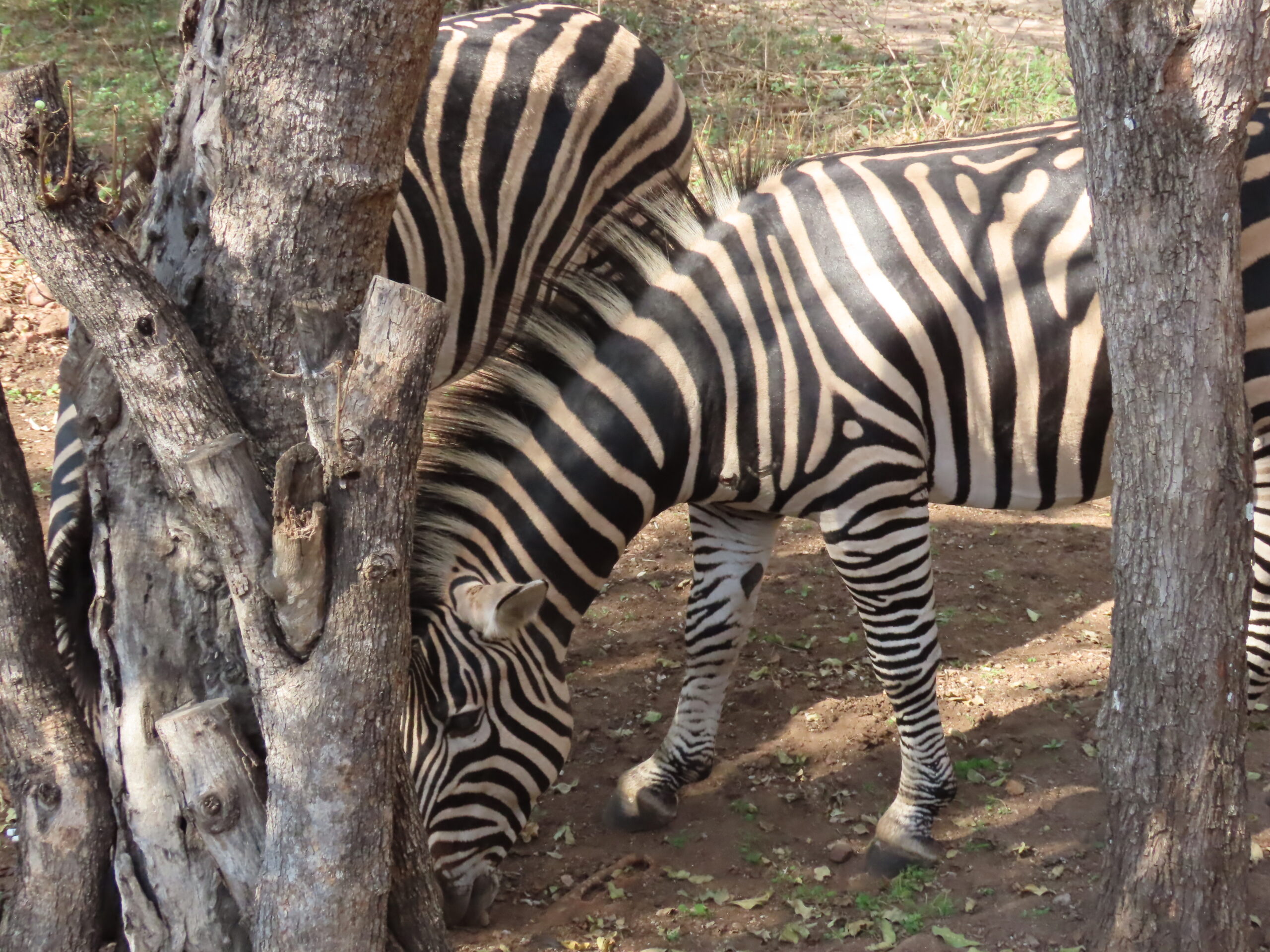
Note the cute marking on this zebra’s left upper leg, a perfectly formed polka dot.

Today, I had planned to write about wildlife being killed on the road by speeding visitors and residents. But, when I saw the photos of the kudu that had to be shot when its legs were broken from being hit by a speeding car on Olifant Road, I decided not to post them. It’s heartbreaking.

As the season moves into school holiday time with more and more tourists visiting Marloth Park, this issue becomes more and more worrisome. Every weekend several animals are killed. This is terrifying for those who treasure every being in the park that we are blessed to enjoy. These poor animals deserve to live out their lives free from harm by humans.

This is the same zebra, as shown above, that has the polka dot marking on its upper left leg. How cute is that!

We know many of our readers are visiting our site who live in South Africa and many other countries whose citizens come here to experience the joys of living in the bush, even if it’s for only a few days. Please, tourists, consider the lives of these fantastic creatures and come here with the intent of sharing in their beauty and majesty by driving slowly on all of the roads, including Olifant Road, the paved road, and all the dirt roads.

Last night, friends Alan and Fiona came for sundowners at 4:30 pm, 1630 hrs., and stayed until after 1:30 am. By the time we cleaned up and got to bed, we didn’t drift off until after 2:30 am. Fortunately, we both slept until 8:30 am and feel pretty good today. Six hours of sleep isn’t enough, so that a short nap might be on the agenda this afternoon. Twenty minutes is all it takes to make us feel refreshed.

This zebra was being pushy with me about tossing more pellets. I complied. I can’t help myself!

In any case, we had a great time catching up with our dear friends. We hadn’t seen them in seven months since they left here to go to the Durban area and several timeshare properties in other regions of South Africa. It was great to see them again. They will be leaving again in September, but surely we’ll see them many more times over the winter.

The food, the wine, and the lively conversation flowed easily, as it always does with our bush friends, some from here and others from different parts of the world. The commonality we share of our love and fascination with wildlife and the unique lifestyle of living in the bush brings us all together in a magical way, unlike anything we’ve observed anywhere else in the world.

Undoubtedly, that fact is highly instrumental in our desire to return here, over and over again. As we always say, over and over again, life in the bush is magical based on its people and wildlife, a perfect combination for joy and adventure. It’s never dull. No, it’s not always an adventure, but invariably something comes up that grabs our attention and interest.

The zebras walked around the garden to drink from the pool.

Louise and Danie stopped by this morning. We’ve been having some trouble with the inverter, which provides us with an opportunity to use a lamp and fan in the bedroom during power outages. But, more importantly, during outages and load shedding, we can use WiFi since the inverter provides power to the router.

This way, when the power is out, we can still stream shows on our streaming services, Netflix, Hulu, and Amazon Prime. Otherwise, it can be dull at night in the dark without power. We can’t see any animals stopping by; the only distraction would be dumb offline games on our phones. Plus, after a while, the phones go dead.

With the inverter, we can charge our devices, stream shows and be in the bedroom with one lamp working. Running a fan at night is the difference between sleeping and staying awake in the heat when it’s hot in the summer.

Tomorrow, Danie will return and resolve the inverter issue, and we can continue to have peace of mind. For the past two weeks, there hasn’t been any load shedding, but surely, it will start up again soon, which is always the case.

Today, we’ll dine in, cooking two rib-eye steaks on the braai, rice for Tom, steamed green beans, and salad. It’s an effortless dinner on a lazy day.

Enjoy your Sunday!

Photo from one year ago today, June 12, 2021:

Little and some friends. For more photos, please click here.

Contrary to popular belief, there still are snakes slithering about in cold weather…Last few night’s trailcam treasures!!!…

There are no captions on today’s photos. They speak for themselves!

Many locals and visitors to Marloth Park perceive that they won’t encounter snakes in cold weather. But, this is not the case, as illustrated below from local Juan de Beer’s Facebook entry, which he posted yesterday. Juan is a young, highly skilled rescuer of reptiles and other animals found in the bush and nearby outlying areas.

It astounds us how successful and experienced he has been. We knew him when he was a teenager, and many of us here in Marloth Park feel safer knowing he is at our beck and call if we encounter a snake in the house or on the veranda.; Of course, if a snake is spotted in the garden and wandering off, there’s no need to call Juan.

Snakes and other reptiles are a part of Marloth Park and have as much a right to be here as we do, if not more. They were here long before humans inhabited this area. It is sad to see snakes driven over by vehicles on the roads and the countless wildlife killed on the roads here. More on that tomorrow. We were horrified to read the latest update on how many animals have been killed on Olifant Road, the main paved road in the park, in the past week.

So, here is Juan’s update on how many reptiles were captured and transferred to parkland and wildlife areas in the past two months, and June isn’t even over yet.

Juan’s Reptile Rescue

April and May 2022🐍🦎 🦂🐊

Rescue’s for this month from the Unit⚠️☠⚠️
1.Black mamba= 25
2.Puff Adder= 24
3.Mozambique Spitting cobra= 25
4.Rock Monitor= 17
5.Spotted bush snake= 14
6.Eastern Tiger snake= 1
7.Common wolf snake= 1
8.Olive grass snake= 2
9.Boomslang= 7
10.Southern Twig snake= 2
11.Southern African python= 1
12.common file snake= 1
13.Brown house snake= 4
14.Crocodile= 1
15.Chameleon= 1
16.Marbled tree snake= 1
17.Eastern bark snake= 1
18.Tree agama= 1
19.Short snouted grass snake= 1
Rescue’s in total ~ 130
Juan’s Reptile Rescue Unit 🐍🐊🦎🦂🕷
Safe removal and release of all Reptile’s❗❗
(Marloth Park, Kruger National Park, Komatipoort, Hectorspruit and surrounding area’s)
Juan’s Reptile Rescue Unit:
060 665 5000📲
Available 24/7
No charge for a call out❗❗
To know that he rescued 25 black mambas, one of the most dangerous snakes in the world, leaves one a little more cautious when walking in the garden, on the dirt, in the bush, and even in the house. When snakes seek warmth, they may enter the house. We’ve heard stories of highly venomous snakes being rescued from homes on many occasions.
Of course, we must remain vigilant every day and evening, keeping doors closed, especially since the veranda is on ground level. We keep our bedroom door closed, day and night, mainly to keep mosquitoes and other insects from entering. But, this measure is also vital to keep snakes from entering a bedroom that may have snuck into the house when occupants weren’t watching.
We shout out to Juan and the other reptile rescuers residing in Marloth Park and surrounding areas, who also provide superior support and handling in this area.
Here’s some good advice for anyone who encounters a snake such as a black mamba or many others:
“Black mambas are territorial, so don’t go looking for a fight. If you see or hear one, leave it alone. Do not go near the snake; if it tries to escape, let it. If it feels cornered, you’ll face its wrath.”

There are countless reliable sites online that can be useful regarding safety when encountering snakes or other dangerous reptiles. For example, this site from Kruger National Park is a good source of information, as many others. For those living or staying in Marloth Park and other conservancies and camps in Africa, it’s imperative to conduct research and become educated on safety around all forms of wildlife, even those who appear to be gentle and non-combative.
Enjoy today’s photos from our trail cam taken over the last few days. We were thrilled to see the visitors that arrived when we were either inside making dinner or later in the evening, during the night or in the early morning.
Be safe. Be well.

Photo from one year ago today, June 11, 2021:

Tom stayed busy for quite a while tossing pellets to these five wildebeests. For more photos, please click here.

Part 3…This house…

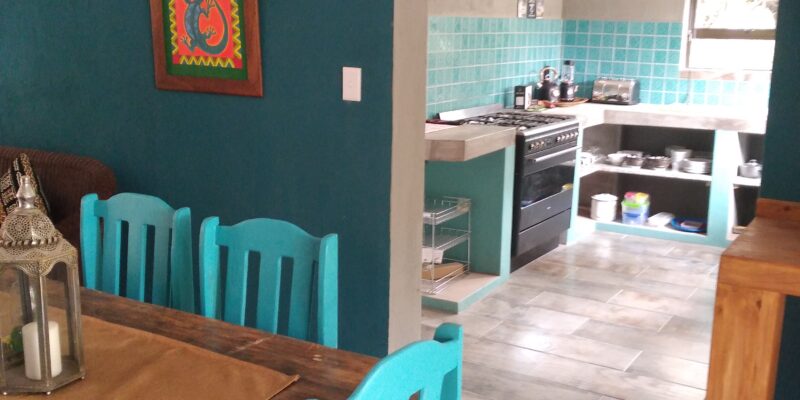
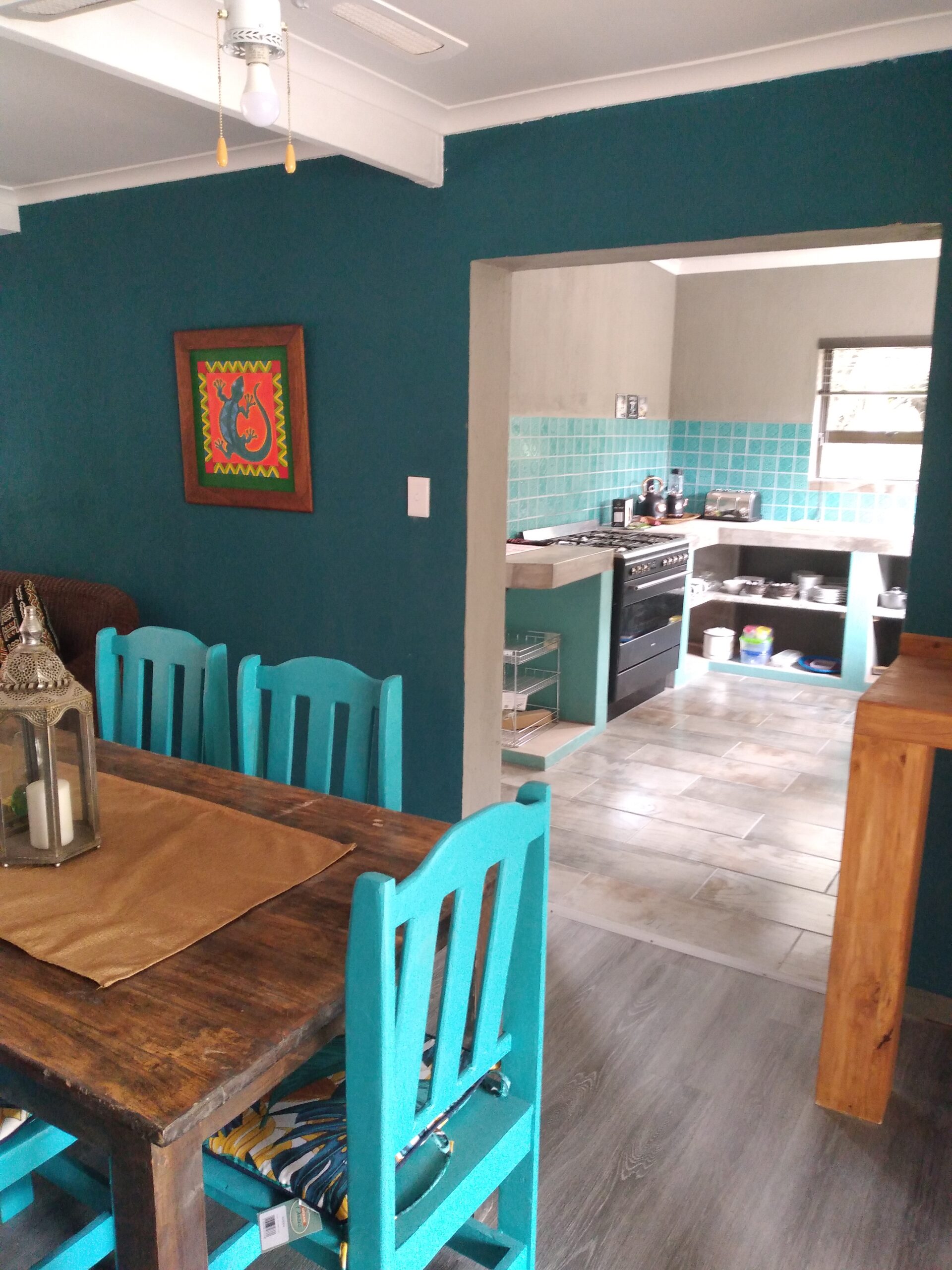
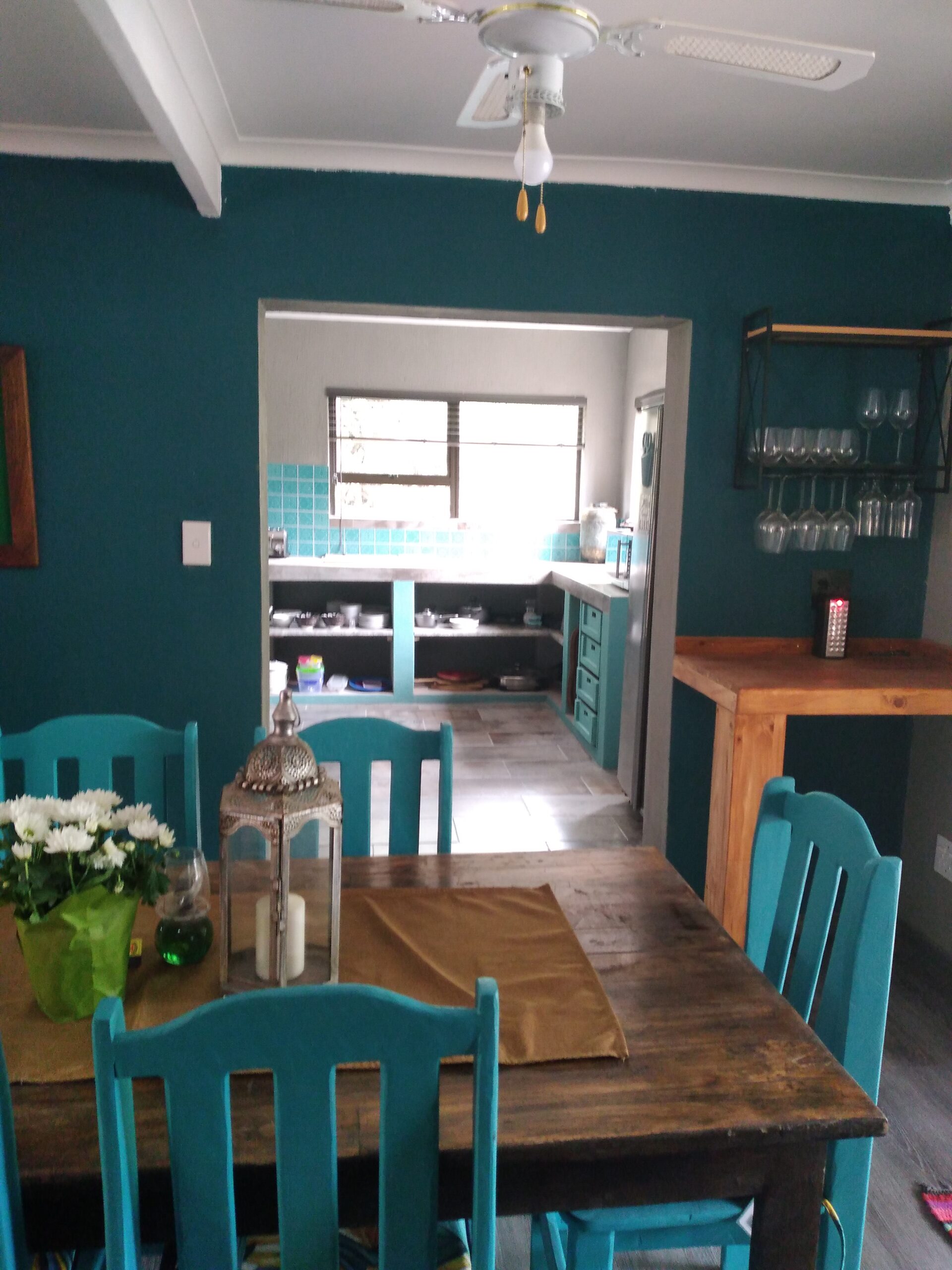
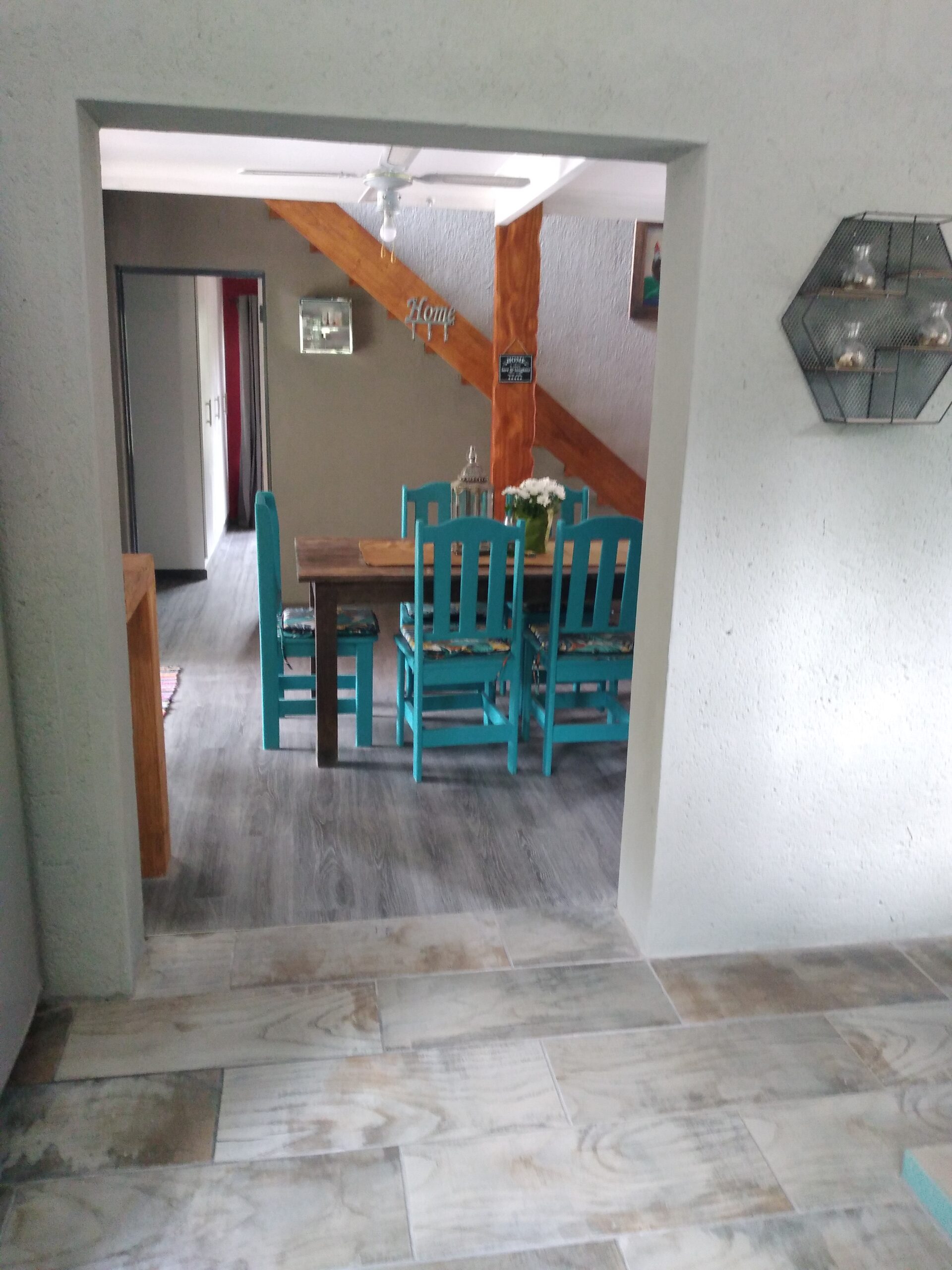
View from the dining room to the kitchen.

It’s been a busy morning. Many animals came by for pellets, mainly warthogs and kudus, including an adorable baby kudu, perhaps less than a month old. We don’t have a birdbath at this house, but most wildlife drink from the pool. When summer is sweltering, we’ll put out a pot of water for the mongooses, warthogs, and birds who can’t partake of the water in the splash pool. The mongooses and warthogs can’t reach the pool, and the birds don’t seem interested in drinking from a pool.

Another view from the dining room to the kitchen.

Very little chlorine is used in private pools in Marloth Park since it’s common for the wildlife to drink from them. We never use splash pools when we prefer a normal-sized pool and aren’t interested in languishing in a pool of water filled with a wide array of “bush” things. Zef and Vusi clean the pool regularly, but they have no control over the dust in the air, falling leaves and debris from vegetation, dead scorpions, and other insects that may fall in day and night.

As we sit on the veranda, day after day, we’re in awe of what treasures may appear at any given moment. Whether it’s birds, rodents, lizards, snakes, or the many other animals that come to call, we never tire of seeing them. Plus, it’s extra exceptional living in this house which abuts the parkland, and we have even more expansive views than we had at the last house.

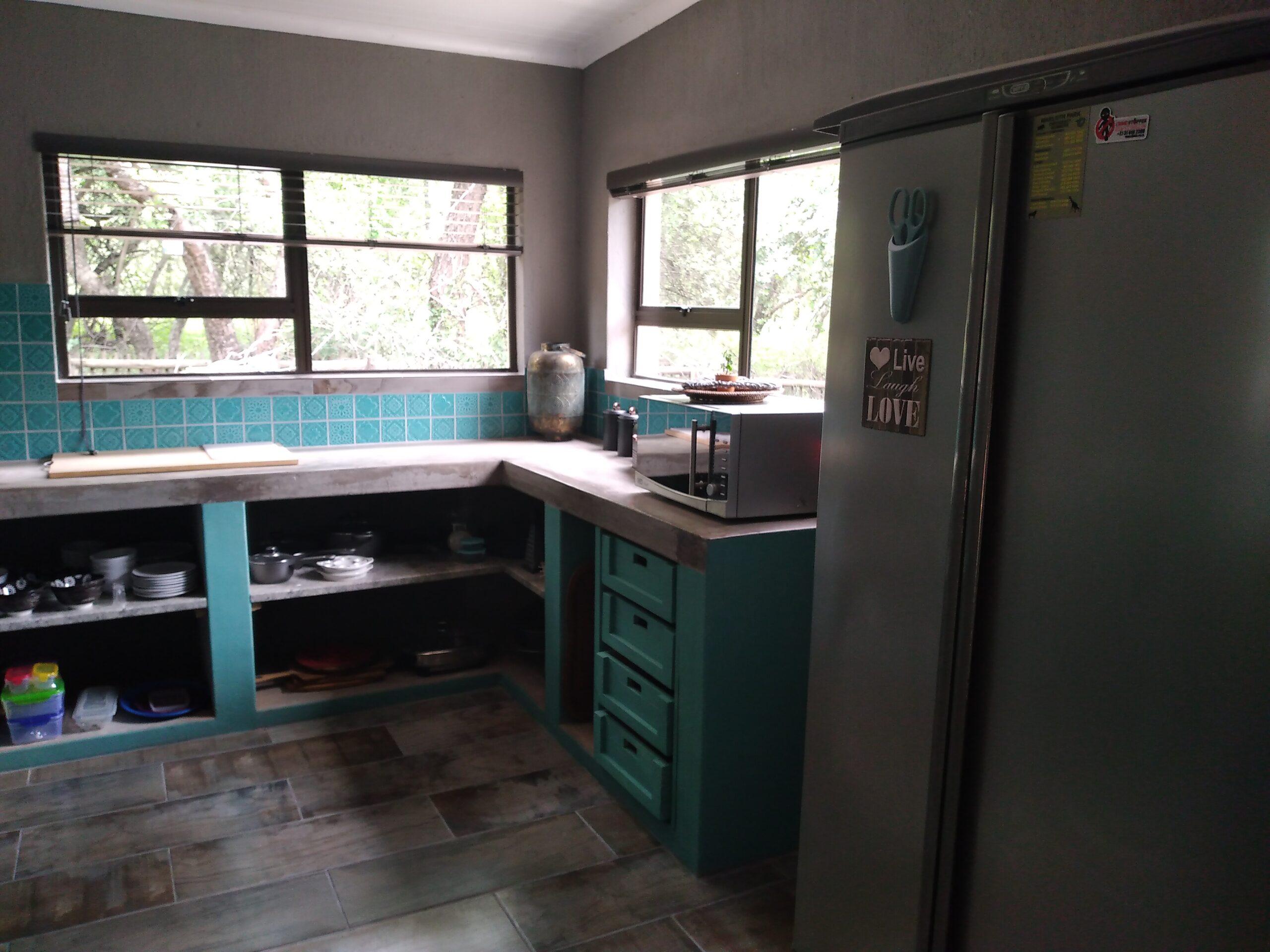
We are thrilled with this colossal refrigerator, twice as big as the last house.

Don’t get me wrong, we loved that location, but the house was small, although it had all the needed amenities. But, here, it’s entirely different. A few years ago, Louise and Danie lived in this house before they built the Marloth Park Info Centre, to which their current home is attached.

Theirs is a fantastic house, and we see many personal touches they incorporated into this house when they remodeled it, serving us well right now. The only peculiarity is the lack of electric outlets and conveniently located light switches. But that is typical in Africa. In South Africa, there aren’t the regulations we found in the US requiring so many outlets in each room, based on its dimensions.

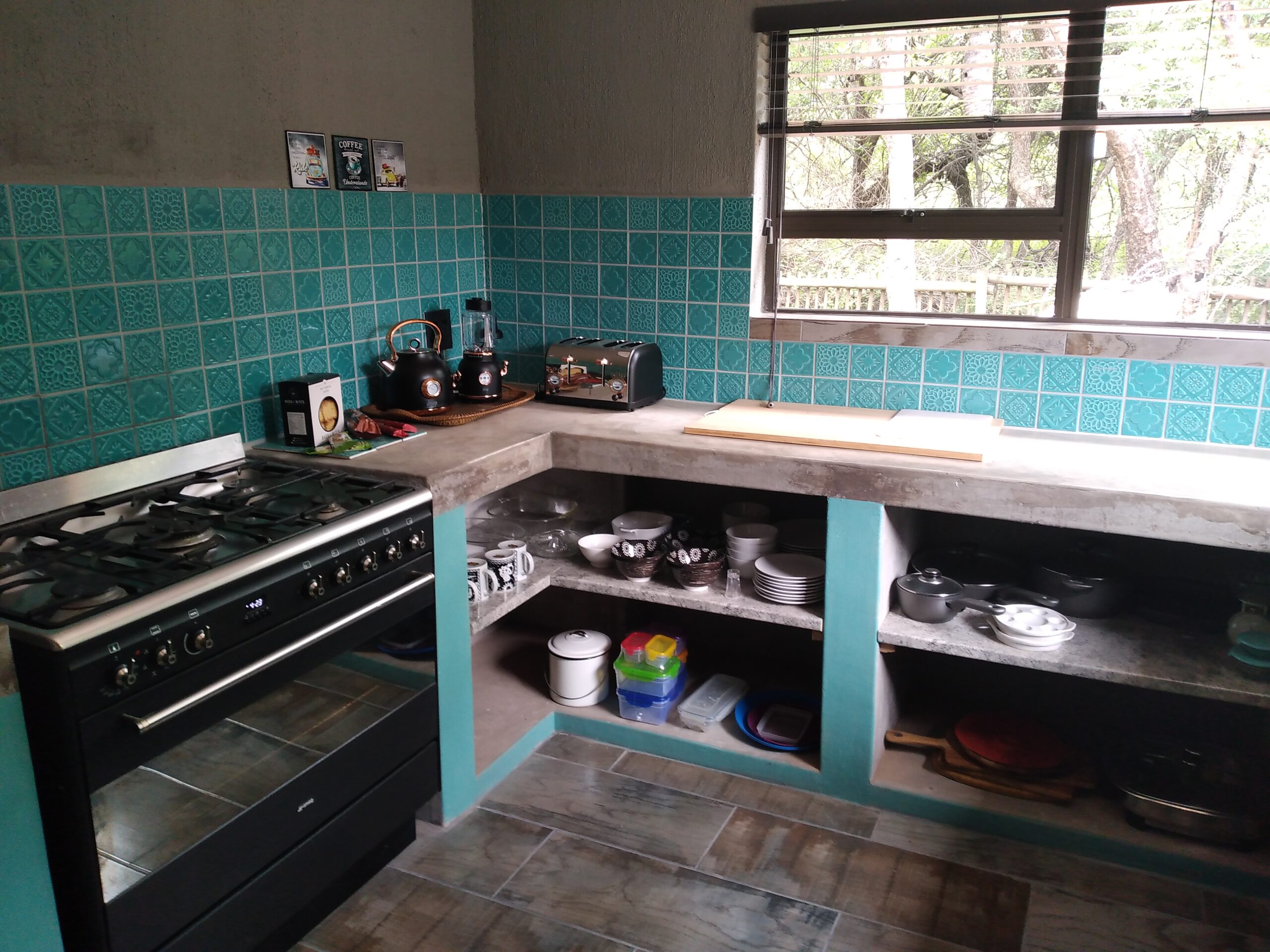
This huge oven is a real plus for us since we oven-bake.

The electric plug-ins here make using small appliances very tricky. Many small appliances such as mixers, hair dryers, and blenders have different types of plugs, none of which work for our bevy of adapters and converters. But, somehow, we figure it out and manage to use what we need.

We’re grateful to have a food processor, blender, hand mixer, and several types of coffee-making devices. Tom uses the French press for his coffee, and I use decaf coffee crystals with hot water from the teapot, which surprisingly makes excellent coffee. After living in India in a hotel room without laundry facilities, we’re grateful to have a good quality washing machine.

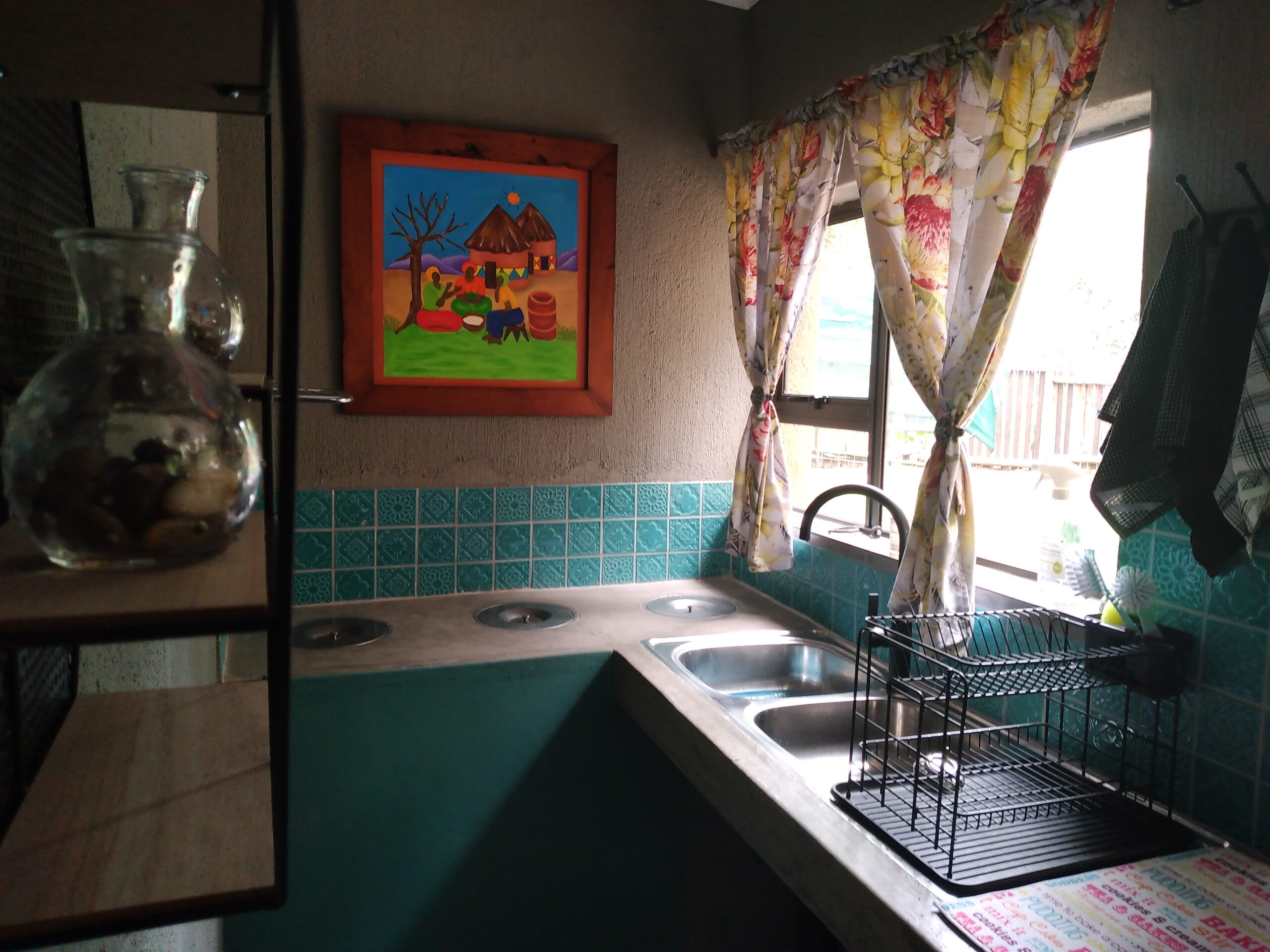
The separate area is called the scullery, where dirty dishes can be out of sight.

As I’ve previously mentioned, clothes dryers are rare in the bush. Houses here don’t have city-supplied natural gas. Propane is used as an alternative. Electric clothes dryers use a lot of electricity, and with the power problems in South Africa resulting in load shedding (planned power outages), having a clothes dryer makes no sense. Besides, most days are sunny here, making outdoor drying easy.

There’s limited cabinet space since there are no above-counter cabinets. But we’ve made it work for us.

Oops, I just had to run outside while putting a few things away in the bedroom. A zebra looked in the window at me, wondering where the pellets were. We took several photos, which we’ll share in the next few days. How fun is that!

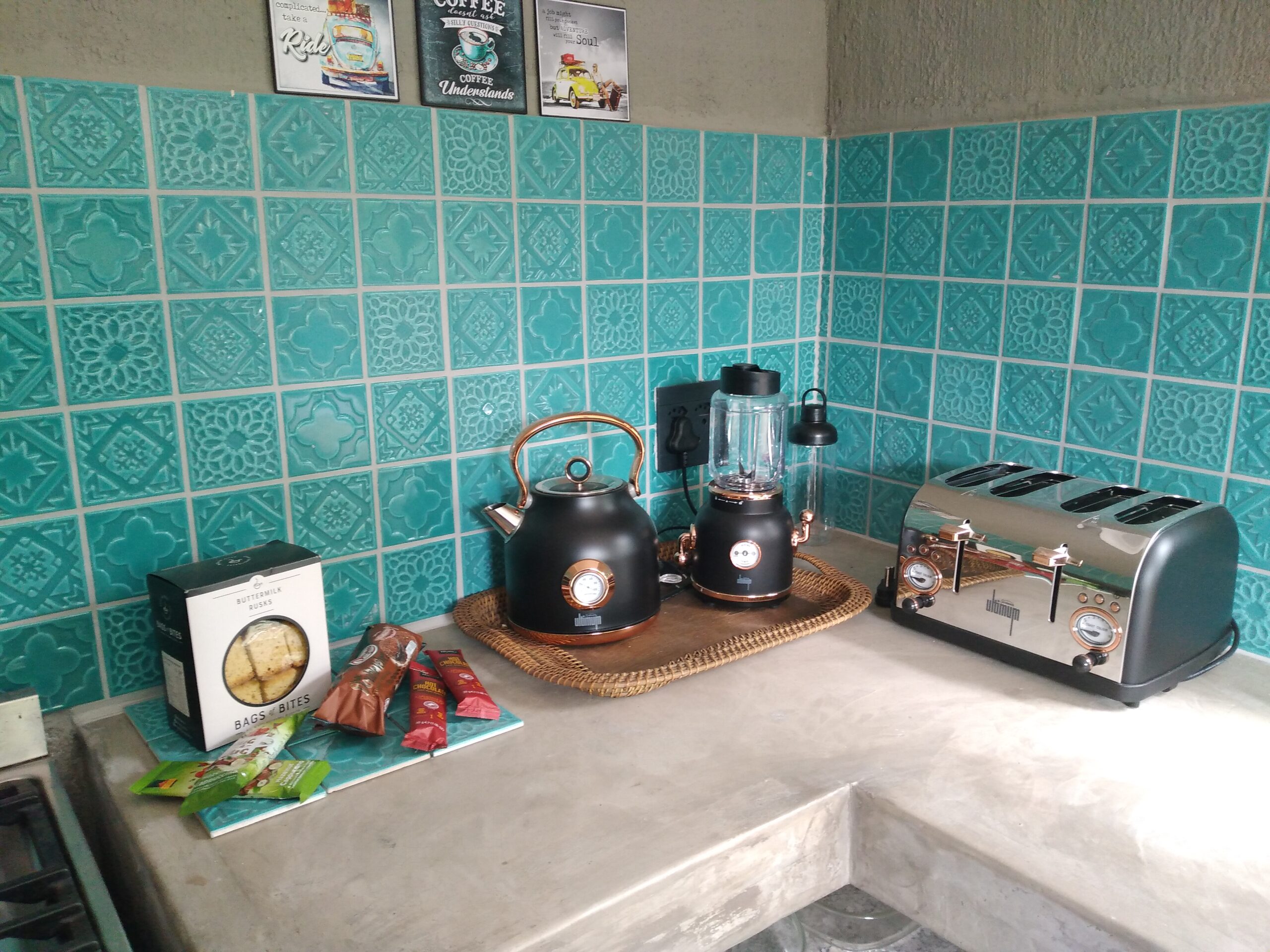
The coffee, tea, and toast prep area.

As for today…this is Friday, and at 1700 hrs, 5:00 pm, we’ll head to Jabula to have fun at the bar, followed by dinner, enjoying the fabulous service and consistently great food. Tomorrow evening friends Fiona and Alan are coming for sundowners. We’ll put together an array of appetizers and be bundled up for the evening in this cool weather.

View from the kitchen to the dining area. The main bedroom is in the background.

Danie had the outdoor heater repaired for us while we were away. Based on the forecast, I think we’ll need to use it tomorrow evening and on many other evenings to come. It’s almost winter in the bush!

Happy day!

Photo from one year ago today, June 10, 2021:

Tiny and the first monkey we spotted this morning. For more photos, please click here.

Part 2…This house…An easy method for storing locally grown avocados…

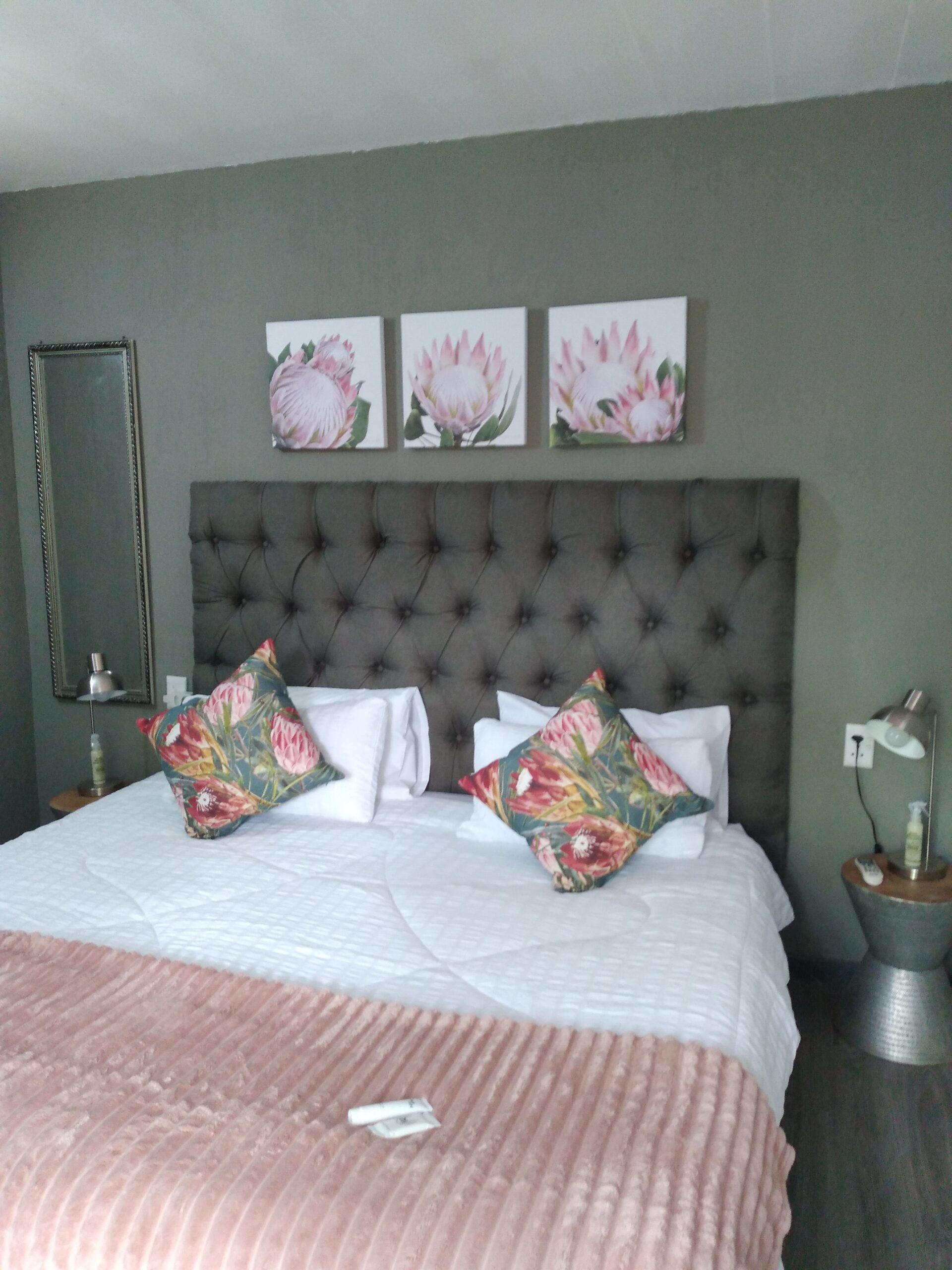
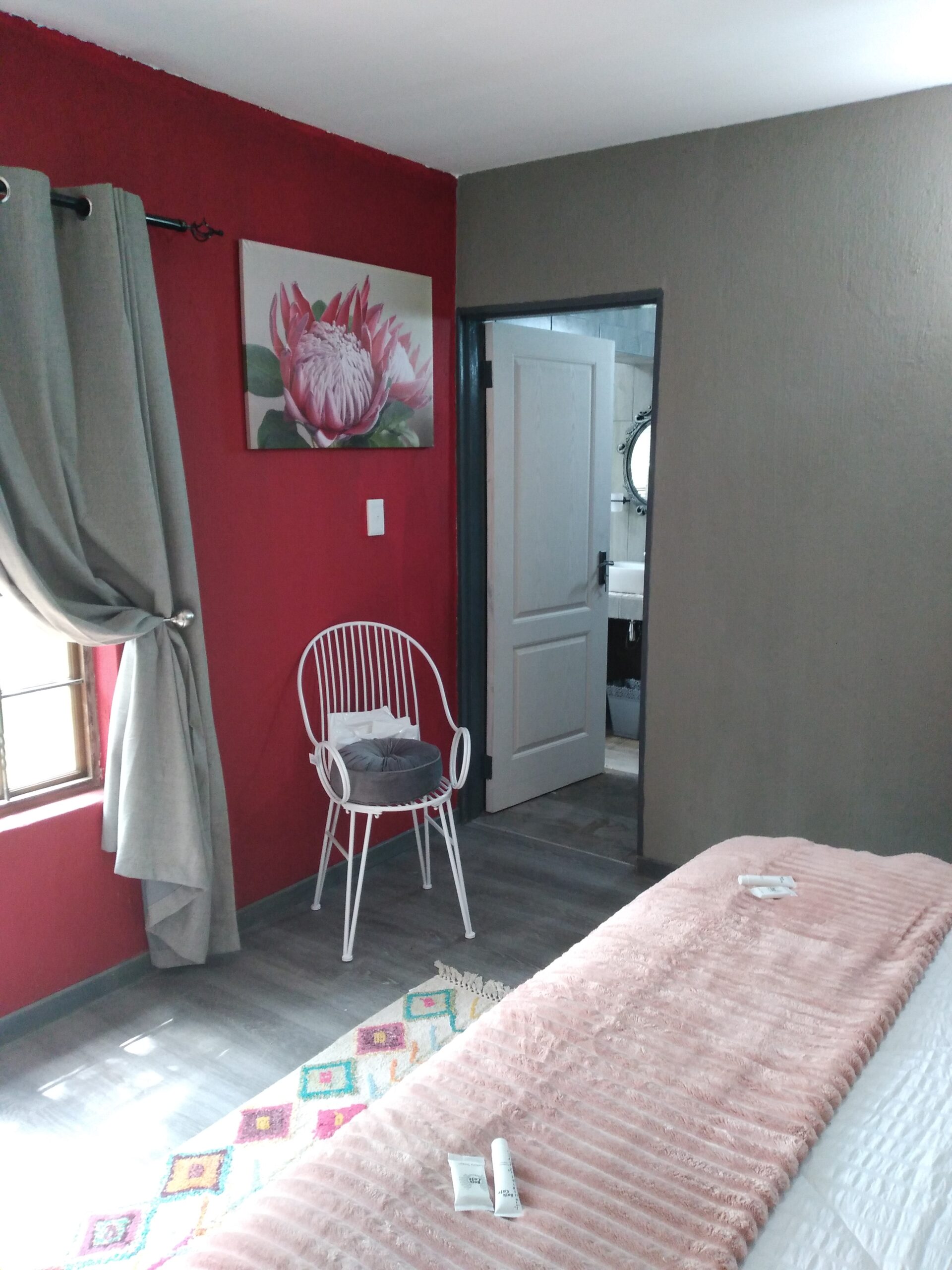
Our primary bedroom on the main floor has a comfy king-sized bed with fine bedding and an ensuite bathroom.

Yesterday, we posted a few photos of this holiday rental, and today we’re adding a few more of the interior. We may have shown these photos in the past but bear with me for those who may not have seen them.

I got a late start to the post when I was busy making blueberry muffins for Tom in the kitchen. He eats two each morning with his coffee, and since I had enough ingredients, I decided to triple the batch.

I didn’t realize how hard it would be to make 42 muffins from scratch. By the time they were all ready for the oven, I was pooped. (Thanks, Louise, for the three muffins pans). After being sick for six weeks and mostly lying around, relatively inactive, I realized how important it is that I get back into a consistent walking and exercise routine.

Still feeling run-down and tired from Covid-19, I committed to myself that by next Monday, the work must begin of getting in no less than 8000 steps a day along with some stretching and mobility enhancing exercises. I must admit I am not looking forward to it when still feeling out-of-sorts and lethargic. But, I know that I must do this.

The decor in the bedroom and the remainder of the house is calming and pleasing to the eye.

I’ll begin slowly, building up stamina. Once we left here on March 23, I stopped the daily walking, although I got in plenty of steps once we got to Las Vegas, staying in the massive Green Valley Ranch, Spa, and Casino. But, we arrived here a week later and got sick with salmonella; I haven’t resumed significant vigorous walking due to a lack of strength. It’s only been a little over a week since the awful gastrointestinal illness abated.

I am trying to assign myself one project daily that requires me to stand on my feet. The muffin baking project took everything out of me, and now I find myself sitting on the bed, propped up with pillows to get my feet up, recovering from the 90 minutes I spent standing in the kitchen. I’m sure in time; this weakness will pass. But, the sooner I start walking, the better.

It’s so easy to get lazy and spend the better part of each day sitting outdoors, reveling in the endless stream of treasures before our eyes. Certainly, the mental and emotional benefits of enjoying nature are worthwhile. But, sitting is not. I must and will make every effort to end this cycle of inactivity.

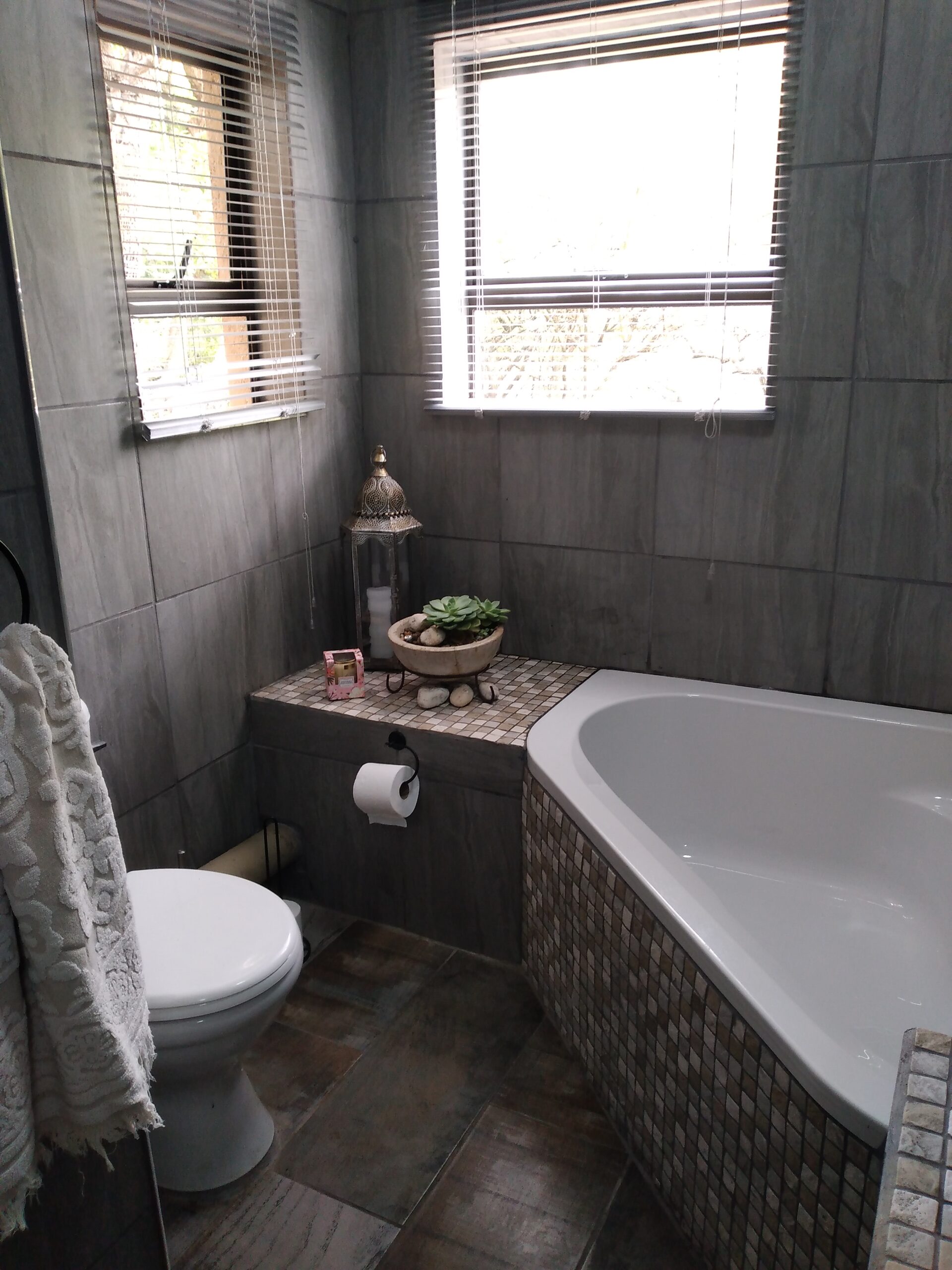
The master bath has a large walk-in shower (not shown in the photos) and this oversized tub, which I’ve yet to use.

Well, in any case, the 42 blueberry muffins came out perfectly and now are in sandwich-sized Ziplock bags, two muffins per bag, and are in a specific “muffin drawer” in the freezer. Each day Tom takes out one pack of two and defrosts them for the next morning’s coffee.  I still have some low-carb blueberry scones left; I’ve savored each morning with my decaf coffee—what a treat.

The low-carb blueberry scones recipe requires the use of almond flour. Yesterday, at Spar Market, I purchased four small bags of almond flour. There were each ZAR 135, US $8.87. I bought four packs, significantly adding to our grocery bill when we checked out. It’s a little less costly at Takealot, South Africa’s Amazon look-alike, and they offer free shipping, so that I will purchase it there from now on.

Otherwise, most items at Spar are very reasonable. We stocked up yesterday and may not have to shop for a few weeks. Meat is still a good buy as well as locally grown produce. Tom’s been eating bananas again, and they are priced as they were in the US 20 to 30 years ago.

Each week I buy a one kg bag ( 2.2 pounds) of ten small-sized avocados at ZAR 34.99, US $2.30, and make a point of eating one daily. I ripen them in a wooden bowl on the counter, and once they are ripe, I transfer them to a tightly sealed container in the vegetable drawer in the refrigerator. This way, they keep for weeks. I don’t put any of those that aren’t ripe yet into the fridge. Otherwise, they will be hard and inedible. With this method, I never have to throw away any avocados.

Today? We’re both feeling a little tired and will continue to work on improving our health. Tonight for dinner? Grass-fed burgers on the braai, no bun, with bacon, purple onion, sliced tomato, aged cheddar cheese, and lettuce. On the side was a big coleslaw salad and steamed white rice for Tom.

Have a fantastic day!

Photo from one year ago today, June 9, 2021:

Here is our new friend, One Tusk. We’ve seen another warthog with only one tusk, but this one has a substantial remaining tusk. For more photos, please click here.

Part 1…This house…

As shown in the photo, this house has a few extra rental units to the left if we should have guests and need more room than the two bedrooms with ensuite bathrooms.

We couldn’t be more thrilled with this house. (Note: All of today’s photos were taken by Louise). Not only does it provide us with added space and a more functional kitchen, but the veranda is ideal for our needs, roomy for entertaining and multiple guests. In the old house, 2 km from here, we were limited to the number of sundowner events or dinner guests we invited. Here we have more flexibility and can easily accommodate 12 guests, which we may entertain from time to time.

In the old house, Love Bird’s Nest, we were limited to six guests at any given time, and even that was tight. Although the current veranda dining table is best suited to six, we can easily accommodate eight with the addition of a few chairs. Plus, as shown in today’s photos, we have the bar, where we can seat six more.

We don’t have all the chairs we’d need if we invited 12, but all we’d have to do is tell Louise, and she’d arrange for Zef and Vusi to bring extra chairs, dishes, silverware, or anything we may need.

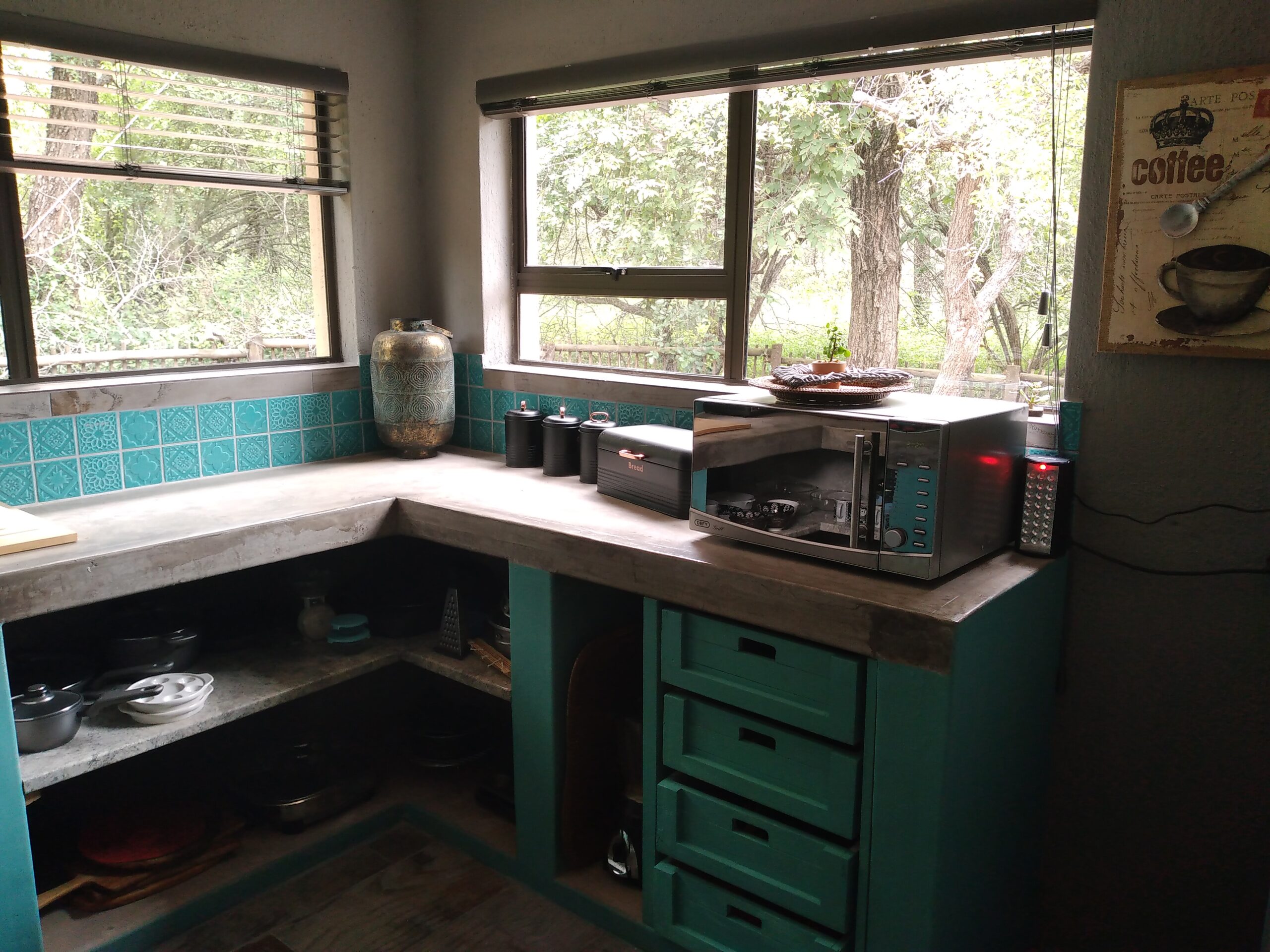
There’s an array of attractive serving pieces to accompany any sized meal, kept in the store room off the living room, some of which we’ll use for smaller events. Besides all of this, Louise left the kitchen well-stocked with abundant spices and condiments and tea with several coffee-making accouterments, some of which we may never use but certainly look pretty on the cement kitchen counters.

We have moved the two bamboo chaises to the far left to avoid impeding the view of the animals. Note the firepit and stone benches to the far right.

The countertops are cement, which I would have found too commercial-looking and lacking in style in my old life. But, here in Africa, they are modern and practical. They are easy to clean, can handle any hot pans, and are unlikely to chip or crack like granite or other surfaces in this environment.

Another feature in the kitchen, which we love, is the scullery kitchen, a separate area for dirty dishes and cleanup. There’s no dishwasher, but two sinks aren’t always included in many bush houses. The hot water takes time to get to the faucet, requiring we turn it on well ahead of doing dishes; for the first time, we leave dishes in the sink for the subsequent washing.

Of course, Tom does all of the dishes after dinner each evening, and if I am prepping for a meal, using multiple pots and pans, one of us will take care of those during the day. We don’t want to attract ants and other insects from food left on plates. We are mindful of reducing the number of insects that enter the house.

Speaking of insects, this is chiggers/no-see-ums season. Once it is more consistently cold, with winter officially starting on June 21, they should be less of a nuisance soon. I am covered with hundreds of bites, that I get every year when we’re here. This morning I protected myself from head to toe with repellent, and I am wearing a bugs-away shirt with a long-sleeved body-hugging shirt underneath.

Here is the bar on the veranda with comfy high-top chairs on both sides. We can seat six at the bar.

My only exposed skin is my neck and hands, both of which most of the bites are concentrated. At night I wear a lightweight hoodie to bed and cover my neck and ears. Instead of using night cream right now, I am using repellent on my face. In the past week, I got several bites on my face. These bites are slow to heal and stop itching, easily lasting two to three weeks. Tom doesn’t attract any insects and doesn’t get a single insect bite. Lucky guy!

We will be shopping today and looking for a continuous repellent dispensing device in the bedroom. Right now, Tom has been spraying in the late afternoon, leaving ample time for the smell to dissipate before we head to bed. This helps but is not a perfect solution since I still get bit during the night.

Hopefully, the season will soon change sufficiently for this to stop being a problem. Many Facebook posts have been discussing this issue in Marloth Park right now. As we always say, “It’s the nature of the beast.” which is more accurate here than anywhere.

Now, we’re off to Komatipoort for shopping. We have a few shops we need to visit and our weekly trip to Spar. We’re getting well stocked each time we shop at Spar and soon won’t be spending as much as we’ve been this first month.

Have a fantastic day, and be well.

Photo from one year ago today, June 8, 2021:

An elephant we spotted during our visit to the Crocodile River. For more photos, please click here.