
Wildlife experiences dangerous for animals…What are the alternatives?…
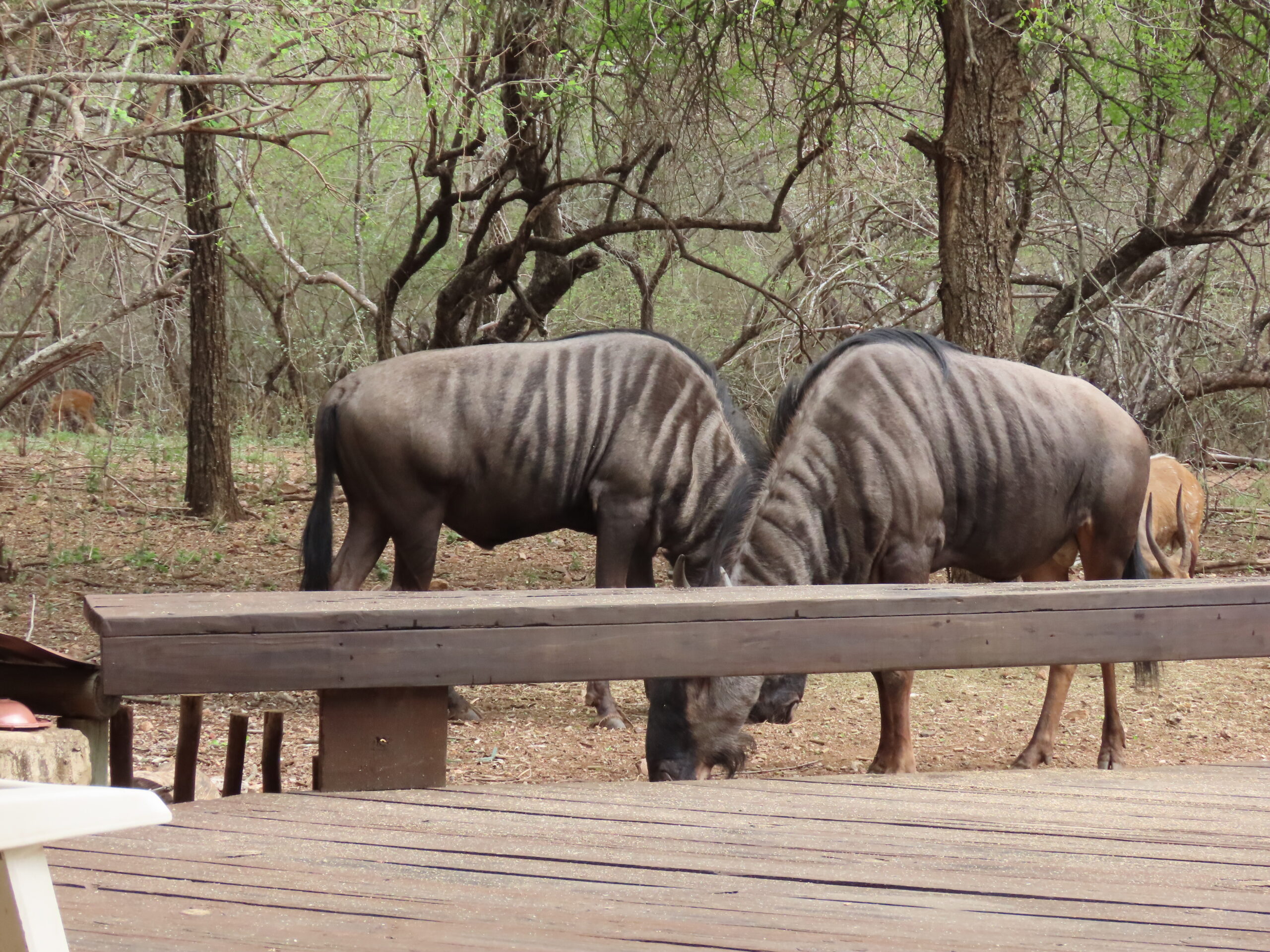
From Travel + Leisure online magazine, found here.
“These Popular Wildlife Experiences Could Cause Animals a ‘Lifetime of Suffering’—Here’s What Travelers Should Do Instead
From elephant rides to wildlife selfies, seemingly memorable vacation activities can cause animals significant stress. Here’s how to seek out more humane encounters. By Mary Jo DiLonardo. Published on September 18, 2026
From bison in Yellowstone National Park to penguins in Patagonia, seeing wildlife can be a fascinating travel adventure. But some wildlife experiences exploit animals for profit, turning them into entertainment in stressful, non-natural environments.
“What looks like a memorable experience for travelers likely comes with a lifetime of suffering for the wild animals involved,” Nicola White, a wildlife expert at Humane World for Animals, said in a statement, adding, “Public demand for these encounters drives a business that includes the capture, breeding and trade of wild animals while placing them under significant stress day after day, often with little to no opportunity to express their natural behaviors. This business has a dangerous track record for both people and animals.”
Wildlife encounters are big business. In fact, data from the World Travel and Tourism Council previously estimated wildlife tourism contributes more than $343 billion to the global economy each year and supports over 21 million jobs.
Not every animal encounter is ethical, but you can have an exciting and enriching encounter with wildlife while still respecting the welfare of those animals. These are the best ways to view wildlife humanely, according to the Humane Society for Animals.
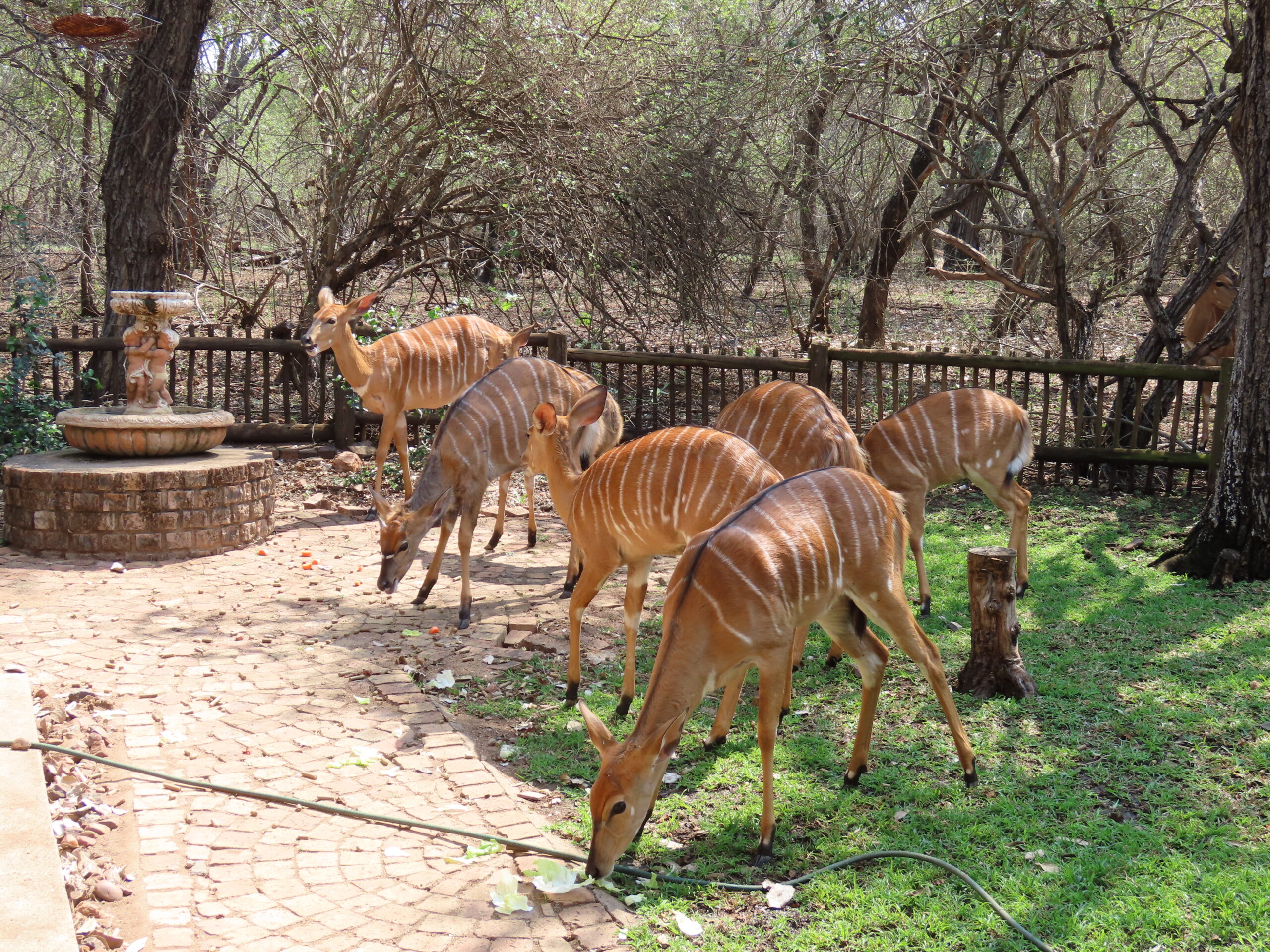
Don’t get too close to wildlife.
Some attractions offer wild animal interactions like riding elephants or camels, swimming in confined areas with dolphins, or petting baby tigers or lions. These experiences can stress animals from being handled or even being near humans. They can act unpredictably, putting themselves and people at risk.
Instead, choose wildlife experiences that feature animals in their natural habitats from a distance.
In national parks in the United States, for example, travelers are generally required to stay a minimum of 25 yards away from most wildlife and 100 yards away from predators like bears and wolves.
Don’t pose with animals.
Wild animals like parrots and monkeys are sometimes offered to tourists to pose for photos. However, the Humane World for Animals noted these creatures may be sedated or even have their teeth and claws removed for safer handling. Often, they’re abandoned when they’re older and no longer considered cute.
Travelers should avoid taking photos with wildlife and can share their concerns with restaurant owners, tour guides, or appropriate officials.
Skip animal entertainment
Circuses or fairs where wild animals are made to perform for people can be problematic, the group noted.
In addition to being stressed, the animals in these shows may have been removed from the wild or separated from their mothers at a young age. Additionally, they often don’t get the medical care and exercise they need.
Don’t buy wildlife souvenirs.
Travelers hoping to take home a meaningful souvenir should generally avoid anything that contains wild animal fur, bone, ivory, or other animal-derived products. These items can cause animals to suffer and may harm their habitats.
Be savvy with wildlife photos.
The Humane World for Animals noted simply sharing photos or videos of people touching or posing with wild animals can give the impression these encounters are harmless and make others eager to pose with wildlife, too.
“By making thoughtful choices, travelers can help reduce demand for wildlife exploitation, save animal lives and support a more humane approach to tourism,” White said.”
No, we don’t participate in any form of animal abuse for our own gain. Nor do we go to zoos, aquariums, or other places where animals are used primarily for human entertainment. After spending almost 14 years traveling the world and having the privilege of seeing so many animals in their natural environments, we’ve become even more aware of how different wildlife can be when it is allowed to live as nature intended.
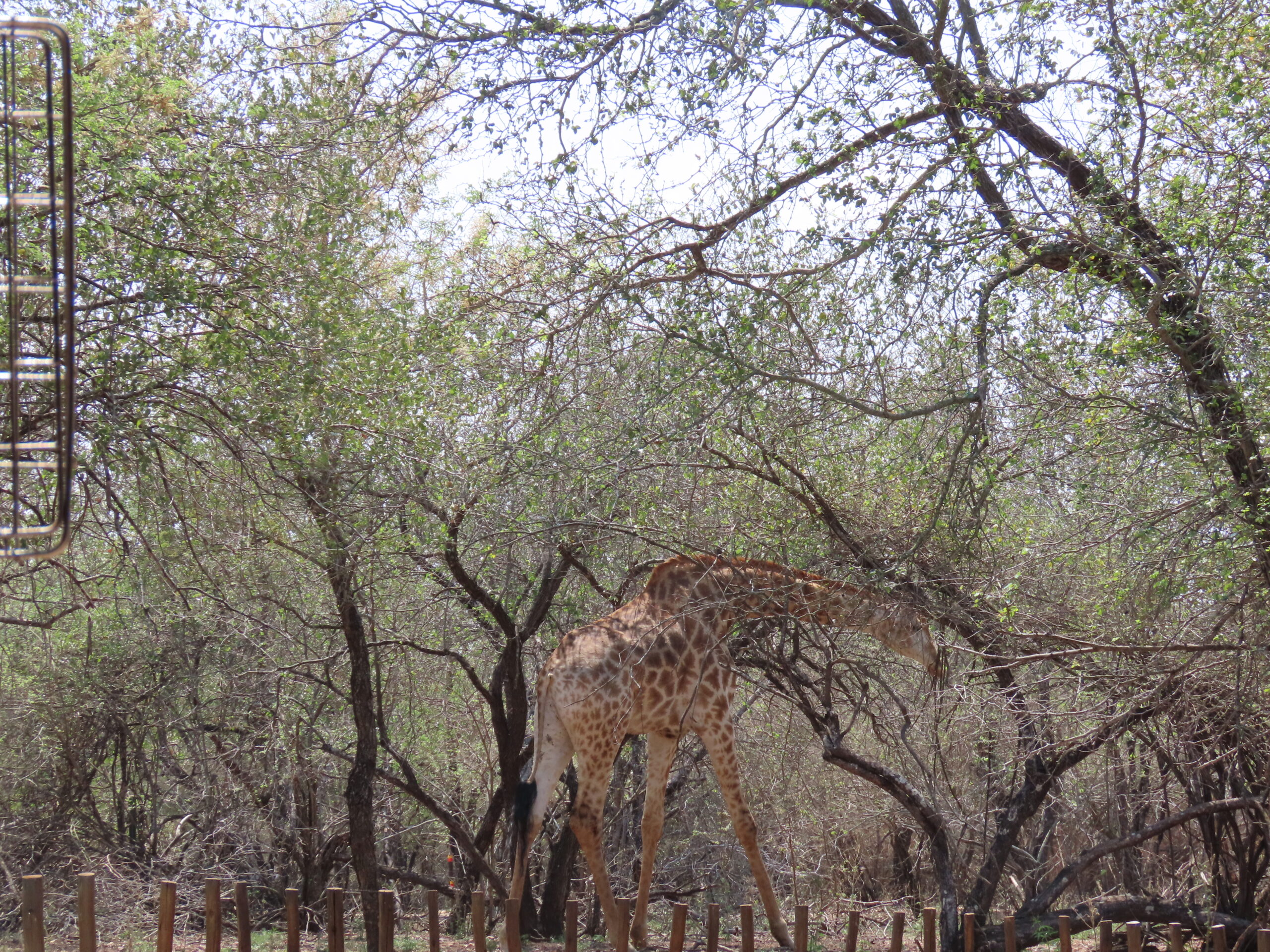
There is something incredibly special about seeing an elephant walking through the bush, a giraffe feeding on the leaves of a tree, or a herd of zebras moving across the landscape. These animals aren’t performing for us. They aren’t confined to an enclosure or trained to entertain visitors. They are simply living their lives, and we are fortunate enough to be there to observe them.
That doesn’t mean we believe every zoo is automatically harmful. We understand that some zoos provide large, carefully designed spaces and appropriate environments where certain animals can thrive in conditions that are as close to natural as possible. Some also play an important role in conservation, education, breeding programs, and protecting species that are threatened in the wild.
We also recognize that not everyone has the opportunity to travel to places like Marloth Park or other parts of Africa to experience wildlife in its natural habitat. For those people, a well-managed facility can offer a chance to see animals they might otherwise never encounter and to learn about the importance of protecting them.
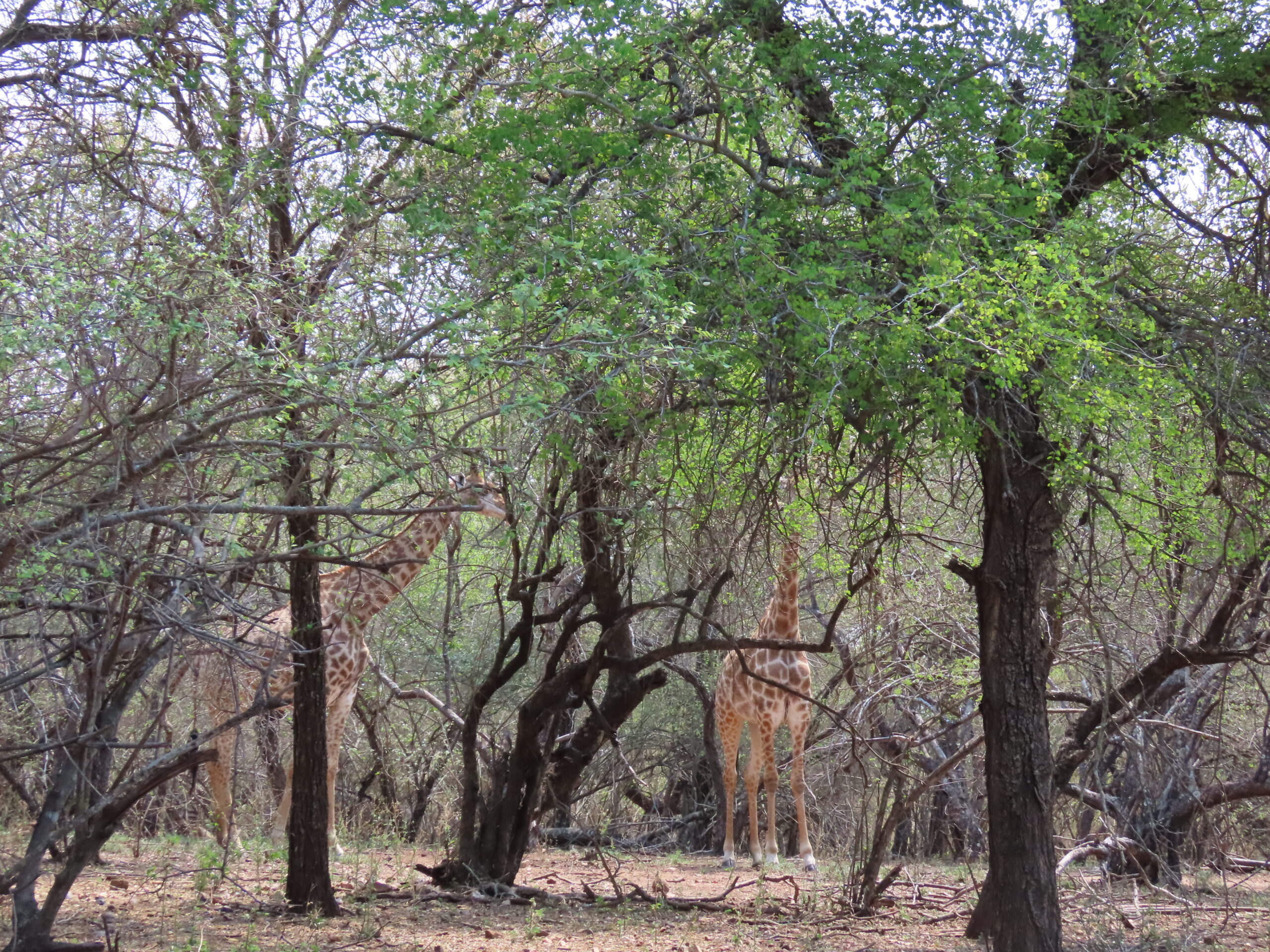
For us, however, there is a significant difference between observing animals respectfully and expecting them to perform, pose, interact with people, or endure unnatural conditions simply for our entertainment.
We’ve chosen to spend our time and money supporting experiences that allow us to observe wildlife without interfering with their lives. To us, that is what makes being around wild animals so meaningful. They don’t belong to us, and they certainly don’t exist for our entertainment. They belong in the wild, and we feel incredibly fortunate whenever they allow us into their world, even if only for a little while.
Be well.
Photo from ten years ago today, September 25, 2016:


About Jess & Tom
We are travel writers, photographers, and slow travelers exploring the world one meaningful experience at a time.
Read More