What’s the deal with a “REAL ID?”…Can I use a passport instead?…

The precious Laysan Albatross chicks began to hatch in early February. We visited the site almost daily to savor the exciting events.

A few of our readers have asked about the requirements for US residents to provide a “READ ID” to travel domestically. As a result, the inquiries have prompted us to write about REAL IDs today to help clarify this US requirement.

How to Get a REAL ID

To obtain a REAL ID, follow these steps:

  1. Visit Your State’s DMV Website
    • Each state has slightly different requirements, so check your local Department of Motor Vehicles (DMV) website for specific details.
  2. Gather Required Documents (Original or Certified Copies)
    You’ll typically need:
    • Proof of Identity: U.S. passport or birth certificate
    • Social Security Number: SSN card, W-2, or 1099 form
    • Proof of Residency (2 documents): Utility bill, bank statement, lease/mortgage agreement
    • Proof of Name Change (if applicable): Marriage certificate, divorce decree, or court order
  3. Go to the DMV in Person
    • REAL IDs cannot be obtained online. You must visit a DMV office in person.
    • Bring all required documents.
    • Pass any necessary tests (vision test, for example).
    • Pay the fee (varies by state, typically $10–$50).
  4. Receive Your REAL ID
    • You’ll get a temporary paper ID immediately. The official REAL ID will be mailed to you within a few weeks.

How to Use a REAL ID

  • Domestic Air Travel (Starting May 7, 2025): Use it to board flights within the U.S.
  • Federal Buildings & Military Bases: Present it for entry where REAL ID is required.
  • Driving: If it’s a REAL ID-compliant driver’s license, you can use it just like a regular license.

Alternatives to REAL ID

If you don’t want a REAL ID, you can use:

  • U.S. Passport or Passport Card (Works for domestic & international travel)
  • Military ID
  • DHS Trusted Traveler Cards (Global Entry, NEXUS, SENTRI)

Is a REAL ID required in countries other than the US?

No, the REAL ID is a U.S.-specific requirement. Other countries do not require or recognize REAL ID for travel.

If you’re traveling outside the U.S., a passport is the primary document you’ll need. Depending on your destination and nationality, some countries may also require a visa.

If you’re driving in another country, you may need:

  • Your U.S. driver’s license (REAL ID or not, depending on the country)
  • An International Driving Permit (IDP) (required in some places)

So, while REAL ID is essential for domestic travel within the U.S., it does not impact international travel.

We won’t be applying for a REAL ID anytime soon since we cannot provide residence verification as mentioned above. We are doing fine using our passports.

Be well.

Photo from ten years ago today, February 8, 2015:

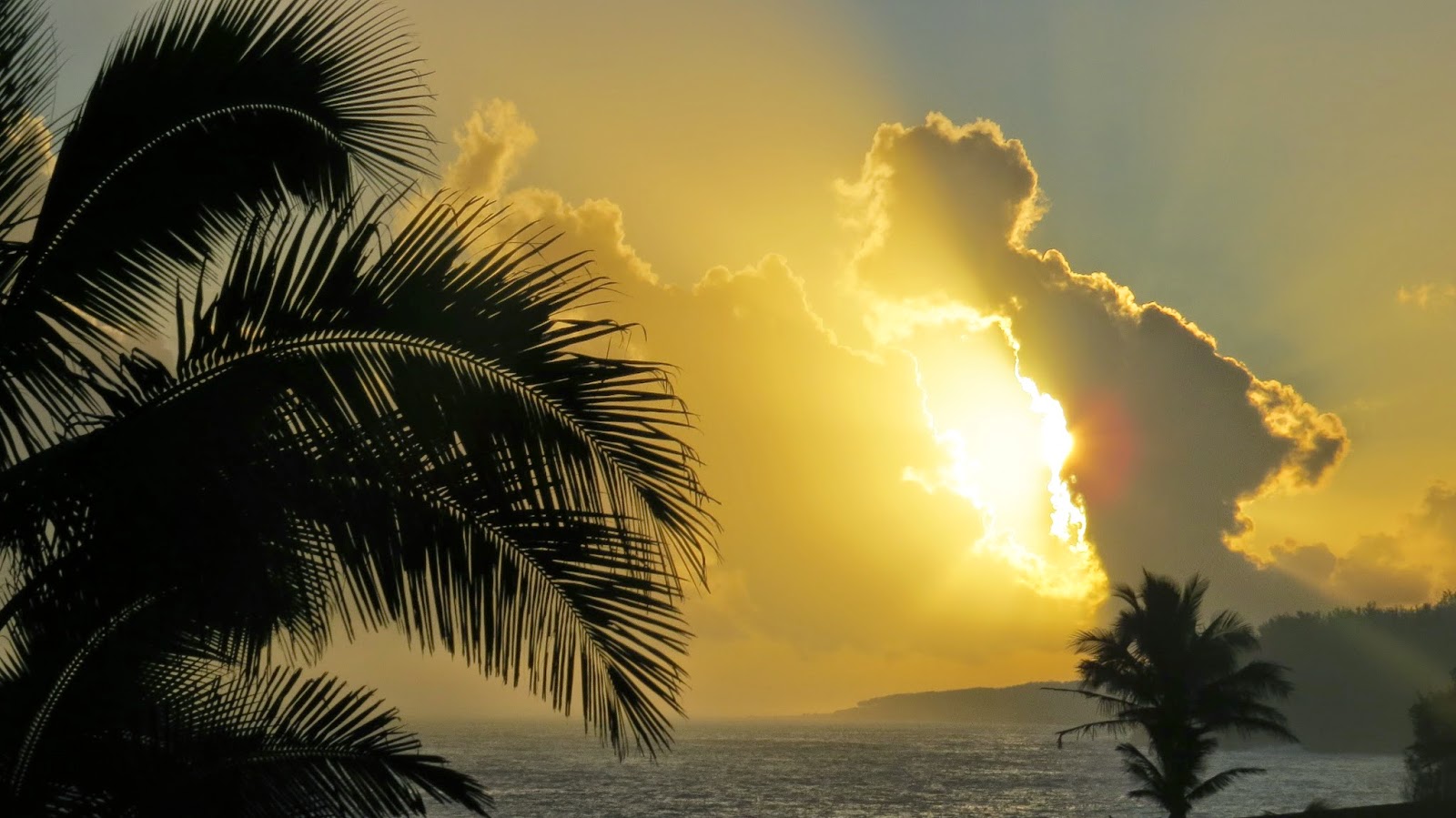
An early evening from our lanai in Kauai, Hawaii. For more photos, please click here.

Beware of Cruise Scams on Facebook…How to Avoid Being “Taken for a Ride”…Six days and counting…

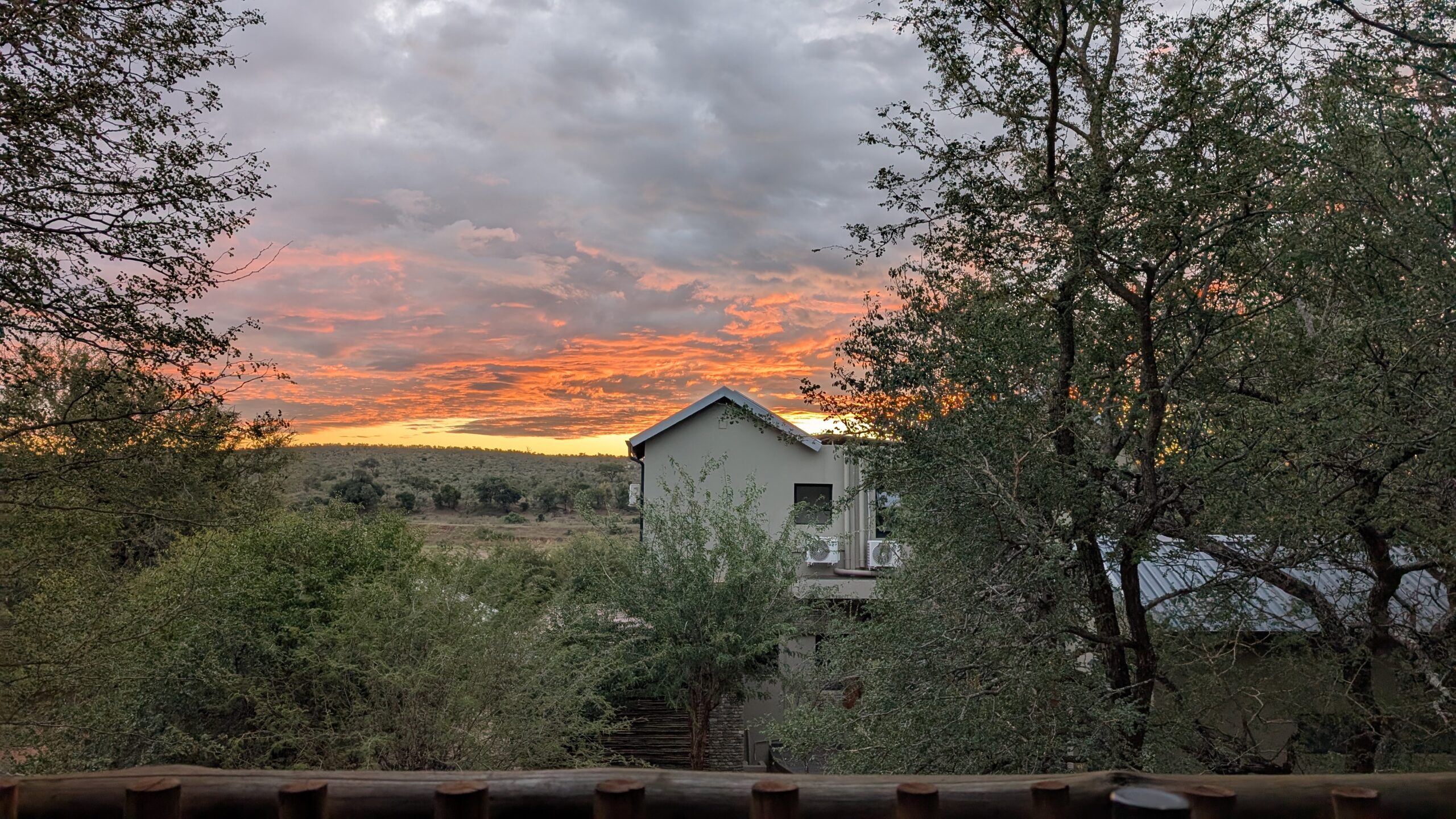
An exquisite sunset on the Big Island.

This morning, while preparing for the day, I was listening to a cruise podcast on my phone; the main topic was a couple who purchased a cruise from a person on Facebook who claimed to be a cruise travel agent. They were told to pay using CashApp, an online app that allows the sender and receiver to deal with cash, not credit cards.

The unwary couple sent the entire cruise cost over some time, even receiving a cruise confirmation number and documents. When they arrived at the departure port, they were informed that no such confirmation existed and that they had been scammed and were turned away. Fortunately, they got their luggage back, which they’d turned over to a porter at the pier, and were left to find a way home.

Unfortunately, Facebook, a hub for connecting with friends and discovering new opportunities, has become fertile ground for scammers. Cruise scams have gained traction among the many schemes circulating, preying on the dream of an affordable luxury vacation. These scams are more sophisticated than ever, often disguised as giveaways, contests, or too-good-to-be-true deals. Understanding how these scams work and how to avoid them can save you from losing money, personal data, or both.

The Allure of a “Free Cruise”

One common tactic is the “free cruise” giveaway. These posts often feature enticing images of luxurious ships, serene ocean views, and extravagant amenities, promising a dream vacation at no cost. To claim your prize, you just have to “like,” “share,” or fill out a short survey. It sounds simple, but the goal is far from innocent.

When you click on the link, you’re typically directed to a site requesting personal information like your name, phone number, and email address. Some sites ask for credit card details to cover “processing fees” or taxes. Instead of earning a cruise, victims deal with identity theft or unauthorized charges.

Fake Cruise Line Pages

Another strategy involves creating fake Facebook pages impersonating legitimate cruise lines. These pages often mimic the branding and style of well-known companies, complete with logos, professional-looking images, and engaging posts. Scammers lure users in with promises of last-minute deals or heavily discounted cruises. Clicking on the links leads you to counterfeit booking sites where you may inadvertently provide sensitive information.

Group Scams and Influencer Fraud

Some scammers infiltrate travel-related Facebook groups or create their own, posting as travel agents or influencers. They share “exclusive deals” with group members, asking for deposits or full payments via untraceable methods like wire transfers or apps like Zelle and Cash App. The scammer disappears once the money is sent, leaving victims without their cruise and out of pocket.

Signs of a Cruise Scam

To protect yourself, it’s crucial to recognize red flags:

  1. Too Good to Be True Deals: It likely is if a deal looks unbelievably cheap or claims to be free. Legitimate cruise lines rarely, if ever, give away free trips without significant eligibility criteria.
  2. Urgency and Pressure: Scammers often pressure you to act quickly, claiming limited availability or time-sensitive offers.
  3. Suspicious URLs: Always check the web address of any link. Fake sites often have slight misspellings or extra characters in the domain name.
  4. Unsecured Payment Methods: Requests for payment through wire transfers, gift cards, or untraceable apps are significant warning signs.
  5. Lack of Direct Communication: Legitimate companies provide clear contact information and never hesitate to verify details over the phone.

Steps to Protect Yourself

  1. Verify the Source: If you see a cruise deal on Facebook, visit the cruise line’s official website to confirm its legitimacy.
  2. Avoid Sharing Personal Information: Be wary of surveys or forms asking for sensitive data. Reputable companies don’t ask for personal details through social media links.
  3. Report Suspicious Activity: Use Facebook’s reporting tools to flag scam posts or pages. This helps protect others from falling victim.
  4. Check Reviews: Before booking, research the deal and the seller. Look for reviews and complaints on trusted platforms like the Better Business Bureau.
  5. Use Credit Cards: If you make a purchase, always use a credit card. These offer better fraud protection compared to debit cards or other payment methods.

Why Scams Work

Cruise scams succeed because they exploit human emotions: the thrill of winning, the urgency of an exclusive offer, and the desire for a luxurious experience. Scammers rely on victims acting before thinking, so it’s essential to remain vigilant.

Final Thoughts

While the dream of a perfect cruise vacation is appealing, don’t let it cloud your judgment. You can protect yourself and enjoy genuine travel opportunities by staying informed and skeptical. Remember, the ocean may call, but scams are just noise—don’t let them steer you off course.

Have you encountered a cruise scam or know someone who has? Share your story—it might help others avoid the trap.

We usually book through Costco, the cruise line, or Vacations-to-Go to book cruises, comparing prices and perks before we commit.

Be well.

Photo from ten years ago today, December 8, 2014:

Apparently, these plants withstand saltwater on the Big Island and flourish in their constant moisture. For more photos, please click here.

How long can you live outside the US before losing social security?…

The church in Campanario, Madeira, Portugal, wasn’t far from our holiday home.

We are often asked, “How long can we live outside the US before losing social security?” This question is often asked while on cruises where we spend considerable time in the presence of other senior citizens.

We’ve always known the answer since we checked on this long before we began our worldwide travels, giving us peace of mind, but we thought about checking it out 12 years later to see if anything had changed on this topic. It has not. Today, we’re talking about two situations:

  1. Permanently living outside the US
  2. Travel to foreign countries but return periodically to the US as we do; thus, we aren’t permanent residents of any country other than the US

Today, I stumbled upon the following article bringing this topic to light as follows from this site:

“How Long Can You Live Abroad Before Losing Social Security?

If you plan to retire abroad, here’s what to know about receiving Social Security benefits. By

While Social Security is a U.S. program, foreign citizens can qualify for Social Security benefits if they have a work history in the United States.

Key Takeaways

  • U.S. retirees can receive Social Security benefits while living abroad, with some exceptions.
  • There is no time limit on how long a person can live outside the country and receive benefits.
  • Foreign citizens with a U.S. work history may qualify for Social Security benefits under certain agreements.
  • Social Security payments can be deposited directly into a foreign bank account.

The United States attracts people from across the world who seek to live out the American dream. In some cases, Americans are leaving for other parts of the globe to enjoy a different pace of life.

For retirees, the appeal may be a lower cost of living, new adventures, and less expensive health care. However, some may hesitate to leave, worried they will lose their Social Security benefits. Fortunately, the good news is that U.S. citizens can, with few exceptions, continue to receive benefits regardless of where they live.

The Social Security Administration pays out about $6.1 billion in benefits annually to 760,000 beneficiaries outside the United]States, according to 2022 data from the U.S. Department of State.

“If people are planning to do this, they need to do some homework beforehand,” said Tim McGrath, managing partner of Chicago-based Riverpoint Wealth Management, in an email.

Before you book a one-way ticket to your favorite retirement destination, understand government rules for Social Security payments to expats.

Whether U.S. citizens can receive Social Security while living overseas has an easy answer.

“Definitely. They can receive benefits abroad. That’s not a problem,” said Matthew Allen, co-founder and CEO of Social Security Advisors, a firm that helps clients maximize Social Security benefits, in an email.

There is no time limit on how long a person can live outside the country and receive benefits. They will continue indefinitely while proof of life documents are signed and returned. Known formally as the report to the United States Social Security Administration, Form SSA-7162 is two pages long and asks about changes to a person’s residency and marital status, among other things. Depending on a person’s age and country of residence, the forms may be mailed annually or biannually.

However, living abroad doesn’t absolve a retiree from the responsibility of filing a U.S. tax return annually. Just as with U.S.-based retirees, a portion of a person’s Social Security benefits may be taxable if their annual combined income exceeds certain thresholds.

And if a person has a foreign pension, their Social Security benefits may be reduced due to the windfall elimination provision. Retirees can use the Social Security Administration’s Windfall Elimination Screening Tool for Foreign Pensions to see if this applies to their situation.

U.S. citizens can move practically anywhere and receive Social Security payments, but some exceptions exist. Currently, payments cannot be received by those living in the following countries:

  • Azerbaijan.
  • Belarus.
  • Cuba.
  • Kazakhstan.
  • Kyrgyzstan.
  • North Korea.
  • Tajikistan.
  • Turkmenistan.
  • Uzbekistan.

“It doesn’t mean you’re not going to get that money,” McGrath said. “You’re not going to get it in that country.”
Once you move somewhere where payments can be made, you will receive the money that was withheld while you were residing in these countries. The exception is for foreign citizens living in Cuba and North Korea. They will not receive any payments for the time they were in these countries.”

Of course, the above may not apply to those permanently living outside the US. If they have a place of residence in the US and receive your social security benefits paid by direct deposit to your US bank account, that may be a different situation. Please check with the US government, an accountant, or a financial advisor who deals with such situations.

None of this applies to us without permanent residence in another country. We are US citizens and residents able to travel back and forth to any country we choose, always returning to the US to our state of residence.

That’s it for today, folks. We hope this clarifies a few questions you may have if you’re considering living abroad.

Be well.

Photo from ten years ago today, July 7, 2014:

Celebrity was our favorite cruise line at the time we booked this cruise. We now prefer the smaller Azamara. We sailed on this ship for 14 nights, beginning on January 5, 2016, and ending on January 19, 2016. Built in 2008, it’s rated 5.5 stars of a possible six stars. For more photos, please click here.

There’s a price to pay for living outside the US…Disappointing day…

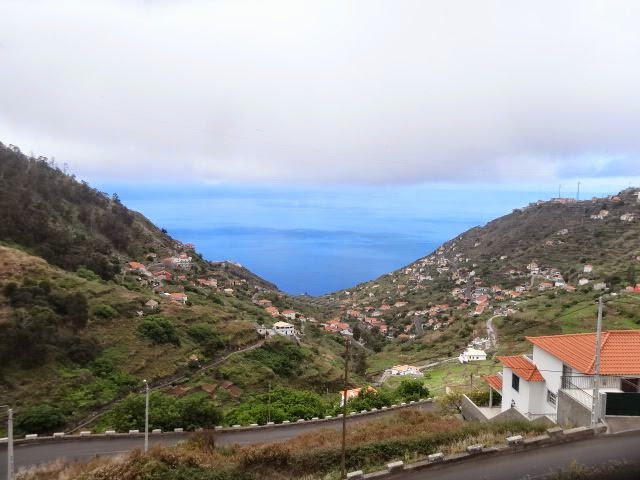
The view from the veranda at the holiday home we rented in Madeira ten years ago.

Yesterday, I was enthused about the physical therapy appointment at Wellspring Wellness Center. With exercise physiologists on staff, I felt confident they could help me improve my mobility while awaiting my future appointments at the end of August and subsequent open heart surgery at Cleveland Clinic in Ohio.

How little did I know that I’d be turned away? Based on the fact they had no record of me having treatment and tests in Minnesota, after consulting with their medical director, they all agreed it was too risky to treat me. They feared my heart condition would make such treatment too high risk and, let’s face it, the potential of liability if something went wrong during such a course of treatment.

I walked out of the facility disheartened and frustrated. They suggested I see a cardiologist (I’ve already seen three in the past year) for the type of treatment that would be suitable for me. With countless tests upcoming in August, I wasn’t about to go through the uncomfortable and time-consuming process of going through a litany of tests here in Minnesota, especially when Cleveland Clinic does its own tests.

The risk of a lawsuit is driving influence in medical care in the US. This is not the case in most other countries where medical malpractice lawsuits aren’t nearly as common as in the US.

But this was only the beginning of the day’s frustrations. I’d made an appointment at CVS Minute Clinic, which I called and assured me I could get prescriptions for my high blood pressure meds, which I am running out of. Remember, I got 13 months of prescriptions from Doc Theo in South Africa before we left at the end of April last year. Now they are running out and I have to figure out how to get them. They won’t accept written prescriptions from South Africa.

When CVS stated they’d write prescriptions for tourists running out of medication, I quickly made the appointment for yesterday at 5:00 pm, figuring at least this would be out of the way.

Alas, when we drove to the CVS for my appointment, and after waiting several minutes for my appointment upon prompt arrival, after filling out forms and signing privacy documents, I discovered, once again, that they couldn’t help me. They couldn’t find any record of any doctor prescribing any medications for me, nor was there a record of any tests or medical appointments to substantiate the necessity of my taking such medicines.

The PA agreed to give me a one-month emergency prescription as a tourist, but one month didn’t do me any good. I am not going to CC until the end of August, a full 3½ months from now.

I walked out empty-handed, frustrated and wondering what I would do. My only option, so I thought, was to book an appointment with a cardiologist or, in the worst case, a primary care physician and see if they’d write the prescriptions without having a litany of tests. I could run into the same scenario, and if I refused to take tests, I could walk out empty-handed again.

Deciding I’d think about this for a day or two since I had enough pills left to get me through two weeks. When I awoke in the middle of the night, I checked my old account at ProgressiveRX and found an old prescription in their records that could supply me with the meds I need. I had looked earlier, but I looked under the US names of the meds when, in fact, they are named differently in India, where most of the world’s drugs are produced anyway. They have everything I need.

Today, after posting, I will order the meds and have them in three weeks at the latest. After digging through my pill bag, I found the same unopened pills that could get me through until the shipment arrives at our mailing service, which in turn will mail them to me. What a relief!

This explains why living outside the US for the past almost 12 years has left us with no medical records to rely upon for future medical care in the US. We are left without medical records when we have had no US health insurance all these years, only carrying health insurance suitable for people outside the US. It’s another fact of life for world travelers. Any medical care we’ve needed all these years, we’ve sought outside the US, mostly paying out of pocket.

Thus, I’ll be able to get the meds I need, and yesterday, after all of this, I started working out, once again, in the upscale fitness center in this hotel. I will carefully monitor my heart rate and perform ECGs on my Fitbit each time I work out, being as careful as possible. Despite my current condition, all three cardiologists I visited explained that exercising is good for the heart muscle.

In less than an hour, my friend Chere is stopping by for a visit. We’ll hang out in the lobby and catch up.

Be well.

Photo from ten years ago today, May 15, 2014:

No photos were posted on this date due to a travel day.

Quiet in Robert’s Resort as “snowbirds” leave for the summer…Who are these people?

We walked quite a distance to this restaurant in Marrakesh for lunch instead of dinner since it was safer to walk during the day. Tom was reading something on the wall as we sat on a banquette. The food was fantastic.

We often wonder about snowbirds who head south or to other locations during the winter months to escape snow and cold weather in northern locations throughout the world. This phenomenon is not exclusive to retirees when many jobs are mobile and can be performed from anywhere in the world if the still-working snowbirds can afford the cost of having two homes or more.

Many retired snowbirds have paid off their homes and only have the expenses of property taxes, maintenance in their absence, and utilities, making it more affordable to head to a warmer climate during the winter months. See below.

Average temperatures in summer in Arizona
Month Average high Average low
June 106°F 73°F
July 108°F 81°F
August 106°F 81°F
September 100°F 75°F

We’ve especially observed this here in Arizona, as we see not only the family returning to Minnesota in the next three weeks but also the fact that many of the residents of Robert’s Resort have already left to return to homes in the US, Canada, and other locations. Few residents of this RV park stay behind during the heat of Arizona summers, running  as high as

In searching online for statistics to share, I found the following from this site:

“The Migratory Processes of Snowbirds: Where They Come From and End Up

Snowbird Travelers: America’s Seasonal Flock

Each year, flocks of “snowbirds” travel cross-country in search of warmth and respite from cold winter temperatures. These snowbirds, however, are not actual birds of a feather; rather, snowbirds are people who identify as seasonal travelers.

So, who are these snowbirds, where do they come from, and where do they end up? Read on to learn about the migratory patterns of our nation’s seasonal travelers.

Snowbird Origins

The origins of the term “snowbird” do, in fact, tie to a species: the Dark-eyed Junco bird. But in 1923, the word “snowbird” was coined to describe droves of seasonal workers who moved south in the winter in search of additional work and income. Today, these snowbirds and seasonal travelers are largely retirees who migrate annually to warmer climates during the year’s winter months.

Snowbird Demographics: Who Are These Travelers?

The snowbird population consists primarily of baby boomers, adults born in the years following World War II. With the majority of snowbirds between the ages of 50 and 70, this generation is well-educated, financially secure, and active — a solid foundation for the snowbird lifestyle of adventure and migration.

Another snowbird demographic: many are Canadians. While most snowbirds alternate between two destinations within the United States, about 10% of snowbirds reside permanently outside of the United States. Nearly 80% of the international snowbirds actually come from Canada.

Migratory Patterns: Where Are All These Snowbirds Headed?

Despite common beliefs that all snowbirds flock to sunny Florida, snowbirds actually settle all over the United States. Migratory patterns resolve in places including Las Vegas, California, and Hawaii. However, snowbirds do tend to follow two primary trajectories: west coast birds fly to Arizona, and east coast birds sail on towards Florida.

New York, New Jersey, and Pennsylvania residents escape cold winters by spending three to six months of the year in Florida. Towns like New Smyrna Beach, Florida’s Secret Pearl, is an affordable snowbird destination along Florida’s artsy east coast. Luxurious lakefront homes in New Smyrna, such as this one, are drawing snowbirds with price tags around the $300,000 range.

Upper-left US residents are primarily drawn to Arizona. Tucson, in particular, attracts a large snowbird population each year. Sited at a lower elevation in comparison to other Arizona towns, Tucson boasts warmer (and more predictable) winter temperatures. With a mix of RV parks, long-term condominium rentals, and fully furnished homes, Tucson offers snowbirds a warm respite that balances urban and rural life.

What Drives Snowbird Flight?

Aside from the advantageous weather situation, what draws snowbirds away from their primary homes and established routines? The snowbird lifestyle is more than just a retirement hobby; snowbird living centers on practicality.

As people age, winter weather conditions pose serious concerns: a slip on the ice becomes highly dangerous; maintaining a clear path to a front door in several feet of snow is too straining; and the low-temperature limits outdoor lifestyle and health routines like walking and bike riding. By migrating to a warmer climate, snowbirds avoid harsh winter climates and seek environments where they can avoid injuries and maintain healthy habits.

The community also drives snowbirds to their warmer homes. Early snowbirds often start as vacationers, but most eventually evolve into flocks. Established groups of friends and family band together and find communities with similar ethnic, cultural, or religious groups existing within many snowbird communities. Snowbirds are, in fact, continuing to build life with one another.

Dispelling Snowbird Myths

Younger generations of established community groups may see snowbirds as disruptions to the local economy, as mere tourists, or as another form of inconvenience. But it’s time to dispel these myths.

Snowbirds are trying new places on a whim: Wrong. Visits turn into established patterns, and each visit requires careful planning and thought: winterizing your primary home, packing and securing insurance documents, resisting a change of address, ordering long-term medications… the list goes on!

Snowbirds are burdens on the local economy: False. If anything, snowbirds are major contributors to the local economy. Look at Palm Beach County as an example: in addition to the county’s standing 1,335,415 residents, annual snowbirds bring an additional 143,837 residents with an estimated financial impact in the billions.

Snowbirds, Take Flight!

Whether or not you’re in a stage of life where being a snowbird is a realistic pattern for you, snowbird migration offers health, community, and economic benefits to people and areas across the country. Is snowbird migration in your future? Visit a warmer state this winter, listen to those who have made the journey, and who knows, before you know it, homes.com could help you find your winter home.”

There’s no doubt that had we not traveled the world, we surely would have become snowbirds. There was no way we would have been interested in staying in Minnesota during the winter months when the temperatures can get as low as -20F, with many feet of snow covering the ground at any given time. Summers can be hot and humid with vast amounts of mosquitoes.

What brings snowbirds back to states like Minnesota when the summers aren’t ideal either? Mainly to be with family and also to enjoy outdoor activities, especially because Minnesota has over 14,000 lakes, drawing many people to partake in fishing, hunting, boating, and other outdoor adventures.

In any case, we love the life we’ve been living over the past 11½ years, and hopefully, we’ll be able to continue traveling in times to come.

Be well.

Photo from ten years ago today, April 17, 2014:

Tom was getting his haircut in the barbershop in the souk in Marrakesh, Morocco. For more photos, please click here.

We’ve started to prepare to leave Nevada in three days…

Tom, walking on the beach in Placencia, Belize, in February 2013.

This morning, I managed to pack my clothes and miscellaneous supplies. Tom will pack his clothes and all the digital equipment in the next few days on Monday before we depart. Tomorrow, I will pack the food supplies and miscellaneous kitchen tools we purchased while here.

We’ve accumulated a lot of non-perishable items while here but knew we’d be driving to Arizona and able to bring them with us. We have several spices and unopened cans, such as tomato sauce, coconut cream, and Mexican and Chinese sauces and flavorings frequently.

It felt good to be packed when I’d anticipated it would take longer than it did. Of course, I have been getting up much earlier each day, and now I am sleeping through the night. My new sleeping plan worked, and I am no longer awake for hours at night. I still have trouble falling asleep, usually not nodding off until midnight or later.

My Fitbit records sleep; I currently get between seven and eight hours. As soon as I wake up, I jump out of bed to begin my day. Getting enough quality sleep feels excellent, although I get a little sleepy around 3:00 pm. Yesterday, I dozed off for about 15 minutes, and wow, that feels good! A short nap is such a refresher!

It also feels good that I sent in my package of documents for Cleveland Clinic in Ohio. It will arrive on Tuesday, and then the clock begins ticking for an answer to my appointment date, which I’ll know within two weeks. That will help us make plans for the next several months.

Yesterday, I perused some vacation/holiday rentals in Cleveland, near the hospital, at VRBO. Countless lovely properties are available within one to three miles, perfect for our needs. The hotels are more expensive than the rentals, and it would be better for us to stay in a house with full facilities.

Oddly, I am at peace, not worrying and feeling hopeful for the future. I was more stressed when I didn’t know my fate. I have accepted this reality and will proceed with optimism and confidence that I will be in good hands.

No words can explain how grateful we are for all the beautiful messages from our readers/family/friends. I spent the first hour when I sat down to do the post, answering many messages we received, primarily email and many online comments. Because we’re getting ready to leave, I won’t be able to reply to everyone.

But I want you to know I have read every single message and will continue to do so. How thoughtful and kind of all of you. Our readers are the best in the world. No doubt, your messages are uplifting.

Dinner is prepped for tonight, and I don’t have much to do today besides walking and exercising. I’m glad I got an early start on the packing. All is good.

Be well.

Photo from ten years ago today, March 29, 2014:

Before we began planning to travel the world, I had a vague recollection of where many countries were located. On the other hand, Tom, a history and geography buff, was much more knowledgeable. As we’ve continued, we’ve significantly enhanced our geographical knowledge of the world, but we still have more to learn. Many of our readers commented that they were surprised that we were still in Africa while living in Morocco. How often does one take the time to look at a world map to be reminded of that which we learned in grade school? Not often. For more photos, please click here.

We’re back…News on test results…What does the future hold?…Four days and counting…

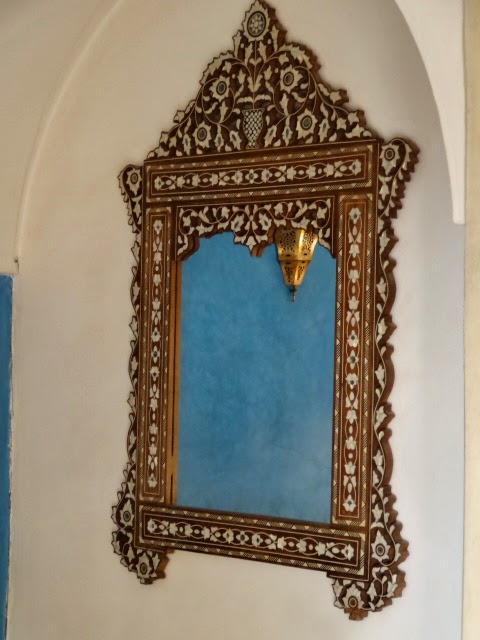
An ornate mirror in the master bedroom of the riad in Marrakesh, Morocco.

Yesterday, when I returned three hours after the cardiology appointment after I had another echocardiogram, the third in a year, I couldn’t bring myself to write the post. I needed to talk to Tom, devise a plan, and get to work on implementing a plan to ease our minds.

No, the results were not good. The status of my mitral and tricuspid valves had worsened progressively in the three echocardiograms I had in the past year. The state of the valves progressed from “moderate” to “severe” in less than a year, indicating that I need surgery, according to the cardiologist, the second such cardiologist making this diagnosis since November 2023.

My hope would have been that I could have the easy repair done through the groin with a few devices, but I am not a candidate for that procedure based on my prior open heart surgery in February 2019. Here we go again, another open heart surgery which, last time, took me a year to recover.

I had plenty of time to prepare myself for this eventuality and wasn’t shocked when the doctor told me yesterday that it was too risky to wait. Sure, I might get lucky, and it wouldn’t get worse. But leaving it, when it doesn’t heal by itself, would put an end to our ability to travel again and could result in a fatal heart attack or severe damage to my heart from which there would be no coming back.

At this point, my heart is healthy. However, the valves pumping blood through my system have caused serious regurgitation. Most seniors have some degree of regurgitation, a normal aspect of aging, but mine is far beyond that safe zone.

Even if we didn’t travel, there are too many risks to either ignore or postpone this scenario. I could have a fatal heart attack wherever we may be at any given time. I’ve thought about my age at 76; maybe my life expectancy isn’t very long anyway. Living with this and worrying about it is not my style. I want to be active and able to tackle whatever we do in whatever upcoming years we may have left.

I have faced this reality over the past year since I was diagnosed with Afib (the bad valves are causing the Afib) and researched options if I did need surgery as to where I’d have it done. Ultimately, I chose the Cleveland Clinic’s Dr. Mark Gillinov, the top valve surgeon in the US, if not worldwide.

The question would be, could I get a timely appointment with him in Cleveland, Ohio, to address this situation? Yesterday, after Tom and I had discussed the problem at length, I decided I’d get to work to get an appointment with Dr. Gillinov, knowing he’s booked months in advance.

The process has started. This morning, we headed to the UPS store to make copies and mail all the documents I’ve gathered and questions I’ve answered according to their requests on a comprehensive checklist. Once he receives the documents and reviews my situation, he’ll determine when he can see me and when the surgery is likely to occur. After a lengthy conversation, his assistant Tina assured me yesterday that July might be the soonest I can get in.

That’s only three months away. If I started having bad symptoms, they’d get me in sooner on an emergency basis. The symptoms are being tired and having swollen legs and ankles. I have neither of these symptoms now. They can occur in a day or gradually over time.

Here’s our plan. We will continue to travel in the US to see family, starting in four days when we depart Lake Las Vegas. When we hear from Dr. Gillinov, we’ll drop everything and head to Cleveland, Ohio. It could be in a month or, as mentioned above, in three months, most likely not later.

Last night, I called Louise to tell her we are postponing our trip to Marloth Park after I have been cleared to travel on the long flight and feel well enough to tackle it. I told her to hang on to our deposit. As always, she was always wonderful and supportive. The house on Ratel will be waiting for us once we know when we can get there.

As travelers, it’s easy for us to find a place in Cleveland where we’ll stay for the surgery and subsequent recovery. Also, the clinic has accommodations for reasonable rents, and it would be comforting to be close to the hospital after this extensive surgery.

How do I feel? I’m ok, not depressed or feeling hopeless at all. I’m anxious to get this over with, but I will enjoy our family members and friends during our travels in the US in the interim. Tom is always supportive and will do everything he can to help me during this process.

I know we’ll lose many of our readers over the next six months, and I fully understand your reluctance to continue reading our posts until we’re on the move again. Please start checking back with the news of when we’ll return to Africa.

For those of you who will continue to read our posts through all this mundane news, I will continue to do a daily post and update you on the surgery dates, during which I may not post for about two weeks.

We’ll be back with more tomorrow. I guess it’s time to start packing.

Be well.

Photo from ten years ago today, March 28, 2014:

Today, we’re posting the 17 mirrors in Dar Aicha, Marrakesh, Morocco, which we believe may enhance the appearance of the narrow sizes of some of the rooms surrounding the central courtyard. For more photos, please click here.

The long term commitment…

Tom’s dinner at a restaurant in Morocco in 2014. I can’t recall the meat, but there sure were a lot of chips (as fries are called in other countries).

If someone asked me if I could commit to writing an essay every day of the year, my answer would be, “No way.” The daily constraints of taking the time and attempting to be creative would be far beyond my level of consistency and dedication to such a repetitive event.

Well, here we are, in three days, on March 15, having done these posts daily, except for the first year, posting for the past 12 years. We began in 2012, before we started our travels, to share the experiences we had even before we embarked on our years-long journey.

We initially thought we might last a few years, maybe even five years, but we never anticipated we’d be in 2024 and still be homeless and traveling most of the time. The exception has been, lately, the necessary time we’ve been spending in the US to do paperwork and medical appointments.

Now, as that time in the US is creeping toward an end, with only about three months to wrap up this time, visiting family and these important other objectives.

When we recently discovered there would be a “Jubilee Celebration” for Tom’s sister, Sister Beth’s 70th year as a nun, we’d have been on our way to South Africa on June 15. Instead, we may leave a day or two later, not arriving in Marloth Park until June 18th.

This morning, Louise and I chatted back and forth on WhatsApp when I asked her if we could change our arrival and departure dates, assuming we’d get there by June 18th, give or take a day. Of course, Louise was happy to accommodate this change. So we can relax, not be concerned about our late arrival, and attend Sister Beth’s event.

But, soon enough, we’ll be moving on and, at that time, have more exciting posts to share with all of you. Many of our readers have written about how much they enjoy wildlife photos, and when we get there, we will be on a mission to share as many photos as possible, along with pictures of social events and local food.

As far as what we’ll do at the end of the 88 days in Marloth Park, at this point, we don’t have a clue. We’re waiting to find out the results of my cardiac ultrasound on March 27 to decide where we’ll go after we’re done in Africa. We’ll be very excited to make new plans if all goes well with the test.

Today, Tom will leave for an appointment at our bank to get several documents notarized and in the mail. He’ll take an Uber for the five-mile trip and should return a few hours later.

With the pizza gone, we’re making one of our favorite dinners, keto “unwiches,” which we haven’t had in a few months. We typically go through the litany of favorite meals, cycling through every two months, occasionally trying something new. I think most home cooks do the same, repeating the same favorite meals over and over again.

Have a fantastic Tuesday. See you tomorrow!

Be well.

Photo from ten years ago today, March 12, 2014:

This photo was taken from a third-floor rooftop of a restaurant where we dined in the past week. For more photos, please click here.

Fully insured…What a relief!…A pharmacy plan?…

Silver and brass teapots and decorative items are sold in the souks in Morocco.

No words can describe how relieved I am to be fully insured as of March 1, 2024. After 11 years of unreliable travel insurance, we paid out of pocket for my four surgeries in South Africa in 2019. The freedom of knowing I am fully covered, minus a one-time-per-year $240 deductible, gives me peace of mind I can hardly describe.

I didn’t choose a pharmacy plan since the cost was prohibitive and required I purchase my few medications in the US. Plus, the copay and using US pharmacies also didn’t make much sense. I currently take a costly blood thinner, Eliquis, with a retail cost of $594 per month.

Sure, with some Medicare pharmacy plans, one can buy this drug for considerably less. But, if we’re traveling, it will do me no good. I won’t be able to walk into a pharmacy and buy this drug at a reasonable price in most countries. In South Africa, the average cost of this medication is $65 per month.

However, I will order this drug from Canadian Pharmacy Store before we leave the US again in June. Since I began taking this drug, I have been taking Apixaban 5 mg (the generic version, but the same drug) and will order from this company as follows:

Apixaban 5mg Tablet

90-day supply (180 pills at 2 tablets per day) is $71.99.

At this rate, a 90-day supply will average $23.30 per month, a far cry from any of the above. Of course, one needs a prescription from a doctor. It’s essential to check if you live outside the US to see if they will accept prescriptions from your doctor in a country other than the US.

This is another significant relief for me. Thus, before we leave the US, I’ll order enough to get me through the next several months. How long we’ll be away will be predicated on my heart test results on March 27.

As for insurance outside the US, my Plan G supplement with Aflac allows for a lifetime maximum of $50,000, so adding an emergency evacuation plan may be necessary while we’re outside the US.

There was so much research required to come to these final decisions. Also, it was good that we were in the US these past several months to ensure we could get all the paperwork done promptly. With snail mail an issue in some countries, it would have been challenging to process everything since documents have been sent to us via snail mail.

Now, as we complete the paperwork for Tom’s claim with the law firm for his lung damage (pulmonary fibrosis) from 42½ years of exposure to asbestos while working on the railroad, yesterday we received a snail mail package with 20 documents that must be notarized. We’d never have been able to do this outside the US, using a foreign notary.

Thank goodness we were here for all of this, including when Tom flew to Chicago for the required pulmonology appointment with a designated doctor. Many of our readers have inquired why we’d chosen to be in the US for this extended period. Aside from the necessity for me to have the cardiac ultrasound in a few weeks, for which I had to wait until I was fully insured, these other situations dictated the length of our stay.

Soon, when we leave for Arizona, we’ll have our taxes for 2023 done with the help of our Nevada accountant, insurance in place, the heart scan completed, and Tom’s paperwork situation under control. Hopefully, we’ll also have good news on my scan. This will be a relief when these items have been on our minds for quite some time.

Today, we’ll enjoy our delicious pizza leftovers and a big salad. All is good in the world with us! We hope the same for you!

Be well.

Photo from ten years ago today, March 10, 2014:

This was our favorite photo of the night in the Big Square in Marrakech, clearly depicting the color, light, and energy occurring at night in the Big Square. For more photos, please click here.

It’s Sunday Morning!…Beginning of another wonderful day…Why are we still here?…

We were at a New Zealand car show, and Tom was incredibly excited to spot this Minnesota State Trooper vehicle so far from his birthplace.

The clock is ticking. We leave here in a little over a month. For now, every day we spend in Lake Las Vegas is unique in one way or another.

Each Sunday, we wait until the video is uploaded at CBS for their interesting weekly news-type series, “Sunday Morning.” I can’t start it until I finish the post since we have to use my laptop to plug in the HDMI cord. Tom’s soon-to-be-replaced laptop will also have an HDMI outlet so that we can watch it on his new laptop. I enjoy having something interesting to listen to while preparing a post, but it’s impossible when I need my laptop to do the post.

Occasionally, I’ve written the text on my phone while we’ve watched the show, but it takes me twice as long to type on the little keyboard. I am not as adept as many who can quickly write texts and send messages with such ease and efficacy. Neither of us is good at that. Did we miss something while we’ve been away, or are we simply getting too old to have such dexterity?

Once we leave the US in a little over 3½ months, we won’t be watching Sunday Morning unless I can convince Tom to watch it on one of our computer monitors. After all this time in the US, we’ve had access to a TV monitor with HDMI capability, but that’s not always the case.

In South Africa, our next foray outside the US, the TV is located up a very steep set of stairs we never used. We didn’t stream much from there, with often poor WiFi or our lack of interest in climbing those stairs each evening to watch something on a relatively small screen.

Instead, on occasion, we’d stream something on my laptop after we went to bed, but as mentioned., Tom doesn’t care to watch the small screens on the laptop. But, while there, the entertainment outdoors was enough to entertain us any evening, and of course, we had a busy social life at least two to three times each week.

Many have written asking why we haven’t left for other countries after being in the US for over two months. Remember that many readers don’t read our daily posts; instead, they “stop by” every few weeks or months. For those readers who are here today, I will explain that.

First, I needed to sign up for Part B Medicare and a supplement to be fully insured. This wasn’t easy in other countries when I had to snail mail my application and ancillary documents. In many countries, snail mail can take months to arrive, if it arrives at all. Snail mail in South Africa is impossible when letters and packages can sit in a warehouse for years.

Secondly, once the insurance was in place, which will be on March 1, 2024, I wanted to get a new heart ultrasound in the US and an opinion on going forward. I have already found a highly-rated heart clinic only five miles from here, which I’ll visit for the ultrasound in the next few weeks.

Third, we wanted to visit more family members in one fell swoop over a few months. In only a few months, we’ll travel by car to Arizona, California, South Dakota, Minnesota, and Wisconsin to see everyone on both sides of our family. Our grandson Vincent graduates from high school this spring, and we promised to be in Minnesota for his graduation party in early June, as we will for all of our grandchildren. It’s been wonderful seeing Richard here in Nevada, our home state, but soon we’ll move on.

When will we return to the US? At this point, we have no idea. What new countries will we visit once we leave the US? The outcome of my test will determine the answers to those questions. If all is well, we will begin planning. If not? That may require a quicker return to the US for treatment. We are “playing it by ear” right now.

We will have accomplished everything we wanted to do while in the US on the trip. We’ll soon discover what happens from here and keep all of our readers updated.

Be well.

Photo from ten years ago today, February 25, 2014:

“Hey, you guys, come on! They’re serving pellets for breakfast!” For more, please click here.