
Explaining my keto way of eating and…What is ketovore?…Yes, calories do count when trying to lose weight…
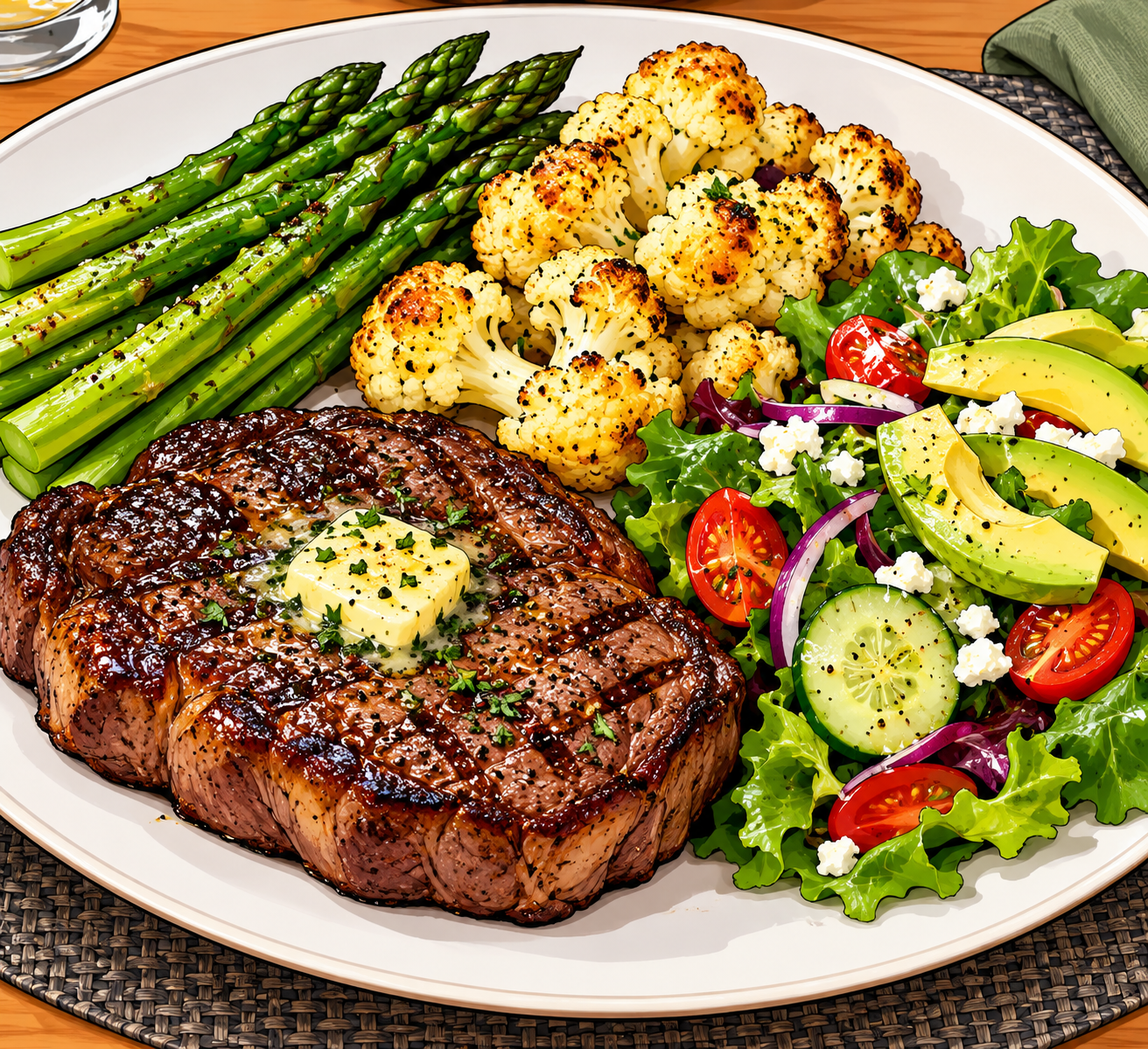
For the past 15 years, I have been eating the keto way, rarely wavering from this method of eating. An integrative medicine doctor presented me with a choice that prompted this change. I could either begin using insulin and other medications to manage my Type 2 diabetes or embark on a strict ketogenic diet.
Within weeks of making this dietary change, my blood sugar levels had returned to the normal range, and I no longer needed medication for Type 2 diabetes. Although I have always maintained a normal weight for my height, I developed this disease, which I believe was largely related to heredity rather than my lifestyle.
For most of my life, I rarely ate sugary foods. Instead, I followed the recommended low-fat, high-carbohydrate approach to eating that was promoted as the healthy way to live. I ate whole foods, whole grains, fruits, and vegetables and avoided processed foods. Despite these efforts, my blood sugar levels were still out of control.
Over the years, I have written about the ketogenic methodology time and time again. After more than 5,000 posts on our site, I sometimes think we have covered just about everything! Yet years later, readers still ask how to get started with this way of eating.
After receiving yet another request last night from our dear longtime reader Adele, I decided it was time to revisit the subject. Rather than respond with a lengthy email, I am sharing the basics here for Adele and everyone else who has asked about keto over the years. I have also linked reputable online resources for readers who want to do further research.
As we have mentioned in many previous posts, neither Tom nor I is a medical professional. It is essential to consult your healthcare provider before making significant dietary changes, particularly if you have diabetes, cardiovascular disease, or take medications that affect blood sugar.
What Is the Ketogenic Diet?
The ketogenic diet, commonly called keto, is a low-carbohydrate, higher-fat way of eating that encourages the body to produce ketones and use them as an alternative fuel source. When carbohydrate intake is sufficiently restricted, the body enters a metabolic state called ketosis.
Instead of relying primarily on glucose from carbohydrates, the body uses more fat and ketones for energy. However, being in ketosis does not automatically mean you are losing body fat. Weight loss still depends largely on your overall energy intake.
What Can You Eat on Keto?
The basic principle is to substantially reduce carbohydrates while consuming adequate protein and appropriate amounts of fat.
Foods commonly included are:
- Meat and poultry: Beef, pork, chicken, turkey, and other unprocessed meats.
- Fish and seafood: Salmon, sardines, tuna, shrimp, mussels, and other seafood.
- Eggs: A versatile source of protein and nutrients. Eat the yolks, too!
- Healthy fats: Olive oil, real butter, avocados, and other sources of unsaturated fat.
- Dairy products: Cheese, butter, and cream, as long as the carbohydrate content fits your plan.
- Low-carbohydrate vegetables: Spinach, broccoli, cauliflower, zucchini, and other nonstarchy vegetables.
- Nuts and seeds: In measured portions, since calories can add up quickly and it’s easy to overeat.
Foods generally restricted include bread, pasta, rice, potatoes, sugary drinks, sweets, unhealthy additives, chemicals, and many other high-carbohydrate foods. Most fruit must also be limited, although small portions of berries may fit into a ketogenic plan.
Many people start by keeping carbohydrates around 20 to 50 grams daily, though individual needs vary. Reading nutrition labels and tracking carbohydrate intake can help you understand how different foods fit into your daily allowance.
Keto Is Not an Unlimited-Calorie Diet
This is an important point I want to emphasize. Eating keto doesn’t mean you can eat unlimited bacon, butter, cheese, cream, or other high-fat foods and expect to lose weight.
Calories still matter. Protein matters especially as we age because maintaining muscle mass supports strength, mobility, and independence. Adequate protein, appropriate exercise, and a reasonable calorie intake are important components of a successful weight-management plan.
Exercise does not have to mean spending hours at a gym. Activities suited to your abilities, including walking and appropriate strength exercises, can help support muscle and overall health.
What Is the Ketovore Diet?
The ketovore approach, which I am following now, combines aspects of the ketogenic and carnivore ways of eating. It generally emphasizes animal-based foods, including meat, fish, poultry, and eggs, while keeping carbohydrates very low. Some people also include cheese, cream, butter, and selected low-carbohydrate vegetables.
Compared with a more conventional ketogenic diet, ketovore may involve fewer plant foods. That makes it especially important to consider fiber, vitamins, minerals, and the quality of dietary fats. It is a more restrictive approach and may not suit everyone.
Can you lose weight using either keto or ketovore? Yes, these approaches can help some people lose weight, but neither guarantees success. Monitoring total calorie intake, eating enough protein, and adding appropriate physical activity can all help.
For anyone taking diabetes medication, reducing carbohydrates can quickly change blood sugar levels. Insulin and certain other medications may require adjustment under medical supervision. Do not stop or change prescribed medication on your own. People with cardiovascular disease should also discuss the potential effects of a high-fat diet.
Over the past 15 years, I’ve found this approach meaningful, especially because my blood sugar levels improved. However, I recognize that everyone’s circumstances are different, and what has worked for me may not be appropriate for another person.
I encourage you to research these approaches through reliable medical and nutritional sources, ask questions, and work with your healthcare provider to determine what may be appropriate for you. Our goal is to keep doing what we can to maintain our health as we travel the world, while making informed choices that let us enjoy life to the fullest.
We hope this information has been helpful and inspires you to do further research to determine whether keto or ketovore might be appropriate for you. Everyone’s body, health concerns, and nutritional needs are different, so what works for one person may not work for another. Take your time, explore reputable sources, and discuss any dietary changes with your healthcare provider before getting started. We have found that learning about nutrition and making informed choices can be an important part of maintaining our health as we continue traveling the world, and we wish you all the best on your journey!
Be well.
Photo from ten years ago today, October 13, 2016:


About Jess & Tom
We are travel writers, photographers, and slow travelers exploring the world one meaningful experience at a time.
Read More