
Bird are not only beautiful but entertaining…This is the last weekend of school holidays…Back to the quiet of the bush…
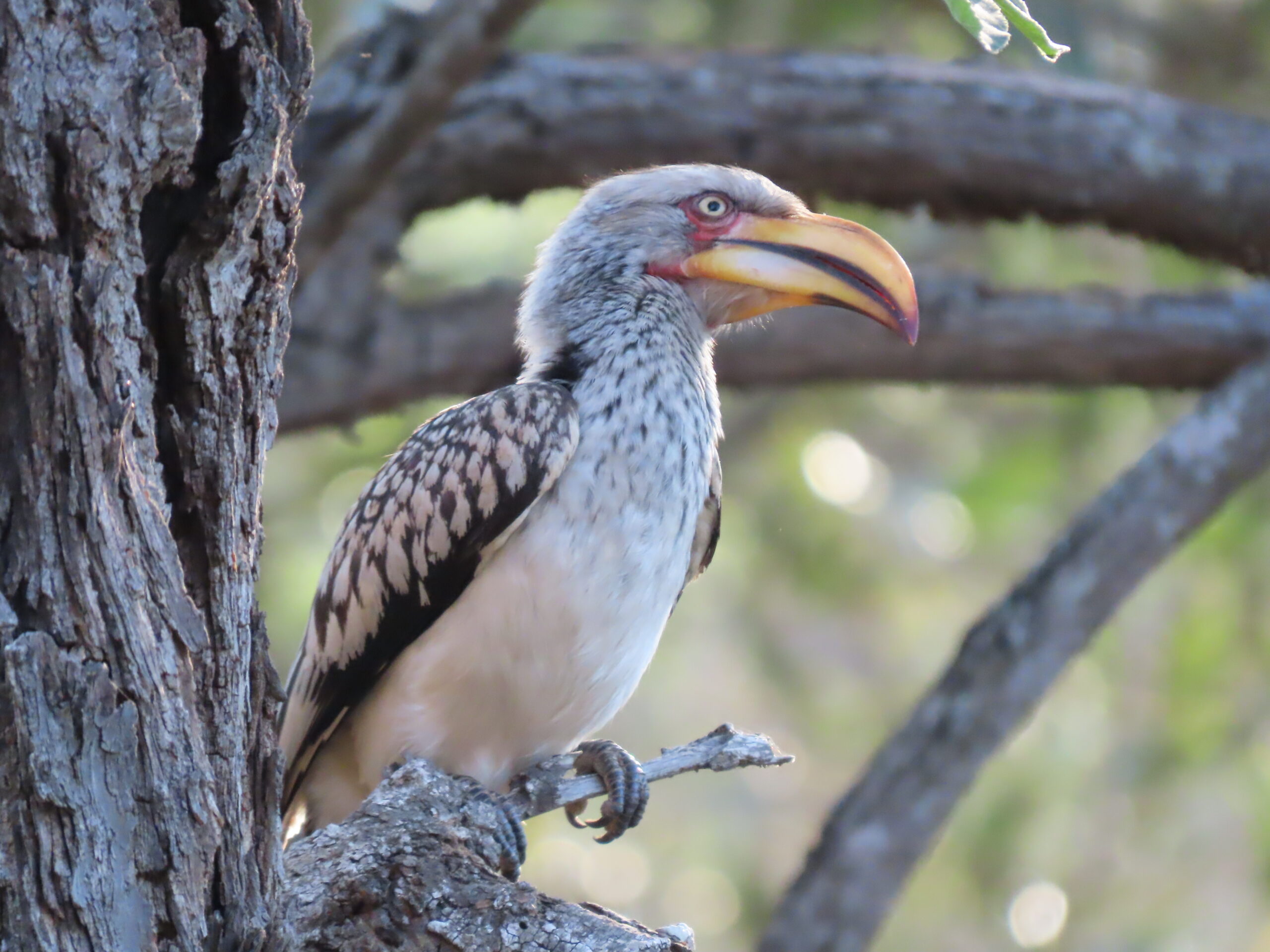
The weeks fly by in a blur of delightful activity amid the planned events and the quiet, gentle moments we spend seated at the table on the veranda, viewing not only the wildlife but also the wide array of birds that stop by regularly. It is in these unhurried pauses that we find a particular kind of contentment, one that requires no agenda, no schedule, and no expectation beyond simply being present. Life here has a way of settling into us, softening the edges of time until days blend seamlessly into one another, often moving too fast.
Each morning begins much the same. Coffee in hand, we take our seats outdoors, listening before we even look. The calls of birds are often the first indication that the day is underway. Some are melodic and soothing, while others are sharp and insistent, as if announcing their arrival with purpose. Before long, the regular visitors begin to appear, each species with its own mannerisms, patterns, and subtle demands.
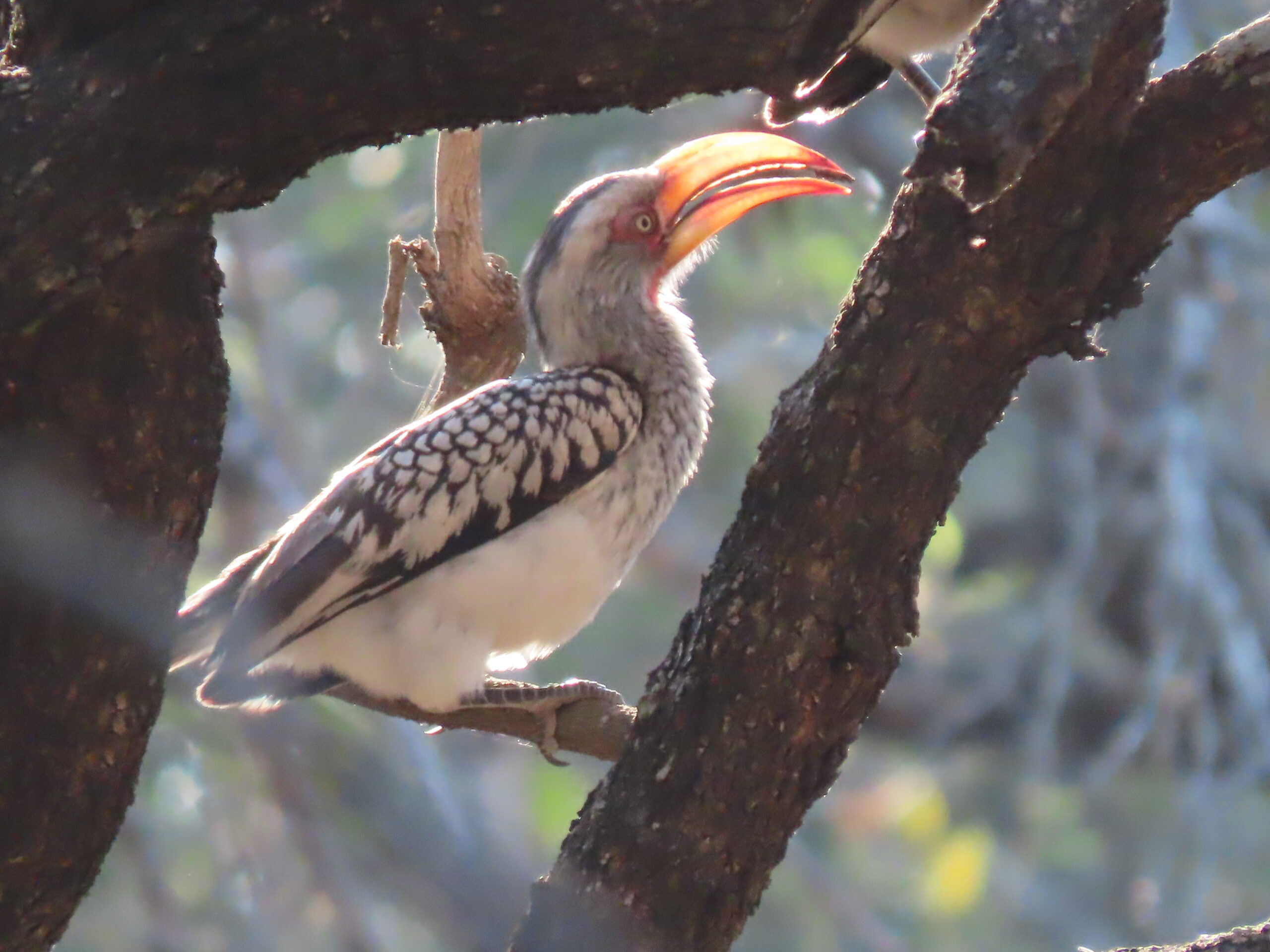
Even those birds who often stop by seem to engage with us, letting us know they would like some seeds. There is an unmistakable familiarity in their behavior. They do not hesitate or linger at a distance. Instead, they approach with a confidence that suggests recognition, as if we are part of their daily routine as much as they are part of ours. It is a quiet exchange, one that requires no words yet feels entirely communicative.
Among them, the yellow-billed hornbills stand apart. Of all the birds we observe, hornbills seem to have the most personality. It is not only their striking appearance, with their oversized curved beaks and expressive eyes, but also the way they carry themselves. There is a sense of curiosity about them, an almost playful boldness that sets them apart from the others.
They rarely arrive unnoticed. Their calls are loud and animated, and their movements have a certain urgency, as if they have important business to attend to. Yet once they settle nearby, their demeanor shifts. They tilt their heads, study us intently, and hop closer with a deliberate confidence. It often feels as if they are assessing the situation, deciding whether we have met their expectations for the day.
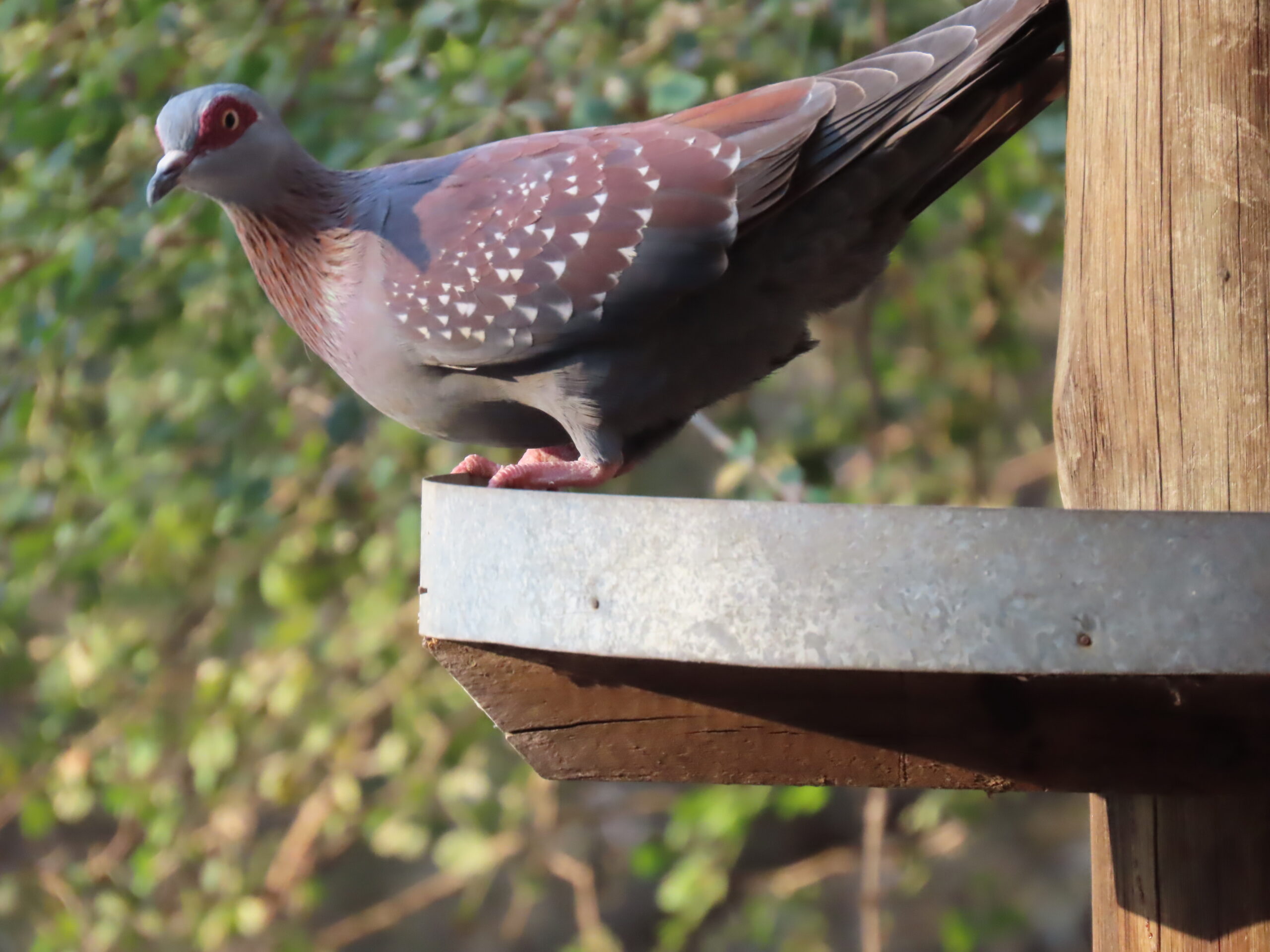
At times, their interactions seem almost theatrical. One will call out loudly, while another responds, creating a back-and-forth that feels less like instinct and more like conversation. When seeds are offered, they waste no time. Even in their eagerness, there is a distinct sense of awareness. They watch us as closely as we watch them.
There are moments when one will linger longer than the others, remaining perched nearby as if reluctant to leave. In those instances, it is easy to imagine a connection, however fleeting. Of course, we know better than to assign human qualities too freely, yet it is difficult to ignore the impression that these birds are not merely passing through. They seem engaged, attentive, and undeniably expressive.
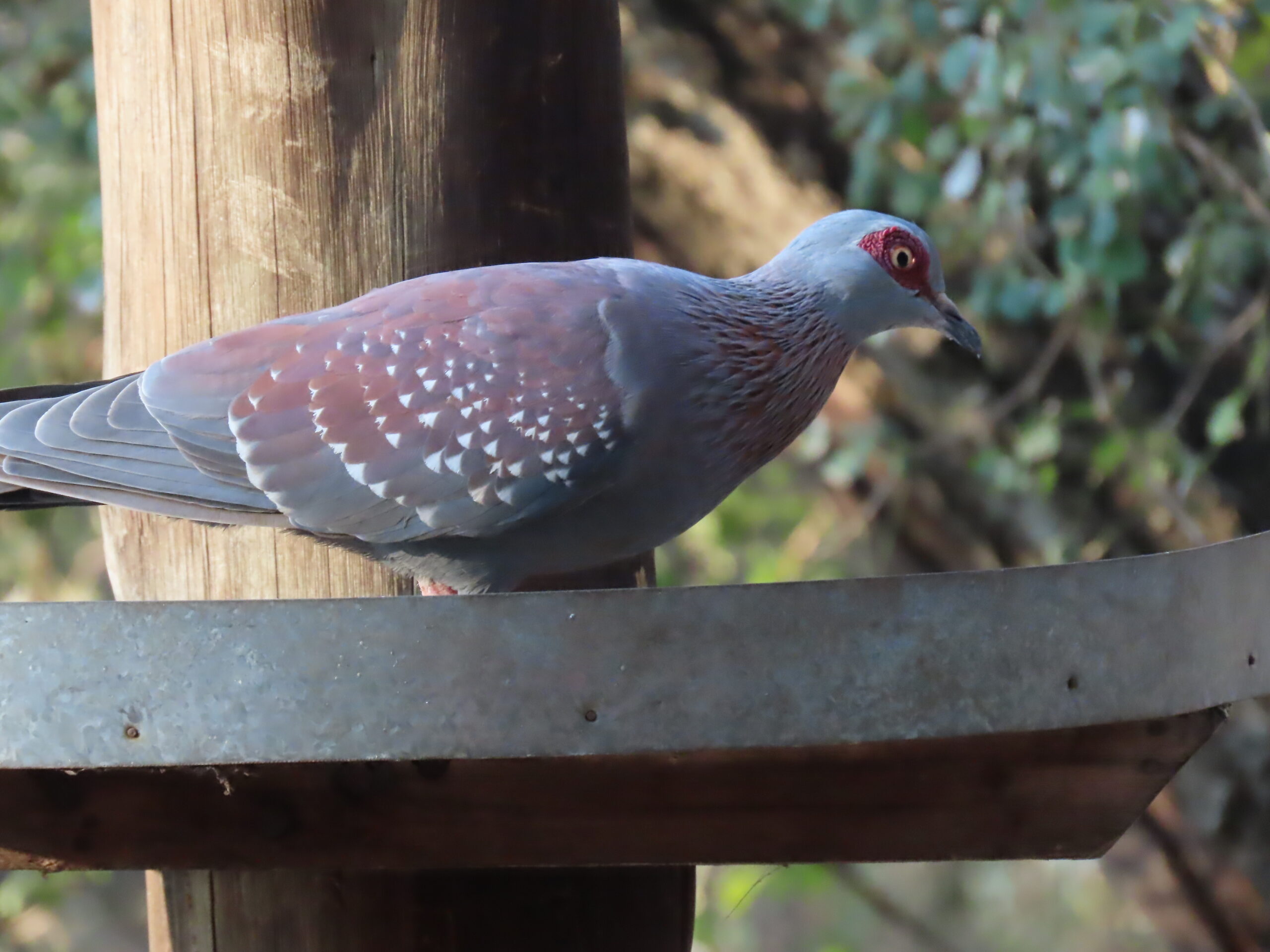
As the day progresses, the activity ebbs and flows. Some hours are filled with constant movement, while others are marked by stillness. In those quieter times, we sit back and take it all in: the distant sounds of wildlife, the rustle of leaves, and the occasional flutter of wings breaking the silence.
It is in these simple, repeated experiences that we find the greatest joy. There is no need for grand excursions or elaborate plans when such richness exists just beyond the edge of the veranda. The hornbills, with their lively presence and unmistakable charm, have become a highlight of our days, a reminder that even the smallest encounters can leave a lasting impression.
And so, as the weeks continue to pass quickly, we remain grateful for these moments. They may seem ordinary to some, but to us, they are anything but.
On another note, the school holidays are ending this weekend, and soon the bush will settle back into its familiar pace of calm and quiet. While we fully understand and appreciate the financial boost this busy period brings to property owners and local shopkeepers, there is a certain relief that comes with its conclusion. The roads will be less hurried, the noise will fade, and the wildlife will once again move about with ease. For us, the peacefulness of this conservancy is part of its magic, and we look forward to savoring those gentle, unhurried days ahead.
Be well.
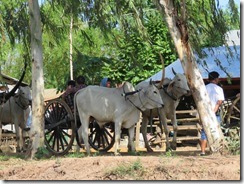
Photo from ten years ago today, July 17, 2016:

About Jess & Tom
We are travel writers, photographers, and slow travelers exploring the world one meaningful experience at a time.
Read More