
Exercising caution against small dangerous sea creature at beaches worldwide…
There is something about a beach that invites a sense of ease. The gentle sound of waves, the warmth of sand underfoot, and the vast horizon can make the world feel simple and safe. Over the years, we have walked along countless beaches, from the rugged coastlines of Australia to the pristine stretches of islands scattered across the Pacific and beyond. Each one offered its own beauty, its own mood, and occasionally, its own hidden dangers.
It is easy to forget that the ocean is not just a place of beauty but also a living, breathing ecosystem filled with creatures that demand respect. Some are obvious, like sharks slicing through the water at a distance, their presence enough to send swimmers scrambling to shore. Others are far less visible, often resting quietly in the sand or drifting unnoticed in the shallows, waiting for an unsuspecting footstep or curious touch.
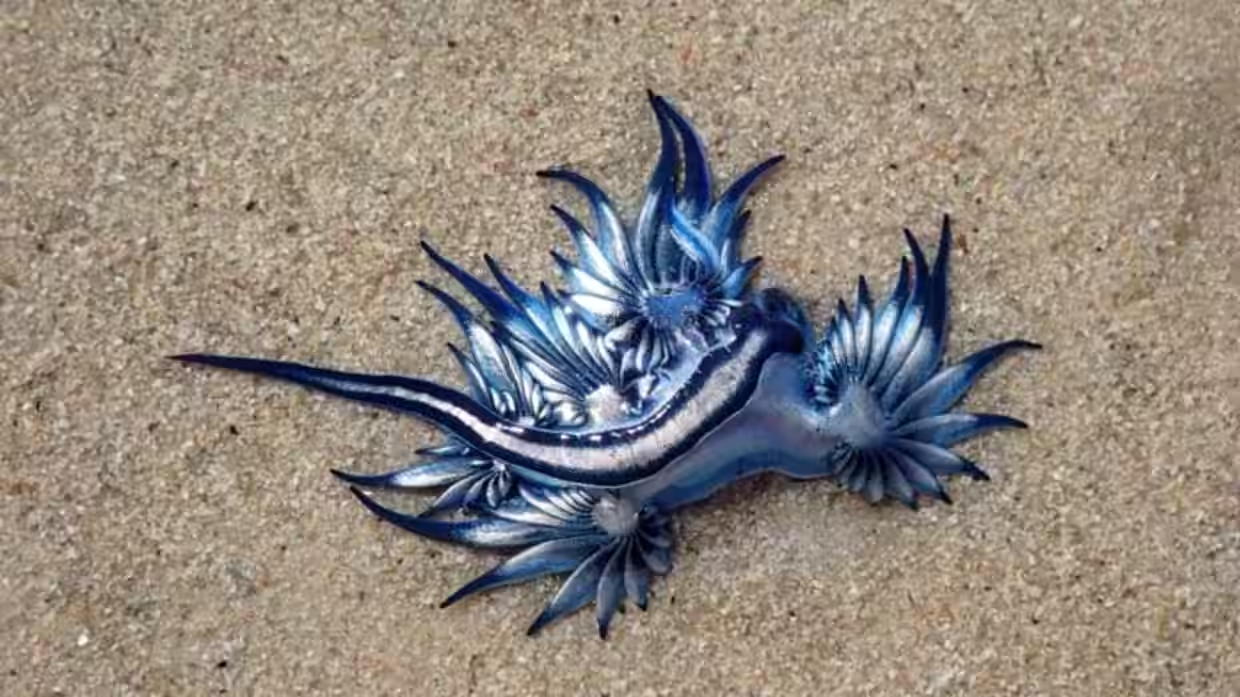
Recently, there has been news from Guardamar del Segura, a coastal town in southeastern Spain, where beachgoers encountered the striking yet dangerous Glaucus atlanticus, commonly known as the blue dragon. At first glance, it hardly looks threatening. With its delicate, almost otherworldly appearance and brilliant shades of blue, it seems more like a tiny piece of ocean art than something to fear. But this small creature carries a powerful sting that can cause intense pain and, in rare cases, more serious reactions.
What makes the blue dragon especially fascinating, and a bit unsettling, is how it feeds. It preys on venomous creatures such as the Portuguese man-of-war, storing their venom and concentrating it within its own tissues. In doing so, it becomes even more potent than its prey. It is a reminder that in nature, beauty and danger often coexist, intertwined in ways we do not always expect.
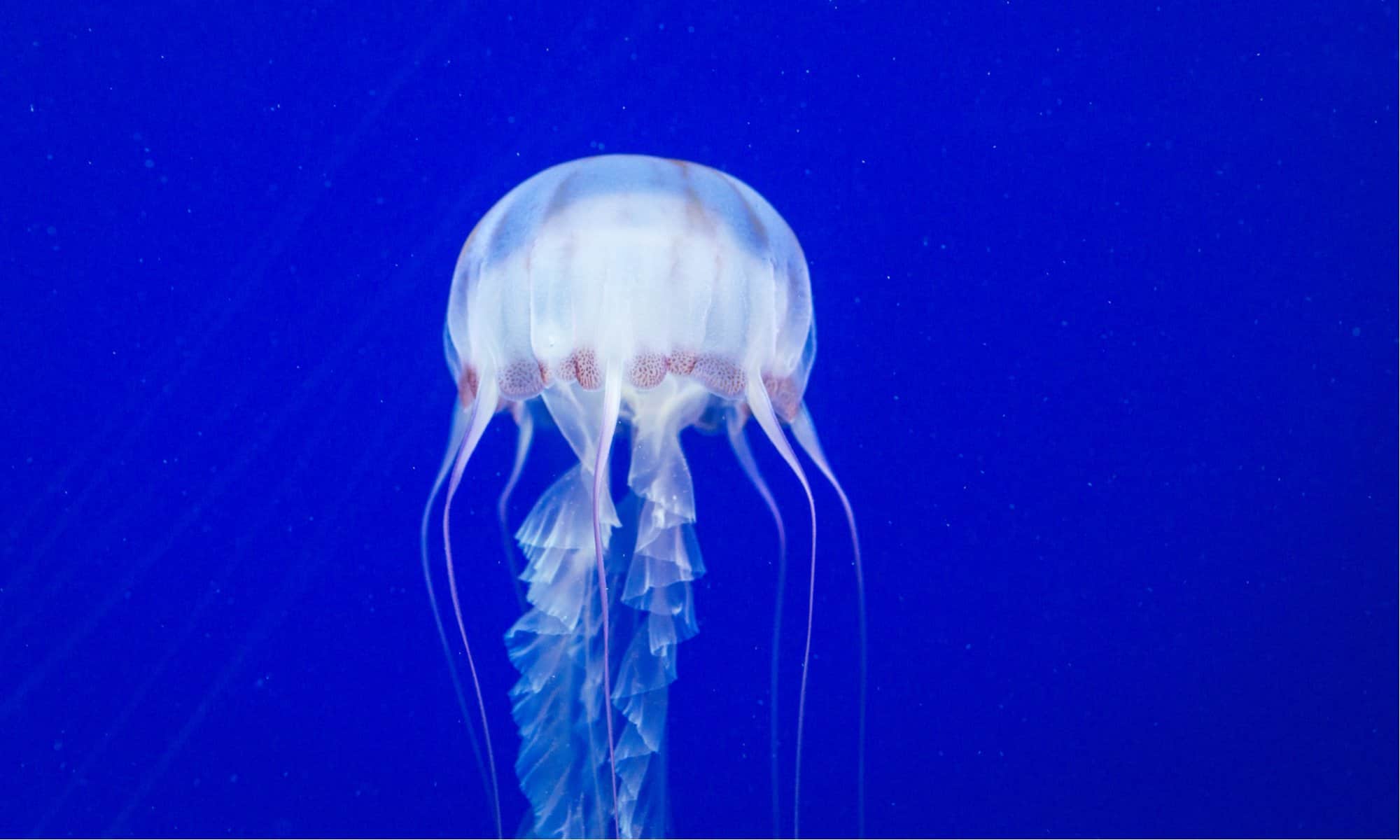
Thinking back on our own travels, we have encountered warnings about dangerous marine life more times than we can count. In Australia, beaches are often marked with signs cautioning swimmers about box jellyfish and Irukandji jellyfish, both tiny and nearly invisible in the water, yet capable of delivering excruciating stings. Standing at the edge of such waters, one feels a mixture of awe and hesitation. The ocean looks so inviting, yet beneath the surface lies an unseen world that operates on its own.
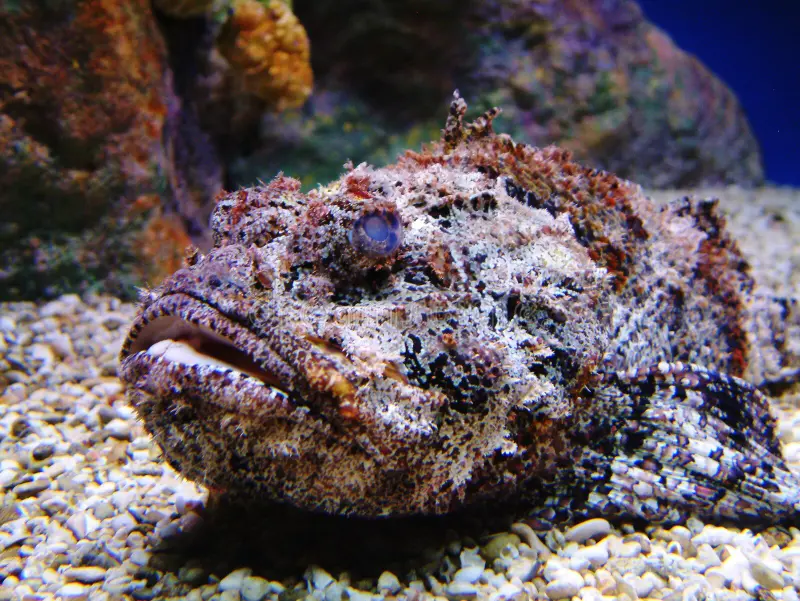
Then there are the creatures that blend seamlessly into their surroundings. The stonefish, often buried in shallow sand or nestled among rocks, is considered one of the most venomous fish in the world. Stepping on one can result in intense pain and requires immediate medical attention. It is the kind of danger that does not announce itself, making awareness all the more important.
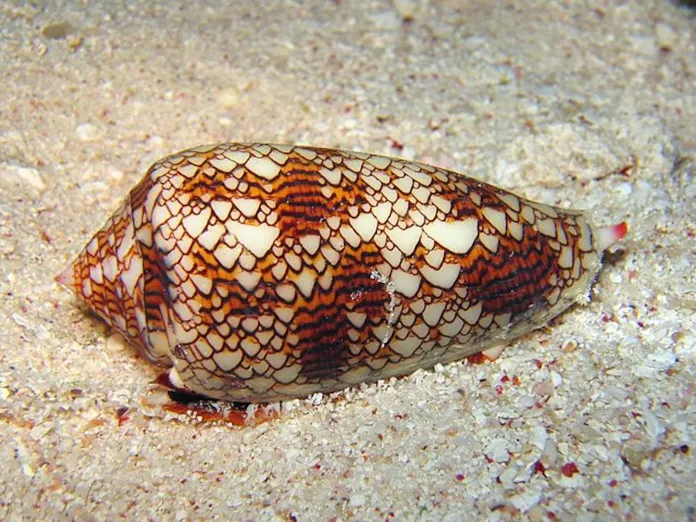
Even something as simple as a walk along the shoreline can carry unexpected risks. In some parts of the world, cone snails, particularly the Conus geographus, lie partially hidden, their beautifully patterned shells tempting beachcombers to pick them up. Yet inside is a harpoon-like mechanism capable of delivering venom that can be life-threatening. It is a powerful lesson in restraint, reminding us that not everything meant to be admired should be touched.
Despite these realities, beaches remain among our favorite places. There is a sense of connection to the natural world that feels both grounding and expansive. Over time, we have learned that enjoying these environments does not require fear, but rather a healthy respect and a willingness to stay informed.
Simple precautions go a long way. Paying attention to local warnings, observing posted signs, and taking a moment to scan the water before entering can make all the difference. Wearing protective footwear in unfamiliar waters, resisting the urge to handle marine life, and understanding that even the smallest creature can defend itself become second nature with experience.
What strikes me most is how these encounters deepen our appreciation for the places we visit. Knowing that a tiny blue dragon can wash ashore in Spain, or that invisible jellyfish drift through tropical waters, adds a layer of complexity to what might otherwise seem like a simple day at the beach. It reminds us that we are visitors in these environments, stepping briefly into a world that has existed long before us.
In the end, the beach is not just a place for relaxation. It is a place of discovery, where beauty and caution walk hand in hand. Each visit becomes an opportunity to learn, to observe, and to respect the delicate balance that defines life along the edge of the sea.
Be well.
Photo from ten years ago today, March 31, 2016:


About Jess & Tom
We are travel writers, photographers, and slow travelers exploring the world one meaningful experience at a time.
Read More