We’re off to Burnie, Tasmania today…Top ten interest facts about Burnie…

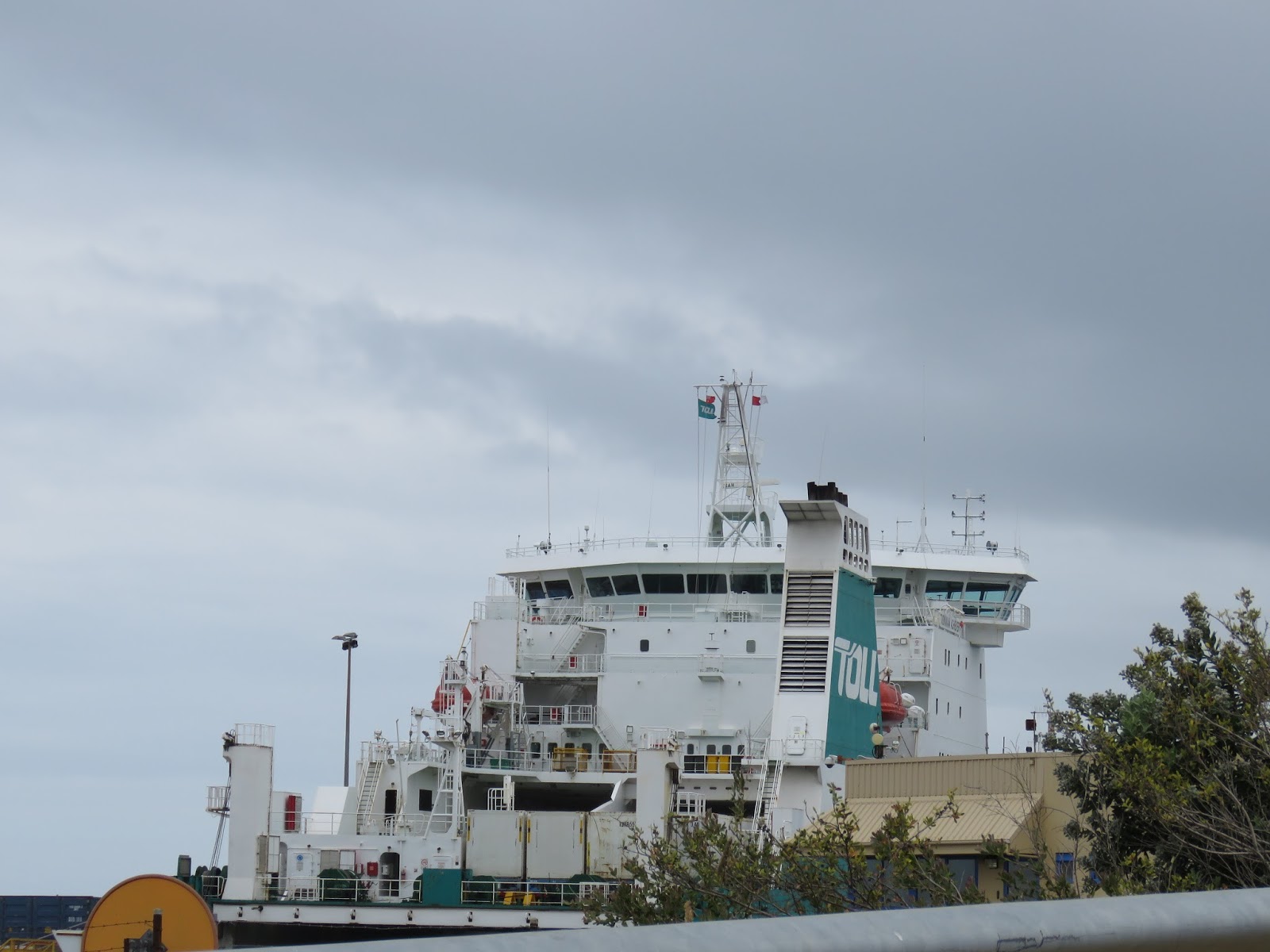
Our photos from this post. Ferry in Burnie, Tasmania. Many ferries are available in Tasmania for passengers, cars, and shipping purposes. The Burnie ferry serves local destinations. Check online for details. See our post here.

This morning, we are heading down the road to Burnie, Tasmania, a place we have not visited since our last stay in Penguin all those years ago. It is hard to believe a full decade has passed. Back then, everything felt new and unfamiliar, yet comforting in its own quaint way. As we make our way along the familiar coastal route, there is a sense of curiosity mixed with reflection. We wonder what has changed and what has stayed the same. Returning after so long feels a bit like opening a well-loved book and finding new meaning in its pages.

  1. Burnie sits quietly on the northwest coast of Tasmania, yet its story begins with bold ambition and stubborn determination. Established as a port town in the 1800s, it was never meant to be flashy. It was built for work. Timber, minerals, and paper once flowed steadily through its harbor, shaping not only the local economy but the identity of the people who lived there. Even today, when you walk along the waterfront, there is a sense that this place earned its character through effort, not accident.
  2. One of the most surprising things about Burnie is how deeply it embraces public art. What could have been just another coastal town has become an open gallery. Murals stretch across walls, sculptures appear where you least expect them, and even industrial spaces have been softened by creativity. It feels as though the town made a quiet decision at some point to celebrate expression, not just productivity. For visitors, this adds an unexpected layer of discovery.
  3. Burnie is home to a colony of little penguins, and seeing them return at dusk is one of those experiences that stays with you. There is something almost tender about watching these small creatures waddle ashore after a day at sea. It draws locals and visitors together in quiet anticipation, everyone waiting patiently as the light fades. In a world that often moves too fast, this nightly ritual feels grounding.
  4. The town’s industrial past is still visible, but it has been reimagined rather than erased. Old factories and warehouses have been repurposed into cultural and community spaces. This blend of old and new gives Burnie a layered feeling, as if each generation has left something behind while making room for what comes next. It is not polished like some tourist towns, and that is part of its appeal.
  5. Burnie has a strong connection to paper production, once being home to one of the largest paper mills in the Southern Hemisphere. For decades, this industry defined the town, providing jobs and shaping daily life. Families were built around it, routines were formed around it, and the hum of machinery became part of the background. Even as the industry has changed, its influence lingers in conversations and memories.
  6. The Makers’ Workshop stands as a symbol of Burnie’s evolving identity. It brings together artisans, storytellers, and visitors in a space that celebrates craftsmanship. You can watch glass being blown, learn about the region’s history, and even meet the penguins in a more structured setting. It feels less like a museum and more like a living space where past and present meet in a very natural way. Ten years ago, when we visited Burnie, we wrote a post about The Makers Workshop. See the post and photos here.
  7.  Despite its modest size, Burnie has a strong sense of community that reveals itself in small, meaningful ways. People greet each other on the street, conversations start easily, and there is a noticeable pride in the town. This is not the kind of place where you feel anonymous for long. Even a short stay can leave you feeling connected, as though you have briefly stepped into a shared story.
  8. The coastline around Burnie is both rugged and inviting. Rocky outcrops meet stretches of sand, and the ocean often feels close and powerful. Walking along the shore, you can sense how much the sea has influenced life here. It is not just scenery. It is a presence that shapes weather, mood, and daily routines. There are moments when the wind picks up, and the waves crash with force, reminding you that this is a working coast, not just a pretty one.
  9.  Burnie has a surprisingly rich sporting culture, particularly in Australian rules football. Local teams are supported with genuine enthusiasm, and matches can feel as much like community gatherings as they are sporting events. Generations of families have been involved, whether as players, supporters, or volunteers. It is another example of how tightly woven the social fabric is in this town.
  10. Perhaps the most interesting thing about Burnie is how it balances humility with quiet confidence. It does not try to compete with larger cities or more famous destinations. Instead, it leans into what it is. A working town with a creative heart, a coastal setting that demands respect, and a community that values connection. For those who take the time to look beyond the surface, Burnie offers something genuine, and in today’s world, that can feel rare.
Photo from our visit to Makers Workshop in Burnie, Tasmania, ten years ago. Handcrafted cutting boards and cooking planks.  These were hard for me to resist. But there’s no room in our luggage for wood. See the post here.

Tomorrow, we’ll share new photos and our story about our visit to Burnie. Unfortunately, once again, it will be a cloudy day in Burnie.

Be well.

Photo from ten years ago today, April 1, 2016:

Kiwi Rail locomotive in New Zealand. For more photos, please click here.

Exercising caution against small dangerous sea creature at beaches worldwide…

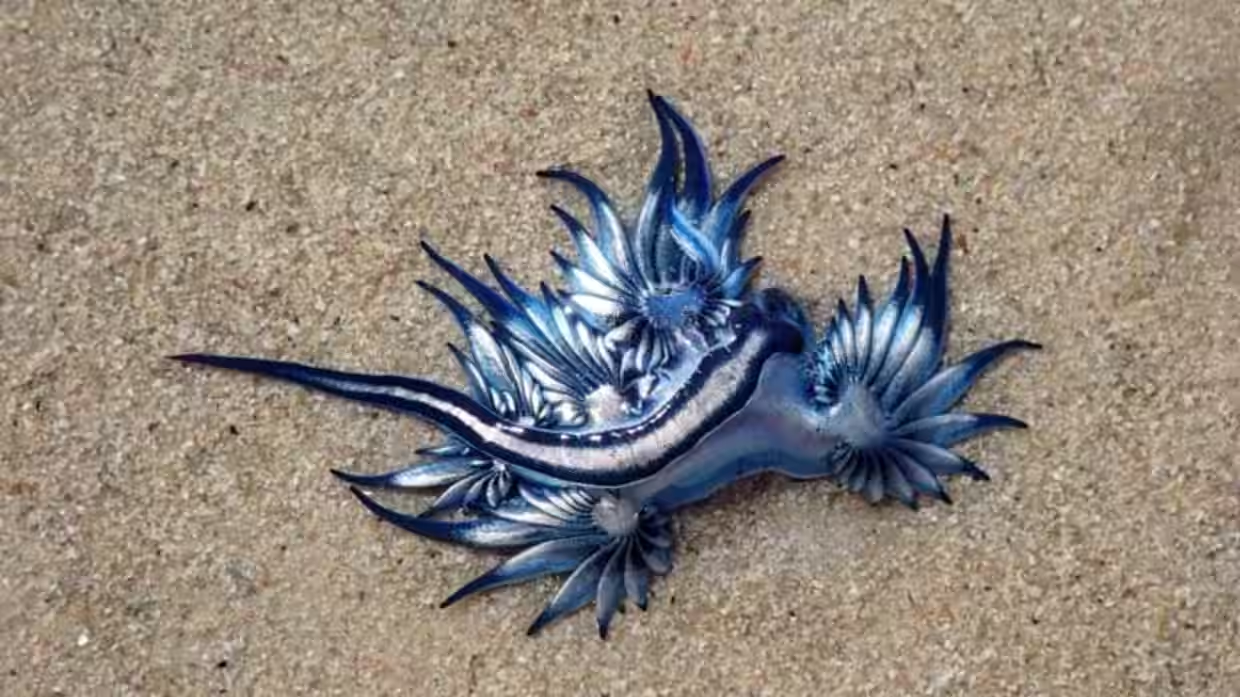
Not our photo. Glaucus atlanticus, referred to as the “blue dragon,” was found on the beaches of Guardamar del Segura, Spain, and other parts of the world.

There is something about a beach that invites a sense of ease. The gentle sound of waves, the warmth of sand underfoot, and the vast horizon can make the world feel simple and safe. Over the years, we have walked along countless beaches, from the rugged coastlines of Australia to the pristine stretches of islands scattered across the Pacific and beyond. Each one offered its own beauty, its own mood, and occasionally, its own hidden dangers.

It is easy to forget that the ocean is not just a place of beauty but also a living, breathing ecosystem filled with creatures that demand respect. Some are obvious, like sharks slicing through the water at a distance, their presence enough to send swimmers scrambling to shore. Others are far less visible, often resting quietly in the sand or drifting unnoticed in the shallows, waiting for an unsuspecting footstep or curious touch.

Recently, there has been news from Guardamar del Segura, a coastal town in southeastern Spain, where beachgoers encountered the striking yet dangerous Glaucus atlanticus, commonly known as the blue dragon. At first glance, it hardly looks threatening. With its delicate, almost otherworldly appearance and brilliant shades of blue, it seems more like a tiny piece of ocean art than something to fear. But this small creature carries a powerful sting that can cause intense pain and, in rare cases, more serious reactions.

What makes the blue dragon especially fascinating, and a bit unsettling, is how it feeds. It preys on venomous creatures such as the Portuguese man-of-war, storing their venom and concentrating it within its own tissues. In doing so, it becomes even more potent than its prey. It is a reminder that in nature, beauty and danger often coexist, intertwined in ways we do not always expect.

Not our photo. The box jellyfish (class Cubozoa) is widely considered one of the world’s most venomous creatures. Named for their distinctive cube-shaped bells, these invertebrates are highly advanced compared to other jellyfish—they can actively swim at speeds of up to 4 knots and possess 24 eyes, some of which are capable of forming images.

Thinking back on our own travels, we have encountered warnings about dangerous marine life more times than we can count. In Australia, beaches are often marked with signs cautioning swimmers about box jellyfish and Irukandji jellyfish, both tiny and nearly invisible in the water, yet capable of delivering excruciating stings. Standing at the edge of such waters, one feels a mixture of awe and hesitation. The ocean looks so inviting, yet beneath the surface lies an unseen world that operates on its own.

Then there are the creatures that blend seamlessly into their surroundings. The stonefish, often buried in shallow sand or nestled among rocks, is considered one of the most venomous fish in the world. Stepping on one can result in intense pain and requires immediate medical attention. It is the kind of danger that does not announce itself, making awareness all the more important.

Synanceia is a genus of ray-finned fish belonging to the subfamily Synanceiinae, commonly known as the stonefish, which is classified within the family Scorpaenidae, the scorpionfish and close relatives. Stonefish are the most venomous fish known; their stings can be fatal to humans.

Even something as simple as a walk along the shoreline can carry unexpected risks. In some parts of the world, cone snails, particularly the Conus geographus, lie partially hidden, their beautifully patterned shells tempting beachcombers to pick them up. Yet inside is a harpoon-like mechanism capable of delivering venom that can be life-threatening. It is a powerful lesson in restraint, reminding us that not everything meant to be admired should be touched.

Cone snails are highly venomous predatory marine gastropods (family Conidae) known for their beautifully patterned shells and dangerous, harpoon-like venomous teeth. Found primarily in tropical and subtropical waters, these creatures use venom, or conotoxin, to paralyze prey instantly. They can have different appearances and thus, do not touch any snails found on a beach! They are often considered the most venomous creatures on Earth.

Despite these realities, beaches remain among our favorite places. There is a sense of connection to the natural world that feels both grounding and expansive. Over time, we have learned that enjoying these environments does not require fear, but rather a healthy respect and a willingness to stay informed.

Simple precautions go a long way. Paying attention to local warnings, observing posted signs, and taking a moment to scan the water before entering can make all the difference. Wearing protective footwear in unfamiliar waters, resisting the urge to handle marine life, and understanding that even the smallest creature can defend itself become second nature with experience.

What strikes me most is how these encounters deepen our appreciation for the places we visit. Knowing that a tiny blue dragon can wash ashore in Spain, or that invisible jellyfish drift through tropical waters, adds a layer of complexity to what might otherwise seem like a simple day at the beach. It reminds us that we are visitors in these environments, stepping briefly into a world that has existed long before us.

In the end, the beach is not just a place for relaxation. It is a place of discovery, where beauty and caution walk hand in hand. Each visit becomes an opportunity to learn, to observe, and to respect the delicate balance that defines life along the edge of the sea.

Be well.

Photo from ten years ago today, March 31, 2016:

Quaint historic building in Eltham, NZ, spotted while we were visiting a cheese factory. For more photos, please click here.

The US Will Require Travelers From 50 Countries to Pay Up to $15,000 to Visit…Details…

This information is imperative to share with our worldwide readers/travelers from this site:

“The U.S. Will Require Travelers From 50 Countries to Pay Up to $15,000 to Visit—What to Know

Travelers from 50 countries must now pay up to $15,000 in bonds to apply for U.S. B1 or B2 visas By Stacey Leasca, Published on March 29, 2026

It’s about to get way more expensive for some tourism and business travelers to visit the United States.

On March 18, President Donald Trump’s administration announced it would require travelers from 50 countries to post $15,000 bonds while applying for entry to the U.S. under a B1 or B2 visa.

“The visa bond program has already proven effective at drastically reducing the number of visa recipients who overstay their visas and illegally remain in the United States,” the State Department shared in a release as to why it was adding new nations to the list. “Nearly 1,000 foreigners have been issued visas under the program, and 97% of bonded travelers have returned home from the United States on time.”

The new countries included in the visa bond program, the State Department’s statement explained, include Cambodia, Ethiopia, Georgia, Grenada, Lesotho, Mauritius, Mongolia, Mozambique, Nicaragua, Papua New Guinea, Seychelles, and Tunisia.

These countries join the 38 others already a part of the visa bond program. Those countries include Algeria, Angola, Antigua and Barbuda, Bangladesh, Benin, Bhutan, Botswana, Burundi, Cabo Verde, Central African Republic, Cote d’Ivoire, Cuba, Djibouti, Dominica, Fiji, Gabon, The Gambia, Guinea, Guinea Bissau, Kyrgyzstan, Malawi, Mauritania, Namibia, Nepal, Nigeria, Sao Tome and Principe, Senegal, Tajikistan, Tanzania, Togo, Tonga, Turkmenistan, Tuvalu, Uganda, Vanuatu, Venezuela, Zambia, and Zimbabwe. It’s critical to note that the full amount of the bond will be “returned to visa recipients who return home in compliance with the terms of the visa and the bond,” or if the person chooses not to travel.

The countries added in March will be expected to pay the bond for any travel as of April 2. Those looking to apply need to submit specific forms (more information on that there) only “after a consular officer directs them to do so,” the State Department explained. Then, applicants will receive a direct link to pay through Pay.gov. “They must not use any third-party website for posting the bond. The U.S. Government is not responsible for any money paid outside of its systems,” it added.

Also critically, being able to pay the bond does not guarantee you will get a visa. If someone pays fees without a consular officer’s direction, the fees will not be returned.

And, while a smaller detail, visa holders should be aware that they may only enter and exit the United States through commercial airports, “including CBP preclearance locations.” Visa holders cannot land or leave on charter flights or boats. And remember, staying past the date of authorization, even by a day, means forfeiting the bond. See all the details at travel.state.gov.”

Note: Visa bond compliance: The bond will be canceled, and the money returned automatically in these situations: the Department of Homeland Security records the visa holder’s departure from the United States on or before the date to which they are authorized to stay in the United States. A US visa bond ($5,000–$15,000) is a refundable deposit required for select high-risk applicants, primarily aiming to prevent visa overstaysThe process is initiated by a consular officer at the interview. If required, applicants must file Form I-352 and pay through the official Pay.gov platform.
Be well.
Photo from ten years ago today, March 30, 2016:
At the Fontera Cheese Factory in New Zealand, we purchased five packages of cheese, including that huge round of Brie.I ate part of the smoked Havarti in the car while Tom ate this mint ice cream bar. We were “out and about” when there were no “rules” or comments from me on what he chose to eat. He said it wasn’t that good after all. For more photos, please click here.

Two weeks and counting…

Soon, we will be packing to head to Hobart for our flight to Brisbane.
There’s never a shortage of beautiful scenery here in New Zealand. For more photos, please click here.

We have our first houseguest in Penguin, Tasmania…Delightful!

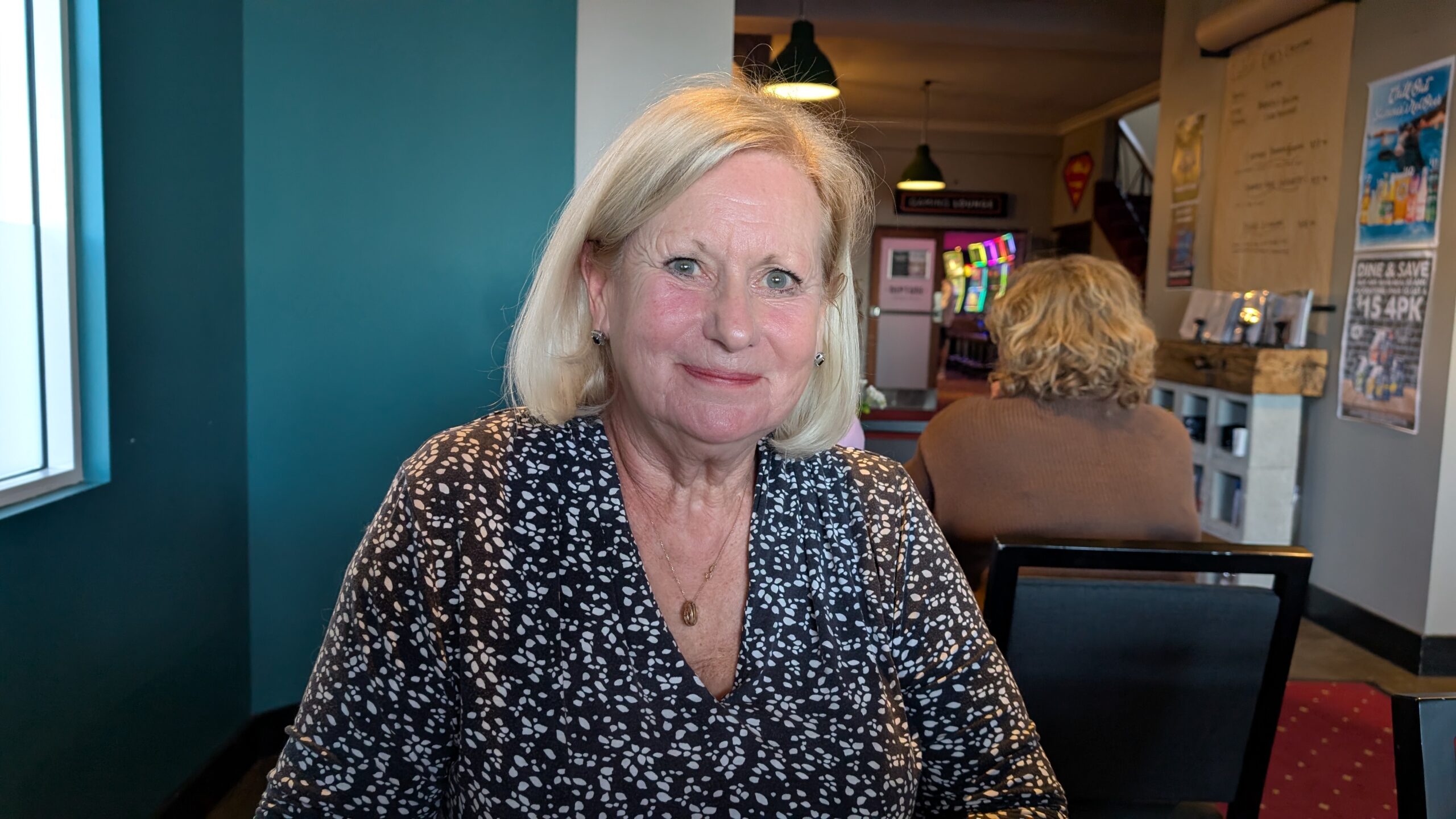
Our dear friend, Salli, who is visiting us from Hobart, Tasmania, was with us at Neptune last evening while we were out to dinner.

It is such a delight to have our friend Salli here from Hobart, staying with us for the weekend. From the moment she arrived, it felt as if no time had passed at all, as if we had picked up right where we left off on that unforgettable 47-night cruise. There is something deeply comforting about that kind of connection, the kind that doesn’t require effort or explanation, where conversation flows as naturally as breathing.

We have spent hours talking, the kind of conversations that wander from lighthearted laughter to meaningful reflection without missing a beat. It is these deeper, more personal exchanges that remind me how rare and special it is to meet someone in the midst of travel who truly understands you. Life on the move often brings fleeting encounters, brief friendships that fade as quickly as they begin, but every so often, someone comes along who leaves a lasting imprint. Salli is one of those people.

I find myself thinking back to those evenings on the ship, when Happy Hour became less about the drinks and more about the company. Nearly every night, Salli would join us along with Di and Peter, and those gatherings quickly became a highlight of our days. There was always laughter, always a story to share, always a sense of ease among us. It never felt forced or superficial. Instead, it felt like sitting with old friends, even though we had only just met.

Roast lamb with gravy and vegetables.

Those evenings seemed to stretch on in the best possible way, filled with lively banter and the kind of camaraderie that makes you forget where you are in the world. Surrounded by the vastness of the ocean, we somehow created a small, familiar space among ourselves, one built on connection and shared experiences. It is remarkable how travel can bring people together in such an intense and meaningful way, compressing what might take years into just a few weeks.

Some of my favorite moments, though, were the quieter ones. Several mornings, Salli and I would find ourselves at the Promenade Cafe, coffee or tea in hand, settling into conversations that often lasted for hours. There was no agenda, no rush to be anywhere else. We would talk about everything and nothing, sharing stories, thoughts, and pieces of our lives that somehow felt safe to reveal in that setting. Those mornings carried a sense of calm and depth that stayed with me long after we walked away.

Tom had lasagne last night, which came with chips (fries) and a side salad.

Now, having her here with us in Tasmania, those memories feel even more vivid. Sitting together again, hearing her laugh, continuing conversations that never really ended, it all serves as a beautiful reminder of those days at sea. It also reinforces something we have come to understand over the years of living this nomadic life. The places we visit are extraordinary, yes, but it is the people we meet along the way who truly shape our experiences.

There is a certain kind of gratitude that comes with friendships like this. It is not just about enjoying someone’s company, but about recognizing how unlikely it all is. In a world so vast, with so many paths and possibilities, our lives intersected in a way that allowed this friendship to grow. And now, here we are, sharing time again, this time on land instead of at sea, but exquisite view os the sea before us, continuing to build on that foundation.

My usual deconstructed nachos with tortilla chips to share with Tom and Salli.

It also makes us look ahead with excitement. Knowing that Di and Peter will be coming to stay with us in Marloth Park in August adds another layer of anticipation. These connections, formed in such a unique environment, continue to weave themselves into our everyday lives, creating a sense of continuity that can sometimes feel elusive when you are constantly on the move.

As we sit together, talking late into the evening or lingering over morning coffee, I am reminded of just how fortunate we are. This lifestyle has its challenges, its moments of uncertainty and adjustment, but experiences like this make it all worthwhile. The friendships we have made along the way are not just memories tucked away in our minds. They are living, evolving connections that continue to bring joy, comfort, and meaning into our lives.

We truly are blessed to have met such wonderful people in our world travels. And having Salli here with us now is a beautiful reminder of just how rich and rewarding this journey continues to be.

Be well.

Photo from ten years ago today, January 28, 2016:

Tom’s hair had grown unruly since his last haircut in Savusavu, Fiji, in early November, almost five months ago. For more photos, please click here.