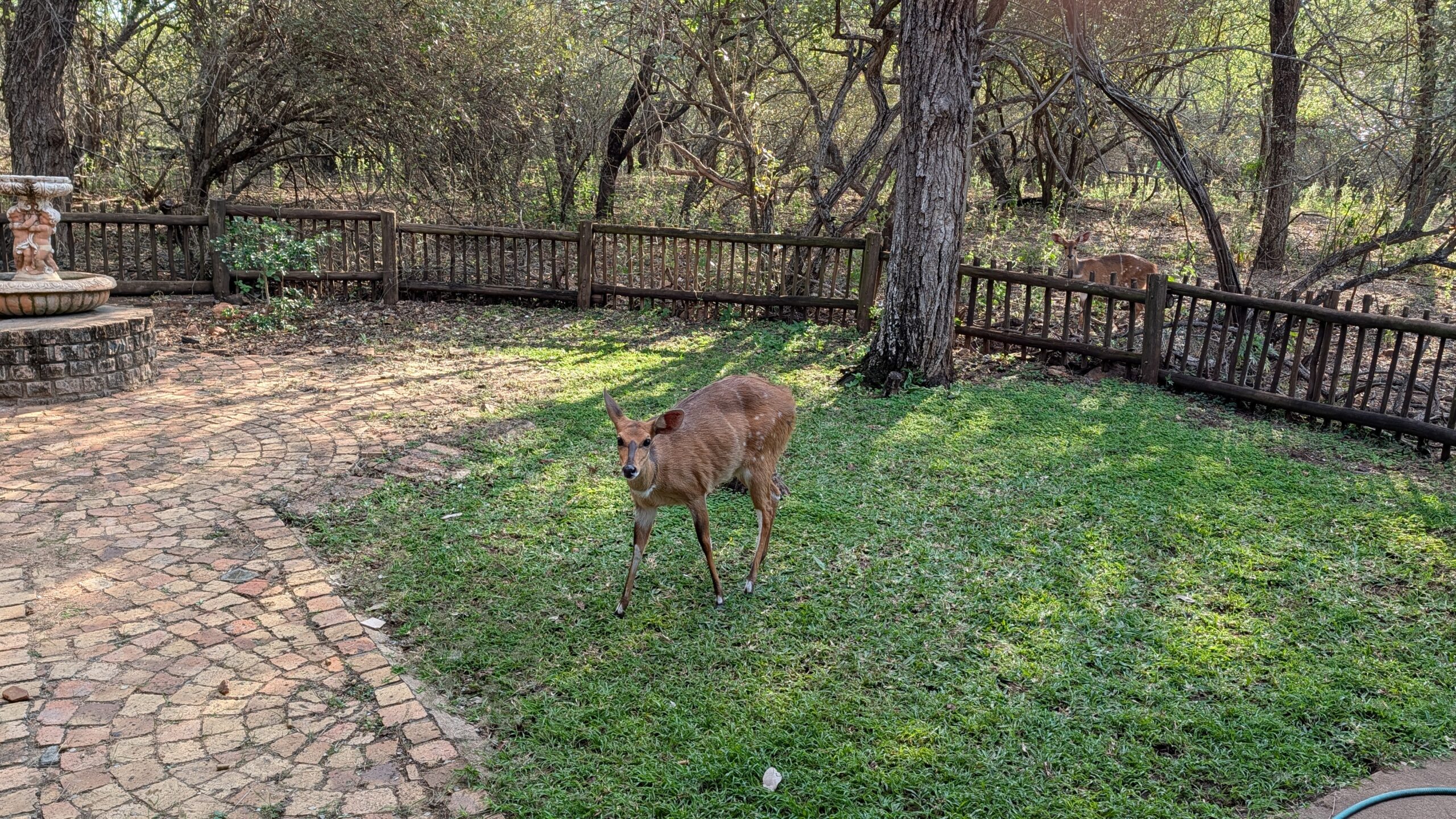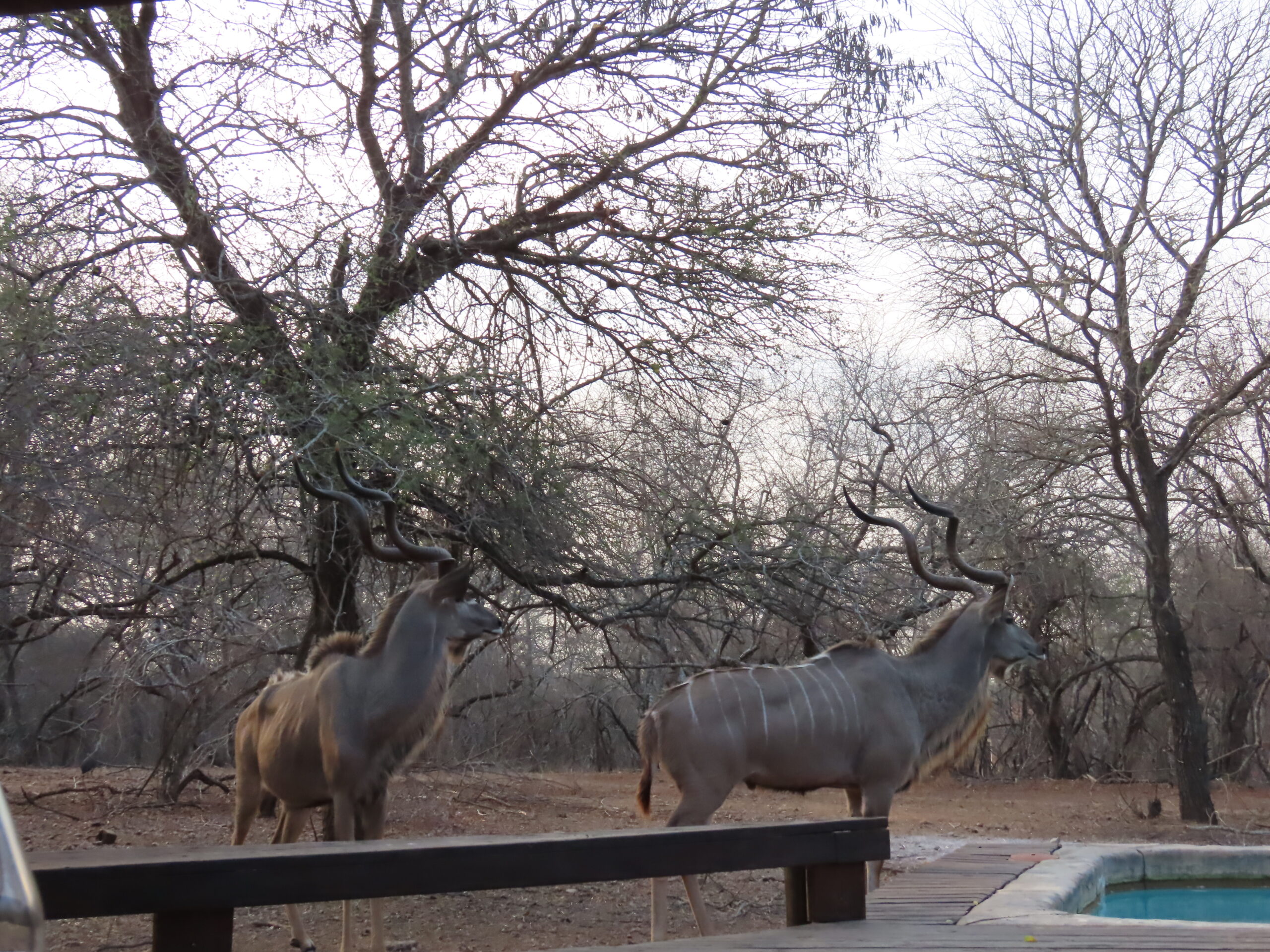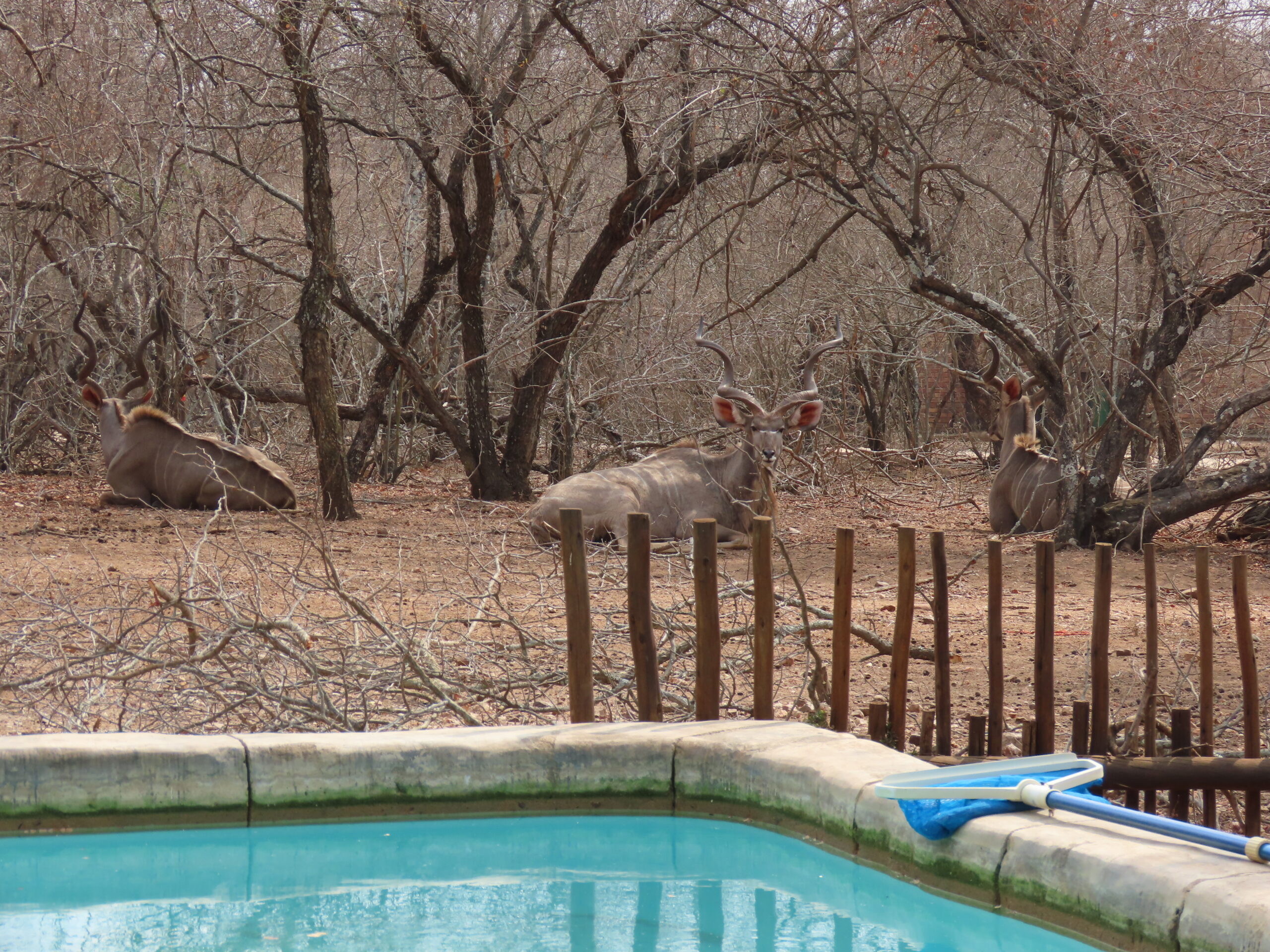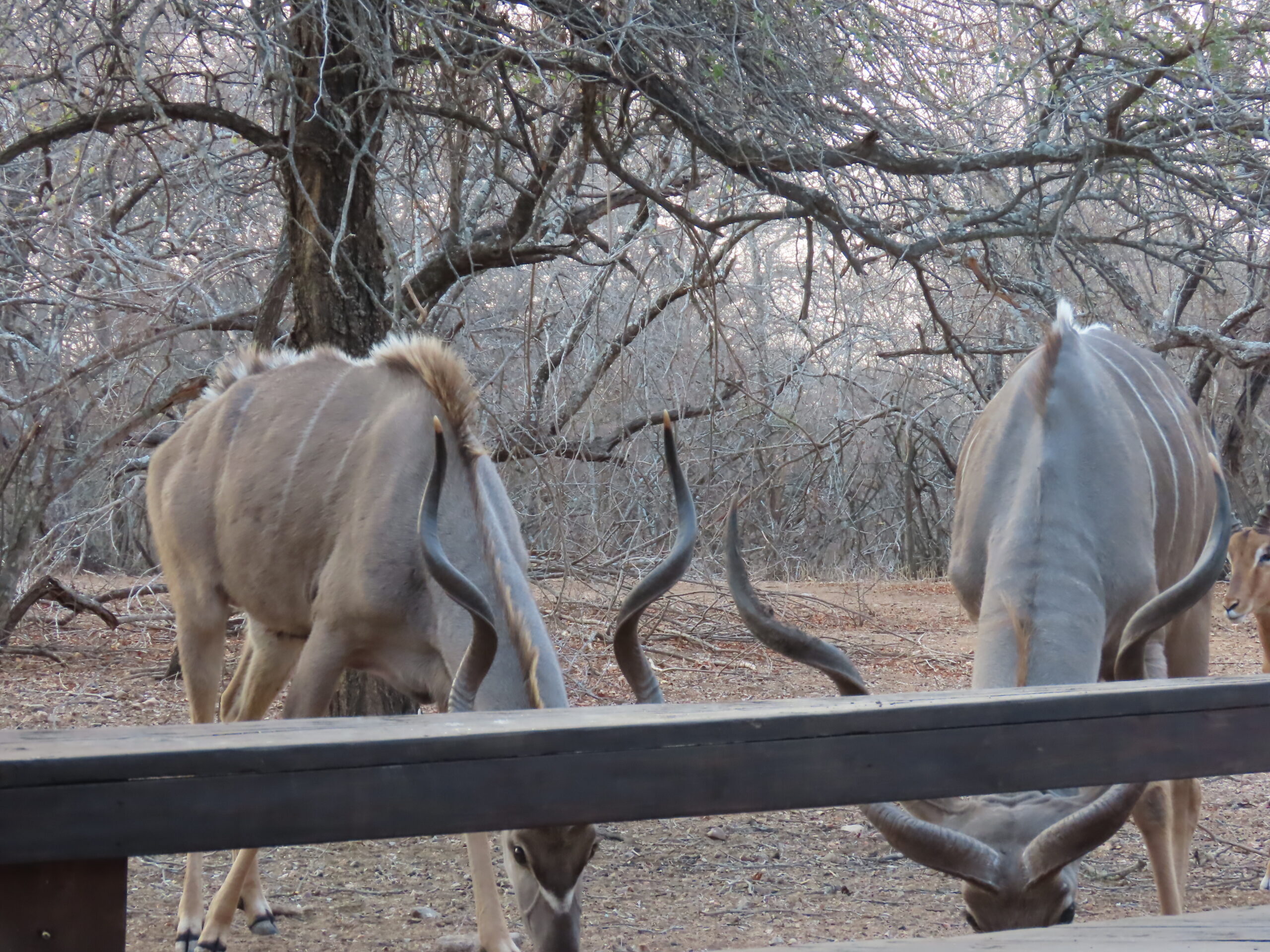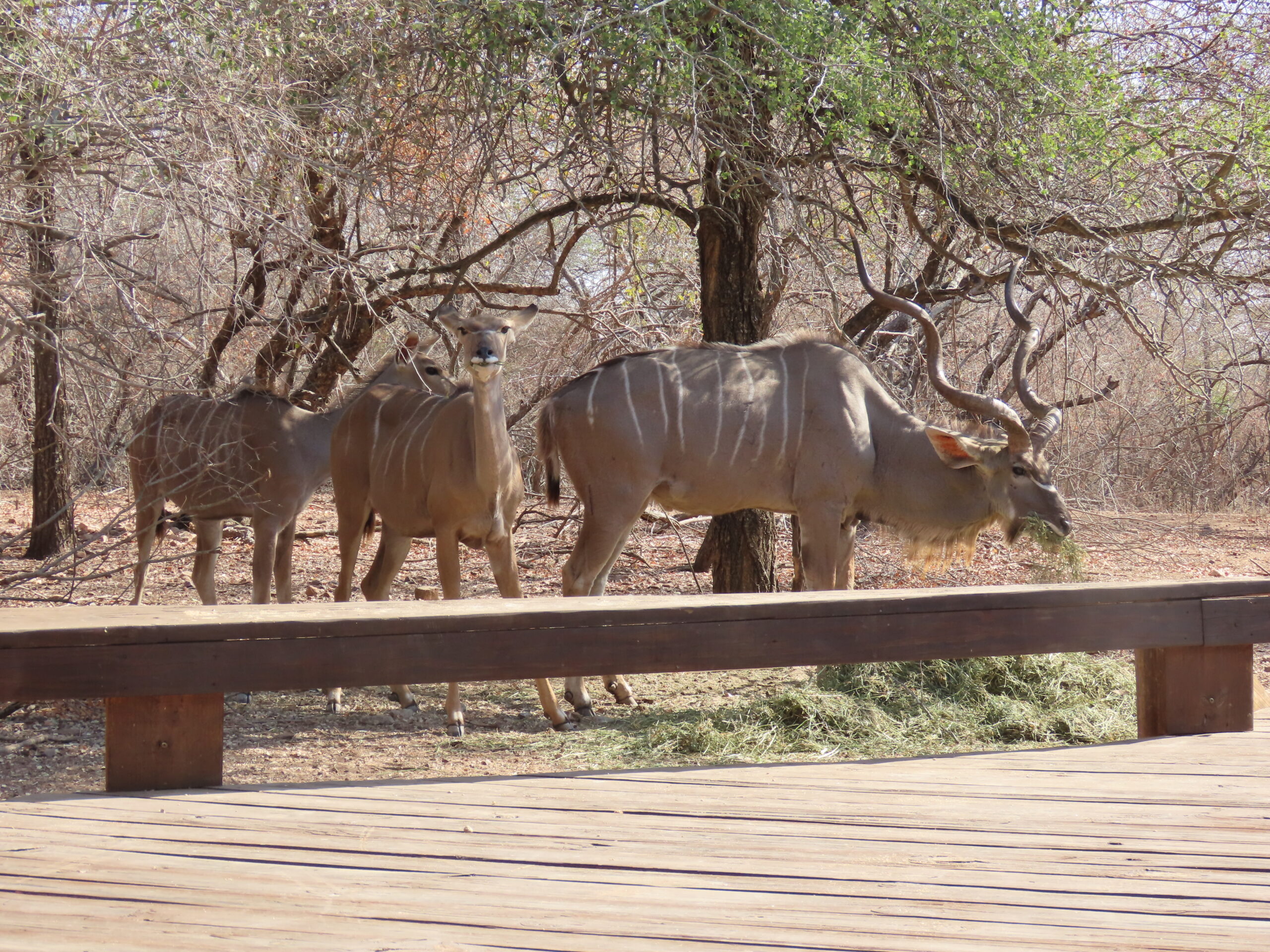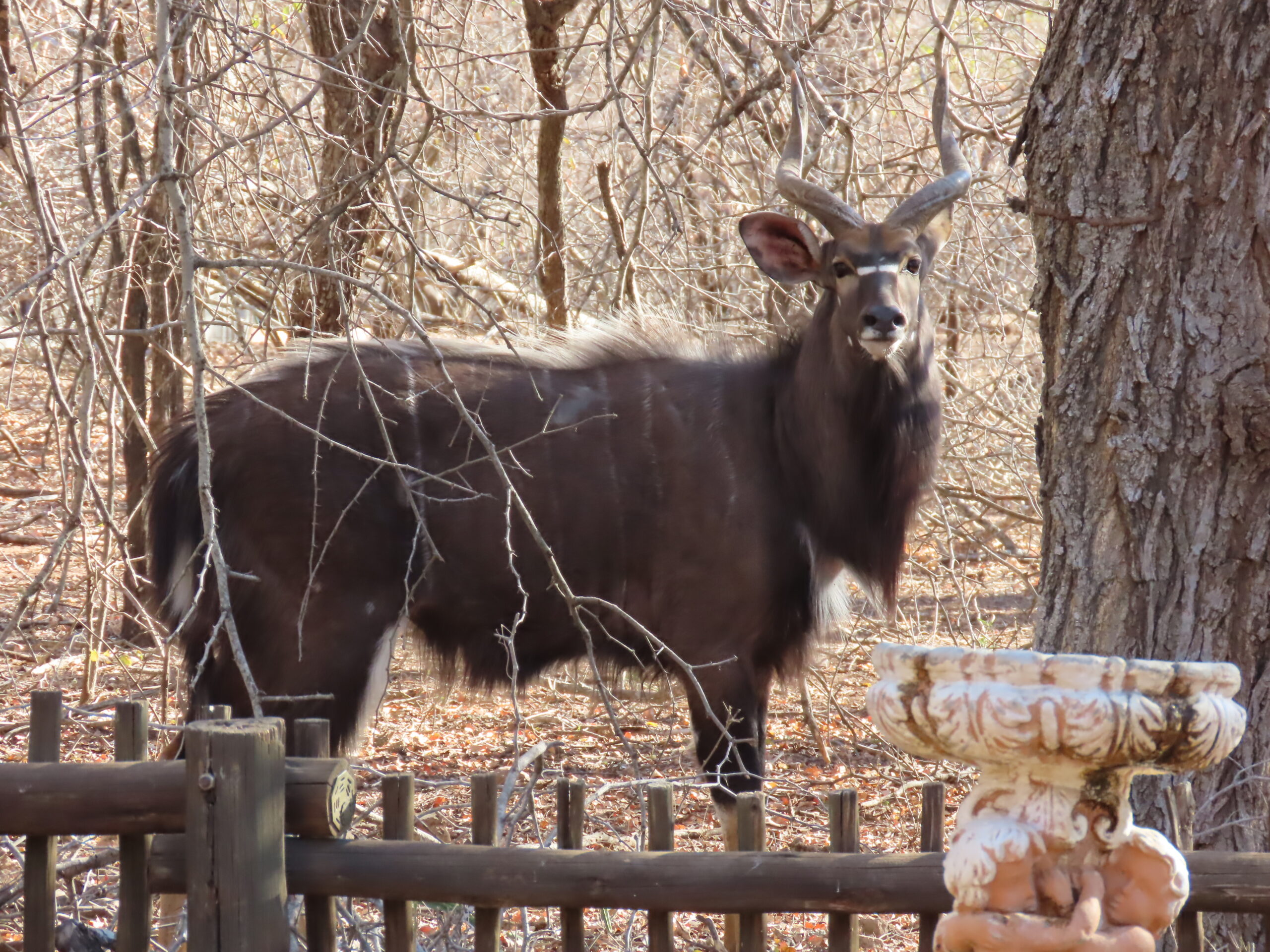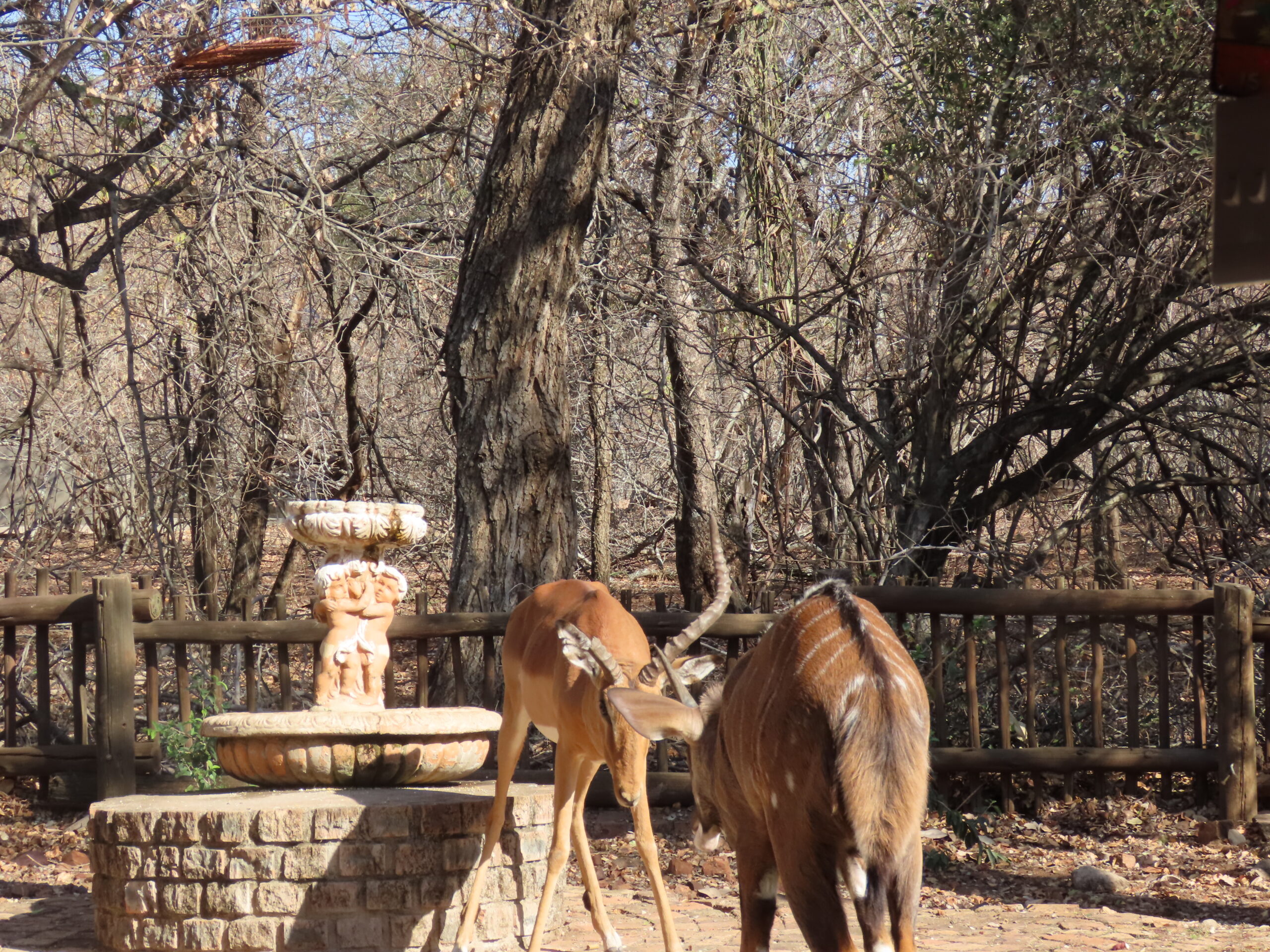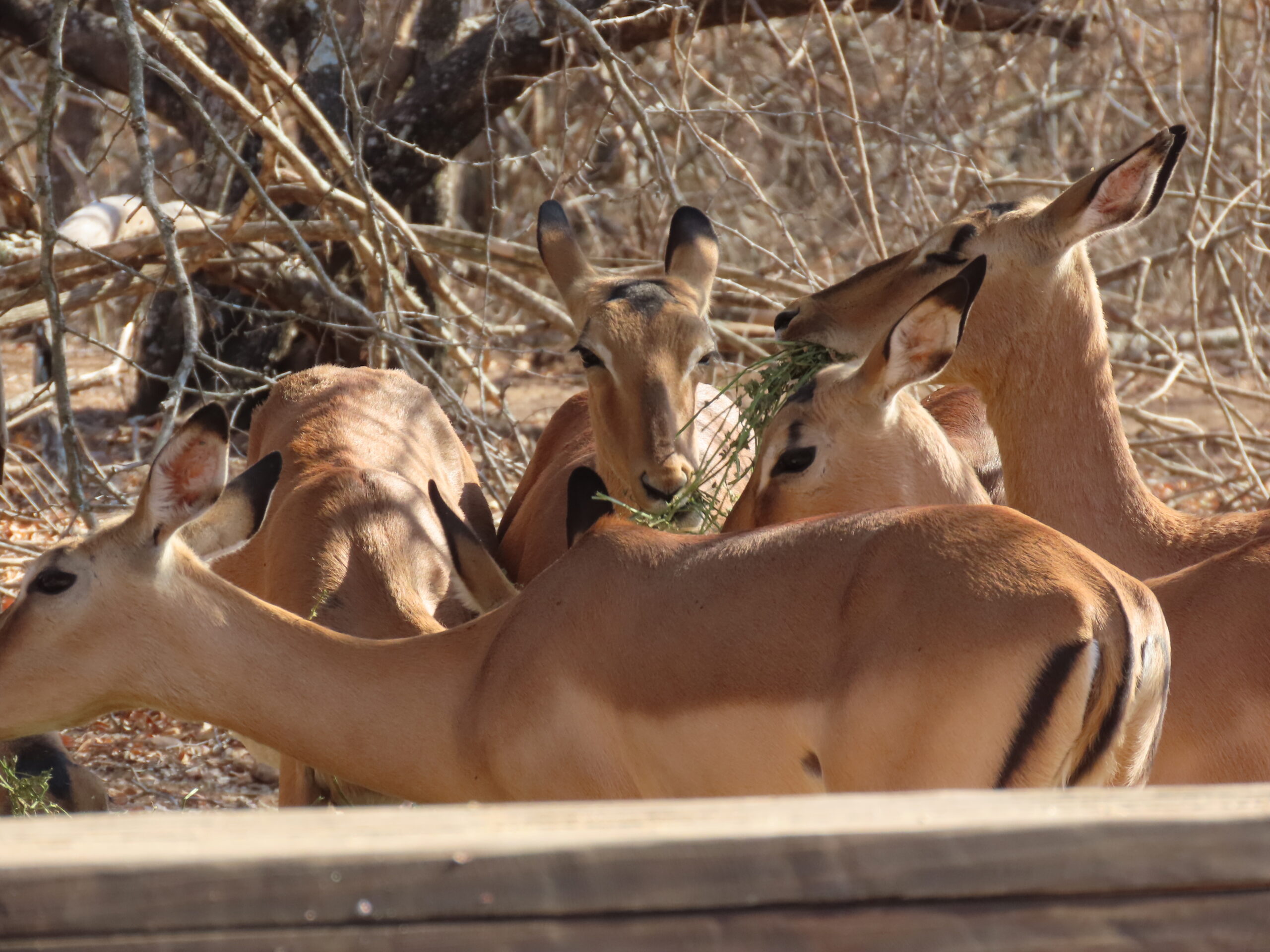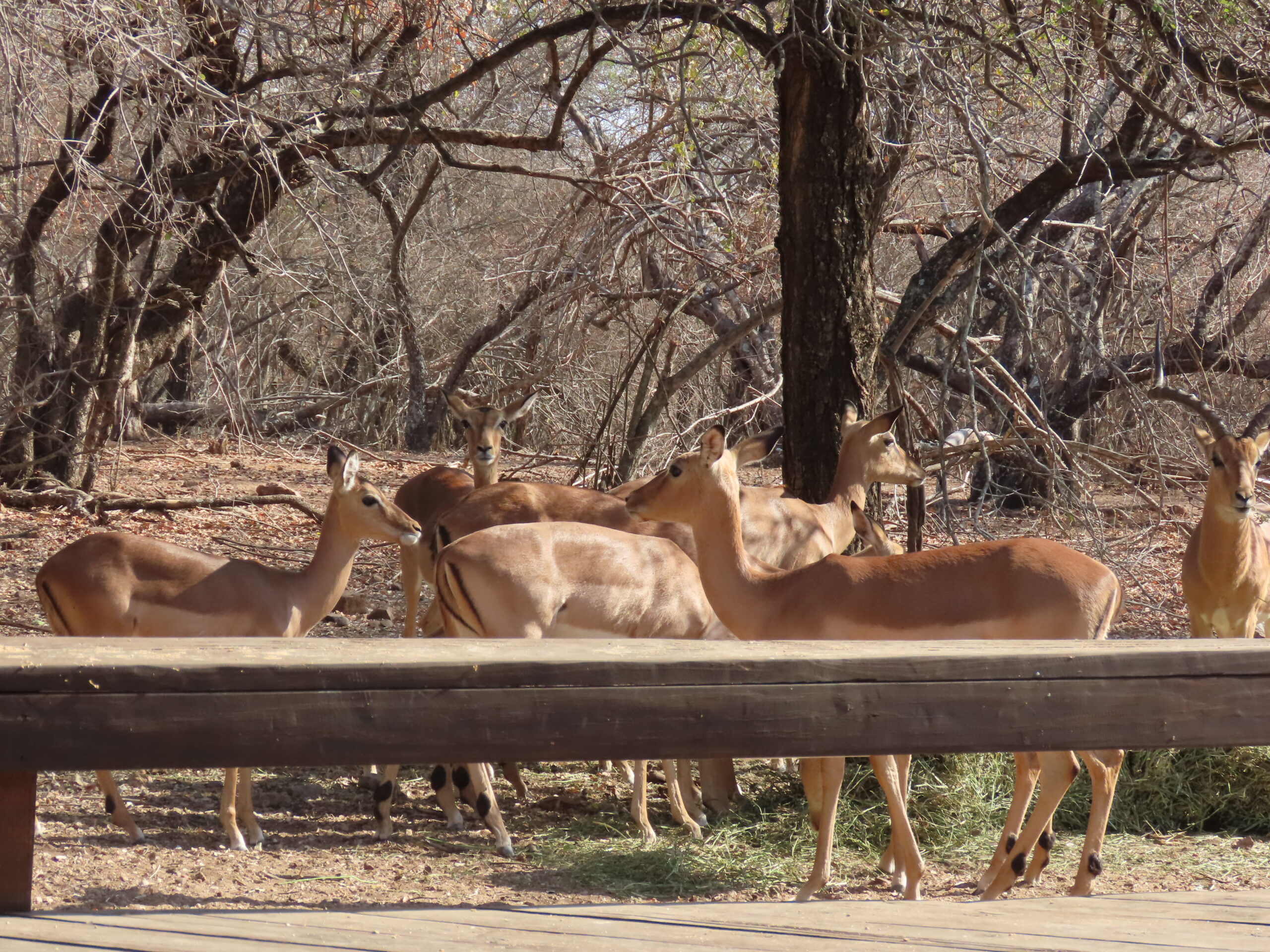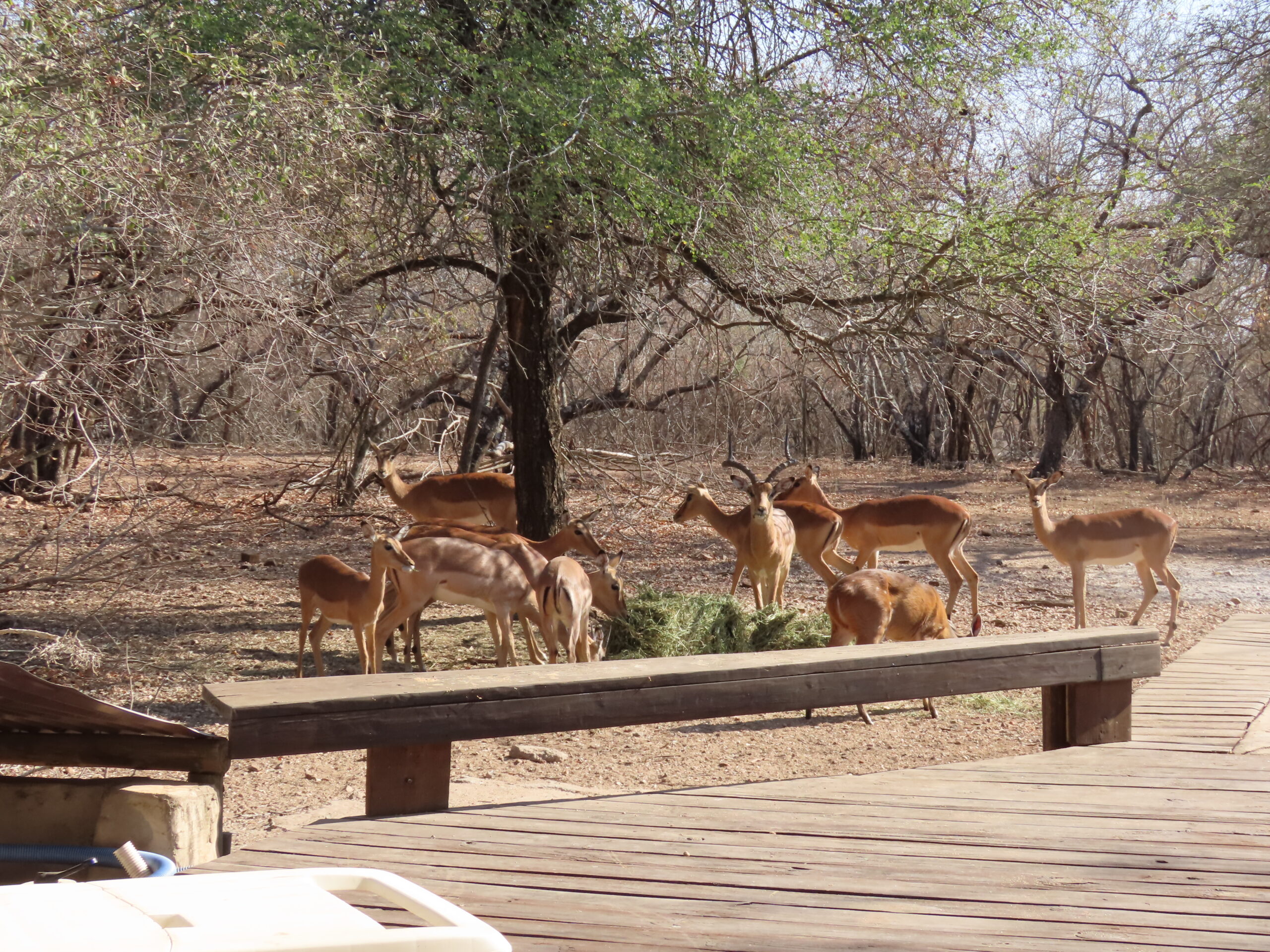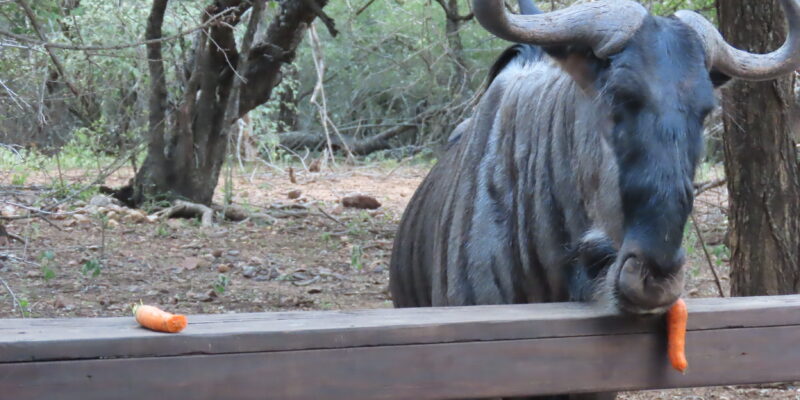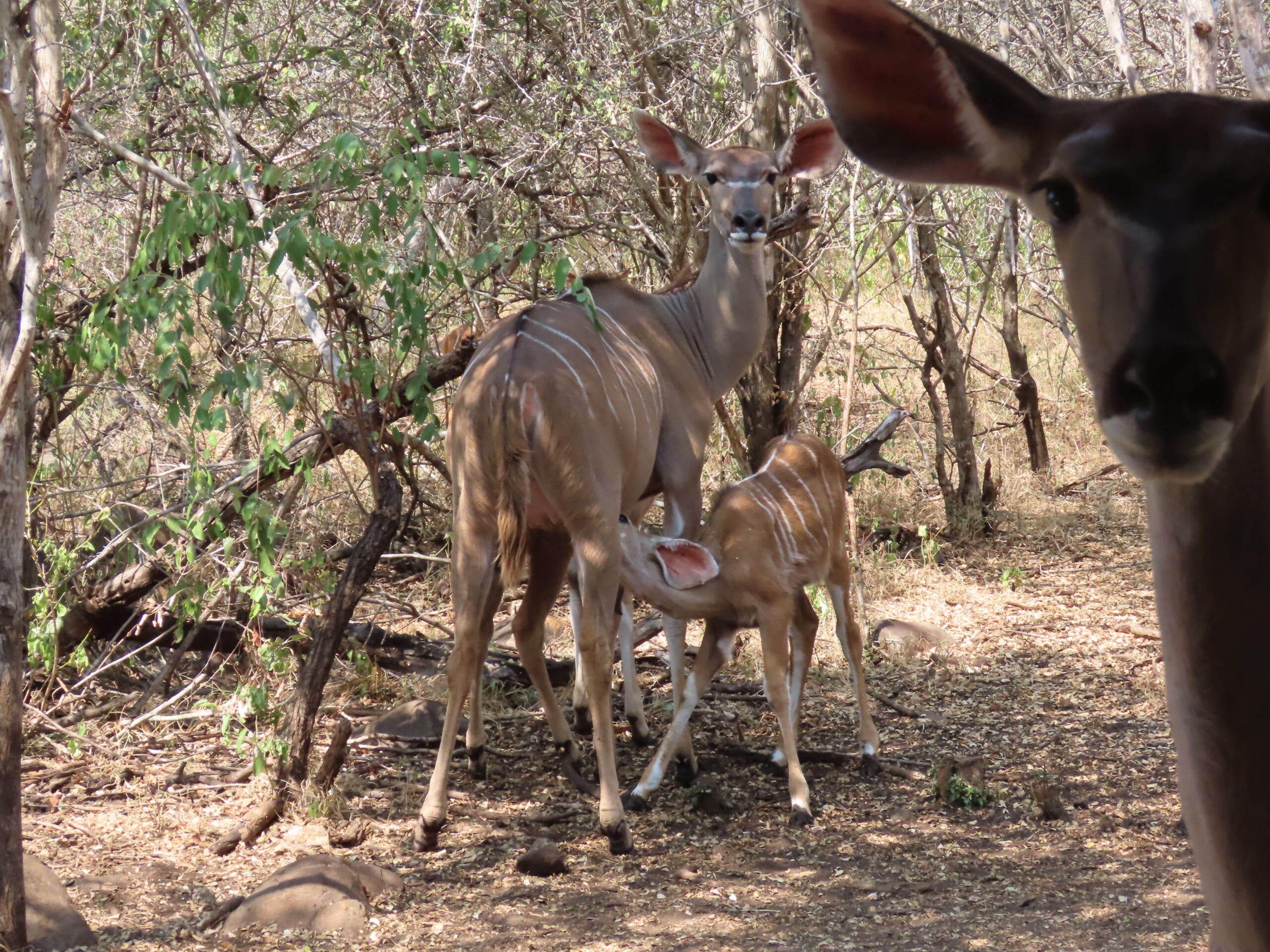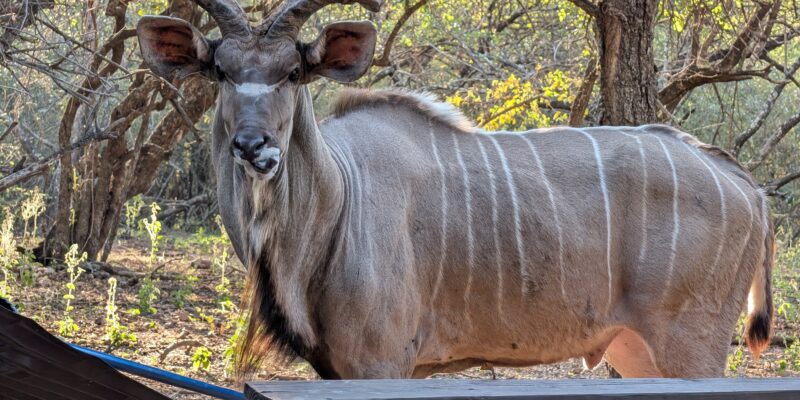
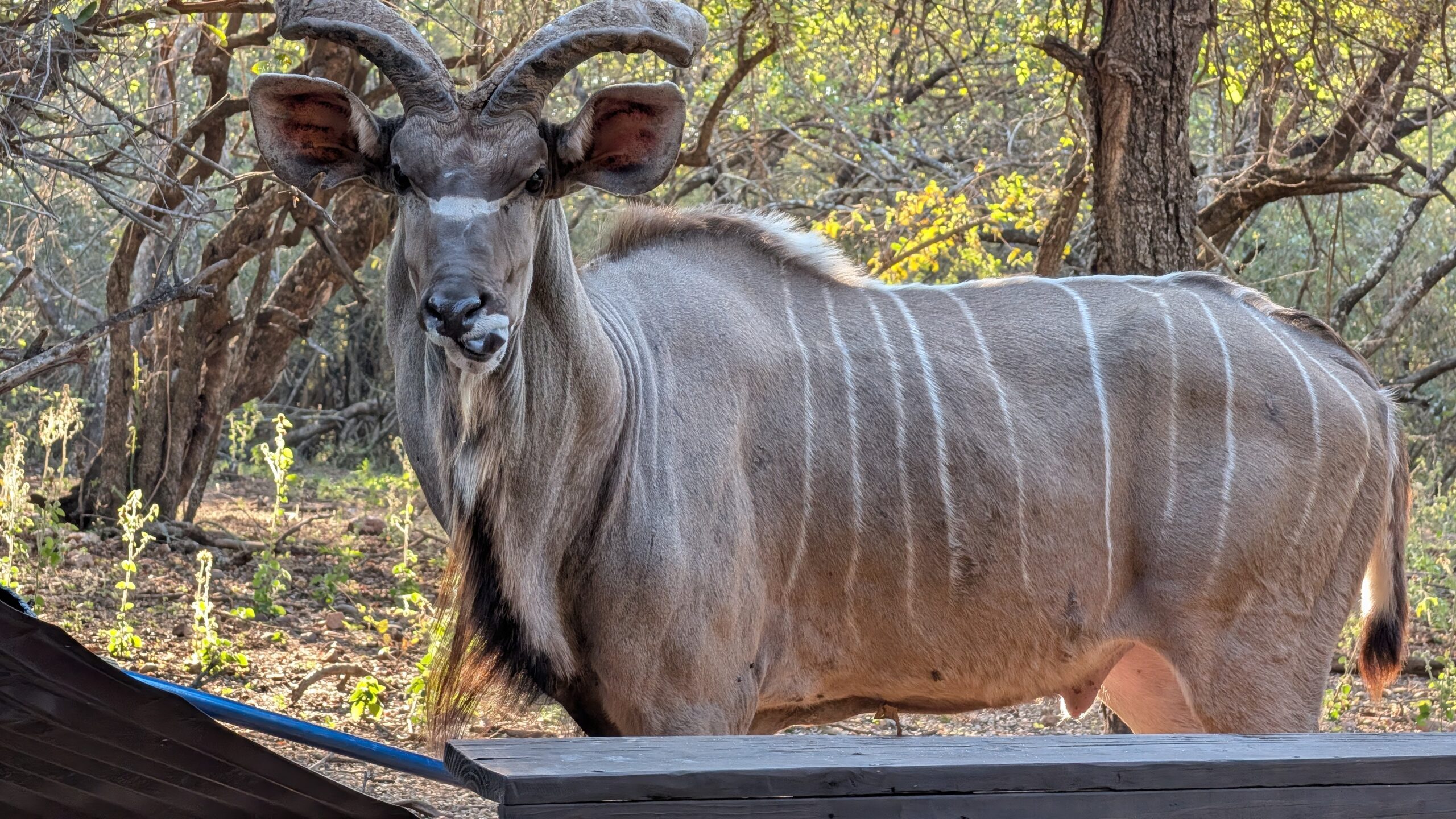
Quiet contemplation of my version of paradise…

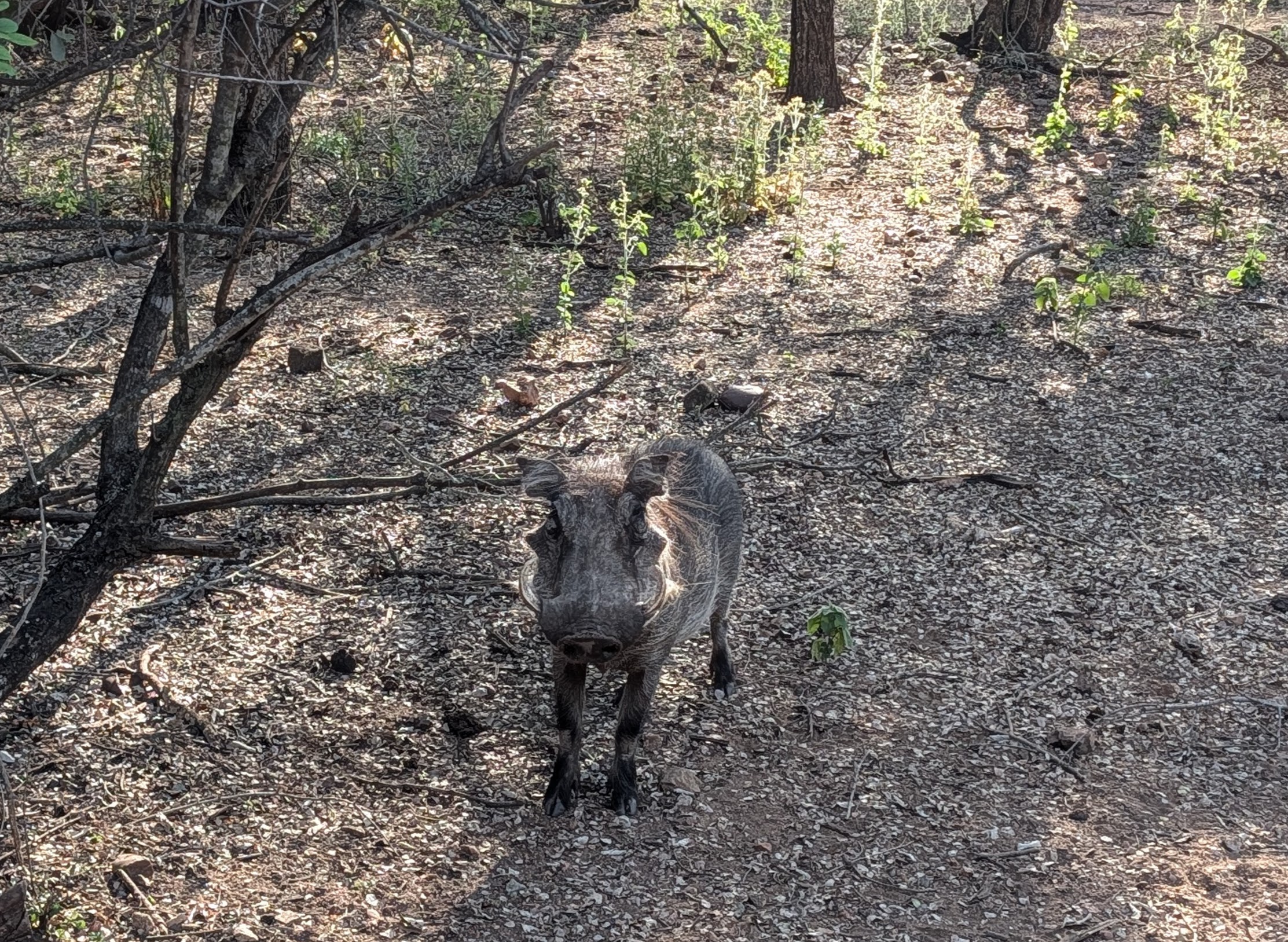
Big Daddy stopped by for a visit.

I can’t explain how many times yesterday I said, I am so happy here. It seemed to spill out of me without effort, as natural as breathing, as if something deep inside had been waiting for this exact moment to finally speak. Even through the fog of exhaustion from the long journey, that feeling never wavered. If anything, it grew stronger as the hours passed, gently reminding me why we travel such great distances to return to this place.

Yesterday afternoon, I finally surrendered to the fatigue that had been lingering since our arrival. I stretched out for what I assumed would be a short rest, only to awaken two and a half hours later. I can’t remember the last time I napped that long. I have never been much of a napper, often feeling restless or guilty for taking time to sleep during the day. But this time was different. My body clearly needed it, and when I opened my eyes, I felt renewed in a way that only deep, uninterrupted sleep can provide.

This morning, that same sense of restoration remains. I truly believe sleep is the magic elixir that helps soften the edges of jet lag. Just two days after arriving, and after taking my last antibiotic last night, I feel fantastic. It is almost as if my body and mind have mutually agreed that it is time to be fully present here, to let go of the strain of travel and simply exist in this beautiful place.
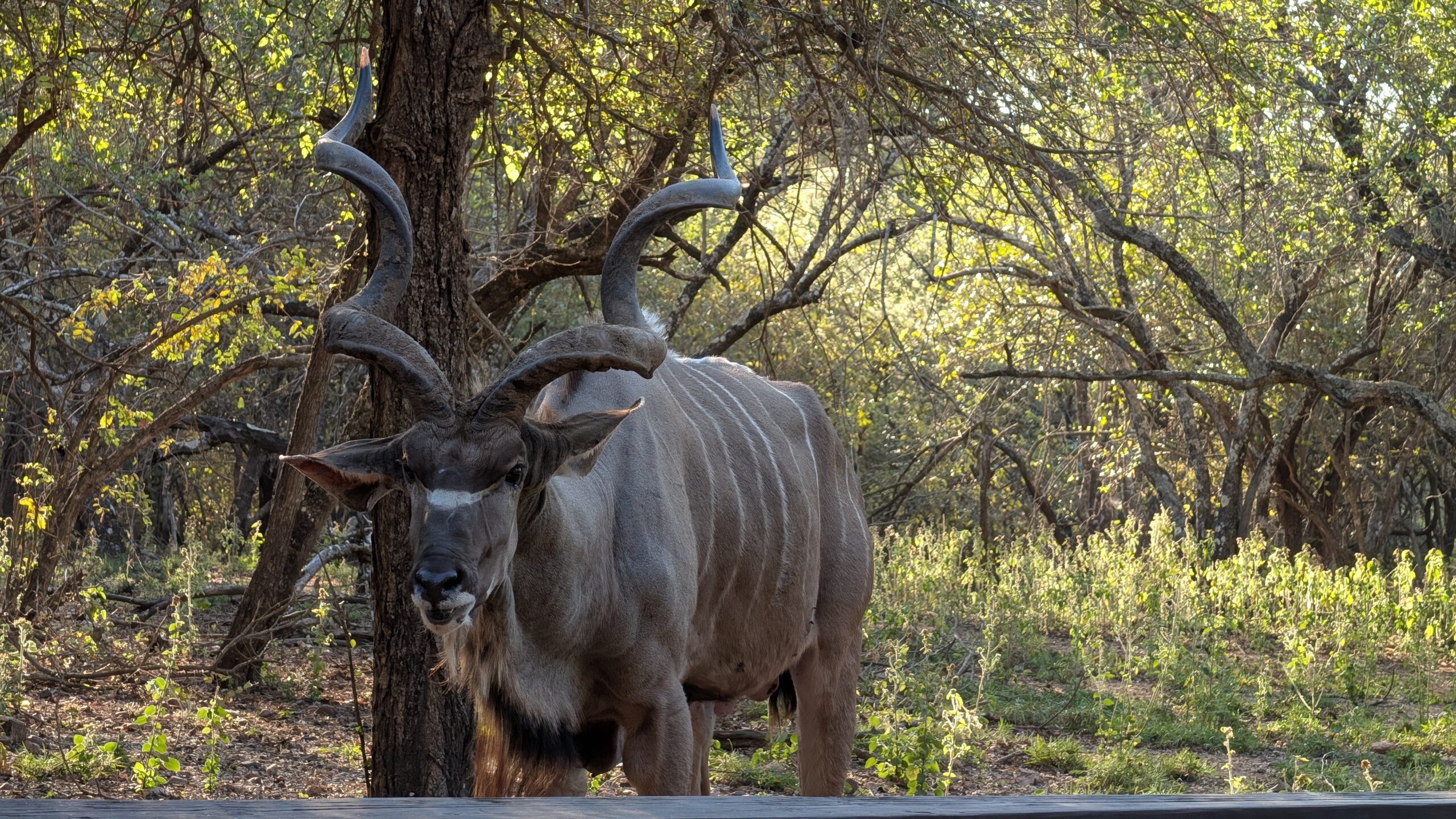
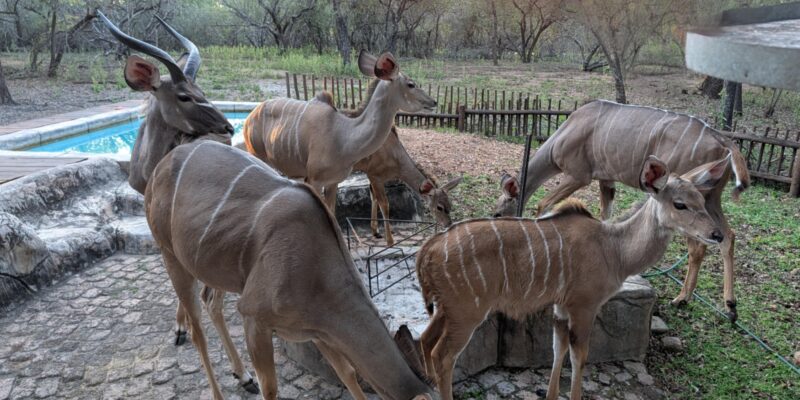
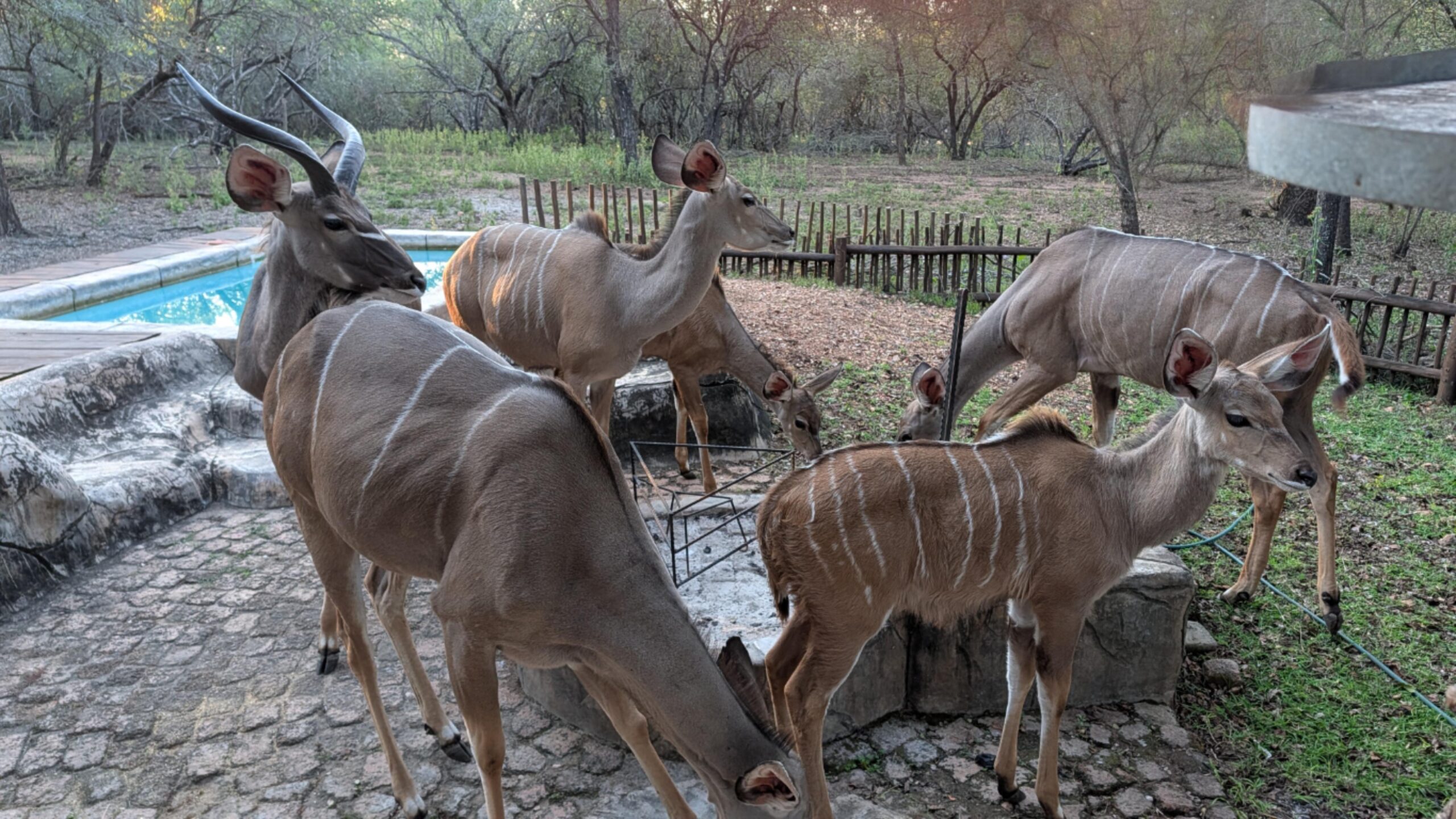
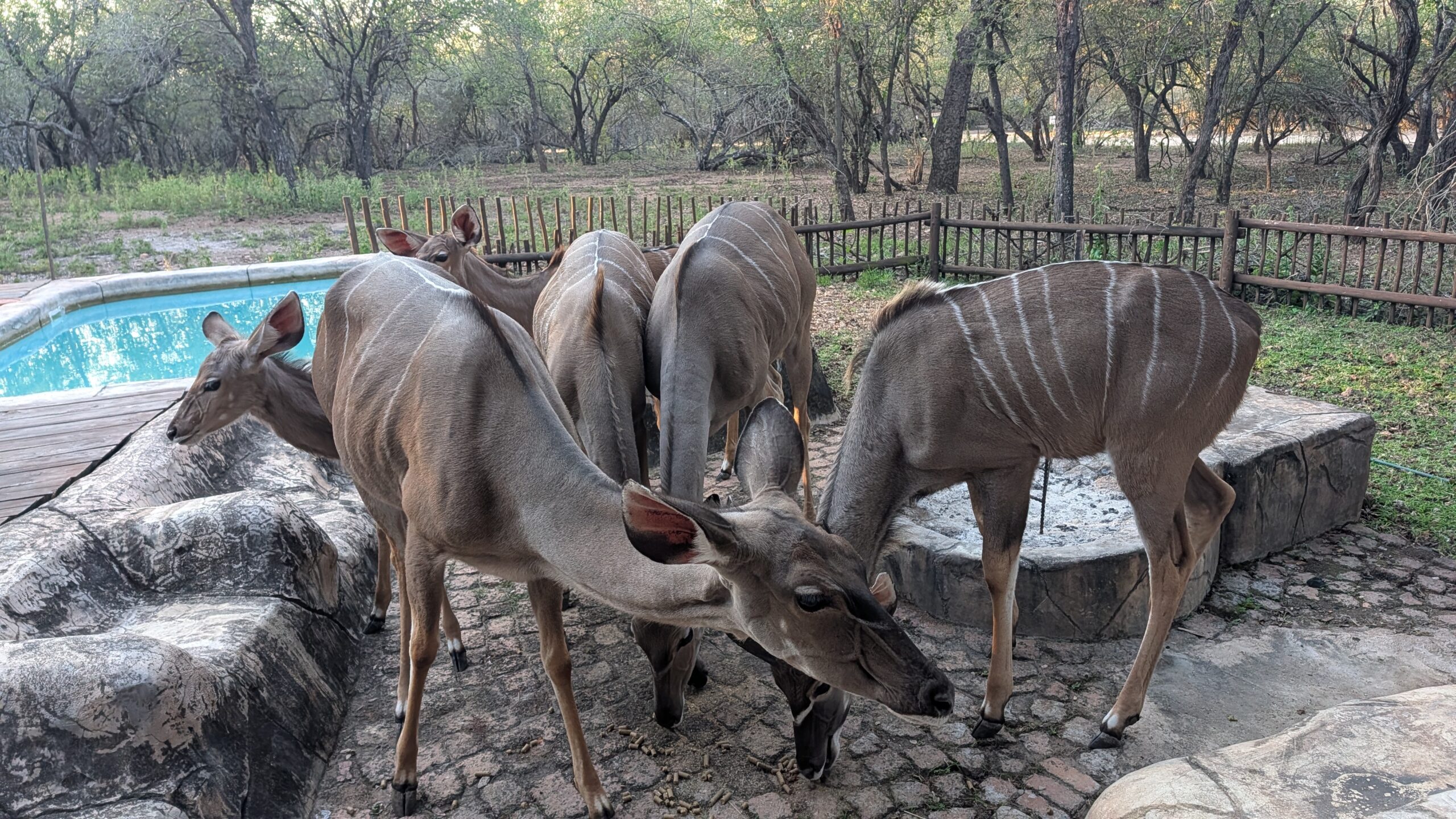
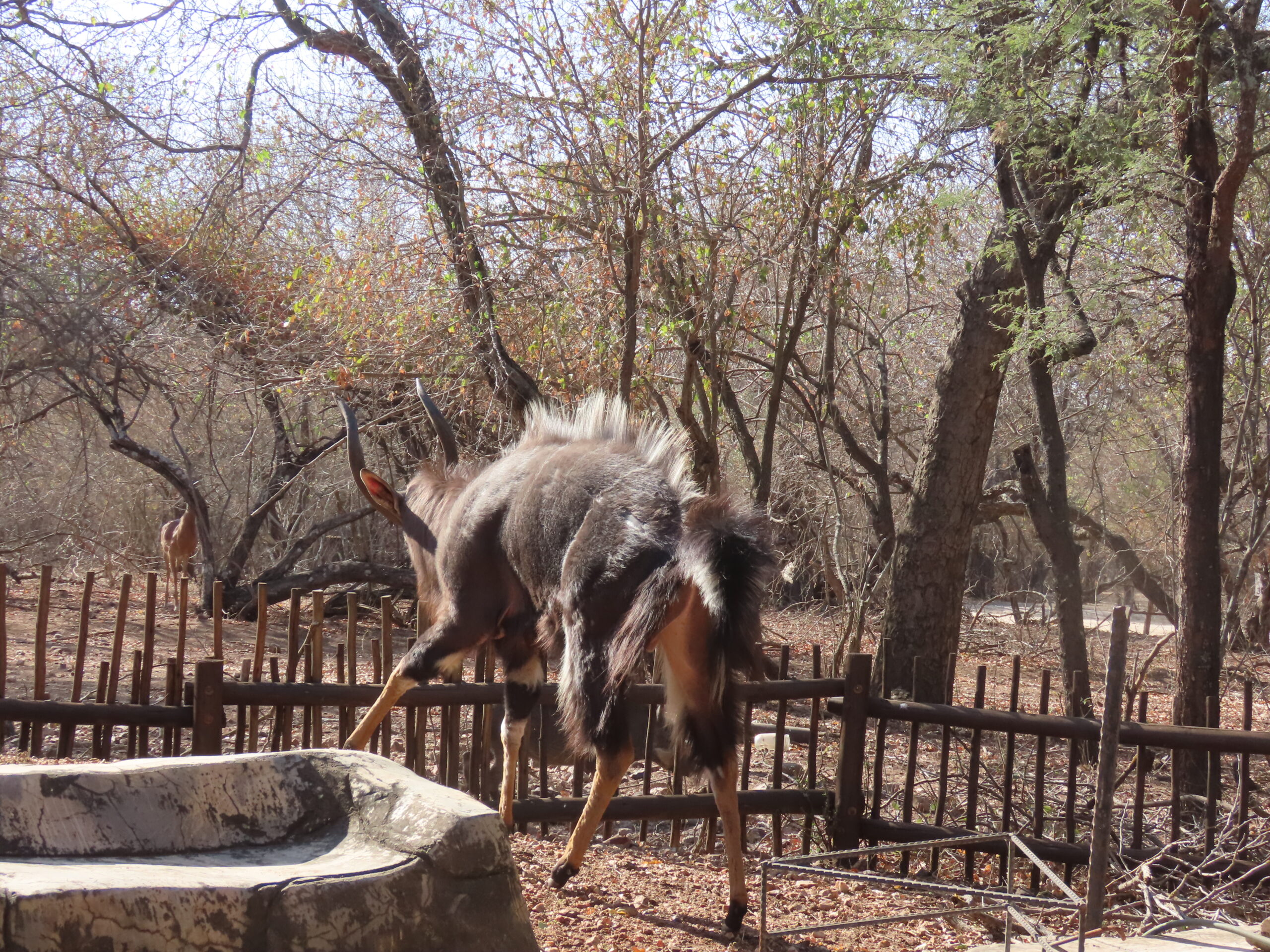
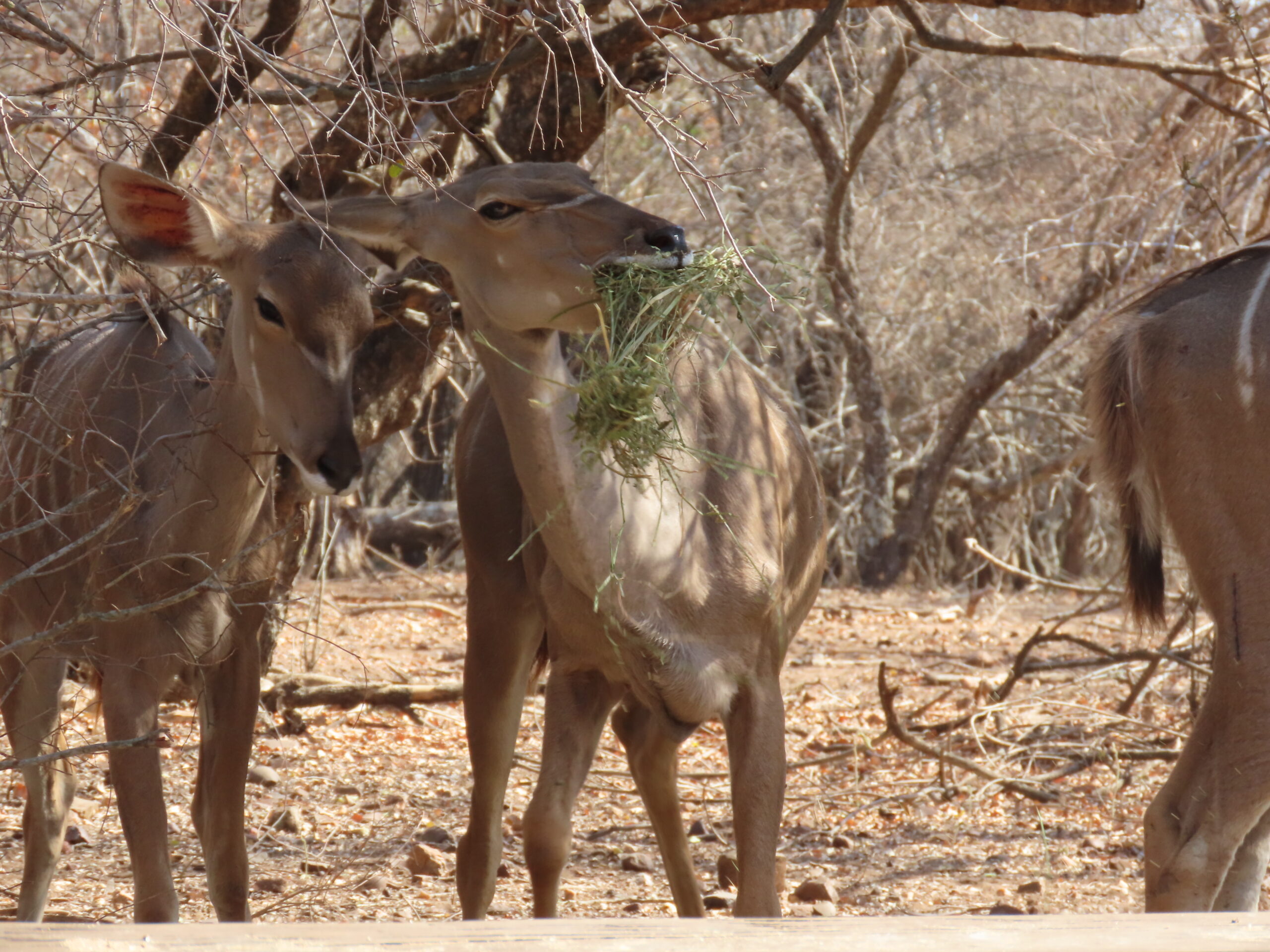
This typical pose means, “I’d like some pellets.”

At only 7:00 this morning, I was already showered and dressed, and shortly later, I was seated at the table on the veranda. The air is cool and gentle, the kind of morning that feels like a gift. Tom was up early at 5:30, but he has since gone back to bed, hoping to catch a few more hours of sleep before we head to Komatipoort to grocery shop. He is a bit behind me in recovering from the illness and the long journey. I can see it in his eyes, that lingering tiredness that refuses to let go just yet. Even so, I know he will get there. This place has a way of healing, both quietly and steadily.

His fatigue didn’t stop us from going to Jabula last night. We decided to surprise Dawn and Leon, knowing they were not expecting us for a few more months. The look on their faces when they saw us walk in was something I will not soon forget. Their hugs were warm and genuine, filled with a sense of connection that time and distance never seem to diminish.
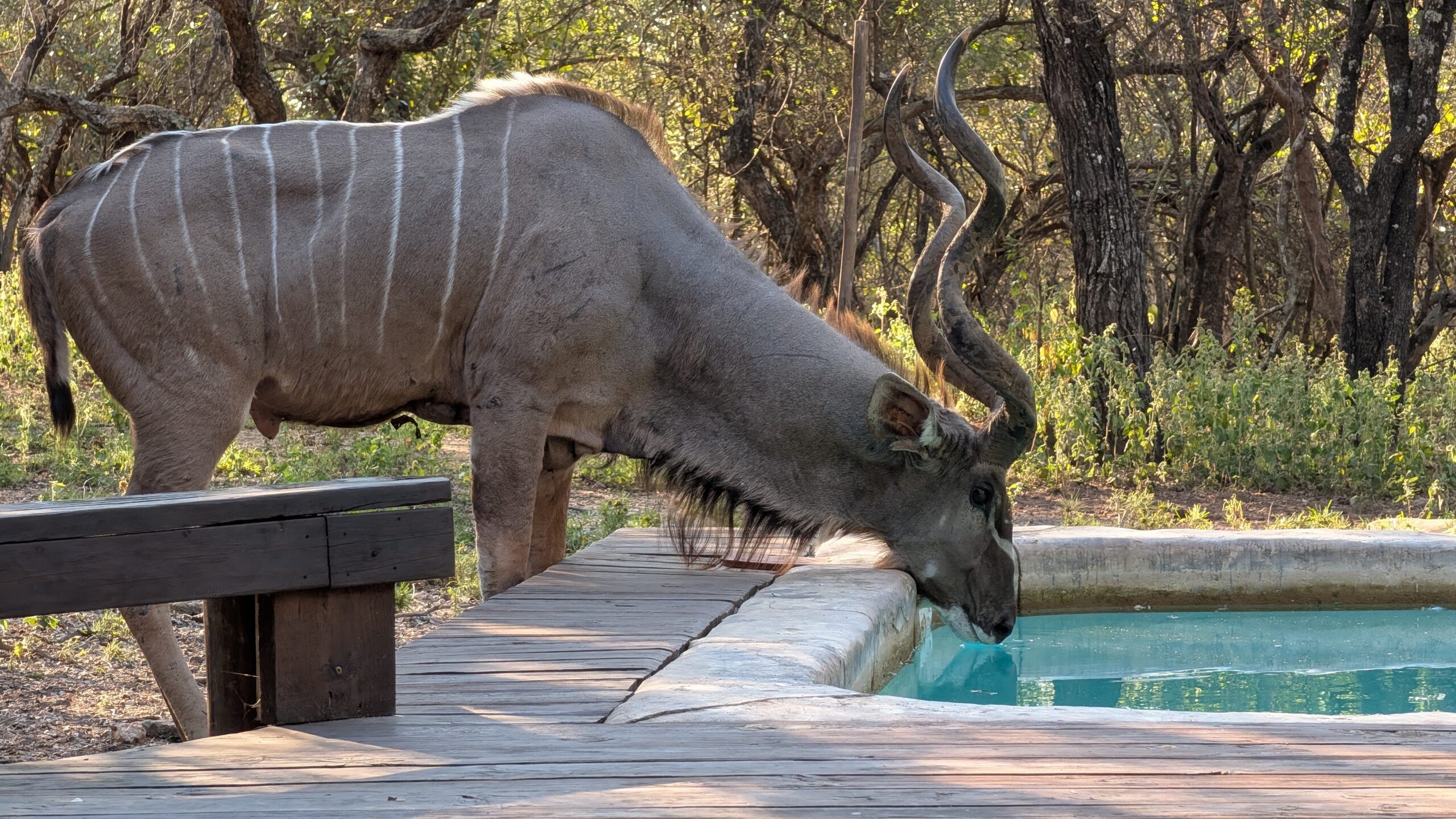
Many wild animals drink the pool water, which is safe for them because it has minimal chlorine.

As the evening unfolded, more familiar faces arrived. One by one, locals we have come to know over the years greeted us with the same heartfelt enthusiasm. There is something so comforting about being welcomed back in this way, as if no time has passed at all. The conversations were lively and animated, filled with laughter, stories, and that easy camaraderie that comes from shared experiences in this unique place.

The food, as always, was delicious, and the ambiance could not have felt more inviting. There is a certain energy there that feels deeply rooted in Africa, something authentic and unpretentious that draws people together. We arrived at 5:00 in the evening and, as is our habit, left around 8:00, our bellies full and our hearts even fuller.
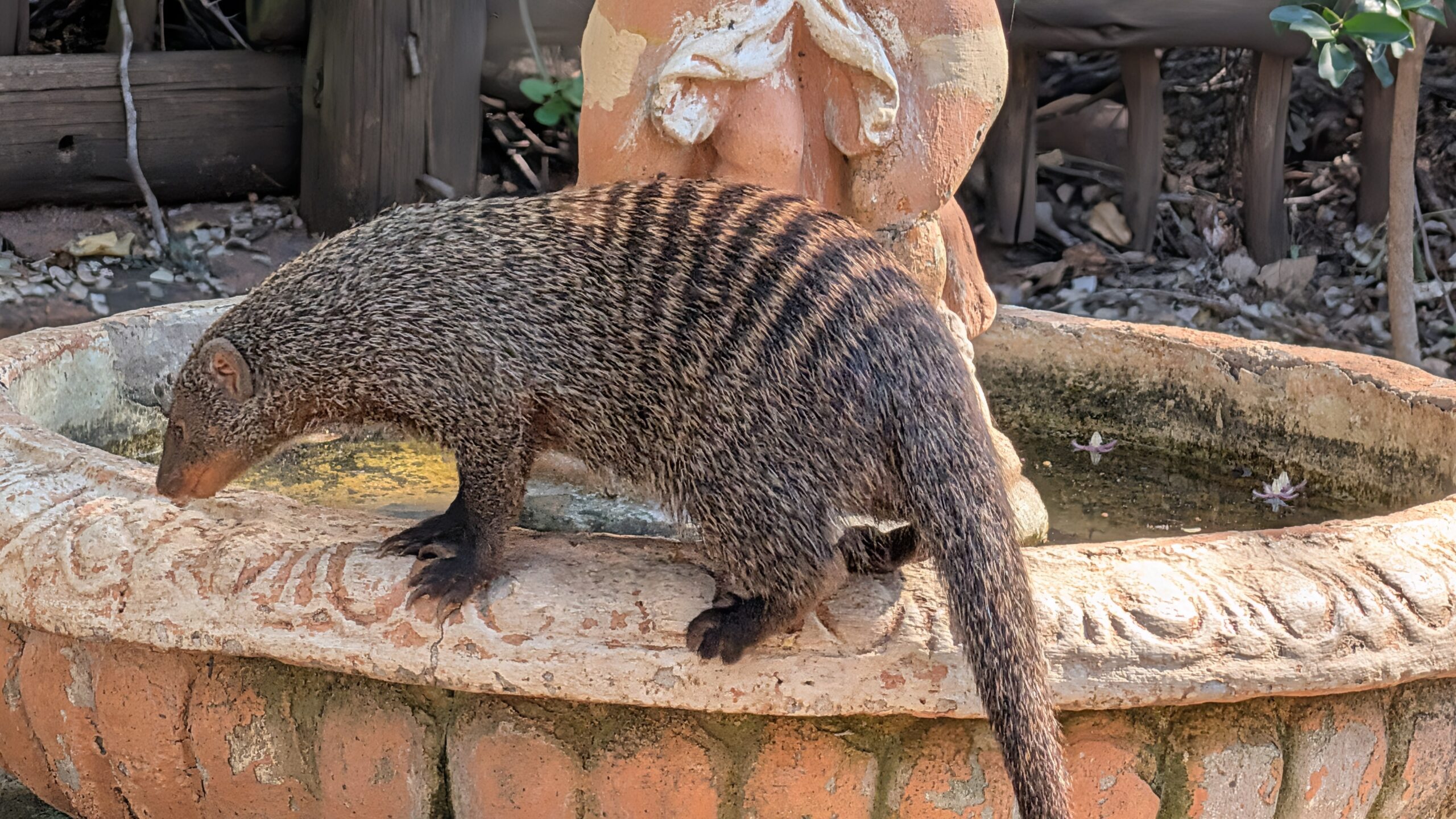
Mongooses and other animals drink from the fountain, which we keep filled with fresh water.

And now, this morning, I sit alone in the quiet, taking it all in. The weather is perfect, cool, dry, and bright with sunshine. There is a stillness here that invites reflection, a gentle reminder to slow down and simply be. I find myself immersed in a quiet contemplation of what feels like my version of paradise.

After the challenges of illness and the long journey to get here, this moment feels especially meaningful. There is a sense of healing that goes beyond the physical, something deeper that touches the soul. I feel an overwhelming sense of gratitude, not only for being here, but for the ability to fully appreciate it.
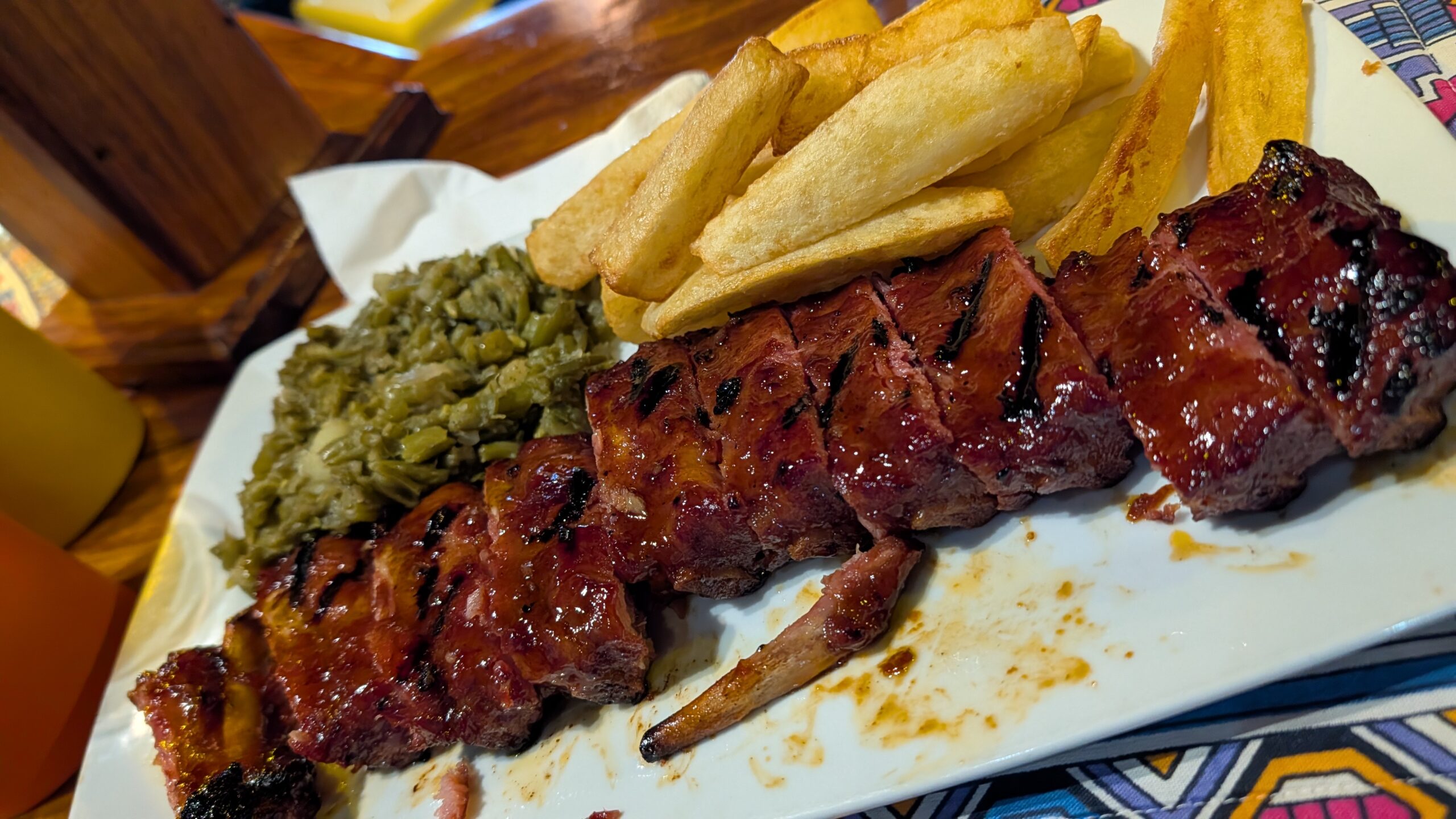
Tom’s ribs, chips, and green bean mash were last night’s dinner at Jabula.

In this peaceful setting, with nothing more than the sounds of nature and animals rustling among the vegetation surrounding me, I am reminded once again why we come back. It is not just the place itself, but the feeling it evokes. A sense of peace, of belonging, and of joy that is difficult to put into words, yet impossible not to feel.

Thanks to all our readers worldwide for standing by us as we navigated some challenging times and for being here with us now. We feel your presence every step of the way.

Be well.

Photo from ten years ago today, June 13, 2016:

Ants carrying off a dead gecko in Bali. For more photos, please click here.

We have arrived…Loving life in the bush once again!!!…

It’s delightful to see some of the same wildlife we’ve come to know over the years we’ve been coming to Marloth Park.   

It was a long two travel days, the kind that seem to stretch beyond the limits of time and patience, where hours blur together, and your body forgets what time zone it belongs to. We left Eden Prairie at 1:00 pm on Tuesday, carrying with us not only our bags but that familiar mix of anticipation and fatigue that always seems to come with these big transitions. By the time we arrived in Marloth Park on Thursday at 10:30 am, we had been in motion, waiting, sitting, standing, and navigating for a total of 32.5 hours. That number hardly seems real when I write it, but our bodies certainly felt every bit of it.

There is a seven-hour time difference, and when you add in the seven hours we spent at the hotel in Johannesburg, it becomes clear why everything felt just a little off balance. Still, despite the exhaustion, we are deeply grateful to have arrived safely. That sense of gratitude always settles in quickly, overriding the discomfort of travel and reminding us why we do this again and again.

Bossy and the girls.

Yesterday morning brought a small hiccup when our flight from Johannesburg to Nelspruit was delayed due to fog. We have come to expect these little pauses in Africa, where nature still has the final say. The delay, thankfully, was only about 30 minutes, just enough time to shift our expectations without derailing the day. As the fog began to lift, so did that tension that builds when you are so close to your final destination.

Tom did not sleep much at the hotel, which is not surprising given how his mind tends to stay alert in unfamiliar places. I managed to get a solid four hours, which felt like a gift under the circumstances. By the time we arrived in Marloth Park, we were both running on fumes. Tom took a short nap, surrendering to exhaustion, while I did what I often do in these moments: I began unpacking. Something is grounding about putting things in their place, about turning a temporary space into something that feels like home.

This young warthog stopped by shortly after we arrived.

As of 9:00 am today, we are completely unpacked. I still can’t quite believe we got it all done so quickly. Suitcases are empty, clothes are in drawers, and the familiar comfort of our surroundings has returned. Of course, now comes the mountain of laundry that follows every long journey, along with a trip to Komatipoort for the rest of our shopping. It is all part of settling in, part of reestablishing our life here.

Once Tom woke from his nap, we headed out to Daisy’s Den to pick up pellets and birdseed, small but meaningful rituals that mark our return. From there, we stopped at the meat market and the local Spar Market. Walking in and seeing familiar faces was one of the best parts of the day. There is something so heartwarming about being recognized, about receiving hugs and warm greetings that remind us we are not just visitors here. We are part of this community, even if only for part of our travels.

We had briefly considered going out for dinner last night, but that idea quickly faded as the day caught up with us. Instead, we found a cooked chicken at the market, along with rice for Tom and eggs for me, and made our way back to the house. It turned into a simple, comforting meal, the kind that feels just right after such a long journey. It was too cold to eat outside, so we sat at the dining room table, wrapped in that contentment that comes from being exactly where you want to be.

It was fun to see Ms. Bushbuck visit once again, among manymotherbushbucks who stop by.

After dinner and a much-needed shower, we tried to watch a few shows, hoping it would help us stay awake until a reasonable hour. But sleep kept finding us, pulling us under in short bursts as we drifted in and out. Our goal had been to make it to 10:00 pm, but even that felt ambitious. After dozing on and off, we finally turned off the light around midnight.

I slept straight through until 7:00 am, which feels like a small miracle. Tom, on the other hand, has been up since 3:30 am, his internal clock still trying to catch up. He will likely take a nap later, once Vusi is done here, and hopefully tonight will bring him the deep rest he needs to adjust fully.

As for me, I am feeling surprisingly good. The antibiotics seem to have cleared the lingering sinus infection, and although I still have a bit of a cough from the pneumonia, I feel strong and energized. Once again, I have managed to avoid the usual effects of jet lag, which feels like quite a victory.

We laughed when we were served Krispy Kreme donuts of the Airlink flight which was only 35 minutes long.Tom ate his and mine.

Tonight, we plan to go to Jabula for dinner. We have not told Dawn and Leon that we will be there. We always enjoy surprising them, walking in and seeing their faces light up. It is one of those simple joys that never gets old.

Life feels full in this moment. Louise and Danie are as wonderful and thoughtful as ever. We are back in the bush, surrounded by the beauty of this place and the comfort of both our animal and human friends. There is a deep sense of contentment here, one that settles into your bones and reminds you that, despite the long journey, every mile was worth it. We are grateful.

Be well.

Photo from ten years ago today, June 12, 2016:

In Bali, a fisherman on a tiny homemade raft is most likely fishing for squid, which is caught close to the shore. For more photos, please click here.

Has there been a downturn in travel to the US and other countries?

Soon they moved from the veranda and found comfy spots for a nap.

Is U.S. Travel Experiencing a Downturn?

In short: Yes. In 2025, the U.S. is witnessing a notable drop in international travel, especially from key source markets. Domestic travel shows resilience,  particularly in premium segments, but overall dynamics paint a mixed and concerning picture.

1. International Travel: A Clear Decline

Forecasts and Projections

  • The World Travel & Tourism Council (WTTC) projects that U.S. international visitor spending will fall below $169 billion in 2025, down from $181 billion in 2024—a nearly 7% year-over-year decline. Among 184 countries tracked, the U.S. is the only one facing a decline in inbound tourism spending.

  • Tourism Economics initially predicted 9% growth but now forecasts an 8.2% decline in arrivals, reflecting a severe sentiment-driven slump.

Market-Specific Drops

  • Sharp year-over-year declines recorded in March 2025: Germany (–28 %), Spain (–25 %), UK (–18 %), Canada (–17 %), South Korea (–15 %), and Australia (–7 %) show inbound tourism shrank by around 11.6 %.

  • Canadian travel plunged dramatically:

    • Flight bookings down 71–76 % in March 2025 vs. 2024.

    • Cross-border trips (air and land) dropped from 4.97 million to 4.11 million.

    • Leisure travel bookings from Canada dropped 40 % in March.

  • In July alone, overseas arrivals were down 3.1 %, with Canadian land crossings down 37 % YTD.

Causes for the Drop

  • Policy-driven deterrents, including the Trump administration’s renewed travel bans, stricter visa policies, and budget cuts to tourism marketing (resulting in an 80% reduction in Brand USA funding), as well as unfavorable optics, all contribute to a perception of unwelcomeness.

  • High costs and friction: A strong dollar, rising real-world travel costs, and a new $250 “visa integrity fee” (effective October 1, 2025) create financial and procedural barriers.

  • Political and social climate: Aggressive rhetoric, mounting trade tensions, and negative global sentiment toward U.S. policies are dampening enthusiasm for travel.

Economic Impact & Reaction

  • The anticipated revenue loss for 2025 is estimated to range between $12.5 billion and $29 billion.

  • Tourism-dependent states, such as Nevada, California, Florida, New York, Texas, and Michigan, are particularly affected. San Francisco’s convention-driven hotel occupancy holds up, but other areas like Vermont, Michigan, Niagara Falls, and Hawaii are struggling.

  • In Washington, D.C., the deployment of National Guard troops has led to a decline in tourism bookings, hotel occupancy, and attendance at events.

  • Airlines are cautious, scaling back projections and cutting capacity—reflecting both international and domestic pressure. American, Delta, United, and others have withdrawn 2025 forecasts amid lowered demand.

    Three of the four Big Daddies were resting in the garden.

2. Domestic Travel: A Mixed Bag

Resilience in Upper Tiers

  • Luxury and international outbound bookings are up. Many affluent travelers are still planning multiple trips in 2025, with record-high intention for international leisure.

  • Premium and business segments show some strength—even as midtier and budget segments falter.

Trouble in the Mid and Lower Segments

  • Airlines are cutting economy capacity: JetBlue down 4%, Spirit down 15%. Domestic leisure travel spending dropped 7.2% in Feb 2025.

  • Overall, domestic demand is softening amid concerns about inflation and recession. Consumer sentiment is at multi-year lows, with many Americans trimming travel spending.

3. Key Insights and Outlook

Summary Table

Segment Outlook
International Clear and significant downturn in arrivals and spending amid policy and sentiment headwinds
Domestic (Premium) Resilient—affluent travelers and business segments hold steady
Domestic (Mid/Budget) Weakening—cuts to capacity and lower spending across most households

What’s Driving the Downturn?

  • Political and policy environment rejecting external tourism

  • Elevated travel costs and entry barriers

  • Reduced tourism promotion (cutting Brand USA budget)

  • A strong U.S. dollar is making travel more expensive

  • Negative global perception and travel advisories

Potential Bright Spots

  • Luxury and high-income domestic travel is showing reluctance to cut back

  • Event-driven destination pockets (e.g., Miami, California) may fare better

  • Mexico stands out with inbound arrivals increasing by ~14% through May

In summary…

Yes, as of 2025, there is a downturn in U.S. travel, especially on the international front. The U.S. stands unique among major economies in experiencing a decline in tourism revenue, due to internal policy and perception issues. While domestic travel (especially premium segments) offers some cushioning, the broader outlook is worrisome.

To reverse course, travel professionals and policymakers would need to:

  • Reinstate robust tourism marketing

  • Reform visa/entry procedures and reduce friction

  • Improve global messaging to rebuild trust in the U.S. as a welcoming destination

Without intervention, recovery could be slow, and international arrivals may not bounce back to pre-pandemic levels until 2029.

We have a busy day today with dinner guests coming on Wednesday and Thursday. Rita, Gerhard, and her mom arrive today, and we’ll see them on Thursday (or sooner) after they’ve recovered from the journey and unpacked.

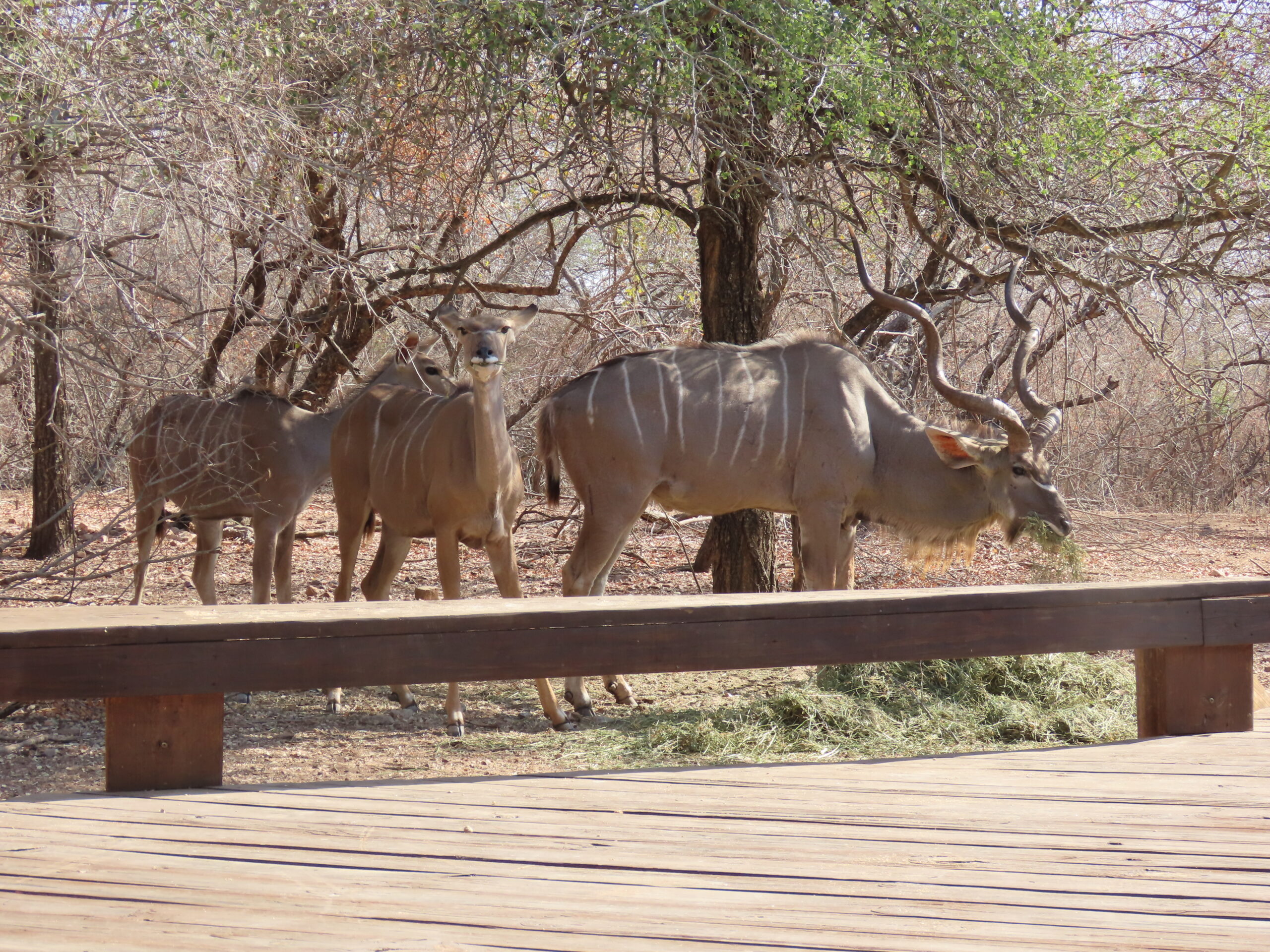
There were four Big Daddies in the garden, two of which were eating pellets.

Soon, we’re off to Komatipoort to see Doc Theo, pick up prescriptions at the pharmacy, and shop at Spar Market.

Be well.

Photo from ten years ago today, September 2, 2015:

The moon offers up quite a show in Australia. For more photos, please click here.

We’re back…Our friends leave tomorrow…The most economical countries to visit…

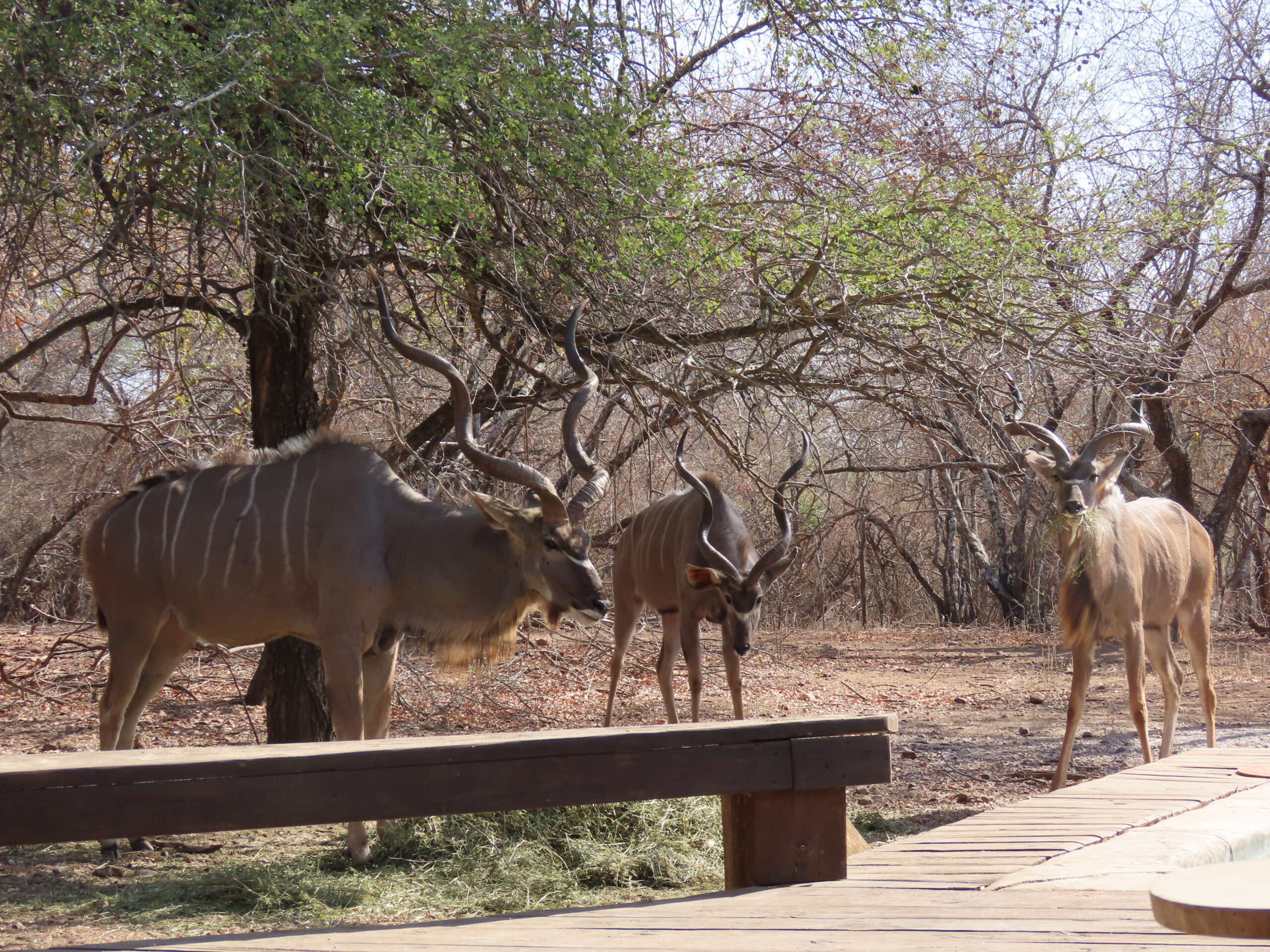
Three kudus, eating lucerne under the tree in the garden.

As we consider where we may travel after we attend grandson Miles’ graduation in Minnesota in May 2026, costs are always a consideration. With inflation escalating worldwide, we find ourselves digging a little deeper to find countries suitable to our criteria for quality vacation homes that appeal to our desires at a cost we can comfortably afford.

The Most Economical Countries to Visit in 2025

Traveling the world doesn’t have to break the bank. Some of the most memorable adventures can be found in places where your money stretches further, allowing for more extended stays, richer experiences, and less stress about your budget. In 2025, these countries stand out for offering incredible value while still delivering on beauty, culture, cuisine, and comfort.

Our boy Norman is so handsome. We love him.

1. Vietnam

Vietnam continues to be one of the most budget-friendly destinations in Southeast Asia. For just a few dollars, travelers can enjoy delicious street food like pho, banh mi, and fresh spring rolls. Accommodation ranges from cheap hostels to comfortable guesthouses and boutique hotels. Public transportation and motorbike rentals are affordable and efficient. Highlights include exploring the limestone cliffs of Ha Long Bay, wandering the lantern-lit streets of Hoi An, and experiencing the vibrant chaos of Hanoi and Ho Chi Minh City.

2. Georgia (the country)

Georgia is rapidly gaining popularity for its mix of mountain landscapes, ancient churches, warm hospitality, and affordability. Located at the crossroads of Europe and Asia, this small nation offers budget-conscious travelers a taste of wine country (it’s one of the oldest wine regions in the world), hearty food, and scenic towns like Tbilisi and Kazbegi. Public transport is cheap, and many homestays include meals, making it easy to experience local culture.

Impala Broken Horn and bushbuck Chewy go head to head in the garden.

3. Mexico

Beyond the well-known resort towns, Mexico offers a rich tapestry of affordable travel experiences. Colonial cities like Oaxaca and Guanajuato are filled with charm and history, while the Yucatán Peninsula offers beautiful beaches and cenotes at reasonable prices. Street tacos, fresh fruit, and traditional meals are incredibly cheap, and local buses and collectivos help cut transportation costs. In 2025, the exchange rate continues to be favorable for foreign visitors, making Mexico a solid budget destination.

4. Albania

Often overlooked in favor of nearby Italy or Greece, Albania is a hidden gem for travelers seeking Mediterranean beauty without the price tag. The Albanian Riviera offers stunning beaches, turquoise water, and traditional seafood meals at a fraction of the cost of Western Europe. Cities like Tirana and Berat are filled with history and color, and the cost of food, transport, and lodging remains exceptionally low.

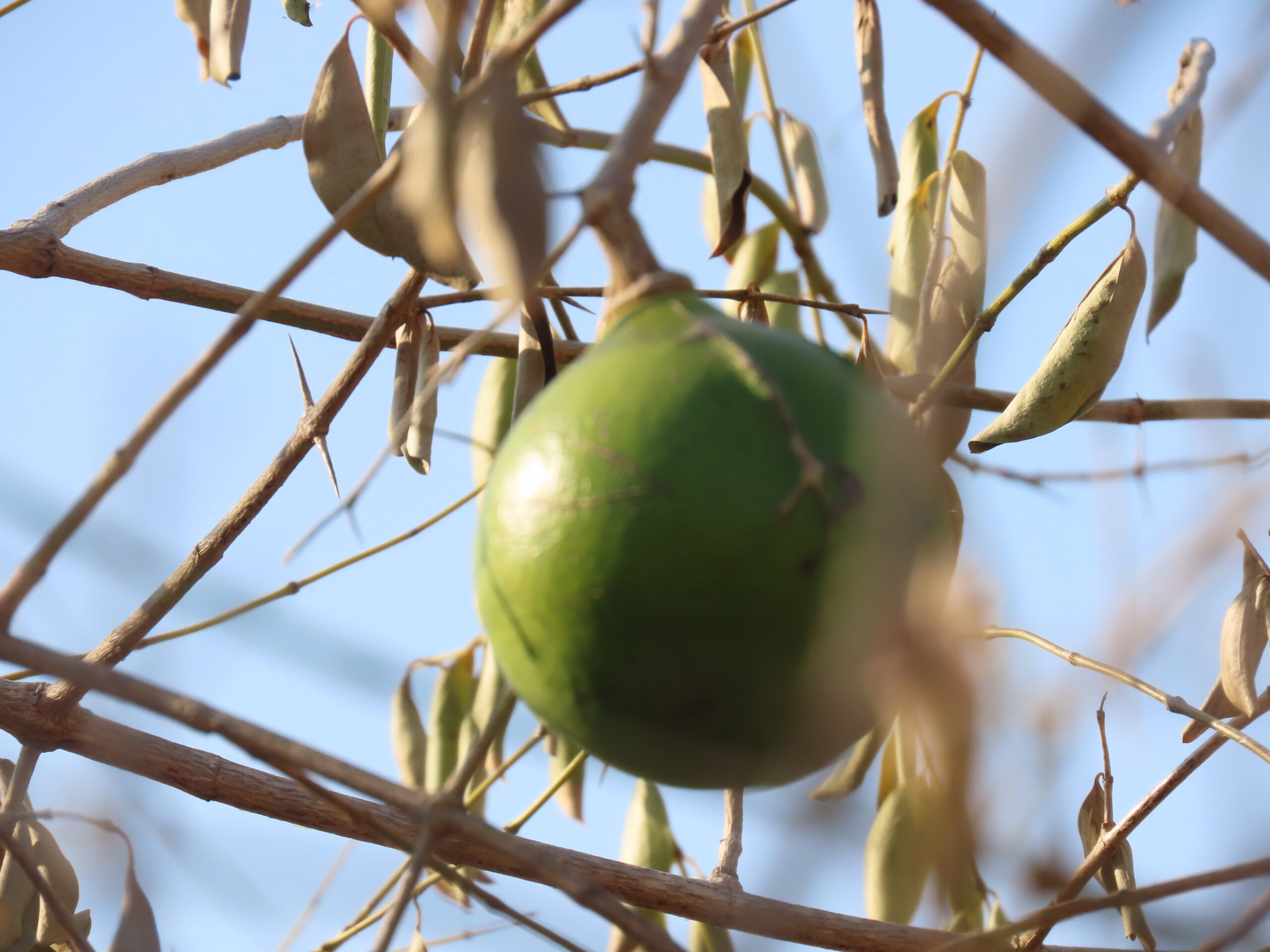
What is this large green fruit on a sparse leafless tree?

5. Nepal

For lovers of mountains and spiritual experiences, Nepal offers breathtaking scenery and affordability. Trekking routes like the Annapurna Circuit or Everest Base Camp can be done on a tight budget, especially when staying in teahouses along the way. Meals, lodging, and guides are reasonably priced. Even in Kathmandu and Pokhara, daily expenses can remain low while still enjoying temples, lakes, and local cuisine.

6. Bolivia

Bolivia is one of the cheapest countries to visit in South America. It’s a land of surreal landscapes—from the salt flats of Salar de Uyuni to the high-altitude city of La Paz. Food is hearty and affordable, accommodations range from hostels to mid-range hotels, and inter-city buses are inexpensive (though often long and bumpy). Despite some challenges with infrastructure, Bolivia rewards the budget traveler with unforgettable sights and adventures.

Norman fluffs up when he spots a Big Daddy nearby.

7. Morocco

Morocco offers a fascinating mix of Arab, Berber, and European influences. Budget travelers can wander the souks of Marrakech, hike in the Atlas Mountains, or sleep under the stars in the Sahara Desert. Street food and local restaurants offer flavorful meals for very little, and riads (traditional guesthouses) provide cultural charm at a good value. Trains and buses connect major cities affordably and efficiently.

While luxury destinations have their appeal, there’s something gratifying about discovering the world on a budget. These countries prove that with thoughtful planning and a sense of adventure, you can enjoy incredible experiences without spending a fortune. Whether you crave natural beauty, cultural immersion, or mouthwatering cuisine, the world is vast—and wonderfully affordable in 2025.

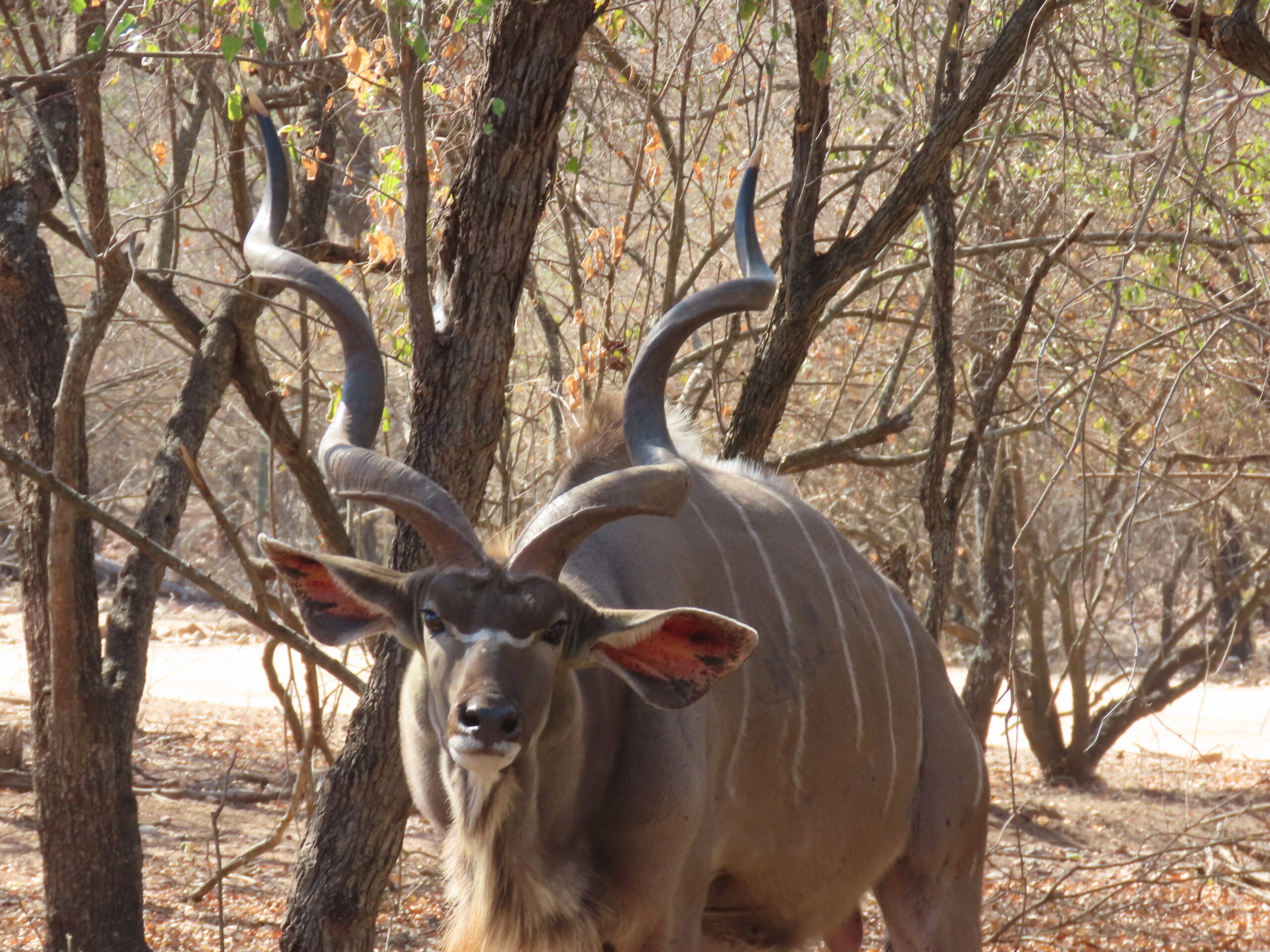
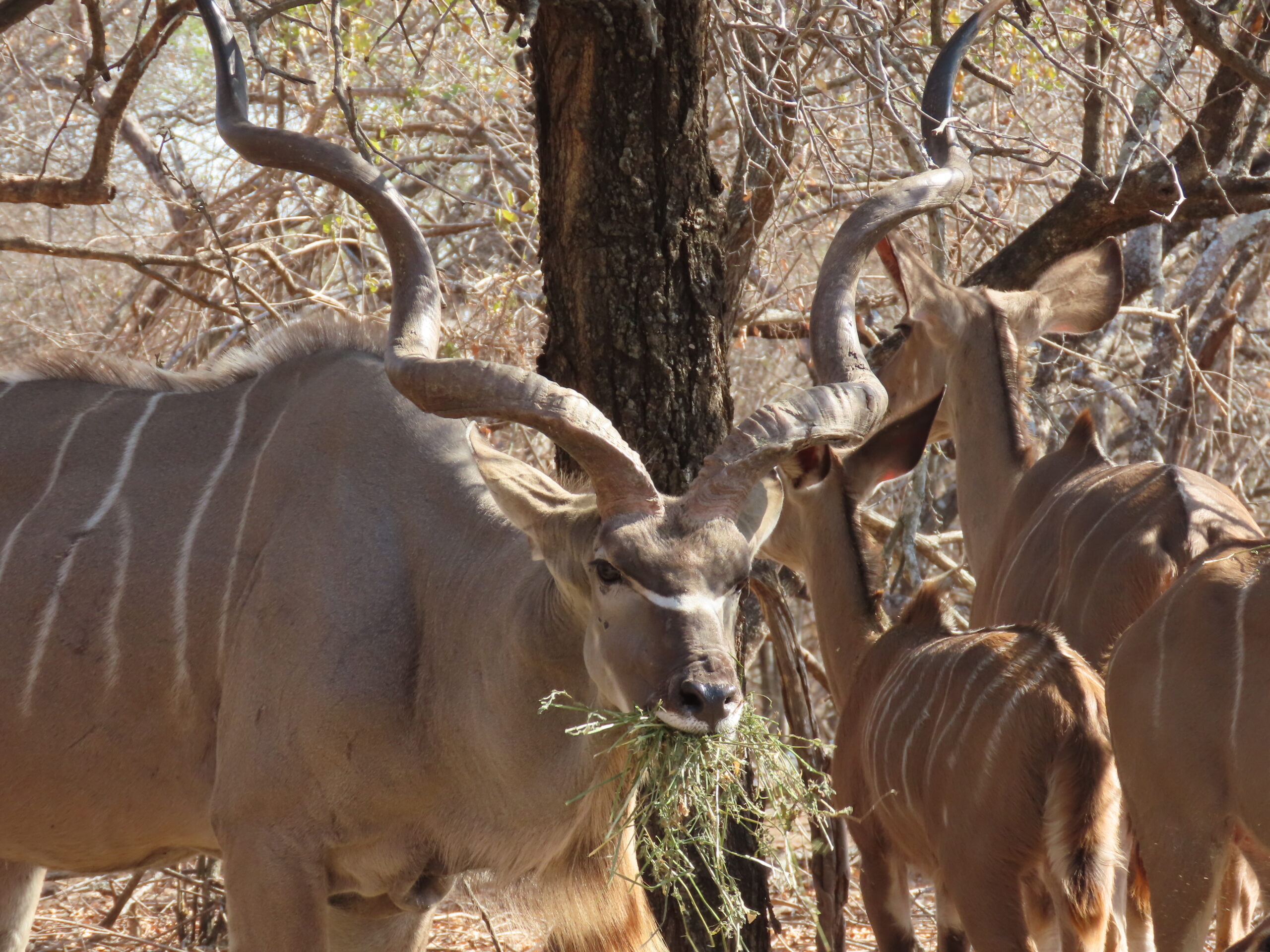
Check out the length of the horns on this Big Daddy.

We’ve been to three of the above countries, Vietnam, Mexico, and Morocco,  and have considered the others as possibilities for the future.

We’ve had a fantastic time with Kady and Rich. Tomorrow afternoon, driver Wayland will pick them up in the early afternoon to make the 80-minute drive to the Mpumalanga/Nelspruit/Kruger Airport to begin the long journey back to their home in Florida. They’ve only recovered from jetlag in the past few days, and they’ll begin again with jetlag returning to the US.

Today, Kady and I are going to lunch for “girl time” at Giraffe at noon while Tom and Rich head to the Crocodile River to see what’s happening across the river in Kruger.

That’s it for today, folks. Sorry, we missed you yesterday.

Be well.

Photo from ten years ago today, July 13, 2015:

Double Island in Australia made us curious as to what it would be like to visit. For more photos, please click here.

Impala invasion after lucerne delivery…

Three male kudus with varying horn sizes, from Big Daddy to Medium Daddy to Little Daddy, are attempting to share the lucerne this morning.

This morning, a bale of lucerne arrived after we’d ordered it yesterday at Daisy’s Den. Only moments after it was laid on the ground by the delivery guy in the usual spot by the tree, impalas surrounded it. They are hungry too. The bush is dry and brown with few natural food sources for the wildlife.

The rains won’t come until fall, when once again the bush will be lush and green with plenty of vegetation for the wild animals to eat. It’s going to be a long winter for them. Although many disapprove of feeding the animals, we, amongst the majority of Marloth Park citizens and visitors, can’t bear to see the animals starve to death.

The kudus were enjoying the lucerne.

They must only be provided with food that causes no harm to their digestive systems, but pellets, lucerne, and certain fruits and vegetables are acceptable. However, they should not be fed most human foods, such as corn, potato chips, pasta, crackers, bread, and sweets. Consuming such foods can be life-threatening to them.

Impala (Aepyceros melampus) are among the most abundant and iconic antelope species in South Africa, especially in places like Kruger National Park and other game reserves. Their behavior is shaped by their need for survival in an environment filled with predators and seasonal changes in food and water availability. Below is an overview of their typical behaviors:

Social Structure and Grouping

Impalas are highly social animals that typically live in structured groups. There are three main types of impala herds:

  1. Breeding Herds: These consist of females and their young, led loosely by one or more adult females.

  2. Bachelor Herds: Groups of young or adult males not currently holding a territory or harem.

  3. Territorial Males: During the rutting season (typically around March to May), dominant males establish and defend territories, attempting to gather harems of females for mating.

These herds can sometimes contain dozens to over a hundred animals, especially in areas with plentiful resources.

Big Daddy was monopolizing the bale of lucerne.

Feeding Behavior

Impalas are mixed feeders, which means they both graze on grass and browse on shrubs, leaves, and fruits, depending on seasonal availability. This dietary flexibility helps them survive year-round in the varied South African landscape.

They are most active in the early morning and late afternoon, spending the heat of the day resting in shade.

Anti-Predator Behavior

Impalas are prey to many large carnivores such as lions, leopards, cheetahs, hyenas, and wild dogs. As such, they have developed keen senses and survival strategies:

  • Alertness: Impalas are constantly vigilant and rely heavily on sight, sound, and smell to detect threats.

  • Stotting or “Pronking”: When startled, they often leap high into the air, sometimes over 3 meters high and 10 meters long. This behavior may confuse predators or signal fitness to discourage pursuit.

    • Big Daddy was particularly enjoying himself.

    Group Safety: Living in large groups helps reduce individual risk, as more eyes and ears are available to detect danger.

Breeding and Mating Behavior

During the rut, dominant males become highly territorial and aggressive. They engage in loud vocalizations (deep grunts and snorts), scent-marking, and head-to-head clashes with rivals. Mating occurs in this period, and females give birth about six to seven months later, typically in November or December.

Female impalas often give birth at roughly the same time, which may overwhelm predators and increase the chances of calf survival—a strategy known as synchronized birthing.

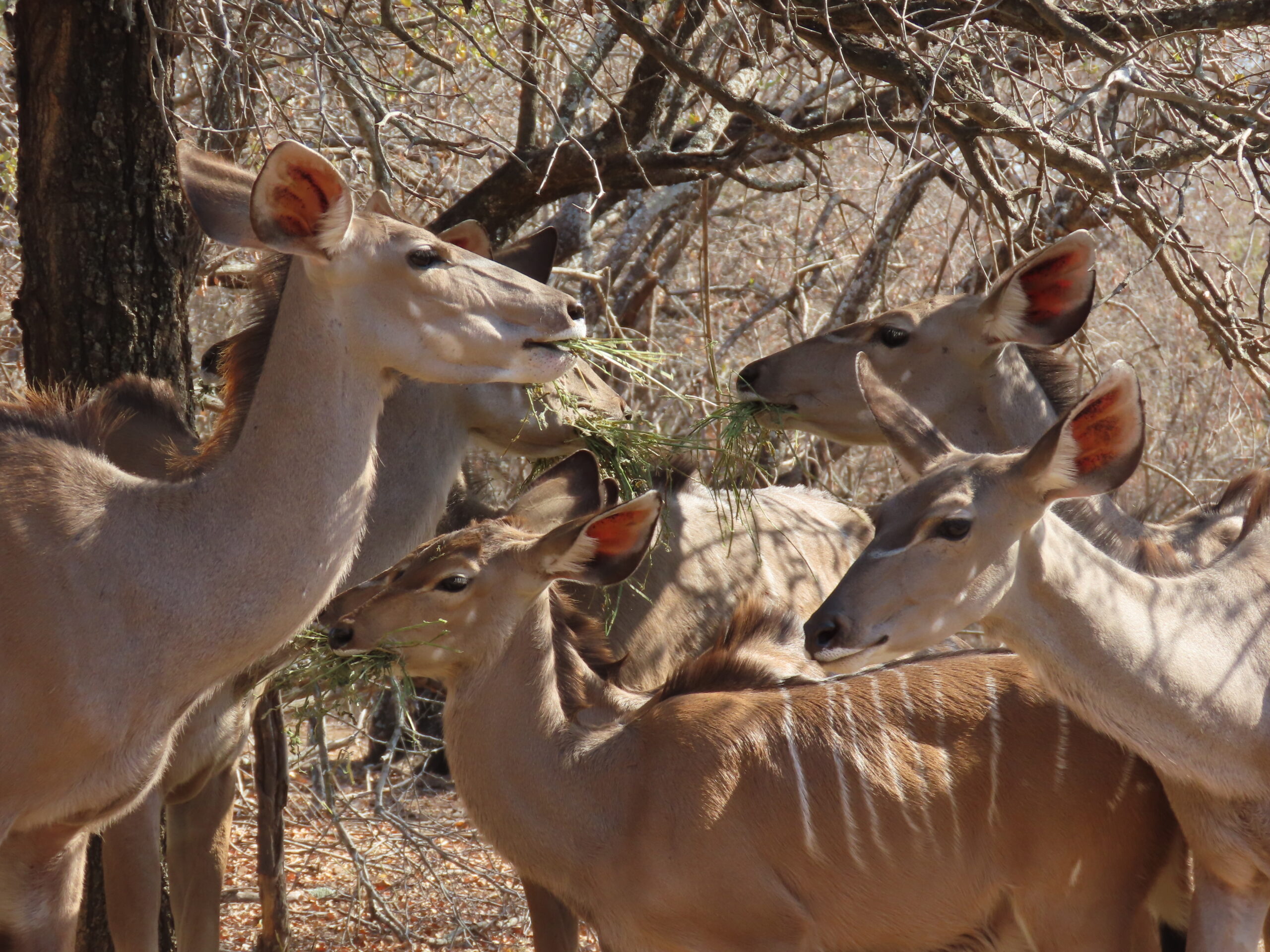
Lots of female kudus and youngsters.

Vocalizations and Communication

Impalas communicate using various vocal sounds, such as:

  • Snorts: To alert others of danger.

  • Grunts and bellows: Used mainly by males during the rut to advertise dominance.

  • Bleating: Calves bleat to call for their mothers.

They also rely on body language—tail-raising, ear flicking, and postures—to convey alarm or social status.

Impalas returned for more lucerne.

Habitat and Range

In South Africa, impalas thrive in savanna woodlands, especially where there is a mix of open grassland and bush. They require access to water and prefer habitats where they can quickly escape into cover if threatened.

Interesting Behavioral Traits

  • Impalas often associate with other species, such as zebras or wildebeest, which enhances mutual predator detection.

  • During dry seasons, they can survive on less water by switching to more browse-based feeding.

  • They groom each other, particularly in bachelor groups, which reinforces social bonds and helps with parasite removal.

    The impalas came by and left depending on what other animals stopped by that might pose a threat.

Impalas may seem commonplace on a safari, but their social dynamics, agility, and constant alertness make them one of the most fascinating and adaptive creatures in South Africa’s wild landscapes.

With the new bale of lucerne here today, which is already almost half gone, we’ll be hanging around today and will head out to Jabula around 5:00 pm. There’s another rugby game on the monitors at Jabula tonight, so we won’t be able to sit in the bar, but we’re happy to dine on the veranda like we did last night, having a delicious dinner and lively conversation.

Lucerne is a rare treat for impalas, who are often too shy to approach humans this closely.

That’s it for today, folks.

Be well.

Photo from ten years ago today, July 12, 2015:

We fell in love with the pelicans in Australia for their beauty, grace, and movement. For more photos, please click here.

It’s a beautiful morning in the bush…We’re busy with bookings!…

Note: Due to WiFi issues, we are having spacing problems we cannot repair..

Crooked Face returned to see us! He had a little trouble grabbing this carrot.

It couldn’t be a more perfect day. The weather is comfortable at 74F 23C, the sky is overcast, and the wildlife is abundant. We couldn’t ask for more, especially when Norman arrived again this morning. He stayed for over an hour, enjoying carrots, apples, and pellets. Annoyed with all the Big Daddies hovering, he finally took off.

The only thing annoying us is the sound of someone in the area using a generator as the sound wafts through the bush. We love the quiet sounds of the animals and the birds. Hopefully, soon, the noise will end.

Zebras don’t try to get too close to us. They need to get close to humans only for food, while many other animals seek to enjoy human interactions.

Living in the bush, one’s senses are acute. Every moment and every sound attracts our attention, and we never know what to expect when we hear new sounds. It’s terrific that Tom now wears hearing aids and can listen to the magical sounds of nature.

Zebras visit every day.

This morning, we had to get to work booking all the rental cars we’ll need while here, when we arrive in Minnesota at the end of May, and when we return to Marloth Park in June. We have locked in some fantastic pricing in South Africa, as low as US $400, ZAR 7308 a month, which is at least four times higher in the US.

Not Big Daddy, but whom we call “Medium Daddy,” who has some growing up to do to reach Big Daddy status.

Also, we arranged the picking up and dropping off time when our friend Lasa arrives on April 2 and leaves on May 1—booking three cars and coordinating the pickup and return dates is time-consuming, especially when we only book them for a maximum of 30 days with our credit card, covering the insurance for only the first 30 days.

Big Daddy kudu.

After all, we don’t have a car and subsequent insurance as an adjunct to renting rental vehicles. We figured out this workaround, but it requires returning the cars every 30 days and a long round-trip drive to the airport.

Also, today, Tom is booking cars for our final three months here, from June to September. We’ve yet to book a place to stay in Spain in September before our four cruises, but we have plenty of time. We’ll get to work on that sometime in the next 60 days.

Checking out the birdseed on the hanging rack.

We are going to a braai at friends Roz and Les’s home, a few kilometers from here. Soon, I’ll make a salad to bring and prepare our filet mignon to cook at their home. They offered to provide all the food, but we suggested bringing our meat and a salad. Few people eat such good-sized portions of meat or use homemade salad dressing as we do.

It’s too much work to ask the hosts to prepare anything special for us. In South Africa, it’s not uncommon for guests to bring their meat to a braai and a side dish to share. As always, guests bring their drinks, whether alcoholic or not. Tom will bring Lion beer, and I’ll bring a bottle of my low-alcohol red wine and some pre-made Crystal Light lemonade. I only drink two 5 oz glasses of the light wine and then switch to Crystal Light.

Drinking from the birdbath.

Today is the first day since I reduced the dose of Prednisone from 20 mg to 10 mg; after adding the new medication, I can breathe a little better. Last night was challenging. Hopefully, the new drug, Mont-Air, is kicking in and will prevent me from having asthma.

That’s our day, folks. We’ll be back with more tomorrow.

Be well.

Photo from ten years ago today, March 19, 2015:

Tom and our dear friend Richard, who’s since passed away, toasting on St. Patrick’s Day in Kauai, Hawaii. For more photos, please click here.

Antelope altercation in the garden…The worms have turned into moths…They are everywhere…

Big Daddy and Norman engage in a dominance dance in the garden.

Antelopes are prevalent in Marloth Park. They include, based on size: kudu, nyala, impalas, bushbucks, and duikers. It’s a rare occasion to witness disharmony among these animals, other than pushing and shoving when jockeying for pellets, even common among family members of the same species.

It’s been a rarity for us to see fighting among the various species of antelopes when they visit the garden. However, since Norman has become such a regular here, we’ve noticed that he gets defensive when there are the Big Daddy kudus in the garden, whether close to the house or at a distance of fewer than 30 meters, which is, by his standards, too close for comfort.

As we’ve shown in past photos, Norman fluffs up his hair to make himself appear larger and hangs his head low. We aren’t sure if dropping down his head is to add to appearing larger or if it is a form of submission. Most would assume, by watching him, that its submission.

From time to time, they slowly move around the garden.

The massive Big Daddies respond to Norman’s sign of courage and strength. They certainly don’t run off frightened by Norman, but they recoil to a certain degree. If it was submission, it would be counterintuitive to appear larger, to make the male kudu with massive horns become frightened of him.

In any case, it’s interesting to observe. Of course, we’re a little concerned they could engage in a fight which would be disastrous, and there would be nothing we could do to stop it. In some instances, in the wild, these animals have fought to the death when protecting their territory, food source, or females and family members, although from what we’ve read, it’s very rare.

Norman with his head down during his “fluffing up” session.

As gentle animals, they aren’t explicitly looking for a fight. We proceed with caution when offering food when the other is nearby to avoid the remote possibility of an altercation.

Today, Tom observed these scenes shown in the photos while I was showering. A short time later, when I came out of the bedroom, they were both still in the garden, doing their dance of dominance, Norman more than Big Daddy.

It’s always interesting to watch the behavior of the wildlife in Marloth Park. Spending most of our daylight hours outdoors, it’s inevitable we’d often see how wildlife interact with one another. The most aggressive animals we’ve observed are warthogs who will fight with any other animal over food, territory, or mating rights.  The next most often we’ve seen is zebras among themselves when vying for pellets. They will kick and bite one another to get the next morsel into their mouths.

He doesn’t respond to my voice when he is in this position.

That awful invasion of slimy black worms continued for several weeks but ended about a week ago. The older worms have morphed into annoying giant black moths, flying around inside the house and the veranda. There is no way to escape them, although they are bothersome but harmless.

All we can do is keep the exterior doors open, hoping none will get into the bedroom (we keep that door closed at all times). If we shut the exterior doors, the house’s interior gets too hot, and there’s no aircon unit on the main floor other than in the bedroom. In time, these moths will disappear, and then some other annoying insect will take over. After all, TIA, “This is Africa,” and that’s what happens here.

Be well.

Photo from one year ago today, March 22, 2022:

Bossy’s baby suckles while another female looks for pellets. For more photos, please click here.

We were so wrong!!!…

    Last night, the porcupine returned to the garden.

Sometimes, we write about a decision we’ve made and post it here, only to find out one or two days later that the decision was made hastily. I admit that in my enthusiasm for a new topic, I may prematurely post a decision we’ve made but have yet to investigate seriously enough for it to become a certainty.

This was the case for the post I wrote yesterday, found here with a heading that read: “Enough procrastination for now…Finally, we’re making decisions…Fun new photos…”

Sometimes, Bossy visits without her baby.

I jumped the gun stating this before we conducted ample research to determine if staying in the UK for 68 days made sense or even taking the ferry to Jersey to see our friends there, staying for a week in a hotel. When we started adding the expenses relative to both of these experiences, the cost went far beyond what was practical for our budget.

We don’t mind exceeding our chosen monthly budget when we’re cruising or on a special expedition of one sort or another. But, living in a location for a few months is time we prefer to maintain a tight reign on expenses in order to be able to embark on cruises and such special outings from time to time.

These are pits from marula fruit which the kudu eat and spit out the pits when done chewing. Eight kudus stayed in our garden all day eating the fruit since we have a prolific marula tree hanging over the house. There’s controversy over whether animals get “drunk” from the fermented fruit. But, based on the numbers of kudus we had sleeping in the garden yesterday, we considered this may be true.

Long ago, we made a decision to avoid tapping into our investments to support our world travel. If we started doing this, it could easily get away from us. Plus, if we take money out, we are taxed on it, thus increasing the cost of any particular event.

In the post, on October 22, 2019, found here, we listed our final expenses for our stay for 62 nights in the UK as indicated below:

Expense     US Dollar       GBP
Holiday Rentals  $ 8,381.40  $ 6,426.17
Southampton Hotel (2)  $    276.94  $    213.35
Car Rental + Fuel  $ 1,985.64  $  1,529.73
Dining Out  $    675.07  $     520.07
Groceries  $ 1,502.48  $  1,157.50
Pharmacy  $    478.20  $     368.40
Tours  $      42.00  $       32.36
Total  $13,341.73  $10,247.58
Avg Daily- 62 ngts  $     215.19  $     165.28

Here is an estimate of expenses, if we spend 68 nights in the UK, (rounded off to the nearest dollar for illustrative purposes):

Expense     US Dollar           ZAR
Holiday Rentals  $ 10500.00  $ 160538.00
Hotels  $  2500.00  $   38223.00
Car Rental + Fuel + Ferry  $ 5800.00  $   88751.00
Dining Out  $ 2300.00  $   35194.00
Groceries  $ 1800.00  $   27544.00
Pharmacy & Shopping  $    650.00  $     9946.00
Tours  $    400.00  $     6121.00
Total  $23, 950.00  $ 366482.00
Avg Daily- 68 ngts  $     352.21  $  5389.00   

The above totals clearly indicate the approximate 30% increase in expenses we’d mentioned in a prior post, that we’re seeing three years after our visit in 2019, after carefully researching expenses in each of these categories.

It’s unusual to find kudus laying down in our garden. But, after eating dozens of marula fruit, they may be sleepy.

We fully realize inflation would impact the costs wherever we may go in the world. We are prepared to adapt to those increases. But 30% in an already high-cost country makes us realize we need to shop elsewhere.

As a result of yesterday’s extensive research, we reviewed the list of non-Schengen countries and have gone back to investigate which may be excellent options for the 68 nights we need to fill. Keeping in mind, the purpose of researching the expenses for a potential 68 nights in the UK is while we await news from Azamara as to the new itinerary for the cruise at the end of June, sailing out of Istanbul.

If we find the ports of call on the new Azamara itinerary are those we’ve visited in the past and don’t care to see again, we’ll have the option of canceling and receiving a full refund. If that proves to be the case, the 68 days in the UK becomes a moot point and we must find where we’d like to go until the next cruise on November 8, 2022. In that case, we’d be left with 202 days to fill. We have some ideas in mind and will share that information when we know more.

The kudus stood at the edge of the veranda eating the marula and dropping the pits onto the veranda floor. Tom swept them off a few times.

It’s not that we’re running out of countries to visit. It is just that after the pandemic with many travel changes throughout the world, and now the war in Ukraine, we look at where we’d like to travel with a new and different perspective.

To wrap this up, next time we post statements about what we plan to do, we’ll make sure it’s affordable and logical, considering the above situations and also the cost of living in any specific area. Now, our only option is to wait and hear what happens with the Azamara cruise to Russia via the Black Sea, and then, from that point, we’ll conduct the appropriate research, sharing details when we pin things down.

Thanks for your patience. Humm…19 days and counting until we depart South Africa for a short stay in the US, then off to Fort Lauderdale for our transatlantic cruise on Celebrity Silhouette. We love this cruise line and this class of ships and look forward to cruising once again.

Be well.

 Photo from one year ago today, March 4, 2021:

There were several fast-growing ostrich chicks close to a house in the bush. For more photos, please click here.

Part 2…An important message for residents and tourists in Marloth Park…

This is a Bovine Tuberculosis-infected kudu we spotted only the day after being educated on this dreadful disease, mainly kudus in Marloth Park.

“Sighting of the Day in the Bush”

Another view of an Egyptian goose (from yesterday’s post here) recovering from an amputated foot due to a severe injury. He’s recovering well and will soon take flight.

First, we must qualify today’s post with this important and heartfelt message: We are not wildlife experts in any manner, nor do we profess to be. The minuscule amount of education we’ve had on Bovine Tuberculosis has been gleaned from others and by reading online scientific reports from universities and veterinary medical resources. We do not intend to express opinions or engage in any controversial conservation issues of which there are many. Our intent is purely to report what we’ve heard, seen, and read about potential means to reduce the incidence of Bovine Tuberculosis here in Marloth Park and save these magnificent animals from extinction in this magical place.

From this scientific abstract at this site:

“Abstract
Five kudus (Tragelaphus strepsiceros), three bulls, and two cows within the Greater Kruger National Park complex were diagnosed with generalized tuberculosis caused by Mycobacterium Bovis. The lesions seen in these animals were similar to those previously reported in kudus and included severe tuberculous lymphadenitis of the nodes of the head and neck (that resulted in noticeable uni- or bilateral swelling beneath the ear), thorax, and the mesentery. All the animals also suffered from severe granulomatous pneumonia. The lesions in the lungs were more severe cranially and had a miliary distribution elsewhere in the lungs. Based on the DNA patterns of the M. Bovis isolates, at least some of these kudus were infected with strains commonly present in tuberculous buffaloes, lions, cheetahs, and baboons in the Park. In contrast, other strains from these kudus were quite different and may reflect another source of infection. The presence of tuberculous kudus in the Park is expected to complicate control measures that may be instituted to contain or eradicate the disease in the Park.

Here is another scientific report to review:
https://repository.up.ac.za/bitstream/handle/2263/18952/35keet2001.pdf?sequence=1

When we took the above main photo of this kudu with Bovine Tuberculosis, we immediately contacted Evan with the Marloth Park Honorary Rangers to notify the rangers of this kudu with TB. Sadly, this infectious animal had to be euthanized.

Most likely, in contact with other kudus, many other kudus will have become infected through saliva and other bodily fluids. There is no known vaccine or treatment available to treat or cure Bovine Tuberculosis, a dreadful and painful condition affecting animals in Kruger National Park and here in Marloth Park.

According to local medical professionals, the kudu we spotted is only one isolated case of many already infected in the park. Eventually, the death toll could be staggering. Also, other wildlife carries the disease, which may or may not exhibit symptoms.

There’s no means, at this point, of eradicating TB other than removing all kudus from Marloth Park and starting over with an entirely new healthy generation of kudus. From our understanding, even newborn kudus from an infected mother will have the disease.

We look at all the beautiful kudus here in the park and can’t imagine many are sick. Perhaps, we all can take it upon ourselves to look for signs of TB in our visiting and grazing kudus throughout the park and immediately report the time and location of the sighting. 

Here are some of the more obvious indicators that we may be able to detect in visiting kudus:
1.  Tumors on the head, face, and neck
2.  Excessive salivation
3.  Curly hair on otherwise straight-haired antelope
4.   Sores on the hooves

Of course, we asked, “What can be done to abate the spread of this disease?  Is there anything homeowners, holiday renters, and property managers can do to reduce the risk?”

Although the disease cannot be eradicated by any of our efforts, it can be controlled to a degree by residents implementing the following steps:

1.  First and foremost, it is to stop feeding wildlife in troughs. This is the quickest way TB is contracted between infected and healthy animals. 
2.  Regularly and consistently clean out waterholes, remove all the water, wash the foundation in hot soapy water, rinsing thoroughly, and replacing with fresh, clean water. This should be done at least once a week. No doubt there are waterholes no one in particular controls, but the goal is to “reduce” the risk of infections, if at all possible.
3.  If you feed wildlife in bowls or other small containers, wash them daily with hot soapy water.
4.  Regularly and consistently wash bird feeders in the same manner as above.  As we all are aware, kudus will eat from bird feeders if they can reach them.

Currently, there is no surefire test for tuberculosis in kudu. Deidre of Wild & Free Rehabilitation and Dr. Dawid Rudolph is developing an accurate test for TB in kudu. Still, funding and research must be satisfied to accomplish this monumental feat.

Deidre Joubert-Huyse (no relation to the property owners) is a kind, dedicated and hardworking individual committed to rescuing and releasing injured and ill wildlife that fit within the guidelines of a safe future release. Her primary concern is tuberculosis in kudu while she continues to aid in the recovery of many wild animals at her facility in Hectorspruit. Deidre explained that she often has to make tough decisions but always with the animal’s best interests as a top priority. Her Facebook page is found here.

There are no easy answers here. And, with all the best intentions in the world, residents in Marloth Park can only do so much. The love of the majestic kudus and other wildlife in the park has become a way of life for many, not only from a caring and emotional place but also from the reality of generating interest in attracting tourists to holiday homes and small businesses located in the park.

We share this message today with a sense of sorrow. We hope that if all residents band together to aid in the reduction of the risks and spread of Bovine TB for the kudu and other wildlife, change may eventually come to fruition.

Yes, we know. We’re only here in Marloth Park for a short time, one year total, as a part of our continuing non-stop world travels, which is nothing compared to the many years most of you have cared for, loved, and nourished these fine animals. 

However, as outlined in yesterday’s and today’s stories, these current circumstances made us feel compelled to share this message and support your efforts, big and small, in effecting a change in reducing the potential for tuberculosis among the kudus (and other wildlife) in Marloth Park.

Photo from one year ago today, June 6, 2017:

Daphne Islet in Victoria, British Columbia. For more photos, please click here.

Part 1…An important message for residents and tourists in Marloth Park…

One of two barn owls in an outdoor cage. Deidre released this own into the wild last night. Here is the video from the release.

“Sighting of the Day in the Bush”

This is the more colorful male of the snake-eating peacocks, happily visiting Wild & Free Rehabilitation grounds.

We met Deidre Joubert-Huyse at “movie night in the bush” on February 25th, shortly after we’d arrived in Marloth Park, which was hosted as a fundraiser for Wild & Free Wildlife Rehabilitation. That post may be found here.

We were interested in the event and the intent of the rehab facility, with its focus on rescuing ill and injured wildlife in Marloth Park and surrounding areas. A few days after the event, we met with Lisa, one of Deidre’s assistants, who’d hosted the event at her home here in the park and who’d rescued several bushbabies with the plan to return them to the wild, which has since been accomplished. That post may be found here.

We drove through a beautiful orange grove to arrive at the Wild & Free Rescue, Rehabilitate, and Release facility in Hectorspruit, located about 30 minutes from Marloth Park.

When we think of rescue centers, we often recall visiting various rescue facilities we’ve seen throughout our world travels. Although many of these facilities rescued animals from rehabilitating and releasing them into the wild, many did so only to present them as “zoo” animals. The owners and managers would generate revenue from tourists. 

Although not accurate in many cases, this discovery has been disheartening over these past years of world travel.  We couldn’t avoid feeling that the animals were exploited by leading the public to believe the facility owners’ ultimate intentions were to aid in wildlife conservation when in fact, it was not.

Deidre Joubert Huyse, who developed and ran the rescue facility, met us at a local petrol station, and we followed her to the center. We’d had a hard time finding it without her assistance. For Wild & Free’s Facebook page, please click here.

Thus, when we attended “movie night in the bush” some months ago, we took it with a grain of salt. Was this another case of a few people who love animals, caring for them for their gain and altruistic reasons? How wrong we were! In this case, we loved being wrong!

As the months passed and we’ve become more knowledgeable about the health and well-being of wildlife in Marloth and Kruger National Park and, as we listened to endless conversations revolving around varying opinions on how wildlife health should be handled, Deidre’s name came up over and over again, always with the utmost of regard for her work, skill, and dedication.

We were impressed by the organization, cleanliness, and commitment evidenced in the facility.

Most recently, as mentioned in an earlier post that may be found here, we were inspired by Marloth Park Honorary Rangers Ushie and Evan to write a story on alien invasive plants that impact not only the park but also areas throughout the world.  That post may be found here.

After an orientation of the impact of alien invasive plants, Uschie and Evan gave us an entirely new perspective of plant life and wildlife, particularly here in Marloth Park. For us, it changed everything.

Wild & Free is supported through donations for the facility, medical care, and the feeding of the various wildlife rescued by Deidre and her staff.

Sure, it’s enticing and easy to get caught up in the magic of the visiting wildlife in the park and the “fun” of self-driving through Kruger National Park, sharing photos and receiving “oohs, aahs, and likes” from our worldwide readers when we post photos that appeal to their tastes.

But there’s so much more than that. And, with our vast local and worldwide audience, we are entrenched in the perfect arena to “get a message out” about the protection and preservation of that which surrounds us here in Marloth Park and throughout the world.

The ground surrounding Wild & Free is located on the Crocodile River at the ultimately most exquisite river view we’ve seen anywhere in the world, a perfect environment for rescuing and recovering wildlife by Deidre’s dedication and commitment.

No, we’re not going to become banner-wielding enthusiasts to distract us from the primary intent of our site, living as homeless nomads as we travel the world for as long as we physically can. Our daily posts encompassing the joys we derive from the wildlife we encounter and the scenery we behold will never change.

When Uschi and Evan explained the symptoms and horrors of bovine tuberculosis and how it’s impacting kudus in Marloth Park, we were both heartsick with this information. What could anyone do? Was there something we could do? This story over the next few days will explain everything.

Deidre had to amputate the foot of this Egyptian goose who suffered a severe injury after being tangled in a fishing line. It’s only been three weeks since his surgery, but he’s adapting well and will eventually be able to return to the wild.  For now, he happily stays on the grounds of the facility. 

We left their home with this bit of knowledge, unsure of where to take it from there.  Ironically, the next day, while on our usual almost-daily two-hour drive through the park searching for the unusual, we spotted a kudu with the obvious signs of tuberculosis on her face for the first time. These large bulbous tumors can manifest all over their bodies. (Photos we took of this kudu will follow in tomorrow’s post, Part 2).

Had we not met with Uschie and Evan the previous day, we’d have dismissed these tumor-like structures on her face as some congenital disability or physical anomaly. Instead, we forwarded the photos to Evan, and he reported it to the rangers, who’d have no choice but to find and euthanize the diseased kudu. Bovine TB is highly contagious to other kudus and wildlife (not necessarily spread to humans).

These two genets were soon to be released into the wild.  These two were at the facility due to the urbanization of their natural habitat, and they were separated from their mothers.

From there, in our discussions with others, Deidre’s name kept coming up along with the government vet, Dr. Dawid, who is working with Deidre in an attempt to discover ways to possibly control the spread of this life-taking disease among kudus (and potentially other animals as well) via adequate testing which is in its infancy.

So, here we are, especially after meeting with Deidre yesterday at her amazing facility in Hectorspruit, finding ourselves committed and dedicated to sharing this newfound information with those who may be able to play a role in saving lives of many kudus.

The scenery surrounding the rescue center is so astounding it took our breath away.  It bespeaks a “healing” environment.

Thanks to Deidre and all her hard work and unbridled dedication in aiding in the real and dedicated rescue and release of many species that surround us in magnificent South Africa and in her research and intent to impact Bovine TB. 

A special thanks to  MP Honorary Rangers Ushie and Evan for contributing their time to educating us on these critical issues in Marloth Park. We still have a lot to learn and will continue to seek information from those who teach us so much.

These peacocks are known to kill snakes with the utmost expertise and precision.  Each day, they hang around the rescue center, pecking off seeds and various treats they find on the grounds. These are the females.

Tomorrow, we’ll share how each can play a vital role in reducing the spread of this horrible disease affecting the gorgeous wildlife in Marloth Park. Please check back for more.

Wild & Free Rehabilitation may be reached here for donations.

Photo from one year ago today, June 5, 2017:

Buildings on the grounds of the Butchart’s Gardens. For more photos, please click here.