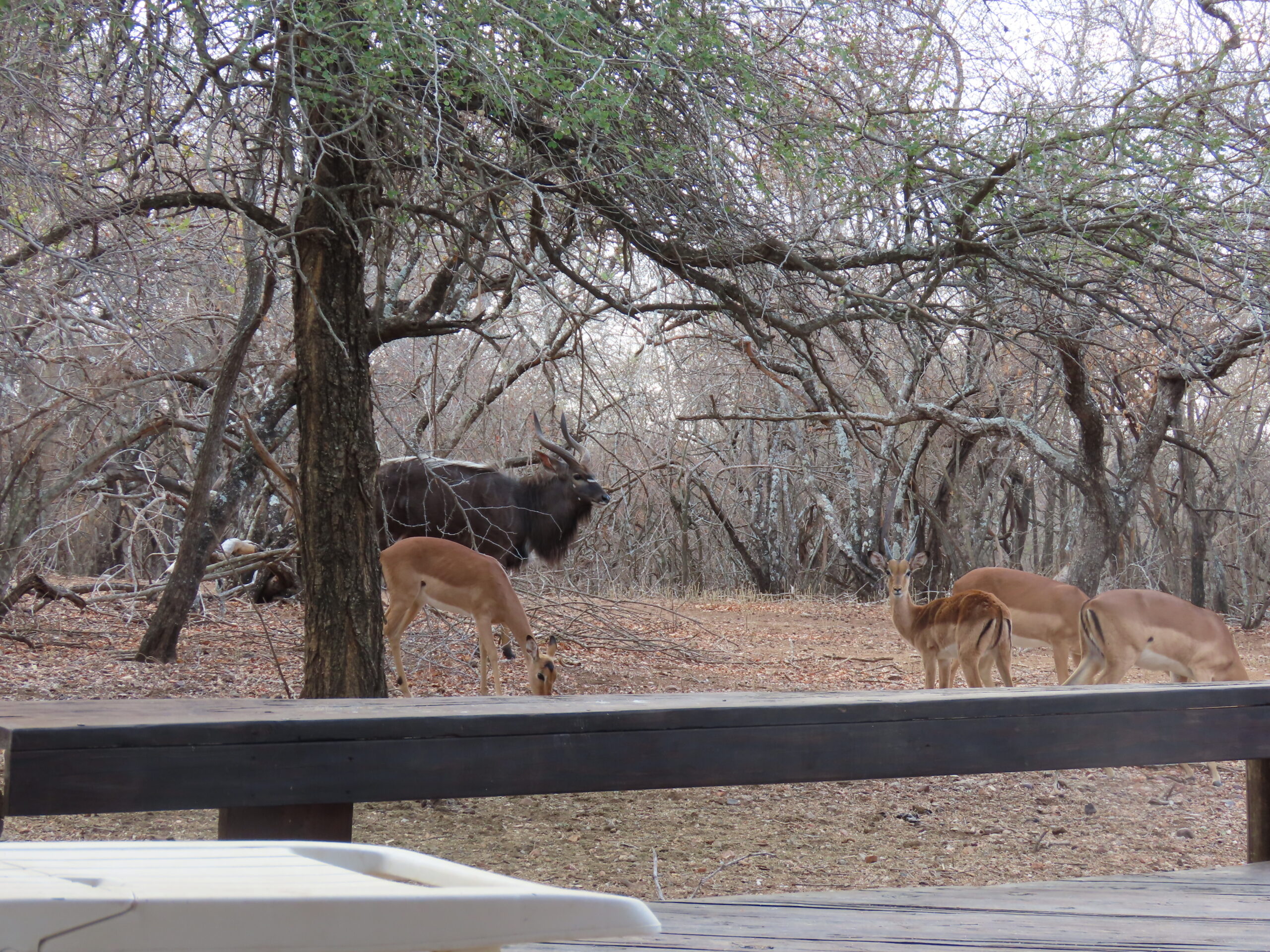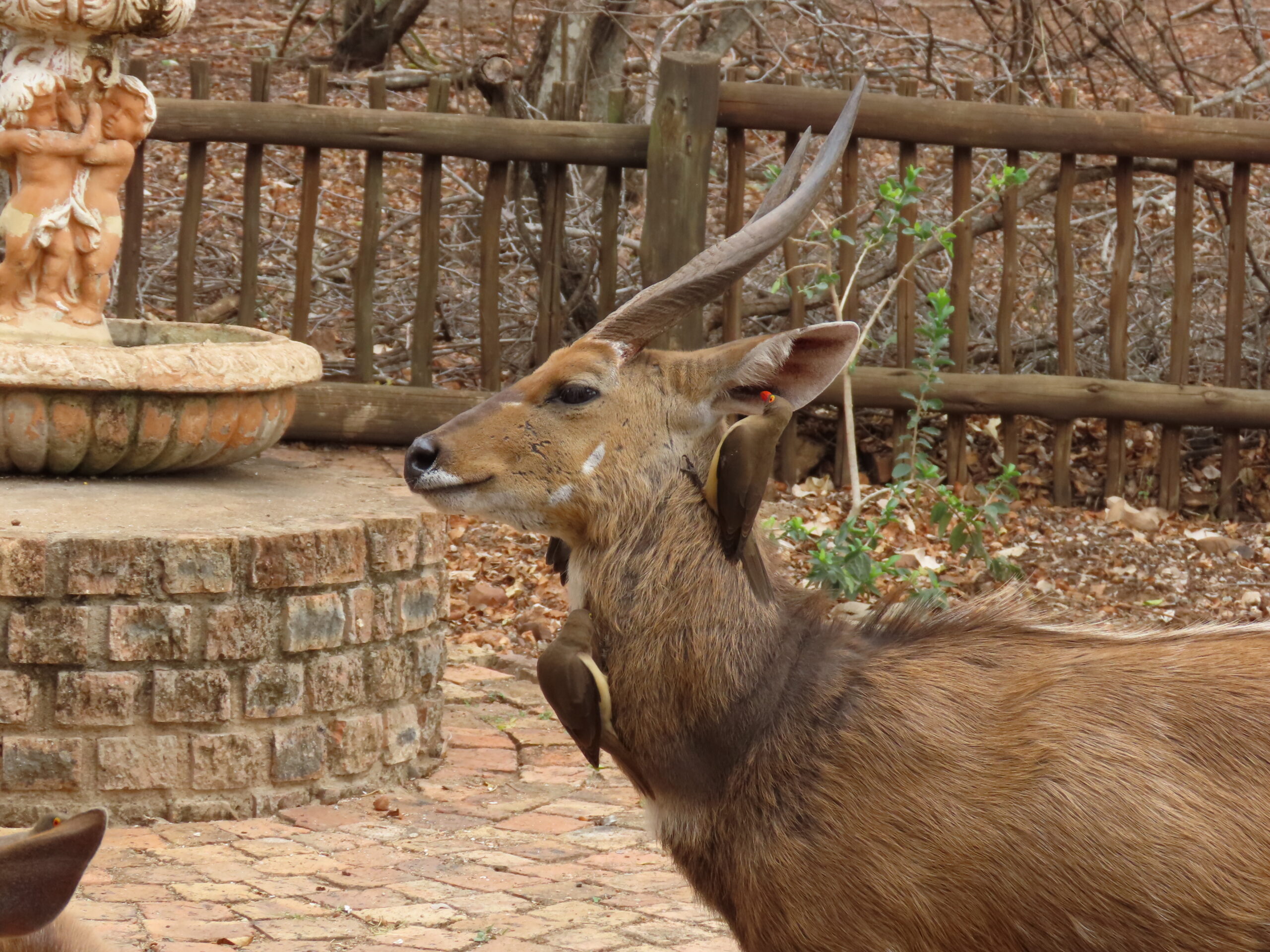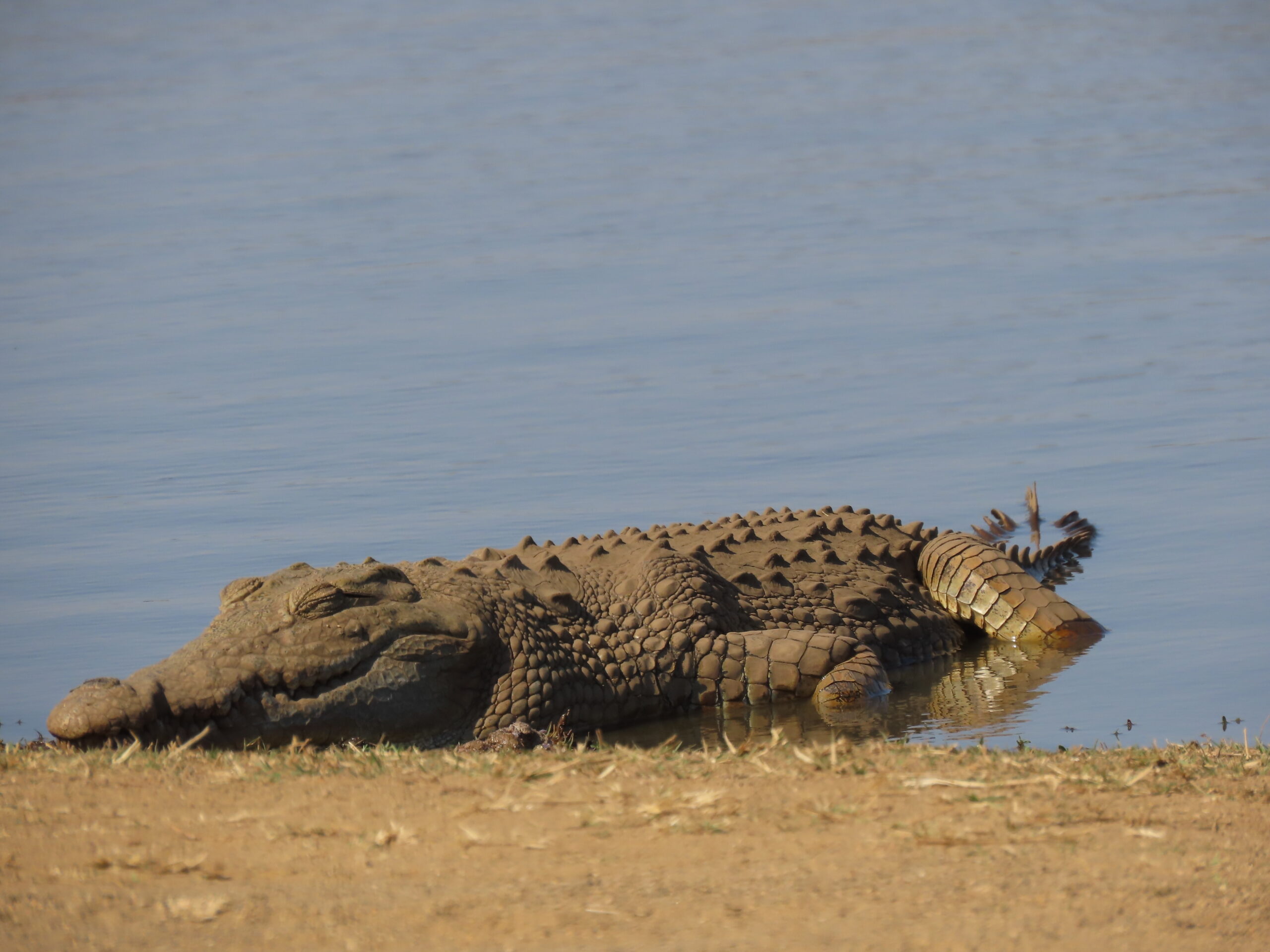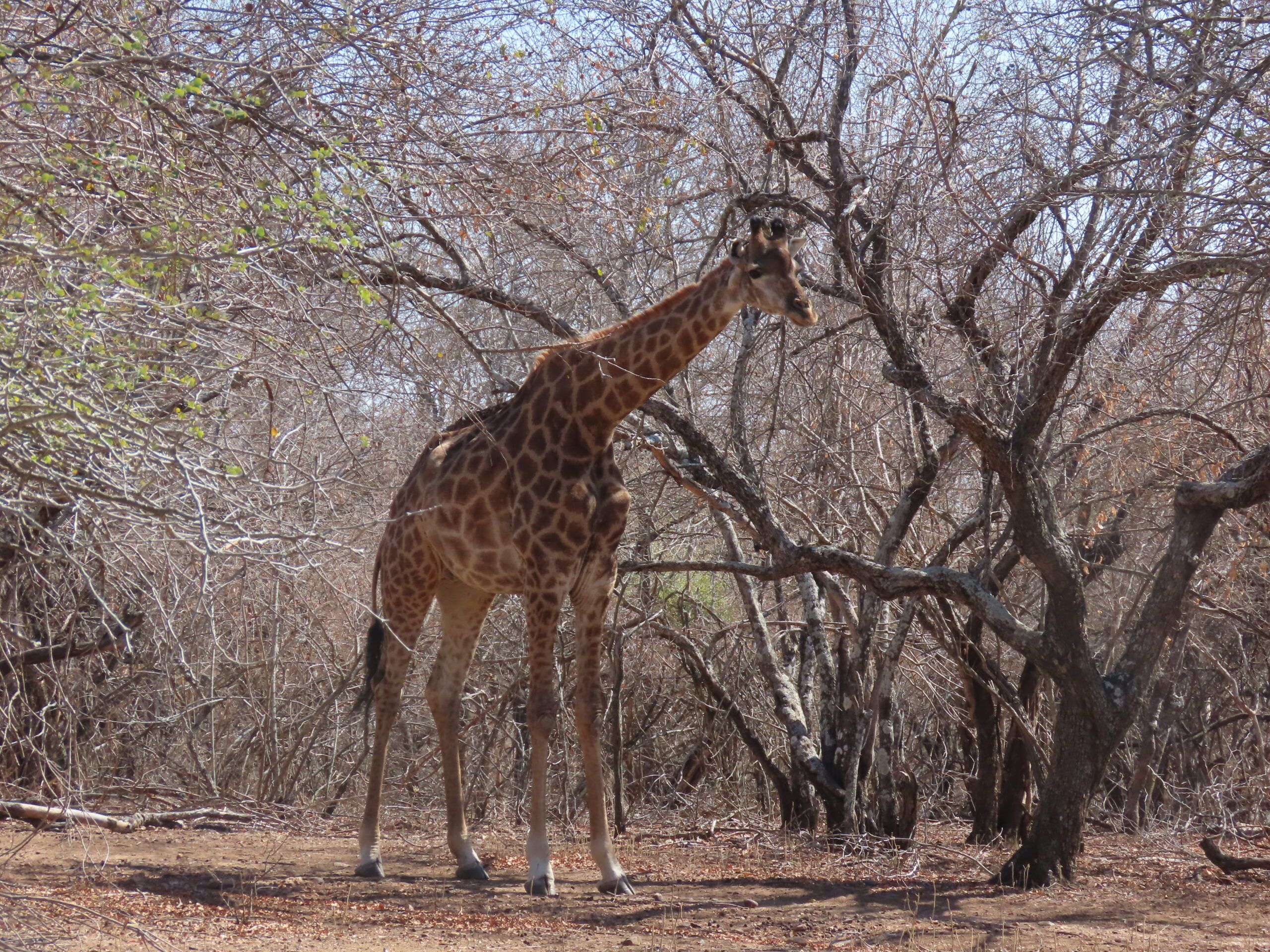
From a Facebook post on May 21, 2025:
Photo from ten years ago today, May 29, 2015:


From a Facebook post on May 21, 2025:
As of May 29, 2025, there are no confirmed reports of active wildfires in Marloth Park, South Africa. However, the region remains at high risk due to a combination of dry weather conditions and the proliferation of invasive plant species that significantly increase fire hazards.”
A serious house fire occurred in Marloth Park a week ago, and today’s photos illustrate the damage. The occupants were rescued but experienced some injuries and were taken to the hospital. Reports on their well-being haven’t been made public at this point.

1. Invasive Plant Species
Marloth Park is grappling with several invasive plant species that exacerbate fire risks:
Parthenium hysterophorus (Famine Weed): This aggressive weed grows rapidly, reaching the flowering and seeding stages quickly. It spreads easily and can cause allergic reactions upon contact.
Lantana camara: Known for forming dense thickets, Lantana is highly flammable and can outcompete native vegetation.
Chromolaena odorata (Triffid Weed): This plant grows rapidly into dense thickets, especially in damp areas, and is highly flammable.
Solanum seaforthianum (Potato Creeper): This vine climbs into trees, smothering them, and contributes to the fuel load for potential fires.
These invasive species not only threaten biodiversity but also increase the intensity and spread of fires due to their high flammability.marlothparkhonoraryrangers.co.za+6marlothparkhonoraryrangers.co.za+6overbergfpa.co.za+

2. Dry Weather Conditions
Current weather forecasts for Marloth Park indicate consistently high temperatures and low humidity levels:
|
Today
|
88°
50°
|
Very warm with plenty of sun
|
|
Friday
|
90°
56°
|
Very warm with plenty of sun
|
|
Saturday
|
83°
55°
|
Partly sunny
|
|
Sunday
|
84°
53°
|
Clouds to start, then sunshine returns
|
|
Monday
|
87°
51°
|
Very warm with plenty of sunshine
|
|
Tuesday
|
84°
55°
|
Plenty of sunshine
|
|
Wednesday
|
71°
50°
|
Episodes of sunshine with a stray shower; cooler
|
Such conditions dry out vegetation, making it more susceptible to ignition and rapid fire spread
3. Human Activities
Human negligence has also contributed to fire risks. For instance, a recent incident involved hot embers from a braai (barbecue) being dumped into dry brush, nearly causing a major fire. This highlights the importance of proper fire management practices among residents and visitors. WorldWideWaftage –
1. Removal of Invasive Species
The Marloth Park Honorary Rangers, in collaboration with the Nkomazi Municipality, are actively working to remove invasive plant species from the area. Property owners are legally required to eradicate these plants from their stands. Efforts include manual removal and the use of biological controls, such as the cochineal bug, to manage prickly pear infestations

2. Community Engagement
Community involvement is crucial in fire prevention. Residents are encouraged to:
Avoid introducing non-native plants into the environment.
Properly extinguish braai embers and dispose of them safely.
Report sightings of invasive species to the Honorary Rangers.
Participate in local conservation initiatives
3. Adherence to Bylaws
Strict adherence to local bylaws is essential. These regulations prohibit the introduction of exotic plants and mandate the removal of invasive species. They also outline guidelines for fire safety and environmental conservation. Marloth Park Honorary Rangers+1mppoa.info+1marlothparkhonoraryrangers.co.za+3Marloth Park Honorary Rangers+3marlothparkhonoraryrangers.co.za+3
While there are currently no active wildfires in Marloth Park, the combination of invasive plant species, dry weather conditions, and human activities poses a significant fire risk. Proactive measures, including the removal of invasive species, community engagement, and strict adherence to local bylaws, are crucial in mitigating these risks and protecting the unique biodiversity of Marloth Park.
For more information and resources, please visit the Marloth Park Honorary Rangers website.

As for today, here in Minnesota, Greg and the family are picking me up at 2:30 to head to the arena where Maisie’s graduation will take place. Afterward, we’re all going to dinner, after which they’ll drop me off at the hotel. Tom has plans with his siblings and nephew Kevin today, whom he hasn’t seen since we arrived four days ago. He will attend Maisie’s graduation party with me on Saturday at her mom’s home.
That’s it for today, folks.
Be well.
Photo from ten years ago today, May 29, 2015:


Although we were still a little tired from traveling, we both felt an urgency to book our future stay in Barcelona, Spain, from September 15 to October 27, when our cruise sails out of the port of Barcelona. Initially, we’d planned to stay in a hotel to avoid the necessity of grocery shopping and making meals.
However, after considerable research, we had to change direction and book a holiday home which was much more affordable and overall convenient, especially when booking for 42 nights. We booked it through Capital One Travel, using our credits and points, and saved hundreds of dollars.

The following are some photos of the apartment in Catalunya, Barcelona, Spain. This place will be perfect for us at a little over $114 a night, after all our discounts and credits were applied. Grocery stores, the beach, restaurants, and more are within a five-minute walk, which I can now do.

My legs seem to have improved, and I can walk without pain. I only have problems when I walk too far for too long. However, I can easily manage short distances and find myself walking with more confidence and feeling steadier on my feet. This makes me so happy.
The property is situated in a high-end neighborhood, conveniently close to numerous attractions and plenty to keep us engaged and busy during the 42 days.

On another note, last night, we attended a birthday party at Dolittle’s Restaurant in Golden Valley for Greg’s girlfriend Heather. Her four children, who were in high school or older, were in attendance, along with a niece and Greg’s three children, our grandchildren. There were 11 of us and we had a fantastic time.

It was especially fun to think that this lovely group of individuals is now “our family” since Greg and Heather are a solid couple, making many plans for the future. We couldn’t be more thrilled to have this excellent relationship with this lovely woman and her family.
With seven young adults between them, they certainly are busy. It’s special for us to be a part of their plans while we’re here.

We’re also busy making plans with Tom’s kids, grandkids, siblings, and other family members. It certainly will be a busy three weeks. I can’t believe we only have 18 days left until we begin the return trip to Marloth Park, back to another area of our lives that we love and find fulfilling.
That’s it for today, folks.
Be well.
Photo from ten years ago today, May 28, 2015:


When our friends Chere and Gary contacted us yesterday to get together, we were surprised that we were feeling well enough to socialize after only one intermittent night’s sleep. Although we don’t seem to have jet lag, it takes a few days and a few good nights’ sleep to get back to our usual energetic selves.
To make it easy, they decided to come here to our hotel, where we could get together in the dining room. They don’t serve food in this restaurant during the day or evening, except for complimentary breakfasts in the morning from 6:30 to 9:30 am, and from 7:00 to 10:00 am on weekends. We each had our water and iced tea in to-go cups and sat at a comfy table for four.
Recently, Gary had a series of strokes, and we were anxious to see how he is doing. He has been through so much, but was looking great. Today, he has more tests that will provide them with added information for going forward.
It was terrific to chat with them as the time flew by. By the time they left, after arriving at 1:30 pm, it was already 4:00 pm. At this point, I was starving after fasting all day, and we ate an early dinner, savoring two extra Jimmy John’s unwich (bread-free) sandwiches we’d purchased the previous day when we checked in to the hotel.
We’re back to normal after another good night’s sleep. Although we each only slept around six hours while adjusting to the time difference between South Africa and the US, we’re surprisingly well again today.

We felt so well yesterday that we managed to conduct more research, make a decision, and book a six-week stay in Barcelona, starting on September 15, which is only 111 days from today. In tomorrow’s post, we’ll share the cost and the photos.
We are relieved to have this booking handled, which means we now have almost everything we needed to book for the next year, except for the two months we’ll spend in New Zealand in December. We’re waiting to speak to the owners of the alpaca farm in New Plymouth, as they requested, to see if the farmhouse will be available. If not, we’ll find another holiday home for that period.
There won’t be a lot of availability due to the holiday season, but it’s worth it for us to wait to see if we can rent that fabulous property that we loved so much.
Soon, we’re heading to Costco so Tom can buy more cleaning supplies for his hearing aids, and we can use some of the credits we’ve accumulated over the past year, when we spent a lot of time in the US and shopped at Costco from time to time.
That’s it for today, folks! Have a great day!
Be well.
Photo from ten years ago today, May 27, 2015:


Tom was concerned we’d need an ETA to transit through London for our five-hour layover at Heathrow Airport. After checking online many times to ensure we wouldn’t have an issue, we decided not to bother. Here’s the information we found on this topic:
As of May 2025, whether you need an Electronic Travel Authorisation (ETA) to transit through London Heathrow Airport depends on the nature of your transit:
If you’re transiting airside—meaning you remain within the airport’s international transit area and do not pass through UK border control, you do not need an ETA. This exemption applies to Heathrow and Manchester airports and was implemented in January 2025 to facilitate smoother international connections.
If your transit involves passing through UK border control—for example, to collect and recheck luggage, switch terminals without a secure connection, or stay overnight—you are considered a landside transit passenger. You must obtain an ETA, unless you already hold a valid UK visa or are otherwise exempt.
Check with your airline to determine if your connection requires passing through border control.
If you have two separate tickets or need to collect and recheck your luggage, you will likely need to go landside, requiring an ETA.
If your layover is under 24 hours and your baggage is checked through to your final destination, you may be able to stay airside.
For the most accurate and up-to-date information, consult the UK government’s official guidance on transit visas and ETA.
On another note, after the fiasco in Nelspruit on the way to the airport, as described in yesterday’s post here, the remainder of the travel time was incident-free. We didn’t sleep much on either of the two long flights.
Overall, I watched four or five movies. We both had trouble with the sound in our monitors, making movie-watching less enjoyable. We didn’t experience any significant turbulence or delays. The first flight was with Virgin Atlantic, and the second was with Delta.
The food on both flights was awful. They both served a choice of chicken rice curry, laden with flour, and a vegetable pasta dish, neither of which I could eat, nor did Tom care for either option. Then again, we don’t fly for the food. Sure, it may be better on Business or First Class, but we’re not willing to pay six or seven times the fare we pay for Coach tickets. We nibbled on some peanuts, and Tom ate the bread, crackers, and desserts served with each meal.
To our surprise, we neither felt bad after staying awake, missing an entire night’s sleep. At the airport in Minneapolis, we picked up the rental at Sixt, the best price we could find for a nice Subaru SUV. By the time we were on the road for the 20-minute drive to the hotel, we realized we needed to eat and stopped at a Jimmy John’s to buy bread-free unwiches (sandwiches using lettuce instead of bread), knowing that once we arrived at the hotel, we’d be ready to eat.
On our way, son Greg called and said he wanted to see us immediately, and he met us at the restaurant. I can’t describe how meaningful those big hugs from Greg were. I couldn’t wipe the smile off my face. We both looked and felt tired, but we didn’t care.
We checked into the hotel in no time at all. But before we ate those delicious unwiches, we both got busy unpacking. We got everything put away so we could sit down, relax, and watch a show, after loading our various streaming services to the big TV monitor.
We decided we’d have to stay awake until 10:00 pm to ensure we’d adapt to Minnesota time as quickly as possible. We nodded off a few times but woke each other up to avoid taking a nap and upsetting the intended schedule. Last night, we both slept about six hours. My Fitbit indicated I’d slept about six hours, which made me feel good today. Neither of us has jet lag, this time around.
Today is Memorial Day in the US, when we honor veterans who lost their lives but we have no plans. All the activities with family and friends will begin in a few days and continue through the three weeks we are here in Minnesota.
We’ll make every effort to post daily while we’re here. Thanks for all the love and support from our readers!
Be well.
Photo from ten years ago today, May 26, 2015:


Today is packing day. Since we’re leaving for only three weeks, packing is relatively easy, as I’ve run around the house collecting items we will need for this short period.
When the mongoose appeared for their usual morning meal, I used the last piece of paloney. They’ll likely visit again tomorrow morning, but I’ll dice bite-sized pieces of cheddar cheese and beat the remaining two eggs after I make breakfast for Tom. As carnivores, they can also eat dairy products.
To make grocery shopping easy when we return, while still experiencing a bit of jet lag, I have already made a grocery list on the app on my phone since my memory may not be sharp until we recover for a few days.
When we arrived here from Mumbai, India, during COVID, after traveling for 59 hours, I easily recall how impossible grocery shopping was when we went to Komati the next day. I told Tom we’d have to return another day when my thought process was more focused. Not sleeping for three days made it impossible to focus on shopping.
When we return in three weeks, we’ll have traveled for over 36 – 40 hours, and again, shopping must be put off for a few days.
However, with the new market here in Marloth Park at the Marlothi Centre, we can pick up a few items to get us through the first few days, entirely avoiding a big shopping trip to Komatipoort as soon as we arrive.
Also, I made a short grocery list in the Cub Foods online app for some basic items we’ll want to have on hand in the Minnesota hotel room, including a kitchen. We won’t be cooking dinners in the hotel room. Instead, we’ll dine out for dinner, or on those few nights without plans, with family or friends, we’ll order GrubHub delivery using our delivery-free membership with Amazon Prime.
Tom decided he’d rather eat two plain old-fashioned donuts from Cub than the complimentary breakfast at the hotel. The hotel’s scrambled eggs are processed with unhealthy ingredients, and their bacon is deep-fried in awful oils. I offered to make him bacon and eggs daily, but he chose to have two donuts with his coffee rather than eat the homemade breakfast.
He can’t get plain old-fashioned donuts here or in many countries, so he loves to have them while we are in the US. I guess the donuts are the lesser of two evils, says the Food Poice. I’ll be happy if he doesn’t buy ten pounds of those awful jelly candies, shown below, that he loves from Fleet Farm. He’ll go through ten pounds in a week. See the story about this at this post:

Since we arrived in Marloth Park at the beginning of March, he has lost 15 pounds, 6.8 kg. It would be a shame if he gained it all back while we were in the US. If he eats the two donuts and a reasonably healthy dinner, he should be able to maintain what he’s lost and then begin the low-carb lifestyle again when we return.
We’ll see how it goes for him. I’ve lost 23 pounds, 10.4 kg, and need to lose another 7 pounds, 3.2 kg, to fit into those jeans I have been carrying for the past few years. I was taking heart medication that causes weight gain and other horrible side effects, which I no longer take it as instructed by the doctors at the Cleveland Clinic.
I’d gained 30 pounds, 13.6 kg, from that drug, hoping that when I stopped taking the medication, I’d automatically begin to lose weight, but that didn’t happen. When we arrived in Marloth Park, we both began cutting back on how much we ate and how often we ate… and just like that, we lost weight.
I lost more than Tom because I didn’t eat unhealthy food when dining out and stuck to a strict keto diet, eating less food, less often. It worked.
Now, I will pack, and I should be done in no time at all. Tonight, we’re off to Jabula for dinner.
Be well.
Photo from ten years ago today, May 23, 2015:
Our final video of the Laysan Albatross as we prepared to leave Kauai after our four-month stay. For more photos, please click here.

Note: In the above video, Tom said it was June 22, when in fact it was May 22, 2025.
Last evening, while we were lounging on the veranda enjoying our sundowners, six giraffes stopped by for a visit, and we got a few of today’s photos. However, before I was outdoors early this morning, Tom made the above video when they stopped by in their long-legged beauty.

We don’t feed giraffes since they don’t bend to eat, only to drink. Instead, they savor the leaves on the treetops, especially when they are more plentiful than the low-lying bushes, and they don’t have to share them with other animals, who obviously can’t reach that high.

For the past few days, we have had WiFi problems. They have been reported to Tech Connect, the service provider. However, I managed to upload the above video to YouTube, which Tom made this morning while I was still in bed. He always gets up a few hours before I do since I tend to be awake for a few hours in the middle of the night, but I can sleep in the wee hours of the morning. I am usually up, showered, dressed, and outdoors by 8:00 am.

Undoubtedly, I suffer from FOMO (fear of missing out) and long to be outside on the veranda as early as possible, fearful I will miss something in the garden. Tom always awakens me when Norman stops by. I wouldn’t want to miss seeing him for anything. He visited twice yesterday, each time staring deep into my eyes.

I’d like to think that Norman looks at me like that out of love, but he most likely knows how to get me to cut up carrots and apples for him. It works every time. Sometimes, Toms looks at me like that, but I don’t think he’s longing for carrots and apples. Nonetheless, whether it’s a look from Norman or even Tom, I detect a strong sense of love that makes my heart sing joyfully.
Life is good. I don’t have a complaint in the world. In two days, we’ll begin the long trip to the US and look forward to getting past the lack of sleep for two days, the seven-hour time difference, and the physiological disruptions that come with long-distance travel.
Our busy schedule will commence once we have recovered for a few days. Something is planned almost every day until we leave on June 15. Tom and I will attend most events together, but we will have a few family get-togethers on our own to maximize our time in Minnesota.

Soon, Tom will drop me off at Inbewe Spa in Marloth Park for a pedicure. Yesterday, he had a haircut with his usual stylist at the Bush Centre hair salon. Yesterday, I assembled various items for our upcoming trip into ziplock bags. Now, all I have to do is pack a small amount of clothes, but not a lot, since we’re buying some items while we’re in the US.
This time, we’ll be packing our two large checked duffle bags. Based on how much we purchase, we’ll purchase a new large suitcase to replace one of our large bags with a broken wheel while in the US.

It’s time for me to get ready to leave for my pedicure appointment. If we still have WFi issues when I return, I will contact Tech Connect to see how they can resolve them.
That’s it for today, folks.
Be well.
Photo from ten years ago today, May 22, 2015:


Culling will begin in Marloth Park in the next few days. Over 200 impalas, numerous warthogs, and old and sick animals will be culled, with some other species being moved to different locations. Sadly, this is a necessary evil that must be done to restore the habitat for future generations. Many oppose this process, and others accept it with resignation, as we do, knowing that ultimately, it’s for the best.
Culling Wildlife in Marloth Park, South Africa (2025)
Marloth Park, a unique wildlife conservancy and residential area bordering the Kruger National Park in South Africa, is again facing a complex and divisive issue in 2025: the culling of wild animals. This ongoing practice, though controversial, is driven by complex ecological, ethical, and logistical considerations that continue to stir strong emotions among residents, conservationists, and visitors alike.
Marloth Park was initially conceived as a sanctuary where wildlife could roam freely among human dwellings. The blend of nature and habitation created a rare and enchanting environment, attracting permanent residents and tourists seeking a close connection with Africa’s iconic wildlife. However, as the years have passed, the balance between human development and the ecosystem’s ability to support large numbers of animals has tipped precariously.
The root cause of culling in Marloth Park is overpopulation. Species such as impala, zebra, kudu, and warthogs—some of the most commonly sighted animals in the park—have thrived without natural predators. Lions, leopards, and hyenas are rarely found in Marloth Park due to the proximity of human homes, and this absence has allowed herbivore populations to increase unchecked. As their numbers swell, so does the pressure on the park’s limited vegetation.
Overgrazing has become a serious issue. Indigenous plant species are being destroyed faster than they can regenerate, leading to soil erosion, habitat loss, and decreased biodiversity. Smaller animals and birds that depend on the bush for shelter and food are being pushed out, and the long-term health of the park’s ecosystem is under threat. Culling, supporters argue, is a necessary but painful measure to restore ecological balance.
In 2025, the decision to cull approximately 200 animals, primarily impala and zebra, sparked renewed debate. The process, coordinated by conservation authorities in consultation with ecologists and wildlife veterinarians, was designed to be as humane and targeted as possible. The meat from culled animals is often donated to local communities, adding a social benefit to the environmental management strategy.
Still, the emotional cost is high for many residents and animal lovers. Marloth Park is not just a place—it’s a community where people form real, emotional connections with the animals who wander through their yards and drink from bird baths. Seeing familiar herds disappear overnight is heartbreaking for those who view these creatures as neighbors and companions.
Critics of culling argue that more sustainable, long-term solutions should be prioritized. Some advocate for fertility control methods, such as immunocontraception, which can reduce population growth over time without the trauma of killing. Others push for better development and fencing management or the controlled reintroduction of natural predators. However, these approaches are costly, complex, and slower to yield results—luxuries that may not align with the urgency of the current ecological crisis.
Ultimately, the culling of animals in Marloth Park reflects the broader challenges faced when humans and wildlife share the same space. It underscores the delicate balance between conservation and compassion, science and sentiment. In an ideal world, nature would regulate itself without intervention. But in a semi-wild, semi-urban setting like Marloth Park, human hands are sometimes forced to act—even when the choices are difficult.
As 2025 unfolds, the hope is that greater dialogue, transparency, and innovation will lead to more compassionate and effective wildlife management strategies. The goal is not just to protect the landscape, but to honor the deep connection people feel to the animals that make Marloth Park such a rare and special place.
We may not notice the difference in the park since we only interact with one impala, Mac, who lives in our garden and chases away any other intruding impalas. Hopefully, he’ll still be here when we return.
Neither of us gets caught up in the controversy on this topic. We aren’t property owners and need to keep our opinions to ourselves. Instead, we choose to listen and learn what is most beneficial to the wildlife and the restoration of the veld. (Veld is a term used to describe an open, rural landscape in Southern Africa, particularly in areas like South Africa, Namibia, Lesotho, and Zimbabwe. It refers to a region characterized by grassy plains or areas with sparse trees, often used for grazing and farming. The word “veld” is derived from Afrikaans and Dutch, meaning “field”.)
That’s it for today, dear readers. We’re starting to think about packing, but neither of us will tackle it until Friday, when on Saturday we’re leaving for the airport to begin the long journey.
Be well.
Photo from ten years ago today, May 21, 2015:


Unusual Facts About Hippos: Nature’s Unexpected Oddballs
With barrel-shaped bodies and seemingly sluggish demeanor, hippopotamuses might appear like oversized river cows, lazily basking in the water. But don’t let their sleepy expressions fool you. These massive mammals are full of surprises—some amusing, others downright bizarre. From their physiology to their social lives, hippos are anything but ordinary. Here are some of the most unusual facts about hippos that might change the way you see them.

One of the strangest things about hippos is their ability to secrete a reddish, oily substance often called “blood sweat.” Despite the name, it’s neither blood nor sweat. This secretion acts as sunscreen and an antibiotic, protecting their sensitive skin from the harsh African sun and infections. The reddish hue may also help camouflage them in muddy water, though the science on that is still speculative.

Yes, they spend most of their lives in the water, but here’s the catch: hippos can’t swim in the traditional sense. Instead of paddling like other aquatic animals, they move by bouncing off the riverbed. They sink because of their dense bodies and move gracefully underwater by pushing themselves off the bottom in a sort of moonwalk motion. It’s like underwater parkour (Parkour (French: [paʁkuʁ]) is an athletic training discipline or sport in which practitioners attempt to get from one point to another in the fastest and most efficient way possible, without assisting equipment), hippo-style.
Despite their enormous size (up to 3,500 pounds for males), hippos can run at speeds of up to 30 km/h (about 19 mph) on land for short distances. That’s faster than most humans can sprint. And in the water, they can outmaneuver boats. Combine that speed with aggression, and you get one of the most dangerous animals in Africa. Hippos are responsible for more human deaths in Africa annually than lions, elephants, or crocodiles.

Hippos are quite literal when it comes to marking their territory. They defecate while spinning their tails rapidly, spraying feces in a wide radius to mark boundaries or communicate with others. It’s messy and bizarre, but it’s also a very effective signaling method in the dense vegetation of riverbanks.
Hippos are incredibly vocal and communicate using grunts, bellows, and wheezes. But what’s mind-blowing is that they can make sounds that travel simultaneously through air and water. This means one hippo can “talk” to another, both above and below the water’s surface simultaneously, an incredibly rare ability in the animal kingdom.

Though they look like pigs or cows, hippos are actually the closest living relatives to whales and dolphins. They share a common ancestor from about 55 million years ago. This evolutionary link is supported by similarities in skull structure, social behavior, and even the composition of the blood sweat mentioned earlier.

Baby hippos are born underwater and can nurse while submerged. Calves instinctively close their ears and nostrils and latch onto their mothers while floating or resting on the river bottom. It’s an adaptation that allows them to stay safe and hidden in their aquatic environment while still getting the nutrition they need.

From underwater moonwalking to crimson sunblock and high-speed chases, hippos are an amazing mix of mystery, muscle, and mischief. Often underestimated and misunderstood, they’re one of nature’s most unusual creatures—living proof that you can’t judge a book (or a hippo) by its cover.
Let the hippo remind us that even the slowest-looking animals might be hiding some seriously wild secrets just beneath the surface.

Most often, when on game drives (safaris), we only see hippos in the water. Having the opportunity to spend time watching them on land is entertaining and enriching, and we are grateful for the experience.

Seeing these hippos reminded us both of the first time we saw hippos in the wild when we first arrived in the Maasai Mara, in Kenya, in October 2013. We couldn’t resist sharing these hippo photos we took in the first hour we were in the Mara. See below:


Be well.
Photo from ten years ago today, May 19, 2015:


A grouping of giraffes is called a “tower,” which is the reason for today’s heading. Although we spotted seven giraffes in this tower, we could only photograph three or four simultaneously, as they wandered off and onto the road.
Giraffes may seem gentle and graceful with their long necks and slow strides, but don’t be fooled. These towering herbivores are surprisingly strong and powerful animals. Beneath their elegant appearance lies a combination of muscular strength, defensive power, and anatomical efficiency that allows them to survive and thrive in the wilds of Africa.

Let’s start with one of the most striking features of the giraffe: its neck. The average adult giraffe’s neck is around six feet long and can weigh up to 600 pounds. Despite its length, a giraffe’s neck has the same number of vertebrae as most mammals—seven—but each vertebra is significantly elongated and supported by powerful muscles and ligaments. These muscles aren’t just for holding the neck upright; they play a key role in one of the giraffe’s primary forms of defense and dominance: necking.

Necking is a form of combat between male giraffes where they swing their necks like sledgehammers, using their heavy skulls to strike their opponent. These blows can be powerful enough to knock down or even seriously injure a rival. Observers of giraffe fights often describe the sound of impact as loud and startling, a testament to the force these animals can generate. The winner of such contests earns mating rights with nearby females, so strength really does equal survival in this case.

Beyond their necks, giraffes possess powerful legs, especially their hind legs, capable of delivering a deadly kick. A single well-placed giraffe kick can crush a predator’s skull like a lion’s. Giraffes are known to kill lions with these kicks, and this natural defense mechanism makes adult giraffes a risky target for even the most formidable predators. Their legs are weapons and tools for speed: giraffes can run up to 35 miles per hour over short distances. However, they generally prefer a slower, energy-efficient pace to conserve stamina.

Regarding raw physicality, giraffes must be strong to support their size. Adult males can grow to nearly 18 feet tall and weigh up to 3,000 pounds. A giraffe has an exceptionally strong heart to pump blood from the heart to the brain, over six feet upward. It weighs up to 25 pounds and can pump blood at twice the pressure of a human heart. This high blood pressure is necessary to maintain brain function, especially when the giraffe suddenly raises or lowers its head.
The giraffe’s strength is not just muscular or mechanical—it’s also evolutionary. Their height and strength allow them to reach food that other herbivores can’t, reducing competition and allowing them access to leaves high in the treetops. Their long tongues—up to 18 inches—are tough and prehensile, capable of wrapping around and stripping leaves from thorny branches, like those of the acacia tree.

So, how strong are giraffes? They’re strong enough to defend themselves against lions, strong enough to fight each other in brutal battles for dominance, strong enough to run quickly despite their size, and strong enough to circulate blood to their heads without fainting. Their strength isn’t loud or flashy—it’s quiet, efficient, and built into every part of their being.
In the animal kingdom, strength doesn’t always look like a roaring lion or a charging rhino. Sometimes, it seems like a calm, towering creature grazing peacefully—until it’s time to show how powerful it is.

Spotting these giraffes on the road was a delightful experience as we continued our day trip through Kruger National Park. We encountered one treasured sighting after another, leaving us with memories of a well-spent day.
Be well.
Photo from ten years ago today, May 18, 2015:


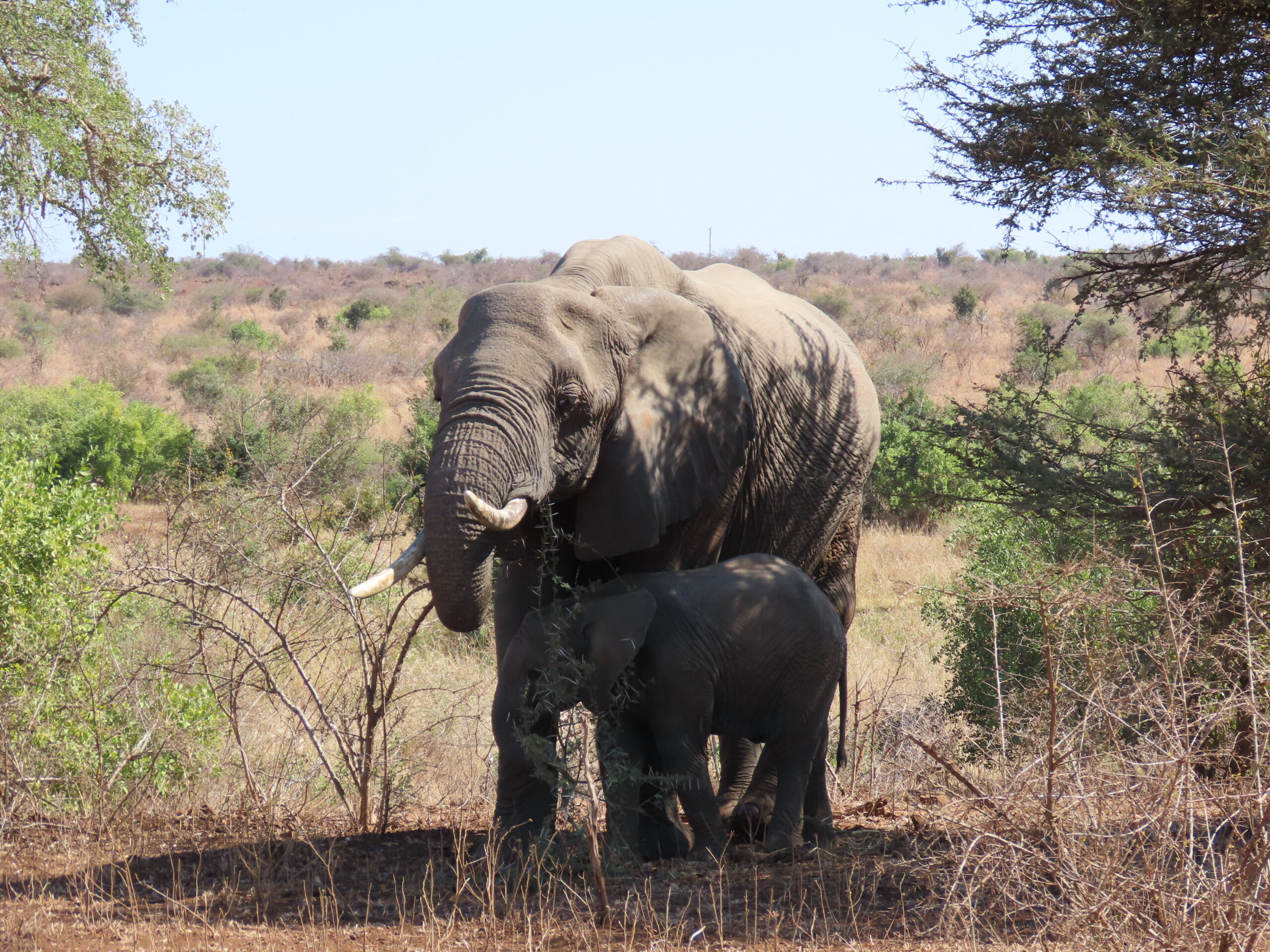
On our return drive to Crocodile Gate on the paved road in Kruger, we thought the sightings were done for the day. Little did we know we’d encounter this precious baby elephant on the road. His mom was grazing on the side of the road and kept a watchful eye on him.

We backed up sufficiently to ensure we didn’t cause the baby or its mom any undue stress. I regret not taking a video, but when he started his antics, we had no idea he’d continue to perform for us. At the time, we were the only vehicle watching this treasure. We didn’t dare move the car to a better position since we thought we’d scare him off. These photos were taken through the windshield.
Baby elephant antics are pure, heart-melting joy! 🐘💕
Picture a tiny elephant — well, tiny for an elephant — with oversized ears flapping like little wings, a curious trunk that doesn’t quite know what it’s doing yet, and an energy level somewhere between a toddler on sugar and a puppy discovering snow for the first time.

Here are some classic baby elephant antics:
Trunk Trouble: Baby elephants often haven’t mastered control of their trunks, so you’ll see them swinging them wildly, tripping over them, or trying to pick something up and missing entirely. Sometimes they accidentally boop themselves on the face or suck it like a thumb.
Mud Bath Madness: Mud puddles are the ultimate playground. Calves love to splash, roll, and slide in them — sometimes flopping in with so much gusto they knock over a sibling or get stuck in the slop and need help from mom.

Play Fighting: Baby elephants practice sparring by head-butting and pushing each other with mock seriousness. Their attempts are often clumsy, followed by running away in exaggerated victory, ears out and tails wagging.
Chasing Birds (and Butterflies): They’ll charge after anything that moves — guinea fowl, butterflies, even falling leaves — only to screech to a halt in surprise when it turns around or flutters unexpectedly.
Shadow Games: Some have been seen startled by their own shadows or reflections in water, backing up in mock fear before trying again with exaggerated bravery.
After he joined his mom and they both took off into the bush, we continued on our way, unable to wipe the smile off our faces for such a fine day of ‘safari luck.”

One never knows how a game drive in Kruger will turn out. At times, we encounter many amazing sightings, and at other times, there are but a few photo ops. We never regret spending the better part of a day driving through the wildlife wonderland.
Today, we’re doing three loads of laundry, trying to make room on the rack to fit all of it. It’s hard to believe we’ll begin the long journey to the US one week from today. Packing will be easy this time since we will only be gone for three weeks.

Have a lovely weekend.
Be well.
Photo from ten years ago today, May 17, 2015:

We respect user data and meet all necessary privacy law obligations.
Websites store cookies to enhance functionality and personalise your experience. You can manage your preferences, but blocking some cookies may impact site performance and services.
Essential cookies enable basic functions and are necessary for the proper function of the website.