
Day 12…Transpacific Cruise…Out to sea..Anzac Day aboard ship…
Note about photos: We’ve come to learn we’re not alone in this frustration. In conversations over dinner and chats at other venues, many fellow passengers have shared the same challenge: an inability to post photos while we’re out to sea or in port. It’s a bit disappointing. Once we arrive in Oahu, Hawaii, in three days, we’re hopeful our phones’ hotspot will cooperate. Until then, we appreciate your patience and truly apologize for the inconvenience.
There is something uniquely moving about ANZAC Day when it unfolds far from land, carried across the open sea instead. At 5:00 am aboard the Royal Caribbean Voyager of the Seas, the day began not with the familiar stillness of an Australian town but with the quiet, steady pace of the ocean.
We didn’t attend the dawn service. With mostly Australians on board, we preferred not to take up two spaces on the poolside deck, nor did we want to expose ourselves to such tight quarters poolside in an attempt to avoid getting sick.
And yet, even in our absence, the significance of the moment was impossible to ignore.
The ship itself seemed to understand what the morning represented. There was a noticeable shift in the atmosphere, subtle but undeniable. Hallways that are typically silent at that hour carried the soft sounds of movement. Doors opening and closing gently. Footsteps, purposeful but unhurried. Voices kept low out of instinct rather than instruction.
Most of the passengers aboard are Australian, and for them, this was not just another early morning at sea. This was a ritual, a tradition, a deeply personal act of remembrance that they carried with them wherever in the world they happened to be.
From our cabin, we could sense it unfolding. People gathering on the outer decks, likely wrapped in jackets against the cool ocean air. The darkness still intact, the horizon barely visible. There would have been a quiet clustering of bodies, strangers standing side by side, united not by familiarity, but by shared meaning.
It is easy to picture, even without being there.
The service itself, we imagine, was simple. Perhaps a small lectern, a microphone catching the sound of the wind as much as the speaker’s voice. Words spoken clearly into the open air are carried over the water. Reflections on Gallipoli, on sacrifice, on courage. Not grand or embellished, but steady and sincere.
What makes ANZAC Day so powerful is its restraint. It does not demand attention. It invites it.
And then, the silence.
Out on the ocean, that silence must have felt even more profound. No distant traffic, no city waking up in the background. Only the sound of the sea, stretching endlessly in every direction. A silence that doesn’t feel empty, but full. Full of memory, of gratitude, of reflection.
Even from where we were, removed from the gathering, we felt a trace of that stillness. It settled in quietly, a reminder that something meaningful was taking place just beyond our immediate experience.
As the first light would have begun to break across the horizon, the mood on deck likely shifted. The darkness softening, the outlines of faces becoming clearer, the ocean revealing its endless texture. There is something symbolic in that transition, from night into day, from reflection into a gentle return to the present.
By the time the service ended, there would have been no rush to leave. These moments tend to linger. Conversations begin softly, almost reluctantly, as if people are careful not to disturb what has just been shared.
Later, as we moved through the ship, the impact of the morning became more visible. There was a different tone among many of the Australians aboard. Not somber, but thoughtful. Grounded. You could sense that they had participated in something meaningful, something that connected them not only to each other, but to home.
It is a powerful thing to carry a national day of remembrance across oceans.
Life on the ship gradually returned to its usual pace. Breakfast service resumed, coffee cups clinked, and conversations picked up in volume. Activities for the day were announced, and the familiar patterns of cruise life reestablished themselves. But underneath it all, there was a quiet thread that remained.
For those who attended, the morning would not simply fade into the rest of the day. It would stay with them, in small ways. In conversations, in reflections, in the occasional pause.
For us, not attending offered a different perspective. It allowed us to observe the significance of ANZAC Day not through direct participation, but through its impact on others. And in some ways, that made it just as meaningful.
We were reminded that remembrance is not confined to a single place or a single way of observing. It exists in intention, in respect, in the willingness to pause and acknowledge something greater than ourselves.
Out here, surrounded by nothing but ocean, that idea felt even more expansive.
And as the day unfolded, somewhere between the quiet of that early morning and the liveliness of the hours that followed, it became clear that ANZAC Day had been fully present on this ship. Not just on the deck at dawn, but carried within the people who rose to honor it, wherever they happened to be in the world.
Be well.
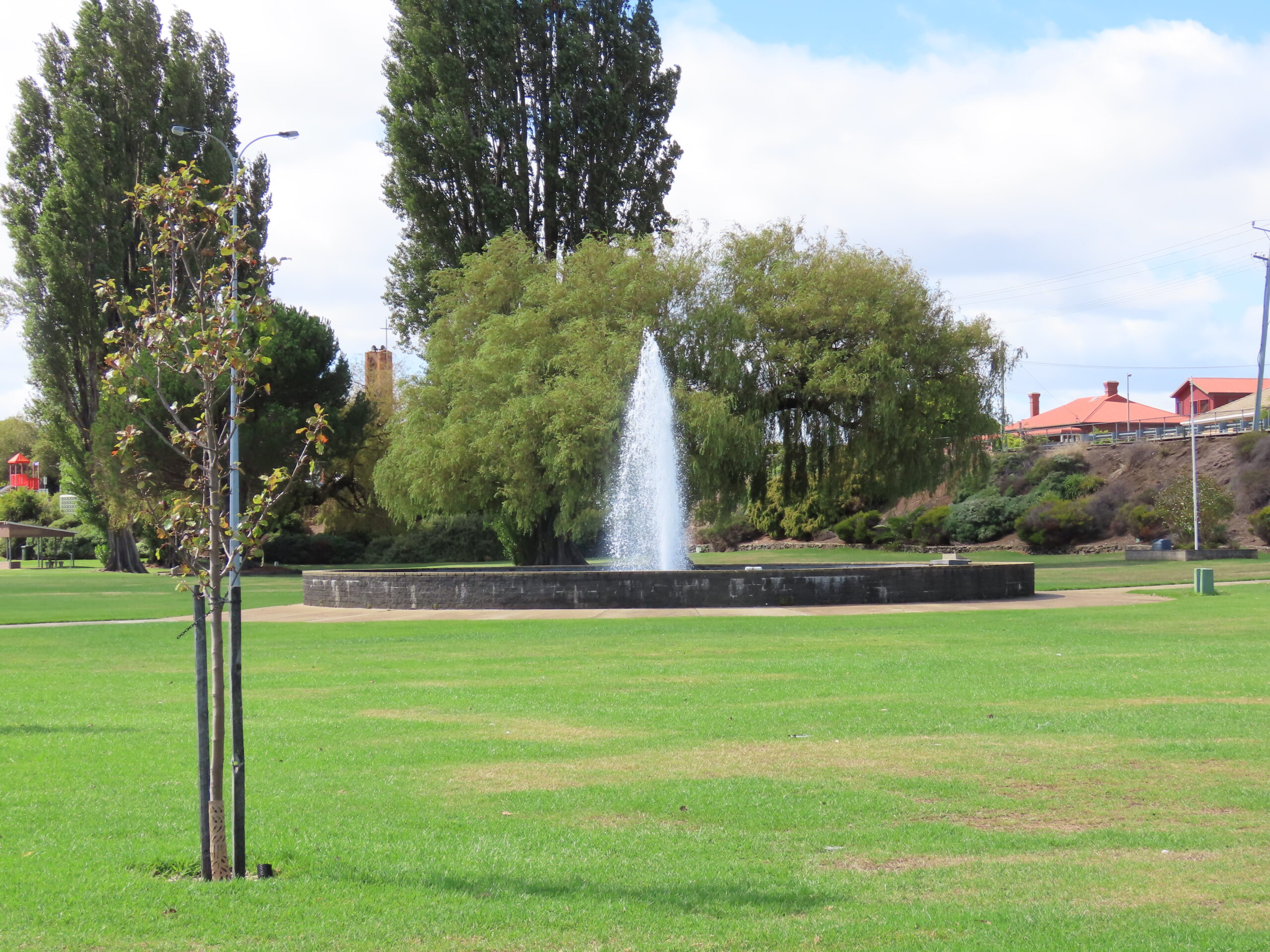
Photo from ten years ago today, April 25, 2016:


About Jess & Tom
We are travel writers, photographers, and slow travelers exploring the world one meaningful experience at a time.
Read More
Hi Jess & Tom
Not sure if you were aware, but the Captain bought the ship to a halt during the Anzac Day service. It showed the meaning & understanding of what the day is to Australians & New Zealanders, that was respected by Ship staff & management. This was a surreal feeling to be motionless in the middle of the Pacific Ocean.
A very emotional & respectful service that was appreciated by those that attended.
Stay Well!
Regards
Bob & Cheryl