
“Dagga Boys” of Kruger National Park… The old warriors of the African bush…Fantastic night game drive with our guests who are leaving tomorrow…
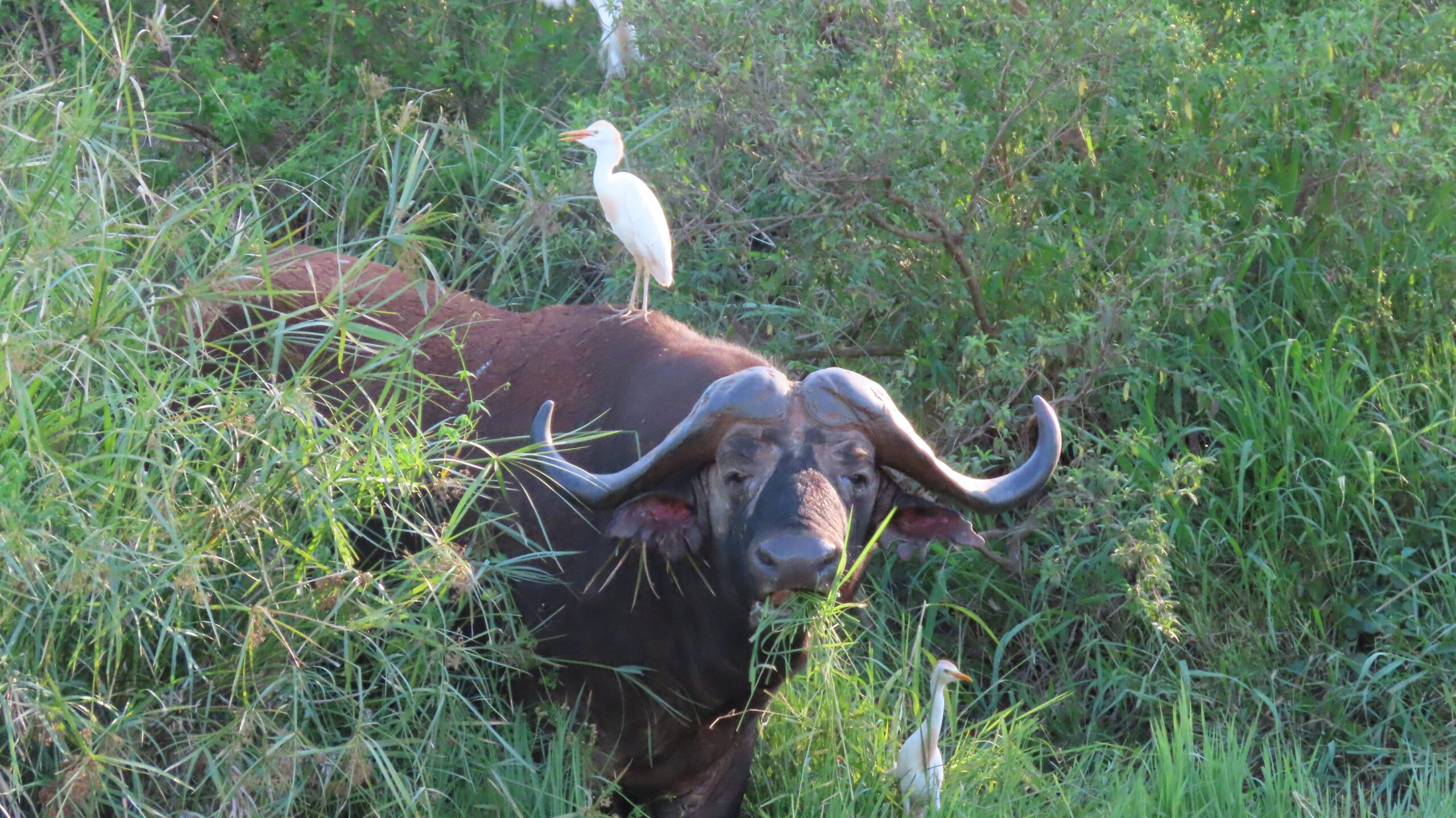
Thursday night’s game drive in Kruger National Park brought us another memorable wildlife sighting when we spotted a solitary male Cape buffalo, commonly referred to as a “dagga boy.” These older males have always fascinated us, not only because of their massive size and imposing appearance but also because of their reputation as some of the most unpredictable animals in the African bush. In the Masaii Mara in Kenya, our game driver Anderson, referred to them as “retired generals.”
For those unfamiliar with the term, “dagga boys” are older male African buffalo that have generally separated from the larger breeding herds. The word “dagga” comes from a southern African term associated with mud, referring to the buffalo’s habit of wallowing in muddy pools and coating their bodies with thick layers of mud.
These mud baths aren’t simply for pleasure. They help cool the buffalo during South Africa’s often sweltering days while providing some protection against biting insects and parasites. When the mud dries, it forms a crusty coating, giving these aging bulls their distinctive rugged appearance.
As we watched this massive male on Thursday evening, we couldn’t help but wonder about the years he’d spent roaming the bush, surviving droughts, predators, territorial disputes, and countless challenges that come with living in the wild.
Dagga boys are generally older bulls, often past their prime breeding years. Some live alone, while others form small bachelor groups, typically consisting of two to five males. Unlike the large buffalo herds that can number hundreds, these older gentlemen seem content with a quieter existence, spending their days grazing, resting, and seeking out waterholes.
However, their seemingly peaceful lifestyle can be deceiving.
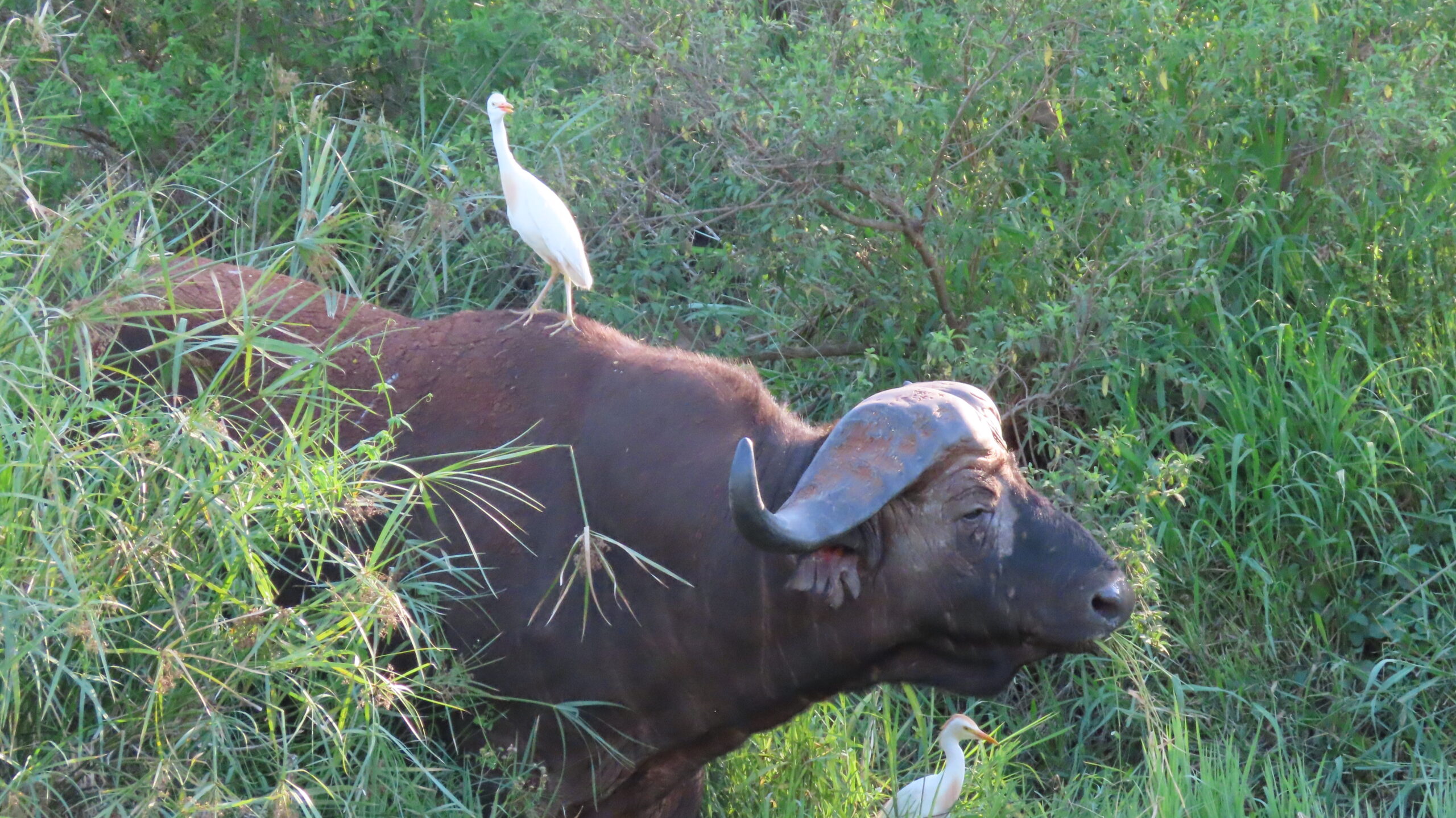
Cape buffalo are members of Africa’s famous Big Five and have earned a reputation for being particularly dangerous when threatened, injured, or cornered. Older males can be especially defensive, making it essential to maintain a respectful distance.
Their enormous horns, with thick, hardened bases known as bosses, are formidable weapons. A mature male can weigh between 600 and 900 kilograms (1,300 to 2,000 pounds), sometimes more. It’s difficult to appreciate their tremendous size until seeing one up close from the safety of a safari vehicle.
Interestingly, these older buffalo aren’t found exclusively in Kruger National Park. Dagga boys roam throughout South Africa’s wildlife areas, including Hluhluwe-iMfolozi Park in KwaZulu-Natal, Addo Elephant National Park in the Eastern Cape, and numerous private game reserves bordering Kruger.
Their preferred habitats generally include grasslands, savannas, and wooded areas where grazing and water are readily available.
One of the greatest threats to these aging bulls comes from lions. While healthy adult buffalo are challenging prey, older or weakened individuals can become targets, particularly when separated from the protection of a large herd. Even so, a dagga boy is never an easy meal, and lions must approach with considerable caution.
There’s something rather poignant about seeing these older warriors wandering through the bush. They’ve survived years of challenges and now spend their remaining time living at a slower pace, often away from the constant activity of the herd.
Perhaps that’s part of what makes them so fascinating to us.
After spending so much time exploring South Africa’s national parks and wildlife reserves, we’ve learned that every sighting offers something special. Sometimes it’s the excitement of watching predators on the hunt. Other times, it’s simply observing an aging buffalo standing quietly in the darkness, seemingly unconcerned with the world around him.
Thursday night’s encounter reminded us that the African bush isn’t always about dramatic action. Often, its most meaningful moments come from appreciating the remarkable animals that have managed to survive another day.
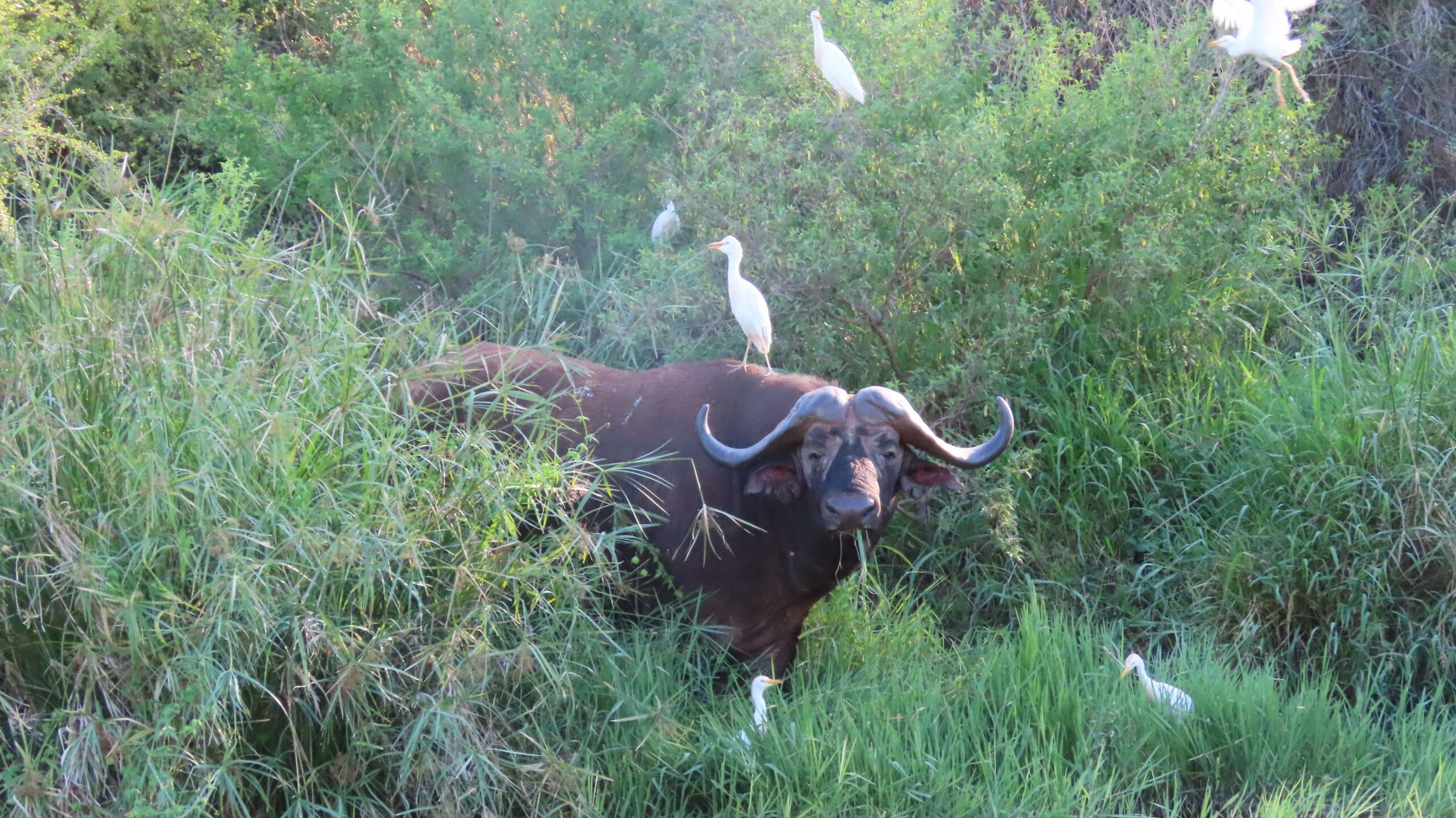
And this old dagga boy, with his weathered appearance and impressive horns, certainly deserved our admiration. What a privilege it was to see him during our nighttime adventure in Kruger National Park and share the experience with Colleen and Paulette.
Tomorrow, our dear family members, Colleen and Paulette, will be leaving us for three nights in Cape Town. Although we’re excited for them to experience the beauty and many wonders of this spectacular city, we will certainly miss their companionship, laughter, and the special moments we’ve shared during their visit.
It’s been such a joy having them here with us, enjoying wildlife sightings, lively conversations, and the simple pleasures of being together. Their absence will undoubtedly leave a temporary void in our days.
We wish them safe travels, wonderful adventures, and memorable experiences in Cape Town. We look forward to hearing about their adventures in Cape Town and their safe return home.
Be well.
Photo from ten years ago today, November 13, 2016:
|
|


About Jess & Tom
We are travel writers, photographers, and slow travelers exploring the world one meaningful experience at a time.
Read More