
Part 2…Exciting sighting to share with our family!…Rhinos going extinct…
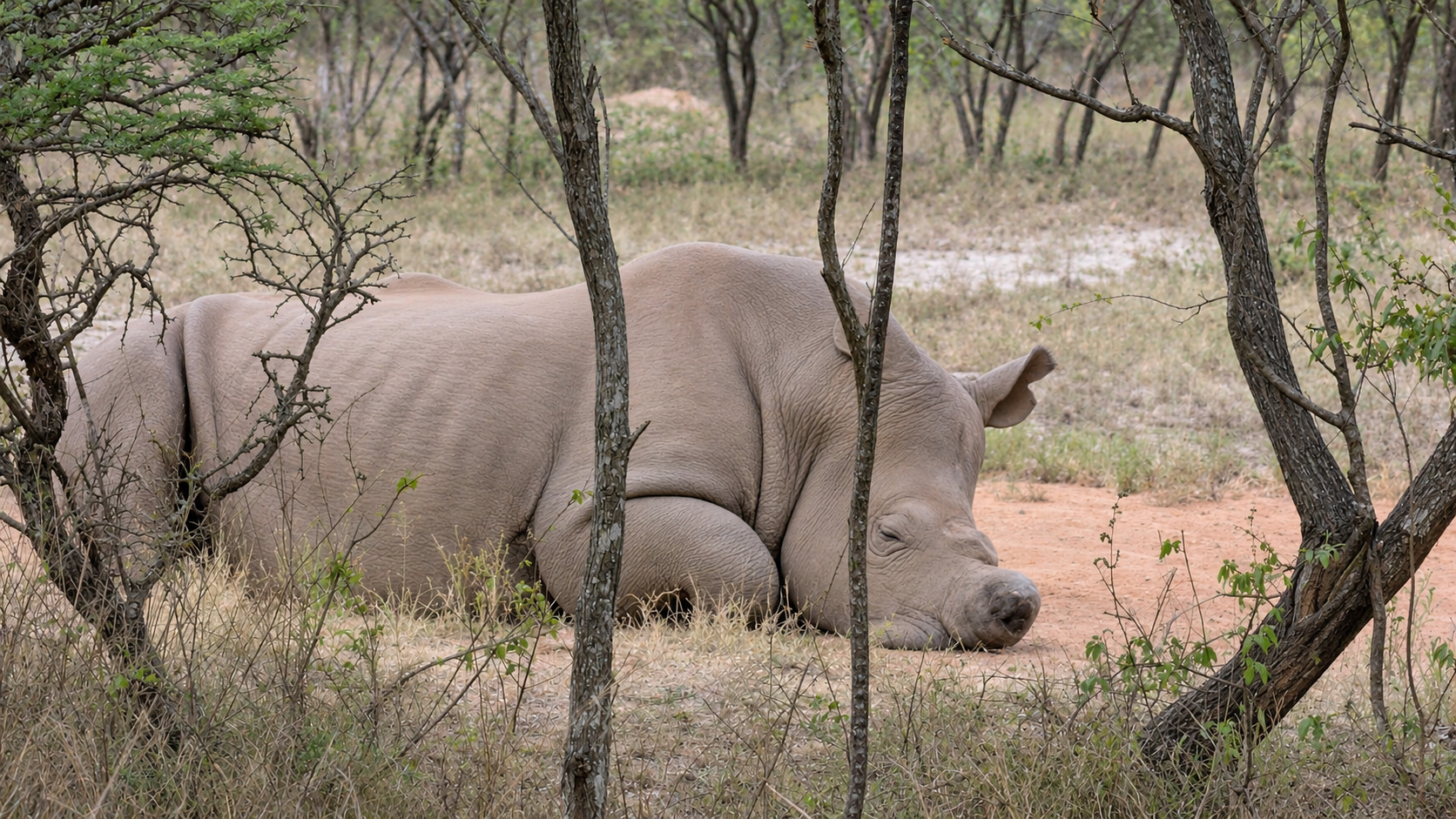
After seeing this magnificent beast, my mind wandered back to the horrific slaughter of so many rhinos here in South Africa over the past ten years. Standing there, watching this enormous animal go about its day peacefully, I couldn’t help but feel a mixture of awe, gratitude, and sadness.There is something extraordinary about seeing a rhinoceros in the wild. Its prehistoric appearance, massive body, thick skin, and impressive horn make it seem almost indestructible. Yet, despite its size and strength, this remarkable creature remains terribly vulnerable to one of the greatest threats imaginable: human greed.
Over the years, as we’ve traveled across Africa, we’ve developed an even greater appreciation for the wildlife that makes this continent so special. Sadly, not every animal we encounter will survive the dangers humanity creates.
The statistics surrounding rhino poaching in South Africa are absolutely heartbreaking.
Between 2016 and 2025, 6,009 rhinos were illegally killed in South Africa alone. That’s more than 600 animals annually, on average, over the past decade. Think about that for a moment. Thousands of these magnificent creatures, many simply wandering through their natural habitats, were slaughtered primarily for their horns.
The crisis was particularly devastating in 2014, when 1,215 rhinos were poached nationwide. In 2015, another 1,175 were killed. Although those numbers have decreased considerably, the tragedy is far from over.
In 2023, South Africa lost 499 rhinos to poachers. That number declined to 420 in 2024 and 352 in 2025. While these reductions offer some encouragement, 352 animals still represent almost one rhino killed every single day. What makes this situation even more disturbing is the reason behind these senseless killings.
Rhino horns are highly sought after in illegal international markets, particularly in parts of Asia, where they have been associated with traditional medicinal beliefs and, in some circles, considered symbols of wealth and status.
Ironically, rhino horns are composed primarily of keratin, the same protein found in our fingernails and hair. No credible scientific evidence shows that consuming rhino horn provides the miraculous medicinal benefits sometimes claimed.
Imagine losing your life because someone believes your fingernails possess magical healing properties!
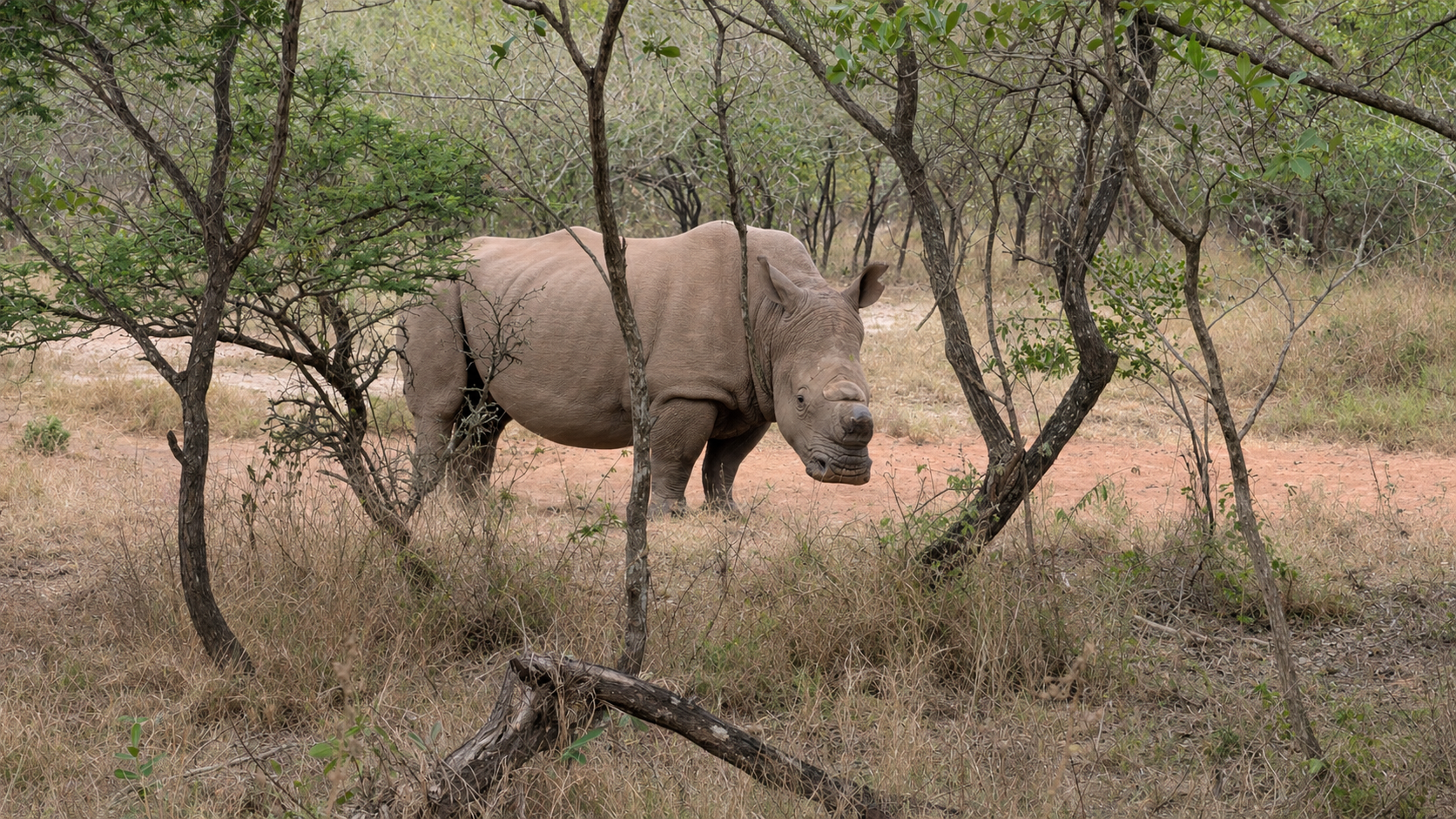
Poachers often operate as part of sophisticated criminal networks, using weapons, vehicles, and organized trafficking routes. Some rhinos are shot, while others are left suffering after their horns are brutally removed. Even calves can be left orphaned when their mothers are killed.
It’s almost impossible to comprehend such cruelty.
One of the hardest-hit areas has been Kruger National Park, a place we’ve always associated with the incredible beauty of African wildlife. In 2025 alone, 175 rhinos were poached within the park, nearly double the 88 killed there in 2024. Fortunately, dedicated conservationists, wildlife rangers, veterinarians, and anti-poaching teams continue working tirelessly to protect these endangered animals.
Some reserves have implemented controversial but potentially lifesaving dehorning programs, carefully removing rhino horns under veterinary supervision to make the animals less attractive to poachers. Other efforts include surveillance cameras, drones, specially trained dogs, increased security patrols, and stronger law enforcement.
These initiatives appear to be making a difference in certain areas. At Hluhluwe-iMfolozi Park, for example, poaching deaths dropped from 198 in 2024 to 63 in 2025.
Still, the battle is far from won.
As we continued watching this magnificent rhino, I found myself wondering what the future holds for these extraordinary creatures. Will future generations have the same opportunity to experience the thrill of seeing a rhino wandering freely through the African bush?
Or will these animals eventually exist only in photographs, documentaries, and memories?
It’s a sobering thought.
For now, I am incredibly grateful for every opportunity we have to witness these magnificent animals in their natural environment. Each sighting feels a little more precious, knowing how many have already been lost.
We can only hope that through continued conservation efforts, education, and international cooperation, these beautiful creatures will survive for generations to come.
Be well.
Photo from ten years ago today, November 11, 2016:
 |
| Tender boats from our Australian circumnavigation, which are actually the ship’s lifeboats, were taking passengers to Benoa, Bali, for sightseeing. For more photos, please click here. |

About Jess & Tom
We are travel writers, photographers, and slow travelers exploring the world one meaningful experience at a time.
Read More