
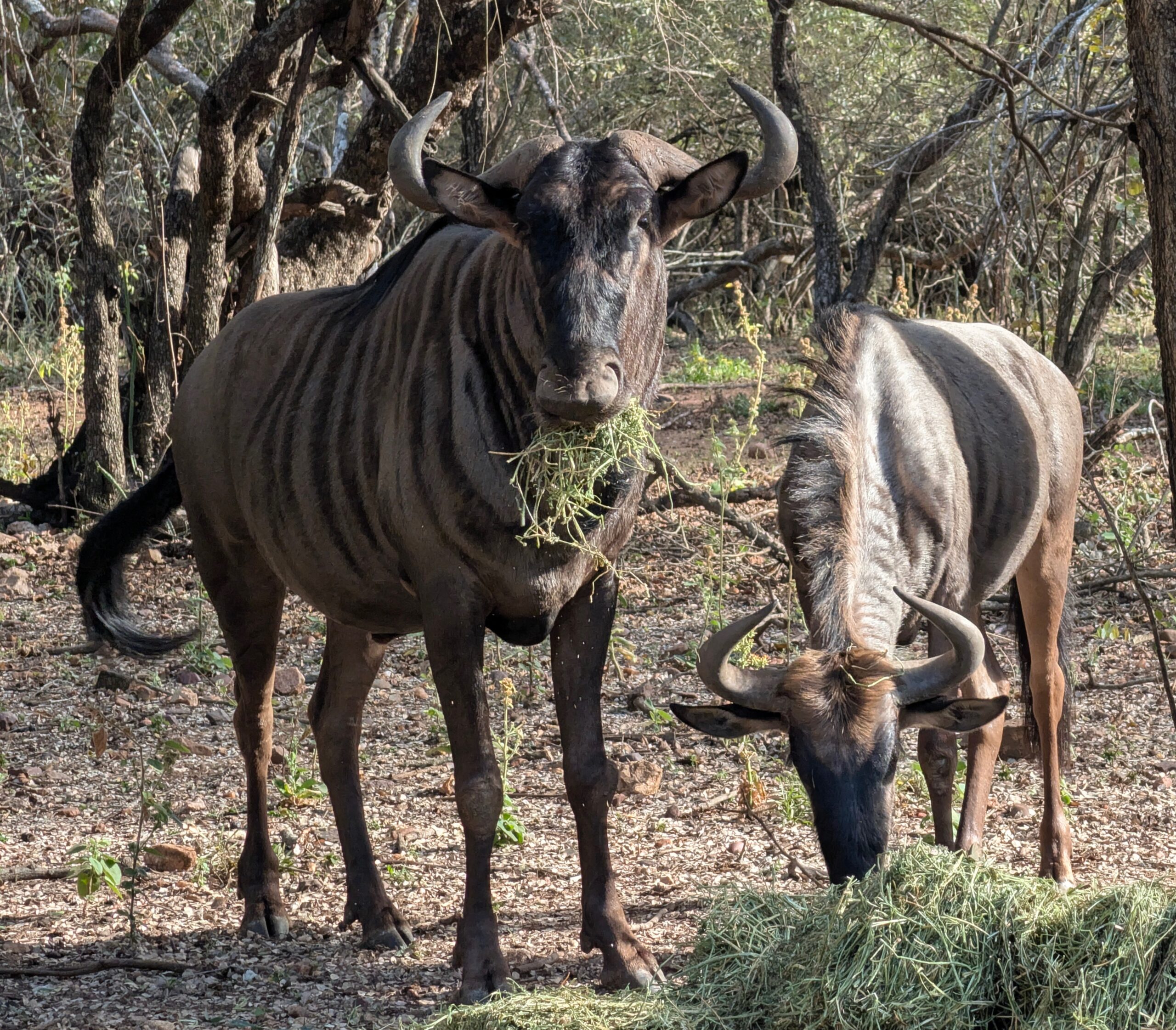
Lucerne delivered…Funny photo…
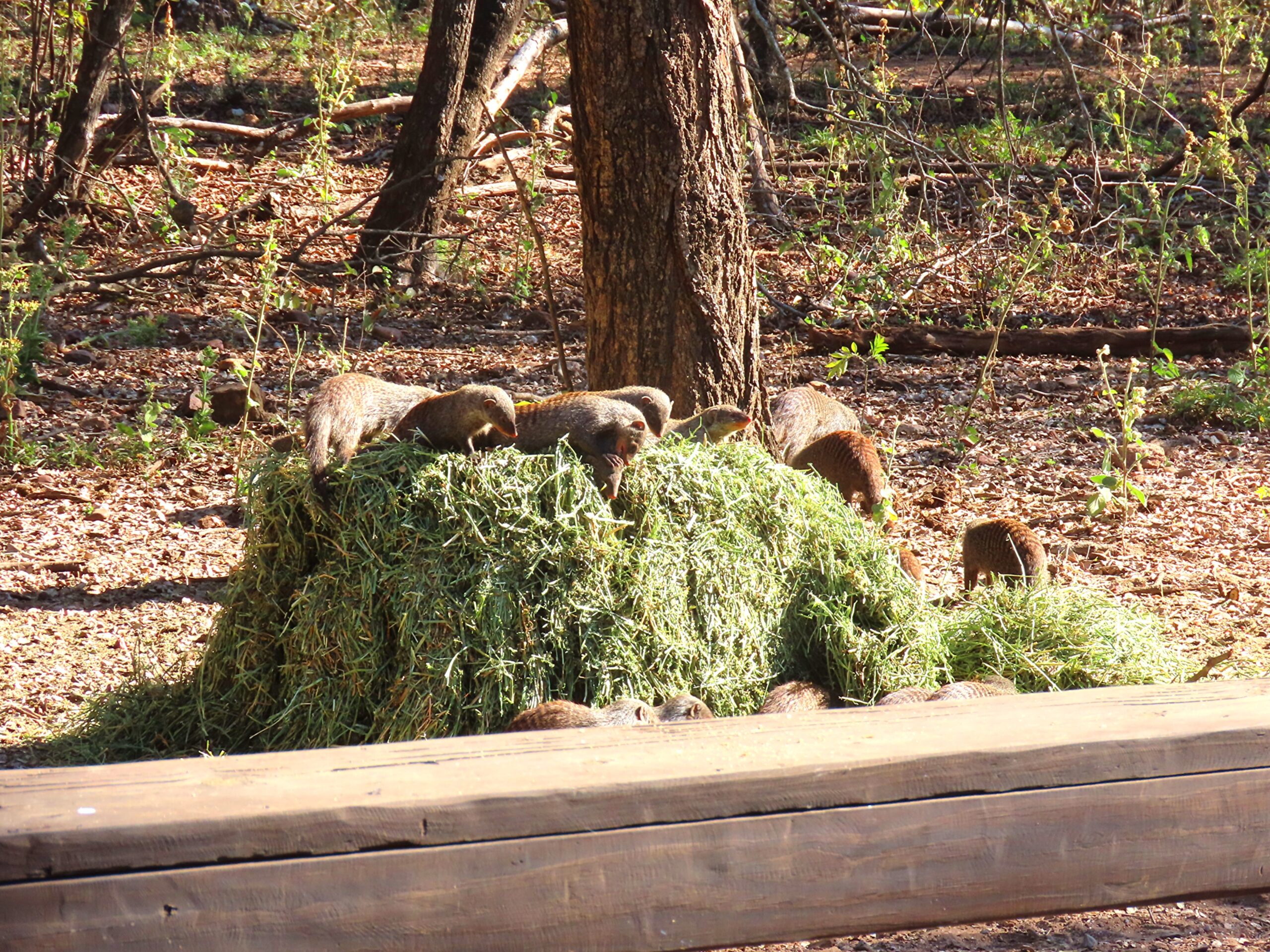
There is a lot of controversy about feeding animals in the wild. Many believe that nature needs to take its course, and if animals die from starvation when there is not enough viable vegetation, then that is simply part of the natural cycle. It is a perspective rooted in the idea that human interference often does more harm than good. Under ordinary circumstances, this way of thinking makes perfect sense. Nature has a way of balancing itself over time, even when that balance feels harsh to witness.
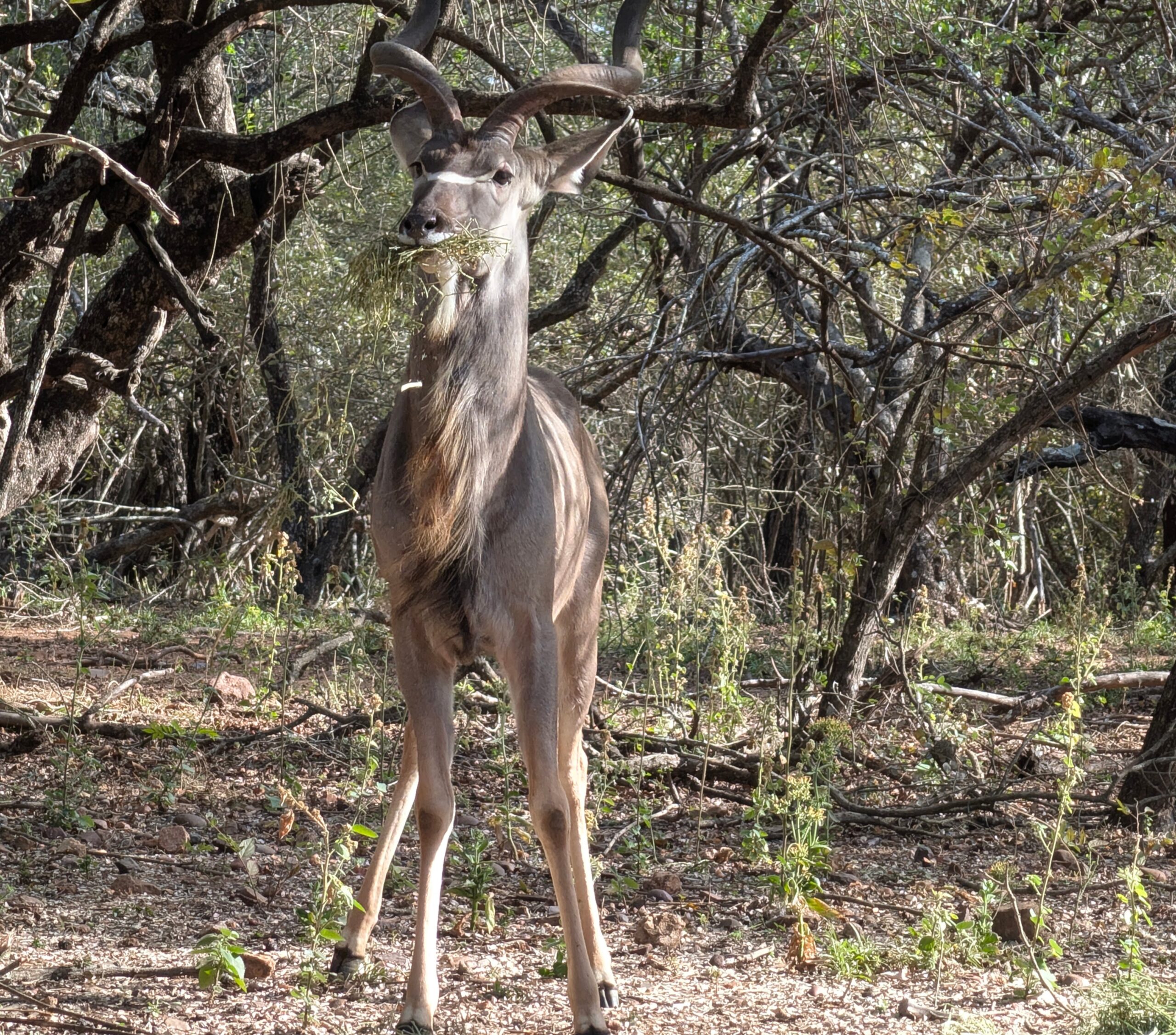
But here in Marloth Park, the situation does not feel quite so simple.
For many of us who spend time observing the bush day after day, there is a growing awareness that what we are seeing is no longer entirely natural. The landscape has changed over the years, and not always for the better. One of the most noticeable changes has been the spread of invasive plants and trees, many of which have taken hold in ways that crowd out the indigenous vegetation that wildlife depends on for survival.
These invasive plants did not simply appear on their own. In many cases, they were introduced by well-meaning homeowners and holidaymakers who wanted to beautify their properties. Others arrived unintentionally, carried in through agricultural products or spreading from nearby regions. Over time, these species established themselves, often thriving more aggressively than native plants, leading to a slow but steady shift in the natural food sources available to animals.
Some of the invasive species commonly found in and around Marloth Park include lantana, bugweed, triffid weed, syringa trees, prickly pear cactus, and various species of eucalyptus. Each of these plants competes with indigenous vegetation for water, sunlight, and nutrients. In doing so, they reduce the availability of the grasses, shrubs, and leaves that animals such as impala, kudu, and other browsers and grazers rely on.
When you sit quietly and watch the bush, as we do each day, these changes become more than just an abstract environmental issue. You begin to notice animals spending more time searching for food, moving further distances, and sometimes appearing thinner than they should. During dry periods, when resources are already limited, the impact feels even more pronounced.
This is where the internal conflict begins.
On one hand, there is a desire to respect nature and allow it to function without interference. On the other hand, there is the understanding that human actions have already altered the environment in ways that make it difficult to step back and do nothing simply. When the playing field has been unintentionally shifted, it raises the question of whether some level of intervention is not only justified but necessary.
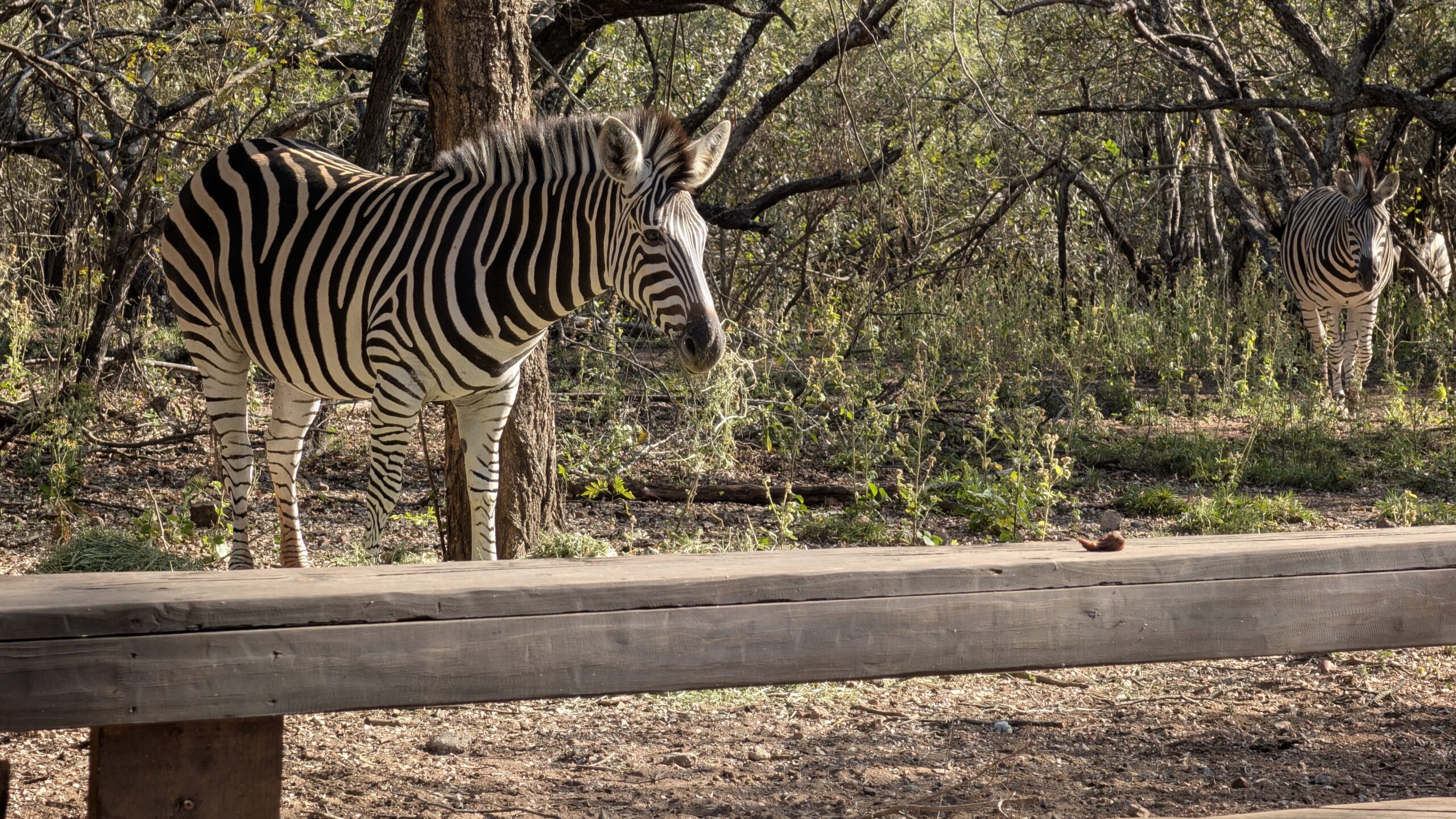
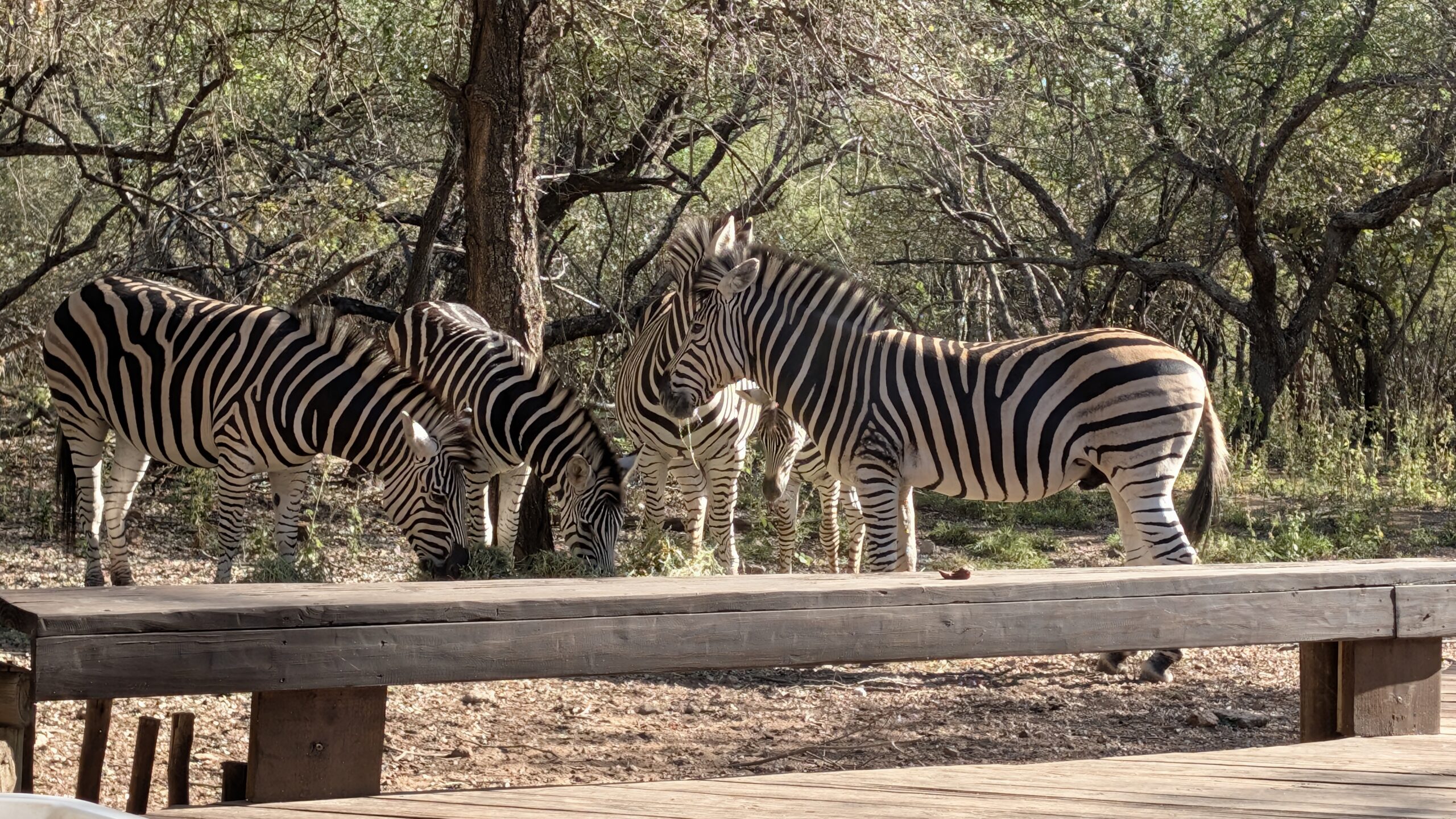
In Marloth Park, this has led some residents to provide supplemental feeding for wildlife, especially during times when natural forage is scarce. It is not done carelessly or without thought. Conversations about what to feed, how much, and when are ongoing, often shared among neighbors who care deeply about the well-being of the animals that wander through their properties.
There is no perfect answer, and certainly no universal agreement.
What remains clear, however, is that the presence of invasive species has had a tangible impact on the ecosystem. Addressing the spread of these plants through removal and greater awareness may ultimately be one of the most important steps in restoring balance. Until then, many of us continue to navigate this delicate space between letting nature take its course and acknowledging the role humans have already played in changing it.
It is a complicated issue, filled with both emotion and responsibility, and one that continues to unfold with every passing season in the bush.
As a result, we have chosen to offer food appropriate for the wide array of animals and their differing digestive systems, ensuring that nothing we provide is harmful in any way. It is done with care and constant awareness. There is simply no way we could spend the countless hours we do with these remarkable animals, often standing quietly while they look back at us, and ignore what we sense. In those moments of shared stillness, when their eyes meet ours, it becomes impossible to turn away from the reality that, at times, they are hungry. We do not hand-feed.
Be well.
Photo from ten years ago today, June 27, 2016:


About Jess & Tom
We are travel writers, photographers, and slow travelers exploring the world one meaningful experience at a time.
Read More