
Sightseeing in Tasmania continues…
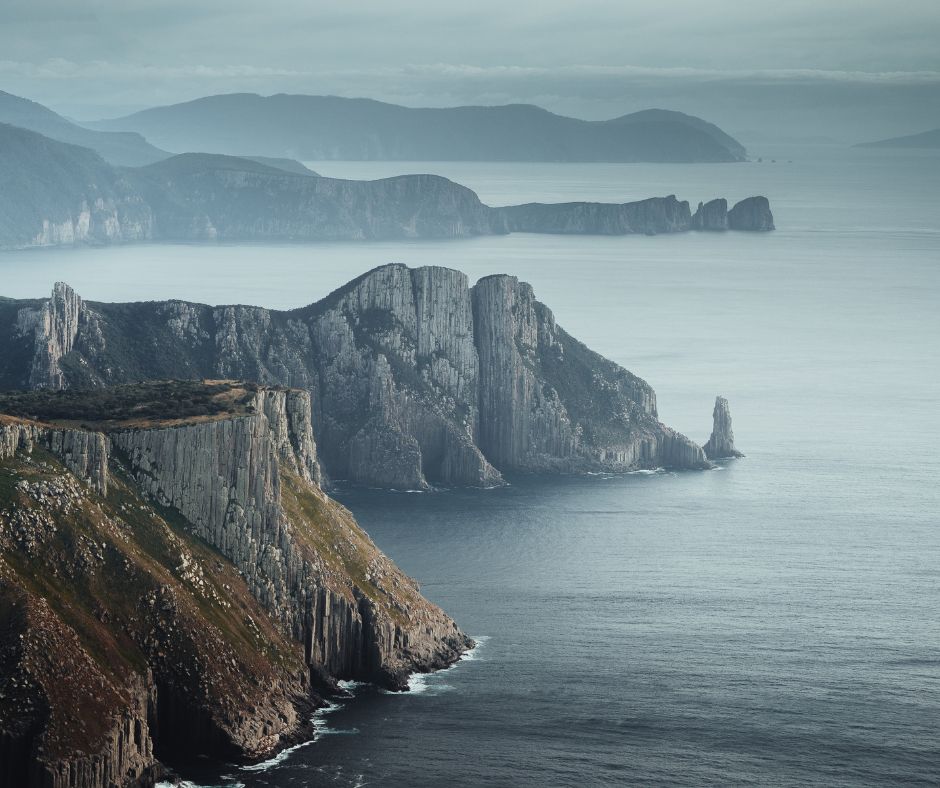
Not far from the quiet seaside town of Penguin lies one of those places that manages to feel both humble and magnificent at the same time. The Three Sisters of Tasmania sit just offshore near Table Cape, rising from the restless waters of the Bass Strait like silent guardians that have watched the coastline for thousands of years.
At first glance, the Three Sisters appear almost modest. They are not towering cliffs or dramatic mountains. Instead, there are three weathered sea stacks, separated from the mainland by centuries of wind, waves, and erosion. Yet the moment you see them, especially from the lookout along Table Cape, you realize how special they are. Standing there, looking out over the vast expanse of ocean, the three stone pillars seem to tell a story without saying a single word.
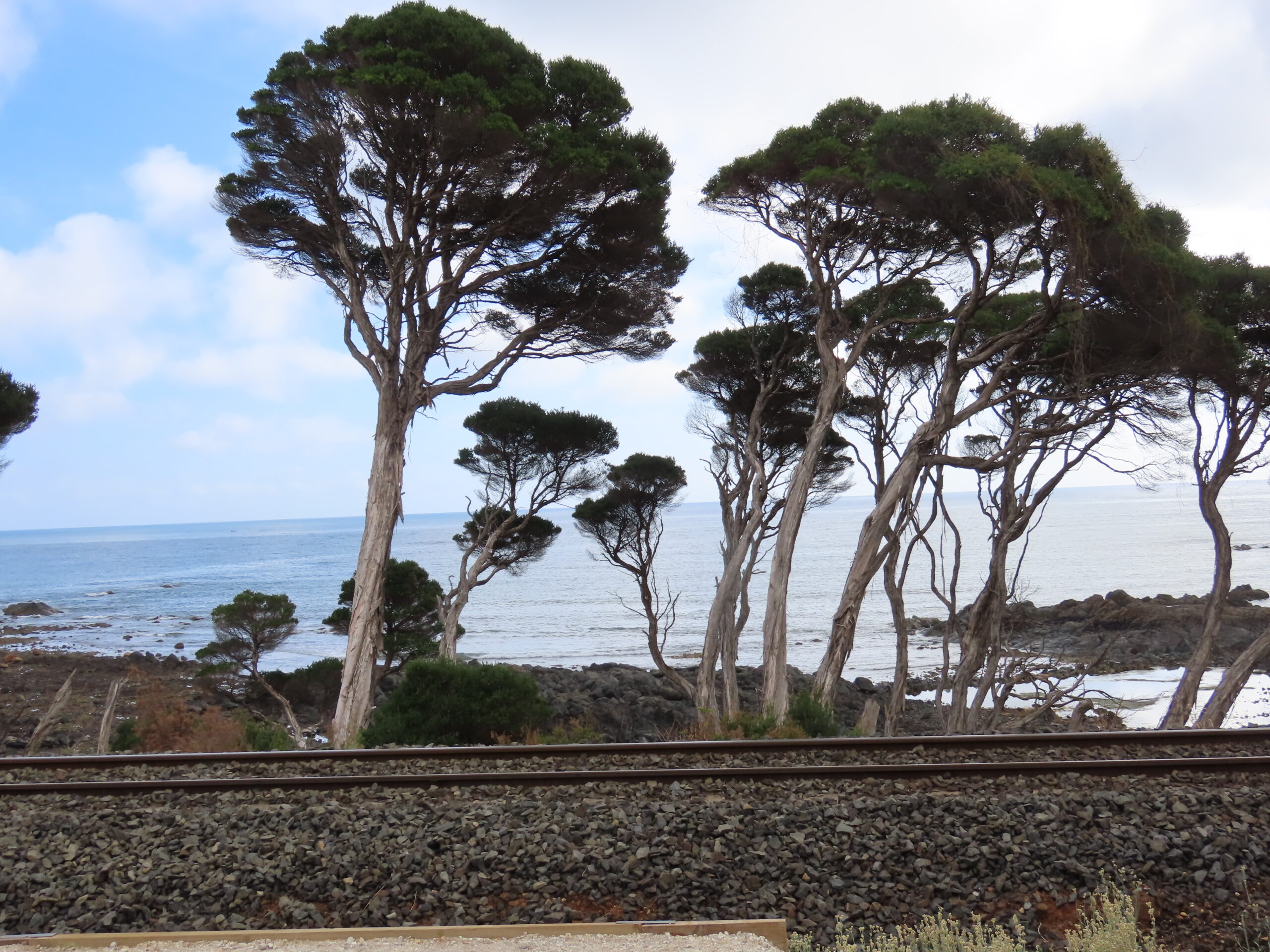
We drove out toward Table Cape on a cool morning a few days ago, the kind of Tasmanian day when the sky seems to stretch endlessly, and the air carries the scent of the sea. The farmland surrounding the cape was dotted with grazing cattle and open green fields that rolled gently toward the cliffs. It felt peaceful in that way many places in Tasmania do, where life moves at a comfortable pace and nature quietly takes center stage.
As we approached the edge of the cape, the view suddenly opened up. The land simply stops, replaced by dramatic cliffs that drop down to the churning waters below. Out there, not far from shore but far enough to stand alone, were the Three Sisters.
Each of the stacks has its own character. One stands slightly taller and more solid than the others, while the remaining two appear more slender and worn by time. The rock itself consists of soft shades of brown and grey, with patches of green where plants have found a way to cling to the stone. Waves crash endlessly at their bases, slowly shaping them, year after year.
It is easy to imagine what this coastline must have looked like long ago. The Three Sisters were once part of the mainland, connected to the cliffs of Table Cape. Over countless years, the ocean carved away at the softer sections of rock, gradually separating these pillars from the land. What remains today are the last fragments of that ancient connection, standing proudly in the water.
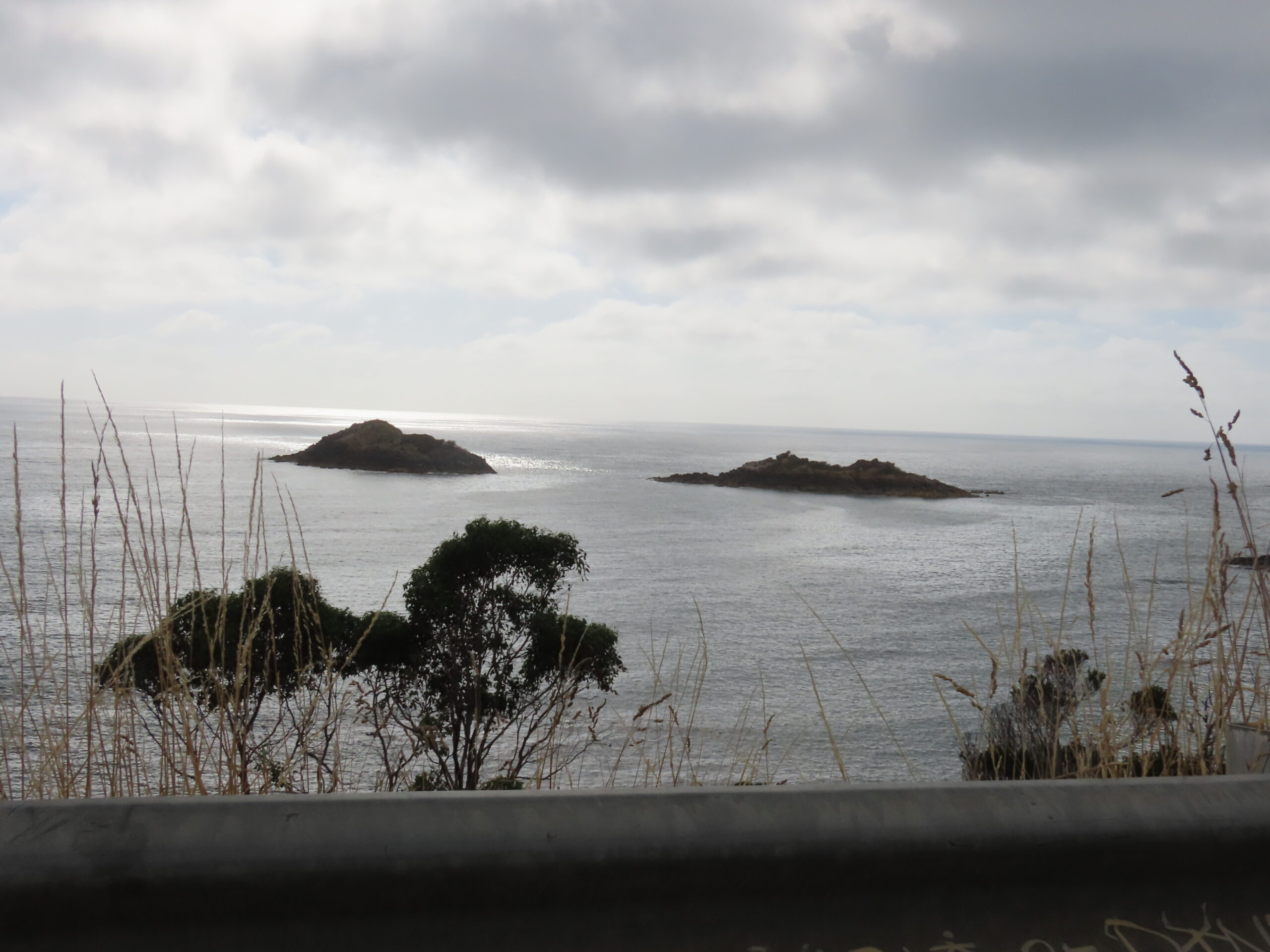
From the lookout above, we could hear the distant roar of the waves far below. Seabirds drifted on the coastal winds, occasionally circling the stacks before gliding back toward the cliffs. There is something deeply calming about standing in a place like this, where the landscape reminds you just how powerful and patient nature truly is, particularly the sea.
Visitors often come here for photographs, especially at sunrise or sunset when the light casts long golden tones across the sea. But even without a camera, it is a place worth lingering. The view encourages you to slow down and simply take it in.
What I found most striking was the sense of quiet permanence. While towns grow, roads change, and travelers like us come and go, these stone formations remain, slowly evolving but never in a hurried manner. They have witnessed storms, calm seas, migrating birds, and generations of people pausing along the cliffs to admire them.
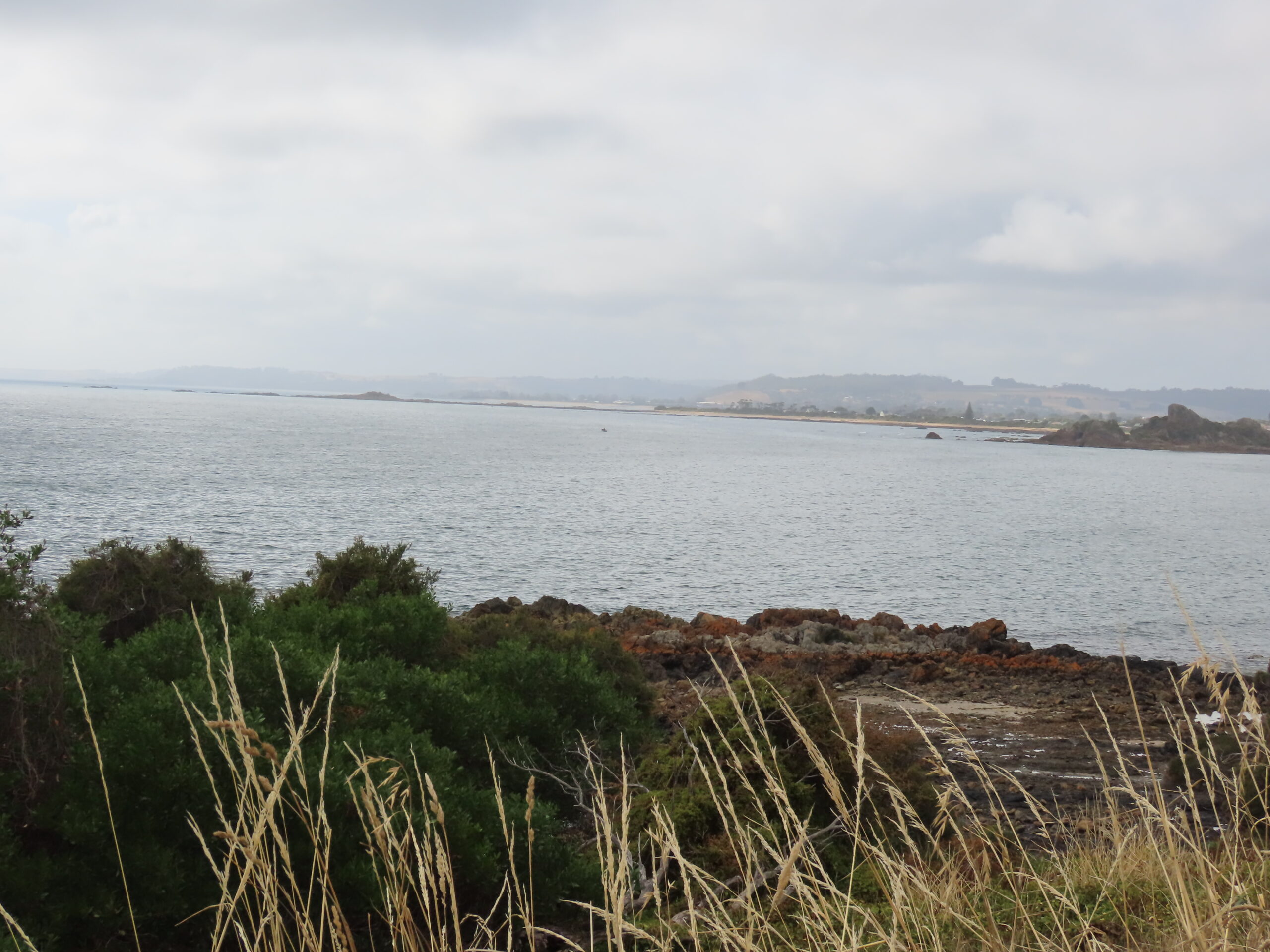
In a region already filled with beautiful landscapes, the Three Sisters stand out not because they are the largest or most famous landmark in Tasmania, but because of their quiet presence. They are simple, natural sculptures created by time itself.
And sometimes, those are the places that stay with you the longest.
Be well.
Photo from ten years ago today, March 12, 2016:


About Jess & Tom
We are travel writers, photographers, and slow travelers exploring the world one meaningful experience at a time.
Read More