Fascinating facts about Ecuador…

Look at all these iguanas sharing space on these lava rocks in the Galapagos Islands!

Sorry,, but yesterday was a hard day for me, and i didn’t upload a post. Here we go for today.

Unfortunately, while I continue to work on an appropriate drug regime for my non-stop Afib, there is no way we could consider sightseeing. Right now, walking is not on my radar when it only worsens matters. As I read through the Ecuadorian facts listed below, I’m disappointed that this is my fate right now. It would have been fun to go on a cruise on the Amazon River to see some of these locations, which was our original plan.

Nonetheless, I felt it was vital to share details about this country while we are here. Still, we aren’t sure where we’ll go from here, although possibilities are on our minds, all based on how I feel in a few months. As mentioned in prior posts, we return to the cardiologist on November 22 to perhaps begin a new series of medications.

In the interim, we’re making the best of our situation, busy throughout the days and relaxing in the evenings when we hunker down to relax and enjoy some mindless entertainment. We’ve figured out how to enjoy good dinners, and Tom, as usual, is a big help in the kitchen.

A blue-footed booby sitting in the rocks with blue feet tucked away.

After research, I stumbled across these interesting facts about Ecuador, and today is the perfect day to share them, especially since we don’t have new photos to post. Here they are from this site:

“Ecuador Facts: 10 Fascinating Things You Didn’t Know

1. Ecuador means “equator” in Spanish.

It may not surprise you that the country is called this because the equator runs through it. The country’s official name is ‘República del Ecuador’ (Republic of the Equator). In fact, Ecuador is the only country in the world named after a geographical feature.

Just outside Quito, there is a famous monument named the Mitad del Mundo (middle of the world) to mark the equatorial line. In fact, the monument is actually about 240 meters from the actual equator, but it’s still a nice visit. There is a museum there and a few market-style shops and restaurants to wander about. It is also possible to climb the monument and take in the views of Ecuador from above. An interactive museum to mark the “real” equator is just down the road. (Although the equator is 5 kilometers wide, both museums are on the equator, and only one is in the center of it.)

2. Yasuni Park is one of the most bio-diverse places on the planet.

This protected Ecuadorian National Park and Biosphere Reserve are located deep in the heart of Ecuador’s Amazon. It is one of the most bio-diverse places on the planet, home to species that are entirely unique to the lands. Ecuador has more tree, amphibian, and bat species in only 100km than anywhere else.

As well as the hundreds of tree species, amphibians, reptiles, and small animals (such as Pocket Monkeys or Jaguarundi-small lions found only in the Americas), there are also much larger animals, like the Green Anaconda (factually, Ecuador has the largest snake in the world) and big cats, such as the jaguar to be found.

There is also a huge amount of crude oil in the park. This remains untapped due to a pledge made in 2007 by the President at the time, Rafael Correa. The pledge promised to protect the park and its resources.

3. The Galapagos Islands inspired the Theory of Evolution.

The Galapagos Islands are famous thanks to Charles Darwin and his Theory of Evolution. The theory is centered around the finches of the islands. Darwin examined the way that the same species of bird had evolved differently on the 21 different islands of the Galapagos. It is a fact of Ecuador that Darwin’s research put them “on the map.”

The islands are a remote area found six hundred miles off the coast of Ecuador. Teaming with rare and unique wildlife, as much as 20% of the creatures are exclusive to the islands. The wealth of this pristine site makes the Galapagos Islands one of the most fascinating places on Earth. Ecuador is a must-visit for all nature lovers and adventure seekers alike.

4. Chocolate has a long history in Ecuador.

Cacao has been grown in South and Central America for centuries. It has long been a staple of Ecuador’s national and cultural heritage, often used for its anti-inflammatory properties and other medical benefits. Research shows that chocolate has been consumed here for nearly 5,000 years. Recent studies have indicated that Ecuador might even be the original source of cacao.

As the demand for high-quality chocolate has increased, so has the in-country production. Today, Ecuador is recognized as the producer of the highest quality cacao in the world. It is also one of the largest exporters, producing as much as 80% of fine cacao beans. Despite this, Ecuadorians eat only 300-800 grams of the stuff on average per year, whereas countries like Germany consume 9 kilos per person yearly.

5. Ecuador is where to find orchid flowers.

Ecuador is known as the orchid capital of the world. It has over 4,000 species of these beautiful plants. With over 25,000 plant species worldwide, the orchid is the most varied of them all. It also boasts some of the greatest levels of diversity within the species ranges. Some of the varieties flower for half a year, and some for mere hours. Some of the flowers can even live up to 100 years old. No wonder they’re the world’s most popular houseplant! You can find these plants in Cuenca!

6. Ecuador has some of the finest colonial architecture in the Americas.

The Architecture of Ecuador has seen a lot of influences over the years, the larger cities especially. In the center of Quito, there is the Old Town. The Old Town is one of Ecuador’s first UNESCO-protected sites (along with the Galapagos). It was built in the 16th century on the ruins of an Incan city. The town and its buildings have survived many earthquakes and have Latin America’s best-preserved Spanish Colonial architecture. The city still has many indigenous elements and European inputs, making it a beautiful place to visit.

7. Bananas are an important food product in Ecuador.

Bananas are an undeniable staple of Ecuadorian diets and cuisine. With around 300 different types of bananas growing in the country, supply meets the demand. Here, there truly is a banana for every occasion.

For the last 60 years, Ecuador has been one of the world’s largest fruit producers, producing 25% of the world’s bananas, missing out on the top production spot to India. However, they remain the biggest exporter of sweet bananas to Europe (the climate in Europe is incompatible with the growth of our yellow friends).

8. Ecuador is a birdwatcher’s paradise.

This is one of the best Ecuador facts for nature lovers. Ecuador has more birds per square kilometer than anywhere else in the world. With 1632 different confirmed species and 48 more hypothetical, there are plenty of feathers to flap. They also hold the world record for the number of hummingbird species, with an incredible 132 (out of 340) different types of birds calling the country home. Hummingbirds can only be found in the Americas. They are also the smallest bird, with the highest metabolism, in the world. In fact, their metabolism is so high that they have to enter a hibernation-like state every night. This is called torpor and done to conserve the birds’ energy.

9. Ecuador’s different regions are truly unique.

Ecuador has four distinct regions: the Mountains, The Coast, The Amazon, and the famous Galapagos Islands.

Each region has its unique culture; everything from clothes to food varies. In Fact, even languages used vary in Ecuador- particularly in rural indigenous communities. Much of this depends on the materials readily available to the people and how communities have developed to utilize them. For example, coastal food is very coconut and fish-based. However, the food from the mountain settlements is much more likely to be cuy (guinea pig) and corn.

The differences have lessened gradually over time. With the increased amount and quality of transport between mountain and coast (car instead of llama, roads instead of dirt paths) it has become much easier for people to share their goods. Language has also become much more standardized as Spanish has become more predominant in the country over regional languages like Kichwa.

10. Ecuador Has the Real Space Mountain (this is one of our favorite Ecuador facts).

One of Ecuador’s most surprising facts is that the country is home to the closest point on Earth to space. Mount Chimborazo is the highest mountain on Earth… sort of. The Earth is not a perfect sphere, bulging around the equator… In fact, Ecuador sits right on the bulge. (This is also why you are more likely to get sunburnt in equatorial countries). At its peak, Ecuador’s highest mountain, Mount Chimborazo, is the furthest point from the Earth’s center. Although from sea level, Mount Everest still takes the cake.”

A giant tortoise from our time in The Galapagos.

With a base 20 kilometers wide and a peak of 6263 meters, this inactive volcano can be seen from a staggering 140 kilometers away in Ecuador’s biggest city, Guayaquil.”

As we go along in the next few months, we’ll include more interesting facts about Ecuador, especially appealing to those who may be considering becoming expats and moving to this country or visiting at some point in the future.

Be well.

Photo from ten years ago today, November 15, 2013:

We’re not as tidy as we used to be, but there is no cupboard space for food. None of these items will be packed to travel with us. For more photos, please click here.

The constant sound of the surf is soothing…The good, the bad, the ugly…

This is the little store located inside the gated community.

Wherever we are in this house, even at night when the aircon is on in the bedroom, we can hear the sound of the surf. It reminds me of my childhood in California and when I visited my aunt in Massachusetts, who lived across the road from the sea. The mystery and magic of the ocean is calming, and neither of us ever tire of the sounds.

This store reminds us of the little store where we shopped in Belize and Bali years ago.

In many ways, it is fine here. The house itself is comfortable, along with the bed and the furniture. When we stay in, a holiday home must have comfy sofas and chairs, and that’s not a problem here. Writing these comments made me realize that now would be a good time to share “the good, the bad, and the ugly” of what life is like in Mirador San Jose, especially for our readers who haven’t followed along daily.

On a positive note, let’s start with the “good.”

  1. Ocean frontage: Being situated on the ocean is always a huge perk for us, as mentioned above in the comments about the sounds of the surf. When the weather is nice, we can sit outdoors and enjoy the views and the sounds.
  2. The house is quite nice, although there’s some wear and tear from the salt air, which is typical and unavoidable for ocean-frontage properties.
  3. Safety: The gated community provides abundant security for the properties contained therein. The gate is managed 24/7, giving homeowners and visitors a sense of security and well-being.
  4. Restaurant: The only restaurant in the gated community is Kokomo, which is only open on Wednesdays from 5:00 to 8:00 pm.
  5. Little market: Although the little market located inside the gated community is only open on Mondays, Thursdays, and Fridays from 10:00 am to 3:00 pm, it has helped us avoid having to drive to Manta for groceries, which we will do on November 22, when we replace the rental car and go back to the cardiologist. We’ve managed to get by, but the inventory of foods I can eat is minimal.
  6. Raphael’s produce truck: He honks when he drives by on Tuesdays and Fridays with plenty of fresh organic produce from the farm. Prices are reasonable, and the selection is good.
  7. Locals are friendly: When we drive through the neighborhood, people are quick to wave, and on Wednesday nights at  Kokomo, we have felt welcomed.
  8. Washer and dryer: Having both of these appliances right off the living room has made doing laundry easy.
  9. Aircon on the main floor: Although it has rarely been hot enough to use the main floor aircon, we appreciate having this where we hang out most days. The ocean breezes cool the main floor. We use the aircon at night when we go to bed on the second floor.
  10. The owner is kind and responsive: This has always been important, especially when we have maintenance issues. Igor, the owner here, has been excellent, and we appreciate his prompt responses to our inquiries.
  11. Maria, the housekeeper on Tuesdays: Apparently, others in the neighborhood have also had Maria work for them. She does a thorough job at only $20 for three hours, and we couldn’t ask for more. We give her a tip each week.

    Quite a few bottled sauces, sauce mixes, and seasonings are used in Ecuadorian cooking.

Here is the “bad and the ugly:

  1. Distance to shopping: There are no supermarkets within an hour’s (to Manta) drive of this house. There are a few little markets, besides the small one here in Puerto Cayo, which is about a 25-minute drive, but when we checked them out, they had nothing we could use.
  2. Distance to restaurants: It’s also an hour’s drive to Manta to any restaurants where I could eat the food, and going out at night is foolhardy with dangers on the highway. There are numerous beachside dining establishments, but most use tap water in food prep and use grains, sugar, and starches in their dishes. We’ve yet to see a tourist stopping at these roadside stands.
  3. Power outages: We’d had our fill of load shedding in Marloth Park, but then Danie and Louise resolved that issue for us by installing a comprehensive inverter system that made outage unnoticeable to us other than being able to use the oven during load shedding. There is no such thing here, and when the power is out, there’s no WiFi either.
  4. No known socializing on any night other than Wednesdays at Kokomo.

    Tom was eyeballing some sweets but didn’t buy anything.

Since we arrived almost three weeks ago, we have been fine after many issues were resolved with the conscientious help of the owner, Igor. We are making the best of the above situations during our remaining time in Ecuador, less than two months from now.

Paper products, soaps, and cleaning supplies.

This morning, we headed over to the little store and purchased all the meat they had: two packages of ground beef, two packages of pork chops, and two packages of fish, which will get us through the next week, considering we’ll be eating out on Wednesday. At that point, it will only be two days until returning to Manta to try the MegaMaxi supermarket after the cardiologist appointment and the rental car exchange.

Be well.

Photo from ten years ago today, November 13, 2013:

The Cave, a unique restaurant in Kenya, after the power went out and came back on promptly after the generators were started. For more photos, please click here.

An amazing encounter with Raphael..Again, it’s the simple things…

Here is the produce we purchased from Raphael last evening. The total cost was US $12.50. I don’t know if this is a good price or not, but since we are grateful to be able to buy these, we are fine with the cost. There are three avocados behind the bag of strawberries and a giant zucchini to the right. We aren’t eating salads right now.

Last night, as we were preparing dinner of pork chops, rice, green beans, and cooked carrots for Tom and grilled fish (unknown type) and veggies for me, we heard Raphael’s honking horn. We couldn’t get outdoors quickly enough to find Raphael with a huge grin on his face while asking how we were in Spanish. We enthusiastically answered, “Bien. Como estas?”

Over the years of selling his fresh farm goods to the English-speaking locals in Mirador San Jose, he’s learned the English translation of all his fruits and vegetables, making selecting our preferences easy when we merely say the names of what we’d like to buy.

We don’t bother to ask prices for his bounties, nor do we attempt to explain why we aren’t interested in potatoes, beets, corn, and other starchy, sugary fruits and vegetables. When he suggests such items, we shake our heads, and he continues to let us know any new items he may have that he didn’t have last time. He comes by each Tuesday and Friday close to 5:00 pm.

I nearly jumped for joy when I spotted a container of blackberries and another with strawberries. With my way of eating, I can have berries in moderation, ½ cup per day. He let me choose those I wanted from the containers, as my mouth watered at the prospect of eating these fresh-from-farm berries.

The berries didn’t look as if they were washed. I’d picked fresh berries in the past and could tell. Since I will be eating them uncooked, we soaked and rinsed the two batches separately in bottled water, letting them sit for several hours. This morning, I put about a ½ cup of the blackberries in a bowl, which I promptly tasted. They were so tart, much to my delight, that I’d have to add a little of my sweetener to be able to eat them.

The fact they were tart indicated they weren’t genetically modified to be sweet, as are blackberries, blueberries, and strawberries in the US and other countries, to appeal to consumers who prefer fruits to be sweet. It was only when I was a kid, back in the 50s, that berries were so tart that my mother placed a bowl of sugar next to them, to which we added several teaspoons to the berries. Then, they tasted good.

Now, in the US and many other countries, when you buy berries, sugar is unnecessary when they are already so sweet they are hard to stop eating. Before I adopted a low-carb way of eating in 2011, I could easily and mindlessly eat a bowl of berries without any added sweetener, munching on them as if they were salty nuts, which also are hard to stop eating.

This morning, I had my usual bowl of two eggs cooked in a bowl with ½ avocado for breakfast. But this time, I added a small bowl of fresh, sweetened blackberries on the side. What a treat it was! For me, it was comparable to having a fine dessert.

As shown in the photo above, Tom will enjoy another watermelon while I munch on the berries until Raphael returns and hopefully has more berries in his truck.

We’ll repeat last night’s dinner tonight with pork chops (for Tom) and fish (for me), both of which are marinating in the refrigerator. But this time, we’ll add steamed buttered broccoli as our vegetable instead of green beans and carrots. Buying the pork chops and fish at the little nearby market in this gated community and buying fresh vegetables from Raphael makes shopping for food much more accessible than we initially anticipated.

When we return to Manta on November 22 to return the car and visit the cardiologist, we will shop at MegaMaxi, the huge Walmart-like store in the shopping center, recommended by the locals at Kokomo’s last Wednesday night.

Be well.

Photo from ten years ago today, November 11, 2013:

On our first cruise and venture outside the US on January 3, 2013, on the Celebrity Century, an “Old Hollywood” style ship, sailing through the breathtaking Panama Canal. This cruise line and particular ship may remain our favorite, even after many additional cruises. Our all-time favorite bartender is shown on the far right, Juan. What a guy! For more photos, please click here.

And the beat goes on…Hopefully…

A seal swooning to the sky.

We are doing ok. After over two weeks, we’re settled in and have created a comfortable routine, which provides us with a degree of familiarity and contentment. Sure, in an ideal world, we’d be able to socialize more often than on Wednesday nights, but when was and when is the world perfect? Not recently, from our recollection.

Many might assume that in our nomadic lifestyle, we wouldn’t stay in touch with what’s happening worldwide. Still, I assure you we pay close attention to world affairs, impacting our travels and the lives of those we love in the US and other countries, praying everyone is safe and out of harm’s way.

No doubt, it’s horrifying to hear about the war In Israel, the ongoing war in Ukraine, and wars and strife throughout the world wrought by terror mongers who are heartless and incapable of caring about humanity. What a sorrowful fate for so many.

Basking in the sun.

And yet, it seems easy to sit back and focus on the nuances of our days and nights with issues that may be monumental to us at the time and are infinitesimal in the realm of worldwide affairs. Everything is relative, and a simple annoyance can send us into a tailspin, impacting our entire day.

I sometimes kick myself when caught up in such a simple annoyance when I stop to think about the horrors others are facing worldwide. It would be easy with our lifestyle over the past 11 years of world travel to isolate ourselves from the realities of what is transpiring in the world and stay entrenched in our occasional challenges, but we refuse to put our heads in the sand in a state of oblivion, exempt from the emotions

We all seek comfort in our lives, and it’s easy to wrap ourselves around the routines that provide us with that comfort. We are not exempt from seeking those comforts even amid what is happening in the world. Thus, with that in mind, we are striving to center ourselves here in Ecuador for the next few months.

Beautiful birds frequent the craggy rocks. “This is a Gull. The bifurcated tail gull ( Creagrus furcatus) is completely nocturnal and thus avoids the attacks of the frigates, which fly during the day.

How do we find that level of comfort? By engaging in familiar activities, we incorporate into our lives wherever we may be at any given time. Sure, our surroundings dictate how we spend a portion of each day to entertain and educate ourselves and, of course, take photos to share with all of you.

We’ve had to face that the above opportunities are not available right now, not in this location. There are no social venues other than Wednesday nights for dinner at Kokomo in the gated community. There is nowhere to drive to see scenery we haven’t already seen. The beach is lovely, but the weather is not, nor is it expected to be in the remaining time we’re here. It’s the rainy season now.

It’s too far to drive to the supermarket in Manta once a week and go out for breakfast or lunch, which we always enjoy. Instead, we were finding some meat at the tiny market, allowing us to have enough for dinners, one week at a time. Then, of course, we delight in Raphael suddenly appearing every Tuesday and Friday with his truckload of fresh farm vegetables. His prices are somewhat high, but we like to support local vendors and are willing to pay a little more, knowing doing so helps him and his family.

Iguanas  were checking out the activity at the pier.

We spend a certain amount of time each day communicating with family and friends via Facebook, WhatsApp calls, and texts, all of which work well here in San Jose with a good internet signal when at the house. When we drive to Manta, which we’ve done a few times since we arrived on October 24, we lose our Google Fi signal for most of the drive since it is so remote.

We always say we like remote locations, where we’ve stayed in most countries, but in all cases except here, it’s been convenient to shop, sightsee, and dine out. Good photo ops have been in abundance. Thus, we apologize for the lack of photos in Ecuador, but we certainly had plenty while in the Galapagos only weeks ago. Today, we are including a few more photos from that adventure.

Be well.

Photo from ten years ago today, November 10, 2013:

I would’ve loved to try the pufferfish (click to see NG’s pufferfish video), a deadly poisonous fish if not cleaned properly, but I passed since it was flour-battered and fried. “Chips” in Kenya translates to French fries, not potato chips, which Tom promptly figured out. For more photos, please click here.

Trip to Manta to a highly rated cardiologist…On a new plan…

Once we arrived in Manta, there was considerable traffic.

I continue to write about my heart problems to be transparent with our lives of world travel and also to share the path we’ve chosen for those who may be experiencing similar issues. None of the information we share is suggestioning “what you should do.” Please see your medical professionals for your specific needs.

So here’s the story as it rolled out over the past few months. The day we arrived in Mirador San Jose, on October 24, the Afib started again. I didn’t experience it at all while we were on the Galapagos cruise or in Quito, even during the difficult days of seasickness on the cruise and during the four days of high altitude in Quito, at 9350 feet above sea level. I was grateful I had no problems at that time.

It’s easy to figure out what road signs are saying.

Once we got here and the Afib wouldn’t stop, I started taking the drug, Flecainide, that I’d been prescribed last April when I was in the hospital for three days, having many tests with no specific answers as to why I had Afib. Many times, I read that Afib doesn’t necessarily appear for any particular reason, making it difficult to treat and tolerate. We all want answers.

I only had enough pills for three months of Flecainide at one per day, which I’d only taken once after getting out of the hospital, which I stopped when I had awful side effects. I had one bad episode on the airplane from South Africa to Florida and never had another bout until I had a few events on the cruise to Norway. Those bouts resolved on their own after a few hours. Then, after the cruises, I never had a bout while we were in Nevada for nine nights, but then I had a few events in Minnesota during the month we were there.

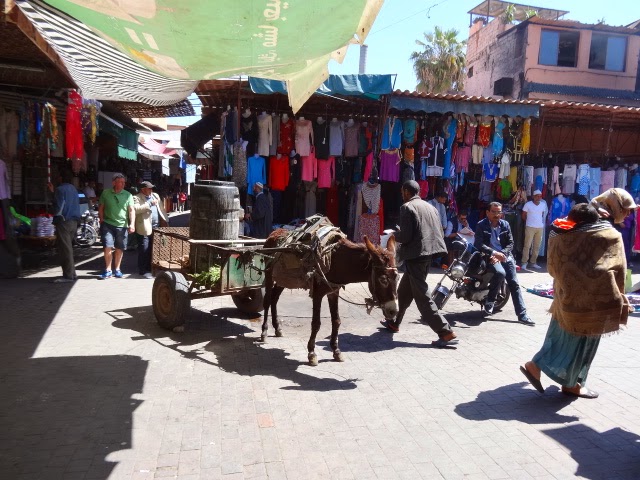
A man walking with his horse or donkey carrying a load of supplies.

After reading that exercise can help Afib, I gradually increased my daily walking steps. After one week, I was in a constant state of Afb. The one Fleacainide a day wasn’t enough. I knew I needed to up the dose to two pills a day, 12 hours apart, per the suggestion of the cardiologists in South Africa. When I took the second dose 12 hours later, without any improvement, yesterday morning, I knew I needed to see a cardiologist.

Immediately, I got to work searching online for a five-star rated cardiologist and found in Manta Dr. Alfredo Zambrano. I called their office, but they spoke no English. When they saw my call coming in, to which I hung up when I couldn’t communicate with them, they immediately sent me a WhatsApp message, translated into English. My appointment was for 3:00 pm yesterday, only hours after our initial contact.

With a high poverty rate in Ecuador. The national poverty rate in Ecuador is estimated at 25% of the population, while the extreme poverty rate stands at 10.7%, with the highest incidence in rural areas. Many homes and buildings are distressed.

Of course, I was still in Afib when we arrived for the appointment. I had written down all my questions in Spanish using Google Translate and handed the doctor my phone to read the questions. One of his assistants spoke excellent English and translated for us.

He did a lengthy ultrasound and an ECG. My appointment lasted one hour. The bill was $100, which included the tests. A few years ago, I had a similar appointment to get checked out in the US, and the 15-minute appointment was US $480. Hmmm…

An old boat in a side yard.

Well, anyway, the doctor showed me on the ultrasound screen that I have a problem with my mitral valve, referred to as a regurgitating mitral valve, which medication can help at this point. It’s what is causing the Afib. He prescribed three new drugs and had me stop taking my current blood pressure and Afiib drugs. I started the new drugs yesterday on our way back to San Jose.

These drugs all have side effects, some more than others. By the time I went to bed at about 10:30 pm, I had taken all three drugs, spaced out for specific times as prescribed, and never taken all at once. One by one, as I took the drugs, within about 45 minutes, I began to feel the side effects. After taking a second dose, it’s taken until this morning for the Afib symptoms to stop.

A typical shop on the side of the road.

Yes, I feel drained and exhausted, but the doctor said I can start walking again once I’m feeling better. It may take weeks to adjust to the meds, but I am not giving up. This is my life, and I will do whatever it takes to get through this. Down the road, I may need surgery, but he said not right now. Thank goodness.

After the pharmacy, we began the one-hour drive back, heading directly to the restaurant for dinner at Kokomo in the gated community. We hadn’t prepared anything for dinner. It was busy, and we had an opportunity to chat with some locals. I wasn’t myself, but I did my best to smile and be cheerful. We didn’t stay long. I was anxious to get back to the house to put on my pajamas and relax for the rest of the night while I waited for the drugs to work. So far, so good. We did the right thing going to the cardiologist, who, by the way, had a very professional office and staff.

Today’s a new day. I feel relieved and hopeful. Sure, I am feeling the side effects, but I will work through them in the coming weeks; I am looking forward to being able to stop thinking and writing about this troublesome condition. Thanks for listening, dear readers.

Be well.

Photo from ten years ago today, November 9, 2013:

This goat in our yard in Kenya was definitely not camera-shy, practically stepping on my foot as she approached. For more photos, please click here.

This is my reality…Hopefully dining out tonight at Kokomo….

A pelican on the hunt for food. Notice the fish he’s already caught.

Note: Sorry, there aren’t any new photos today. Here are a few from Galapagos, only weeks ago.

The weeks are starting to fly by. We make the best of it while enjoying good meals with available food items. Going out to dinner every Wednesday night at Kokomo has certainly added to our enjoyment. And with the suggestions from some of our readers, particularly Marylin, we are streaming some good shows. More suggestions are welcome for newer shows. We watched all the older shows in lockdown in India in a hotel for ten months.

We listen to many podcasts on various topics and services during the day, which helps as background noise. Even while preparing a post, I can pay attention to the majority of a podcast. It’s great entertainment. No, there aren’t any easy-to-access drive-by sites to visit from here, although we looked at every possible tourist venue within a two-hour drive.

Locals have told us not to drive the highway at night in the dark. Like many other countries, crimes are committed on the highways at night. We decided long ago not to go in the dark on the N4 from the airport in Nelspruit, South Africa, to Marloth Park. We were warned about this by many residents in Marloth Park, and now, the same warning is here in Ecuador.

A stork in Galapagos.

So here is my reality, which I write with considerable angst and frustration. I had to stop the walking schedule for now. It was causing me to be in Afib constantly and only stopped at night two hours after I took the single 100 mg. dose of Flecainide but started up again 12 hours later, shortly after I awoke.

Today, I am not walking any more steps than I must. In desperation, I took a second dose of the drug a few minutes ago, which worked for me about ten days ago for several days, but I knew I’d run out if I took two a day until I could get more. We visited three pharmacies, and none of them carried this antiarrhythmic drug. After considerable online research, it appears this drug isn’t available in Ecuador.

My only option is to see a cardiologist in Manta to help figure out what I need. With this much Afib, I may also require a blood thinner to prevent strokes. I don’t like taking so much medication, especially those with awful side effects. But, right now, I feel I have no choice at this location. This constant Afib has to stop.

Today, we have an appointment with a highly-reviewed cardiologist in Manta at 3:00 pm. We’ll leave here at 1:15 pm to ensure we arrive on time. They don’t speak English but communicate with me via WhatsApp, using its translator. I tried calling their phone number, but when no English was spoken, they immediately sent me a WhatsApp request, inquiring how they could help and how soon we needed an appointment.

A fur seal in the Galapagos.

Based on my racing heart, when they suggested 3:00 pm today, I was all over it. We don’t like going so late in the day, but we’re not being picky about the time at this point.

As mentioned above, I will not do the walking schedule today. I will ask the doctor if the walking schedule is OK during my appointment and go from there. I will report back tomorrow as to what transpires today.

We need groceries but won’t have time to shop after the appointment. We must figure something out from here until we return the car to Manta two weeks from today.

Be well.

Photo from ten years ago today, November 8, 2013:

After days of rain last night, this ugly thing came for a visit only inches from Tom’s bare feet. We’d always heard that insects with red coloration indicated it is poisonous. This millipede is toxic to insects that it consumes, only leaving an itchy streak on a human if it walks over bare skin. No thanks. Tom picked it up with the dustpan and brush, tossing it well into the yard. For more photos, please click here.

Sad news from Marloth Park…The impact of power outages…

Red hibiscus are commonly found in this area.

Louise wrote to me yesterday to share the sad news of the loss of Nyala Nina, Norman’s partner, and Noah and Natalie’s mother, had her baby a few weeks ago. Sadly, the little one, a female, had an injured leg within a few days of her birth. Dr. Peet darted her, but the injury was so intense she had to be euthanized. This news saddened everyone in Marloth Park, as we are now. The gestation period for a nyala is 220 days. It will be a long time until she has another offspring.

On another note: The power was out for two hours. Maria, our weekly cleaner, is here, and the bedding is stuck in the washer, unable to complete the cycle due to the outage. There is no way it will be done before she leaves around 11. Making the bed is a challenge since the bed is so low and close to the floor. There are other sheets, but today, we decided to wash the mattress cover since it smelled dusty and moldy. So we must wait to remake the bed when the bedding is done.

Bougainvillea in the front garden of the holiday home.

Being located on the ocean, all fabrics have that musty smell. In a way, it makes us rethink choosing holiday homes situated on the ocean. The humidity is palpable. Everything feels wet, even our clean clothes, when we put them on. The question is…will we wash and dry everything before we go or wait and see where we go next and do it there?

In the next 30 days, we will know where we are going from here. Flying out of here is tricky. Manta, the closest city, doesn’t have many options. We don’t want to fly back to Quito, and the next biggest airport is Guayaquil, a three-hour drive from here. Plus, we have to figure out where we’ll be able to drop off the final rental car.

Pink bougainvillea n the front garden.

Time will tell. At this point, we continue to research our options, but now, with the power outages, the time to do so is limited. I still spend several hours posting each day, and with limited cooking supplies, it seems to take longer to prepare meals.

Also, now that I have increased my daily indoor “stepping/walking,” every 15 minutes, that takes up a considerable amount of time each day. I have found it easier to walk every 15 minutes rather than attempt to get it done in one or two fell swoops. My legs aren’t ready for that yet. It may take several weeks before I can walk a longer distance over an extended period.

This is where we have to drop off the garbage. Recycling is not done here.

We are looking forward to going out for dinner tomorrow night. I translated the menu and found one more item I can eat: chicken kabobs. I don’t know how they are made or the sauces used, but I will figure something out. Otherwise, there were no other options besides the plain, dry hamburger patties I had last week.

The lot next door is for sale. We have no idea as to the asking price.

It’s still morning here, and the day is young. We have plenty to do to keep us busy, making the days fly by in a blur. Two months from now, we will be on our way to the yet-to-be-determined location.

Two birds on the beach.

Of course, we will report back as soon as we know more. Oddly, we aren’t worried about this, knowing full well that we will figure something out that works for us. Since the pandemic, we don’t plan as far ahead as we used to years ago. With the ongoing possibility of lock-downs in some locations, we aren’t willing to risk losing more money.

Maria managed to get the bedding on the bed before she left and, once again, did a fantastic job. We certainly appreciate having a weekly cleaner, making our days easier, and spending less time washing floors and dusting.

Today will be a quiet day. With the power back on, hopefully, for the remainder of the day, we can continue with research while every 15 minutes, I start walking again.

Be well.

Photos from ten years ago today, November 7, 2013:

In Diani Beach, Kenya…hand washing our underwear and placing it in the kitchen window seems to dry it more quickly than hanging it anywhere else inside. I no longer use the clothesline. The last time I walked out back to hang a few items in the tall grass, I was stung on my thigh, resulting in a very painful huge welt that eventually turned into a huge black bruise, lasting for weeks. For more photos, please click here.

Monday, Monday…Oh, oh…load shedding…

The sun sets a few minutes after 6:00 pm. It doesn’t change daily, only based on the cloud cover since we are located at the Equator.

We’re fortunate that the back of this oceanfront property is facing the west. On clear evenings, we can watch the sunset while we lounge at the table and chairs by the pool. We’ve never lost interest in sunsets all these years, especially when we’ve spent time in properties overlooking the ocean.

It’s been cloudy most days. We’ve yet to have a fully sunny day. It may start that way, but in a few hours, the clouds roll in, and with it comes drizzles and often rain. Neither of us cares to use the pool or sit outdoors on cloudy days. However, I am looking forward to being able to do some walking in the pool if the weather changes.

See below:

“The inter-Andean valleys have a temperate climate and rainy season from October to May and a dry season from June to September; average monthly temperatures are about 14.5C (58.1F) in the rainy season and 15C (59F) in the dry season.”

Since we arrived two weeks ago, the temperature has been mainly in the 21C (70F) range to a high of 27C (80F) with very high humidity  (often 88%) and dew point (75), basically uncomfortable weather. The pool is not heated, and the water is cold, making it less comfortable than we’d prefer.

With all the walking I am doing, I am okay with waiting until it warms up a bit, which it may not be while we’re still here. If not, I am fine as long as I’m getting exercise by walking.

It started to disappear into the horizon in less than a minute.

So here we are with ‘load shedding” in Ecuador. Apparently, due to the lack of rain in the mountains, the reservoirs are low, and the country’s electric company has instituted power outages. They don’t call it load shedding here. Here’s an article about this from this site:

“Power supply disruptions are occurring across Ecuador as of Oct. 30 due to production shortfall. Business disruptions are likely.”

Power supply disruptions are occurring throughout Ecuador as of Oct. 30 due to lower hydroelectric power generation in the midst of ongoing drought conditions in the Amazon region. Authorities have stated that rolling blackouts of up to 4 hours are likely throughout the country until early December. A recent deal to import electricity from Colombia may alleviate the severity of power outages, but energy shortages are likely to persist.

Commercial disruptions are likely for businesses dependent on public electricity. Transport disruptions due to malfunctioning traffic signals are possible during periods of power failure. Temporary commercial and communications outages, including cellular service disruptions, may also occur during blackouts. The outages are unlikely to affect government buildings and businesses relying on private generators. Essential services like ATMs and petrol stations may temporarily cease operations during load-shedding periods.

There is an increased security risk as a result of power outages. Blackouts could adversely affect security protocols, including alarm systems and electronic fences; opportunistic criminal activity could increase during electricity outages.”

Here we go again. We experienced the outages last week but didn’t write about it, assuming it might be a temporary fault causing the disruption. After speaking with residents at Kokomo at dinner last Wednesday, they were all aware of it when they’d been notified by email.

I haven’t found a definitive schedule for this area online, but Carol, whom we met last Wednesday, offered to send me the schedule when she receives it soon. That way, we can plan our day.

That’s it for today, folks.

Be well.

Photo from ten years ago today, November 6, 2013:

Sunday’s sunset in Kenya from owner’s Jeri and Hans’ third-floor veranda. For more photos, please click here.

The walking continues…Hopeful for the future…Football day!…

The watermelon was a little mushy and made it difficult to get all the seeds out. Tom ate the small seeds.

For the first time in years, Tom wanted to eat watermelon. When Raphael stopped by with his packed vegetable truck on Friday for the second time in a week, Tom spotted a watermelon and said, “Let’s get that also!”

Over the past few days, I’ve asked Tom if he wanted me to cut it into bite-sized pieces. Each time he said, “No thanks.” Finally, today, with a bit of prodding from me, he said, “Yes.” He never wants to make “work” for me, but good grief, I am happy to cut it up for him. I’m much better at this than he is, and besides, I try to remove all the seeds, which I always did for him and my kids decades ago until they came out with seedless watermelons.

Although I am still busy with the walking and will continue to walk day after day, it won’t take me too long to cut it up. Unfortunately, I don’t have a container to put it in, but I will use two of the larger pots with lids and get it all cut up today. After I just took a break to cut the entire watermelon, we noticed that the seeds were different from those in watermelons in the US.

I hadn’t cut a watermelon in almost 12 years. Tom had joined me in the low-carb way of eating long before we left the US and hadn’t eaten any fruit since then. During that time, he lost 40 pounds and got off seven drugs a day, when this way of eating helped his irritable bowel syndrome symptoms dissipate entirely.

Recently, he’s lost a lot of weight and is at his lowest and been enjoying a few foods he’s missed over the years, for example, two pieces of toast with butter and strawberry jam for breakfast and now a watermelon snack. We’ll see if this combination causes any gastrointestinal issues, and if not, he can continue to enjoy these foods. Otherwise, the only other food with carbs that he eats daily is white rice with dinner, and that doesn’t bother him at all.

Again tonight, we’ve roasting two large chicken breasts in the oven with the skin, which we’ll remove at dinner, with carrots and mushrooms in the pan. Plus, tonight, I’m adding fresh green beans for him and grilled eggplant (aubergine) for me. We aren’t eating any salads while here since we’re concerned about tap water, which the farmers are using to rinse off the vegetables. We aren’t taking any chances.

I miss having a big salad each night with my meal since all I have with my protein source is vegetables, which aren’t very filling. Each evening, I am a little hungry after dinner, but since I am slowly losing weight, as desired, that hunger usually subsides quickly. I don’t think of food for the remainder ot the evening. Thus, for most dinners, I have two vegetables and whatever meat we’re having.

For breakfast, I’ve had steamed vegetables, new or leftover from the prior evening’s dinner, and half of an avocado with an egg dropped into the pit’s hole. Then I cook it in the microwave for a few minutes (covered with a paper towel). This is a healthy and delicious way to start the day.

If I get hungry at midday, I’ll have some sliced sugar-free deli ham or chicken with one slice of cheddar cheese in the shape of a sandwich without the bread. Tom may have this with me from time to time. I don’t usually eat anything during the day between breakfast and dinner, but now that I am trying to lose a few pounds, I have found having a light snack during the day helps me eat less at dinner.

It isn’t a lot of food in a day, but my metabolism has been slow since I had heart surgery, something I’ve read online from other patients. But now, with daily walking and cutting back on the volume of food, I feel confident I can finally lose these few extra pounds. I must be diligent since I won’t lose more than a pound or two weekly. Of course, we have our scale with us, which we use for weighing our luggage and ourselves.

With nine weeks until we leave Ecuador, I should have lost all the weight I wanted by then. I read repeatedly that dropping as little as 10% of one’s body weight can significantly help those with Afib. This, in itself, is enough motivation for me, coupled with the walking. I can already feel the improvement in my heart and my legs.

That’s it for today, folks. As soon as I get this post uploaded, Tom will use my laptop to stream the Minnesota Vikings game, scheduled for 1:00 pm, since his Chromebook doesn’t have an HDMI outlet.

Happy day to all.

Photo from ten years ago today, November 5, 2013:

There were no photos posted on this date ten years ago. Instead, it was a story about how I started eating a low-carb diet to improve my health that Dr. David Perlmutter posted on his website. See the post here.

Houses in the gated community…

This is a Travelers Palm (Ravenala madagascariensis). We encountered a few of these in Mirador San Jose.

Yesterday, when we drove to the little store, we drove around the neighborhood looking for photo ops. Other than the flat-roofed houses and dry vegetation of unsold lots, there weren’t many photo ops. Eventually, the balance of the lots will be sold, but it could be a long time when this location is far from shopping and entertainment.

Most of the people we’ve met here are French Canadian, as mentioned and as described below:

“The inhabitants of the French colony of Canada (modern-day Quebec) called themselves the Canadiens and came mostly from northwestern France. The early inhabitants of Acadia, or Acadians (Acadiens), came mostly but not exclusively from the southwestern regions of France.”

We love the look of this wooden house, which we posted earlier, in the gated community with a Traveler’s Palm in the front.

From what we’ve heard from locals, the company promoted the development of this gated community via seminars and video presentations that primarily took place in Canada, appealing to those on the brink of retirement. Word of mouth spread., builders stepped in, and many of the lots were sold.

On Wednesday night at Kokomo, we met one of those builders, a friendly French Canadian who was proud of the houses he’d built. We are living in such a house, and it seems well-built. The ravages wrecked by the sea air are the ultimate source of wear and tear in these and other oceanfront and other nearby houses.

There’s a soccer field and tennis courts in Mirador San Jose, but we’ve yet to see anyone using these.

Most of the houses are stucco, but after decades in the real estate business, I observed that stucco is not exempt from wear and tear from moisture from humid environments. Nor is wood. Even in Marloth Park, South Africa, far from the sea but near a river and especially humid during the summer months, stucco houses eventually show wear and evidence of mold.

We’ve observed that the brick houses in Marloth Park seem to endure during the hot and humid times of the years, and the house’s exteriors seem to last the longest, even over many new siding materials that claim to resist moisture. Many homes being built there are brick and blend well with the bush environment.

“In a completely brick-built house the interior walls are actively absorbing the air humidity. Bricks can easily absorb humidity, as they have a surface that is more diffusion-open than other materials. As opposed to other materials, humidity doesn’t harm bricks.”

A Christmas tree-like pine is growing in the neighborhood.

But in Ecuador, brick may not be affordable, and lower-quality brick can cause problems down the road. Of course, it’s at the discretion of each buyer and their builder which type of exterior they may choose to use and that which is most affordable. Appearance is also a factor, and brick may not appeal to the buyer in many cases, depending on the style of the house.

In any case, most of the houses in Mirador San Jose are stucco with flat roofs. However, each house appears to have its own unique design, which was suited to the desires of the owners when the houses were initially built. Here is the link to the development for Mirador San Jose.

Another Christmas tree-like pine is growing in the neighborhood. Most of the houses in this gated community have flat roofs, except for the above wood house.

Of course, the more we interact with the locals at dinner on Wednesday nights, the more we’ll discover. We’re certainly no experts on what is transpiring in this gated community. Nor will we be by the time we leave here in a few months. We are always curious about our surroundings and share our perceptions here with all of you, whether accurate or not. As we learn more, we’ll share more.

Be well.

Photo from ten years ago today, November 4, 2013:

The Regency Hotel London, in South Kensington, England, where we’ll stay for 15 nights before boarding our ship at the port in Harwich, a three-hour drive from London. For more photos, please click here.