The rising costs of dining out…

Gorgeous flowers are everywhere on the island of Madeira, Portugal
In recent years, dining out in the United States has become increasingly expensive, and the trend shows no signs of slowing down. Various factors have driven rising restaurant prices, including supply chain disruptions, increased labor costs, inflation, and changing consumer behaviors. Today’s post explores the multifaceted reasons behind the escalating costs of dining out and the broader implications for consumers and the restaurant industry.

Last night, this mainly came to mind when five of us dined out at a casual Thai restaurant, ordering a few dishes each, such as soup and rice, salad and edamame, fried rice, and a stir-fried dish, the dishes commensurate with choices most diners would make at any Asian-type restaurant.

Only three alcoholic drinks were ordered: two glasses of wine, one beer, and one glass of root beer. This was not an outlandish amount of beverages when everyone else drank plain water. When the bill came, it was $249. We were shocked. What’s going on in this crazy time of inflation that contributed to the size of a bill for only five people in a casual restaurant when no one ordered anything excessive or out of the ordinary?

One of the primary drivers of rising restaurant prices is the ongoing disruption of global supply chains. The COVID-19 pandemic exposed the fragility of supply networks, leading to shortages of key ingredients and supplies. For instance, meat prices surged due to processing plant closures and reduced livestock production. The ripple effect of these shortages has been felt across the restaurant industry, forcing eateries to pay more for essential ingredients. Additionally, the cost of imported goods has increased due to shipping delays and higher freight costs, further compounding the issue.

Labor costs have also risen significantly, contributing to higher menu prices. The labor market has tightened, and many restaurants struggle to find and retain staff. This has increased wages and improved benefits as businesses compete for workers. The federal minimum wage has remained stagnant, but many states and cities have implemented their increases. For example, California’s minimum wage is set to reach $15 per hour in 2022. Higher prices often pass this rise in labor costs to consumers.

Inflation is another key factor driving up restaurant prices. The Consumer Price Index (CPI) has consistently increased, reflecting higher costs for goods and services. As of mid-2023, the CPI indicated a year-over-year inflation rate of approximately 5%, with food prices rising even more sharply. Restaurants that operate on thin margins have little choice but to adjust their prices to keep up with the inflationary pressures on their operating costs. Ingredients, utilities, rent, and other overheads have all become more expensive, necessitating price hikes on menus.

The pandemic has also changed consumer behaviors in ways that impact restaurant pricing. There has been a significant shift towards takeout and delivery, which come with their costs. Packaging, third-party delivery fees, and the need for digital ordering systems add to the expenses that restaurants must manage. Moreover, consumers are willing to pay more for convenience and safety, allowing restaurants to charge premium prices for these services. Additionally, the demand for locally sourced and organic ingredients has risen, and these items typically come at a higher cost.

Rising restaurant prices are straining consumers’ wallets. For many, dining out is becoming a luxury rather than a routine activity. Budget-conscious diners are increasingly opting for home-cooked meals or cheaper fast-food alternatives. This shift could have long-term effects on the restaurant industry, as establishments that cannot adapt to the new economic realities may struggle to survive. Consumers are also becoming more discerning, seeking value for money and prioritizing quality over quantity.

For restaurants, the challenge is to balance the need to cover rising costs with the risk of alienating customers through higher prices. Many establishments are adopting strategies to manage these pressures. Some are simplifying their menus to reduce waste and streamline operations. Others are investing in technology to improve efficiency and reduce labor costs. Dynamic pricing, where menu prices fluctuate based on demand, is also becoming more common. However, these measures may not offset the overall upward trend in costs.

The future of restaurant pricing in the U.S. remains uncertain. While some of the current pressures may ease as supply chains stabilize and inflation moderates, other challenges are likely to persist. The push for higher wages and better working conditions in the industry is expected to continue, maintaining upward pressure on labor costs. Additionally, consumer preferences for convenience, quality, and sustainability will likely keep prices elevated. Restaurants will need to remain agile and innovative to navigate this complex landscape.

The rising prices at restaurants in the U.S. result from a complex interplay of factors, from supply chain issues and labor costs to inflation and changing consumer behaviors. This trend has significant implications for both consumers and the restaurant industry. While dining out may become less frequent for some, others will continue seeking high-quality and convenient dining experiences, even at a premium. Restaurants adapting to these changing dynamics will be better positioned to thrive in this challenging environment. Balancing cost management with customer satisfaction will be crucial for the industry’s long-term success.

Of course, under our circumstances of dining out a few times each week, drawing us to those places where we can eat for less than $30 per person, including beverages, is preferred. Those are few and far between in Minnesota and many other cities throughout the US, and ultimately the world, as we’ve experienced over the past several months.

Be well.

Photo from ten years ago today, July 9, 2014:

Photo of beach at our upcoming second Fiji house. For more photos, please click here.

The expat or the world traveler route?…Which is better for you and why?…

The red dot on this map indicates where the island of Madeira is located.

“There is a difference between being an expat and traveling slowly to see the world. Each path offers unique experiences and challenges. An expat’s life revolves around settling in one place and becoming part of the local community. On the other hand, slow travel is about taking time to explore each destination deeply.”

In an increasingly interconnected world, the concepts of “expat” and “world traveler” have become more prevalent, reflecting different ways people choose to live and explore. While both groups share a love for experiencing new cultures and environments, their lifestyles, motivations, and experiences differ significantly. Understanding these differences can help clarify the nuances of these two distinct paths.

Definitions and Basic Differences

Expat is short for expatriate, a term used to describe individuals who live outside their native country for an extended period, often for work or personal reasons. Expats typically settle in one country for months or years, integrating into the local community to varying degrees. Their stay is usually characterized by a semi-permanent or permanent relocation, influenced by employment, family, or retirement plans.

On the other hand, a world traveler moves from one place to another, often for shorter durations, driven by a desire to explore, experience, and enjoy diverse cultures and environments. World travelers may stay in one location for days, weeks, or months before moving on to the next destination. Their journey is often continuous, with no fixed home base, emphasizing exploration over settlement.

Motivation and Purpose

Expats often relocate due to job assignments, career advancement opportunities, or company transfers. They might also move for personal reasons, such as joining a spouse or family member, seeking better living conditions, or pursuing retirement in a more favorable environment. Their primary motivation is usually practical and long-term, focusing on stability and integration into the new country.

In contrast, world travelers are driven by curiosity, adventure, and a passion for discovering new places. Their motivation is more about experiencing diversity, learning about different cultures, and seeking personal growth through travel. The purpose of their journey is exploration and enjoyment rather than settling down or establishing roots.

Lifestyle and Daily Routine

Expats often lead lives similar to those they had in their home countries, though adapted to their new environment. They might rent or buy homes, enroll their children in local or international schools, and establish work, social activities, and community involvement routines. Over time, they may develop a deep understanding of and connection to their host country’s culture, language, and traditions.

For world travelers, the lifestyle is more transient and flexible. Depending on their preferences and budget, they might stay in hotels, hostels, short-term rentals, or even camp out. Their daily routine is less structured, often dictated by travel plans, sightseeing, and spontaneous adventures. They are constantly on the move, with no fixed abode, leading to a more fluid and unpredictable way of life.

Integration and Interaction with Local Culture

Expats have the opportunity to immerse themselves deeply in the local culture. Over time, they may learn the language, understand societal norms, and build lasting relationships with locals. They often become part of the community, participating in local events and contributing to their host country’s social and economic fabric.

While they may make meaningful connections and gain cultural insights during their short stays, world travelers generally do not have the same depth of integration. Their interactions with local cultures are more superficial and fleeting, often limited to tourist attractions, short-term acquaintances, and surface-level experiences. However, their exposure to various cultures can lead to a broad, albeit less deep, understanding of the world.

Financial Considerations

Expats often have stable income sources through employment, savings, or pensions, which support their long-term stay in a foreign country. Their financial planning includes considerations for housing, healthcare, education, and other long-term needs. The financial stability provided by employment or other steady income allows them to establish a more permanent lifestyle abroad.

World travelers may have more varied and uncertain income sources. Some work remotely, freelance, or take up short-term jobs to fund their travels, while others rely on savings or travel on a budget. Their financial strategy often focuses on cost-effective travel, accommodation, and daily expenses, allowing them to sustain their nomadic lifestyle.

Emotional and Social Impacts

Expats can experience a range of emotional and social challenges, including homesickness, culture shock, and the difficulty of integrating into a new society. However, the potential for building a new support network, forming deep friendships, and feeling a sense of belonging can be highly rewarding.

For world travelers, the constant movement can lead to feelings of isolation or disconnection, as they rarely stay in one place long enough to build strong relationships. The excitement of new experiences and the freedom of a nomadic lifestyle can be exhilarating, but the lack of a stable support network can also be emotionally taxing.

Conclusion

While both expats and world travelers share a love for exploring new places and cultures, their lifestyles, motivations, and experiences are markedly different. Expats seek stability, integration, and long-term living arrangements in foreign countries, often driven by career or personal reasons. On the other hand, world travelers prioritize exploration, adventure, and the thrill of constant movement, driven by curiosity and a desire to experience as much of the world as possible. Understanding these differences can help in appreciating the unique journeys of both groups, each enriching the global tapestry in their own distinct way.

As our long-term readers are well aware, from the beginning of our travels, we have chosen the world traveler lifestyle rather than becoming expats who choose to live in one location. Will this change in the future? It could depending upon the outcome of current medical concerns, which will be addressed over the next several months. We will keep you updated.

Be well.

Photo from ten years ago today, July 8, 2014:

Royal Caribbean’s Explorer of the Seas is a larger capacity ship with cabins for 3835 passengers than yesterday’s posted Celebrity Solstice at 2850. We prefer smaller ships, but it’s not always possible to find both the preferred size, itinerary, and dates. The ship’s size is near the bottom of our criteria list. For more photos, please click here.

How long can you live outside the US before losing social security?…

The church in Campanario, Madeira, Portugal, wasn’t far from our holiday home.

We are often asked, “How long can we live outside the US before losing social security?” This question is often asked while on cruises where we spend considerable time in the presence of other senior citizens.

We’ve always known the answer since we checked on this long before we began our worldwide travels, giving us peace of mind, but we thought about checking it out 12 years later to see if anything had changed on this topic. It has not. Today, we’re talking about two situations:

  1. Permanently living outside the US
  2. Travel to foreign countries but return periodically to the US as we do; thus, we aren’t permanent residents of any country other than the US

Today, I stumbled upon the following article bringing this topic to light as follows from this site:

“How Long Can You Live Abroad Before Losing Social Security?

If you plan to retire abroad, here’s what to know about receiving Social Security benefits. By

While Social Security is a U.S. program, foreign citizens can qualify for Social Security benefits if they have a work history in the United States.

Key Takeaways

  • U.S. retirees can receive Social Security benefits while living abroad, with some exceptions.
  • There is no time limit on how long a person can live outside the country and receive benefits.
  • Foreign citizens with a U.S. work history may qualify for Social Security benefits under certain agreements.
  • Social Security payments can be deposited directly into a foreign bank account.

The United States attracts people from across the world who seek to live out the American dream. In some cases, Americans are leaving for other parts of the globe to enjoy a different pace of life.

For retirees, the appeal may be a lower cost of living, new adventures, and less expensive health care. However, some may hesitate to leave, worried they will lose their Social Security benefits. Fortunately, the good news is that U.S. citizens can, with few exceptions, continue to receive benefits regardless of where they live.

The Social Security Administration pays out about $6.1 billion in benefits annually to 760,000 beneficiaries outside the United]States, according to 2022 data from the U.S. Department of State.

“If people are planning to do this, they need to do some homework beforehand,” said Tim McGrath, managing partner of Chicago-based Riverpoint Wealth Management, in an email.

Before you book a one-way ticket to your favorite retirement destination, understand government rules for Social Security payments to expats.

Whether U.S. citizens can receive Social Security while living overseas has an easy answer.

“Definitely. They can receive benefits abroad. That’s not a problem,” said Matthew Allen, co-founder and CEO of Social Security Advisors, a firm that helps clients maximize Social Security benefits, in an email.

There is no time limit on how long a person can live outside the country and receive benefits. They will continue indefinitely while proof of life documents are signed and returned. Known formally as the report to the United States Social Security Administration, Form SSA-7162 is two pages long and asks about changes to a person’s residency and marital status, among other things. Depending on a person’s age and country of residence, the forms may be mailed annually or biannually.

However, living abroad doesn’t absolve a retiree from the responsibility of filing a U.S. tax return annually. Just as with U.S.-based retirees, a portion of a person’s Social Security benefits may be taxable if their annual combined income exceeds certain thresholds.

And if a person has a foreign pension, their Social Security benefits may be reduced due to the windfall elimination provision. Retirees can use the Social Security Administration’s Windfall Elimination Screening Tool for Foreign Pensions to see if this applies to their situation.

U.S. citizens can move practically anywhere and receive Social Security payments, but some exceptions exist. Currently, payments cannot be received by those living in the following countries:

  • Azerbaijan.
  • Belarus.
  • Cuba.
  • Kazakhstan.
  • Kyrgyzstan.
  • North Korea.
  • Tajikistan.
  • Turkmenistan.
  • Uzbekistan.

“It doesn’t mean you’re not going to get that money,” McGrath said. “You’re not going to get it in that country.”
Once you move somewhere where payments can be made, you will receive the money that was withheld while you were residing in these countries. The exception is for foreign citizens living in Cuba and North Korea. They will not receive any payments for the time they were in these countries.”

Of course, the above may not apply to those permanently living outside the US. If they have a place of residence in the US and receive your social security benefits paid by direct deposit to your US bank account, that may be a different situation. Please check with the US government, an accountant, or a financial advisor who deals with such situations.

None of this applies to us without permanent residence in another country. We are US citizens and residents able to travel back and forth to any country we choose, always returning to the US to our state of residence.

That’s it for today, folks. We hope this clarifies a few questions you may have if you’re considering living abroad.

Be well.

Photo from ten years ago today, July 7, 2014:

Celebrity was our favorite cruise line at the time we booked this cruise. We now prefer the smaller Azamara. We sailed on this ship for 14 nights, beginning on January 5, 2016, and ending on January 19, 2016. Built in 2008, it’s rated 5.5 stars of a possible six stars. For more photos, please click here.

We booked a hotel at Cleveland Clinic…

A craggy shore in Madeira, Portugal.

With only 50 days until we leave for Cleveland, it was time to book something for at least our first week there. At this point, we have no idea how long all the tests will take before the surgery is scheduled or how far out the surgery will be scheduled. There may be many patients in much worse condition that will be scheduled ahead of me, of course, depending on how I am doing at the time of my first three appointments on August 28.

If I am “holding my own,” it could be two or three months until the surgery is scheduled. The question is, “Do we stay in Cleveland in case of an unforeseen event requiring immediate surgery? Or do we go somewhere else while we wait?”

Only time will tell, along with the test results determining the urgency of my case. Right now, my only obvious symptoms of valve disease are difficulty walking and occasionally being out of breath. I don’t have the classic swollen legs and chest pains, which are severe symptoms of the condition.

However, the two valves have been diagnosed by three cardiologists and echocardiograms as being “severe,” which, untreated, could result in a stroke or heart attack if left too long without treatment. There are no drugs that can prevent these potential outcomes.

In reality, regardless of how long we have to wait for surgery, we’re better off staying there than in some other city in the US. We must play it by ear and see what transpires during that first week or two.

As a result, we booked only one week at a hotel connected to the clinic with a shuttle service back and forth to the hospital. Finding an affordable hotel was a lot trickier than expected. We were willing to pay more than usual for the convenience of the first week of tests and may have to extend it if further testing is required. There again, we have no idea at this point.

This morning, we started searching online. We were particularly interested in the Intercontinental Hotel, Cleveland Clinic, since it is .2 miles from the hospital, which has a shuttle back and forth, preventing us from the necessity of renting a car for the first week. Here are the prices we encountered:

Expedia.com

InterContinental Cleveland, an IHG Hotel

$284
InterContinental Cleveland, an IHG HotelOfficial site
$329
DEAL

14% off

Hotels.com

$329
Hotels.com
Free cancellation until Sep 8

Priceline

$329
Priceline
Free cancellation until Sep 7
All options

InterContinental Cleveland, an IHG Hotel

$284
InterContinental Cleveland, an IHG HotelOfficial site

Hotels In America

$294
Hotels In America
With these high prices, most of which didn’t include taxes and fees, we searched further from Expedia on our website at the link on the right side of our page. Because we are Platinum members and use $46.00 in One Key cash, we could book the week for an average of $211 per night.
Of course, these perks may not be available to those using Expedia infrequently, but we’ve found it’s an excellent place for frequent travelers. Building relationships with various sites that provide excellent pricing for their frequent users takes time and effort.
Once we have completed the first round of tests after consulting with the doctors, we can make a plan for our future stay. We may stay a few miles from the clinic, where prices are considerably lower. We might stay further away during a waiting period and move closer once the surgery transpires. We shall see.
That’s it for today, dear readers. Thanks for all the well wishes, supportive comments, and emails regarding our Fourth of July post two days ago.

Be well.

Photo from ten years ago today, July 6, 2014:

Even a cloudy day in Madeira, Portugal, has some appeal. For more photos, please click here.

It was pouring rain on the Fourth of July…We had a good time anyway…Off to Billy’s today…

The inflorescence is a complex structure that includes the flowers that will develop into fruits. The hanging pink and yellowish protrusions are the flowers. Mother Nature is amazing! This flower grows on a banana tree, and then bananas eventually grow. We watched the progression of this bloom a few doors from us while in Campanario, Madeira, Portugal.

It was a good July 4th, after all. We had a quiet day, and around 4:00 pm, we drove over to Pizza Luce for another delightful time at the bar, sipping on happy hour drinks and fantastic meatballs, pasta sauce, and shaved parmesan cheese (no pasta). We returned to the hotel by 6:30 and settled in for a quiet evening we thoroughly enjoyed.

Today, Friday, we’re heading back to Billy’s at 3:00 pm for the usual Lyman siblings get-together. Today is Mary and Eugene’s 66th wedding anniversary, and we aren’t sure if they will be there today, but Tom suspects they will. Many of their family will arrive with happy anniversary wishes. They have five adult children and nine grandchildren. They are great-grandparents, and we do not know how many they may have.

It’s always a good time at Billy’s and a good thing to do on another rainy day. We’d imagine many Minnesotans were sorely disappointed with the rain on the Fourth of July, a day typically spent boating and engaging in outdoor activities. Many fireworks displays transpired on the night of July 3 when heavy rain was predicted all day on the 4th.

When Tom dropped me at the entrance to Pizza Luce’s front door, I got soaked in the ten steps to the door. He was drenched when he entered the bar after parking the car. In no time, we both shivered a little until we dried off. Not only was it raining, but the temperature was cool.

Since we arrived in Minnesota in early May, it’s rained four or five days each week, often with thunder and lightning. We’ve spent very little time outdoors. Summers are very short in Minnesota. By September, the leaves start to change color, and the temperature drops by the end of the month.

There are many bees and hornets in August and September, and Tom and I are both allergic to them. We always carry an EpiPen with us in the event we are stung. Mosquitos are annoying and can leave big welts. I am bitten by mosquitos and insects more often than Tom, which was always the case when we were in Africa, where getting a mosquito bite is much more serious than in Minnesota, with malaria and Dengue fever being prevalent in many cases.

Since we’ve spent little time outdoors, we’ve yet to wear any repellent or been bitten. Nor have we encountered many insects here when spraying is common on hotel grounds and most public places. Most homeowners in wildlife and metro areas spray for insects, often using toxic chemicals.

That’s not to say we don’t use insect spray. In Africa, we must spray the bedroom at night a few hours before going to bed when mosquitos can be deadly, and other insects may also be venomous. Plus, the annoying sound of insects buzzing around our heads while trying to sleep is awful.

We don’t have any big plans over the weekend. We’re defrosting the Chinese stir fry we made several days ago. We had planned to eat leftovers but went out several times instead. Tom will make white rice, and I’ll make a salad to go with it. Rain is expected over the weekend, so staying in is OK with us.

Be well.

Photo from ten years ago today, July 5, 2014:

This lopsided photo of a steeple in the hills in Sao Vincente evidences that I was standing on a steep hill. Certainly, I could have straightened the camera to adjust, but I was distracted by the views. For more photos, please click here.

Happy Fourth of July to all our American friends and family worldwide…Hopes of freedom for all…

Happy Fourth of July to everyone who celebrates. Not our photo.

The above Fourth of July photo reminds us of our old lives, living on a lake and watching fireworks from our dock. Our two little dogs would sit on our laps and watch the fireworks with us, shuddering each time a boom permeated the air. Often, our kids and grandkids were with us, along with neighbors and other friends, and the festivities were many.

Tom lined our 500 feet of lakeshore with small flags placed 18″ apart, creating quite a spectacle. We also had a tall flagpole and an oversized flag that flew in the breeze. The occasion was exceptional, and we loved every moment.

But that was our life then, and this is our life now, and none of those special occasions have left us sorry or disappointed that we chose this life over that life. We’ve never regretted our decision to travel the world. We’ve loved, lost, and experienced sorrows and joys regardless of where we’ve been in the world at any given time.

Having had all of those special occasions, as time has passed with many adventures behind us and hopefully more to come, we have no need or desire to see fireworks or celebrate to any degree. My son Greg asked us to join him and Heather today but we decided to lay low.

We didn’t feel like battling traffic today when we’ll do that tomorrow when we head to Billy’s Bar & Grill, a 45-minute drive from here. Tonight, we’ll return to Pizza Luce, only .5 miles from here, for happy hour and a light dinner and be content to return to our hotel to stream a few shows we selected for today.

Last night, we watched a good movie on Netflix, “On the Basis of Sex,” about Supreme Court Justice Ruth Bader Ginsburg. Not only was it a fascinating movie, but it also provided an inside look into how the equality of the sexes in modern-day society came to pass with her inspiration and skill as an attorney. Very interesting.

I suppose it was an excellent movie to watch, given that today is Independence Day, the Fourth of July! It was about freedom and the rights of human beings in this country. As much chaos as there is in the US right now, of which people are aware worldwide, we are free, and that is not always the case in many countries.

Today, it’s not about fireworks, meat, and sweet corn on the grill; it’s about the American flag and the privilege of being a free people. In this context, nothing is more critical for citizens of any country. We are indeed grateful, and today reminds the two of us to celebrate that freedom.

In this crazy world, we have no idea how long we will continue to be free. That could change in a day. Peace and communication are the only means of maintaining our freedom and we can only hope and pray through our own communication and the keeping of peace to ensure that freedom as individuals or as a country, a continent, a world.

May peace and harmony fill our lives as we move through trying times in an uncertain world.

Be well.

Photo from ten years ago today, July 4, 2014:

When we spotted this group of tourists crossing this footbridge, we noticed a tour bus. They were most likely touring from a cruise ship that had arrived in Funchal, a popular port of call. For more photos, please click here.

Meet my son Greg…Lunch at a unique location…

My youngest son, Greg, 54, and I had lunch yesterday at Asia Mall in Eden Prairie and, as always, had a great time together.

I am rushing today since we’re off to lunch with our friend Connie, whose husband Jeff passed away at our holiday home in Marloth Park in 2022. We’re meeting her at noon at Maynard’s in Excelsior with some shopping and errands after lunch.

As for mine and Greg’s lunch, yesterday reminded us of all the fun times he and I had years ago, frequently having lunch together at a now-closed Vietnamese restaurant in uptown Minneapolis, Kinhdo. Many restaurants in the Minneapolis area closed when looting, fires, and vandalism occurred in 2020.

My huge bowl, referred to as a small size, was delicious. I hadn’t had Pho this good since Vietnam and Cambodia in 2016.

Whenever we went to Kinhdo, Greg and I ordered Pho, which is pronounced “foh” in the US but in Vietnam and Cambodia was referred to as follows:

“Pho,” which first appeared in print in English in 1935, was borrowed from a Vietnamese word which was spelled “phở.” English speakers replaced the vowel with “o” but preserved the pronunciation as “fuh,” rather than “foh.” 

The uptown area is no longer considered safe, and COVID has also significantly caused the failure of many businesses in many areas of Minneapolis. Many areas are rundown and unsafe, and we avoid those areas at all costs.

I gave Greg my rice noodles (I don’t eat rice due to the starch), but I added the beans sprouts, and basil to my bowl of Pho.

As for yesterday, the Asia Mall is about one mile from our hotel. Greg picked me up, and we arrived in no time at all. I was pleasantly surprised by this attractive ethnic mall. Based on the fact that I often cook Asian dishes, as I did only a few days ago, I now know where to purchase the necessary ingredients rather than at a grocery store with limited options.

The Asia Mall is all about Asian food, dining, and shopping. It has a full-sized grocery store, bakery, and a few Asain restaurants.

If you’ve never had Pho, you can experience this delicious soup in most Vietnamese restaurants worldwide, or if you prefer, you can make Pho at home. Here is a link to any easy-to-make Pho recipe. In our old lives, I used to make wonton soup, which I can’t eat now due to the flour used to make the wontons.

Typically, Pho is made with rice noodles but may be served with wide flour-based noodles, which they served at Kinhdo years ago. In Vietnam, rice noodles are used in most restaurants. While there, during our Mekong River cruise, I had Pho at least once a day and loved trying it at different restaurants. All were delicious, with a few variations here and there.

It would be fun to browse the stores, but Greg had time crunch, and before we knew it, it was time to go.

Greg and I decided to have lunch there again when we get together again during our remaining time in Eden Prairie. We leave in 53 days. The conversations with Greg and I are always thought-provoking and entertaining. We love being together. Most often, the kids are with us, but we were on our own this time, which was nice too.

Tom and I will return there soon since he wants to try a few of the items on the menu.

It’s time to head out to meet Connie for lunch. It was great to take some photos to add to today’s post. We will make an effort to take more pictures in the future.

Be well.

Photo from ten years ago today, July 3, 2014:

Pinch me! These are the alpacas that live on the farm we rented in New Zealand. We arrived at the time of the year when the babies were born. Could this be more fun? The owner explained that they are very friendly and will hang out with us as they freely roam about the farm. For more photos, please click here.

Fun day for each of us, separately, that is…Do we go camping?…

While touring Madeira, we encountered this waterfall that landed on the car. How unusual.

Last night, we had a great time. We went out for happy hour and dinner at Pizza Luce, close to our hotel. We were surprised by how few patrons were there when we entered but figured it was due to the upcoming 4th of July holiday and people being busy preparing for the long holiday weekend or having already left town for the festivities.

We had a great dinner of their gluten-free meatballs with sugar-free pasta sauce, topped with shaved mozzarella without added pasta. I had two small glasses of red wine, and Tom had two bottles of beer, each for $5.00. Our total bill with taxes and tips was $41.79, which isn’t much more than buying groceries for one night’s dinner.

With grocery inflation, we can easily spend $280 a week if we cook every night. Thus, eating out for around $41.79 wasn’t much more. However, that was the exception, not the rule. We often spend about $70 to dine out at a mid range restaurant. Most weeks, we dine out at least two times, maybe three.

Even fast food is expensive. Tom spent $25 at McDonald’s when he stopped for a meal, only for himself. I don’t eat at Mcdonald’s or most fast food establishments, except Chipotle, or rarely at Jimmy Johns for an “unwich,” which we now avoid when the cost for two sandwiches is over $40. Unbelievable!

At this point, we still don’t have any plans for the holiday, but we’re fine staying at the hotel if that’s how it rolls out. We’re used to spending holidays on our own while traveling worldwide, often barely noticing that it’s a specific US-celebrated holiday.

In South Africa, we’ve spent Christmas and New Year with friends, but here in the US, we’ve received few invitations from family or friends to partake in their planned activities. We prefer not to invite ourselves. Often, our kids and grandkids are out of town camping or planning to watch fireworks displays.

We aren’t much for camping, but that’s not to say we wouldn’t go. Buying a tent and all the necessary equipment makes no sense when we have nowhere to store it and may never use it again. When our kids were young, we camped occasionally and had everything we needed. But not now. Plus, I don’t think we would sleep well on the ground.

Today, we’re each going out separately. Tom heads to Mary and Eugene’s house in Andover at noon to play Buck Euchre. His nephew Kevin is in town from Florida. The card game is for four players, but there will be five players there without me, requiring one to sit out every few games.

Since they have enough players without me, I am not joining them since I’d already committed to lunch at the Asia Mall with my son Greg and grandson Miles today at 12:30. I didn’t want to cancel on Greg and Miles to do something else. Plus, I enjoy getting together with them whenever possible and would never cancel unless I was sick.

Most likely, I’ll be back at the hotel by 2:30 and spend the rest of the day chatting with friends and watching a few movies. When Tom plays Buck euchre with his family, they rarely get done until 1:00 or 2:00 am. Also, I have trouble staying up that late.

In any case, it will be a good day for each of us, and we’ll be happy to see each other after a short break when we are together all the time.

That’s it for today.

Be well.

Photo from ten years ago today, July 2, 2014:

An outdoor lawn ornament store in Campanario, Madeira, Portugal. For more, please click here.

Exploring July 1 throughout the years…

July 4, 2012: Excelsior, Minnesota (still in the USA). Here’s the link to the post.

Our favorite spot on our lawn, where we lounge in “comfy” outdoor chairs at our old home in Minnesota.

We thought it would be fun to review the first day of July over the years of our world travels, beginning with our first year of posting in 2012. If there wasn’t a post on July 1, we’ll add it for the next closest post, including a photo. Enjoy!

July 1, 2013: Boveglio, Tuscany, Italy. Here’s the link to the post.

Our enchanting neighborhood was far removed from neighborhoods in the US and many other countries. Our temporary home was next door to the clock tower in the upper right. It was fun to see it from this vantage point.

July 1, 2014: Campanario, Madeira, Portugal. Here’s the link to the post.

There are some areas where flowers continue to bloom. Although, we’ve noticed a decline in the number of summertime blooms.

July 1, 2015: Trinity Beach, Queensland, Australia. Here’s the link to the post.

We selected a filet from this batch. Remember, for those reading from countries not using the metric system, AUD 32.50 per kilo translates to 2.2 pounds, which would be US $14.77 per pound, not too bad for fresh (never frozen) wild-caught fish. We purchased about one pound, of which Tom had 9 ounces, and I had approximately 7 ounces.

July 1, 2016: Singapore. Here’s the link to the post here.

Tom likes these “wienie wraps in Singapore, a food haven!” They are SGD 1, or US $.74.

July 1, 2017: Minnesota, family visit. Here’s the link to the post.

While visiting family in Minnesota, we stopped at a few favorite spots—boats at one of many marinas on Lake Minnetonka in Wayzata.

July 1, 2018: Marloth Park, South Africa. Here’s the link to the post.

We were at the Marloth Park, South Africa Honorary Rangers Winter Fair entrance.

July 1, 2019: While still in Marloth Park, South Africa, we booked our trip to India for 2020. Here’s the link to the post with the upcoming itinerary.

One of the many excursions on the Maharajas Express train includes visiting the Taj Mahal. (Not our photo)

July 1, 2020: Mumbai, India, during the ten-month lockdown in a hotel room. With no photo ops, we share older posts, including photos from a past post. Here’s the link to the post.

We’d never seen scallops in the shell. We can imagine a plate of six of these covered in almond flour and Parmesan-crusted buttery topping. Tom likes scallops, so this will be a no-brainer.

July 1, 2021: Frankfurt, Germany, from South Africa, during a layover on our way to the US to visit family. Here’s the link to the post.

We spotted elephants in Kruger National Park only a few days before leaving South Africa.

July 1, 2022: Marloth Park, South Africa. Here’s the link to the post.

Venomous processionary caterpillars next to the house. The locals refer to them as “Satan.”

July 1, 2023: The Villages, Florida. Here’s the link to the post.

We got a booth at a fun restaurant in The Villages. As always, we had a great time chatting.

July 1, 2024: Residence Inn by Marriott, Eden Prairie, Minnesota, USA. Click the link in the address bar for today’s post.

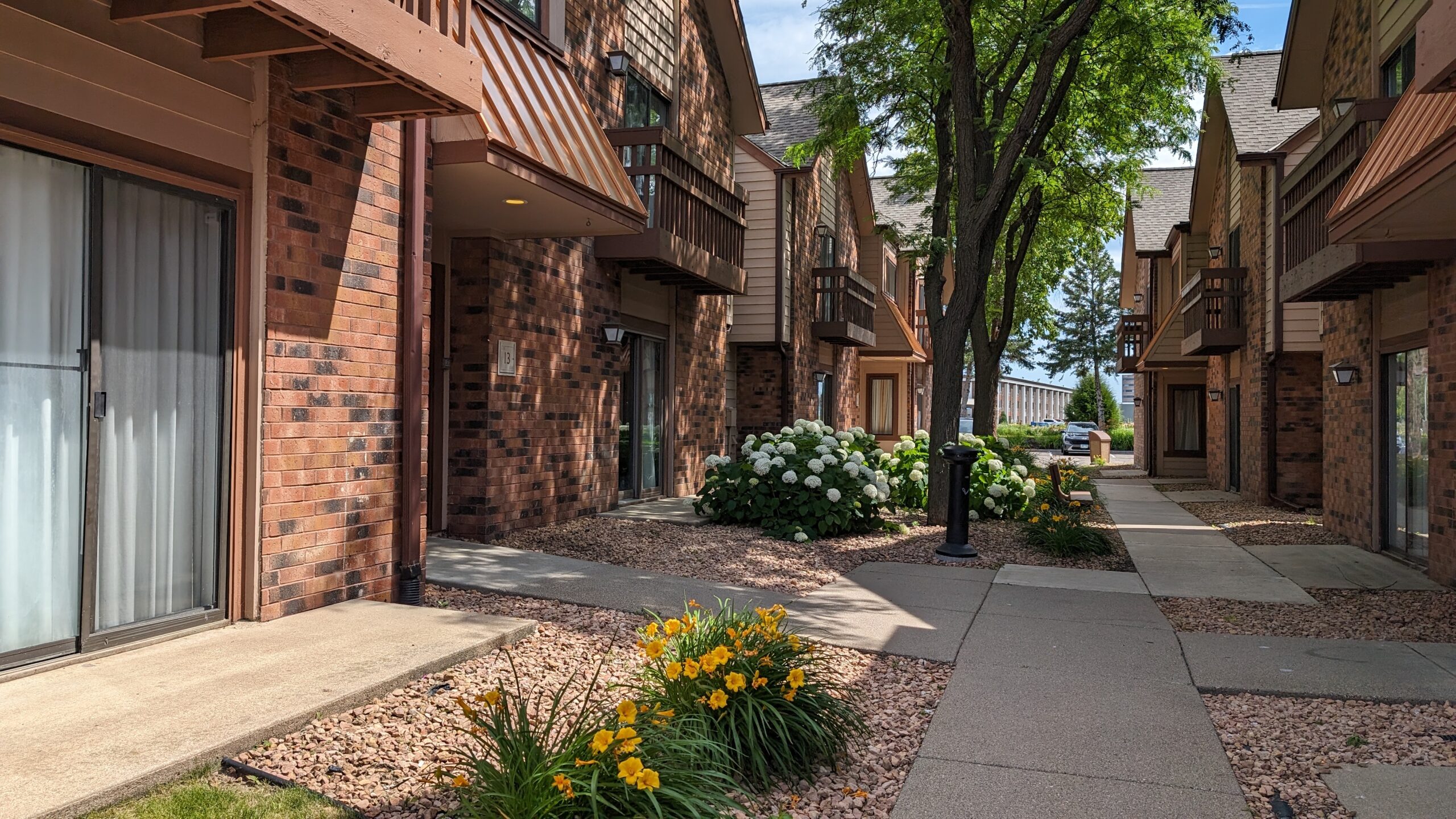
The Residence Inn by Marriott is comparable to an apartment complex, although it is a hotel. The rooms are all suites, large with kitchens and comfortable. This is a good spot for us while we wait for the Cleveland Clinic.

We hope you enjoyed the review of these 13 past posts, mainly on July 1.

Be well.

Photo from ten years ago today, July 1, 2014:

The rose blooming season in Madeira was almost over. Yet, when I walked in the neighborhood, I continued to find a few new blooms. For more photos, please click here.

What a fine evening with friends… Busy day chopping and dicing…

Our long-time friends Maury and Peggy joined us for dinner last night at Houlihan’s in Chanhassen. It was great seeing them, and it was a lovely evening. The three hours we spent together flew by in the blink of an eye.

No words can express how enjoyable it is to see old friends during this extended period in the US. Last evening, we met old friends Peggy and Maury. We knew Peggy in 1991 when she married the now-deceased Lane, a friend we’ve surely missed. But, a year later, Peggy met Maury, and their union and eventual marriage were ideal.

Both enjoy traveling, and they particularly love traveling in the Midwest. We often see photos of them on Facebook in quaint little towns, seeing the sites and dining in historic restaurants and establishments. Although we travel outside the US, they’ve made retirement as enjoyable for themselves as it has been for us.

By 8:30, we were back at the hotel. We changed our clothes, got comfortable, and watched a movie, which ended around 10:15 when I was off to bed, reading the news on my phone. I had another fitful night’s sleep but finally, around 6:00 am, fell back to sleep for another 90 minutes.

For tonight’s dinner with leftovers for Monday and Tuesday, yesterday we picked up groceries from Cub Foods to make a beef stir-fry with peanuts. This morning, I began chopping all of the ingredients, including:

  • Red, green, and yellow bell peppers
  • Celery
  • Onions, yellow
  • Portobello mushrooms
  • Green onions to top each serving when served, including one ounce of dry roasted peanuts
  • Sirloin steak slices
  • Fresh minced garlic
  • Fresh minced ginger

Tom will use white rice as a base for the stir fry, while I will use riced cauliflower. We’re also adding various Asian sauces, such as wheat-free soy sauce, hoisin sauce, fish sauce, and various spices, such as pepper, garlic powder, onion powder, sesame oil, and salt.

I made a marinade for the meat using the above seasonings. After cutting the meat into bite-sized pieces, I placed it along with the vegetables in the refrigerator. I’ll cook them later, just before dinner. I will first sauteed the garlic, ginger, celery, yellow onions, and mushrooms in sesame oil until al dente and then add the meat.

When the meat is medium rare, I’ll add the remaining ingredients, including the bell peppers, which, again, I won’t cook until tender to ensure a bit of crunch, along with the green onions and peanuts topping. It will be a tasty dinner that we’ll savor for a few days.

It’s a relief to have all the chopping and dicing done. The remainder of my day will be easy and relaxing. It is a sunny day, and soon, I’ll get outside to walk. We hope you have a pleasant and relaxing day.

Be well.

Photo from ten years ago today, June 29, 2014:

We know this is a banana farm when we see these blue bags on the banana trees. They don’t use pesticides; instead, they use these blue bags to keep insects off the bananas. The first time we saw the blue bags was the day we arrived in Belize, many moons ago. For more photos, please click here.