Night scenes over the lake in Udaipur, India..Tiger photos at last and more…Culture…

Note: To all of our readers visiting our site via a smartphone, please click “View web version” under the word “Home” at the bottom of the page to access the web version enabling you to access all of our archives on the right side of the page. We’ll be updating our site in a few months, making these extra steps unnecessary. Thank you.

Finally, yesterday afternoon, after the delivery of the SD card reader, I was able to upload hundreds of photos from the card to my new laptop. I am having trouble sorting photos easily using Chromebook and Google photos. It’s tricky and not as easy as it was on Windows. So it goes. You trade one set of technological problems for others. 

The weather is much warmer in Udaipur, and we’re able to dine outdoors without bundling up.

Eventually, I’ll have more time to figure out a better plan for managing photos, but for now, I am making a mess in Google Drive with our busy schedule, which I’ll have to clean up down the road.

More views from the restaurant at night.

Usually, I wouldn’t have any trouble figuring this out, but getting a new operating system after using Windows for the past 20 plus years. I have no difficulty using Chromebook, just the photos storage and uploads for easy access. It could result from a poor WiFi signal since almost every task on Chromebook requires being online.

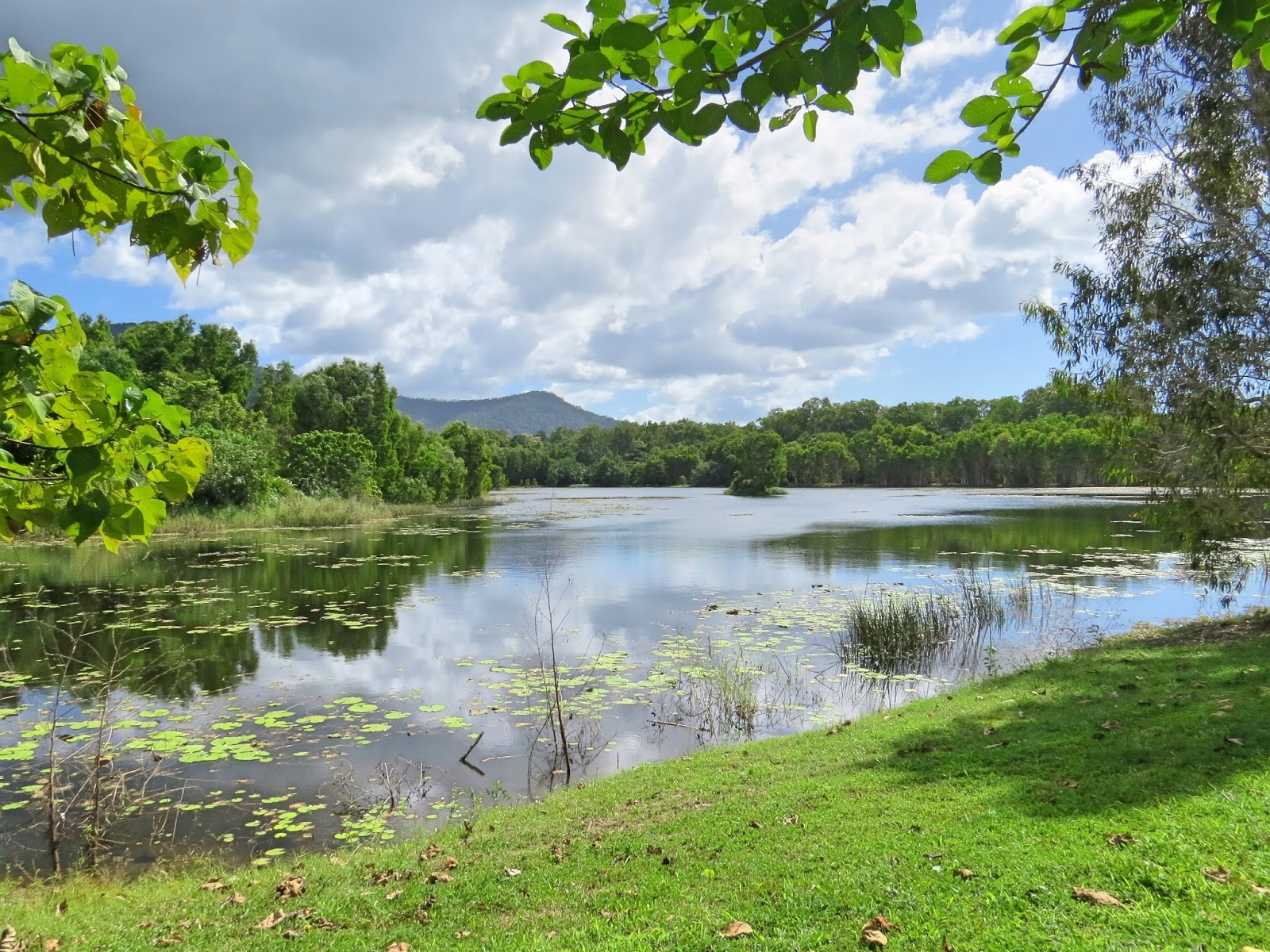
Sagar Lake at night from the hotel’s restaurant.

So this is the way it is. At the moment, I have to figure out how to store photos I’ve already used in our posts to avoid repeats. Thus, in the interim, if you see repeats, please bear with me. I’ll get through this.

Our shadows are shown in the photo, but the floor lighting was worth a shot.

Tomorrow is another long travel day with two flights with a layover in Kempegowda as we head to Chennai, where we’ll stay for three nights, checking out on March 7th, our 25th wedding anniversary.

A vulture was preparing to fly.

Today is our first “free day” where we don’t have any scheduled tours. We’re thrilled to have this day to unwind, relax, and get caught up on some tasks hanging over our heads. We walked across the road for breakfast at 8:00 am and will return for dinner at 7:00 pm when it re-opens.

These brown and white deer are called black deer.

We’ve both managed to find something suitable for dinner, but breakfast has been touchy for me with only eggs and runny plain yogurt on the menu to hold me for 11 hours. This morning I ordered a four egg vegetable omelet, which should get me through the day. There’s no bacon or chicken sausage served in this part of India.

A peacock was strutting his stuff with two peahens at a short distance.

We’ve found cultural differences in various parts of India, not unlike in parts of the USA and other countries. Grits aren’t popular in New York but are often a popular addition to meals in the South and, it goes on and on.

Two turtles, basking in the sun.

Dialects and accents are difficult to decipher in certain parts of India. Tom’s hearing problems (after years on the railroad) often leave me to translate for him, but usually, I don’t understand what I’m being told and have to ask repeatedly until I finally get it.

Once again, it was hard to see elephants performing labor, as shown in this photo, carrying a log, but it’s a part of Indian culture to domesticate elephants.

As we mentioned earlier, we’re the visitors in a foreign land, and we must adapt to their ways, not ours. And if they speak poor English, that’s our problem, not theirs.

Male and female wild dogs were spotted in Kanha National Park. Its repetitive whistles are so distinct that they can identify individual members of the pack. Habitat destruction is a significant threat to the estimated 2,500 Indian wild dogs remaining in the wild. They are found mainly in protected reserves and wildlife sanctuaries.

The customer service in most venues is on “island time,” as we’ve experienced in many other parts of the world. We have to forget our American expectations and “go with the flow” during more relaxed service.

The proud male wild dog seemed unruffled by our presence.

We prefer coffee/tea (that’s how they say it) before our meal, but it is often served after the meal in India. Again, we are patient when we may have to wait 15 to 20 minutes to get our coffee/tea before breakfast, even when there are few customers in the restaurant. 

There he was in all his striped glory, our fifth tiger sighting in India.

It’s a cultural thing centered around the Hindu philosophy and way of life consisting of low stress, going with the flow, gentleness, peace, prayer, and harmony. And even during the crazy traffic and horn honking on the roads, we’ve yet to see a single incidence of “road rage.” They are peaceful people, and we’re humbled to be among them during our 63 nights of travel in their country.

He was yawning at this point. All the safari vehicles were jockeying for position. We were in the wrong spot for better photos, but you take what you can when it comes to tigers.

We’re over halfway through our time in India, with many exciting tours upcoming on the horizon. Tomorrow’s post will be prepared in between flights and waiting times. But, we’re anxious to share some beautiful photos from yesterday’s tours as we head to yet another location.,

The Indian safari guides call these “owlets,” an actual term in nature depicting baby owls, one we’d never heard before.

Enjoy your day and evening in peace and harmony.           

Photo from one year ago today, March 4, 2019:

Tom called me outside to see the tiniest baby kudu we’ve seen to date. For more photos, please click here.

One of our favorite sites in India…The Best Exotic Marigold Hotel…

As only a tiny section of Ravla Khempur, also known as the Best Exotic Marigold Hotel, for the 2012 movie filmed on site.

Note: To all of our readers visiting our site via a smartphone, please click “View web version” under the word “Home” at the bottom of the page to access the web version enabling you to access all of our archives on the right side of the page. We’ll be updating our site in a few months, making these extra steps unnecessary. Thank you.When we originally booked an extra tour of Udaipur, we were greatly interested in staying in one of the luxurious historic hotels overlooking one of the gorgeous man-made lakes in the area.

We were delighted to see the curly ears of the Marwari horses at the hotel. 

We visited Udaipur during one of the excursions on the Maharajas Express Train on day three and posted the story and photos on day 4, as shown at this link. After reviewing our 55-night tour of the balance of India, it appeared we’d be repeating several venues we’d already visited in Udaipur on the train’s various excursions.

Each area of the property was artfully designed. From this site: “Ravla Khempur was chosen as the site or the Best Exotic Marigold Hotel; it is an equestrian hotel that was originally the palace of a tribal chieftain, located about an hour and a half outside of Udaipur in the village of Khempur. Madden considered the building to have a magical quality and unmistakable charm, remarking that it had “something special that could ultimately draw the characters in. It had these wonderful cool, dark interiors, with glimpses of saturated light and the teeming life outside its walls. Production designer Alan MacDonald, who won Best Art Direction in a Contemporary Film from the Art Directors Guild for his work, was brought in to embellish the interiors, intentionally making it clash with “interesting furniture inspired by colonial India, mismatched local textiles, all mixed with modern plastic bits and pieces, with everything distressed and weather-beaten. The footage was also shot at the Lake Palace Hotel at Lake Pichola.” (where we are now in Udaipur).

The concept of visiting previously seen venues didn’t appeal to us, and thus, we contacted Rajiv at Tailormade Journeys. He canceled the repeats, replacing them with other tours we’re doing now that we’re back in Udaipur.

Although the property is well-worn over its 400 years, it is amazingly well-preserved and maintained.

Had we known our hotel would be more modest than anticipated, we may not have wanted to return to Udaipur at all. However, after yesterday’s “replacement” tour to a place we’d found online, we are so happy we returned regardless of the less than perfect hotel.

We loved this sign, “The Best Exotic Marigold Hotel, for the Elderly & Beautiful.”

Yesterday, after a 90-minute car ride with our thoughtful driver and tour guide, Vishnu (named after one of the most revered Indian gods), we embarked on a journey to the village of Khempur, about 48 km, 30 miles, northwest of Udaipur (yes, it takes 90-minutes to travel 48 km, 30 miles in the dense traffic getting out of the city).

The pool was added after the filming of the movies. This ivy and flower-covered wall were stunning in person.

We felt the 16-hour long travel day on Sunday from Nagpur Airport proved to be well worth it as we drove up to the closed iron gates of the famous hotel from the US/British made movie, the Best Exotic Marigold Hotel, starring some of the finest senior actors in the business with stellar performances that grab at your heartstrings.

Nothing was spared in adding to the beauty of the property over the years.

Vishnu got out of the car to open the closed but not locked gates. At that point, we both thought the hotel had since been abandoned until a kind young man approached and welcomed us. Even that experience was comparable to that which one would see in a movie.

Each entrance has a unique and charming design.

Our mouths were agape as to what lay before our eyes in sheer wonder, curious to see what would happen next. As we followed the young man, who spoke snippets of English, we were then greeted by the manager, a kindly young man who spoke fluent English and offered to show us around. We gladly accepted.

A gorgeous Marwari female horse was checking out who’s come to call, specifically us.

He suggested we stop at the hotel dining room for coffee/tea after the tour, which, once again, we joyfully accepted. How amazing it was to sit in the beautifully appointed historic hotel used to make the 2012 movie, The Best Exotic Marigold Hotel, and later followed up with the sequel, The Second Best Exotic Marigold Hotel in 2015.

The horses were curious as to our visit.

Much to our surprise, the hotel is still operational and beautiful, creating an ambiance like none other. As we toured through the massive property with our host, we were entranced by its charm and historical appeal.

A handsome male, one of two stallions on the property.

Had we known it was still operational before booking the lengthy plans for India, nothing would have pleased me more than to have stayed there for a few weeks. What we found most surprising was the fact that there are 17 of the unique-to-India Marwari horses residing on the property described as follows below:

From this site
“The Marwari or Malani is a rare breed of horse from India’s Marwar (or Jodhpur) region. Known for its inward-turning ear tips, it comes in all equine colors, although piebald and skewbald patterns tend to be the most popular with buyers and breeders. It is known for its hardiness and is quite similar to the Kathiawari, another Indian breed from the Kathiawar region southwest of Marwar. Many breed members exhibit a natural ambling gait. The Marwari horses are descended from native Indian ponies crossed with Arabian horses, possibly with some Mongolian influence.
The historic property initially dated back to 1620 AD.

The Rathores, the traditional rulers of the Marwar region of western India, were the first to breed the Marwari. Beginning in the 12th century, they espoused strict breeding that promoted purity and hardiness. Used throughout history as a cavalry horse by the people of the Marwar region, the Marwari was noted for its loyalty and bravery in battle. 

This is the room where actor Judi Dench stayed during the filming of the movie.

The breed deteriorated in the 1930s when poor management practices reduced the breeding stock, but today has regained some of its popularity. The Marwari is used for light draught and agricultural work, as well as riding and packing. In 1995, a breed society was formed for the Marwari horse in India. 

Breathtaking.

The exportation of Marwari horses was banned for decades, but between 2000 and 2006, a small number of exports were allowed. Since 2008, visas allowing temporary travel of Marwari horses outside India have been available in small numbers. Though they are rare, they are becoming more popular outside of India due to their unique looks.”

Can you imagine lounging in this window seat with a cup of tea/coffee or wine?

We’re delighted to have seen the stunning and unique creatures up close and took more photos than we can use here. Their curly ears are quite the sight to see in person. 

We couldn’t stop smiling, not only due to the horses but in seeing this hotel, reeking with character and history after having seen the movie several years ago. 
This man spends time with this dog guarding the property.
Every room and its innovative design and outdoor space was indeed a treasure to behold, including the abundance of attractive curved archways and doorways to the endless number of daybeds and window seats.
The dinnerware in the hotel’s dining room is made of brass and depicts the Marwari horse’s head on the knives and hooves on the balance of the artful pieces.

After we completed the tour, our generous host offered us tea/coffee and sweet biscuits (cookies). Tom ate the cookies with his cup of dark roasted coffee while I sipped on a fine cup of black tea.

The horse theme is carried out through the property, as shown in these bridle buckles used in the design of the dining chairs.

As we sat in the gorgeous room, admiring everything around us, as shown in the photos below, I couldn’t help but wonder how magnificent it would be to stay in the hotel. No doubt, we were enamored. 

We had coffee/tea in this exquisite room with the Marwari horses looking in the windows at us from time to time. What a memorable experience it was indeed!

To contact the Best Exotic Marigold Hotel, also known as Ravla Khempur, and for information on their horses, dining, and hotel bookings, don’t hesitate to contact them at this link or by phone at +91 294 561773, or by email at this link.

A Marwari horse was standing at the window as we sipped on our beverages.
Finally, to our disappointment, it was time to go. We’d considered we’d overstayed our welcome, although our host seemed ecstatic to share his excellent hotel.
We were in an old vehicle, referred to as a Willy/Jeep.

Last night, after a pleasant dinner at the hotel’s restaurant, located across the street, we had a nice dinner, especially enjoying the scenes over Sagar Lake at night with the sounds of fireworks in the distance, birds singing in the night, and the smells of incense and Indian spices wafting through the air.

The marigold.

We headed back to our room, where we purchased the movie, The Best Exotic Marigold Hotel, and started watching the delightful story. In a few days, we’ll download the sequel and once again revel in the familiar rooms of this magnificent property.

India… It’s magical.

Note: A special thank you to the beautiful owner of Ajanta Photo, Level 5, Century Plaza Lake Palace Rd, Old City, near Kalaji Goraji, Udaipur, Rajasthan 313001, phone 982 808 3294 for delivering the much-needed SD card reader to our hotel today on concise notice when Amazon India refused to leave our order for this item at the hotel desk in our absence. Subsequently, we can now download photos from our camera to my new HP Chromebook, which didn’t have a slot for an SD card (go figure). 

Photo from one year ago today, March 3, 2019:

Tom tossed some seeds to Frank and The Mrs. For more photos, please click here.

Arrived in Udaipur after a 16 hour travel day…The latest tiger photos are delayed…The pure joy of safari…

We passed over many sprawling rivers in Kanha National Park.

Note: We’d intended to post the new tiger photos today, but apparently, our order for the camera-to-computer adapter from Amazon India didn’t get delivered. Subsequently, we’re posing other safari photos and will get caught up as soon as it arrives. Thanks for your patience.

By the time we arrived at our hotel in Udaipur, the Fateh Sagar Lake Hotel, it was already 8:30 pm. We’d left the Tuli Tiger Resort at 4:30 am. As expected, we were greeted by a tour guide at the layover point in Mumbai, who drove us to the next terminal and again by yet another tour guide at the airport when we arrived in Udaipur. 

The beauty in Kanha National Park is breathtaking.

This personalized service is slick. We never have to figure out where to go and how we’ll get there. It is all arranged for us, included in our Indi tour package with Tailormade Journeys. Rajiv has done a fine job covering each step of the way. From time to time, we have questions that are responded to quickly and efficiently.

On the first of two flights, I ordered a small container of almonds and a cup of tea. Tom never ate a thing. We’d planned to go to dinner upon arrival, but after being so tired, we decided to go to bed and hopefully sleep by 10:00 pm. For the first time in a long time, I slept through the night. Tom awoke several times but also managed to get sufficient sleep to feel refreshed today.

A pair of Sambar deer.

The included breakfast is served at the hotel’s restaurant, and we both looked forward to a hearty meal to start the day. Although we can’t get bacon or any facsimile, we usually eat lots of eggs with veggies for me and eggs and toast for Tom. It fills us for the day.

The hotel in Udaipur isn’t as plush as we’d expected. Still, it has a view of Sagar Lake, and our room is spacious, clean, and well-appointed with everything we need: good WiFi, air-con, comfortable bed, and good plug-ins for our adapters and converters.

The bulky gaur, a rare type of buffalo.

The hotel reminds me of those I’d visited in years past, which was historic with 1930s decor. We’re pretty OK here. We’re staying in Udaipur for four nights total, and on Thursday, March 5th, we’ll head to Chennai. In the interim, we’ll be visiting points of interest in Udaipur and surrounding areas starting today at noon. We’ll share photos and stories of those visits over the next few days.

But today, we wanted to wrap up our final safari experiences, including the last sighting of a tiger in Kanha National Park in Madhya Pradesh (there are 28 states in India and eight union territories).

Many people live within the national park in modest houses such as this.

At the moment, we’re awaiting the arrival of the SD card adapter. Once it arrives from Amazon India, I’ll download the photos from the camera, which contains all the final safari photos.

On the last day in Kanha, I went on both the morning and the afternoon game drives on my own. Tom felt a little under the weather and is fine now, but he wasn’t quite up to bouncing around in the safari vehicle for 10 hours.

As I sat alone in the center seat of the safari vehicle’s three rows of seats (including one row for the driver and the naturalist) with a park representative in the third row), I felt comfortable and at ease. I had three professional guides to focus on finding a tiger, and all I had to do was balance myself on the outrageously bumpy roads and take photos when we spotted something.

A peacock was searching for a mate.

Of course, my eyes were peeled on the surroundings, hoping to spot the familiar stripes of yet another tiger. Yet, it was almost equally exciting finding other exciting species such as those we’ve included in today’s photos.

Once the safari ended, I found Tom waiting for me in the lobby, where he stayed and worked on his laptop in my absence. It was great to see him, but I felt liberated and pleased with going on safari by myself.
 
After my long and difficult recovery, it felt good to be independent for a day after a year of Tom’s thoughtful and generous hovering. I’d managed to get in and out of the safari vehicle independently without him or anyone spotting me, which requires cautious maneuvering to avoid injury.
Sambar deer on the side of the road.

We didn’t sleep more than four hours on the last night in Kanah, and after the long travel day, I was exhausted last night. The substantial bouncing for 10-hours left me a little stiff and sore, but not unlike the feeling after a good and healthful workout. Today, I feel like new.
Today, we headed out on a much-anticipated exciting tour in Udaipur, details of which we’ll share in tomorrow’s post.

Have a fantastic Monday! We’ll be thinking of YOU!

Photo from one year ago today, March 2, 2020:

This adorable female kudu is suffering from TB, as indicated by the tumor on the left side of her face. For more, please click here.

Photos of Tuli Tiger Resort inside Kanha Tiger Reserve…

 
The spacious veranda outside the door to our lovely suite.

We’re having some technical issues. Maybe I should have bit the bullet and purchased another Windows laptop instead of a Chromebook. As it turned out in my haste to order, the HP Chromebook I ordered doesn’t have a slot for an SD camera card.

A small, casual bar in the dining area.

Subsequently, I’ve had to use my phone to take photos and although many come out well, using zoom is a missing aspect of using a smartphone as a camera. Now that we’re in the midst of another nine safaris after nine at the last location in the Bandhavgarh National Park, today I broke down and used the camera, getting many better shots than ever possible using the phone.

Now, I’m left with no way to load them. A few minutes ago I purchased an adapter from Amazon India with a proposed receipt date of Monday, March 1st, the date we arrive at our hotel in Udaipur. Hopefully, once again a shipment within India will work out as well as the last.

The spacious pool is near the dining and bar area.

As a result, in the interim, I will be uploaded only those photos we’d taken on our phone while continuing to use the camera. Once the adapter arrives on Monday when we’ll have more time, I’ll be able to share the many fine photos we took at Kanha Tiger Reserve.

After going out on four safaris as of today, with two more remaining tomorrow that encompass 10 hours of each day, we decided to split up today with me taking the 5:30 am session and Tom out right now on the afternoon session.

The grounds are filled with named indigenous vegetation befitting this type of resort.

Doing so left me with time to post today’s story and photos and to work on the Amazon order which is trickier than compared to ordering supplies from the US.

The bathroom is small but nicely appointed.

Since we don’t have a tremendous number of tours during our three nights in Udaipur, we’ll have time to upload the camera’s photos and get more caught up posting.

Plus, the WiFi in both safari resorts has been sketchy at best, in each case, off and on all day and only accessible from the reception office. Not being able to put up my feet and relax while preparing a post is a bit annoying, but soon we’ll be in a hotel with good service in our room (so says the online information).

There are several seating areas in our suite.

This resort is beautiful and well-appointed otherwise. Besides Tom’s disappointment with the food, we’re enjoying our time in this premium property.

So far, our 55-night tour of India is going quite well and we have a fabulous company, Tailormade Journeys continuing to work with us for any questions or concerns. We’ve been very pleased with their service working with rep Rajiv and his support staff in making this a seamless series of events, a highly complicated scenario for this extended period. They can be reached as follows:

Rajiv Wahie
Tailormade Journeys Limited
25 Grangewood , WEXHAM , SLOUGH , SL3 6LP , South Bucks. United Kingdom.
United Kingdom Tel : 01753 577330, 01753 201201 Mobile: 07739716978.
USA & Canada Toll Free : 1 – 855- 9 – 526526 , Canada :416-619-7795
Australia : 61-2-86078986Emailgreat-vacation@btconnect.com
The king-sized bed is very comfortable.
Well, that’s it for today folks. We’ve included photos of the lovely Tuli Tiger Resort. We’re looking forward to sharing more photos soon.
 
Be well.

Photo from one year ago today, February 28, 2019:

Mom and Babies hanging out by the recently cleaned cement pond. For more photos, please click here.

Wednesday was a travel day…Now amid more safaris at Kanha National Park…

Note: All of today’s photos were taken from the car on yesterday’s road trip. No captions needed.

Yesterday, as I wrote this post we were in a crisp clean white SUV with air-con comparable to other vehicles that have been transporting us from one location to another.

It was travel day once again with an expected 5½ hours drive time until we’d reach our destination and yet another safari camp, Tuli Tiger Resort, this time to Kanha National Park where we’d be spending another four nights with two game drives each day.

The drive is interrupted every three or four kilometers by small towns lined with shops and vendors selling fruit and vegetables, clothing, and a variety of tourist goods and household goods for the locals.

Cows, dogs, and goats wander through the streets aimlessly in search of the next meal and women walk with baskets of food and other items atop their heads, while men congregate in small groups discussing the events of the day.
The women wear colorful Hindu costumes impeccably draped and pleated regardless of their income level of poverty. The beautiful garb us unlike any other we’ve seen in the world. Although each town may have its own personality the premise of the Hindu philosophy is evident in every aspect of creating a certain familiarity from town to town.

Once back out on the highway, the landscape is brown and somewhat desolate, scattered with trees and vegetation of one sort or another.
It’s winter time here and until the monsoon season arrives everything the grasses remain brown and less hearty for the cows and other animals in search of good grazing fields.

With nary a patch of green for meandering cows and sheep, they often seek out public areas in hopes of food donations from the locals who appear at times to be very generous with their sacred cows. Hindus have a love of all creatures, both human and animals.

People often smile and wave as we pass through. School children in freshly pressed school uniforms play together in the streets without a toy or a ball and yet seem happy and content in their lives.

Their simple life is accepted with a powerful faith not so much as a religion but as a way of life leaving them grateful and accepting of whatever lifestyle they’ve been provided.

We are humbled and in awe of their dedication and their strength as they work their way through any obstacles life presents them. Many have no access to medical care, modern conveniences, clean water, and in many cases such taken for granted commodities such as electricity.

These individuals and families work together however they can to create the best life possible without complaint, without disharmony and without a longing for what could have been.

I often think of all the times I’d grumbled when making a call for customer service to end up with a heavily-accented Indian person on the line, often working in a hot uncomfortable boiler room taking calls for various digital and computer equipment companies all the way from India to provide customer service for companies in the US. Now, I have an entirely different perspective.

In a land of 1.3 billion people there’s is little to no government subsidies such as welfare, food stamps or government assistance. Overall, Indian people are on their own.

We’ve seen fewer homeless people here in India in the almost month we have been here than we saw in an equal time in the US. That speaks for itself and the powerful work ethic and life values imposed by their Hindu strength and principles.

This morning at 5:30 am we began our first morning safari from the resort. We didn’t see any tigers yet but we have five more safaris scheduled at this location, including another today at 2:30 pm. 

By the time we return for the afternoon game drive at 6:30 pm, we’ll freshen up for dinner, dine at 8:00 pm and head to bed shortly thereafter. It’s a busy and exhausting day but typical in the lives of wildlife enthusiasts like ourselves.

Have a fantastic day and night!

Photo from one year ago today, February 27, 2019:

The kudus give us “the look,” which means “more pellets please.” For more photos, please click here.

Safari adventures continue…The rigors of game drives…

A female sambar deer.

It wasn’t entirely about the Bengal Tiger. Safari in Bandhavgarh National Park also included many other forms of wildlife and, as shown, some stunning scenery along the way.

This baby elephant was being prepped for humans to ride him in search of tigers. Riding an elephant is a custom in India, but we wouldn’t ride one, as most of our readers know. 

The morning drive beginning at 6:00 am each day was cold, and we were covered with the blankets provided by the resort. The roads are as bumpy as can be, and thus, those with back or spine problems would be miserable during either the morning or afternoon game drives.

The baby’s mother was chained nearby. I supposed the chains are the saddest part affecting us animal lovers. We have to respect the customs in other countries as we travel the world. After all, we don’t cringe when horses are ridden.

Bathroom breaks are at a premium, and often the toilet is but a hole in the ground, not conducive for us women wearing pants. What a challenge that is! I choose not to drink any fluids in the morning to avoid the necessity. Of course, for men, behind a tree works well.

A white gum tree, the bark of which is used by locals for medicinal purposes.

Between the morning and afternoon game drives, one can expect to be out for no less than 8½ to 9½, making for a very long day. There’s a 3½ hour break between the morning and afternoon game drives, allowing time for lunch in the dining room. All Indian food is spicy and flavorful (not necessarily delectable to Tom. He ordered separately on most occasions).

When we stopped during the safari for our packed breakfast, consisting of boiled eggs, toast, and muffins for Tom and vegetables for me, a few cows entered the picnic area in the park.

Climbing in and out of the safari vehicles is not easy. It was challenging. But I managed well. My legs did not fully recover, but I kept a stiff upper lip and did so with nary a whimper. Tom stood close by, spotting me in the event of a fall.

Not easy to see in this photo taken at quite a distance, a tiger is dining on her catch.

In other words, safari is not necessarily for everyone. But, for us, after years of experience in Africa, we didn’t complain a bit and bounced our way through hour after hour of game drives through the rough terrain.

We saw many of these vine trees in the park.

Our fantastic safari driver was with us throughout the three days, and in each session, a different naturalist joined us. But, our driver Babalu was most knowledgeable after 27 years as a safari driver. 

“Apart from being a rich wildlife reserve, Bandhavgarh National Park in Madhya Pradesh has other ways to beguile travel aficionados. One can be interested in noticing an age-old fort called the Hill Fort or Bandhavgarh Fort standing right in the middle of the national park. This majestic fort allows visitors to peep inside the rich history and shows the prominent influence of religion in the state. So, what exactly are we talking about here? Well, we are focusing on the priceless heritage that includes the cave dwellings, shrines, and several sculptures that indicate the strong faith in the power of Lord Vishnu here.”

We wouldn’t have needed the naturalist when many barely spoke English (our problem, not theirs. We are in “their” country, after all) but seemed to provide good service as spotters whose hearing is acute and eyesight keen for sightings.

A Common Kingfisher.

When a tiger is nearby, the spotted deer make a barking warning sound. The driver and naturalist quickly picked up these sounds, and then the watch for the elusive tiger would begin. We’d often sit quietly in the vehicle at the side of the road for 20 or 30 minutes, watching and waiting for the animal to appear.

A gorgeous sunset over Bandvargarh National Park in India.

There’s tremendous with no sightings of any animals and others when they were in abundance. On a few occasions, they did appear. On many more other occasions, they did not. An impatient person would not do well under these circumstances.

Another photo of the tiger we spotted.

Since my camera card doesn’t work with my new Chromebook (no slot), I couldn’t use my camera until I purchased an adapter or cord. Subsequently, all of our photos were taken with our Google phones, not the best for zooming in, as we all know. There was a bit of frustration over this on my part.

Male spotted deer.

Plus, the photos from our phone, which generally would appear on my laptop within a few hours of taking them, didn’t appear for at least 24 hours with the slow WiFi signal using my phone as a hot spot or when sitting in the reception area of the resort. Yesterday, photos appeared on my laptop in a more timely fashion, and I was able to do yesterday’s and today’s posts in a little more timely manner.

Rare wild buffalo is referred to as a gaur. We were excited to spot this elusive animal.

We apologize for the lack of a post on Monday. No matter how hard I tried, I couldn’t get photos to load. There was no point in writing a story about a fine artist without uploading the images I took in the shop, especially when I was thrilled with their clarity.

Mom and baby wild boar. I love all types of pigs. This was no exception.

If you didn’t have an opportunity to see yesterday’s post, please click here.

Today, we are moving again on another over five-hour drive to the next safari lodge in our itinerary. We’ll be back with more on that soon.

Photo from one year ago today, February 26, 2019:

This is our Basket, the Bully, who was thrilled to see we’d returned to the bush.  Many weeks ago, he appeared with a bloody right ear, which now is but a stubble of an ear that seems to have healed nicely. For more photos, please click here.

A noteworthy artist at Tiger’s Den Resort…A wildlife artist beyond comprehension…Rakesh Prajapali…

Perfection!

Over the past 48 hours at the Tiger’s Den Resort, we’ve been so wrapped up in going out on safari twice a day (8½ hours a day) and dining on delicious food three times a day, we’ve had time for little else.

With the resort’s WiFi connection only available in the reception area, preparing posts in our room using my phone hotspot technology has been slow and laborious. The only position I’d uploaded from here was yesterday’s story after our first tiger sighting. Please click here for details.

Endearing…

However, getting up at 5:00 am and being safari-ready by 6:00 has left me a little weary and preferring to stay in our beautifully appointed room when not in the jeep or dining room.
Today, I decided to bite the bullet and head to the reception area, where the signal is perfect. Also, today, after last night’s heavy rain and hail, this morning’s sightings were few in the safari areas of the park. 

After a five-hour foray of searching for the elusive tiger, after yesterday’s great success, we decided to forgo the afternoon game drive and stay in at the reception area to do a post that was nagging at me… The stunning work of Rakesh Prajapati, a young and vibrant wildlife artist like none we’ve ever seen in our over seven years of world travel.

Darling cubs are so beautifully represented.

We happened across his fine work by accident. When staying in a hotel or resort, we may breeze through a gift shop paying little attention to the typical trinkets-type inventory offered to impulsive tourists, often overpriced and often unused and unappreciated once returning to one’s country of residence.

When we casually entered the “Souvenir Shop” after dinner our first night here, when at that point, we’d yet to embark upon the first of many safaris and weren’t quite as tired as we are now, our mouths were agape at what our eyes beheld.

There before our eyes, lie the most exquisite paintings we’d ever seen of any wildlife, let alone the mysterious Bengal Tiger, only found in India, with only 2500 remaining nationwide. 

Stunning!

Leaning against a glass countertop stood a handsome young man, Rakesh with a tiny paintbrush in his hand, painting an exquisite rendition of a tiger from a photo he’d taken here in the Bandhavgarh National Park with its 1536 square kilometers (593 square miles) surrounding this and other safari resorts.

After being engrossed in his work, I asked him if we could highlight him with a story and photos of his actual paintings, and, let me stress, these aren’t photos of photos.  These are photos of his real paintings.

Of course, the tiger is a perfect subject for the skilled and determined artist, but Rakesh has taken this advantage to an incomprehensible level. After seeing hi

Such fine detail.

Today, we share a few of Rakesh’s stunning works (painted, not photos) and invite any of our readers who may so wish to contact him directly if you’d love one of his masterpieces. 

He ships his works worldwide in a secure cardboard tube for your framing preferences once received. Prices range from INR 5000 (US $70) to INR 75000 (US $1043) plus shipping. The sizes of each original painting vary. Feel free to inquire as to the size of each masterpiece. Many would ideally encompass a substantially sized wall.

To reach Rakesh, contact him at his email here: prajapatirakesh73@gmail.com.

Rakesh paints a wide array of subjects, human and animal, besides tigers. Outstanding work!

As for this resort, Tiger’s Den Resort, we couldn’t be more pleased. The grounds, rooms, and public areas represent a vast wildlife and safari persona. The service is impeccable. Monkeys, birds, and a few lovely German Shephard dogs protect the guests and yet are friendly and welcoming. The area is safe and unhindered by many risks one may find in more populated areas.

We will leave here tomorrow but will take many good memories of Rakesh, Tiger’s Den Resort, and its staff.

Happy Day!
(Today, it is one year ago that I resumed posting after a two-week break after open-heart surgery).

Photo from one year ago today, February 25, 2019:

Tom had cut several stalks of celery, saving the scraps for the kudus, bushbucks, and zebras, all of which love celery.  For more photos, please click here.

Safari luck prevails in India…The elusive Bengal Tiger…How lucky could we be?…

There she was. We couldn’t have asked for a better vantage point.

We never expected to see a tiger in India. However, we’re scheduled for six whole days on safari in two different national parks. We are now at Tiger’s Den Resort in Bandhavgarh National Park and upcoming on the 26th, Tuli Tiger Resort in Kanha National Park.

We were up bright and early at 5:00 am and having coffee tea (as they call morning beverages here in India) by 5:30 am in the dining room of our lovely resort. Both of us were still tired but also pumped for our first-morning game drive that began at 6:00 am while it was still dark.

Our hearts were pounding with excitement while we attempted to take photos.

We were bundled up with blankets on a chilly morning as we headed to Gate 1 of 3. Our diligent travel agent for India planned for us, a driver and a naturalist, alone in a small open-sided vehicle Jeep with elevated seats.

The naturalist sat in behind us on the seats usually reserved for additional guests to ensure we could easily hear him and provide him with an elevated view.

After the first hour and a half without seeing more than some spotted deer, monkeys, and bush chickens, we resigned ourselves to the fact that spotting the elusive tiger may be more of a dream than a reality. 

Such a beautiful animal!

And then, around 8:00 am, it happened. Our guides were able to predict a tiger in the area when varying antelopes were rapidly on the move, monkeys and birds were particularly noisy.

Suddenly, we were hopeful but still kept our enthusiasm in check. And that, she caused no less than ten other safari vehicles to jockey for position to get a glimpse of her majesty.

She was walking perpendicular to the road, and as shown in our photos, she bravely crossed the road at one point. Our guide explained the tigers weren’t as intimated by safari vehicles as one might think. They grew up in the park, a popular destination for many wildlife enthusiasts for decades.

Oh, yes, I wish we could have been able to get better photos with more closeups. But, since my new laptop arrived, I sadly discovered it didn’t have a slot for a camera data card. I tried to Bluetooth the camera to the laptop, but that didn’t work.

She didn’t seem to be disturbed by all the gawkers. 

The only option for the future is to purchase an adapter to fit Chromebook, but for now, we’re sadly stuck using our phones. And, although the photos are adequate, they surely aren’t the closeups we’d have been able to get with the camera.

Right now, using my phone as a hotspot, since there’s no WiFi in the rooms at the resort (not good), I was having trouble gaining access to the photos in a timely fashion. Hopefully, by dinnertime, the images were in my cloud, ready to be uploaded to this post. 

A pretty scene we spotted in the national park.

Hopefully, as you are reading this, we’ll have plenty of photos we could upload.

This afternoon at 2:30 pm, after the 1:00 pm lunch, we’ll go out on our second game drive of the day. After seeing this morning’s tiger, we can sit back and relax and enjoy nature, and whatever may come our way.

Happy day to all. We’ll be back with more soon.

Travel day…We’ve arrived in Bandhavgarh National Park…Here we go eight days of safari in India…

 
“The Khajuraho Group of Monuments is a group of Hindu temples and Jain temples in Chhatarpur district, Madhya Pradesh India, about 175 kilometers southeast of Jhansi. They are a UNESCO World Heritage Site. The temples are famous for their nagara-style architectural symbolism and their erotic sculptures.”

These five or six-hour road trips teach us a lot more about India than any other tourist venues we’ve been visiting day after day. Traveling through the countryside of this country with a population of over 1.3 billion is, without a doubt, eye-opening.

Today on our way to the Tiger’s Den Resort in Bandhavgarh National Park, we acquired yet another perspective of life in India away from the big cities we’ve visited date.

We couldn’t have been more thrilled with our private tour guide, Dr. Anand Tiwari, who had a doctor’s degree in Hindu idols. He explained he’d done a tour the previous day with guests on the Maharajas Express! What a coincidence and an honor for us! He can be reached here for tours.

The distance between towns is often as little as two to three kilometers. Then suddenly, we were caught in yet another dilemma of honking horn traffic, tuk-tuks, trucks, motorbikes, bicycles, cows, goats, and dogs in the streets.

Again, vendor lean-tos line every possible surface with impoverished sellers soliciting passersby, mainly tourists like ourselves. The amount of poverty before our eyes is unbelievable, yet these cheerful people seem to take their circumstances in their stride. 

It’s ironic, but we visited this historic site on a particular day, the wedding anniversary of the revered Lord Shiva, as part of an annual festival. This stairway to his temple was packed with visitors coming from all over India to honor him.

Sure, there are apparent homeless beggars in the street, but overall the people seem to be preoccupied with their work and tasks at hand, often with a smile on their faces. We are the “odd-man-out,” and they may look at us in a state of sheer wonder and curiosity. F

The carvings on the temple resulted in many years of work by skilled artists.

Our India travel agency and rep Rajiv didn’t let us down. Upon arrival at the beautiful upscale safari camp, Tiger’s Den Resort, we were escorted to our beautifully appointed “luxury accommodation” (as they described our room) to find it to be perfect. 

It’s not a tent. It’s a series of rooms, each with its small veranda connected as duplexes might be by a common wall, each with direct access to the outdoors. The furnishes remind us of India in the 1920’s such as the former retail shop in the US, Bombay Trading Company.

The various temples are breathtaking.

As soon as we arrived and explained my special diet, our reception host brought my food list to the chef, who met with me to discuss options. I made it easy for him. Prepare chicken or fish in butter (not harmful oils) with a side of steamed vegetables without starch. Add two hard-boiled eggs at breakfast and lunch, not dinner. Easy peasy.

Visitors climbed these steep, uneven steps, but we opted to observe rather than rise.

We had a nice lunch in the nearby dining room, and now we’re situated in our room or outdoors on the veranda until dinner at 7:30 pm. Perhaps we’ll order a glass of wine for me and a beer for Tom to enjoy on the veranda. Humm…sound familiar…just like South Africa.

Tomorrow at 6:00 am, we’ll experience the first of six safaris we’re scheduled for during our four days at this camp. Our travel agent booked us for “private” safaris each time, with a driver and a naturalist on board in the vehicle. We didn’t expect this but are delighted. It was included in our package. 

We’re posting only two Kamasutra photos etched into the temples here, but they are a part of the history and needed to be represented.

Unfortunately, there’s no WiFi in the rooms, so at the moment, I’m using my Google World phone as a hotspot, and although the signal isn’t great in this area, it’s working. It will cost us quite a lot for the data we expect to use, but sometimes, we have to bear such expenses.

Most likely, when we head to our next location on the 26th, there will be more of the same. The only expenses we’ll incur at either of these safari camps will be tips and beverages. Three meals a day are included in the package. A picnic breakfast will be provided when we go on safari in the morning. Nice.

Another hand-carved representation of Kamasutra as it was practiced centuries ago. It is no longer accepted based on the polyamory (multiple partners) premise frowned upon by the Hindu people.

So now, I must get to the photos of the fantastic tour we had yesterday in Khajuraho to some of the most stunning temples we’ve seen to date. Again, we don’t have much time until dinner, so I need to wrap this up quickly.

This is a goddess surrounded by servants and admirers.

Gosh, I’m excited to be here. It reminds me of Africa, and nothing warms my heart more than that! Will we see a tiger? Maybe, maybe not. But whatever we see, we’ll share here with all of you.
Happy day.

Last post with Varanasi photos…Visit to a textile company…King of Brocade Weaving Centre…

                           Exquisite handmade silk brocade made on-site at Tiwari International.

 
We are experiencing awful Wi-Fi issues at the Ramada Hotel in Khajuraho, India. The town is considerably smaller than many we’ve visited over the past three weeks and without a doubt, this is the worse signal we’ve experienced.
The quality of the work is evident in every piece.

For the past several hours, I have been trying, off and on, to complete and upload today’s post about a fantastic silk-weaving facility we visited on our last day in Varanasi.

Neatly arranged shelves with countless fabrics in varying designs and colors.

From time to time, over the past seven-plus years we’ve been traveling, we’ve had an opportunity to describe and subsequently promote a small business we encounter along the way. 

Whether it is a barbershop, gift shop, street vendor, or luxury shop as we describe today, we’ve always enjoyed sharing details with our many worldwide readers.

Shelves are lined with stunning fabrics suitable for the wardrobe for Indian women and men, tourists, and many household goods such as draperies, furniture, bedspreads, pillows, etc.

Should any of you decide to visit Varanasi in the future, the stunning shop is worth a visit. I drooled over the gorgeous Pashmina shawls and scarves and only wished I’d had room in my luggage for one or two.

The staff was busy working with customers.

Unfortunately, after recently paying the airlines for overweight baggage, there was no way I could purchase even the lightest item and have it make sense. Plus, I cannot wear scarves often when I attempt to keep my clothing accessories to a minimum.

But, as we travel throughout India, we find most women, Indians, and tourists wearing scarves and shawls. Once women arrive in India from other countries, they immediately adopt the scarf concept to blend in with the population.

The shop also offered a wide array of ready-made clothing, including scarves and Pashmina shawls.

On the Maharajas Express, we all received no less than eight scarves as gifts at various stations as welcome gifts. I will have no choice but to give them away along the way. No doubt they contributed to my bag being overweight when some of them were pretty heavy.

But, few travelers have the same issue of “traveling light,” and many tourists come to India for shopping which is exceptionally exciting in this land of diversity and color.

The owner escorted us to the fabricating area, where a diligent weaver was hard at work.

Tiwari International appears to be a family-owned business. With the shop so busy when we arrived, we had little time to speak to the owner/manager Keshav Tiwari who was extremely kind and welcoming, even knowing we were “lookers,” not “shoppers.”

He was excited to share that actress Goldie Hawn had recently visited the shop, as he pointed to the framed photo on the wall as shown here in our photo. They were so proud to have a celebrity visit but equally enthused to welcome us.

This photo of actress Goldie Hawn hung on the wall in the shop. The staff was proud she’d come to visit and purchase several products.

We told Keshav about our visit to India and our site and promised him a story with today’s photos as a thank you for showing us around. He couldn’t have been more pleased, as were we.

The quality of their products is breathtaking, and we reveled in every category of cloth he showed us. Of course, we were in awe of the artistry he showed us by one of his workers, diligently at work on a loom. 

The finest of detail went into this lovely brocade, almost completed.

When he explained how time-consuming and deliberate the work is, we were all the more in awe of his massive inventory. Prices are reasonable, and support staff is available to assist in selections.

From their website, the following:


“Banarasi Brocades, as the world knows it, is called by the name kinkab in Varanasi. A high-quality weaving is done using gold and silver threads. Silk Threads are also used as well. The most common motifs include scroll patterns and butidars designs. The other designs are Jewelry designs, birds, animals, flowers, creepers, paisley motifs. Hindu religious and Mughal motifs also influenced brocade designs. When a Gold embellishment is done on a silver background, it is called Ganga-Jamuna in the local language.
This elderly weaver spent long days working at these looms.

The designs are first drawn on paper. The person who draws the layout is called Naqshbandi. The main weaver is assisted by a helper. This design is then woven on a small wooden frame to form a grid of warp and weft. 

The process is slow and painstaking, requiring intense concentration and expertise.

The requisite number of warp threads and the extra weft threads are woven on the loom. The famous tissue sari of Varanasi is unbelievably delicate, combining the use of gold and silver metallic threads.”

It was fascinating to observe the complicated and time-consuming process.
Finally, attention from Keshav was required, and we bid him thanks and good day with a typical Indian hands-together-bow, and we were on our way back out into the crazy traffic of Varanasi.
We had an opportunity to handle this finest of silk made by worms and of great value.

It was delightful, as always, to see how local products are made, adding even more substance and interest to sightseeing outings.

That’s it for today. Now, the challenge of uploading this post. Tomorrow, we’re embarking on an exciting road trip which begins at 8:30 am, taking us to one of our most sought-after adventures in India…eight days of safari in two distinct national parks where we’ll live in camps. Yeah!

Artistic design, coupled with great skill, produces such fine works as this.

Thanks to all of you for the many birthday wishes. Your kindness means the world to me!