Travel Tips for Wildlife Photographers around the World….

Maasai Mara in Kenya
How did we get so close, so lucky to get this shot?  We ended up calling it “safari luck” when we saw the Big Five in the first 10 hours on safari. The photo was taken in the Maasai Mara in Kenya.

Note: Today’s lengthy post is #4 of 5 required for SEO (Search Engine Optimization).

Today’s post is not intended to be a photographic instruction piece. Your equipment isn’t a point of discussion for our purposes here. Also, I will preface that I am not a photographic expert by any means. Preparing 3000 posts over these past years has been our primary focus. As much as we’ve loved sharing our photos, becoming experts in photo-taking wasn’t a goal of ours. Others may say it should have been.

Sure, excellent photography skills would have been an asset. Somehow, my interest in acquiring those skills has not been at the forefront of my mind. But, our worldwide journey has been wrapped around our goal of doing and being whoever we chose to be, at any given time, as we’ve scoured the world, not necessarily doing and being what is expected of us. We are merely typical travelers, who happen to hold a camera in our hands, excited to share what we see through our eyes, not a perfect, perhaps edited version of what treasures we behold.

More so, our somewhat simple goal has been to share with our family/readers/friends inspirations that which we’ve gleaned from our eight years of non-stop world travel (barring the over six months we’ve been stuck in a hotel room in Mumbai, India, while in lockdown, due to COVID-19). Thus, our topic of travel tips for wildlife photographers around the world is more about the “where,” the “what,” and the “when” to take photos of wildlife, as opposed to the instructive mode of “how.”

older elephant resting his trunk on his tusk
In most cases, we were within 25 feet of any of the animals in our photos. Notice this older elephant resting his trunk on his tusk. Our guide assumed this old male to be around 60 years old, close to his life expectancy. The photo was taken in the Maasai Mara in Kenya.

Undoubtedly, some of today’s travel tips for wildlife photographers worldwide will include a portion of the “how” when positioning yourself and your subject for the ideal shot, not necessarily the perfect image. It may be a shot that bespeaks your passion, as it has with us, for animals in the wild and then those that may not be in the wild, which are equally fascinating and photo-worthy.

Why write travel tips for wildlife photographers around the world?…

Unable to take photos these past many months, we’d decided early on in this confinement to take advantage of the thousands of photos we’ve posted throughout the past eight years and share them once again. This provided us with fodder for our daily uploads while fulfilling the expectation of our years-long readers throughout the world. Only early in our journey in 2012, we failed to post photos when we had virtually no experience in using a camera and little interest in learning to do so.

Over the years, we bought a few upgrades from the first purchase we made while at a port of call on our first cruise at a Walmart store in Puerto Vallarta, Mexico. . No more than a few days into our journey, we realized, a few shots here and there, taken using our phones, weren’t going to be sufficient. We purchased a small-sized Samsung point and shoot when I thought it was kind of “cute” since the exterior was pink. Oh, good grief! We had no clue how to use it!

Oxpeckers can dig into the flesh of animals to extract parasites
Oxpeckers can dig into the flesh of animals to extract parasites, ticks, and other insects that may burrow under their skin, as is the case of this kudu. Sadly once the insect is extracted, the oxpecker may continue to peck at the injured site, making matters worse. The photo was taken in Marloth Park, South Africa.

Had other world travelers written such a post describing travel tips for wildlife photographers worldwide, we may have checked it out. But, in 2012, there were few people online doing what we have been doing; traveling the world for years to come, without a home, without storage, with only the items in our then overweight luggage (we’ve since improved that scenario), intent on finding appropriate wildlife subjects in most countries in their itinerary.

Had we discovered such a site that emphatically stated we had to learn all the camera features and how to use them, I may have looked the other way, Tom included. Comparable to our lack of interest in bungee jumping, learning the nuances of a camera wasn’t in our wheelhouse. We just weren’t interested.

So, today, for the first time in almost 3000 posts, which we’ll achieve in less than 30 days (within two days of our eighth travel anniversary), we’ll be delighted to share what we’ve learned for the where the what. The when of taking photos that may not be perfect, but will hopefully fill your hearts with blissful memories of places you’ve been and wildlife you’ve been blessed to see and experience, both in the wild and elsewhere.

wildlife photographers around the world
Finding the rarely seen Colobus Monkey put me on a photo-taking frenzy. The photo was taken in Diani Beach, Kenya.

The “where” of travel tips for wildlife photographers around the world?

It’s been these very photos that prompted us to write travel tips for wildlife photographers around the world, that may include the more experienced photographer and also those who, like us at one point, could barely figure out how to use the flash or the zoom, let alone more complicated settings.

When we decided to travel the world early in 2012, we were ready to go ten months later, having sold every worldly possession while booking two years into the future to provide us with peace of mind in knowing we had a place to live wherever we traveled. In the process, we kept in mind our preferences regarding the type of life we wanted to live, the type of property we wanted to live in, and the surroundings we craved.
wildlife photographer in Kruger National Park, South Africa
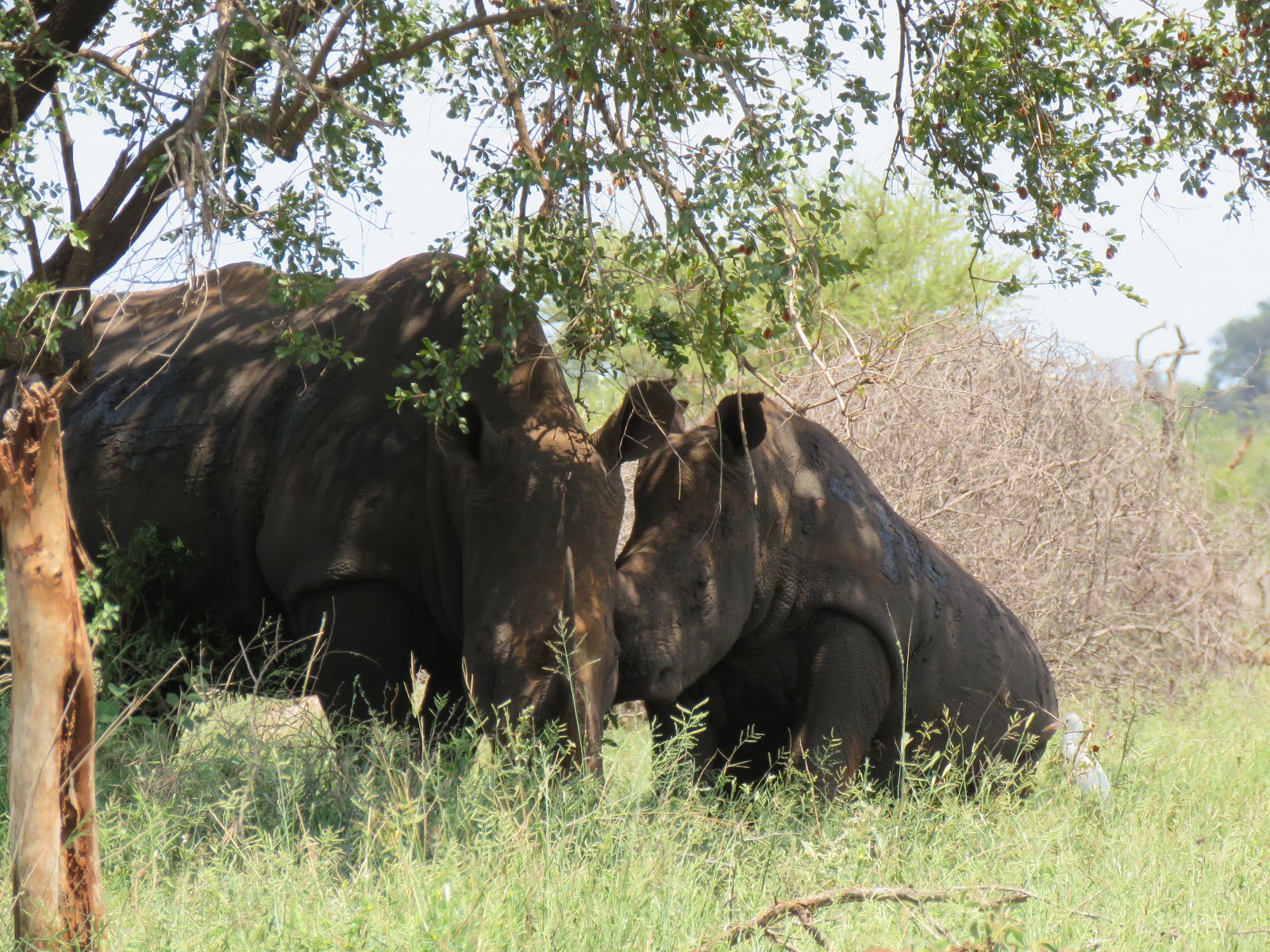
We waited patiently, and mom stood while the baby sat up on their hind end, nose touching mom. The photo was taken in Kruger National Park, South Africa.

What appealed most to our tastes and desires were a few vital factors:

  1. Beautiful surroundings and scenery, when possible
  2. An abundance of nature within easy reach
  3. Access to experiencing wildlife and other animals daily, if possible
    wildlife photographer in Princeville, Kauai, Hawaii
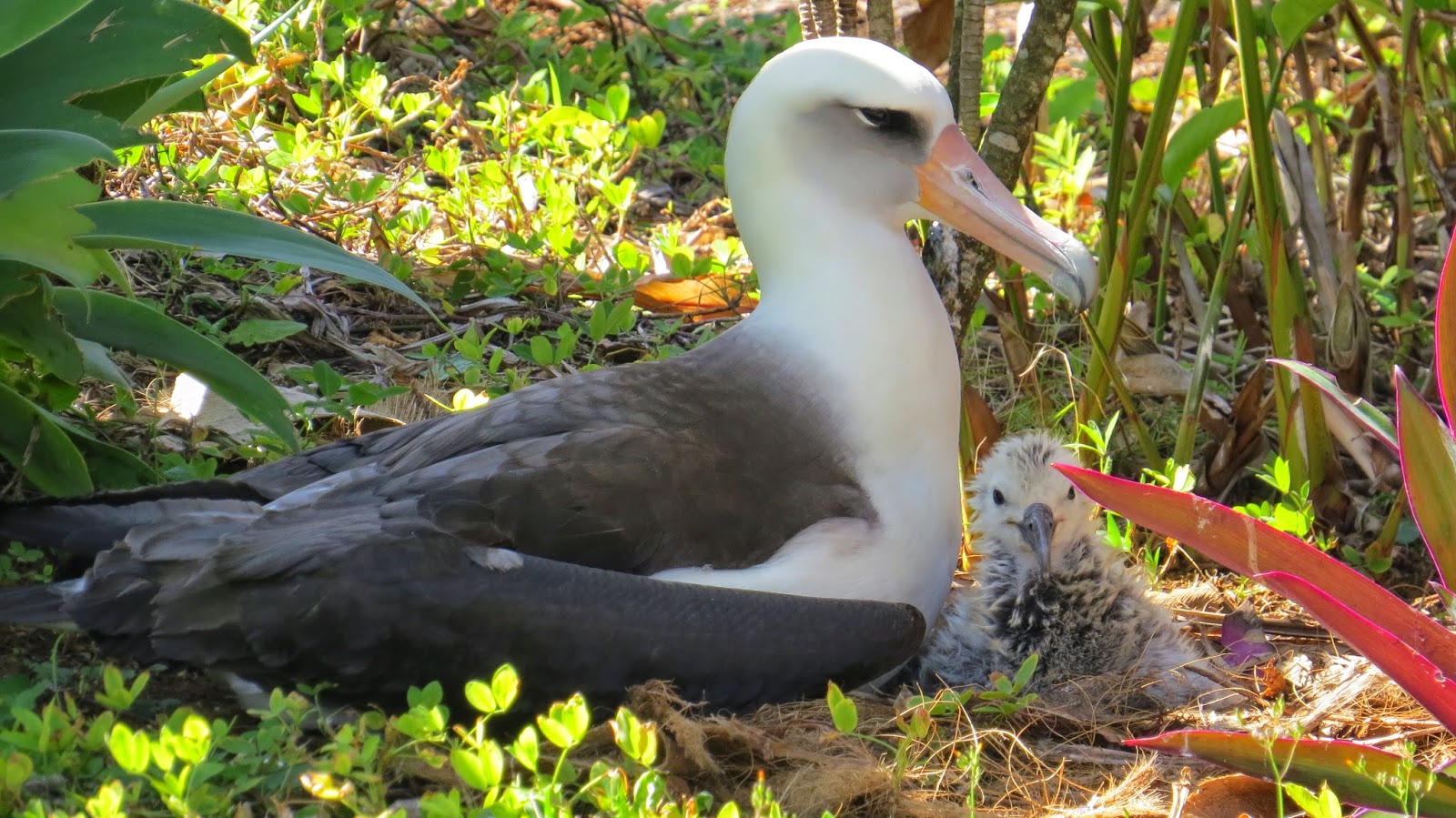
    This Laysan Albatross parent and chick sit close to one another until the chick becomes more confident and the parents feel more at ease. In time, the chick will be left behind on its own to fledge, most likely five to six months later. At five years of age, they will return with a mate and begin the life cycle all over again. The photo was taken in Princeville, Kauai, Hawaii.
Utmost in our travels, access to wildlife became more and more important to us as time continued. We’d seen all the historic buildings, churches, and structures, to satisfy a lifetime. We’d dined in excellent restaurants befitting my way of eating. We shopped in unique local markets, adapting to available foods and resources. We experienced the nuances of cultural differences from what we’d known in our old lives and met countless people everywhere we traveled.

But, as far as travel tips for wildlife photographers worldwide, where one chooses to go is of the utmost importance. In Dubai, we were disappointed with little wildlife, other than camels, available for photo-taking, as well as in Morocco. We went wild with delight over the vast array of birds in Costa Rica. We loved shepherding sheep on a farm in England. And, we giggled at a pig farm in Tasmania, Australia.

wildlife photographer in New Plymouth New Zealand
Alpacas are excellent photo subjects. The photo was taken on an alpaca farm in New Plymouth, New Zealand.

In Madeira, Portugal, we saw dolphins and whales while on a catamaran tour out to sea. In Hawaii, the birds, whales, and other sea creatures were in abundance. In Antarctica, we were in heaven with the sheer numbers of penguins, killer whales, elephant seals, and birds, let alone the scenery beyond our wildest dreams.

It all boils down to what you’d like to accomplish in your travels. If wildlife is your top priority, it’s essential to research to determine if the location you’re hoping to visit has an abundance of wildlife. Many countries we’d assumed would be rife with wild animals were not necessarily the case when the only means of taking photos of very elusive animals was while on a planned safari.

No doubt, we’ve been on safari no less than 100 times over the past years; some guided tours, some with a private guide, and many of our own as “self-drives” through national parks. In each of these cases, one must be prepared to be patient and accept the reality that, at times, you may not be able to take a single photo of the more elusive animals and only see the usual plentiful antelopes and birds.

wildlife photographer in the Maasai Mara in Kenya
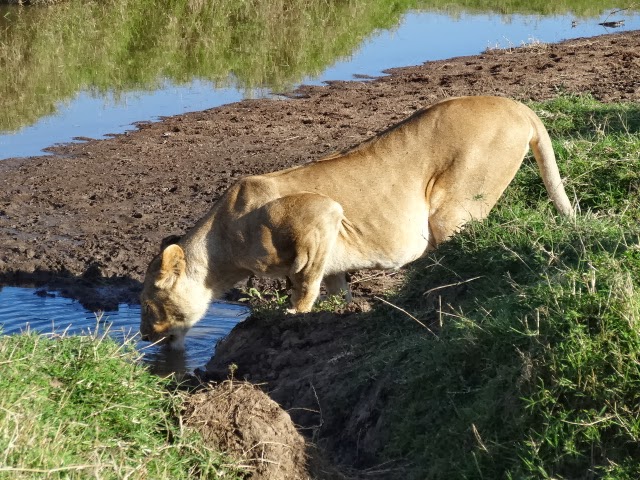
The photo was taken in the Maasai Mara in Kenya. We were in a Toyota Land Cruiser with open sides, 25 feet from the lion. Much to our surprise, we never felt frightened or at risk at close range to any of these giant animals, including this massive male lion who gave us a great show. In the background, in the carcass of a zebra, this lion savored for lunch.

For birdwatching enthusiasts, almost every country has a plethora of birds presenting countless photo ops. Taking photos of birds in flight requires superior camera skills, which not every amateur photographer possesses, as has been the case in most scenarios. However, some of our favorite photos are of the Laysan Albatross in Kauai, Hawaii, and of course, in the millions of penguins in Antarctica, a photographer’s dream come true.

In researching possible destinations, essential travel tips for wildlife photographers worldwide determine how critical multitudes in photos are to you or if a select number will satisfy your needs and curiosity. With our daily posts taking tens of thousands of images each year, the numbers of decent shots are essential. For the average traveler, returning home with 100 good photos may be fulfilling. It’s essential to decide where you are on the spectrum.

The “what” of travel tips for wildlife photographers around the world?

Amid all the decisions in deciding on locations, one must define what is most vital for you to see and photograph. If lions are at the top of your list, Africa is, by far, the most suitable continent to visit, especially if you choose to stay for a while. But, not every country in Africa is safe to see, nor is there an abundance of lions easily accessed in some countries in Africa.

wildlife photographer in Atenas, Costa Rica
Tom’s photo. What a shot of the classic “Froot Loops” cereal (per Tom) Toucan, technically known as the Rainbow-billed Toucan, aka the Keel-billed Toucan. The photo was taken in Atenas, Costa Rica.

We chose Kenya and South Africa as one of our many goals in seeing lions. We were never disappointed in each of these countries. When it came to tigers, we knew India was our best option. There are 13 countries where tigers may be spotted, but for us, India proved to have the best opportunities to encounter them in the wild.

We should mention that animals in zoos and wildlife facilities do not fulfill our objectives. If that were the case, one could visit a zoo in their hometown or home country. The wild aspect has been a top priority for us when we have distinct opinions we won’t share here today about wild animals locked in cages or small enclosures.

That’s not to say, many rehabilitation centers throughout the world may have excellent open spaces for wildlife with the intent of eventually releasing them back into the wild when possible. We have visited many of these, some of which we’ve found rewarding, providing excellent photo ops as shown in our past posts.
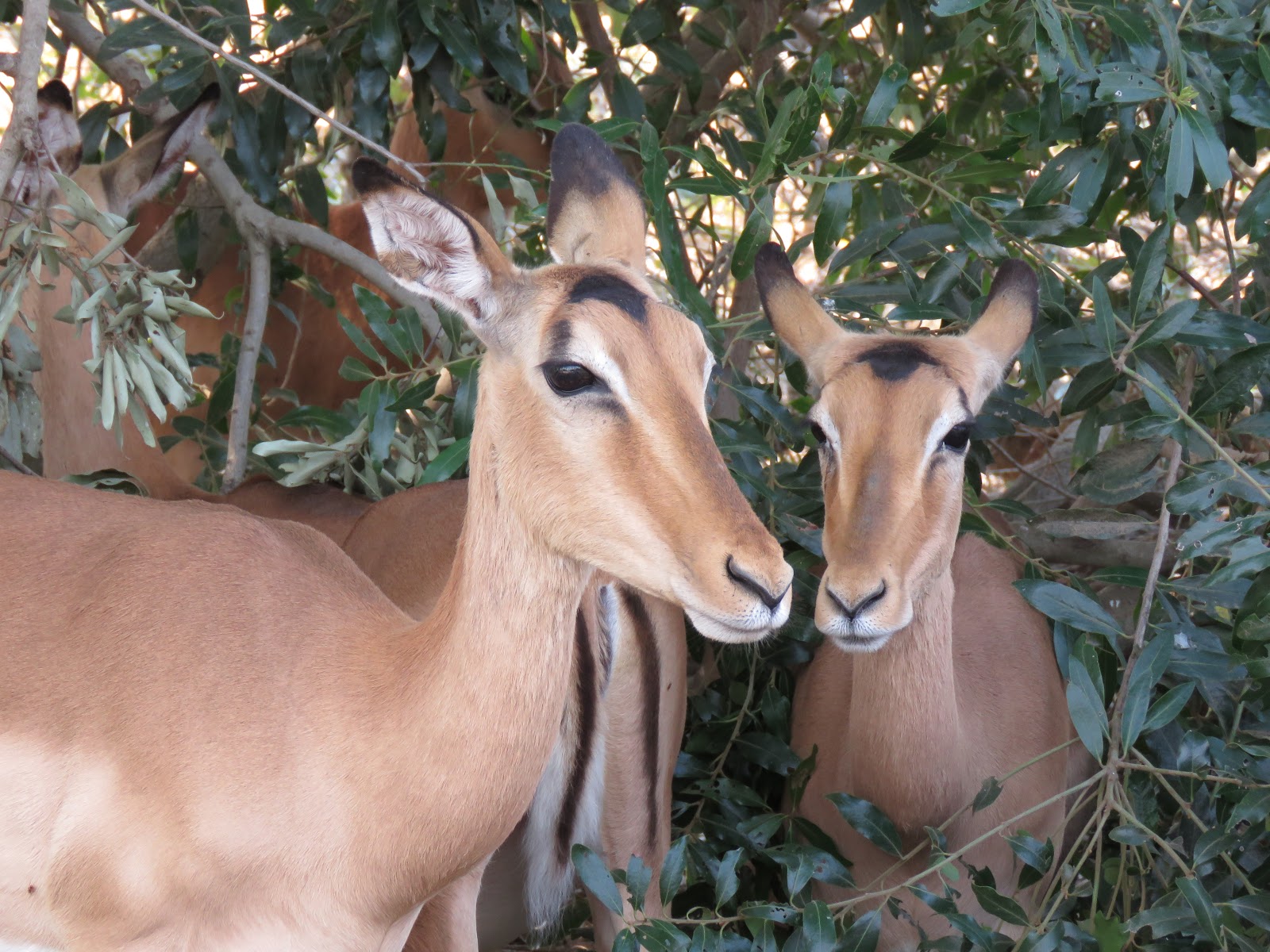
wildlife photographer in Kruger National Park
Impalas have exquisite markings on their faces and bodies. The photo was taken in Kruger National Park.

We’d never have seen a Tasmanian Devil in Tasmania if we hadn’t visited a rehab center, other than the sad roadkill we observed in the mornings. We’ve yet to see one of the more elusive nocturnal animals in the wild, the endangered pangolin. Hopefully, someday we’ll have that opportunity.

Each traveler(s) must decide for themselves, “the what” is most befitting their goals and objectives when returning home, or in continuing on a year’s long journey such as ours with a litany of photos exciting and memorable to savor over the years to come.

The “when” of travel tips for wildlife photographers around the world…

There are three important questions one may ask themselves regarding the “when” of taking photos of wildlife. For most, they include:

  1. When is the best time in life to embark on such a journey? Only each individual, couple, or family can make that determination based on specific lifestyle, travel budget, work constraints, and worthy of mention, general health. It’s important to note that embarking on a safari for hours at a time on bumpy dirt roads with potholes with surprising fast turns could be difficult for some. Also, climbing in and out of the jeep-type vehicles may be highly challenging for those with certain physical conditions, advanced age, or lack of mobility. This is not an experience for those who could become distressed during a “rough and tumble” experience. Also, individuals with severe back or neck problems could find a safari unbearable. If time is limited, the experience may equally be little. Many choose a one or two-day safari as part of a more extensive trip and find themselves disappointed, unable to see and take photos of some of their personal favorites.
  2. When is the best time of the year to see and photograph wildlife? This varies by the area of each country you choose to visit. Research is imperative to determine the best seasons for viewing wildlife. Most often, the best seasons are during the heat of the hottest time of the year. Often rainy seasons are less desirable. This is important to know if you are sensitive to the thought of sitting in an open-air vehicle while on safari. However, many safari companies have enclosed air-conditioned cars that may be more suitable for those individuals, although taking photos will be restricted in such vehicles. Suppose you’re interested in the Great Migration in Kenya and Tanzania. In that case, that eventful experience only occurs in the fall months. It must be timed perfectly to witness the five million animals traversing the Serengeti and the Mara River over and over again. Here again, research is imperative.
  3. When is the best time to snap the shot to acquire the best possible photo? When it comes to taking pictures of wildlife, timing is everything. This has been an area we both feel we have found most rewarding, as our skills increased over the years. Patience and perseverance are the keys to this aspect. At times, we’ve sat still quietly for 20 or 30 minutes to acquire the best photo. Also, knowing when to click the shutter is vital for the best possible photo of your chosen subject.
    the pellet crumbs on the nose of this adorable bushbuck
    Notice the pellet crumbs on the nose of this adorable bushbuck. The photo was taken in Marloth Park, South Africa.

In conclusion…

Many of our photos posted here today will illustrate, in part, our use of travel tips for wildlife photographers around the world. They aren’t perfect, but for us, they have fulfilled our desire to create a memory that will easily endure through our lifetime and for those that follow us, for theirs.

If, as a photographer, you’ve been able to learn and develop comprehensive photographic skills, it will only add to your pleasure and fulfillment. Perhaps, in time we may choose to fine-tune our skills. Still, for now, the spontaneous and heartfelt representations of those animals we’ve discovered in the wild, on farms, and in rescue facilities have provided us both with precisely that which we hoped to achieve as we traveled the world over the past eight years.

________________________________________

Photo from one year ago today, October 7, 2019:

ocean in Torquay, Devon
It was wonderful to see the ocean once again in Torquay, Devon. For more photos, please click here.

Day #124 in lockdown Mumbai, India hotel…What is it really like?…Vultures?…

Classic scene of three vultures on a limb in Kruger National Park. We were thrilled to get this shot from quite a distance. From this site:  Vultures are, however, great ecologists, having a high sense of personal hygiene and are a manifestation of the adage of patience as a virtue. They clean the veld of carrion, thereby minimizing the impact of animal disease, and they bathe regularly in rivers after gorging themselves at a kill.”

Note: To all of our readers visiting our site via a smartphone, please click the “View web version” tab under the word, “Home” at the bottom of the page to access the web version enabling you to access all of our archives on the right side of the page. We’ll be updating our site shortly, making these extra steps unnecessary. Thank you. 

Today’s photos are from July 25, 2018, while in Marloth Park, South Africa. See the link here for more photos.


Now that I’m walking four miles a day (6.5 km) in the corridors, I’m left with plenty of time to think. Playing podcasts on my phone while walking helps create a diversion from over-thinking our current situation.

This appeared to be the most common vulture we spotted, the white-backed vulture. From
 this site: “To watch the interaction of vultures at a kill is like witnessing the unbridled nature of food politics. The Shangaan proverb that translates as ‘where the vultures assemble, there is a kill’ refers to the fact that when people gather together there is always a purpose in mind. The White-backed Vulture is the most common vulture in Kruger. There are approximately 2000 pairs in the Park, concentrated mostly in the dry, lightly wooded grasslands of the east and mopane veld of the north. They are the most gregarious of vultures, often roosting in large communes where they sleep with their heads tucked under their wings. They often soar at great heights during the day and depend on either the Bateleur or other vultures to lead them to a kill.”

Invariably, my over-active brain takes over to find myself in a loop of thoughts blurring any sounds emanating from my phone while my aching legs (due to cardiovascular disease) struggle to keep the pace and accomplish the goals I’ve set for myself. 


I’ve accepted the fact that the best remedy for my condition is walking as often and as much as I can throughout the day. During the opposite times, I’m firmly ensconced in my comfy chair in the hotel room with my laptop on a pillow on my lap.

This vulture appeared to be a different species from the others shown.

Upon arising each hour to walk, my legs feel stiff and almost immobile, but by the time I get my shoes, mask, and earbuds back on, I’m ready to go again and head out the door.


I check the Fitbit stats on my phone to ensure I manage sufficient steps each hour in order to reach my goal by the end of the day. I start at 8:00 and usually end by 3:00 or 4:00 pm.


Walking has been an enormous benefit to both of us, not only for the obvious health reasons, but also as a distraction during these long days and nights. It feels as if this intermittent walking has a greater benefit than if I struggled to accomplish this lofty goal in one fell swoop.

There was little information online to help us identify these vultures. From this site: Vultures fight unashamedly over whatever scraps they can get, and when they descend on the proverbial trough, their grim determination is evident – these birds can consume a kilogram of meat in a minute and strip a carcass within hours.”

Frequently, it’s necessary to maneuver around the cleaning carts, cleaners going in and out of rooms and vacuuming the corridors, and staff walking the halls to and from their various workstations. 


Currently, we are the only guests on this floor and undoubtedly, the longest staying guests in the hotel since the onset of the lockdown on March 24th, the day we arrived. 


By the time we leave here in the months to come, we may be the longest staying guests this hotel has ever hosted. As of July 28th, we’ll begin overstaying our visa, but we’ve attempted to do an extension several times without luck due to issues on their website.

This vulture appeared to be out of a scary movie or nightmare. From friend Ken (thanks, Ken!): This is the Hooded Vulture. They usually turn up on the feast after the Lappet-faced or white backed have torn into the carcass and had their fill. Details: 65 to 75cms high considered small in Vulture terms. The wingspan of 1.7 – 1.8m. From this site: Physically, all vultures appear built for scavenging. They have strong, hooked beaks that can tear a carcass open but unlike other birds of prey, their feet are not suited to catching live animals. The main exception appears to be the Hooded Vulture – as the smallest and most prone to being bullied off a carcass, it has diversified its diet to include termites and small animals such as lizards.”

We’re hoping the statement on their website will be adhered to, which we saved to our phones, stating there will be no issue if we leave within 30 days of the full re-opening of international flights at the Mumbai airport. That may not happen for many more months based on the increasing rates of the virus and resulting deaths.


I’d be going out of my mind with boredom by now if it weren’t for the walking. Since I don’t care to spend all day online, which works for Tom, I’d be climbing the walls as opposed to walking the halls during this extended period.

Obviously, there had been a kill in the area where we spotted these various vultures.

That’s what it’s really like. There’s an abundance of repetition; photos, words, walking, meals, conversations, news, questioning, searching, analyzing, speculating, and escaping into movies and TV series allowing us to stop our thoughts from “doing a number on us.” So far? So good.


Sorry for the redundancy. It’s not easy writing a story each day when there is no news!


Be well.

______________________________________

Photo from one year ago today, July 26, 2019:

One year ago, while still recovering in Ireland, we hadn’t gone out for several days. Subsequently, we posted five-year-old photos from Madeira. For more details, please click here.

A step in the right direction…Domestic flights in India beginning on May 25…

Playful elephants on the Sabie River in Kruger National Park.


Note: To all of our readers visiting our site via a smartphone, please click the “View web version” tab under the word “Home” at the bottom of the page to access the web version enabling you to access all of our archives on the right side of the page. We’ll be updating our site in a few months, making these extra steps unnecessary. Thank you.

Today’s photos are from May 21, 2019, from Connemara, Ireland. Please click here for more details.

This morning’s news announced the reopening of some airports in India for domestic flights. This is a step in the direction for the same for international flights sometime down the road.

We love the reflection of clouds in the water as we drive through the countryside.

However, it’s impossible to predict when this may occur based on the original transmission of Covid-19 traced to passengers entering the country from other countries.

The US has allowed some domestic flights from the onset of the lockdown, but here again, it could be many months before international flights will begin. As for South Africa, our preferred next destination, there is no indication of its borders opening anytime soon.

As for Madagascar, it appears they may reopen their borders in the next 60 days. Tanzania will be opening its borders for international travelers within a week. This leaves us with a good option for staying in one of these countries, enjoying its vast array of wildlife while we await the reopening of borders in South Africa.

Yellow irises were growing wild in the countryside.  Please click here for information on the wild yellow irises in Ireland that often grow along the road. 

Madagascar and Tanzania allow a 90-day visa on arrival. Suppose South Africa’s borders aren’t open after 90-days or 180-days in these two countries (and others). In that case, we can visit other islands near Africa’s eastern border or other countries within Africa such as Namibia, Botswana, and Uganda, depending upon the degree of outbreaks in those countries.

In the interim, liquor shops have reopened in some areas in India for “home delivery” only. No pubs will be open, nor will bars available in hotels. Since we’ve gone so long without a drink, at this point, we won’t bother. 

Besides, having beer and wine delivered to the hotel in lockdown with a guard at a distant gate would be cumbersome. We’ve decided we’ll wait until we get to our following location, which could be many months from now. 

A little sheep family was resting near the road.

It’s interesting to read the comments our readers have sent. As we’ve mentioned in past posts, the most common word we receive is, “Why don’t you seek repatriation to the US and get out of this odd situation?”
We appreciate your comments and suggestions.

Another question we received yesterday was, “Can you fly to another city in India” while you wait?”

There would be no point in us considering either of these scenarios. No city in India would offer a safer, more comfortable environment than where we are staying now in this quality hotel. It would make no sense to fly any more than necessary to leave India when it’s allowed ultimately.

We anticipate the flight out of here with a certain sense of dread, as grateful as we’ll be to be on the move. The required five or six-hour early arrival at the airport, wearing a mask and gloves for such an extended period, the medical checks, the luggage fees, and of course, the long and laborious flight.

As we approached the town of Clifden, we noticed several apartments and townhouses on the inlet.  Clifden, our area to shop, only has a population of 1,597. “Clifden is a coastal town in County Galway, Ireland, in the region of Connemara, located on the Owenglin River where it flows into Clifden Bay. As the largest town in the region, it is often referred to as “the Capital of Connemara.” Frequented by tourists, Clifden is linked to Galway city by the N59.”

But, there doesn’t appear there will be any other options. We’ve got into the possibility of an upcoming cruise on a small ship sailing out of Mumbai at some point, but only if it brings us closer to a destination we prefer. This is highly unlikely.

It’s not as if we are overly picky about where we choose to go from here. The country has to have open borders, adequate incoming international flights, and not be a hotbed of Covid-19 at the time. 

We accept the reality that we may be required to be quarantined for 14-days (or more) once we arrive in any country significantly since India’s number of cases is rising rapidly and…we are US citizens, the biggest hotbed in the world.

Ah, by no means is this situation manageable, nor will it be when we have some serious decisions to make. But, the one thing we know for sure, it would have made no sense for us to return to the US when flights were offered for stranded citizens.

This precious photo was my favorite of the day.

Where would we have gone? We have no home. Many holiday homeowners are refusing to rent their properties during the times of Covid-19. Hotels and meals are twice as expensive as we’re paying here or will pay in other parts of the world.

I’m high risk. We have no insurance in the US except Part A Medicare, which isn’t nearly enough to cover costs if either of us were to become infected. Our international insurance covers everything with only a $250 deductible.

The reasons are apparent. But, we thank everyone who has taken the time to write and offer suggestions and will continue to respond to your requests.

Yesterday, we crossed this single-lane bridge on the way to Clifden. We can take a few different routes from here to Clifden and will change it up each week.

The weeks seem to fly by quickly, especially from weekend to weekend. Often, when we comment on what day of the week it is, we’re both surprised it’s Friday or Saturday once again.

Regardless of all of this, we continue to have hope for the world, India, our own country, fur readers/family/friends, and for ourselves that eventually this too shall pass and a new world will begin to emerge.

Stay safe. Stay hopeful.

Photo from one year ago today, May 21, 2019:

Donkeys are highly regarded in Ireland to the point there are special programs available to adopt and a specialized Donkey Sanctuary in Cork, Ireland. For more photos, please click here.

Conspiracy theories…Alarming news…

From the rooftop of our riad in Marrakesh, Morocco, in 2014. 

Note: To all of our readers visiting our site via a smartphone, please click the “View web version” tab under the word “Home” at the bottom of the page to access the web version enabling you to access all of our archives on the right side of the page. We’ll be updating our site in a few months, making these extra steps unnecessary. Thank you.

I made an error in yesterday’s post. The photos included were actually from today’s date one year ago. Since it would take me to make the adjustments, I will leave them in place. No big deal, right?

Today’s photos are from our post on April 24, 2014, while we lived in a riad (a three-story house with a substantial open-air courtyard) in the souk in the Medina, known as The Big Square Marrakesh, Morocco. It was quite an adventure. We hope you enjoy the photos.

As we walked the souks deciding where to dine, these varying roof lines of a courtyard caught my eye. For this post from April 24, 2014, please click here.

As for today’s heading, I must admit, as an information junkie, I am somewhat obsessed with reading information on COVID-19, which also includes opinions from health professionals, universities, medical institutes, and individuals with expertise from over the world.

Realizing that exploitation is the name of the game when it comes to the news media, it’s a challenge to fetter out the truth from lies and exaggerations. When I hear or read something that rattles my cage, I do my research, often for hours, seeking the reality of a claim that may sound farfetched.

We were curious about what lies behind the many doors like this, similar to ours, in the Medina.
Today, I intend not to express my personal views on any of the wide array of conspiracy theories that are flooding the news and social media. Some may include a few morsels of truth with a lot of “spin” on it, and some may be accurate or false, which may frighten and increase fears of what has transpired and what is yet to come in light of COVID-19.

My truth which I willingly share today, is that censorship of our opinions, however farfetched they may be at times, violates our civil rights and freedom of speech. 

There are endless styles of rooflines throughout the Medina.

No, I don’t advocate rioting and toxic vitriol spewed out at random by vehement individuals with little knowledge or expertise. But, we are interested in hearing the opinions of those who may be qualified to espouse their views and have firsthand knowledge and exposure to truths being discovered at this time.

This morning, while on the first of my hourly walks, I was listening to a podcast by an individual I trust to gather and share information.  What I heard made me walk faster to return to our room so I could verify the facts.

This kitten was tiny, no more than 60 days old, on its own to search for food and shelter. The locals are fond of cats so most likely someone was feeding her.

Effective immediately, YouTube will no longer allow videos by anyone, regardless of their expertise and affiliation, to express views contrary to those stated by WHO, the World Health Organization. Please see this video here from YouTube’s CEO stating this restriction.

Like most of us as Facebook users, we’ll be seeing fewer and fewer posts on varying views on COVID-19 (and other topics) that don’t concur with their (Facebook’s) ideas, as mentioned in this article.

After hundreds of years of wear and tear, the stones crumble in certain areas, leaving an open spot for trash and debris.  Overall, the souks are very clean.

On the other hand, Tom has told me for years this was coming…censorship by social media of what we can and can’t see. This infuriates me. When we see information such as this, we can easily fall prey to conspiracy theories. In essence, deciding what we can and can’t say, hear and read may appear as a conspiracy theory in itself.

If those who weren’t aware of this censorship heard about this, they might say, “Hogwash. We have our constitution to protect us!” 

To this, I say “hogwash!” As COVID-19 proliferates throughout the world, we see more and more governments dictating our actions, thoughts, and right to voice our opinions.

Shades of pink and orange are seen throughout the Medina and souks.

Lockdown is a tough situation for all of us. We understand the necessity of this, and most of us have willingly complied. We hope that doing so has ultimately reduced the number of deaths worldwide. 

But now, people need to get back to work, exercising extreme cautions, or our countries as we knew them would be changed forever, while our freedoms may be significantly impacted in the process.

I could take out my soapbox and go on a rant about all of this for months to come. But I won’t. I can only encourage those interested in knowing more to conduct their research (as long as we can) to determine where you stand on these matters. Perhaps, sometime in the future, the collective will “have a voice.”

In the interim, please stay safe.

Photo from one year ago today, April 24, 2019:

This same time the prior year, our little friend, this female toad, (or perhaps another) came to live on this light fixture on the veranda wall.  For months, every night, she ate many flying insects to fatten up. We’d leave the light on for a while to ensure she’d have plenty of options.  In the spring, a small male joined her on the fixture, and they stayed there together for a few weeks and left, not to be seen again until she’s returned this week. Yet, another cycle of life in the bush. For the post from one year ago, please click here.

Sitting Kills…Moving helps with health and stress…

While living in Atenas, Costa Rica, in October 2017, we experienced quite a tropical storm. Please click here for that day’s post.
 
Note: To all of our readers visiting our site via a smartphone, please click the “View web version” tab under the word “Home” at the bottom of the page to access the web version enabling you to access all of our archives on the right side of the page. We’ll be updating our site in a few months, making these extra steps unnecessary. Thank you.
A waterbuck at the Crocodile River.

Today’s photos were all from our post from one year ago on this date. Again, we’re disappointed to be posting many photos we’ve already posted in the past, but right now, we have no other options when we never step out the door to take photos.

It would be nice to get some fresh air, but now the temperature in India is rising, and humidity is high and uncomfortable. At the moment, with our room being cleaned, we’re situated in the lobby on comfortable furniture, but it’s scorching in this area.
 

The ceilings in the lobby and dining room are very high, and to keep costs down during the lockdown, the aircon is turned off in all the common areas, including the corridors. We aren’t complaining. We are just happy to be here.

Hippos in the Crocodile River.

After sitting here in the lobby and the hot dining room during breakfast and dinner, we’re both hot and sweaty, looking forward to returning to our fabulous room. Our room bakes with the curtains open, and we often consider keeping the sun-blocking drapes shut during daylight hours.

But, it’s imperative to have sunlight in our eyes during the daylight hours to maintain our circadian rhythm to allow for a good night’s sleep. Thus, we keep the darkening drapes open until darkness falls.

A female lion on the prowl.

As I walk through the corridors once an hour, the warmth and humidity hit me the minute I exit the room. I’ve adjusted to this situation by walking once an hour instead of over long stretches. 

Besides, it’s beneficial to get out of a seated position once an hour, strongly impacting our health. Many years ago, I wrote a post about a book I’d read entitled Sitting Kills. Here’s the link to that story and information on the book, in case you’re interested in reading it. 

A parade of elephants kicking up a lot of dust in Chobe National Park in Botswana. Todays’ photos are from a year ago post. See here for details.

During this disastrous time of COVID-19, it may be of particular interest to those of you who are feeling a little guilty for sitting so many hours a day. Before I started walking, I felt angst each time I thought of walking but didn’t feel motivated.

Now that I am doing it, I can’t express how much better I feel and what a stress reliever it is during these challenging days of lockdown. Now that parks and walking paths are opening up worldwide as some restrictions are lessening, it may be the perfect time for many to start walking.

Unfortunately, due to ongoing lockdown restrictions in India, we can’t be seen walking outdoors, besides the fact that it’s too hot and humid. Also, we aren’t in an exceptionally safe neighborhood in the center of Mumbai.

These knobs on the head of giraffes are ossicones. Females have hair on theirs. Males have lost part of their hair from headbutting when vying for dominance.

I’ve promised to continue walking once we eventually leave here, whether it’s safe or allowed to do so outdoors. Walking is walking. Where one does, it is irrelevant, as long as it’s a secure location. Indoors is fine with me if that’s necessary. The steps are still tracked on my FitBit, and I continue to experience the benefits.

Yesterday’s post wasn’t my best effort. After days and days of writing with little to no new fodder, the content has been challenging. Thank you, dear readers, for staying with us during these boring times.

I’ve run out of sci-fi movies and Married at First Sight episodes, and I’m scrounging for some new content to watch during the quiet afternoon hours when Tom is busy on his laptop. He doesn’t care to watch shows during the day while I can easily get outside my head with a good series or movie. 

Mongooses were standing at attention while awaiting eggs. So cute! Note the little “arm” holding onto her friend.

I try not to watch any shows he may like to save those for in the evenings when we watch together. Yesterday, I signed up for Acorn TV on Amazon, a compilation of great British TV series, some of which we’ve already seen. 

We’re now watching a few suggestions from our friend Liz in Bristol, UK. She always makes great recommendations. Thanks, Liz! If any of our British readers have any suggestions for TV series they’ve liked, please let us know.

So here we are… another day without a huge amount of optimism. But, somehow, we’ll all get through this, regardless of how long it takes for some semblance of our former lives. It will never be the same. I believe we’ve all resigned ourselves to this reality.

Ken, Tom, and Don are having a good time, as usual.  We’d planned to all be together again soon before we left in May 2019.

The more we can do to use our time in lockdown for our benefit, both health-wise and emotionally, the better off we’ll be when it does come to an end, of one sort or another.

Hang tight, dear friends. We’re thinking of all of you, along with our family and friends.

Photo from one year ago today, April 23, 2019:

 
A mating pair of hornbills stayed around our garden each day, most likely a mating pair. When they wanted seeds, they sure let us know. For more photos, please click here.

Sorry folks, no pig photo, no safari luck…Favorite photos continue…

Often, cows and bulls are depicted in Hindu temples.

I really don’t know where to begin. After all these years of travel and our share of trials and tribulations, these past days have presented a series of events unusual from anything we’ve ever experienced in the past.

First of all, we are safe. We were frustrated but safe. Currently, at noon on Friday, March 20, 2020, we are back from the Mumbai Airport at the hotel with a view of the Arabian Sea, from our modern and nicely appointed hotel room with great air-con, good WiFi (off and on at the moment) and excellent customer service.
“Kapaleeshwarar Temple: Dedicated to one of the forms of Lord Shiva and Goddess Parvati that is Arulmigu Kapleeswar and Karpagambal respectively, the temple should be on the top position of your list of temples to visit.

We’re safe, basically quarantined by choice. With few guests in the hotel and us, our infection risks are relatively low, especially now that India is banning all international flights, incoming and outgoing, beginning in the next 24 hours.

This morning South Africa refused to let us in when we were at check-in at the airport in Mumbai. The reps called South Africa’s immigration to verify if we could enter the country before we were allowed to board the flight. No one, not just us, who is traveling from any country with a single case of Covid-19, can enter South Africa today.
This hall at the temple site is used for weddings, arranged marriage meetings, relaxation, and prayer.

With most countries banning foreign nationals from crossing their borders, there was no country that we could escape to. They suggested we return “home.” That doesn’t work for us based on our circumstances… We don’t have a home. 

Nor did we want to travel to any airports in the US when there were over 13,900 cases in the US as of five hours ago, many of them as a result of travel. Based on my high-risk status, entering one of those airports made no sense to us.
A moonlit evening on the beach.

Within moments of hearing this final result, we stopped for a few minutes to discuss our options. They were few. Staying in Mumbai, for now, made the most sense when no countries would accept us, except for the US, where we didn’t want to go. We began to make our way, with the loaded trolley, a long distance to a taxi stand, and then, the worst part of the morning ensued. 

We had to prepay at a kiosk for a taxi, asking for a van. A small car doesn’t work for us. We took our prepaid ticket to door #1 to find a small van, and I mean miniature, that was somehow supposed to be able to fit our luggage.
A variety of trinkets for sale.

Miraculously, the determined driver loaded the heavy bags atop the vehicle onto a luggage rack. Now, we’d hope and pray nothing would fall off onto the roadway. The seat belts and air con didn’t work, and mosquitos were flying around our heads. I was bitten several times.

Then, in our exhausted state, due to little sleep from getting up at 2:00 am, the driver got lost and couldn’t find our hotel. He spoke no English, and when he stopped several times to ask his taxi cronies where the hotel was located, they shook their heads. They didn’t have a clue either.

St. Thomas Church in Chennai.

With the mosquito bites, our clothes sticking to us, being jerked around in the rickety vehicle, we had to focus on staying calm. I brought up “Maps” on my phone and attempted to teach the driver two words, “right” and “left.” After a highly stressful hour, we finally made it back to the hotel, hot, sweaty, bitten, and tired.

It was close to 6:00. When the hotel manager arrived, we made a “deal” with him on the room price (we moved to a pool/ocean view room), a discount on dinners, and of course, breakfast included.
It was a cloudy day, but we still enjoyed seeing the colorful sculptures.

But now, situated in this lovely hotel on the ocean in Mumbai, we’ve resigned ourselves to a self-imposed quarantine and have decided to make the best of it. Pools and bars aren’t allowed to be open in India right now, nor can one swim in the dangerous waters of the Arabian Sea.

Instead, we’ll make ourselves comfortable, doing what everyone else is doing; reading books on our phones, watching movies and tv series, and in our case, and on the cooler days, walking on the beach. It’s hot here now.

Although it wasn’t very crowded, there were always many visitors to the famous Chennai temples.

I called Louise and sadly explained we won’t be arriving tomorrow. But, when things change, and restrictions are removed, we hope to head to South Africa. Hopefully, we’ll have a pig photo to post at that time, and the dreaded virus will long have run its course.

No “final expenses” for India will be posted at this time. Expenses are not final yet and, based on current circumstances, will continue to accrue.

Photo from one year ago today, March 20, 2019:

The helmeted guinea-fowls have been gone a few months.  They returned with many chicks in tow yesterday, teaching them how to “steal” pellets from warthogs.  As annoying as they can be, it was delightful to see their offspring. Take care, my friends. For more photos, please click here.

We made it to Mumbai…13 hours until we return to the airport…Broken suitcase dilemma…

While traveling on the historic Toy Train through the foothills of the Himalaya Mountains, the train stopped for a food break at this quaint station.

It’s Thursday, March 19th. In 14 hours, at 3:00 am, we’ll be picked up by a driver to return to the Mumbai Airport, which we left only hours ago. We barely slept last night after the late arrival at our hotel, and tonight after dinner, we’ll try to get some sleep before the 2:15 am wake-up call.

When we’d originally arrived in Mumbai, security at the airport had broken the zipper on our third checked bag. With no way to repair it, we left it behind, crammed with “stuff” for the hotel to hold for us until we returned. 
 

We couldn’t purchase a new bag until we arrived in Mumbai since we’d have to pay excess baggage fees to bring it with us. We’ve had no choice but to go out today to purchase a new bag. 

The first palace we visited on tour from the Maharajas Express was the City Palace, also known as the Shiv Niwas Palace.

The hotel manager told us some luggage shops are still open in the area in light of the Covid-19 fears, and soon we’ll get a tuk-tuk to take us to a few nearby luggage shops.

But first, we’ll see if we can locate a bag and the cost. We’d make an effort to unload most of our rupees, but now, if they don’t accept a credit card, we’ll also have to go to an ATM to pay for the bag. We don’t want to be left with rupees when we soon depart.

What an unusual seat!

The two flights from Madurai to Mumbai (via Chennai) were packed with face-masked travelers. We both wore masks throughout the flights for the first time, although we realized it’s not a 100% guarantee of safety from the virus.

We wiped down the armrests, tray table, and seat belt buckles with the Clorox wipes I’ve been carrying in a plastic bag. They sure have come in handy. Every hour or so, we used hand sanitizer and a few times, went to the bathroom, and washed our hands with soap and water. What more could we have done?

View of the city from the palace in Udaipur.

Once we have the new bag, we’ll need to repack to distribute the weight properly to comply with Kenya Airways baggage restrictions. They allow two-23 kg (50 pounds) bags each which we can manage easily once we have the new pack.

I can’t wait to have this new bag thing over with to allow a little time to relax before tonight and tomorrow’s big travel challenge. We’re still uncertain if we’ll be able to get into South Africa, let alone change planes in Nairobi, before we even arrive in SA.

Gold was often used in creating artifacts in palaces.

Update:  It’s now almost 2:00 pm, and we recently returned from a 20-minute tuk-tuk ride through traffic to a Luggage World store (go figure). We easily found a “Swiss (army knife people) 26” bag in bright yellow for IDR 7000, US $93.25. We prefer unusual colors in bags, making them easier to spot on the carousel. They accepted a credit card, and we didn’t have to go to an ATM.

We took everything out of the old supply bag, threw several items, and packed the new one, which now meets baggage regulations. Our other bags are packed for leaving in the middle of the night tonight after leaving out comfortable clothes and shoes for the long journey. 

At the nightly closing of the border ceremony between India and Pakistan, the Border Security Force members were aligned and ready to perform.

Whew! That was labor-intensive after only a few hours of sleep! The rest of the day, we can chill, avoiding any naps so we’ll be able to fall asleep after dinner. I’d intended to do the final expenses for our time in India, but I think I’ll save it for the 12-hour layover in Kenya, during which I’ll prepare and upload tomorrow’s post. 
Well, folks, the next time you hear from us (tomorrow), hopefully, will be from the Jomo Kenyatta Airport in Nairobi, Kenya. And after that, may safari luck be with us, from Marloth Park, South Africa. If you first see a pig as the primary photo on March 22nd, you’ll know we’ve arrived!!!

The 108 foot Lord Hanuman at the Jakhoo Temple in Shimla.

Stay safe. Wash your hands. Don’t touch surfaces. Stay far away from others, if you can. And somehow, enjoy this quiet time doing things you may have wanted to do for a long time but never had the time.

Thanks again for all of the good wishes. We’ll be thinking of all of you.

Photo from one year ago today, March 19, 2019:

Mom and three babies.  The fourth baby who’d been missing for several days never reappeared. For more photos, please click here.

The waiting game continues…Tomorrow, we fly out of Madurai to Mumbai…Three days and counting…

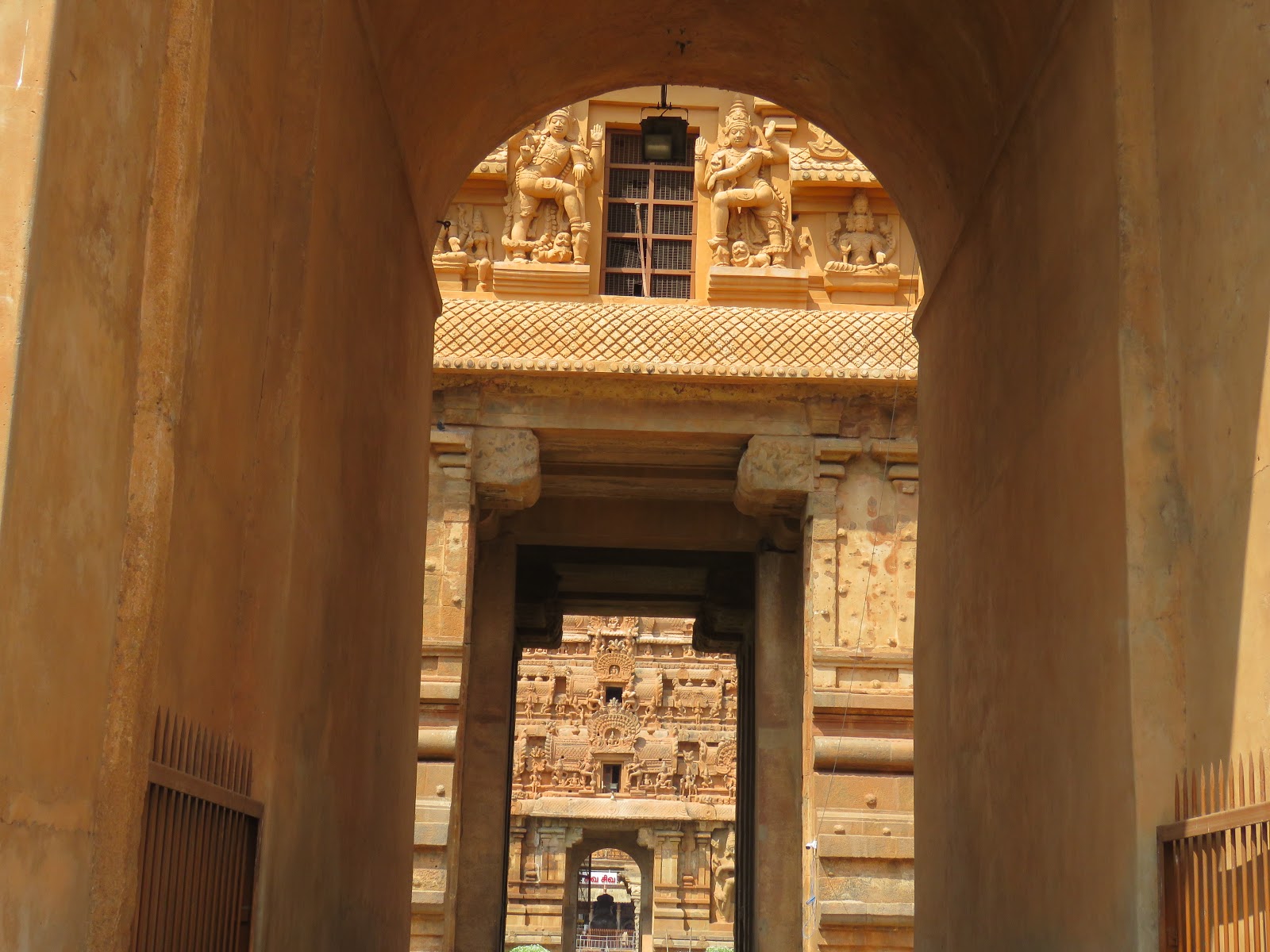
We took a detour to see this temple in Tanjore known as the “Big Temple” since the name is long and difficult for people to remember…”Kapaleeshwarar Temple: Dedicated to one of Lord Shiva and Goddess Parvati’s forms, Arulmigu Kapleeswar, and Karpagambal, respectively.

Tomorrow, at 1:30 pm, we check out the lovely Regency Hotel in Madurai to head to the airport for our 4:05 flight to Mumbai. It’s only a two-hour flight, and finally, after a one-hour drive from the airport, we’ll arrive at our last destination in India, again the beautiful beachside hotel, the Sun-N-Sand, where we’ll spend two nights.

Today, the hotel printed our tickets and visa waivers for South Africa, allowing us to re-enter the country after our previous overstay after I had surgery last February. But, the question remains, will they let us, US citizens, enter the country, even though we’re arriving from the extended stay in India?

This temple is over 1000 years old.

South Africa now has a ban prohibiting entry from the US along with other countries as follows:

  • China
  • Germany
  • Italy
  • Iran
  • South Korea
  • Spain
  • United Kingdom
  • United States of America

We’ll only know the answer to that once we arrive at the immigration station in Johannesburg as we await the next leg of our journey, the flight to Nelspruit, our final stop before driving to Marloth Park, the following day.

This pandemic is taking its toll on people worldwide, as evidenced by one awful news report after another. Sure, a portion may be highly sensationalized. But, the reality remains, this has an impact on people and economies throughout the world. 

No place, no one, is exempt from feeling the impact of the changes that will transpire in the days, weeks, and months to come. We ask ourselves how it will impact our continuing travels, and at this point, we aren’t sure. 

This view reminded us a little about entering the Lost City of Petra in 2013.

All we know at this point is that we’ll make every effort to stay safe, avoiding crowds and following strict sanitation protocols every day of our lives, not only now but in time to come.

In heading to one of our favorite places globally, with no cases of the virus in Marloth Park, we aren’t prepared to avoid seeing our friends in small groups. They are some of the most considerate people globally and wouldn’t go out if they felt unwell or exhibited any symptoms that could indicate Covid-19.
The beautiful beach scene at the Ideal Beach Resort in Mahabalipuram. We particularly enjoyed this resort.

After our arrival, we’ve already made some social plans and will continue to use good judgment for each social occasion. In any case, we won’t be attending any large functions, which all appear to have been canceled.

Our biggest outing will be grocery shopping, and we’re bringing along hand sanitizer to use for the grocery cart and making a point of staying at least 10 feet from any other shoppers if possible. This may require shopping at odd hours of the day and night, which we’ll do.
The colorful temples in Chennai were breathtaking to see. “Kapaleeshwarar Temple: Dedicated to one of the forms of Lord Shiva and Goddess Parvati that is Arulmigu Kapleeswar and Karpagambal respectively, the temple should be on the top position of your list of temples to visit.”

When driving from Nelspruit to Marloth Park on Saturday morning, we will have to stop in Malalane to purchase some grocery items from the local Spar Market. There’s no way we can avoid this step along the way.

The newly added pool area at Ravla Khempur is known as the Best Exotic Marigold Hotel, where the popular movie was filmed. This was a favorite tour during our travels in India.

Also, it’s summer in Africa, and the most important purchase will be mosquito repellent to protect us from malaria. Last year, the wife of a lovely couple passed away from a rare type of malaria in Marloth Park. We will be especially cautious.

The nightly evening ceremony on the Ganges River (known as the Ganga to Hindus).

As winter begins, the temperatures will cool in a few months, and there will be fewer mosquitoes. However, we’ll continue to use repellent, especially since we’ll spend most of our days and nights outdoors on the veranda waiting for animal friends to stop by.

All of my fantasizing could be a moot point if we run into trouble entering South Africa in three days. We promise to update all of our readers as soon as we arrive in Nelspruit on Friday night with a short post. We’ll be exhausted from getting up at 3:00 am for our flight so indeed it won’t contain all the details until the next day.
The leading cremation site on the Ganges River, seen while on an old wood rowboat on the river during the early morning ceremonies.

Today, we continue with some new and favorite photos, and tomorrow’s post will only include favorite images. We’ll post the final expenses for our entire tour of India, including the Maharajas Express Train, in Thursday’s post.

Stay safe. Stay healthy. We pray for the recovery of those with the virus and their loved ones. For those who’ve lost the battle, we offer our heartfelt sympathy to their loved ones.

Photo from one year ago today, March 17, 2019:

Mom and Baby bushbuck searching for pellets Tom tossed into the garden. For more photos, please click here.

On pins and needles…Are we going to be able to get out of India and enter South Africa in 4 days?

  • This dinner and fireworks at Hanwant Mahal located in the Umaid Palace, also known as the Khaas Bagh, were extra special in Jodhpur while touring during the Maharajas Express.

    Over these past weeks, we’ve mentioned our concerns over Covid-19 and why a few days ago, we had to change our travel plans when the 29-night cruise from Mumbai, India to Greenwich, England, was canceled.

    Subsequently, we booked a flight to South Africa, where there are fewer cases (total of 51 so far as of today, with a population of 59 million) and 110 cases in India (with a population of 1.3 billion), as opposed to the almost 3000 cases in the US (with a population of 329 million). There’s a travel ban for anyone entering South Africa from the US, not from India.

    We spotted five tigers while on safari in two national parks, Bandvargarh and Kanha.

    Will that have an impact on us? We’ll have been in India for 11 days short of two months. So far, there’s no ban for travelers coming into South Africa from India. But, we don’t know what will happen when we get to immigration at the airport in Johannesburg on March 20th, only four days from today. 

    Will we be allowed entry into the country, be quarantined, or, worst-case scenario, be forced to leave? We are going on blind faith. As a result of the risk of this worst-case scenario, we’ve had to discuss some options as to where we could go to “wait it out” and yet continue to live our lives as usual as possible.

    A pair of “owlets” (as referred to by our safari guide) captured our hearts.

    There are several African countries with no virus cases, such as Namibia and Madagascar, and others, all countries we’d consider visiting, if necessary.

    As for waiting it out? Is that a possibility? Or is this pandemic going to continue for months to come? None of us know the answer.

    You may ask, why don’t we go back to the US? For a few reasons:

    1. We don’t have adequate US health insurance, but we do have excellent international insurance
    2. Risks are high if we have to travel through hectic US airports
    3. Cost of living is high in the US as opposed to African nations (two times higher based on our experience)
    4. I am at high risk due to having cardiovascular disease, asthma, and my age. For me, getting this virus could be fatal.
    5. Apparently, the US is the only country globally with all five strains of the virus.

    Spotted deer in India are as prevalent as impalas in Africa.

    Staying away from countries with vast numbers of cases makes the most sense to us both. Yes, it’s possible. Should we be able to land in South Africa, the virus will continue to spread in vast numbers, as in the US. In that case, we’d hightail out of there to yet another country. 

    I never imagined that if such a virus would manifest in the world that we’d have the flexibility to travel as much as we do, as much as we can. Most likely, we can’t outrun it, but if we can, we will.

    No doubt, this isn’t very comforting, for all of you, for us. None of us are exempt from the fear and concern for ourselves, our loved ones, and our friends.  The frenzy over food and paper products in the US baffles us. The frenzy, in general, provides no benefit for anyone. We don’t want to be around it if we can avoid it.

    Another favorite tiger photo.

    We’ll see how all of this rolls out in the next four days. A lot can happen in four days. In two days, we’ll leave Madurai to fly to Mumbai. We can only look at one step at a time as this process continues.

    In the interim, we are avoiding any future tours in India, preferring to avoid crowded areas. Driving around in the traffic attempting to take photos is fruitless as well, and honestly, we’ve lost our enthusiasm for sightseeing at this point. 

    A nighttime view of the restaurant where we dined in Udaipur on several occasions.

    We’re safely cooped up in the Regency Hotel in Madurai, where they checked our temperatures when we checked in. We appreciated it, but they need to check guests’ temperatures daily since they’ve been transmitting the virus for a day by the time one has a temperature.

    Thank you to our readers for such positive reinforcement, prayers, and well wishes. We offer the same to every one of you. Stay safe! Stay healthy!

    Photo from one year ago today, March 16, 2019:

    Little came up on the veranda looking for me, already positioned on his knees for some treats.
    For more photos, please click here. (It was one year ago, my legs were severely infected from the grafts taken for the bypass surgery. I hadn’t been outdoors much, and Little came looking for me once again).

A huge update and change in plans!!!…

Locals were hitching a ride to the local festival.

If we had a home during the corona-virus crisis and had been touring India, most likely we’d have ended the lengthy tour early and headed back to the US, purchasing a fair amount of toilet paper to hunker down for a while.

As world travelers without a home, if we need to hunker down, where might that be? If we return to the USA, we have no health insurance other than Medicare Part A, and even if we signed up for Part B and a supplement, we’d be stuck with it once we were on the move again.

Plus, returning to live in the US is not an option for us at this time, even with this looming virus. We’re not about to “give up” this lifestyle we recently embraced with gusto after last year’s open-heart surgery and a long recovery.

But, now we have excellent, low co-pay health insurance through United Healthcare Global (Safe Trip) that we purchase every three months, good only outside of the US. This morning we bought more coverage until the end of July, when we’ll renew for another 90 days at that time.  

Crowds of people on their way to a festival.

Yesterday, when Viking Cruise Line informed us that the 29-day cruise we’d booked had been canceled long ago, we had to figure out what we’d do for the 29 days. So far, we only have one booking in Bath, England, and a cruise from Lisbon to Cape Town next November. 

With the number of virus cases rapidly escalating in the UK and Europe, we decided against keeping the UK booking. The house owner in Bath is arranging a full credit for us for the deposit that we paid only one week ago.

The cruise line is refunding the full fare we’d already paid, which easily covers a good portion of our costs for the next 12 months. 

Guess where we’d headed, folks?

Yep, back to South Africa… to Marloth Park… to all of our animal and human friends and a vibrant social life. We’ll arrive at Nelspruit/Mpumalanga/Kruger Airport next Friday night, spend the night in a hotel, and on Saturday morning, make the hour-long drive to Marloth Park, where dear friends Louise and Danie will have a house waiting for us.

“Buffaloes are believed to have domesticated around 5000 years ago in the Indus Valley and thrive best in the areas of moderate rainfall as they require plenty of water for their daily bath.   Indian buffaloes are considered to be an important source of milk today. They yield nearly three times milk like cows. Interestingly, 47.22 million milch buffaloes produce 55 percent of milk, which is more than half of the total milk produced in the country. Whereas, 57 million cows contribute only 45 percent of the total milk yield.”

Of course, we’d love to get back into the Orange house, but that’s booked until May 1. At that point, we’ll move around in. In the interim, Louise will ensure we have great houses to stay in as we hop from house to house as she deems necessary for the remainder of March and all of April. We can live with this plan without hesitancy.

There hasn’t been a single case of coronavirus in Marloth Park, but of course, we’ll continue with precautions as we have here in India; avoiding crowds, lots of handwashing, no handshaking, and extra careful touching any surfaces or possibly infected areas. 

Yes, we’re excited to be heading back. But, Marloth Park is remote, with fewer and fewer visitors coming to stay due to fears of travel right now. And no, there are no unrealistic expectations that South Africa will be safer than in any part of the world.,

No, we won’t bore our readers with endless photos of warthogs. We’ll strive to focus on the fascinating little things, exciting people stories, and wildlife special moments. It will be an all-new angle for our time in Africa once again.

Buffalo is movin’ on down the road. “Buffaloes, also called Bubalus bublis to belong to the family Bovidae, sub-family Bovinae, genus Bubalus, and species arni or the wild Indian buffalo. They are classified into river and swamp types. The present-day domesticated buffaloes are the descendants of Bos arni found in North-Eastern parts of India especially in Assam and surrounding areas.”

How long will we stay? As long as they’ll have us, which our regular readers know is a tricky proposition. We’ll do everything we can to last as long as possible, even if we have to fly to other countries, stay for a while and return.

As for the balance of our India tour? It’s ending about 16 days earlier than planned. We didn’t make this decision lightly. The tour company is giving us a partial refund, which we’re grateful for, but such cancellations such as this are happening all over India, all over the world. 

Temples are closing. Sporting events have been canceled, public celebrations are fast coming to a halt, schools are closing, as is the case in most countries worldwide. It’s a frightening time regarding contracting the virus and the awful impact on workers and economic conditions worldwide.

We carry on… All of us do, in an attempt to make the most of this dreadful time in history. We extend our love and prayers for every one of our family members, friends, and readers worldwide. 

Workers were loading sugar cane onto a truck.

May you and those you love be safe as you exercise every caution. Wash your hands! Use hot soapy water when possible. Don’t cough or sneeze in anyone’s face! Don’t shake hands! Wear a mask if you are sick or stay indoors at all times.

Don’t touch surfaces others have touched! Even an elevator or lift button, a grocery store trolley, or the bank counter can carry the virus. When going to the doctor, dentist, or office, don’t lean on the counter when checking in. If you need a handrail to walk up or downstairs, get someone you know to help you instead of touching the railing.

Make everything and everyone suspect, but in the interim, we somehow must do our best to find ways in which to enjoy life, enjoy people and cherish every moment we have of this precious life. God bless.

Photo from one year ago today, March 13, 2019:

With ample vegetation after many days and nights of soaking rain, the zebras still love pellets. For more photos, please click here.