Part 2…Nuances of booking rental cars…Our dos and don’ts…

Renting cars is an integral aspect of our world travels.

As mentioned in yesterday’s post, here are our dos and don’ts. They may not suit every traveler, and that is perfectly fine. Over the years, we have learned to travel in a way that supports our lifestyle, our comfort level, and what matters most to us, day to day. What works beautifully for one person may feel cumbersome to another. These simple guidelines come from plenty of trial and error on the road. They help us stay relaxed, organized, and able to enjoy the journey rather than feeling rushed or stressed.

Dos

  • Select a car style and size that fits your budget and realistically accommodates the number of passengers and the luggage you will carry. Take time to look online for detailed photos of your preferred vehicle. This may seem obvious, but some cars have surprisingly small boots.
  • Check whether a shuttle is available to transport you to and from the rental location.
  • Confirm the contract is cancellable. Review possible cancellation fees, whether the booking is fully refundable, and the applicable timelines.
  • Determine if payment in full is required at booking. Some companies offer lower prices for prepaid rentals, but without free cancellation, you could lose your money if plans change.
  • Be prepared that you may not receive the exact model selected online. If the vehicle offered is not suitable, politely request a different model at the same price.
  • When searching, sort by price first. Many websites default to “recommended” vehicles. Instead, filter for the lowest or best prices. Also search for coupon codes, AARP, military, or other discounts before booking.
  • Once you find a vehicle that fits your budget and needs, carefully read the terms and conditions, including mileage limits or unusual driving restrictions.
  • Verify the pickup and return locations. Are they convenient to the airport, cruise terminal, or hotel? Extra taxi or Uber fees can quickly add up.
  • Confirm the office hours work with your schedule. If returning after hours, understand exactly how and where to drop off the vehicle.
  • Take clear photos of the vehicle exterior, noting any nicks, dents, or scratches. Inspect the interior as well. If possible, have a staff member present. Otherwise, report any issues immediately and ensure they are documented on your contract.
  • Read reviews for the specific rental location before booking. Even major providers can vary widely by branch or franchise.
  • Ask how tolls are handled. Does the vehicle include a device that automatically charges tolls to your credit card?
  • Verify whether your spouse or partner may also drive. If not included, ask about additional driver fees.
  • Check for USB ports, especially for long road trips. We have encountered vehicles that were not compatible with our phones.
  • Use a credit card that provides rental car insurance for the first 30 days for international rentals, and for US domestic rentals, it’s 15 days. For longer rentals, you may need separate contracts every 30 days. If you maintain auto insurance at home, confirm your policy includes rental coverage.

Don’ts

  • Do not rent from an unknown party unless they are certified by a reputable organization. Many travelers use Turo, but we personally choose not to.
  • Do not rent a fully electric vehicle for long road trips unless you are very comfortable with charging logistics. Hybrids are often easier.
  • Do not fail to call the number on your contract if you need to extend the rental. Always verify extension charges in advance.
  • Never allow anyone who is not authorized under the contract to drive the vehicle.
  • Do not ignore toll charges. Excess handling fees may be added in addition to the toll itself.
  • Do not assume the company will accept debit cards, cash, or checks at pickup. If you lack a traditional credit card, consider getting a prepaid credit card well before your trip.
  • Do not forget to bring a valid passport and driver’s licence when renting in foreign countries. These are always required.

We wish this list were shorter, but once you become familiar with the process, it truly does get easier. Booking rental vehicles takes time and attention to detail. In our experience, that extra effort helps ensure you end up with the best possible vehicle and the most favorable terms.

Be well.

Photo from ten years ago today, February 25, 2016:

We couldn’t help but laugh over the looks on the faces of the other alpacas during the mating process. For more photos, please click here.

Part 1…Nuances of booking rental cars…Tomorrow, our rental car dos and don’ts…Please check back…

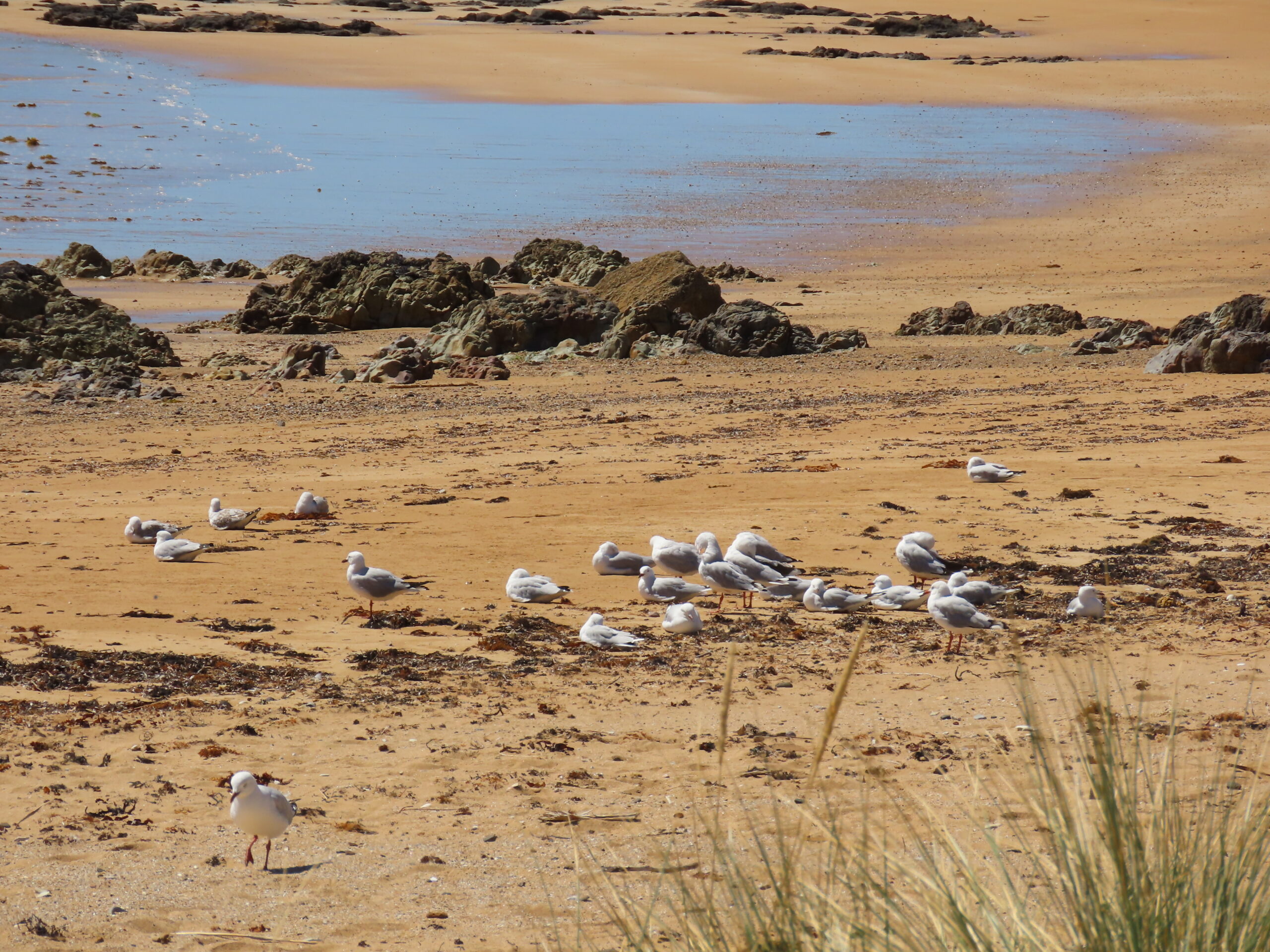
Seagulls in the sand at Johnson’s Beach.

Yesterday, after uploading the post, we settled into our comfy recliners with our laptops and mugs of ice tea, ready for one of those necessary but tedious travel tasks that always seem to take longer than expected. Booking rental cars sounds simple enough on the surface, but as seasoned nomads, we know better. There is an art to it, and more often than not, it requires patience, persistence, and a willingness to dig deeper than the average traveler might.

We needed to secure vehicles for two different segments of our upcoming itinerary. The first is our four-day drive from Vancouver, Washington, to Eden Prairie, Minnesota, from May 12 through May 16. The second is a longer stretch, from May 16 through June 8, during our twenty-three-night stay at the Residence Inn by Marriott before we head off to South Africa. Each segment comes with its own considerations, and each requires careful comparison.

Finding the best rental car prices is rarely a quick click-and-done situation. Many travelers understandably go straight to their preferred company, book whatever rate appears, and move on with their day. We may have done that years ago, before the beginning of our world travels, before this lifestyle sharpened our instincts. But now, after countless bookings across continents and currencies, we have learned that prices can vary wildly from one provider to another, sometimes by hundreds of dollars for the exact same vehicle class.

A jetty, jutting out into the sea.

For us, the process begins with casting a wide net. We typically start with the major aggregator sites to get a general sense of the pricing landscape. We often use Expedia on our website for this process because they offer excellent pricing. This gives us a baseline, almost like taking the market’s temperature. From there, we visit individual rental company websites, including Costco, directly because the direct booking price occasionally beats the aggregators, especially when loyalty discounts or limited-time promotions are involved.

One of the first factors we always consider is the total price, not just the daily rate that flashes in bold on the screen. Over the years, we have learned that the attractive low daily rate can be misleading once taxes, airport fees, concession recovery charges, and various surcharges are added at checkout. We always click through to the final total before making any comparisons. That number tells the real story.

Another important factor is the logistics of pickup and drop-off. For the May road trip, we are picking up in one city and dropping off in another, which often triggers a one-way fee. Sometimes that fee is reasonable; other times, it is shockingly high. We check multiple companies because the one-way charge can vary dramatically depending on the provider and even the specific locations involved.

Vehicle size and comfort also matter more to us than they once did. During our four-day drive across several states, we will be spending long hours in the car. We look carefully at luggage capacity, fuel efficiency, and seat comfort. Saving a few dollars is never worth it if we end up cramped and uncomfortable for days on end. Experience has taught us that balance is everything.

In parts, the shoreline in Tasmania is rocky.

For the longer Minnesota stay, our priorities shift slightly. Since we will have the car for over three weeks, the weekly rate becomes very important.

We closely monitor the cancellation policy. Flexibility is golden in this nomadic life. Plans change, flights shift, and unexpected opportunities appear. We strongly prefer reservations that allow free cancellation up to a reasonable cutoff time. Locking into a rigid, non-refundable booking for a small savings rarely feels like a wise trade. However, it’s a rare occasion that we’ve canceled a rental car, except most recently, when we stumbled across better pricing and were able to cancel the previous booking with no penalty.

Insurance coverage is another piece of the puzzle. Because of our credit card benefits and existing coverage, we typically decline the rental company’s insurance, but we always carefully double-check the terms. International travel has taught us never to assume anything about coverage details.

The Miniature Railway is no longer open for viewing.

By the time we finished our research session yesterday, a few hours had quietly slipped by, as they often do during these booking marathons. Still, there is a certain satisfaction that comes from knowing we have done our homework thoroughly. This lifestyle has taught us that a little extra time spent researching today often translates into meaningful savings and fewer surprises tomorrow.

It may not be the most glamorous part of traveling the world, but it is certainly one of the most practical. And for long-term nomads like us, those practical wins add up in ways that truly matter over time.

Please check back tomorrow for our list of “do’s” and “don’ts” regarding car rentals.

Be well.

Photo from ten years ago today, February 24, 2016:

This “piece of art” in New Plymouth is playfully typical of Kiwis’ great sense of humor. For more photos, please click here.

Out and about…More new photos…Facts about Penguin, Tasmania…

“The river that flows through Hiscutt Park in Penguin, Tasmania, is Penguin Creek. It is a central feature of the park, which is known for its iconic Dutch Windmill, mature trees, playground, and picnic areas. A weir on the creek creates a scenic pond area within the park grounds.”

“Penguin is a charming, small seaside town on the northwest coast of Tasmania, located between Burnie and Ulverstone on the Bass Highway. Known for its quirky, affectionate embrace of its name, the town features numerous penguin-themed decorations, including rubbish bins and street signs.

Key Downtown & Area Attractions
  • The Big Penguin: A 10-foot (3-metre) tall ferro-cement statue, erected in 1975 to mark the town’s centenary, located in the town centre opposite the post office.
  • Penguin Market: Tasmania’s largest covered market, held on Sundays, featuring over 200 vendors selling local food, wine, and crafts.
  • Penguin Foreshore: A well-maintained, scenic walking and cycling track that stretches along the coastline, connecting the town to Preservation Bay.
  • Hiscutt Park: Located near the town centre, this park features a replica Dutch windmill.
  • The “Tardis”: An old police box in the town centre used as a community book exchange.
  • Penguin General Cemetery: A historic, clifftop cemetery offering scenic views.
  • The sign on the street near our vacation home, states,” Slow, Caution, Horses Using Road.”

Dining & Services
  • Main Street (Main Road) is right on the coast and features cafes, bakeries, a hotel, and the Penguin Beer Co.
  • The town is known for its “Pink Up Your Town” initiative, where businesses decorate in pink for breast cancer awareness.
Nature & Wildlife
  • Fairy Penguins: Little penguins (Fairy Penguins) can be seen returning to the local beaches at dusk between November and March.
  • Dial Range: The town is nestled at the base of the Dial Range, offering numerous walking and mountain biking trails, including the Penguin Mountain Bike Park.
  • “Hiscutt Park is a beloved community hub in Penguin, offering a range of recreational amenities for all ages to enjoy. It’s known for its iconic Windmill and features a quaint river throughout the park, where you will find ducks playing. and playgrounds to barbecue areas and picnic shelters, there’s something for everyone to appreciate. The park’s well-maintained grounds and scenic surroundings along the river make it a popular choice for gatherings, events, and leisure activities. Whether you’re seeking an afternoon of outdoor fun or a peaceful retreat in nature, Hiscutt Park welcomes visitors with open arms.”

History
  • Founded in 1861, the town was originally a timber and mining hub.
  • It was named after the fairy penguin rookeries along the coast.
  • The town recently celebrated its 150th anniversary with a “Great Penguin Waddle”.

Ten years can soften memories in ways we rarely notice, and as we made our way toward Penguin, Tasmania, Tom quietly admitted he was worried. He wondered if perhaps time had polished the town too brightly in his mind, setting him up for disappointment that travelers know all too well. I understood exactly what he meant. When a place has held a warm corner in your heart for so long, returning can feel a bit like holding your breath.

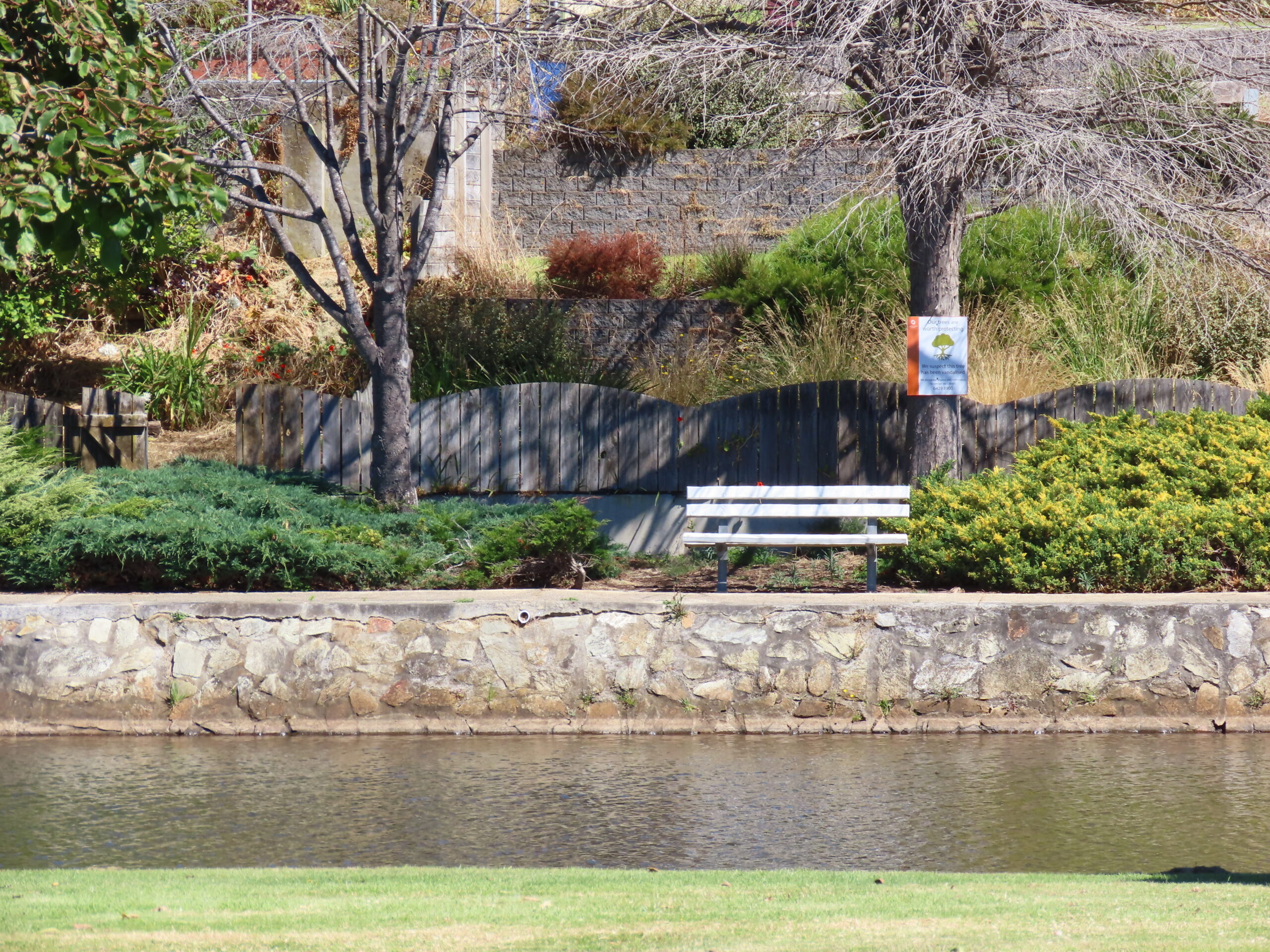
There is a creek beyond these tall grasses.

Yesterday afternoon, we slowly drove through the familiar little streets, the kind that seem to hum gently with simple, everyday life. We stopped at several locations to take a few photos and later wandered into the grocery store, feeling at ease and familiar with this sweet seaside town. As we drove along, I turned to Tom and asked if Penguin had lived up to what he remembered from ten years ago.

He did not hesitate for even a second.

With an easy smile, he said it was exactly as he remembered and that he liked it just as much, if not more. In that moment, I felt the same quiet relief settle over me, too.

The lovely woman at the checkout counter remembered us from last week and made us feel included and welcome in her special town. Yes, we still love it here.

Be well.

Photos from ten years ago today, February 22, 2016:

The unique, architecturally interesting Te Kewa Kewa Bridge in New Zealand. For more photos, please click here.

It was a lovely birthday celebration…

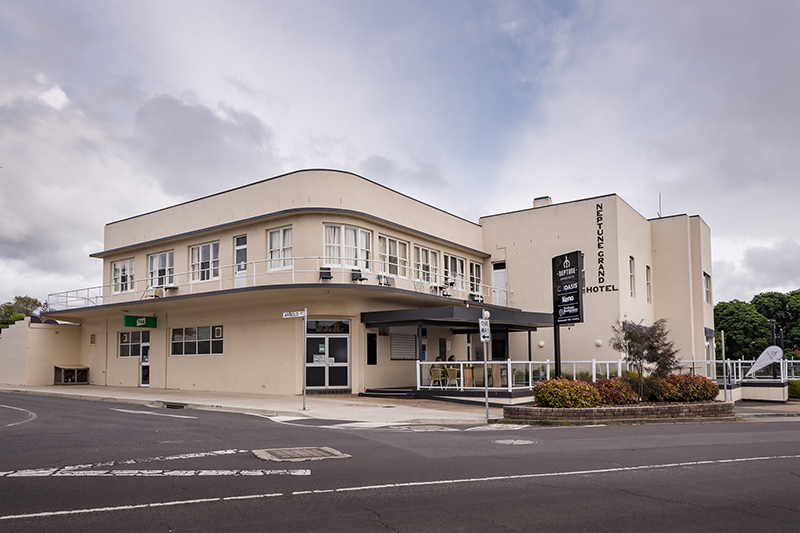
The restaurant where we dined last night is located in this hotel.

Last night, on my 78th birthday, Tom and I headed to the popular local pub tucked inside the Neptune Grand Hotel. After days of quiet routines and home-cooked meals, it felt wonderful to be out and about, stepping into the gentle hum of conversation and clinking glasses that only a well-loved local spot seems to carry.

We settled ourselves at the bar, always our favorite place to begin an evening. There is something comforting about sitting shoulder to shoulder with locals who clearly consider this their regular haunt. Before long, we found ourselves commiserating in that easy, friendly way that happens in small towns. A few laughs were shared, a few stories exchanged, and for a little while, we soaked in the pleasure of being among people while marking another birthday along this winding road of life.

After a few drinks, we meandered into the main dining room for dinner. The room itself has a pleasant, relaxed ambiance. Nothing pretentious, nothing overly formal. Just comfortable lighting, well-spaced tables, and the soft murmur of fellow diners enjoying their evening. It suited us perfectly.

This was my shrimp dinner: prawns in a gluten-free sauce with a side salad.

There were only a few menu options that worked well with my way of eating, which is always a challenge when dining out. Still, I found myself drawn to the dish shown here. It arrived nicely presented and, I must say, it was quite tasty. The flavors were good, and the preparation was clearly thoughtful. But in the end, it simply was not very filling. Those of you who follow along with our low-carb lifestyle will understand how sometimes a dish can check all the right boxes and still leave you wishing for just a bit more substance.

Even so, we enjoyed the experience. Sometimes it is less about the plate in front of you and more about the moment you are living.

One of the highlights of the evening was when our friend and future landlord, Terry, stopped by to wish me a happy birthday. That simple gesture meant a great deal to me. Terry and his wife have already shown themselves to be such a warm and wonderful couple, the kind of people who make you feel immediately at ease in a new place. In just a week from tomorrow, we will be moving into their holiday home across the street from the beach, and I must admit we are very much looking forward to that next chapter.

When we returned to the house after dinner, both of us were still a little hungry. No surprise there. So we did what has become our reliable little ritual. We each cut a generous hunk of aged cheddar cheese and enjoyed it quietly at home. Simple, satisfying, and exactly what was needed to hit the spot before calling it a night.

Tom’s chicken parmesan dinner with chips and salad. In many parts of the world, French fries are called “chips.”

Our landlord here in this temporary house, Karen, is also a lovely local. We have been fortunate once again to land among kind and accommodating people. It never ceases to amaze me how often that happens in this nomadic life of ours. Here’s the link to Karen’s property, which we are currently renting.

This morning we were back in our comfortable routine. We prepared the Keto Hamburger Scramble for tonight’s dinner and already have it fully cooked, waiting in the refrigerator. This evening will be easy. We will simply heat our potions in the microwave and serve them alongside a large fresh salad. After last night’s lighter restaurant meal, that hearty scramble is sounding especially appealing.

Soon we will head off to Henk’s market to pick up a variety of ingredients for meals we plan to make here during this final stretch before our move. We are trying to be mindful not to overstock. Moving food from one place to another is never high on our list of favorite activities. Fortunately, the new house is delightfully close, a two-minute drive, to the market, which will make future shopping both easy and pleasant. It’s only been a 10-minute drive to Henk’s IGA market in Penguin from this property.

And just like that, another birthday has gently come and gone. No big fuss, no elaborate celebration. Just good company, kind people, and the quiet contentment that continues to follow us wherever we land.

That is it for today, folks. Have a lovely day and be well.

Photo from ten years ago today, February 21, 2016:

This colt in New Plymouth, New Zealand, was too shy to approach us. For more photos, please click here.

We lucked out!…What a relief!…Today is my 78th birthday in Australia…It’s tomorrow in the USA!…More new photos…

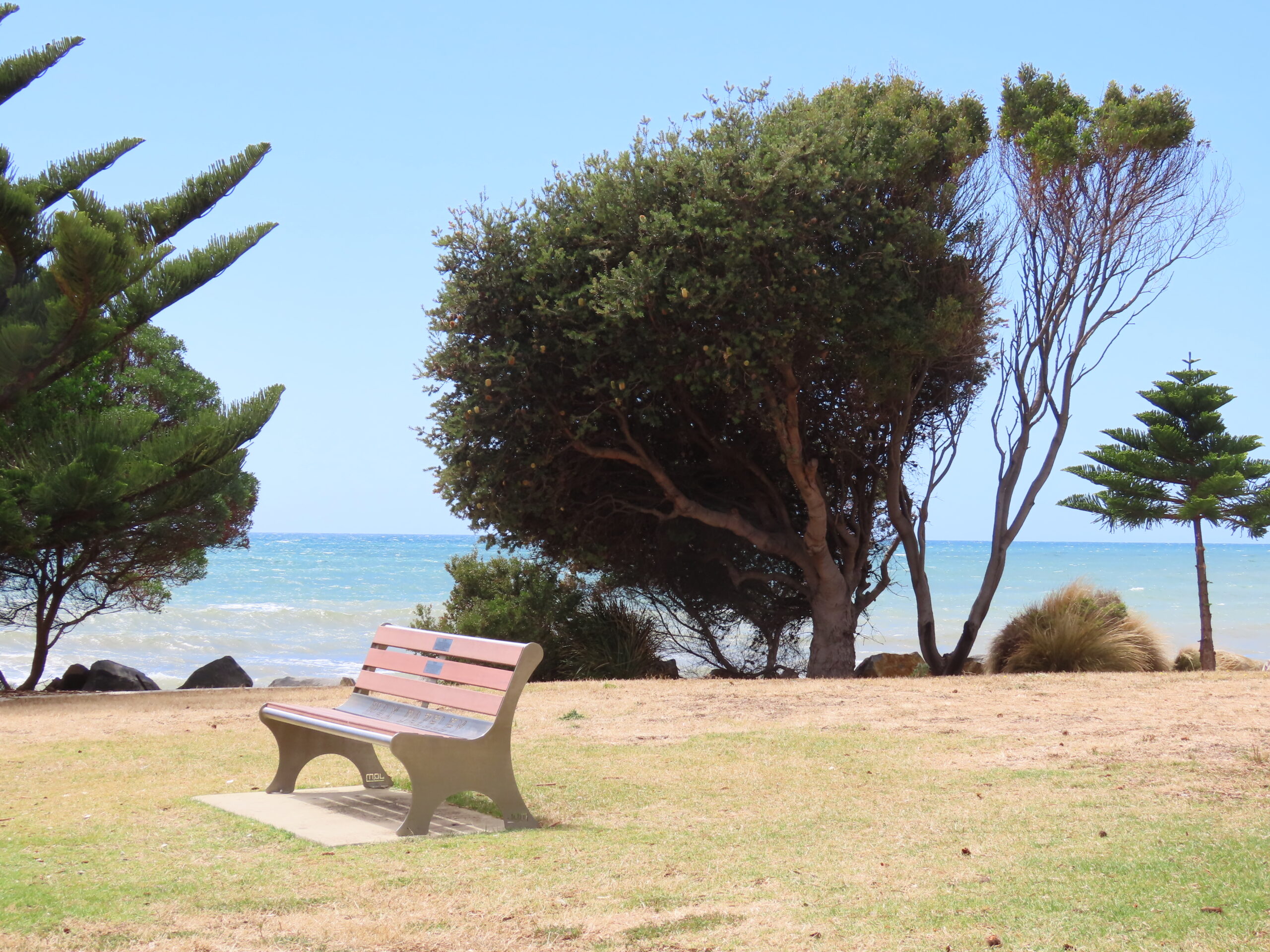
A lovely spot to savor the exquisite little beach town.

Yesterday, although we weren’t particularly optimistic, we headed out to the local pharmacy with a mission in mind. With our April cruise steadily approaching and memories still fresh from the last time we each battled three strains of flu on that 47-night voyage, we knew we didn’t want to take chances. Not at our age. Not with my cardiovascular disease and Tom’s pulmonary fibrosis. So, despite the uncertainty, we decided it was worth trying to secure Tamiflu in advance.

When we booked the 11:00 am appointments with the nurse practitioner at the pharmacy, the receptionist was very clear. The consultation would cost US $85.08 (AUD $120.56) for both of us, and there was no guarantee we’d walk away with prescriptions. Even if the medication couldn’t be prescribed, we would still be responsible for the appointment fee. It was one of those moments in travel life where you weigh risk versus peace of mind. We exchanged glances, took a breath, and booked it anyway.

Sitting in the waiting area, I’ll admit I kept my expectations low. We’ve learned over the years that healthcare systems abroad can have their own rhythms, rules, and occasional roadblocks. When we explained our medical conditions and why we wanted Tamiflu on hand for the cruise, the nurse practitioner listened carefully and seemed to understand our concern. That alone was reassuring.

The stunning view of the Bass Strait from downtown Penguin.

But then came the hiccup.

When he tried entering our information into the system, it wouldn’t accept us without an Australian Medicare ID. Of course, one of those technical barriers that can stop everything in its tracks. For a few minutes, it looked like we might have paid the consultation fee only to walk out empty-handed.

To his credit, the nurse practitioner didn’t give up. He stepped away and called his supervisor to see if there was any workaround. Those next fifteen minutes felt much longer than they probably were. We sat quietly, trying not to get our hopes up while also silently willing the universe to cooperate.

We have always loved seeing these perfectly shaped evergreen trees.

Finally, he reappeared in the waiting area with the words we were so hoping to hear. They had figured it out.

He was able to process our information and prescribe two rounds of Tamiflu for each of us. The wave of relief that washed over us in that moment was enormous. After everything we went through on the last cruise, having this medication in hand feels less like a luxury and more like a necessity.

We had hoped to receive three courses each, but in the end, we were happy with the two rounds per person. Not perfect, but certainly workable. The pharmacy filled one box of ten tablets each, one treatment round for each of us. The cost came to US $156.00 (AUD $220.92) for the medication itself. We can return in a few weeks for the second box each, when they approved one refill each.

Penguin trash bins.

When we added the consultation fees, our total out-of-pocket expense for the two boxes each, the total was US$ 241.08 (AUD$341.44).

Was it cheap? No.

Was it worth it? Absolutely.

Based on experience, if we were forced to obtain Tamiflu on board the ship, including the medical visit and marked-up medication, we’d likely be looking at about US $700 to AUD $991.40 per person. By taking care of it here in Penguin, we saved a substantial amount and, perhaps more importantly, gave ourselves a sense of preparedness that money really can’t buy.

We’re calling this a win and are very glad to have this task behind us.

On March 1, we’ll be moving to Terry and Fran’s holiday home, the same house we rented ten years ago, Sunrise at Penguin. We’re enjoying the beautiful temporary holiday home in the interim while we wait to move.

Today marks my 78th birthday. This afternoon, around 4:30, we’ll make our way back to the Neptune Grand Hotel for happy hour at the bar, followed by dinner in the restaurant, the same lovely spot where we dined with Terry and Fran last week. As it turns out, the lovely restaurant offers a complimentary birthday dinner, which feels like a sweet little bonus and perfect timing for our planned return.

If yesterday was about peace of mind, today will be about celebration, gratitude, and quietly appreciating another year of this remarkable nomadic life.

No doubt, it will be a good day.

Be well.

Photo from ten years ago today, February 20, 2016:

Denise, our server, fired up Tom’s Steak Diane Flambé using Pernod and white wine while I took this shot. For more photos, please click here.

Day 46…Port of call…Airlie Beach…Ten key facts about Airlie Beach…Two days until disembarkation…

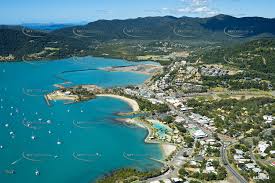
View of Airlie Beach. Not our photo.

There’s a particular sensation that settles in during the final stretch of a long cruise, a blend of anticipation and nostalgia, mixed with that subtle itch to move on to whatever comes next. As we inch closer to Saturday, when we’ll disembark in Brisbane and catch our flight to Auckland, I find myself perched somewhere between savoring these last few days at sea and mentally sorting through what lies ahead. It always amazes me how, even after weeks of cruising, the end seems to arrive in a sudden whoosh, as if the ship picks up emotional speed as well as physical momentum.

The flight to Auckland is 3½ hours, compared to the 90-minute drive afterward, the one that will take us through unfamiliar territory to Kaiwaka, our newest temporary “home,” though that word takes on a funny shape after so many years of living nomadically. We’ve settled into countless rentals, guesthouses, and countryside cottages around the world, but each new landing still carries that flutter of curiosity: What will the view look like out the kitchen window? Will the bed be comfortable enough? Will the laundry situation be workable? These things matter more than guidebooks ever admit.

And yet, despite the familiar uncertainties, there’s an eagerness growing in both of us. The cruise has been fantastic in many ways, relaxing, entertaining, indulgent in ways that land-life isn’t, but after this many days at sea, we begin to crave the ordinary again. For some passengers, the idea of leaving the ship seems almost tragic, but for us, it means the return of simple routines that have somehow become luxuries in themselves. I’m oddly excited for grocery shopping, for finding the local market aisles where the produce is freshest and discovering which New Zealand brands I’ll grow attached to during this stay. There’s comfort in the small rituals of settling in.

We’ve already started the mental packing, though the suitcases remain half-emptied for now. A cruise has a way of scattering your belongings into every corner of the cabin, chargers here, shoes there, a stack of paperwork that we’ll dispose of, somehow keeps migrating across the desk. I can already picture myself doing that pre-departure sweep, opening drawers I forgot existed, folding and refolding clothes more times than is necessary, as if the precision of packing could somehow make the transition smoother. After all these years, I know it never does, but it gives me a sense of order amid the change.

Kaiwaka will be entirely new for us. We’ve never stayed there, never driven its winding roads, never watched its sunsets from whatever angle the house allows. There’s something refreshing about that blank slate. Instead of returning to familiar rentals in Marloth Park,  where I know which pan overheats or which lamp flickers, we get to learn it all anew. And perhaps that’s why, even after a lovely cruise, I’m ready to step off the gangway and lean into the next chapter.

Tom, ever the more dedicated cruiser between us, has mentioned several times how quickly these 47 nights have passed, how each port and sea day blended into a kind of easy pattern. And he’s right. But even he seems ready now for a dining room that isn’t shared with hundreds of fellow passengers, for nights without announcements, and for mornings when the only schedule is the one we choose.

By Saturday afternoon, the ship will be behind us, the laughter, the meals, the gentle rocking at night, and ahead will be the cool, familiar air of New Zealand, the promise of new scenery, and the long-awaited chance to stretch out in a home-like space again. As always, we’re grateful for the journey, for the comforts onboard, for the ability to move from one life to another with relative ease.

But more than anything, we’re ready. Kaiwaka, here we come.

Ten key facts about Airlie Beach:

  1. Gateway to the Whitsundays: It’s the primary launching point for boat trips to the 74 Whitsunday Islands and the Great Barrier Reef.
  2. Man-Made Lagoon: Features a large, free, stinger-proof public swimming lagoon with fresh, chlorinated water, perfect for year-round swimming.
  3. Tropical Climate: Enjoy hot, humid summers and warm, pleasant winters, ideal for outdoor activities.
  4. Backpacker Hub: A popular spot on Australia’s East Coast route, known for its lively atmosphere and backpacker-friendly amenities.
  5. Proximity to Reef: Offers easy access to the stunning coral reefs and beaches of the Great Barrier Reef.
  6. Markets & Food: Home to local markets selling crafts, coffee, and fresh, delicious seafood.
  7. Name Origin: Believed to be named after the Scottish Parish of Airlie by a local councillor in the 1930s.
  8. Transport Hub: The closest airport is Proserpine (PPP), about 30 minutes away, making it easily accessible.
  9. Stinger Protection: Natural beaches have stinger nets, but the lagoon provides safe swimming during stinger season.
  10. Vibrant Town: A mix of natural beauty, town amenities, shops, pubs (like the Airlie Beach Hotel), and entertainment, including fire performers.

Be well.

Photo from ten years ago today, December 11, 2015:

Wherever we travel, water views always offer photo ops, as in Pacific Harbour, Fiji. For more photos, please click here.

Day 45…Port of call…Cairns, Australia…Ten key facts about Carins…

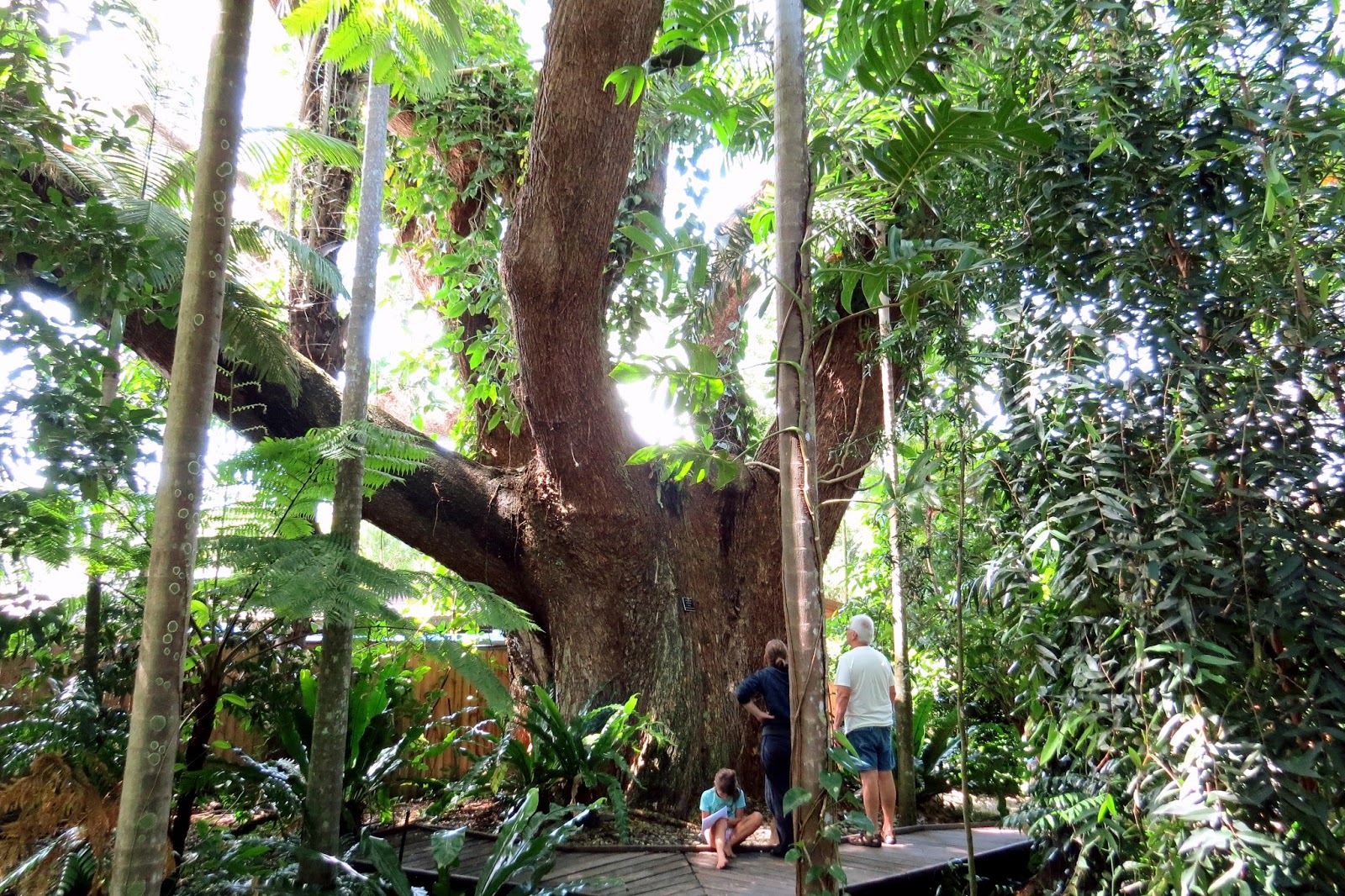
Tom was busy inspecting this giant tree at the Cairns Botanic Garden.

Note: Today’s photos are from our 2015 visit to the Cairns Botanic Gardens. If you’d like to see more of our posts from Cairns, including photos from the Great Barrier Reef,  please use our “search box” on the right side of our main page and type in “Cairns.”

Today, our ship is tendering passengers to Cairns, Australia, giving everyone a window until the 4:00 pm “back-on-board” deadline to explore this vibrant tropical city. Under ordinary circumstances, Cairns is the kind of place that tugs at you to come ashore, with its casual outdoor cafés, wide esplanades, and that unmistakable Queensland humidity that clings to your skin like a warm embrace. But after our extended stay here back in 2015, three full months of exploring every corner we could reach by foot, shuttle, or rental car, we both knew, without hesitation, that again, we’d stay onboard today.

A beautiful bouquet already made by nature.

It wasn’t that we didn’t love Cairns. Quite the opposite. Some places leave you saturated with memories, so full that returning doesn’t feel necessary. Cairns carries a certain nostalgia for us: the lazy afternoons wandering along the Esplanade, pausing to watch kids splash around the lagoon after school; the early mornings when the air felt soft and forgiving, and we’d stroll down quiet streets searching for photo ops and the day trips to the rainforest and Kuranda, the reef tours, and the quiet little moments that shaped that season of our lives. Those experiences were rich enough that we’ve never felt compelled to chase a “better version” of them.

And honestly, the logistics alone were enough to discourage even the slightest flicker of temptation to go ashore. Tendering in a busy port always adds layers of waiting and uncertainty. There were long queues to get tender tickets to board the tenders. Tom read a Facebook post about the pushing and shoving to get the tender tickets, which led to a passenger being pushed to the ground. Good grief.

Neither of us felt like spending the day in long queues, first to get off the ship, and then later for the shuttle from town back to the dock, only to queue once again for the tenders returning to the ship. My knee is improving day by day, and although I’m grateful for every bit of progress, I’m still not interested in testing it on long, uneven walks in hot, sticky weather if there’s no real motivation behind it.

A pretty waterfall.

There was also nothing in the immediate area calling our names. Cairns is lovely, but its charm lies in wandering, dining, and partaking in activities we’ve already done, absorbed, and appreciated. I didn’t feel any tug of curiosity, none of that familiar spark that usually pushes us into an impromptu adventure. We both felt content to stay put, letting the day unfold peacefully rather than in the stop-and-start of tender days.

In a way, I think our decision reflects how our travel style has evolved over the years. Early in our journey, we felt a pressure to see everything, to step ashore in every port, to make the most of every chance. There was a fear of missing something, an impulse to collect experiences like souvenirs. But somewhere along the way, perhaps after enough wanderlust has been satisfied or enough corners of the world become familiar, you permit yourself not to “do it all.”

Now, especially on longer cruises, we often favor these quiet, shipbound days when the decks are nearly empty, and the usual bustle gives way to a rare stillness. There’s a peacefulness that settles in when most passengers are ashore. You can find seats in every lounge, claim a quiet table near a window, and savor a leisurely cup of tea without interruption.

This was one of my favorites.

We’re also only a few days away from disembarking the ship completely, and the anticipation of settling into our new routine in Kaiwaka adds a layer of contentment to everything. I find myself craving simple, ordinary things: grocery shopping, cooking meals in a real kitchen, doing laundry with detergent whose scent I actually like. It’s funny how long-term travel rewires your sense of what feels exciting. Right now, the idea of standing in my own kitchen in New Zealand, chopping vegetables, stirring a pot, and opening the fridge to a wide array of dining options is most appealing.

We’ll likely spend part of the afternoon catching up on emails, perhaps sitting at the café with our laptops and watching the tenders shuttle back and forth. Maybe we’ll wander out to the deck railing later to look at the coastline we once knew so well, admiring it with a fondness that doesn’t require us to set foot on land.

Pink beauty.

Sometimes, the best travel days aren’t the ones filled with motion and activity. Sometimes, they’re the ones when you permit yourself to stay still, to appreciate where you are, where you’ve been, and where you’re headed next. Today is one of those days.

Here are ten key facts about Cairns, Australia:

  1. Gateway to Natural Wonders: Cairns is the gateway to the Great Barrier Reef and the ancient Daintree Rainforest, both UNESCO World Heritage sites. We visited these areas in 2015.
  2. Tropical Climate: Enjoy warm, tropical weather year-round, though it experiences distinct wet (summer) and dry (winter) seasons.
  3. The Esplanade Lagoon: A popular free, saltwater swimming lagoon on the city’s foreshore, perfect for locals and tourists.
  4. Biodiversity Hub: Home to unique wildlife, including the iconic cassowary, crocodiles, and the giant Hercules Moth, the world’s largest.
  5. Multicultural City: A diverse community with many languages spoken, including a significant Papua New Guinean population.
  6. Adventure Capital: A base for adrenaline activities like bungee jumping, white-water rafting, and exploring vast off-road trails.
  7. Rich Aboriginal Heritage: The region is the traditional land of the Gimuy-walubarra yidi people, with a rich cultural history.
  8. Home to QLD’s Highest Peak: Queensland’s highest mountain, Mount Bartle Frere (1,611m), is located just south of the city.
  9. Vibrant Markets & Food: Known for lively Night Markets offering local crafts, street food, and diverse cuisines.
  10. Scenic Transport: Features iconic experiences like the historic Kuranda Scenic Railway and the Skyrail Rainforest Cableway. 

Be well.

Photo from ten years ago today, December 10, 2015:

The market in the Arts Village in Pacific Harbour, Fiji, has few items suitable for our diet, but it’s ideal for most tourists, with lots of “western” snacks, chips, soda, and other processed, packaged items. They don’t sell “real” butter, only tub margarine, which we won’t buy. For more photos, please click here.

Day 42…Port of call…Darwin…Ten key facts about Darwin…

An overcast day in Darwin, Australia.

We have decided to stay on the ship today while we’re docked in Darwin, Australia. Having been here several times over the years, the sense of urgency to disembark and explore simply wasn’t there. We’d walked through the town on our last visit, slowly weaving along the waterfront, pausing in little patches of shade under the sparse trees, and feeling that familiar Darwin blend of heavy heat and easy charm. It’s a pleasant enough place, and one we’ve appreciated in the past, but today, neither of us felt compelled to push ourselves out into the sweltering conditions “just because.”

Declining the ship’s tours was easy. The popular “crocodile jumping” boat tour, a favorite among first-timers, held no appeal for us. After years spent in South Africa, where we’d quietly observed enormous crocodiles sunning themselves on the banks of the Crocodile River, creatures far more massive and awe-inspiring than the ones that leap for dangling meat in the tourist video, it’s hard to feel the same excitement for a staged spectacle. Those moments in the wild, when you’re close enough to feel the rumble of nature but still respectfully distant, set the bar impossibly high. And so, the idea of a choreographed thrill couldn’t compare.

As for the five or six-hour walking tours, they were out of the question from the start. Even in ideal weather, such long treks are more than I would attempt these days, especially after the lingering knee troubles. Add Darwin’s infamous heat and humidity, the kind that wraps around you like a wet blanket the moment you step off the gangway, and the decision became obvious. There’s no point in forcing ourselves to endure discomfort on a day when enjoying the quiet on the ship is much more appealing.

From our cabin balcony, we observed the pace of the day: enthusiastic passengers rushing ashore in the morning, full of energy and resolve, only to reappear a short time later looking wilted and dazed.

By noon, the ship felt unusually still, as if it too were trying to conserve its energy against the oppressive heat outside. Many guests who remained on board seemed to settle into the same slow, languid pace we had adopted, drifting between the coolness of the Promenade Cafe or a quiet corner in the library. There’s something peaceful about staying behind in port when so many passengers are ashore. Hallways become quiet, elevators arrive instantly, and the crew moves about with a more relaxed cadence, unburdened by the full intensity of a sea day.

Port of Darwin from the ship’s balcony.

In a way, these port days spent onboard often feel like stolen chapters of rest within an otherwise full itinerary. Travelers sometimes forget that it’s okay, necessary, even, to choose stillness over sightseeing. Long-term travel teaches you that not every destination has to be explored again and again, especially when you’ve already walked those streets, taken those photos, and made those memories.

So we’re here, contentedly tucked away, watching the day unfold from our floating home. And rather than feeling as though we missed something, we think the opposite, grateful for the quiet, for the comfort, and for the gentle reminder that sometimes the best choice is the simplest one.

Here are ten key facts about Darwin, Australia:
  1. Named After Charles Darwin (Who Never Visited): The city was named by explorer John Lort Stokes in honor of his former shipmate, naturalist Charles Darwin, though Charles himself never set foot in the area.
  2. Crocodile Capital: Darwin has more crocodiles than people, offering unique encounters at places like Crocosaurus Cove, where you can even swim with them.
  3. Cyclone Tracy Devastation: In 1974, Cyclone Tracy destroyed over 70% of the city, leading to a massive rebuilding effort and a new building code.
  4. World War II History: Darwin was a crucial Allied military base during WWII, heavily bombed by the Japanese.
  5. Unique Markets: The Mindil Beach Sunset Market is an iconic weekly event featuring food stalls, arts, and stunning sunsets.
  6. Harbor Size: Darwin Harbour is five times larger than Sydney Harbour.
  7. Multicultural Melting Pot: The city boasts over 60 nationalities, creating a vibrant Asian-influenced food scene and cultural mix.
  8. Beer Can Regatta: It hosts the world’s only Beer Can Regatta, where people build boats from beer cans to raise money for charity.
  9. Aboriginal Name & Culture: Its Indigenous name is Garramilla, and Aboriginal culture is a significant part of the city’s identity.
  10. Remote but Connected: Despite its remoteness from other Australian capitals, Darwin is a modern city well connected by air and offers a relaxed, tropical lifestyle. 

Be well.

Photo from ten years ago today, December 7, 2015:

View of the pool and patio from the veranda at our new holiday home in Pacific Harbour, Fiji. For more photos, please click here.

Day 41…Still out to sea…Heading to Australia…Immigration and many time changes…

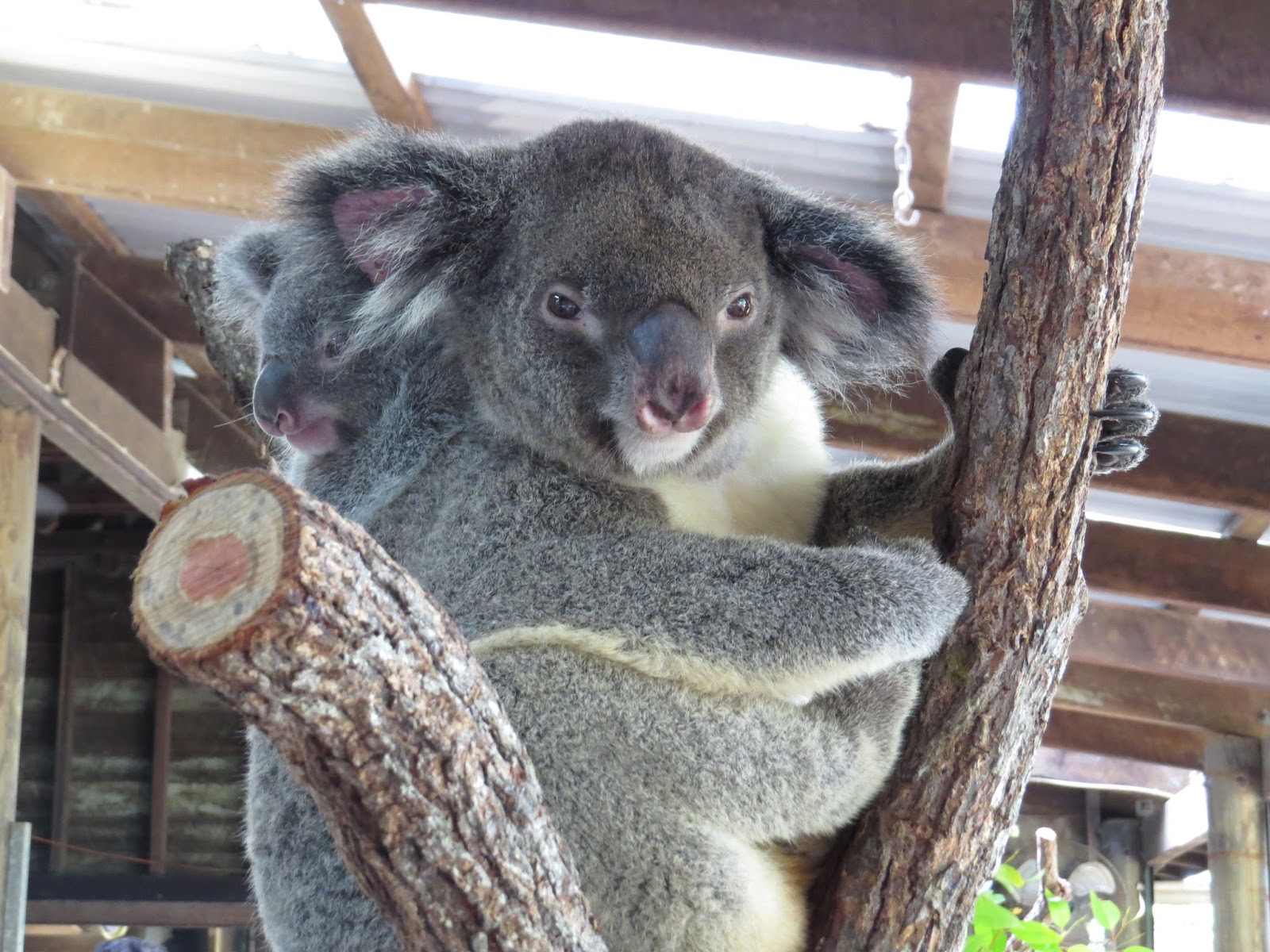
Our photo in Australia in 2015…The natural bond between mom koala bears and their offspring is always precious to observe.

Tomorrow morning, the ship will ease its way into Darwin, Australia, gliding into yet another port on this long voyage. Even after all these years of travel, there’s always a slight flutter in my chest on arrival days, not out of excitement for disembarking, necessarily, but because of the choreography of logistics, immigration procedures, and the small rituals that seem to come with every country we enter.

Even with our e-visas for Australia already applied for and approved months ago, there was still the somewhat tedious, time-consuming process of immigration officers boarding the ship. They set up in the dining room on Deck 5, checking visas and passports, making sure all the papers lined up with whatever boxes needed ticking. And, of course, there was yet another form for us to fill out, because no border crossing ever seems complete without one more form.

While Tom headed down to the Promenade Café with our laptops to settle in for his usual morning routine, I stayed behind in the cabin a little longer, gathering my laundry for the wash-and-fold service. It’s one of those small luxuries of cruise life that I hesitate to admit I’ve come to depend on. Once everything was neatly bagged, I left it for our ever-reliable stateroom attendant and made my way to Deck 5. Fortunately, the immigration line moved quickly, filled with the usual mix of sleepy passengers, early-morning chatter, and the soft hum of people fishing through their bags for the required additional documentation.

Even with today’s clearance complete, this won’t be our last tango with immigration on this trip. Once we reach the airport on December 13, we’ll go through Australian immigration again, not to stay, but to head onward to New Zealand. For anyone who hasn’t traveled this part of the world, the geography and politics can be a little confusing. New Zealand may seem close enough to Australia on a map to assume some shared visa or easy transit. Still, it’s an entirely separate country with its own rules, its own immigration procedures, and its own long-established identity.

And then, in a twist that always makes me laugh at the sheer bureaucracy of travel, when we return to Australia two months later to visit Tasmania, we’ll go through Australian immigration yet again. Tasmania, of course, is part of Australia, a full-fledged state, not a separate nation. It’s an island state located south of the mainland, separated from the mainland by the Bass Strait, rich in rugged wilderness, unusual wildlife, and the charming capital city of Hobart. It always amuses me that entering Tasmania from abroad requires the same formalities as entering Sydney or Melbourne, even though one feels like a frontier of wilderness and the other like the heart of bustling civilization.

For travelers new to all of this, these processes can feel overwhelming. The lines, the passport checks, the obscure forms asking questions that seem oddly specific, are enough to make anyone’s head spin. But for us, after thirteen years of full-time world travel, it’s familiar territory. Not necessarily enjoyable, but predictable, and that predictability helps.

One thing that has been less predictable this past month is the sheer number of time zone changes we’ve endured while cruising. Tom, ever the numbers guy, counted ten in total, including last night’s puzzling 30-minute time zone change as we approached the Northern Territory. These half-hour oddities are always a bit jarring, as if time itself decided to shrug and say, “Why not split the difference?”

Darwin, the capital of the Northern Territory, sits up at the “Top End” of Australia, bordering the Timor Sea. We’ve visited several times over the years, and while it’s a pleasant enough city, the port area doesn’t offer much beyond shopping, most of which will be closed anyway since we arrive on a Sunday. With that in mind, we have no intention of getting off the ship tomorrow. Sometimes, staying aboard is the more peaceful choice, especially when we’ve already been there, done that.

Despite the logistical dance, the time changes, and the length of this voyage, 41 days so far, it’s a long stretch, even for me; we’re still enjoying ourselves. There’s something comforting about settling into shipboard life, finding small routines, and letting the world drift by outside the balcony door.

We’ll share more as we move through this final week aboard Royal Caribbean’s Voyager of the Seas. Until then, may your own travels, wherever they take you, be smooth and pleasant.

Be well.

Photo from ten years ago today, December 6, 2015:

We moved to another island in Fiji for our remaining month in the islands. This is the kitchen in the new vacation home in Pacific Harbour, Fiji. For more photos, please click here.

An exciting new booking…What a hassle sending money internationally these days!…

Large open Lounge with ocean views
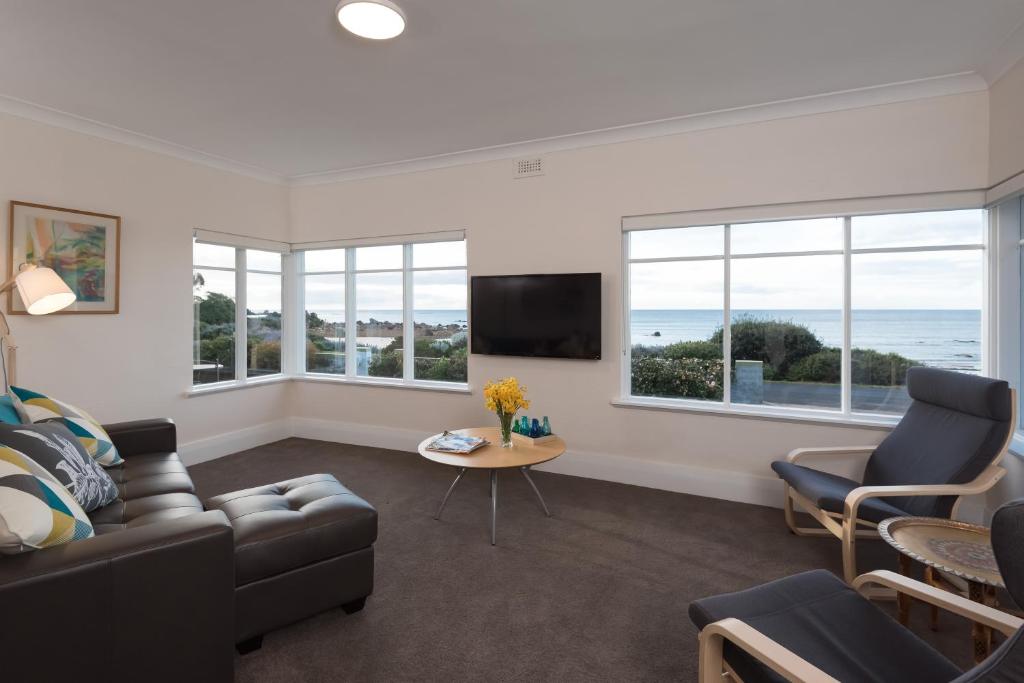
This is the living room at Sunrise at Penguin in Penguin, Tasmania, which we’re renting next year, returning after a nine-year absence. This location is Tom’s favorite in the world, and it’s about time we return.

We knew as time marched on that, we needed to begin booking some of the gaps in our most recent itinerary, first posted on Christmas Day here.

After  nine years and the number of times we’ve been asked, “What are your favorite places in the world?’ to which I always answer, “Marloth Park, South Africa,”  Tom always answers, “Penguin, Tasmania.”

And yet, after nine years, we are finally returning to Penguin from March 1 to April 13, 2026. We would stay longer, but we are boarding a cruise in Brisbane, Australia, on April 14, 2026, and it just worked out this way. Besides, we will have been in Australia on cruises, and their strict visa requirements make it essential that we leave the continent around that time.

Thus, yesterday, we contacted the owner, Terry, who was happy to hear from us and excited for us to book his lovely house in Penguin, across the street from the ocean, the Bass Strait. It”s comforting to know we’re returning to a home we found to meet our criteria easily.

Since we contacted Terry directly, we didn’t have to go through any booking company, incurring added fees for each of us. But the tricky part was getting the funds to Terry for the deposit and eventually the balance on our 43-night stay.

We decided we wouldn’t do bank transfers to foreign countries when we first began traveling. We’d encountered many stories about lost funds, errors, and the inability to receive funds if something went wrong. Over these past 12+ years, we’ve used vacation homes/holiday homes booking services or PayPal to transfer funds. It’s been easy in the past

But, nowadays, with so much fraud, it’s not so easy to send funds internationally without using a bank transfer, which many use freely, without giving it a thought.

However, in this case, booking directly through Terry, who doesn’t use credit card services for his bookings, prompted me to explain PayPal to him and send the deposit to him, which, after processing, he’d received in an email that would prompt him to enter his banking information securely and efficiently.

Using PayPal for this type of international transaction isn’t as easy as a few years ago. After researching details, we discovered it would take 21 days for the recipient, Terry, in this case, to receive the funds. That isn’t acceptable when he may have been able to book it with other people during those 21 days. We understood and respected that asking him to wait three weeks wasn’t appropriate. We didn’t ask. Instead, we looked for other options.

Many of us use various apps, such as Venmo, PayPal, Cashapp, etc., when we purchase products and services that may not directly accept a credit card or prefer to be paid via these apps. When researching these other options, the fees and restrictions made it costly and inconvenient to process the payments for the deposit and future payments.

Plus, using any of these apps using a credit card as opposed to cash, which we didn’t want to do (we get lots of points using credit cards), results in a credit card payment referred to as a “cash advance” with many fees incurred by the credit card company. I called a few of our cards to determine the best route, and it proved that using Western Union and a credit card was our least costly and easiest route.

Terry will have the funds in his bank in 2 to 4 business days. No problem with that. We all saved hundreds of dollars, and it worked out fine. I sent him the confirmation I received today that the transaction was completed. Who knew that old-fashioned Western Union would be a good option?

If we’d booked through an agency, none of this would have been relevant since apps like VRBO and AirBnB have their own payment processing services. But, there can be hefty fees to use these services, and if we can avoid them, all the better. We were able to use PayPal to pay our rent here in Lake Las Vegas since the transaction occurred in the US. When it’s an international transaction, it gets tricky.

That’s our news from today. Tomorrow, we’ll share photos from our delightful dinner at the Speakeasy. We’ve decided to go to The Pub again tonight instead of the long walk to the hotel.

Be well.

Photo from ten years ago today, January 11, 2015:

Beautiful pods growing on a palm tree in Kauai, Hawaii. For more photos, please click here.