
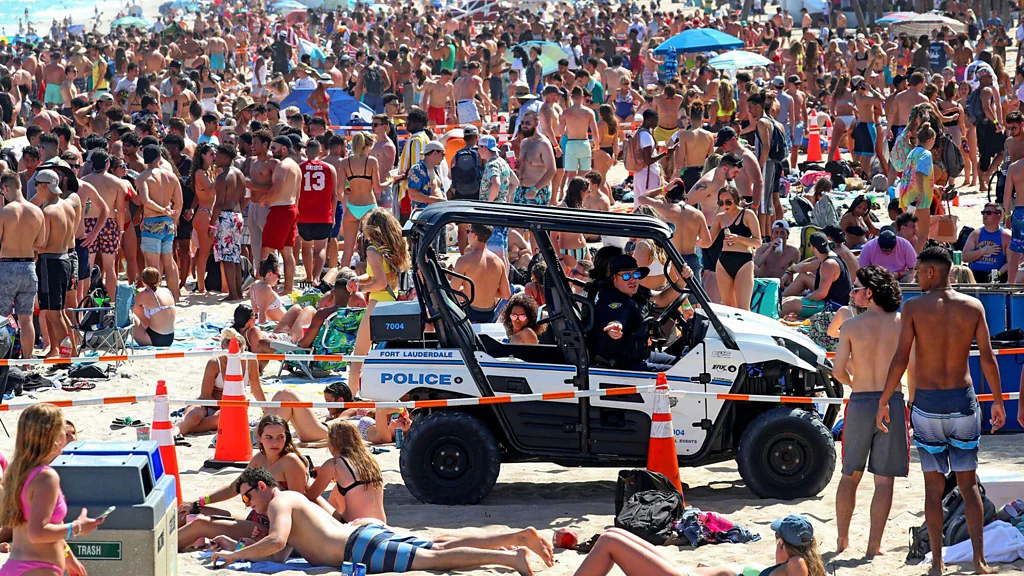
Over the years, as our travels have carried us across continents and through all kinds of seasons, we’ve come to notice something about Spring Break. It isn’t really about a place as much as it is about an atmosphere. The same beach can feel carefree and welcoming one week, then crowded and unpredictable the next. It all depends on who arrives, how they behave, and how prepared you are when you get there.
In the United States, Spring Break has long been associated with a handful of lively destinations. Miami Beach, Panama City Beach, and Cancún are often at the top of the list. These places can be fun, colorful, and full of energy, but they can also become overwhelming. Large crowds, heavy drinking, and occasional petty crime tend to rise during peak weeks. We’ve learned that if you’re drawn to these spots, timing and location within the destination matter greatly. Staying in quieter neighborhoods or choosing accommodations slightly removed from the main party areas can make all the difference.
On the other hand, some destinations seem to balance beauty with a more relaxed pace naturally. Places like San Diego and Santa Barbara offer sunshine and coastal charm without quite the same intensity. You still see students enjoying their break, but it feels more spread out, more manageable. Walking along the shoreline or sitting at an outdoor café, you get the sense that people are there to enjoy themselves, not lose themselves.
In Mexico, the contrast can be even more striking. While Cancún and Cabo San Lucas are known for their party scenes, places like Puerto Vallarta or Tulum can feel calmer, especially if you avoid the busiest weeks. That said, even in quieter areas, it’s wise to stay aware of your surroundings, use reputable transportation, and avoid wandering late at night in unfamiliar neighborhoods. These are simple habits, but they’ve served us well in many corners of the world.
Heading across the Atlantic, parts of Spain come alive with young travelers during this time. Ibiza has a reputation that precedes it, and for good reason. It can be dazzling, but also intense. Meanwhile, cities like Barcelona offer a broader experience. Yes, there is nightlife, but there are also quiet mornings wandering historic streets, afternoons in museums, and long, leisurely meals that remind you why you came in the first place.
We’ve also found that some of the safest and most rewarding Spring Break experiences come from thinking a little differently. In Japan, for example, Spring Break often coincides with cherry blossom season. Walking beneath blooming trees in Kyoto or Tokyo feels worlds away from crowded beach parties. It’s peaceful, orderly, and deeply memorable. Similarly, Australia offers beautiful coastal escapes like Noosa or Byron Bay, where the vibe leans more toward nature and wellness than late-night chaos.
Of course, no place is entirely safe or entirely unsafe. Even in the calmest destinations, things can happen. And even in the busiest party hubs, many travelers have perfectly enjoyable, trouble-free trips. What we’ve come to believe, after all these years, is that safety is often shaped by the choices we make. Staying aware, keeping valuables secure, pacing yourself, and trusting your instincts go a long way.
There is also something to be said for knowing what kind of experience you truly want. If you’re seeking connection, relaxation, and a sense of place, you may find yourself drifting toward quieter destinations. If you’re craving energy and celebration, the livelier spots will call your name, just with a bit more caution required.
Spring Break, in the end, is a reminder of how differently we all travel. For some, it’s about letting loose. For others, it’s about discovering something new. We’ve found that the most meaningful moments tend to happen somewhere in between, in those places where you can still hear your own thoughts, even as the world around you celebrates.
Be well.
Photo from ten years ago today, March 22, 2016:
