
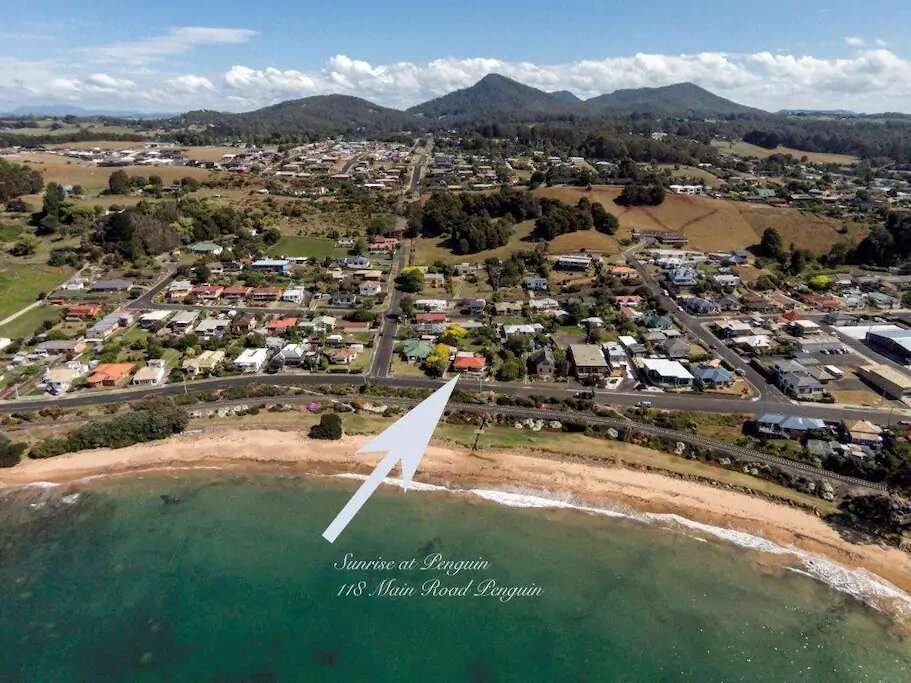
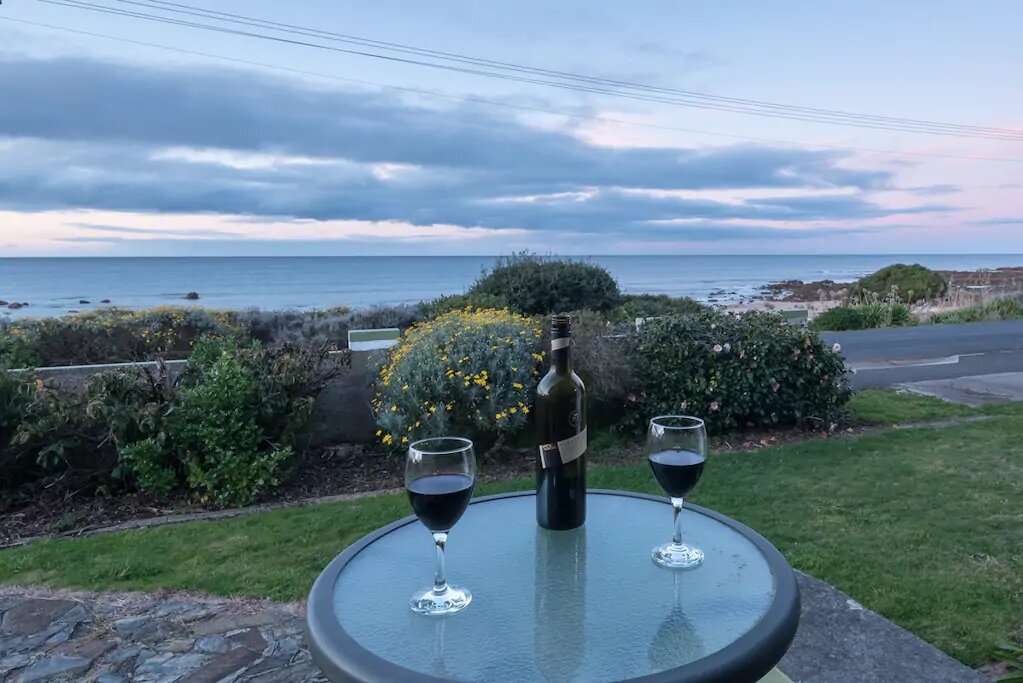
There is something quietly endearing about the little coastal town of Penguin, Tasmania. It does not shout for attention the way some seaside destinations do. Instead, it welcomes you gently, with salty air, tidy streets, and the steady sounds of waves rolling onto the shore. Ten years after our first visit, arriving again felt less like discovering somewhere new and more like returning to an old friend who had been patiently waiting.
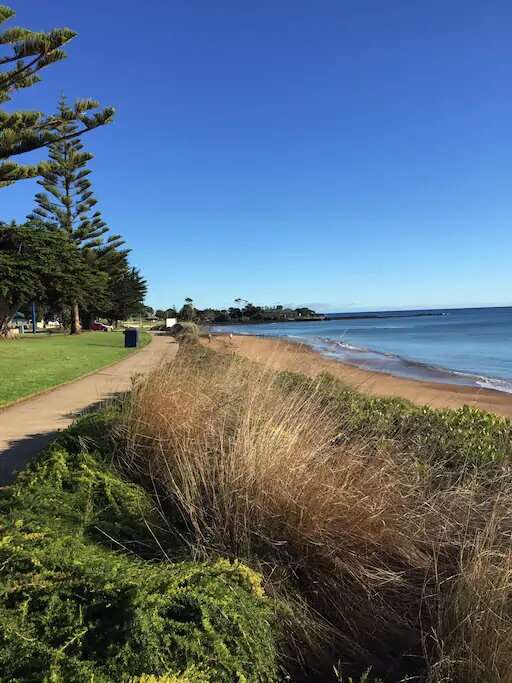
Penguin sits along the northwest coast of Tasmania, about midway between Burnie and Devonport. With Bass Strait stretching endlessly before it and rolling green farmland rising behind, the setting alone is enough to slow your heartbeat. But what makes Penguin memorable is its personality.
This is a town that has embraced its name with a wink and a smile. Penguin statues appear throughout the streets and along the foreshore, playful reminders of the little fairy penguins that nest along this stretch of coastline. The most famous of these is the oversized penguin sculpture standing proudly near the waterfront, a cheerful sentinel greeting visitors as they arrive.
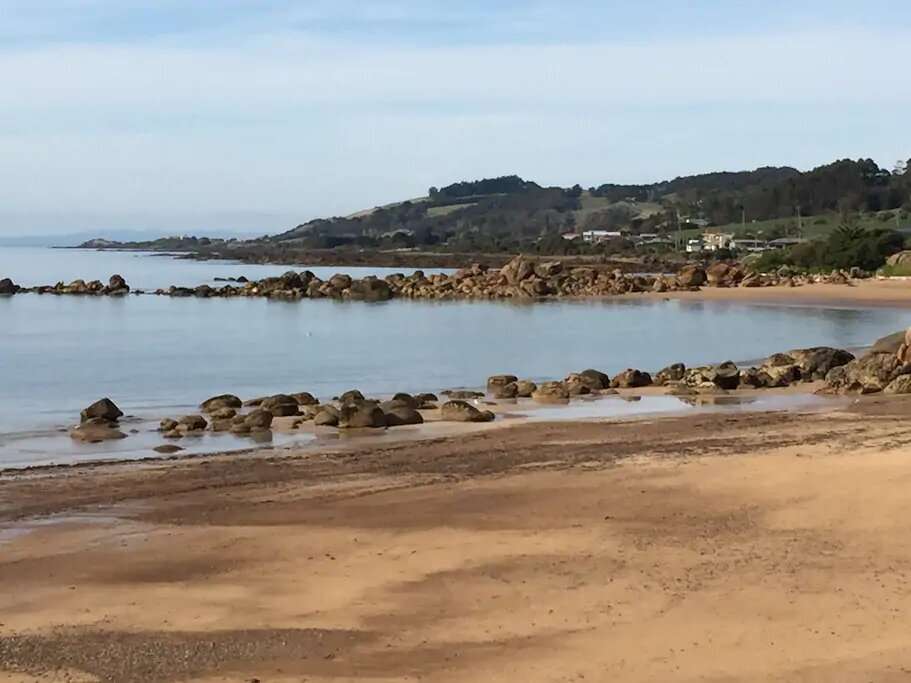
Despite its charm, Penguin is not overly polished or touristy. It still feels like a real working town, where locals stop to chat on the sidewalk, and the pace of life moves comfortably below the national average.
How Penguin Got Its Name
Long before the town itself existed, this coastline was known for its population of little penguins, the smallest penguin species in the world. Early European settlers, arriving in the mid-nineteenth century, noticed the birds coming ashore at dusk and began referring to the area simply as Penguin Creek. Over time, the name shortened to Penguin, and it stuck.
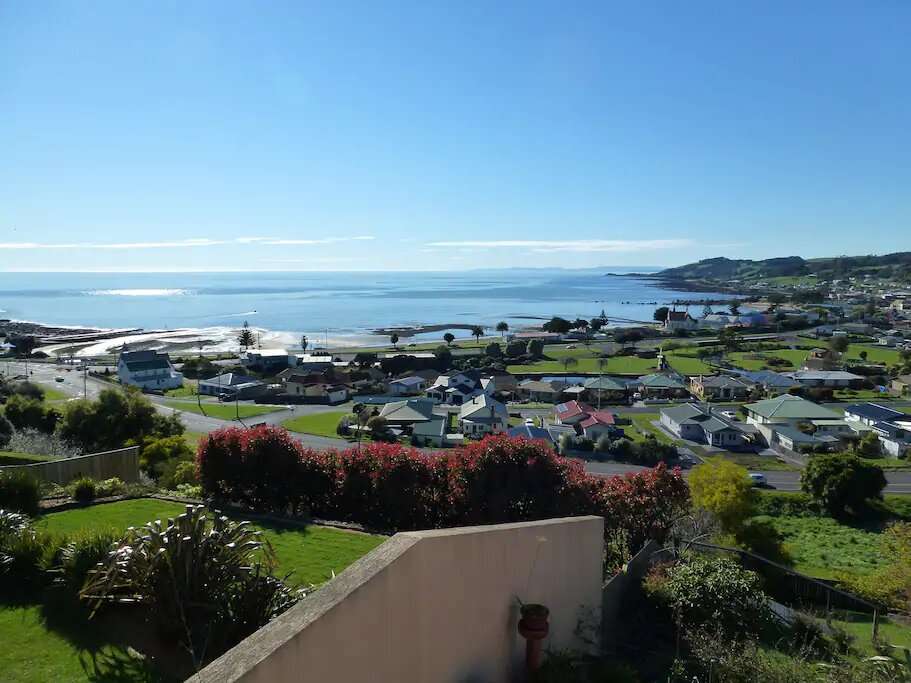
The town was officially gazetted in 1875, though European settlement in the area began earlier in the 1860s. Like many Tasmanian coastal communities, Penguin grew from practical beginnings. Timber cutting, agriculture, and small-scale shipping all played important roles in its early development.
What makes Penguin’s naming story feel especially fitting is that the birds are still here. At dusk, if you are patient and quiet, you can sometimes spot the little penguins returning from the sea, just as they did more than a century ago.
Growth Through Industry and Community
In its early decades, Penguin served as a modest port. The surrounding region proved fertile for farming, particularly potatoes and dairy, and the town became a shipping point for local produce. Timber from nearby forests also moved through the area.
The arrival of the railway in the late nineteenth century helped Penguin grow steadily, connecting it more efficiently to larger Tasmanian centers. Even so, it never expanded into a major industrial hub. Instead, it maintained the scale and feel of a close-knit coastal community.
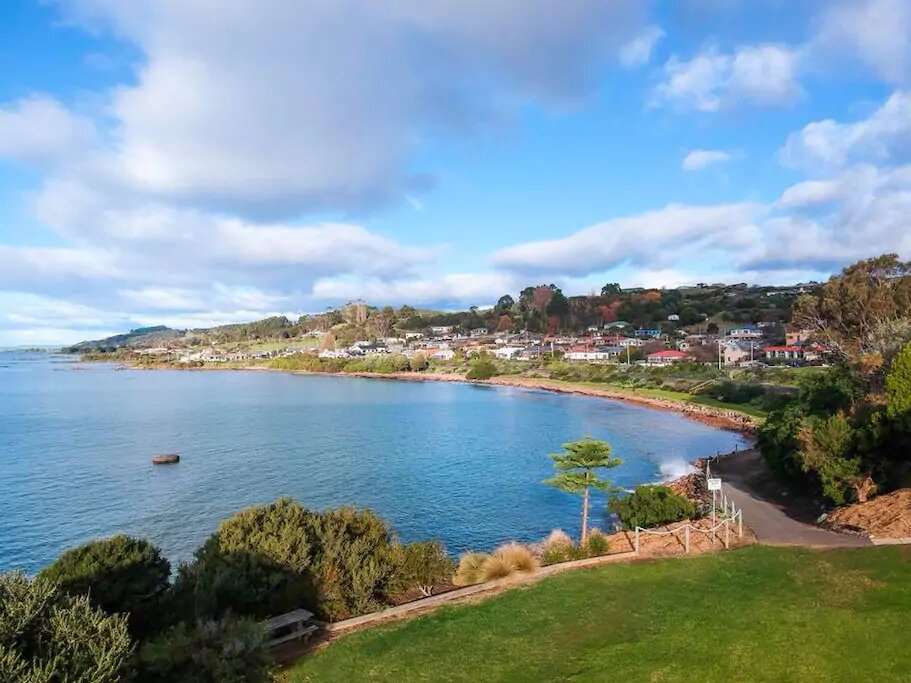
One thing that stands out when spending time here is how much of that community spirit remains intact. Penguin is known across Tasmania for its volunteerism and civic pride. Locals have long taken an active role in maintaining the town’s gardens, public spaces, and events. It shows in the tidy streets and the well-cared-for foreshore.
The Penguin of Today
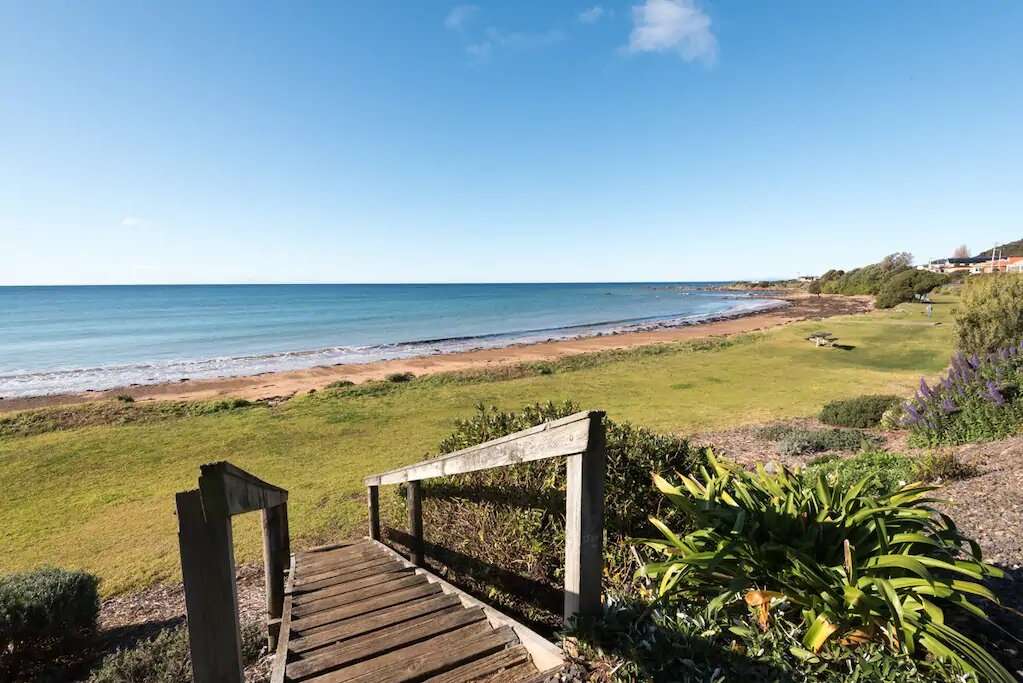
Modern Penguin balances its working town roots with a quiet tourism appeal. Visitors come for the coastal walks, the relaxed atmosphere, and the simple pleasure of being somewhere that has not rushed to reinvent itself.
The Sunday market draws both locals and travelers, offering everything from homemade jams to crafts and secondhand treasures. On Sunday, we plan to go to the market and take photos there to share here.
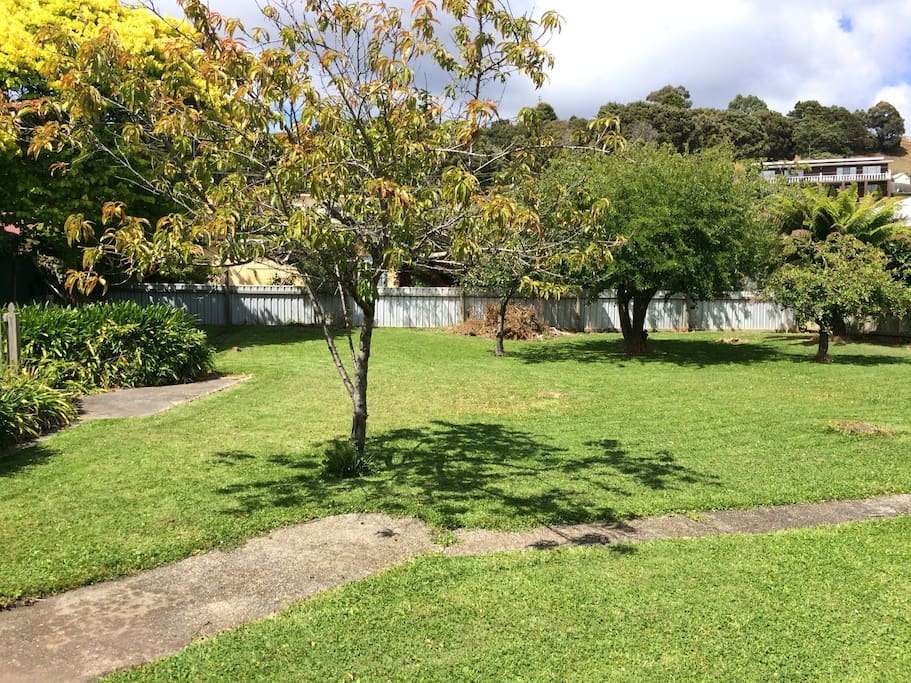
The beachfront playground and walking paths invite long, unhurried strolls, especially in the golden light of late afternoon. Yet what lingers most after a visit is not any single attraction. It is the feeling. Penguin has managed to hold onto something increasingly rare: authenticity without pretense.
When we drive through town now, just as we did ten years ago, there is that same peaceful sense of ease. The sea still breathes steadily against the shore. The little penguins still come home at dusk. And the town itself continues, comfortably and confidently, being exactly what it has always been.
Be well.
Photo from ten years ago today, March 3, 2016:
