We have decided to stay on the ship today while we’re docked in Darwin, Australia. Having been here several times over the years, the sense of urgency to disembark and explore simply wasn’t there. We’d walked through the town on our last visit, slowly weaving along the waterfront, pausing in little patches of shade under the sparse trees, and feeling that familiar Darwin blend of heavy heat and easy charm. It’s a pleasant enough place, and one we’ve appreciated in the past, but today, neither of us felt compelled to push ourselves out into the sweltering conditions “just because.”
Declining the ship’s tours was easy. The popular “crocodile jumping” boat tour, a favorite among first-timers, held no appeal for us. After years spent in South Africa, where we’d quietly observed enormous crocodiles sunning themselves on the banks of the Crocodile River, creatures far more massive and awe-inspiring than the ones that leap for dangling meat in the tourist video, it’s hard to feel the same excitement for a staged spectacle. Those moments in the wild, when you’re close enough to feel the rumble of nature but still respectfully distant, set the bar impossibly high. And so, the idea of a choreographed thrill couldn’t compare.
As for the five or six-hour walking tours, they were out of the question from the start. Even in ideal weather, such long treks are more than I would attempt these days, especially after the lingering knee troubles. Add Darwin’s infamous heat and humidity, the kind that wraps around you like a wet blanket the moment you step off the gangway, and the decision became obvious. There’s no point in forcing ourselves to endure discomfort on a day when enjoying the quiet on the ship is much more appealing.
From our cabin balcony, we observed the pace of the day: enthusiastic passengers rushing ashore in the morning, full of energy and resolve, only to reappear a short time later looking wilted and dazed.
By noon, the ship felt unusually still, as if it too were trying to conserve its energy against the oppressive heat outside. Many guests who remained on board seemed to settle into the same slow, languid pace we had adopted, drifting between the coolness of the Promenade Cafe or a quiet corner in the library. There’s something peaceful about staying behind in port when so many passengers are ashore. Hallways become quiet, elevators arrive instantly, and the crew moves about with a more relaxed cadence, unburdened by the full intensity of a sea day.

In a way, these port days spent onboard often feel like stolen chapters of rest within an otherwise full itinerary. Travelers sometimes forget that it’s okay, necessary, even, to choose stillness over sightseeing. Long-term travel teaches you that not every destination has to be explored again and again, especially when you’ve already walked those streets, taken those photos, and made those memories.
So we’re here, contentedly tucked away, watching the day unfold from our floating home. And rather than feeling as though we missed something, we think the opposite, grateful for the quiet, for the comfort, and for the gentle reminder that sometimes the best choice is the simplest one.
- Named After Charles Darwin (Who Never Visited): The city was named by explorer John Lort Stokes in honor of his former shipmate, naturalist Charles Darwin, though Charles himself never set foot in the area.
- Crocodile Capital: Darwin has more crocodiles than people, offering unique encounters at places like Crocosaurus Cove, where you can even swim with them.
- Cyclone Tracy Devastation: In 1974, Cyclone Tracy destroyed over 70% of the city, leading to a massive rebuilding effort and a new building code.
- World War II History: Darwin was a crucial Allied military base during WWII, heavily bombed by the Japanese.
- Unique Markets: The Mindil Beach Sunset Market is an iconic weekly event featuring food stalls, arts, and stunning sunsets.
- Harbor Size: Darwin Harbour is five times larger than Sydney Harbour.
- Multicultural Melting Pot: The city boasts over 60 nationalities, creating a vibrant Asian-influenced food scene and cultural mix.
- Beer Can Regatta: It hosts the world’s only Beer Can Regatta, where people build boats from beer cans to raise money for charity.
- Aboriginal Name & Culture: Its Indigenous name is Garramilla, and Aboriginal culture is a significant part of the city’s identity.
- Remote but Connected: Despite its remoteness from other Australian capitals, Darwin is a modern city well connected by air and offers a relaxed, tropical lifestyle.
Be well.
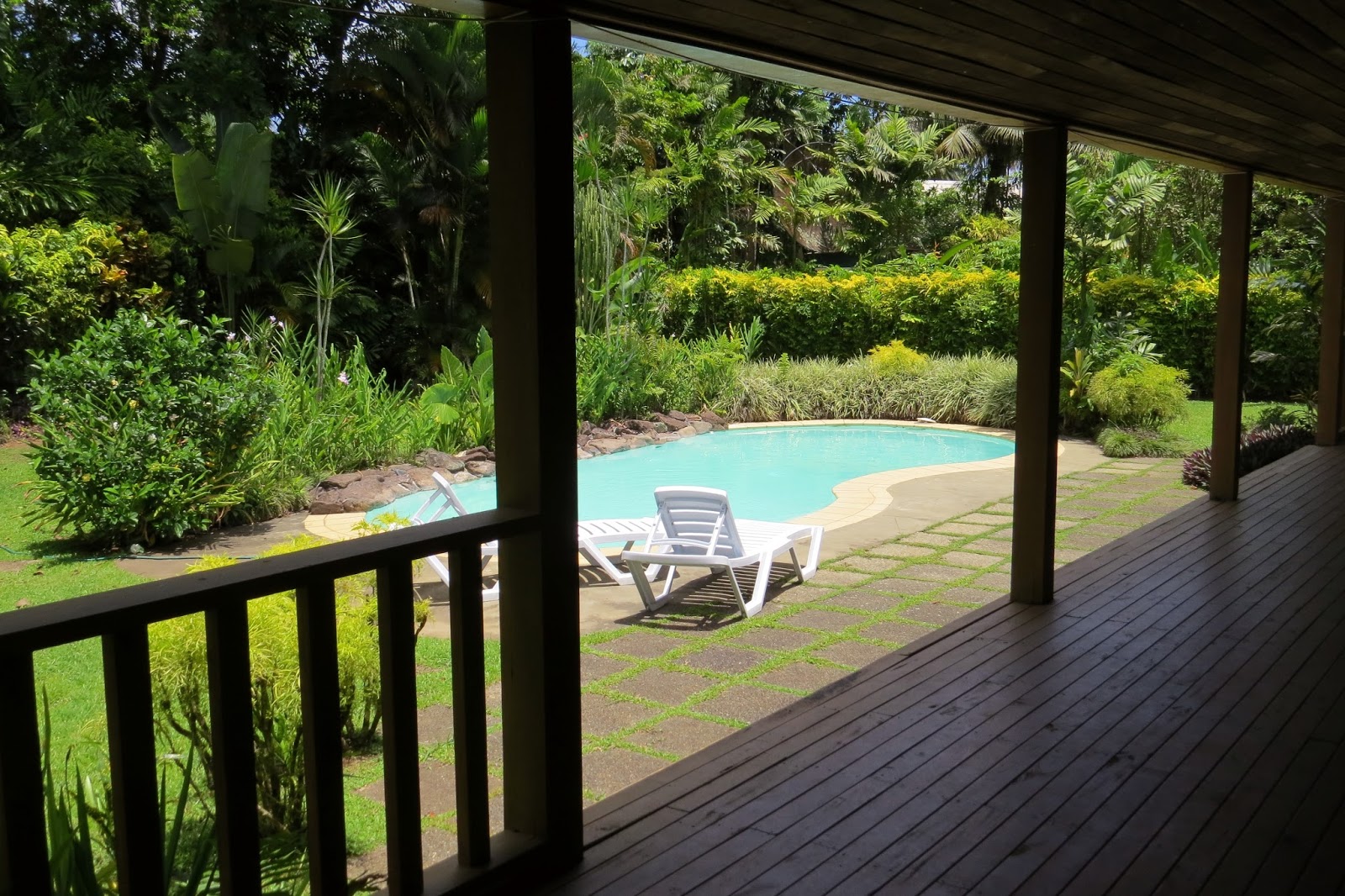
Photo from ten years ago today, December 7, 2015: