No road trip for me!…

A scene from the Musee d’Orsay, in Paris.

Tomorrow, after talking to a doctor at the Cleveland Clinic, if it’s safe for me to continue here with these breathing issues, we’ll decide how to get me there at the end of the month. Right now, I feel like it would be impossible for me to go on a road trip. Won’t I sit in the car for two days for the 750-mile journey?

The answer is yes and no. Sitting in the car will be okay, but I’m most concerned about getting in and out of the car at roadside stops for restroom breaks and walking to and from a hotel, which I’ll face when we get to Cleveland anyway. It’s usually a long walk from the car to the restroom, which would be impossible. I can’t go to the bathroom here in the hotel room without getting out of breath.

I just looked it up, and the hotel at Cleveland Clinic has wheelchair assistance and wheelchairs for guests. You may say, why don’t we get a wheelchair now? However, I don’t plan to go anywhere if possible. Our room is too small to maneuver a wheelchair around. I’ll arrange for a wheelchair at the airport when I fly out, which will take me to my seat since I doubt I can walk down the aisle to my seat.

Fortunately, I can stand quietly in the kitchen and chop and dice ingredients for dinner. Tom takes everything out and back into the refrigerator while I prepare simple meals, some of which I can do while seated at the kitchen table. Plus, Tom does the cooking, which helps a lot.

Here’s a description of difficulty breathing due to valve regurgitation:

Difficulty breathing, or dyspnea, can be a symptom associated with valve regurgitation. Valve regurgitation, also known as valve insufficiency, occurs when one of the heart’s valves does not close properly, causing blood to flow backward instead of moving through the heart and to the rest of the body. This can affect the efficiency of the heart’s function and lead to various symptoms, including:

  1. Shortness of breath (dyspnea): Especially during physical activity or when lying flat.
  2. Fatigue: Due to reduced oxygenated blood being circulated.
  3. Swelling (edema): In the legs, ankles, or abdomen.
  4. Palpitations: Irregular heartbeats or a sensation of the heart skipping beats.
  5. Chest pain: Though less common, it can occur in severe cases.

I have symptoms #1, #3, and #4. Fortunately, I don’t have chest pain. My heart rate and blood pressure are normal if I stay seated or lying down. As soon as I start moving, they both increase significantly.

The severity of symptoms can vary depending on which valve is affected (mitral, aortic, tricuspid, or pulmonary) and the extent of the regurgitation.

If you’re experiencing difficulty breathing and suspect it might be related to valve regurgitation, it’s crucial to consult a healthcare provider for a thorough evaluation. They may perform diagnostic tests such as echocardiography, electrocardiograms (EKG), or other imaging studies to assess the function of your heart valves and determine the appropriate treatment plan.

There’s the latest, dear readers. We’ll keep you updated.

Be well.

Photo from ten years ago today, August 4, 2014:

The massive courtyard of the Musee de l’Armee des Invalides was used as a staging area during times of war. For more photos, please click here.

A harrowing evening…

From Paris…

After countless echoes of support from our readers, many commented that they, too, have heart and other medical conditions, and it is comforting to them to know they are not alone in their struggles. A positive attitude is vital to navigating medical or other issues, but we’re all human. We may be fearful and apprehensive as we work through ongoing challenges.

After two nights in the hospital last week, during which nothing could be done without more tests and agreeing to treatment at that hospital, I checked out not necessarily feeling better or more at ease with how I’ve been feeling lately. We leave for Cleveland Clinic in a little over three weeks, and the time can’t come quickly enough.

In the past few weeks, I’ve found that whenever I move around for more than a minute, my heart goes wild, trying to keep up with activity-induced blood flow. My pulse rises, my blood pressure increases, and I become breathless. This is an awful feeling, and as hard as I try to breathe it out and stay calm.

Overall, I am a calm person. I usually don’t manifest any physical symptoms when under stress, nor do I overreact to difficult situations. After all, 12 years of world travel were packed with stressful scenarios, and with Tom and I, at each other’s side, we’ve worked our way through immeasurable stressful situations…never a panic attack, a headache, an upset stomach, or any other medical response.

We both revel in our ability to maintain calm through all unexpected situations, even coming out on the other side of my emergency open heart surgery while in South Africa in February 2019 with optimism and determination to continue with our travels, which we did.

We went to Billie’s Bar and Grill in Anoka yesterday late afternoon. We were comfortably seated while I drank three glasses of iced tea, which caused me to go to the restroom a few times, about 30 steps from our big table. I was severely out of breath each time I returned to the table.

The last time I went to the restroom before we left to get back on the road, I was seriously out of breath, and once we were in the car, I couldn’t seem to catch my breath at all. Tom asked if we needed to go to the ER. I agreed to be safe, and we returned to Methodist Hospital.

An ER assistant grabbed a wheelchair and wheeled me in to approach the check-in desk. I explained my situation through difficult breathing and endless questions from the intake person to whom I explained I might be having a heart attack based on my symptoms. The phone number on my chart from last week was incorrect, but she finally found my file and corrected the number.

Practically slumped in the chair, struggling to breathe, I was told someone would come get me “soon.” The emergency room was packed with at least 60 people. After two hours, a kindly woman sitting beside me in a wheelchair explained she had been waiting for hours. She’d broken her hip, which had been diagnosed by an orthopedic surgeon, and was told to go to emergency to be put into a room for tomorrow’s surgery.

She was in pain and uncomfortable waiting for someone to take her, but she’d waited for many hours. Nurses and intake people told other patients that the wait could be eight to ten hours. I asked a few passing staff, and they said the wait would be many hours. Good grief! What if I was having a heart attack?

I told Tom I’d be better off returning to the hotel and lying down. If it got worse, we’d call an ambulance, ensuring a quicker opportunity for triage. There was no way I could sit in that chair for eight to ten hours.

Once back at the hotel, I lay on the bed, took my vitals, did an EKG on the Fitbit, and did lots of deep breathing to slow my heart rate. An hour later, I was feeling much better. On Monday, I will call the Cleveland Clinic and ask them what to do and if this breathing issue is extremely worrisome while I await my appointments on August 28. If they say this is a normal response to valve issues, I will wait it out.

Last night, I slept well, but even when I got up to shower and dress, I got winded. Hopefully, on Monday, I will know more. Meanwhile, Tom is doing everything while I sit like a lump of clay watching the Olympics, a wonderful distraction.

Be well.

Photo from ten years ago today, August 3, 2014:

The most romantic city in the world, Paris, obviously inspired a romantic person to have this sign posted, “Will you marry me, Diane?” We hope she said yes! For more photos, please click here.

The joys of friendship can’t be matched…

My dear friend Lisa for the past 36 years.

I had such fun with my dear friend Lisa at lunch yesterday that I forgot to take a photo of the two of us. Instead, I used the above photo she took in the restaurant parking lot. As I often do without a thought, I took photos of our delicious meals at Jimmy’s Kitchen in Minnetonka, my favorite restaurant at the moment, but failed to take photos of the humans. Lisa and I became friends in 1988, and over the past 36 years, we’ve easily stayed in touch through many life changes.

Last summer, when we were in Florida, staying at The Villages, she and her friend Vicki joined Tom and me for dinner in one of the popular village squares. We had a great time then, but there was something special about just the two of us having a 3½ hour “girl’s lunch.”

It isn’t often that I have an opportunity to enjoy old or new friends on my own, no offense intended to my dear Tom. Conversation can be different and more vulnerable when in the presence of girlfriends on my own. I easily recall all those delightful lunches with my girlfriends in Marloth Park at Stoep Cafe. Gosh, I miss those days.

Friendships are essential to life, providing emotional support, companionship, and a sense of belonging. Throughout our lives, friendships can influence our happiness, health, and overall well-being. The value of friendships extends beyond the social sphere, impacting our mental and physical health, personal development, and even our longevity.

One of the most significant values of friendships is the emotional support they offer. Friends provide a safe space for expressing feelings, sharing experiences, and seeking advice. According to psychologists, friendships help individuals navigate life’s challenges by offering emotional resilience and reducing feelings of isolation. Having close friends can buffer against the negative effects of stress and improve our overall sense of well-being.

Friends also play a critical role in shaping our identities and self-esteem. Positive feedback and validation from friends reinforce self-worth and confidence. Furthermore, friendships encourage personal growth by exposing individuals to diverse perspectives and experiences.

The benefits of friendships extend to physical health as well. Research has shown that strong social connections can lead to better health outcomes and increased longevity. A study conducted by researchers at Brigham Young University and the University of North Carolina at Chapel Hill revealed that individuals with strong social ties had a 50% higher survival rate than those with weaker social connections. This effect is comparable to the benefits of quitting smoking or regular physical activity.

Lisa enjoyed her walleye and vegetables.

Friendships can also contribute to healthier lifestyles. Friends often engage in shared activities such as exercising, cooking healthy meals, or participating in sports, which promote physical health. Additionally, friends can offer encouragement and accountability, making it easier to maintain healthy habits and make positive lifestyle changes.

Friendships play a crucial role in personal development and growth. Through interactions with friends, we can learn important social skills such as communication, conflict resolution, and cooperation. These skills are essential not only for personal relationships but also for professional success.

Friends also serve as role models and sources of inspiration. Observing their achievements and qualities can motivate us to set higher goals and strive for self-improvement. The support and encouragement from friends can boost confidence and help overcome obstacles, leading to personal growth and success.

Moreover, friendships provide opportunities for new experiences and adventures. Friends often introduce each other to new hobbies, interests, and cultures, broadening horizons and enriching lives. These shared experiences create lasting memories and strengthen bonds, contributing to a sense of fulfillment and happiness.

The value of friendships extends beyond individual benefits, impacting society and culture as a whole. Friendships promote social cohesion and community engagement. Strong social networks create supportive communities where individuals look out for one another, fostering a sense of belonging and mutual aid.

Friendships can bridge cultural and social divides in diverse societies, promoting understanding and tolerance. By forming friendships with individuals from different backgrounds, people can challenge stereotypes and prejudices, leading to more inclusive and harmonious communities. According to sociologist Dr. Robert Putnam, social networks, including friendships, play a vital role in building social capital, which is essential for the functioning of democratic societies.

My lunch of seared tuna at Jimmy’s.

While friendships have numerous benefits, maintaining them requires effort and commitment. Life transitions such as moving, changing jobs, or starting a family can strain friendships. Effective communication, mutual respect, and understanding are crucial for sustaining long-term friendships. Making time for friends, showing appreciation, and addressing conflicts constructively is also important.

In the digital age, social media and technology have transformed the way we form and maintain friendships. While these tools can help stay connected, they also present challenges such as superficial interactions and reduced face-to-face communication. Balancing online interactions with in-person connections is essential for maintaining deep and meaningful friendships.

Friendships are invaluable assets that enrich our lives in countless ways. They provide emotional support, contribute to physical health, foster personal growth, and strengthen social cohesion. Despite the challenges of maintaining friendships, the rewards far outweigh the effort. Investing in friendships is investing in a happier, healthier, and more fulfilling life. As the poet Ralph Waldo Emerson aptly said, “The only way to have a friend is to be one.” By nurturing our friendships, we create a network of love, support, and shared experiences that enhance our well-being and enrich our journey through life.

Throughout my adult life, I have found that making a concerted effort to develop friendships is necessary. They rarely develop without any effort, time, and planning. The end result is certainly worth the effort. However, I find it to be ironic how when we meet that special person with whom we connect in a magical way, a friendship can blossom with ease.

Be well.

Photo from ten years ago today, August 2, 2014:

Tom was fairly relaxed at the Lisbon Airport during a long layover.
Tom took this photo of me at the Lisbon Airport. For more, please click here.

Biting off more than we can chew in today’s busy world…

Within hours of our arrival, we walked from our hotel to take this photo.The  Eiffel Tower was as busy ten years ago as it is right now during the Olympics.

Note: Ten years ago today, we left Madeira, Portugal, and made our way to Paris for a two-week stay!

We’ve observed our working family members and friends as they take on extra tasks and responsibilities. We appreciate their dedication to the lives of their children, jobs, friends, and community but can’t help but wonder if they have time to renew, relax, and refresh.

In today’s fast-paced, hyper-connected world, the idiom “biting off more than I can chew” resonates more than ever. With constant demands on our time and attention from work, family, social obligations, and the digital world, it’s easy to take on too much. This phrase captures the essence of overcommitting and the struggle to balance numerous responsibilities, often leading to stress, burnout, and diminished performance.

Modern society values productivity and multitasking, sometimes to an unhealthy extent. The pressure to excel in all areas of life can push individuals to overextend themselves. The rise of technology and social media has exacerbated this phenomenon, making it seem as if everyone is juggling multiple successful ventures effortlessly. This illusion of seamless multitasking can create unrealistic expectations, prompting people to take on more than they can handle.

Workplaces, in particular, are breeding grounds for overcommitment. The competitive job market and the drive to succeed professionally can lead employees to accept more responsibilities than they can realistically manage. The proliferation of remote work has blurred the boundaries between professional and personal life, further complicating the ability to gauge one’s capacity. With emails, messages, and notifications pouring in at all hours, the line between work and leisure becomes indistinct, making it difficult to switch off and recharge.

Taking on excessive responsibilities at work can have several adverse effects. First, the quality of work can suffer. When individuals are spread too thin, they may struggle to give adequate attention to each task, leading to mistakes and subpar results. This affects personal performance and can impact team dynamics and project outcomes. Moreover, the stress of managing an overwhelming workload can lead to burnout, characterized by physical and emotional exhaustion, cynicism, and reduced efficacy. Burnout is detrimental to the individual and costly for organizations in terms of lost productivity and increased turnover.

Outside of work, personal commitments can also become overwhelming. Balancing family responsibilities, social engagements, hobbies, and self-care can be daunting. The desire to maintain a vibrant social life, nurture relationships, and pursue personal interests often competes with the need for rest and downtime. Parents, in particular, may feel the strain of juggling their careers, children’s activities, household chores, and personal aspirations. The societal expectation to “have it all” can create immense pressure, leading to feelings of inadequacy and guilt when one inevitably falls short.

Social media exacerbates these pressures by creating a perpetual comparison trap. People often showcase their best moments online, giving the impression of effortlessly balanced and successful lives. This can lead to unrealistic expectations and the pressure to emulate such lifestyles. Consequently, individuals may overcommit to activities, social events, and projects in an attempt to match perceived standards, only to find themselves overwhelmed and dissatisfied.

Another critical aspect of biting off more than one can chew in today’s world is the impact on mental health. Chronic stress from overcommitting can lead to anxiety, depression, and other mental health issues. The constant juggling act can make finding time for self-care and relaxation challenging, which are essential for maintaining mental well-being. The fear of missing out (FOMO) and the drive to achieve can keep people in a constant state of alertness and worry, further deteriorating mental health.

To navigate these challenges, developing self-awareness and setting realistic boundaries is crucial. Recognizing one’s limits and learning to say no are essential skills in managing commitments effectively. Prioritizing tasks and focusing on what truly matters can help reduce the burden of overcommitment. Additionally, practicing mindfulness and stress management techniques can aid in maintaining a healthy balance and preventing burnout.

Organizations can also play a significant role in addressing this issue. Promoting a healthy work-life balance, providing resources for stress management, and fostering a supportive work environment can help employees manage their workloads better. Encouraging realistic goal-setting and acknowledging the limitations of multitasking can create a more sustainable and productive workplace culture.

In conclusion, biting off more than one can chew is a common challenge in today’s busy world. The pressures of modern life, amplified by technology and societal expectations, can lead to overcommitment and its associated stresses. Individuals can better manage their responsibilities by developing self-awareness, setting boundaries, prioritizing well-being, and finding a healthier balance. Similarly, organizations are responsible for supporting their employees in navigating these demands and creating a more sustainable and fulfilling environment for everyone.

Are you “biting off more than you can chew?” Is our obsession with perfection impacting our daily lives? Only each one of us can stop to analyze which changes can ultimately provide balance and success in our day-to-day lives.

Be well.

Photo from ten years ago today, August 1, 2014

The variety of colors of flowers on the island has been a pleasure to behold in Madeira. For more, please click here.

Stats for the Olympics…Who are we cheering for?…

US fencers Lauren Scruggs, center left, and Lee Kiefer celebrated after facing off in the foil final on July 28. Kiefer overwhelmed Scruggs 15-6 to win the event for the second straight Olympics. Franck Fife/AFP/Getty Images.

Watching the Olympics on TV and while streaming if we missed something has been particularly enjoyable. We are less interested in games and sports, preferring team and individual challenges, especially swimming and diving, track events, and most often, women’s and men’s gymnastics.

What do the Olympics have to do with world travel? For us, traveling to many countries and acquiring a certain degree of understanding of the culture has an impact. We often stay in a country for two to three months, not enough for a vast understanding but ample for gathering some knowledge of its people.

This knowledge, although minimal, has given us interest in the athletes from many other countries participating in various challenges. In years past, we were only focused on the athletes from the USA. Our interest has expanded exponentially, although our main focus is USA.

Here are a few facts about the Paris 2024 Summer Olympics:

The Paris 2024 Summer Olympics, taking place from July 26 to August 11, features a wide array of sports and competitions. Here are some of the key highlights and statistics so far:

  1. Medal Count: As of July 30, the leading countries in the medal tally include the United States, China, and Japan. The detailed and up-to-date medal table can be found on various sports news websites like NBC Olympics and AS USA​ (NBC Olympics).
  2. New Sports: The 2024 Olympics have introduced four new sports: breaking (a competitive form of breakdancing), sport climbing, skateboarding, and surfing. These additions are part of an effort to make the Games more inclusive and appealing to younger audiences​ (NBC Olympics).
  3. Athlete Participation: Approximately 10,500 athletes from over 200 countries compete in the Games. This diverse group is participating in 32 sports, encompassing 306 events.
  4. Notable Events:
    • Football: The USA Under-23 team, featuring players from various top clubs, performs well and aims to advance past the group stages.
    • Gymnastics: The women’s gymnastics events have seen intense competition, with top performances from countries like the USA and China​ (NBC Olympics).
  5. Venue and Historical Significance: Paris is hosting the Olympics for the first time since 1924, marking the 100th anniversary of the last time the city held the Games. The events are spread across 16 cities in France, with some surfing events taking place in Tahiti​ (NBC Olympics).

For live updates, schedules, and detailed results, you can visit the official Olympics website or follow coverage on major sports news outlets like NBC Olympics and USA.

Because of our enthusiasm, we’ll continue to watch the 2024 Summer Olympics, enjoying every moment. We hope you are doing the same.

Be well.

Photo from ten years ago, July 30, 2014:

We purchased fresh organic produce from the musical truck every week during our time in Madeira. For more photos, please click here.

A day of celebrating Sister Beth…On the move, one month from today…

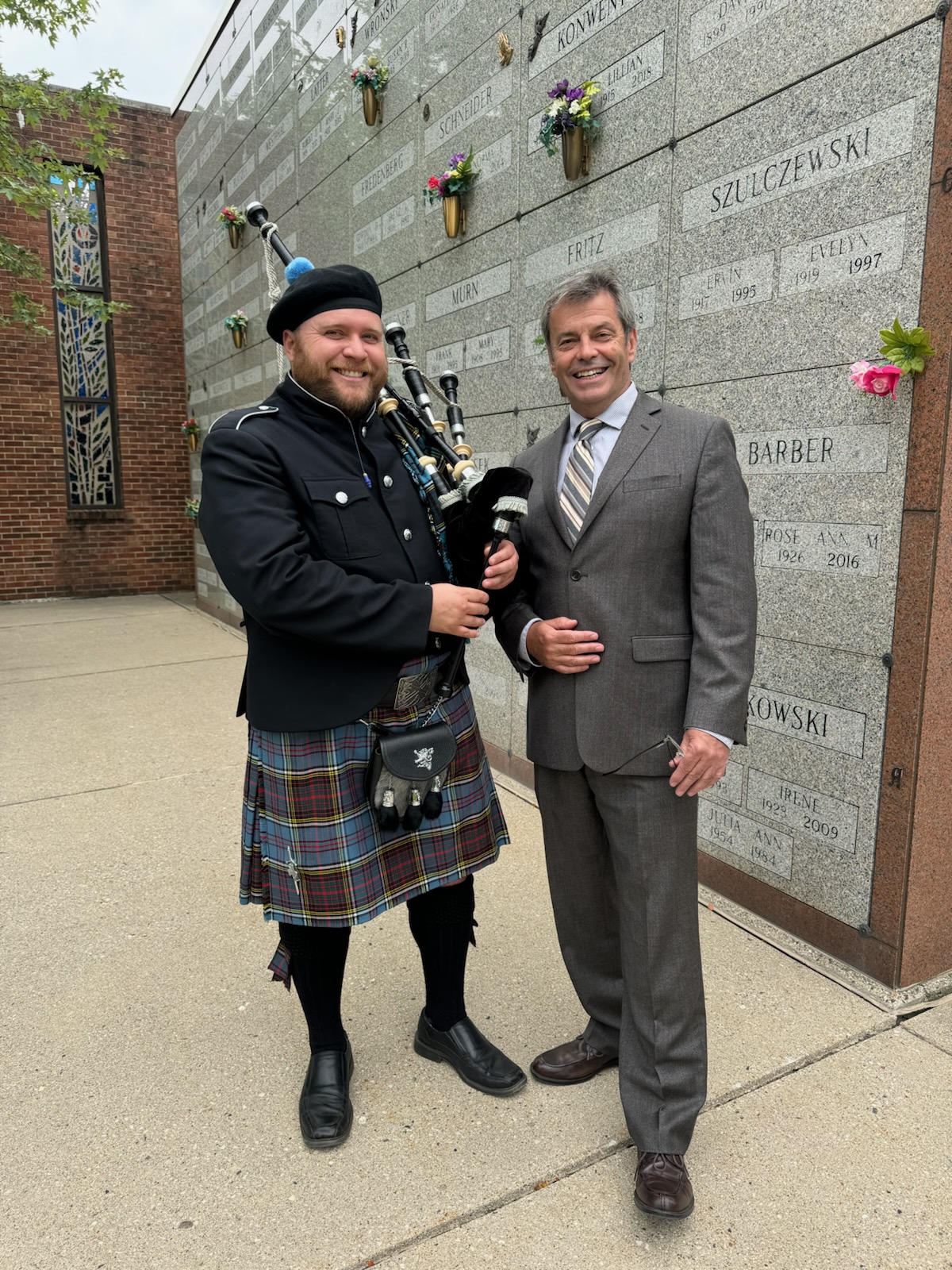
Sister Beth loved the sound of bagpipes. Tom’s nephew Tony, shown in this photo, had arranged for this bagpipe player to perform at the cemetery.

We are so glad we stayed behind for Tom’s sister Patty to see Sister Beth’s memorial service. It meant the world to her. Mary’s (who was in Milwaukee at the service) husband, Eugene, joined us at Patty’s home, and the four of us watched the hour-long service intently. It was beautifully done with compassion and attention to detail. It was evident Sister Beth was dearly loved.

We brought my laptop with Tom’s as a backup, our HDMI cord, and our portable speaker. I set my phone up as a hotspot, which worked quite well when Patty doesn’t have WiFi in her home. There were a few delays on the other end, but finally, they got the video stream working properly, and we could easily watch.

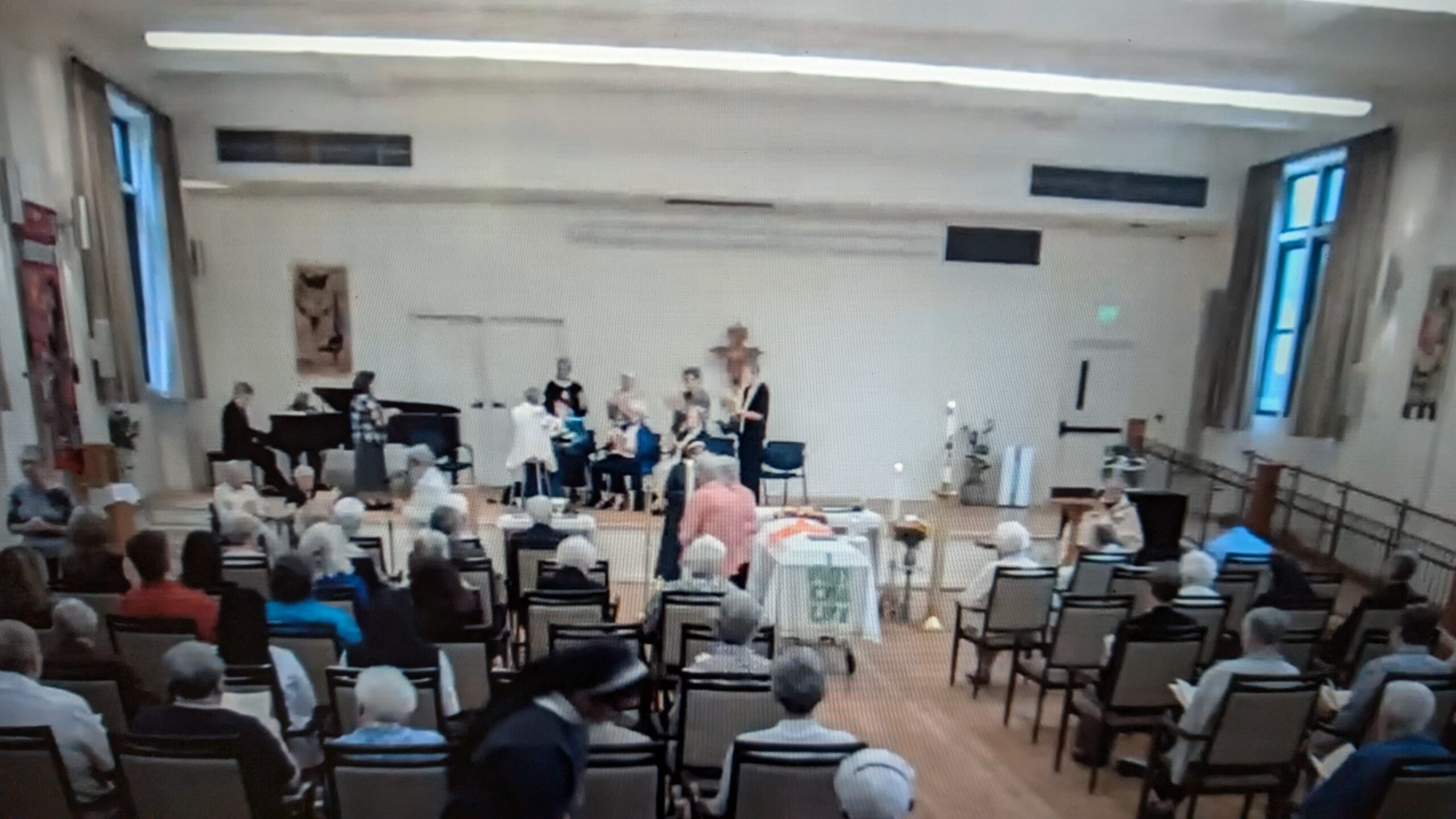
I took this photo off of Patty’s TV of Sister Beth’s funeral, which was held in St. Joseph’s Hall, not the church since it is being renovated. Thirteen of Tom’s family members were in the front rows on the left. There were 80 mourners in attendance.

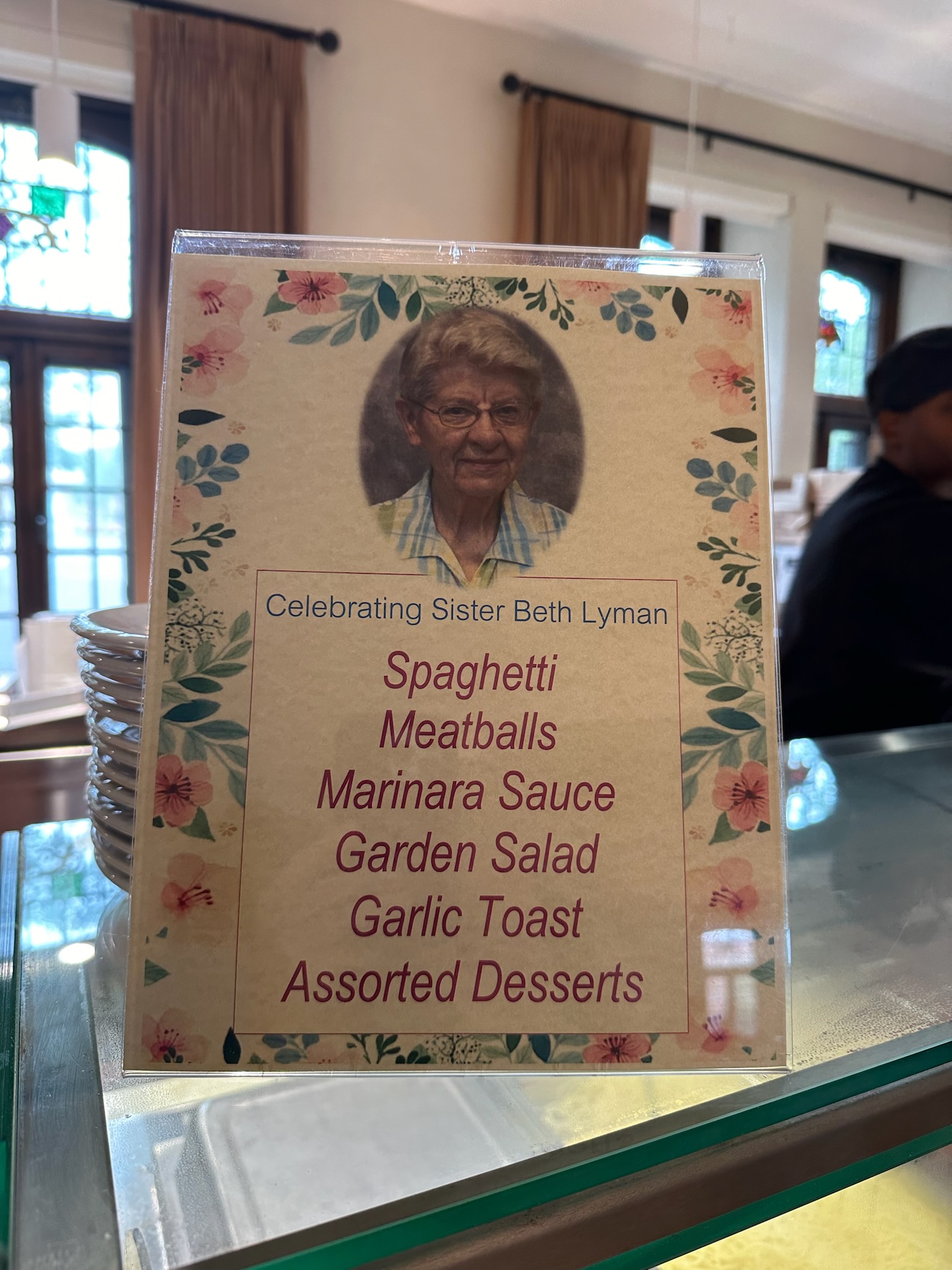
After the service, the luncheon was served in Milwaukee (see the menu below), and then over 30 mourners, including Tom’s 13 family members and many nuns, headed to the cemetery for the burial. As shown in the main photo, Tom’s nephew Tony, son of Margie, had arranged for a bagpipe player to perform at the burial service, as shown in the main photo.

For the four of us observing the service by video, we decided on our own lunch to celebrate Sister Beth and headed to one of Patty’s favorite restaurants. We talked about Sister Beth, sharing personal experiences and being grateful in our own way that we could participate from afar.

A luncheon was served after the funeral but before the cemetery trip.

We had a lovely lunch, and by early afternoon, we were back on the road to our hotel. We quietly spent the remainder of the day there until we had a light dinner around 6:30. Later, we settled in to watch our favorite new series, For All Mankind, on Apple TV. If you like stories about “space,” this is a much-watched drama.

Technology, such as what we used, made this possible. This relatively simple process was very familiar to us since we’ve been utilizing streaming for many years. However, we certainly understand how difficult this could be for those who don’t have WiFi in their homes and have never streamed any movies, series, or events.

Soon, we’ll head out to the bank and Aldi market for a few items and then pick up our usual grocery order from Cub Foods. When I placed the order this morning, they were out of several products we use, resulting in the necessity of stopping at another market.

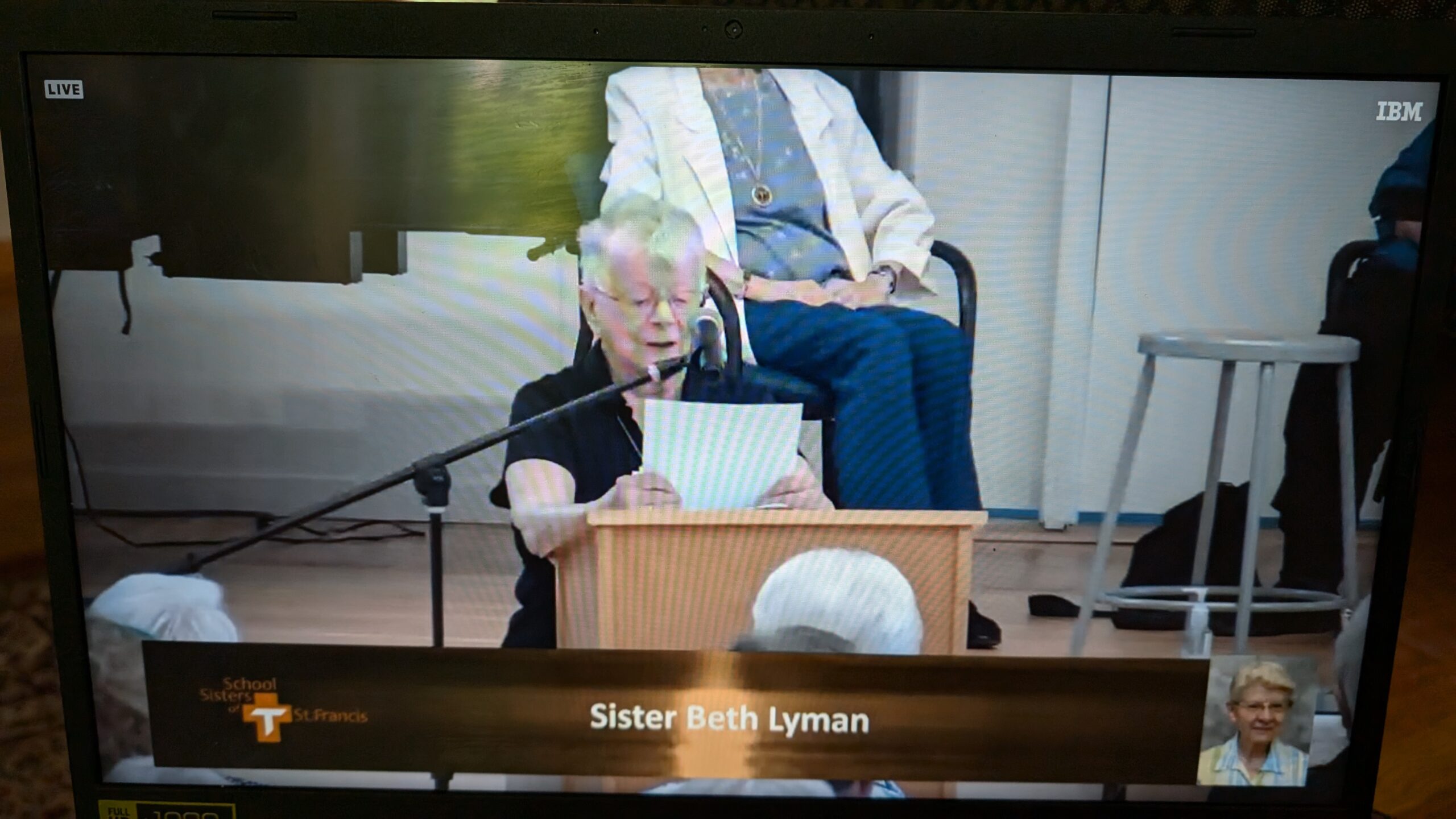
Sister Julie Rice, a dear friend of Sister Beth, presented the eulogy.

Yesterday, it dawned on us that we’ll leave for Cleveland Clinic one month from today. The months-long wait has happened quickly with all the beautiful times we’ve spent with family and friends. We’ll cram in as much as possible in these remaining 30 days before heading out on the two-day road trip.

That’s all for today, folks. Thank you for the loving and thoughtful condolences for Tom and his family. The kindness of our readers worldwide never ceases to amaze us. Thank you for being YOU!

Be well.

Photo from ten years ago today, July 25, 2014:

We went through as many as 20 tunnels on a few-hour outing in Madeira. For more photos, please click here.

Why don’t we buy a motorhome and travel the US or rent an in other countries?…Advantages and disadvantages…

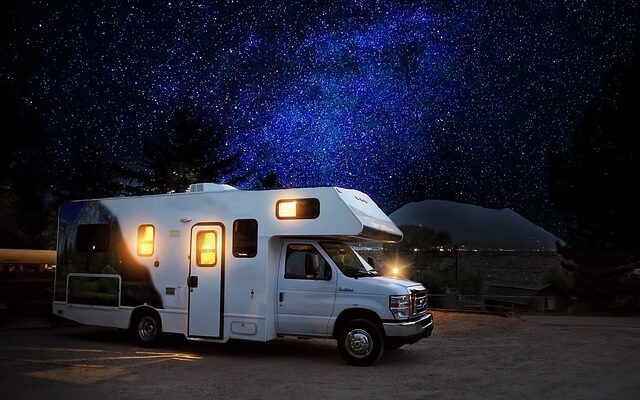
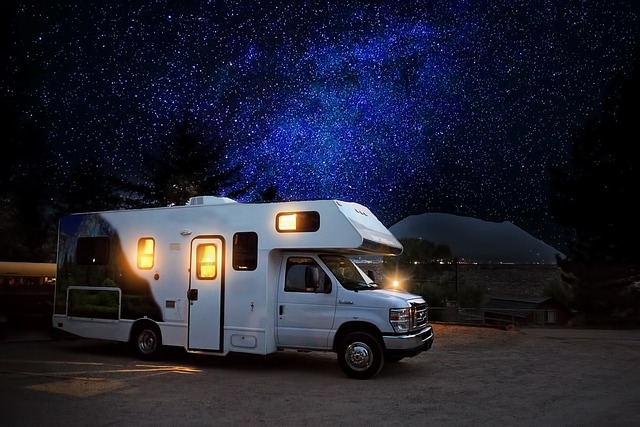
Many travelers may find traveling their country in a motorhome (caravan or RV) appealing, but not to us. Not our photo.

We are often asked, “Why don’t you travel to the US or other countries by motorhome?” We haven’t in the past almost 12 years because we’ve spent most of our time outside the US, making owning or renting an RV impractical in another country for an extended period.

We are also not interested in renting an RV for short periods when we can easily travel outside the US using other means of travel, which provides us with a broader range of locations, safety, and cost options. Most certainly, traveling in the US in an RV is appealing, but neither of us, at our age, has any interest in the responsibility, cost, and upkeep.

In 1978, after subdividing some land in Minnetonka, Minnesota, I traded one of the vacant lots for a 36-foot King’s Highway Motorhome. As a single mom of two boys, I learned to drive and maintain it, and we often traveled the US, often with friends joining us, when I had time to take vacations while running my business.

Eventually, after realizing we wouldn’t use it as often as I would have liked, I rented it, off and on for a year, eventually selling it for a reasonable price. The experience left me with a dislike for traveling by RV based on the work required to set it up and take it down at various RV sites, with what seemed to be constant maintenance along with the cost of fuel.

Early on, before we decided to travel the world, we investigated purchasing a motorhome but lost interest when we both realized the cost would be prohibitive in today’s world since we aren’t campers and would have preferred modern conveniences over “roughing it.”

Over the years, we have met many travelers and friends who have reveled in home-free travel, living full-time in a motorhome. We commend those who made this big decision, but it wasn’t for us.

Today, we share our perspective of traveling by motorhome, RV, or camper, offering this unique experience with its own advantages and disadvantages. Here’s a breakdown:

Advantages

  1. Flexibility and Freedom: You can travel at your own pace, stop wherever you like, and change your plans on the go. This flexibility is one of the biggest perks of motorhome travel.
  2. Cost Savings: While the initial cost can be high, you save on accommodation and dining costs. Campsites are generally cheaper than hotels, and you can cook your own meals.
  3. Comfort and Convenience: Modern motorhomes are equipped with many amenities like beds, kitchens, and bathrooms, providing the comforts of home while on the road.
  4. Closer to Nature: Motorhome travel allows you to stay in scenic locations such as national parks, beaches, and mountains, bringing you closer to nature.
  5. Family and Pet-Friendly: Traveling with family members and pets is easier. Everyone has their own space, and you can bring along your pet without the hassle of finding pet-friendly accommodations.
  6. Social Aspect: Campgrounds and RV parks can be very social places, offering a sense of community and the opportunity to meet like-minded travelers.

Disadvantages

  1. Initial Cost and Maintenance: Purchasing a motorhome is a significant investment. Additionally, maintenance, insurance, and fuel costs can add up.
  2. Driving Challenges: Motorhomes can be difficult to drive, especially for those not used to handling large vehicles. Parking can also be a challenge in urban areas.
  3. Limited Mobility in Urban Areas: Large vehicles can be impractical in cities, making it difficult to navigate narrow streets, find parking, or access certain attractions.
  4. Fuel Consumption: Motorhomes generally consume more fuel than regular cars, making long-distance travel expensive.
  5. Upkeep and Storage: Motorhomes require storage space when not in use. Additionally, maintenance can be time-consuming and costly.
  6. Dependency on Campsites: While you can park almost anywhere, for overnight stays with amenities like water, electricity, and waste disposal, you often need to stay in designated campgrounds.
  7. Weather Dependence: Traveling by motorhome can be less enjoyable in bad weather, as it limits outdoor activities and can make driving more hazardous.

In summary, motorhome travel can be an enriching and flexible way to explore, but it comes with cost considerations, driving difficulty, and maintenance, none of which are appealing to our lifestyle.

Be well.

Photo from ten years ago today, July 23, 2014:

Ominous-looking cloud at dusk from our veranda in Madeira. For more photos, please click here.

What happens if you don’t return to your cruise ship on time after a port of call tour?…Family of nine stranded…

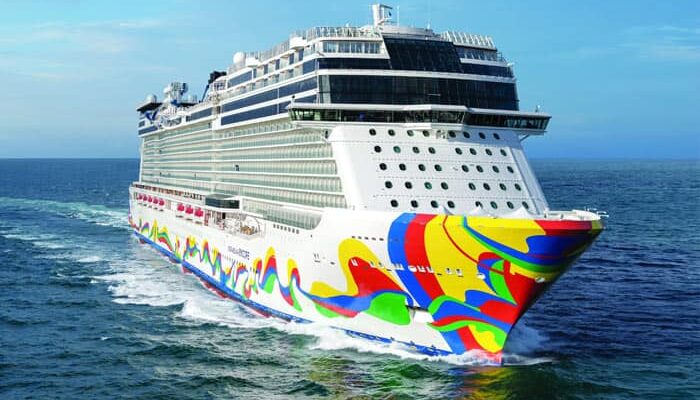
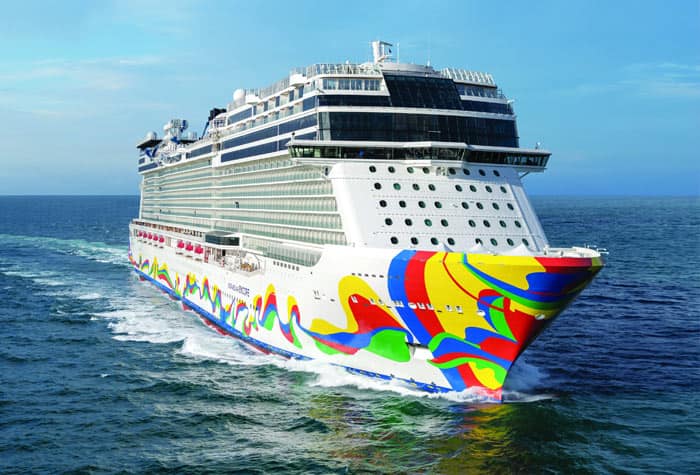
The Norweigan Encore sailed away before the family of nine returned from their tour.

This morning, I stumbled across an article on this site that piqued my interest. After 34 cruises and many tours at ports of call, we were always well aware of how imperative it is to return to the ship on time before it sails away, heading to its next port of call. If we failed to return on time, it would be necessary to fly to the next port of call to pick up the cruise, incurring costs for hotels, meals, and flights, often expensive from somewhat remote locations.

We paid particular attention to the time, making a point of returning to the ship in plenty of time to avoid the hassle, cost, and inconvenience. When encountering the article below, we felt it was important to share this story with our readers to remind everyone of the importance of getting back to their ship on time:

The family of nine was left stranded in remote Alaska after the cruise ship had departed without them.

The family was left with a $9,000 bill after the holiday mistake…

Zoe Griffin

A family of nine found themselves stranded in Alaska after a mix-up with a local tour operator caused them to miss their scheduled cruise departure.

What was intended to be a memorable trip of a lifetime might now be recalled for very different reasons. The Gault family faced hefty costs to return to Tulsa, Oklahoma when the ship containing their clothes, passports, and medication sailed from Ketchikan port without them.

The family, comprising of two parents, six children, and a 78-year-old grandmother, was also hit with an immediate fine of almost $9,000, working out at $971 per passenger, by Norwegian Cruise Lines for missing the vessel.

That fee stemmed from the US Customs and Border Protection’s Passenger Vessel Services Act, which they violated by not visiting a foreign port before they returned to the US.

The family’s nightmare started when they went on an excursion to see a lumberjack show on the Norwegian Encore ship they were traveling, which docked in Ketchikan in Alaska.

After watching the show, the group tried to catch a bus back to the port by a local tour operator but were told that the bus was full and they had to wait for another one.

“We go to get on the bus and one of the attendees is like, ‘The bus is full and you know, you got to wait for the next bus’,” Joshua recounted to KJRH.

However, that bus never came, and after frantically calling the port authority to arrange transportation, they finally arrived back at the docks to see Norwegian Encore sailing away — taking their passports, medication, and clothes with it.

“We all had to quit cold turkey medication these last few days because it was all on the cruise ship,” Joshua added.

Stranded in Ketchikan, a remote port 300 miles from Alaska’s capital of Juneau, with no accommodation or transportation, the family worked out how to arrange transportation back to their home in Tulsa. However, as they looked into booking flights, they found that Joshua’s credit card had already been charged the customs fee of almost $9,000.

Joshua claims that they had to pay for flights for nine people, hotel stays along the way, and food. The trip ultimately took them several days, during which they had canceled flights and overnight airport stays, during which time some family members caught COVID-19.

After returning to Oklahoma, Joshua added: “So yeah, we’re beat down right now. We’re unhealthy and beaten down.”

Cruise line officials said they would reimburse the family for the out-of-pocket expenses, the fee they incurred from US Customs and Border Patrol, and a pro-rated refund for the two missed cruise days.

A spokesperson for Norwegian Cruise Lines said: “On the afternoon of Friday, 12 July, a family of nine guests missed the ship’s all-aboard time in Ketchikan, Alaska, due to a misstep by a local tour operator. When the guests did not return to the ship at the published time, we attempted to contact them but could not reach them. As such, we alerted the local port agent in Ketchikan and requested that they assist the family with booking a hotel for the night.

“As the guests would be unable to downline in the next port of call, Victoria, British Columbia, the port agent also helped the guests secure flights to Seattle the following day, 13 July.

“We will be reimbursing the family for all of the out-of-pocket expenses they incurred over these two days due to missing the ship in Ketchikan, including meals, accommodations, etc. Reimbursements will be processed once receipts for these expenses are provided to us. Additionally, we have already initiated the process to refund the family for the fee imposed by the US Customs and Border Patrol as a result of the guests not visiting a foreign port before returning to the US, as required when an itinerary originates from the US in accordance with the Passenger Vessel Services Act.

“These guests will also receive a prorated refund for the two missed cruise days. As a gesture of goodwill, the company will also be providing each of the nine guests with a future cruise credit in the form of a 20 percent discount on their cruise fare that can be used towards their next voyage.”

Although the cruise line partially reimbursed the family for this situation, it is a harsh reminder of how important it is to avoid missing a cruise ship’s departure at any port of call.

Note: Most cruise ships will wait for passengers who don’t return on time if they’ve booked a ship-arranged tour. Often, cruise passengers book their own tours based on the lower costs of such tours, as opposed to those arranged by the cruise line. It was unusual for the cruise line to reimburse/credit the passengers for the expenses in this type of scenario.

Be well.

Photo from ten years ago today, July 22, 2014:

‘The inflorescence is a complex structure that includes the flowers that will develop into fruits.” We spotted this banana tree and it’s blooms in Madeira, Portugal. The hanging pink and yellowish protrusions are the flowers. For more photos, please click here.

How to save big on business-class tickets…

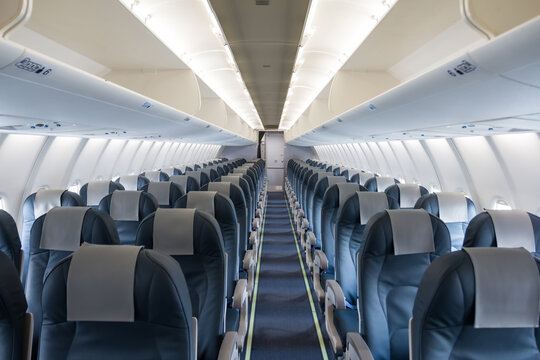
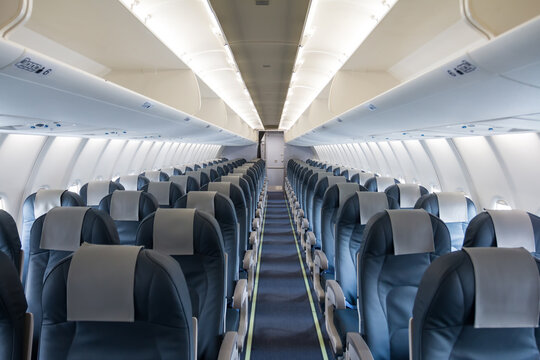
The typical interior of a commercial plane.

There have been several occasions over our last almost 12 years of travel, a few occasions by sheer luck at the airport and other times when we researched using the following techniques. Realizing it was more of a stroke of luck than due to our diligence, we started exploring ways to become more successful, but in some of the following, you’ll see it takes a concerted effort to accomplish such a goal.

How to Get Cheap Business Class Seats

Flying business class offers a range of perks and comforts that economy class can’t match, including more spacious seating, superior service, and enhanced dining options. However, the cost can be prohibitively high. Fortunately, there are several strategies to secure business-class seats at a fraction of the standard price. Here are some tried-and-true methods to help you fly in style without breaking the bank.

1. Use Frequent Flyer Miles and Points

One of the most effective ways to get cheap business-class seats is by using frequent flyer miles and credit card points. Many airlines have loyalty programs that allow you to accumulate miles through flights and everyday spending on affiliated credit cards. Here’s how to make the most of your miles:

  • Sign Up for Airline Loyalty Programs: Join frequent flyer programs for airlines you travel with frequently. Accumulating miles on these programs can eventually be redeemed for business class seats.
  • Credit Card Rewards: Use travel credit cards that offer points for every dollar spent. Some cards offer sign-up bonuses that can be substantial enough to cover business-class flights.
  • Strategic Spending: Use these credit cards for daily expenses to quickly accumulate points. Just be sure to pay off the balance monthly to avoid interest charges.
  • Transfer Partners: Many credit card companies have transfer partners. Transferring points from a credit card to an airline’s frequent flyer program can sometimes offer better redemption rates.

2. Book During Sales and Promotions

Airlines often have sales and promotions that can significantly reduce the cost of business-class tickets. Stay informed about these opportunities:

  • Email Alerts: Sign up for email alerts from airlines and travel websites to be notified of upcoming sales.
  • Follow on Social Media: Airlines frequently announce flash sales and special promotions on their social media channels.
  • Travel Agents Sometimes have access to exclusive deals that aren’t available to the general public.

3. Use Flight Deal Websites

Several websites are dedicated to finding the best flight deals, including business-class discounts. These websites can save you a lot of time and money:

  • Google Flights: Use Google Flights to track prices and set alerts for fare drops.
  • Scott’s Cheap Flights: This service sends email alerts about heavily discounted flights, including business class.
  • Secret Flying: This website posts error fares and flash sales for business class tickets.
  • The Points Guy: Offers insights on how to use points and miles effectively and posting deals and promotions.

4. Be Flexible with Your Travel Dates

Flexibility is key when it comes to finding cheap business-class seats. If you can be flexible with your travel dates, you have a better chance of finding lower prices:

  • Off-Peak Travel: Business class tickets are often cheaper during off-peak times. Avoid traveling during holidays and peak seasons.
  • Midweek Flights: Flights on Tuesdays, Wednesdays, and Thursdays are often less expensive than those on weekends.
  • Last-Minute Bookings: Airlines sometimes offer discounts on business class seats that haven’t been filled as the departure date approaches. This can be risky but rewarding.

5. Bid for Upgrades

Many airlines have introduced bidding systems for upgrades, allowing passengers to bid for a business-class seat. Here’s how it works:

  • Check Eligibility: After booking an economy ticket, check if the airline offers a bidding system for upgrades.
  • Place a Bid: Place a bid within the range specified by the airline. If your bid is accepted, you’ll be upgraded to business class at a fraction of the usual cost.
  • Consider the Odds: Bids are more likely to be successful on less popular flights or routes.

6. Use Airline Companion Deals

Airlines often offer companion deals, where you can buy one business class ticket and get the second one at a significant discount or even free:

  • Check Airline Promotions: Look out for airline companion ticket offers, especially if you’re traveling with a partner.
  • Credit Card Offers: Some credit cards offer companion ticket benefits as part of their perks.

7. Leverage Corporate Discounts

If you travel for work, check if your company has a corporate travel agreement with airlines. These agreements can offer substantial discounts on business class tickets:

  • Corporate Travel Desk: Consult with your company’s travel desk or department to see if you can take advantage of these discounts.
  • Professional Associations: Sometimes, professional associations have partnerships with airlines offering discounted rates.

8. Consider Alternative Routes

Sometimes flying indirectly can save you money on business class tickets:

  • Stopovers: Opt for flights with stopovers, which are often cheaper than direct flights.
  • Alternative Airports: Look for flights departing from or arriving at alternative airports. For instance, flying into a nearby city and taking a short domestic flight or train can be cheaper.

9. Book Through Consolidators

Airfare consolidators buy tickets in bulk from airlines and sell them at a discount. While this method requires some research, it can yield significant savings:

  • Online Consolidators: Websites like Flystein and SkyClub offer discounted business-class tickets.
  • Travel Agencies: Some travel agencies specialize in business class travel and have access to consolidator fares.

10. Join Airline Newsletters and Loyalty Programs

Airlines frequently offer exclusive deals to their newsletter subscribers and loyalty program members. Signing up can give you early access to sales and promotions:

  • Exclusive Deals: Members often receive exclusive offers not available to the general public.
  • Early Access: Get notified about sales before they are advertised widely.

By using a combination of these strategies, you can significantly reduce the cost of business-class travel. Whether you accumulate miles, stay flexible with your travel dates, or take advantage of sales and promotions, cheap business-class seats are within reach. Happy travels!

We aren’t planning any flights now, but when we do, we will reread this post to remind us to use as many of the above techniques as possible to find the best possible prices on business-class flights. We hope you’ll consider doing the same.

Be well.

Photo from ten years ago today, July 21, 2014:

We stopped along a beach on a road trip in Madeira to enjoy the views. For more photos, please click here.

Off to an event at noon…

A massage therapy booth at the beach in Madeira. How unusual!

At 11:30, we’re driving to St. Paul to attend an event hosted by the law firm representing railroad workers whose health was impacted by exposure to asbestos and other chemicals while working for the railroad. Tom has completed all the paperwork to participate as a claimant, which has already been settled. Over the next few years, he will receive small sums periodically to compensate for his diagnosis of pulmonary fibrosis, a direct result of the exposure over 42½ years.

After considerable research, the following is a more detailed description of the consequences and long-term effects of asbestos exposure by workers in the railroad industry and other businesses. Tom has been examined, and it has been determined that he has developed this non-curable lung condition.

Pulmonary Fibrosis from Asbestos Exposure in Railroad Employees

Pulmonary fibrosis is a serious, often debilitating condition characterized by the scarring of lung tissue, leading to a progressive and irreversible decline in lung function. Among the various etiologies of pulmonary fibrosis, asbestos exposure remains a significant concern, particularly for individuals working in industries with high risk of exposure, such as the railroad industry. This essay explores the relationship between asbestos exposure and pulmonary fibrosis, focusing on its impact on railroad employees.

Understanding Pulmonary Fibrosis

Pulmonary fibrosis involves the thickening and stiffening of lung tissue due to scar tissue formation (fibrosis). This scarring impairs the lungs’ ability to transfer oxygen into the bloodstream, leading to chronic dry cough, shortness of breath, fatigue, and chest discomfort. As the condition progresses, it can result in severe respiratory failure and other complications. The disease can be idiopathic, but occupational exposure to harmful substances like asbestos is a well-recognized cause.

Asbestos Exposure and Its Health Implications

Asbestos is a group of naturally occurring fibrous minerals known for their durability, heat resistance, and insulating properties. These qualities made asbestos popular in various industries, including construction, shipbuilding, and railroads, particularly during the mid-20th century. However, when inhaled, asbestos fibers can become lodged in the lungs, leading to chronic inflammation, cellular damage, and eventually fibrosis. The latency period between exposure and disease onset can be several decades, complicating early detection and intervention.

Railroad Employees and Asbestos Exposure

Railroad employees, especially those in maintenance, repair, and operations, historically faced significant asbestos exposure. Asbestos was commonly used in locomotive brakes, clutches, insulation for boilers and pipes, and even in the construction of railcars. Workers involved in the maintenance and repair of these components were at high risk of inhaling asbestos fibers. The confined spaces these workers often operated exacerbated the risk, as disturbed asbestos materials could easily become airborne and inhaled.

Pathophysiology of Asbestos-Induced Pulmonary Fibrosis

When asbestos fibers are inhaled, they can penetrate deep into the lung tissues and become trapped. The body’s immune response to these fibers involves the activation of alveolar macrophages, which attempt to engulf and digest the fibers. However, the durability and size of asbestos fibers often prevent their complete breakdown, leading to a persistent inflammatory response. Over time, this chronic inflammation results in fibroblast activation and the deposition of extracellular matrix components, culminating in the development of fibrotic tissue.

Clinical Manifestations and Diagnosis

Symptoms of asbestos-induced pulmonary fibrosis, also known as asbestosis, typically include progressive dyspnea, a persistent dry cough, chest pain, and digital clubbing. Diagnosis often involves a combination of a detailed occupational history, imaging studies (such as chest X-rays and high-resolution computed tomography scans), pulmonary function tests, and sometimes lung biopsy. Imaging studies in asbestosis typically reveal diffuse interstitial fibrosis, often with a characteristic lower-lobe predominance and pleural plaques. Over the years, many of Tom’s co-workers have passed away from lung diseases, most of which were caused by asbestos and other chemical exposures.

Occupational Health and Safety Regulations

The recognition of the health hazards associated with asbestos led to significant regulatory changes aimed at protecting workers. In the United States, the Occupational Safety and Health Administration (OSHA) has set stringent standards for asbestos exposure, including permissible exposure limits, mandatory protective equipment, and regular monitoring of air quality in workplaces. Despite these regulations, cases of asbestos-related diseases continue to emerge, primarily due to the long latency period and past exposures.

Legal and Compensation Aspects

Railroad employees diagnosed with asbestos-induced pulmonary fibrosis often face substantial medical expenses and loss of income due to their inability to work. Legal avenues for compensation are available, with many workers pursuing claims under the Federal Employers Liability Act (FELA). Successful claims typically require proving that the employer’s negligence contributed to the worker’s exposure to asbestos and subsequent illness. Additionally, asbestos trust funds, established by bankrupt asbestos manufacturers, provide another source of compensation for affected workers.

Conclusion

Pulmonary fibrosis resulting from asbestos exposure remains a critical occupational health issue, particularly for railroad employees with historical exposure. The insidious nature of asbestos-related diseases, characterized by a prolonged latency period, underscores the importance of ongoing surveillance and early intervention for at-risk populations. While regulatory measures have reduced current exposure risks, the legacy of past asbestos use continues to impact the health of many railroad workers. Ensuring access to medical care, supporting legal compensation claims, and advancing research into effective treatments for pulmonary fibrosis are essential steps in addressing this ongoing public health challenge.

Today, at this event, Tom will see some of his co-workers diagnosed with this condition and dealing with the consequences.

Be well.

Photo from ten years ago today, July 20, 2014:

We were astounded as we approached the waterfall on the road in Madeira as we watched this van drive under it. Next, it was our turn to drive under it. For more and a video, please click here.