

Every year, no matter where we are in the world, whether tucked into a quiet countryside cottage or perched near a windswept sea, there comes a stretch of days that feels decidedly less romantic than our usual nomadic lifestyle. Tax time. Even as residents of the income tax-friendly state of Nevada, the process of preparing our federal return is anything but simple.
People often assume that because Nevada doesn’t impose a state income tax, our lives must be easier when April rolls around. And yes, in one sense, that’s true. We are spared the extra layer of state filings that so many Americans navigate each year. But as small business owners, federal tax preparation is a laborious, detail-driven endeavor that requires patience, organization, and more than a little perseverance.
It’s not as simple as logging into an online app, answering a few prompts, and clicking submit. Our financial lives are layered with business income, expenses, retirement distributions, digital documents, and mailed forms scattered across systems and time zones. Add to that the reality of long-term travel, and the process takes on a life of its own.

All of our physical tax documents are sent to our mailing service in Nevada. From there, nothing is automatic. Instead of having the mail forwarded to wherever we happen to be in the world, we request that the service open and scan each piece. That alone can feel like a full-time job. One by one, we review every envelope digitally: Is this relevant? Is it junk? Is it a 1099? A year-end summary? Is there anything that must be physically forwarded to our accountant?
Each request requires attention. Open. Scan. Review. Forward. It sounds simple, but when you’re dealing with a year’s worth of financial correspondence, it becomes a meticulous sorting exercise. I find myself double-checking amounts, matching names, and ensuring nothing slips through unnoticed. There’s something about tax documents that makes me extra cautious, perhaps because once they’re in the mail to our accountant, we trust that everything necessary is there.
Alongside the mailed forms are the digital ones, those 1099-type documents that arrive by email instead of in an envelope. I save each carefully, label it clearly, and add it to our growing electronic tax folder. Then comes the spreadsheet. Every year, I prepare a detailed list of deductible business expenses. Travel-related costs, website fees, software subscriptions, professional services, each line entered methodically, totals calculated, categories organized. It’s not glamorous work, but there’s a quiet satisfaction in seeing the numbers align, knowing we’ve been diligent.

This year carried one additional layer of complexity. Based on Tom’s age, 73, he was required to file an RMD (Required Minimum Distribution). An RMD is the minimum amount the IRS requires you to withdraw annually from tax-deferred retirement accounts such as 401(k)s and traditional IRAs once you reach the mandated age. These withdrawals are taxed as ordinary income and exist to ensure that retirement savings don’t remain sheltered from taxation indefinitely.
Even though the rule technically begins at age 73 under current law, timing nuances and account specifics meant careful attention on our part this year. It’s one more moving piece in a financial puzzle that grows more intricate with each passing season of life.
When I step back, I realize that preparing our taxes mirrors much of our nomadic existence. It requires adaptability, organization, and a willingness to face administrative realities even when we’d rather be out exploring a new coastal trail or discovering a charming local café. There’s a grounding effect to it, too. Taxes are a tether to the US, to citizenship, to responsibility. No matter how far we roam, that connection remains.
Yesterday, after hours of reviewing, organizing, scanning, and compiling, we finally completed the process. The envelope of essential documents is on its way from our mailing service, by good old-fashioned snail mail, to our accountant. Once he receives everything, he’ll electronically file our federal return. One thing we’ve learned over the years is the value of timing. By sending him our information in February, we avoid the April rush, when many of his clients are scrambling to request last-minute appointments or file extensions.
Typically, he completes our return within a matter of days. That efficiency feels like a reward for our early diligence.
More than anything, finishing early gives us peace of mind. There’s a lightness that settles in once the paperwork is out of our hands. We can return to our daily routines without that lingering sense of unfinished business hanging over us.
In a life defined by movement and change, there’s comfort in closing a loop. Taxes may not be exciting, but completing them reminds us that, even as long-term travelers, we remain steady, responsible stewards of our finances. And once it’s done, we breathe a little easier, grateful to move forward into the year untethered by forms, spreadsheets, and scanned documents.
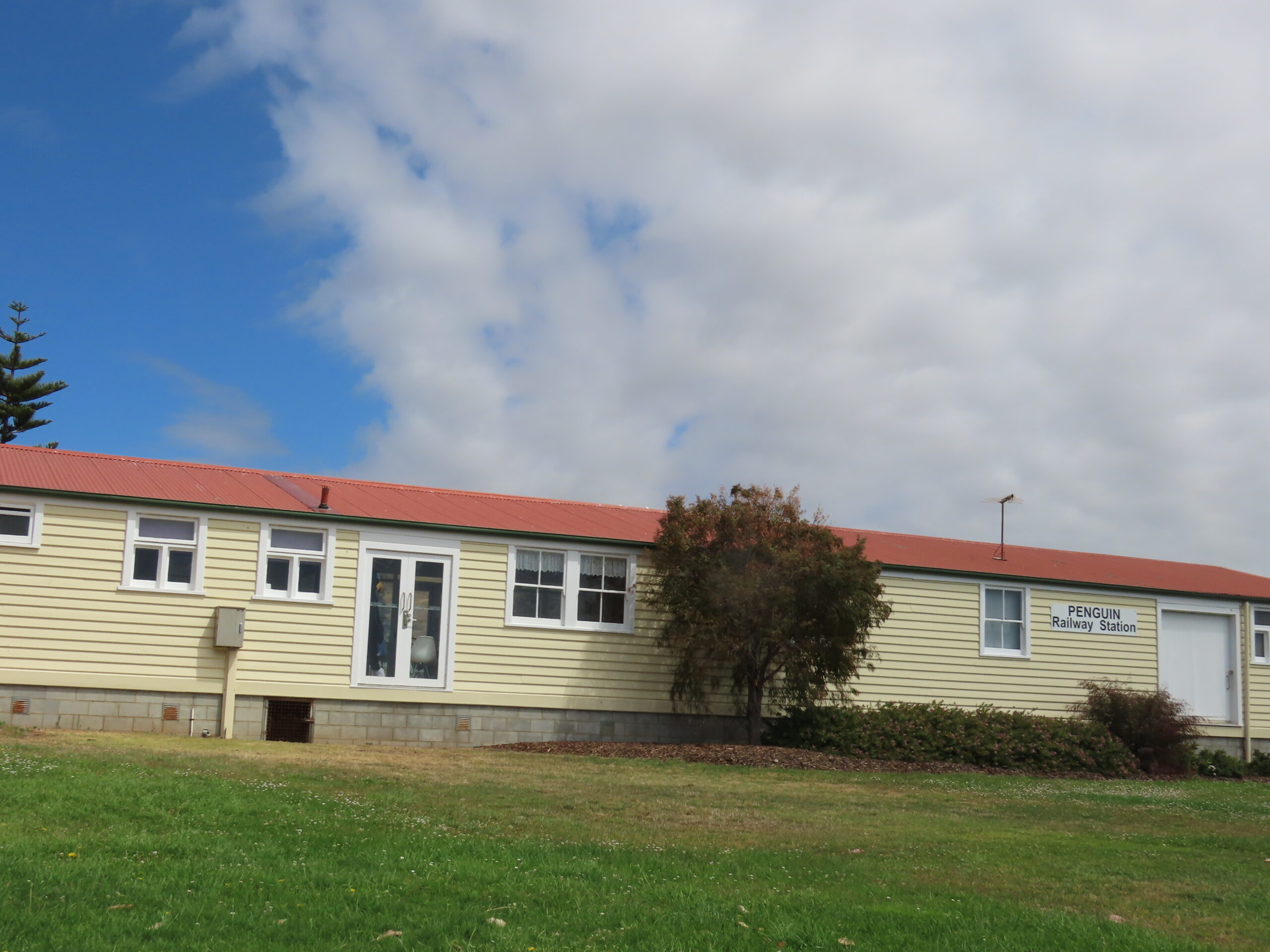
At 11:00 am this morning, we have an appointment with a nurse practitioner in downtown Penguin to request prescriptions for Tamiflu in preparation for our upcoming April cruise. On that unforgettable 47-night voyage last year, aboard the very same ship, we each managed to catch not one, but three strains of the flu. Lesson learned. While we can’t control crowded decks or circulating viruses, having Tamiflu on hand gives us a sense of preparedness. Neither of us cares to go through that again!
After the appointment, we have to stop at the market for salad vegetables and a few odds and ends.
Be well.
Photo from ten years ago today, February 19, 2016: