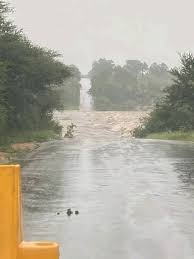
The horrific flooding in Kruger National Park and Marloth Park…

Not our photos. The Crocodile Bridge is completely underwater due to flooding in the area.

Click this link below to see the flooding that has immobilized Kruger National Park and the surrounding areas.

Kruger National Park floods — Reuters TV reports

Currently, while we’re tucked away here in New Zealand, surrounded by green hills and a quieter pace of life, our hearts are anything but settled. Each morning, with coffee in hand, we scroll through Facebook and watch YouTube clips posted by friends in Marloth Park. What we see stops us in our tracks. Familiar roads are no longer roads at all. They’ve become rivers. The Crocodile River, usually a powerful but contained presence, has spilled over its banks with a force that feels both awe-inspiring and terrifying.

The Crocodile Bridge, our usual entrance point into Kruger National Park, is completely submerged. That image alone is jarring. We’ve crossed that bridge countless times, early in the morning, when the air is still cool, and the bush is waking up. We’ve sat in line there, windows cracked, listening to birdsong and watching vervet monkeys dart between trees. To see it now, swallowed by floodwaters, makes the distance between here and there feel immeasurable.
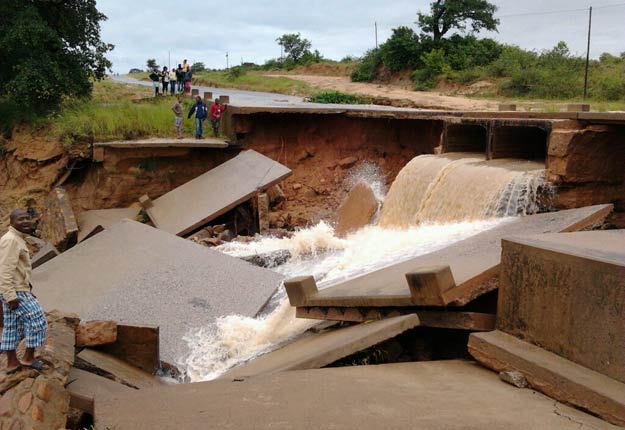
Not our photo.

In the past few days, Kruger National Park has been closed to all visitors from every entrance gate. That fact carries weight far beyond canceled safaris and disappointed tourists. Kruger is not just a park; it’s a living, breathing ecosystem and, for many people, a place of work, home, and deep emotional attachment. When Kruger closes completely, you know the situation is dire.

The devastation is widespread. Many of the camps within the park are underwater, some completely. Roads have washed away. The infrastructure that took years to build and maintain has been damaged in a matter of hours. But what weighs heaviest on our minds is not the physical destruction—it’s the people and the animals who are suffering dearly.

Our friends in Marloth Park are sharing updates that feel surreal. Homes are dangerously close to rising water. Fences twisted or gone altogether. Power outages. Uncertainty hangs thick in the air. Marloth has always lived with wildlife as neighbors, but now both humans and animals are facing a shared vulnerability. Warthogs, impalas, and even predators are being pushed into unfamiliar areas, searching for higher ground and safety, just like the people who live there.

And then there are the animals inside Kruger itself. The images are heartbreaking. Elephants standing in swirling water, trying to keep their footing. Smaller animals cling to patches of land that may not exist tomorrow. We know nature is resilient, and floods are part of natural cycles, but knowing that doesn’t make watching this any easier. The sheer scale of the flooding feels overwhelming, and the long-term impact on wildlife won’t be fully understood for months, perhaps years.
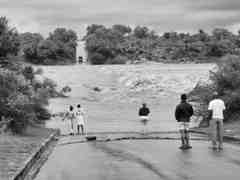
Not our photo. The Crocodile Bridge is totally underwater.

Being so far away adds another layer of helplessness. New Zealand feels impossibly calm by comparison. The rain here falls gently. Rivers rise and fall without drama. Life continues as normal, and yet our minds are thousands of miles away, fixed on a place that has come to mean so much to us. Marloth Park isn’t just somewhere we stayed—it’s a community that welcomed us, a place where we learned to live in closer harmony with nature, where the wild wasn’t something you visited, but something you coexisted with daily.

Here is an unbelievable article about crocodiles invading houses as their natural habitat is destroyed by flooding. 

We think about the staff in Kruger, many of whom live on or near the park, now dealing with both professional and personal loss. We think about the guides, rangers, camp workers, and families whose livelihoods depend on tourism. When the park closes, the ripple effects extend far beyond the gates.

This flooding is a stark reminder of how fragile even the most powerful landscapes can be. Kruger feels timeless when you’re there, ancient, unchanging, eternal. But moments like this strip away that illusion and remind us that nature is dynamic, unpredictable, and sometimes devastating.

For now, all we can do is watch, share updates, and hold Marloth Park and Kruger National Park close in our thoughts. We’re hoping for receding waters, for safety, for resilience, and for recovery, both for the people who call that area home and for the animals who have no choice but to weather the storm. The pelting rain continues.

Even from the other side of the world, our connection to that place remains strong. Distance doesn’t dull concern, and it certainly doesn’t erase love for a place that has left such a lasting imprint on our hearts.

Be well.

Photo from ten years ago today, January 19, 2016:

Although far and few between, we stopped at a few scenic overlooks in the rain in New Zealand. For more photos, please click here.

Most turbulent air travel routes in the world…

Not our photo. Ugh, we’ve experienced a lot of turbulence over the past 13 years of world travel.

The following story is from Travel+Leisure online magazine here:

“These Are the Most Turbulent Flight Routes in the World—and No. 1 Flies Through Air Notoriously Called ‘Mountain Wave’

A bumpy bout of turbulence can be an uncomfortable experience. By Michael Cappetta, published on January 15, 2026

A bumpy bout of turbulence can be an uncomfortable experience, but a new report has revealed that some air routes are more prone to rougher skies than others.

The route between Mendoza, Argentina’s El Plumerillo International Airport (MDZ), and Santiago, Chile’s Arturo Merino Benitez International Airport (SCL) was the most turbulent global route for 2025, according to a report from turbulence tracking site Turbli. It was the second year in a row that the route, notoriously nicknamed “mountain wave,” came in as the bumpiest in the world.

Within the United States, travelers in the mountainous Southwest were more likely to experience turbulence, according to the report.

The most turbulent route in the U.S. was between Denver International Airport (DEN) and Jackson Hole Airport (JAC), followed by flights between Albuquerque International Sunport (ABQ) and DEN. The route between JAC and Salt Lake City International Airport (SLC) rounded out the top three.

Several cities made frequent appearances in the top 10, including Bozeman, Salt Lake City, and Denver. In fact, DEN was ranked the most turbulent airport in the US. and the seventh most turbulent airport in the world.

To determine its rankings, Turbli analyzed measurements known as the Eddy Dissipation Rate, which is used in aviation to assess turbulence intensity.

In general, passengers may experience stronger turbulence in mountainous areas during winter months due to the jet stream, the company noted.

“Despite the chaotic nature of turbulence, there is a clear seasonal change in turbulence driven by the seasonal changes in wind, which is what triggers turbulence,” Turbli shared in its report.

Turbulence is also generally getting worse with the increase of extreme weather events. A 2023 study found that severe clear-air turbulence became 55 percent more frequent in 2020 than in 1979.

While potentially nerve-wracking, turbulence is an entirely normal part of flying. However, it could lead to injuries if passengers don’t follow the airline crew’s safety protocols, such as buckling their seat belts.

“While turbulence is normal and happens often, it can be dangerous,” according to the Federal Aviation Administration (FAA). “Its bumpy ride can cause passengers who are not wearing their seat belts to be thrown from their seats without warning.”

Nervous passengers can look up turbulence forecasts for their flight on a free app or even opt to call up a pilot who will go over everything that happens on a flight so they can board with confidence.”

If the thought of air turbulence on an upcoming flight makes your stomach tighten even a little, consider visiting the Turbuli website before you go. Checking turbulence forecasts in advance can be surprisingly reassuring, offering a sense of control and calm, especially for sensitive flyers who simply want to board with a bit more peace of mind.

Be well.

Photo from ten years ago today, January 18, 2016:

Our ship, the Celebrity Solstice, docked at the port of Tauranga, New Zealand. For more photos, please click here.

What is the safest airline in the world?…Tauranga, New Zealand photos…

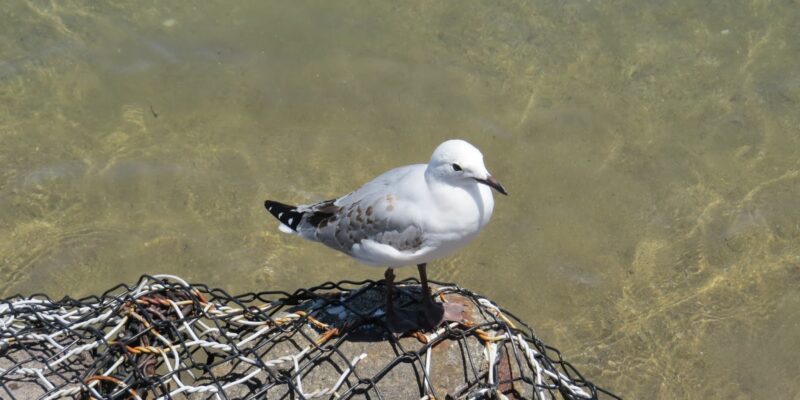
The rocks along the shore in Tauranga, New Zealand, were covered with wire mesh to prevent erosion. The seagulls are so used to people, this one didn’t flinch when I took the photo.

Note: Today’s photos are from a port-of-call visit in Tauranga, New Zealand, on this date in 2016.

The following article from Travel + Leisure Magazine contains information that may be important to many of our readers.

“This Airline Was Just Named the Safest in the World, According to Data

A new ranking analyzes several factors, including in-flight injuries, turbulence prevention, and safety audits. By Michael CappettaPublished on January 16, 2026

Abu Dhabi-based airline Etihad was ranked the safest full-service airline in the world for 2026, becoming the first Gulf carrier to take the top spot on the annual AirlineRatings.com list.

The honor was granted thanks to a combination of the airline’s young fleet, advancements in cockpit safety, the carrier’s crash-free history, and the lowest incident rate per flight of any airline listed, according to Airline Ratings. To come up with its list, the company examined a series of factors like the total number of flights, fleet age, the number of serious incidents, pilot training, international safety audits, and turbulence prevention.

We stopped at a local park as we walked to the center of Tauranga, New Zealand, on the North Island, where we’d be living.

“Overall, it is important to note that every airline featured in the 2026 list has recorded incidents over the past two years, from tail strikes to on-board fires and engine shutdowns, yet the actual incident rate per flight sits between 0.002 and 0.09 across the airlines, which is a true credit to the industry as a whole,” Airline Ratings CEO Sharon Petersen said in a statement, adding “All airlines in the Top 25 are world leaders in aviation safety.”

Tom spotted this street rod and suggested this photo. Note the license plate.

Etihad operates flights to several cities in the United States, including Boston, Chicago, New York, Washington D.C., and Atlanta, with plans to launch flights to Charlotte this year. The carrier, which was also named one of Travel + Leisure readers’ favorite international airlines of 2025, is known for a comfortable economy experience and over-the-top options like The Residence, a three-room suite complete with a private bedroom, a separate living area, and an ensuite shower room.

The bay in Tauranga.

Hong Kong-based carrier Cathay Pacific took the second spot on the list, followed by Australian airline Qantas, Qatar Airways, and Dubai-based Emirates, rounding out the top five. Air New Zealand, which took the top spot last year, came in at No. 6 this time around.

Alaska Airlines was the top-ranked U.S. airline at No. 15 overall, followed by Delta Air Lines at No. 23 and American Airlines at No. 24, which suffered a notable crash early last year when an American Airlines regional jet fatally collided mid-air with a military helicopter just outside Ronald Reagan Washington National Airport (DCA).

Cruise passengers, other tourists, and locals filled the busy Tauranga, New Zealand streets.

When it comes to the safest low-cost airlines, HK Express came out on top. The carrier is a member of the Cathay Group. Jetstar Airways, a wholly-owned subsidiary of the Qantas Group, and Scoot, which is a subsidiary of Singapore Airlines, rounded out the top three. In the U.S., Southwest Airlines ranked sixth globally in the low-cost category.

Flying can understandably feel nerve-racking, but there are ways to overcome that fear, including understanding the root cause, learning simple breathing techniques, and even downloading the right apps.”

After a long and delightful walk through the town of Tauranga, we sat on a park bench enjoying the beach on a sunny day.

The quality and safety record of an airline are vital to us. Each time we fly on an unfamiliar carrier, we take a deep dive into its history, scanning statistics, reading reports, and paying close attention to how the airline has performed over time. It’s not something we take lightly. If what we find doesn’t sit well with us, we’re perfectly willing to walk away and book with another airline, even if it means adjusting our plans or paying a higher price for another carrier. Peace of mind at 35,000 feet is priceless. To research individual flights and airline safety records, we recommend visiting this site before you book.

Be well.

 Photo from ten years ago today, January 17, 2016:

Our ship, the Celebrity Solstice, looked huge while docked at the Port of Tauranga, New Zealand. For more photos, please click here.

We have great news for our readers!!!…

This photo was taken aboard ship on January 17, 2016 as we prepared for the evening’s entertainment.

Well, folks, I couldn’t be more thrilled to finally share a bit of genuinely good news about our website, good news that has been a long time coming as we’ve waded through updates, fixes, and more than a few moments of head-scratching frustration along the way.

First things first, let’s address the elephant in the room… those goofy YouTube ads. You know the ones. The kind that would suddenly appear on your computer, laptop, iPad, or other desktop devices just when you were settling in with a cup of coffee to read the day’s post. While they never appeared on phones (which 24% of you use to read our posts), they were still an eyesore for the rest of us. Well, we’re happy, no, ecstatic, to report that they are officially gone. Vanished. History.

But wait… the even more exciting news is this: the remaining annoying pop-up ads on our pages have been permanently removed, at our discretion, with no plans ever to bring them back.

Honestly, we were frustrated with them. Every time we logged into our site, they appeared, uninvited and demanding attention. It didn’t take a genius to realize how annoying they must have been for you, our readers, who have loyally shown up day after day, year after year. So we finally said, “Enough.” They are now GONE! GONE! GONE! And I can’t tell you how satisfying it felt to flip that switch.

Of course, as with most things in life, there’s a flip side. Removing those ads also means we’re losing a portion of the revenue they generated, which helped offset the ongoing maintenance and management costs of our substantial website. Hosting, security, updates, plugins… it all adds up faster than one might imagine, especially for a site that’s been around as long as ours has. In March, it will be 14 years!

Late last night, after the dust had settled and the pop-ups were officially banished, Tom and I sat down and talked it through. We asked ourselves a simple question: how can we recover that relatively small amount of lost revenue without compromising the reader experience or turning our site into something we never wanted it to be?

Thankfully, the answer was already sitting quietly on our page.

On the right side of our site, when you’re viewing it on a computer, laptop, iPad, or other desktop device, you’ll see advertising links that do not include pop-ups. On a phone, these links are at the bottom on the page. These links pay us a small commission if a purchase is made through them. Nothing flashy. Nothing intrusive. Just straightforward links to companies we already use regularly and trust completely.

These include familiar names such as Amazon, Expedia, VRBO, Auto Europe, and Hotels.com. We’ve booked flights, rental cars, hotels, and holiday rentals through these companies countless times over the years. I want to reassure you of something very important: the prices you’ll see through our links are identical to what you’d pay if you went directly to their websites on your own. You will not pay a penny more by using our links.

As we mentioned a few days ago, we’ve never asked our readers to financially support our site through donation platforms, nor have we introduced monthly or annual membership fees. That isn’t who we are, and it’s not how we want this site to feel. However, if you use these links instead of going directly through your browser, we can earn enough to help offset the revenue we intentionally gave up by removing the pop-ups.

All it takes is one extra click.

When you’re pricing a hotel, a flight, a rental car, a holiday/vacation home, or even ordering something you were already planning to buy, start from our site by clicking one of the links. To make it even easier, we’ve provided direct links below to each of these advertisers (connected to our site) so you can bookmark them or create shortcuts, whatever works best for you. Once they’re saved, it’s seamless.

Auto Europe

Expedia

Amazon – Make sure to enter YOUR specific delivery location

Hotels.com

We honestly can’t express enough gratitude to those of you who have already used our links, and to any new participants who choose to do so in the future. Every click helps, but just as importantly, every reader matters to us, whether or not you ever use these links. Our posts will always remain free, with no fees, no memberships, and no annoying requests for revenue.

By the end of this month, all of these maintenance issues will finally be behind us. We’ll be done, finished, and ready to move forward without revisiting this topic, unless, of course, some unforeseen issue arises that requires us to keep you informed.

As always, thank you for being here, for your patience, and for continuing to walk this winding road with us. We don’t take any of it for granted.

Be well.

Photo from ten years ago today, January 16, 2016:

This photo was taken in 2000 (but posted on today’s date ten years ago) at a formal dinner we’d been invited to by Ruth and Bruce Dayton, when I was working at the Marsh (5 years). We sat with them at the $ 10,000-a-plate charity event (they paid for our plates!). Recently, Bruce passed away. He was a kind and generous man who will be missed by many. It’s hard to believe this photo was taken 26 years ago. For more photos, please click here.

I freaked out!…

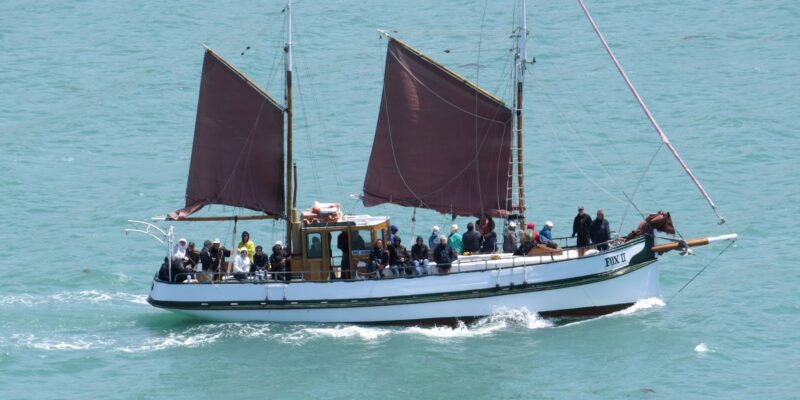
Passengers on a sailboat ride in the bay in Akaroa, New Zealand.

Photos in today’s post are from the post here.

Yesterday was one of those days that reminded me exactly why I respect those with more technical knowledge than I. Over a week ago, with good intentions, I was determined to finally tackle the long-overdue plug-in updates on our site. I’d put this task off for months, fully aware it was going to be time-consuming and nerve-wracking, especially since anything involving “updates” always feels like tempting fate. Still, armed with coffee and resolve, I forged ahead.

Instead of my usual cautious approach, updating one plug-in at a time, checking the site, taking a breath, and then moving on, I followed the advice of a Hostinger representative and tried their automatic updates app. It sounded efficient. Logical. Almost… hopeful. I watched as the updates completed and then, heart pounding just a little, I refreshed the site.

That’s when I freaked out.

Staring back at me was a horrible ad featuring two cartoon-like men with exaggerated pot bellies, enthusiastically promoting some mystery product I would never, under any circumstances, be willing to post on our site. It looked awful. Worse, it looked like something I had chosen to put there. My stomach dropped. I felt embarrassed, panicked, and instantly overwhelmed, all at once.

Tom’s burger lunch by the pool, while in Akaroa, New Zealand, in 2016.

I immediately contacted Hostinger, which began what felt like hours of back-and-forth as they tried to guide me through bits of “code.” This is where we crossed firmly into territory I neither understand, enjoy, nor have any interest in learning. I can cook a meal from scratch, navigate foreign countries, and manage complex travel logistics, but code? No. That is not my lane. Every line I looked at felt like a foreign language written upside down.

Despite everyone’s best efforts, both mine and Hostinger’s, the ads wouldn’t budge. That’s when they suggested a company they approve of, one staffed with experienced WordPress technicians who could step in for a reasonable hourly fee. At that point, I didn’t hesitate. Pride has its limits, and mine had been reached. Due to time zone differences, the technician I contacted will begin making the necessary changes within the next 24 hours, starting this afternoon. My fingers are firmly crossed that he can finally resolve the issue.

In the meantime, if you happen to visit our site and see these goofy, ever-changing ads, please know they are not there by choice and certainly not by design. They change every few minutes, which somehow makes them even more maddening. We will continue to have ads on the site to help offset maintenance costs, but hopefully they’ll be far less intrusive and, most importantly, not these awful YouTube-style ads that look like personal endorsements. I did not post them. Truly.

Tom went for the big time, eating these two plates of food, one hot dog, and one burger. I’ve stuck to one meal a day (dinner) after I found I just couldn’t eat twice a day, feeling too full for dinner.

Interestingly, if you’re reading our posts on your phone, you most likely won’t see these ads at all. Small mercies.

By the end of this month, all of these updates should be completed, and you’ll no longer see posts from me about this particular ordeal. I promise. I knew going into this that updating the site would be a difficult, time-consuming process, which is exactly why I avoided it for so long, especially while we were on that 47-night cruise that ended on December 13. That was not the time to invite digital chaos into our lives.

I deliberately waited until after the beginning of 2026, thinking it would be calmer. And here we are, muddling through it now, at least during a period when I had more time.

At this point, my days consist of little more than preparing meals, doing basic housekeeping, and handling our usual financial tasks. Everything else has been pushed aside while I wrestle with this digital beast. And yet, even in the middle of all this, I can’t quite believe we managed to book what we did for the itinerary we recently posted here. Somehow, despite the chaos, that part came together beautifully as Tom and I worked on it together. However, this update scenario is something only I can handle.

Thank you, sincerely, for your patience, your understanding, and for sticking with us while I navigate this not-so-glamorous side of maintaining our little corner of the internet. We’re thrilled to see so many of our subscribers are receiving the daily posts once again. We respect your privacy and would never sell or share your email information. The only messages you receive from us are our daily posts, sent directly to your inbox—nothing more.

Be well.

Photo from ten years ago today, January 15, 2016:

The shoreline is a section of the shoreline in Akaroa, New Zealand. For more photos, please click here.

What’s the deal with all the travel warnings about the Caribbean?…Thanks for your email messages…

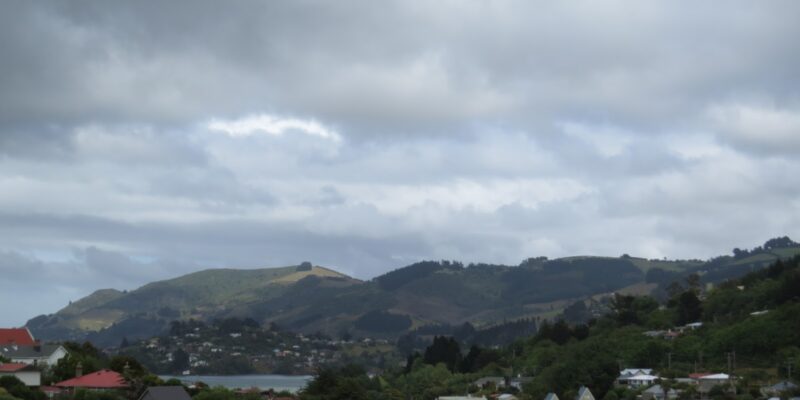
Homes close to the ocean in Dunedin, New Zealand, during our sailing in 2016.

Note: Today’s photos are from the post on this date, ten years ago.

We’ve spent years chasing sunrises around the world, learning that paradise isn’t a place immune to turmoil. It’s a place where people still live, work, adapt, and sometimes struggle just like anywhere else. And right now, the Caribbean feels like a crossroads of beauty and global tension, a region caught between its postcard beaches and a cascade of warnings that have ripple effects on travel, comfort, and the journeys we used to take for granted.

If you’re thinking about booking a last-minute escape or already have sandy-toed anticipation in your heart, here’s what is actually happening on the islands and why so many countries have slapped up travel advisories:

1. High Alerts and Crime Warnings

The U.S. State Department has recently raised travel advisories for several Caribbean destinations, including Grenada, where visitors are now being urged to “exercise increased caution” because of crime incidents like armed robbery and assault.

These are islands that for decades welcomed travelers with open arms. But now, like lots of places in the world where economic disruptions and local safety challenges intersect, violence and opportunistic crime have risen in some spots. Governments are signaling, yes, the sunsets are stunning—but keep your wits about you.

2. The Venezuela Factor — A Region-Wide Shockwave

One of the biggest shocks to the usual rhythm of Caribbean travel has nothing to do with reefs or resorts, and everything to do with geopolitics. In early January, a U.S. military operation in Venezuela culminated in the capture of Nicolás Maduro, sparking airspace closures and widespread flight disruptions across the Caribbean for a time.

Planes were rerouted or cancelled, leaving travelers unexpectedly stuck in airports or on islands, waiting for updated schedules. That disruption, however temporary, served as a stark reminder that even idyllic skies can be torn by events far beyond a resort town’s control.

Early morning view of Akaroa, New Zealand. We’ll return on our own to many of these quaint towns over the next three months. At present, we’re planning a few overnight trips to tour both the North and South islands.

3. Hurricane Aftermath and Ongoing Health Risks

Many islands are still recovering from Hurricane Melissa, which barreled through last year as one of the strongest storms in decades. Places like Cuba, Jamaica, and others are grappling with both infrastructure damage and public-health concerns such as dengue and Zika, which spread more easily in post-storm conditions.

Even if an island doesn’t have a high crime warning, there can be health risks and supply chain disruptions that make travel more complicated than it once was.

4. A Patchwork of Warnings—not a Blanket “Don’t Go.”

Here’s where nuance matters. Travel advisories are not monolithic across the Caribbean:

  • Some islands (such as Grenada) are at Level 2meaning exercise increased caution.

  • Others are at Level 1 — normal precautions — with advisories on petty theft, mosquito-borne diseases, and driving safety, but generally safe tourist zones.

  • Venezuela itself is widely labeled Level 4 — Do Not Travel by multiple Western governments due to extreme instability.

So it isn’t that the whole Caribbean has imploded, more that each island has its own landscape of risk, from sunshine safe to caution-flag territory.

Reflection of the ship on the sea as we anchored in Akaroa, New Zealand

5. What This Means for Travelers

If you are reading this as someone who still wants to travel, here’s the honest, seasoned advice:

  • Do your homework on specific islands, not just “the Caribbean” as a whole. A beach vacation in Sint Maarten and a cultural trip to Haiti are entirely different experiences with different safety profiles.

  • Expect more vigilance at airports. Even if advisories are lifted, airlines and governments may still enforce extra checks or rerouting.

  • Prepare for changes. Travel insurance, flexible tickets, and up-to-date advisories are worth every penny.

  • And most importantly, listen to locals and official guidance first—because the lived experience on the ground is always more nuanced than the headlines.

We’ve learned from years on the road that travel’s magic isn’t just in ticking destination boxes, but in understanding places deeply, respectfully, and safely. The Caribbean’s allure hasn’t vanished; it’s just asking us to look beyond postcards, be smart, and travel with a blend of curiosity and caution.

Your diligent research is vital to ensuring a safe and joyful experience in this part of the world.

On another note, thanks to our many readers who wrote to us

Thank you to so many of our readers who let us know they are once again receiving our daily posts after many hours spent working through this issue. Hearing from you truly made the effort worthwhile.

If you’re still not seeing our posts, please add our site to your CONTACTS list. We’ve discovered that many readers experiencing problems are using Yahoo email. Also, please check your spam folder; marking our posts as “NOT SPAM” often resolves the issue immediately and allows future posts to come through as intended.

As always, thank you for your patience, kindness, and cooperation. It means more to us than you know.

Be well.

Photo from ten years ago today, January 14, 2016:

Knox Church is a notable building in Dunedin, New Zealand. It houses the city’s second Presbyterian congregation and is the city’s largest church of any denomination. For more photos, please click here.

Addressing the issue for some registered readers not receiving daily posts…

This morning’s view from our veranda.

Over the past three days, I have spent at least 30 hours working with our hosting provider to determine why a select few of our readers are no longer receiving our daily posts in their email inboxes. This has not been a quick phone call or a single support ticket. It has been hours of back-and-forth communication, testing, re-testing, screenshots, log reviews, and walking through every possible scenario we could think of.

We have checked every aspect, every box, and every setting of WordPress’s SMTP automatic email system. We have verified domains, authentication records, sending limits, spam thresholds, delivery logs, and everything in between. At this point, we have not identified any errors on our end. That doesn’t mean the problem doesn’t exist; it clearly does, but it does mean we’ve hit a roadblock in what we can realistically fix for a few.

This also doesn’t mean we’re going to stop trying. This means that after exhausting the tools and access we have, there is no obvious next step. After conducting extensive research over the past few days, we’ve found that this is unfortunately a common issue for some WordPress websites. Given WordPress’s substantial size, our site is unique. In many cases, the solutions involve convoluted, expensive, and time-consuming processes that may or may not even resolve the problem. In other words, there is no guaranteed fix.

Managing a site as large as ours requires significant ongoing effort to keep it running efficiently. Much of that work happens behind the scenes and is never seen by readers. If we were able to hire an expensive site management company, there’s a chance this issue could be tracked down and resolved. Given that we earn so little from advertising, hiring such a company is not feasible.

We don’t ask our readers for donations. We don’t have “buy me a cup of coffee” links. We don’t charge monthly fees, and we have no plans to start doing so. After almost 14 years of posting, since March of 2012, we’ve made the conscious decision to keep this site free and accessible to everyone. That decision hasn’t always been easy, but it’s one we stand by.

Due to this email delivery issue, we kindly ask readers who are not receiving our daily post to bookmark our website or create a link, icon, or shortcut on your device to www.Worldwidewaftage.com. By clicking on it once a day, you will always find our latest post. It’s the simplest and most reliable workaround we can suggest right now.

The only time a new post won’t be there is in an emergency, when we didn’t mention “No post today,” or on a travel day when we had no access to WiFi. Aside from those rare situations, our daily posts will always be available by this means.

Yesterday, we posted our first new itinerary in 13 months: a 558-day itinerary! You can find that post here. It will continue to require significant planning, time, and effort, and we’re excited to share added content along the way. Any updates to this itinerary will be made in the future.

We truly appreciate every reader who has followed us over the years. Your support, messages, and continued interest mean more to us than we can adequately express. We sincerely hope this issue, which is affecting some recipients of our emails, does not deter you from continuing to enjoy our journey.

Thank you for your kindness and understanding.

Be well.

Photo from ten years ago today, January 13, 2016:

There was no post on this date.

It’s here!…Our new 558 day itinerary!…

Azamara Quest – “The Azamara Quest is a mid-sized ship with a deck plan that’s intimate but never crowded, and offers everything modern cruisers are looking for—plus some unexpected extras.”

Over the past several days, we decided to rethink our future bookings and return to the process we followed in the early days of our world travels. Back then, our approach was simple and surprisingly effective. First, we’d book cruises to destinations that intrigued us. Then we’d build around those sailings, adding time before and after to explore other locations we wanted to experience more deeply or perhaps settle into for a while. Somewhere along the way, we drifted from that formula, but it recently became clear that it still makes the most sense for how we like to travel.

 Location or Ship Days Dates
 Holiday Home – Kaiwaka, New Zealand 61  12-13-2025 – 2-11-2026
 Hotel – Overnight in Auckland, New Zealand 1 2/11/2026
 Flight- Auckland, New Zealand to Hobart, Tasmania, Australia 0 2/12/2026
 Holiday Home – Penguin, Tasmania, Australia 61 2/12/2026 – 4/13/2026
 Flight -Hobart, Tasmania to Brisbane, Australia 0 4/13/2026
 Hotel – Brisbane Airport Hotel 1 4/13/2026 – 4/14/2026
 Cruise – Brisbane, Australia to Seattle, Washington 25 4/14/2026 – 5/8/2026
 Drive – Seattle, Washington to Vancouver, Washington 0 5/8/2026
 Hotel – Vancouver, Washington 4 5/8/2026 – 5/12/2026
 Drive –  Vancouver, Washington to Eden Prairie, Minnesota 4 5/12/2026  – 5/16/2026
 Hotel – Eden Prairie, Minnesota 21 5/16/2026 – 6/6/2026
 Flight – Minneapolis, Minnesota to Johannesburg, South Africa 2 5/6/2026 – 6/7/2026
 Hotel – Johannesburg, South Africa 1 6/7/2026 – 6/8/2026
 Flight – Johannesburg to Nelspruit/Mpumalanga/ Kruger, SA 0 6/8/2026
 Drive – Nelspruit/Mpumalanga/ Kruger, SA Airport to Marloth Park, SA 0 6/8/2026
 Holiday Home – Marloth Park, South Africa 89 6/8/2026 – 9/4/2026
 Drive – Nelspruit/Mpumalanga/ Kruger, SA Airport 0 9/4/2026
 Flight – Nelspruit/Mpumalanga/Kruger, SA Airport to Livingstone, Zambia 0 9/4/2026
 Hotel – Livingstone, Zambia 7 9/4/2026 – 9/11/2026
 Flight – Livingstone, Zambia to Johannesburg, South Africa 0 9/11/2026
 Hotel – Johannesburg, South Africa 1 9/11/2026 – 9/12/2026
 Flight – Johanessburg to Nelspruit/Mpumalanga/ Kruger, SA 0 9/12/2026
 Drive – Nelspruit/Mpumalanga/ Kruger, SA Airport to Marloth Park, SA 0 9/12/2026
 Holiday Home – Marloth Park, South Africa 89 9/12/2026 – 12/09/2026
 Flight – To Be Determined 0 12/9/2026
 Hotel- To Be Determined 7 12/9/2026 – 12/16/2026
 Flight – To Be Determined 0 12/16/2026
 Hotel – To Be Determined 1 12/16/2026 – 12/17/2026
 Flight – Johannesburg to Nelspruit/Mpumalanga/ Kruger, SA 0 12/17/2026
 Drive – Nelspruit/Mpumalanga/ Kruger, SA Airport to Marloth Park, SA 0 12/17/2026
 Holiday Home – Marloth Park, South Africa 86 12/17/2027 – 3/12/2027
 Drive – Nelspruit/Mpumalanga/ Kruger, SA Airport to Marloth Park, SA 0 3/12/2027
 Flight – Nelspruit/Mpumalanga/ Kruger, SA to Singapore 1 3/12/2027
 Hotel – Singapore – To Be Determined 1 3/13/2027 – 3/14/2027
 Cruise – Singapore to Hong Kong 19 3/14/2027 – 4/2/2027
 Cruise – Hong Kong to Seoul, Korea 14 4/2/2027 – 4/16/2027
 Cruise – Seoul, Korea to Tokyo, Japan 14 4/16/2027 – 4/30/2027
 Cruise – Tokyo, Japan to Vancouver, British Columbia, Canada 18 4/30/2027 – 5/17/2027
 Flight – Vancouver, British Columbus to Las Vegas, Nevada 0 5/17/2027
 Holiday Home – Lake Las Vegas, Nevada 30 5/17/2027 – 6/16/2027
 Flight – Las Vegas to Eden Prairie, Minnesota 0 6/16/2027
 To Be Determined…
Planned Number of Days 558

We fully recognize that this decision may seem somewhat contradictory. Not long ago, we wrote about becoming less interested in cruising after getting sick on Royal Caribbean’s Voyager of the Seas, a massive ship with a 4,269-passenger capacity. And yet, here we are, still with one more cruise booked on that very ship. We’ve already paid in full for a 25-night sailing beginning April 14, just three months from now. That booking isn’t going anywhere.

After considerable discussion, we realized something that felt both obvious and oddly comforting. We do love cruising. What we don’t love is getting sick on cruises. Once we separated those two ideas, the solution became clear. If cruising itself isn’t the problem, then the type of cruising might be. Looking back, the times we felt our best at sea were always on much smaller ships. We decided to commit to sailing only on smaller vessels from now on.

After researching and revisiting past experiences, Azamara Cruise Line quickly rose to the top of our list. Their ships accommodate up to 700 passengers, which makes a significant difference for us. We appreciate the upscale environment, the adults-only atmosphere, and the noticeably higher level of customer service. Additionally, Azamara offers a long list of inclusions that many other cruise lines charge extra for. Their “inclusive luxury” model covers gratuities, select spirits, wine and beer, specialty coffees, 24/7 room service, self-service laundry, and WiFi minutes. They also host AzAmazing Evenings on most cruises, which are unique cultural events included in the fare.

Higher-tier loyalty members receive additional perks, including expanded WiFi, spa and beverage discounts, and laundry services, while suite guests enjoy priority access and in-suite spirits. Since we aren’t yet high-tier members, we’ll still pay for WiFi, albeit at competitive rates. None of this, of course, comes at the bargain prices often found on larger ships. At this point, though, we’re more than willing to pay extra for a better onboard experience and, most importantly, a much lower likelihood of getting sick.

A few days ago, we booked four Azamara cruises, all back-to-back, through Costco Travel in the US. Booking through Costco has worked well for us in the past, and this time was no exception. We’ll receive a total of US $3,460 in Costco shop cards, which we can use for purchases or for cash. These shop cards aren’t credited until the next calendar year after the sailings. Additionally, we’ll earn rewards from our Premium Membership that we can use for major purchases, such as new laptops, the next time we’re in the U.S. Currently, we have almost US $1000 in shop cards and US $446 in Premium Membership credits.

Making these decisions also allowed us to map out a broader plan before and after the cruises. As it stands now, we’ll be spending nearly nine months in Marloth Park, leaving periodically to visit other African countries when our 90-day visas expire, and returning twice for new entry stamps. The third time, we’ll return to the U.S. to see family in Nevada and Minnesota and take care of practical matters such as renewing our driver’s licenses.

When we look at the itinerary as a whole, it’s obvious there are still bookings to be made. But we’re in no rush. We’ll take care of those details as we go. For now, it feels good to have a solid framework in place and, once again, no pressure to figure out every last detail all at once.

Be well.

Photo from ten years ago today, January 12, 2026:

A small wake from the ship as we sailed through Doubtful Sound in New Zealand. For more photos, please click here.

We’re baaack!…More new photos…Good news!…

One more photo from our trip to Whangarai.

Yes, we also needed to upgrade our hosting plan to a premium plan with Hostinger. While premium pricing is never something you jump into lightly, it was unavoidable given the massive size of our website. After all, we’ve uploaded nearly 5,000 posts and tens of thousands of photos over the years. That amount of content requires more robust resources, better performance, and stronger backend support to ensure everything runs smoothly for both our readers and us. So far, the upgrade has been well worth it.

As a result, we’ve decided to discontinue our support services for the company in India. At one point, their assistance was necessary, but it’s simply no longer needed. The AI support provided by our hosting company has proven faster, more accurate, and more efficient for our needs. It is reachable 24/7, which is essential given the time differences. Sometimes progress means making changes, and this was absolutely the right move for us.

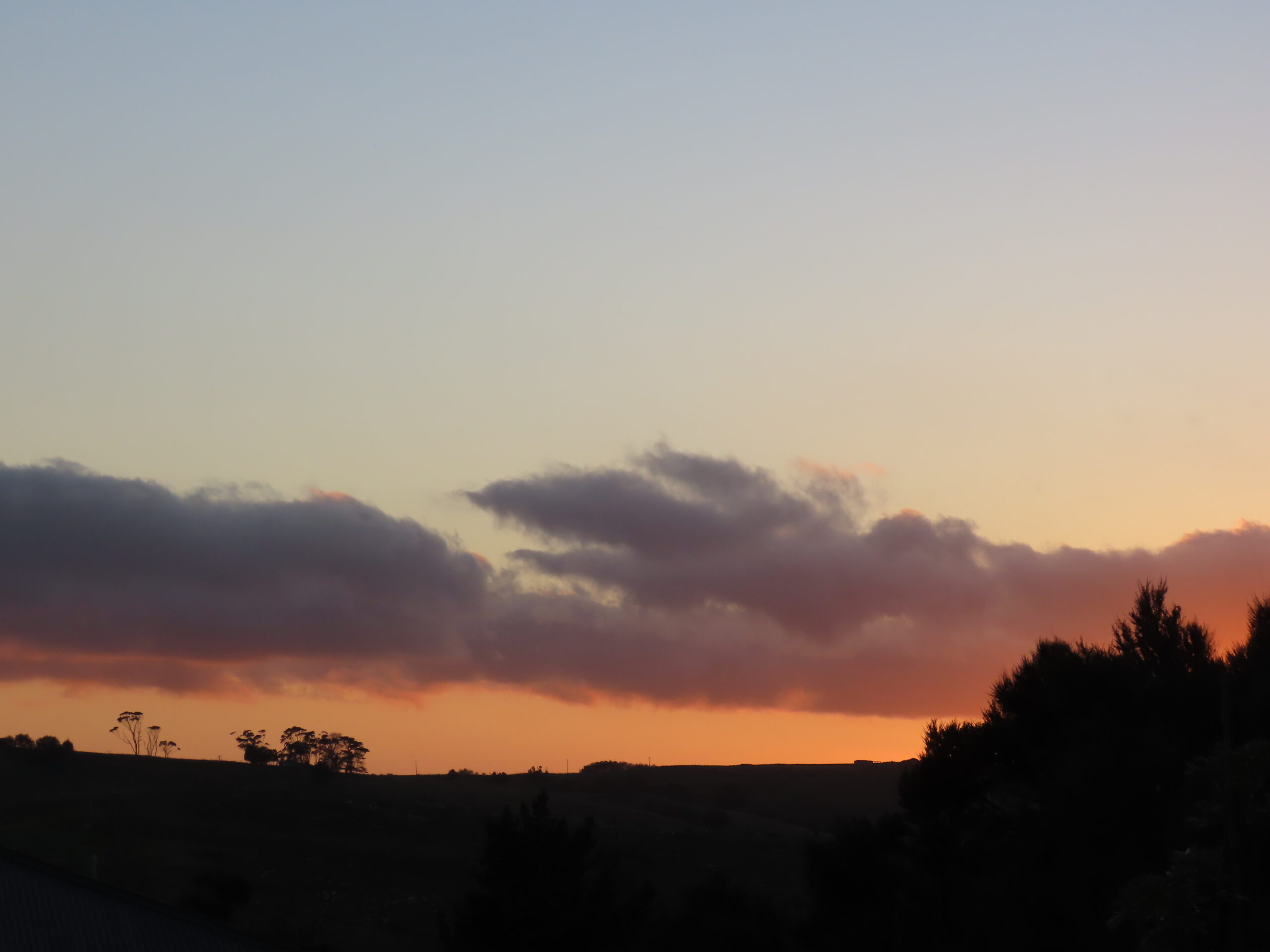
Tom’s sunrise photo.

If you’re experiencing any issues reading our posts or receiving them as usual, please don’t hesitate to reach out to me by email. My email address is located at the top of our homepage. I’m always happy to look into any issues and work toward a resolution. In many cases, something as simple as rebooting your device or checking your spam folder can solve the issue. Technology has a funny way of fixing itself when you least expect it to, but I’m here if it doesn’t.

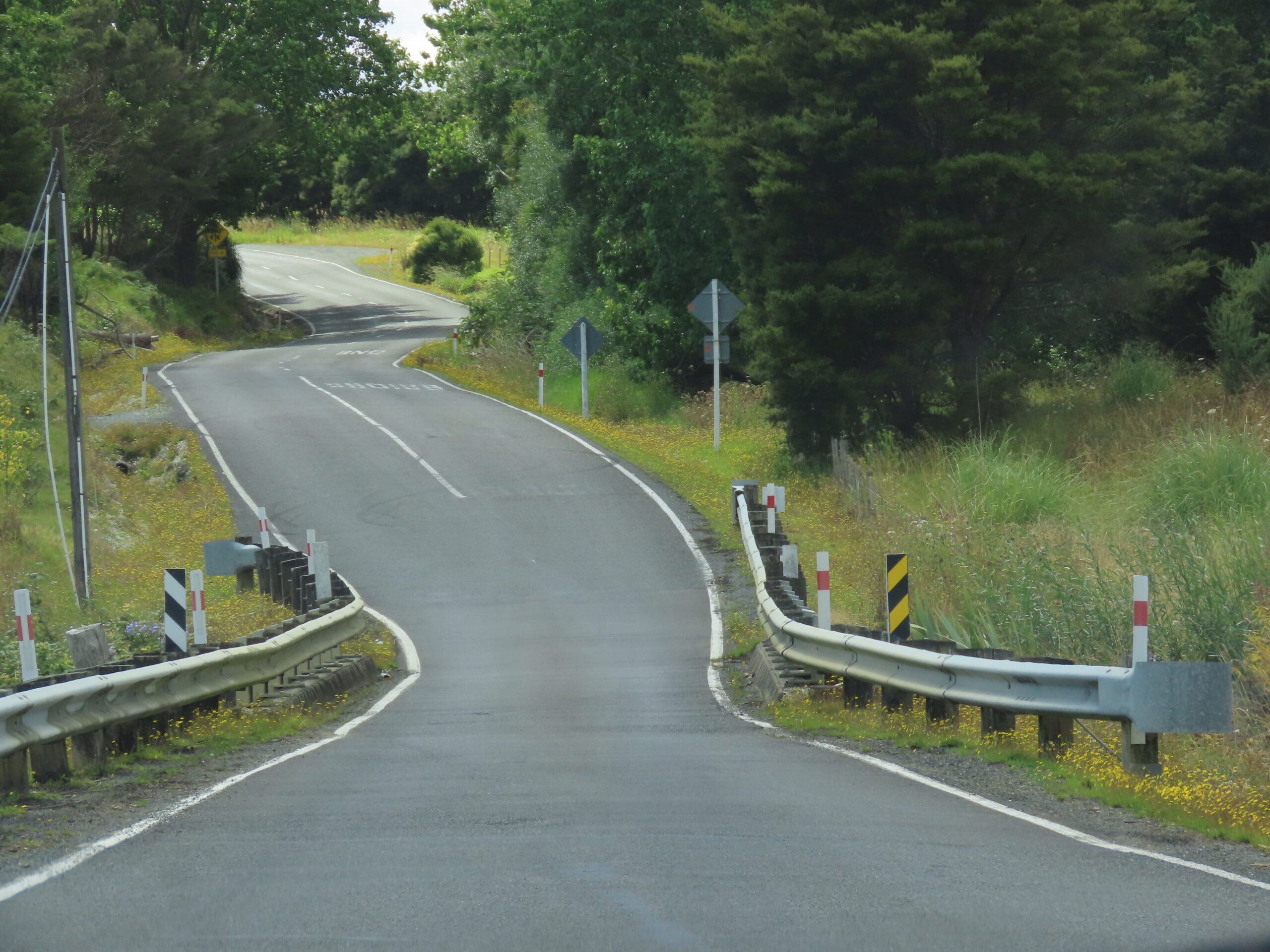
A single lane bridge.

It will take me another 28 days or so to complete the update of all plugins on the site. This is a time-consuming process, but it’s important. By the end of that period, all remaining issues should be fully resolved. For those wondering what plugins do, here’s a simple explanation:  “Plugins are software components that add new features or functionality to an existing application, such as a website or content management system, without altering the core code. They extend what a site can do, whether that’s adding forms, improving performance, enhancing security, or customizing the overall user experience. They’re also known as add-ons or extensions, and they enable powerful customization without writing code.

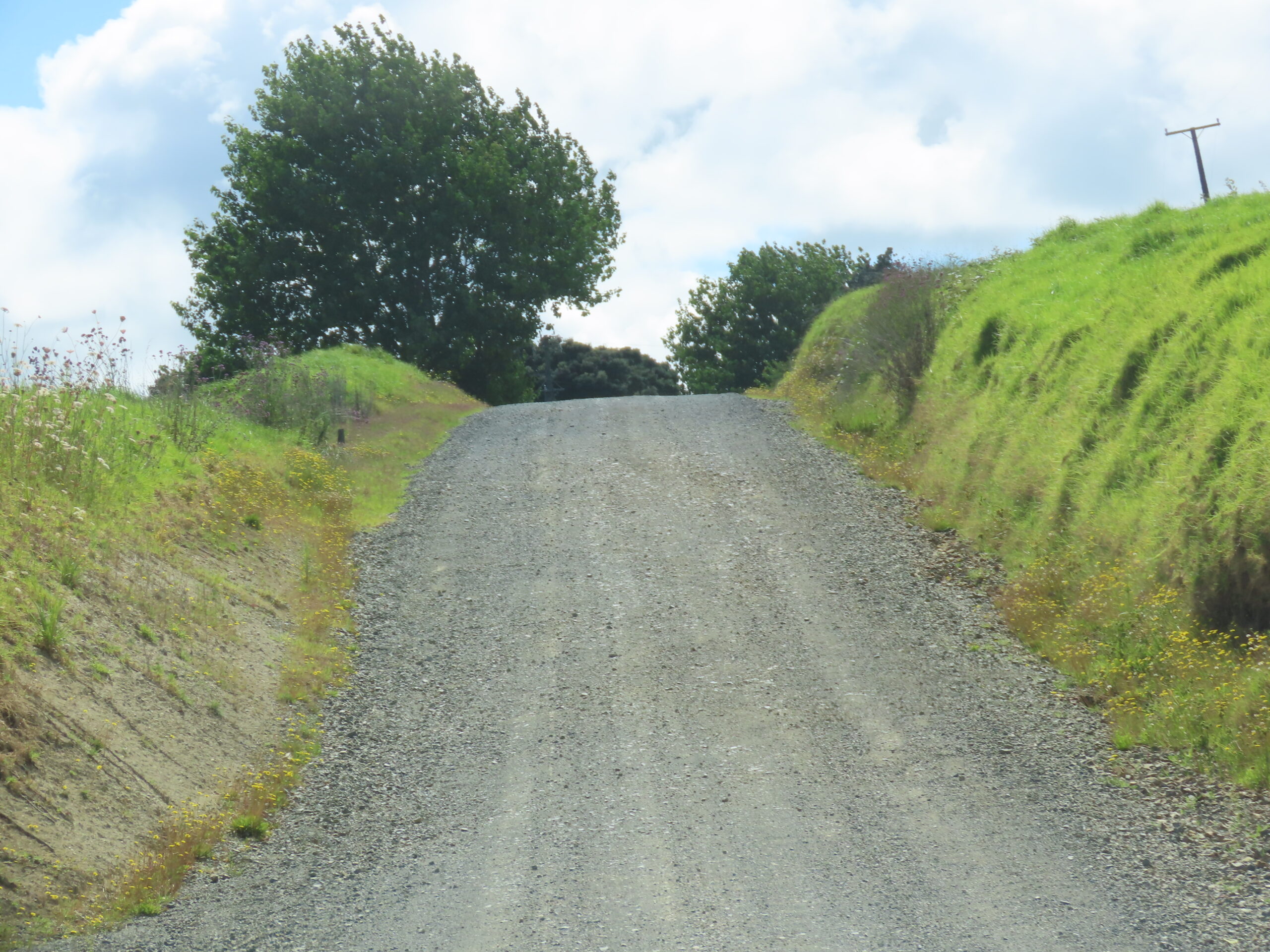
The roads are gravel and very narrow.

Now for a bit of fun news. We’ve booked some exciting adventures that we’ll be sharing with you in the coming week, along with a brand-new itinerary. The last itinerary we posted was on Christmas Day, 2024, at this link; it’s been 13 months, so it’s time for an update. We’re really looking forward to putting this together and sharing what’s ahead with all of you.

On a final note, it’s warm here today, much warmer than it’s been over the past month since we arrived. The high will be 82°F (28°C), which is still very comfortable for us. In fact, we haven’t used the air-conditioning unit in the lounge/living room yet. Life is good, progress is being made, and we’re grateful to have you along for the journey.

Be well.

Photo from ten years ago today, January 11, 2016:

Milford Sound, New Zealand, despite cloudy, rainy conditions, was an extraordinary place to visit. For more photos, please click here.

Good news about our site…New scenery photos!…More to follow…

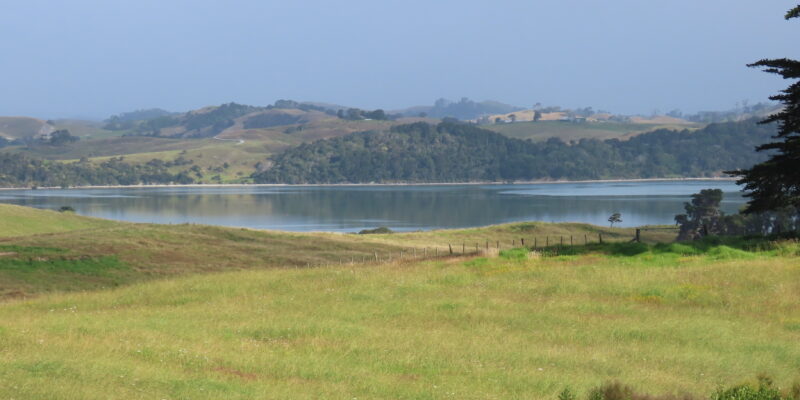
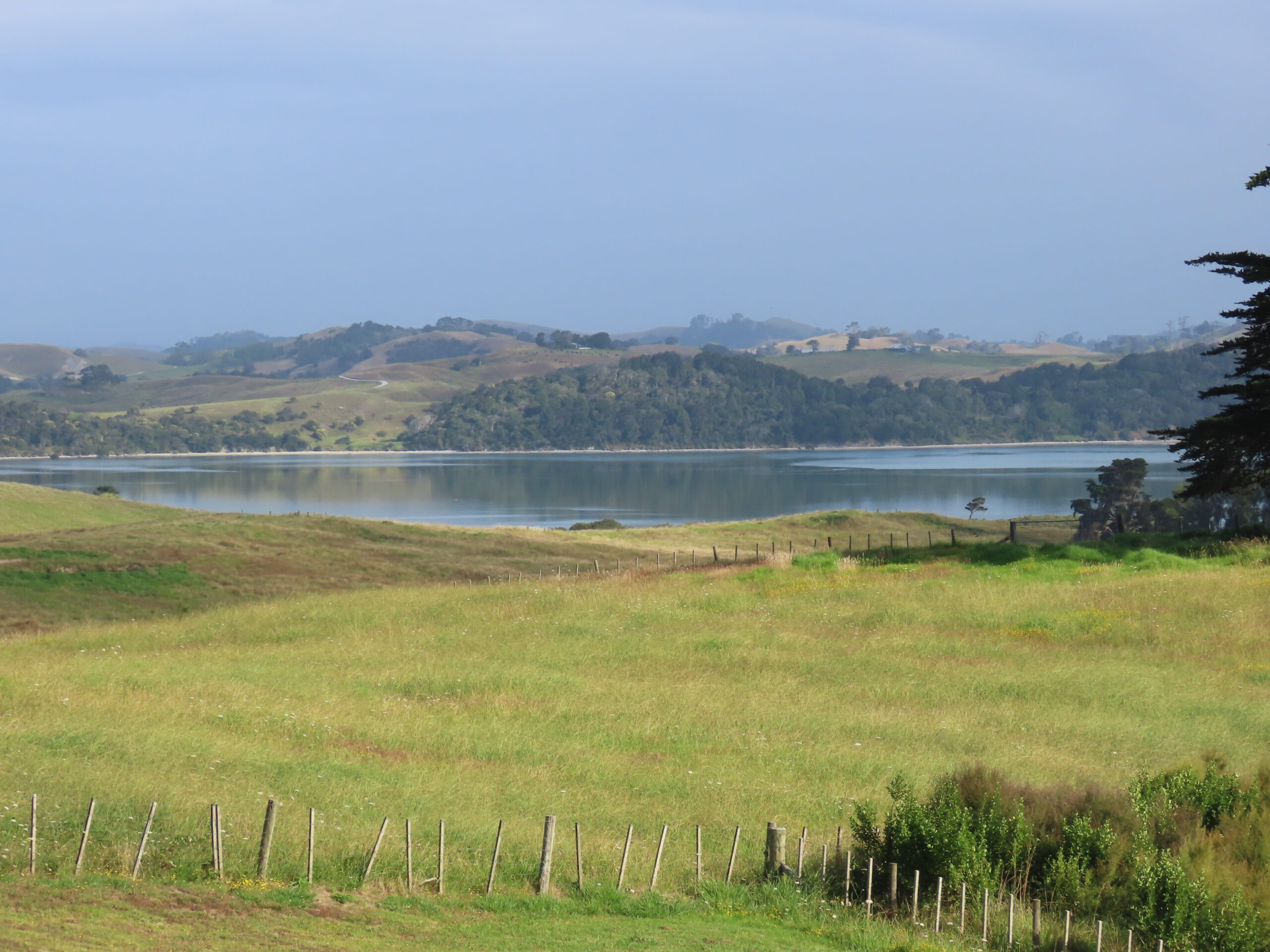
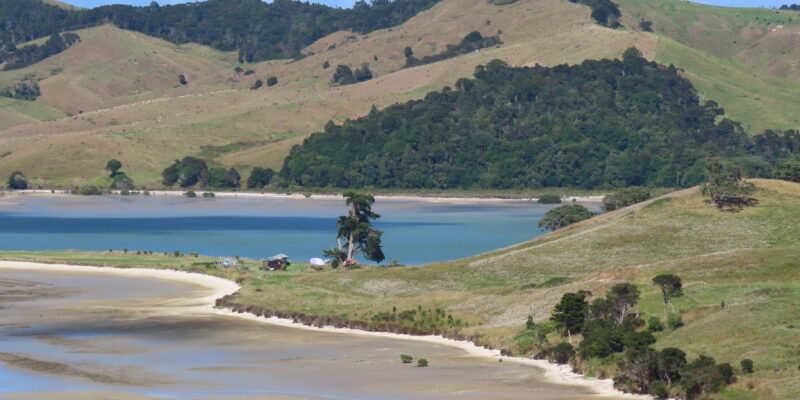
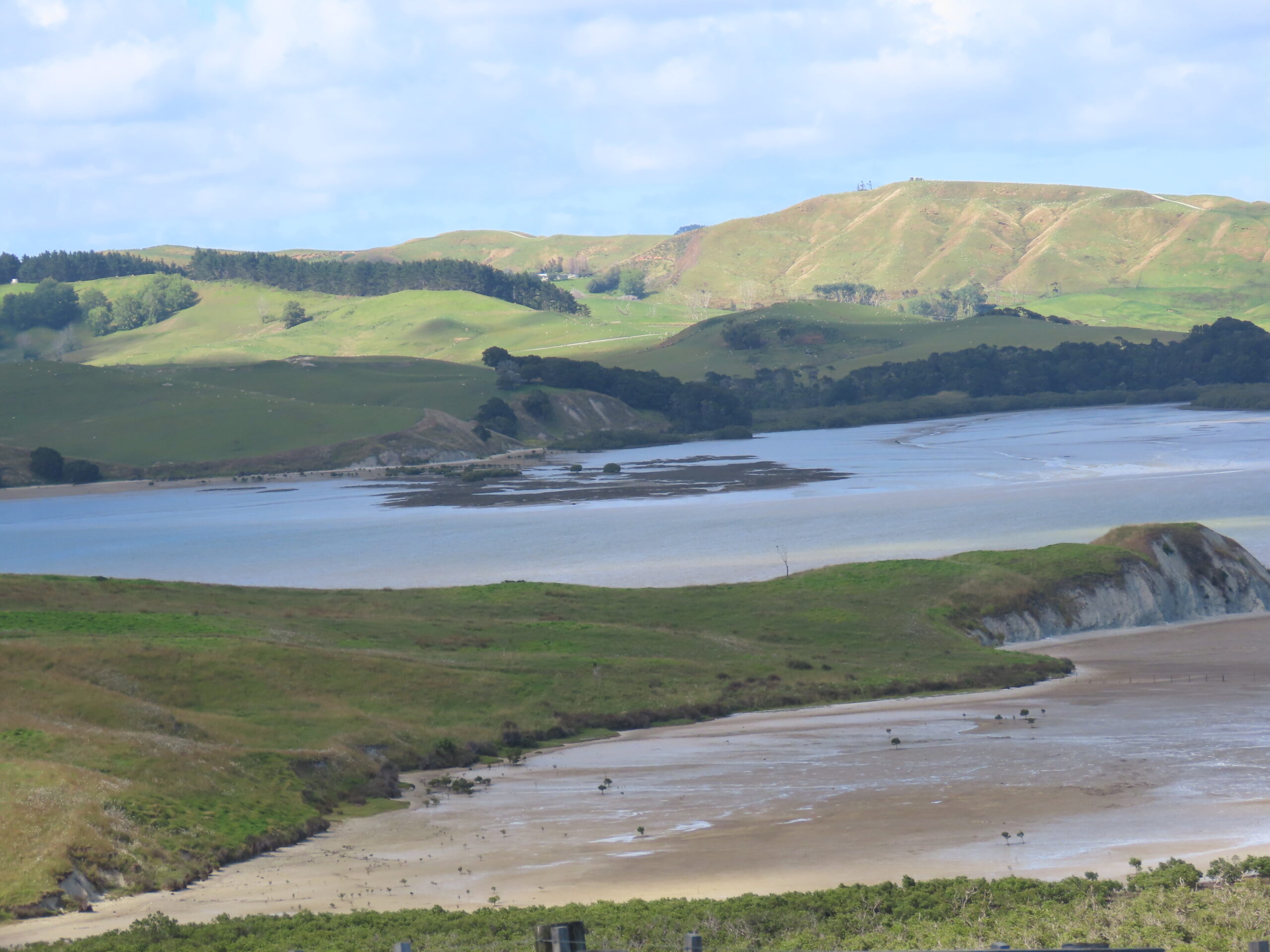
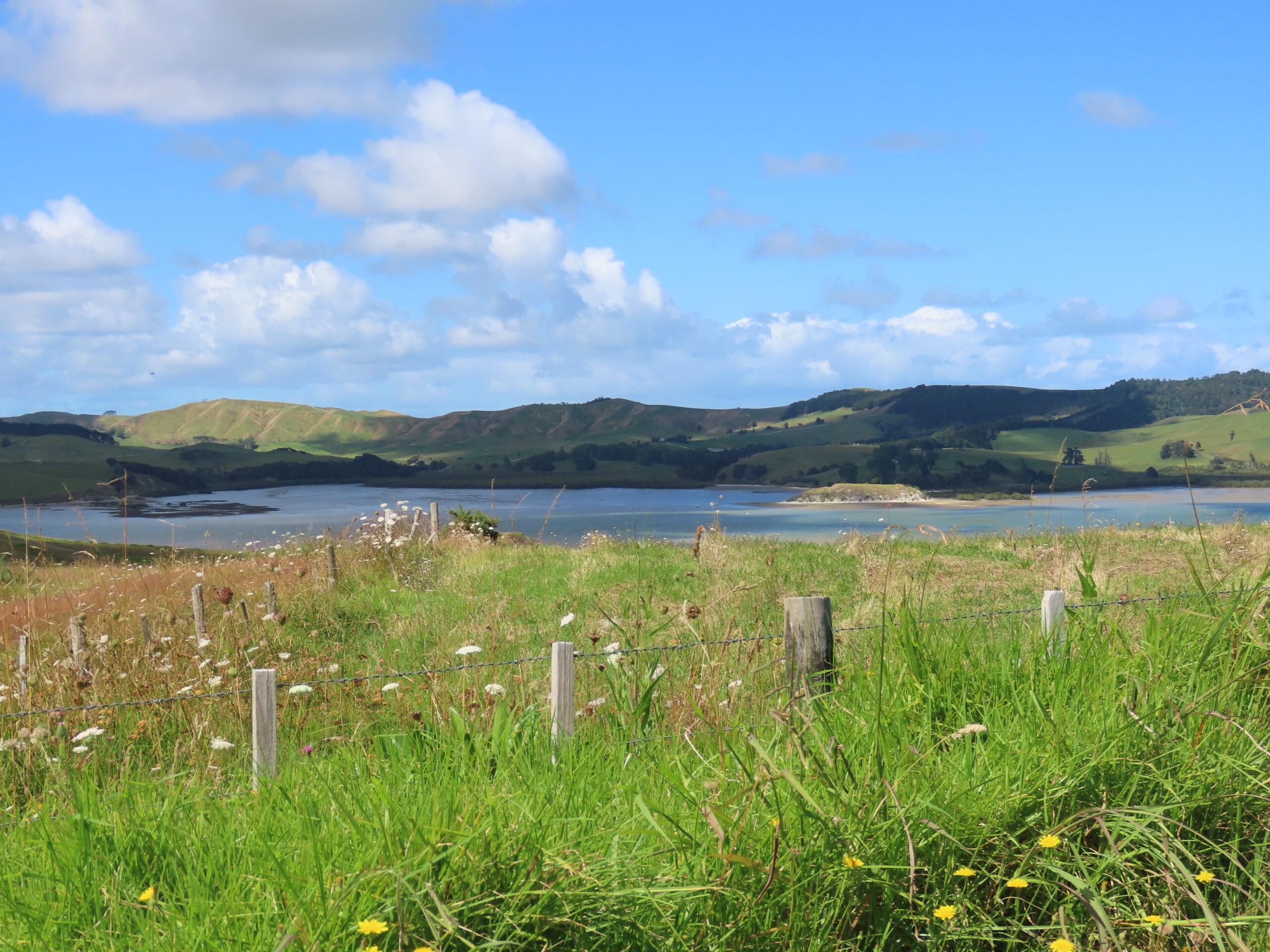
The sky was overcast, but we were still able to capture the beauty of the countryside.

Today was a day I’ve been dreading for months, one of those days that quietly looms in the background while you hope and perhaps unrealistically, that it might somehow resolve itself. But today, there was no more putting it off. It was the day our website needed a serious round of updates to address a growing list of issues we’d been experiencing, along with many of you, our loyal and patient readers.

For a long time, minor glitches have been creeping in, based on the sheer volume of our site, after almost 5000 posts, which included pages loading slowly, comments not appearing as expected, and email notifications arriving late or not at all. Individually, none of these seemed catastrophic. Collectively, they began to weigh on me. Our website isn’t just a technical platform; it’s our home base, the place where we share our stories, reflections, and daily lives as we continue this journey around the world. Knowing that some of you were struggling to access that space was unsettling and, frankly, a little heartbreaking.

After several hours today working directly with our web hosting company, Hostinger, it appears we’ve addressed many of the issues you’ve been experiencing for quite a while. I’ll admit that going into this process, I felt overwhelmed and somewhat intimidated. Website management can feel like learning a foreign language, mainly when you’ve relied on others to handle it for years. The company we’d used in the past, despite a long-standing relationship, had fallen short in keeping our site properly updated and protected against these kinds of problems.

This photo looked more like a painting than a photo. The scenery is unreal.

At some point, it became clear that hoping someone else would fix things wasn’t enough. Today, I decided to roll up my sleeves and work directly with Hostinger, and I’m genuinely grateful I did. They’ve done a fantastic job, not only resolving many of the immediate concerns but also patiently teaching me how to manage several facets of the website myself. Something is empowering about finally understanding what’s happening behind the scenes, even if it comes with a steep learning curve. I’ve always enjoyed writing the posts and sharing photos, but the background management aspect didn’t appeal to me.

Now, I want to be clear, this doesn’t guarantee that we won’t have issues in the future. As they say, “it’s the nature of the beast.” Technology is wonderful…until it isn’t. But what has changed is our ability to respond more quickly and effectively when issues arise.

If you experience any issues in the future, please email me directly rather than leaving a comment on the site. If the comment system itself is part of the issue, I may never even see your message. Once I’m aware of a problem, I’ll work with Hostinger to address it as quickly as possible, aiming to resolve it within 24 hours whenever feasible.

This also applies to those of you who have signed up to receive automatic email notifications for our daily posts. That system is proving to be the most challenging area, but please know it’s very much on my radar. We are actively working on it, and I appreciate your patience more than I can adequately express.

The scenery is New Zealand is breathtaking in every direction.

Over the next 30 days, I’ll be updating one plugin per day to improve stability, security, and ease of management. It’s a slow and deliberate process, but one that feels necessary to ensure the site remains a welcoming and reliable place for all of us.

We sincerely apologize for the inconvenience these issues may have caused you. Thank you for sticking with us, for reaching out when things didn’t work as expected, and for continuing to be part of this journey. Your support, kindness, and understanding mean more than you know, and they make even the most dreaded days feel worthwhile in the end.

On another note, Tom, the ever-practical former volunteer fireman back in his railroad days, asked me to clarify something from our previous post about the dead smoke detector in the bedroom. Rest assured, there are additional, fully functioning smoke detectors in every room of this property. Safety has not been compromised, even if the timing of that one failing felt dramatic in the moment. Dave, our landlord and now friend, is aware of the issue and will bring us a replacement detector for the bedroom next week when he returns from his weekend away. Until then, we’re well covered and sleeping soundly.

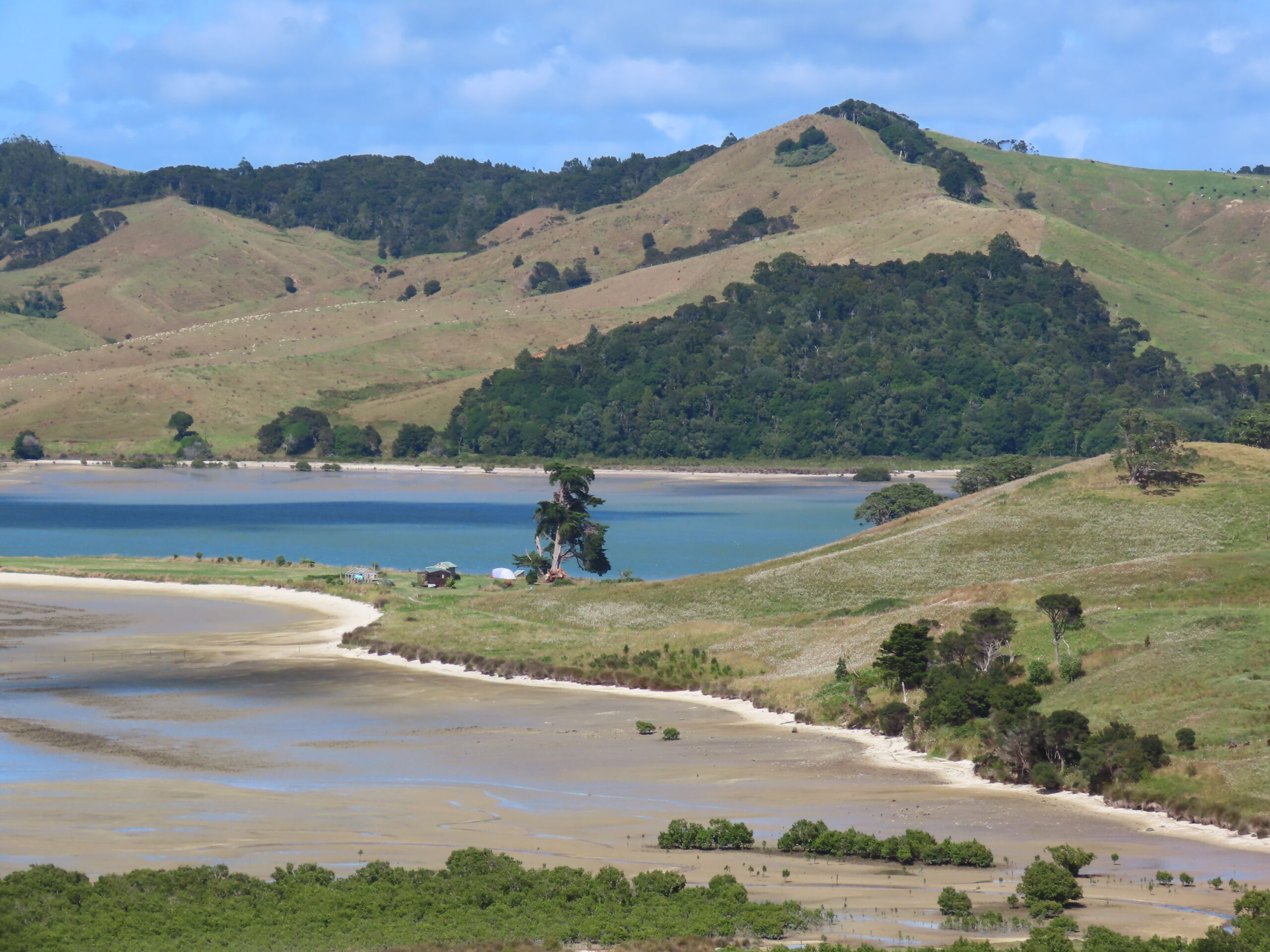
Today’s photos were taken during yesterday’s long drive to the supermarket in Whangarai. We’re thrilled we were able to take a few good shots.

Be well.

Photo from ten years ago today, January 9, 2016:
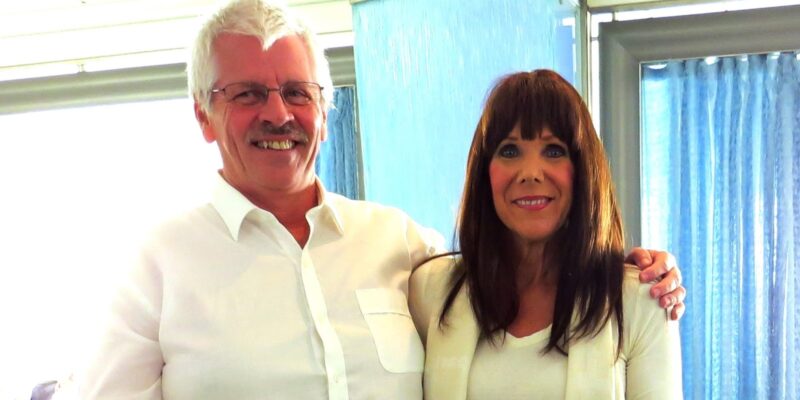
Last night at the show, Jane, Tom, and Rob, our new Aussie friends. For more photos, please click here.