Day #210 in lockdown in Mumbai, India hotel…Nothing has changed…

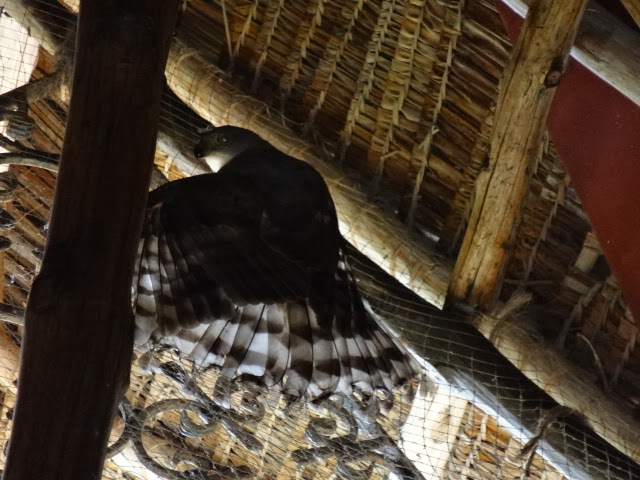
This is what I heard flying around in the empty second story of the house in Diani Beach, Kenya, which proved to be an owl, 

Today’s photos are from the post in 2013 after returning from safari to Diani Beach, Kenya. For more from this date, please click here.

Nothing has changed. We’re still in this hotel room, attempting to make the best of it every day. This morning, Tom’s omelet was overcooked, and his bacon was undercooked. He called the restaurant and asked for “crispy bacon,” a seemingly complex food item for Indian cooks to get right who don’t eat bacon. We try to be patient. They sent up a new batch.

The moon is a crescent on the bottom portion when this close to the equator. Who would have ever thought of this? No, we didn’t watch the toilet flush in the opposite direction as it does in the US. 

Each day, each evening, the identical items we’ve ordered are different than the day before. Tom finally gave up ordering dinner. Instead, he eats a big breakfast.  I haven’t been having much in the way of breakfast after becoming tired of the same things, day after day. I focus on my dinner of grilled chicken parts, broccoli, and sauteed mushrooms, periodically changing the vegetables for variety.

I’ll order the grilled salmon from time to time, but the portion is so small I end up hungry after the meal, often containing two hard-boiled eggs to round it out. We never realized how eating for pleasure was so crucial until this situation. We both long for variety to no avail. 

Diners at Madafoo, in Diani Beach, and most other resort properties are welcomed to sit outside, near the beach, and in some cases by their pool. 

This morning, I felt out-of-steam walking my first mile. Maybe today, I need to take a day off, the first time since I began in March. I slept well last night but wondered if the repetitive nature of this same old, same old, walking path in the corridors, hour after hour, may finally be getting to me. I’ll continue on tomorrow but need a change of pace today.

Often, I’m tempted to say this is comparable to being in prison, but I don’t, realizing prison would be much worse. The bed here is divinely comfortable, and we have a private bath. We have a flat-screen TV and can stream shows, although they stop every seven or eight minutes for a few minutes, to the spinning red wheel when the signal is poor.

While we sat near the ocean at Madafoo’s, a few vendors approached us, relentlessly trying to encourage us to make a purchase. Watching the windsurfers was fun but seemed more befitting the younger crowd. We only observed one person, possibly over 40, partaking in this activity.

Two days ago, I forgot to mention that when I left to get cash from an ATM for the package, it was the first time I’d been outside the hotel in seven months, except for a few occasions I stepped out the main door to collect an item from Amazon India when we’ve ordered basic toiletries and pharmacy items. Since then, I’ve asked the hotel staff to please collect our packages and bring them up to our room. 

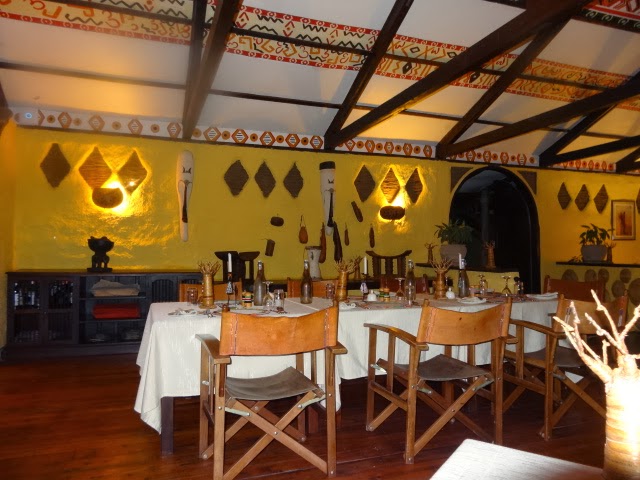
The sunbathers left as the sun began to set, and we moved to the restaurant for dinner,

I would never have imagined not going to a market, a pharmacy, or any store for over seven months. How peculiar that is. During our last foray in the US, I stopped at Walgreens at least once a week for an item or two. Now, not at all. Amazon India has many things but different qualities, prices, and actual products. Also, each item is shipped individually, resulting in lots of monkeying around, including:

  1. Sending me a text with an OPT (one-time password)
  2. The driver waits for me to respond, and if I don’t respond immediately, they cancel the shipment.
  3. If I do respond immediately, I have to enter the OPT.
  4. Then, the package is left with the guard at the distant gate, who calls the front desk staff to collect it.
  5. Then, the front desk called our room phone to inform us the package had arrived, asking if we wanted to get it or have it delivered to our room. We always request, “Deliver to our room, please.
  6. Within 30 minutes, the item arrives at the room after the doorbell is rung. I get up to answer the door and take the package.
    This adorable guy, a part-time resort resident belonging to one of the windsurfing trainers, hung around with us during our dinner looking for morsels.  Once we gave him several bites and saw our plates were clean, he moved over to the table of other diners with full plates.

My single bottle of TUMS antacids didn’t arrive yesterday, falling short at item #3 above. I didn’t see the text until it was too late. The article was canceled, and now I have to reorder. Shucks! The nature of the beast. 

Ah, I don’t mean to sound down or sad. Yes, it’s better than prison, and for this, we are grateful. But, regardless of how busy we stay, how much we get done, how many shows we stream, and how many podcasts we listen to, this is not easy.,

The moon at Madafoo’s second night we visited upon returning from the safari, then on October 15, was almost complete.

Ultimately, we are grateful to avoid becoming infected with the rampant virus here in India, especially in Mumbai. In no time at all, India will surpass the US in the number of cases, and probably already has, with the poverty here and the thousands, if not millions, of unreported cases and deaths.

We remain safe in this cocoon, and for that, dear friends, we are grateful. Nothing has changed.

Thank you for being at our side, continually offering so much love and support, which means the world to us. 

Stay healthy and hopeful.

Photo from one year ago today, October 19, 2019:

Ken and Linda set up our camera timers for this photo of the four of us in front of Raglan Castle in Wales. For more photos, please click here.

Day #209 in lockdown in Mumbai, India hotel…Package delivery from hell…

    Moments before, it rained in the Maasai Mara. Tom captured the clouds rolling in at precisely the right moment. Wow, Tom!

Today’s photos are from the post in 2013 while returning from safari to Diani Beach, Kenya. For more on this date, please click here.

In July, it all began when we ordered supplies from the US to be sent from our mailing service in Las Vegas, Nevada, to our hotel in Mumbai, India. Our new second passports are included in that box, which we’d applied for while in the US last November.

Upon arriving at the landing strip, this tiny plane was the only one in sight.  Then I knew this was Edwin’s plane, and we’d be flying in it once again.
 Note: On Monday, for those of our readers finally receiving the daily posts, we are in the process of changing the look of these emails to be more consistent with the look of our site and reducing the number of posts in each email from five to one, as we had in the past when using Blogger as opposed to WordPress which we’re using now. Only through your kind comments and support can we make our site as user-friendly and appealing as possible. Thank you for this, and of course, for continuing to share in our daily updates.

OK. Here goes. Another package from hell story and folks, as I’ve promised Tom, our last. We will no longer be ordering favorite items we need from the US, not now and not in our future travels, providing someday we can get out of here. The most recent and LAST package was sent from our mailing service on July 28, FedEx Express. 

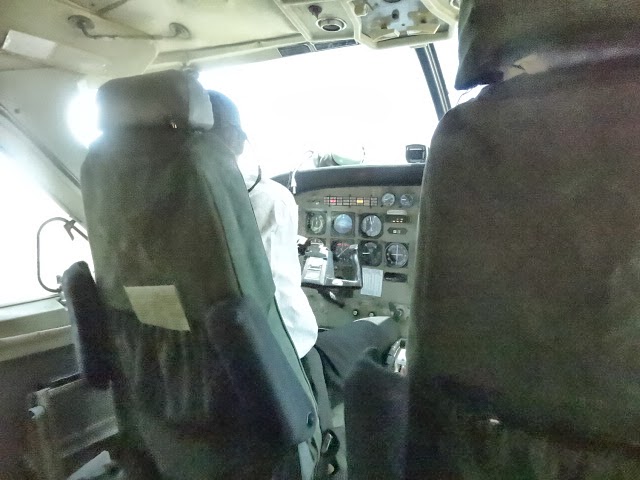
For the first leg of the flight, Tom and I were on the plane with Edwin. Edwin prepared for takeoff while I was sitting behind the empty co-pilot’s seat. Tom sat behind me so he, too, could look out the window.

Since we had several items in the box of varying values, I insured the package for INR 73,443, US $1000, probably more than the value of its contents, but I rounded it off. We could recover the INR 29377, US $400, shipping fees, plus the contents if they were lost. That was my second mistake, the first being sending the package in itself. I shouldn’t have insured it at all, which I will explain going forward.

FedEx in India is not like the dependable, efficient FedEx in the US and perhaps some other countries. Here, you can call for help and be on hold for hours, never to reach a human being. I am sure part of this was due to COVID-19, but from what we’ve discovered, as businesses have now opened up here, the process for receiving a package is horrendous.

Approaching the landing strip to pick up seven more passengers, most complaining they hadn’t seen the Big Five. We kept our mouths shut when we’d seen the Big 5 in the first 10 hours on safari.

It was only about three weeks ago, after sending dozens of email messages, that we were informed we needed to submit several documents, including passport bio and back pages, a letter from the hotel, and our visa documents. Why all this to receive a package? It’s obvious. They certainly went through the box to view the contents. Why all this?

Then, while still in Delhi after 2½ months, it finally went through customs to determine a customs duty. Regardless of the contents, they assessed the contents for the insured US $1000, with a duty tax of INR 71364, US $974, including some arbitrary COVID-19 processing fee. In other words, we had to pay this horrific amount to receive the box based on my declaration of the insured contents. My faux pas, entirely.

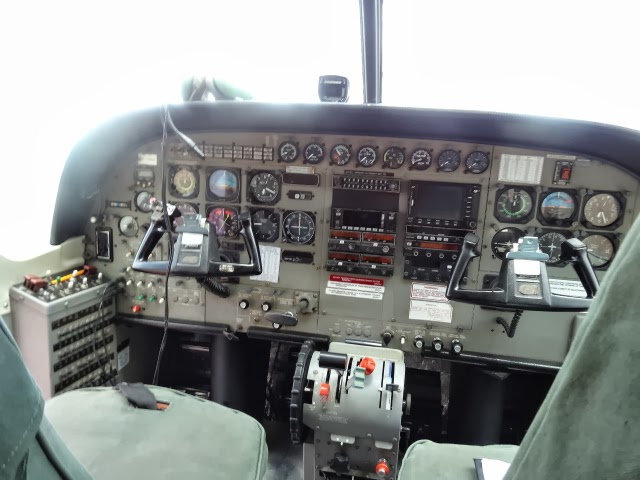
Control panel of the single-engine plane.

Then, on top of that, there was virtually nowhere online that we could pay this amount in advance. The only way to pay was to do a bank transfer. While sitting in the lobby yesterday, with the help of the beautiful hotel manager, Umesh, I was on the phone with our bank in the US trying to do the transfer but, FedEx India’s SWIFT number wouldn’t work through a US bank account. 

Oh, good grief, I was sitting down there for over an hour with no air con in the open lobby, temperature around 90F, 32C, wearing a mask and gloves and sweating up a storm while the FedEx guy had the package in his truck and wouldn’t deliver it until we paid.

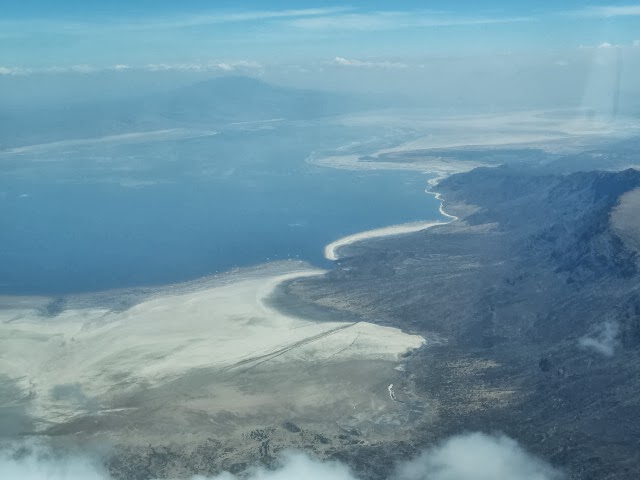
A breathtaking view from the plane.

Our fantastic hotel manager offered to pay out of his bank account, for which I could pay him, but that didn’t work either due to the SWIFT account issue. Frustrated, we both racked our brains. We needed INR 71364, US $974, in cash. Who carries that many rupees in their possession? Not us. That’s a lot of bills.

When we first arrived in India and tried to get some money, we had to go to several ATMs when they only dispensed INR 10000 maximum per transaction in India. We have two debit cards, and this would mean four different ATMs. Finally, after multiple sweaty attempts to figure this out, I told Umesh we had no choice but to go to ATMs to get the cash.

As we flew over Diani Beach, the smoke from burning fires clouded the view. In Kenya, there’s no ban on burning often resulting in toxic fumes filling the air.

Plus, when we got here many moons ago, we tried five or six ATMs on the weekend, and all of them were out of cash. I imagined yesterday, Saturday, we’d run into the same problem. Umesh and I took off in the hotel’s van heading to the closest bank ATM expecting more luck at an indoor bank facility, and they were out of cash!!!

We drove to another bank ATM, five minutes away in dense, noisy traffic. The walk up to the second bank’s ATM room was treacherous, with uneven clumps of cement in an undefined walkway. I hung onto Umesh for dear life.

The miracle of all miracles, the two machines in that tiny room, allowed me to make eight transactions, each at the cost of INR 200, US $2.72. I used both mine and Tom’s debit cards four times each. With the Africa bag in my possession, including a plastic bag to hold the enormous number of bills, a sense of relief washed over me as we made our way back to the hotel.

A final view of the King of Jungle. Thank you, lions. We were never disappointed, continually offering an opportunity for a close-up and the chance to observe their playful antics and instinctual behaviors.

Umesh called the FedEx guy to return to the hotel with the package, at which point I met him in the lobby while he counted out the money, gave me a receipt, and placed the 8.62 kg, 19-pound box onto the hotel luggage trolley. One of the staff members brought the package up to our room.

We’ve yet to open the box after waiting 48 hours to handle it. A sufficient amount of time would have passed if there was COVID-19 outside the box or the interior contents from inspection.

Enough about that! We won’t be writing any more posts about delayed packages in the future. We’re done ordering stuff from the US. 

Well, anyway, we’re emotionally recovered from that debacle and can now go back to the debacle on hand!

Be well!

Photo from one year ago today, October 18, 2019:

In this case, in Chepstow Castle ruins, the presence of vines created such a pleasing effect that it remained in place over the centuries. For more photos, please click here.

Day #208 in lockdown in Mumbai, India hotel…A review of an exquisite first safari experience…Firsts!…

After the memorable stay and safari, it was hard to say goodbye to the Camp Olonana Sanctuary Retreat staff.

Today’s photos are from the post on this date in 2013 while on safari, staying at Camp Olonana in the Maasai Mara, Kenya. For more on this date, please click here.

The lodge was an inviting place for us to sit, sip beverages and post our photos and stories. With no Internet access in the tents but available at no charge in the lodge, we spent most of our limited spare time here.

Seven years ago today, we wrote a comprehensive review of Camp Olonana Sanctuary Retreat in the Maasai Mara in Kenya, where we had the privilege to experience our first safari in Africa, forever emblazoned in our hearts and minds.

The dining room’s ambiance was easy-going and welcoming.

There’s a lot to be said for “firsts,” and without a doubt in our minds, that particular first left us reeling with sheer wonder and delight. Throughout our world travels, over and over again, we’ve had the opportunity to experience a wide array of firsts, that above all, stand out in our minds years later.

One evening, as we were busy posting after dinner, the staff and guests began dancing around the lodge to celebrate a couple’s anniversary. It was an intimate group with no more than 16 guests on-site while we were there. (The camp holds a maximum of 28 guests). With a bit of prodding from the staff, we joined in the line.

Whether it was our first transiting of the Panama Canal, the first in-person view of the Eiffel Tower, the first sighting of The Treasury in the hidden city of Petra, the first visit from a warthog in our garden in Marloth Park, or our first cruise, they all hold special meaning with us.

 Windblown, with hat hair, at dinner each evening, we wore our daytime safari clothes, feeling too tired to change. Also, arriving from safari between 6:30 and 7:00 pm, food was more important than fresh clothing.

Frequently coming up in conversations between us and others, firsts litter our itinerary, year after year, combined with the easy memories of the events surrounding such events. Isn’t it ironic how we all remember such times as our first date, our first kiss, our first airplane ride, our first bicycle, our first car, our first pet, and our first job?

The gift shop had a wide array of souvenirs and gifts, none of which we purchased with no room in our bags as we continued our world travels.

Traveling the world the past has provided us, old-timers, with a wealth of firsts we never imagined in our dreams, and yet, here we are, universally, worldwide, all experiencing our first pandemic, our first months in lockdown and our first times wearing face masks, as non-medical professionals.

On the second night at camp, as we were finishing up yet another safari, Anderson took what appeared to be a new route back over unpaved bush areas.  Bouncing about, we all giggled over the new course wondering why we were taking this route. With the gates to the reserve locking at 6:30 pm, we were late getting out. We’d assumed this new route was a way around going through the gates. Instead, suddenly we saw this campfire. To be surprised by everyone at camp, all guests and most staff were awaiting our arrival that tonight was the ritual “dinner in the bush” was a total surprise for the six of us.

Firsts are not always pleasant, as in the case of COVID-19, and many of us may prefer to have this event excised from our minds, which does nothing more than elicit painful thoughts and memories we wish had never happened. In our attempts at positivity, many of us strive to find meaning in even the most sorrowful of experiences to guide us through our lives, adding to our purpose and depth of character. 

The Maasai villagers were in attendance to sing and dance before or dinner as we all sat in a half-moon of comfortable chairs, enjoying appetizers and beverages, sharing our various safari stories. 

This period of COVID-19 still leaves me wondering what we’re supposed to learn from this. Each day, during the past seven months, as I walk the corridors, earbuds in my ears, listening to some informational podcasts, my mind wanders away from the voices I’m listening to that same question. “What am I supposed to learn from this “first?”

Once again, great job, Chef Ambrose! Look at my plate at the “bush dinner!” It was exciting to know that most of the meat and vegetables were within my dietary constraints, all prepared to perfection, seasoned with local spices.

Was it resilience? Patience? Tolerance? We both already feel we’ve had these bases covered after living without a home for the past almost eight years amid many stressful and challenging situations. We’ve often mentioned the need and commitment we’ve made to adaptability as, scenario after scenario, we were tested as to our ability to adapt. We not only managed, but most often, somehow, we thrived.

After the bush dinner, we posed for a photo, although I hardly felt photo-ready after a day on safari. Tom’s face was sunburned from the almost 8 hours we spent on safari that day, exposed to the elements, loving every minute. We couldn’t wait to put our clothing in the dirty laundry hamper to be washed, dried, and folded to perfection that was returned to our tent that same evening. This service was included in the all-inclusive pricing.

I suppose time will tell. Perhaps this query to ourselves on this topic will present itself somewhere in the times to come, once we’re blissfully removed from this confinement-type existence, purely predicated by an invisible toxin wafting through the world at a ravaging pace.

Ah, the naysayers who espouse this virus are a hoax! Those who have lost loved ones, young or old, don’t call this a hoax. 

On the first night, we both had the same entrée, a grilled sirloin steak atop a medley of sautéed vegetables. Tender, cooked exactly as requested. This steak required only a butter knife to cut it. Neither of us had appetizers or dessert that evening after having had lunch earlier in the day upon arrival.

As for today’s photos, they are a pleasant reminder of a “first” that we can easily determine its purpose, in its impact on our lives, the changes we’ve made, the adaptation we’ve embraced, and the awe and appreciation we gleaned from such a glorious and memorable experience.

My nightly dessert of fine cheese and Kenya is grown cashews and macadamia nuts. The night of the “bush dinner,” Chef Ambrose had remembered to bring these items for my dessert, as the only guest in camp unable to eat the traditional desserts. Wow!

Enjoy these photos with us, knowing our comments from the past event were heartfelt and passionate seven years ago today.

Enjoy your day!

Photo from one year ago today, October 17, 2019:

Coat of arms on shields at the entrance gate to Chepstow Castle in Wales. For more photos, please click here.

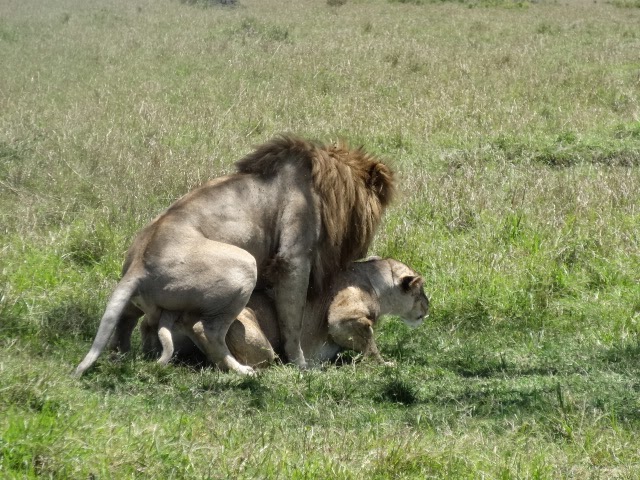
Day #206 in lockdown in Mumbai, India hotel…Auto email issues resolved!…Romantic Lion Couple…Rated “R”…

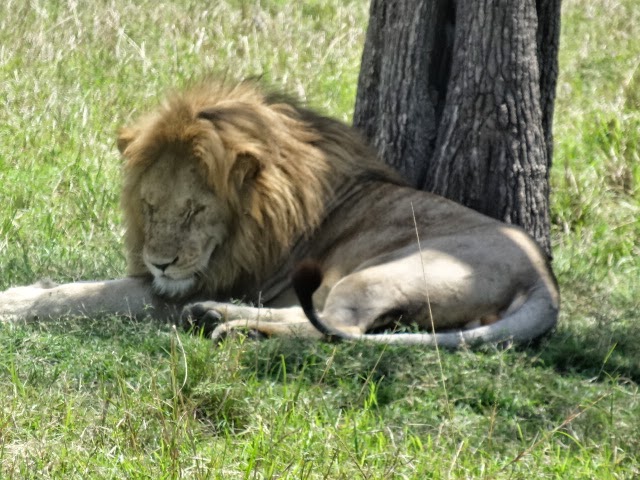
It was a perfect morning. The Romantic Lion Couple in the Maasai Mara in 2013 appeared casual and at ease under the shade of this tree. But, the air was filled with emotional tension.

Note: Many of our readers were not receiving the automatic daily email posts and have notified me accordingly. Our web developers have been working on this issue, and a few minutes ago, I received an email that the problem had been resolved. Thank you so much for being so patient. If you’d like to receive an auto-email daily with the newest post, please click the link at the top right of our homepage at SIGN UP TO NEWSLETTER, where you can enter your email below that. You will receive a confirmation email to reply to. You can unsubscribe easily at any time.

The female lion occasionally opened an eye, checking out his next move.

Today’s photos are from the post on this date in 2013 while on safari, staying at Camp Olonana in the Maasai Mara, Kenya. For more on this date, please click here.

We’ll never forget the day we aptly named the Romantic Lion Couple while on safari in the Maasai Mara of the mating lion couple. When our guide, Anderson, spotted this female and male lion lounging under a tree at a distance through his high-powered binoculars, he knew exactly what was going on and drove like a “bat out of hell” to get there in time for us to watch the rarely seen event.

“She likes me. She likes me!” He looked at us as if seeking approval to move along.

We all waited patiently for an hour to get today’s repeated photos. It was amazing to see the cycle of life with these two majestic animals getting along so well, when often they are at odds with each other, often over food. Generally, in the wild, female lions hunt, and nearby male lions steal their food.

Was this a precursor to women notoriously being the cooks and men eating the food we shopped for and cooked? Of course, in today’s world, that has changed dramatically, for the better with men often cooking, and from what we understand becomes more and more prevalent in these times of more equality.

Although he appeared relaxed, he was well aware of the task at hand, politely awaiting the perfect opportunity.

Right, now on day #206 in lockdown, while longing to do our cooking, I’d be thrilled to cook a meal while Tom sat by and watched. He can steal my food anytime! But, for us, when preparing meals, he helps with the prep and does all the dishes. I love this arrangement and can’t wait for it to begin once again.

In the interim, I’m still working on the revisions on our almost 3000 past posts, one by one. Most days, I can complete one page of 20 posts out of a total of 150 pages. I am only on page 34 with 116 more pages left to do.

“I think it’s time to get this show on the road!”

Now that all five of the extended 2000 word posts are done, I can focus on the corrections to complete one page of 20 per day. At this rate, it will take approximately four more months for me to complete the task. A part of it has been enjoyable, rereading every post we’ve done while I search for errors to correct.

 We are actively engaged in mating before our eyes.

By no means is this an assurance that I didn’t miss some of the errors? But, it’s certainly a lot better than it was in the old Blogger format I was using instead of WordPress, which allows for proper line spacing and font construction. Also, I am correcting all the double spacing after a period for each sentence.

Afterward, he moved back to the tree in his usual spot, perhaps contemplating his next move.

During these past eight years, the use of double-spacing after a period has long been defined as unnecessary. Initially, this double spacing was established as necessary when typing on a typewriter. Old-timer that I am, I learned that old habit and didn’t start changing it until recently. I have no doubt. I am missing some of the corrections in this regard when editing each of the 3000 posts.

It takes about eight minutes of editing time per post resulting in almost three hours each day, beyond the time it takes to do the daily post plus stopping every ½ hour from walking in the corridors. These tasks keep me busy most of the day. What else do I have to do while in this hotel room? When I am done, I’ll be relieved and grateful I took the time for this daunting task.


May you have a pleasant day!

Photo from one year ago today, October 15, 2019:

We encountered the view of the Wye River in Wales on a drive in the area. For more photos, please click here.

Day #205 in lockdown in Mumbai, India hotel…Done…Done…Done…Consistency…

Tom, Anderson, and me, posing at the Kenya/Tanzania border marker, still smiling but not objecting when it was time to head back to the Masai Mara.

Today’s photos are from the post on this date in 2013 while on safari, staying at Camp Olonana in the Maasai Mara, Kenya. For more on this date, please click here.

Finally, we were able to stand at the marker that separates Kenya from Tanzania, which poses an excellent opportunity for all of us.

A popular expression frequently used by Indian people is “Done, done, done,” when asking them for assistance. They couldn’t be more eager to please. We appreciate them, their kindness, and their excellent service. Living in this hotel for so long with a frequent turnover of staff, leaving for a break for a few weeks to return to their homes to be with family, it’s no wonder consistency is not always possible.

I know I looked goofy with my Bugs Away hat, a scarf tied on my face. Honestly, I didn’t care. If I’d had a paper bag on hand, I’d have worn that. We did everything we could to keep the flies out of our noses, mouths, and ears.

Has anyone you know lived in a hotel for 205 days, unless, of course, they are a celebrity and make a hotel their permanent residency? We are no celebrities. And, if we were, we’d probably be in a much different situation. But, it’s only from the same services repeatedly, often due to the rotating staff, that inconsistencies become more prevalent and, subsequently, more evident after such an extended stay.

Unable to get as close as we’d like due to the rough terrain, we did our best to zoom in to get the following photos on the remaining wildebeests.

Tom says, “The only consistency is the inconsistency.” I’ve laughed each time he says this, always with the intent of dampening our momentary frustration.

They were increasing in numbers as we approached the border.

In many businesses throughout the world, consistency becomes a top priority. One can always count on the lettuce being in the same spot in the grocery store, the shoes in a specific area in a department store, the sunscreen on the same shelf in the pharmacy, and so on.

Although the sight of the two-plus million wildebeest would have been unbelievable, I began to wonder if doing so was as vital to me as it had been in the past. It may sound as if it’s a rationalization for not having been able to see it, but the flies were a huge deterrent for both of us. They were flying into our noses, mouths, and ears.  It wasn’t perfect.

In the restaurant business, if you formerly dined at, for example, the Cheesecake Factory for their strawberry cheesecake, you’d expect the same flavor, the same sized portion, the same taste, and at least for a time, the same price.

No more than a few minutes into the return drive, on our way back to Kenya, we spotted a mom and baby elephant, tails swishing batting off the flies. They, too, must feel the effects of the dung of millions of animals.

In our almost eight years of world travel, we’ve found a profound lack of consistency in dining when returning to the same establishments for a repeated menu item or, as in the case here in our lovely Mumbai hotel, ordering the same breakfast items and the same dinner items, day after day, which are often different in portion size, taste, and appearance almost every time they arrive by room service.

But if I don’t repeat this same order each day, after 205 days, something won’t be right. I’d love to say, “The usual, please.” My order changes from time to time as I fine-tune my diet to keep the carb count to a minimum. So, I realize I must be particular regarding my orders. It’s never the same two days in a row. Breakfast tends to be pretty consistent, although we often have to remind the restaurant when we call to make the bacon crispy instead of it swimming in grease when half done. Tom orders the same breakfast every day; cheese omelet, eight pieces of crispy bacon, and bananas every day and the same dinner every night.

After about an hour into the return drive, we saw the last of the wildebeest stragglers, facing a long walk home to the Serengeti in Tanzania. (80% of the Serengeti is in Tanzania, with the remaining 20% in Kenya).

It isn’t that they don’t want to please. They do more than anywhere we’ve been in the past. It boils down to the person taking the order, which varies from time to time, and the chefs preparing the food. Last night, only having ordered the same grilled boneless chicken legs, side orders of steamed broccoli, and spinach,  night after night, my dinner arrived with only half as much chicken as usual and twice as many vegetables. Go figure.

The giraffes walked along the hillside at our camp as we wearily strolled to the restaurant at Camp Olonana for late lunch, cold beverages, and time to regroup for the upcoming afternoon drive.

Tonight, when I order the same dinner again, but this time I’ll mention “More chicken please.” I won’t say, “Fewer vegetables, please.” If I do, I’ll get too tiny a portion of each of these two vegetables. Instead, I’ll eat whatever I get.

I’ve stopped requesting my vegetables to be sauteed with garlic. They know I don’t use any vegetable oils, and I’ve asked that they only use butter to prepare my food, but everything was always swimming in butter, maybe the equivalent of three or four tablespoons. Now, I order the butter on the side and use about one tablespoon between my two vegetables.

The Maasai gathered up their cows to return them to the village’s security, close to our camp, away from the risk of attack.

It’s the same thing when cleaning our room. The towel count became consistent after about two months, so we’re good there. I suggested they don’t change our sheets daily to every other three days, which is OK with us, but they continue to change the sheets daily. I’ve stopped asking.

The “Retired Generals” lined up to welcome us back to the Maasai Mara.

We don’t use their lotion and ask they don’t leave tubes of lotion. The counter space in the bathroom is limited. With no drawers or a medicine cabinet, we leave all of the toiletries we use on the countertop. This will never be resolved.

But, more importantly, we’ve requested with hotel management that all room cleaners have been staying overnight in the hotel for no less than three weeks. If they contracted the virus on their off days, they could easily infect us when spending 30 minutes in our tiny room each day.

And then, there were elephants lumbering across the road only feet from our vehicle.

Invariably, even with their masks on, I’ve learned to recognize their hairstyles (all men), and over and over again, I end up asking, “How long have you been staying in the hotel?” They say fifty percent of the time, considerably less than three weeks, many less than one week. We prevent those cleaners from entering our room, asking them to find someone who has been here for three weeks or longer. They always comply, eager to please.

Oddly, keeping tabs on all of this is practically a job in itself. After all these months in lockdown, we’re desperately trying to ensure we don’t become infected. Over and over again, it’s repeated on the local news that there are no available hospital beds or ICU beds available in any hospital in Mumbai. That certainly is a frightening thought.

As the landscape became less cluttered and the flies no longer nipped at us, we were happy to be returning to the Maasai Mara.

Today, listening on to a podcast with Minnesota’s well-known virologist, Dr. Michael Osterholm, he said Minnesota, North and South Dakota, and Wisconsin are only days away from running out of hospital beds, the main reason, along with the rising numbers of cases, we have no interest in returning to the US at this time.

Instead, we stay hunkered down in Mumbai, not in a state of angst, but a state of acceptance, that we could be here for many more months to come. If somehow, we could pin down “consistency,” it might become a little easier…or not.

Be well.

Photo from one year ago today, October 14, 2019:

Tom’s lunch at a restaurant in Chepstow, Wales. He’d undoubtedly enjoy this now! For more photos, please click here.

Day #203 in lockdown in Mumbai, India hotel…More exciting safari photos from Kenya into Tanzania…

Breakfast in the savanna, wild animals were surrounding us. Our guide Anderson presented croissants, cold cereal, pancakes, eggs, sausage, and a wide array of fruit. Although I could only eat the eggs and sausage, I was content.

Today’s photos are from the post on this date in 2013 while on safari, staying at Camp Olonana in the Maasai Mara, Kenya. For more on this date, please click here.

A cool morning in the bush.

Today’s old post from this date in 2013, made me swoon with delight. Memories of our glorious experience in the Maasai Mara continued, which, as shown in today’s photos, a stop for breakfast in the savanna, topped off the adventure in an indescribable manner.

A cool guy in the bush.

To be outdoors in the crisp morning air, in plain sight of lions, cheetahs, elephants, and more, while we both and our safari-mates were in awe of this exquisite event, simple in its concept, magnificent in its enactment. The thought of being so exposed to nature, most of which were always on the hunt for the next morsel of food, there we were dining on human food befitting a fine Sunday brunch with its many choices.

As we left the area of Camp Olonana, cows were in abundance. In the Maasai, Mara. Cows serve as food for the Maasai tribes. (A story follows soon about their lifestyle and their low carb, grain-free, starch-free, sugar-free diet)!

Of course, my way of eating was considered in the chef’s breakfast preparation with a few items I could eat, including scrambled eggs,  sausages, and real cream for our coffee. Seated on cloth camping stools, we all savored every morsel of our meal while sipping on the still-hot perfectly brewed coffee.

Hot air balloon rides are common in the Maasai Mara. We’d considered this option but decided we’d rather spend the time on the ground with better up-close photo opportunities with the wildlife.

Our surroundings were blissful as we relaxed in the cool morning, knowing full-well that later in the day, the sun’s baking would heat the air along with the vegetation spewed humidity to accompany the heat, for yet another day of scorching temperatures.

The eland antelope, reasonably common in the Maasai Mara, posed for us in the morning sun.

The six of us, determined adventurers, never complained about the outrageously bumpy rides across the savanna when Anderson spotted a point of interest at a distance to race across the uneven terrain, crossing over rocks, potholes, and bushes of all heights and sizes. At the end of each day, we were surprised we weren’t achy and in pain, having exercised rarely used muscles as we bounced about on the morning and afternoon hours-long safaris each day, except for a lunch break back at the camp midday.

Mom and baby eland.

Later in the day, we made an exceptionally bumpy two-hour drive to Tanzania to hopefully see the tail-end of the Great Migration, as Anderson described, which presented some exciting challenges and surprises we’ll share in tomorrow’s post.

Anderson busied himself setting up our breakfast, only allowing any of us to set up the camp stools. Notice his well-equipped picnic basket. The stainless steel containers were filled with our still-warm breakfast, thoughtfully prepared by Ambrose, the chef, very early in the morning.

As I write here now, Tom is watching yesterday’s Minnesota Vikings game on NFL GamePass, the service he pays for each year to stream the games from any location in the world, providing we have a decent WiFi signal. The game transpires during the night while we’re sleeping, so each Monday morning, he’s excited to hook up his laptop to the TV using the HDMI. I do the post, looking at the game’s highlights as I prepare the post while he’s glued to the screen.

Anderson took this next photo of us, a little blurry but worth keeping, the only shot we had of our group of safari mates.

He makes a point of avoiding the news and Facebook on Sunday nights since he doesn’t like to know the final score in advance of watching the game. It would take away the anticipation and excitement.

This hyena was curious as to our intentions.

Yesterday, I finished the fifth and final 2000 word post, which was over 3600 words. It was an article about how to travel long term with or without medical issues, insurance concerns, prescription refills, emergency solutions, and seeking medical care while abroad. It’s a comprehensive post centered around our personal experiences after all these years. It will be available tomorrow or the following day.

Cheetah blocking the road.

Now I can get back to editing old posts, which easily will take many more months. It’s become a part of my daily routine, which honestly I don’t look forward to, but do nonetheless.

Such a relaxing day. We were lounging with the family!

As for the package, this morning, I received an email from FedEx stating the parcel would be delivered by Wednesday. We’ll see if that will transpire.

Most likely a mom and a maturing baby, butt to butt, in quiet repose.

Have a great day!

Photo from one year ago today, October 12, 2019:

We walked in the pouring rain under the Chepstow Town Gate in Chepstow Wales to a restaurant for lunch. We stayed for 11 nights in a holiday home in the nearby village of Shirenewton. For more photos, please click here.

Day #202 in lockdown in Mumbai, India hotel…Lovely lions…

Mom growled over her successful hunting day without a single male in view, confiscating her kill.

Today’s photos are from the post on this date in 2013 while on safari, staying at Camp Olonana in the Maasai Mara, Kenya. For more on this date, please click here.

Seeing lions in the wild will always be magical for us. Having the opportunity to take photos of these majestic animals in their natural habitat only exemplifies this blissful sensation. Some of the most exciting moments while on safari over the past seven years, since our first safari in 2013, left us reeling with excitement with a divine sense of satisfaction.

Life is good for this female.

After all, isn’t the safari enthusiast, especially in Africa, on the hunt for that specific opportunity? This is not intended to negate the exquisite joy in watching a herd of elephants crossing the road in the wild or a pair of rhinos lounging under the shade of a tree on a hot sultry summer day.

It all matters. It all elicits a rush of endorphins that few sightings in nature are capable of providing. Right now, as I write here, we have NatGeo playing Destination Wild in the background with penguins in CapeTown, South Africa, and I can’t help but stop to look, that same rush of enthusiasm washing over me.

The cubs took a break to relax.

Thoughts of Antarctica flood my mind every time I see or hear anything about penguins, elephant seals, killer whales, and seals, reminiscent of our incredible experiences in 2018, never to be forgotten. But, observing lions, more readily accessible in Africa, will always remain an objective when we return to Africa, hopefully shortly.

The lion photos we share today, each of which were taken and posted in one day on this same date seven years ago. Each shot is easily recalled, my arms tired from holding up the camera for hours at a time, and my enthusiasm tempered to avoid making any sounds of excitement that could easily distract our subjects.

Moments later, they were back at their meal again.

As time went by, we both learned more and more about taking advantage of the opportune moments for taking good photos. As explained in our recent 2000+ word post of a few days ago, found here. No, we aren’t technologically advanced and expert photographers, but we did learn to capture shots that appealed to us, as shown here today.

For any of our new readers, we must emphasize that we DO NOT go on “hunting” safaris where wild animals are brutally murdered for “trophies.” I have no problem hunting for food, especially when animals need to be culled to save the remaining population. But, hunting and killing endangered animals is far beyond my comprehension.

The cubs enjoyed the meal while mom stayed back, keeping an eye out for danger.

In Africa, there are countless such safaris for “trophy” hunters and many so-called “farms” that breed wildlife for this very purpose. Who are these people that get a thrill from these killings? Who would want to shoot and kill an elephant, a giraffe, or a lion? Honestly, I couldn’t befriend such a person, especially after our joyful photo safaris over the years.

While here in India, we had the opportunity to see tigers in the wild while on safari. Of course, this was thrilling and fulfilling. But, somehow, lions remain in our hearts as one of our favorite sightings and subsequent photos, perhaps because they will be more readily available for our viewing in times to come.

Tom, on safari, drinking a beer in the late afternoon, in awe of what we’ve experienced, having never expected it to be so rewarding and fulfilling in many aspects.

We won’t be returning to India in our future travels. During the first seven weeks that we were here, we scoured essential sites throughout the country, satisfying our desire to learn as much as possible in a short time, only cut short by COVID-19. If we could continue, we would have had an additional almost three weeks, which we forfeited when lockdown began.

This morning, I received an email from FedEx stating that our package cleared customs and moved. We’ll see how that rolls out.

Be well.

Photo from one year ago today, October 11, 2019:

While in Torquay, England, we spotted this impressive design being made by a skilled sand sculptor. For more photos, please click here.

Day #201 in lockdown in Mumbai, India hotel… Recalling a dreamy adventure…

Upon our arrival at Camp Olonana, now renamed Sanctuary Olonana, we were greeted by a Maasai warrior playing a welcoming tune on his flute while on the deck overlooking the Mara River. We knew we’d chosen the perfect environment to fulfill our dreams of safari combined with exquisite accommodations, service, and cultural experiences.

Today’s photos are from the post on this date in 2013 while on safari, staying at Camp Olonana in the Maasai Mara, Kenya. For more on this date, please click here.

Reviewing the photos from seven years ago today from the luxury safari resort on the Mara River makes me swoon over the beautiful memories, open spaces, and mind-blowing cultural experiences. In the blissfully chilly mornings when we embarked on our first safari of the day. Usually, around 6:00 am, the air was crisp and fresh, free of pollution and sounds other than those in nature.

The fast-flowing Mara River is muddy due to erosion and lack of man’s intervention. The local Masai tribes are dependent upon its waters as well as the wildlife and vegetation. This river that the Great Migration crosses over and again as it makes its way from the Serengeti to the Masai Mara. We missed the crossing of the millions of wildebeest, but we traveled to Tanzania in the safari vehicle to see the tail end. By the time we made that journey, we were so satisfied with our safari experience that we hardly gave it a thought.

At 5000 feet, 1524 meters, above sea level, we were embraced in a world unlike anywhere else we’d ever been at that point. This was without a doubt, “the bush,” “the savanna,” the place one who loves wildlife can dream of exploring, and exploring we did with a passion, a fervor with a sense of excitement unlike any other we’d ever known.

Ambrose, our well-trained chef, made meals perfect for me, an appropriate version of whatever Tom and the other guests were having. The food was fresh, hot, and delicious on every occasion.

The unfamiliarity of what was to come was tinged with a bit of fear and apprehension, which was easily surpassed by our enthusiasm. After the first early morning safari in the open-sided vehicle, all of our apprehension wafted away, replaced only by a hunger for more, more, more.

The all-inclusive camp consists of three meals daily, appetizers, snacks, beverages, high tea in the afternoon, and alcoholic drinks at any time of day or night. Glass bottles of purified water were presented at our table at all meals and in our tent for drinking and brushing teeth. I was so excited I failed to take a photo of our delicious GF chicken curry lunch.

The WiFi-only worked in the camp’s main lounge room, and the signal was weak, making uploading photos, let alone an entire post seem less of a concern than under normal circumstances. We hoped our readers would wait patiently for the time when we could begin sharing our photos, days later.

All produce at Camp Olonana was organically grown in their on-site garden. A certified ecologically friendly resort, the care was given to the food, and water, fuel, and electricity was refreshing in this distant setting. For example, all electrical outlets were shut off (lights stayed on) from 10:30 am to 6:30 pm and off again during the night. Considering our need to recharge our equipment, we were given a power strip connected to the generator that was available 24 hours a day. Many more measures were implemented to maintain the ecological integrity of the camp, which consisted of 14 tents, a spa tent, the lodge, a gift shop, offices, and housing for staff.

Somehow we managed to eke out a few posts while we were thereby making our way to the lounge room immediately after dinner, while still wearing our dusty safari clothes for the day, which we had no time to change before dinner. We didn’t return from our afternoon safari until almost 7:00 pm each evening, with no time to freshen up and change.

Camp Olonana was cool at night and had few mosquitoes and insects. The cool nights were heavenly, requiring a down comforter to keep us warm. That was a rather pleasant sensation! Our tent was #4, a short jaunt down this stone-paved walkway.

But, this wasn’t an experience of “dressing for dinner,” looking fresh and perky to socialize with others. The only socializing we did at Camp Olonana was with the friendly staff, our guide, and our “safari-mates,” the four other people in the six-passenger vehicle we shared each time we ventured out.

The veranda to our tent.  Approaching, it took our breath away.

Anderson, our guide, treated us to a hot breakfast in the bush, all prepared suitable for each passenger’s taste and desires. A cooler of canned and bottled beverages, including beer, was available at any time. During this period, I didn’t drink alcohol and stuck to small sips of bottled sparkling water in an attempt to avoid having to stop too often “to check the tire pressure,” as Anderson referred to as a bathroom break, behind a big rock or bush.

The comfy furnishings made it tempting to lay here and watch the wildlife stroll or swim past from time to time. We only had time to sit here for one hour during the three days.

It was there I learned to gingerly “go,” knowing full-well a snake could be in close proximity. But it was a task that presented itself in many other parts of the world, especially the Middle East, Asia, and Indonesia, where toilets are merely a hole in the floor, not the most straightforward scenario for women wearing pants. It’s so much more difficult for women to wear pants than men.

Although we were escorted to our tent the first time, Tom wanted to handle the long, sturdy zipper to ensure no issues. Of course, it was a breeze, opening to a virtual paradise of tent interiors.
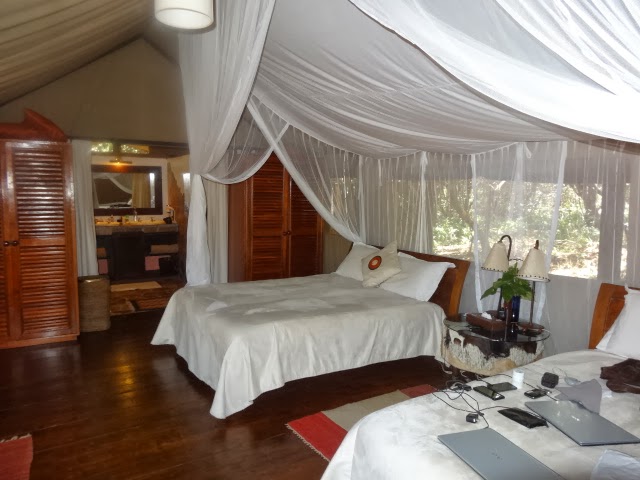
But, like everything else in our almost eight years of world travel, we adapted and embraced our surroundings, all the while cajoling ourselves that it all was a part of the adaptation we had to accept as we’ve continued to travel the world. Has that all changed now in light of Covid-19? Only time will tell.

With no Internet connection in the tent and neither of our WiFi devices able to connect, we comfortably sat in the lodge to go online to post. As we’d mentioned, the connection was poor, preventing us from posting many photos until returning to Diani Beach, where still the connection wasn’t strong. We slept in the bed on the left, keeping our electronics plugged in on the bed on the right. We unpacked, with our equipment plugged in, anxious to write here to begin sharing the experience.

Certainly, the adaptation required for us to remain in lockdown in a hotel in India for 201 days has been a true test in itself. As I’ve mentioned in past posts, I am not certain about the lessons we’ve learned in lockdown, but when and if we discover them, we’ll certainly share them here.

Stay safe and healthy.

Photo from one year ago today, October 10, 2019:

John and Renate’s 500-year-old farmhouse in Witheridge, Devon, England, has been appointed with authenticity in mind. For more photos, please click here.

Day #199 in lockdown in Mumbai, India hotel…Has it really been 199 days?…

Tom nudged me to turn around when I had the camera pointed in the opposite direction. I gasped when I saw this, a gift from the heavens. Thank you, Kenya.

Today’s photos are from the post on this date in 2013 while on our first safari experiences in the Maasai Mara, Kenya. For more on this date, please click here.

As I wrote the heading for today’s post, “Day #199 in lockdown in Mumbai, India hotel,” I flinched. Has it really been 199 days that we’ve lived in this one room? Has it really been 199 days since we’ve gone for a walk in the fresh air, free to wander at our discretion, window shopping, stopping for a beverage at an outdoor cafe, or even wandering into a restaurant for a meal?

Has it really been 199 days since we prepared a meal, opened a refrigerator for a snack, or even sat at a table to comfortably consume a delicious homemade meal? Has it really been 199 days since we had a steak, a hamburger, or a pork chop? Or, yet a glass of wine or cocktail?

This female lion, like all animals in the wild, is constantly on the lookout for the next meal to feed her cubs, who were also lying under this tree as shown in the photo below.

In actuality, it’s been more than 199 days since we did any of the above. We left the US for India on January 29, 2020, a full 253 days ago. But, for our purposes here today, we’ll discount the first period of time up until lockdown in India on March 24, 2020, when those prior days were spent sightseeing in India as a part of our previously glorious world travels.

Has it really been 199 days since we began handwashing all of our clothing in order to save US $400, INR 29319, a month in laundry fees if the hotel washed and dried all of our clothing?

And now, that liquor is served in the rooms as of a few days ago, we’ve decided to further abstain since neither of us enjoys drinking in a hotel room. But more so, the cost of the average glass of wine or cocktail with 38% in taxes will cost around US $15, INR 1099. If we each had one drink per night, one month later, we’ll have spent an additional US $900, INR 65968. It’s just not worth it to us, not even for the cost of an occasional drink. We’ve waited this long…

The female lion is at leisure with her cubs under the shade of a tree.

And then, I ask myself, are the same meals we’re eating day after day made with healthy ingredients? Are the eggs free- range? Is the chicken we’re consuming every single day free-range or laden with antibiotics and chemicals? Are the ample portions of vegetables I consume night after night, pesticide-free? We have no idea and, asking such questions, with the language barrier, makes answers impossible. Long ago, I gave up asking questions about quality and food sources.

Most travelers stay in a hotel for a few nights, a week at most. None of these issues are a concern for one night or one week. However, 199 days later, these concerns are unavoidable, even in a nice hotel, like this. Of course, they are always considering cutting costs. It’s the nature of business especially for a huge conglomerate like Marriott.

The three guys in our safari vehicle laughed when us girls said that hippos are cute. They are actually responsible for the most deaths of humans than any other animal in the wild.

Yes, we are safe in cool comfort with great WiFi, a comfortable bed and bedding, and two quality chairs we sit on day after day. Yes, we can stream popular TV shows and movies from a variety of streaming services. In total desperation, we start watching in the late afternoon until bedtime, when there is literally nothing else to do. (I walk the hallways, starting first thing in the morning, every hour, and then between shows in the afternoon. I’m finished by dinnertime having accomplished my goal of 10,000 steps per day, roughly 5 miles, 8 km). Tom walks and does the stairs in the morning.

Has it really been 199 days that somehow, we’ve both maintained our sanity, continued to be able to laugh, get along with one another with nary a blip, and stay motivated to continue to write here each and every day? Yes, it has really been 199 days.

The acacia tree, usually flat on the top is a common tree in Kenya.

The question we ask ourselves is, “Can we take another 199 days?” That remains to be seen.

Be well.

_________________________________________

Photo from one year ago today, October 8, 2019:

High Street in Torquay, Cornwall, England, many towns and villages have banners flying indicating the main shopping area. For more photos, please click here.

Travel Tips for Wildlife Photographers around the World….

Maasai Mara in Kenya
How did we get so close, so lucky to get this shot?  We ended up calling it “safari luck” when we saw the Big Five in the first 10 hours on safari. The photo was taken in the Maasai Mara in Kenya.

Note: Today’s lengthy post is #4 of 5 required for SEO (Search Engine Optimization).

Today’s post is not intended to be a photographic instruction piece. Your equipment isn’t a point of discussion for our purposes here. Also, I will preface that I am not a photographic expert by any means. Preparing 3000 posts over these past years has been our primary focus. As much as we’ve loved sharing our photos, becoming experts in photo-taking wasn’t a goal of ours. Others may say it should have been.

Sure, excellent photography skills would have been an asset. Somehow, my interest in acquiring those skills has not been at the forefront of my mind. But, our worldwide journey has been wrapped around our goal of doing and being whoever we chose to be, at any given time, as we’ve scoured the world, not necessarily doing and being what is expected of us. We are merely typical travelers, who happen to hold a camera in our hands, excited to share what we see through our eyes, not a perfect, perhaps edited version of what treasures we behold.

More so, our somewhat simple goal has been to share with our family/readers/friends inspirations that which we’ve gleaned from our eight years of non-stop world travel (barring the over six months we’ve been stuck in a hotel room in Mumbai, India, while in lockdown, due to COVID-19). Thus, our topic of travel tips for wildlife photographers around the world is more about the “where,” the “what,” and the “when” to take photos of wildlife, as opposed to the instructive mode of “how.”

older elephant resting his trunk on his tusk
In most cases, we were within 25 feet of any of the animals in our photos. Notice this older elephant resting his trunk on his tusk. Our guide assumed this old male to be around 60 years old, close to his life expectancy. The photo was taken in the Maasai Mara in Kenya.

Undoubtedly, some of today’s travel tips for wildlife photographers worldwide will include a portion of the “how” when positioning yourself and your subject for the ideal shot, not necessarily the perfect image. It may be a shot that bespeaks your passion, as it has with us, for animals in the wild and then those that may not be in the wild, which are equally fascinating and photo-worthy.

Why write travel tips for wildlife photographers around the world?…

Unable to take photos these past many months, we’d decided early on in this confinement to take advantage of the thousands of photos we’ve posted throughout the past eight years and share them once again. This provided us with fodder for our daily uploads while fulfilling the expectation of our years-long readers throughout the world. Only early in our journey in 2012, we failed to post photos when we had virtually no experience in using a camera and little interest in learning to do so.

Over the years, we bought a few upgrades from the first purchase we made while at a port of call on our first cruise at a Walmart store in Puerto Vallarta, Mexico. . No more than a few days into our journey, we realized, a few shots here and there, taken using our phones, weren’t going to be sufficient. We purchased a small-sized Samsung point and shoot when I thought it was kind of “cute” since the exterior was pink. Oh, good grief! We had no clue how to use it!

Oxpeckers can dig into the flesh of animals to extract parasites
Oxpeckers can dig into the flesh of animals to extract parasites, ticks, and other insects that may burrow under their skin, as is the case of this kudu. Sadly once the insect is extracted, the oxpecker may continue to peck at the injured site, making matters worse. The photo was taken in Marloth Park, South Africa.

Had other world travelers written such a post describing travel tips for wildlife photographers worldwide, we may have checked it out. But, in 2012, there were few people online doing what we have been doing; traveling the world for years to come, without a home, without storage, with only the items in our then overweight luggage (we’ve since improved that scenario), intent on finding appropriate wildlife subjects in most countries in their itinerary.

Had we discovered such a site that emphatically stated we had to learn all the camera features and how to use them, I may have looked the other way, Tom included. Comparable to our lack of interest in bungee jumping, learning the nuances of a camera wasn’t in our wheelhouse. We just weren’t interested.

So, today, for the first time in almost 3000 posts, which we’ll achieve in less than 30 days (within two days of our eighth travel anniversary), we’ll be delighted to share what we’ve learned for the where the what. The when of taking photos that may not be perfect, but will hopefully fill your hearts with blissful memories of places you’ve been and wildlife you’ve been blessed to see and experience, both in the wild and elsewhere.

wildlife photographers around the world
Finding the rarely seen Colobus Monkey put me on a photo-taking frenzy. The photo was taken in Diani Beach, Kenya.

The “where” of travel tips for wildlife photographers around the world?

It’s been these very photos that prompted us to write travel tips for wildlife photographers around the world, that may include the more experienced photographer and also those who, like us at one point, could barely figure out how to use the flash or the zoom, let alone more complicated settings.

When we decided to travel the world early in 2012, we were ready to go ten months later, having sold every worldly possession while booking two years into the future to provide us with peace of mind in knowing we had a place to live wherever we traveled. In the process, we kept in mind our preferences regarding the type of life we wanted to live, the type of property we wanted to live in, and the surroundings we craved.

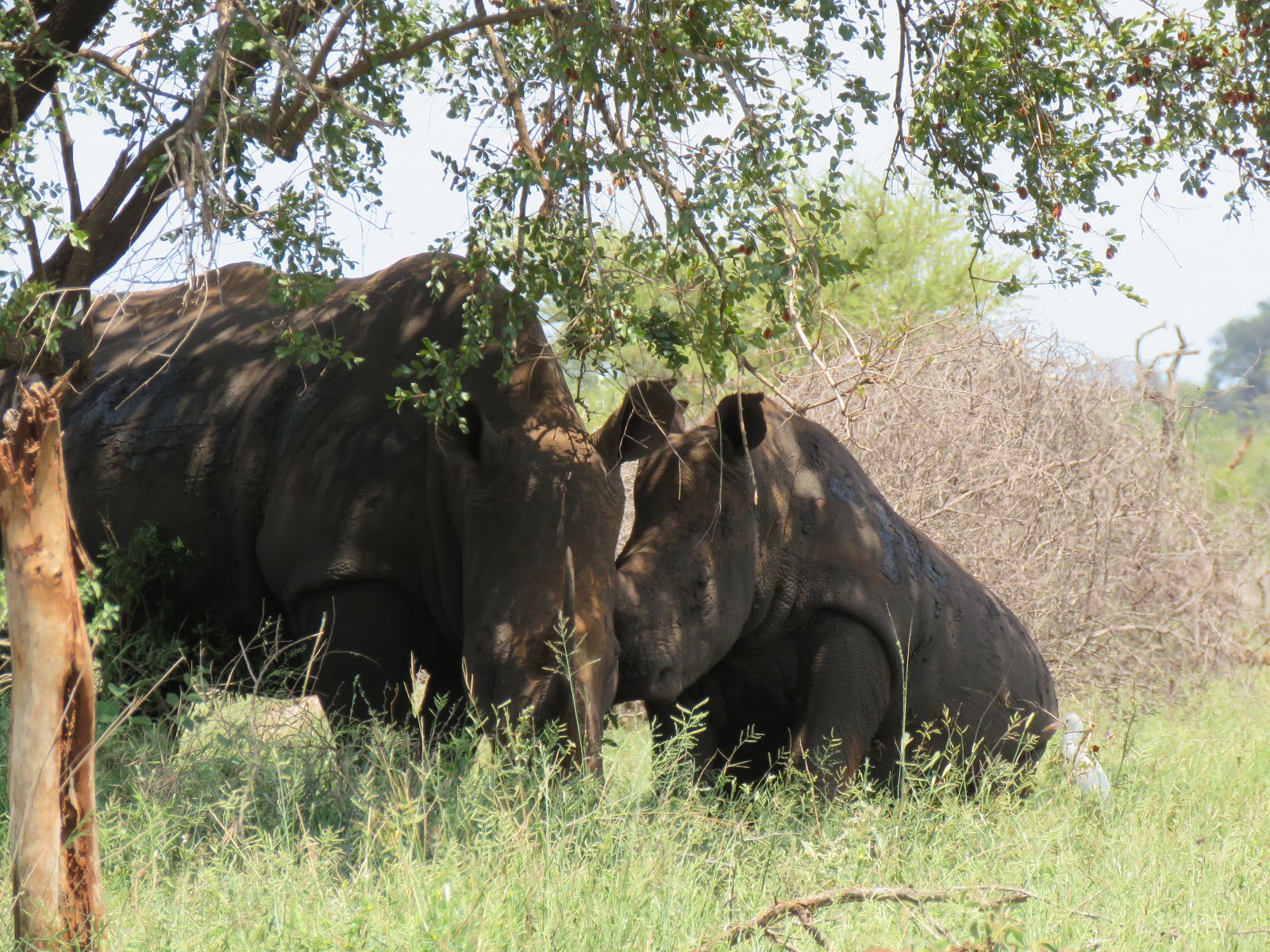
wildlife photographer in Kruger National Park, South Africa
We waited patiently, and mom stood while the baby sat up on their hind end, nose touching mom. The photo was taken in Kruger National Park, South Africa.

What appealed most to our tastes and desires were a few vital factors:

  1. Beautiful surroundings and scenery, when possible
  2. An abundance of nature within easy reach
  3. Access to experiencing wildlife and other animals daily, if possible
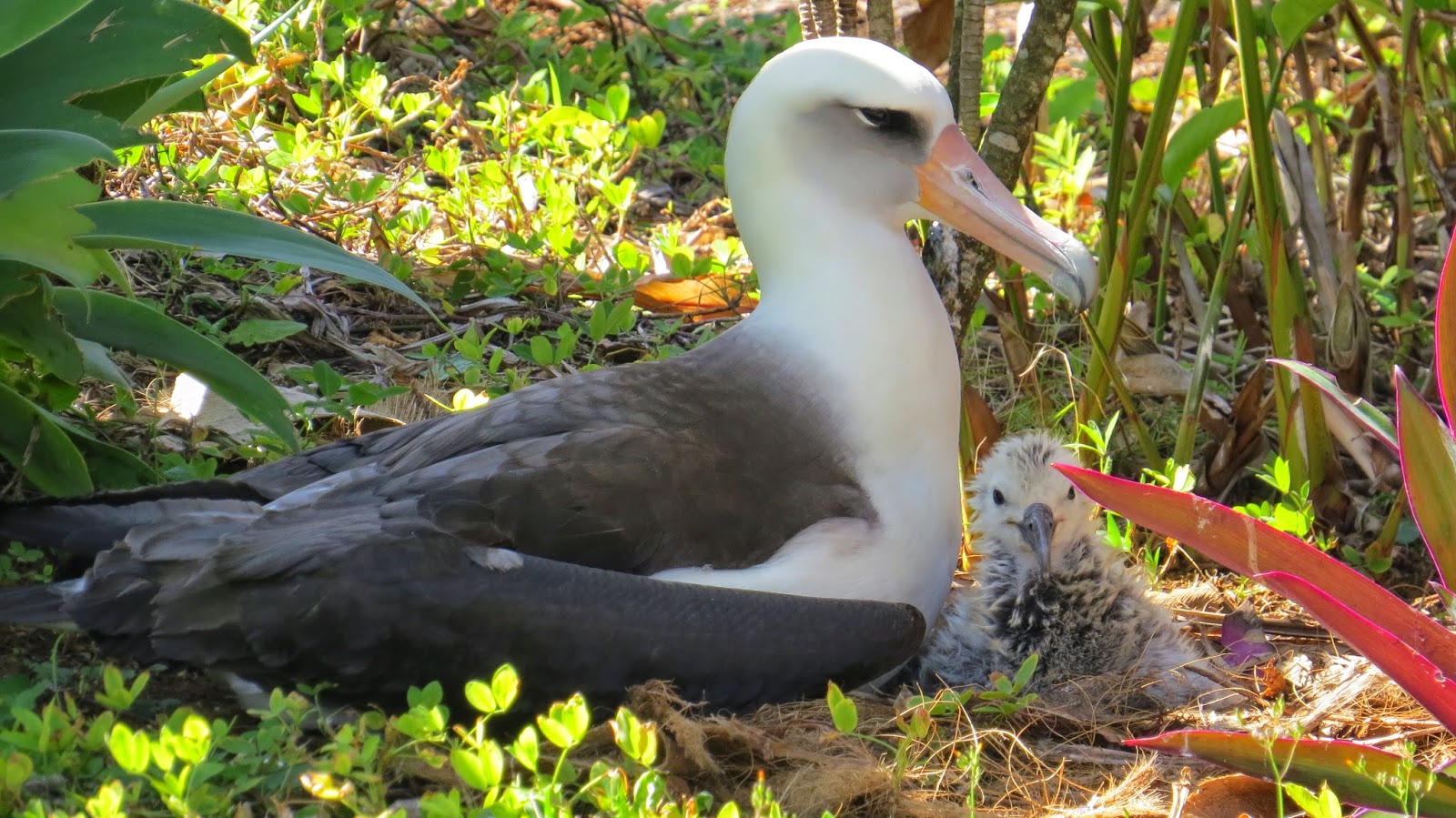
    wildlife photographer in Princeville, Kauai, Hawaii
    This Laysan Albatross parent and chick sit close to one another until the chick becomes more confident and the parents feel more at ease. In time, the chick will be left behind on its own to fledge, most likely five to six months later. At five years of age, they will return with a mate and begin the life cycle all over again. The photo was taken in Princeville, Kauai, Hawaii.

Utmost in our travels, access to wildlife became more and more important to us as time continued. We’d seen all the historic buildings, churches, and structures, to satisfy a lifetime. We’d dined in excellent restaurants befitting my way of eating. We shopped in unique local markets, adapting to available foods and resources. We experienced the nuances of cultural differences from what we’d known in our old lives and met countless people everywhere we traveled.

But, as far as travel tips for wildlife photographers worldwide, where one chooses to go is of the utmost importance. In Dubai, we were disappointed with little wildlife, other than camels, available for photo-taking, as well as in Morocco. We went wild with delight over the vast array of birds in Costa Rica. We loved shepherding sheep on a farm in England. And, we giggled at a pig farm in Tasmania, Australia.

wildlife photographer in New Plymouth New Zealand
Alpacas are excellent photo subjects. The photo was taken on an alpaca farm in New Plymouth, New Zealand.

In Madeira, Portugal, we saw dolphins and whales while on a catamaran tour out to sea. In Hawaii, the birds, whales, and other sea creatures were in abundance. In Antarctica, we were in heaven with the sheer numbers of penguins, killer whales, elephant seals, and birds, let alone the scenery beyond our wildest dreams.

It all boils down to what you’d like to accomplish in your travels. If wildlife is your top priority, it’s essential to research to determine if the location you’re hoping to visit has an abundance of wildlife. Many countries we’d assumed would be rife with wild animals were not necessarily the case when the only means of taking photos of very elusive animals was while on a planned safari.

No doubt, we’ve been on safari no less than 100 times over the past years; some guided tours, some with a private guide, and many of our own as “self-drives” through national parks. In each of these cases, one must be prepared to be patient and accept the reality that, at times, you may not be able to take a single photo of the more elusive animals and only see the usual plentiful antelopes and birds.

wildlife photographer in the Maasai Mara in Kenya
The photo was taken in the Maasai Mara in Kenya. We were in a Toyota Land Cruiser with open sides, 25 feet from the lion. Much to our surprise, we never felt frightened or at risk at close range to any of these giant animals, including this massive male lion who gave us a great show. In the background, in the carcass of a zebra, this lion savored for lunch.

For birdwatching enthusiasts, almost every country has a plethora of birds presenting countless photo ops. Taking photos of birds in flight requires superior camera skills, which not every amateur photographer possesses, as has been the case in most scenarios. However, some of our favorite photos are of the Laysan Albatross in Kauai, Hawaii, and of course, in the millions of penguins in Antarctica, a photographer’s dream come true.

In researching possible destinations, essential travel tips for wildlife photographers worldwide determine how critical multitudes in photos are to you or if a select number will satisfy your needs and curiosity. With our daily posts taking tens of thousands of images each year, the numbers of decent shots are essential. For the average traveler, returning home with 100 good photos may be fulfilling. It’s essential to decide where you are on the spectrum.

The “what” of travel tips for wildlife photographers around the world?

Amid all the decisions in deciding on locations, one must define what is most vital for you to see and photograph. If lions are at the top of your list, Africa is, by far, the most suitable continent to visit, especially if you choose to stay for a while. But, not every country in Africa is safe to see, nor is there an abundance of lions easily accessed in some countries in Africa.

wildlife photographer in Atenas, Costa Rica
Tom’s photo. What a shot of the classic “Froot Loops” cereal (per Tom) Toucan, technically known as the Rainbow-billed Toucan, aka the Keel-billed Toucan. The photo was taken in Atenas, Costa Rica.

We chose Kenya and South Africa as one of our many goals in seeing lions. We were never disappointed in each of these countries. When it came to tigers, we knew India was our best option. There are 13 countries where tigers may be spotted, but for us, India proved to have the best opportunities to encounter them in the wild.

We should mention that animals in zoos and wildlife facilities do not fulfill our objectives. If that were the case, one could visit a zoo in their hometown or home country. The wild aspect has been a top priority for us when we have distinct opinions we won’t share here today about wild animals locked in cages or small enclosures.

That’s not to say, many rehabilitation centers throughout the world may have excellent open spaces for wildlife with the intent of eventually releasing them back into the wild when possible. We have visited many of these, some of which we’ve found rewarding, providing excellent photo ops as shown in our past posts.

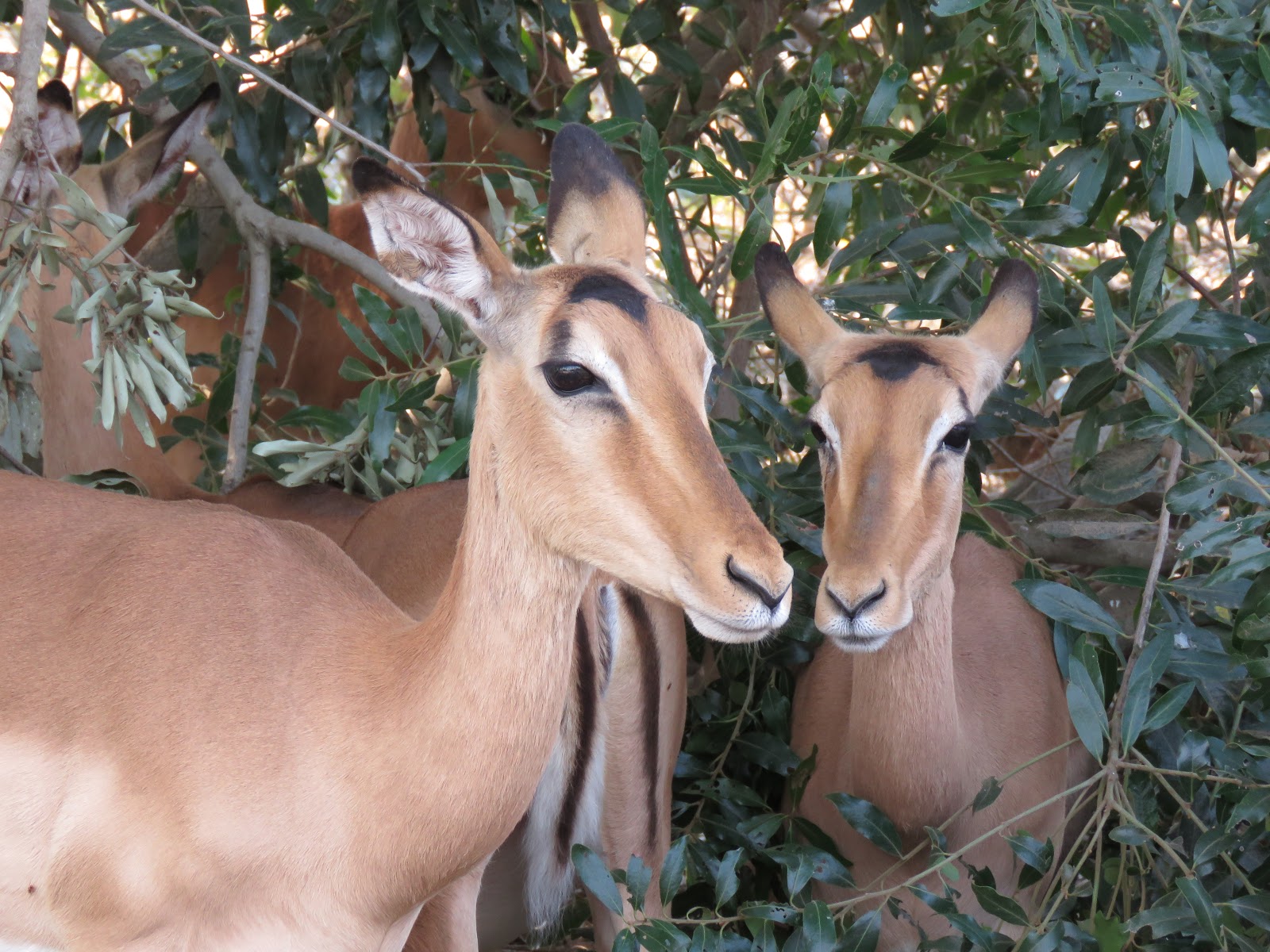
wildlife photographer in Kruger National Park
Impalas have exquisite markings on their faces and bodies. The photo was taken in Kruger National Park.

We’d never have seen a Tasmanian Devil in Tasmania if we hadn’t visited a rehab center, other than the sad roadkill we observed in the mornings. We’ve yet to see one of the more elusive nocturnal animals in the wild, the endangered pangolin. Hopefully, someday we’ll have that opportunity.

Each traveler(s) must decide for themselves, “the what” is most befitting their goals and objectives when returning home, or in continuing on a year’s long journey such as ours with a litany of photos exciting and memorable to savor over the years to come.

The “when” of travel tips for wildlife photographers around the world…

There are three important questions one may ask themselves regarding the “when” of taking photos of wildlife. For most, they include:

  1. When is the best time in life to embark on such a journey? Only each individual, couple, or family can make that determination based on specific lifestyle, travel budget, work constraints, and worthy of mention, general health. It’s important to note that embarking on a safari for hours at a time on bumpy dirt roads with potholes with surprising fast turns could be difficult for some. Also, climbing in and out of the jeep-type vehicles may be highly challenging for those with certain physical conditions, advanced age, or lack of mobility. This is not an experience for those who could become distressed during a “rough and tumble” experience. Also, individuals with severe back or neck problems could find a safari unbearable. If time is limited, the experience may equally be little. Many choose a one or two-day safari as part of a more extensive trip and find themselves disappointed, unable to see and take photos of some of their personal favorites.
  2. When is the best time of the year to see and photograph wildlife? This varies by the area of each country you choose to visit. Research is imperative to determine the best seasons for viewing wildlife. Most often, the best seasons are during the heat of the hottest time of the year. Often rainy seasons are less desirable. This is important to know if you are sensitive to the thought of sitting in an open-air vehicle while on safari. However, many safari companies have enclosed air-conditioned cars that may be more suitable for those individuals, although taking photos will be restricted in such vehicles. Suppose you’re interested in the Great Migration in Kenya and Tanzania. In that case, that eventful experience only occurs in the fall months. It must be timed perfectly to witness the five million animals traversing the Serengeti and the Mara River over and over again. Here again, research is imperative.
  3. When is the best time to snap the shot to acquire the best possible photo? When it comes to taking pictures of wildlife, timing is everything. This has been an area we both feel we have found most rewarding, as our skills increased over the years. Patience and perseverance are the keys to this aspect. At times, we’ve sat still quietly for 20 or 30 minutes to acquire the best photo. Also, knowing when to click the shutter is vital for the best possible photo of your chosen subject.
    the pellet crumbs on the nose of this adorable bushbuck
    Notice the pellet crumbs on the nose of this adorable bushbuck. The photo was taken in Marloth Park, South Africa.

In conclusion…

Many of our photos posted here today will illustrate, in part, our use of travel tips for wildlife photographers around the world. They aren’t perfect, but for us, they have fulfilled our desire to create a memory that will easily endure through our lifetime and for those that follow us, for theirs.

If, as a photographer, you’ve been able to learn and develop comprehensive photographic skills, it will only add to your pleasure and fulfillment. Perhaps, in time we may choose to fine-tune our skills. Still, for now, the spontaneous and heartfelt representations of those animals we’ve discovered in the wild, on farms, and in rescue facilities have provided us both with precisely that which we hoped to achieve as we traveled the world over the past eight years.

________________________________________

Photo from one year ago today, October 7, 2019:

ocean in Torquay, Devon
It was wonderful to see the ocean once again in Torquay, Devon. For more photos, please click here.