Day 20…Part 2, Cape Town, South Africa…Dear friends came to visit…Mountains and beaches attracting tourists…

Yesterday was such fun seeing Louise and Danie in Cape Town. We will see them again next June when we return to Marloth Park.

Certain landscapes in the world etch themselves into your memory the moment they appear, as if they’ve been waiting patiently for you to notice them. Cape Town is one of those rare places where the natural world rises in grand, sculptural form, dominating the skyline with a kind of effortless confidence. Nowhere is that more evident than in the trio of mountains that cradle the city, Table Mountain, Signal Hill, and Lion’s Head. Each has its own personality, its own rhythm, its own way of reminding you just how small you are in the most comforting, humbling sense.

The first decorated Christmas tree we’ve seen this year. Note the whisks used as decorations.

For us, arriving in Cape Town feels a bit like opening a familiar book whose pages we never tire of turning. The mountain range seems to watch over the city like an old friend. Table Mountain, with its broad, flat summit, is always the first to greet you. It rises with the commanding presence of a guardian, massive and unmovable, easily stealing the breath of anyone seeing it for the first or twentieth time. From a distance, it almost looks unreal, as if some giant placed a colossal stone table across the skyline, the edges crisp and unwavering against the African sky. Clouds often spill over the top in a delicate cascade known as the “tablecloth,” giving the mountain an almost playful quality. It’s as if it can’t resist reminding you that even giants have moods.

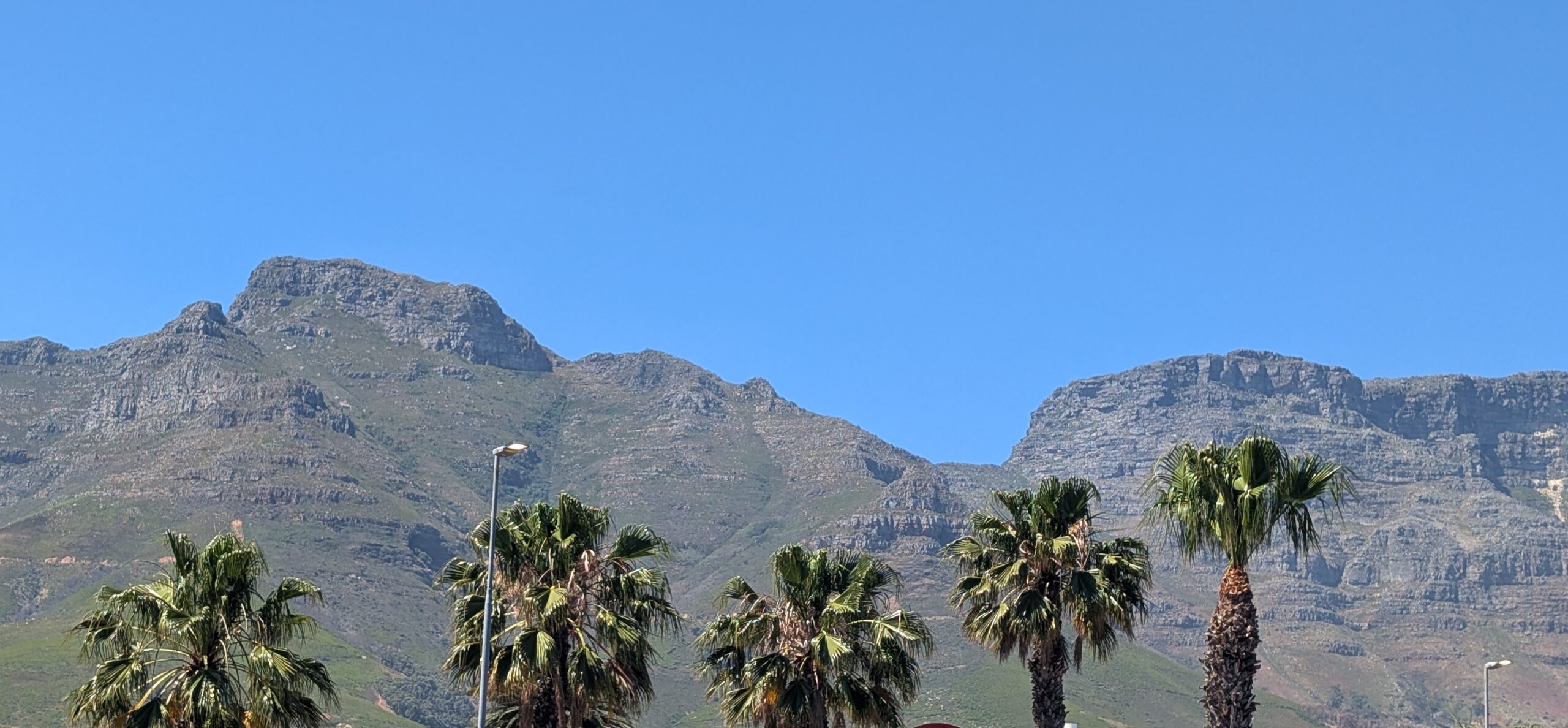
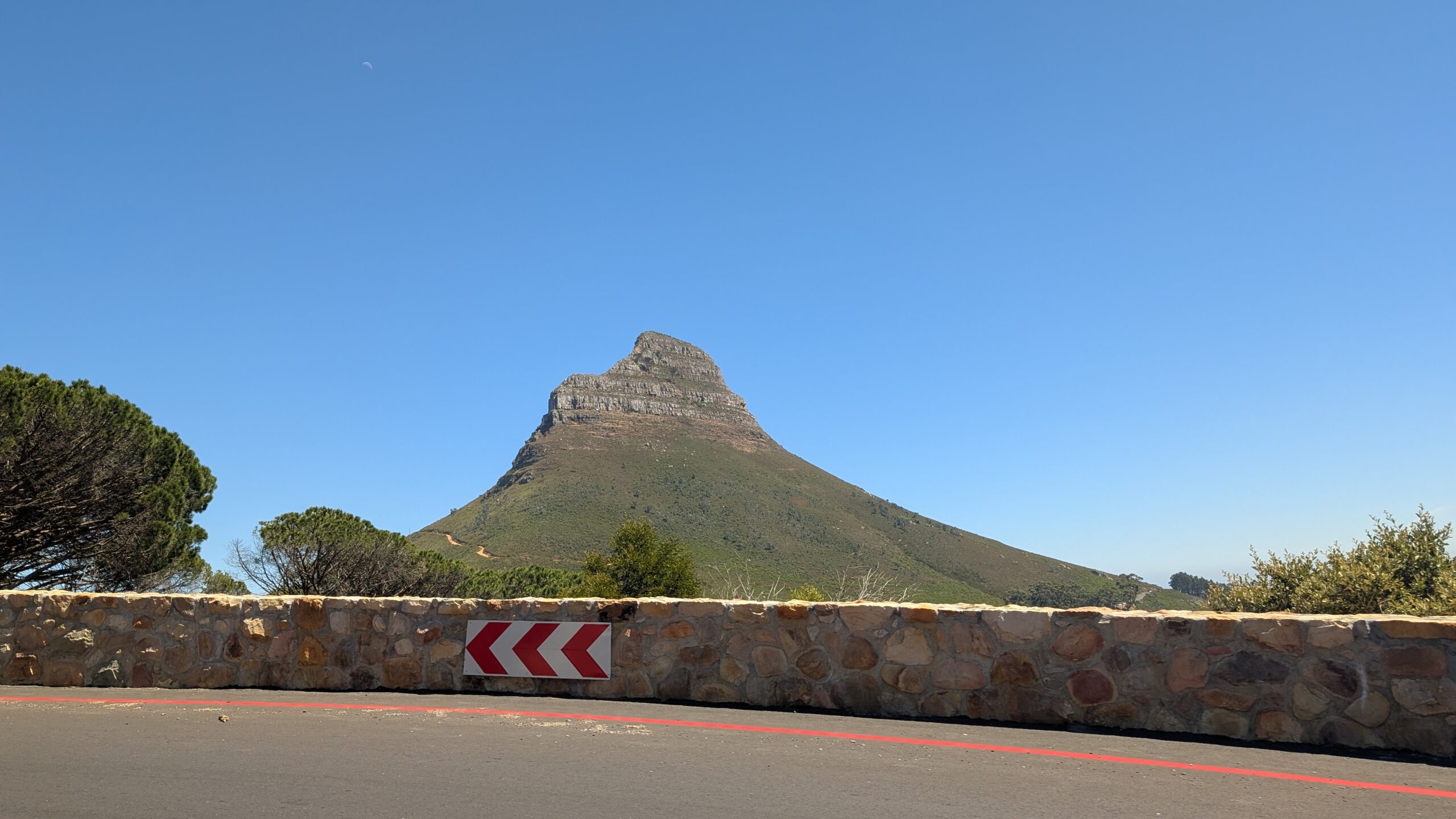
Lion’s Head mountain. We posted this photo yesterday when we intended to post it today.

When you stand beneath Table Mountain, whether wandering through the bustling Waterfront or strolling along Kloof Street with the scent of roasted coffee wafting from little cafés, it feels omnipresent. There’s a strange comfort in knowing it’s always there, watching, steadying the energy of the city with its ancient stillness.

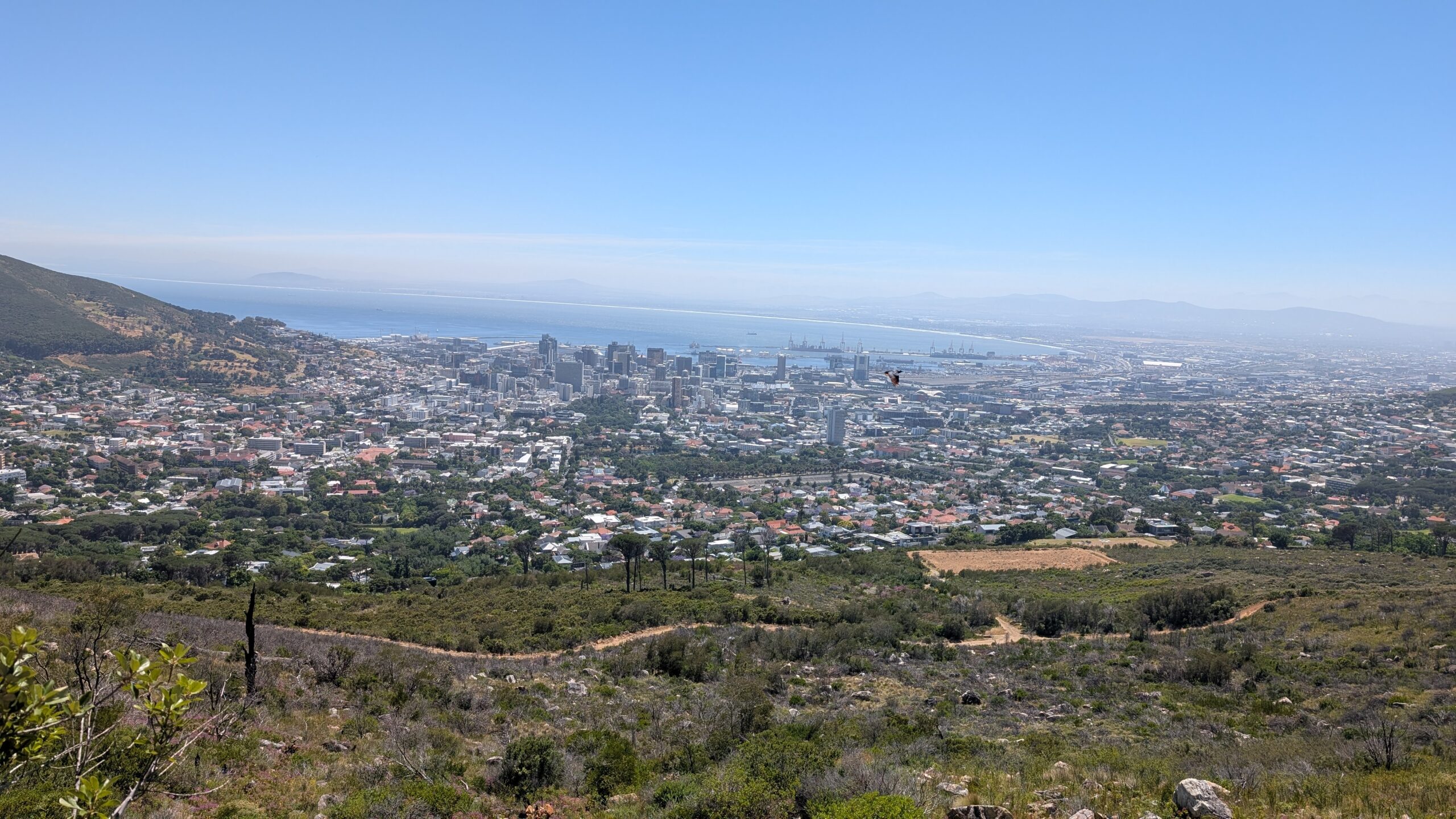
View of Cape Town from the platform area of Table Mountain. There was a 3-hour wait for the cable car. We opted out.

And if you’re fortunate enough to ride the cable car to the top or brave the hike, you’re rewarded with sweeping views that seem to stretch out forever. The city spreads in intricate lines; the ocean glistens like polished glass; Robben Island sits quietly offshore. It’s impossible not to feel a profound sense of gratitude standing up there, the kind that sinks into your bones and lingers long after you’ve descended.

The top of Table Mountain.

Signal Hill, in contrast, feels softer, more approachable. It’s the kind of mountain that invites you in rather than daring you to scale it. Nestled between Table Mountain and Lion’s Head, it acts as the gentle slope where locals and travelers alike gather to watch the sun melt into the ocean.

More views from Table Mountain.

Signal Hill also carries its own rhythms. Each afternoon, the historic Noon Gun sends a resounding boom echoing across the city. I imagine one can feel it as much as hear it, a reminder of traditions that have survived centuries. Surely it is strangely endearing to the locals… this daily punctuation mark in the life of Cape Town, predictable yet always impressive.

The number of tourists and the traffic at Table Mountain made photo ops difficult.

Then, of course, there is Lion’s Head, the striking peak that stands proudly between Table Mountain and the Atlantic Ocean. If Table Mountain is the wise elder and Signal Hill the gentle companion, then Lion’s Head is the spirited adventurer, the mountain with a restless heart. Its shape is unmistakable, the curve of the slope flowing like the back of a reclining lion. Hikers adore it, and rightfully so.

Robben Island, located approximately 7 kilometers off the coast of Bloubergstrand, north of Cape Town, is a UNESCO World Heritage Site and former prison where Nelson Mandela and other anti-apartheid activists were incarcerated. Today, it operates as a museum that offers powerful insights into South Africa’s history and struggle for freedom.

The trail winds around the mountain in a steady ascent, each turn revealing views that seem more dazzling than the last. They say, climbing it is like walking in circles around a secret, each loop bringing you closer to understanding what makes this mountain so magnetic.

Fantastic views.

What connects these three mountains isn’t just their geography; it’s the emotional current that runs through them. They are part of the soul of Cape Town, steady, vibrant, and full of quiet surprises. For travelers like us, who are always drifting from one place to another, they are anchors. They remind us why we wander the world, finding joy and solace in nature as well as wildlife.

Camps Bay in Cape Town is a popular, upscale beachfront suburb known for its wide, white-sand beach and vibrant promenade lined with restaurants, bars, and hotels. It’s situated between the Atlantic Ocean and the Twelve Apostles mountain range and offers a lively atmosphere with blue flag status for its cleanliness and safety. While it’s an attractive destination year-round, it becomes hectic during the summer months.

In Cape Town, the mountains don’t just shape the skyline. They shape the way a tourist feels. And each time we leave such a place, we carry a piece of it with us.

Another view of the fabulous Camp’s Bay Beach.
There is hang gliding in Cape Town, with Signal Hill and Table Mountain being popular sites. The Cape Albatross Hang-gliding Club, along with other operators and schools, offers opportunities for both experienced pilots and those wishing to learn. Paragliding is also very common in the city, with many tour operators available for tandem flights.

We thoroughly enjoyed our time in Cape Town, although short, sufficient to give us a feel for the magical city and its many offerings for tourists and locals alike. Perhaps, someday, we’ll return.

Our ship is the Royal Caribbean Voyager of the Seas. The ship spent an extra night in Cape Town because the port was closed due to high winds. This morning, it set sail.

Today, we’re out to sea, heading to Port Elizabeth, South Africa, which is mainly a stopping-off point for safaris. Since we’ve spent so many years partaking in game drives in this country and others, we may choose to spend a quiet day on the ship.

Be well.

Photo from ten years ago today, November 15, 2015:

The view from atop the hills in our area in Savusavu, Fiji. For more photos, please click here.

Day 19…Part 1, Cape Town, South Africa…Beginning first day of cruise #2 to Singapore…

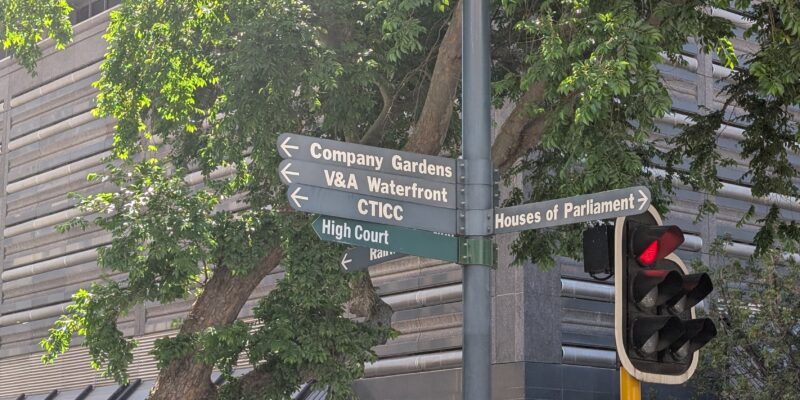
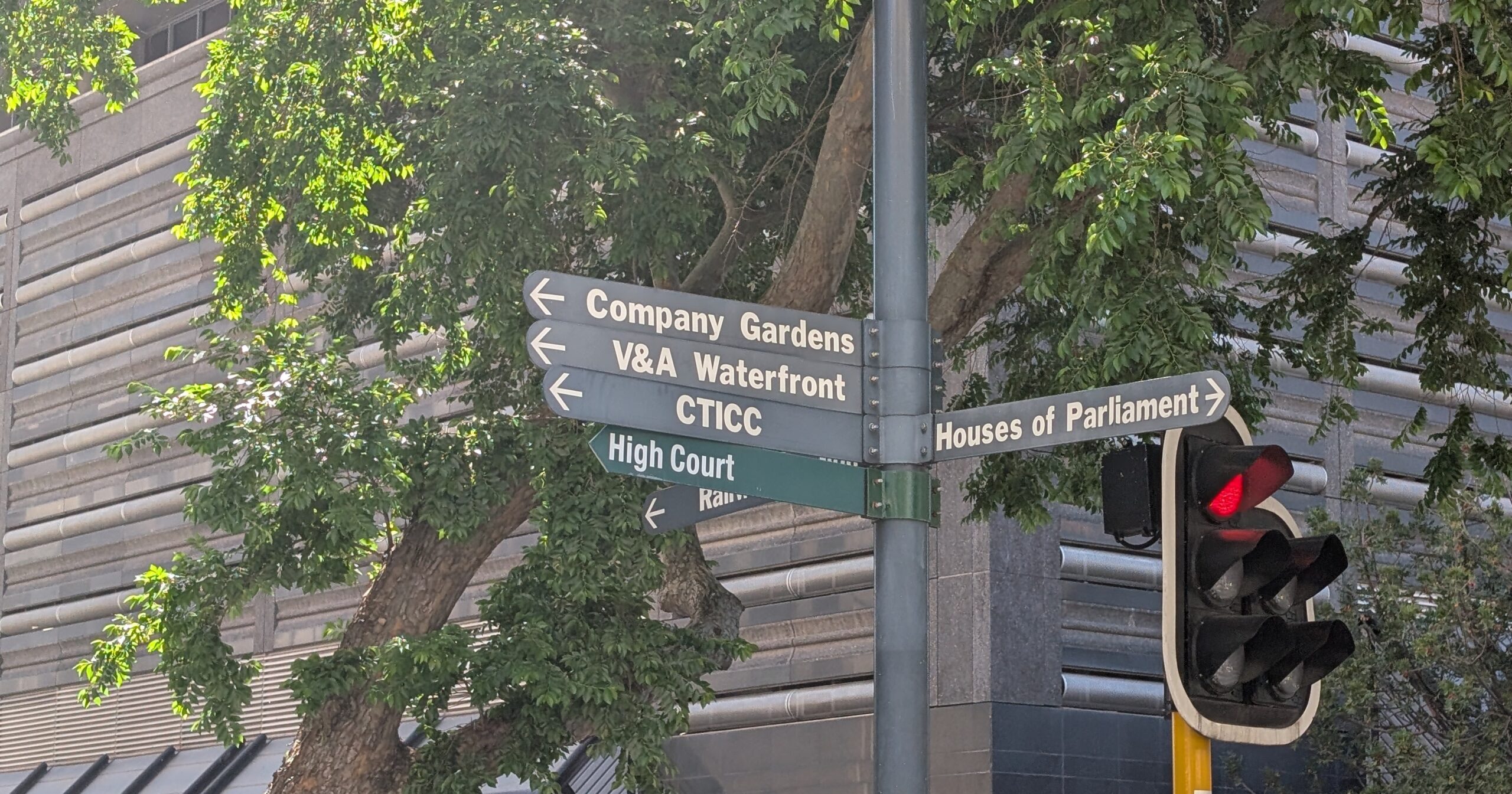
Signs clearly marked the major sights.
Yesterday, as we rode through the bustling streets of Cape Town, I felt that familiar flutter in my chest; the one that always comes when we wander into a city that seems to hum with its own quiet poetry. Cape Town isn’t a place you simply visit. It’s a place that rises up to greet you, brushing its history, its colors, and its complexities against your senses until you’re left a little breathless and more than a little enchanted. And with a knowledgeable local guide, Patrick leading our way, the experience felt even richer, like lifting the veil on a story we’d only skimmed before.
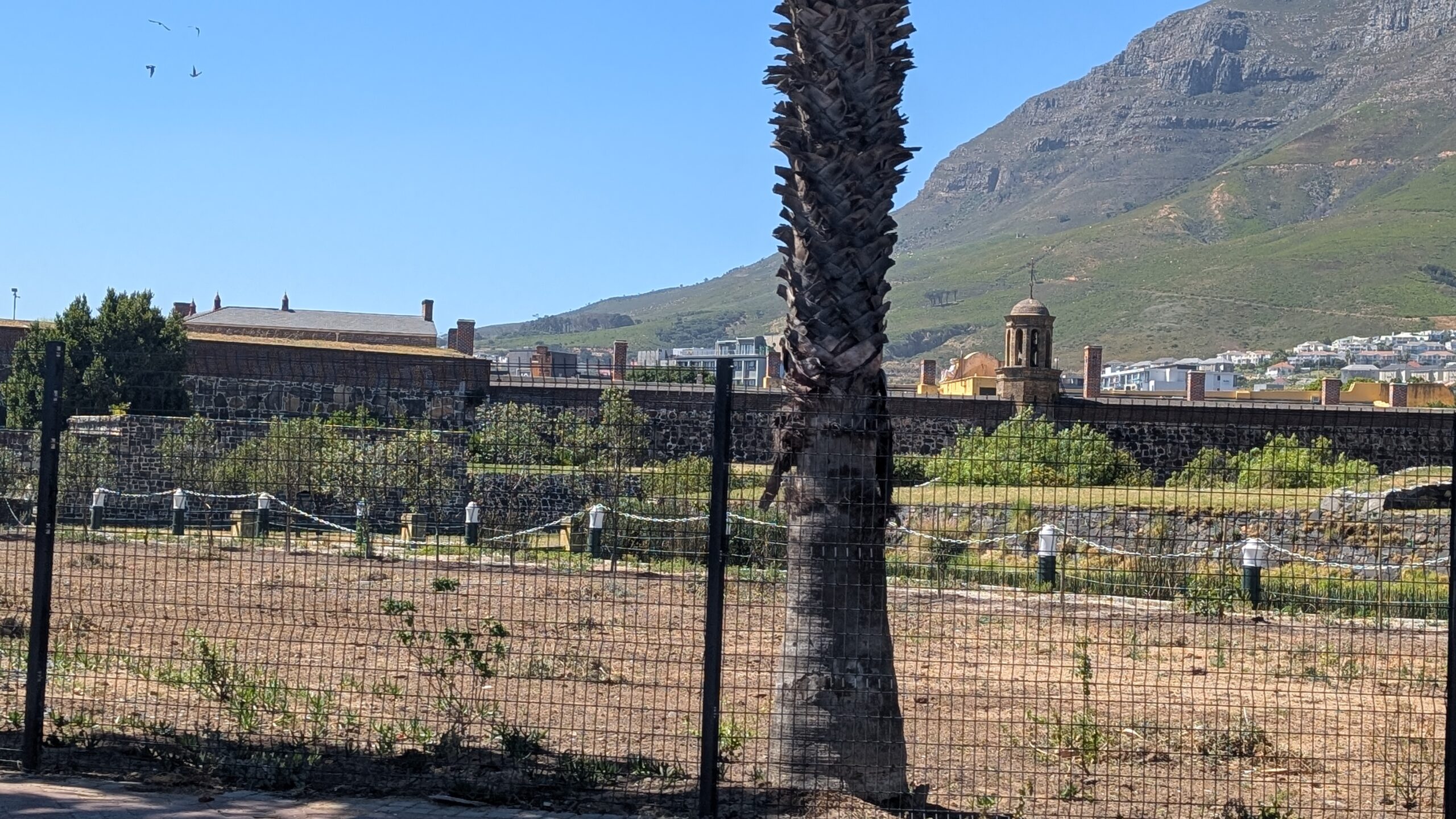
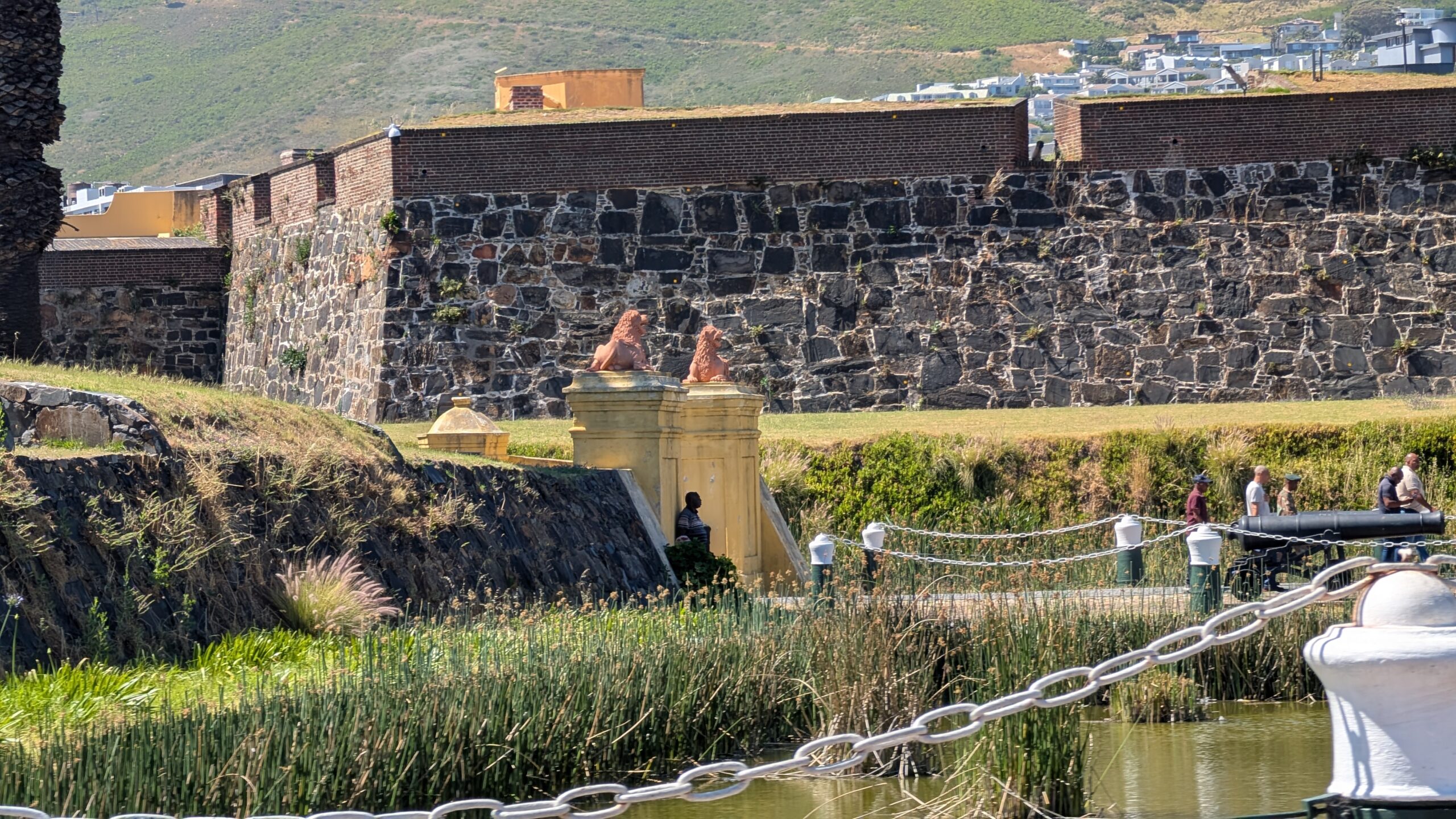
The Castle of Good Hope is a 17th-century bastion fort in Cape Town, South Africa. Originally located on the coast of Table Bay, the fort is now inland following land reclamation.

Patrick, a 19-year resident of Cape Town, originally from the Democratic Republic of the Congo, introduced himself with an easy smile and a voice seasoned from years of telling Cape Town’s layered stories. We met him at the waterfront just after we disembarked, one of many tour guides we could choose from. His easy smile and friendly demeanor immediately triggered us to choose him, among a plethora of others.

Another view of the Castle of Good Hope.

He stated he’d take us on a two-hour tour of the highlights of Cape Town for US$70 $70 which was reasonable compared to the many other offers thrown at us.

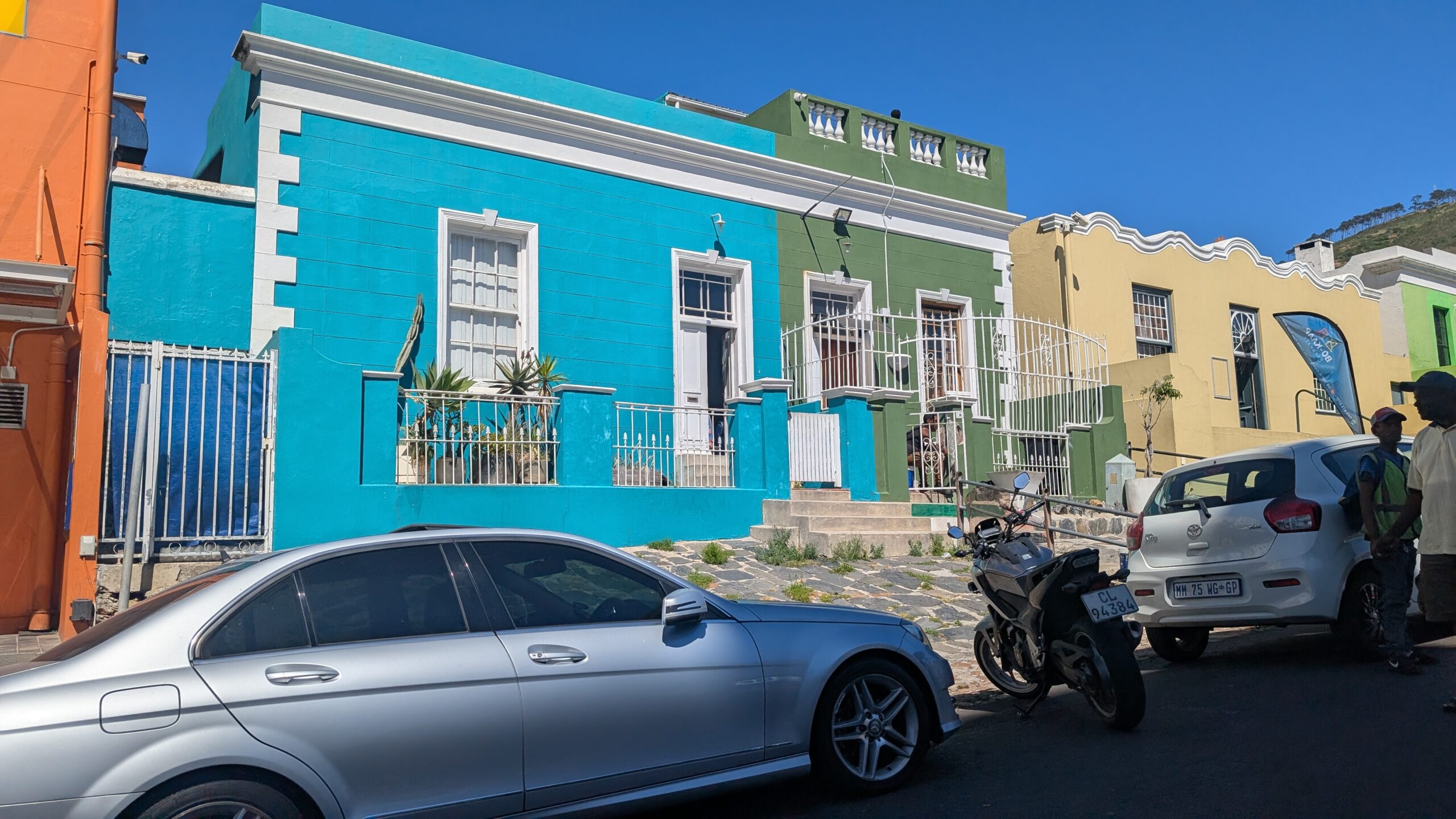
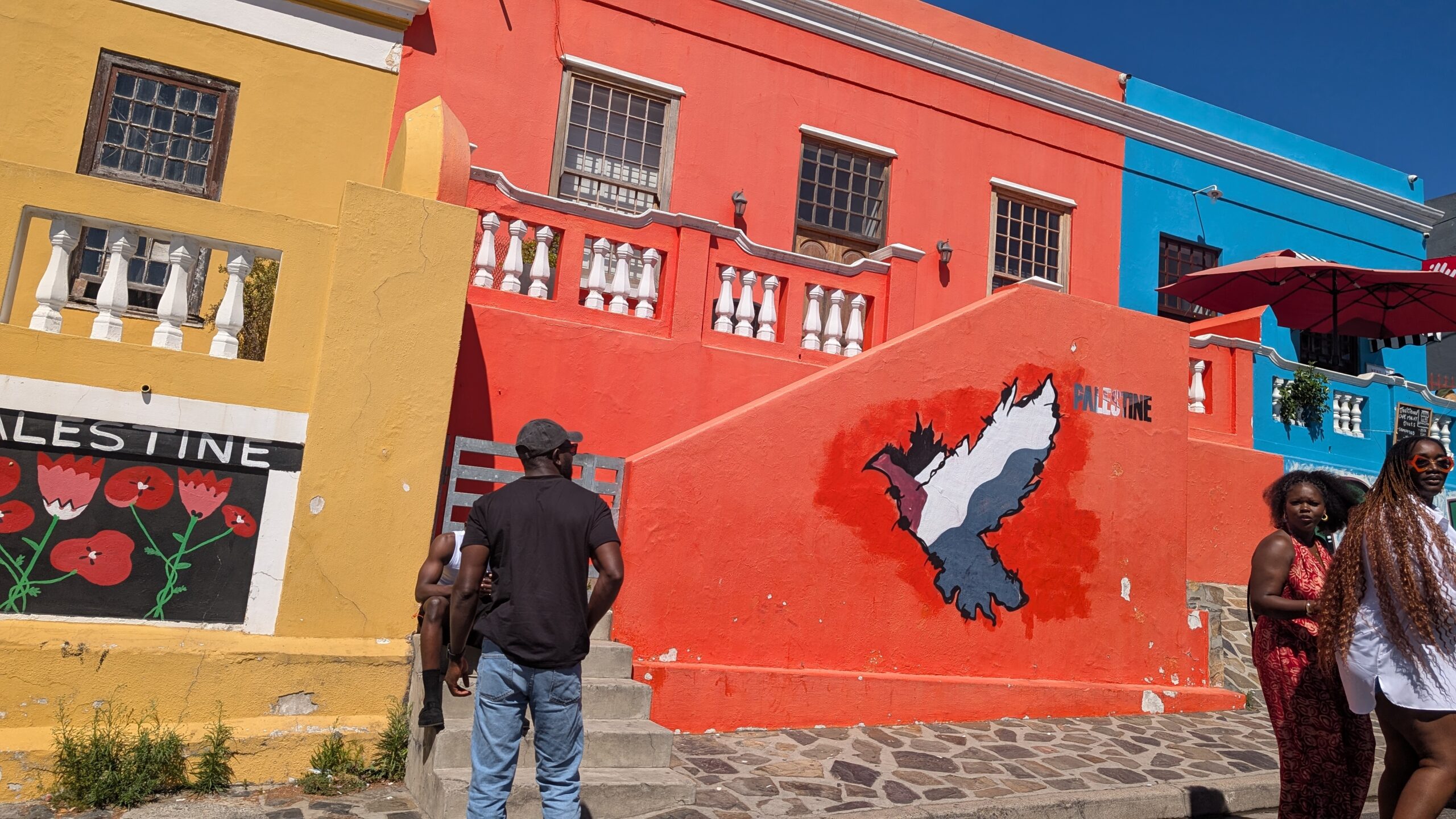
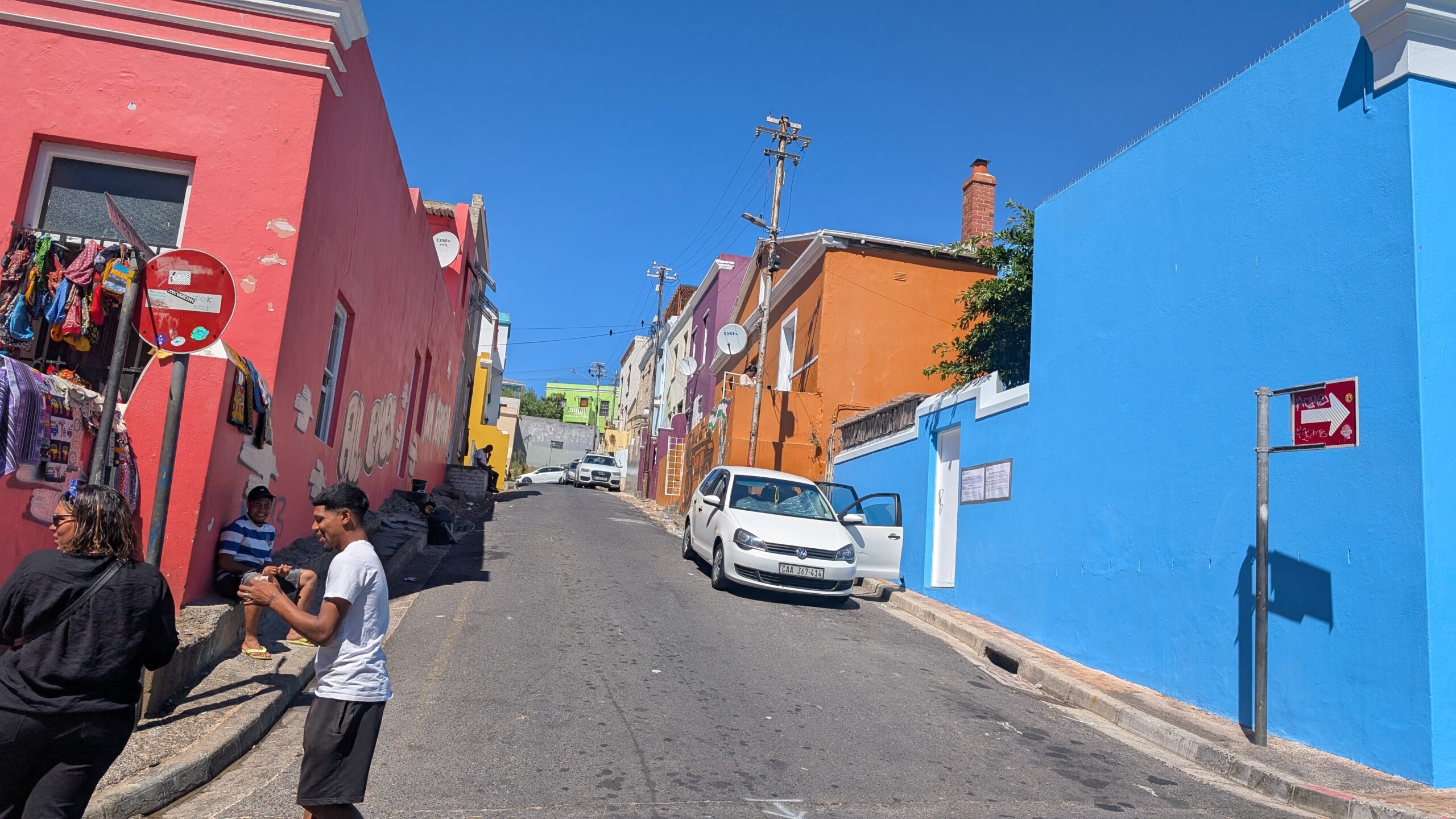
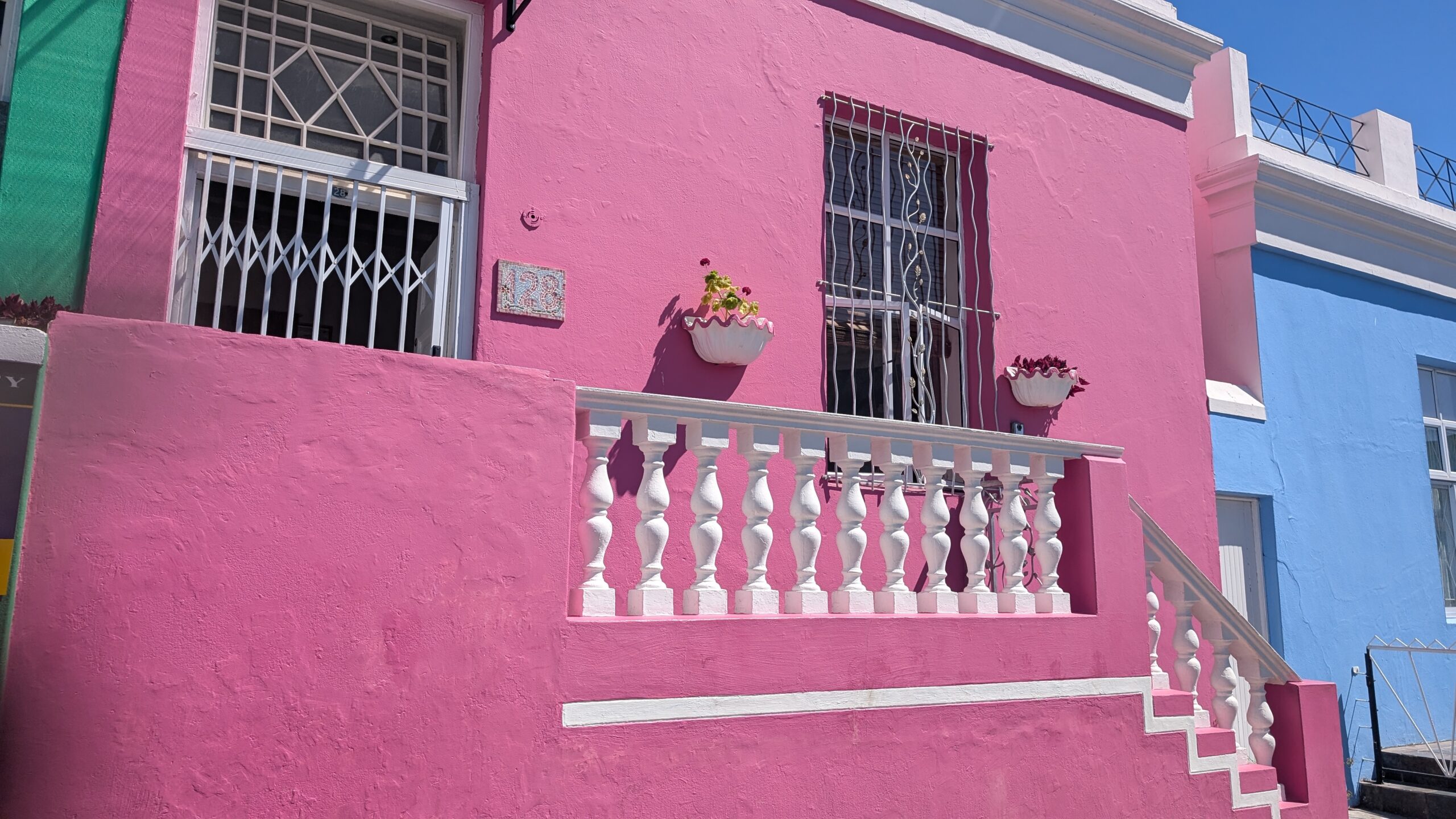
A popular daytime destination, hillside Bo-Kaap is known for its narrow cobbled streets lined with colorful houses. Local Cape Malay culture is represented at sites such as the 1790s-built Auwal Mosque and the Bo-Kaap Museum, which feature exhibits on the achievements of Muslim immigrants. Nearby, simple restaurants serve curries, roti, and other Cape Malay dishes. The Noon Gun cannon is fired daily at midday from Signal Hill

The morning air was cool, tinged with sea spray and that faint aroma of roasted coffee drifting from nearby cafés. Patrick explained that Cape Town is best understood as a tapestry, each neighborhood a patch stitched from different moments in time. That idea framed the entire tour, as though we were unspooling a long thread that connected past to present, one step at a time.

Bo-Kapp.

We began in the shadow of Table Mountain, its flat top softened by a thin ribbon of cloud. Our guide pointed out how the mountain almost seems to anchor the city, both geographically and emotionally. Locals look to it as a constant, he said, especially on days when the winds shift and life feels a bit unpredictable. As he spoke, I could feel that sentiment echoing somewhere inside me. After so many years of nomadic living, I’ve grown sensitive to how anchor points—mountains, oceans, even people—give a place its pulse.

Bo-Kapp.

From there, we wound our way through the city where ancient trees arched overhead like protective elders. Squirrels darted across pathways, accustomed to visitors stopping to take photos or offer tiny morsels. Our guide paused often, not to lecture but to share small, almost tender anecdotes, where couples propose, where schoolchildren gather, where artists come to find their quiet. It reminded me that cities aren’t just streets and monuments; they are held together by moments that might seem insignificant until they’re stitched into someone’s memory.

Bo-Kapp.

No city tour of Cape Town would be complete without a visit to the Bo-Kaap, and the sight of those candy-colored houses made my heart lift with the same lightness I feel when traveling down a sunlit sea lane. The bright facades, turquoise, rose, lemon, and emerald, seemed to glow under the midday sun. Patrick explained the neighborhood’s Muslim heritage and the resilience of families who’ve lived there for generations. You could feel the pride in his voice, but also a thread of protectiveness, as though he were speaking of a beloved relative. That kind of connection always moves me; it’s a reminder of how deeply place and identity intertwine.

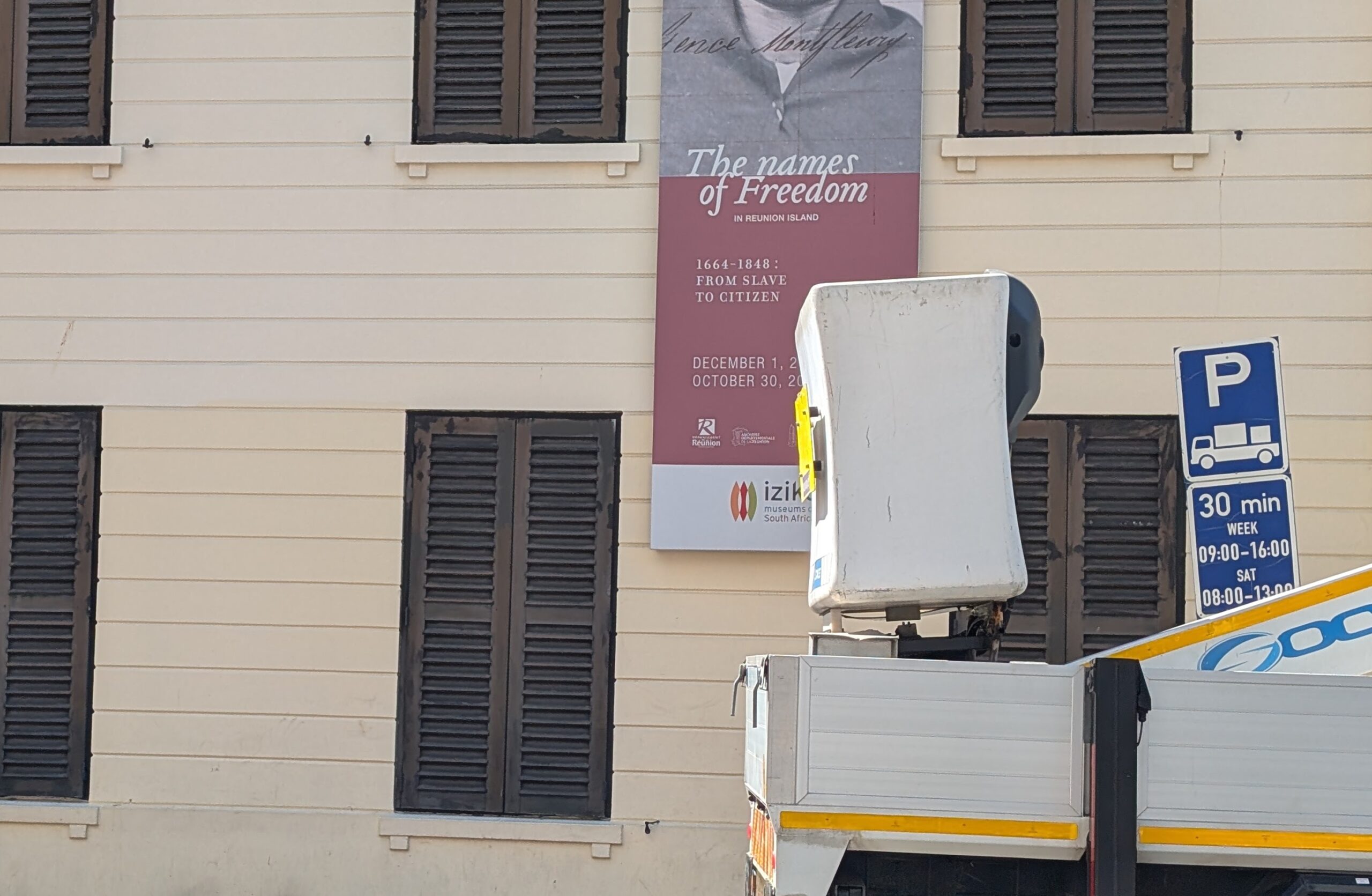
Buildings associated with South Africa’s freedom and history in Cape Town include the Iziko Slave Lodge, the District Six Museum, the Bo-Kaap Museum, and the Groote Schuur Building. Other historically significant buildings related to this theme include the Castle of Good Hope and the Iziko Social History Centre.

Later, we drove along the coast, where waves crashed against the rocky shoreline, sending up plumes of white spray. Our guide let the scenery do most of the talking, offering only gentle notes, where fishermen cast their lines at sunrise, which beaches locals escape to on sweltering afternoons, and how the color of the water shifts with the seasons. As we looked out at the expanse of the Atlantic, I felt a familiar blend of gratitude and longing. Gratitude for the privilege of witnessing so many corners of the world, longing because every beautiful place leaves an imprint, a soft tug that stays with you long after you’ve moved on.

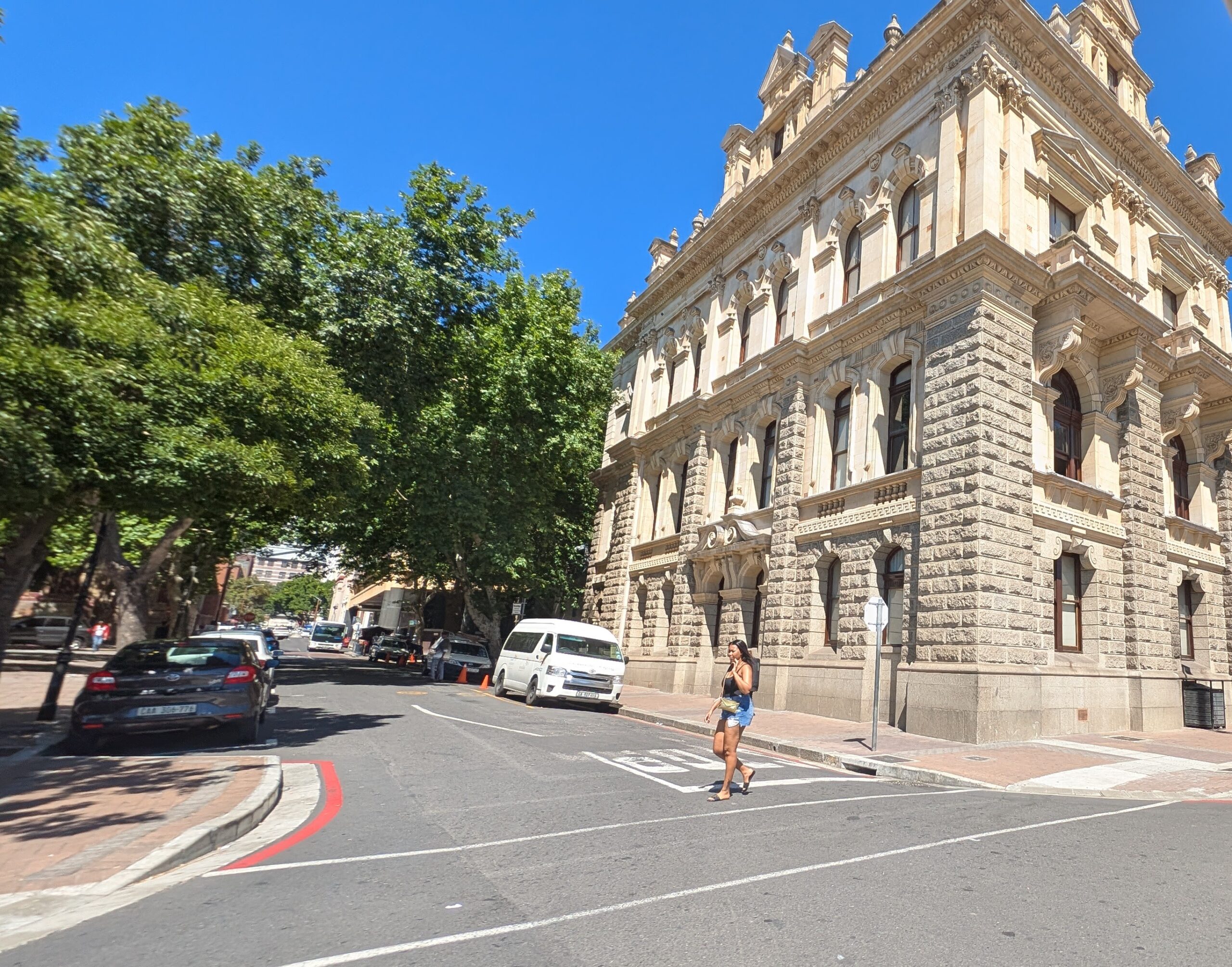
The city of Cape Town was clean and attractive in many ways.
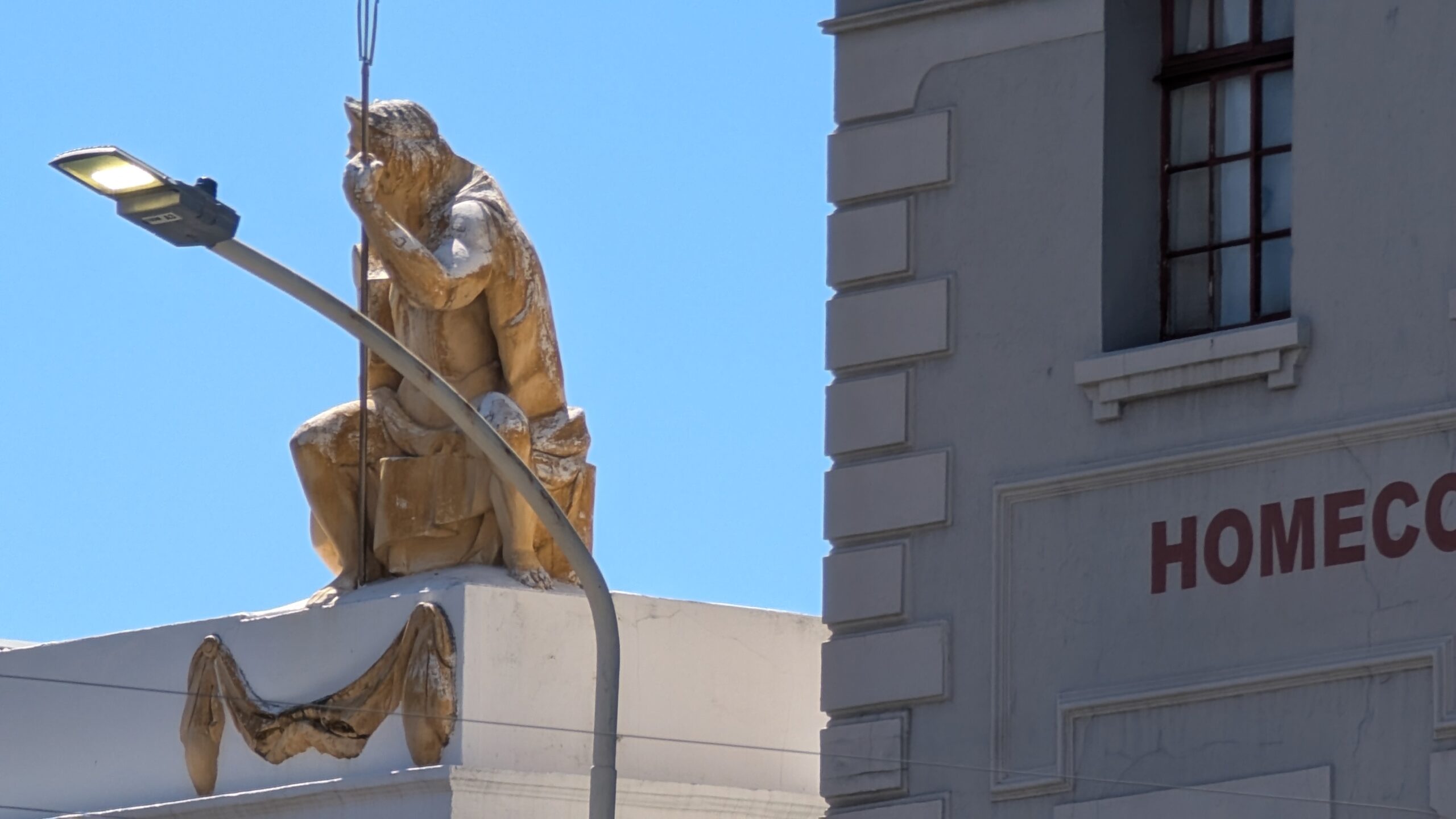
Unidentified gold statue atop a building in Cape Town.

By the time our tour wrapped up and the city began to glow with afternoon light, I felt that Cape Town had opened itself to us in a way only a skilled guide can orchestrate, honestly, gently, and with a sense of invitation. We returned to our ship with full hearts, carrying with us not just facts and photos but the feeling of a city alive with stories, stitched forever into our own.

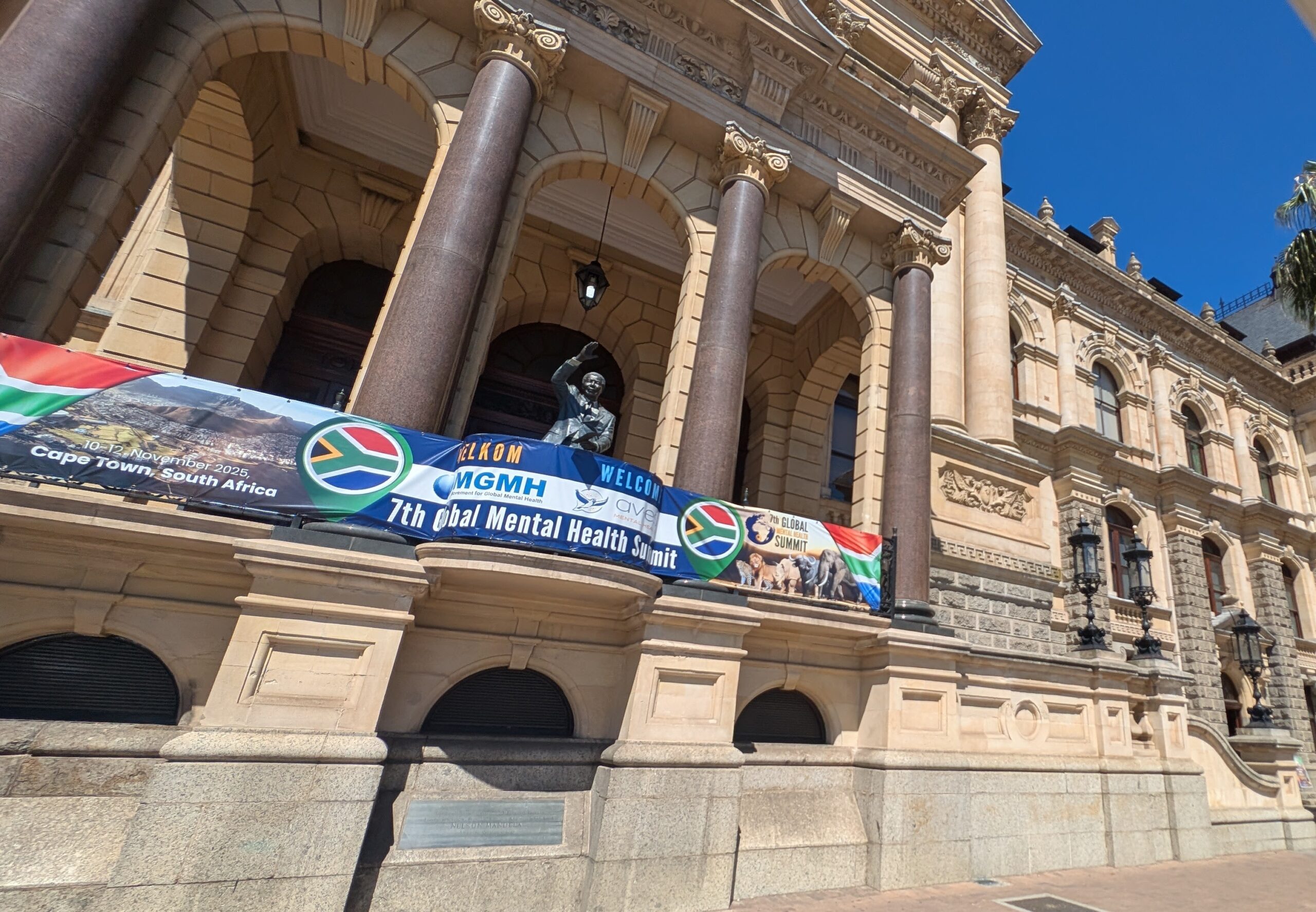
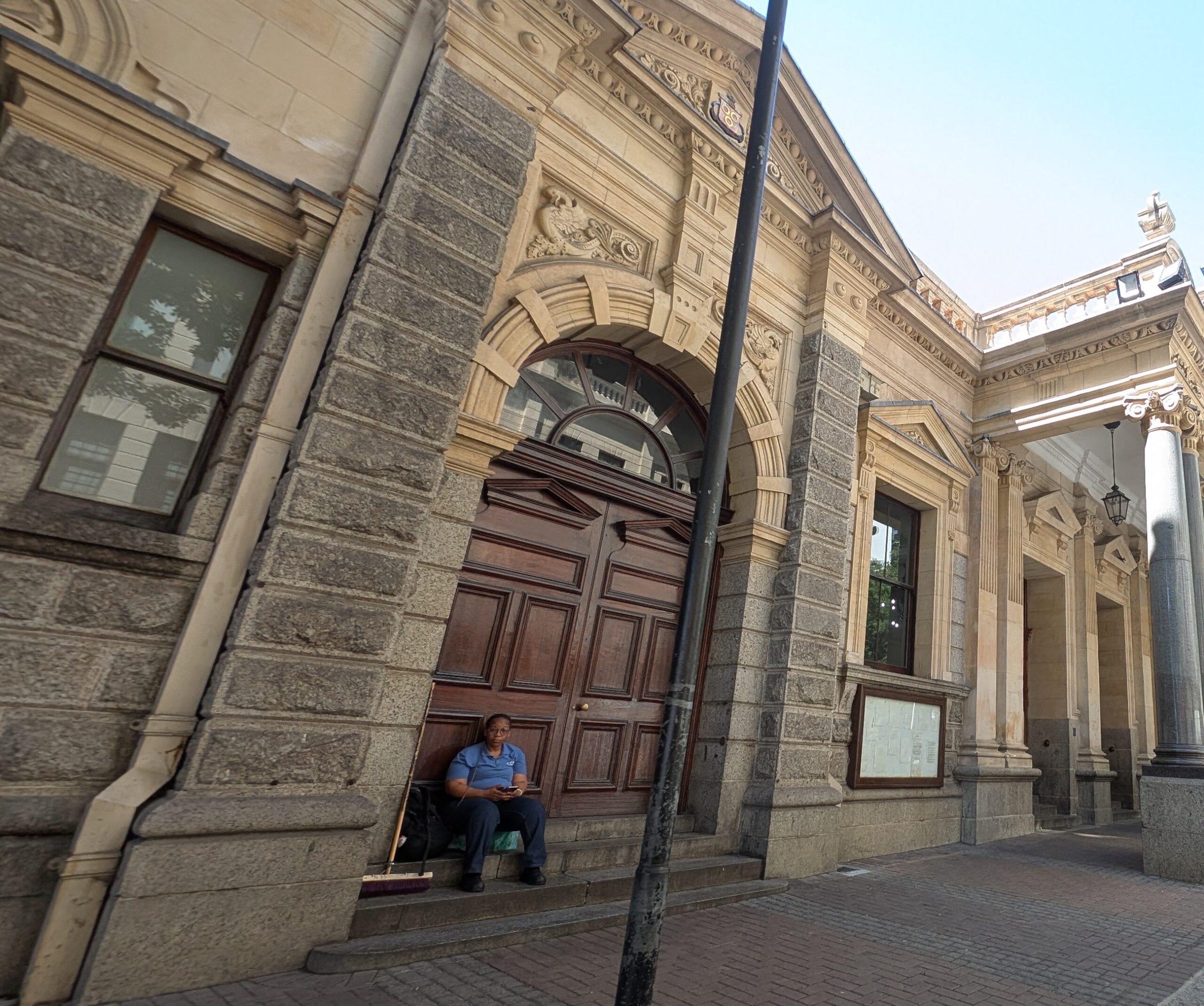
We are unsure of the name of this building.
Another building we can’t identify.

Unfortunately, riding in Patrick’s vehicle through insane traffic prevented us from remembering the details of every photo, and we are unable to identify every scene. However, regardless of that reality, we were entranced by the sights and look forward to sharing more in tomorrow’s post.

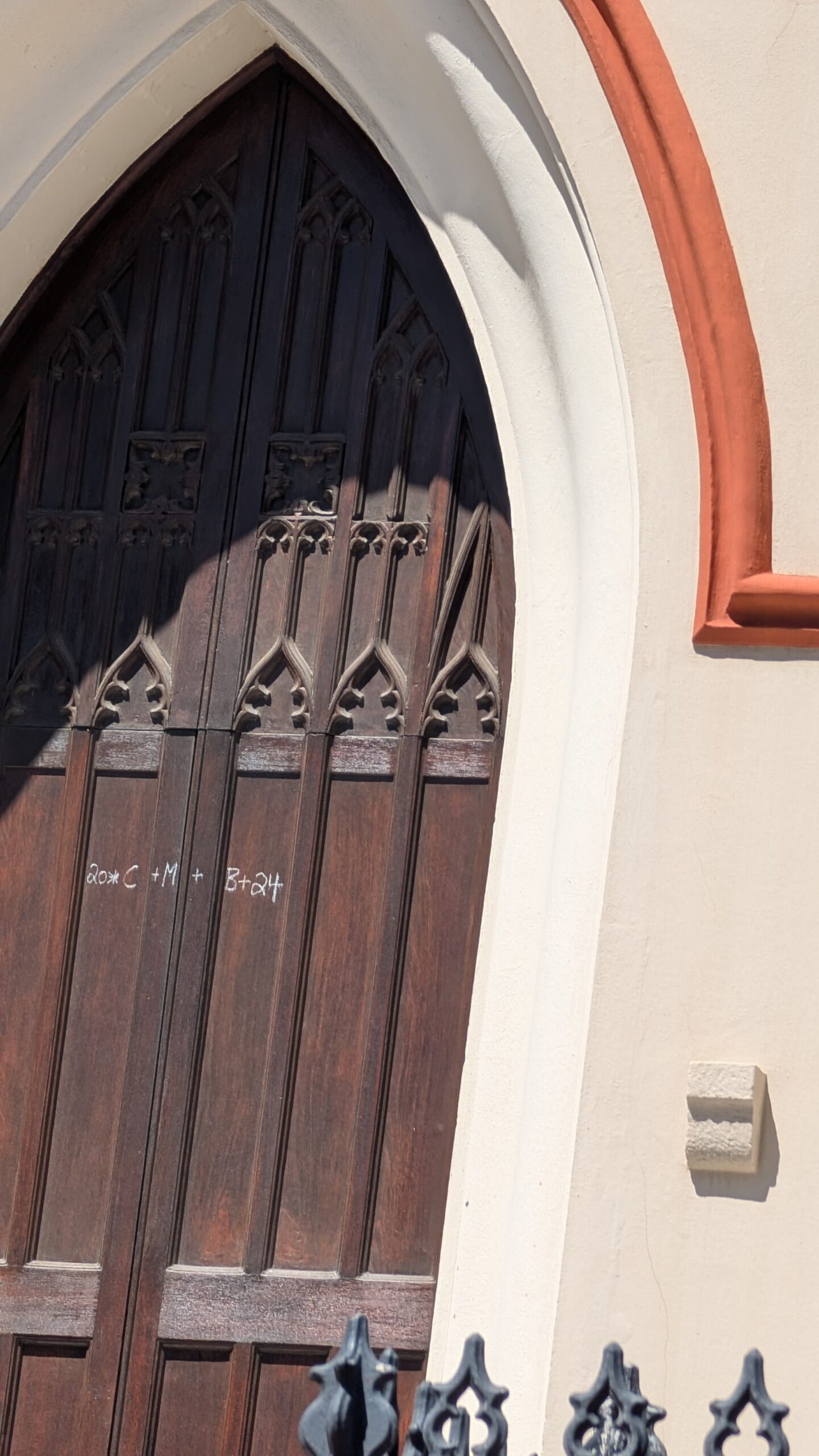
Doorway to a church in the city.
Table Mountain most famously refers to the flat-topped mountain in Cape Town, South Africa, an iconic landmark and one of the New 7 Wonders of Nature. Visitors can take a rotating cable car to the summit for panoramic views of the city, or hike one of the many challenging trails. We’ll be sharing more photos and views from Table Mountain in tomorrow’s post.
One of several views we’ll share when at the famous Table Mountain.
Lion’s Head is a mountain in Cape Town, South Africa, between Table Mountain and Signal Hill. Lion’s Head peaks at 669 metres above sea level. The peak forms part of a dramatic backdrop to the city of Cape Town and is part of the Table Mountain National Park.

A fantastic surprise we promised to share today… Our dear friends from Marloth Park, Louise and Danie, are meeting us at the pier at 2:00 pm to share sundowners at a local pub and to have a lively conversation about our exciting visit to their home city, Cape Town.

Be well.

Photo from ten years ago today, November 14, 2015:

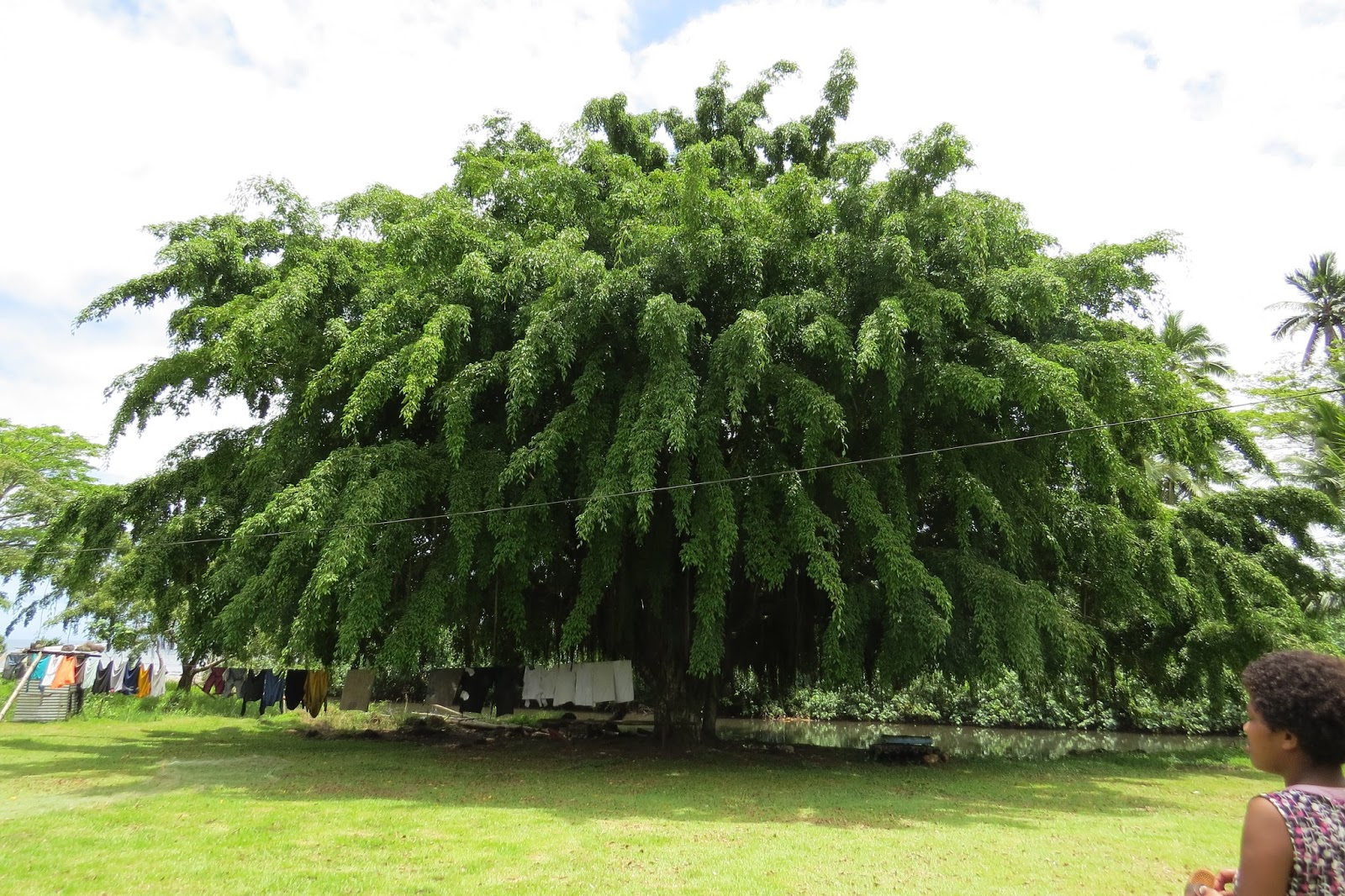
A beautiful tree hanging over the inlet, which we spotted during our visit to the village of Vuodomo. For more photos, please click here.