Vacation rental horror story…More horrific news for tourists to Bangkok…

The drive to Smithfield Regional Park which we visited yesterday was pleasant. The day started out sunny quickly changing to clouds and sprinkles.

Each morning as I begin the day’s post, we turn on the news to see what’s happening in the world. This morning, we were shocked and devastated by the news of a bombing close to the Erawan Shrine in Bangkok, Thailand which was crowded with tourists at the time, killing at least 19 people and injuring more than 120. The full story and videos may be seen here.

As we discussed over the past few days, one can never be too careful. We’ll be in Thailand a year from now and since I’d been there in the past (before Tom), I felt there was no need for us to stop in Bangkok, a highly congested city plagued with crime. Instead, we’ll be flying directly to the island of Phuket.

We didn’t stop at the bungee jumping spot (spelled this way in Australia as compared to bungee in other countries). 

Sadly, Phuket wasn’t safe for tourists in 2004 when it was hit by a devastating tsunami killing over 5000 people, many of them tourists staying in oceanfront properties along the exquisite beaches.

With caution in mind, the beautiful vacation property, we selected is a few miles from the ocean. Also, with prices high close to the beach, we had two reasons to stay inland a bit. We’ll visit the beaches at our discretion. 

Many of the trails are designated for mountain bikers requiring a quick jump to the side when a biker appears.

The story Tom discovered a few days ago, spotted in the New York Times newspaper reminded us once again that the reality of booking vacation rentals online presents certain risks in itself. 

Of course, this particular story is an isolated case. A similar situation could easily occur in any apartment building complex anywhere in the world, whether it was a vacation rental or a long term apartment rental.

We stopped and talked to a pair of mountain bikers who’d stopped by the check out the trails before bringing their bikes back for the miles of trails.

Here’s a portion of the story and a link to the balance you’ll find by clicking here:

“Airbnb Horror Story Points to Need for Precautions

Early in the evening of July 4, Micaela Giles’s mobile phone started sounding alerts, and a series of messages straight out of a horror movie began scrolling down her screen.
Her 19-year-old son told her that his Airbnb host in Madrid had locked him in the fourth-floor apartment where he was supposed to be staying and removed the key. The host was still there, he said, rattling knives around in the kitchen drawer and pressing him to submit to a sexual act. He begged his mother for help.
When she called Airbnb, its employees would not give her the address and would not call the police. Instead, they gave her a number to the Madrid police and told her to ask the police to call the company for the address. But the number led to a recording in Spanish that kept disconnecting her, she said, and when she repeatedly called back her Airbnb contact, the calls went straight to voice mail.
According to her son, Jacob Lopez, he was sexually assaulted that night. Eventually, he persuaded his host to free him. He returned home to Massachusetts and is in trauma therapy.”
The remainder of this story continues here.
As shown in the remainder of this story at the above link, Airbnb was unsure as to how to handle this situation.  Hopefully, by now, some new procedures are in place that may have averted this horrible situation by prompting the police to the property immediately. This never should have happened.
We walked into the park for awhile, eventually turning back when we realized the trails weren’t as suitable for walking as opposed to mountain biking.
We’ve used Airbnb a few times, but have shied away from it since they require the full amount of the vacation rental paid at the time of the booking as opposed to paying a deposit and paying the balance at a later date. Supposedly, they are revising this policy to make it more user friendly, which would make it more appealing to us.
This is one of the reasons we don’t like renting apartments as many travelers prefer, finding the cost of an apartment less than a condo, townhouse, or single-family home. The proximity of public transportation and access to popular tourist site is highly appealing to many travelers.
The sky was overcast when we arrived at the park.

Younger travelers often prefer to be in the hubbub of the big city. For us, a suburb or the country is ideal for us, as is the case living here in Trinity Beach with a current population of under 5000. 

Even, the bigger city of  Cairns, 20 minutes south of Trinity Beach, has a population of 156,000, not a huge metropolis by any means. Tom always says, “The closer you get to tall buildings, the more likely to find crime, poverty, and increased risk.”
At points, the trail was cleared of debris, but at other points, mountain biker enthusiasts would be in for quite a ride.
Our style of living tends to keep us away from tall buildings as much as possible although we’ve encountered our fair share over these past three years. As for the above traveler’s experience, traveling alone in a big city, he fell prey to greater risk based on location and circumstances.
In reality, there are definitely certain locations and circumstances that add to the risk of crime for tourists.  With all of our precautions, we could easily be a target in the most seemingly innocuous locations.
In the US these shops are referred to as auto body shops. Here in Australia, they are called smash repairs. We love the differences!
Luckily, for us, we find the most joy in our travels in quieter less populated locations far from tall buildings.  However, exposure to increased risk may be unavoidable such as the case of our upcoming river cruise in Vietnam where we’ll be staying in hotels in big cities and dining out for a few weeks before and during the cruise/tour. We chose to take these risks although the likelihood of an incident is relatively slim.
Also, the fact that we don’t visit nightclubs and seldom visit bars added to the fact that we seldom wander dark streets at night adds another layer of safety.  Had we been younger, these types of venues may have been more desirable. We both easily recall the fun times we had “nightclubbing” in our younger years. 
I don’t drink alcohol at all (health reasons) and Tom has little interest in having a cocktail other than when we’re on a cruise (along with partaking in the vast array of foods he doesn’t otherwise enjoy). This fact alone, generally keep us out of bars and the resulting higher risk scenarios of leaving the bar and walking to one’s car or grabbing a taxi at night in the dark.
As we exited we spotted this site which appeared to be used for dumping the debris on the trail.  We’ve found parks in Australia to be well maintained.
Are we the typical overly cautious senior couple?  In some ways, we are. But in other ways, adventure which may include a certain degree of risk, is the highlight of our lives and some of our best experiences. 
As for how we’ll handle vacation rentals going forward? We’ll handle the booking process and eventual occupancy, in the same manner, we have thus far, with a degree of caution coupled with an expectation of a good outcome.
Have a good day!
Photo from one year ago, August 17, 2014:
 While in London (and Paris) we had no choice but to walk the streets at night (we were in fairly safe South Kensington) or grabbing a taxi to return to our hotel in the dark. Spending an entire month in these two large cities left us with no option other than to dine out for every meal. This photo was of a sign posted at our reserved table at Andover Arms in London, one of the best restaurants we experienced in our travels. Please click this link for more photos of our fabulous meal and evening.

Australia’s crime stats…World Crime rate stats…Travelers, please read…

View of Double Island at a distance.

With all the strife, wars, natural disasters and horrific incidents on the news each day, we’ve particularly enjoyed the Aussie TV news when the majority of it is fun and informative tinged with the typical Aussie playful sense of humor.

Of course, they do report on the heart wrenching international and local news keeping us well informed on worldwide events. A portion of the Aussie news consists of small stories, such as a biker in Brisbane falling off his bike and breaking his arm. Although we felt sorry for the biker, Brisbane is a long way from us and we chuckled over the how the national news carries such a simple news story.

Extra parking in the driveway where we live in Trinity Beach.

Australia’s entire population spread out over this vast continent is over 23 million, comparable to the population of the cities of Beijing or Karachi.

Overall, the crime rate in Australia is low:

Australia is generally a safe country with a low rate of crime. Statistics show that the homicide rate has actually decreased in almost every state since 2002. Crime statistics are monitored by the Australian Institute of Criminology and the Australian Bureau of Statistics provides comparative breakdowns for different types of crimes.

As we plan to travel to new countries we check out the crime rate (primarily the murder rate) before booking anything.  Yes, we’ve made a few exceptions when motivated by certain aspects of a country we didn’t want to miss. 

Unusual flat leaves on a bush.

In reviewing the chart below, good placement on this chart doesn’t mean one can be laissez-faire with their wallets, cameras, luggage, personal effects, and personal safety. 

(Please excuse formatting issues on this chart due to poor connection, with rankings in far-right column and #218 numbering not listed). To see more detail on this site and inclusions for lost lives as a result of wars, please click here).

UNODC murder rates most recent year
Country Rate Count Region Subregion Year
listed
Ranking
Burundi 8.0 790 Africa Eastern Africa 2012
1
Comoros 10.0 72 Africa Eastern Africa 2012
2
Djibouti 10.1 87 Africa Eastern Africa 2012
3
Eritrea 7.1 437 Africa Eastern Africa 2012 4
Ethiopia 12.0 11,048 Africa Eastern Africa 2012 5
Kenya 6.4 2,761 Africa Eastern Africa 2012 6
Madagascar 11.1 2,465 Africa Eastern Africa 2012 7
Malawi 1.8 279 Africa Eastern Africa 2012 8
Mauritius 2.8 34 Africa Eastern Africa 2011 9
Mayotte (France) 6.0 12 Africa Eastern Africa 2009 10
Mozambique 12.4 3,133 Africa Eastern Africa 2012 11
Réunion (France) 1.8 15 Africa Eastern Africa 2009 12
Rwanda 23.1 2,648 Africa Eastern Africa 2012 13
Seychelles 9.5 9 Africa Eastern Africa 2012 14
Somalia 8.0 819 Africa Eastern Africa 2012 15
South Sudan 13.9 1,504 Africa Eastern Africa 2012 16
Uganda 10.7 3,753 Africa Eastern Africa 2011 17
Tanzania 12.7 6,071 Africa Eastern Africa 2012 18
Zambia 10.7 1,501 Africa Eastern Africa 2012 19
Zimbabwe 10.6 1,450 Africa Eastern Africa 2012 20
Angola 10.0 2,079 Africa Middle Africa 2012 21
Cameroon 7.6 1,654 Africa Middle Africa 2012 22
Central African Republic 11.8 532 Africa Middle Africa 2012 23
Chad 7.3 907 Africa Middle Africa 2012 24
Congo 12.5 541 Africa Middle Africa 2012 25
Democratic Republic of the Congo 28.3 18,586 Africa Middle Africa 2012 26
Equatorial Guinea 19.3 142 Africa Middle Africa 2012 27
Gabon 9.1 148 Africa Middle Africa 2012 28
Sao Tome and Principe 3.3 6 Africa Middle Africa 2011 29
Algeria 0.7 280 Africa Northern Africa 2011 30
Egypt 3.4 2,703 Africa Northern Africa 2011 31
Libya 1.7 103 Africa Northern Africa 2012 32
Morocco 2.2 704 Africa Northern Africa 2012 33
Sudan 11.2 4,159 Africa Northern Africa 2012 34
Tunisia 2.2 235 Africa Northern Africa 2012 35
Botswana 18.4 368 Africa Southern Africa 2012 36
Lesotho 38.0 764 Africa Southern Africa 2010 37
Namibia 17.2 388 Africa Southern Africa 2012 38
South Africa 31.0 16,259 Africa Southern Africa 2012 39
Swaziland 33.8 416 Africa Southern Africa 2012 40
Benin 8.4 848 Africa Western Africa 2012 41
Burkina Faso 8.0 1,311 Africa Western Africa 2012 42
Cape Verde 10.3 51 Africa Western Africa 2012 43
Ivory Coast 13.6 2,691 Africa Western Africa 2012 44
Gambia 10.2 182 Africa Western Africa 2012 45
Ghana 6.1 1,537 Africa Western Africa 2012 46
Guinea 8.9 1,018 Africa Western Africa 2012 47
Guinea-Bissau 8.4 140 Africa Western Africa 2012 48
Liberia 3.2 135 Africa Western Africa 2012 49
Mali 7.5 1,119 Africa Western Africa 2012 50
Mauritania 5.0 191 Africa Western Africa 2012 51
Niger 4.7 803 Africa Western Africa 2012 52
Nigeria 20.0 33,817 Africa Western Africa 2012 53
Senegal 2.8 379 Africa Western Africa 2012 54
Sierra Leone 1.9 113 Africa Western Africa 2012 55
Togo 10.3 684 Africa Western Africa 2012 56
Anguilla (UK) 7.5 1 Americas Caribbean 2012 57
Antigua and Barbuda 11.2 10 Americas Caribbean 2012 58
Aruba (Netherlands) 3.9 4 Americas Caribbean 2010 59
Bahamas 29.8 111 Americas Caribbean 2012 60
Barbados 7.4 21 Americas Caribbean 2012 61
British Virgin Islands (UK) 8.4 2 Americas Caribbean 2006 62
Cayman Islands (UK) 14.7 8 Americas Caribbean 2009 63
Cuba 4.2 477 Americas Caribbean 2012 64
Dominica 21.1 15 Americas Caribbean 2010 65
Dominican Republic 22.1 2,268 Americas Caribbean 2012 66
Grenada 13.3 14 Americas Caribbean 2012 67
Guadeloupe (France) 7.9 36 Americas Caribbean 2009 68
Haiti 10.2 1,033 Americas Caribbean 2012 69
Jamaica 39.3 1,087 Americas Caribbean 2012 70
Martinique (France) 2.7 11 Americas Caribbean 2009 71
Montserrat (UK) 20.4 1 Americas Caribbean 2008 72
Puerto Rico (US) 26.5 978 Americas Caribbean 2012 73
Saint Kitts and Nevis 33.6 18 Americas Caribbean 2012 74
Saint Lucia 21.6 39 Americas Caribbean 2012 75
Saint Vincent and the Grenadines 25.6 28 Americas Caribbean 2012 76
Trinidad and Tobago 28.3 379 Americas Caribbean 2012 77
Turks and Caicos Islands (UK) 6.6 2 Americas Caribbean 2009 78
United States Virgin Islands (US) 52.6 56 Americas Caribbean 2010 79
Belize 44.7 145 Americas Central America 2012 80
Costa Rica 8.5 407 Americas Central America 2012 81
El Salvador 41.2 2,594 Americas Central America 2012 82
Guatemala 39.9 6,025 Americas Central America 2012 83
Honduras 90.4 7,172 Americas Central America 2012 84
Mexico 21.5 26,037 Americas Central America 2012 85
Nicaragua 11.3 675 Americas Central America 2012 86
Panama 17.2 654 Americas Central America 2012 87
Bermuda (UK) 7.7 5 Americas Northern America 2012 88
Canada 1.6 543 Americas Northern America 2012 89
Saint Pierre and Miquelon (France) 16.5 1 Americas Northern America 2009 90
United States 4.7 14,827 Americas Northern America 2012 91
Argentina 5.5 2,237 Americas South America 2010 92
Bolivia 12.1 1,270 Americas South America 2012 93
Brazil 25.2 50,108 Americas South America 2012 94
Chile 3.1 550 Americas South America 2012 95
Colombia 30.8 14,670 Americas South America 2012 96
Ecuador 12.4 1,924 Americas South America 2012 97
French Guiana (France) 13.3 30 Americas South America 2009 98
Guyana 17.0 135 Americas South America 2012 99
Paraguay 9.7 649 Americas South America 2012 100
Peru 9.6 2,865 Americas South America 2012 101
Suriname 6.1 33 Americas South America 2012 102
Uruguay 7.9 267 Americas South America 2012 103
Venezuela 53.7 16,072 Americas South America 2012 104
Kazakhstan 7.8 1,263 Asia Central Asia 2012 105
Kyrgyzstan 9.1 494 Asia Central Asia 2011 106
Tajikistan 1.6 126 Asia Central Asia 2011 107
Turkmenistan 12.8 660 Asia Central Asia 2012 108
Uzbekistan 3.7 1,060 Asia Central Asia 2012 109
China 1.0 13,410 Asia Eastern Asia 2010 110
Hong Kong 0.4 27 Asia Eastern Asia 2012 111
Macao 0.7 4 Asia Eastern Asia 2010 112
North Korea 5.2 1,293 Asia Eastern Asia 2012 113
Japan 0.3 442 Asia Eastern Asia 2011 114
Mongolia 9.7 266 Asia Eastern Asia 2011 115
South Korea 0.9 427 Asia Eastern Asia 2011 116
Taiwan 3.0 686 Asia Eastern Asia 2011 117
Brunei 2.0 8 Asia South-Eastern Asia 2012 118
Cambodia 6.5 964 Asia South-Eastern Asia 2012 119
Indonesia 0.6 1,456 Asia South-Eastern Asia 2012 120
Laos 5.9 392 Asia South-Eastern Asia 2012 121
Malaysia 2.3 652 Asia South-Eastern Asia 2012 123
Myanmar 15.2 8,044 Asia South-Eastern Asia 2012 124
Philippines 8.8 8,484 Asia South-Eastern Asia 2012 125
Singapore 0.2 11 Asia South-Eastern Asia 2012 126
Thailand 5.0 3,307 Asia South-Eastern Asia 2011 127
Timor-Leste 3.6 39 Asia South-Eastern Asia 2010 128
Vietnam 3.3 3,037 Asia South-Eastern Asia 2012 129
Afghanistan 6.5 1,948 Asia Southern Asia 2012 130
Bangladesh 2.7 4,169 Asia Southern Asia 2012 131
Bhutan 1.7 12 Asia Southern Asia 2012 132
India 3.5 43,355 Asia Southern Asia 2012 133
Iran 3.9 3,126 Asia Southern Asia 2012 134
Maldives 3.9 13 Asia Southern Asia 2012 135
Nepal 2.9 786 Asia Southern Asia 2011 136
Pakistan 7.7 13,846 Asia Southern Asia 2012 137
Sri Lanka 3.4 707 Asia Southern Asia 2011 138
Armenia 1.8 54 Asia Western Asia 2012 139
Azerbaijan 2.1 194 Asia Western Asia 2010 140
Bahrain 0.5 7 Asia Western Asia 2011 141
Cyprus 2.0 23 Asia Western Asia 2012 142
Georgia 4.3 187 Asia Western Asia 2010 142
Iraq 8.0 2,628 Asia Western Asia 2012 143
Israel 1.8 134 Asia Western Asia 2012 144
Jordan 2.0 133 Asia Western Asia 2011 145
Kuwait 0.4 12 Asia Western Asia 2012 146
Lebanon 2.2 95 Asia Western Asia 2010 147
Palestine 7.4 312 Asia Western Asia 2012 148
Oman 1.1 34 Asia Western Asia 2011 149
Qatar 1.1 23 Asia Western Asia 2012 150
Saudi Arabia 0.8 234 Asia Western Asia 2012 151
Syria 2.2 463 Asia Western Asia 2010 152
Turkey 2.6 1,866 Asia Western Asia 2011 153
United Arab Emirates 2.6 235 Asia Western Asia 2012 154
Yemen 4.8 1,099 Asia Western Asia 2010 155
Belarus 5.1 486 Europe Eastern Europe 2010 156
Bulgaria 1.9 141 Europe Eastern Europe 2012 157
Czech Republic 1.0 105 Europe Eastern Europe 2012 158
Hungary 1.3 132 Europe Eastern Europe 2012 159
Poland 1.2 449 Europe Eastern Europe 2011 160
Moldova 6.5 229 Europe Eastern Europe 2012 161
Romania 1.7 378 Europe Eastern Europe 2012 162
Russia 9.2 13,120 Europe Eastern Europe 2012 163
Slovakia 1.4 75 Europe Eastern Europe 2012 164
Ukraine 4.3 1,988 Europe Eastern Europe 2010 165
Denmark 0.8 47 Europe Northern Europe 2012 166
Estonia 5.0 65 Europe Northern Europe 2011 167
Finland 1.6 89 Europe Northern Europe 2012 168
Greenland (Denmark) 19.4 11 Europe Northern Europe 2009 169
Iceland 0.3 1 Europe Northern Europe 2012 170
Ireland 1.2 54 Europe Northern Europe 2012 171
Latvia 4.7 97 Europe Northern Europe 2012 172
Lithuania 6.7 202 Europe Northern Europe 2012 173
Norway 2.2 111 Europe Northern Europe 2011 174
Sweden 0.7 68 Europe Northern Europe 2012 175
United Kingdom 1.0 653 Europe Northern Europe 2011 176
Albania 5.0 157 Europe Southern Europe 2012 177
Andorra 1.3 1 Europe Southern Europe 2010 178
Bosnia and Herzegovina 1.3 51 Europe Southern Europe 2011 179
Croatia 1.2 51 Europe Southern Europe 2012 180
Greece 1.7 184 Europe Southern Europe 2011 181
Italy 0.9 530 Europe Southern Europe 2012 182
Kosovo 3.6 64 Europe Southern Europe 2010 183
Malta 2.8 12 Europe Southern Europe 2012 184
Montenegro 2.7 17 Europe Southern Europe 2012 185
Portugal 1.2 122 Europe Southern Europe 2012 186
San Marino 0.7 x Europe Southern Europe 2012 187
Serbia 1.2 111 Europe Southern Europe 2012 188
Slovenia 0.7 14 Europe Southern Europe 2012 189
Spain 0.8 364 Europe Southern Europe 2012 190
Macedonia 1.4 30 Europe Southern Europe 2011 191
Austria 0.9 77 Europe Western Europe 2012 192
Belgium 1.6 182 Europe Western Europe 2012 193
France 1.0 665 Europe Western Europe 2012 194
Germany 0.8 662 Europe Western Europe 2011 195
Liechtenstein 0.0 0 Europe Western Europe 2012 196
Luxembourg 0.8 4 Europe Western Europe 2011 197
Monaco 0.0 0 Europe Western Europe 2008 198
Netherlands 0.9 145 Europe Western Europe 2012 199
Switzerland 0.6 46 Europe Western Europe 2011 200
Australia 1.1 254 Oceania Australasia 2012 201
New Zealand 0.9 41 Oceania Australasia 2012 202
Fiji 4.0 35 Oceania Melanesia 2012 203
New Caledonia (France) 3.3 8 Oceania Melanesia 2009 204
Papua New Guinea 10.4 713 Oceania Melanesia 2010 205
Solomon Islands 4.3 24 Oceania Melanesia 2012 206
Vanuatu 2.9 7 Oceania Melanesia 2012 207
Guam (US) 2.5 4 Oceania Micronesia 2011 208
Kiribati 8.2 8 Oceania Micronesia 2011 209
Micronesia 4.6 5 Oceania Micronesia 2012 210
Nauru 1.3 x Oceania Micronesia 2012 211
Palau 3.1 x Oceania Micronesia 2012 212
Cook Islands 3.1 x Oceania Polynesia 2012 213
French Polynesia (France) 0.4 1 Oceania Polynesia 2009 214
Niue 3.6 x Oceania Polynesia 2012 215
Samoa 3.6 7 Oceania Polynesia 2012 216
Tonga 1.0 1 Oceania Polynesia 2012 217
Tuvalu 4.2 x Oceania Polynesia 2012

There is no country, city, locale, or venue that is entirely safe. We need only keep an eye on the news to discover this reality. For us, a vital aspect of travel has been being as diligent as possible in regard to our personal safety, and yet, we still run the risk of becoming victims of crime, no matter where we may travel. 

After all, our own home country, the US is ranked #91 on this list, certainly on the higher end of the scale.  Seeing Australia ranked as #201 is not surprising to us. Also, with Fiji ranked at #203, which we’d checked long ago before booking Fiji, gives us peace of mind.

The beginning of the driveway heading down the hill doesn’t look steep in this photo, but it’s very steep.

Although we don’t spend time worrying about crime, we feel that knowledge is power. Protecting our stuff has been relatively easy with all the safety measures we have in place, which we’ll be sharing in tomorrow’s post along with a horrific vacation rental story that was in the news. It’s in protecting our physical selves that leaves us at the most risk.

Traveling to relatively safe countries certainly reduces those risks and staying away from high-risk cities, especially at night reduced the risk. No matter how diligent any of us maybe we’re never exempt from risk.  We often hear of tourist attacks on the news and pay considerable attention. The fact that we seldom dine out, walking streets at night to get to our car or a taxi, also reduces the risk. 

We’ve yet to use the hot tub in the yard for a few reasons, neither of us cares to use hot tubs and secondly, the cost to heat the hot tub and to keep it heated, if we used it, would be outrageous for the owner who pays all the utilities. 

We’re not implying that one shouldn’t dine-in at restaurants. (We tend to avoid restaurants when the food is a potential risk for me which varies from country to country based on how they season and add sauce to their protein sources. Australia is big on marinating and saucing their food). However, it may be safer dining out during daylight hours and avoiding dark spaces at night. 

The side yard off of the kitchen. Many of the huge plants in Australia are used as small houseplants back in the US.

Then again, we hear horrible stories of daylight hours incidences in cafes and on buses. One could make themselves crazy worrying about every potential situation. We ran some of the same safety risks in the cozy town where we lived in Minnesota, USA.

It’s difficult to climb up to the rainforest in the backyard.  Without trails, it would be tricky to explore.

For us, we choose to opt on the side of seeing that which we’d love to see, whether it’s a busy high-risk marketplace, a stroll along a potentially risky beach, or a visit to a country in which we can see wildlife. After all, we’ve already been to Kenya, South Africa, Egypt, Jordan, Tanzania, and on and on…all in the higher-risk categories.

We’ll continue to stretch ourselves to see that which appeals to us.  Last night on TV, we watched a fabulous TV show, “The Lost City of Petra (Jordan)” which seeing in person was one of the major highlights of our journey to date. We’d have missed this life-changing experience had we let fear rule our decisions.

Had we been too cautious in our travels, we’d have missed the opportunity to see this unbelievable site and to enjoy our photos for the rest of our lives of The Treasury in Petra, Jordan. For our Part 1 Petra on this memorable day, please click here. For Part 2, please click here.

If you have the opportunity to review these two above referenced posts, it becomes evident why we often choose to pull something out of the “bucket list” although there may be some risks, resulting in an extraordinary experience that we’ll never forget.

We continue on tomorrow with a scary vacation rental story, a must-see for all travelers who use online vacation rental sites.

Photo from one year ago today, August 17, 2014:

The Eurostar formerly referred to as “The Chunnel.” We were excited for a chance to travel on this train, one year ago, when we needed to get from Paris to London. Traveling on a train under the ocean was definitely a mode of transportation we anticipated with excitement. We weren’t disappointed, although many of our perceptions were dispelled.  For more details, please click here.

Nuances of vacation homes…One year ago…Total expenses for 16 nights in Paris…Check it out below!

This cockatoo settled on the fence at the pool.

Only once, since beginning our travels outside the US, did we vacate a property when we weren’t happy with the accommodations. We stayed for a painstaking week while we furiously scoured every possibility to find another affordable rental. Prices were high in Belize during the season, winter in the northern hemisphere.

Belize, located in Central America, had become popular over the prior decade with its relatively short distance from the US making it a popular mid-winter vacation destination. Availability was limited on the more affordable properties especially with our short notice request for occupancy.

We discovered a new beach on a return drive from cairns, Machans Beach which is a modest beachside community the closest beach to Cairns City. Travelers staying in Machans beach usually do so to escape the busy hustle and bustle and a large number of tourists that flock to Cairns and many of the other northern beaches each year. Due to staunch protests from the locals at Machans Beach tourist infrastructure such as hotels and resorts have remained at bay creating a tranquil and unspoiled hippie-style beachside community.
There were several issues with the property, making it inhabitable for us.  The city water was shut off most of the day (a long term, ongoing situation), on for about one hour and then off again. We were supposed to collect water to use for the toilet when the water would be off for the remainder of the day and night.  If we didn’t shower when the water magically came on at an unpredictable time to a dribble, we were out of luck. 

Doing the laundry was nearly impossible. Simple things like washing our hands become a luxury. We felt dirty and our surroundings felt unsanitary. It only took a few days for us to realize we had to leave permanently as fast as possible. 

Although Machan’s Beach has been subjected to substantial erosion that has been rectified by a rock wall and the slow but gradual return of lost sand, there is still plenty of beaches to enjoy and a lush grassy playfield by the beach that is great for playing sports, picnics or spending time with the family.

On top of it all (long term readers, please excuse the repeated story) the no-see-ums were swarming us when there were either no screens or the holes in the few screens were too large allowing the sand flies them to freely enter. It was hot, humid and we wanted the windows open which was impossible. 

I had no less than 100 inflamed sand fly bites making me miserable both during the day and at night. I was unable to sleep for more than a few hours a night for an entire week. 

It was an awful seven days until we finally found a fabulous resort to rent for the remaining two-plus months and quickly moved out, losing our first month’s rent which the owner had promised to refund.

Recently, the completion of the rock wall ended with a well deserved party for the locals who tolerated the trucks coming and going over an extended period as the wall was built.

Of course, we’d never have rented the property had we known of these issues. We weren’t naïve in assuming that living in other countries would be easy. But, we weren’t willing to risk our health as a result of improper sanitation and lack of cleanliness without water. We’d purchased several huge jugs of bottled water at times having no choice but to use it for the toilet and cleaning what we could.

We never saw a refund. What were we to do? Sue them? Did we want to start our world journey with a lawsuit in a foreign country? Hardly.

If you’re interested in reading the story about the fiasco in Belize and seeing the photos from this period, please begin by clicking here.

A lone sea bird at Machans Beach.

That was our first vacation home outside the US. At that point, it would have been easy to pack it up and head back to the US. But, that never occurred to us. We knew we’d encounter some less than desirable situations and we were committed to figuring them out along the way.

If money were no object, we’d run into less of a risk by renting only upscale properties. And, although at times we’ve been able to negotiate some upscale properties, most of our vacation rentals are in the mid-range and overall, very nice with amenities we’ve found to pleasing.

Here in Trinity Beach, Australia, this property has been much more desirable than we’d expected. We’ve learned to keep our expectations at bay and were pleasantly surprised when we arrived continuing to further appreciate it here the longer we stayed. 

Dozens of cockatoos have been swarming the yard over several of the past late afternoons, stopping to check out the pool.

The owners, Sylvie and Andy, have gone overboard to ensure we have an excellent experience and unquestionably, we have. The well equipped property; the cleanliness; their providing additional items we’ve needed; their vacuuming and washing the floors for us every two weeks (while we sweep and dust in the interim) and their warmth and friendliness, all have contributed to a highly positive experience.

When we look back at past vacation rentals, overall, we’ve had great experiences once that first week in Belize was behind us. Now, as we look to Fiji, we realize were in for a totally different way of living than we’ve experienced thus far in modern, abundant Australia.

These birds are very noisy wasting no time in announcing their arrival.

I added a measuring cup and measuring spoons to my next grocery list to include in the box of food items we’re accumulating to ship to Vanua Levu, Fiji.  People don’t bake while on vacation/holiday. We don’t expect there to be a muffin tin, baking papers or lemon extract for our Low Carb Lemon Poppy Seed Muffins, one of which we have each night with dinner as the ultimate two carb treat providing us with that sense of a small bread item with the meal.

We won’t have a clothes dryer and will hang our clothes outside to dry as we’ve done in most parts of the world. Having a dryer here has been a rare treat. We won’t have a TV and unable to hook up our HDMI to watch our shows, nor will we be able to watch news which we often have on in the background on a staying-in day. 

The biggest challenge will be not having a car. Mario, the property manager, explained that navigating the steep hill to the property requires a four-wheel-drive vehicle which to rent for three months would be outrageously expensive. He further explained that a highly competent driver will be available for our all of needs at reasonable rates. 

With the fees we’ve paid for rental cars in the past, we can easily use a driver five times a week for less than we’ve paid for the rentals. Most likely, we’ll negotiate set fees with the driver (to include a tip) to various locations avoiding the necessity of discussing the rate each time we go out.

This appears to be an agave plant. Agave sugar was the rage a few years ago. But, now its been found to cause a higher spikes in blood sugar than high fructose corn syrup causing weight gain and inflammation.

Also included in Fiji is daily maid service which is a mixed bag for us. I like running around and tidying up. I don’t even mind cleaning and making the bed, tasks we both share. With daily maid service, each day, we’ll have to get out of the way for whatever time it takes for the maid to clean up. 

Since both of us arise early and are showered and dressed by 7:30, most likely we’ll arrange a set time making it easier for all of us. While living there, my household tasks will consist of cooking and laundry while Tom will continues to do dishes.

The remainder of our time will be spent doing what we love to do; posting here, sightseeing and taking photos, searching for future travels, shopping at local markets, walking the beach and enjoying the tropical climate and the beautiful surroundings. 

Wildflowers growing in the yard.

Some have mentioned, based on personal experience, that they don’t like Fiji mainly due to the poverty. We’d decided long ago to accept the reality of poverty we’ll see throughout the world. 

Although we don’t necessarily live in the poverty-stricken areas, we often shop in the same markets and make purchases from the same vegetable stands and from the same vendors utilizing the products and services offered by these hard-working locals.

Not every vacation home has all the amenities we’d chose in a perfect world. In essence, its the imperfections in the world that ultimately we find the most interesting and its our own imperfections within that world that we strive to improve as we adapt to yet another new way of life.

Photo from one year ago today, August 16, 2014:

Tom’s last dinner out in Paris ended with this banana split. While dining out during the month we spent between Paris and London, Tom ate whatever his heart desired. It wasn’t until we settled into our next vacation home in Maui, Hawaii in October 2014,  that I started cooking again and he joined me in my way of eating.  For the final expenses for our costly 16 nights in Paris, please click here.

Hotel bookings…How to get free rooms!…Hotel nuances…One year ago, great last photo of Paris…

Note the wide beak on this beautiful duck.

There’s no magic, coupons, or complicated processes required to acquire free hotel nights when traveling. It’s a matter of a few steps to get the process rolling.

We have a link on this website to the right of what you’re reading now for Hotels.com. You may wonder why we suggest you use the link on our site. Simple answer. We receive a small commission (very small) for every one of our readers who uses the links on our site.

There were several bodies of water along the edges of the rainforest.

These small commissions help pay a tiny portion of the cost for maintaining our site on a year by year basis.  Using our links does not result in your paying higher prices for products or services than you’d pay to go directly to the web addresses for these various companies. It just helps us in a small way.

For those of you who use our links, we really appreciate you clicking on our site as opposed to clicking somewhere else. That’s all it takes. We thank our readers for participating in our links.  Also, we have multiple travel-related links on our site. For today’s purposes, we’re describing one of those which we used yesterday to book a hotel.

The most exciting aspect of our rainforest hike was spotting pelicans.

Today, we’re going to take you through the necessary steps to acquire free nights in hotels that may work for those who travel only a few times each year:

1.  Click on the hotels.com link on the right side of this page.
2.  Sign up for an account, saving your user name and password, keep in a safe place.
3.  Feel free to add a credit card to be saved for future use. This is a secure site and sure, things can happen, but we’ve felt comfortable doing so. 

If you prefer not to leave a credit card on file on the site, you can add it each time you book a reservation and you’ll still receive full credit. Suggestion for those worried about security: Talk to your credit card company asking their policy if your card number is stolen. They will explain that you are not responsible for any charges you did not make. 

A number of ducks hanging out in the freshwater lake at the edge of the rainforest.

Our credit card numbers have been stolen twice in the past three years and have been easily resolved by the credit card company canceling the old card and immediately shipping us a new card, usually overnight. We were not responsible for any of the unauthorized charges. 

We check all of our credit cards online by setting up a “favorite” with the link. Every few days we check to be assured that no charges are posted that we didn’t make. It takes less than one minute. 

Most likely, this was the mate of the pelican photos we posted today and yesterday, found in the wild.

It’s easy to set up a request with each of your credit and debit card companies to send you an email each time a charge is made if you prefer not to check it online. We live in a world that is high risk of identity theft. Taking the initiative to ensure your safety and security is entirely up to you.

4.  Once your account is set up, you can proceed to check for hotels entering your preferred dates and location.  If you choose to check at a later date, click on the link on our site to enter to check hotel prices at any time.  Once you stay 10 nights at a hotel you’ve booked through the site, you get a free night. Easy. You can easily access your Rewards status at any time by logging in and selecting the link on the site under “Your Account.”

When booking your free night, make sure, once you’ve selected the hotel and date for the free night, that you check the box that asks if you want to use the Rewards you’ve accumulated. Otherwise, your credit card will be billed.

Another unusual palm trunk.

Yesterday, we booked a hotel in Sydney on January 4, 2016, when we’ll have flown in from Fiji, spending one night in Sydney until January 5th when we leave on a cruise from Sydney Harbor.

The hotel is near the port, not quite walking distance but no more than a two-minute drive. Most likely the hotel will have a shuttle to the pier. If not, minimal taxi fare will get us there.  Our bags are too heavy to haul the several blocks.

Fallen bamboo

Hotels in Sydney are expensive. Using our Rewards credit toward a free night, which varies depending on how much you’ve paid for past reservations, required we pay a small amount as shown below in our receipt:

Hotels.com Confirmation Number : 123456789 (number changed for security)

Booked: Online – Friday, August 14, 2015 3:50:26 PM GMT+10:00

Booking Details

Guest Name:  Thomas Lyman Room Type: Standard Room, 1 Queen Bed, Non Smoking – Advance Purchase
Check-in: Monday, January 4, 2016 Check-out: Tuesday, January 5, 2016, Number of Nights:1, Number of Rooms:1
Hotel Details: Holiday Inn Old Sydney the Rocks
55 George Street
The Rocks
AU+61292520524
Charges: Monday, January 4, 2016: $248.99 (AUD $337.90)
Hotels.com® Rewards free night applied: -$202.43 (AUD $274.39)
Sub-total:$46.56 (AUD $63.11)
Total Price:$46.56
Amount paid:$46.56
Amount still due:$0.00
The sun peeking through the rainforests at certain times of the day plays an integral role in the growth and development of the forests.
Many hotels booking have the option of choosing a non-refundable rate or a fully refundable rate. If you feel there’s a possibility your plans could change, pay the slightly higher amount for the refundable rate. For us, we always choose the non-refundable rate based on our intent of getting the best rates. This fact is universal on all websites used for booking hotels. 
As shown above, yesterday we paid the excess amount, over and above our Hotels.com Rewards credit of US $202.43, AUD $274.39 which was the additional US $46.56, AUD $63.11. Had the hotel been a lower cost than the US $202.43,  AUD $274.30 we wouldn’t have had to pay anything which is usually the case.  But, as mentioned above, Sydney is more expensive than many cities, comparable to the rates we paid in Paris and London a year ago.
Soon, we’ll be booking 10 nights in a hotel in Vietnam to fill in a gap until the upcoming river cruise. Every 10 nights we book, pay for, and use, we’ve received one free night. In essence, this results in a 10% discount which may not seem like much. One doesn’t receive credit for the free night when it’s used, only for the paid in full nights.
The grounds of the swampy area were covered with fallen leaves and branches, suitable habitat for many small creatures.
However, travelers all over the world are booking hotel rooms with no credit. Of course, we always verify that this site is providing us with the best possible price plus…the accumulation of paid nights for an eventual free night.
If you have questions or need assistance with this, please comment at the end of today’s post. We will reply and share our combined comments with our other readers who may have the same questions.
We may not stay in any more hotels in a year than the average traveler. It may, in fact, be less often. We spend most of our nights in vacation homes or on cruises. 
A considerable part of rainforests consists of swampy areas.
Most years we don’t spend more than four or five nights in a hotel, usually between cruises or for long flights such as is coming up when we fly to Sydney, staying overnight in a hotel and flying to Fiji the next day.  Otherwise, we’d have had to wait at the airport for 10 hours, not our cup of tea.  
Whenever we encounter the possibility of knowingly spending more than eight hours in an airport awaiting a flight, we opt for a hotel stay, always considering our objective of reducing the possibility of travel stress. With easy hotel check-in and checkout these days, this usually makes sense for us.
The trunk of a species of a palm tree in the rainforest.
How picky are we in choosing hotels? Here are our criteria for selecting hotels:
1.  Location:  Convenient to modes of transportation, next flight, cruise pier, and activities we plan
2.  Reviews: In most cases, we don’t select anything under four stars unless it’s a short overnight stay awaiting a flight or cruise.  In these cases, we’ll consider a 3.5 star. As in the above-stated reservation, its list as a 4.5 star (out of a possible 5 stars). (Cleanliness and good repair are indicated in the star ratings).
3.  Availability of wifi: Preferably free although at times we’ve paid a fee when other good options weren’t available.
4.  Bed options: Tom and I do fine in a queen bed and for short stays that works fine. In many vacation homes, including here, we only have a double bed and somehow we make that work. However, we’d never chose that option in a hotel which may indicate a lack of replacing the beds and poor updating and maintenance. In many countries, bed size is a cultural thing. We don’t expect king beds as we travel.
Pelicans are beautiful up close.  Little do we realize their exquisite markings when seeing them at a beach.

Of course, there are many amenities we prefer such as complimentary coffee and tea service in the room, and an on-site restaurant when we’ll be dining. On a single night, hotel stay, a restaurant is less important to us when its nothing to us to miss a meal.

(I don’t eat breakfast except on cruises and when at a vacation home, Tom has a small serving of bacon and egg casserole I make and freeze in packets of three servings which we defrost one package at a time. Neither of us cares for lunch, even while cruising. Our way of eating causes a tremendous lack of appetite and we chose to eat only when hungry). 
This life of travel requires a tremendous amount of work and planning. For us, we enjoy the planning and details. If we didn’t plan well in advance life could be chaotic at times, a situation we prefer to avoid at all costs and efforts.
An ibis pecking on the grounds near the rainforest.
Neither of us succumbs to drama and chaos. Luckily, our personality types have grown to a point of avoiding confrontation, instead kindly asking for what we need and want. Complaining is not a part of who we are. 
If we book a hotel and don’t like it, we express our views in a review. If our room isn’t clean or appropriate, we’d kindly ask for another (which rarely occurs when booking 4 stars or more). If we booked a hotel for a longer-term, we explain why we don’t like it and work toward a refund after we’ve found other options. (This hasn’t happened).
Please feel free to ask any questions regarding this topic (or another topic if preferred) by commenting at the end of today’s post. You may do so anonymously if you’d prefer. We don’t see your email address and can only reply to you here. We usually respond within 12 hours.  We love hearing from our readers!Have a fun-filled weekend!
                                             Photo from one year ago today, August 15, 2014:
We both smiled when we downloaded this photo. It’s so Paris! Two weeks was a long time to spend in Paris and we were ready to head to London the next day, traveling on the Eurostar (the Chunnel train), excited for the first time experience of traveling under the English Channel on a train. For more photos, please click here.

Rainforests continue…Wildlife along the way…What’s next for us in Australia?

Nothing is more exciting for us than spotting wildlife in its natural habitat as was the case here when we spotted this pelican.

At this point, we’ve decided not to make any long road trips. The little car has trouble on mountainous roads and that’s the only direction we haven’t headed since we arrived in the Cairns area over two months ago.

Exiting a portion of the rainforest we encountered this park-like setting.

Also, we aren’t excited to do a road trip especially when the areas we’ve yet to visit require an overnight stay based on the distance. Perhaps, when our cruise makes a stop in Cairns in November 2016, if there’s anything more we’d like to see here, we’ll arrange a tour at that time.

After exiting the wooden boardwalk through the densest area of the rainforest, we found dirt paths that lead in either direction to the two nearby lakes, saltwater, and freshwater. 

In the interim, we continue to scour the Cairns area and can’t imagine running out of sites to see in our remaining slightly over three weeks in Australia. We’ve tightened our budget to prepare for expenses required to fill in the gaps in our itinerary and also to pay for upcoming vacation rentals and cruises. 

A footbridge over the saltwater creek.

At this point, we have little interest in spending money on overnight stays or sightseeing. It’s the “nature of the beast” if we want to live only on the amounts we’ve delegated from our monthly income, avoiding the necessity of tapping other less liquid resources. Isn’t that what most retirees do anyway, managing a budget to avoid creating stress?

The saltwater creek.

Not surprisingly, we’ve had little trouble finding interesting sites to visit on a budget. Early on, we’d considered the train and Skyrail up to the rainforests, but after hiking through several rainforests we both agree that seeing them on the ground has more appeal to us and provides a better photo-taking opportunity with our interest in “small things.”

Peeking through the vegetation to the saltwater lake.

Some may say there’s nothing comparable to seeing the rainforest from high above the treetops but, considering how many sites we’ve seen worldwide these past three years, we’ve learned to carefully pick and choose that which appeals to us the most.

We’re always drawn to the water.

After all, as much as posting each day means to us and believe me, it does more than our readers can imagine, we’ve chosen our activities based on what we prefer to do as our first priority. We’ve chosen a life centered around our own interests and hope our readers understand and appreciate the path we’ve chosen. 

This palm tree appeared to have been trimmed to result in this peculiar trunk.

Based on our ongoing, continually growing worldwide readership, for which we are very grateful, we make the assumption our readers are OK with our stories and photos. However, we’re always open to suggestions if you’d like to share your thoughts and ideas via comments or email.

Let’s face it until we’re in the rainforests of the Amazon (on our “to do” list) we may not be witness to the degree of wildlife that fulfills us the most in our travels. 

We didn’t spot any wildlife in the saltwater lake although we heard the songs of many birds.

Foolishly, we’d expected Australia to be comparable to Africa in its available abundance of wildlife. In some areas, this may be the case. Here in this beautiful area of Cairns, Queensland we’ve seen few animals in the wild other than birds, kangaroos, and wallabies. Had we not been to Africa, this would be all we’d expect or want to see.

We traversed back over the bridge to the creek to head in another direction.

Ah, Africa…it nags at my heart for the day we return. If it was my choice alone, we’d be returning after we’ve completed our time in the South Pacific. But, this isn’t a one-person operation. And, as much as Tom loved Africa, and believe me he did, he encourages me to have an open heart and mind to explore other parts of the world while we can.

My logical nature totally agrees with him. Don’t get me wrong…I’m loving Australia, the most friendly continent in the world. It’s beautiful, tropical (particularly where we are now), and consists of one exquisite sandy beach after another. 

I literally squealed when we spotted this pelican in the freshwater lake along with a few duck species we’d yet to see. 

Who could ask for more?  Australia is a great place to live. Housing prices may be on the higher side but the cost of products and services seems reasonable to us. We’ll easily stay within our shopping budget while here which will prove to be about 35% less than it was in Hawaii (not surprisingly). 

Probably, one of the most delightful aspects of Australia is its people. Their tongue-in-cheek humor, their ease with voicing their thoughts and opinions, and their easy way of laughing and loving is heartwarming.   

Pelicans are graceful and elegant.

Lately, two evenings a week, we’ve been watching Australia’s version of “The Bachelor,” one of my favorites in the US. Even Tom got on board with this show over the years. Seeing the way the girls interact with one another in a loving and affectionate way is so typical Aussie style. 

We observe this same warmth on the news shows and when we’re out and about finding ourselves laughing over their playful nature. We’ve never experienced such ease and vulnerability of people anywhere in the world. It’s refreshing and, if we leave here with only that in mind, we’ve learned a valuable lesson from its warm, kindly people.

Every so often she scoops up a tasty morsel from the water.

With six Australia based cruises in the future, we have plenty of opportunities to interact with more of these unique people. Without a doubt, we’ll enjoy every moment.

Have a wonderful weekend as summer begins to wind down for those in the uppermost northern hemisphere and for us, winter in Queensland is perfect every day at a sunny 82F, 28C.

                                             Photo from one year ago today, August 14, 2014:

With little humility, I patted myself on the back for managing to take this photo of Venus de Milo at Le Louvre without a crowd hovering around her. Visiting the world-famous museum will remain as a highlight of our travels.  For more photos, please click here.

The rainforest…Where are they?…We hiked in a triple canopy rainforest…One year ago, a favorite photo from Le Louvre…

As we made our way through a portion of the triple canopy rainforest we encountered two lakes, a creek, and a river. This is the saltwater lake. Tomorrow, we’ll be posting photos of the freshwater lake, the river, and the creek which included a wildlife surprise.

Many of us have the perception is that there is only one major rainforest in the world, the largest in the Amazon River Basin in South America. And yet, there are rainforests throughout the world.

The sign at the entrance to the rainforest boardwalk.

“The largest rainforests are in the Amazon River Basin (South America), the Congo River Basin (western Africa), and throughout much of southeast Asia. Smaller rainforests are located in Central America, Madagascar, Australia and nearby islands, India, and other locations in the tropics.

For more information on rainforests throughout the world, please click here.

As shown in the above map, we’ve already visited rainforests in Central America while we lived in Belize, formerly British Honduras and also as we’ve visited many islands on various cruises and now in our backyard.  If we could climb the steep hill behind the house, we’d be in the rainforest.

Leaves changing color in the rainforest.

As with most forests, walking through a rainforest isn’t easy unless one carries a  machete if the trails aren’t available. Australia, in its infinite wisdom and devoted to its natural resources, makes hiking through many of their rainforests relatively easy.

Spindly tree.

At least on four prior occasions since our arrival over two months ago we’ve had an opportunity to enter rainforests located in Queensland. Yesterday, was no exception when we headed back to the area of the Cairns Botanic Gardens where across the road is the entrance to an extensive trail through an area of rainforest we’d yet to explore.

Sunlight filtering into the dense triple canopy rainforest, which connotes dense vegetation on the ground, the center and the treetops blocking out sunlight.  An occasional opening allowed for sunlight to filter through.
As for the Australian rainforests:

“Millions of years ago, Australia, New Zealand and the island of New Guinea formed part of a great forested southern continent, isolated from the rest of the world. Today these countries contain many different species of animal that occur nowhere else.  Undergrowth in Australia’s tropical forests is dense and lush. The forests lie in the path of wet winds blowing in from the Pacific.

We made the trek around noontime, when we had an opportunity to see the most with the sun directly overhead. The wooden boardwalk was a little wobbly and unstable at the point but overall safe.

While living on tropical islands in our immediate future, there will be many more rainforests to explore. As we visited several thus far in Australia and other parts of the world we find each to have its own personality, many with considerable wildlife lurking within the canopy and others, such as here in Australia with less visible wildlife as we walked the trail.

Sun filtering through to standing water in an otherwise dry creek bed.

And we stress, “visible,” when much of the rainforests consist of “small things” not necessarily easy to spot with the naked eye. Lately, we’ve been watching episode after episode of David Attenborough’s amazing stories of life on our planet.

A visitor at a distance which illustrates the narrowness of the boardwalk. At times, we had to use our arms to get through heavy vegetation overtaking the boardwalk.

Watching these fabulous documentaries has aided us in the further realization of how small many creatures are in the rainforests, often difficult to spot as we traverse our way through dense vegetation, the narrow manmade path leading the way.

Tom stopping to admire a huge tree.

For our exploration, we revel in spotting unique vegetation and occasional signs of life, other than the occasional hiker walking by us. Oh, I need to mention a fact about Australia that intrigues us. Australians walk on the same side of a path as cars drive on the road. 

Occasionally, a sign was posted naming a particular tree.

As we encountered others on the narrow path, my inclination had been to move to the right to make room for them to pass when in fact, I’ve needed to move to the left. Tom reminded me to avoid making a fool of myself. Duly noted.

This tree was huge, much wider than it appears in this photo. See the above photo for Tom standing next to it.

The wood boardwalk running through a large portion of the rainforest we toured was too narrow for us to walk side by side. As a result, when exploring rainforests Tom walks in front of me stopping when he spots a point of interest.

Vines accumulating on the ground from the tree above.

His eyes are quicker than mine and we often stop when he sees a photo-worthy opportunity. He rarely disappoints. I’m more inclined to spot a more “romantic” sighting than an object of interest. As a result, we’re a perfect match (in more than one way).

We spotted several trees with vines wrapped around the trunk.

The value of maintaining the integrity of rainforests has definitely become known to most of the world although certain factions prefer to ignore the importance of these magical forests for the future of humanity in many ways.  

We wandered through the Lowland Paperbark Forest.
The destruction of rainforests is both political and money-driven and I prefer not to get into that discussion here. However, any of our long term readers easily surmise our stance on the preservation of our natural resources both in wildlife and vegetation, the most important aspects of our travels, that which brings us the most joy.
It was easy to see why the bark of certain trees is referred to as paperbark.

It’s sad that any of us on a smaller scale can only take a stance and have little impact on that preservation. On a larger scale? It’s another matter. Yes, in our selfish existence, we admire, we enjoy, we take photos and we write. 

Fine, flaky bark on this tree.

Perhaps, somewhere along the way, our constant mumblings may have even a tiny effect in some way if only one person who is involved in the depletion of our natural resources is inspired to consider an alternative.

This tree has an usual base of the trunk.

For the rest of us, we can only consider and implement means of reducing our “ecological footprint” by using methods easily incorporated into our lives

This sign introduced us to the Pandanus Swamp Forest.
Today and over the next few days, we’ll be sharing more of our rainforest photos. It was a warm, sunny day with a slight breeze, keeping the mozzies at bay. Neither of us was bitten once as we made our way through the “triple canopy” which proved to be an interesting and rewarding experience.

                                             Photo from one year ago today, August 12, 2014:

We took this photo from inside Le Louvre from an open window. What a scene! What an experience! For many more Louvre photos, please click here.

Mission accomplished…Tip for travelers to Australia…Solutions for us…

This parasitic plant appears to be a face looking up to the sky with leaves in its mouth and throat.

We apologize if today’s topic doesn’t apply to you. However, in today’s world, this subject is important for both business travelers and tourists, technology while on the move.

Three years ago, we found information on technology in other countries other than our familiar USA often confusing and difficult to understand. Each country has its own means of providing Internet service to its residents and the concept of SIM cards is unheard of in some countries.

Although we’ve covered this topic in the past, with our influx of new readers who may not have had the time to go back and read our prior 1104 posts (duh), we share this update today particularly as it applies to a non-resident traveler to Australia which includes Tasmania and a few other Australian islands.

It’s winter here now with fewer flowers blooming than in spring but we love seeing flowers during the off-season.

A bit of review: When we booked the house in Trinity Beach, it listed free wireless Internet access is included in the rent. For the average user, this may have been ideal.

The signal is available in this property via a router in the owner’s house above us, making the distance alone an issue by providing a strong signal in this large property. This is not unlike a router in your own home not providing a strong signal on another level such as a basement or upper level.

Also, we are sharing that router connection with the owners who are often home and online at the same time as us. This creates a very difficult scenario. If we were typical tourists only needing access to email and occasionally searching for restaurants and  “things to do” this wouldn’t be an issue.

But for us, not only posting each day with the inclusion of many data hogging photos and our intensive searching for future travels causes us to run into considerable issues with the slow and inconsistent signal especially if we’re both online on the house’s router at the same time.

Shooting up at our vacation property from our return walk. The owners live in the huge upper level while we live on the ground level smaller though the ideal property.

Within a few hours of our arrival, we realized we had a serious situation that would prevent me from being able to upload our daily posts. As discussed in an earlier post, we had no choice but to head to a local phone store, Telstra, to search for a solution, hopefully using our own global hot spots by inserting one of their SIM cards

Simply put, a SIM card is a small card inserted into phones, routers, and various wifi devices that picks up the local wifi signal for which the user is charged for the data via a prepaid or billed service. Please click the link for a more detailed description.

As it turned out, Australia is locked up with cell phone contracts. There’s no such thing as the use of a global SIM card in this country. Either purchase a prepaid SIM card or a two-year contract from one of the local providers or eels one is out of luck. 

Essentially, Telstra allowed us to borrow a hot spot without a rental fee for the device while we paid for the data which we’ve reloaded on several occasions online through their website. As it turned out, I exclusively use the hot spot while Tom uses the wifi in the house. The cost of data for my use is a cost of USD $102.26, AUD $140 for 16 gigabytes of data.

Pretty bougainvillea we found on a walk in the neighborhood.

I use all 16 of these gigs every three weeks, renewing for an additional 16 gig once it gets down below 2 gigs.  Then, I go online to Telstra’s website: m.telstra.com to easily renew. Tom could easily log on to the hot spot but his data use is calculated exponentially.

It took me a few times to figure out that the online data reload won’t accept a credit card issued outside of Australia. As a result, its been necessary to pay using PayPal, a secure service we frequently use for online payments. 

Once we activated our first SIM card in Australia, I’ve never experienced an outage, difficulty getting online, or an issue uploading posts or photos. Simply put, it works well.

However, before we leave Trinity Beach we’ll return the loaned hot spot while we’ll continue to travel in and out of Australia over the next 21 months. How will we handle our wifi needs when our own hot spots won’t work here and we’ll be at hotels, on ships, and at ports of call during which we’ll be required to pay even higher fees for data for often a poor signal?

Pink bougainvillea was in abundance in Kenya during the heat of the late fall season.

The only logical solution was to purchase our own Australian hot spot (they don’t carry unlocked universal/global hot spots) and reload the SIM card as required. Ultimately the cost of the device itself was the biggest issue.  We already knew the cost of the data.

Upon visiting the Telstra store in the Smithfield Mall yesterday, spending considerable time with a rep encouraging us to take a two-year contract, we ending up deciding on the most economical decision…no contract, buy a device, load data as needed.

With a few devices available we opted for the following device as shown in this photo which includes 3 gigs of complementary data which should see me through a few days and must be used within 28 days from purchase.  Once that data is used we’ll reload the SIM card. Once reloaded, the new data expires in a year.

Our new Australia only hot spot purchased yesterday at Telstra.

Thus,  we’ll be able to be online when we go to the airport in Cairns, when we stay at the hotel in Sydney before flying to Fiji when we wait at the airport in Sydney before boarding the plane to Fiji. Once we arrive in Fiji, the device will be dormant during our entire stay, fired up again once we’re back in Australia in January for a cruise. 

Once we arrive in New Zealand later in January, again, we’ll figure out a solution that will work for us. With Fiji upcoming, we’ll do the same. There’s no country we’ve visited in the world where the wifi was an easy option considering our use, even when we were in Hawaii where we couldn’t purchase an affordable SIM card to use in our global hot spots. Luckily, the houses in Hawaii provided strong signals.

We wondered what was beyond this barn in the neighborhood.

The cost of the hot spot was AUD $99, USD $72.33.  It pays for us. You may think that as a traveler to Australia for a two-week vacation/holiday that this won’t pay for you. However, as a traveler requiring considerable data use or those choosing to avoid paying high wifi per day fees at a hotel with a poor signal, this may work for you, especially for the business traveler. 

Unfortunately, once we permanently leave Australia, we’ll have no use for the hot spot. We look at it this way…we could go out to dinner and spend the AUD $99 without batting an eyelash.  At least for now, this is the purchase that keeps giving.

Many travelers don’t realize that using wifi on their phones results in “roaming fees” that may result in $1000’s in surprise fees on their cell phone bill when returning home. 

We’d seen these droopy topped agave plants in Hawaii, also found in Australia.

We’ve heard from others about their lack of understanding in this area only resulted in a later discovery that each time they called, sent an email or uploaded photos or, logged into Facebook while on a cruise or traveling, they incurred huge roaming fees when outside their home country.

It’s an ongoing process as we move from country to country. Technology is not universal and may never be so.  In the interim, we do our best to figure out the most logical, user-friendly, and economical solutions to best serve our needs.

                                              Photo from one year ago today, August 12, 2014:

There we were at Le Louvre. It was hard for us to believe we were actually there. For more details and photos, please click here.

Communicating with other travelers…Avoidance of feeling overwhelmed…More of Tom’s great photos!

It seems we awaken every morning at 5 am.  Tom gets up and I read in bed until I fall back asleep, usually until 7 am.  Up so early he has an opportunity to capture these amazing sunrises.

Tom is an avid follower of cruisecritic.com which is a site dedicated to travelers who plan to book or have booked cruises. There are message boards that enable devotees of this site to make comments, write reviews, and make and ask for suggestions from others.

I’ve never taken the time to investigate the site considering I spend plenty of time online each day posting, taking and editing photos, and conducting research, especially when our data is metered as it has been here in Australia.

Sunrise and sunset over the sea have always intrigued us.

Tom, on the other hand, learns a lot about cruises, itineraries, cruise ship’s specific cabin numbers to book from the diligent participants of this comprehensive, although uncomplicated site which is a huge asset for cruise passengers.

Often, the passengers discuss various ports of call and the best tour companies to use for a good experience outside of those offered by the cruise line which we’ve implemented on numerous occasions. Users often request to create a small group to participate on a tour at a particular port of call.  This has been our preferred method of visiting various ports of call. 

The sky in this area can change in minutes from clear to cloudy.

By participating in these small groups we have a perfect opportunity to meet new people. Some of our most fun experiences have been on full-day tours with three or four other couples/singles, many of whom we’ve stayed in touch with from time to time.

On occasion, Tom begins a dialogue with other members of cruisecritic.com who have may have considerable information to share with us as we may have with them. Or, at other times, online conversation ensues with idle travel chit chat back and forth which in itself is quite enjoyable for Tom.

All of these photos are unedited, as is the case for 90% of our photos.  We have little time to edit over 10,000 photos a year.

Most recently, we communicated via Skype with a lovely couple Tom encountered on cruisecritic.com who are our ages planning to travel the world for the next two years. 

With their many questions as to health insurance, wifi service, cell service, booking vacation rentals, filing US taxes, obtaining visas, and on and on, it was fun to share our research that hopefully may save them a little time. 

It was during this hour-long conversation that we realized how much preliminary work was involved in preparation for traveling the world. Perhaps for us, it may have required more time and effort with our intent to continue indefinitely. But, even planning to travel for a few years is comparable to planning more than a dozen ongoing trips, one after another.

These exquisite rays of light through the cloud is breathtaking.

Imagine how much time we all spent on planning one trip, let alone multiple trips over an extended period.  Linking everything together is a daunting task in itself. How do we end one trip and connect it to the next?  Wow! This can be overwhelming.

Luckily, for us, over this extended period, it’s considerably less complicated when we already have most of the next two years booked, only requiring we fill in a few gaps and adding one or two to the end at any given time.

The sun is hiding behind these clouds.

I don’t envy our new friends and the task ahead of them when I recall sitting at my laptop 12 hours a day researching the most infinite details of the process.  Although I don’t recall feeling “overwhelmed.” I had plenty of time to accomplish our goals of having the first two years of our travels booked long before we left the US.

A nerdy planner like me exercises a continual goal of avoiding ever feeling overwhelmed. I always say, “I don’t do overwhelmed,” attempting to avoid a possible scenario at all costs. When I was a 20 something single mom of two kids I experienced feeling overwhelmed. Those days are long behind me.

Eventually, later in the morning, the clouds wafted away and it was a sunny day.

As an example of the avoidance of feeling overwhelmed, today we have tasks to accomplish when we head out soon to include:

1.  Inquiry at phone store about using a hot spot for future travel in Australia:  We have our passports (required to purchase a SIM card), hot spot, and a photo on my phone of the passwords, all set to go.
2.  Inquiry at the post office for the cost to send a package to Vanua Levu, Fiji based on weight projections I made yesterday for all we’ll need during our stay:  photo of address on my phone to which we’ll be sending the package.
3.  Begin purchasing the list of grocery items now (due to low inventories at a grocery store) providing that shipping costs to Fiji are reasonable. List of items is on the grocery app on my phone.
4.  Grocery shopping: app on my phone with lists for a grocery store, meat market and produce stand and items to be shipped.

Sure, preparing for all of the above takes a few minutes of time. But, it is this commitment to advance planning that has made our travels all the more enjoyable and meaningful. 

We spotted this pair of kookaburras in the yard.

We have no doubt that other travelers may not be interested in spending the amount of time we spend in covering all of our bases for our next step along the way. And, in fact, other travelers may not encounter any issues without this degree of planning and may have a seamless experience on a single trip or two.

But, planning well into the future for years of travel is a task I wouldn’t want to tackle again starting from the beginning. Doing it piecemeal as we do now, is painless and actually quite fun for us. 

These large birds are very friendly and bold, known to snitch food from plates of outdoor diners who’ve been cooking on the barbie.

Avoiding stress, confusion, and uncertainly always become our primary goal, whether it’s a trip to the market or to trip to Southeast Asia. It’s never perfect no matter how much we plan with unexpected scenarios getting in the way at times. But, we’ve found that by having those areas we can control, under control, we’re able to create a less stressful and more pleasing experience.

Happy day!

                                            Photo from one year ago today, August 11, 2014:

The Seine River dinner cruise was an amazing experience we’ll always remember especially when we got this shot of the Statue of Liberty and the Eiffel Tower. For more photos, please click here.

Preparing for the next location…The remote island of Vanua Levu…

On the return drive from Clifton Beach, we stopped at our favorite spot where we always find horses, kangaroos, and wallabies.

Yesterday, we communicated back and forth with Mario, the property manager of the house on Vanua Levu the second largest island in the Fiji archipelago, which we’ll move into in less than one month. 

Vanua Levu is considered by some worldwide island enthusiasts to be one of the most desirable islands on which to live in the world. There are considerable historical facts we’ll share once we arrive.

For now, we’re thinking in terms of getting ourselves there and situated including what we’ll need to live comfortably with the realization we’ll be living on an island with a population of only 130,000 and in the town of Savusavu with a population under 5000.

A little black and white bird.

Although tourists have flooded this island over the last decade, it still consists of small towns with minimal amenities as compared to those available in Australia. We’re anticipating that the shopping will be comparable to that which we experienced in Diani Beach, Kenya with grocery stores containing a minimal selection of products.

Most tourists do little grocery shopping. If they have a kitchenette with a microwave and refrigerator, they may purchase such items as yogurt, sweet rolls, celery, milk, cookies, lunchmeats, bread, chips, and other snacks and beverages, none of which we purchase.

Of course, the stores in more remote locations keep products on hand that appeals to the masses. For us, it’s impossible to walk into a quick shop and purchase anything that works for our way of eating.

Is this some type of pontoon used to capture crocs?

However, if all an island has available is protein sources in the way of beef, pork, chicken, fish, eggs and cheese, and green leafy vegetables, they are all we really need. There is nowhere in the world that we’d live that doesn’t have these items.

Anything beyond those basic items centers around our preferences for a few special items which include homemade baked goods (in moderation) utilizing the following list of low carb, grain-free, and sugar-free products, organic if available:

  • Coconut flour
  • Almond flour
  • Coconut flour
  • Unsweetened shredded coconut
  • Pure lemon and vanilla extracts
  • Flaxseed meal
  • Himalayan salt (we keep a supply in our luggage)
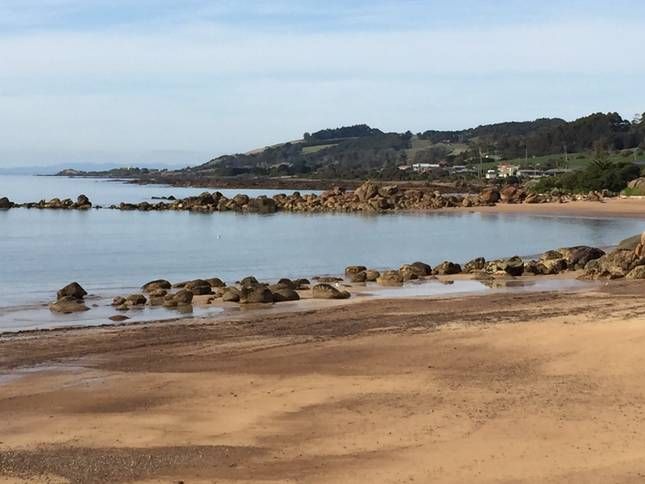
Clifton Beach proved to be a good spot to revisit.

After sending Mario this list yesterday, he replied that although coconut oil and vanilla is readily available, the remaining items may not be. After discussing this yesterday, we decided to purchase the remaining items while we’re still here and ship them to Savusavu.

This appears to be a wallaby, not a kangaroo.

With the high excess baggage fees for Fiji Air, it’s not possible to include them with our luggage, certainly not enough to last us for a total of four months on both islands in Fiji.

You may ask, “Why do we choose to live in such remote locations?” The answer for us is clear, “We love living in remote locations, close to the sea without the hustle and bustle of city life and yet have the option to travel to the city to enjoy the culture, all the while living a life as if we were locals.

Seven percent of the residents in Savusavu are ex-pats obviously choosing this location due to the fact that they love its beauty, climate, and availability of services and products that fits their needs. If they love it, most likely we will as well.

This wallaby family was curious as we walked along the bordering trail.

With our list ready on the grocery app on my phone, we’ll begin to purchase these items over the next several weeks of grocery shopping, accumulating our inventory as we go based on the availability of the items at the local grocery stores.

Tomorrow, we’ll stop at the post office to check on the cost of shipping the package based on our estimation of the weight of the items. We saved a cardboard box from a shipment of supplies we received from the US last week (containing jeans for Tom, tee shirts, shoes, and contact lenses for me) and we also have a roll of shipping tape. 

During our past visits, they ran off. This time, they watched us for a while and then ran off.

Mario explained that we’ll send the package to his post office box and once we arrive, we’ll be required to meet with the customs officer to go through the box to determine if we have any banned products.

In checking online for what can and can’t be imported to Fiji, we don’t expect any issues. Ideally, we’ll arrange for the package to arrive a few days after we do, allowing us time to set up the appointment with the customs officer. 

We recall the necessity of this same process on the island of Madeira, Portugal when our package arrived requiring a trip to Funchal to meet with and go through the items with a customs officer showing him our receipts for the items in the box, all of which were accepted without issue.

Even the horse by the fence made eye contact with us. Animals are not unlike people in that they revel in interaction.

Soon we’re off for the fitness center with a plan to return shortly afterward so Tom can watch the first preseason Minnesota Vikings football game using our HDMI cable to watch it from his laptop to the HD TV.

Although not a football fan, I’ll do some baking this afternoon which will give me an opportunity to begin to calculate the amounts of the above products we’ll need to purchase to send to Vanua Levu. 

Have an excellent day! We plan to.

                                           Photo from one year ago today, August 10, 2014:

Although it was a rainy evening we had a fabulous time on a gourmet dinner cruise on the Seine served with multiple bottles of wine, some of which Tom enjoyed and easy adaptation to my way of eating allowing me to have most of the offered items. It was a perfect night. Please click here for more photos, a video, and details.

The advantages of early bookings…Upcoming US football season…Is Tom going to watch the Vikings games?

This view could be a tropical island anywhere in the world.

Since booking our last three cruises over these past few months, Tom has noticed those cruise fares have increased substantially: one for US $1100, AUD $1484; the second for US $900, AUD $1213; the third for US $800, AUD $1078, for a grand total of US $2800, AUD $3774. 

Throughout our travels, we’ve often been asked why we book future travels so far in advance. This is the main reason. If booking a venue at a great price, we’ve never been contacted requesting we pay a new higher price.  In other words, when booking travels the lowest price at which we can “lock-in” the price, will hold until the booking occurs.

Deadman’s Gully is an ideal habitat for crocs.

However, booking airline tickets, car rentals, or vacation homes at a higher price will seldom allow us the benefit of a price reduction which may eventually be posted online. With penalties for canceling and re-booking these types of travel accommodations, we have to face the reality that price changes will occur from time to time. 

We could hear the birds hovering over this area which also is considered a natural habitat for birds.

In booking cruises, it’s different. On several occasions, it’s been to our benefit to request a price reduction on a previously booked cruise as long as it’s before the 90-day-before-sailing window or when the final payment is due. The cruise lines and booking agencies allow one to take advantage of fare reductions. It’s up to the customer to continually check for fare reductions. The agency or cruise line will not do this for the customer.

With seven upcoming cruises booked, Tom has gotten into the habit of checking daily for price reductions. This has served us well over these past 11 cruises and hopefully will continue to benefit us going forward. Ironically, he also notices fare increases as noted above, confirming that early bookings make sense.  

The beach in this area was desolate.

The only disadvantage of booking early for any travel-related event is the usual requirement to pay well in advance, as often as two years before the event occurs. 

Often, when booking certain hotels using the links on our site we get booking perks. Each hotel night we book accumulates points toward future hotel bookings. To date, we’ve received three free nights with more pending, keeping in mind that we seldom stay in hotels for more than one night, except for a year ago when we spent two weeks each in Paris and London.

A safe walkway into the rainforest in Clifton Beach.

Once we’re situated in Fiji next month we’ll begin to work on filling the holes in our schedule when doing so requires the expenditure of more upfront cash and a better wifi connection which we’ve been assured is the case. In the past few years, Fiji has updated their wifi country-wide with a supposed good signal for all residents.

With little heavy rain in these past few weeks, this area contained little water as compared to when we visited a few months ago.

On to another timely topic…Tom’s planning to watch the Minnesota Vikings football games, beginning with the first preseason game when it’s broadcast Sunday night at 8 pm central time. 

He won’t be able to watch the game here until Monday based on the time zone in Australia. If he waits to watch it, he can avoid the commercials but bears the risk of seeing the results online. He can actually watch it live on Monday morning at 11:00 am which most likely he’ll do. Tom is one of those that really don’t like to hear the results before watching the game. 

We’d hoped to see a kangaroo pop out of these woods but no such luck.

While we’re still in Australia he can plug in the HDMI cord into the HD TV to watch the games.  n Fiji, without a TV, he’ll have to watch the games on his laptop as will be the case for all shows we chose to watch while living in Fiji. 

These grill areas are available to any who’d like to use them at no cost. It’s pleasing to see how those who’ve used them, have left them in spotless condition. One wouldn’t find this to be the case in every country.

As many viewers chose, adapting to watching movies and other media on tablets and other small screens is easy. During most of our travels, we haven’t had access to an HD TV (or any TV for that matter) and have easily adapted to watching the small screen.

As for another matter, this morning, when I prepared to shower grabbing a towel off the stack of fresh towels on the floor in the bathroom (we’d filled the intended towel drawer with toilet paper and other toiletries leaving no room for the stack of towels) there sat the largest spider I’d seen since we were in Africa. 

Clifton Beach is a beautiful sandy beach with few visitors.

Sure, I could have gone to grab the camera for a photo, but I feared that it would get away before we got back.  Although I didn’t scream, squeal, or otherwise, I did ask Tom to put on his shoes and help dispose of them.  From reading online it could easily have been the relatively harmless large Huntsman Spider is known to eat household insects. 

The mailman stopped his bike to chat with us!

However, we couldn’t be certain as to the type with literally hundreds of species in Queensland. Tom grabbed the towel with the spider still on it outdoors to the wild area in the yard, shaking the towel to release it. 

We both been surprised by how few insects we’ve spotted indoors in Australia. The biggest annoyance has been  the flies that somehow find their way indoors even though the doors and windows without screens are always kept closed. 

We weren’t sure why these boulders had been placed at this spot on the beach.

This morning, we were awakened once again at 4:51 am from the screaming birds, the Curlews, living in the bush in the yard. It’s like no noise we’ve ever heard in the past.  One would think their legs are being torn off when in fact they’re happily living their lives, most active at night.

Life is unique wherever we may be. Adapting to the differences has become easy and familiar to us. Once we arrive in Fiji, we’ll experience an entirely new range of differences to which we’ll hopefully adapt in no time at all.  We’ll keep our readers apprised of these differences.

Happy weekend to all!

                                               Photo from one year ago today, August 9, 2014:

We didn’t post any other photos than the above on this date one year ago. We were out the door early to head to the Louvre. With such a busy day, we didn’t post until the next day. See the post here.