
The following story is from Travel+Leisure online magazine here:
“These Are the Most Turbulent Flight Routes in the World—and No. 1 Flies Through Air Notoriously Called ‘Mountain Wave’
A bumpy bout of turbulence can be an uncomfortable experience. By Michael Cappetta, published on January 15, 2026
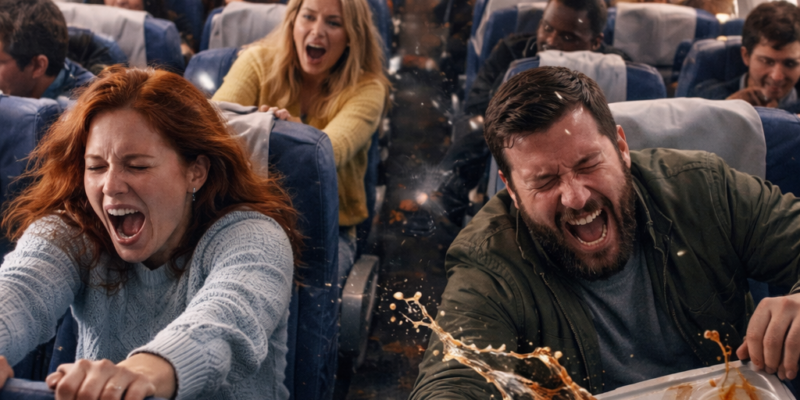
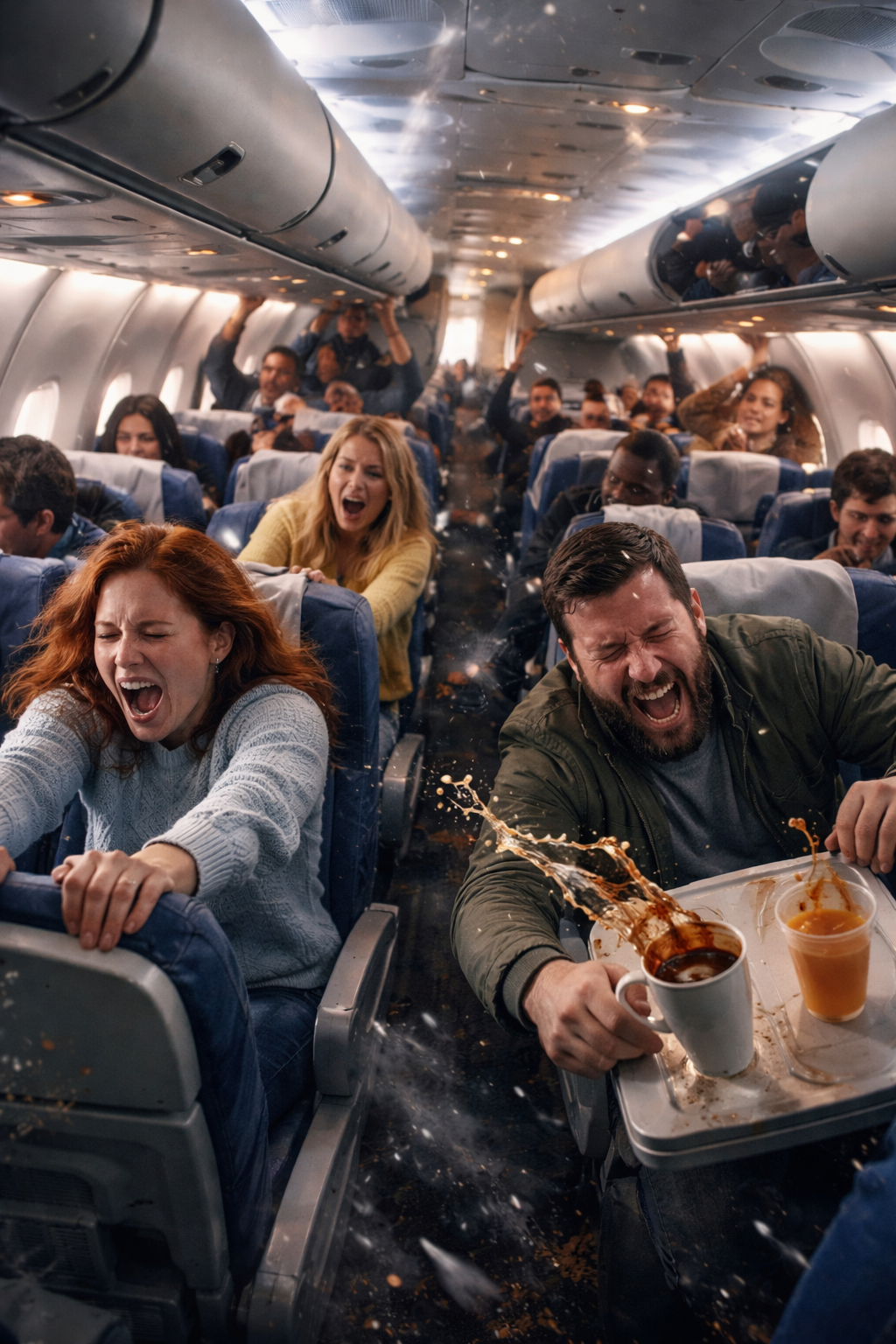
A bumpy bout of turbulence can be an uncomfortable experience, but a new report has revealed that some air routes are more prone to rougher skies than others.
The route between Mendoza, Argentina’s El Plumerillo International Airport (MDZ), and Santiago, Chile’s Arturo Merino Benitez International Airport (SCL) was the most turbulent global route for 2025, according to a report from turbulence tracking site Turbli. It was the second year in a row that the route, notoriously nicknamed “mountain wave,” came in as the bumpiest in the world.
Within the United States, travelers in the mountainous Southwest were more likely to experience turbulence, according to the report.
The most turbulent route in the U.S. was between Denver International Airport (DEN) and Jackson Hole Airport (JAC), followed by flights between Albuquerque International Sunport (ABQ) and DEN. The route between JAC and Salt Lake City International Airport (SLC) rounded out the top three.
Several cities made frequent appearances in the top 10, including Bozeman, Salt Lake City, and Denver. In fact, DEN was ranked the most turbulent airport in the US. and the seventh most turbulent airport in the world.
To determine its rankings, Turbli analyzed measurements known as the Eddy Dissipation Rate, which is used in aviation to assess turbulence intensity.
In general, passengers may experience stronger turbulence in mountainous areas during winter months due to the jet stream, the company noted.
“Despite the chaotic nature of turbulence, there is a clear seasonal change in turbulence driven by the seasonal changes in wind, which is what triggers turbulence,” Turbli shared in its report.
Turbulence is also generally getting worse with the increase of extreme weather events. A 2023 study found that severe clear-air turbulence became 55 percent more frequent in 2020 than in 1979.
While potentially nerve-wracking, turbulence is an entirely normal part of flying. However, it could lead to injuries if passengers don’t follow the airline crew’s safety protocols, such as buckling their seat belts.
“While turbulence is normal and happens often, it can be dangerous,” according to the Federal Aviation Administration (FAA). “Its bumpy ride can cause passengers who are not wearing their seat belts to be thrown from their seats without warning.”
Nervous passengers can look up turbulence forecasts for their flight on a free app or even opt to call up a pilot who will go over everything that happens on a flight so they can board with confidence.”
If the thought of air turbulence on an upcoming flight makes your stomach tighten even a little, consider visiting the Turbuli website before you go. Checking turbulence forecasts in advance can be surprisingly reassuring, offering a sense of control and calm, especially for sensitive flyers who simply want to board with a bit more peace of mind.
Be well.
Photo from ten years ago today, January 18, 2016:
