A post from seven years ago…Has much really changed?…

Although rocky, the sandy beaches are beautiful.

“Fascinating Fact of the Day About Ireland”
“Rotunda Hospital in Dublin opened its doors in 1745. It is the longest-running
maternity hospital in the world.”

                             
We can’t quite grasp the fact that we’ll have been traveling the world for seven years in a little over four months, although we began posting in March 2012, before leaving the US. It’s interesting to look back at those old posts to see if we’ve changed our views and perceptions. Often, we’ll read a post from so many years back on the same date.

On June 20, 2012, ironically, we wrote the following, in part, at this link:

“The uncertainty of the quality of medical care in the many countries we will visit undoubtedly presents us with cause for concern. Overall, we are both in relatively good health after working so hard to improve it these past few years.

With our healthful low carb diet of organic, grass-fed meats and produce, exercise (mostly me), reduction in exposure to toxic chemicals in our home, low stress, and a happy relationship, we feel we can manage our few complaints easily from afar.

Fishing boats in the bay.

Our doctor will be available via the Internet should we have questions, and we’ll be well-armed with a wide array of preventive and emergency medications should an illness arise. In the past almost year, neither of us has had a cold, a virus, or illness requiring a trip to the doctor.  

Our recent medical appointments have been for the sole purpose of reviewing our travel medications, receiving our vaccinations, and having blood tests with an annual exam thrown in for good measure, all of which showed tremendous improvement from a few years ago. We are hopeful.

AWe should be fine if we don’t get bitten by a snake or warthog, break a leg, or have a sudden gall bladder or appendicitis attack, But, of course, we must plan for the possibility of illness in the following manner:

  • Emergency evacuation insurance
  • Supplemental insurance for Jess (Medicare won’t pay for any care out of the US). Only 60 at retirement, Tom will be covered by his regular insurance.  Proof of insurance documents.
  • Prescription processing from afar (as mentioned in prior posts, we’re awaiting a response from our prescription plan as to whether they will provide us with 12 months of prescriptions at a time).
  • Emergency medication for infections, bee stings, and allergic reactions (Epipen), and gastrointestinal distress.
  • Copies of all of our immunizations (proof of yellow fever vaccine required with passport upon entry into Kenya).
  • Copies of all of our prescriptions (if we are asked during customs inspections or through security).
  • First-aid supplies: Bandages, antibacterial and cortisone creams, alcohol, hydrogen peroxide (small bottles).
  • Over-the-counter medications.
  • Vitamins/Supplements we currently use.
  • Medical records for both of us (scanning these).
  • Optical needs: extra sets of glasses/prescription sunglasses for Tom,  three years of contact lenses for me.  Both of us are yet to have our final optical appointments.
  • Final dental appointments and supplies: Our teeth will be cleaned two weeks before leaving the US while visiting Las Vegas over Christmas. The past few years, we both had all the crowns done that we’d needed.  
  • Copies of our living wills and legal designation for medical advocacy in the event of an emergency.
    It was hard to determine how this building crumbled.
A neat stack of medical forms and documents sits on our kitchen table with post-it notes reminding me to complete the above tasks on the appropriate dates.  
 
This Saturday is the free shredding event. After going through every file folder, cabinet, drawer, and piece of paper in our entire home, we are ready for the event. No words can describe the freedom we feel from unburdening our lives with paper.  
Other than the required medical documents, passports, and travel documents we’ll need to have on hand, we’ll leave a “paper” life behind us instead of relying on the latest technology to provide us access as required. Yeah, for technology! Without it, planning for this adventure would be more of a headache than it already is!”
Another pretty beach scene.
At that time, we posted very few photos. Neither of us was adept at photography and assumed we could take pictures for the blog using our phones. Smartphone cameras weren’t as good then as they are now. It didn’t take long for us to purchase our first, second, and third cameras, each time upgrading.

These days, we’ve seen many great photos taken with smartphones but now, after using a camera for so long (we have two), we have no interest in going back to the phone for photos.

But, as I reread through the above, not having read it in seven years, I was amazed at how little we’ve changed. Plus, unknown to us at the time, our insurance concerns were well-founded as we continued to deal with my recent open-heart surgery issues.  (I won’t get into that here today, as they continue to avoid reimbursing us for the many expenses we paid out-of-pocket).
House on a hill overlooking the sea.
And yes, we continue to avoid having “papers” in our possession, cluttering our luggage and our lifestyle. As for prescriptions, recently, I refilled everything I needed for six months in South Africa.  

When refills are due, I’ll be able to order them through ProgressiveRX, having them shipped to wherever we may be at the time. Hopefully, I have enough meds to last until we arrive in the US and deal with more prompt mail service than some countries.

Of course, since the above dates, we’ve both turned 65 (and now over 65) and could no longer use the insurance we had when we started. Medicare doesn’t pay outside the US, so before that time, we arranged for the insurance we now have that we can’t cancel until we find another option and they pay the claims.  So far, no luck in either situation.
Painted sheep grazing in a field.

Many of the supplies we mentioned in the old post have long since been eliminated from our bags. We don’t have space for many supplies with only one extra (third bag between us). In most countries, we can purchase a close alternative to any items we may need.

Tomorrow, we’ll share photos and stories of yesterday’s sightseeing outing.

May your day be filled with pleasant memories of times past.

Photo from one year ago today, June 20, 2018:

Little Wart Face, whom we later called “Little,” was so warm during yesterday’s 34C (93F) he climbed into the cement pond to cool off! We couldn’t stop laughing. After he exited the pond, he found a shady spot for a nap. For more photos, please click here.

Loving the countryside…Ruins…The Belted Galloway…

From this site:  “In 1842, a German writer and geographer called Johann Georg Kohl traveled around Ireland, publishing an account of his journey the following year. “Of all the countries in the world,” he observed, “Ireland is the country for ruins. Here you have ruins of every period of history, from the time of the Phoenicians down to the present day… each century has marked its progress by the ruins it has left. Nay, every decade, one might almost say, has set its sign up on Ireland, for in all directions, you see several dilapidated buildings, ruins of yesterday’s erection.”

“Fascinating Fact of the Day About Ireland” 
“Ireland has made many trading partners over the last few decades. Today, the United States accounts for 20% of Ireland’s exports, while the United Kingdom accounts for 38% of the country’s imports.”

We’ve been out each day since we arrived in awe of the wonders surrounding us.  From the ruins of various buildings to cattle, sheep, donkeys, and horses along the road in our “neighborhood” (so to speak), any drive on which we embark provides a plethora of photo-worthy scenes.

This area of Connemara is not necessarily a hot summer vacation/holiday spot compared to many other European locations. We’ve seen several B & Bs and a few hotels, resorts, and holiday designated areas. Based on its online booking calendar, this holiday home is almost totally booked for the remainder of the year.  

A Belted Galloway cow. From this site:  “Belted Galloway cattle originated from western Scotland, a region whose weather is strikingly similar to Ireland’s damp climate! This makes Belted Galloways perfectly suitable for the wet, cold winters and the soft boggy terrain of Irish farms. Their long, curly outer coat is ideal for rainy weather, as its coarseness deflects moisture from the animal’s skin. They also have a soft undercoat to keep them warm in colder temperatures. The head of the Belted Galloway has long hair around its ears, preventing frostbite in a case of an extreme Irish freeze. Common nicknames for these cattle are ‘Belties’ or even ‘Oreo Cows’ due to their peculiar resemblance to the popular treat!”

Whether tourists have come here to do something comparable to our plans, sightseeing or visiting relatives, they come to this area and love it.

The rough and uneven terrain and the boggy landscape aren’t ideal for walks on the beach or gaining access to the ocean for swimming or snorkeling.  However, several beaches are within a two-hour drive for swimming and enjoying the ocean-related activities, although the cool weather may easily be a deterrent.  

We spotted several Belted Galloway cattle in the country.  The last time we’d seen this breed of cattle was while living in New Zealand in March 2016.  See our link here.

Perhaps when it’s officially summer here in June, it will warm up a bit.  The average summer temperature is between 17.7 C, 64F and 20C, 68F, still very cool. This morning upon awakening, it was only 9.4C, 49F, and now at 10:00 am, it’s a paltry 12.7C, 55F, not necessarily good weather for swimming, snorkeling, or boating.

For us, this isn’t an issue. I must admit I am thoroughly enjoying the cool weather after the heat during our 15 months in Africa. We’re more interested in the historical aspects, researching Tom’s ancestry, and, as typical for us, immersing ourselves in local culture while we make every effort to blend in.

As we drove through the countryside in Connemara, we were amazed by the number of ruins.

The kindly people we’ve met thus far seem delighted with the fact that Tom is almost 100% Irish based on a DNA test he did a few years ago through Ancestry.com, where he’ll spend hours each week in research and building his family tree.

In US records, he hit a wall. His ancestors immigrated to the US from Ireland from the 1830s, and he’s updated his family tree to the best of his ability and the availability of records available to him.  

To go further back to continue building the family tree, it’s necessary to research records from right here in Ireland that may not have been uploaded to the Internet and stay as paper files in churches, governmental buildings, and public record-keeping facilities.

From this site In Ireland, large-scale domestic and industrial peat usage is widespread. In the Republic of Ireland, a state-owned company called Bord na Móna is responsible for managing peat extraction. It processes the extracted peat into milled peat used in power stations and sells processed peat fuel in peat briquettes used for domestic heating. These are oblong bars of densely compressed, dried, and shredded peat. Peat moss is a manufactured product for use in garden cultivation. Turf (dried out peat sods) is also commonly used in rural areas.”

Fortunately, through years of research, he’s been able to determine many of the towns and counties where his ancestors lived and worked. It is some of these locations we’ll visit in our time here. 

He’s beginning to research the possible locations where such records may be found. We hope to travel to one new place each week, giving us a further opportunity to explore this scenic country while stopping along the way to go through various records at specific facilities.

Depending on the weather and how I’m feeling, we plan to go on our first exploration next week, having left this week to get settled, grocery shopping, and get into a somewhat familiar and comfortable routine.

A handsome horse at a pasture with other horses a few doors from our house.

A part of the joy of living in various countries throughout the world is when the time comes that we feel we fit in, especially when we have the opportunity to socialize with locals. As always, it’s entirely up to us to create a social life of some semblance.

There are numerous popular pubs we’ll visit in the town of Clifden, where we grocery shopped at the fabulous SuperValu market, purchased SIM cards, and walked up and down the busy streets. There were numerous pubs and restaurants we’d visit during our time here.

We’re looking forward to sharing more and more with our loyal readers, again, whom we thank again for staying with us during the trying past three months. May your lives be filled with exceptional experiences. 

Photo from one year ago today, May 17, 2019

It was surprising how many boats were on the Zambezi River at sunset.  For more photos of the river cruise, please click here.

Attention guests and visitors, like us, to Marloth Park….

Yesterday, as we drove along the Crocodile River in Marloth Park, we spotted this parade of nearly 30 elephants enjoying their time in the river. Notice the littlest one!

“Sighting of the Day in the Bush”

Our resident francolin, aptly named Frank, stopped by the pond contemplating taking a drink.
Moments later, he bent down and took a long drink. We love Frank and the Mrs. who spend their days and nights in our garden, loudly squawking at sunrise and sunset,

We are visitors, renters, tourists, or whatever you’d like to call us to this magical place, Marloth Park, South Africa. We have no specific rights or privileges beyond what our rental agreement provided to us through the landlord, property manager, or owner. 

We pay an agreed-upon rate, and with it comes specific amenities, often including the use of household goods, utilities, cable TV, Internet, appliances, and in many cases, housekeeping services in varying degrees.

It is a privilege for us to be here. It never does one day pass without us realizing and appreciating the opportunity to partake of this unique, enriching, and charming environment.
It’s always enjoyable watching the young calves playing in the water, discovering the wonders of their trunks.

Over these past few days, the summer holidays (it’s winter here now) for visitors from the northern hemisphere have begun, and we see an influx of visitors and cars in astounding numbers.

As we drove through the park yesterday afternoon on our usual almost daily drive to spot wildlife, we saw more walkers, bikers, and vehicles near the Crocodile River than we’ve ever seen in the total of over seven months we’ve spent in Marloth Park in the past four-plus years.

One can easily look online to read the “rules of Marloth Park” at several websites, some that apply to all occupants, whether owners or holidaymakers and many that specifically apply to ownership of property in Marloth Park.

We felt so fortunate to see this, which only enhances our love of Marloth Park.

However, today, we won’t list those rules, and if you’d like, you can look for them here at this link. Instead, we’d like to post our perspective from a “renters point of view” as to the responsibility we all have in maintaining the integrity of what this outstanding conservancy is all about, a harmonious and thrilling environment where wild animals freely roam the gardens of houses, parklands, and roads throughout the area.

It’s truly a privilege to be here. As we’ve traveled the world over these almost past six years: homeless, no car, no storage, and with minimal possessions in our few pieces of luggage, we’ve never heard of nor seen anyplace in the world like Marloth Park, nor do we ever expect to do so.

Back to yesterday afternoon, as we drove on Seekoei Street that runs along the Crocodile River, we encountered dozens of tourists walking, jogging, and riding bicycles. In one instance, we were shocked to see a man riding a bike while his two young children were riding bikes at a distance behind him.  

We couldn’t take our eyes off of them as they basked in the river.

He seemed oblivious of cars coming up behind them or the fact that there’s a lioness loose in the park. Only months ago, we wrote the story of Jonas, who was attacked by a lion while riding a bike (see that story here) here in Marloth Park.

Often, people feel they are invincible. It simply won’t “happen to them.”  But one only needs to spend a few minutes watching videos on YouTube to see lions in Kruger National Park attacking tourists “in their vehicle” while their windows were open to taking photos. These are wild animals, and unpredictably is a part of their demeanor.

All the animals in Marloth Park are wild and generally are safe “at a distance.”  But, unintentionally (or otherwise), a male kudu with massive antlers can easily injure or permanently maim an unsuspecting tourist attempting to hand feed these gigantic animals. A mere nod of his head can poke out an eye or cause a fatal injury.

Not all of the elephants nearby are shown in these photos.  We counted almost 30.

Some of the animals in Marloth Park carry diseases such as Bovine Tuberculosis (not necessarily transmittable to humans) and rabies. Why hand feed when it’s so easy to drop the “approved” pellets onto the ground? These animals are used to “eating dirt” and also dead plant matter when they forage. They don’t mind eating off the ground.

Also, we don’t use any trough or large containers to feed the animals.  Diseases such as TB are transmitted through their saliva dropping by the use of such containers. Would you want to eat from the same bowl others from which others had eaten (who possibly have a disease)?

Sure, it’s fun for kids to hand feed an animal. But, it’s common to see a wild animal in the park licking their own behinds or the behinds of their young to make one not so interested in hand feeding. Fecal matter can contain salmonella and an endless array of medical conditions, many of which may be life-threatening. 

With the electric fence between Kruger and Marloth Park, taking photos requires carefully getting the shots between the barbed wire strands in the fence.

Simply telling a child to “go wash your hands” after hand feeding is almost pointless. Have you ever watched your child wash their hands, especially when they’re anxious to get back outside and see the animals? Even adults can be lax in this area.

As for the wildlife feeding, we’ve heard stories of tourists (and some locals) feeding the wildlife potato chips, corn (which can be fatal), popcorn, leftover bread, sweets, and their leftovers from the restaurants or home-cooked meals. Most wildlife cannot digest these types of foods, and feeding them may result in illness or death.

Most of the animals in Marloth Park are either omnivores (plants and small animals) or herbivores (plants only), where they consume the leaves of plants, trees, and some roots (warthogs) and a variety of creatures such as insects and rodents. The few carnivores in the park may include mongooses, civets, genets, wild dogs, birds of prey, and more.

They stood in this same area for quite some time.

These carnivores (meat eaters) don’t need to eat (and shouldn’t eat) our leftover cooked, sauce-covered, seasoned braai chicken, pork, or beef. It is not natural for wildlife to eat cooked or spiced foods.

The two types of monkeys most prevalent in Marloth Park are the Vervet monkeys and baboons. These monkeys are very destructive and will do anything for food. They even eat the birdseed from our birdfeeder. We have to make a special effort to ensure no food is left on the ground or elsewhere for them when feeding other wildlife.

A few weeks ago, I left the door to the house open while I was cutting apples and carrots. A Vervet monkey ran inside onto the kitchen counter and grabbed a whole apple, and ran. I learned my lesson…keep the door shut when monkeys are around and never leave the door open unattended.

Well, some may think this is cute, but a monkey (or baboon) or more can wreak havoc in a house tearing everything apart while defecating everywhere while inside or even outside on the veranda. We never leave food on any plates or bowls anywhere which the monkeys may be able to access.

Often, when we experience such a sighting, a few people are observing along with us. Yesterday, there were dozens of holidaymakers taking photos as well.

A rule that has been disrespected by some has been bringing pets or other animals into the park. The animals in this special place can easily be contaminated by diseases carried by non-indigenous animals. 

Speaking of non-indigenous, one of the most prevalent concerns in Marloth Park right now is alien invasive plants, some from natural occurring means and others brought in by homeowners or visitors “decorating” the house or gardens.  

These plants are destroying the natural food sources for wildlife which ultimately could result in the loss of life for the precious animals we so love. Its imperative no visitors, owners, or renters bring any plants into the park. This is a “wild” habitat. Decorative plants defy the true meaning of the “bush.”

Also, a significant area of concern is the alien invasive plants presenting a substantial risk of fire. Invasive trees and plants can burn hotter, higher, and faster than any native vegetation. 

Care must be exercised in making and putting out fires for the braai.  We heard recently that a tragic fire could have destroyed Marloth Park when hot embers from a braai were dumped into a dry side garden. This place could incinerate in a matter of minutes, not hours, with all the dry brush and invasive plants and trees.

In the past week, it has been reported that several wild animals have been killed on the road by fast-moving vehicles. Yes, it’s possible a driver following the speed limit could accidentally hit an animal that darts out onto the road at night. Visibility is lacking on the tar and dirt roads throughout the park.

But, we all must take the responsibility of driving as if a child could dart out into the road at any moment, slowly and with the utmost of caution. Plus, driving slowly both during the day and at night is an excellent opportunity to spot more wildlife. Nothing is more exciting than stopping for a “traffic jam” of several giraffes (or other animals) crossing the road.

The wildlife is more likely to visit when noise is kept at a minimum. We make every effort to speak in normal tones and avoid loud bursts of sound to prevent frightening the wildlife. Of course, loud music or loud partying is prohibited in the park.

Please forgive us if we sound as if we’re “preaching.” That’s not our intent.  Instead, we want to ensure Marloth Park is as excellent in the future as it is today. We plan to make regular visits in years to come as we continue in our world journey.

Marloth Park is the only place in the world we’ve returned to visit in all these years of world travel. In many ways visiting this magical place has shaped us, changed us, and made us grow in our desire and passion for protecting and preserving wildlife and our surroundings wherever we may go.

Please join us in this mission while you visit, along with us, cherishing the gift Mother Nature has bestowed upon us humans…the joy and beauty of wildlife and our surroundings.

Enjoy your holiday time, as we will, in this extraordinary place.

Photo from one year ago today, June 25, 2017:

Margie, Tom’s sister, with one of her two birthday cakes. This photo was taken by nephew Joe’s wife Donna before our arrival around 4:30 pm. The party had started at 2:00 pm, and by the time we arrived the cake was cut.  Thanks for the excellent photo, Donna!  For more photos, please click here.

Visiting the bushbaby rehab centre here in Marloth Park…The cutest little creatures in the world…

What a face!  Lisa and Doc, the tiniest of the rescue bushbabies.

 “Sighting of the Day in the Bush”

Sweet Ms. Bushbuck stops by every day for a warm welcome and pellets eaten from my hand.  Its a treat for her and a bigger treat for us.

This morning awakening by 4:30 am, we were determined to get up and out the door early to head to Kruger National Park where we’d purchase an annual pass, called a “Wild Card” allowing us access at any time for a one-time annual fee.

Although we’d been to Kruger many times in the past, each occasion presented us with a wide array of new and unique experiences we’ve both longed to see once again; elephants on the road, crocs in the river; rhinos grazing in the savanna, giraffes lumbering through the trees, herds of cape buffalo and of course, the much sought after lion or leopard sighting and so much more.

Lisa makes little plates of food for the bushbabies which they nibble on for hours.  One of the less-well babies must be fed every three hours including during the night which Lisa doesn’t hesitate to do with unselfish love and concern.

A sighting of any one of the above and any others would provide for a highly successful day and we don’t hesitate in our desire to see these majestic animals in the wild.  But, after getting up and dressed and throwing open the massive wooden doors to the veranda, we found ourselves in a quandary…there were countless wild animals in our yard.  Should we stay or go?

Bushbabies like worms as well as soft foods.

Quickly, we loaded the yellow plastic container with pellets and grabbed a camera, finding ourselves entrenched in the scene before our eyes, we decided to wait until another day to visit Kruger National Park.

After taking countless photos and tossing and hand-feeding pellets to the many visitors that gradually wandered off to their next stop, we grabbed our coffee and tea sitting down at the big table on the veranda, ready to begin telling the story of last night’s visit to Lisa’s home a few kilometers from here.

The four bushbabies spend their quiet time together (they are nocturnal) inside this flannel bags in Lisa’s closet.  When we arrived, all four were awake and ready to see who’d arrived for a visit.

We’d heard so much about the tiny bushbabies Lisa’s been nursing to health as a part of hers and Deidre’s non-profit organization, Wild & Free Rehabilitation Centre based in Marloth Park and Hoedspruit.  We were anxious to see Lisa’s rescued bushbabies that she handles with the ultimate of love and care until they’re ready to be released into the wild.

This up close and personal experience was a treat!

Well, wouldn’t you know, no more than 10 minutes after we finally sat down to begin today’s post, the Internet went down.  After waiting 15 minutes, the message was clear, this would be a perfect time to head to Kruger, sign up for the Wild Card and spend a few hours driving through the park. 

Tomorrow, we’ll share our totally unexpected “safari luck” experience with some amazing photos we can hardly wait to post.  Who knew that late morning and midday self-drive photo safari would prove to be so exciting?  Perhaps, this purported morning window of opportunity doesn’t hold much water after all.

They are shy and yet curious little animals.

Anyway, back to the heartwarming visit to see the bushbabies and spend time with Lisa who graciously welcomed us into their home, serving snacks and wine. (Wow!  We’re always impressed with the hospitality of South Africans!!!)

They love for Lisa to massage and tickle them, moving around to accommodate her gentle touch.

As soon as we arrived at Lisa’s home (the same site where the bush movie and fundraiser for Wild & Free was held on Saturday night) she escorted us to her bedroom where she cares for four bushbabies who happen to reside in her bedroom closet, which by the way, was meticulously clean and tidy.

We simply could not believe our eyes!  We’ve seen bushbabies in both Kenya and South Africa, usually adults but never quite so close up.  With their big eyes, adorable faces and fluffy hair, they are quite a sight to behold.

The tiniest of the four needs a special tonic several times a day.

Watching Lisa interact with them while caring for their needs with special foods and medicines was indeed precious.  The dedication she has to this four little creatures is beyond reproach. 

Unfortunately, one of the bushbabies, aptly named, Special Needs,” suffers from a brain injury he received when negligently kept as a “pet” and later rescued by Lisa.  Sadly, he isn’t expected to survive much longer but Lisa is making his quality of life meaningful and loving in the interim.

Lisa shared a photo of this baby when he was the size of the end of her finger which may be found here on their Facebook page.

But, the remaining three are thriving and growing and, when fully prepared they will gradually be returned to the wild. There are few people who could so lovingly care for these tiny and magical creatures and Lisa, undoubtedly fits the bill.

They enjoy maneuvering around the various clothes in the closet.

After I fed Doc, the smallest of the three remaining (along with Apple and Bubba) I felt a unique affinity for these little creatures and plan to buy some bananas and yogurt for those that live in the trees near our veranda.

I had the opportunity to feed tiny Doc who slowly nibbled on the teaspoon.

Deidre, from Wild & Free whom we also met on Saturday night, stopped by last night while we all sipped on wine and snacked on biltong and chips while savoring the steady stream of visitors that freely come to their yard.  It was indeed magical.  Thanks to both Lisa and Deidre for making these past few evenings extra special for both of us.

We look forward to seeing them again in the near future and hearing when those precious bushbabies are able to fulfill their innate goals of living free in the wild in fabulous Marloth Park.  Who knows?  Maybe we’ll all see them again peeking out from their den in a tree on a warm and balmy night.

What a special experience!

Please stop back tomorrow for more breathtaking photos and our visit to Kruger National Park!

 _________________________________________________________

Photo from one year ago today, February 27, 2017:

Could it be more beautiful in Tasmania?  For more favorite photos of Tasmania as we wound down to our last day, please click here.

Surcharges are a necessary evil we chose while traveling the world…More wildlife photos from Costa Rica…

Look closely to see the face, only a mother could love, of a live crocodile behind a chain-link fence at Zoo Ave.

“Sightings from the Veranda in Costa Rica”

Tom’s photo, early this morning, of a cute dog that stopped by to say “hola.”

Definition of “surcharge:”

noun

1.
an additional charge, tax, or cost.
2.
an excessive sum or price charged.
3.   an extra or unreasonable load or burden.

Word Origin and History for a surcharge:

v. early 15c., from middle French surchargerfrom Old French sur- “over”
(see surchargier “to load” (see charge ). The noun is also first attested early 15c.

When most of us think of a surcharge, we believe in terms of an automatically imposed fee or tax added to a purchase over which we have little choice to accept as “the cost of doing business.”
Here’s a longer view of the above crocodile.

As world travelers these past five years, we find that we must bear the cost of a wide variety of surcharges that we chose to impart generally for the usual benefit of convenience.

Convenience is a huge factor in our financial lives. We choose convenience when we pay more than preferred or expected prices for many items, in an effort to ensure a better experience.
Let’s review some of these self-imposed surcharges, we encounter as a result of traveling the world:
1.  Baggage fees: Sure, we could travel “very light” hauling only backpacks and carry-on luggage. However, for the sake of having enough clothing, supplies, and digital equipment in our possession, we often pay excess baggage or baggage weight fees, depending on the airlines.
A curious turtle scurried quickly toward us.
2.  ATM fees: We do not go into banks or currency stores, paying exchange rate fees and credit card fees to obtain cash. More economically, we use ATMs to save money using our debit cards and thus incur only two fees; one, the cost of using the machine; two, the charge from our bank when using an ATM at an international ATM facility.
3.  Rental cars: At times, we pay higher fees for rental cars when we need a large enough vehicle to accommodate all of our bags; three checked bags and three carry-on bags.
4.  Medical costs: Recently, we incurred added medical fees to acquire a medical certification enabling us to board the upcoming Antarctica cruise, beyond the cost of the cruise itself. Soon, when we arrive in Buenos Aires, we’ll make an appointment at a travel clinic to update our vaccinations and get prescriptions for malaria pills prior to returning to Africa. We pay a premium for the few medications I use that aren’t covered by insurance and must be shipped to our location at any given time.
Turtles tucked away under the bushes.
5.  Tips: Particularly on cruises, we choose to add tips to the cost of the cruise at the time of booking which at this point, is running US $27 (CRC 15,372) per day. While on the ship, we may choose to pay additional tips for enhanced services and attention to detail befitting our convenience and experience.  In addition, for convenience, we may pay porter and bellman fees, depending on the circumstances.
6.  Flights:  On many airlines, they are now added extra fees for specific seats on the plane in the “coach” or economy section. At times, since we’re taller than the average passenger, we may choose a bulkhead seat or other seat with more legroom.
7.  Vacation Homes with added amenities: We prefer to rent a vacation/holiday home that includes Wi-Fi and all utilities paid, a pool, an upgraded kitchen with modern appliances and ample kitchen utensils, although we’ve had many exceptions. Of course, we always pay a premium for good views, which we’ve found is ultimately important to the our level of enjoyment.
8.  Mail and shipping fees: Since we’re unable to receive mail, piece by piece, in most countries, we often make purchases for clothing and supplies, accumulating them along with any snail mail that may arrive, placing them in one large box to be shipped. Most products we purchase include free shipping, but we must pay exorbitant fees to have all of the items sent to us at specific locations. For example, the box being shipped today which includes all the clothing we had to purchase for Antarctica, my new laptop and other supplies, we’re incurring a US $450 (CRC 256,199) shipping fee for the items to be shipped FedEx from Nevada to our upcoming hotel in Fort Lauderdale. This requires our mailing service to open all the arriving packages and boxes, toss the paper and packing materials and neatly place all the items in one box. Their fees imposed for this process are included in the above price.
A leopard atop a high perch.

9.  Internet/Wi-Fi/SIM card fees: We cannot travel without regular access to Wi-Fi; not at hotels, airports, and vacation homes. With our daily posts, photos and research, we chose not to be without Internet services for even a day. Ensuring a connection is always readily available often results in us paying added fees, including SIM cards for phone and data, when we chose not to pay the outrageous costs for roaming cell service in the US.

10. Visas – entering and exiting fees: Upon entering and exiting some countries, an arbitrary fee is charged for visiting their country. This is not the case in every country, but when we encounter such situations we may pay as much as US $40 (CRC 22,7773) at each immigration stop.
All of the above fees and more quickly add up to thousands of dollars each year. Although under many circumstances, we’ve opted for the lowest possible costs for each of the above, willing to forgo some conveniences, we’ve found paying these fees, although often begrudgingly, make life just a whole lot easier.
Sloths, known to by shy, are not easy to photograph when they tend to stay well hidden and out of sight.
We’re not backpackers. We don’t live in hostels. We don’t always use public transportation, preferring taxis and rental cars as an alternative. We aren’t 25 years old with minimal requirements. Nor, are we “high maintenance” always requiring the “best” of everything. Most likely, we fall somewhere in the middle, seeking a somewhat comfortable and somewhat convenient life as nomads.
May your life be comfortable and convenient.
Photo from one year ago today, November 14, 2016:
Tom’s shot of the sunset as we set sailed to our next destination. For more details, please click here.

Cozi family calendar…What a find!…Four days and counting…

Manly Scenic Walkway weaves through the park.

We’re impressed with the online Cozi Calendar app, which may be found at this link. As the time approached us to visit our three adult children, significant others, and six grandchildren in Minnesota, we wondered how we’d possibly keep track of upcoming events.

We’ll also be getting together with Tom’s siblings, their extended families, plus the many friends we hope to see during the six-week visit.

A walkway along the side of the house to Reef Beach Bay.

Sure, Microsoft Office/Outlook has a network applicable online calendar for employees within a company. However, on my laptop, I use a Windows calendar that requires a tremendous amount of work to acquire access for other users.

But, the reality is that not everyone in our family has access to Outlook or Windows, nor would they care to install a somewhat cumbersome app, not necessarily easy to learn.

Old tree with unusual bark.

After looking online for other options, preferably at little to no cost, I discovered the Cozi app, which includes a calendar and grocery lists, shopping lists, to-do lists, meal planning, and more. 

The magic of this app is that every family member can access the calendar (the only significant feature we need for a visit) by using my email and our designated password, established upon setting up the calendar. 

A large home was bordering the park with a guest house further down this paved driveway.

It took only a few minutes to set everything up. Our adult family members can now see and edit the calendar around events we’ve already entered and see what dates and times we’ll be available for more entries.

Stop and Go light with a mailbox on a cement wall at a private home.

Wow! This is working out well, and surprisingly, bless the hearts of our kids, filling in quickly. By the time we arrive in Minnesota on May 26th, we expect the calendar may be filled with plans with our kids, grandkids, other family members, and friends.

Undoubtedly, Tom and I, as a blended family, will occasionally have to separate to engage in activities with our biological kids and grandkids. But, at other times, we’ll all hang out together.

Boat in Reef Beach Bay always creates a lovely scene.

This free app is ideal for the busy family. Each family member can access the calendar (and other features such as adding or changing grocery lists) to see what activities are planned. The app may be used on various devices, including iPads, PCs, iPhones, Android phones, and most other WiFi-enabled smartphones and devices. 

Another pretty view between houses.

Both Tom and I have it on our phones and laptops for easy reference from anywhere. However, it requires an Internet connection to view, update and edit. If you have questions, feel free to ask me for help or their very responsive customer support. 

Now, as we’re winding down to a mere four days until we sail from Sydney, the busy work has begun.  Yesterday, I re-folded most of my clothes and packed my suitcase, leaving a little space for the few items I’ll be wearing during these next few days. 

Metal roof on a local house.

Today, I’ll scan all of our receipts, tossing the paper. Tomorrow, I’ll put together the final expenses for departure day’s post. Thursday, we’re heading to Manly to meet friends for dinner. Friday, we’ll complete the packing to be well prepared for Saturday morning when we’ll head to the cruise terminal. 

Vegetation in the local park.

This morning we prepared our final three-day meal for the last cooking we’ll be doing over the next almost three months. That’s nice. That’s really nice!

Be well.

Photo from one year ago today, April 18, 2016:

Walkway dining along the way to the Sydney Opera House, the East Circular Quay Sydney Opera House promenade Opera Bar. For more photos from one year ago after boarding Royal Caribbean Voyager of the Seas for a 14-night cruise, please click here.

Comment from a reader…Keep those comments and emails coming our way!…


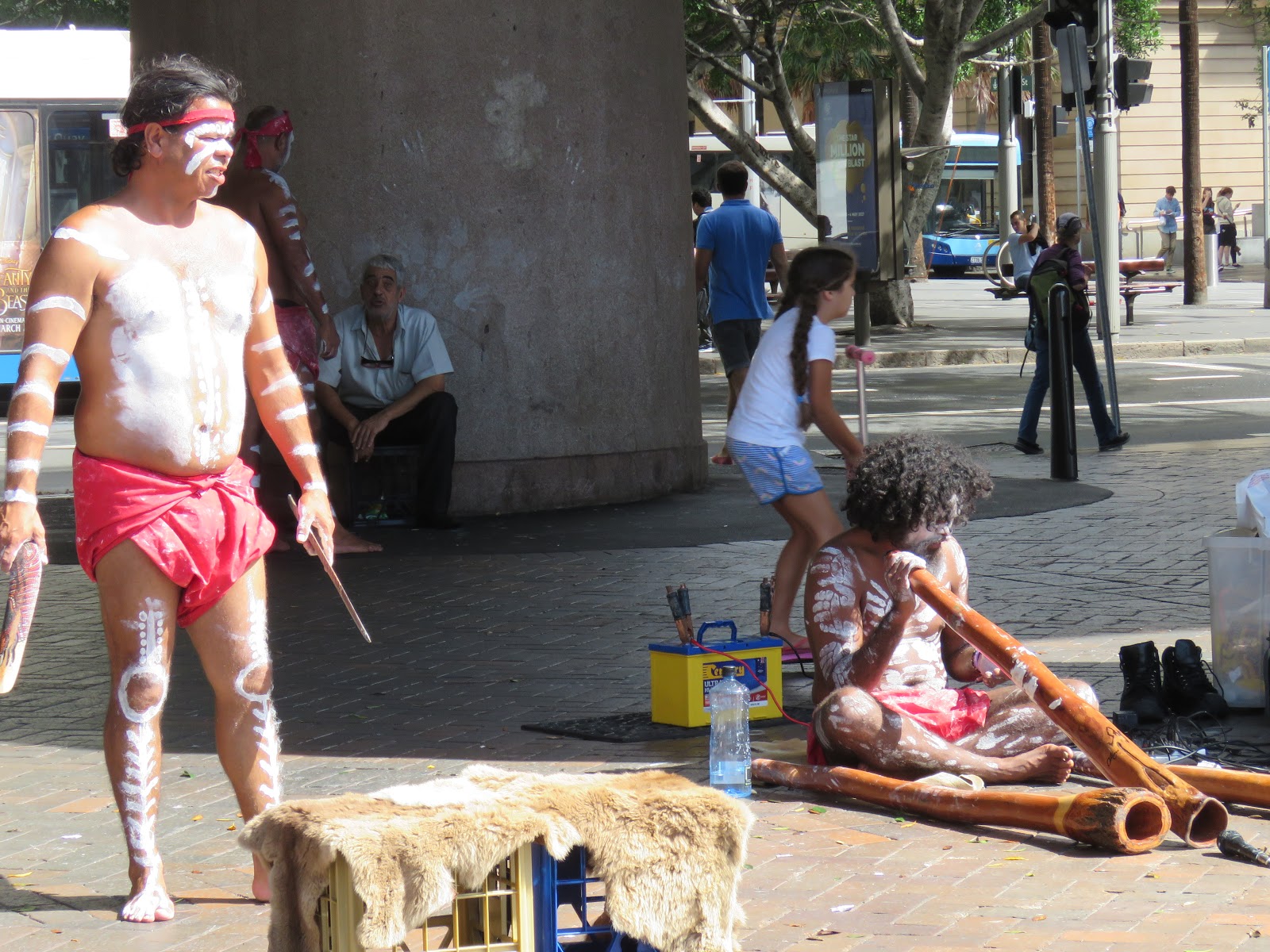
Painted performers at Circular Quay.

Regardless of the content (except offensive comments), we generally post comments we receive from readers. At times, we receive comments daily, and at other times, we may not hear from our worldwide readers for several days.

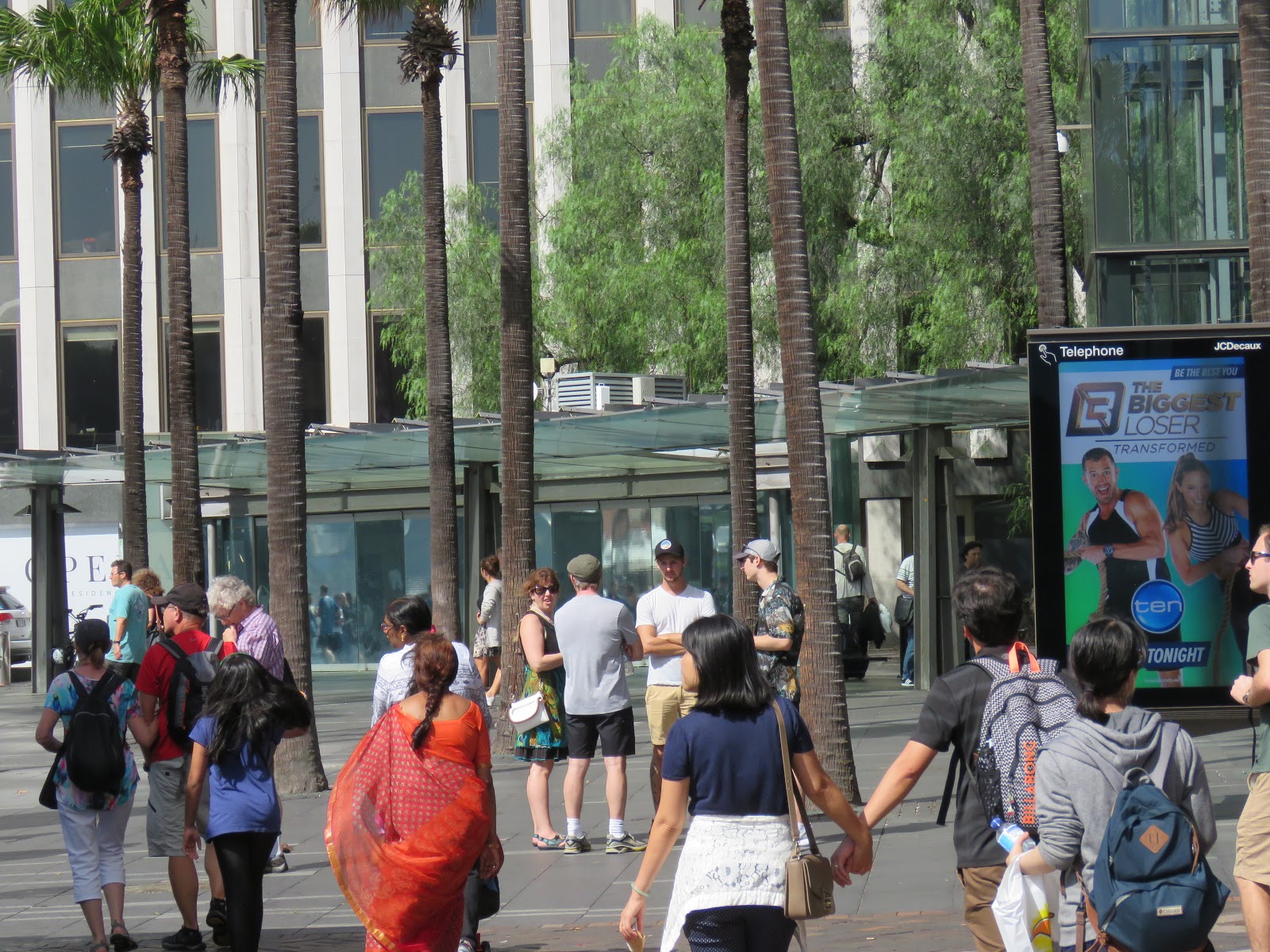
Visitors from all over the world visit the popular area of Circular Quay.

As we’ve mentioned in the past, we love hearing from our readers and promptly reply within 24 hours, usually earlier, providing we have access to the Internet. The same goes for email, even when we may receive dozens of email messages within any 24 hour period. 

Some of the comments we receive are spam, advertising for a wide array of products and services, none of which we care to share with our readers. However, if we encounter a product or service that may benefit our readers (such as a coupon for products they may use), we may mention it within the body of a post.

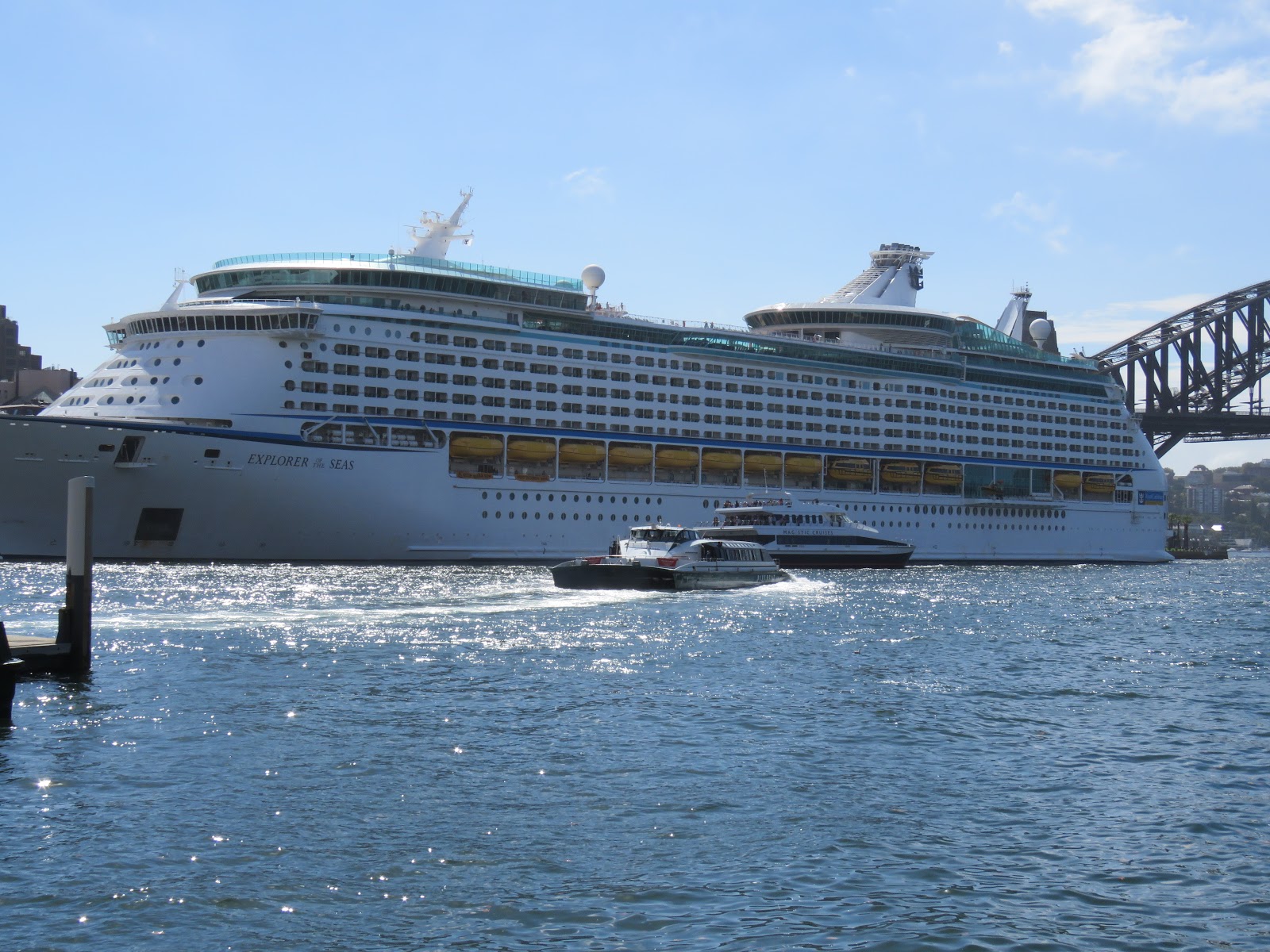
This is the ship, Royal Caribbean Explorer of the Seas, that we hope to be able to board on April 22nd to bring us back to North America for a nine-week family visit.

A few days ago, we received the comment below from a newsreader that makes us chuckle. Of course, we were happy to have the new reader onboard, but it confirmed how misleading it could be to start reading our posts part way through.

Reader said…

“OK, silly question, If you are gone for more than a month, why not have a lawn service cut your grass? I am new to your blog, and you might address it. We are going to be doing some of this once we retire.”    

Jessica said…

“Dear Reader,

Perhaps you haven’t had an opportunity to read more of our posts, but actually, we sold everything, and we don’t have a lawn, a house, a car, or storage. So instead, we have 3 checked bags and 2 carry-on bags as we travel the world for 53 months to date. Thus, no lawn to mow.

Thanks for stopping by,
Jess & Tom”

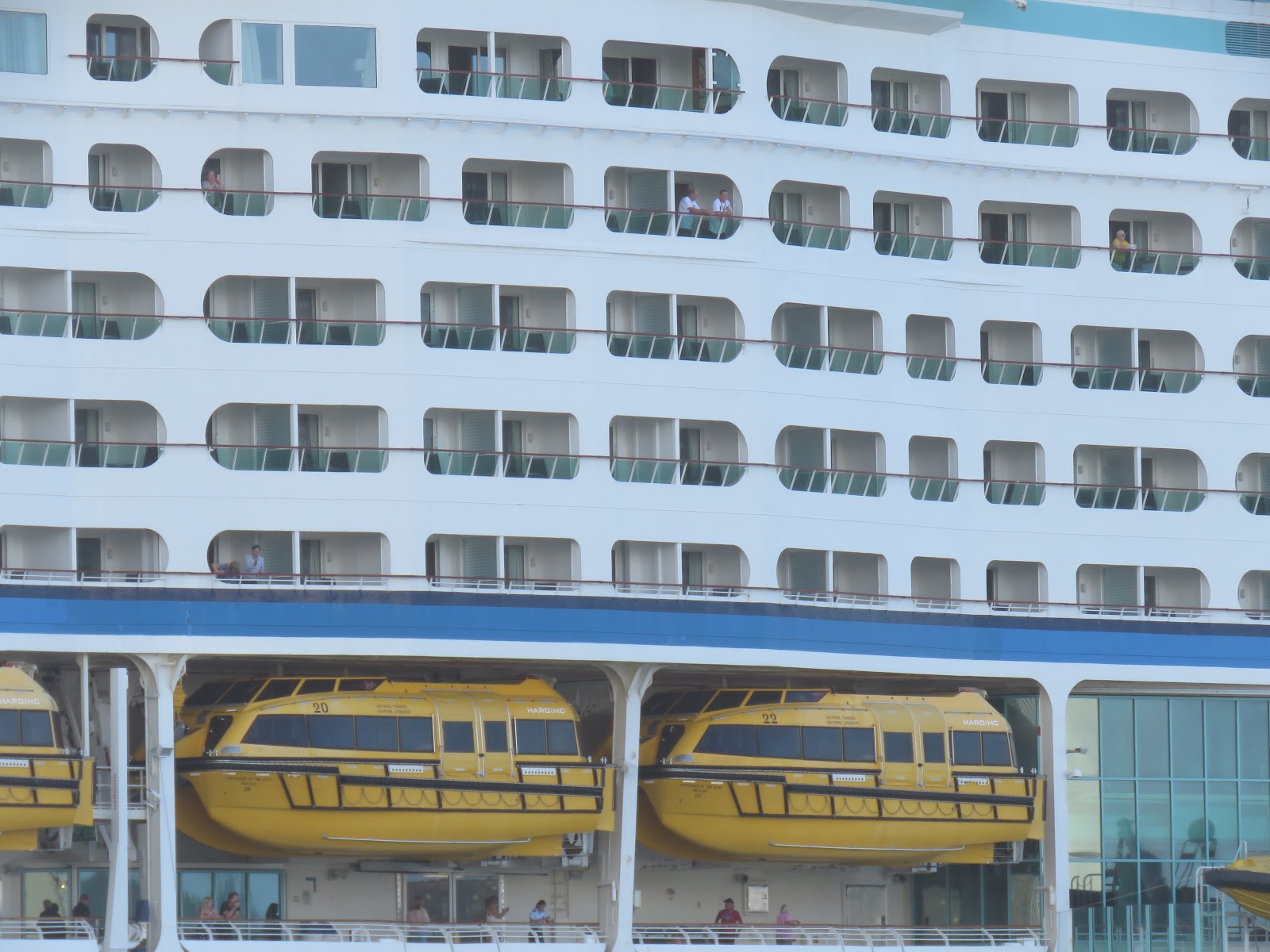
Our upcoming cabin is located two decks above these two lifeboats in the approximate center in this grouping.
In jumping into our almost 1700 posts (today is post #1699) out-of-sequence would make it impossible for a reader to grasp the comprehensive nature of our five years of posting (beginning on March 15, 2012) and the life changes we’ve made to embark on this journey over the past 53 months.
We certainly understand how reading partway through our story could be deceiving as to how and why we’re living this nomadic life. Most would assume we have a condo, house, or apartment somewhere, a place to go to repack, do laundry, catch up with family and friends and take care of business.
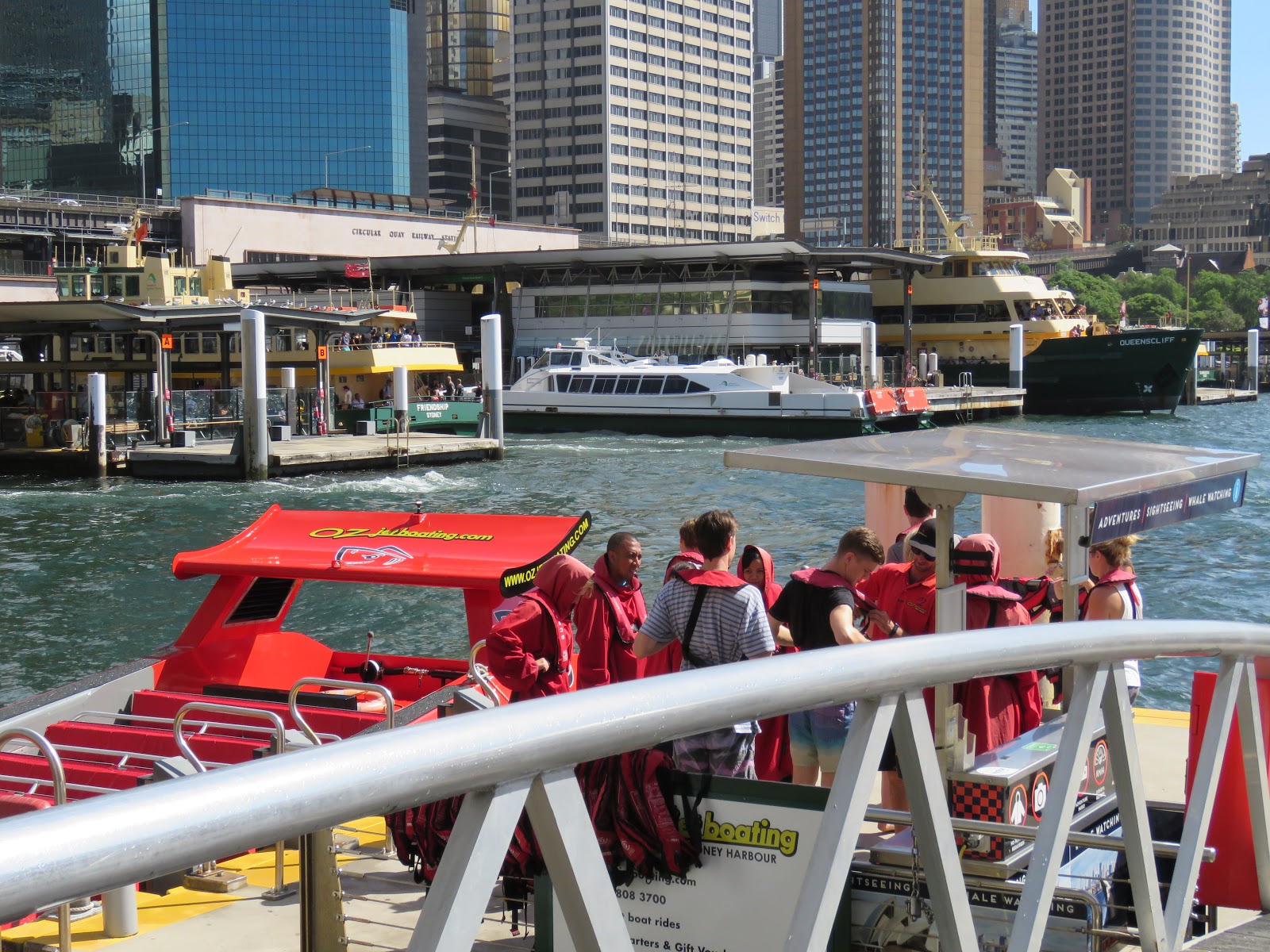
Tourists dressing in rain gear to partake in a high-speed boat tour in Sydney Harbour.
Alas, we are wanderers, free from the encumbrances of owning “stuff,” opening mail, washing windows, and of course, “mowing the lawn,” as the writer mentions above. 
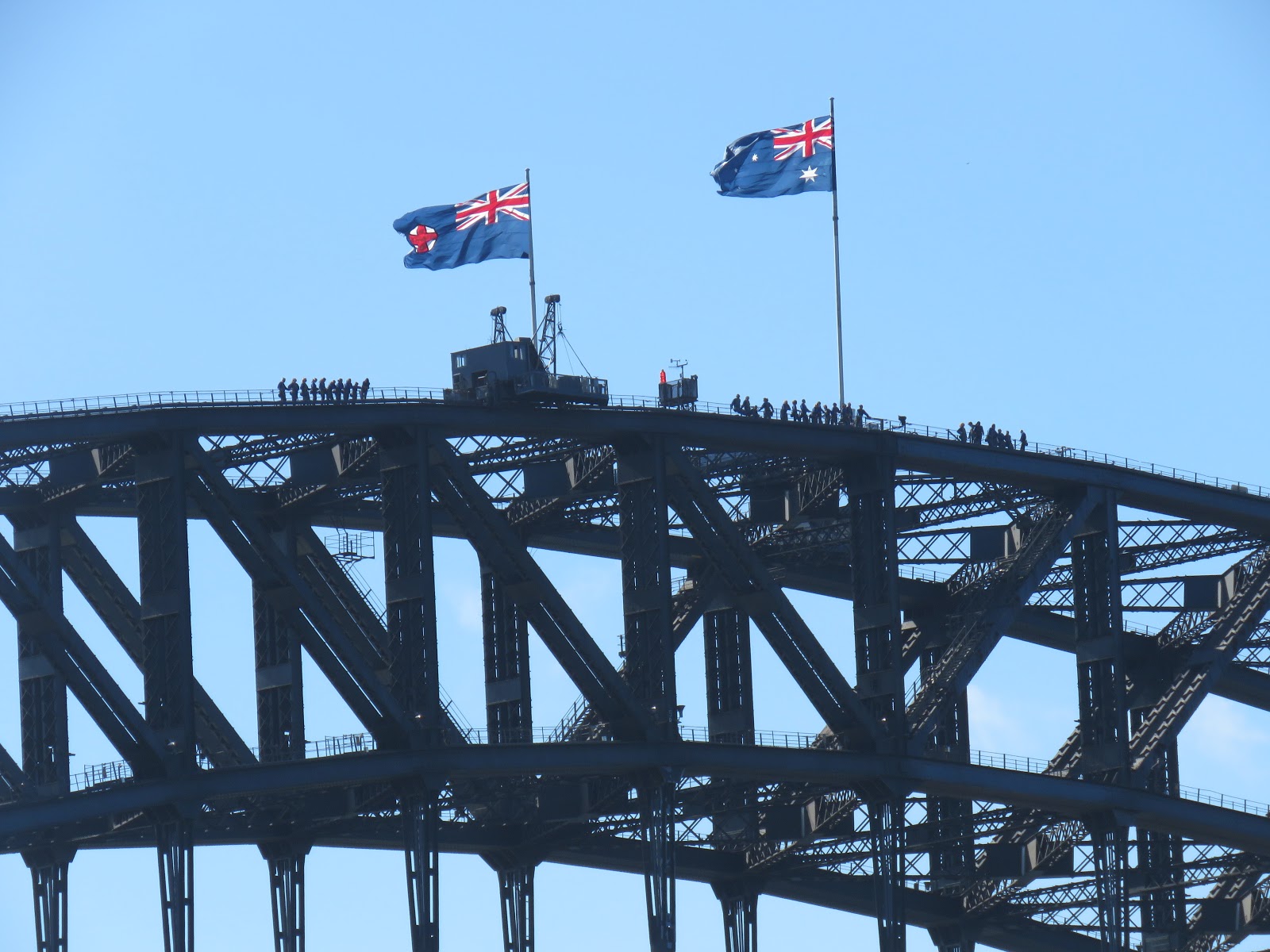
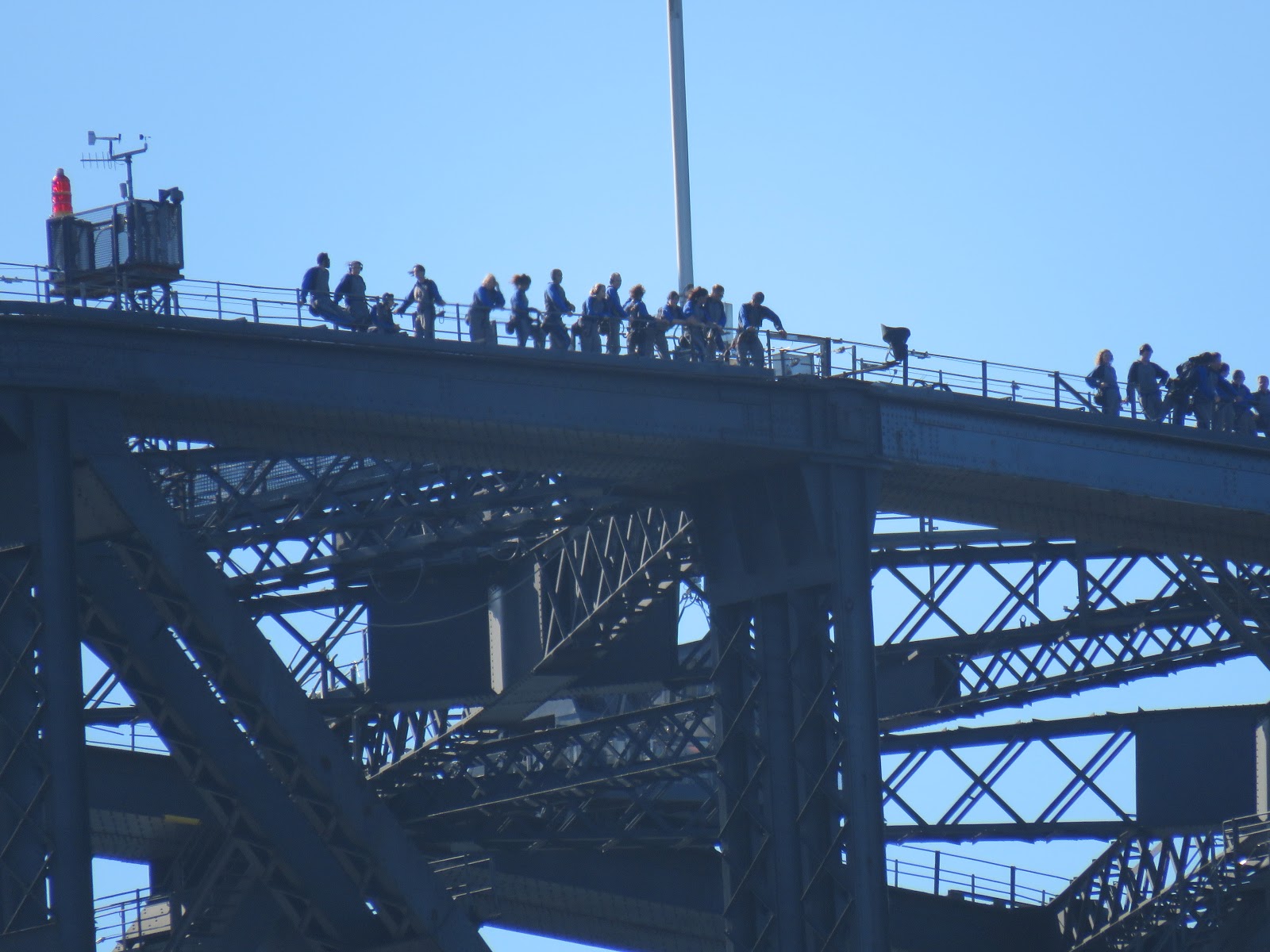
Looking up, we observed people on the popular attraction, the Bridge Climb on the Sydney Harbour Bridge. The walkers are tethered to a railing as they make the walk. 
Yes, if we had a lawn, we’d certainly arrange for it to be mowed in our absence. But, that’s not our life, nor will it be anytime in the future if we can help it. That’s not to say there’s anything wrong with having a home of any type with its accompanying belongings that many treasures after a lifetime of accumulating a variety of personal treasures.
Could it be that the Bridge Climb is not as scary as it looks from below once up there?
Many people we meet on cruises say to us, “Oh, I could never do that!” Yet, when we tell our story, we rarely encounter anyone interested in living as we live. On the contrary, we totally respect and understand that. Nor do we tell our story with the intent of convincing anyone this is the ideal lifestyle. For most, it is not. 
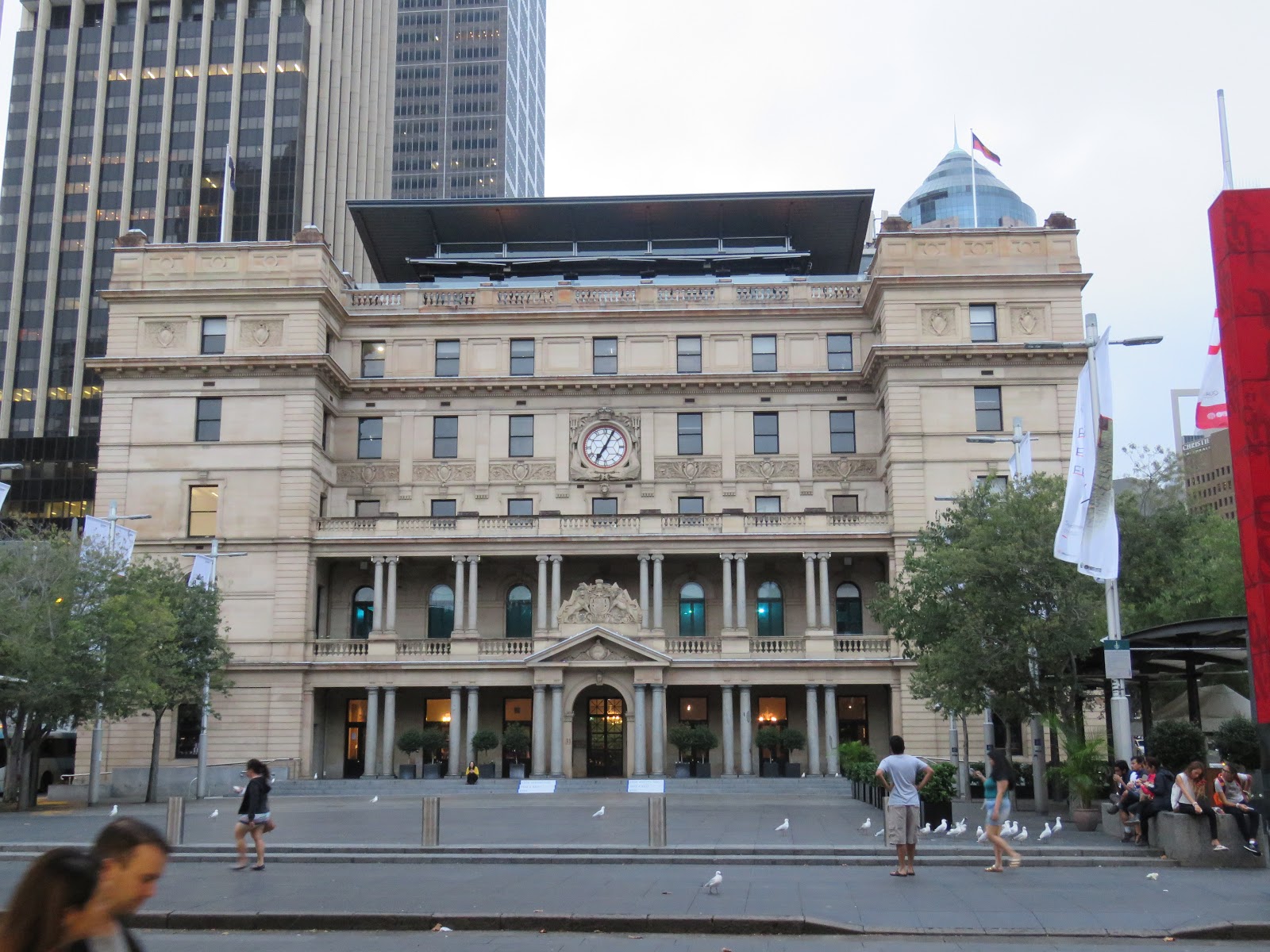
Customs House now contains shops and restaurants.
It just happens to work for us. In the process, we meet many travelers who spend the better part of each year traveling to interesting and exotic places, many of whom have done so for many more years than we have. We love hearing their stories and suggestions.
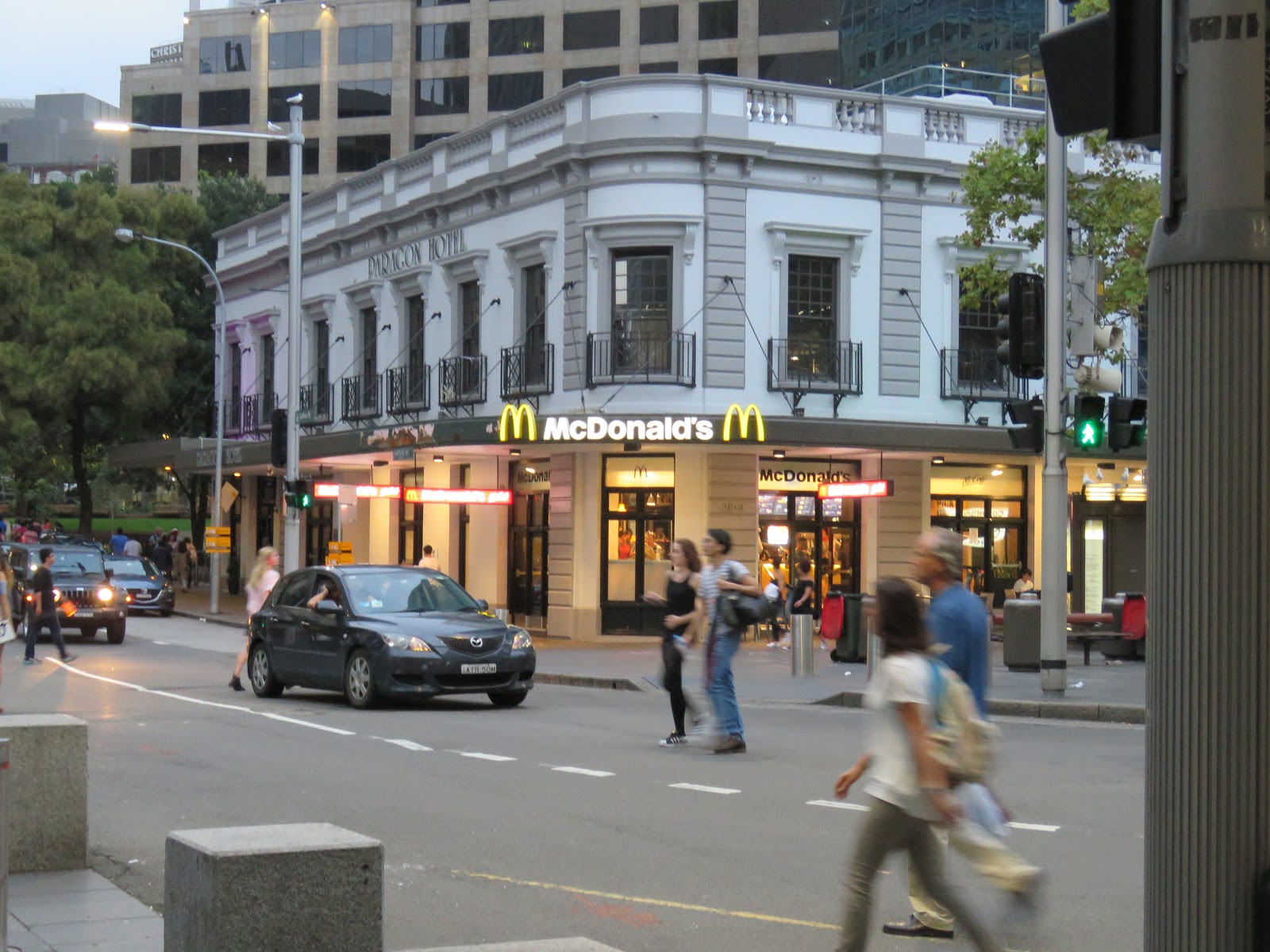
McDonald’s is in almost every big city in the world.
Then again, we love hearing the stories from others of their pleasant home lives, wherever they may be, enjoying their surroundings and the lives they built for themselves and their families. It’s easy to recall the pleasure we gleaned in our old lives as well, for those very same reasons.
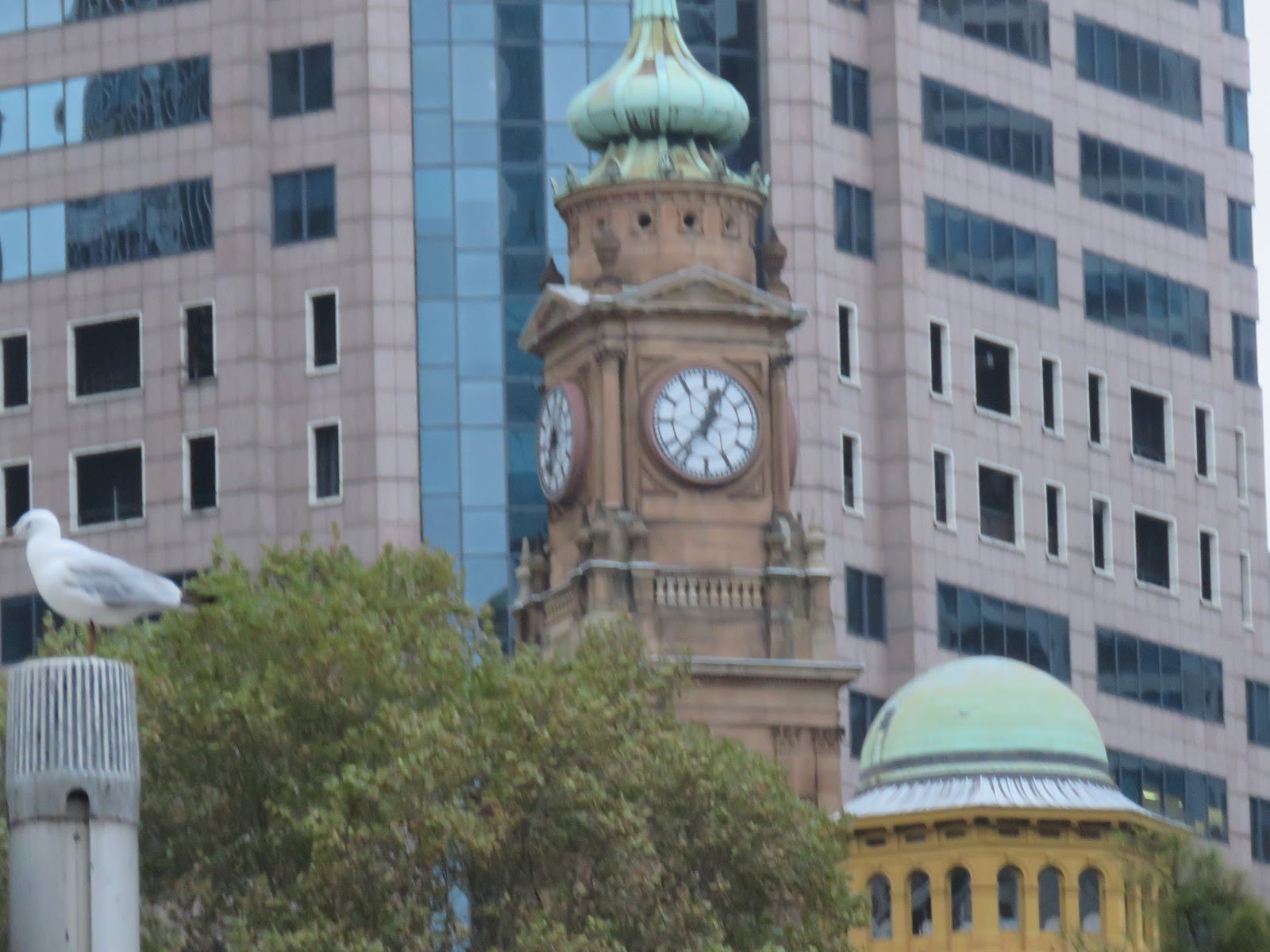
Department of Lands Building Clock Tower in Sydney.

Today, we’re heading out with Bob for a little shopping. Last night, he joined us for dinner, which, not surprisingly a delightful lengthy conversation. He’s had an interesting life which he freely shares in detail with heartfelt emotion. So, again, we’ve been blessed with another very special landlord who will surely become a lifelong friend.

Happy day to all.

Photo from one year ago today, March 21, 2017:

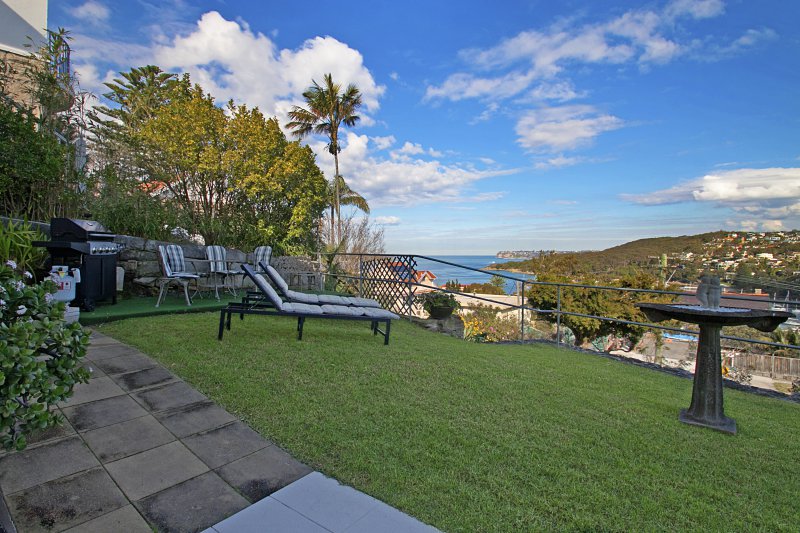
One year ago today, we booked our current holiday home with this garden and view, including chaise lounges, a gas grill, and an outdoor dining table overlooking the bay in Fairlight/Manly. For more photos, please click here.

Interesting and appreciated comment from a reader…Worries of risks when traveling…

Hillside scenery.

Over these past several years, we’ve received many excellent comments on various of our past posts. As a result, some readers may read our posts out of chronological order or start from the beginning on March 15, 2012, when we first began to write about our lives of world travel.

Now, 1674 daily posts later, we’re often amazed by how readers from all over the world continue to read our old posts, often commenting on any given post or sending us a thoughtful email.

Many of our readers write into the easy-to-use “comments” section at the bottom of each post and may stay anonymous if chosen.  However, we find many readers don’t hesitate to leave a first name (and occasionally their full name) when they post a comment.

If you’ve never commented, please feel free to do so. We reply within 24 hours (at the latest). And, your comment remains on that post for all of our readers to see for years to come.

Caravans parking in Franklin for Australia Day festivities which we attended last month.

For many, with more personal comments in mind, they prefer to email us at the links provided on our home page, on the right, above the photo of us in Petra, Jordan. Clicking either of these links takes you directly to the email app on your device, and you can write as you would in writing any email message. But, of course, we won’t post your email message without your specific approval.

Most often, your email will reach us promptly, providing we have a good Internet connection. We check our email throughout each day, but a response may be delayed, if it arrives while we’re sleeping.

Before posting each day, I take a peek at my email but seldom respond until after completing the day’s post. I awake on a mission to get the “ball rolling” as soon as I’m showered and dressed for the day.

During this past almost three months since we arrived in Penguin, Tasmania, on December 3, 2016, I’ve maintained my usual posting schedule regardless of how I may have been feeling during this period. 

Houses are scattered throughout the countryside in the Huon Valley.

Of course, as mentioned in a post a few days ago, the exception to our posting and/or replying to comments and email may occur on specific travel days, especially when we don’t have access to Wi-Fi while awaiting a particular means of transportation.

Yesterday, we received this lovely comment from one of our readers who’s apparently begun reading our posts from the beginning. 

Laura wrote:

“Ah, Jess…I know I am reading them years after the fact, but your posts and photos are breathtaking!! I love them! I’ve been trying for years to convince Ernie to agree to an African safari – he’s too concerned with our safety to try it, but I’m still working on him!!”

Upon reading this short comment at the end of this post, I could hardly wait to write back to Laura to thank her for her kindness in complimenting our posts and photos. 
But, the comment Laura expressed over her husband’s hesitation to go on an African safari reminded us of five years ago when Tom was equally concerned over the safety of a safari and, even more so, living in Africa for almost nine months.
Our family was even more worried that we were getting in over our heads when they’d read and heard of countless stories about horrific events occurring in many parts of Africa, some as a result of animal encounters and other incidents. But, they were more concerned as to our vulnerability of becoming victims of crime.
A neighborhood in the Huon Valley.

We’ve never taken these facts lightly, but, as has been the case for most travelers, there are always precautions and concerns over traveling beyond the comfort zone of their home environment. 

Nowadays, there is no place in the entirely safe world;  from the elements, terrorism, crime, accidents, illness, and wildlife. Back then, before we began traveling, we’d discussed these concerns in depth. 

Mainly, I was trying to assure Tom that although the risks were higher in some parts of the world, such as Africa and the Middle East, we’d exercise the utmost caution. For example, in Kenya, where carjackings are common, we used a local driver to take us wherever we desired, thus reducing the risks.
Kayaker on Huon River near a moored sailboat.

As we look back at our old posts, we can’t help but experience the most profound emotions over the fact that we took those risks to see parts of the world previously only in our dreams.

When a year from now when we’ll return to South Africa (with more other African countries on the horizon during our extended stay), our hearts thump with enthusiasm.
This will be the first time we’ve returned to a country for an extended stay hiatus to explore Southeast Asia. As it turned out, we really enjoyed the second two months in Bali at the fabulous villa on the ocean.
Franks, a small cider restaurant and shop.

We had returned to Bali due to its proximity and easy flights to Sydney, Australia, where we’d booked several cruises. However, our return to Africa next February is for an entirely different reason…we wanted to return while we’re still able, young enough, and hopefully healthy enough to embrace the many exciting opportunities awaiting us. 

So, today, I thank Laura for writing and inspiring today’s post, which included our own past concerns, which ultimately ending with the gift of great memories that we gleaned from the extraordinary experiences.

Have a memorable day and be safe.

Photo from one year ago today, February 24, 2016:

Tom standing outside the shopping mall in New Plymouth, New Zealand, last year. For more photos, please click here.

A sunny day drive to the countryside…We never know what we’ll find…

Green/spring onions were being processed for wholesale distribution.

While driving often throughout the countryside, we are often surprised by what we have found along the way. Whether its an exquisite view of the ocean, horses and colts in a field or a kilometer of roadside wild flowers, we often stop for a better look and to take a few photos.

We have rarely found a region as rich in diversity and landscapes as we have seen since arriving in Tasmania a month ago today. Not only are the views of the ocean, mountain and green hills breathtaking, but the people are some of the warmest and friendliest we’ve ever met in the world.

The farm, Dendra Market Gardens, seemed to be inaccessible to the public.

With 13 days remaining until we depart Penguin to head to the Huon Valley, a 45 minute drive from the capital of Hobart, we’re taking advantage of every opportunity to explore, especially on sunny days, treasured here in the summertime.

When we stumbled upon Dendra Market Gardens a few days before Christmas, we weren’t surprised we weren’t able to arrange a tour when the owner and his workers were obviously swamped preparing produce to be transported for the busy holiday season.

This particular farm cultivated a wide range of products.

We met the owner, chatting with him for a few moments as he approved of our photography and wandering on our own. Respectful of the busy holiday processing, we only spent a short time walking around the beautifully planted and arranged farm located in the small town of Cuprona, Tasmania.

And small town, it is indeed! With a population of 308 based on a 2011 survey, we have never seen a “city center” that could hardly be the case, for a city of this size. Instead, locals travel no more than 20 minutes to gain access to Burnie the closest larger city as shown in this map below:

Later, in researching online, we discovered the following information about Dendra Market Gardens from this site:

“Tasmanian Dennis Davis used to work in the shipping industry, and grew lettuces out-of-hours.

But somehow the leafy greens drew him away from shipping altogether and now he’s a full-time market gardener employing 30 workers.
He doesn’t grow lettuces anymore, but has parsley, snow peas, tomatoes, silverbeet, Asian greens, leeks, and radishes.  (And more since publication date of this online post).  Although he no longer grows lettuce, he has parsley, snow peas, tomatoes, beets, Asian vegetables, leeks and radishes.
It’s summer in that part of the world, which makes agriculture more common during the right season.
“They’re all niche crops that we’re growing,” he said.
“Some of them have happened primarily to keep people employed through the winter time so that we can maintain a stable, experienced workforce.”
And that experience is important because all the vegetables are hand planted and weeded.”
“We do a lot of hoeing.”
“We average probably 1.6 million plants in a year and they’re all planted by hand because it’s much more accurate and efficient.” Continued below.
Produce grown under a cover for protection from sun and rain.
In the 14 years Dennis has had Dendra Gardens at Cuprona in the north-west he’s seen a significant change in consumer tastes.
Asian vegetables are growing in popularity, and he now grows five varieties. “We’ve had a gradual increase in Asian migrants coming to live in Tasmania. But the general population seems to be being educated toward new kinds of food.”
Zucchini is a popular crop in Tasmania, which is referred to as cogent in many parts of the world.

So far, we’ve found many local businesses in Tasmania such as this farm to be less sophisticated in their use of the technology and the Internet for the promotion of their products. But, owners and staff are savvy and aggressive in their efforts to grow their businesses with integrity and passion for their products and services.

By coupling years of hard work, dedication and old country values seem to be working for each of those we’ve highlighted in our posts over this past month. It’s an amazing place, this Tasmania. We look forward to more discoveries over these remaining days on this special Australian island.

Soon, we’re taking off for a visit to Ulverstone and who knows what more awaits us! Happy day to all! 

Photo from one year ago today, January 3, 2016:

One year ago today, we posted favorite photos of our time in Pacific Harbour, Fiji as we prepared to leave. This photo of Tom was on the night of his birthday last year when we enjoyed a fabulous dinner at the Pearl Resort’s gourmet restaurant, Seduce, definitely deserving of a five star review. For more details, please click here.

High on Penguin…A unique B&B concept like none other…Music memorabilia enthusiasts, check this out!

Gerard and his High on Penguin holiday home in Penguin, Tasmania, overlooking the town and the sea.

When we met Gerard last week, owner of an interesting B&B “High on Penguin,” when he and Terry stopped by to say hello, he invited us to see his unique holiday/vacation home high on a hill overlooking the town of Penguin, Tasmania.

The view couldn’t be more appealing.  Note the church, the windmill and the homes along the sea.
Ocean views from the veranda.


On Monday morning we drove the short distance up a steep hill to easily find Gerard’s rock and roll music themed B&B.  Visiting this creatively designed and meticulously maintained holiday home, equipped with the latest amenities, put a smile on our faces during our hour long tour and thereafter.

This modern day jukebox uses CDs from Gerard’s vast collection.

Gerard left no stone unturned in ensuring his guests receive an experience they’ll long remember at reasonable pricing with accommodations for one, two or more guests, up to as many as 10 or more if required.

Music buffs are enthralled with this extensive collection.

Gerard, a music enthusiast, though not a musician, had conceived of this idea of a music themed B&B several years ago, bringing the concept to fruition over four years ago after considerable expense, effort and creativity.

Music in the background, if desired and breathtaking views of the town and sea are easily available when dining in High on Penguin.

Nothing was spared in the design of this inviting and comfortable establishment that even without the rock and rock theme would be an exquisite holiday home.  Add his thought provoking theme and magic happens the moment the visitor pulls up in the driveway.

This well equipped kitchen has modern appliances and amenities.

The concept of many B&Bs have changed over the years in part due to the advent of the Internet where travelers from throughout the world can easily access an endless array of available options for their chosen destinations.

The walls throughout the property are adorned with rock and roll memorabilia.

Many perceive that B&Bs offer guests a room to rent in a multi bedroom home, sharing a bath and dining for breakfast in a communal dining area with the meal prepared by an on-site owner who fusses to ensure a good experience.  In some cases a communal living room/salon is available to provide the short term renter with a homey feel.

Each of the bedrooms have comfortable beds, bedding, storage space and views.

In many cases in today’s world, this perception had escalated to the use of an entire house or portion of a house with cooking facilities, lounge areas and total privacy from the on-site owner. 

Imagine awakening to this view!


Picturesque view from the Bob Dylan Room.

This is the case in Gerard’s High on Penguin property with pricing based on the number of renters occupying the property at any given time, making it affordable for one traveler, 10 or more.

Alternate living room/salon located in the spacious B&B.

As for the rock and roll theme, one might consider it a bonus when the property stands alone on its own merits in its many offerings and pricing, details which may be found at Gerard’s AirBnB’s listing.

It would be easy to spend hours perusing the wall décor and various memorabilia.

From the aptly named signs on each of the five bedrooms doors including the Bob Dylan Room, the Jimi Hendrix Room, the Janis Joplin Room, the Neil Young Room and the Joni Mitchell Room, each is adorned with its appropriate share of authentic memorabilia.  

Gerard left no stone unturned in ensuring an authentic rock and roll experience
for each visitor.

Whether its the modern Wurlitzer jukebox which uses CDs from a massive collection to the custom made side tables with vinyl records under glass, High on Penguin is without a doubt, over-the-top.

There are three of these glass covered “vinyl” tables in a lounge area, all
handmade by a friend of Gerard’s.
Note the guitar shaped wine rack.

During our tour, we both found our eyes flitting from corner to corner, finding one interesting and unusual amenity after another.  Whether it was the well stocked refrigerator with breakfast items for the renter to prepare at their leisure to the expansive views of Penguin and the sea, High on Penguin has it all. 

Music wafting through the air, a frosty local beer in hand and a view of the sea.  What more could a traveler require for a diverse experience?

For hours after we’d left Gerard’s fabulous property, we continued to reel over the delightful opportunity to see this special property, meet this creative local resident and, from the driveway of our own beautiful vacation home, only look up the hill to see High on Penguin.

Another amazing view from a guest room.
 
More views of Penguin.


Be well, dear readers.  Be happy! Be high on life!

_____________________________________________________

Photo from one year ago today, December 14, 2015:

The couples were in sync while dancing the traditional Bollywood performance at the Uprising Restaurant in Pacific Harbour, Fiji.  For more photos, please click here.