The People of Penguin — A Coastal Tapestry
There’s something quietly profound about a town like Penguin, Tasmania, a place whose name conjures images of little blue penguins bobbing on Bass Strait, but whose real identity is shaped by the people who live there, the gentle pace of their lives, and the contours of community woven through generations.
At the time of the 2021 Australian Census, Penguin had a population of about 4,132 people, up from around 3,800 in the previous census, a steady but modest growth that speaks to its appeal as both home and haven.
Age and Life Stages
Walking down the streets of Penguin, you’d notice that time feels a little gentler here. The median age is around 47 years, which is older than the national Australian median of 38. That tells you something right away: this is a place where people settle longer, grow roots, watch seasons pass, and choose rhythm over rush.
Older adults, from retirees quietly enjoying the seaside breeze to folks in their 50s and 60s, remain active in community life. Meanwhile, children and young adults exist, but they don’t define the town’s profile the way they might in a university city or bustling suburb.
In essence, if Hobart or Launceston feels like the energetic heartbeats of Tasmania, Penguin feels like a slower, steadier breath, a place where age and experience shape the pulse of daily life.
Gender and Community
Like most small towns, Penguin’s gender balance hovers near even, with about 48–52% male to female, a familiar symmetry in human terms. It’s the sort of place where neighbours know each other’s names and generations mingle on the footpaths.
Households and Home
Penguin has roughly 1,863 private dwellings, and most households average 2.3 people, indicating this is not predominantly a town of large families. The picture here leans toward couples, perhaps with adult children who’ve flown the coop, retirees with decades behind them, and individuals at different stages of life choosing calm and connection over the chaos of a city.
What stands out most is the ownership pattern: a solid majority of homes are owner-occupied, and the median weekly household income is around $1,301, which is respectable for a small town and reflects a community focused on stability and sustainability.
Heritage and Identity
Penguin’s demographic story isn’t just about age and income; it’s also about heritage. Indigenous Australians, Aboriginal and Torres Strait Islander peoples, make up a meaningful slice of the population (around 8–9%), which is higher than state and national averages. This reflects a deeper, older connection to the land, sea, and sky that predates European settlement, a reminder that every landscape carries memory and meaning far beyond what census tables can capture.
Language and culture here are predominantly English-speaking, as you’d expect in a Tasmanian coastal town, where most people were born in Australia and have strong ties to the land and community.
Work and Lifestyle
It’s tempting to imagine everyone here just watching waves or strolling the beach at sunset, but life has texture. Many residents work in professional occupations, and despite the town’s small size, there’s a quiet economic persona; tradespeople, local businesses, hospitality workers, and those who commute to nearby towns like Ulverstone or Burnie for work.
Income brackets tend to be in the middle range nationally, and mortgage repayments and rents, while more modest than in Australia’s big cities, still reflect a mix of long-time locals and newcomers who’ve chosen this pace of life as their intentional place in the world.
What the Numbers Feel Like
Numbers on a census report are dry and dutiful, but the essence of Penguin is anything but. There’s the echo of laughter at the local bakery, the deep hum of the wind off Bass Strait, the shared stories at a cafe table overlooking the bay. It’s a town shaped by nature and nurtured by neighbours.
In demographic terms, Penguin is:
-
Mature and grounded, with an older median age.
-
Stable and connected, with most households owning their homes.
-
Culturally anchored, with a notable Indigenous presence and overwhelmingly Australian-born community.
- Economically balanced, comfortable but not booming, reflective of a coastal town that values quality of life over quick growth.
For us, who travel long and wide, we find Penguin’s demographics tell a story that resonates: a place where life slows but doesn’t stop, where community is more than a data point, and where every resident contributes to the quiet narrative of the place.
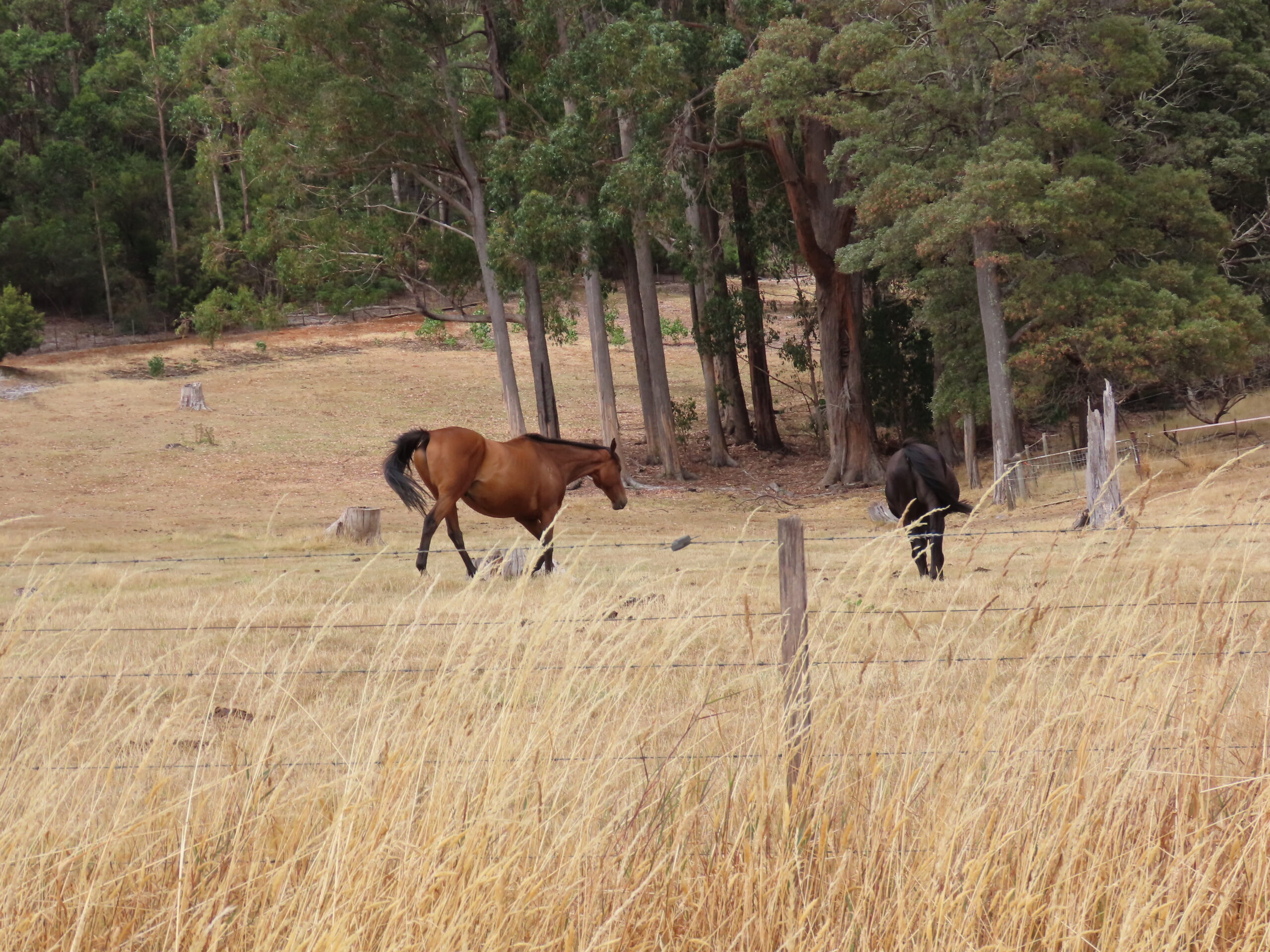
As we did ten years ago when we stayed in Penguin, we still find it to be that rare kind of place that wraps around us the moment we arrive. There’s something about the salty breeze rolling in from Bass Strait, the unhurried greetings along the footpath, and the familiar curve of the coastline that makes us exhale a little deeper. We slip into its quiet pace effortlessly, as if we’d never left. The beauty isn’t loud or showy, just steady and sincere. And somehow, in its quiet charm and gentle pace, we feel not like visitors passing through, but like we belong exactly where we are.
Be well.
Photo from ten years ago today, February 17, 2016: