
Day 18…Transpacific cruise…Kauai, the Nā Pali Coast…

Yesterday, late in the afternoon, we sailed past the breathtaking Nā Pali Coast, its rugged cliffs glowing in the fading light, a place we could admire only from afar. It stirred a memory from 2015, during our four-month stay on Kauai, when my sister Julie, who visited for a short stay, and I made the long, winding drive to that remote shoreline. The journey felt endless until it gifted us something unforgettable, a serene moment when we spotted a rare Hawaiian monk seal resting peacefully on the sand, as if it had been waiting just for us.
There are places in the world that feel as if they have been shaped over time, not only by the elements but by the persistence of life itself. The Nā Pali Coast is one of those places. 15 to 17 miles long. It is not simply a stretch of rugged shoreline on the northwestern edge of Kauai. It feels more like a living story, written in layers of emerald cliffs, hidden valleys, and the endless conversation between land and sea.
The name “Nā Pali” translates to “the cliffs,” and that simple description hardly prepares you for the sight. Towering ridges rise sharply from the Pacific Ocean, some reaching heights of over 4,000 feet. These dramatic formations were carved over millions of years by volcanic activity and relentless erosion. Long before the island took its present shape, Kauaʻi was born from a hotspot in the Earth’s crust, much like the other Hawaiian Islands. But unlike its younger neighbors, Kauaʻi has had far more time to weather, soften, and transform. The Nā Pali Coast is what remains after centuries of wind, rain, and crashing surf sculpting the land into something almost otherworldly.
As we think about those cliffs today, it’s easy to focus only on their beauty. But long before visitors arrived with cameras and wide-eyed wonder, this coastline was home. Early Polynesian settlers made their way to Kauai around 1,000 years ago, navigating vast distances of open ocean with an understanding of the stars and currents that still feels astonishing. They found fertile valleys tucked between the towering pali, where freshwater streams flowed down from the mountains. In places like Kalalau Valley, communities thrived.
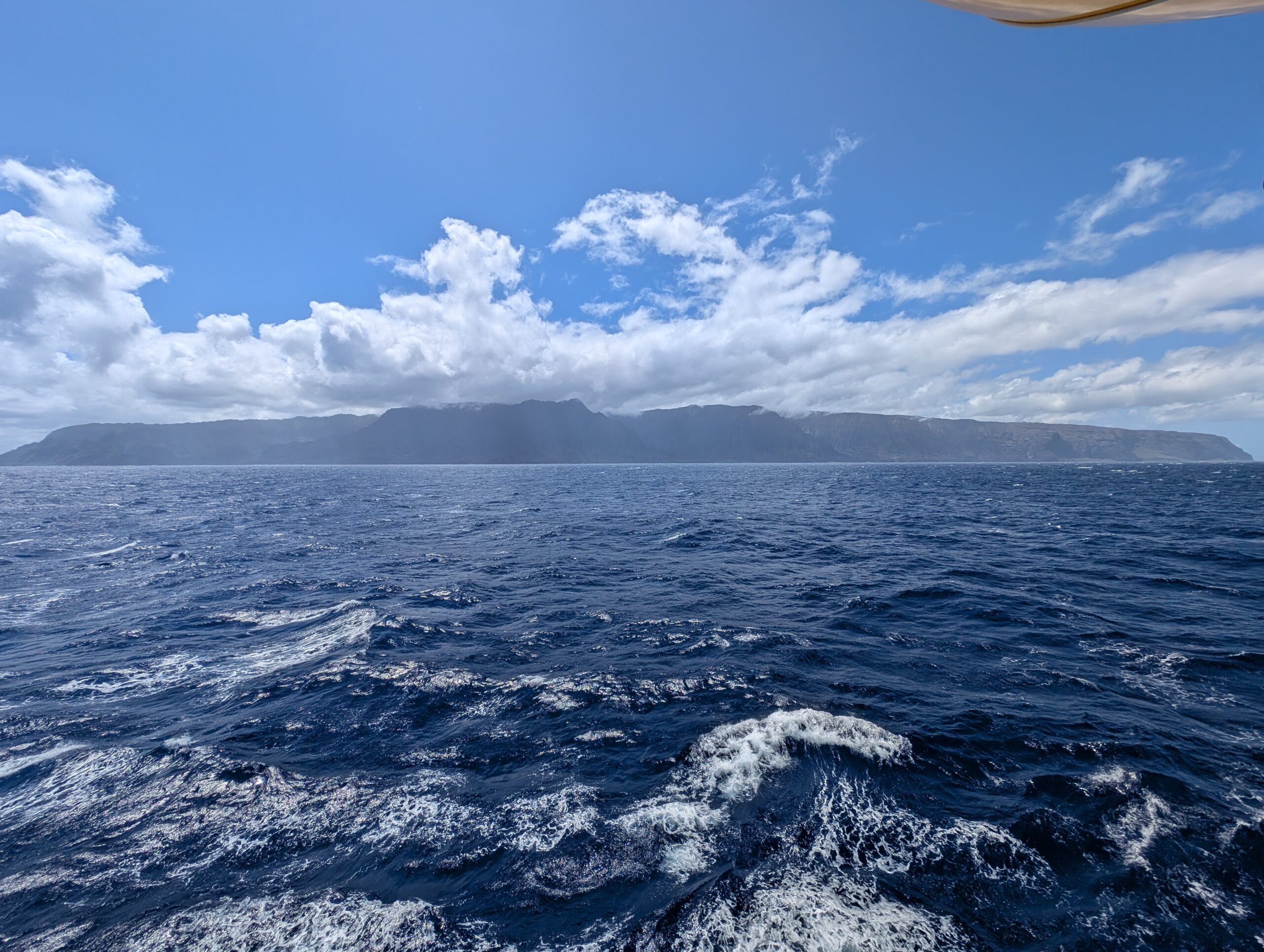
Life along the Nā Pali Coast was not easy, but it was deeply connected to the land. The Hawaiians built terraces for farming, cultivating taro in the rich soil, and fishing in the abundant offshore waters. Trails were carved into the cliffs, linking one valley to the next. Today, remnants of these ancient pathways still exist, most famously the Kalalau Trail, which winds its way along the coastline for 11 miles. Walking even a portion of that trail offers a glimpse into what life must have been like, where every step required awareness, respect, and a quiet kind of resilience.
Over time, the isolation that once sustained these communities also became a challenge. By the 19th century, many residents began to leave the Nā Pali Coast, moving toward other parts of the island where access to trade, education, and modern conveniences was easier. The coastline gradually returned to a more untouched state, its valleys growing wild again, its cliffs standing as they always had, indifferent to the passage of human generations.
Today, the Nā Pali Coast is protected as part of the Nā Pali Coast State Wilderness Park, preserving both its natural beauty and its cultural significance. There are no roads that lead into this region. You cannot simply drive up and arrive. Instead, reaching the coast requires intention. Some come by boat, watching the cliffs rise from the water in a slow reveal. Others arrive by helicopter, hovering above the ridges and waterfalls that seem to spill endlessly into the valleys below. And then some hike, step by careful step, along the narrow trail that connects past and present.
There is something about that inaccessibility that feels meaningful. It keeps the Nā Pali Coast from becoming just another destination. It asks something of you—time, effort, patience. And in return, it offers something that feels increasingly rare, a sense of stillness, of perspective, of being part of something far older and far more enduring than ourselves.
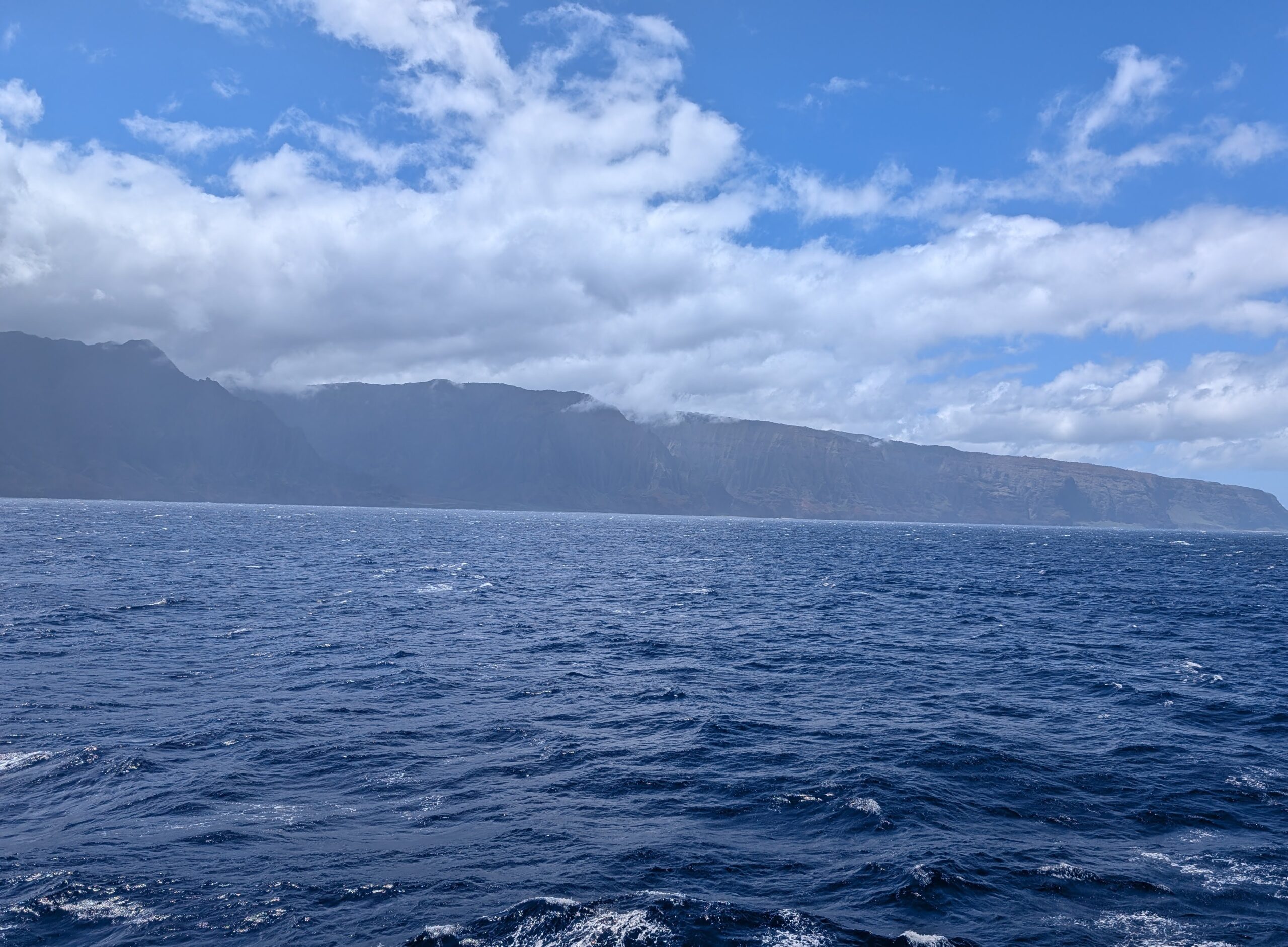
Rainfall here is among the highest in the world, feeding countless waterfalls that appear and disappear depending on the season. The cliffs are draped in shades of green that seem almost unreal, a result of constant moisture and a thriving ecosystem. Native plants cling to the steep slopes, and seabirds circle overhead, their calls echoing against the rock faces. Offshore, spinner dolphins and sea turtles often glide through the waters, as if they, too, are part of the story being told.
And perhaps that is what stays with you most when you think about the Nā Pali Coast. It is not just the scale or the beauty, though both are undeniable. It is the feeling that this place has remained true to itself despite everything. It has seen the arrival of voyagers, the rise and movement of communities, and the steady flow of visitors who come in search of something they cannot quite name.
Standing before it, or even imagining it from afar, you begin to understand that the Nā Pali Coast is not something to be conquered or even fully understood. It is something to be experienced, slowly and with care, like a story that reveals itself only to those willing to listen.
Be well.
Photo from ten years ago today, May 1, 2016:


About Jess & Tom
We are travel writers, photographers, and slow travelers exploring the world one meaningful experience at a time.
Read More
THANK YOU for the sharing the visual n informative words in ur daily post !!
Signed, one of ur new followers.
Jef, we are happy to hear you are enjoying our post. Thanks for following along with us.
Warmest regards,
Jess & Tom