Sharing New Zealand photos…

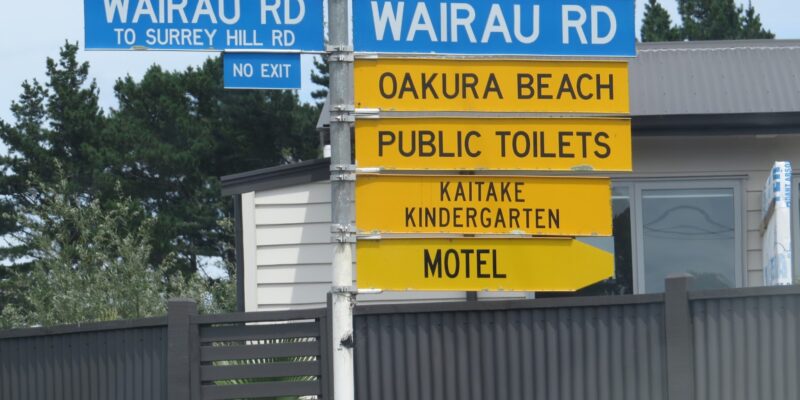
Many signs and town names are based on the indigenous inhabitants of New Zealand, the Māori, whose language has had official language status, with the right to use it in legal settings such as in court, since the Māori Language Act 1987. There are around 70,000 native speakers of Māori out of a population of over 500,000 Māori people, with 161,000 of the country’s 4 million residents claiming conversational ability in Māori.”

Note: During our remaining time in New Zealand, we’ll be reposting photos from our previous stay, beginning in January 2016, when we were based in a far less remote location than where we are now in Kaiwaka, nearly a full day’s drive from most sightseeing destinations. This morning, while chatting with our dear friends Kathy and Don in Hawaii, Kathy, an avid and longtime reader of our posts, suggested we share photos from our last visit here. Thanks, Kathy, what a great idea! Of course, we’ll continue to post new photo moments whenever we encounter them while out and about. Here is the link to today’s photos.

When we began talking about our recent lack of local photos, it wasn’t said with disappointment so much as quiet acceptance. Where we’re living now on New Zealand’s North Island is peaceful, restorative, and exactly what we need at this stage of our lives. But it isn’t conveniently located near iconic sightseeing spots. There are no famous lookouts a short walk away, no bustling town centers begging to be photographed daily, and no dramatic landmarks calling out for constant documentation. And honestly, that’s part of the appeal. Still, we understand that photos help tell our story, especially for those who’ve joined us more recently.

It’s easy to expect beaches throughout the world to be sandy and pristine with blue waters. Many beaches, such as those in New Zealand and Australia, aren’t blue due to the interaction of light and particles present in the water. When there are mineral sediments, light from the blue spectrum is absorbed by the particles, so the water appears brown.  Also, not all beaches have the soft, fine sand that we found in Belize and Hawaii.

So, rather than forcing something that doesn’t fit our current lifestyle, we decided to look backward for a period of time, to a time that still feels vivid, meaningful, and deeply woven into our love for New Zealand. Beginning now, we’ll be sharing photos from our first extended stay here, which ran from January 2016 to April 2016, ten years ago. It feels almost surreal to write that. Ten years. A full decade of life lived, countries crossed, lessons learned, and yet those memories remain so clear, as if New Zealand had imprinted itself on us in a permanent and gentle way.

With many surfers attracted to this area, a lifeguard is on duty and well-equipped for rescue.

For our newer readers, this will be a first glimpse into what initially drew us to this remarkable country. For our long-term readers, it will be a familiar return, a chance to revisit places you may remember us writing about at the time, perhaps when life looked very different for all of us. There’s something comforting about shared memory, even when experienced through words and images.

Back then, as now, we were living on the North Island, although in a completely different region. We stayed in New Plymouth, a coastal town tucked beneath the watchful presence of Mount Taranaki. Getting there today would require several hours of driving from where we are now, but at the time, it was our home base for an experience that still makes us smile without effort.

Surfers await an opportunity.

We stayed on an alpaca farm, an experience that sounds charming on paper but, in reality, was something far more profound. Each morning unfolded quietly, often with mist lingering over green fields and the soft, curious presence of alpacas watching us as though we were the entertainment. Their gentle hums, expressive eyes, and almost comical hairstyles added a lightness to our days that’s hard to describe without sounding whimsical, but it truly was magical.

A sign we encountered at a park/wildlife area.

That stay wasn’t about sightseeing in the traditional sense. It was about waking up surrounded by nature, breathing deeply, and feeling grounded in a way that modern life so often pulls us away from. We cooked simple meals, walked the land, and allowed ourselves the luxury of unstructured time. It was during moments like those that New Zealand quietly claimed a permanent place in our hearts.

Sharing these photos now feels timely and meaningful. They represent not just a destination but a chapter, one that has shaped how we travel, how we choose where to stay, and how deeply we value experiences rooted in authenticity. They remind us that beauty doesn’t always shout; sometimes it hums softly from a pasture, framed by clouds and carried by memory.

Small sleeping tent sites are available for a fee and include multiple facilities.

As we revisit these images, we’re reminded that travel isn’t only about where you are, it’s also about where you’ve been, and how those moments continue to travel with you. We’re grateful to share this part of our journey again, with fresh eyes and familiar hearts, and we hope these glimpses of New Zealand from years past bring you the same quiet joy they still bring us today.

Be well.

Photo from ten years ago today, January 6, 2016:

Busy Sydney Harbour. Soon, we’d board the ship for a cruise. For more photos, please click here.

Looking to the future…A dilemma…

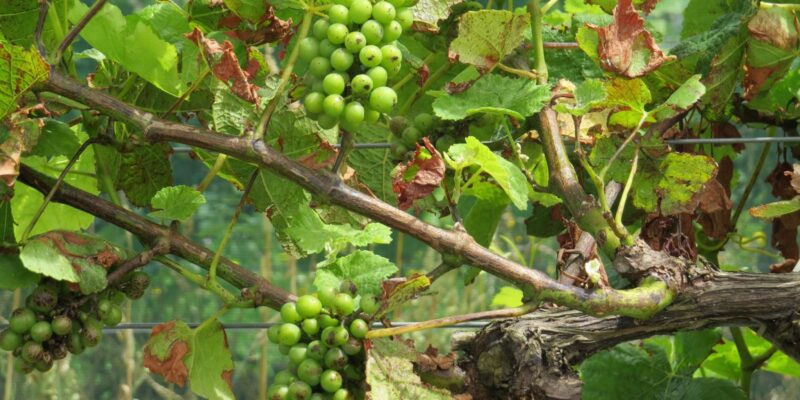
The grapes are robust and beautiful at Okurukuru Taranaki Winery in New Zealand, which we visited ten years ago.

Yesterday, we started talking about an upcoming reality that has been quietly hovering in the background of our days, waiting for the right moment to step forward and demand our attention. It arrived not with urgency or stress, but with curiosity and a shared sense of wonder. Where will we go after our next 90 days in South Africa end in September? And just as importantly, when will we return, knowing that the Christmas holiday season brings intense heat and an influx of holidaymakers to Marloth Park, transforming its normally tranquil lifestyle into something far busier than we prefer?

These conversations have a familiar cadence for us. They usually begin casually, perhaps over coffee or while glancing at our phones, and then slowly gather depth as possibilities unfold. This time, they led us down a familiar path: scanning airfares, jotting down potential destinations, and weighing comfort against curiosity. Eventually, we set aside the airline apps and opened a map of Africa, letting geography guide the conversation instead of algorithms.

That was when the idea emerged, almost effortlessly. What if we stayed somewhere else in Africa for six months? What if we allowed ourselves to experience another corner of this vast, complex, and endlessly fascinating continent, returning to Marloth Park the following March, when the cooler winter weather settles in, and life resumes its slower, though socially active, more peaceful pace? The thought felt right, balanced, practical, and gently adventurous.

But as always, reality adds structure to dreams. Visa rules are not suggestions; our well-worn travel brains immediately shift into problem-solving mode. We know we can’t obtain a new 90-day visa by visiting countries bordering South Africa. That simple fact eliminated several otherwise tempting options and narrowed the field considerably. South Africa shares land borders with five countries: Namibia, Botswana, Zimbabwe, Mozambique, and Eswatini (formerly Swaziland). It also surrounds the independent kingdom of Lesotho, making it a geographic enclave within South Africa.

To the north lie Namibia, Botswana, and Zimbabwe. To the northeast and east are Mozambique and Eswatini. Lesotho, tucked entirely within South Africa’s borders, is its own world, but for visa purposes, it doesn’t solve our challenge. Each of these countries holds its own allure, memories, and beauty, but none can reset our South African visa clock.

As we studied the map more closely, we were reminded of just how vast Africa truly is. Beyond Southern Africa lies an intricate patchwork of countries, cultures, climates, and lifestyles. At the same time, we’re realistic. Not every destination is suited for long-term stays, and not every place is particularly tourist-friendly for three to six months at a time. Infrastructure, healthcare access, safety, and day-to-day livability all matter far more than novelty at this stage of our travels.

What we’re really seeking isn’t a whirlwind adventure or a checklist of sights. We’re looking for somewhere that lets us settle in, create routines, shop at local markets, cook simple meals, and, at least temporarily, feel at home. Somewhere warm but not stifling, interesting but not exhausting, welcoming without requiring constant movement.

As we closed the map and leaned back, a quiet sense of gratitude filled the room. We are fortunate even to be having this conversation. This is a “problem” born of choice, freedom, and time, luxuries we never take lightly. The answers didn’t come yesterday, and that’s perfectly fine. Sometimes the value lies not in the decision itself, but in the thoughtful, shared process of getting there.

For now, the map of Africa remains open in our minds, dotted with possibilities, patiently waiting for the next chapter to reveal itself. As we progress in these decisions, we will keep our readers informed, as always.

Be well.

Photo from ten years ago today, January 5, 2015:

Then, in Hawaii, this sheep posed for a photo. For more photos, please click here.

A new sighting in the pasture…Ten facts and stats about cows in New Zealand…

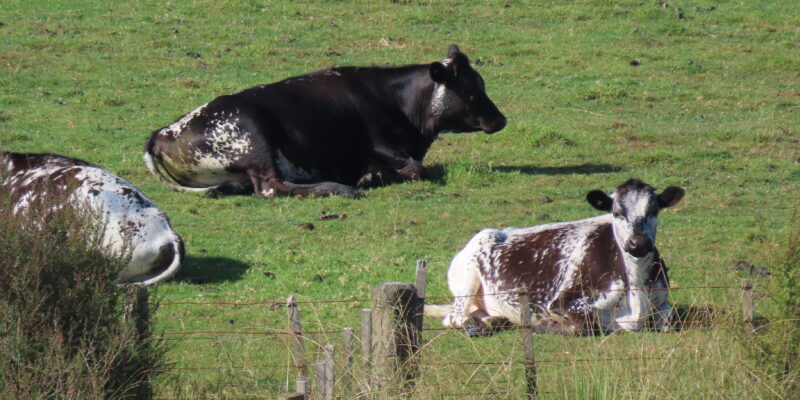
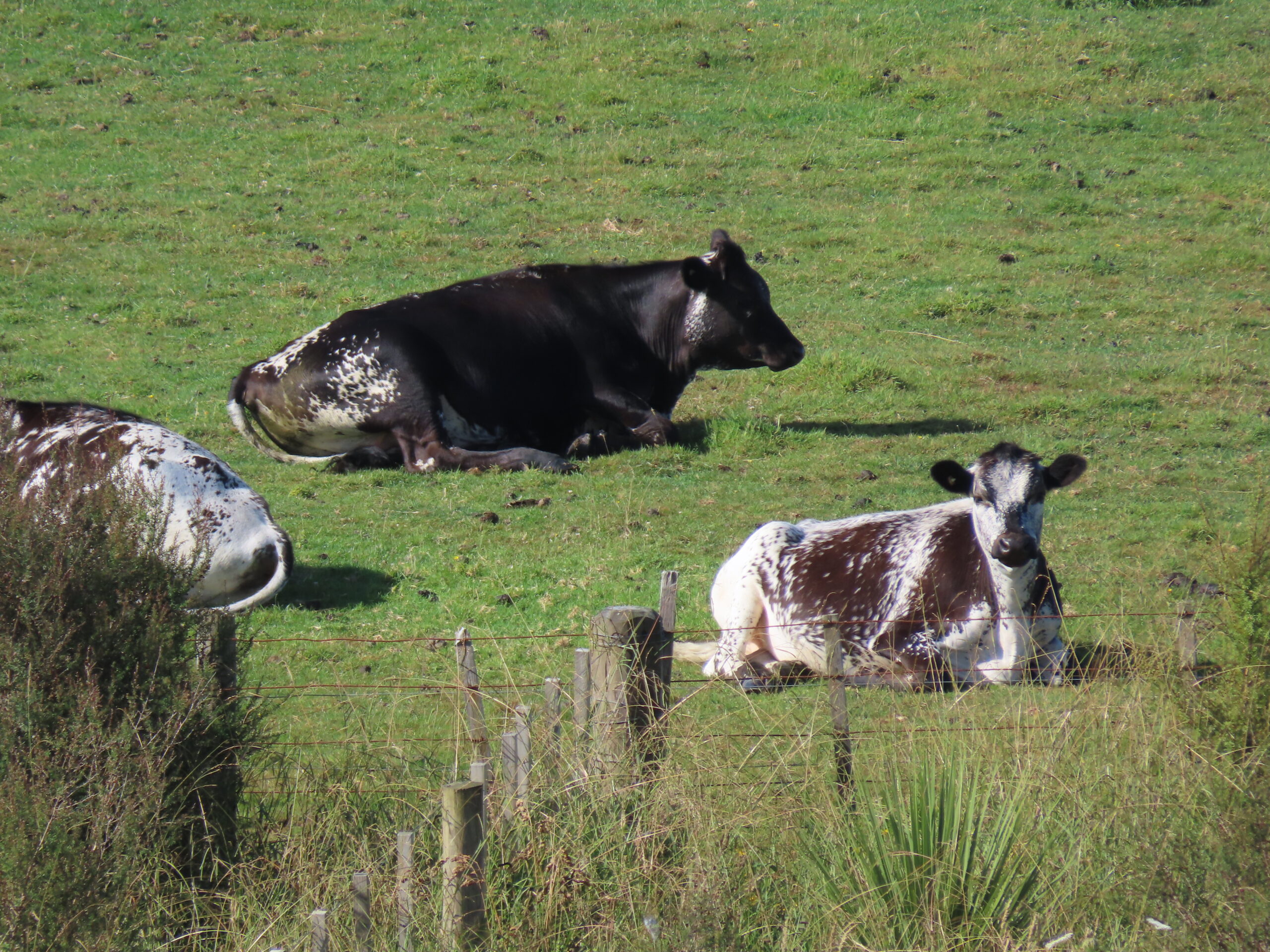
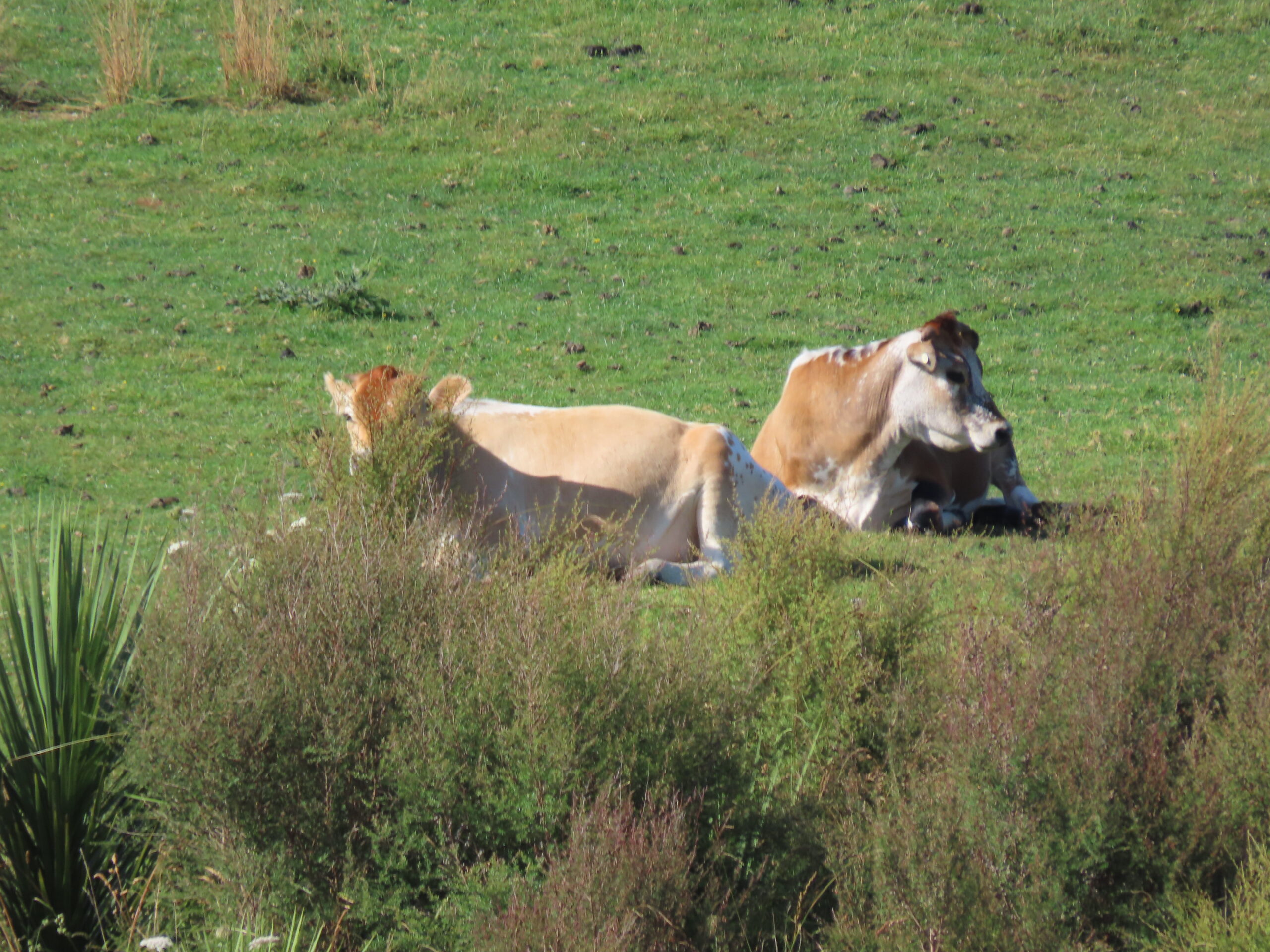
Yesterday, we spotted these cows in the pasture with the sheep.

Yesterday afternoon, when gazing out the veranda window, Tom said, “Get the camera! We have new visitors in the pasture.” I jumped up enthusiastically, hardly able to contain myself. And, there they were, cows in the pasture we’ve been observing several times a day.

Cows are an inescapable part of the New Zealand landscape. No matter how far we travel or how winding the road becomes, there they are, heads down in impossibly green paddocks, tails flicking lazily, completely unbothered by passing cars or curious travelers. Over time, they stop feeling like livestock and start feeling like quiet companions to the journey, steady and familiar. Here are ten facts and statistics about cows in New Zealand, woven into the lived reality of seeing them day after day.

First, New Zealand is home to about 6.3 million dairy cows, a figure that slightly exceeds the country’s human population. It’s one of those statistics that suddenly makes everything make sense: the endless fields, the milk tankers on the highways, and the unmistakable rural scent that drifts through the air in farming regions.

Second, dairy farming is one of New Zealand’s largest export industries, earning tens of billions of dollars annually. Products like milk powder, butter, and cheese quietly travel from these peaceful paddocks to dinner tables all over the world.

It was delightful to look out the window and see cows.

Third, the most common cows you’ll see are Friesian and Friesian-cross breeds, easily recognized by their black-and-white markings. Jerseys, smaller and tawny-colored, are also common and prized for producing milk with higher butterfat.

Fourth, New Zealand cows are overwhelmingly grass-fed and pasture-raised. Thanks to the temperate climate, most cows live outdoors year-round, grazing freely rather than being housed in barns. It’s a system that feels aligned with the land and explains why the countryside looks so alive.

Fifth, the average New Zealand dairy cow produces around 4,300 liters of milk per year. That number may be lower than in more intensive systems overseas, but it reflects a farming model built on grass, rainfall, and open space rather than heavy grain feeding.

Sixth, there are roughly 10,000 dairy farms across the country, many of them family-run. Driving through rural areas, you sense how deeply farming is tied to identity here, passed down through generations, shaped by weather, land, and resilience.

Seventh, cows are central to ongoing environmental conversations in New Zealand. Methane emissions, waterway protection, and sustainable land use are daily topics of debate. Farmers are increasingly adapting practices to balance productivity with care for rivers, soil, and future generations.

Eighth, calving season typically begins in late winter, around July and August. During this time, the countryside feels especially tender when tiny calves dot paddocks, and rural roads slow to accommodate the pace of farm life.

Ninth, cows now outnumber sheep, a notable shift in a country once defined globally by its wool industry. While sheep remain iconic, cows have quietly taken center stage in modern New Zealand agriculture.

Tenth, beyond all numbers and economics, cows shape the emotional texture of the land. There’s something deeply calming about watching them graze in the misty morning or at golden hour, when the hills glow, and everything feels briefly, perfectly still.

In New Zealand, cows are more than statistics. They are part of the scenery that seeps into memory, part of the slow, grounding rhythm of travel here. They remind us that this country, for all its modern comforts, is still deeply rooted in the land and that some of the most enduring stories unfold quietly, one pasture at a time.

We love living amidst this natural landscape, where a simple glance outdoors reveals the everyday wonders New Zealand has to offer: rolling green paddocks, shifting skies, and the quiet reassurance that life here moves in harmony with the land.

Be well.

Photo from ten years ago today, January 4, 2016:

We arrived in Sydney for the first of many times. Tom is so happy. Gosh, we love this life! I took this photo in the rain when we found an overhang on the sidewalk on George St. in Sydney. For more photos, please click here.

One more task completed..Failure to observe…

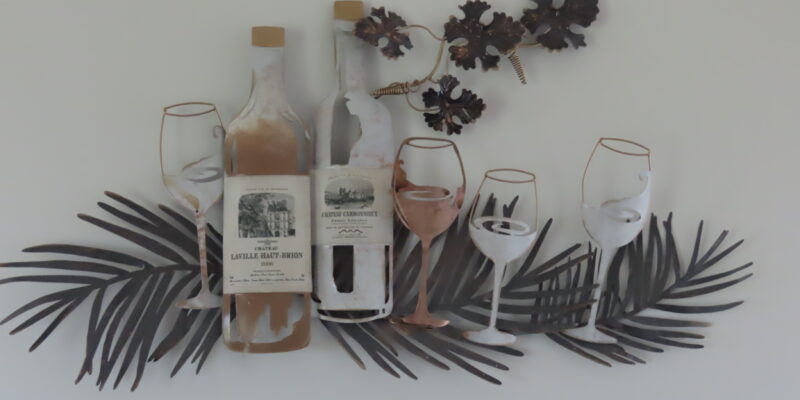
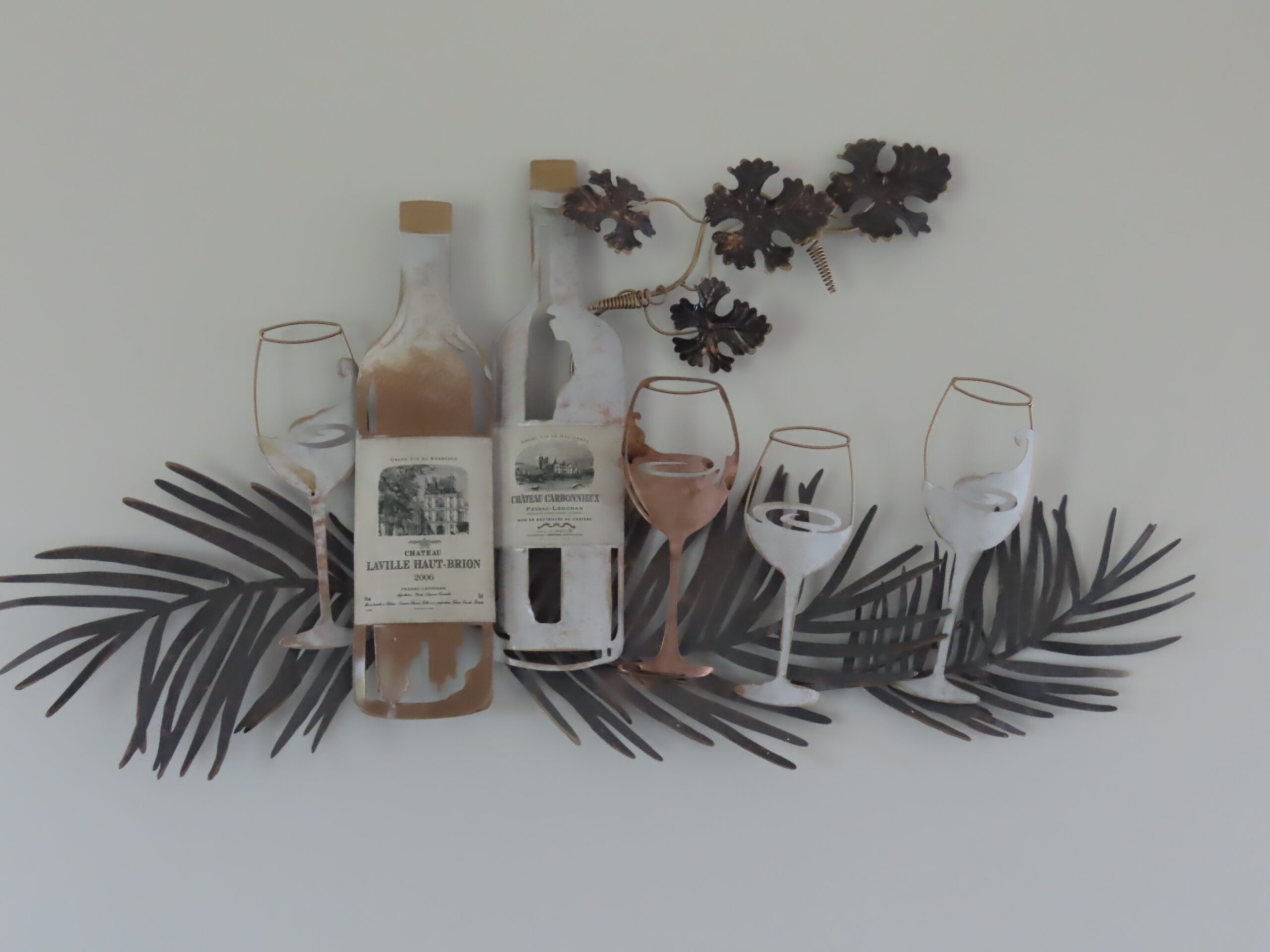
This interesting wall décor caught my eye. It looks 3D but was not.

Yesterday, we booked a hotel in Auckland for February 11, and the sense of relief was almost immediate. It’s located within two minutes of the airport, offers a shuttle, a generously sized room with a king bed, free WiFi, an on-site restaurant, and boasts a 9.2 rating from recent guests. All the small but meaningful details lined up just right for our next day’s flight. By making this choice, we’ve removed the pressure of having to rush to Auckland on the day of our flight to Tasmania. Instead of watching the clock and navigating traffic with clenched jaws, we’ll arrive calmly, enjoy a pleasant dinner at the hotel’s restaurant, and let the evening unfold without urgency.

The plan is simple and, for us, ideal. Tom will drop me and the luggage at the hotel, then return the rental car using the hotel’s free shuttle. After that, we can truly relax for the evening, knowing that the hard part is already taken care of. Early the next morning, we’ll head out for our flight to Hobart feeling rested rather than frazzled. We’ve learned over many years of travel that the lowest-stress scenario is almost always worth it, even if it means paying a little more. Peace of mind, especially during transit between countries, has become one of our most cherished travel luxuries.

On another note, this past week has marked a welcome shift back toward normalcy. Since I’ve been feeling better, I’ve started exercising each day, following a few online guides I discovered after doing a bit of research. The exercises are somewhat strenuous, and there are moments when my muscles remind me just how sedentary I was while sick. Still, I can already tell that my strength and stamina will improve over time. Progress may be slow, but it’s happening, and that in itself feels like a victory.

While exercising yesterday, I was facing a wall in the living room and suddenly noticed an unusual piece of wall décor, something that had clearly been there all along. I pointed it out to Tom and asked if he’d seen it before. He hadn’t. That realization made us both laugh. After nearly three weeks in this house, you’d think we would have noticed not only that item, but other decorative details as well. Yet, as is so often the case, we become absorbed in what we’re doing or what’s happening outdoors and pay little attention to the interior, aside from the features/items we actually use.

That’s not entirely true, of course. I have noticed the live plants scattered throughout the house and have watered them each week. But beyond that, much of the décor fades into the background. Years ago, we used to call this phenomenon “house blind.” It referred to the areas in our own homes that needed repairs or maintenance, things we stopped noticing because confronting them meant admitting what we weren’t getting done. There’s an irony in realizing that, as world travelers moving through a wide array of properties, we can still be so oblivious to our surroundings in similar ways.

This particular house, however, is in perfect condition, with no obvious repairs needed. Dave, our landlord and a builder by trade, has been intermittently working on a garage for this house. Yesterday, he stopped by to ask if we’d mind if he worked on it for a bit. We didn’t mind at all. He plans to put the house on the market as soon as we move out. Interestingly, we are both the first and the last renters to ever occupy this home. He has three finished houses on this acreage and a fourth still in progress. Soon, I’ll post videos of the houses, as they really are something special.

In any case, our lack of attention to the interiors of holiday homes never ceases to amaze us. The properties we rent are always in excellent condition, and once we’ve confirmed that reality, our attention naturally drifts elsewhere. Perhaps that’s part of the beauty of this lifestyle: being present enough to feel comfortable, yet unattached enough to let the details quietly exist without demanding our notice.

Be well.

Photo from ten years ago today, January 3, 2016:

In Pacific Harbour, Fiji, this was the vegetable stand where we purchased most of our produce during the 28-day stay. For more photos, please click here.

Happy New Year’s Day to everyone who celebrates today…Challenges paying for holiday rentals?…

Happy New Year to our family, friends, and readers celebrating New Year’s Day today.

Over the years of world travel, we’ve made a very deliberate choice when it comes to paying for holiday rentals: we do not do bank transfers. It’s a rule we established early on and one we’ve stuck to faithfully, largely because of the sheer volume of fraud worldwide, including in many of the countries we’ve visited and loved. Instead, we’ve always paid deposits and final balances through reputable booking entities, allowing a layer of protection between us and the unknown. That buffer has provided peace of mind and, in many ways, has allowed us to travel more freely without constantly looking over our shoulders.

We’ve heard far too many stories from fellow travelers who wired funds directly to property owners they’d found online, only to watch their money disappear. Once it’s gone, it’s gone.

Wire transfers have always made us uneasy. There is no safety net, no meaningful recourse if fraud is involved, and very little forgiveness if a single digit is entered incorrectly into a bank’s processing system. For that reason alone, we’ve avoided them whenever possible. Thankfully, most of our holiday rentals over the years have been paid for using credit cards through trusted services like VRBO, where accountability exists on both sides of the transaction.

As we prepared to pay for our upcoming rental in Penguin, Tasmania, a place we’ve stayed before, owned by someone we know and trust completely, we unexpectedly ran into a wall. The owner doesn’t accept credit cards. That alone isn’t unusual, but it set us on a frustrating path as we attempted to find an alternative. We explored Wise, PayPal, Western Union, and several other services, only to be met with exorbitant fees or an inability to process our credit cards at all. Each failed attempt chipped away at our patience.

I even called our credit card companies directly, convinced that something must be blocking the transactions. But no, they assured me everything was clear on their end. Apparently, New Zealand’s systems have additional safeguards in place to prevent fraud, which is admirable in theory but maddening in practice. I tried processing payments with and without our VPN, hoping that might make a difference. It didn’t. After nearly two hours of going in circles, we reluctantly decided to do the one thing we’d avoided for years: initiate a wire transfer through our US bank.

Even that proved more complicated than expected. There wasn’t a straightforward path to send money directly to his bank in Tasmania. Instead, the transfer had to pass through his bank’s Sydney corporate office. It was time-consuming, confusing, and required a level of concentration that felt disproportionate to the task. But eventually, finally, it was done. The relief was palpable. One more logistical hurdle cleared.

Our next easier task is booking a hotel in Auckland for our final night in New Zealand. With a long drive to the airport and an early flight to Tasmania, leaving in the morning feels far too risky. One unforeseen delay, weather, traffic, and the unexpected, could unravel everything. We’d much rather pay for a single night’s stay than absorb the stress of cutting it too close.

Traveling the world non-stop requires aggressive planning balanced with sensible caution. It’s a constant dance between trust and preparedness, flexibility and structure. While the freedom is immense, the responsibility that comes with it is very real, and sometimes exhausting. But when everything finally falls into place, it’s worth every careful step along the way.

Happy New Year’s Day to all our family and friends celebrating today.

Be well.

Photo from ten years ago today, January 2, 2016:

Tom and I had dinner on his birthday, but my clothes became dirty from my flying lobster tail landing in my lap. For more photos, please click here.