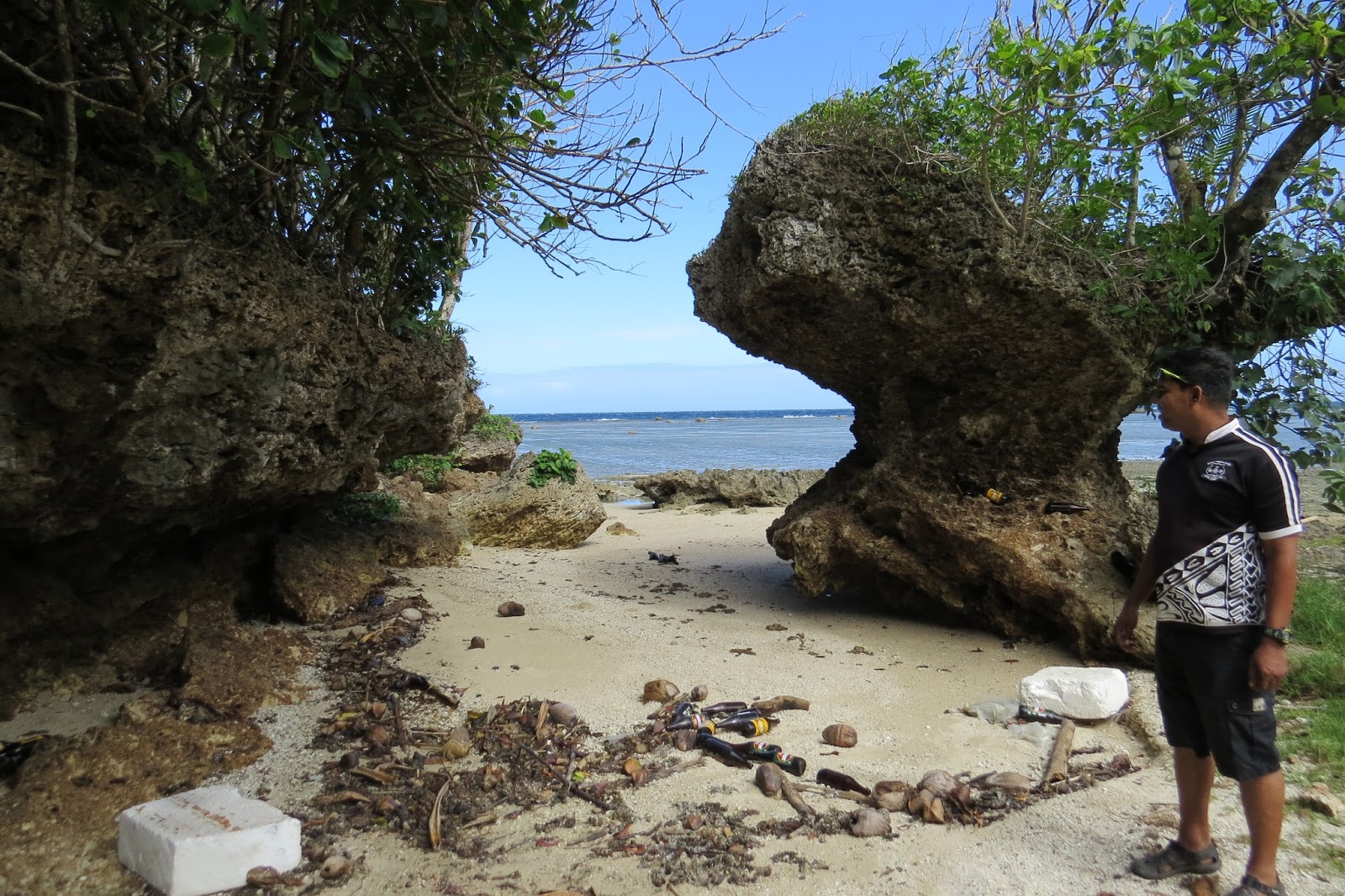
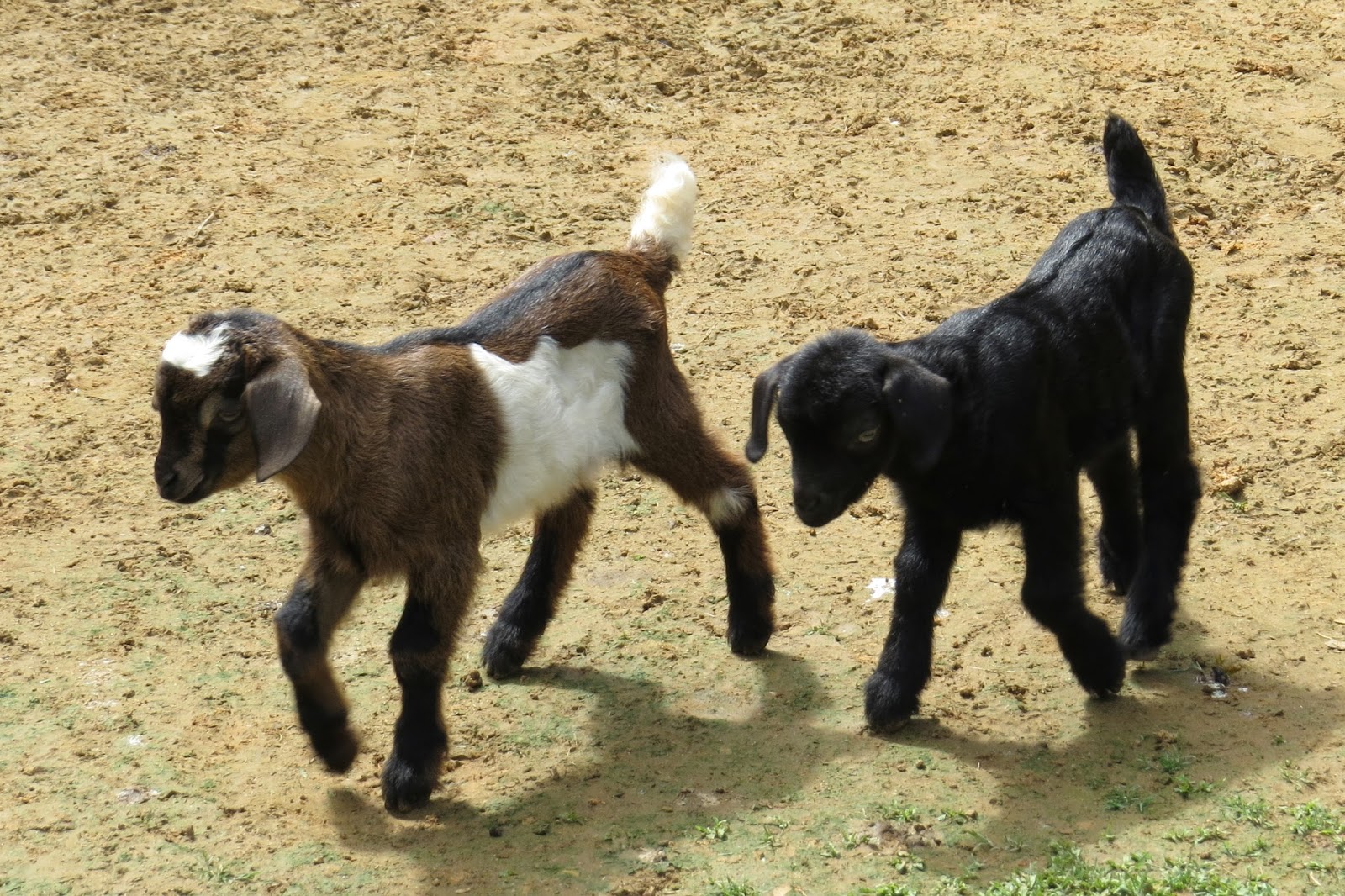
This morning Mario and I went to the village to meet with the phone/internet company. Mario knows them well and they’ve promised to come today is coming to resolve our connectivity issues, whatever it takes. Once this is resolved, we’ll be able to post more photos each day. We apologize for the inconvenience and are exciting to be working well once again.
 |
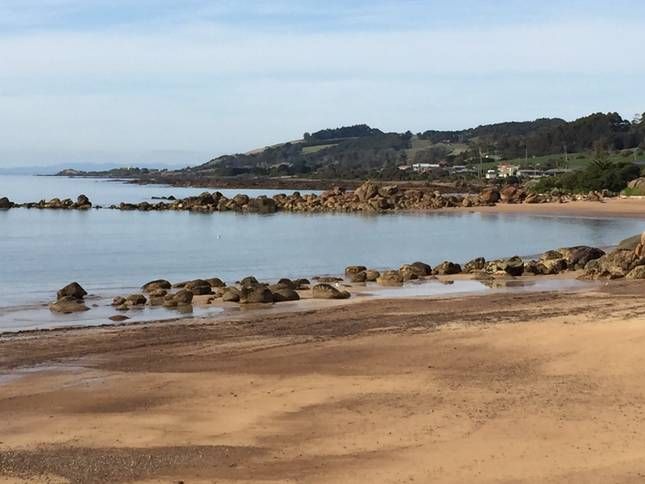
| Seeing Vanua’s Levu Blue Lagoon was pure pleasure. The color was breathtaking. |
It’s only been almost a month since we arrived in Fiji. During this period, we’ve had numerous opportunities to speak with many native Fijians, with an ancestral history reaching back hundreds of years, many of whom were bound by a life of slavery and poverty.
These ancestral roots coupled with newfound freedom from slavery during only the past 45 years bespeaks the demeanor and ethics of a nation of people. Although only witnessed by us on this quieter of the two main islands for this short period, we only reference that which we learned here in this sleepy little village of Savusavu on the island of Vanua Levu.
It was two years ago, almost to the date, that we spent a day in the Maasai village, gleaning every morsel we could gather on their simple lives, their dignity and honor, and their traditions so foreign in our own naivety.
That’s not to say there’s a direct comparison between the Maasai and the people of Fiji. The only correlation I can make is the fact that they maintain a degree of integrity and work ethic befitting their culture and lifestyle, leaving no one in the lurch to falter without the dedication and without commitment in upholding their honorable heritage.
The people of Fiji embrace a life of simplicity only enhanced by the use of technology necessary to fulfill work obligations via the use of cell phones and now computers, not necessarily affordable in their homes but available at certain locations throughout the village; for managing their businesses and to maintain contact with loved ones from afar.
 |
| The Blue Lagoon is a popular spot for tourists to visit for sunbathing and swimming but we only saw one person near the water’s edge. |
The only Fijians who don’t work are those with a severely disabled and/or the elderly who are unable to care for themselves. In those cases, the family members and friends provide for one another.
When speaking to Fijians we find that everyone is “related” often referred to as an “aunt” or “uncle” or “grandma” or “grandpa” or other relations. Perhaps, in essence, particularly on this small island, they are related and if not, they give one another the respect in referring to their friends and neighbors as relatives of one sort or another. They all look out for one another.
They explained that the government doesn’t provide assistance for those who can’t find work. They explain saying, “Everyone in Fiji works. We provide for ourselves. If they can’t find a job, they make a job…go fish in the sea and sell the fish at the market…someone will buy…grow a garden and sell the plentiful fruits and easily grown vegetables in the Farmer’s Market…sell coconuts, free and plentiful for the picking…farm chickens and goats.”
Peer pressure, moral and spiritual views, strong in Fijians, prevent them from expecting handouts and we see no begging on the streets, no pressure from vendors on the streets as tourists wander about the village.
If a neighbor or friend is without food or shelter, others will come to their aid, offering immediate sustenance and shelter and mostly, offers opportunities to work for a friend or relative. Ah, would that the world be this way… helping one another…nudging one another to seek love, to seek work, and to live the best life possible.
The tourist trade on this island of Vanua Levu is subtle. As we walk into the village, it appears that 90% of the people are locals. However, these locals, along with the remaining 10% tourists are also consumers of products and services. They serve one another. They serve us. With kindness and generosity.
We asked the question, “When you go home from work at night, what do you do?” They answer, “We have no computer or television. After we cook and have a meal together, we do our work in our home to be clean and then spend time together in prayer, reading, playing a game, and talking about our day. That is our life. We are happy people. We don’t think of bad things and worry.”
Families stay together, all family members sharing in their age-appropriate roles to support the family. Many families include five or six children. They stay close and connected to adulthood and old age.
It’s not an easy life. But, if a life is lived without worry or stress, filled with love, and exercising a sense of responsibility and dedication to attain the best quality of life, happiness and joy is a natural response.
In one of my favorite books, “The Road Less Traveled” by M. Scott Peck, the author espouses, that “love” and “work” are secrets to true fulfillment in life; loving one another and a higher power to give us strength and meaning; finding value and purpose in our work, as quoted from the book:
“Until you value yourself, you won’t value your time. Until you value your time, you will not do anything with it.”
“Love is the will to extend one’s self for the purpose of nurturing one’s own or another’s spiritual growth… Love is as love does. Love is an act of will — namely, both an intention and an action. Will also implies choice. We do not have to love
To the extent that the Fijian people have embraced in their own knowledge and values, who they are as a people, who they’ve become in this day and age, and who they will be in future generations, we remain in awe.
Photo from one year ago today, October 5, 2014:
Due to the poor WiFi signal, we aren’t able to bring up the year ago photo and link. As stated above: This afternoon, a technician from the phone/Internet provider is coming out to make repairs in our house. Hopefully, we’ll be fully operational by tomorrow’s post. We apologize for the inconvenience.