Part 2…Foreign currency while traveling…The most economic means of handling leftover currency…

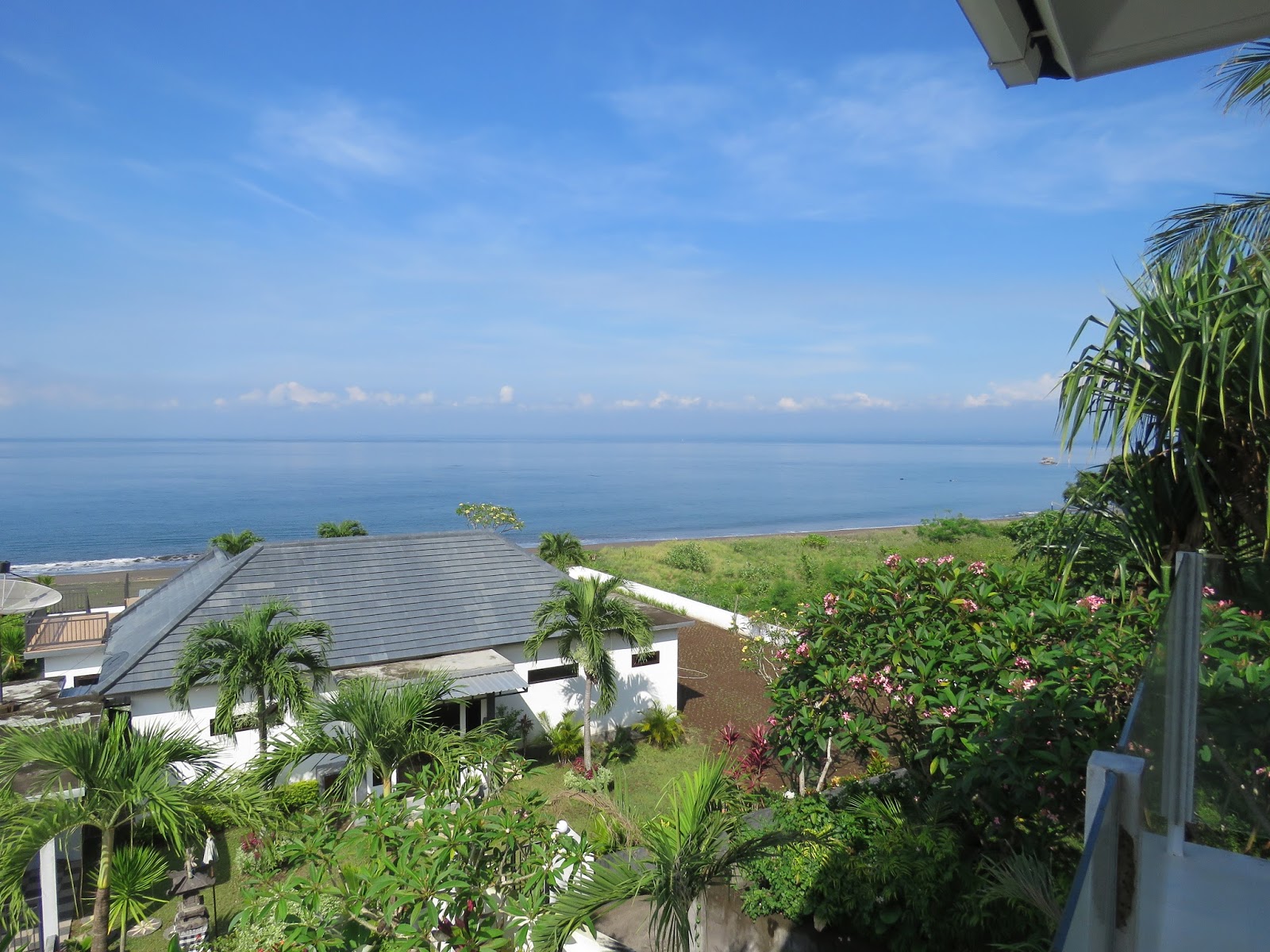
We have a better view of sunset during this second stay in Bali.

“Sightings on the Beach in Bali”

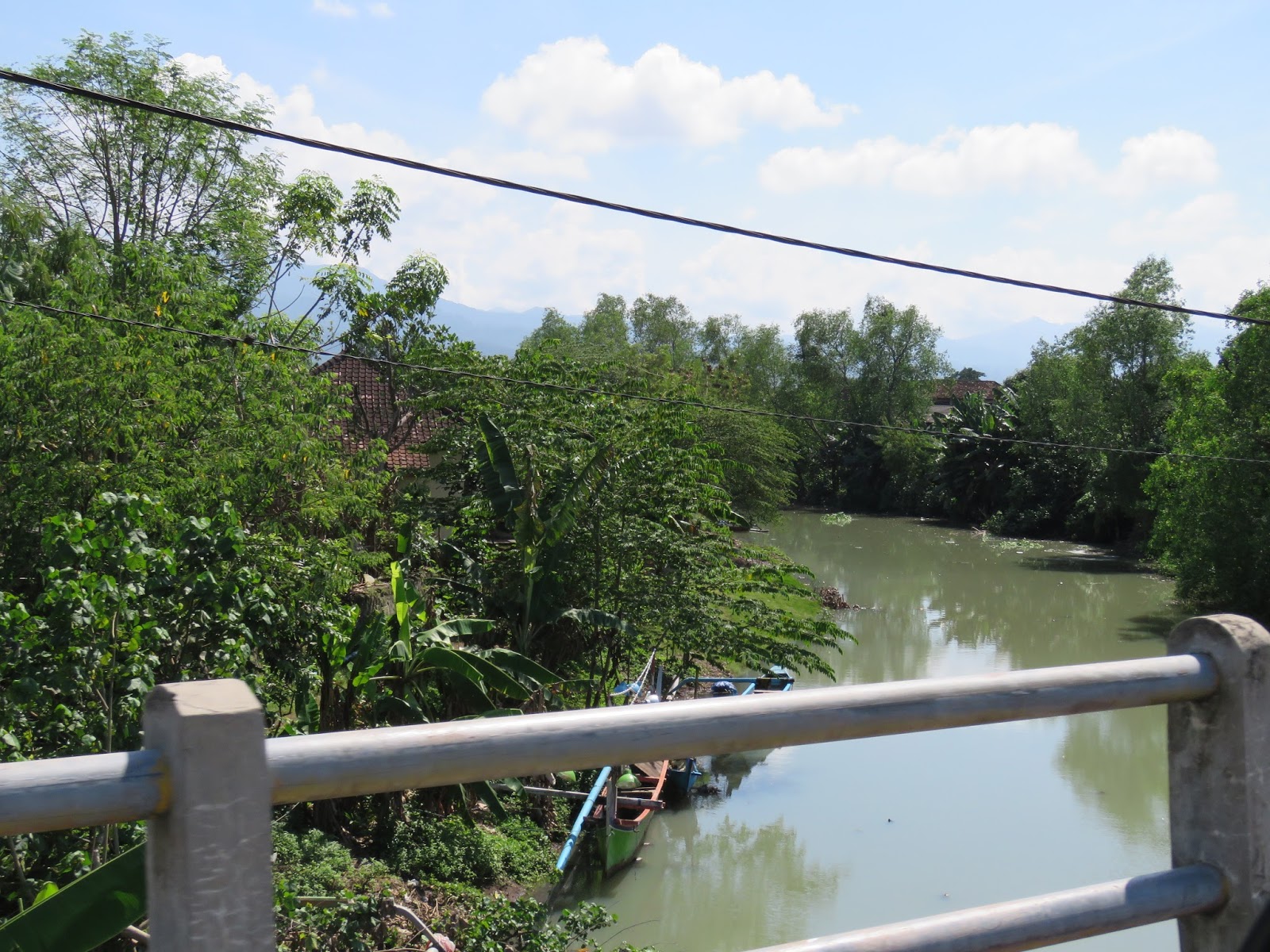
Motorbikes have to navigate crossing the river to continue on the beach.

If you had an opportunity to read yesterday’s post, “Part 1…Foreign currency while traveling” today’s post will make a lot more sense. Please click here if you missed it.

Sure, it’s a lot of mumbo jumbo about foreign currency and ways we’ve found to save money in regard to exchange rates and currency acquisition. For those of you who are our beloved “armchair readers,” we hope we haven’t bored you with this information which may be meaningless to you. 

Perhaps, you could share the above link with friends and family who may be traveling outside their home country. We often hear from our readers who’ve shared our travel information with others and we’re so appreciative of each and every one of you for doing so.

One of the challenges of using foreign currency, particularly for us traveling to so many countries, is avoiding leaving a country with a wad of foreign currency or even the annoyance of a handful of small bills and change.

Gorgeous flowers blooming by the pool.

There are a few simple steps we’ve taken when we get currency at an ATM, not only the first day when we’ve entered the country but at other times along the way when we’re needing more.

Many ATMs have restrictions on how much currency a user can take at any given time. It depends on the risk of theft in the area, banking laws and how much currency the machine can manage. It’s also based on how frequently the stores of currency are restocked.

In Bali, after several stops to ATMs in a variety of locations, we’ve found the restrictions for currency distribution are more often in lesser amounts than the predetermined amount we’ve established with our bank in the US (for security reasons). 

As a result, for us, having multiple bank accounts enables us to continue to enter another debit card to continue to collect more currency. However, most travelers (for pleasure) may only have one or two accounts. If you have a second account, say a savings account, you can set that account to handle also ATM transactions.

Sun filtering through storm clouds.

In the US there are regulations of how many transactions you can move “out,” not “in” to a savings account. It’s important to know this if you’ll be using a savings account frequently for currency withdrawals. 

For those who generally don’t use ATMs, always verify you have sufficient funds in the account you’ll be using to acquire currency. There’s no margin of error here of which most are well aware if regularly using ATMs. 

Surprisingly, we’ve met many travelers, especially those who haven’t quite stepped up to modern technology, who’ve never used online banking or even ATMs. 

Before they travel, they physically visit their banks make a large cash withdrawal to handle what they assume will be sufficient for their entire holiday/vacation. Often, this requires advance notification for foreign currency. As a result the travelers ends up carrying huge amounts of currency earlier than needed. This is itself is a security risk. 

Another sunset view.

We’ve encountered travelers with only one credit card which may have a limited amount of credit available or remaining after other expenditures. This could be a disaster when traveling, especially in addition to not having set up their bank accounts to use ATMs.

Once they arrive at their destination if they haven’t already done it at their bank, they exchange the currency to that of the country(s) they’re visiting at a currency exchange facility or at their hotel/ship, etc. Again, we can’t encourage you more than to avoid currency exchange facilities. See yesterday’s post for more details.

We only use online banking. We can’t walk into our bank. We’ve established an added layer of security using a VPN (virtual private network), an app for which we pay an annual fee to Hotspot Shield. However, if you go to their site here you can sign up for a free account to use while traveling which is available for laptops, tablets and smart phones. 

We rarely edit our photos. There’s simply too many to take the time. The change in sunset colors appears exactly as we took these photos.

If you use the Hotspot Shield free account, you’ll have a bar at the top of any webpage encouraging you to sign up for the paid account. Ignore this while traveling. It’s quick and easy to uninstall the app when you return to your home and the bar will disappear.  We use the annual fee based app (without the bar) since we’re always traveling, but this app has security benefits you may appreciate even if you don’t travel.

Depending on the level of security offered by your bank, in most cases you can  view your accounts online from anywhere in the world without using a VPN if you have some type of security software. This is important to check into sooner rather than later. 

Do not conduct banking an any public unsecured WiFi hotspots!  Often cruisers rush to the free Wi-Fi locations at any given port of call and conduct business. This is very risky!

Another colorful view.

Anyway, on to the most economic means of handling what could prove to be “leftover currency” which we always make every effort to avoid. Early in our travels, before we were as diligent as we are now, we left the country of Kenya with KES 1000. Kenyan Shillings are impossible to exchange outside of Kenya. There were only valued at US $9.88, IDR 128,751 but we could have easily ended up with considerably more. 

It required that single experience to teach us that we’d never leave a country with their currency stuffing our wallets unless we knew we’d have a specific use for it such as Australian dollars, which we’ll continue to use over the next six months until we head to the US to visit family and friends. (Wow! We can’t believe we’ll be on our way to the US in six months!)

We’ve since learned that before we make our first ATM visit in a new country we estimate as closely as possible how much we’ll actually use. For longer stays, we may get cash as needed on multiple occasions. 

Recently, with lots of clouds and rain, we’d taken few sunset photos.

For short stays such as when we were in Singapore for one week using the SGD, Singapore dollar, or when in any country for any period of time, we carefully calculate our needs for the stay asking ourselves the following questions:

1.  Do taxis and driving services accept credit cards?
2.  What is the tipping policy in the country?  Will we need currency for tips? What will we need for additional cash tips on cruises, at resorts/hotels or vacation villas?
3.  Will we be able to pay entirely for our hotel/resort stay using a credit card?
4.  Do we have sufficient, appropriate currency for making purchases at shops/restaurants located at various ports of call when cruising? Find out in advance as to the currency used at a particular port of call. Use a local ATM. Don’t exchange the cash in your wallet.
5.  Have we signed up for any private tours or charters or sightseeing expeditions that require cash payments at the time of service?
6.  Do we have sufficient cash for incidentals such as a market, pharmacy, a coffee shop or food at a roadside stand?
7.  Do we need currency to pay for data/phone SIM cards?
 
Based on your use of services and products this list could go on and on. It’s not a bad idea to make a note of estimated amounts you may spend during your holiday/vacation. 

During every stay, we check how much currency we have remaining, asking ourselves these same questions. In the case in Bali, as mentioned in yesterday’s post, we use more currency than in any other country we’ve visited to date.

Local farming structures with a few nearby cows.

With whatever we have left which if carefully planned won’t be more than we intend to use to pay tips, drivers and a possible beverage at the airport. Recently, while at the airport leaving Vietnam, we had an extra US $15, VND 334,553, IDR 195,563.  We used the leftover currency to purchase nuts for the long flight in the event the food wouldn’t meet my dietary restrictions. It didn’t, and those nuts were a lifesaver for me while Tom ate both of our dinners on the flight.

While we lived at Trinity Beach, Australia, we decided to see if we could survive three months without ever using visiting an ATM or using any Australian dollars. Instead, we entirely used credit cards. We never needed a single AU dollar! That was the exception.  Australia is much like the US that way, credit cards are used everywhere.

There you have it folks, our detailed analysis of currency while traveling. If we haven’t addressed an area of interest to you, please feel free to write in the comments section below. We’ll be happy to reply with 12 hours, barring no power or Wi-Fi outage!

Have a great day!

Photo from one year ago today, October 13, 2015:

Breadfruit was growing in the yard in Fiji, a popular item in the islands. Here’s a good article on breadfruit. We’d love to try this which is the size of a grapefruit, but it contains 26 grams of carbohydrates and 11 grams of sugar in 1/4 of a fruit. For more details, please click here.

Part 1…Foreign currency while traveling…

Often we see statues in the centre of roundabouts which are more frequent than traffic lights in Bali.

“Sightings on the Beach in Bali”

Although they are smaller buffaloes than the more frightening males, these young boys have a big task to accomplish when they take them to the river.

Most countries have their own specific currency, which is commonly used with the exception of a few countries, such as the US dollar and the euro which are accepted in several countries as shown below.

For the US dollar:

“Countries that only use foreign currency. US dollar: Ecuador, East Timor, El Salvador, Marshall Islands, Micronesia, Palau, Turks and Caicos, British Virgin Islands, Zimbabwe. The US dollar is the most widely used currency in the world, with many countries employing it as an accepted alternative to their own currency.”

For the euro:

“The euro is the sole currency of 19 EU member states: Austria, Belgium, Cyprus, Estonia, Finland, France, Germany, Greece, Ireland, Italy, Latvia, Lithuania, Luxembourg, Malta, the Netherlands, Portugal, Slovakia, Slovenia, and Spain.”

Farming a wide array of crops is a big deal in Bali.

As we continue our travels around the world, we often need to access the local currency when we arrive. In many cases where we’re hiring a taxi or driver from a port or airport, we’ve often had to stop at an ATM in order to get cash to pay the taxi fare when many taxis/taxi companies in certain countries don’t accept credit cards. 

Overall, we’ve found most countries do accept credit cards for store purchases including supermarkets. Local currency is usually required for farmers markets, roadside stands and other small business operations.

This large red insect which appears in the shape like a grasshopper which could potentially have poisonous properties based on its red color.
Many have asked how we handle “exchanging” US currency to the currency of the country we’re visiting. At this point, we don’t carry any US currency other than enough for additional cash tips we offer certain staff while on a cruise. (These are over and above the tips added to our bill or per a promotion, included in our fare).

Essentially, we don’t “exchange” currency for another currency.  The cost of doing so is high with exchange rates at local facilities, including airports, shopping malls and near ports of call have proven to cost more than we’d ever pay using the most simple of all:  the local ATM.

Nor do we use regular credit cards to obtain cash. Often, the credit card companies encourage the card holder to use their credit cards for obtaining cash and foreign currency while traveling done so with the intent of them collecting often hidden and outrageous fees.

Unfortunately, most credit card companies immediately begin charging interest on the cash advance. We figured this out long ago when we first began our travels and never use credit cards for cash advances.

A government building.

These fees vary for each credit card company making it impossible for us to do a detailed analysis and comparison.  Also, based on one’s credit rating and/or types of credit cards, the exchange rates may vary from card to card.

Instead of using credit cards, we use debit cards to obtain local currency. To protect against a risk of a theft of substantial funds while at an ATM, we’ve set limits with our bank in the US, that we can only obtain a certain amount of cash on each of our four debit cards on four separate bank accounts. 

This enables us to use each card for the maximum amount in the event we need an especially large amount of cash on a particular day. Based on the fact we use credit cards to pay for flights, cruises, vacation rentals and general expenses, we only need a given amount of cash for incidentals, such as here in Bali.

Coleus plants are common in shady areas in Bali.

Generally, Bali is a “cash & carry” location for the vacation home traveler. Credit cards aren’t accepted from foreigners at most locations except hotels, resorts, fine dining establishments and a variety of more substantial business entities.

Our requirement for large sums of cash have been higher in Bali than in any other country we visited to date. Each evening after dinner we give the two Ketuts cash for the ingredients for the next night’s meals. Also, we pay cash for use of the vehicle, a driver, incidentals and eventual tips when we leave which counts into the millions of Indonesian Rupiah.

Many varieties of bananas are found throughout the world. Those grown in Bali tend to be smaller than in other countries.

We usually request the same meal two nights in a row (a habit we acquired when cooking for ourselves to cut down on daily prep time) and they collect the sums for the actual cost of the ingredients with a small fuel charge, paid in cash every other day.  (The cost for the meal preparation is included in our rent and of course, we leave substantial tips before departing).

Although the average evening’s meal is rarely more than US $12, IDR 156,600 (often less), with the denominations of Indonesian Rupiah as huge as they are: IDR 1,000,000 to US $76.63, we must keep enough cash on hand to avoid traveling back and forth to the ATM every week, incurring additional transportation expenses. 

Obtaining cash from an ATM is not free. Each machine has its own local fees which may vary from village to village. Plus, our bank charges a flat US $5, IDR 65,250 per ATM transaction when it’s not their own machine. 

There’s an apotek (pharmacy) every few blocks.

In most cases we use one debit card on a visit to an ATM. Many ATMs charge a fee of approximately US $2.50, IDR 36,625.  In each case we’ve received cash it’s in stacks of IDR 100,000, (US $7.66). This results in a lot of paper to handle when requesting millions of rupiah.

Our average cost per maximum transaction per debit card, including ATM fee and our bank fee is a total of US $7.50, IDR 97,620, which averages slightly under 1%. Had we taken the time to visit an exchange facility, we’d have lost considerably more than 1%.

Besides, visiting an exchange facility leaves the typical customer wondering how much they actually lost when they may not have that day’s actual exchange rate in hand, other than an often arbitrary number (we’ve noticed) posted at the facility.

On January 15, 2016 (click here for our link) while on the Celebrity Solstice on our way to New Zealand, where we were staying for 89 days, we inquired as to exchanging some intentionally leftover AU (Australian dollars) for NZ (New Zealand dollars). We were shocked by the high fees the cruise ship required to make the exchange which totaled 23%, a far cry from an ATM exchange of under 1%.

Rooster, chickens and a bucket. Notice the flip flops near the bucket. Most Balinese wear some type of flip flops even while riding motorbikes. Shoes of any type aren’t worn indoors.

As you can see, we’ve carefully analyzed the best course of action for us and possibly for other travelers seeking local currency.  However, each individual case may vary based on charges from ATMs, debit or credit cards you choose to use. 

Prior to traveling to foreign countries its a good idea to spend a few minutes contacting your bank or credit card companies to determine the charges they may incur for an exchange rate.  Purposely, early on our travels we chose only credit cards that didn’t charge any excess fees when we used the cards in foreign countries to make purchases.  

We avoid using regular credit cards at ATMs when each bank may levy outrageous fees for “getting cash on the card.” We only use a debit card taking cash from one or more of our accounts (if necessary).

With this post too long for one day, we’re continuing Part 2 tomorrow where we’ll explain our plans for leaving each country without any “leftover” currency (unless we need to use it elsewhere) to avoid losing so much in fees to exchange it back to our home country’s currency. Please check back.

Please note:  Due to WiFi issues today, we’re unable to edit line spacing.

Photo from one year ago today, October 12, 2015:

Boats at the marina in the village in Savusavu, Fiji as we began a sightseeing outing. For more details, please click here.

Busy viewing morning…TV watching habits…

Crops covered with metal tubing to avoid sun damage.

“Sightings on the Beach in Bali”

Angler on the beach ready to land his nets.

During daylight hours, we never turn on the TV other than to watch the Minnesota Viking Games and to air political debates after plugging in the HDMI cord. 

In our old lives, the TV would often be on all day during Tom’s days off and for a select hours during the days after I retired. There were some favorite shows that I had run in the background while I was constantly engaged in a multitude of tasks. 

He’s contemplating where he’d have the most success.

Actually sitting down to watch a show rarely appealed to me except in the evenings when I’d run out of steam, needing to wind down in my comfy chair passed in a flash. I retired in 2010, two years prior to Tom.

We’d stop our routine for unexpected visitors, household cleaning and maintenance, miscellaneous yard work, trips to the grocery store, Home Depot, the health club, preparing meals and activities with family and friends. Frequently entertaining guests consumed massive amounts of prep time.

He tosses the weighted nets in the sea.

When we envisioned our retirement, I can honestly say with a degree of embarrassment, that had we stayed in the US living as many retirees do, we’d have spent several daylight hours in front of the TV watching news and financial markets while our fingers flew across the keyboard on our laptops. 

In the evenings after dinner, we’d surely have parked out butts in the same comfy chairs to mindlessly watch several shows we found to be particularly entertaining, which we’d recorded on one of three DVRs; in the kitchen, the bedroom and the family room.

A short time later, he’d had success, most likely having caught squid.

Happy together as a couple, with plenty of family and friends, there’s no doubt that our lives would have been good. But how about GREAT as opposed to GOOD? Could we somehow achieve a heightened degree of happiness and fulfilment? We discovered we could and, we have.

We never stop appreciating an ocean view.

For us, the way we’ve accomplished having this GREAT life was  making the exciting yet difficult decision to travel the world in January, 2012. We left Minnesota on October 31, 2012 after a full nine months of planning while busy organizing and selling everything we owned while we created an itinerary for years to come.

In light of all this, we no longer spend endless hours parked in front of a TV screen. If anything, we watch no more than two episodes of favorite series, we can stream or have already recorded on my laptop. We don’t have a TV in many vacation homes or, as is the case in Bali, there are no English language channels.

There are many farms located along the ocean.

This morning, Monday in this part of the world, we’re currently situated in the villa’s living room on the main floor (no AC, hot and humid) in front of the TV watching the Minnesota Vikings Game on the NFL GamePass app. After the game, we’ll stream the political debate. 

By 11:00 am, we’ll head out to the pool to spend the remainder of the day outdoors, walking the beach, watching for photo ops of sightings on the beach and loving this simple life. Most days, we’re outdoors by 8:00 am.

We crossed countless rivers and waterways in the four to five hour harrowing road trip, coming up again in 19 days.

The two Ketuts just arrived with their usual smiling faces carrying bags of fresh prawns and vegetables for tonight and tomorrow’s dinners. Ribud is cleaning the veranda, the grounds and the pool after a weekend of winds and pouring rain which left behind quite a mess.

And as always he’s setting up the chaise lounges with cushions and fresh towels and cleaning the cabana for our use later in the day when we escape from the sun. He cleans the cushions, straightens the pillows and sprays for those biting red ants. 

The ocean to our left as we made our way from Denpasar.

There’s no major TV time for us in this life of world travel. We’re preoccupied with simple joys and the uncomplicated nature of our daily lives, grateful and in awe of the world around us.

May your day be uncomplicated and joyful!


Photo from one year ago today, October 10, 2015:

In Fiji, this popular “island with three trees” is mostly underwater at high tide. For more details, please click here.

Worst storm in our travels, yesterday in Bali…Flooding in the streets…Photos…


We haven’t seen a flood like this since we lived in Minnesota, USA, a lot of moons ago. We took this shot from the front of the villa.

“Sighting on the Beach in Bali”

A rainbow at the end of the storm.

During our four years of world travel, we’ve experienced a tremendous number of storms, winds and hurricane scares, all of which we survived unharmed and without serious consequences, unlike millions who are suffering in the eastern seaboard in the US, Haiti and many other islands in the Caribbean Sea.

We extend our deepest sympathies for the loss of loved ones, their homes and all their belongings. Most are uninsured and can only pray for ways to sustain their lives as their shelters, towns and villages are rebuilt. 

The road facing our villa was flooded during the storm but had retreated this morning.

With the toxic water supply after such catastrophes, the lack of food and medicine, the suffering lived by these lost souls can only be imagined in our worst nightmares. May the souls of the world’s genres come together to help bring some semblance of stability and security to their lives as soon as possible. We pray for the safety and well-being of these people.

Based on the latest online news report 13 died in the United States as a result of Hurricane Matthew with 900 deaths reported so far in Haiti.    The numbers keep increasing as more and more news comes in. Millions of people have no electricity with a lot of houses under water. Many view their personal belongings and the debris of their homes floating away.

View to the lawn from the kitchen window.

Nothing we have experienced over the past few years of traveling the world can be compared to the devastation caused by Hurricane Matthew and other natural and human-inspired disasters. Our hearts break for the suffering of other people around the world.

But, as we continue to share the details of our lives in our daily posts, which under the above circumstances seem trivial and unimportant, nonetheless, with the utmost of respect, our lives and yours continue on. 

The details of our experiences seem to be the driving force to bring back our faithful readers day in and day out for both the exciting and surprising, the mundane. 

Another view of flooding on the road into the next door neighbor’s gate.

In fact, I often feel like we all enjoy the mundane. Everyday life, as such, for most of us is relatively mundane. We humans, more or less like animals, find great comfort in the familiarity of our routines. 

Judge us, you may, you constant-adventure-seekers… You are the exception to the rule. We admire you for your bravery and sense of wonder that takes you on one exciting trek after another, one life endangering adventure after another as you explore your surroundings with a passion that few of us know or fully understand. Go for it! Be as safe as you’re able! Share your stories and photos with us!

For the rest of us, we’re able to find excitement and adventure in other ways, based on our level of desire for challenge, our age, our limitations (at times, self imposed) and above all our fear.    We all have the right to choose where we fit into this realm.

Last night, the two Ketuts walked in bare feet in this rain flooded road to the villa to make our dinner, leaving their motorbikes elsewhere on higher ground.

Overall for us as world travelers, we’ve opted on the safer side. After all, we decided long ago that this adventure would be on our own terms, not what others may do or expect. We don’t feel we have to prove anything to anyone as to how brave and fearless we are, we have been and we may be in the future.

One needs only to be investing our archives to find endless risky experiences we’ve consistently embarked upon along the way with many more such adventures yet to come. It’s only been during these past four months we’ve been hindered by my recent spinal injury (on June 1st) which continues to improve each day.

As we share yesterday’s storm experience, it is in no way intended to imply we were in any danger or could possibly grasp the magnitude of the devastation to the lives of those having experienced Hurricane Matthew and other such heart wrenching disasters.

We’re here to report the mundane, the exciting and the adventures of our lives, of world travel whether its an interesting insect on the veranda, a beautiful flower blooming on the grounds or an angry buffalo in the river anxious to chase my husband at his earliest convenience. 

This monstrous beetle was hunkered down on the veranda during the storm.

We report it all here for our readers to decide (if in fact, deciding is relevant) which aspects of our lives appeals to them and which do not. We easily can decipher from our stats which topics seem to attract more readers as we strive to appeal to many readers at any given time. 

We appreciate each one of you whether you like certain topics or not.

For those of our regular readers, you well know, we’re only one day away from a new topic which may prove to be more appealing to your interests than the current day’s post.

At any time, please write to us if you like us to cover topics appealing to your senses. Although, we tend to shy away from highly controversial and politically charged topics on this site, we aren’t exempt from sharing some thoughts and opinions. Otherwise, our posts would read like a dictionary.

This morning we found this leach type creature in the house, after yesterday’s storm.

This site in not intended for us to spew our perhaps one-sided opinions on certain delicate topics. That’s not to say we’ve never espoused opinions on the healthful growing of produce and meat along with the efforts we make in hoping to maintain good health through what we perceive as good nutrition and quality of life. We have… And most likely will continue to do so as our travels carry on.

May your day bring about a lively conversation or a quip you’ve read or heard that holds your interest! Be safe.

Photo from one year ago today, October 9, 2015:

In Savusavu, Fiji, tourist information was available at the local police station. For more photos, please click here.

Hurricane Matthew…Natural disasters wreak havoc throughout the world…Inconveniences as opposed to danger…

Notice the buffalo in the back of this photo when we carefully strolled along the road where Tom had his buffalo experience.

“Sightings on the Beach in Bali”

Misty morning with river and sea views.

First, we would like to send our love and prayers for people experiencing the wrath of Hurricane Matthew.  We’ve heard from several friends in Florida and hope that they along with millions of others in many locations in Matthew’s path, stay safe along with their families, friends and homes.

A new home in the neighborhood.

Yesterday, we spotted numerous online stories of the inconvenience experienced by cruise passengers when their cruise was diverted to New York (instead of the Caribbean) as a result of the hurricane.

Many passengers tweeted about their frustrations when they ended up in New York without warm clothes and shoes. Certainly, we appreciate the inconvenience and disappointment in discovering their cruise has changed or been canceled, as has been the case, for many US eastern seaboard, Caribbean sailings scheduled over many days.

When we encounter gates such as this, our curiosity tempts us to explore what lies beyond. Respect for the owner’s privacy prevents us from further exploration.

The cruise lines have been working hard to find ways in which to compensate their passengers and many have offered reasonable compensatory packages. But, human nature prevails and many are irate.

Another property protected with a gate to discourage the curious.

Instead, we think of all the citizens of the many countries, islands, cities and states who’ve lost and will continue to lose much more than a cruise vacation. They run the risk of losing their lives when millions are unable to evacuate while making every effort to protect themselves and their loves ones.

I suppose it’s all relative. It’s easy to feel frustrated when plans change beyond our control and we’re left to the decisions of others to determine our next step. We have no doubt those passengers would have chosen their personal safety over so many days of sunbathing or shopping on a tropical island. 

This path was particularly tempting, but we didn’t go beyond the opened gate.

Not intending to be facetious in regard to the irate passengers, long ago we decided that regardless of any inconveniences, we’d always choose safety and well being over possible annoyances. 

We’ve been left waiting in less-than-safe airports for hours at a time when flights had been delayed or  canceled. We’ve experienced outrageous inconveniences going through security at various airports. We’ve encountered the endless power (and subsequent Wi-Fi) outages (including an outage only a few days ago). 

Many of these types of gates are kept locked.

We’ve had countless everyday items confiscated at security checkpoints, items difficult to replace in the upcoming location. Oh, we could go on and on. As frustrating as such situations may be at the time, we’ve always tried to remind ourselves that safety comes first. In doing so, we find ourselves diffusing some of the frustrations able to continue on with an alternate plan.

A food cart on the highway attracted several children after school.

Inconveniences?  Ah, they go with the territory. Traveling the world is wrought with frequent surprises we could never anticipate regardless of how prepared we may think we may be. We’re prone to check and recheck before each travel period and arriving at each new property.

Were we provided with a map and/or directions to find the property when many aren’t available in online maps? We spent hours in the middle of the night trying to find the property in Madeira  when our map wasn’t as specific as it could have been. Lesson learned.

Bridge over a river.

Is there a way for us to enter the property once we arrive? Is bottled water available upon entry if tap water is considered unsafe to drink? Is the Wi-Fi user name and password readily available?  Is the power turned on?  Who do we contact in an emergency?  It goes on and on.

We have no doubt any of the residents in the path of Hurricane Matthew would gladly trade places with the cruise passengers as they board up their homes and determine where, when, how and if they’ll escape the wrath of this massive storm.

Many markets such as this are found in every village.

Inconvenience, we can handle.  Loss of safety and well being is an entirely different matter. We pray for their safety.

May your day be safe.

Photo from one year ago today, October 7, 2015:

Badal, the neighbor Sewak’s dog, stopped by each night while we were having dinner in Fiji. We give him something good to eat, usually whatever meat we’d prepared for dinner.  For more details, please click here.

The golden years…Decision making…

A chicken and its young.

“Sightings on the Beach in Bali”

The river that meanders towards the sea on a sunny day.

It may seem that our daily life is all about lazy admiration for our exquisite environment and idle contemplation of the future. However, it is much more complicated than it sounds. 

The wheels are always turning while the fingers fly across the keyboards, not only in preparing each post which usually takes the first half of each day, but also in considering what is yet to come.

A dirty, pink pig we found walking around.

Its not only the consideration of our future bookings; arranging flights, visas, overnight hotel stays between flights, baggage restrictions, transportation, cruises, cruise fares and itineraries, it’s in ensuring we have a good idea of what we’d like the future to hold beyond our furthest planned booking.

In reality, it’s a lot of work, in which long stretches of idle play may leave us with a need to “get crackin.” Oh, don’t get me wrong, we don’t mind the work commensurate with planning for the future. 

We came a very long way.

Actually, we benefit the most from it. At the end of any stretch of “work” lies the prize, a stay in a new location, the onset of a new adventure and the extension of our desire to experience as much of the world as we choose.

Undoubtedly, this first and only second trip to Bali was the exception. We had two months to fill between the recent cruise on the Mekong River and the next 33-night cruise circumnavigating Australia, sailing in a meagre 25 days. Why not return to this beautiful place when it was relatively easy to fly to Bali and the price was right during the off season? 

Of course, there are the 8 to 10 hours on the harrowing round trip from Denpasar to the villa and back. However, we could have easily spent as much time between and on flights to other locations had we chosen to do so.

Locals use motorcycles to carry whatever they can attach.

Nor does it mean that we will never travel back to a preferred location. Maybe sometime in the future. It’s not like we’re doing a reality show that requires so many countries to visit within a few weeks, months, or years. 

We are blessed by the sublime joy of doing just what we want to do. That’s a twist. So much of our old lives were predicated by a preconceived expectation of what we “should be doing” as opposed to the current “want to be doing.” How refreshing is that, albeit ultimately rather self serving?

Who can say that we cannot commit ourselves to a way of life that corresponds to our personal goals and dreams to reach the ultimate meaning of freedom and exploration. Over the years we’ve often heard comments about how a senior shouldn’t watch so much TV, sit quietly alone in their home, spend time online, or go to the casino three times a week. 

The scary path to the buffaloes Tom encountered.

After spending a lifetime raising a family, working for a living, taking care of others, us old timers can do whatever it takes to make us happy, as long as it’s legal and doesn’t impose upon others. 

Doesn’t warning healthy seniors about poor diet, a few too many cocktails (of course, not driving afterward) and a few too many doughnuts, fall on deaf ears. Didn’t we earn the right to make our own choices? Besides at 70, 80 or 90 years old, is a dietary change really going to impact the quality of their lives when taking away certain foods they desire only causes emotional distress? Doesn’t that stress in itself have a negative impact on life?

Sure, I’ve chosen a dietary path that aids greatly in my health. But no one made me do it.  Alone, I made the decision and its served me well. On the other hand, Tom has recently come to accept that food is better-than-medicine and continually eating starches, sugars and carbs have a deleterious effect on his health. It’s a personal choice.

Homes in the area are often built with more durable cement blocks.

Certainly there are those of ill health and less mental clarity that may require the guidance from family and professionals. But, the majority of us are capable of making our own decisions on how we’d like to spend our “golden years.”

Doesn’t that expression imply what it says, “golden years,” not dark and dreary decision-less decades of feeling pushed into doing what others perceive we should be doing in our old age?

How easy it was to tell our aging parents what they should have been doing. Looking back now with the knowledge we’ve gleaned from these past years of traveling the world with an ultimate sense of freedom, we may have felt differently about how we tried to manage the lives of our own aging parents. 

A partially built, never finished, the cement block structure.

No doubt our intentions were based on love and concern. Perhaps we could have offered greater opportunities for them to become more involved in the decision making process instead of, at times, pushing a little bit too hard.

We don’t get a do-over. Ours are gone now.

Perhaps, for baby boomers caring for senior parents, there’s some possible insight and, also for our own (yours and ours) adult children as they watch us age, at times worrying about that which we choose to do: Is it dangerous? Are we putting ourselves at risk? Should we see doctors more often? Take more or less medications? Have more or less surgeries? Travel less? Take less risks?

It’s an imperfect world, especially during this period as we observe so much crumbling around us, often fearful of what the future holds. All we can control and manage is the sphere surrounding our lives. 

A tiny business office of some sort in the neighborhood.

Every chance we have to grasp a bit of happiness, to garner a smidgen of joy, to engage in a hearty belly laugh or to revel in a moment of peace and contemplation is entirely up to us.

May your day bring you all of the above!

Photo from one year ago today, October 6, 2015:

Viewing spot for guests at Namale Resort in Fiji, owned by motivational speaker Tony Robbins, at the edge of this unusual rock formation.  For more photos, please click here.

Part 2…What does it cost to own and maintain a gorgeous vacation villa in Sumbersari, Bali? Photos, pricing and expenses!

View from the veranda of the second floor of the new villa presently for sale.

“Sightings on the Beach in Bali”

Fisherman near the shore fishing with nets.

Today we are delighted to continue sharing the final photos and expenses for the new villa of Gede and Egon on the road to our villa in Sumbersari, Bali. If you have any additional questions, please contact Gede by email at gedesiska@gmail.com.

Lounge at the second floor.

As mentioned in yesterday’s Part 1 of this two part post, today we’re including estimated expenses for owning this villa, comparable to expenses owners may incur for similar villas in this area. These totals can change according to the individual use of public services.  

Top-level lounge in the new villa.

As reported in yesterday’s post, the asking price for this private villa is IDR 3,616,896,723, EU 249,000, US$ 279,017.

Credenza, wiring and space for TV and audio equipment in upper level living room

Estimated monthly expenses for the following:
IDR 3,000,000, US $230, EU 205:  Household staff of two, including one cook/cleaner and landscape/pool maintenance staff member.
IDR 2,000,000, US $153, EU 137:  Electricity, well water, bottled gas for stove.
IDR 6,000,000, US $460, EU 411:  Internet, satellite (TV) services.

Estimate annual expense
IDR 200,000, US $15,  EU $14:  Annual property tax (This is not a typo.  Property taxes are paid at the time of the purchase of vacant land).

Estimated income for vacation/holiday rental (per night)
IDR 2,000,000, US $153, EU 137 (a 5% governmental rental tax is payable).

Outdoor dining area in villa’s upper level.

A prospective buyer must be prepared to either pay cash for the purchase of property in Indonesia or arrange for financing outside of Indonesia. No mortgage funds are available for foreigners unless its under special circumstances.

Bean bag chairs for lounging on the second story veranda.

For those seeking an affordable vacation home in a beautiful, peaceful and safe location, this villa may be worth considering. One can only imagine the excitement and pleasure of owning such a property in this lovely area.

Master bedroom on second story with en suite bathroom.

As an aside, we’d like to thank and give kudos to our mailing service, MailLinkPlus in Nevada. Eric, our loyal and diligent representative of the company, has proven to manage all of our packages and snail mail with the utmost of confidentiality, attention to detail and professionalism. 

En suite master bath with double sinks, huge shower with tile, stone and wood finishes.

Often responsible for opening certain confidential pieces of mail to scan and email to us, plus sorting and securing all mail until we request a shipment and then, the eventual packing and shipping of items we’d like to receive in any given country, the service has been impeccable.

Alternate view from second level.  Java is located at the horizon.

With this month, the four year anniversary of our annual contract with MailLinkPlus, we want to thank Eric and his staff for handling our snail mail with the utmost of integrity. Today, he shipped a large box of supplies to us here in Bali, which we expect to arrive within a few weeks, in ample time before our departure from the villa on the 29th. 

The cost for the shipping via USPS was US $181, IDR 2,358,701. I asked about insuring the package, but Eric recommended we do not insure it to reduce the risk of theft. Had we insured it, the likelihood of being able to collect the insurance would have been a time consuming and difficult process, not worth the contents. 

Pool views from second story.

We sit back and keep our fingers crossed it will arrive safely and in time. Most likely, the contents will be checked upon arrival and we’ll be subject to pay customs fee. Gede explained this can be negotiated at the time. We shall see and report the results here at the time.

As for what’s transpiring otherwise, we’re doing very well. The Minnesota Vikings won yesterday’s football game. Tom was thrilled. They’re 4-0 since the regular season began, weeks ago and we’re optimistic for the remainder of the season. 

View toward the security/common party building located to the right of the paved narrow path to the beach.

With only two more games until we board the ship on October 31st, we’re hoping for a strong enough signal on the ship’s new Wi-Fi system, ZOOM, to be able to stream the game using the NFL’s GamePass app which Tom’s purchases annually. 

Today, sunny and hopefully a little less humid, we’ll spend most of the day outdoors. It’s rained quite a bit these past days since our return from Lovina but part of each day has been clear. 

Exterior view of the entrance to the villa.

Tonight, we will anticipate one of our favorite meals perfectly orchestrated by our two excellent cooks, Ketut and Ketut. Once again, they’ll prepare the spicy Balinese chicken in a sugar and starch free sauce along with a big bowl of locally grown sautéed spicy organic vegetables.

Tom will have coleslaw and white rice as side dishes while I stick to the main course of chicken and veggies.

May your taste buds soar over a tasty meal and may your day be bright and sunny.

Photo from one year ago today, October 5, 2015:

Seeing Vanua’s Levu Blue Lagoon in Fiji was pure pleasure. The color was breathtaking. For our story on local culture, please click here.

Part 1…What does it cost to own and maintain a gorgeous vacation villa in Sumbersari, Bali? Photos, pricing and expenses!

The front of the property is located at the end of the road, resulting in no passing traffic. This villa is priced at EU 249,000, US $279,017, IDR 3,616,896,723.

“Sightings on the Beach in Bali”

Local boys playing soccer at the beach use a floating fishing net instead of a balloon.

While living in vacation homes around the world, we are often curious about the cost associated with ownership in the area. No, it’s not that we’re interested in a possible future purchase for ourselves. We’re not. 

This tree in front of the house is called a “palm bottle” based on his bottle as form.

However, from time to time, we hear readers asking if a particular place would be ideal for their eventual retirement and/or vacation/holiday home. With the prospect of renting the property at certain times of the year as an adjunct to their personal use, it’s an appealing concept for many.

This permanent sign posted on the exterior of the villa illustrates the villa is licensed as a vacation/holiday rental.

As we have observed, prices are generally more affordable in the most remote locations such as the scenarios here in Sumbersari, Bali. Buyers can pay up to 40% less for a property in a remote location than for those close to major cities and more populated tourist places. 

View from the veranda to the sea. Gede explained that the unused satellite dish depicted in the photograph will be removed.

On the flip side, holiday/vacation villa renters in remote locations often pay less for their stay than in the more expensive resorts and homes closer to the airports, bigger cities and popular tourist areas. There are always compromises of some kind.

Pristine pool ready for its first swimmer.

We’ve obviously discovered there are many benefits of being “far from the maddening crowd” resulting in more opportunities to blend into the local flavor, shop in their more affordable shops and markets and experience a wider range of cultural experiences which may not necessarily be geared to the average tourist.

Outdoor and indoor furnishings are included in the price.

When we attended the local buffalo races, we didn’t see any tourists. When we’ve shopped in Negara, we’ve yet to encounter a tourist (from what we’re able to determine) while having difficulty finding a single English speaking person who could tell us where to find olives. 

We like these nuances. Some of our readers can’t imagine why we’d live without air con all day in the heat and humidity with insects swarming us at times with sweat pouring down our faces. Many resorts have multiple air conditioned areas for the needs of the resort crowd and have insect control procedures in place.

The villa has 3 1/2 baths (half bath on main floor), one en suite bath in each of its three bedrooms.

This life isn’t for everyone. Knowing we’re able to wander indoors to turn on the air-con in the bedroom for a cooling break or merely jump into the pool, it easily makes the occasional discomfort dissipate.

The bunk beds, bedroom  (with en suite bathroom) is located on the main floor as well as an other larger bedroom which could be used as a master bedroom with en suite bathroom. On the second level there’s a living room, master bedroom and en suite bath.

A few weeks ago we had two wonderful visits with Pia and Thomas, neighbors down the beach, (originally from Germany), it was easy to observe how they’ve adapted to the minor discomforts as we have over these past months and years of world travel.

Dining area on the main floor next to full service kitchen. Note bunk bed bedroom (with en suite bathroom) in rear with additional half bath to the right.

Most likely this would be the case for the majority of travelers who eventually decide to purchase a vacation home in a more remote location. Get over the four or five hour harrowing drive (we’re working on it)! Get over the ants, flies and mozzies at sunrise and sunset!  Get over the relatively slow Wi-Fi (we’re finally there)! 

Then, get down to enjoying Paradise, which in itself supersedes any possible necessity to adapt required to live in a more affordable, more private, peaceful and less crime laden location. We’re loving it. Many others do as well. 

Well appointed granite countertop, kitchen with stainless steel appliances. Dishwashers generally aren’t used in Bali when most villas employ household staff.

After staying in the lovely Puri Bagus Lovina resort last week, we certainly grasp the easier and simple life of a tourist after living in a vacation home. But, the cost is prohibitive over the long haul when one decides to make Bali their “home away from home.”

Main floor laundry/storage room with laundry hookup.

Today, we’re sharing half of the information and photos of a new, never-lived-in villa that Egon and Gede built that is now for sale. Yesterday morning, we walked with Gede down the road in front of our villa to the property which we then accessed via a stone stairway providing the new villa with expansive ocean views.

There’s an easy access road directly to the villa from the highway.

Located directly off the kitchen this ample space is ideal for kitchen and food storage.

The beautiful new villa is not only situated atop a hill with expansive ocean views, it exhibits fine quality workmanship and design befitting even the most particular of holiday home buyers and ultimately, if chosen to accommodate the needs of future renters as a holiday villa.

Quiet lounge area off the kitchen on the main floor.

Tomorrow, we’ll include the remainder of the photos and costs for utilities and property taxes and staff, including cooks/cleaners and groundskeeper/pool man. Please check back for more.

Double sink, bathroom with large shower located on the main floor in the second bedroom.

For more information on this property, contact Gede at his email address at
gedesiska@gmail.com allowing 12 hours for a response to the time differences from most parts of the world.

Main floor bedroom with en suite bathroom as shown above.

At the moment, as I’m preparing today’s post, we’re watching the Minnesota Vikings football game which started at 8:30 am (Tuesday) and is shown in the US at the new Vikings stadium at 7:30 pm on Monday Night Football. Go Vikings!

Photo from one year ago today, October 4, 2015:

Ratnesh, our driver in Bali, took us on a drive to tour some interesting natural scenery in Vanua Levu, Fiji. This area of rock formations was one of the stops. For more photos, please click here.

Vegetation abounds in Bali…Recovery continues with hope…

Upon closer inspection, we’ve been thrilled to see the detailed beauty of a red dragonfly that visits each day. More below.

“Sightings on the Beach in Bali”

Bonfire over the river near the beach.

As I wrote today’s heading as shown above, I’m reminded about how “life” and its quality and quantity rules our daily existence…not only our own lives but the beauty and essence of life surrounding us, in creatures big and small and in that which is growing around us.

The endless varieties of “growing things” Mother Nature bestows upon our earth is astounding.

It’s easy to forget to appreciate the exquisite varieties, in numbers beyond our comprehension, of living plants, trees, flowers and creatures we encounter in one form or another every single day when we step outdoors and at times, living amongst us indoors.

Numerous varieties of coconut palms are present worldwide. This is a different variety than we’ve seen in other countries with softer flesh.

Billions of life forms, therefore are infinitesimal that we are unable to see to the naked eye and others so massive, we run in fear for our lives. In every case, they all serve as food in the food chain and to protect the integrity of their race. 

This frog is not unlike the frog visitor, we saw almost every day in South Africa in 2014.    She/he would disappear for several days, only to return to exactly the same place.  See this link at the end of the post for that photo. Even the smallest creatures have their own routine.  As I write here today, she’s sitting in the same spot by the Koi pond as when we took this photo a few days ago. 

None are insignificant, even those we fear, incapable of imagining what purpose they accomplish upon this earth when they so frighten us. The vilest venomous snakes and insects, bushes and thorniest trees all occupy an essential place on this earth.

Plumeria is often used to make leis in Hawai. Here in Bali, they are also used for offerings and decorations as we have shown in our recent station photographs.

I could get into our responsibility in maintaining a status quo of that which thrives and is becoming extinct in this world. But in a way I believe that the comings and goings of certain species (by natural causes only) is part of the “big plan”. 

Its the sorrowful destruction of our wildlife and vegetation perpetrated by humans that leaves us bemoaning the desire for more money, personal comforts and power over this earth and its inhabitants. Much of this is impossible to comprehend. A great deal of that is beyond comprehension. 

From the bougainvillea in Kenya three years ago, to the same here in Bali, we’ve found these pretty flowers throughout the world.

From the bougainvillea of Kenya three years ago, to the same thing here in Bali, we found these lovely flowers around the world. Instead, I choose to embrace that which we have before us at this time in our own lives that has the ability to bring us considerable joy and appreciation in ways we never imagined possible.

In our old lives, before traveling the world, we easily found ourselves stopping to appreciate a bird, a fish jumping in the lake, a coyote hovering near our property seeking a tasty “little dog lunch.”  All of it caught our attention.

The smallest and simplest of flowers can be awe-inspiring.

Now, as we explore our surroundings with camera in hand, able to preserve the memory of life’s treasures, we’ve come to observe each encounter with a more curious eye and an open heart while selfish longing for more.  If we take a photo of one amazing praying mantis, the next day, we look for another, bereft it hasn’t returned.

In the case of the photo below and in today’s main photo of this red dragonfly, we’ve been gifted with an almost daily appearance in the very same spot near the villa’s front entrance. I ask, “Dear Dragonfly, how long will you continue to return to this very same spot? And, what inspires you to return day after day?” 

And what inspires you to come back time and time again?”When we first arrived for our second stay in Bali about one month ago, I noticed this red dragonfly as shown in today’s main photo, fluttering around the two Koi ponds by either side of the front entryway. Much to my delight, it returns almost every day to the exact same location. 

My heart sings each day when I find her/him fluttering near the vegetation in the two Koi ponds on either side of the front steps. The mystery, the uncertainty is intriguing to me and also to Tom, who is equally fascinated by life surrounding us.

And, speaking of life, I’d like to share the quality of my own since we’ve had many readers writing to us inquiring as to how my spine injury from June 1st is healing. I’ve hesitated to say much over these past few weeks, you know, that goofy perception many of us possess that if we say something too soon, we’ll jinx it.

How can leaves be so symmetrical?

I’ve been pain free for three straight days.

It’s not to say I’m no longer aware of the delicate nature of my spine as it’s healed, but I can literally walk, sit and maneuver about my day without giving it much thought. 

This has transpired over the past two weeks when I’ve had an intermittent days of relief during any given week, never two days in a row. Now, with three pain free days in a row, I’m more optimistic than at any time in the past four months since the injury occurred in the pool here in Bali. 

This flower reminds me of zinnias. With the slow Wi-Fi here, it’s difficult to research the names of plants and flowers. We love seeing them none the less.

It’s been a long, tough haul, the worst period of back pain I’ve ever experienced. My fear of it ending our journey was foremost in my mind. Over these past weeks, I’d decided to let the fear waft away and to focus on feeling well and free of worry. Most certainly, fear and worry may have exacerbated and ultimately extended the discomfort of my lengthy painful scenario. 

However, during this entire four months, we’ve continued to enjoy our lives, to laugh, to treasure our surroundings and of course, to take endless photos of the wonders of the world around us.

These remind us of the popular shady area flowers, impatiens, we often planted in Minnesota.

May your days be filled with life’s wonders!

Photo from one year ago today, October 3, 2015:

The marina in Savusavu , Fiji is used by many part-time and year round residents. From our veranda we were often able to see these sailboats heading out to sea. For more details, please click here.

The excitement never ends…

Gede sent me his photos of a tornado in Java in January or February. (Impossible to enlarge due to poor resolution of mobile phone photo).
One of the pictures of Gede’s phone from the tornado above.

“Sightings on the Beach in Bali”

A man on the beach picking up various items from the beach, placing them in this basket attached to his motorcycle.

Living in Bali is the perfect environment befitting our daily posts. Almost every day, there is something interesting before our eyes as we bask outside on the veranda, whether installed in the sun loungers or seated under the hut.

Most days after I’ve completed posting and Tom has finished the bulk of the day’s research for future travels, we get comfortable under the shade of the thatched roof cabana, the closest spot to the ocean on the veranda to cool off, dry off from the pool and get out of the sun. 

Yesterday, suddenly, the sky darkened as the winds rolled across the beach.    October is the rainest month in Bali. It’s rained the first two days of the month thus far.

As we’ve mentioned many times in past posts, we don’t spend more than 30 minutes a day in direct sunlight, sufficient for a good dose of vitamin D while providing enough of a tan base to protect us while walking on the beach and in the neighborhood. 

Neither of us uses sunscreen which we consider to be a toxic slurry of chemicals we’d prefer to avoid. This is not possible for everyone, especially children, who are too young to know about excessive sun exposure.

With a massive gust of wind, we heard an enormous bang from the neighboring window.

While we’re in the pool, we both wear baseball caps and sunglasses, keeping our bodies under the water from the neck. No sunburns are found here! The sun in Bali, so close to the equator, is unbearably hot likely to burn most within 20 to 30 minutes. At our recent resort stay, we noticed many tourists with painful sunburns.

During our recent stay in the resort, we noticed a lot of tourists with painful sunstrokes. 

Close-up of the fallen glass on the second floor porch.

Having been away from people for so long and not using my voice as frequently as I may have in the past and on cruises, I can only read aloud for about 40 minutes when my voice begins to sound hoarse. I guess the voice is comparable with any other part of the body, use it or lose it.

After putting down my phone (the book is on the Kindle app), we often chat about the book we’re reading, future travels and many other topics with our eyes peeled on the beach for possible sightings of interest.

Tom’s picture when he went around to see what happened during the high winds.

Yesterday, our first full day back from Lovina, we found ourselves entrenched in this familiar and highly pleasurable routine when suddenly the sky went dark with ominous looking clouds with excessively high winds whipping through the area. 

In a matter of seconds, we jumped up to head indoors, hearing an ear splitting crash of glass and metal in Egon’s house next door. Apparently, as shown in today’s photos, the wind was so powerful it broke one of the massive safety glass walls of the upper level veranda with the heavy duty glass crashing to the ground.

We have an identical glass wall in the second floor veranda of this villa as well. Only minutes earlier we’d been lounging on the verandas where this glass would have fallen had it occurred in this house.  Whew! Safari luck prevails, once again.

This photo illustrates how the blown out thick glass enclosure left an opening where the blinds were blowing in the now open space of the veranda.

Luckily, none of the staff at Egon’s villa was injured when the glass wall shattered to the ground.  Tom, anxious to take photos of the incident, grabbed the camera and hurried next door to take today’s shots while I stayed indoors at our villa under cover of safety. 

I was worried that he was outdoors during the storm anxiously awaiting his return to our villa. With what felt comparable to 60 mph winds almost blowing me over when I was outdoors, Tom took the photos and quickly returned thrilled he’d been able to see what had transpired beyond the vegetation blocking the view from our veranda.

Finally, we were both safely indoors while Tom immediately closed the wall of glass doors on the main floor while we hunkered down in the master bedroom where we could easily continue to watch what was happening outdoors.

The falling glass was scattered about the patio floor below.  Once the storm danger had passed, the staff went to work cleaning it up.

The rain didn’t fall violently as we’d expected. In a short time, the worst of the storm had passed, leaving a steady stream of rain in its wake. We remained indoors the remainder of the day and evening. Today, it is raining again.

After another fabulous dinner prepared by the two Ketut’s we meandered into the living room for the evening.

Gede had replaced the flat screen TV that was destroyed by the flood after the hot water heater’s broken pipe (located on the roof) a few days before we left for Lovina. 

Not surprisingly, again we had a working TV and sound system we could use with our HDMI cord to watch both Marco Polo and Narcos on Netflix. Great shows, by the way! Recently, Netflix had become available for international use. We jumped all over it signing up for the first month’s free service to see if we’d like it. Most likely, we’ll continue to service after the trial ends.

The blinds blew from the open space during the high winds.

We’re still using Graboid for recently aired series, although the signal in Bali is too weak to download a single episode. With these two services, we can watch most TV series and movies broadcast in the US and the UK. The combined cost for both of these services will be IDR 390,495, US $30 which is almost eight times less than what we paid for premium cable (and internet) in the US.  No complaining here.

Today, we’re on our own with the staff off for the day. As much as we enjoy quiet Sundays to ourselves, we never mind the presence of the staff who are with us only part of each of the remaining six days a week. Neither of us cares to eat breakfast or lunch, except when on cruises or at resorts, there’s no necessity for them to hang around the villa.

They arrive in the morning, prep for the evening’s meal, clean the villa and take an afternoon break returning by 4:00 pm to prepare dinner. Ribud, our kindly landscaping and pool guy, arrives each morning at 8:00 am, prepares our chaise lounges with fresh towels, cleans the cabana and veranda, cleans the beach in front of the villas and works on the pool and grounds. 

Tom quickly returned to our villa for safety during the storm.

He then stays next door through the remainder of the day, rushing over here in the event of rain to bring in the chaise cushions and towels indoors. If we need him for anything, he’s here in a flash. 

Gede pops in and out every few days to see if there’s anything he can provide. It’s a perfect scenario ensuring our privacy and fulfilling any desires we may have. We continue to be impressed with the attention to detail and their infinite care. We ask for very little but are given a lot.

We hope your day fulfills your needs.

Photo from one year ago, October 2, 2015:

One year ago today we posted this favorite photo we’d taken in Fiji. Look at those cute pink ears! We did our own squealing with delight seeing this little white pig. For more details, please click here.