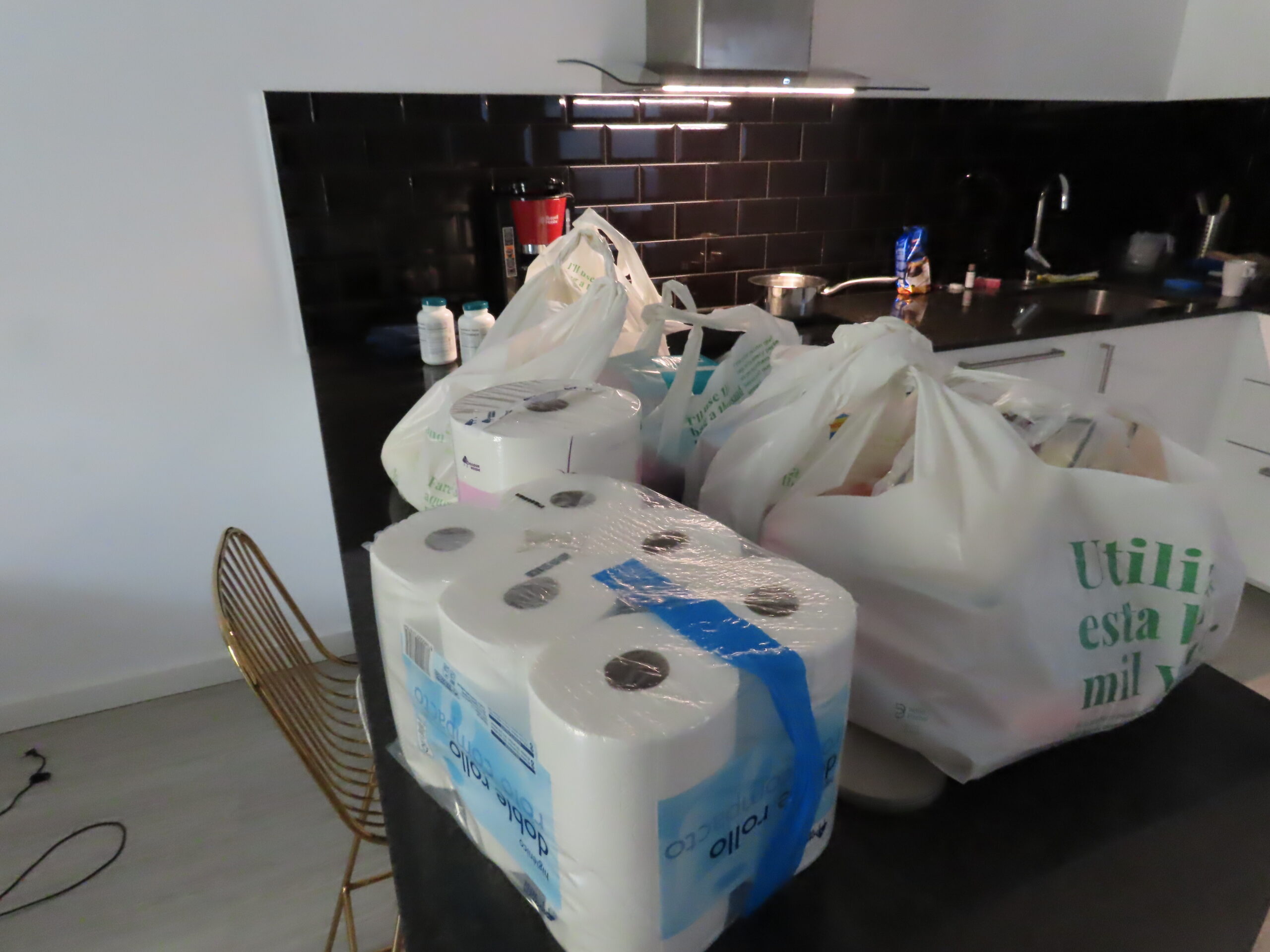
What are we doing for meals in Sant Marti, Spain?

Tom had to make two trips on the 30 steps to get the groceries since the delivery person didn’t bring them up the stairs.

We’d intended to post photos of the apartment today, but instead, we are doing laundry and more organizing. At some point, we will include pictures, but please bear with us. As it turned out, the laundry soap used for the bedding has caused me an allergic reaction around my neck. As a result, it became necessary to wash the bedding on the hygiene setting on the washer using the hypoallergenic laundry soap we purchased that arrived with yesterday’s grocery order.

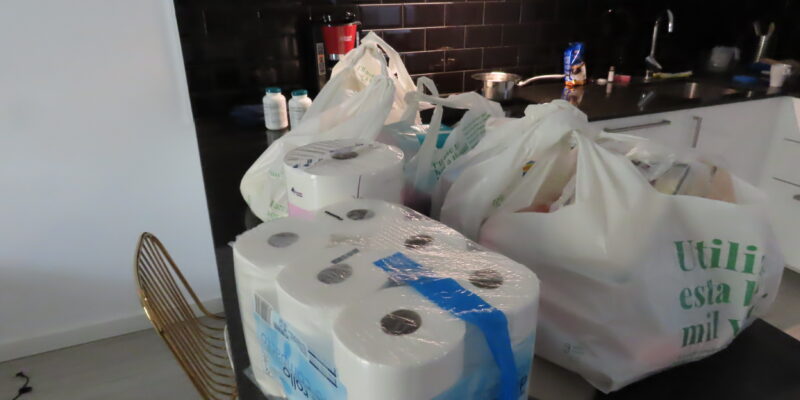
When we placed the online grocery order, as shown in today’s photos, we didn’t order any meat other than chicken breast. Beef is costly here. Instead, we ordered basic household supplies, such as toilet paper, paper towels, coffee, and the ingredients to make coleslaw and chicken salad: mayonnaise (without bad oils), celery, onions, cabbage, carrots, and a few seasonings.

Since we will only be here in Spain for another 39 days, it makes no sense to buy a large quantity of ingredients to prepare our usual meals when we’ll have to dispose of them when we leave.

Over the next few days, we’ll prepare the chicken salad and coleslaw, which will be enough to last for two or three days. We will make such a meal once a week and do takeaway for the remaining days of the week. So far, since we arrived, we’ve ordered takeaway each day.
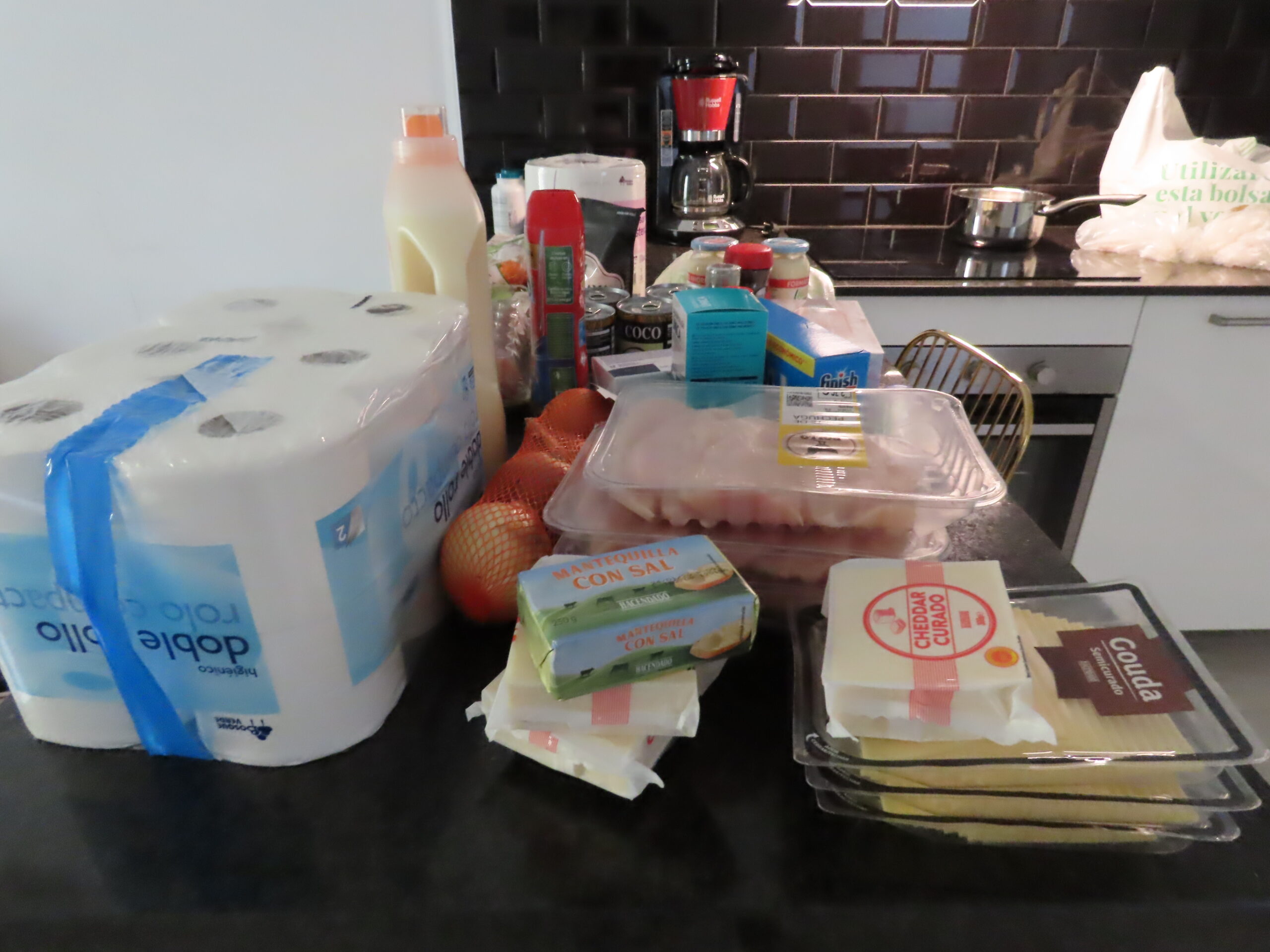
The total bill for these grocery items, with chicken as the only protein, was €120.96, or approximately US $143.18, which is twice the amount we would have paid in South Africa.

With Tom’s picky taste buds, it’s not easy to find foods he’ll like from restaurants nearby. Fortunately, we are in an area with many restaurants, but when we looked up menus, we discovered we couldn’t dine out for anything less than US $100. Additionally, given my dietary preferences and Tom’s limited options, we decided it was easier and less expensive to order takeout four days a week than to dine out. Then again, there are those stairs.

Since we’re both doing OMAD (one meal a day) to lose weight before the cruise, we’ll manage fine with ordering takeaway. I ordered some fantastic healthy “bowls” from a local restaurant. We are using Uber Eats, which offers free delivery with a small service fee. Ultimately, this plan may cost us as much as dining out or buying more groceries. However, this is what we believe works best for us at this time.

When we stayed in Cleveland for four months for my medical appointments, we followed this same plan, and it worked out well. The only difference here is the menus in Spanish, and the options are very different than those offered in the US or other countries. Spanish meals typically consist of a lot of starchy foods, such as bread, pasta, and rice, none of which I can eat.
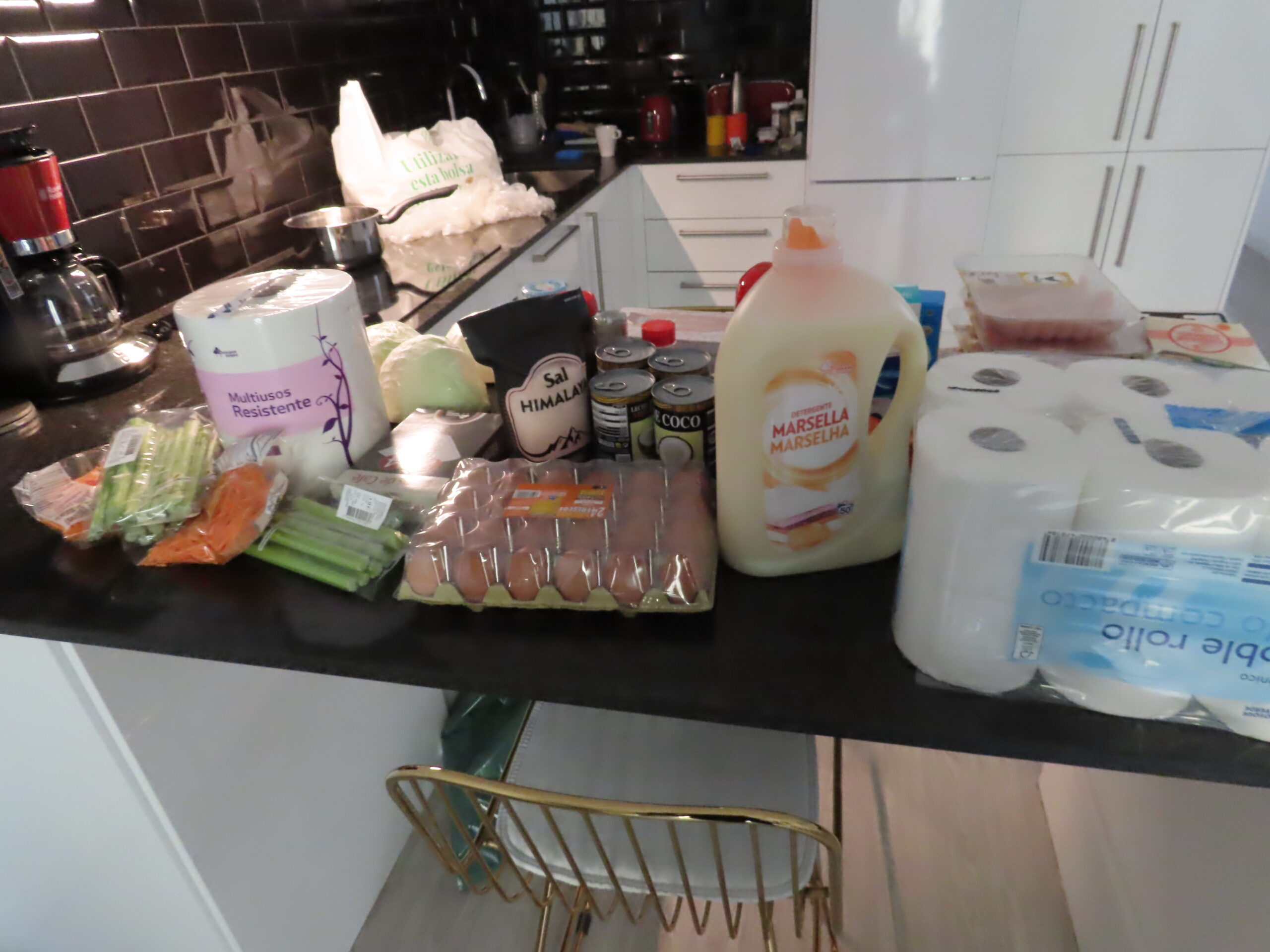
It only took a few minutes to put these items away.

In any case, we’re settling in and working our way into a comfortable routine. Of course, I’m anxious to get out, but as Tom says, my getting injured would put a quick end to our plans. We’ve already visited Barcelona in the past and participated in some sightseeing activities.

As we’ve often mentioned, we’ve seen enough historic buildings to last a lifetime, and visiting more is not on our radar. As much as we’d like to share lots of great photos of touring the area, we have to consider my limitations and make the best of our time in Barcelona.

Be well.

Photo from ten years ago today, September 18, 2015:

Fiji’s coral reef is second to none in the world and a favorite location for scuba divers. For more photos, please click here.

Adaptation…Ah, the challenges…

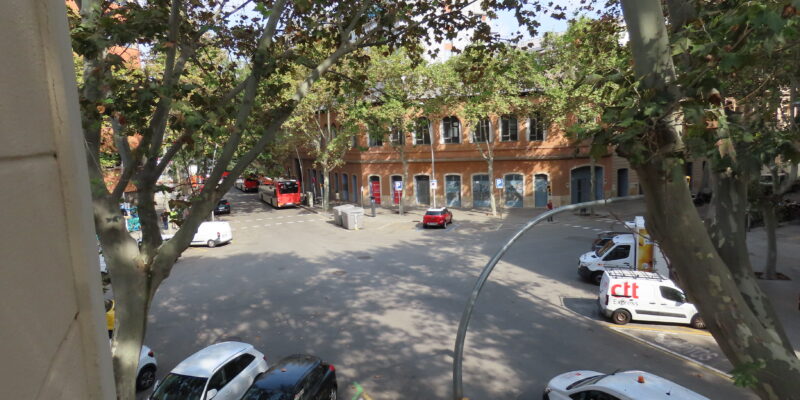
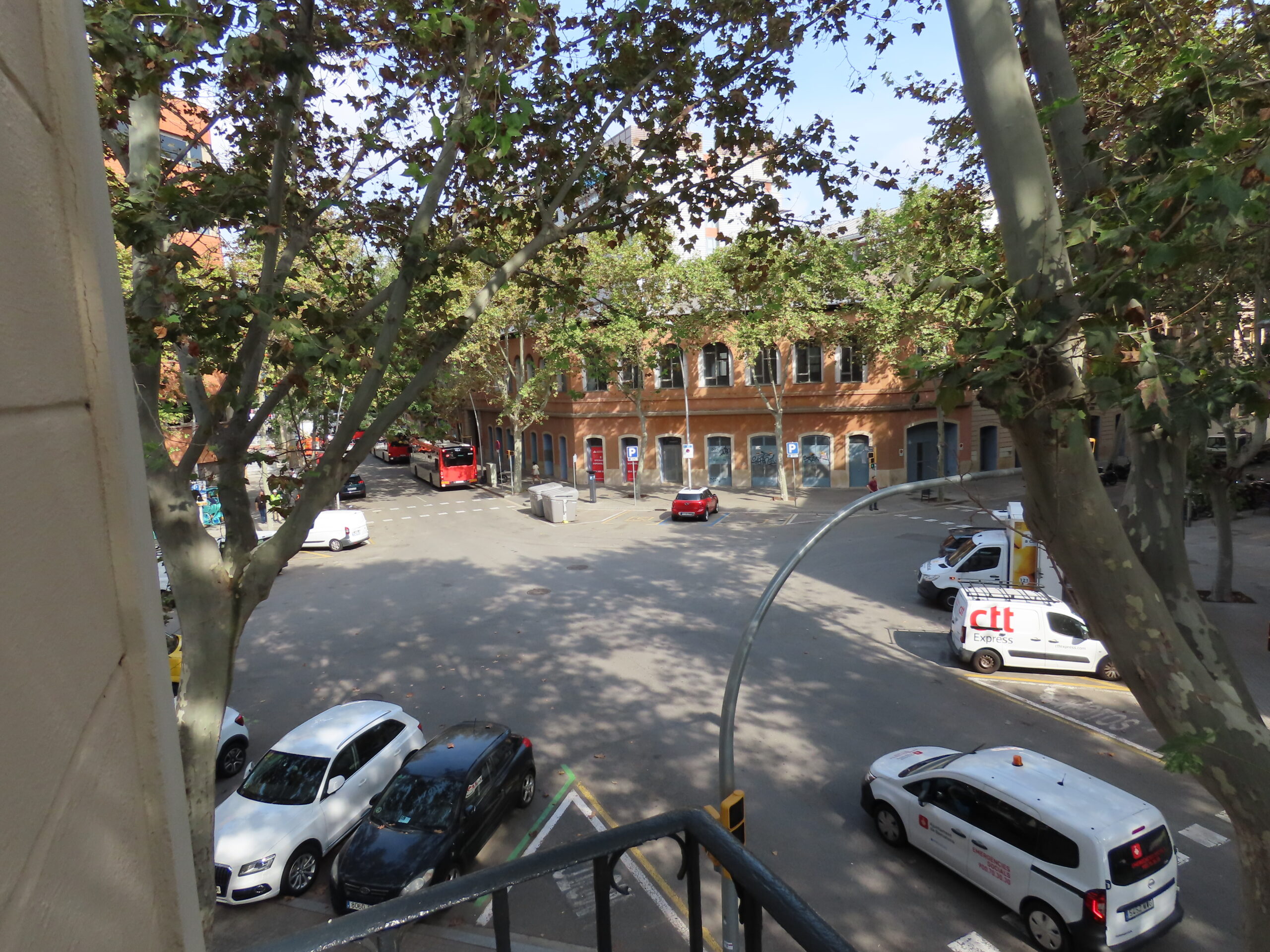
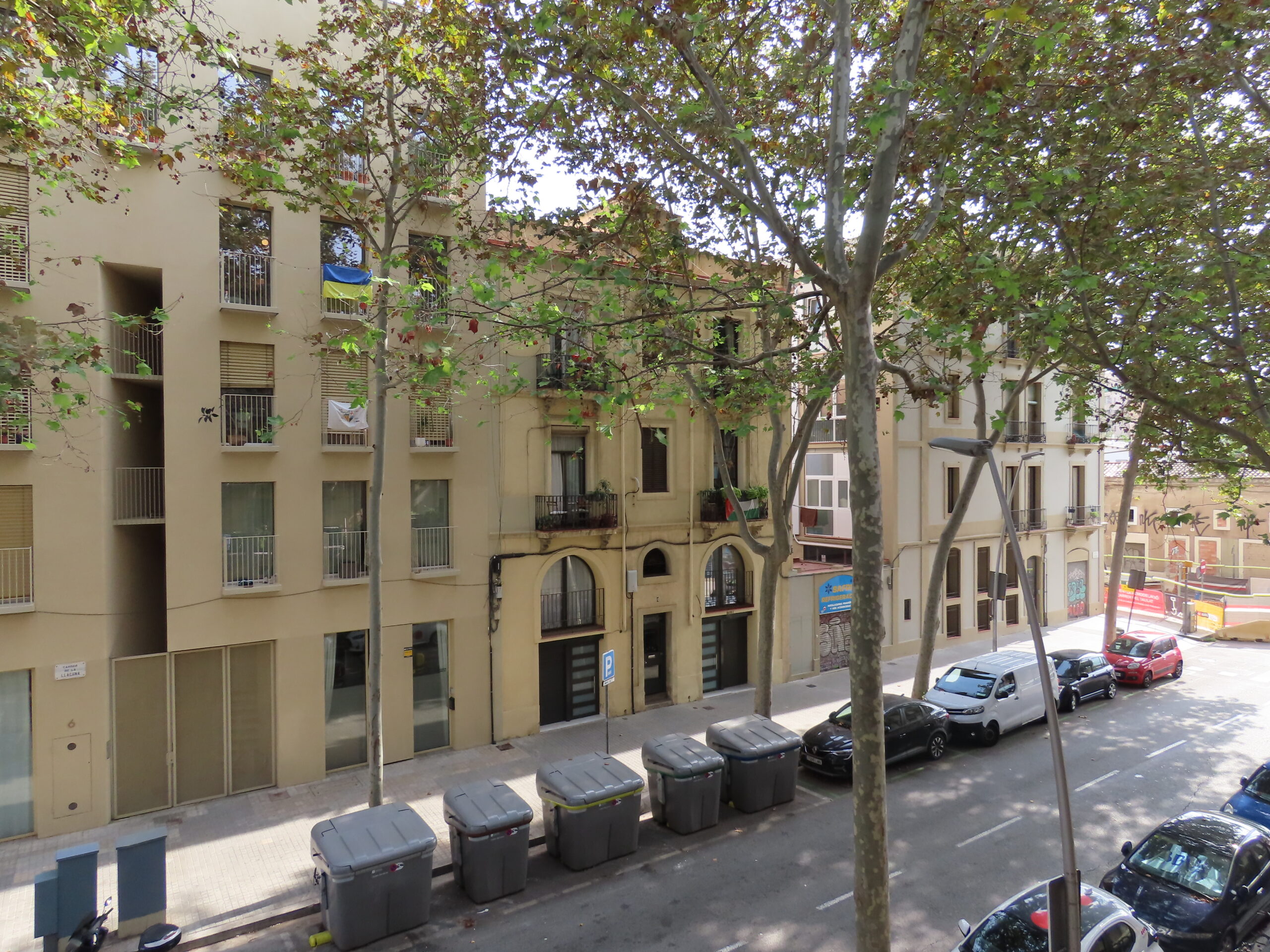
The view, directly in front of our apartment. We’ll post photos of the interior tomorrow.

Adapting to life in Sant Martí, Spain, while we await our 47-night cruise, sailing from Barcelona on October 27, has been both rewarding and challenging. For seasoned travelers like us, who have spent years navigating unfamiliar cities, cultures, and living arrangements, we’ve learned to expect the unexpected. Still, every destination has its quirks, and here in Sant Martí, the most significant hurdle is not the language barrier, the neighborhood, or even the weather—it’s the 30 steps leading up to our apartment. Thirty steep, uneven, slippery-tiled steps that turn what should be a simple coming-and-going into a cautious ritual.

It’s not that I lose my breath climbing them. I can manage that part well enough. The genuine concern is the danger of falling. Each step seems to demand attention, especially on days when the tiles feel slick from humidity or when fatigue begins to set in. We’ve come to realize that navigating these stairs will require as much strategy as walking through a crowded marketplace in Bangkok or pacing ourselves. They are simply part of our daily life now, something we must accept and adapt to as best we can.

We try to approach it with a sense of humor. Every time we leave or return, we will joke about our “daily workout,” though it feels less like exercise and more like a balancing act on a tightrope. Each step feels slightly different, forcing us to remain mindful of our footing. Perhaps that is part of the charm of older buildings in Europe—they come with character, but also with practical challenges that travelers like us must learn to live with.

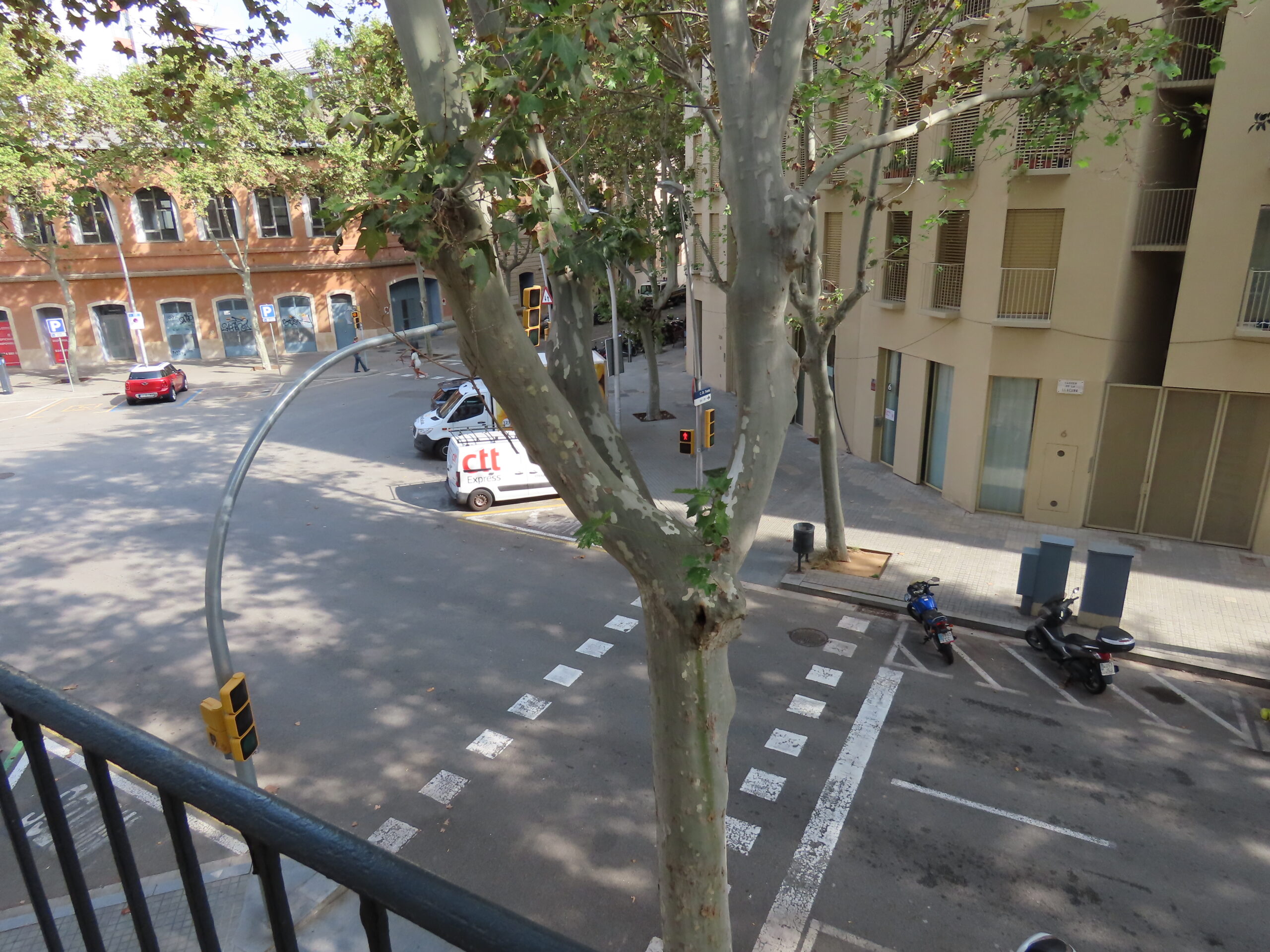
View of the street below us.

The location itself is ideal. Sant Martí may not have the postcard allure of Gothic Barcelona or the bustling atmosphere of Las Ramblas, but it has its own unique rhythm and authenticity. We’re surrounded by locals going about their daily lives, shopping at neighborhood markets, sipping espresso at sidewalk cafés, and walking their dogs along shaded boulevards. There is a quiet satisfaction in knowing that, for a time, we are part of this rhythm. Yet, it all comes back to those 30 steps. No matter how pleasant the day will be, whether we’ve walked the seaside promenade, shopped for fresh produce, or wandered the streets, returning home means bracing ourselves for the climb.

There are times when I imagine what would happen if I were to lose my footing. A single misstep could result in an injury that would derail not just these weeks in Spain but the long-awaited cruise we’ve been looking forward to for so long. Forty-seven nights at sea, visiting ports scattered across the world, is not the kind of trip one can embark upon with a cast or a limp. The thought lingers in the back of my mind, making me move even more cautiously, more slowly, than I normally would. Travel has taught us resilience and adaptation, but it has also taught us the value of prudence.

We’ve lived in many places over the years, including holiday homes in the bush of South Africa, high-rise apartments in bustling cities, and even cruise ship cabins that became temporary homes. Each setting comes with adjustments, whether it’s wild animals visiting your garden or the limitations of a ship’s cabin. Here in Sant Martí, the adjustment isn’t cultural or environmental, it’s physical. It’s the daily reminder that mobility, balance, and safety are every bit as important as passports and plane tickets.

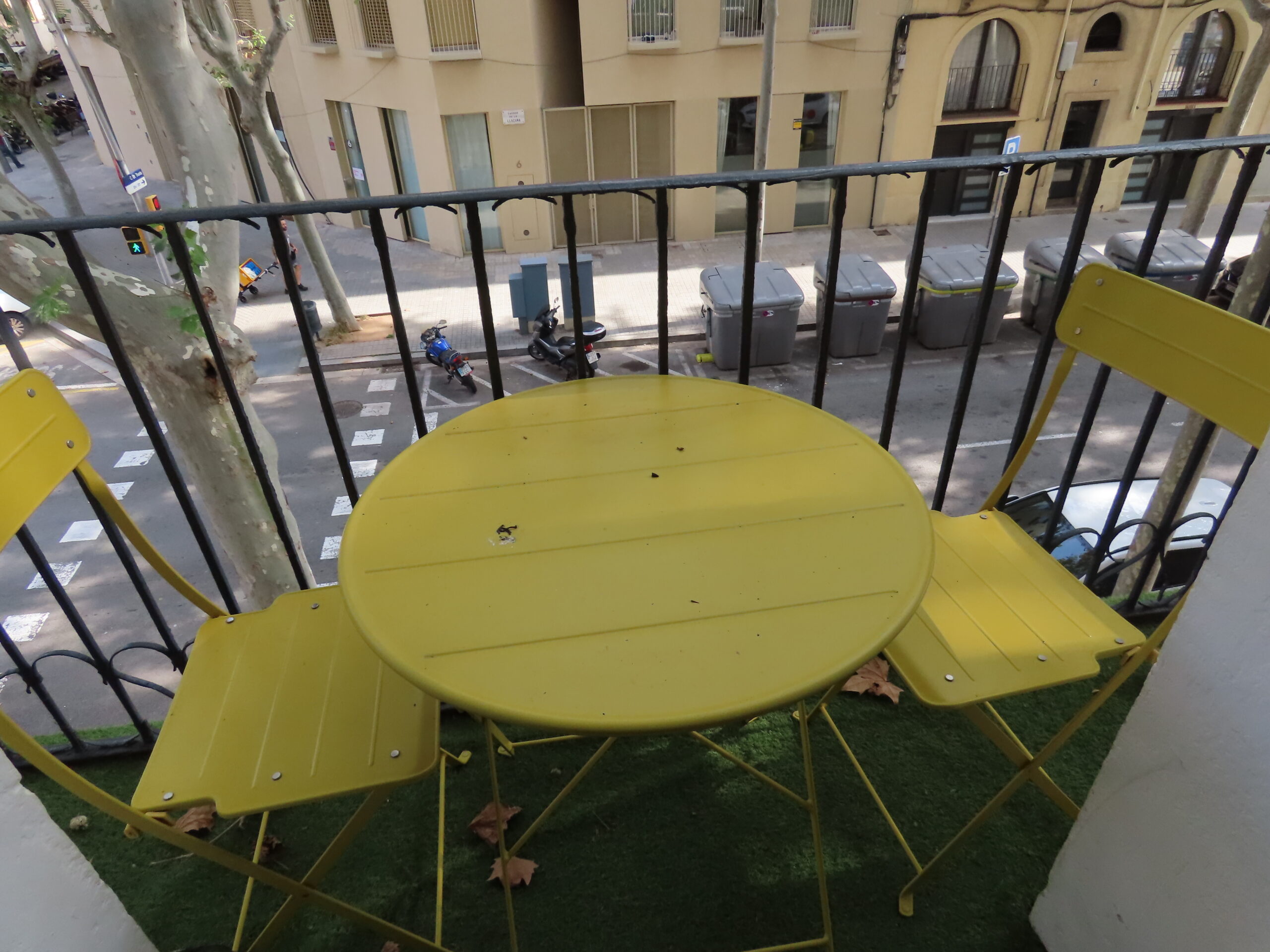
The small balcony of our apartment overlooks the street.

And yet, there is a kind of gratitude in this challenge. Each time I safely reach the top of the stairs, I will feel a small sense of accomplishment. It’s not a grand achievement, of course, but a quiet acknowledgment that we are still capable of adapting. Travel isn’t only about the breathtaking sights or the joyful encounters with new people; it’s also about the grit required to handle the less glamorous realities. Slippery steps, noisy neighbors, or an unfamiliar grocery store layout—all these things are part of the fabric of long-term travel.

So, we pace ourselves. We will limit how often we’ll go out, combining plans into one outing to minimize the number of times we need to face the stairs. We take our time, both ascending and descending, and remind ourselves that there is no rush. Living this nomadic life has taught us that slowing down is not a weakness but often a necessity. It allows us to appreciate more, observe more, and avoid mistakes that come with haste.

There’s also the anticipation of what lies ahead that keeps us going. The cruise looms in the distance like a bright light on the horizon. October 27 feels both near and far, and every day we grow more excited. We think about the ease of life aboard the ship, where elevators and smooth decks replace uneven stairs, where our biggest daily “challenge” will be choosing between dining options or deciding whether to attend a lecture, a show, or engage with other passengers. That thought alone makes these weeks in Sant Martí feel like a bridge, a slightly tricky one to cross, but a bridge nonetheless, to something extraordinary.

Down the road from our apartment.

In the meantime, we remind ourselves that this too is part of the story. When we look back on this chapter, it won’t only be about the beauty of Barcelona or the anticipation of the voyage. It will also be about the resilience we found climbing those thirty steps, time after time, without complaint, without letting fear get the better of us. Life as nomads has always been a blend of joys and challenges, and this is simply the latest test of our adaptability.

And so, we carry on, carefully, deliberately, one step at a time. The cruise will come soon enough, and with it, a whole new set of experiences and stories. Until then, Sant Martí is our home, stairs and all.

Regarding the hot water issues, a repairman arrived late yesterday afternoon and successfully got the water heater working. Now, we can do laundry, use the dishwasher, and shower. I have been taking cold showers for the past two weeks, which are supposed to help improve one’s immune system, in preparation for the upcoming cruise.

Be well.

Photo from ten years ago today, September 17, 2015:

Badal, the neighbor’s dog in Savusavu, Fiji, bounded up the steep hill with ease when Sewak took us for a drive to see the view. For more photos, please click here.

Off we go to Spain…Yesterday’s stressful holiday rental situation…

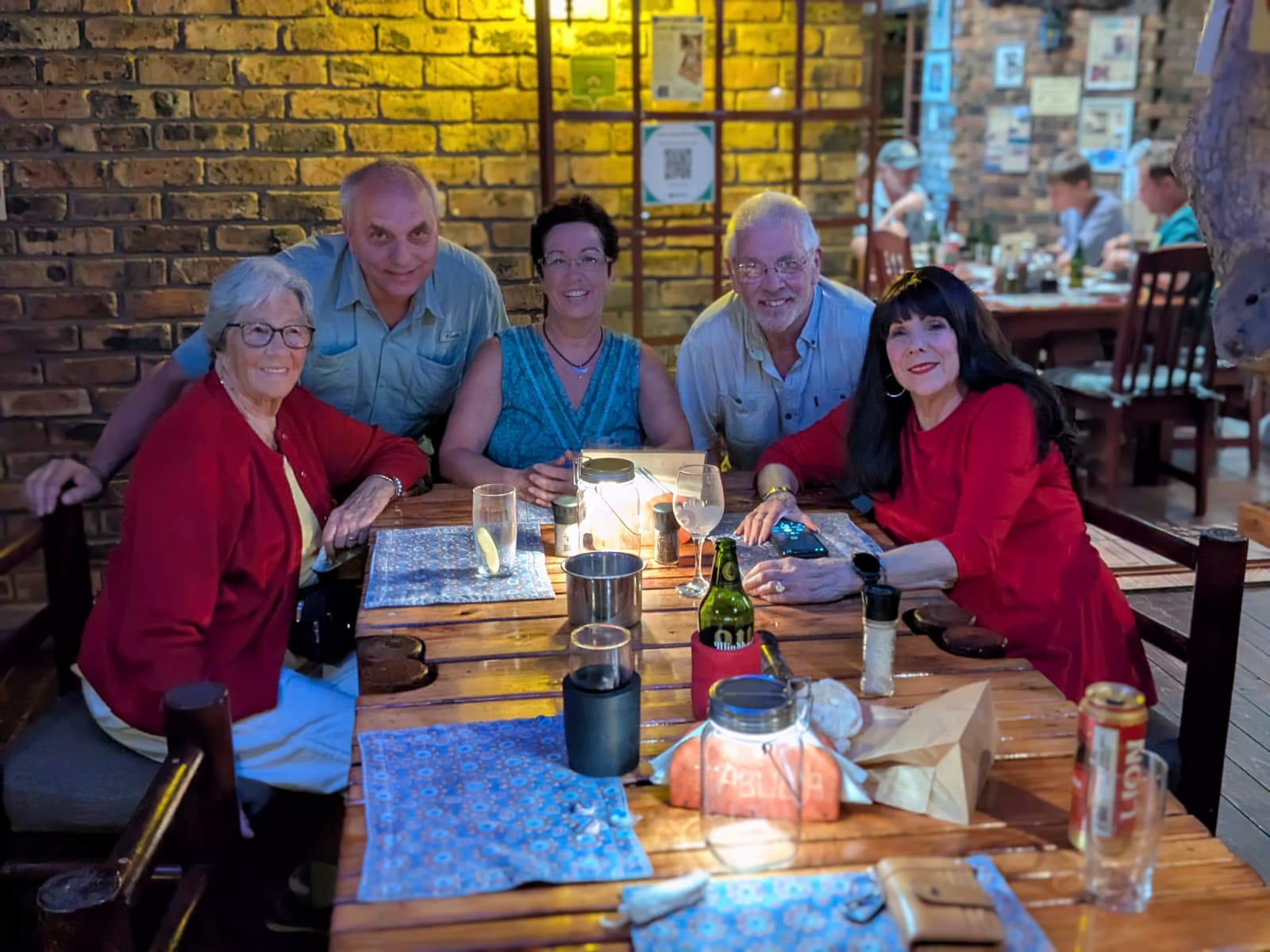
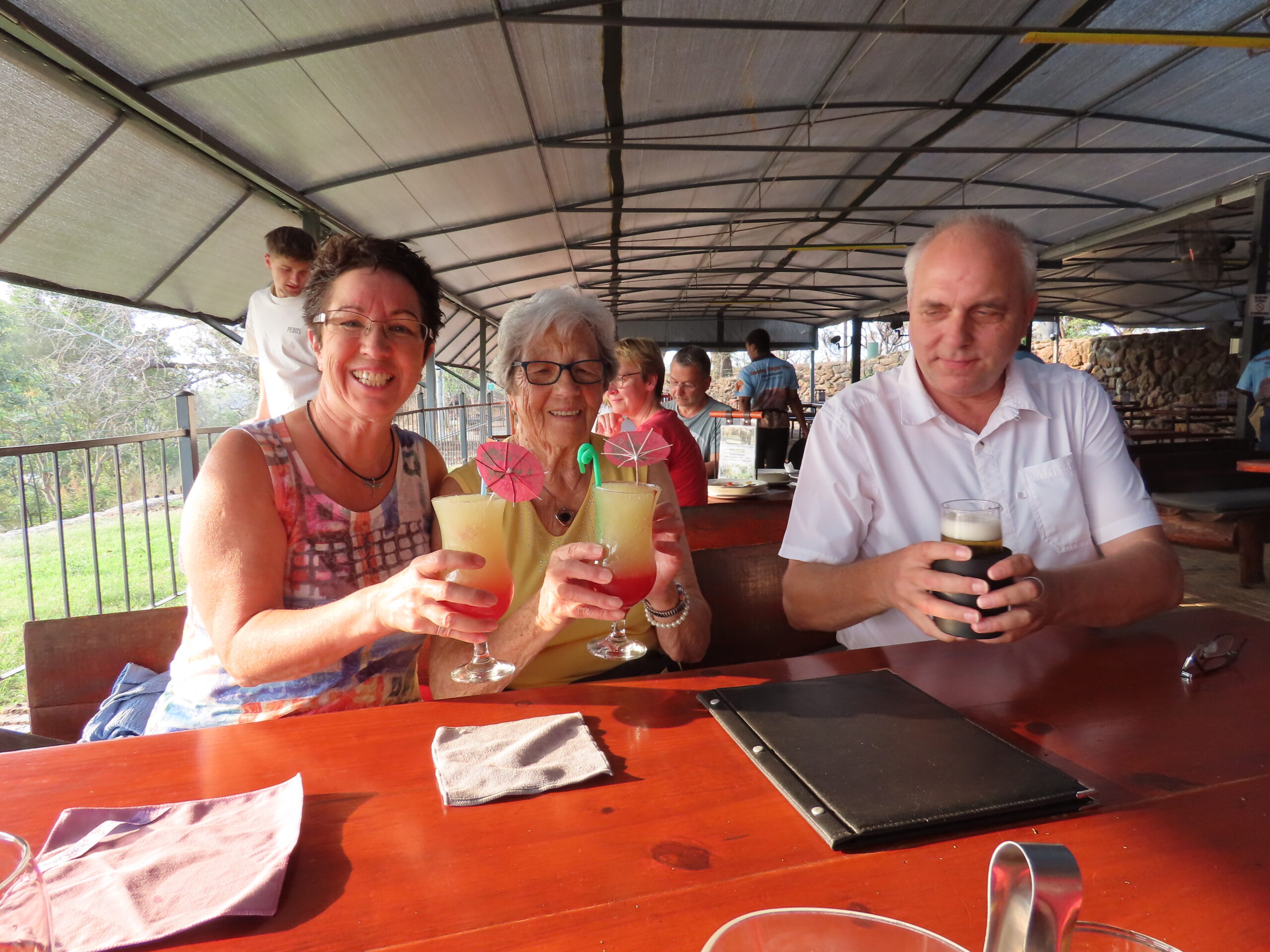
inge, Gerhard, Rita and Tom and I last night at Jabula.

We’ll be leaving Marloth Park this afternoon to head to the MQP (Nelspruit/Mpumalanga/Kruger Airport), which is about a 75-minute drive on the N4 Highway through the winding roads and the gorge, the part of the drive that is most intimidating. With construction on the highway, we must leave an hour earlier than expected to ensure we arrive at the airport on time.

Once we arrive and check our bags, we’ll feel more at ease, even if we have to wait a few hours for the short flight to Johannesburg, where we’ll have a two-hour layover, before continuing on to Doha, Qatar. Hopefully, we’ll have enough time in Joburg to have dinner in one of the many restaurants in the airport.

We decided to eat before boarding, as the food on the plane will likely be Middle Eastern-type dishes, none of which I will eat due to their high starch content, and all of which Tom doesn’t like. It’s easier to dine in a restaurant at the airport and be done with it.

So, here’s what transpired yesterday with our holiday rental in Sant Marti, Spain, that left us exhausted and frustrated, even after we returned from dinner at Jabula with Rita, Inge, and Gerhard.

We booked the holiday home in Spain from Capital One Travel, where we have several credit cards with accumulated rewards points. One of the cards, Venture X, has an annual US $300 perk, which we combined with some reward points, but certainly not enough to cover the entire cost of US $5100 for the six-week stay.

We booked the holiday home in Sant Marti, in a popular, trendy warehouse district, with the credit card travel service handling everything, which seemed fine at the time. We were advised that 72 hours prior to your arrival, we’d receive instructions from the owner/property management company as to how to gain access to the property. Seventy-two hours came and went.

Yesterday afternoon, we called Capital One Travel, and after two hours of long-distance phone calls, we still didn’t have a contact person, phone number, or email address for the vendor. While sitting at the bar at Jabula, we finally received a call back from Capital One, with a lengthy email address, stating we needed to contact the vendor directly and follow their instructions.

Now, keeping in mind we’d already paid the US $5100, we expected to receive a door code to allow us to enter the property. Oh, no, it wasn’t that easy! The process that followed, which we did after returning home from dinner, was comparable to filling out a passport application.

We had to scan our passports to a specific format and size, take selfie photos using my laptop, and enter myriad morsels of information about ourselves, including providing a credit card so they could charge us a Euro $1500, US $1760, security deposit, plus a Euro 18, US $21, service fee (non-refundable). None of this information was disclosed when we rented the property.

We had no choice, or, as the credit card company explained, if we didn’t comply with the process instituted by Barcelona and the property manager, we would lose our $ 5100. They had us over a barrel.

I didn’t finish the application process until after 10:00 pm. Exhausted and frustrated, I tried to get some sleep but awoke at 4:30 am and have been awake since. It’s a sorry state to start the upcoming 23 hours of travel. But, somehow, we’ll get through it.

We only have the duffel bag left to close after adding the toiletries and the clothes Tom is wearing. Then, we’ll be all set. Hopefully, everything will go well when we arrive at the property tomorrow afternoon. We still don’t have an access code. I will be watching my email frequently.

As for a post for tomorrow, we shall see. Perhaps I will be up to doing a new post during our three-plus-hour layover in Doha.

Thanks to so many of our readers who have written, wishing us safe travels and enjoyment on our next adventure. We love that you travel along with us.

Be well.

Photo from ten years ago today, September 14, 2015:

Flowers blooming along the road to the house in Savusavu, Fiji. For more photos, please click here.

One day and counting…Reflecting on our almost six months in the bush…

Our boy Norman has been a highlight of our time here. We are so happy that his broken leg is healing, and he’ll continue to be the loving patriarch of his family of 10. We will surely miss him.

Almost six months have slipped through our fingers here in Marloth Park, South Africa, a place that has become much more than just a stop along our nomadic path. It has become a second home, a sanctuary of wild beauty, and a canvas where life has unfolded in colors more vivid than anywhere else we’ve lived. These past months have been our longest continuous stay in this little corner of the bush, and somehow, they’ve also been our richest. After almost five years of returning here season after season, it feels as though this visit has given us the deepest roots, even though we are, by nature, rootless travelers.

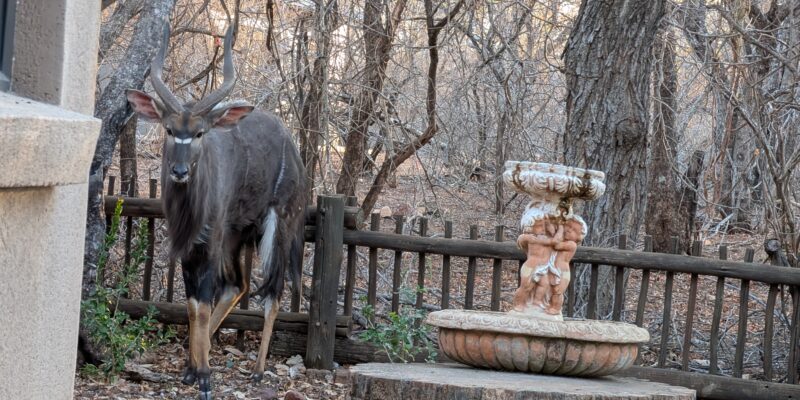
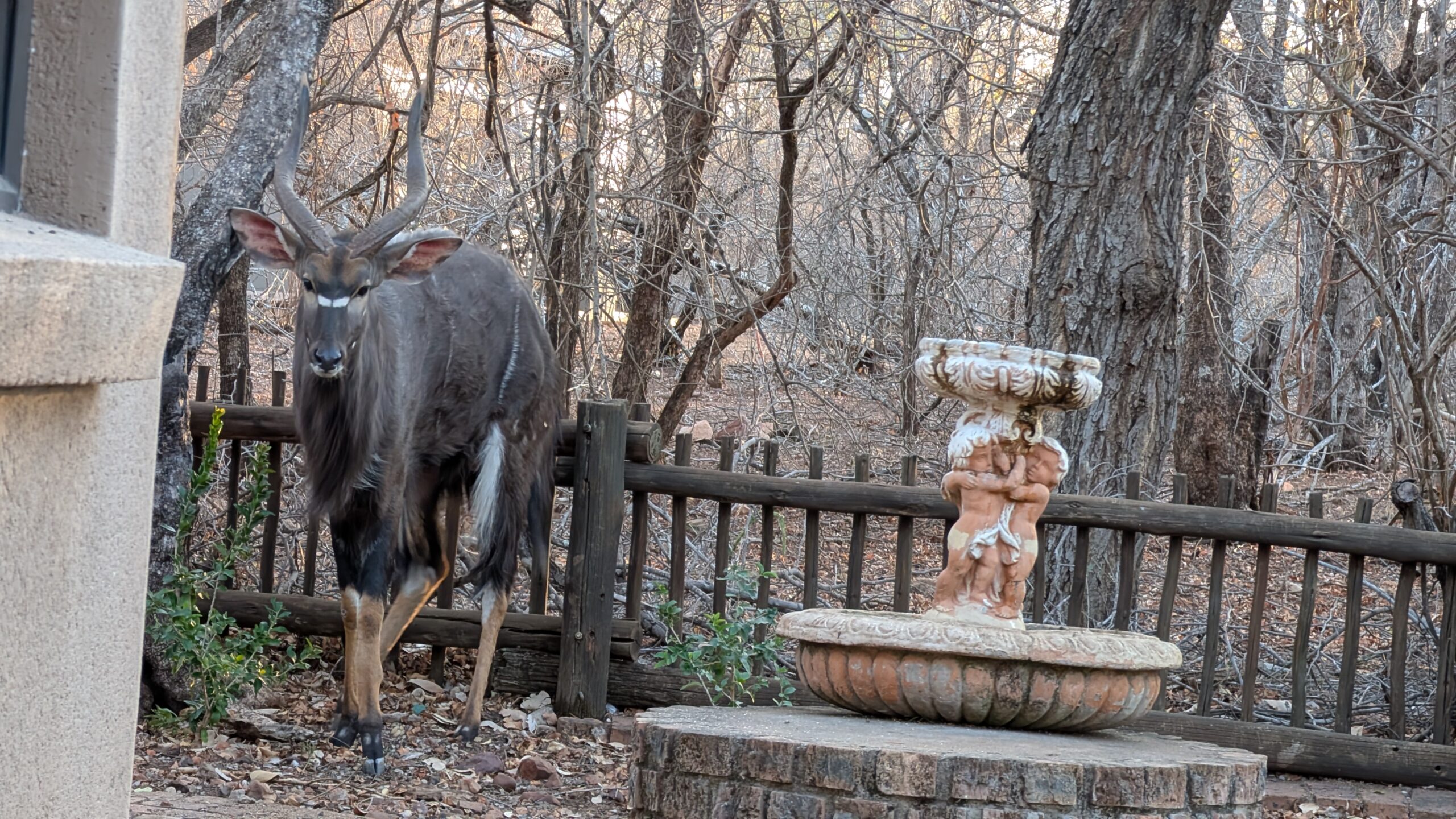
Every day, our garden has been alive with quiet magic. It is a strange and humbling thing to sip your morning coffee while a family of warthogs trots past the veranda, tails sticking straight up like little flags. Or to sit in the still of twilight as a bushbuck grazes so close you can hear the gentle crunch of dry leaves beneath its hooves. The soundscape here is unlike anywhere else: the grunts of wildebeest in the distance, the occasional roar from Kruger National Park drifting across the Crocodile River, the haunting whoop of hyenas breaking the night silence. All of it has wrapped itself around us, becoming the soundtrack of our days.

This stay, perhaps more than any before, has reminded us that the animals here are not just fleeting encounters to check off a list. They are neighbors, companions, and, in a way, teachers. Each has its rhythm, its patience, its way of existing in the unpredictable patterns of the bush. The zebras arriving in their striped splendor reminded us that beauty does not need adornment; it simply is. The impalas, delicate yet resilient, taught us that strength can be quiet. And the giraffes, with their graceful, unhurried steps, seemed to say that life is not meant to be rushed.

Rita, Inge, and Gerhard.

But it wasn’t just the wildlife that made these months so extraordinary. Marloth Park is also a community, one that somehow balances solitude and companionship in equal measure. Our calendar, usually light as travelers, filled up quickly with dinners, braais, sundowners, and endless conversations with people who, over time, have become some of our closest friends. There is something about sharing this unique environment that forges connections quickly. You cannot help but bond when you’ve watched elephants crossing the river together or laughed at the antics of mongooses racing through the garden.

We’ve celebrated birthdays, shared meals under star-studded skies, and lingered long into the night with people who have turned this once-strange place into something familiar and warm. In the bush, friendships seem to grow like marula trees—slowly, steadily, and with deep roots that withstand the passing seasons. And this time, those roots seemed to spread even wider, reminding us how grateful we are for the people we’ve come to know here.

It’s not lost on me that calling this “our best visit ever” is saying something. We’ve had so many memorable stays in Marloth Park before—each one filled with its own collection of stories and moments. But this time, the balance between solitude and social life felt just right. The wildlife visits were abundant and tender in ways we hadn’t exceptionally experienced before. The friendships felt deeper, the conversations richer. Perhaps it’s because we allowed ourselves to simply sink into the rhythm of life here, unhurried and present. Or perhaps, after years of wandering, we’ve learned how to savor it more fully.

And yet, as hard as it is to leave, that familiar pull of the road tugs at us again. There’s always a bittersweetness in packing up, knowing we’ll be trading giraffes for airplanes, warthogs for city streets, and the nightly loud sounds of tree frogs for the unpredictable noises of wherever we land next. But that’s the paradox of a nomadic life: you can love a place deeply, and still know it’s time to move on.

We step into the next year carrying all of this with us—the laughter around shared tables, the brush of a kudu’s presence at dawn, the fiery sunsets that painted the sky in streaks of orange and pink. These memories will be stitched into the fabric of our journey, carried along as we explore new landscapes and embrace new adventures. The road ahead is still a mystery, but we have learned to find comfort in that uncertainty.

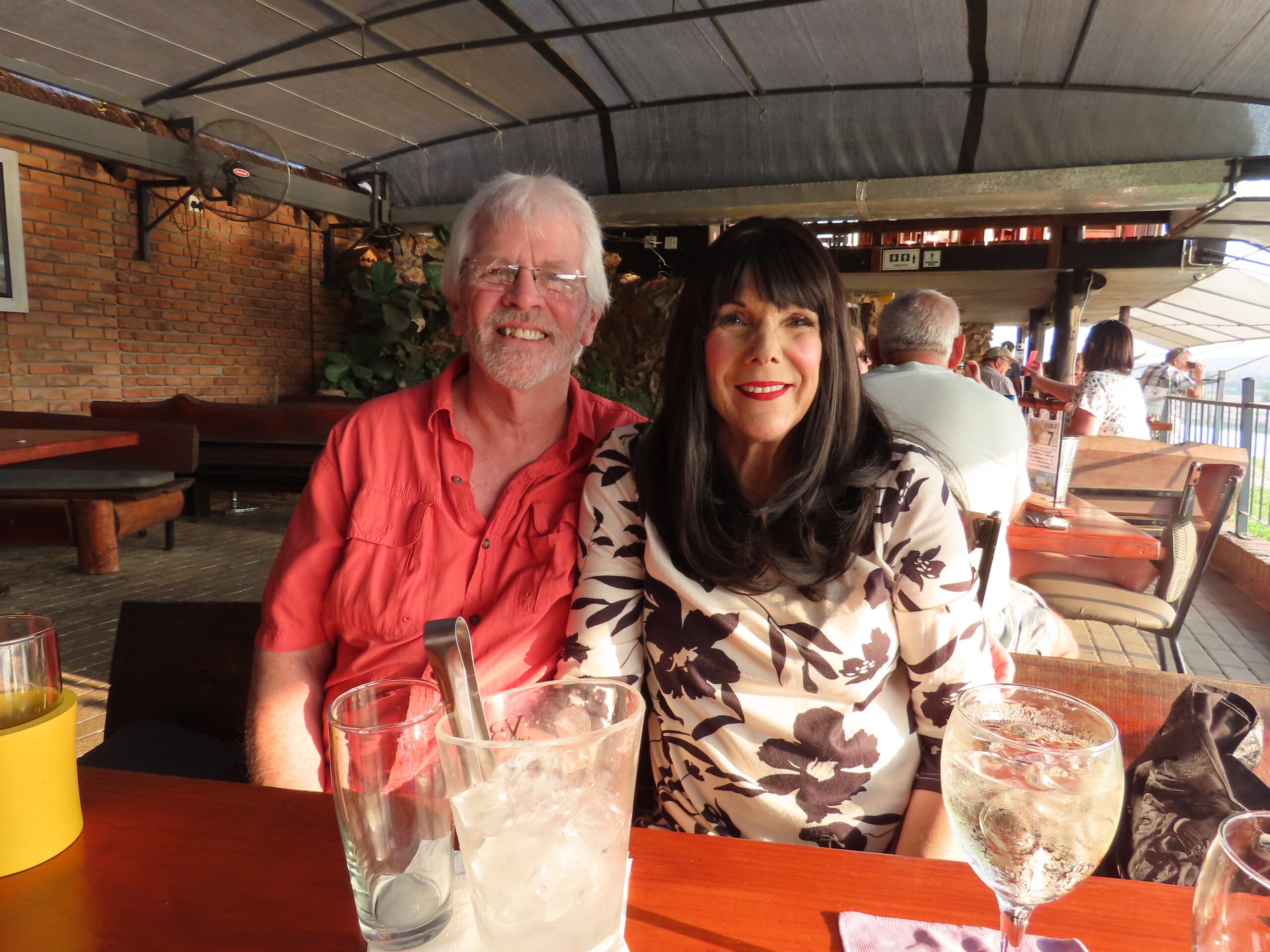
We were at Amazing River View last week.

Leaving Marloth Park never gets easier. Every time, it feels like we’re leaving a part of ourselves behind, tucked into the dusty trails and acacia trees. But we also know that this place isn’t going anywhere—it will still be here, wild and welcoming, whenever we return. And return we will. For now, though, it’s time to open ourselves to what’s next, to the stories waiting to be lived in faraway corners of the world.

Six months in the bush have filled us with gratitude, perspective, and a renewed sense of wonder. As we close this chapter, I can’t help but feel that Marloth Park has given us its blessing to go—reminding us that, like the animals we’ve come to love, we too are meant to keep moving, keep seeking, keep wandering. And so, with full hearts, we say goodbye…for now.

Last night, at Jabula, we had the joy of meeting more of our long-time readers/friends face-to-face, Christine and Robert from Quebec, Canada. They’ve been reading our posts since 2012, when we first began documenting our nomadic lifestyle. They, too, have ventured out of their cozy retired existence to travel the world, and our shared stories made for exceptional conversation. We hope to see them again sometime in the future.

Before meeting up with Christine and Robert, we stopped to say goodbye to Louise and Danie, our dear friends and property owners/managers. How fortunate we are to have the friends we made over the almost 13 years of world travel.

Tonight we’ll spend our last evening with Rita, Gerhard, and Inge at Jabula, accompanied by friends/owners Dawn and Leon, and manager Corine. We’ll miss them all.

Be well.

Photo from ten years ago today, September 13, 2015:

A strip of beach on the way to the village in Savusavu, Fiji. For more photos, please click here.

Two days and counting…Current updates on a layover in Doha, Qatar…

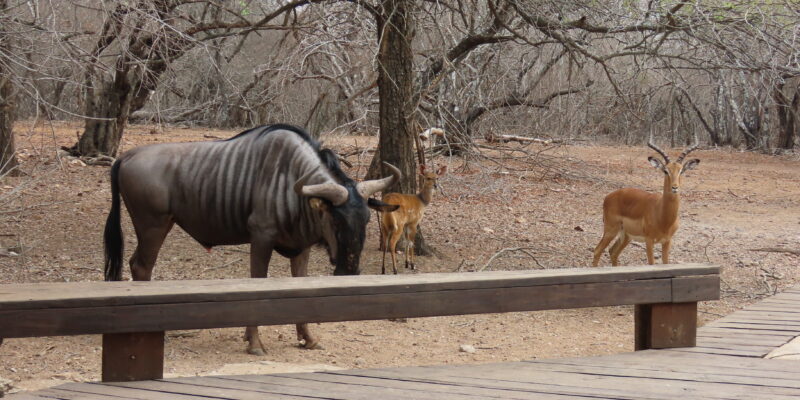
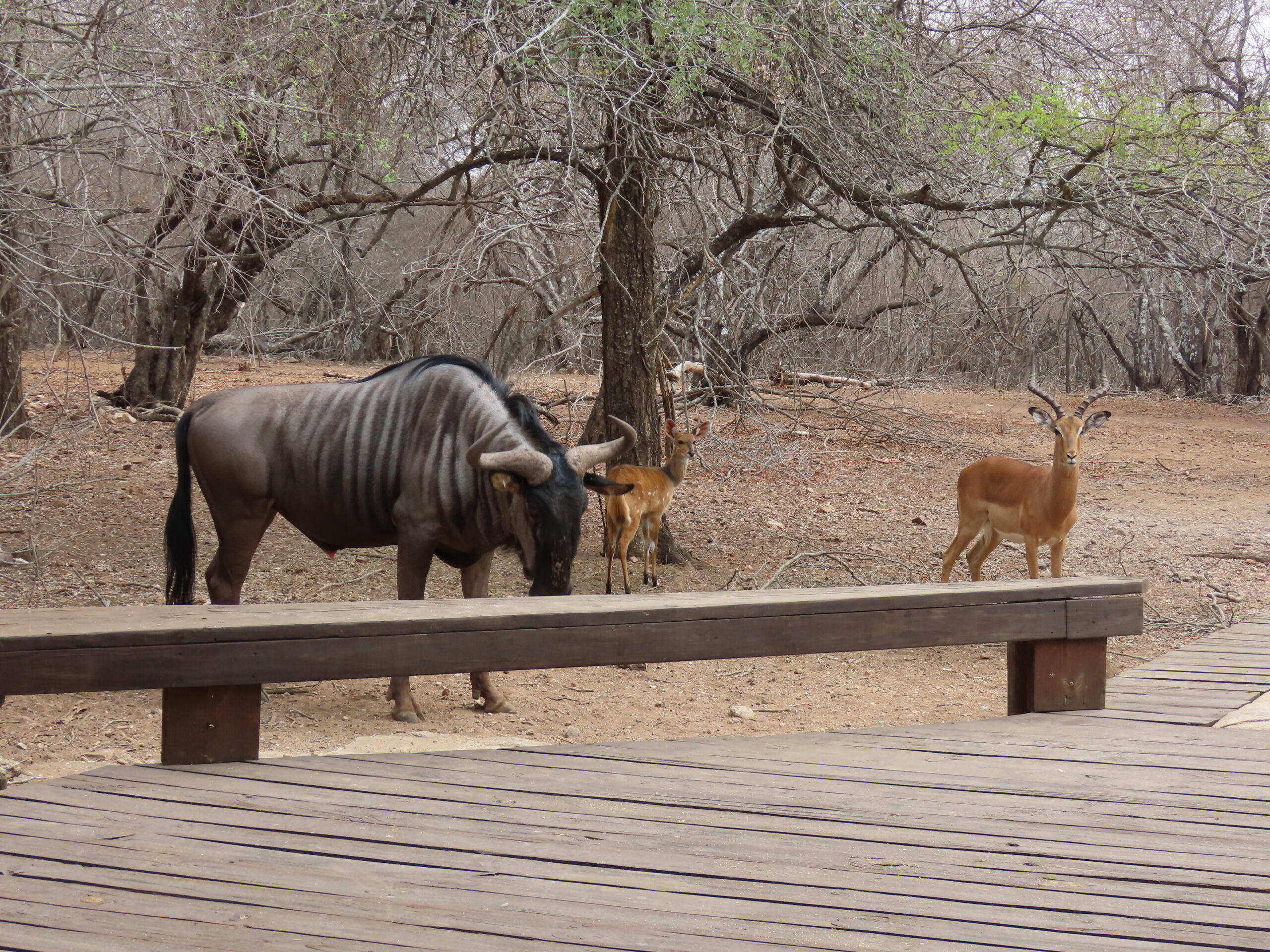
Wildebeest Hal, Mac and a bushbuck looking for food.this morning.

We are watching the news and the Qatar Airways website for updates on the situation in Doha.

Here’s a breakdown of the current safety situation for air travel via Doha, Qatar, and what to watch for:

 Generally safe, but with caveats

  • Most travel advisories from the U.S., U.K., Australia, and others still classify Qatar / Doha under “exercise normal precautions”.

  • Qatar has low crime rates, strict law enforcement, good airport infrastructure, and generally stable transit operations.

  • However, there are risks mostly tied to the broader regional tensions (geopolitical / military). These can cause sudden disruptions (e.g., airspace closures), diplomatic incidents, or strikes.

  • Travel advisories often note that flights are generally operating, but “at short notice,” things may change depending on regional developments.

 What to be watch for…

  • Airspace disruptions/flight delays: Due to regional tensions, there is a non-zero chance that air traffic may be diverted or flights canceled.

  • Security advisories: Some foreign embassies (like the U.S.) have issued warnings to their citizens in Qatar to stay alert, especially in certain areas.

  • Demonstrations or sudden unrest: Although not widespread, protests or demonstrations may emerge, particularly in connection with regional political issues. These may not always be predictable.

Is it safe enough?

Yes, for most travelers, passing through Doha or transiting via its airport is reasonably safe at this time. The risks, while non-zero, are generally moderate and manageable.

If I were travelling, I would:

  1. Check flight status often, up to the moment of travel

  2. Monitor government/embassy advisories from my country

  3. Make sure I have travel insurance that covers disruptions/evacuations

  4. Avoid high-risk areas, large gatherings, especially if there are alerts

We’re busy today with our final loads of laundry, so by tomorrow, we should be able to finish packing our clothes and complete 90% of the packing. All we’ll have left to do is fill the carry-on bags. Today, I’m washing my washable shoes and handbag, which will be dry by the end of today.

Tonight, we’re headed to Jabula to meet new readers/friends, Christine and Robert, who will be staying in one of Louise’s houses for three nights. It will be fun to have dinner with them.

Be well.

Photo from ten years ago today, September 12, 2015:

Our photo of these colorful flowers, growing close to the house. For more photos, please click here.

We’re back!…Three days and counting…A little concerned about Doha, Qatar layover….

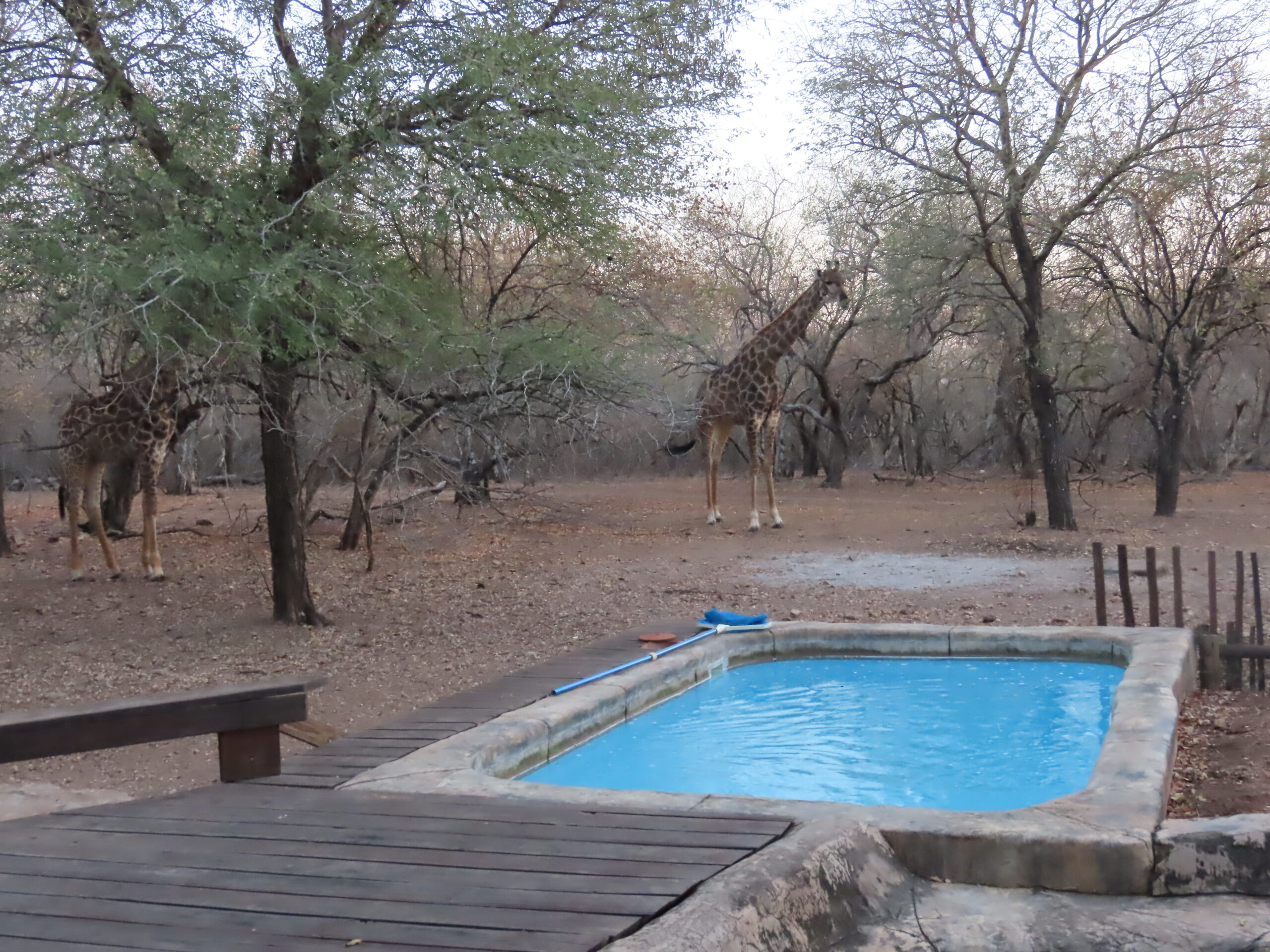
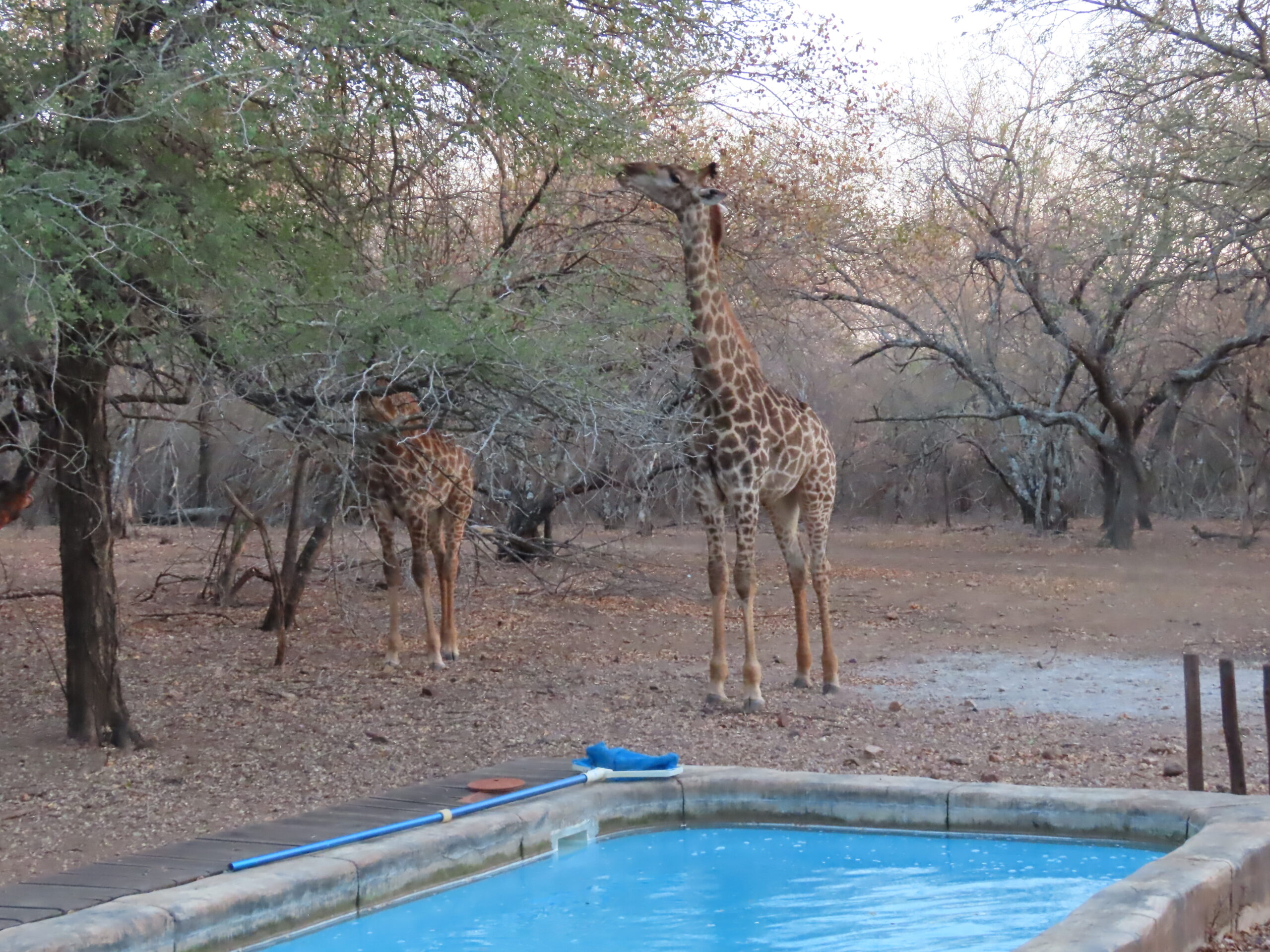
It’s been a pure joy frequently seeing giraffes in the garden.

Yesterday morning, Rita and I had a fantastic “girl’s breakfast” at Stoep Cafe in Komatipoort. We had a lot of catching up to do after not seeing each other in over a year and a half, and the conversation flowed with ease as we discussed our favorite topics.

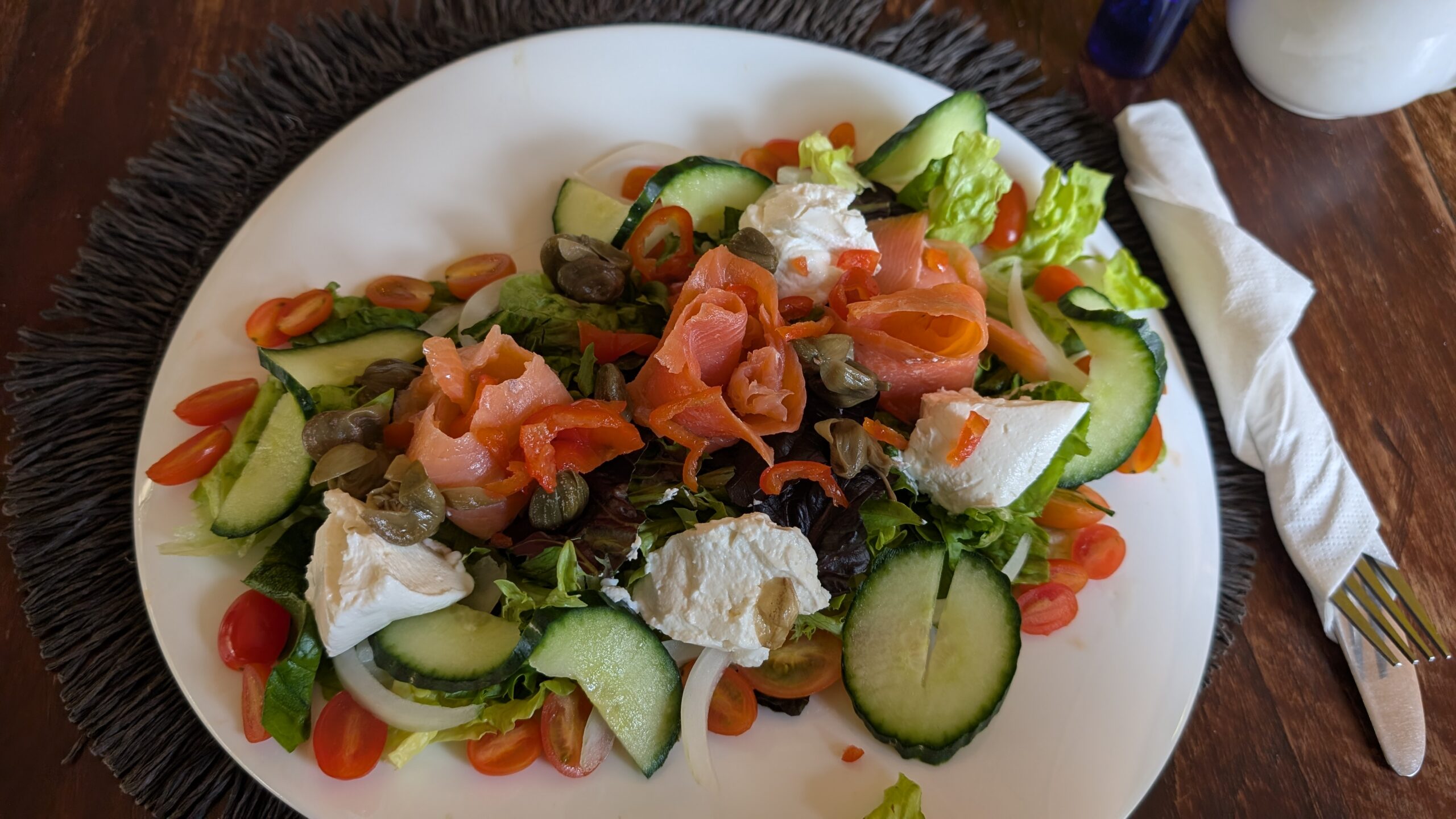
Rita and I each had this delicious smoked trout salad at Stoep Cafe.

Back at the house before noon, I did a little packing and took a short rest after a fitful night’s sleep. I’d better improve my sleep quality over the next few nights in preparation for the upcoming 23-hour travel time from Nelspruit to Barcelona on Sunday, just three days from now.

Speaking of our flight, we are flying from South Africa to Doha, Qatar, where there was a targeted Hamas attack by Israel, only two days ago, killing several top leaders. Of course, this is cause for concern since our flight has almost a four-hour layover in Doha. So far, no flights have been canceled, but we’re closely watching the news for any updates. We’ll keep you updated.

Most likely, we will post an update during the layover, not only to keep me busy but also to inform our readers of any concerns we may have encountered.

This was a mom and a youngster. However, we often also see a dad, a mom, and a youngster.

I’m not fond of long flights, but they are a necessary part of our world travels. Once we’re settled in Spain, we will be relieved and enjoy our six-week stay in Sant Marti, Spain, a small neighborhood of Barcelona. No doubt, we will be experiencing a language barrier while in Spain. I know some Spanish and can read menus, street signs, and names of items at the markets.

But, conversationally, I am inept, so we’ll see how it goes. We will undoubtedly use Google Translate to assist us during our stay. On October 27, we’ll board our ship, the Royal Caribbean Voyager of the Seas, where English is spoken by all staff and many guests from around the world.

Tonight, we’re staying in again for dinner and eating some of our leftover uncooked food. This morning, I cooked the entire kilo package of bacon we had in the freezer, which we’ll use for tonight’s grilled hamburgers, topped with sliced tomatoes, onions, lettuce, and cheese, and served with our delicious homemade ketchup, along with a big Greek salad.

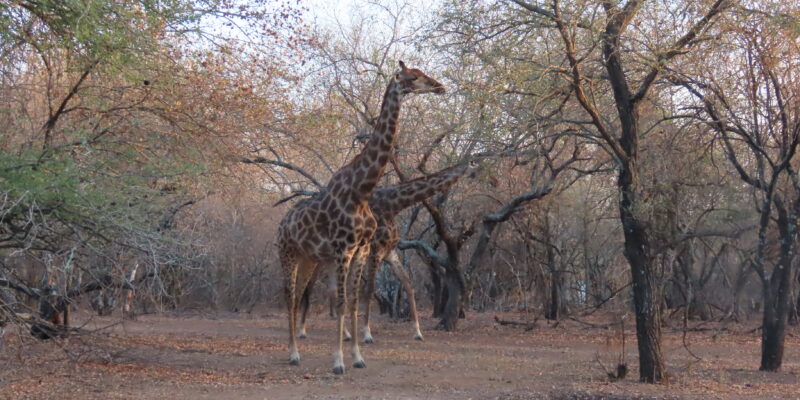
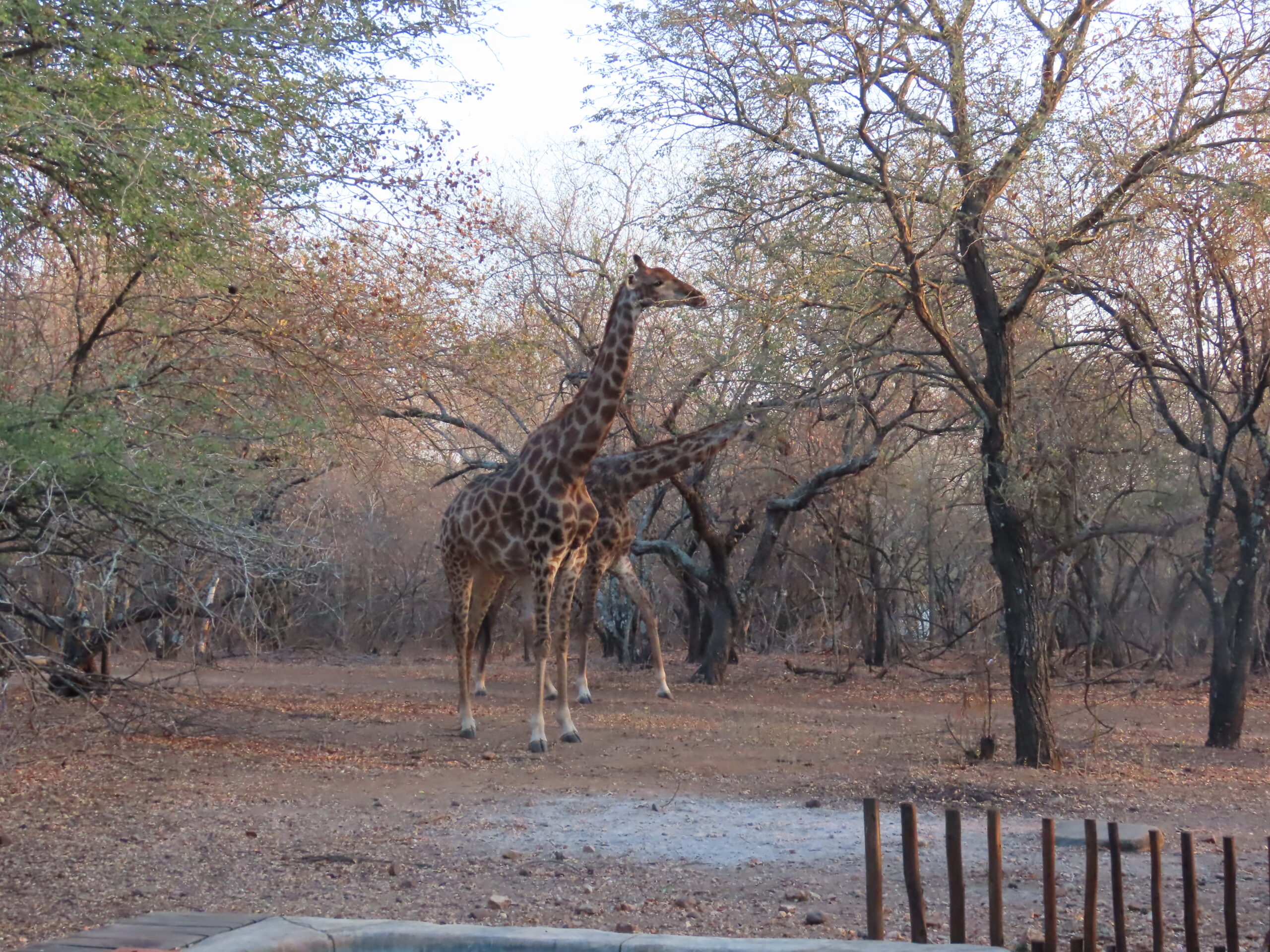
It’s tricky getting a photo of two giraffes together due to the vegetation.

Tomorrow night, we’re heading back to Jabula, where we’ll meet and dine with our readers Christine and Robert from Quebec, whom we’re meeting for the first time. We talked on WhatsApp a few times, and it’s been delightful getting to know them. We’re looking forward to meeting them in person.

On Saturday night, Rita, Gerhard, and Inge will join us for dinner at Jabula, our final get-together before we depart on Sunday.

Most of our packing is complete. All we have left to do is a few loads of laundry tomorrow and then pack our clothes. That can be accomplished in a few hours at most.

We’ll be back with more over these final few days.

Be well.

Photo from ten years ago today, September 11, 2025:

The living room with our stuff in our new holiday home in Savusavu, Fiji. For more photos, please click here.

Hidden gems in South Africa…

Top Hidden Gems Across South Africa

1. Waterfall Bluff – Eastern Cape

A breathtaking coastal waterfall that plunges directly into the ocean—one of the few of its kind in the world. The dramatic hike to reach it traverses the stunning Wild Coast.

2. Eye of Kuruman – Northern Cape

This massive crystal-clear spring stands as the largest in the Southern Hemisphere, creating an oasis amidst the surrounding semi-desert.

3. Riemvasmaak Hot Springs – Northern Cape

Tucked between granite cliffs, these hot springs provide a peaceful and warm retreat amid striking desert landscapes.

4. Nieu-Bethesda & the Owl House – Karoo

A quirky Karoo village best known for the Owl House—a surreal museum filled with eccentric sculptures and art by Helen Martins—plus cozy coffeehouses and scenic Sneeuberg hikes.

5. Magoebaskloof – Limpopo

A lush valley of forests, waterfalls, and winding trails. Ideal for canopy tours, fly-fishing, hiking, and birdwatching—with beautiful highlights like Debengeni Falls and the village of Haenertsburg.

6. Hogsback – Eastern Cape

An enchanting, Tolkien-inspired village nestled in eucalyptus and redwood forests. Stay in magical Hobbit-like cottages near waterfalls, explore mosaic gardens, and hike scenic trails like the 39 Steps Falls.

7. Stadsaal Caves (Cederberg) – Western Cape

Ancient sandstone caves in the Matjiesrivier Nature Reserve feature San rock art, some of which dates back as far as 8,000 years.

8. Bridal Veil Falls – Sabie, Mpumalanga

A 70 m waterfall resembling a veil, reachable via a short forest footpath. Part of the Panorama Route with options for longer hikes like the Loerie Trail.

9. Boosmansbos Wilderness Area – Western Cape

This 142 km² wilderness offers dramatic gorges, mountain fynbos, and rare forests. Ideal for multi-day hikes and immersing in unique biodiversity.

10. Madikwe Game Reserve – North West Province

A malaria-free reserve where you can still spot the Big Five and endangered African Wild Dogs, but with fewer crowds than Kruger.

11. Augrabies Falls National Park – Northern Cape

Often described as South Africa’s “mini Grand Canyon,” the Orange River cascades through dramatic rock formations—especially powerful after summer rains.

12. Chrissiesmeer (Lake District) – Mpumalanga

A tranquil region with over 270 lakes, ideal for birdwatching—see flamingos, pelicans, and enjoy folklore-rich history.

13. eMakhosini Ophathe Heritage Park – KwaZulu-Natal

A culturally significant reserve celebrating Zulu heritage, where you can also encounter black rhinos, giraffes, and buffalo in a historic landscape.

14. Grootbos Private Nature Reserve & Florilegium – Western Cape

A biodiverse UNESCO-acknowledged fynbos reserve offering botany safaris and the unique Hannarie Wenhold Botanical Art Gallery featuring botanical illustrations and pollinator portraits.

Locals Share Their Own Hidden Finds

  • Cederberg Wilderness, Paternoster, Montagu’s hot springs, Barrydale: beloved by locals for their natural beauty and charm.

    “Paternoster: a charming little fishing village that feels like stepping back in time.”
    “Cederberg Wilderness Area, for those who love the outdoors, the ancient rock formations and San rock art are a must-see.”

  • Mountain Sanctuary (Magaliesburg): a hike through crystal-clear rock pools—now requires a guide, but still a hidden gem.

  • Scenic Trails & Natural Valleys:

    “Mariepskop mountain… mistbelt forest… multiple viewpoints… almost no one goes there.”
    “Parys… has its own little Eiffel tower… it’s hidden.”
    Great suggestions from fellow adventurers in the know.

Explore with Intention

  • Nature lovers: Try Hogsback, Waterfall Bluff, Magoebaskloof, Stadsaal Caves, or Bridal Veil Falls.

  • Quiet luxury getaways: Nieu-Bethesda’s quirky art scene or remote solitude at Riemvasmaak Hot Springs.

  • Wildlife & Conservation: Madikwe, eMakhosini Park, or Grootbos for unique biodiversity and cultural context.

  • Unique landscapes: Boosmansbos, Chrissiesmeer, and Augrabies Falls offer dramatic visuals and serenity.

We’ve only visited a few of the above. Once we arrive in Marloth Park, we don’t want to leave, as every day is treasured, allowing us to engage in precisely what we choose to do while living in this exquisite bush.

Be well.

Photo from ten years ago today, September 9, 2015

Tom was standing in front of the tiniest airport we’ve seen to date in Fiji, except for the dirt landing strip with no airport in the Maasai Mara. We flew in a small plane to the village of Savusavu. For more photos, please click here.

A little bit of luxury to make some travelers swoon…

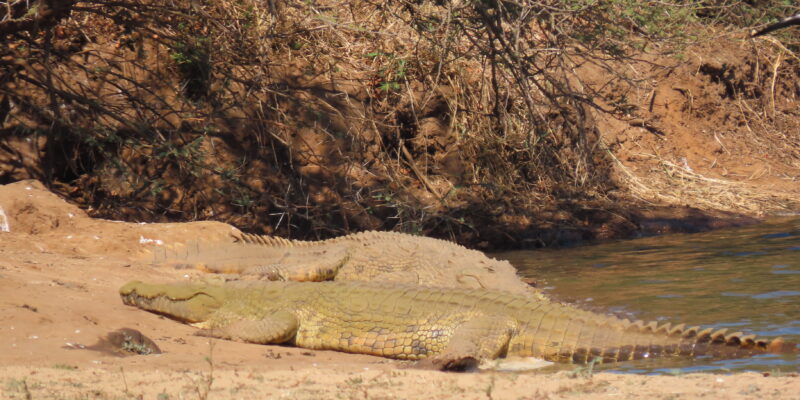
Crocodile basking in the sun.

From this article at Travel & Leisure online magazine:

“This 29-day Private Jet Journey Will Take You to All 7 Continents—Yes, Including Antarctica

TCS World Travel’s new itinerary includes Antarctica, Angkor Wat, the Great Barrier Reef, and more—all for $205,000. By Katie Nadworny Published on September 5, 2025

If you’ve ever wanted to see all seven continents in comfort and luxury, now is your chance.

TCS World Travel, a luxury private jet company, has revealed a new itinerary that takes travelers around the world in 29 days. The trip, called Seven Continents by Private Jet, touches down in twelve different global destinations across all seven continents.

The journey will utilize the company’s custom-configured Airbus A321, which seats 52 and features flatbed leather seats, as well as an 18-member crew that includes a chef and a physician. The trip is fully all-inclusive, with private flights, accommodations, transportation, dining, expert guides, sightseeing options, and more.

TCS World Travel has partnered with White Desert to offer private jet access to Antarctica’s interior for the first time. This day trip through the coldest continent will take place during Antarctica’s summer when the sun shines for 24 hours, and will provide maximum comfort with parkas and baffin boots available for warmth.

“Visiting all seven continents in a single journey has long been a dream for TCS World Travel, and now it’s a reality,” Shelley Cline, President of TCS World Travel, said in a statement shared with Travel + Leisure. “We pioneered the flagship Around the World journey over 30 years ago, and this new expedition takes experiential travel to extraordinary new heights. Seven Continents is the pinnacle of global adventure–a bucket list experience delivered with comfort, ease, enriching cultural encounters, and the exceptional service our guests know they can expect.”

Hippos enjoying Sunset Dam.

Other new experiences on this itinerary include a stop in Zanzibar, Tanzania, a deeper exploration of Cape Town, South Africa’s wine estates, and lodge stays in the Masai Mara, Kenya. The full itinerary departs from Miami on Dec. 2026 and will touch down in Cusco and Machu Picchu, Peru; Easter Island, Chile; Papeete, Tahiti; the Great Barrier Reef, Australia; Angkor Wat, Cambodia; Taj Mahal, India; Zanzibar, Tanzania; Cape Town, South Africa; Antarctica; Maasai Mara, Kenya; Luxor, Egypt; Cairo, Egypt; and London.

The trip will last from Dec. 27, 2026, to Jan. 24, 2027, and costs $205,000 per person, double occupancy. Guests have the option to request suite upgrades.

For additional information about the Seven Continents journey, you can visit the TCS website at www.tcsworldtravel.com/luxury-jet-expeditions/seven-continents-dec-2026, email guestrelations@tcsworldtravel.com, or call 1-800-454-4149.”

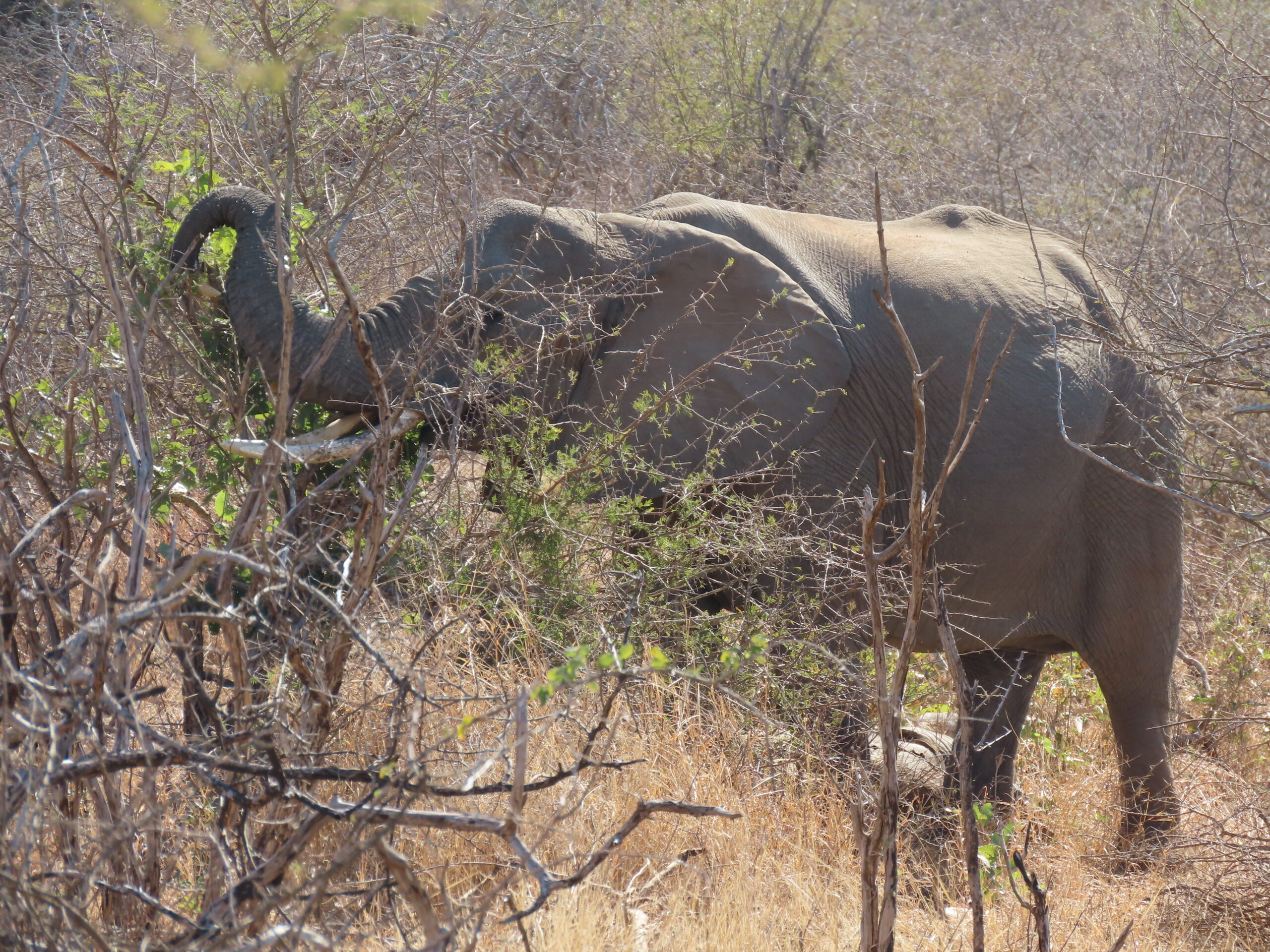
An elephant makes the best use of her trunk while grazing in Kruger National Park.

Last night, we had another fine evening with Rita, Gerhard, and Inge at Amazing River View. The food was good, the scenery outstanding, and the conversation lively and animated, as always. Today, the three of them are coming for dinner while we use some of the meat from the freezer. We used three packages of skinless, boneless chicken breasts to make a large batch of chicken salad, served on toasted buns with oven-baked chips (fries) and sautéed mushrooms.

The week will wind down quickly while we’re busy with our friends and beginning to pack.

Be well.

Photo from ten years ago today, September 8, 2015:
No photo was posted on this date ten years ago while we waited at the airport. For the story, please click here.

Spent a small fortune at the pharmacy…But not as much as…One week and counting…

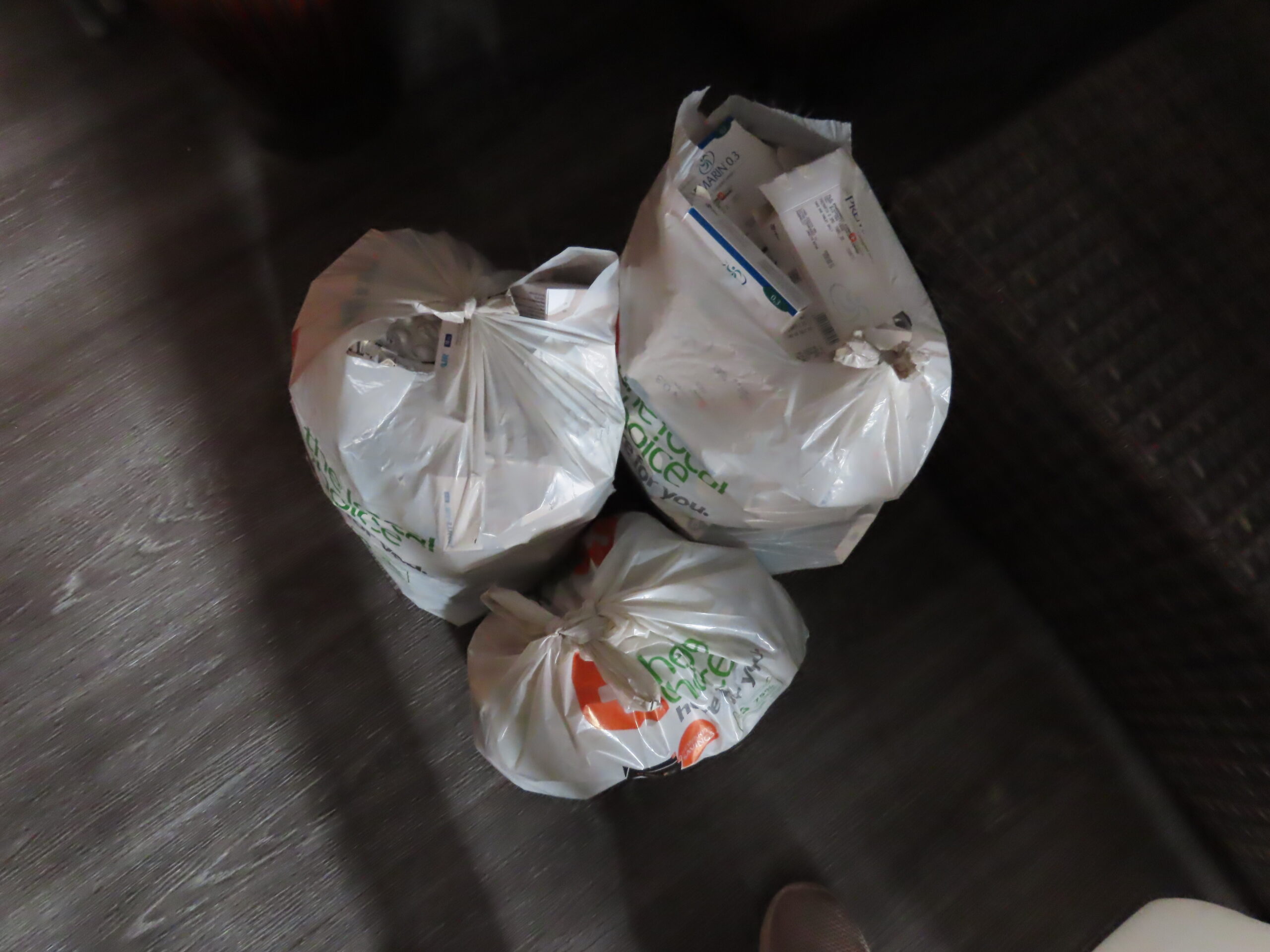
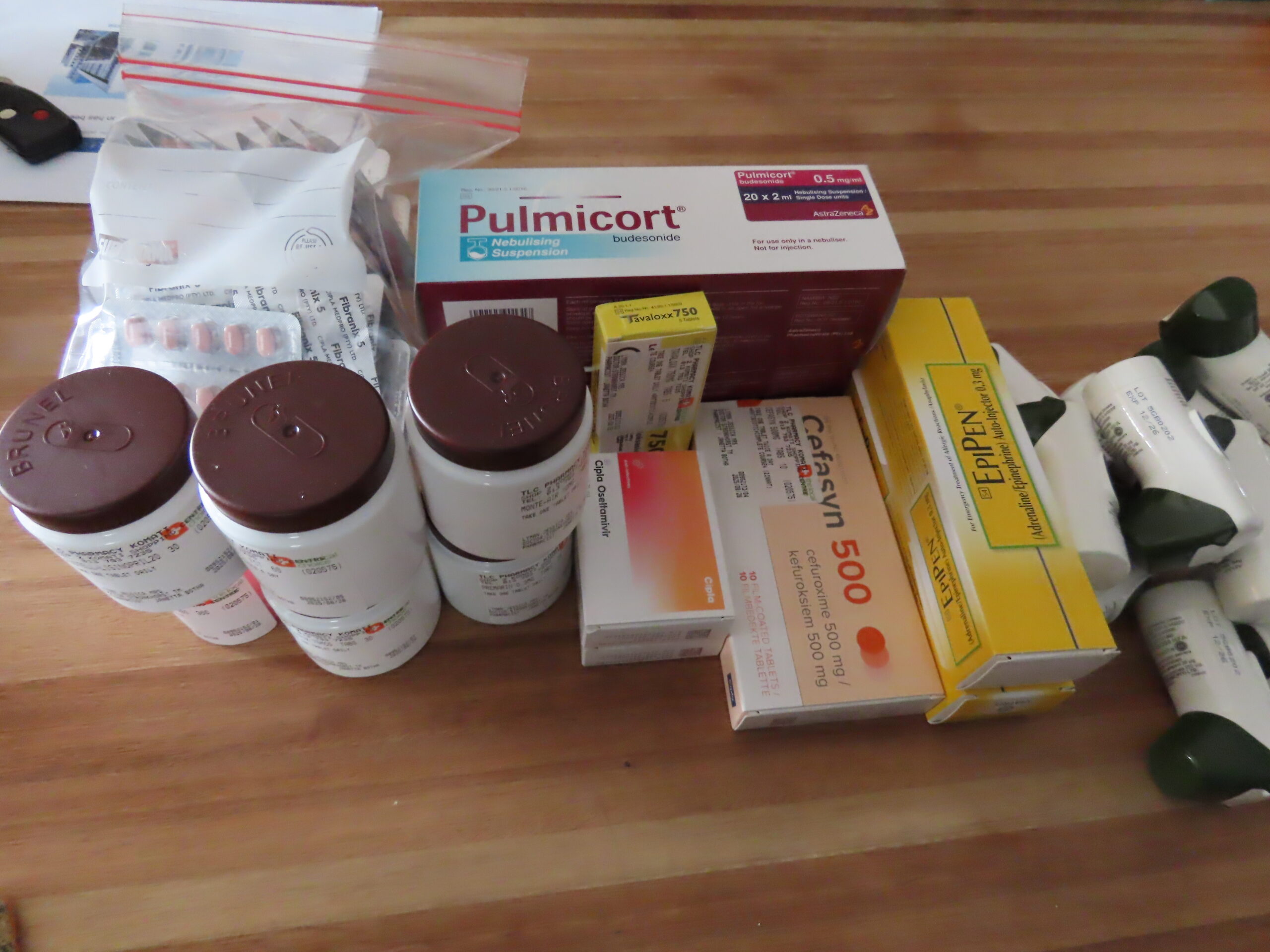
All of that packaging resulted in this small pile. The pharmacy provided the bottles and labels at no extra cost. We will carry the original prescription if we are questioned at any point.

Travel often brings us face-to-face with contrasts. Sometimes it’s the scenery, the shift from arid bushveld to lush coastline in a single day. At other times, it’s cultural, such as the way a meal is served or how greetings are exchanged. And then there are those moments when the difference lies in something as practical, yet deeply personal, as the cost of healthcare.

This past week, we experienced one of those moments in Komatipoort, South Africa, a small but busy town that hugs the border with Mozambique. Our mission wasn’t to stock up on souvenirs or local crafts but to tackle something far more essential: filling prescriptions that will carry us through the next year of our travels.

When the pharmacist tallied up the total, ZAR 29,000, or US $ 1,629, my heart skipped a beat. It felt like such an enormous sum, handed over in one swipe. The stack of neatly packed boxes and bottles was daunting, filling up three big plastic bags. But then, as the shock subsided, we reminded ourselves of the bigger picture. This was a year’s worth of peace of mind, a year’s worth of uninterrupted health, and a year’s worth of freedom from worrying about whether or not we’d be able to find what we needed in the next country.

When compared to the United States, the difference is almost laughable. The same medications were available there, even with insurance, but would have cost several times what we paid. Since we don’t live in the US, there was no sense in buying a pharmacy plan when we could only get three months of drugs at any given time due to insurance restrictions.

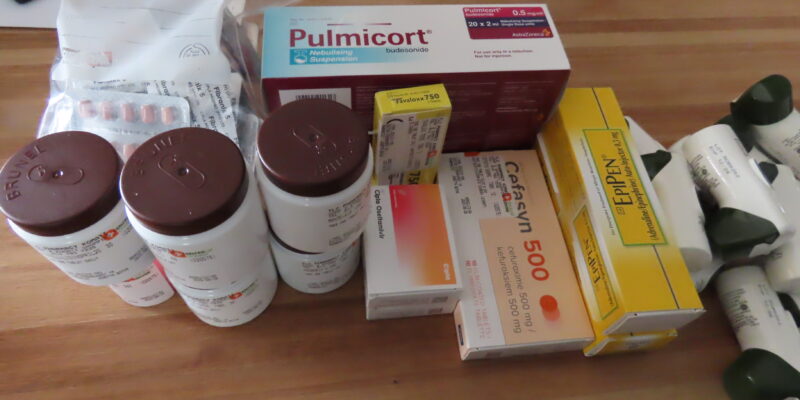
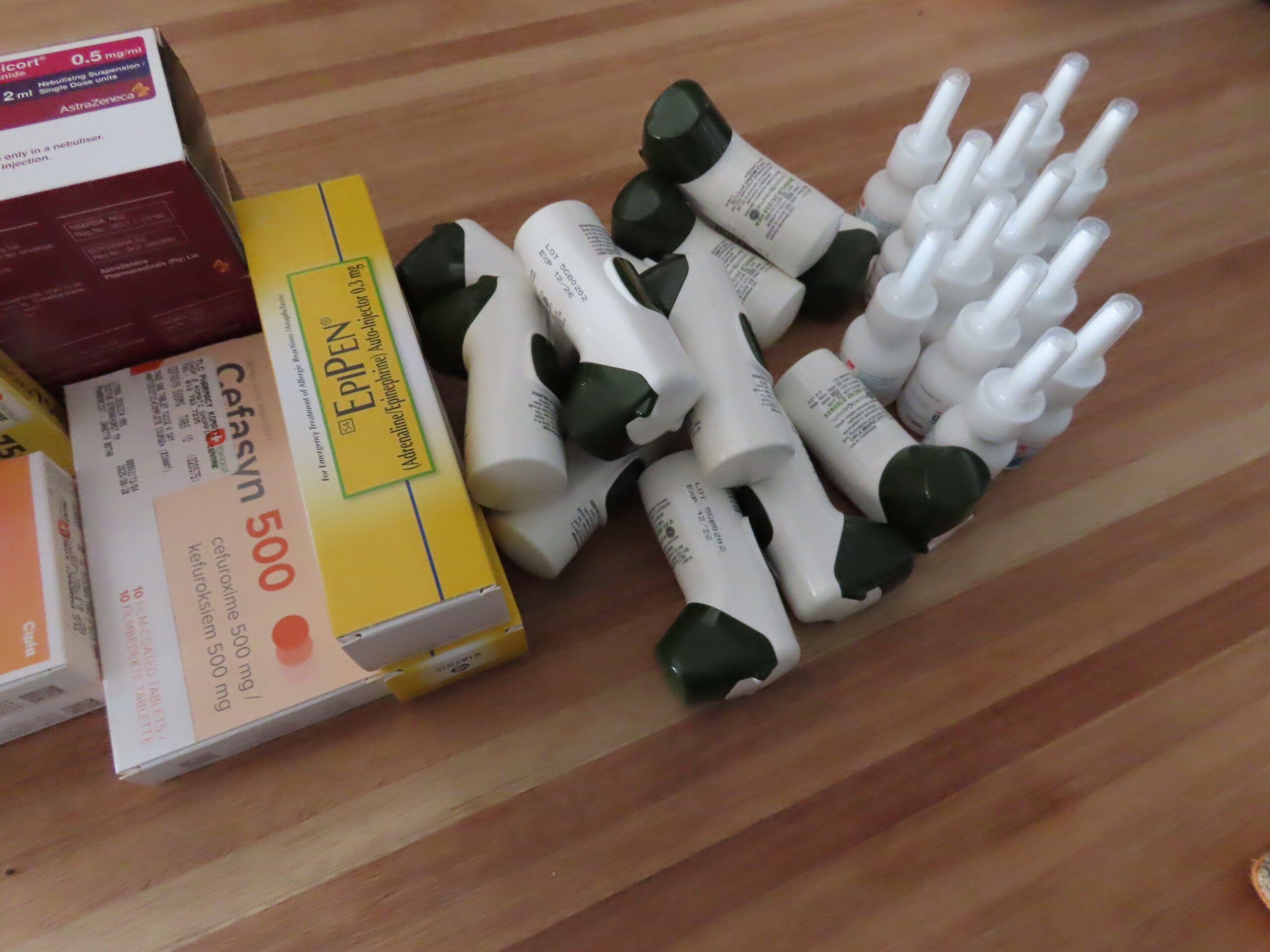
These inhalers are for allergies and in the event we get a cough/flu..Two EpiPens are included, as we are both allergic to bees and wasps. Many medications have different names in South Africa, but they are the same as brand-name medications in the US.

In the U.S., prescriptions are a monthly reminder of how expensive it is to stay well, with bills that keep piling up, appointment fees added on, and insurance companies deciding what is or isn’t “covered.” Here in South Africa, we paid upfront, yes, but we walked away knowing the next twelve months are accounted for, at a fraction of the American cost. What felt at first like a fortune suddenly seemed more like a bargain.

There’s a psychological comfort in that. As travelers, we live with a certain level of uncertainty. Where will we be next month? Will the Wi-Fi be strong enough to stay connected? Will we find a place to stay that feels like home? Those unknowns are part of the adventure, but health is different. Health is the foundation upon which all those adventures are built. Knowing we have what we need neatly tucked away in our luggage allows us to embrace the journey with less worry and more joy.

I thought about how many people in the U.S. don’t have that option. Even retirees, who should be able to enjoy their later years without constant financial strain, often find themselves paying shocking amounts for the medications they need. It’s one of the strange ironies of our travels that moving through countries where people sometimes have less materially, we often find greater accessibility when it comes to healthcare. South Africa may not be perfect, but the availability and affordability of medication is a lifeline not just for locals but also for travelers like us.

Of course, spending ZAR 29,000 in one go isn’t something to brush off lightly. It was a big line item in our travel budget, and I’ll admit we were a little shocked.. But when you consider what that figure represents, the decision made itself. It isn’t just a transaction; it’s an investment in our ability to keep going, to keep saying yes to new places and new experiences without the nagging worry of running out of something vital.

There’s also a strange sense of gratitude that comes with moments like this. Gratitude for the pharmacists who took the time to patiently gather everything we needed. Gratitude for the fact that South Africa’s system makes it possible to buy in bulk. And gratitude that, as nomads, we’ve learned to adapt to different systems, to figure out what works and what doesn’t as we cross borders.

Doc Theo wrote us prescriptions for several preventive medications in case we become ill on the upcoming cruises, including Tamiflu, Prednisone, respiratory drugs, and various antibiotics suitable for norovirus or the cruise flu/cough. If we’re lucky, we won’t need to use some of these. Also, he explained we can WhatsApp him if we need guidance on which ot these we should take, leaving us with tremendous comfort with the concept of our “doctor-traveling-with-us.”

These three bags contain all the packaging material from which we removed the pills. Yesterday, we popped out over 1800 pills from blister packs. Our thumbs are sore today.

Walking out of that pharmacy, bags in hand, I couldn’t help but feel lighter, even if the luggage itself was a bit heavier. It wasn’t just about the medicine. It was about knowing that we’d taken care of ourselves in a way that allows us to keep chasing the life we’ve chosen. The freedom of the open road, the constant stream of wildlife outside our door in Marloth Park, and the endless discovery of new places —all of it — is sustained by these practical decisions made quietly in a small town like Komatipoort.

Yes, ZAR 29,000 is a significant amount of money. But it bought us more than pills and prescriptions. It brought us reassurance, continuity, and the ability to keep moving forward without pause. And when weighed against the alternative, the spiraling costs and stress of the American healthcare system, it feels less like an expense and more like a gift.

Travel teaches us to value experiences over possessions, but it also teaches us to recognize the worth of what drives us forward. This time, it wasn’t a spectacular view or a cultural encounter that left the biggest impression. It was a simple transaction at a pharmacy counter, reminding us once again that sometimes the greatest luxuries are not material, but the peace of mind that allows us to continue our journey through the world.

Today, at 4:00 pm, we’re meeting Rita, Gerhard, and Inge at Amazing River View for river watching, sunset viewing, and dinner.

Be well.

Photo from ten years ago today, September 7, 2015:
Pond view at the Cattana Wetlands in Trinity Beach, Australia, taken on our last day before moving on. For more photos, please click here.