For those who haven’t checked in lately…Those annoying ads on our website are gone!…

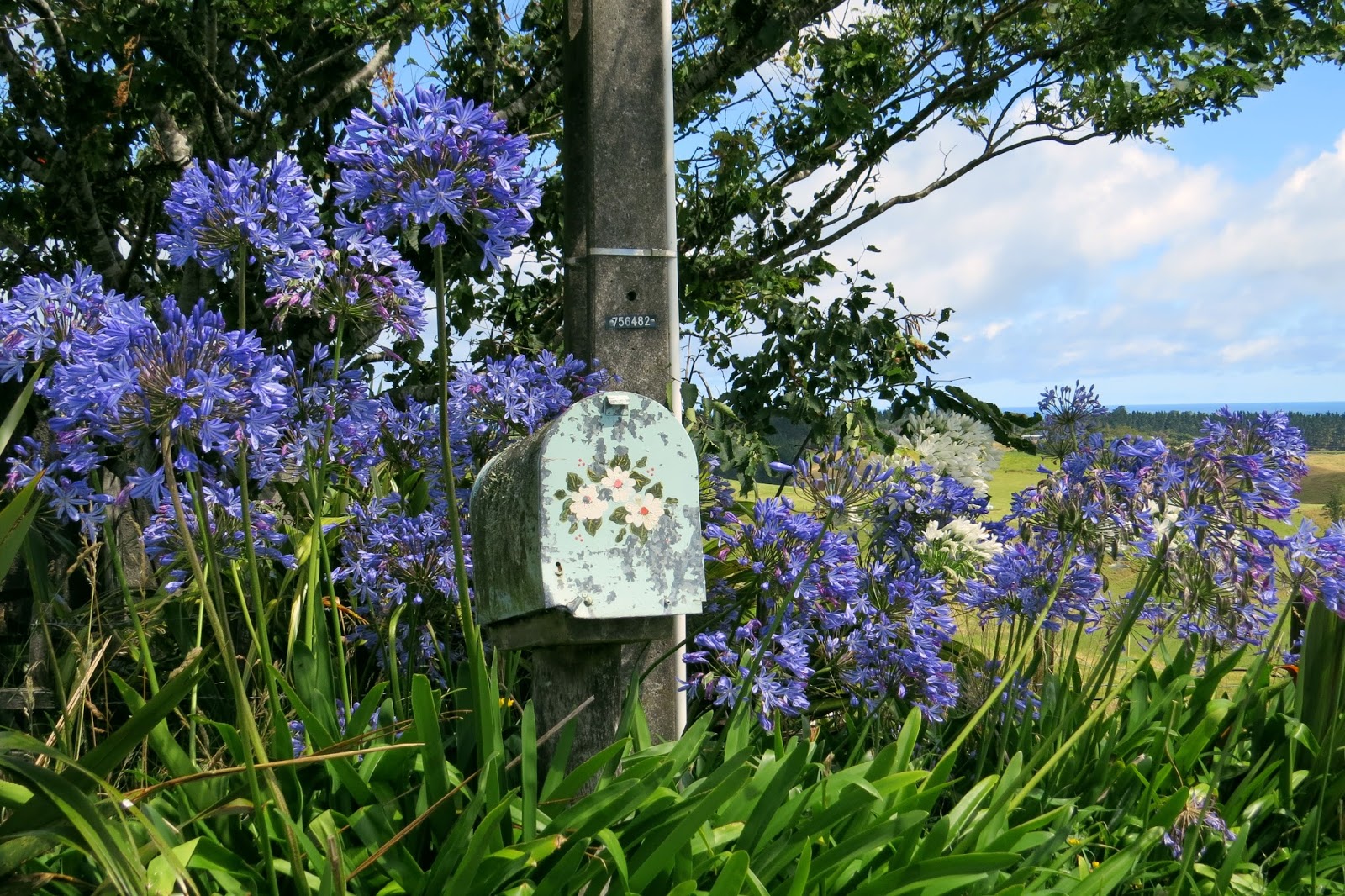
Agapanthus flowers in New Zealand are classified as weeds and considered invasive, although they are beautiful, as they grow along roads and highways.

After a grueling month spent untangling maintenance issues on our website, I finally feel comfortable placing this chapter gently behind me, at least for a little while. It has been one of those stretches where the work is invisible to everyone else but consumes an extraordinary amount of mental space. The kind of work that follows you into your sleep and reappears first thing in the morning with a new question or concern.

With Hostinger, our excellent hosting company, and its network of technicians worldwide, most major issues have now been resolved. These technicians step in when needed for a reasonable fee, and their expertise has been invaluable. At this point, only a few minor issues remain, nothing urgent enough to demand immediate attention or disrupt our daily posts. For now, the site is running more efficiently than it has in quite some time. However, we are experiencing paragraph spacing issues, which we reported today to our new tech guy. This should be resolved within a day or two.

That said, technology never stands still. Given the current style and design of our site, along with ongoing WordPress changes, I know a redesign will eventually be necessary to ensure compatibility and stability. Rather than rushing into that process while we are constantly on the move, I have decided to postpone the redesign until we reach Marloth Park. There, we will be staying on and off for nine months, providing the stability and focus that such a project truly requires.

When that time comes, I will be sure to notify our readers in advance. There may be a brief period when the site is inaccessible, but it should be no more than a few days. If we do not take this step at some point, the risk is that the site could eventually crash altogether. While I am hopeful it will hold until then, I also want to be transparent. Even if the site were to crash unexpectedly before our planned redesign, we would not be down for long. We monitor things closely and will immediately launch the new version.

In practical terms, the most you would experience is a brief pause in access to our daily posts. There will be nothing for you to do and nothing you need to fix or adjust on your end. We will handle it and keep you informed every step of the way.

I truly appreciate the patience you have shown during this recent maintenance period. It means more than you might realize. I am also relieved and genuinely happy to say that we are now up and running more smoothly in the interim. For those who haven’t checked in lately, you will notice a very welcome change. All of those annoying ads are gone.

We deliberately chose to forgo any potential revenue from that intrusive advertising style. Instead, we chose to focus only on the advertisers displayed on the right side of the page when viewed on a computer and at the bottom of the page when reading on a smartphone. This felt more respectful of your experience and more aligned with the spirit of why we started this site in the first place.

If you are able, please help support us by using those links when they are relevant to you. The small amount of revenue they generate helps offset some of the costs of maintaining this free site. The prices and services are exactly the same as if you visited those websites directly through your browser.

Thank you, as always, for your patience, understanding, and continued presence here with us.
On another note, yesterday turned out to be the hottest day we have experienced since arriving in Kaiwaka in mid December. On paper, it hardly sounded dramatic at all, just 80F or 27C. In reality, the humidity told a very different story. At 95 percent, the air felt thick and unrelenting, with a dew point of 78 degrees creating an oppressive, nearly saturated atmosphere. Everything felt sticky and heavy, even indoors. For the first time, in the late afternoon, we switched on the air conditioner in the lounge room and let it run until bedtime. Thankfully, today feels calm, cooler, and wonderfully comfortable again.

Be well.

Photo from ten years ago today, February 3, 2016:

A horse, shown in New Plymouth, New Zealand, wore a blanket to regulate body temperature and protect it from the elements. For more photos, please click here.

What’s the deal with all the travel warnings about the Caribbean?…Thanks for your email messages…

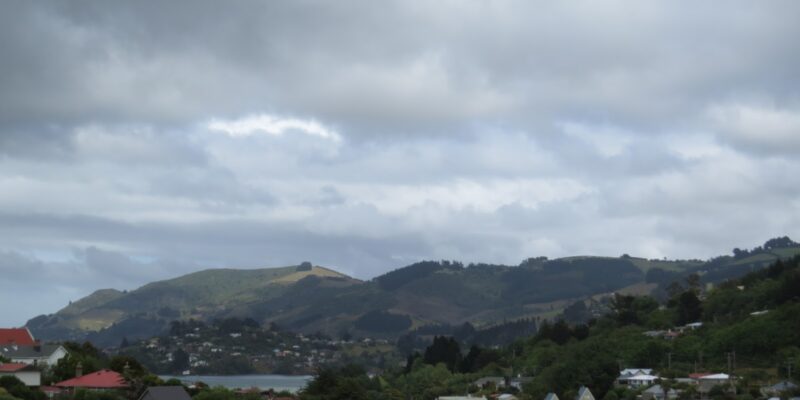
Homes close to the ocean in Dunedin, New Zealand, during our sailing in 2016.

Note: Today’s photos are from the post on this date, ten years ago.

We’ve spent years chasing sunrises around the world, learning that paradise isn’t a place immune to turmoil. It’s a place where people still live, work, adapt, and sometimes struggle just like anywhere else. And right now, the Caribbean feels like a crossroads of beauty and global tension, a region caught between its postcard beaches and a cascade of warnings that have ripple effects on travel, comfort, and the journeys we used to take for granted.

If you’re thinking about booking a last-minute escape or already have sandy-toed anticipation in your heart, here’s what is actually happening on the islands and why so many countries have slapped up travel advisories:

1. High Alerts and Crime Warnings

The U.S. State Department has recently raised travel advisories for several Caribbean destinations, including Grenada, where visitors are now being urged to “exercise increased caution” because of crime incidents like armed robbery and assault.

These are islands that for decades welcomed travelers with open arms. But now, like lots of places in the world where economic disruptions and local safety challenges intersect, violence and opportunistic crime have risen in some spots. Governments are signaling, yes, the sunsets are stunning—but keep your wits about you.

2. The Venezuela Factor — A Region-Wide Shockwave

One of the biggest shocks to the usual rhythm of Caribbean travel has nothing to do with reefs or resorts, and everything to do with geopolitics. In early January, a U.S. military operation in Venezuela culminated in the capture of Nicolás Maduro, sparking airspace closures and widespread flight disruptions across the Caribbean for a time.

Planes were rerouted or cancelled, leaving travelers unexpectedly stuck in airports or on islands, waiting for updated schedules. That disruption, however temporary, served as a stark reminder that even idyllic skies can be torn by events far beyond a resort town’s control.

Early morning view of Akaroa, New Zealand. We’ll return on our own to many of these quaint towns over the next three months. At present, we’re planning a few overnight trips to tour both the North and South islands.

3. Hurricane Aftermath and Ongoing Health Risks

Many islands are still recovering from Hurricane Melissa, which barreled through last year as one of the strongest storms in decades. Places like Cuba, Jamaica, and others are grappling with both infrastructure damage and public-health concerns such as dengue and Zika, which spread more easily in post-storm conditions.

Even if an island doesn’t have a high crime warning, there can be health risks and supply chain disruptions that make travel more complicated than it once was.

4. A Patchwork of Warnings—not a Blanket “Don’t Go.”

Here’s where nuance matters. Travel advisories are not monolithic across the Caribbean:

  • Some islands (such as Grenada) are at Level 2meaning exercise increased caution.

  • Others are at Level 1 — normal precautions — with advisories on petty theft, mosquito-borne diseases, and driving safety, but generally safe tourist zones.

  • Venezuela itself is widely labeled Level 4 — Do Not Travel by multiple Western governments due to extreme instability.

So it isn’t that the whole Caribbean has imploded, more that each island has its own landscape of risk, from sunshine safe to caution-flag territory.

Reflection of the ship on the sea as we anchored in Akaroa, New Zealand

5. What This Means for Travelers

If you are reading this as someone who still wants to travel, here’s the honest, seasoned advice:

  • Do your homework on specific islands, not just “the Caribbean” as a whole. A beach vacation in Sint Maarten and a cultural trip to Haiti are entirely different experiences with different safety profiles.

  • Expect more vigilance at airports. Even if advisories are lifted, airlines and governments may still enforce extra checks or rerouting.

  • Prepare for changes. Travel insurance, flexible tickets, and up-to-date advisories are worth every penny.

  • And most importantly, listen to locals and official guidance first—because the lived experience on the ground is always more nuanced than the headlines.

We’ve learned from years on the road that travel’s magic isn’t just in ticking destination boxes, but in understanding places deeply, respectfully, and safely. The Caribbean’s allure hasn’t vanished; it’s just asking us to look beyond postcards, be smart, and travel with a blend of curiosity and caution.

Your diligent research is vital to ensuring a safe and joyful experience in this part of the world.

On another note, thanks to our many readers who wrote to us

Thank you to so many of our readers who let us know they are once again receiving our daily posts after many hours spent working through this issue. Hearing from you truly made the effort worthwhile.

If you’re still not seeing our posts, please add our site to your CONTACTS list. We’ve discovered that many readers experiencing problems are using Yahoo email. Also, please check your spam folder; marking our posts as “NOT SPAM” often resolves the issue immediately and allows future posts to come through as intended.

As always, thank you for your patience, kindness, and cooperation. It means more to us than you know.

Be well.

Photo from ten years ago today, January 14, 2016:

Knox Church is a notable building in Dunedin, New Zealand. It houses the city’s second Presbyterian congregation and is the city’s largest church of any denomination. For more photos, please click here.