Yesterday, I stumbled across the following video. If you’re interested in geography, this may appeal to you, along with today’s story: https://youtube.com/shorts/-hSwHxNVoAU?si=wOYvewVJVmVWwVQL.
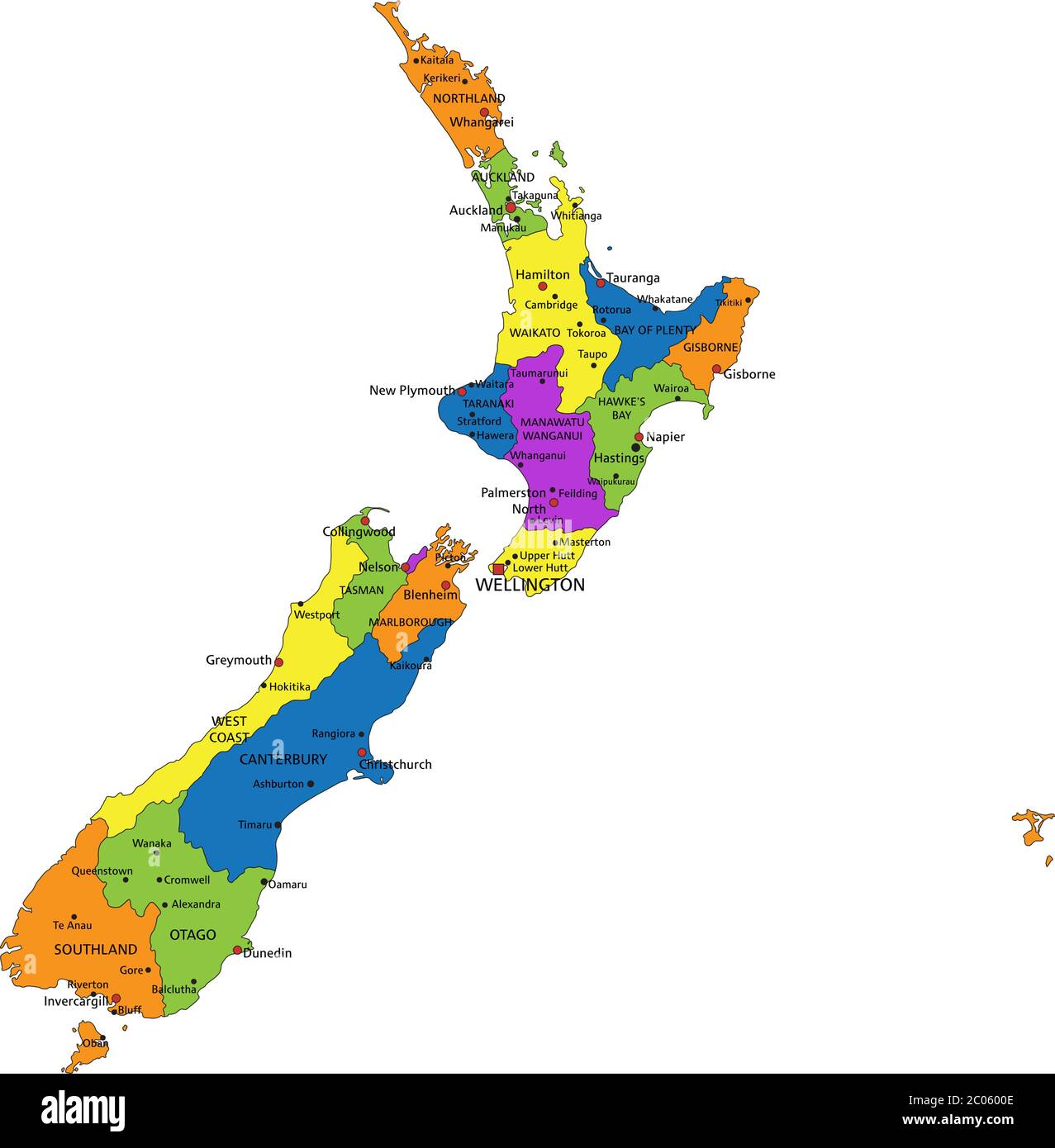
Standing on the edge of either island in New Zealand, it’s hard not to wonder why, after all these years, all this ingenuity, and all stubborn human determination, there is still no bridge stretching across Cook Strait. The question feels especially natural when one is living here, watching ferries inch across restless water, checking weather apps with fingers crossed, and quietly hoping the wind will hold just long enough for safe passage. And yet, the absence of a bridge isn’t an oversight. It’s a deliberate, deeply practical decision shaped by nature, history, and humility. The two islands are 14 miles, 22 kilometers apart.
Cook Strait is not a polite body of water. It is one of the most unpredictable and hostile stretches of sea in the world. Where the Pacific Ocean collides with the Tasman Sea, powerful currents squeeze through a narrow gap between the North and South Islands, accelerating with astonishing force. The tides reverse direction several times a day, creating swirling eddies, standing waves, and sudden surges that can catch even experienced sailors off guard. Add frequent gale-force winds, and Wellington is famously windy for a reason; it has an environment that resists permanent human structures.
Then there’s the depth. Cook Strait plunges to depths of more than 120 meters (nearly 400 feet) in places, far deeper than many of the world’s bridged waterways. Building bridge pylons would require anchoring into a seabed that drops away steeply and unevenly, making construction not just expensive but technically daunting. Unlike rivers or shallow channels, this isn’t a place where you sink supports and build upward. The sea floor itself seems to say, “Not here.”
New Zealand also sits astride the boundary of two massive tectonic plates, the Pacific Plate and the Australian Plate, which are in constant, grinding motion. Cook Strait lies directly within this seismic zone. Earthquakes are not a remote possibility; they are an accepted part of life. Any bridge would need to withstand powerful seismic activity while simultaneously enduring relentless wind, waves, and corrosion from salt spray. Engineering something that could survive all three in the long term would push even modern technology to its limits.
Cost, of course, looms large. Estimates for a Cook Strait bridge, or even a tunnel, run into tens of billions of dollars. For a country with a relatively small population (5.34 million), that kind of investment must be weighed against hospitals, housing, roads, and climate resilience. Ferries, for all their frustrations and delays, remain vastly cheaper and more flexible. They can be upgraded, replaced, rerouted, or paused when conditions turn dangerous, something a fixed structure can’t do.
There’s also a more philosophical reason. New Zealanders tend to respect the land and sea in a way that feels deeply ingrained. The Māori worldview, in particular, emphasizes balance, guardianship, and coexistence with nature rather than dominance over it. Cook Strait, known as Raukawa Moana by the Māori people, is seen not just as an obstacle to conquer, but as a powerful living entity in its own right. Sometimes, choosing not to build is a form of wisdom.
As travelers and temporary residents, we’ve come to see the ferries as part of life here and in many other parts of the world. Yes, they can be delayed. Yes, the crossings can be rough. But something is grounding about watching the coastline fade behind you, knowing that this stretch of water remains untamed. In a world obsessed with connection at any cost, New Zealand’s lack of a bridge across the Cook Strait feels like a quiet reminder: not every gap needs to be closed. Some are meant to be crossed with patience, respect, and a healthy acceptance of nature’s authority.
Be well.
Photo from ten years ago today, January 27, 2016: