Scary alarm in the middle of the night!…Off to the market in Whangarai…

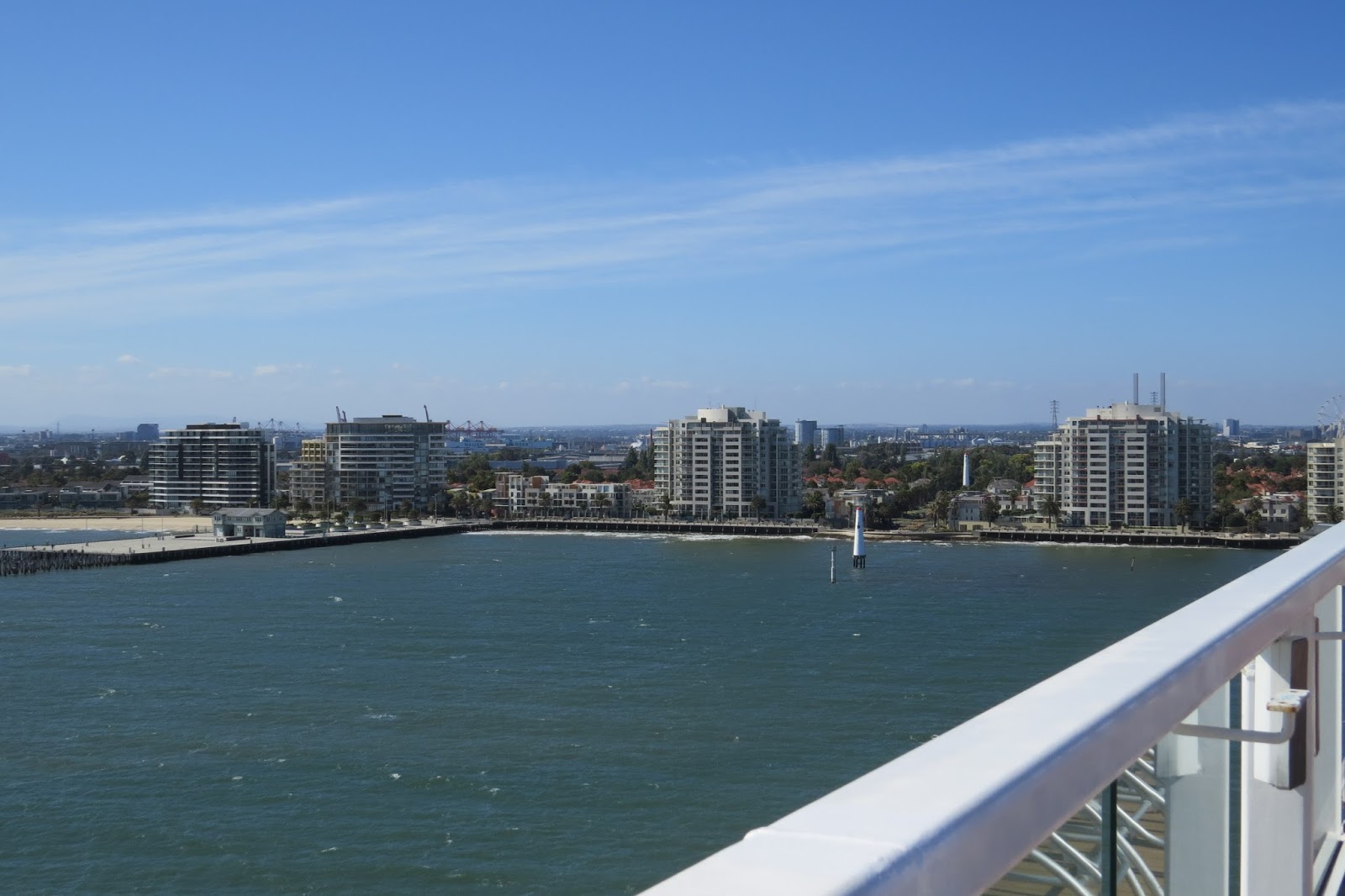
Melbourne appears to be a lovely city, although considerably smaller than Sydney.

Note: During our remaining time in New Zealand, we’ll be reposting photos (including their original captions) from our previous stay, beginning in January 2016, when we were based in a far less remote location than where we are now in Kaiwaka, nearly a full day’s drive from most sightseeing destinations.

Today’s photos are from this post here.

Last night, around midnight, just as I was beginning that gentle slide from wakefulness into sleep, the kind where thoughts blur, and the body finally relaxes, the bedroom exploded with sound. Tom was already asleep, breathing evenly beside me, when the fire alarm went off. I have never heard anything so piercing in my life. It wasn’t just loud, it was aggressive, the kind of noise that jolts every nerve awake at once.

In those first few disoriented seconds, my half-asleep brain tried to make sense of it. I was convinced it had to be my phone. I grabbed it, fumbled in the dark, and shut it off, fully expecting silence to follow. It didn’t. The alarm continued to roar, echoing off the walls, relentless and impossible to ignore. By then, Tom was wide awake too, and we both leapt out of bed, hearts pounding, adrenaline flowing.

We stood there in the bedroom, the alarm screaming overhead, trying to figure out what to do. There’s something uniquely unsettling about a fire alarm going off in the middle of the night when there is no fire, no smoke, no apparent reason for the chaos. Tom finally dragged a dining room chair into the bedroom and climbed up to reach the ceiling. He removed the device from the ceiling, hoping that would permanently remedy the issue.

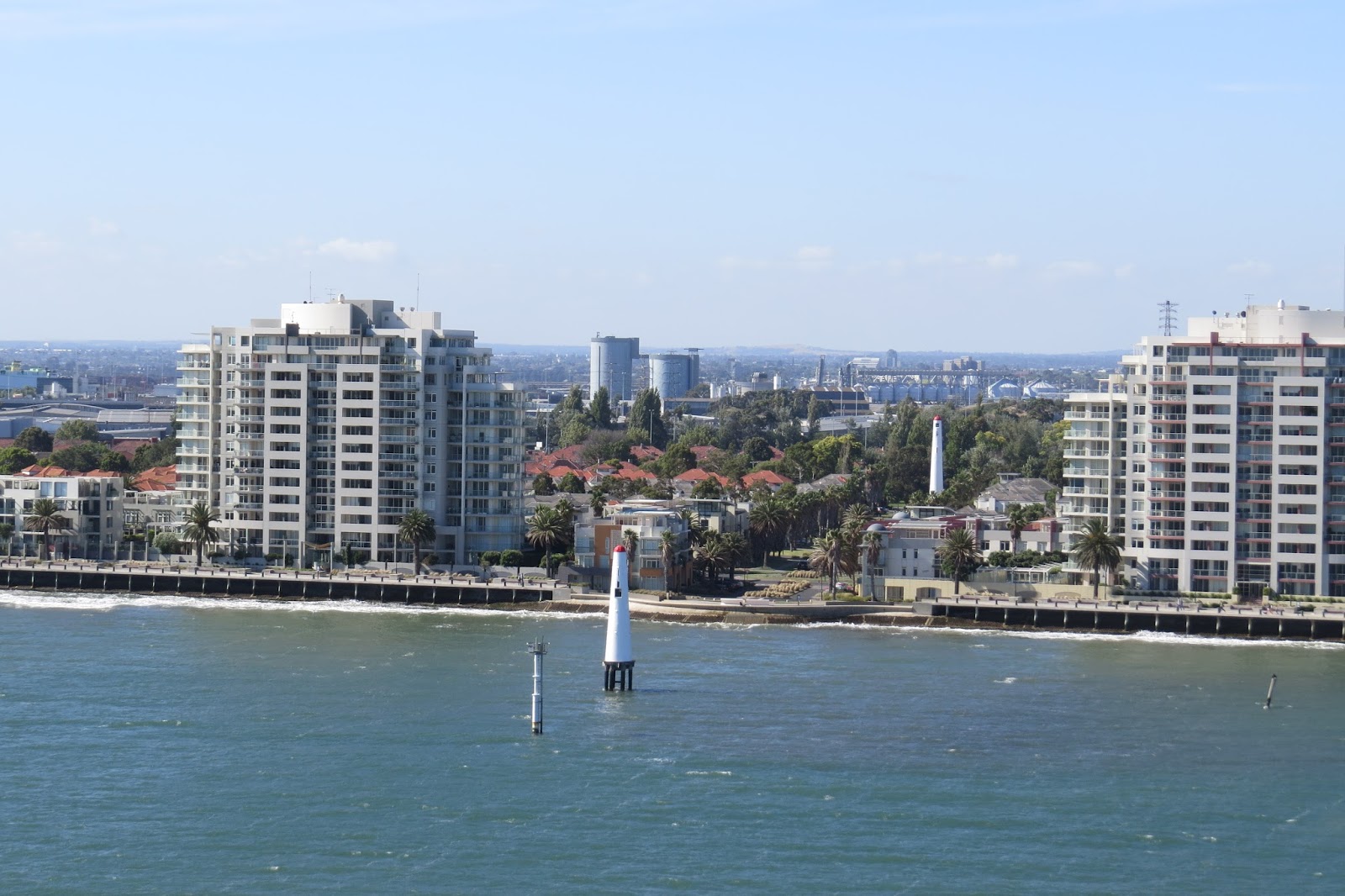
The remnants of an old pier that is no longer used.

We examined it under the light, hopeful we’d find a simple solution. Surely there had to be a battery to remove. Surely there was an off switch we were missing. But no matter how carefully we looked, there was nothing, no removable battery, no way to silence it permanently. A few minutes later, as if to mock our optimism, it went off again.

At that point, we knew sleep wasn’t going to happen unless we took decisive action. Tom wrapped the shrieking device tightly in a bath towel and carried it outside, setting it well away from the house. We waited, listening. The night returned to quiet. We never heard it go off again.

This morning, when we spoke to Dave, the mystery was solved. He explained that when the internal battery in these alarms reaches the end of its life, the entire unit must be replaced. There is no way to shut it off. The alarm did exactly what it was designed to do: alert loudly and persistently, but timing, as always, has a sense of humor.

As a result of the midnight drama, I didn’t fall asleep again until after 2:00 am. The alarm may have been gone, but my mind wasn’t ready to let go. I finally drifted off only to wake at 6:45, far earlier than planned. Oddly enough, I feel fine today, at least for now. That may change when we hit the road.

A buoy marking the bay in Melbourne.

We’re heading out shortly for the 45-minute drive to Whangārei, with stops at the pharmacy and the New World Market. Grocery shopping out here is always a strategic event. We’re proud of how well we did this last time, stretching our supplies for 18 days. If we can accomplish that again, we’ll only need to shop once more near the end of January, which feels like a small victory in a long-term stay like this.

February 11 is already looming on the calendar. That’s the day we’ll drive to Auckland and stay overnight near the airport, easing ourselves into the early morning flight to Tasmania the following day. Having that hotel booked brings a sense of relief and peace of mind.

As always, our thoughts drift further ahead. September, when we depart South Africa, remains an open question, a collection of possibilities not yet pinned down. Travel has taught us that plans evolve, sometimes quietly, sometimes abruptly, much like fire alarms in the middle of the night. We’ll share more once the picture becomes clearer. For now, we’re moving forward on less sleep than usual, but with full hearts, and another story added to the ever-growing collection.

Be well.

Photo from ten years ago today, January 8, 2016:
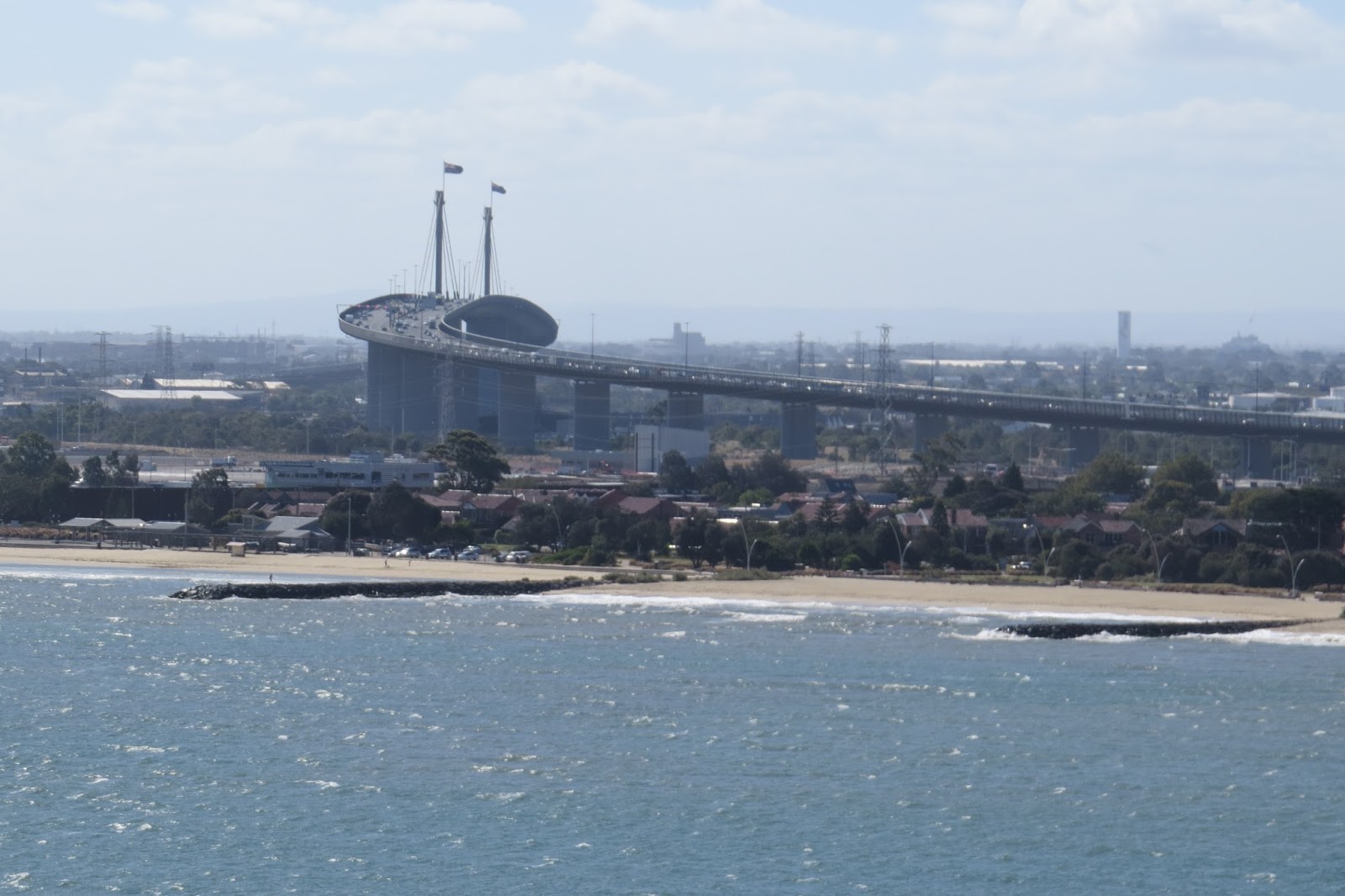
View of a major overpass in Melbourne, Australia. For more photos, please click here.

Is It Safe to Visit the Caribbean Right Now?…Alert to travelers…

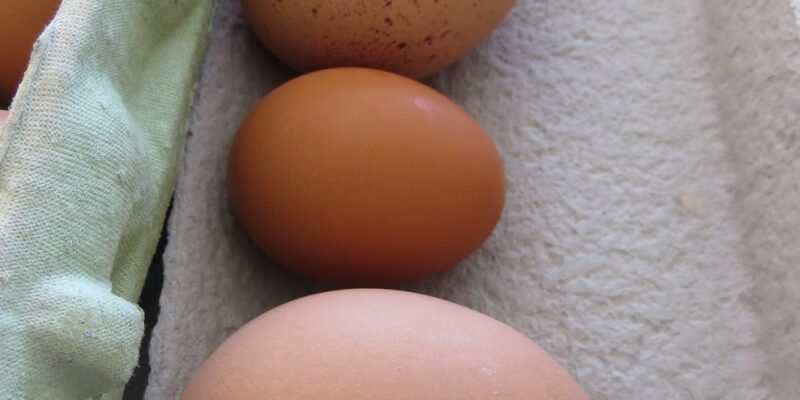
The tiny free-range eggs we purchased at the grocery store the day we arrived, compared to the eggs we bought at the Taranaki  Farmers Market on Sunday. This morning, during the football game, I made Tom nitrate-free local bacon and three of these jumbo eggs, scrambled with cheddar cheese (referred to as non-processed Tasty cheese in both AU and NZ).

Note: During our remaining time in New Zealand, we’ll be reposting photos (including their original captions) from our previous stay, beginning in January 2016, when we were based in a far less remote location than where we are now in Kaiwaka, nearly a full day’s drive from most sightseeing destinations.

Today’s photos are from this post here.

Today’s post is an article from Travel and Leisure’s online magazine, here.

“Is It Safe to Visit the Caribbean Right Now? What Travelers Should Know

Some Caribbean islands remain under Level 1 advisories, but travelers should stay updated amid shifting conditions amid Venezuela tensions. By Michael CappettaPublished on January 6, 2026.

Recent military action in Venezuela and the closure of airspace in the region may have travelers questioning their upcoming vacation plans to the Caribbean. But between differing travel warnings from the U.S. Department of State and various flight concerns, there’s not a one size fits all approach for the large and diverse region.

Although many plants were still available, most of the produce had already been sold by the time we arrived, 90 minutes after opening. Next time, we’ll arrive at 9 am.

This is what travelers should know before a Caribbean trip, according to experts.

What happened in Venezuela and the Caribbean?

On Jan. 3, the U.S. initiated a military strike on Venezuela, capturing the country’s leader, Nicolás Maduro, and transporting him to New York to face narco-terrorism charges. Following that, the Federal Aviation Administration (FAA) temporarily restricted airspace around both the Caribbean and Venezuela, but has since reopened it.

The closure led to a ripple effect of flight disruptions with major airlines forced to add additional flights to accommodate stranded passengers. That’s what happened to Nydia Han, a consumer investigative reporter with Philadelphia’s 6abc, who was finally able to get a flight back to the Continental U.S. after getting stranded in Puerto Rico for days, taking a slight detour to Baltimore before boarding a train back to the City of Brotherly Love.

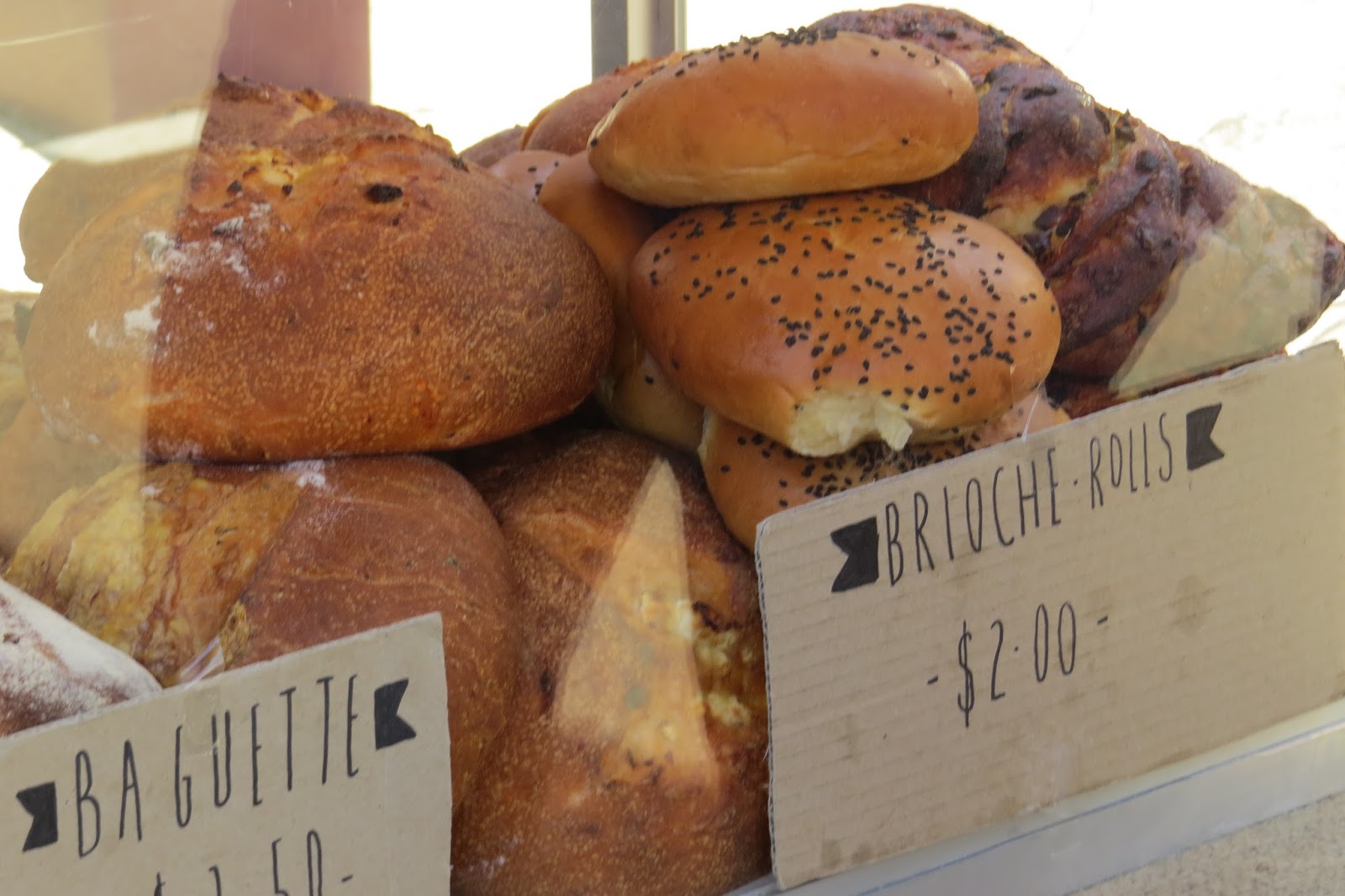
Tom eyeballed the bread and pastries and, as usual, but was able to resist.

“Positive update from the Caribbean—I was online and on the phone for HOURS all day yesterday but finally got flights so we will be heading home sooner than Friday,” Han wrote in an Instagram post, adding in the video, “We all recognize and realize fully that there are far worse places to be stuck. We’re lucky just to be able to have been here in the first place.”

The good news is flight disruptions have started to ease, Katy Nastro, a travel expert with Going.com, told Travel + Leisure.

“The risk of cancellation has decreased, but airport congestion and certainty of full flights have increased,” Nastro said, adding, “Airlines take the risk of flying in/out of these places as well and the last thing they need or want is to be making headlines about stranded passengers (again).”

Prices are reasonable for the baked goods when based on today’s rates; NZ$ 1 is equivalent to US$ 0.65.

Henley Vazquez, the co-founder of Fora Travel, told T+L the biggest issue for travelers with events like this is uncertainty. Thinking “outside the box” and flying into alternative airports may also help get travelers home.

“From a practical standpoint, travelers can take a few simple steps to stay prepared: save airline and hotel contact information for easy access, avoid tight connections or overly rigid itineraries, and build in buffer days for international returns,” Vazquez said. “Small measures like these can make a meaningful difference when plans are in flux.”

What does the government say about traveling to the Caribbean?

The State Department issues varying travel advisories for countries and destinations around the world ranging from the lowest Level 1 warning to the highest Level 4.

To the left are the organic acid-free tomatoes with organic regular tomatoes to the right, all priced at NZ $5, US $3.25 per batch as shown. We purchased both for comparison for future purchases. So far, the acid-free ones are winning at the same price.

Currently, Venezuela is classified under the department’s highest Level 4 warning, recommending Americans “do not travel” there “due to the high risk of wrongful detention, torture in detention, terrorism, kidnapping, arbitrary enforcement of local laws, crime, civil unrest, and poor health infrastructure. All U.S. citizens and Lawful Permanent Residents in Venezuela are strongly advised to depart immediately.”

The country of Haiti is similarly classified under a Level 4 warning along with several states in Mexico like Guerrero where Acapulco is located.

However, that is not the case for all destinations in the Caribbean. In fact, many have been recognized for their high safety standards like the island of Anguilla, which was recently named the safest country in the region by the World Population Review for its low crime rate. The State Department classifies Anguilla under its lowest Level 1 advisory, recommending Americans “exercise normal precautions” when going there.

A variety of vegetable and fruit plants and trees were offered for sale. Its summer here (comparable to July in the northern hemisphere).  Soon, more locally grown produce will be available.

Several other destinations are also listed under the same Level 1 advisory, including Antigua and BarbudaArubaBarbados, the Cayman IslandsDominica, the French West Indies (including St. Barts, Guadeloupe, Martinique, and Saint Martin), Saint Kitts and Nevis, and Saint Lucia.

The islands of the Bahamas and the Dominican Republic are listed at Level 2, recommending U.S. travelers “exercise increased caution” when heading there.

What can travelers do to minimize travel disruptions?

Beyond checking advisories, the State Department recommends all international travelers enroll in the free Smart Traveler Enrollment Program (STEP), which allows the department to send notifications, alerts, and relevant security information and allows the embassy to more easily reach travelers in an emergency.

Vazquez of Fora Travel also recommended travelers “make decisions based on their comfort level.”

“That means monitoring airline communications and government advisories closely, confirming plans directly with airlines and hotels, and making sure itineraries allow for adjustments if things change at the last minute,” she said. “It’s also important to review your travel insurance coverage and policies so there are no surprises if delays or rerouting become necessary.”

Vazquez added: “This is a moment to prioritize preparedness over spontaneity. Travelers don’t necessarily need to cancel plans right away, but instead should evaluate what feels right for them while staying up-to-date on the latest information.””

Be well.

Photo from ten years ago today, January 7, 2015:

Clouds obscuring a pie slice of last night’s moon in Hawaii. For more photos, please click here.

Sharing New Zealand photos…

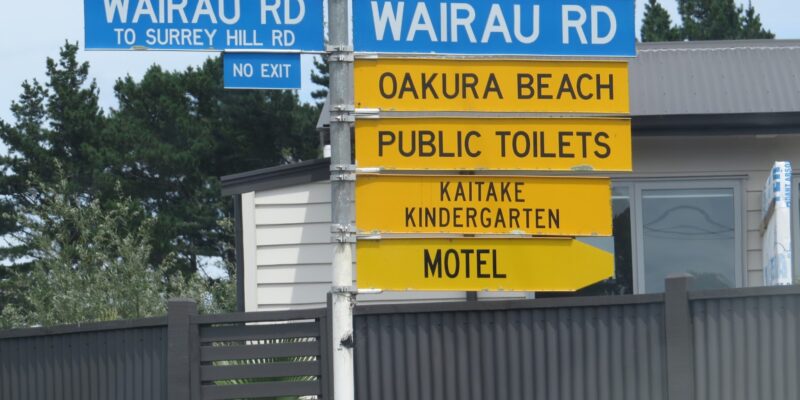
Many signs and town names are based on the indigenous inhabitants of New Zealand, the Māori, whose language has had official language status, with the right to use it in legal settings such as in court, since the Māori Language Act 1987. There are around 70,000 native speakers of Māori out of a population of over 500,000 Māori people, with 161,000 of the country’s 4 million residents claiming conversational ability in Māori.”

Note: During our remaining time in New Zealand, we’ll be reposting photos from our previous stay, beginning in January 2016, when we were based in a far less remote location than where we are now in Kaiwaka, nearly a full day’s drive from most sightseeing destinations. This morning, while chatting with our dear friends Kathy and Don in Hawaii, Kathy, an avid and longtime reader of our posts, suggested we share photos from our last visit here. Thanks, Kathy, what a great idea! Of course, we’ll continue to post new photo moments whenever we encounter them while out and about. Here is the link to today’s photos.

When we began talking about our recent lack of local photos, it wasn’t said with disappointment so much as quiet acceptance. Where we’re living now on New Zealand’s North Island is peaceful, restorative, and exactly what we need at this stage of our lives. But it isn’t conveniently located near iconic sightseeing spots. There are no famous lookouts a short walk away, no bustling town centers begging to be photographed daily, and no dramatic landmarks calling out for constant documentation. And honestly, that’s part of the appeal. Still, we understand that photos help tell our story, especially for those who’ve joined us more recently.

It’s easy to expect beaches throughout the world to be sandy and pristine with blue waters. Many beaches, such as those in New Zealand and Australia, aren’t blue due to the interaction of light and particles present in the water. When there are mineral sediments, light from the blue spectrum is absorbed by the particles, so the water appears brown.  Also, not all beaches have the soft, fine sand that we found in Belize and Hawaii.

So, rather than forcing something that doesn’t fit our current lifestyle, we decided to look backward for a period of time, to a time that still feels vivid, meaningful, and deeply woven into our love for New Zealand. Beginning now, we’ll be sharing photos from our first extended stay here, which ran from January 2016 to April 2016, ten years ago. It feels almost surreal to write that. Ten years. A full decade of life lived, countries crossed, lessons learned, and yet those memories remain so clear, as if New Zealand had imprinted itself on us in a permanent and gentle way.

With many surfers attracted to this area, a lifeguard is on duty and well-equipped for rescue.

For our newer readers, this will be a first glimpse into what initially drew us to this remarkable country. For our long-term readers, it will be a familiar return, a chance to revisit places you may remember us writing about at the time, perhaps when life looked very different for all of us. There’s something comforting about shared memory, even when experienced through words and images.

Back then, as now, we were living on the North Island, although in a completely different region. We stayed in New Plymouth, a coastal town tucked beneath the watchful presence of Mount Taranaki. Getting there today would require several hours of driving from where we are now, but at the time, it was our home base for an experience that still makes us smile without effort.

Surfers await an opportunity.

We stayed on an alpaca farm, an experience that sounds charming on paper but, in reality, was something far more profound. Each morning unfolded quietly, often with mist lingering over green fields and the soft, curious presence of alpacas watching us as though we were the entertainment. Their gentle hums, expressive eyes, and almost comical hairstyles added a lightness to our days that’s hard to describe without sounding whimsical, but it truly was magical.

A sign we encountered at a park/wildlife area.

That stay wasn’t about sightseeing in the traditional sense. It was about waking up surrounded by nature, breathing deeply, and feeling grounded in a way that modern life so often pulls us away from. We cooked simple meals, walked the land, and allowed ourselves the luxury of unstructured time. It was during moments like those that New Zealand quietly claimed a permanent place in our hearts.

Sharing these photos now feels timely and meaningful. They represent not just a destination but a chapter, one that has shaped how we travel, how we choose where to stay, and how deeply we value experiences rooted in authenticity. They remind us that beauty doesn’t always shout; sometimes it hums softly from a pasture, framed by clouds and carried by memory.

Small sleeping tent sites are available for a fee and include multiple facilities.

As we revisit these images, we’re reminded that travel isn’t only about where you are, it’s also about where you’ve been, and how those moments continue to travel with you. We’re grateful to share this part of our journey again, with fresh eyes and familiar hearts, and we hope these glimpses of New Zealand from years past bring you the same quiet joy they still bring us today.

Be well.

Photo from ten years ago today, January 6, 2016:
Busy Sydney Harbour. Soon, we’d board the ship for a cruise. For more photos, please click here.

Looking to the future…A dilemma…

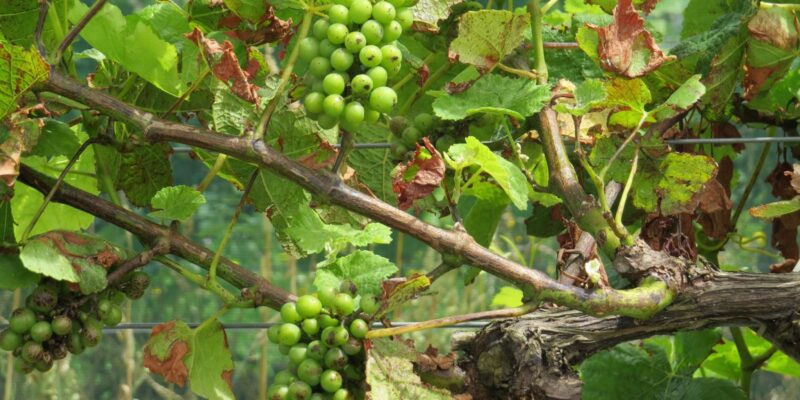
The grapes are robust and beautiful at Okurukuru Taranaki Winery in New Zealand, which we visited ten years ago.

Yesterday, we started talking about an upcoming reality that has been quietly hovering in the background of our days, waiting for the right moment to step forward and demand our attention. It arrived not with urgency or stress, but with curiosity and a shared sense of wonder. Where will we go after our next 90 days in South Africa end in September? And just as importantly, when will we return, knowing that the Christmas holiday season brings intense heat and an influx of holidaymakers to Marloth Park, transforming its normally tranquil lifestyle into something far busier than we prefer?

These conversations have a familiar cadence for us. They usually begin casually, perhaps over coffee or while glancing at our phones, and then slowly gather depth as possibilities unfold. This time, they led us down a familiar path: scanning airfares, jotting down potential destinations, and weighing comfort against curiosity. Eventually, we set aside the airline apps and opened a map of Africa, letting geography guide the conversation instead of algorithms.

That was when the idea emerged, almost effortlessly. What if we stayed somewhere else in Africa for six months? What if we allowed ourselves to experience another corner of this vast, complex, and endlessly fascinating continent, returning to Marloth Park the following March, when the cooler winter weather settles in, and life resumes its slower, though socially active, more peaceful pace? The thought felt right, balanced, practical, and gently adventurous.

But as always, reality adds structure to dreams. Visa rules are not suggestions; our well-worn travel brains immediately shift into problem-solving mode. We know we can’t obtain a new 90-day visa by visiting countries bordering South Africa. That simple fact eliminated several otherwise tempting options and narrowed the field considerably. South Africa shares land borders with five countries: Namibia, Botswana, Zimbabwe, Mozambique, and Eswatini (formerly Swaziland). It also surrounds the independent kingdom of Lesotho, making it a geographic enclave within South Africa.

To the north lie Namibia, Botswana, and Zimbabwe. To the northeast and east are Mozambique and Eswatini. Lesotho, tucked entirely within South Africa’s borders, is its own world, but for visa purposes, it doesn’t solve our challenge. Each of these countries holds its own allure, memories, and beauty, but none can reset our South African visa clock.

As we studied the map more closely, we were reminded of just how vast Africa truly is. Beyond Southern Africa lies an intricate patchwork of countries, cultures, climates, and lifestyles. At the same time, we’re realistic. Not every destination is suited for long-term stays, and not every place is particularly tourist-friendly for three to six months at a time. Infrastructure, healthcare access, safety, and day-to-day livability all matter far more than novelty at this stage of our travels.

What we’re really seeking isn’t a whirlwind adventure or a checklist of sights. We’re looking for somewhere that lets us settle in, create routines, shop at local markets, cook simple meals, and, at least temporarily, feel at home. Somewhere warm but not stifling, interesting but not exhausting, welcoming without requiring constant movement.

As we closed the map and leaned back, a quiet sense of gratitude filled the room. We are fortunate even to be having this conversation. This is a “problem” born of choice, freedom, and time, luxuries we never take lightly. The answers didn’t come yesterday, and that’s perfectly fine. Sometimes the value lies not in the decision itself, but in the thoughtful, shared process of getting there.

For now, the map of Africa remains open in our minds, dotted with possibilities, patiently waiting for the next chapter to reveal itself. As we progress in these decisions, we will keep our readers informed, as always.

Be well.

Photo from ten years ago today, January 5, 2015:

Then, in Hawaii, this sheep posed for a photo. For more photos, please click here.

A new sighting in the pasture…Ten facts and stats about cows in New Zealand…

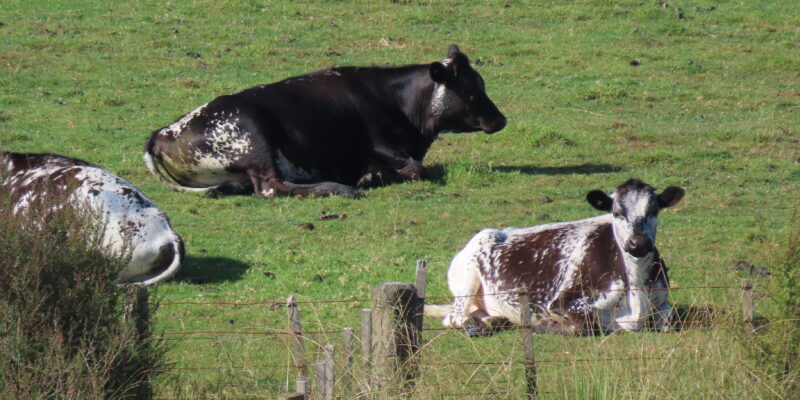
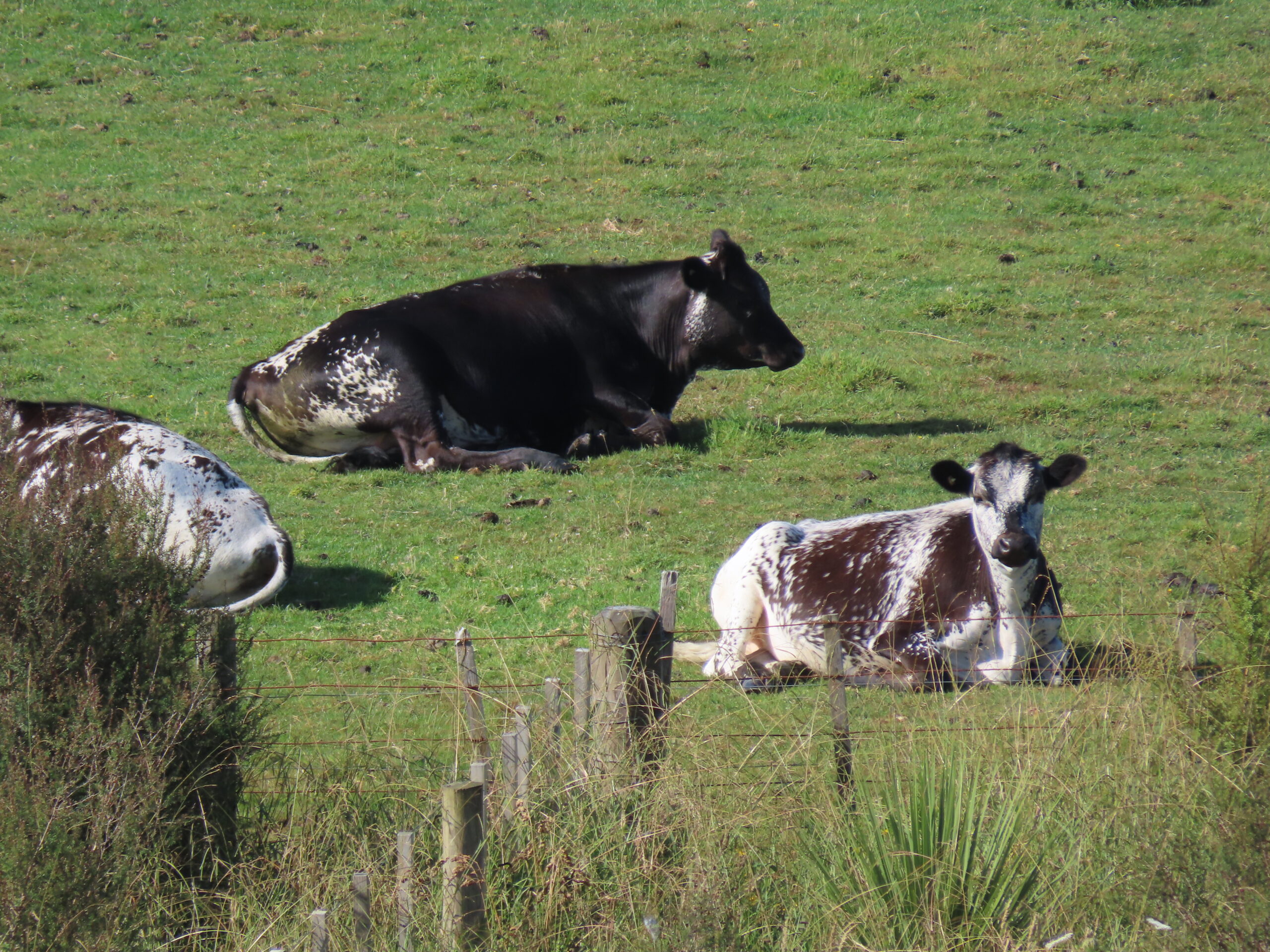
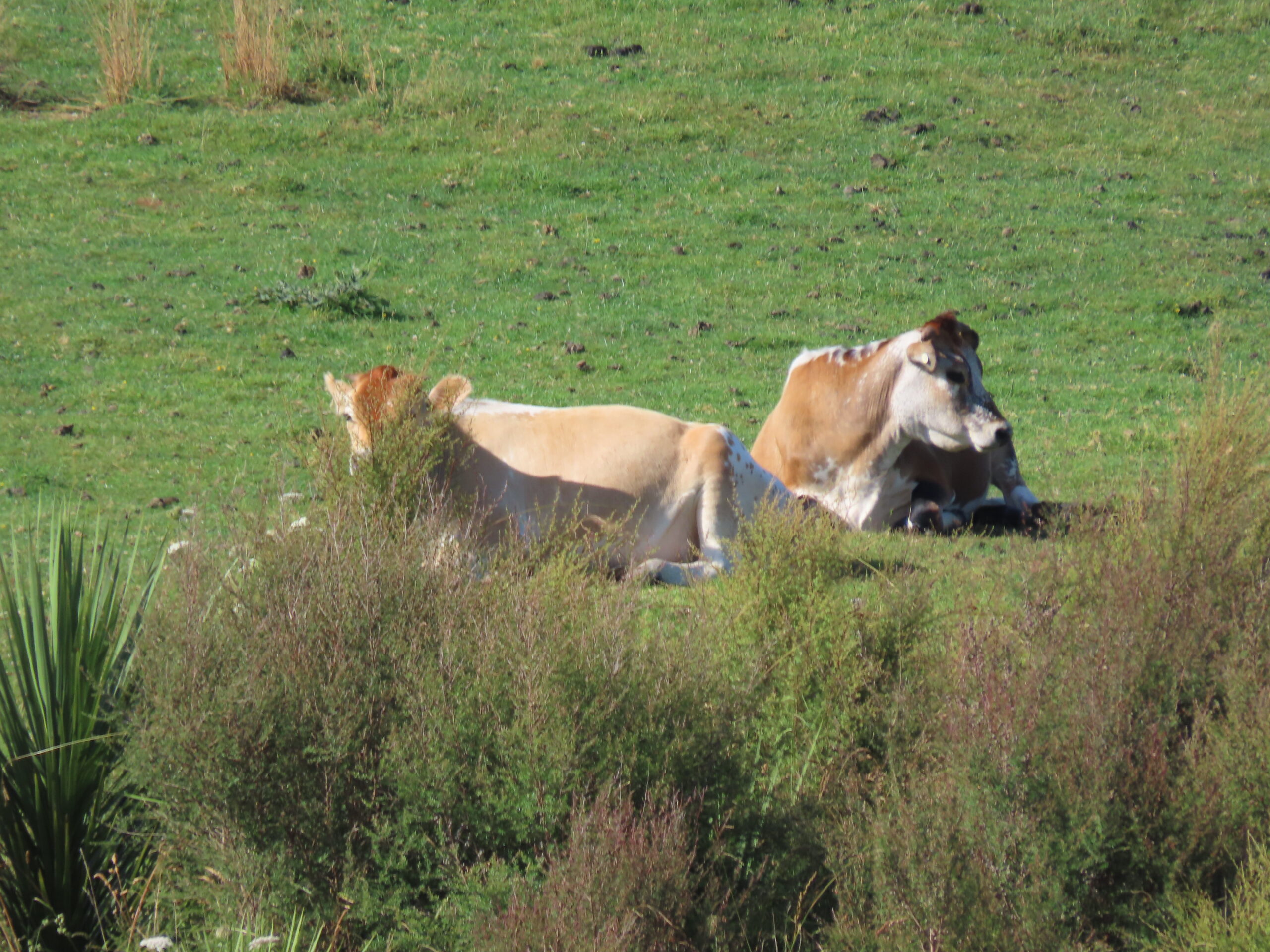
Yesterday, we spotted these cows in the pasture with the sheep.

Yesterday afternoon, when gazing out the veranda window, Tom said, “Get the camera! We have new visitors in the pasture.” I jumped up enthusiastically, hardly able to contain myself. And, there they were, cows in the pasture we’ve been observing several times a day.

Cows are an inescapable part of the New Zealand landscape. No matter how far we travel or how winding the road becomes, there they are, heads down in impossibly green paddocks, tails flicking lazily, completely unbothered by passing cars or curious travelers. Over time, they stop feeling like livestock and start feeling like quiet companions to the journey, steady and familiar. Here are ten facts and statistics about cows in New Zealand, woven into the lived reality of seeing them day after day.

First, New Zealand is home to about 6.3 million dairy cows, a figure that slightly exceeds the country’s human population. It’s one of those statistics that suddenly makes everything make sense: the endless fields, the milk tankers on the highways, and the unmistakable rural scent that drifts through the air in farming regions.

Second, dairy farming is one of New Zealand’s largest export industries, earning tens of billions of dollars annually. Products like milk powder, butter, and cheese quietly travel from these peaceful paddocks to dinner tables all over the world.

It was delightful to look out the window and see cows.

Third, the most common cows you’ll see are Friesian and Friesian-cross breeds, easily recognized by their black-and-white markings. Jerseys, smaller and tawny-colored, are also common and prized for producing milk with higher butterfat.

Fourth, New Zealand cows are overwhelmingly grass-fed and pasture-raised. Thanks to the temperate climate, most cows live outdoors year-round, grazing freely rather than being housed in barns. It’s a system that feels aligned with the land and explains why the countryside looks so alive.

Fifth, the average New Zealand dairy cow produces around 4,300 liters of milk per year. That number may be lower than in more intensive systems overseas, but it reflects a farming model built on grass, rainfall, and open space rather than heavy grain feeding.

Sixth, there are roughly 10,000 dairy farms across the country, many of them family-run. Driving through rural areas, you sense how deeply farming is tied to identity here, passed down through generations, shaped by weather, land, and resilience.

Seventh, cows are central to ongoing environmental conversations in New Zealand. Methane emissions, waterway protection, and sustainable land use are daily topics of debate. Farmers are increasingly adapting practices to balance productivity with care for rivers, soil, and future generations.

Eighth, calving season typically begins in late winter, around July and August. During this time, the countryside feels especially tender when tiny calves dot paddocks, and rural roads slow to accommodate the pace of farm life.

Ninth, cows now outnumber sheep, a notable shift in a country once defined globally by its wool industry. While sheep remain iconic, cows have quietly taken center stage in modern New Zealand agriculture.

Tenth, beyond all numbers and economics, cows shape the emotional texture of the land. There’s something deeply calming about watching them graze in the misty morning or at golden hour, when the hills glow, and everything feels briefly, perfectly still.

In New Zealand, cows are more than statistics. They are part of the scenery that seeps into memory, part of the slow, grounding rhythm of travel here. They remind us that this country, for all its modern comforts, is still deeply rooted in the land and that some of the most enduring stories unfold quietly, one pasture at a time.

We love living amidst this natural landscape, where a simple glance outdoors reveals the everyday wonders New Zealand has to offer: rolling green paddocks, shifting skies, and the quiet reassurance that life here moves in harmony with the land.

Be well.

Photo from ten years ago today, January 4, 2016:
We arrived in Sydney for the first of many times. Tom is so happy. Gosh, we love this life! I took this photo in the rain when we found an overhang on the sidewalk on George St. in Sydney. For more photos, please click here.

One more task completed..Failure to observe…

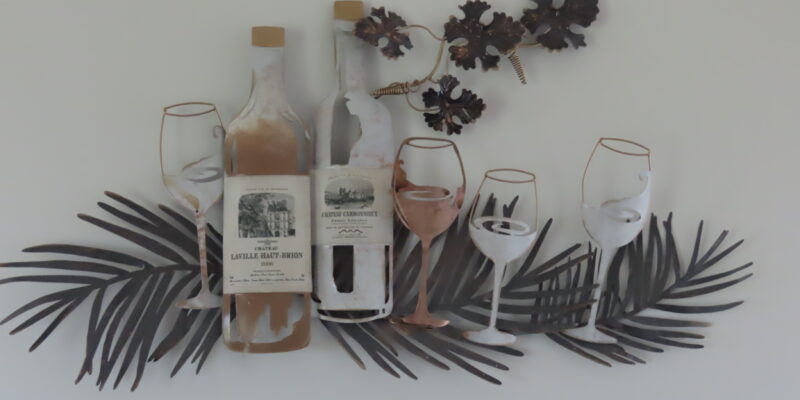
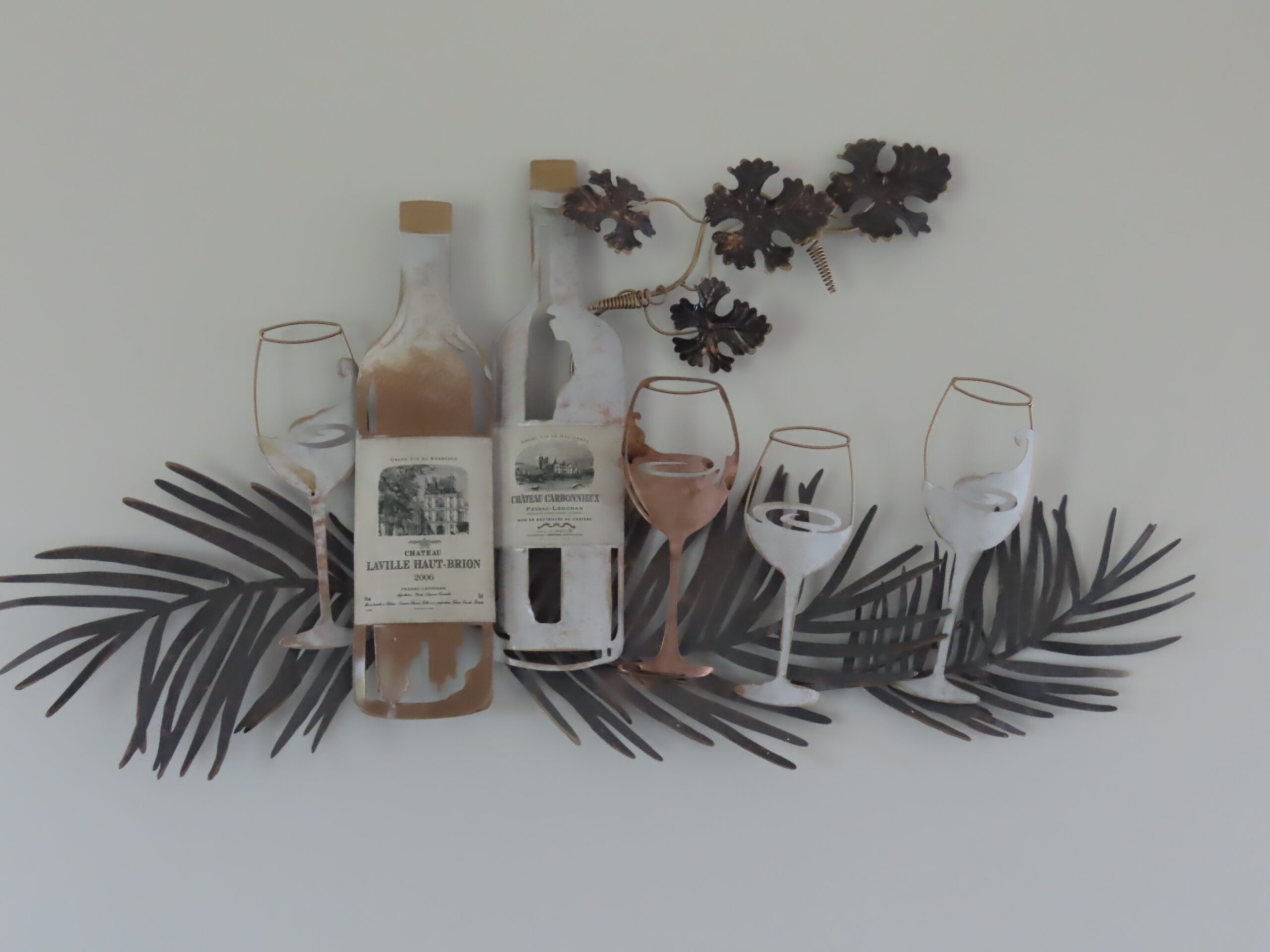
This interesting wall décor caught my eye. It looks 3D but was not.

Yesterday, we booked a hotel in Auckland for February 11, and the sense of relief was almost immediate. It’s located within two minutes of the airport, offers a shuttle, a generously sized room with a king bed, free WiFi, an on-site restaurant, and boasts a 9.2 rating from recent guests. All the small but meaningful details lined up just right for our next day’s flight. By making this choice, we’ve removed the pressure of having to rush to Auckland on the day of our flight to Tasmania. Instead of watching the clock and navigating traffic with clenched jaws, we’ll arrive calmly, enjoy a pleasant dinner at the hotel’s restaurant, and let the evening unfold without urgency.

The plan is simple and, for us, ideal. Tom will drop me and the luggage at the hotel, then return the rental car using the hotel’s free shuttle. After that, we can truly relax for the evening, knowing that the hard part is already taken care of. Early the next morning, we’ll head out for our flight to Hobart feeling rested rather than frazzled. We’ve learned over many years of travel that the lowest-stress scenario is almost always worth it, even if it means paying a little more. Peace of mind, especially during transit between countries, has become one of our most cherished travel luxuries.

On another note, this past week has marked a welcome shift back toward normalcy. Since I’ve been feeling better, I’ve started exercising each day, following a few online guides I discovered after doing a bit of research. The exercises are somewhat strenuous, and there are moments when my muscles remind me just how sedentary I was while sick. Still, I can already tell that my strength and stamina will improve over time. Progress may be slow, but it’s happening, and that in itself feels like a victory.

While exercising yesterday, I was facing a wall in the living room and suddenly noticed an unusual piece of wall décor, something that had clearly been there all along. I pointed it out to Tom and asked if he’d seen it before. He hadn’t. That realization made us both laugh. After nearly three weeks in this house, you’d think we would have noticed not only that item, but other decorative details as well. Yet, as is so often the case, we become absorbed in what we’re doing or what’s happening outdoors and pay little attention to the interior, aside from the features/items we actually use.

That’s not entirely true, of course. I have noticed the live plants scattered throughout the house and have watered them each week. But beyond that, much of the décor fades into the background. Years ago, we used to call this phenomenon “house blind.” It referred to the areas in our own homes that needed repairs or maintenance, things we stopped noticing because confronting them meant admitting what we weren’t getting done. There’s an irony in realizing that, as world travelers moving through a wide array of properties, we can still be so oblivious to our surroundings in similar ways.

This particular house, however, is in perfect condition, with no obvious repairs needed. Dave, our landlord and a builder by trade, has been intermittently working on a garage for this house. Yesterday, he stopped by to ask if we’d mind if he worked on it for a bit. We didn’t mind at all. He plans to put the house on the market as soon as we move out. Interestingly, we are both the first and the last renters to ever occupy this home. He has three finished houses on this acreage and a fourth still in progress. Soon, I’ll post videos of the houses, as they really are something special.

In any case, our lack of attention to the interiors of holiday homes never ceases to amaze us. The properties we rent are always in excellent condition, and once we’ve confirmed that reality, our attention naturally drifts elsewhere. Perhaps that’s part of the beauty of this lifestyle: being present enough to feel comfortable, yet unattached enough to let the details quietly exist without demanding our notice.

Be well.

Photo from ten years ago today, January 3, 2016:
In Pacific Harbour, Fiji, this was the vegetable stand where we purchased most of our produce during the 28-day stay. For more photos, please click here.

Happy New Year’s Day to everyone who celebrates today…Challenges paying for holiday rentals?…

Happy New Year to our family, friends, and readers celebrating New Year’s Day today.

Over the years of world travel, we’ve made a very deliberate choice when it comes to paying for holiday rentals: we do not do bank transfers. It’s a rule we established early on and one we’ve stuck to faithfully, largely because of the sheer volume of fraud worldwide, including in many of the countries we’ve visited and loved. Instead, we’ve always paid deposits and final balances through reputable booking entities, allowing a layer of protection between us and the unknown. That buffer has provided peace of mind and, in many ways, has allowed us to travel more freely without constantly looking over our shoulders.

We’ve heard far too many stories from fellow travelers who wired funds directly to property owners they’d found online, only to watch their money disappear. Once it’s gone, it’s gone.

Wire transfers have always made us uneasy. There is no safety net, no meaningful recourse if fraud is involved, and very little forgiveness if a single digit is entered incorrectly into a bank’s processing system. For that reason alone, we’ve avoided them whenever possible. Thankfully, most of our holiday rentals over the years have been paid for using credit cards through trusted services like VRBO, where accountability exists on both sides of the transaction.

As we prepared to pay for our upcoming rental in Penguin, Tasmania, a place we’ve stayed before, owned by someone we know and trust completely, we unexpectedly ran into a wall. The owner doesn’t accept credit cards. That alone isn’t unusual, but it set us on a frustrating path as we attempted to find an alternative. We explored Wise, PayPal, Western Union, and several other services, only to be met with exorbitant fees or an inability to process our credit cards at all. Each failed attempt chipped away at our patience.

I even called our credit card companies directly, convinced that something must be blocking the transactions. But no, they assured me everything was clear on their end. Apparently, New Zealand’s systems have additional safeguards in place to prevent fraud, which is admirable in theory but maddening in practice. I tried processing payments with and without our VPN, hoping that might make a difference. It didn’t. After nearly two hours of going in circles, we reluctantly decided to do the one thing we’d avoided for years: initiate a wire transfer through our US bank.

Even that proved more complicated than expected. There wasn’t a straightforward path to send money directly to his bank in Tasmania. Instead, the transfer had to pass through his bank’s Sydney corporate office. It was time-consuming, confusing, and required a level of concentration that felt disproportionate to the task. But eventually, finally, it was done. The relief was palpable. One more logistical hurdle cleared.

Our next easier task is booking a hotel in Auckland for our final night in New Zealand. With a long drive to the airport and an early flight to Tasmania, leaving in the morning feels far too risky. One unforeseen delay, weather, traffic, and the unexpected, could unravel everything. We’d much rather pay for a single night’s stay than absorb the stress of cutting it too close.

Traveling the world non-stop requires aggressive planning balanced with sensible caution. It’s a constant dance between trust and preparedness, flexibility and structure. While the freedom is immense, the responsibility that comes with it is very real, and sometimes exhausting. But when everything finally falls into place, it’s worth every careful step along the way.

Happy New Year’s Day to all our family and friends celebrating today.

Be well.

Photo from ten years ago today, January 2, 2016:

Tom and I had dinner on his birthday, but my clothes became dirty from my flying lobster tail landing in my lap. For more photos, please click here.

It was a great New Year’s Eve…Photos…Happy New Year to all!…

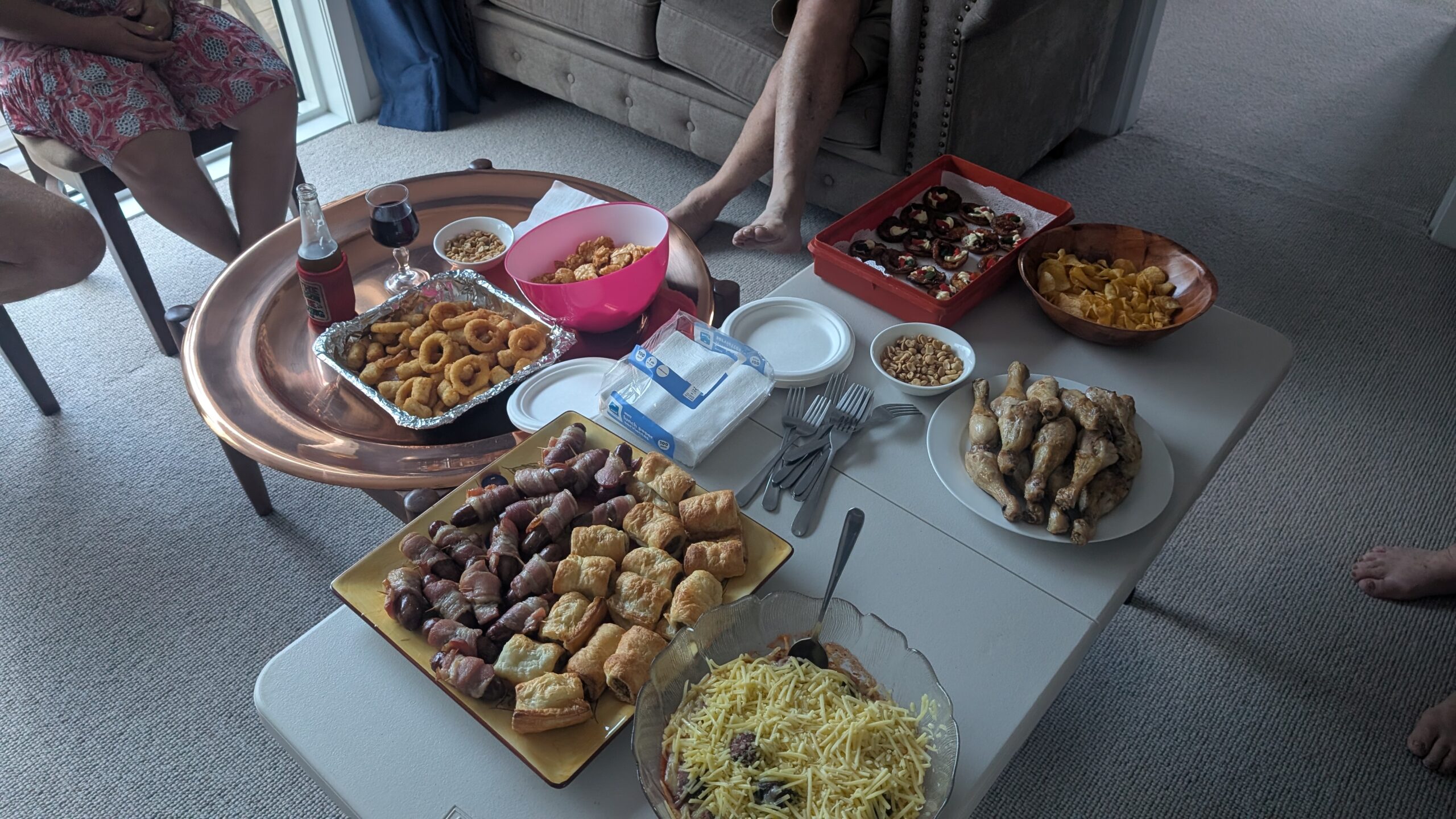
We all brought along a snack to share. There was plenty that I could eat.

Last night, New Year’s Eve in this part of the world, we attended a small gathering of only nine of us at Dave and Eing’s home up the road. It was one of those evenings that quietly reminds us that numbers don’t matter nearly as much as connection. Though the group was small, the energy was anything but. From the moment we arrived, conversation flowed effortlessly, weaving from story to story, punctuated by laughter that lingered in the room long after each joke or story was told. There was an ease to the evening, a sense that everyone present felt comfortable being exactly who they were, which made the hours slip by unnoticed.

Tom, and our hosts, Dave and Eing. They are such a lovely couple. We appreciate the invitations for Christmas dinner and New Year’s Eve.

The food, as always, was enjoyed slowly and appreciatively, shared plates prepared with enthusiasm and gratitude. There’s something deeply satisfying about a table filled with dishes everyone contributed to, each one carrying a little piece of its maker. The atmosphere was playful and animated, voices rising and falling as stories overlapped, laughter bubbling up without warning. It felt warm and familiar, even though many of these friendships are still new, proof that meaningful bonds don’t require years to form, just openness and shared moments.

We wandered back to our house shortly after 11:00 pm, while the night was still alive with the soft hum of summer insects and a sky that felt vast and calm. Neither of us was tired, so instead of rushing to bed, we settled in and watched the latest Ricky Gervais Netflix special. There’s something oddly perfect about welcoming a new year with humor, laughing together, relaxed and unhurried. Midnight arrived quietly for us, marked with hugs and kisses rather than noise or spectacle. By 1:00 am, content and peaceful, we drifted off to sleep.

Lindsey and Tony, who own a large sheep farm in the area with over 400 animals. They are also a delightful couple.

This morning greeted us with sunshine, the kind that instantly lifts one’s mood and makes even mundane tasks feel lighter. We washed the bedding and some towels, savoring the simple luxury of fresh linens. Tomorrow we’ll tackle our clothes. With the rain coming and going so often, laundry has required patience and timing, another small reminder of how life here asks us to move with the unpredictability of the weather rather than against it.

Tonight’s dinner will be easy peasy and, hopefully, delicious. A New York steak with rice for Tom, and lamb riblets with scrambled eggs for me, simple, nourishing, and comforting. Meals like this feel grounding, especially after weeks of being unwell and slowly finding our footing again.

We are as content as we could be, feeling better, relaxing, and quietly getting through a multitude of travel-related tasks. None of them is complicated or time-consuming, just the gentle maintenance that comes with this nomadic life we’ve chosen. There’s comfort in the ordinary, in knowing we’re precisely where we need to be right now.

This is John (Linda’s husband) and their son, Oscar. I had fun chatting with them.

Happy New Year to all of our family, friends, and readers. May this new year bring you health, peace, and the courage to pursue what truly matters to you. May it be an opportunity to fulfill your dreams, in significant ways and small.

Be well.

Photo from ten years ago today, January 1, 2026:

This tropical flower we spotted in Pacific Harbour, Fiji, was new to us. For more photos, please click here.

Happy New Year’s Eve in this part of the world…

Tonight feels like a gentle pause before the calendar turns, the kind of evening that asks nothing more of us than to show up with something warm to share and an open heart. We’re heading up the road to our landlord’s and now dear friend’s home for a New Year’s Eve gathering. Dave and Enge have opened their doors once again, and like all the best parties, this one comes with a simple request: everyone brings a dish, everyone contributes to the table, everyone belongs.

In our highly functional kitchen, the air already carries the comforting scent of Italian comfort food. We’re making wagyu beef Italian meatballs, rich and tender, which I’ll pre-cook and simmer slowly in homemade red pasta sauce. It’s the kind of recipe that doesn’t rush, that asks for patience and rewards it generously. Just before serving, we’ll top the meatballs with hand-grated mozzarella cheese, still soft and slightly warm from the block. Tom will bring along his brandy, while I’ll tuck my bottle of white wine in the cooler bag, chilled and ready to pour.

Most of the guests will be familiar faces, people we met at the last party Dave and Enge hosted, the day after we arrived in New Zealand. It feels like a lifetime ago now, especially considering how quickly we fell ill after that evening. There’s something comforting about returning to a place where we were welcomed before we were sidelined by sickness, where laughter and conversation first eased us into this new chapter. Tonight feels a bit like a do-over, a chance to reconnect now that we’re finally ourselves again.

Today itself has been beautiful, one of those days that quietly insists you slow down and notice it. The windows are open wide, no screens to interrupt the breeze, and the sounds of the countryside drift in freely. Of course, that also means the flies will arrive in due time, uninvited and relentless. Flies are a constant nuisance here in New Zealand, just as they are in Australia, including Tasmania, where we’ll be headed in just 43 days. Forty-three days. It hardly seems possible. Time is flying by at a pace that’s both thrilling and a little startling.

Still, we’re savoring every moment in this blissfully quiet and serene location. The stillness here has been healing in ways we didn’t fully appreciate until we slowed enough to feel it. The pace will pick up considerably when we reach Tasmania in February, and we know that energy and activity will have their own rewards. For now, we’re content with gentle days like this one.

Today will remain intentionally quiet. I’ll do my daily exercises, grounding myself in routine and gratitude, and once this post is finished, I’ll sit down to do my nails, a small, almost meditative ritual that feels like self-care in its simplest form. Tom is happily relaxed, absorbed in Ancestry.com, his favorite pastime. He can lose hours tracing family lines and stories, and I love watching him do it, so completely at ease.

As the sun lowers and evening approaches, we’ll gather up our contributions and head up the road, ready to welcome the new year among new friends. From our hearts to yours, we wish every one of our readers a safe and Happy New Year, wherever you may be in the world, in whatever time zone you call home. May the year ahead bring health, peace, and many shared tables.

Be well.

Photo from ten years ago today, December 31, 2015:

Now that it’s summer in Fiji, more and more flowers are blooming. For more photos, please click here.

The storm proved to be wild with consequences…

The sheep disappeared to their barn during the worst of yesterday’s storm.

Note: WiFi issues are impacting our paragraph spacing today.

Yesterday’s storm didn’t arrive with drama so much as persistence. It simply stayed and deepened, hour by hour, until it wrapped itself around the house and refused to let go. By late morning, the wind had grown bold enough to shake the walls, rattling windows with sudden gusts that made us pause mid-sentence and listen. Outside, the sheep that usually dot the pasture had quietly vanished. The sky never lightened. It remained a heavy, bruised gray, as though the sun had given up trying.

We were hunkered down safely indoors, grateful for the solid walls around us, when just before noon, the inevitable happened. The power went out. At first, it was just a click and a silence, no hum, no background noise, but the implications came rushing in quickly. Without power, the electric pump that moves water from the outdoor Jojo tanks doesn’t work. No pump means no flushing toilet. There’s no swimming pool here to bail water from, either. That realization alone was enough to make us groan out loud.

Immediately, we were transported back to Barcelona, to that unforgettable five-day stretch without a working toilet. What a disaster that was, the kind of experience that permanently rewires your appreciation for plumbing. Standing there in New Zealand, wind howling outside, it felt uncomfortably familiar.

As we mentally ran through our options, more complications surfaced. The stove here is entirely electric. No power meant no cooking. There’s no grill, either, so dinner suddenly became a much bigger question than we’d anticipated. Then the WiFi dropped instantly, cutting off any hope of streaming shows to distract ourselves. We still had some battery power on our laptops, but without internet, they were reduced to little more than glowing rectangles. Within a few hours, our phones began draining quickly as we played games to keep boredom at bay.

As soon as the storm died down, the sheep returned to the pasture.

We searched the house for old-school entertainment, playing cards, books, puzzles, anything,  but came up empty-handed. It was just us, the storm, and dwindling battery percentages. Our biggest immediate concern became dinner. Neither of us wanted to venture out to dinner in the worsening weather, with flooding a real possibility and the wind still whipping relentlessly.

After taking stock of what we had on hand that didn’t require cooking or heating, we landed on a plan. Tom’s leftover pork roast would work, and I could make a batch of tuna salad, minus the usual boiled eggs. Not ideal, but perfectly fine. It was one of those meals born of necessity rather than inspiration, and we were grateful it was even an option.

With darkness falling around 8:30 pm here, we decided we’d go to bed early, entertaining ourselves with whatever charge remained on our phones. We have a fully charged portable battery pack, but it charges painfully slowly, so we treated it like a precious resource. I sent Dave a message to see if he had any insight into when the power might return. In the meantime, using my phone and our T-Mobile account, with a very weak signal, I managed to check the power company’s website. They were aware of the outage here, along with seven others nearby. That knowledge helped, even if it didn’t speed things up.

Then, at about 4:00 pm, the lights flickered back on. Relief washed over us instantly. Power, water, and connectivity were all restored in one quiet moment. Today, the rain has stopped, though the winds remain strong. We’re hopeful we’ll make it through the day and evening without another outage, but we’ll see.

We counted about 50 sheep after the storm died down, only to return today.

Of course, this whole experience reminded us of the frequent power outages, referred to as load shedding, we endured in Marloth Park, South Africa, before Danie installed the inverter system. Once we had that, outages became almost irrelevant. The only thing we couldn’t use was the oven; the burners were gas, so life went on fairly normally.

We’re sincerely grateful for the return of power and the simple comforts it provides. With it back on, we’re once again able to enjoy yet another pleasant day in New Zealand, winds and all.

Be well.

Photo from ten years ago today, December 30, 2015:

New Year’s Eve 2013 in Marloth Park, South Africa at Jabula Lodge. For more photos, please click here.