Happy birthday, to my dear husband, travel companion and friend…

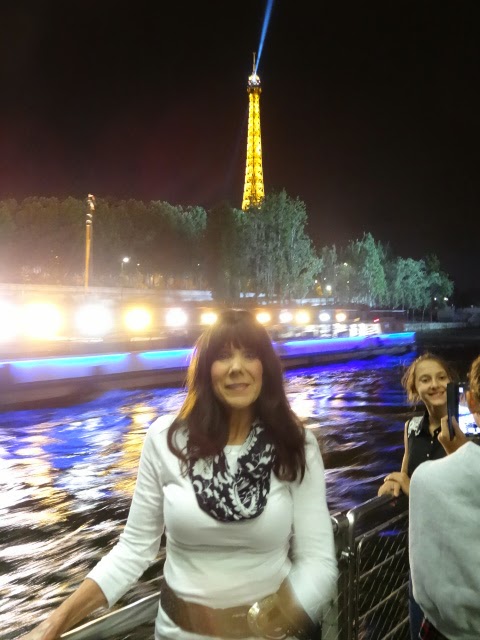
Tom, in 2020, while we were on an excursion from the Maharajas Express train.

December 23rd is Tom’s 73rd birthday. Happy birthday, my darling husband. Depending on where you’re standing on the globe, it’s almost his birthday. Back in the US, with the significant time difference, his birthday won’t technically arrive until tomorrow. Here in New Zealand, though, the day has already unfolded, quietly, gently, without fanfare, and that feels oddly fitting this year.

With both of us still recovering from this awful flu, there were never going to be balloons, dinners out, or ambitious plans. No reservations, no cake, no clinking glasses in a crowded restaurant. Instead, the day has been marked in the small, meaningful ways that seem to define this moment of our lives, slow movements, simple comforts, and doing the best we can with the energy we have.

Last night, while seated at the dining table, I chopped and diced mushrooms, olives, and onions for Tom’s favorite dinner: homemade keto pizza. The feel of my big knife against the cutting board felt oddly soothing. Outside, the evening was quiet, the kind of quiet that settles into rural places after dark, when even the birds seem to call it a night early. I worked slowly, pausing often, still not quite back to normal, but determined. This was something I could do for him, even if everything else felt a bit out of reach.

This morning, the kitchen filled with that unmistakable smell of baking cheese as the crusts went into the oven. The cheesy sausages followed soon after, sizzling away, requiring very little attention, mercifully easy on a day when standing too long still feels like a commitment. Soon I’ll slice them and assemble the pizzas, layering the toppings just the way Tom likes them. It’s not fancy, but it’s his favorite, and that feels far more important than any elaborate celebration ever could.

I probably won’t eat pizza myself. It’s simply too fattening for me, and honestly, I don’t mind making something different. There’s a quiet satisfaction in knowing that by skipping it, I’m leaving Tom with more pizza to enjoy, not just tonight, but over Christmas as well. Leftover birthday pizza feels like its own kind of gift, one that keeps on giving long after the actual day.

Yesterday, despite still feeling far from 100%, we made the long drive to the fantastic New World supermarket in Mangawhai. It was one of those necessary outings you brace yourself for when you’re not feeling well, knowing you’ll be glad you did it once it’s over. I did the shopping while Tom took the opportunity to get a much-needed haircut. It felt good to divide and conquer, each of us accomplishing something small but essential.

I took several photos on the drive to the market. The countryside was lush and green, the kind of green that feels almost unreal if you’ve spent enough time in drier places. But on the return drive, the rain came down hard, thick sheets of it, blurring the landscape and limiting my ability to capture much more. Still, the images I did get feel like enough, little visual reminders of a day that was more about practicality than beauty, yet somehow managed to be both.

Tomorrow, we’ll share more details and photos from our trip to Mangawhai. For now, though, today belongs to Tom, 73 years, quietly celebrated, with pizza in the oven, rain on the roof, and the comfort of being exactly where we are, even if we’re still not quite ourselves.

Be well.

Photo from ten years ago today, December 23, 2015:

Tom was in front of the tall Christmas tree at the Pearl Resort in Pacific Harbour, Fiji, on the evening of his 63rd birthday. For more photos, please click here.

Map with our location in New Zealand…Why did we choose the North Island for our second visit in almost ten years?…

We are located in the top orange section in Northland on this map. A ferry is required to get from the North to the South Island.

When people hear that we’re spending time in New Zealand, the reaction is almost always the same. Their eyes light up, and they say, “Oh, the South Island!” as if there is no other possible answer. In many minds, New Zealand is synonymous with snowcapped mountains, turquoise lakes, dramatic fjords, and cinematic landscapes made famous by films and travel brochures. And yes, the South Island is undeniably beautiful. But beauty, we’ve learned over years of long-term travel, is only one piece of the puzzle. Livability is another. And for us, at this stage of our lives, that quieter consideration matters more than ticking off iconic views.

New Zealand’s two main islands are strikingly different, not only in landscape but in temperament. The South Island feels grand, wild, and often untamed. Distances are long, towns are small and far apart, and much of the land feels designed for short-term awe rather than daily living. It is a place that invites road trips, hiking boots, and a sense of adventure that thrives on motion. The North Island, by contrast, feels softer and more lived-in. It rolls rather than towers. It hums rather than roars. Life here feels less like a spectacle and more like a manageable pace.

The climate alone makes a noticeable difference. The North Island is warmer, more temperate, and generally more forgiving year-round. Winters are milder, especially in coastal and northern regions, and daily life doesn’t grind to a halt with snow or icy roads. The South Island’s colder winters, particularly in inland and southern areas, can be beautiful. Still, they also come with real challenges such as heating costs, damp homes, and limited services in rural regions during the off-season.

Cost of living played an equally important role in our decision. While New Zealand is not overly inexpensive anywhere, the South Island, particularly popular areas like Queenstown, Wanaka, and parts of Christchurch, can be surprisingly costly. Housing prices and short-term rental rates are often inflated by tourism, and many services are priced accordingly. Groceries can be more expensive due to longer supply chains, and dining out often feels like a luxury rather than a casual pleasure. The North Island, especially outside of Auckland, offers more flexibility. There are more towns, more options, more competition, and that translates into slightly lower costs and better availability of everyday essentials.

Healthcare access was another deciding factor, one we no longer take lightly. The North Island has a higher concentration of hospitals, clinics, and specialists. For those living with ongoing health considerations, proximity matters. In the South Island, particularly in remote or scenic regions, medical care can mean long drives or limited availability. While that may be manageable for short stays, it’s less appealing for long-term living, where predictability and access bring peace of mind.

There’s also the matter of community. The North Island feels more populated, more diverse, and more connected. It has a balance of rural charm and urban convenience that suits a slower, steadier lifestyle. Markets, small cafés, local events, and everyday interactions feel woven into daily life rather than existing solely to serve visitors. The South Island often feels oriented toward those passing through, hikers, skiers, and photographers, rather than those settling in for a while, like us.

That doesn’t mean we don’t admire the South Island. We do. Deeply. It’s a place we would happily visit again, explore, and photograph. But living somewhere is different from admiring it. We’ve learned, sometimes the hard way, that the places that look most spectacular in photos are not always the easiest places to live well. Beauty can be demanding. It can require effort, endurance, and constant movement. Right now, we value ease. We value warmth, access, and the ability to settle into ordinary days without friction.

Choosing the North Island wasn’t about settling for less. It was about deciding what fits us best. After years of travel, we’ve become less interested in what’s “most desired” and more attuned to what’s most supportive. The North Island offers us a gentler pace, manageable costs, better access to what we need, and a sense of everyday livability that aligns with where we are now. And in the end, that quiet alignment feels far more luxurious than any even more dramatic view.

We are soon off for Whangarai to the supermarket. We’re both still under the weather and weak from days of much-needed rest, but we will do our best to get everything we need for the next few weeks.

Be well.

Photo from ten years ago today, December 22, 2015:

When we played bingo at the Princeville Senior Center last March, while living in Kauai, Tom always had a great time. For more photos, please click here.

Trying to prepare for Tom’s birthday and Christmas…

It’s been cloudy and rained for several days, with the sun peeking through from time to time.

Since we’re both still sick with this stubborn virus, even the simplest decisions feel heavier than usual. Lately, just thinking about meals for the upcoming week requires more energy than I seem to have. And this isn’t an ordinary week. It includes Tom’s birthday on the 23rd, followed by Christmas Eve and Christmas Day, three occasions I usually mark with intention, care, and a sense of quiet celebration, even when we’re far from those we love. I always try to make something special, something that says this moment matters, no matter where we are in the world. Right now, though, I’m struggling.

The reality is simple and inconvenient: the only way to make those meals happen is to drive to the supermarket, a 36-minute drive from here. Under normal circumstances, that would be mildly annoying. In our current state, still coughing, still weak, still foggy, it feels monumental. This morning, hoping to avoid that drive altogether, I tried another route. I attempted to order takeaway meals that might carry us through Christmas, or at least ease the pressure. Fifteen minutes later, I was still on the phone, unsuccessfully trying to explain our order to the only person working at the restaurant. She didn’t speak English, couldn’t understand what we wanted, and didn’t grasp the importance of delivery. The conversation went in circles, growing more frustrating by the minute. Eventually, I gave up. There was no solution there.

That moment made the truth unavoidable. If we want to eat over the next several days, and especially if we’re going to acknowledge the holidays in any meaningful way, we have to make the drive. Tomorrow, we’ll need to get ready, hop in the car, and drive to the larger supermarket in Mangawhai. I had genuinely thought we’d purchased enough food during our last shop, but as it turns out, we went through it faster than expected. Shopping the morning after we arrived, while exhausted and feeling unwell, wasn’t ideal. In that foggy state, I missed things. Essentials. Items that would have carried us further. The small local market is fine for basics, but it simply doesn’t have what we need right now.

Sheep at a distance.

This, I suppose, is the only real drawback of this location. We’re far from full-sized supermarkets and far from restaurants. Once you’re here, you’re committed. It’s home-cooking from here on out, whether I feel up to it or not. In all our years of traveling, this is the farthest we’ve ever been from a proper supermarket. That fact still surprises me. We’ve stayed in remote places before, bush locations, and tiny villages, but somehow this feels different, perhaps because illness narrows one’s tolerance for inconvenience.

Still, as we always do, we’ll adapt. We always do. Tomorrow we’ll make the drive, and do our best to gather what we need not just to get by, but to mark the days ahead in some small, meaningful way. Even if the meals are simpler than usual, even if my energy runs out halfway through cooking, there will be intention behind them. That matters to me.

And honestly, the drive itself may offer a quiet reward. The scenery along the way is beautiful, rolling and expansive, and I know there will be photo opportunities worth sharing here. New Zealand has a way of offering beauty even when you’re tired, even when you’re sick. For tonight, at least, we’re fine. We have enough for dinner, enough to rest and regroup. But with Christmas approaching quickly, tomorrow is the best and really the only day to go. So we’ll do it, one careful step at a time, and trust that this, too, will become just another chapter in our ongoing lesson in adaptability.

Nonetheless, we are grateful to be getting a little better each day and to be in the beautiful country of New Zealand during the holiday season.

Be well.

Photo from ten years ago today, December 21, 2015:

In Pacific Harbour, Fiji, there were no poinsettias or Christmas cactus in the stores; only colorful flowers bloom year-round. For more photos, please click here.

An update…

This morning’s rainy view from our holiday home.

We arrived in New Zealand a week ago today, though it feels both longer and shorter than that, depending on the moment. The night we left Auckland for the long drive north, I couldn’t stop coughing the entire way. Mile after mile of riding in the dark, I was hacking, hoping the hum of the road might somehow shake whatever had taken hold of me. By the time we reached our holiday home in Kaiwaka, exhaustion had settled deep into my bones, the kind that doesn’t disappear with sleep.

By Sunday evening, there was a glimmer of improvement. We attended a small neighborhood get-together at our landlords’ home, Dave and Eing, who live just down the road. It was low-key and welcoming, the kind of gathering that reminds us why we have such fond memories of spending time in New Zealand in 2016. Earlier that day, we’d even managed a grocery run, which at the time felt like a small victory. I remember thinking, maybe this thing is passing. Perhaps we’ve turned a corner.

But Monday morning quickly erased that optimism. We woke with the unmistakable feeling of an entirely new virus taking over, uncontrolled coughing, crushing malaise, and a weakness that made even standing feel like an accomplishment. Over the next few days, it worsened for both of us. Ordinary tasks became monumental. Laundry was an athletic event. Making the bed required rest breaks. Preparing meals felt like running a marathon. For me, the most challenging part was the brain fog. I couldn’t think clearly enough to write, let alone take photos or shape words into something coherent. Silence filled the days where stories usually live.

This morning, Saturday, was the first day we awoke feeling a little better. It’s not much, but it’s something, and right now, something feels like everything. In the past few days, Tom read a Facebook post about a survey asking cruise passengers whether they’d gotten sick during the cruise, near the end of the voyage, or shortly after disembarking. Thirty-four percent responded yes. One passenger had even been hospitalized with Legionnaires’ disease, a terrifying and potentially deadly illness. Reading that stopped us both cold.

We have another cruise coming up, fully paid, 25 nights, beginning April 14. Before that, once we reach Tasmania, we plan to get prescriptions for Tamiflu to take for the entire length of the cruise. This experience has made me seriously rethink cruising in the future, unless it’s on much smaller ships, where the risk of getting sick is lower. The romance of it all fades quickly when illness lingers this long.

For now, our only real goal is getting better. Sightseeing can wait. Photos can wait. Even grocery shopping and dining out feel like distant ideas rather than plans. We are deeply grateful to the many readers who’ve written with kind words and well wishes; it means more than we can say.

Despite everything, we’re happy to be in New Zealand, surrounded by sweeping views, wildlife, and genuinely friendly people. When our bodies finally catch up with our hearts, we know this place will be worth the wait.

Be well.

Photo from ten years ago today, December 20, 2015:

In Pacific Harbour, Fiji, a private drive to an upscale home in our neighborhood. For more photos, please click here.

The revealing reason why….Photo of our new location…

The view from the kitchen in our holiday home in Kaiwaka, New Zealand.

I don’t like sharing this news, but because we’ve always promised transparency in our stories, today I had no choice but to let our readers know what’s really been going on. It’s embarrassing for me, which is precisely why I’ve hesitated to share it sooner. As someone who was once intensely active, committed to health and fitness, and proud of a strong, capable body, admitting vulnerability does not come easily. In fact, it feels like swallowing a truth I’ve been avoiding for weeks.

For the last 42 days of our 47-night cruise, I said nothing. I kept thinking I would get better, that this would pass, and there would be no need to explain why we were doing so little, why I often disappeared early, or why I skipped excursions I would usually jump at. Instead of improving, though, I slowly got worse. And that’s still the case right now.

Since my open-heart surgery in 2019, my immune system has never fully bounced back. It feels fragile, easily overwhelmed. If I’m exposed to someone who’s sick, I almost inevitably get sick within a few days. While we were in Marloth Park, I had far fewer issues, most likely because of the low population and limited close contact with others. When I knew someone was sick, I asked for their understanding and avoided them until they recovered. It worked surprisingly well.

A cruise ship, however, is an entirely different environment. There is no avoiding coughing, sneezing, or close quarters—especially when so many people are curious about our unusual lifestyle and stop to chat. Add to that the fact that about five days into the cruise, I tripped over my own feet and injured my right knee badly enough that I could barely walk. I knew it wasn’t broken, so there was no need to see the ship’s doctor. I did exactly what they would have told me anyway: iced it, rested it, and stayed off it as much as possible. By the final week of the cruise, the swelling had gone down significantly, and I could walk better again.

As I mentioned in an earlier post, at the first sign of a virus, I started taking Tamiflu. Thankfully, it worked incredibly well. What could have been awful turned into a relatively mild case of coughing and sneezing. We stayed in the cabin for a few days and nights, and not long after, I was around people again. Still, I didn’t feel well enough to go on excursions, especially those involving a lot of walking.

When we saw Louise and Danie early on in Cape Town, and later Rita and Gerhard in Bali, I genuinely thought I was improving—even though I continued coughing a lot at night. During all of this, Tom was coughing and sneezing too, though thankfully, he’s doing better now.

Then, during the last few days of the cruise, I started feeling worse again. The worst moment came the night we drove from Auckland to Kaiwaka, a drive that should have taken 90 minutes but turned into three hours after a wrong turn. I was coughing so hard I could barely breathe, and I honestly don’t know how I got through that long drive.

Once we arrived at the house and got settled, I thought I was on the upswing again. We even attended a several-hour party at Dave and Eine’s home, our landlords, and I managed pretty well. But yesterday, everything flared up again, worse than when it first started. Why does it come and go like this? Today, I feel like I could spend the entire day in bed. I took a two-hour nap yesterday, something that is very unusual for me.

Thankfully, our grocery shopping is done, and we have enough food to last a few weeks. Hopefully, by the time we need to shop again, I’ll be on the mend. So there it is, friends. This is why we did so little on the cruise and why I don’t feel well enough to go anywhere right now. I need to get better so we can truly enjoy our time here in New Zealand, in this lovely, albeit remote, location.

And if you’re wondering why we keep traveling, it’s because we’re not done yet. We trust this is a season, not an ending, and we’re holding onto the hope that it will pass, allowing us to continue forward with joy.

Be well.

Photo from ten years ago today, December 16, 2015:

Breathtaking shades of pink bleeding hearts at Suva, Fiji, farmer’s market. For more photos, please click here.

We’re baaaaack!…WiFi issues resolved…Kaiwaka, New Zealand…Our new home for the next two months…

Sheep, at a neighboring farm.

Getting here after we disembarked the cruise wasn’t easy, and that’s putting it gently. After weeks of floating predictably from port to port, we were abruptly returned to the realities of schedules, logistics, and fatigue. Two hours of flight delays set the tone almost immediately, including a long wait before we even lifted off from Brisbane Airport. By the time we landed in Auckland, we assumed the worst was behind us, only to find ourselves sitting on the tarmac for another forty-five minutes while the plane waited for a “parking gate.” It was one of those moments where you’re too tired to be annoyed and too resigned to feel anything at all. You stare out the window and wait.

Collecting the rental car took even longer, and when we finally found it, we both laughed. Tiny doesn’t quite cover it. Tom, however, turned out to be a magician, somehow coaxing an impressive number of bags into a space that looked barely capable of holding groceries. Despite his best efforts, two carry-on bags had to stay in the front seat with us. One was wedged under my feet, making comfort an ambitious goal rather than a realistic one, but at that point, practicality trumped everything else.

The drive from Auckland to Kaiwaka usually takes just under two hours, but we stretched it to three. A wrong turn onto a toll road, with no exits and no possibility of turning around, cost us a whole extra hour. It was late, dark, and the kind of mistake you only make when you’re exhausted and overconfident all at once. By the time we finally pulled up to the house at 1:00 a.m., we were running on fumes.

Taking photos in the rain was tricky this morning. More photos will follow when it clears.

Dave, our landlord, incredibly kind and patient, waited outside to guide us to the house and help Tom unload the bags. That small act of generosity felt enormous at that hour. Even in the dark, we could tell the house was just as lovely as we’d hoped, and despite our exhaustion, there was a quiet thrill in knowing we had arrived. We didn’t unpack that night. We took out what we needed and collapsed, grateful to finally rest.

Morning, however, brought an entirely different kind of magic. In daylight, the location revealed itself in full glory, rolling green hills, sweeping ocean views, and, to our absolute delight, sheep and cows everywhere. There’s something deeply grounding about waking up to that kind of landscape, especially after weeks at sea and a long, trying journey. It felt like we had landed somewhere both new and oddly familiar, a place that invited us to exhale.

We took this photo on the way to the market on Sunday.

Sunday was devoted mainly to unpacking, though “unpacking” might be an optimistic word. With limited drawer space (but plenty of closet space and hangers, I left many of my clothes in my suitcase. Over the next few days, we’ll wash them, hang them to dry, and I’ll repack everything neatly back into the bag. Since we’re only here for a short time, I don’t mind living partially out of a suitcase. It makes repacking easier when it’s time to leave on February 12, and there’s something freeing about not fully settling in.

Yesterday, grocery shopping topped the agenda. By noon, we were out the door, heading toward the closer of the two markets. The larger supermarket, with better prices and a wider selection, was another twenty minutes beyond the small, minimally stocked (and noticeably more expensive) shop near the mini-mall. Convenience won this round.

We filled the cart carefully, doing the quiet mental math that seems to follow us everywhere these days, and walked out, having spent NZ$ 584 (about US$338.35). It felt like a lot, and it was, but the bags held enough food to last us close to two weeks comfortably. There’s a certain relief in opening a well-stocked fridge and pantry after weeks of ship meals, a feeling of being temporarily anchored.

The rolling hills will look better on a clear day.

When those shelves start to thin out, we’ll make the longer drive to the distant supermarket everyone swears by, the one with better prices and more variety. For now, though, we’re settled and grateful for small but meaningful victories as we ease into daily life here.

As if the day hadn’t already offered enough warmth and welcome, Dave and his dear wife, Eing, who live a short distance down the road, had planned a get-together with local friends and invited us to attend. After such a long and complicated arrival, that invitation felt like a gentle affirmation that we’re exactly where we’re meant to be, for now.

The friends/neighbors were delightful, and we fit right in. The conversation flowed easily, interspersed with laughter, much of it prompted by Tom’s natural gift for entertaining those around him. It was a fun time with more such gatherings to come in the future.

We’d planned to do laundry today, but it’s raining. Tomorrow’s another day.

Be well.

Photo from ten years ago today, December 15, 2015:

In Pacific Harbour, Fiji, colorful trees were blooming in the neighborhood. For more photos, please click here.

Most affordable countries for digital nomads…

Penguin Beach in Tasmania, where we’ll be in five months.

From Travel and Leisure Magazine:

“This Country Was Just Named the Most Affordable Destination for Digital Nomads

India tops the 2025 ranking thanks to low living costs, vibrant culture, and thriving tech hubs. By Katie Nadworny, Published on September 10, 2025

If you’ve ever been tempted to become a digital nomad, one global destination is officially the most affordable choice.

That honor belongs to India, according to a report from Global Citizen Solutions, a firm that specializes in residency and citizenship by investment. The company’s Global Digital Nomad Report 2025shared with Travel + Leisure, examined the cost of living, the cost of co-working, and the cost of a hot desk to compile its list. Factors taken into account included housing, groceries, transportation, and other essential living costs.

Delhi and Mumbai are popular destinations in India, renowned for their vibrant and bustling culture and affordable cost of living. Goa can also be an appealing destination thanks to its fantastic beachesUNESCO-recognized churches, and unique Portuguese-influenced cuisine.

“The digital nomad phenomenon has evolved from a niche lifestyle choice to a mainstream economic driver,” Laura Madrid Sartoretto, the lead researcher at Global Citizen Solutions’ Intelligence Unit, said in a statement shared with T+L.

In fact, the report examined digital nomad visa programs in 64 different countries and found that 91 percent of these programs have been launched since 2020.

India was followed by Ecuador, Malaysia, Indonesia, and Colombia, rounding out the top five most affordable destinations for living and working remotely.

On the other end of the spectrum were countries like Iceland and Norway, which ranked very high in quality of life metrics, but were expensive to live and work in.

The Netherlands actually took the top spot in quality of life, which is assessed by a combination of public infrastructure, safety, and cultural appeal.

Overall, the most extensive collection of digital nomad programs is concentrated in the Americas, accounting for 36 percent of the analyzed programs, followed by Europe, which comprises 33 percent of the programs, and Asia, which has 9 percent of the programs.

Many digital nomad programs encourage temporary stays, but a few offer long-term opportunities to remain in the country. Of the countries analyzed, Global Citizen Solutions found 14 that offer a path to permanent residency and three that offer a direct path to citizenship.

“Over the past two decades, the growing availability of high-speed internet, mobile technologies, and the normalization of remote work have transformed this once niche concept into a global movement,” Patricia Casaburi, the CEO of Global Citizen Solutions, said in a statement shared with T+L, adding the “digital revolution” and the pandemic “propelled it into the mainstream.”

These are the top 10 most affordable destinations for digital nomads, according to Global Citizen Solutions.

  1. India
  2. Ecuador
  3. Malaysia
  4. Indonesia
  5. Colombia
  6. Namibia
  7. South Africa
  8. Armenia
  9. Mauritius
  10. Serbia”
By the end of our upcoming 47-night cruise, we will have visited eight of the above-listed ten countries (excluding Armenia and Serbia). Of course, the only country we’d consider living in for extended periods is South Africa, mainly because we have spent a considerable amount of time there and are familiar with the lifestyle on a broader scale than those we may have visited for shorter periods.
Based on our prior visits and experiences in other countries, we have no interest in extended stays or revisiting the above countries in the future. However, this is due to personal preferences which may be very different than ours. At no point would we consider acquiring citizenship in another country.
We’re hoping the property management company sends a plumber today to fix the clogged toilet. The weekend has been challenging!
Be well.

Photo from ten years ago today, September 22,015:

Flowers are blooming profusely due to the excessive rainfall. For more photos, please click here.

A new and exciting booking!…

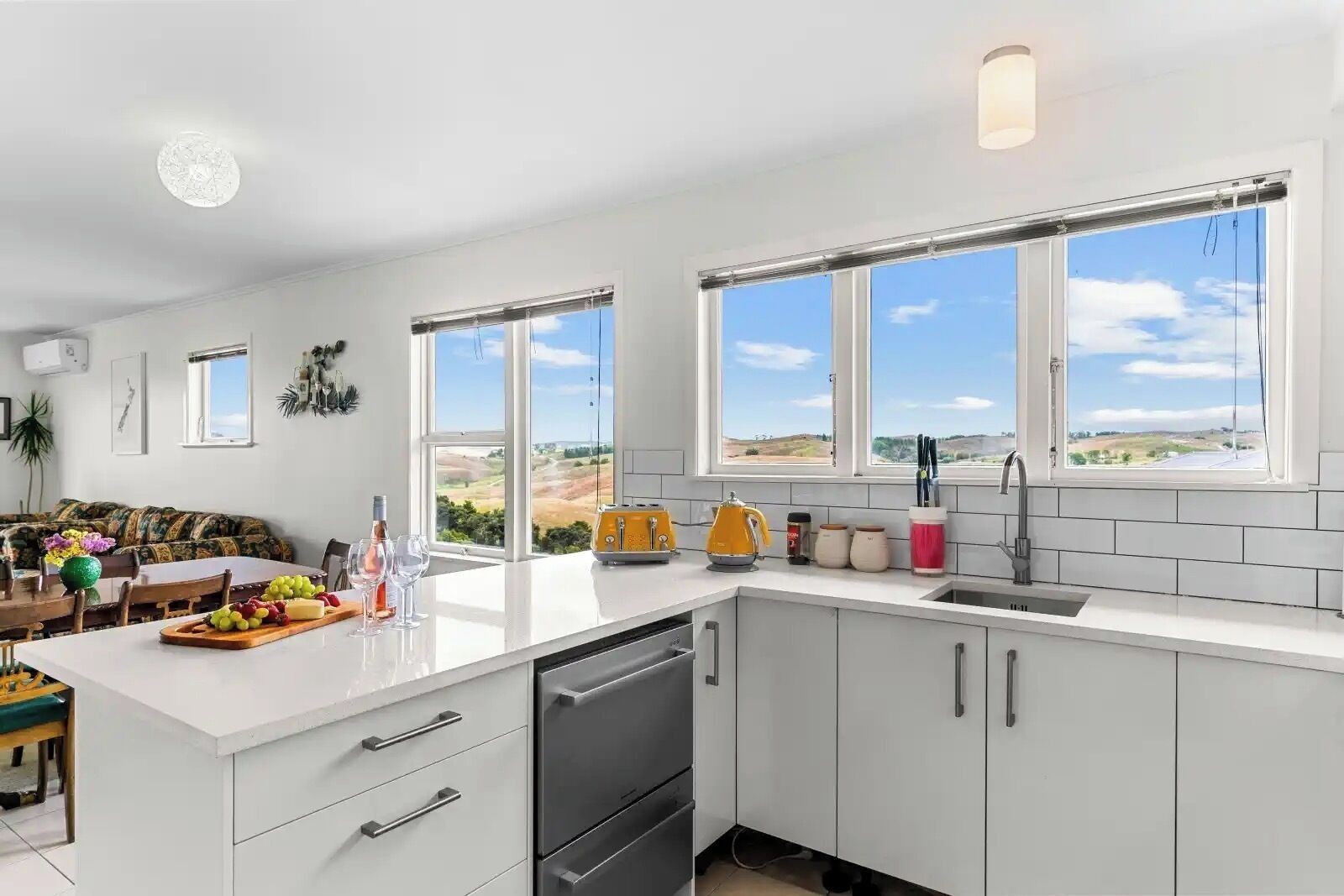
This is the view from the kitchen in the holiday home we booked this morning on New Zealand’s North Island.

When the owner of the New Zealand alpaca farm suggested we contact her in September to inquire about the property’s availability, she explained that she had received two offers for sale, in the past few days. We knew we’d have to scramble to find a property during the holiday season. Over the past two days, as we continued to settle in here in Barcelona, we began our search.

We’d stayed at the alpaca farm for three months in 2016 and had hoped to rent it again. When Trish explained that the property wouldn’t be available, we were on a mission to find a house in New Zealand for our upcoming stay, from December 13, 2025, when we disembark from the 47-night cruise, to February 12, 2026.

The North Island of New Zealand. Many prefer the South Island, but after visiting both, we are content to stay on the North Island, which has its own unique charm.

From there, we’ll head to Tasmania to Tom’s favorite place in the world, to the quaint town of Penguin, located on the Bass Strait between the Australian mainland and Tasmania.

We knew single-family houses in New Zealand were expensive, especially during the holiday season. As a result, we spent hours scouring properties on multiple websites, primarily focusing on VRBO, our preferred source.

After considerable time and effort, knowing we had less than three months until we needed to book something, we stumbled across the above newly renovated house, as shown in the photo. We couldn’t be more thrilled to have firmed up the booking this morning.

When we arrive at the property in the town of Kaiwaka, we’ll share more photos and details about the property. The house is a 90-minute drive from Auckland Airport, which is a convenient and scenic route that we’ll certainly enjoy. It’s 34 minutes to the closest supermarket, but we’ll plan to shop every other week.

We love staying in remote areas and realize that we have to drive further to restaurants and shopping. It’s a small sacrifice for the opportunity to live in quaint and charming locations around the world.

After reviewing the map for Kaiwaka, we found plenty of nearby restaurants and pubs. Of course, no pub in the world is as fun as Jabula. But, while we are away from Marloth Park, we’ll savor every experience and location we visit in the upcoming nine months to come, until we return to the bush.

Of those nine months, we’ll be spending 72 nights on cruises. We’ll be boarding on October 27 for the first 47 nights, and then on April 14, 2026, we’ll board another 25-night cruise. What an exciting thought!

Our travel enthusiasm has been restored after a few days of frustration since we left last Sunday. Now settled in and accepting my limitations, we’re making the best of our time in Sant Marti, Barcelona, for the next 38 days.

Be well.

Photo from ten years ago today, September 19, 2015:

This is the view of our house in Savusavu, Fiji, from the upper unit of the three-unit house, higher up the hill. For more photos, please click here.

Few animals stopping by…Photos from seven years ago…Boredom…

A single beautiful lily in the lily pad pot in the yard in New Plymouth, New Zealand, in 2016.

Note; Due to a lack of photos right now, today’s photos are from a post on March 10, 2016, when we lived in New Plymouth, New Zealand, for three months on an alpaca farm. See the post here.

I think the black worm invasion is over. I sat at the table on the veranda this morning, and not a single worm fell on me. A few nights ago, when I got into bed, I felt something on the top of my foot. It was a black worm! I let out a little startled scream. I don’t usually scream when I see insects or even snakes. But, a hairy, slimy, black worm slithering on my foot surpassed my level of calmness.

I must have picked it up when I’d gone into the kitchen to turn on the little lamp, close the blinds and turn off the overhead light. Yuck. I’ve had it with them. This morning, when I didn’t see a single worm on the floor in the house or the veranda, I sighed in relief. They are gone. Finally. They were here for about four weeks.

Similar to Australia, many of the beaches in New Zealand are uneven and rocky.

As a result, I was able to sit at the table on the veranda to eat my breakfast of smoked salmon and two eggs atop two thin slices of homemade keto bread. What a treat! There’s no breakfast I could enjoy more. The only addition I could use is having breakfast outdoors with Tom. Gee…these next five days can’t pass quickly enough.

His absence has created a feeling of boredom I haven’t experienced in over ten years. I’m never bored when he is here. If a thought pops into my head, I need only to approach him, and he immediately stops whatever he is doing to pay 100% attention to me. Who does that? Of course, I’m not a pest, and when he’s engrossed in something, I can leave him alone until he’s done.

The nights are easier than the days. I’ve been binge-watching a TV series….911 Lone Star with Rob Lowe, and although it’s totally unrealistic, it’s entertaining enough for me to watch it while I play games on my phone. I should be done with it by the time Tom returns.

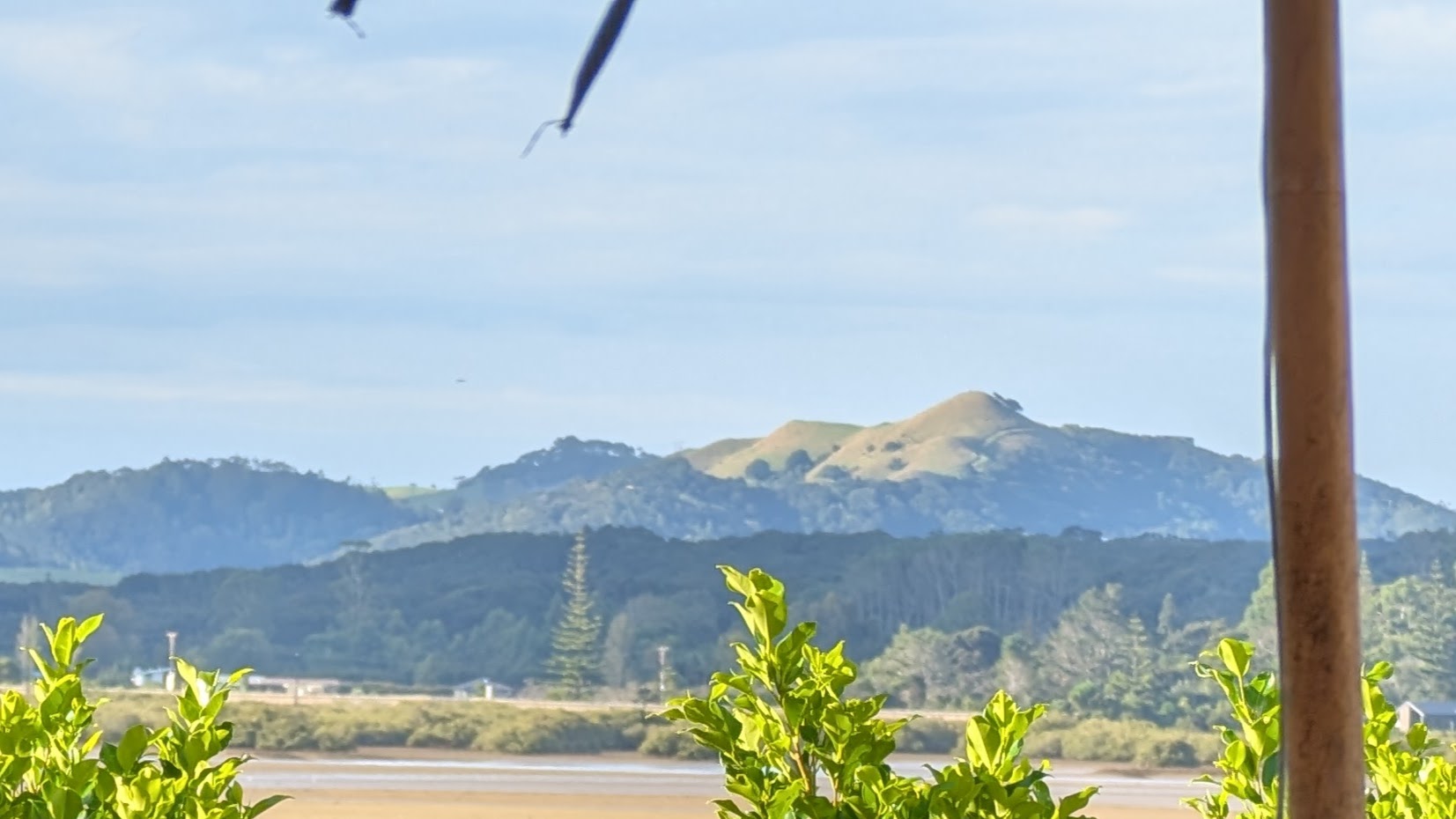
We often stopped at this favorite spot for photos of Mount Taranaki.

But, during the day with Tom away, when I’ve completed the post, usually by 1:00 or 2:00 pm, 1300 or 1400 hrs., is when I find myself feeling like a lion in a cage, practically pacing the house with nothing to do. In my old life, I would call a friend or family member, run an errand, work out at the health club, or work on a project around the house. I was never bored then.

But now, with the house always clean, the bed always made, and dinner prepared early in the day due to the heat, I find myself watching mindless drivel on a streaming service on my laptop to ward off my feelings of boredom, perhaps interspersed with profound feelings of missing my partner, my lover, my friend.

I may sound like I am complaining. I am not. It’s more of an observation I’ve experienced these past five days. It’s not as if we spend every moment in each other’s presence when he is here. It’s the calming and comforting sense that this delightful human being, my husband, is available to me at a moment’s notice to make me laugh, smile or feel loved. I am so grateful for him, as he is for me. We never take each other for granted.

The beach on a cloudy evening.

On occasion, Tom asks me, “Are you bored?’

I always say,  “No, are you bored? I am never bored”

His answer is the same. This life we’ve chosen to live, however peculiar it may be to some, never leaves us feeling bored. At any given turn, there is something that attracts our attention, often inspiring us to take photos or “write about it.” The anticipation of that fact alone prevents either of us from ever becoming bored. Even something as simple as each other attracting our attention is sufficient to keep us entertained, wherever we may be at any given time. We are very blessed to have one another.

Tonight, I will be entertained going to Jabula when my friend Sindee picks me up at 5:00 pm, 1700 hours, and bring me back to the house later in the evening. I haven’t decided if I’ll return to Jabula on Saturday night as we always do.

Be well.

Photo from one year ago today, March 10, 2022:

Helmeted guinea-fowl chicks have yet to develop the blue and red facial features shown on the adult on the far left. For more photos, please click here.

Pilot whales stranded on New Zealand beach…The kindness of humanity prevails…One year ago, quite a predicament..

Volunteers attending to stranded whales in New Zealand, 10 February 2017
Volunteers worked hard to save some of the pilot whales stranded in Farewell Spit in New Zealand.  (Not our photo).

We continually hear of all the horrible things happening in the world. Yet, it only takes a sorrowful event to remind us how humans rally for one another and wildlife in times of need and sorrow.

So has been the case over the past few days when more than 400 pilot whales were stranded in shallow water in Farewell Spit on New Zealand’s South Island. Volunteers, including locals in this small community and visitors from all over the country, traveled to this distant location to aid the surviving whales back out to sea.

Over 300 whales died during the stranding. Many assume it’s some mass suicide for reasons unknown by the scientific community in the wake of this disaster. But that seems unlikely. 

It’s in our nature as humans and animals to survive the elements and life itself. But, unfortunately, a mass suicide sounds more like a conspiracy theory spurred on by sensationalism-seeking media when it might make a more “enticing” story.

More than 400 pilot whales stranded themselves on a New Zealand beach on the evening of Thursday February 9.
Hundreds of whales were stranded on the beach. (Not our photo).

Bottom line, for whatever unknown reasons this massive event transpired, hundreds of concerned volunteers made their way to the beach to aid in an often futile attempt to save as many as possible.

According to records, this event has transpired in this same location over the years and occurs in other parts of the world from time to time. There are endless theories on why these sad events occur, but none is definitive.

After researching multiple news reports on this event, many varying in the story in one manner or another (duh!), I found this more scientific article that may shed some light on the topic.  Please click here for details.

Certainly, I’m no wildlife (or sea life) expert but wouldn’t it make sense that since whales and dolphins tend to swim in pods, it may be a navigational error or misjudgment. 

Huge team gathers at Farewell Spit to rescue stranded whales.
A huge team of rescuers gathers for instructions as to how to aid the whales. Click here for the rest of this story from the NZ media source. (Not our photo).

Not even the most sophisticated navigational systems marine life can possess are immune from making bad decisions or getting caught in a bad scenario, such as the low tide anomalies of this area and other areas where this repeatedly occurs throughout the world. 

Like humans, wildlife is hardly exempt from becoming entrenched in precarious situations over which they have little or no control.  Perhaps, this is the case with these whales in this area when this event has transpired over and over throughout the years.

The theory that they’re all sick and dying sounds peculiar as well.  Surely, in any large group of living beings, some will always be sick and dying. But, on the other hand, whales and dolphins tend to “follow the pack” and may have become caught up in following lesser numbers who were injured, caught in nets, sick, and dying, and choose to beach themselves when they can no longer swim.

In any case, my opinions are irrelevant. The facts remain that this is a sad situation over which we humans have little opportunity or willingness to change. Its human existence on the earth here again, over which we have little control. Surely, these events have occurred since the beginning of life on our planet.

We’ll continue to stay updated on the progress of these dedicated rescuers and the outcome for the remaining precious animals. But, human or animal, we all have the right to a place in this world and must rally for one another in times of need.

Be well.

Photo from one year ago today, February 11, 2016:

Ironically, one year ago (after today’s whale story in NZ), we lived on an alpaca farm in NZ when this situation occurred in the paddock in the backyard. Luckily, it turned out OK for the alpacas. We laughed over this once we realized they were both doing well after figuring out how to untangle themselves. For more on this story, please click here.