Part 2…Most awe inspiring tour yet in Southeast Asia…Cu Chi Tunnel…Tom’s brave although short exposure to the tunnels…

Tom is sitting at the table in a meeting room bunker with several mannequins and two other passengers standing behind him.

As mentioned in a prior post, we’re continuing to include photos and stories (when applicable) from our cruise/tour to Vietnam. Earlier we’d posted photos from Hanoi, Vietnam, and a few areas in Cambodia.

Two Russian MIGs which was used by the North Vietnam Air Force.

The bulk of the photos we have yet to share are from Vietnam during the roughly 11 days we spent in the exotic country. We both agreed we could hardly jump to Phuket, Thailand now, leaving this important information behind.

US Huey helicopter.

As for Phuket, thus far we’re becoming adapted to yet another house in a foreign land. Nuances such as finding outlets that work for our adapters, location of light switches which is very different from country to country (in other words, walk into a room and there’s no light switch nearby upon entering) figuring out TV systems and remotes, turning on the oven (never a simple turn of a dial or two) is all a part of the process.

Rocket launchers on helicopters.

This house has eight doors we need to lock at night. Much to our delight and surprise, there are screens on the six sliding doors, causing free air to flow through the house each day. 

One can only imagine how dangerous it was flying these helicopters during the war.

Each area of the house has an air-con unit, but in an effort to be mindful of power usage, so far we’ve only used the one in the bedroom at night along with the overhead fan. It’s hot and humid here, so much so that in our old lives in the US we’d have had whole-house air-con on day and night. 

US artillery pieces and two jeeps.

We sweat it out in 85% to 90% humidity which is uncomfortable at any higher temps. With a floor fan that doesn’t quite reach us (due to lack of outlets), with an overhead fan in a vaulted ceiling, the breeze is minimal. 

Viet Cong hammock with a tarp.

Overall, we’re managing fine. Last night we made our first meal in months, roasted chicken parts, green beans, and salad with a cheese plate for dessert. We made enough chicken for two nights.  All we’ll need to prepare for tonight is the salad and green beans. 

US  rocket launchers and cluster bombs.

Tom will assist me in the chopping and dicing. Bending over the short countertops in brutal at this point, but is often an issue when in most countries the population is much shorter than we are and countertops are made to accommodate their stature, not ours.

Above ground table and benches for dining or meeting.

The house is lovely, well maintained with nary a worn or old amenity. There’s no dishwasher, clothes dryer, large pans, or mixing bowls, but we found a two-liter pitcher for our iced tea and there’s an electric drip coffee pot. 

Horrifying bamboo spikes in ground booby traps. 

There was no ground coffee at the market (only instant which we don’t like) with only ground espresso. Each day we’re testing using different amounts to correct the flavor to our taste.

Another view of a booby trap.

Included in the rent is a house cleaner every Wednesday and Saturday. We passed on yesterday’s cleaning since we’d arrived the prior night and didn’t need it. We’ll keep it tidy in the interim, as we always do.

Surgery bunker sign. Can we even imagine how dangerous surgery was at this location?

Today, it’s raining, which is expected to continue throughout the day. We’ve yet to use the pool.  There are no steps leading into the water, only a ladder at the deep end. I can’t imagine how I can manage the ladder at this point, fearful of twisting or turning the wrong way. We’ll see how it goes.

Viet Cong surgery bunker.

We’d considered renting a car, but with my need to rest, a driver will be most logical over these remaining 39 days. We can go shopping each week at a reasonable cost for the taxi and he’ll wait while we shop.

Notice the sweat on Tom’s shirt. He was soaked after crawling through the narrow tunnels. This larger opening was a welcome relief.  Some of the tunnels and openings were enlarged for the benefit of tourists.

Dining out will come once I’m feeling up to it. In the interim, there are numerous “take away” delivery services that have roasted chickens and salads that may work for us a few times a week.

_____________________________________________________
Now, we continue with our tour of the Cu Chi Tunnel after Part 1 included photos of Tom tackling a few of the narrowest portions of the tunnel, entering at one narrow point and exiting 10 to 30 meters later at another opening.
If you missed that prior post, please click here.
Entrance to a narrow tunnel which was also enlarged.

The bus ride to the location was about an hour outside of Saigon (Ho Chi Minh City) requiring we backtrack to return to Saigon later in the day for the two-night hotel stay at another Sofitel Hotel, the least favorite of the three Sofitel Hotels included in the cruise tour. 

The trip from the ship to include the tour of the Cu Chi Tunnel, a stop for lunch, and the return drive extended over an eight hour period with about five hours riding on the bus. It was a long hot day but we were excited to visit the tunnel which we entered in the Ben Dinh area.

Tom took this photo while climbing out of a narrow tunnel by turning around after he’d already crawled through this spot.

With the tunnel extending as follows:

“The 75-mile (121 km)-long complex of tunnels at Củ Chi has been preserved by the government of Vietnam,[3] and turned into a war memorial park with two different tunnel display sites, Ben Dinh and Ben Duoc. The tunnels are a popular tourist attraction, and visitors are invited to crawl around in the safer parts of the tunnel system. The Ben Duoc site contains part of the original tunnel system, while the Ben Dinh site, closer to Saigon, has tunnel reconstructions and some tunnels have been made larger to accommodate the larger size of Western tourists. In both sites low-power lights have been installed in the tunnels to make traveling through them easier, and both sites have displays of the different types of booby traps that were used. Underground conference rooms where campaigns such as the Tết Offensive were planned in 1968 have been restored, and visitors may enjoy a simple meal of food that Viet Cong fighters would have eaten.”

Included today are some of the best remaining photos we’d taken during the tour of the tunnel. Please check back tomorrow for the balance of the photos.

We’ll look forward to seeing you then!

Photo from one year ago today, July 24, 2015:

Once inside the long, narrow Mangrove Boardwalk in Cairns, Australia we walked deeper and deeper into the marsh never encountering other visitors. For more details, please click here.

Part 1…Most awe inspiring tour yet in Southeast Asia…Cu Chi Tunnel…Tom’s brave although short exposure to the tunnels…

It’s hard to believe that Tom managed to climb out of the tiny opening at Cu Chi Tunnel in Vietnam. I was scared he’d be stuck after all the carbs he ate on the two-week cruise.

Yesterday was a long day with many hours spent riding on the air-conditioned bus that even had a weak WiFi signal from time to time. Sitting or walking for extended periods is not easy for me, but with a few stops on the way to Saigon (Ho Chi Minh City), I managed fine.

The sign at the entrance to the Cu Chi Tunnel.

Actually, the distance from the ship to Saigon is only about 2 1/2 hours drive. However, with the planned stop at Cu Chi Tunnels we ended up going far out of the way beyond Saigon and back again to our hotel, yet another Sofitel Hotel, arriving by 4 pm which accounted for the extra time.

Rules for visiting the Tunnel in both Vietnamese and English at the entrance to the dense jungle.

Tom and I always sit in the bus’s last few rows, each taking two seats across the aisle from one another, allowing for more squirming about (in my case) and more legroom, especially with our bulky carry-on bags which we keep with us.

The luggage for the 54 passengers went ahead to Saigon on a truck with our three bags awaiting us in our hotel room when we arrived. This particular Sofitel in Saigon is newer and less appealing than the past two, especially compared to our new favorite Sofitel Legend Metropole Hanoi, which was superb.

All of these tunnel photos were taken by Tom as he crawled through the narrow spaces on his hands and knees to exit on the other side, quite a distance away from the entrances.

Those of us who are old enough to recall the constant news reports during the Vietnam War certainly remember the commonly mentioned Cu Chi Tunnel. But young and caught up in our own lives at the time, disheartened by the loss of life, we may not have focused much attention on such sites as used by the “gorillas/Viet Cong” during the war.

Occasionally, certain areas were lighted as shown in this taller section.

The Cu Chi Tunnels are described as from this site:

The tunnels of Củ Chi are an immense network of connecting underground tunnels located in the Củ Chi District of Ho Chi Minh City (Saigon), Vietnam, and are part of a much larger network of tunnels that underlie much of the country. The Củ Chi tunnels were the location of several military campaigns during the Vietnam War, and were the Viet Cong‘s base of operations for the Tết Offensive in 1968.

The tunnels were used by Viet Cong soldiers as hiding spots during combat, as well as serving as communication and supply routes, hospitals, food and weapon caches and living quarters for numerous North Vietnamese fighters. The tunnel systems were of great importance to the Viet Cong in their resistance to American forces, and helped to counter the growing American military effort.

Life in the tunnels

American soldiers used the term “Black Echo” to describe the conditions within the tunnels. For the Viet Cong, life in the tunnels was difficult. Air, food, and water were scarce and the tunnels were infested with ants, poisonous centipedes, scorpions, spiders, and vermin. Most of the time, soldiers would spend the day in the tunnels working or resting and come out only at night to scavenge for supplies, tend their crops, or engage the enemy in battle.

This guide, a former Viet Cong, who was 10 years old during the war, showed us how entrances to the tunnel was camouflaged by leaves atop a small wood door such as this. Tom actually went down this small opening.

Sometimes, during periods of heavy bombing or American troop movement, they would be forced to remain underground for many days at a time. Sickness was rampant among the people living in the tunnels, especially malaria, which was the second-largest cause of death next to battle wounds. A captured Viet Cong report suggests that at any given time half of a PLAF unit had malaria and that “one-hundred percent had intestinal parasites of significance”
The tunnels of Củ Chi did not go unnoticed by U.S. officials. They recognized the advantages that the Viet Cong held with the tunnels and accordingly launched several major campaigns to search out and destroy the tunnel system. Among the most important of these were Operation Crimp and Operation Cedar Falls.

Operation Crimp began on January 7, 1966, with Boeing B-52 Stratofortress bombers dropping 30-ton loads of high explosive onto the region of Củ Chi, effectively turning the once lush jungle into a pockmarked moonscape. Eight thousand troops from the U.S. 1st Infantry Division, 173rd Airborne Brigade Combat Team, and the 1st Battalion, Royal Australian Regiment combed the region looking for any clues of PLAF activity.

It’s amazing a human could fit down this tiny hole especially Tom, who’s considerably larger than the Vietnamese people.

The operation did not bring about the desired success; for instance, on occasions when troops found a tunnel, they would often underestimate its size. Rarely would anyone be sent in to search the tunnels, as it was so hazardous? The tunnels were often rigged with explosive booby traps or punji stick pits. The two main responses in dealing with a tunnel opening were to flush the entrance with gas, water or hot tar to force the Viet Cong soldiers into the open, or to toss a few grenades down the hole and “crimp” off the opening. This approach proved ineffective due to the design of the tunnels and the strategic use of trap doors and air filtration systems.

However, an Australian specialist engineering troop, 3 Field Troop, under the command of Captain Sandy MacGregor did venture into the tunnels which they searched exhaustively for four days, finding ammunition, radio equipment, medical supplies, and food as well as signs of considerable Viet Cong presence. One of their numbers, Corporal Bob Bowtell died when he became trapped in a tunnel that turned out to be a dead end. However, the Australians pressed on and revealed, for the first time, the immense military significance of the tunnels. At an International Press Conference in Saigon shortly after Operation Crimp, MacGregor referred to his men as Tunnel Ferrets. An American journalist, having never heard of ferrets, used the term Tunnel Rats and it stuck. Following his troop’s discoveries in Cu Chi, Sandy MacGregor was awarded a Military Cross.

I sighed in relief when I saw his white head pop up, but worried he’d be unable to get out. The guide told him to extend both arms above his head first which would stretch him to more easily squeeze out of the tiny opening. This is not for the faint of heart or anyone claustrophobic! I was impressed by his obvious lack of fear. 

From its mistakes and the Australians’ discoveries, U.S. Command realized that they needed a new way to approach the dilemma of the tunnels. A general order was issued by General Williamson, the Allied Forces Commander in South Vietnam, to all Allied forces that tunnels had to be properly searched whenever they were discovered. They began training an elite group of volunteers in the art of tunnel warfare, armed only with a gun, a knife, a flashlight and a piece of string.

These specialists, commonly known as “tunnel rats”, would enter a tunnel by themselves and travel inch-by-inch cautiously looking ahead for booby traps or cornered PLAF. There was no real doctrine for this approach and despite some very hard work in some sectors of the Army and MACV (Military Assistance Command, Vietnam) to provide some sort of training and resources, this was primarily a new approach that the units trained, equipped and planned for themselves.

Despite this revamped effort at fighting the enemy on its own terms, U.S. operations remained insufficient at eliminating the tunnels completely. In 1967, General William Westmoreland tried launching a larger assault on Củ Chi and the Iron Triangle. Called Operation Cedar Falls, it was similar to the previous Operation Crimp, however on a larger scale with 30,000 troops instead of the 8,000.

On January 18, tunnel rats from the 1st BN, 5th Infantry Regiment of the 25th Infantry Division uncovered the Viet Cong district headquarters of Củ Chi, containing half a million documents concerning all types of military strategy. Among the documents were maps of U.S. bases, detailed accounts of PLAF movement from Cambodia into Vietnam, lists of political sympathizers, and even plans for a failed assassination attempt on Robert McNamara.

By 1969, B-52s were freed from bombing North Vietnam and started “carpet bombing” Củ Chi and the rest of the Iron Triangle. Ultimately, it proved successful. Towards the end of the war, the tunnels at this were so heavily bombed that some portions actually caved in, and other sections were exposed. But by that time, they had succeeded in protecting the local North Vietnamese units and letting them “survive to fight another day”.

Throughout the course of the war, the tunnels in and around Củ Chi proved to be a source of frustration for the U.S. Military in Saigon. The Viet Cong had been so well entrenched in the area by 1965 that they were in the unique position of locally being able to control where and when battles would take place. By helping to covertly move supplies and house troops, the tunnels of Củ Chi allowed North Vietnamese fighters in their area of South Vietnam to survive, help prolong the war and increase American costs and casualties until their eventual withdrawal in 1972, and the final defeat of South Vietnam in 1975.”

To continue reading from this site, please click this link.

Today, he’s a little stiff and sore, having used muscles he hadn’t used in years but suffered no ill effects. The passengers in our group were cheering him as he entered and exited.

Cu Chi Tunnels have become a major tourist destination for travelers from many parts of the world as described here:

The 75-mile (121 km)-long complex of tunnels at Củ Chi has been preserved by the government of Vietnam, and turned into a war memorial park with two different tunnel display sites, Ben Dinh and Ben Duoc. The tunnels are a popular tourist attraction, and visitors are invited to crawl around in the safer parts of the tunnel system.

The Ben Duoc site contains part of the original tunnel system, while the Ben Dinh site, closer to Saigon, has tunnel reconstructions and some tunnels have been made larger to accommodate the larger size of Western tourists. In both sites, low-power lights have been installed in the tunnels to make traveling through them easier, and both sites have displays of the different types of booby traps that were used. Underground conference rooms where campaigns such as the Tết Offensive were planned in 1968 have been restored, and visitors may enjoy a simple meal of food that Viet Cong fighters would have eaten.”

To find ourselves at this profound historic location was awe-inspiring. With a fairly long distance to walk through the jungle, all of us were well coated in insect repellent and insect repellent clothing which only made us realize the struggle of the soldiers during this horrific period in time.

How they suffered in the humid heat with insect bites, contracting malaria, dengue fever, and other diseases wrought in the toxic environment due to a lack of with a lack of decent food, clean water, and appropriate medical care. 

We could only imagine how hard life was for the soldiers who spent months in the tunnel during the war.

Being in this place in the jungle made us all the more aware of the strife they endured while continuing to fight, day after day, month after month, and year after year.

As Kong toured us through the thick brush on the lengthy uneven dirt path over roots, rocks, and vegetation, we finally arrived at the entrances to some of the tunnels.

Tom, emerging from a larger opening after entering this section of the tunnel from a small opening.  His clothes were wet with sweat and covered in dirt.

When Kong asked for volunteers for the tightest of tunnels, Tom jumped in saying he would try it, even with the weight he’d gained over these past two weeks on the cruise/tour. The Vietnamese people are tiny and easily fit through the narrow miles and miles of tunnels.

When we saw the size of many of the narrow entrances to the tunnel, Tom had decided to tackle I cringed hoping he wouldn’t get stuck. Our group watched in anticipation of him making his way from the tight entrances and out the equally tight exits, crouched down through the narrow underground passageways to surface some distance away.

He had to literally crawl up these steps when there was no headroom to do otherwise.

Many others in our group partook in the wider tunnels, although one petite woman in our group followed Tom’s example in one area a short time later. When he’d finally managed to maneuver the tight spaces to enter and subsequently exit the tiny tunnel, he was soaked in sweat and covered in dirt and mud.

Everyone cheered his bravery while he dismissed his attempt at trying to understand how it was for the soldiers in this difficult place for extended periods of time. I was proud of him for his bravery but fully understood, amid his joking and dismissal of his experience as “nothing” compared to the real lives of the soldiers.

The guide was as limber as a monkey making his way through the tunnel. No doubt, given more time and fewer doughnuts, Tom would have become equally adept.

Back on the bus, we went to lunch at an exquisite restaurant, dining outdoors under cover during a massive downpour. Tom dined in his dirty sweat-soaked clothes never giving it a thought.

It was quite a day, to say the least, and by the time we checked in to the hotel, a shower was imminent for him with a soak in a hot tub for me following. We dressed for dinner, heading down to a fabulous buffet dinner in the hotel’s restaurant with mostly Vietnamese foods. More on that later.

Our guide at one of the larger tunnel entrances.

This afternoon, after we’re done here, Kong will arrange a taxi to take us to the “shoe district” where Tom will purchase a new pair of tennis shoes. He’s wearing the same pair since we left the US 45 months ago and it’s definitely time for something new when they’re literally falling apart. We’ll report back on the results of this shopping trip later.

This is the type of tool used to make the tunnel by hand.  The tunnel is 250 km, 155 miles long weaving through the jungle floor over a massive area.

Today, I’m wearing a shirt with a hole in the sleeve, less obvious when I roll up the sleeves. Gee, traveling the world has certainly changed us in so many ways, most of which we’ve found to be liberating.

Early tomorrow morning, we’ll leave the hotel for the airport in Saigon known as the Ho Chi Minh City Airport (SGN) Vietnam, where at 9:45 am we’ll fly to Bangkok with a few hour layover and then on to Phuket. A driver will meet us at the airport for the hour-long drive to the villa where we’ll stop for some groceries along the way. 

Tom explained how he crawled into one of these air vents, large enough in which to stand on the inside for both ventilation and firing weapons.

Most likely we won’t arrive at the villa until 6 pm. Once we’re settled, we’ll prepare a short post with our final expenses for the Viking Mekong River Cruise including the extra three nights we spent in Hanoi. 

In a few days, we’ll continue with Parts 2 and 3 of the Cu Chi Tunnels since this tour is deserving that more of these important photos be shared with our worldwide readers. Back to you soon!

Have a joyful day!

Photo from one year ago today, July 21, 2015:

It’s amazing how quickly Tom’s hair grows as he prepared for another haircut in Trinity Beach, Australia. For more photos, please click here.

Vietnam never fails to amaze and inspire…Out on tours…More photos than we can possibly share…Evening view Phnon Penh…

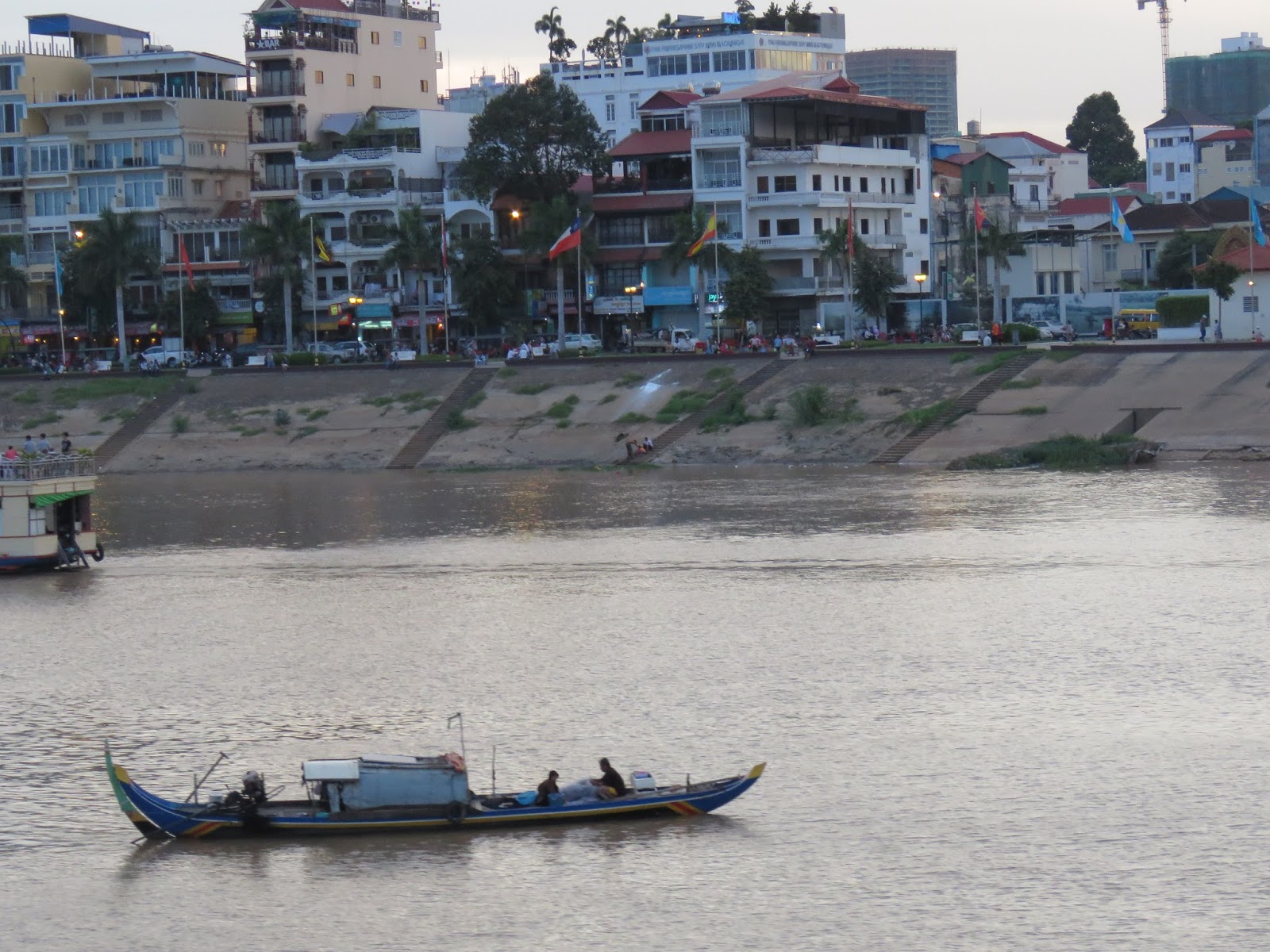
View as the day turned to dusk on the river as we lounged on the Sundown Deck on the Viking Mekong River boat.
At 4:00 pm today we arrived by bus in Saigon, the largest city in Vietnam. It was a full day on the bus, onto an amazing tour we’ll share tomorrow and dining at an exquisite Vietnamese restaurant in the countryside. More on all of this soon. 
Lighted front of the Royal Palace.

We were disappointed to be unable to post yesterday due to an entire lack of Wi-Fi signal as the boat made its way through more remote areas as we’d left Phnom Pehn to head toward Saigon where we’re spending two nights in our third Sofitel Hotel during this lengthy and vast experience.

With over 1000 photos in our “photos to post” file on my desktop, we’re in a quandary on how we’ll possibly share the huge batch. Even making a determination which will be most appealing to our worldwide audience based on comments and email we’ve received in email, on our site and in Facebook, in itself is a daunting task.

Tourist boat.
In two days, we’ll arrive in Phuket, Thailand for a six week stay. In discussing our options, we’ve decided to continue posting stories and photos for Vietnam well into the time were staying in Phuket in the following manner:
  • The first half of each day’s post will include photos and information about Phuket, Thailand.
  • The second half of each day’s post will be a section with more Vietnam  photos with captions and our comments/observations as the photos were taken.
  • The “one year ago photo” will continue as always at the bottom of each post.
  • Feel free to post personal or anonymous comments at the end of any post.
Many types of boats, carrying tourists tours along the Mekong River.

With this plan, we’ll happily share these photos while keeping our readers p-to-date on our current location. At this point, we aren’t certain how long it will take to catch up only anticipating a few weeks.

At sundown, the views were beautiful.
This is not unlike how we included the many photos from our first safari in the Masai Mara in Kenya October, 2013.  If you’d like to see those continuing photos, please select the “archives” beginning on October 5, 2013, continuing well into the month, all of which are located on the right the right side of the page.

As for Vietnam, we continue to be enraptured by the magnificence of this majestic country, its people and its never ending charm. How the Vietnamese people have embraced tourists throughout the world and the USA has been a joy to behold.

Sampans are small, low-to-the-water-boats we used to go ashore on tours.

They’ve welcomed us with open arms, generosity of spirit and gracefully sharing their personal stories and family history in their ever changing, growing culture and society.  They are proud of that they’ve accomplished over these past four decades while never losing sight of their ancestors and spiritual beliefs.

Ninety percent of the Vietnamese people practice the Buddhist religion and its gentle ways, evident in everyone we’ve met to date. Their strong attachment to family members from generations past plays a significant role in their daily lives.

Phnom Penh, the capital city is a diverse area of old and new.

We have many more photos and experiences to share. Yesterday, morning we participated in number of tours after we traveled by sanpan (boat) to the shore from our anchored position in the center of the Mekong River to the along the river, dependent upon its resources for a living.

It felt good to get off the ship on a tour after spending a few days unable to walk the long distances required for venues. After the difficult rickshaw rid a few days ago  I had to hunker  down and nurse my wounds after the over-bumpy ride set me back a few weeks in my recovery.

More modern building have been added to the shoreline.

After the extra day’s time spent taking it easy, I’m feeling a little better on a renewed path toward putting an end to this constant painful condition. I can’t wait until this difficulty is over and I’ve returned to my usual energetic, pain free self.

Last night was the last night onboard the Viking Mekong River Cruise with a special evening and party planned for the event.  We sat with some of our favorites at dinner and had a terrific  time together.

It was hard to determine what type of boat this was.

As we made the all day bus trip to Saigon, our group of 54 passengers happily maintained
our high degree of entertaining interaction while sharing the last segments of the cruise/tour together. 


On Friday, July 22nd we’ll be on our way to Thailand.  Please stay with us. We so look forward to posting many more aspects of this memorable occasion in Southeast Asia.

Happy day to all!
                  
Photo from one year ago today, July 20, 2015:

Tom’s first photo of sunrise over the Coral Sea in Australia at 6 am this morning. For more photos please click here.

The Mekong River crossing from Cambodia back into Vietnam…Wheelhouse tour…More Phnom Penh photos…

Tom, me, Captain Han and new friend Bob in the wheelhouse.

The remainder of the cruise will take place in Vietnam. Yesterday, as I began to write this post, we were crossing into Vietnam with immigration officers were boarding our ship to stamp our passports.  First the Cambodian immigration officer boarded to stamp our passports and exit visas.

The sign above the wheelhouse entrance. We’d signed up for the wheelhouse tour.

Shortly thereafter the Vietnamese immigration officer boarded to stamp our passports for the second of the multiple entry visas, we obtained in Singapore at the embassy two weeks ago. 

Our ship captain, Bui Huu Han.

There’s nothing we had to do other than relax and enjoy the view while the ship was anchored in the Mekong River. Yesterday, was a full day “at sea” so to speak, without any excursions.

Today we decided to avoid going on the day’s excursions based on my condition and the strenuous nature of the tours. I was hoping to attend, but after seeing the boats, called sampan, we both agreed boarding would be difficult as well as riding on the tilted backs of the low to the floor seats.  No good for me at this point.

Ship’s control panel on the bridge.

There’s no doubt the less I do, the better I feel. As much as this concept of “taking it easy” drives me nuts, I’ve seen over and over these past six weeks that rest is my friend.

We’re still having a great time, loving the interaction with the other passengers and staff. Getting to know 54 passengers and their names is a daunting task as we’ve thoroughly enjoyed every moment of the process. 

Buddhist shrine in the wheelhouse.

Obviously, we knew there would be favorites and we’ve had no trouble narrowing it down to a handful of guests. As for the remainder, there was not one person on board, that we haven’t enjoyed one way or another.

Border monument between Cambodia and Vietnam as we crossed back into Vietnam yesterday afternoon.

Mostly, the ship’s manifest consists of Americans and British passengers with everyone speaking English. Then there’s the very special staff, from Kong and Lee, to our two guides, Enrico, the cruise director and manager, to the wait staff in the dining room to the support staff in boarding and disembarking. They all clearly, exhibit joy in working for this company.

Part of the Silver Temple.

When asked how they feel about working for Viking Cruises, their eyes light up. They exhibit pride and appreciation to be working for this company which we don’t always see on some of the larger cruise ships.

The city had numerous shrines and temples mixed among modern buildings.

Sure, the cabins are small but over these past five nights, we’ve become used to the tiny space easily able to maneuver around the cabin to accomplish everything we’ve needed to do during the short periods we stay in the cabin.

Traffic was busy in Phnom Penh, the capital of Cambodia, but no as busy as in Vietnam.

Yesterday afternoon, we attended a tour of the ship’s wheelhouse which on such a small ship is compact and efficient. After the tour we settled into the cool cabin for a short rest and to prepare for yet another fine dinner and evening with all of our new friends and hopefully soon, to be many new readers. 

Bridge over a park area.  Note the cobra statues on either end of the bridge.

We’re so grateful for the warm reception we’ve received from other passengers when inquiring about our lives. We freely share our story with them as we relish every moment in hearing about their adventures as well.

Stairway to a temple in Wat, Phnom Penh.

Have a beautiful day!

Photo from one year ago today, July 18, 2015:
 

 Location or Ship  Days  Address or Ship  Dates
 Sydney Hotel   1   9/7/2015 – 9/8/2015
 Fiji Rental  88    9/8/2015 – 12/6/2015 
 Fiji Rental #2  29    12/6/2015 – 1/4/2016 
 Sydney Hotel  1    1/4/2016 – 1/5/2016 
 Sydney to Auckland – Cruise  14  Celebrity Solstice   1/5/2016 – 1/19/2016 
 New Zealand Farm  87    1/19/2016 – 4/15/2016 
 Sydney Hotel  1    4/15/2016 – 4/16/2016 
 Sydney to Singapore – Cruise  14  RC Voyager of Seas   4/16/2016 – 4/30/2016 
 Bali House  59    4/30/2016 – 6/28/2016 
 Hanoi Hotel – to be booked  10    6/28/2016 – 7/8/2016 
 Hanoi to Ho Chi Min City – Cruise  15  Viking Mekong    7/8/2016 – 7/22/2016 
 Phuket House  41    7/22/2016 – 9/1/2016 
 Bali House  59    9/1/2016 – 10/30/2016 
 Sydney Hotel  1    10/30/2016 – 10/31/2016 
 Sydney to Perth – Cruise  16  RC Radiance of the Seas   10/31/2016 – 11/16/2016 
 Perth to Sydney – Cruise  17  RC Radiance of the Seas   11/16/2016 – 12/3/2016 
 GAP 12/3/2016 – 3/1/2017  88    12/3/2016 – 3/1/2017 
 Sydney to Sydney – Cruise  12  Celebrity Solstice   3/1/2017 – 3/13/2017 
 GAP 3/13/2017 – 4/22/1017  40    3/13/2017 – 4/22/2017 
 Sydney to Seattle – Cruise  24  RC Explorer of the Seas   4/22/2017 – 5/15/2017 
Total number of days 617

One year ago today, we posted our itinerary which has since changed with more bookings. For photos from this past date, please click here.

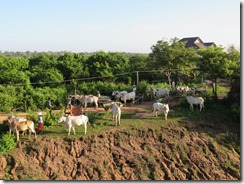
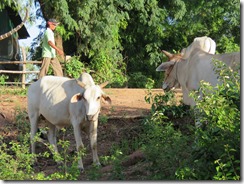
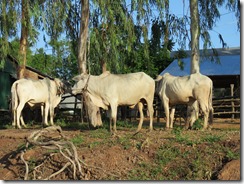
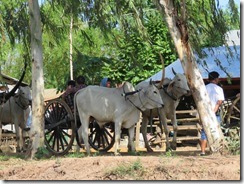
The ox cart rides for passengers on the Viking Mekong River cruise….

IMG_6922
The carts and oxen were ready to load.

Bottom line, we’ve had difficulty uploading many photos based on the poor WiFi signal we have at this point on the journey on the Mekong River. We aren’t certain as to when this will improve, but in the interim we’re doing the best we can.

Using Enrico’s laptop while sitting at his desk, I managed to upload a few photos for the post dated July 16, 2016. Please check that post to see the photos.

IMG_6912
The oxen hung around ready to get to work.

If this continues to be the scenario over the next several days, once we arrive at the hotel in Saigon (Ho Chi Minh City) on Wednesday where we’ll stay for two nights, we’ll attempt to get caught up with the photos we have waiting to be posted. We apologize to our readers. 

IMG_6913
The workers started preparing the carts.

Many of you have written expressing your interest in these photos, only to find we have hundreds backed up we’re unable to upload. Time will alleviate this situation. Even, if we’re unable to get fully up to date, we can easily continue posting the Vietnam/Cambodia photos once we’re settled in Phuket.

IMG_6915
Early morning photo of the oxen awaiting their cart hookup.

We’re really enjoying the cruise otherwise, having met so many interesting and well traveled passenger, many who’ve expressed an interest in this peculiar life we live while others are shocked we’ve been willing and able to travel the world as we do. 

IMG_6917
As our regular readers are aware, we love seeing any type of creature.

Of course, we’re equally fascinated by their lives, whether they travel a lot or not. We often wonder what our retirement would have been like had we stayed in one place, only traveling on occasion, as is the case for most retirees.

IMG_6918
The oxen are gentle animals.

The cruise itself continues to provide the utmost in customer service, entertainment and food, all of which are most important to cruise passengers. Feed me well, fulfill my expectations of great service and offer me an array of options to keep me entertained and a cruise becomes a highly worthwhile means of taking that holiday/vacation most long to experience.

Viking Cruises leaves no stone un-turned, in ensuring each passenger’s experience is as impeccable and meaningful as possible. If we ask for anything, they’ll do everything in their power to accommodate the request. 

Then again, we don’t ask for much other than ice for our cold tea, modifications for my meals and if possible a working WiFi connection which, if isn’t possible, we don’t complain or ask for a service they cannot provide based on location.

As for the meal modifications, last night we were served a traditional family style Cambodia meal.  Had  I been able I’d have tried some of each beautifully presented dishes. After speaking with the chef there wasn’t a single item on the menu that would be suitable for my way of eating. 

To make it easy for the kitchen staff when so busy making the varied dishes for the special meal for the guests, I suggested I have a dish they presented at lunch, which sent me over the moon, grilled eggplant and minced pork, seasoned to perfection. It was delicious. 

IMG_6933
The oxen seemed gentle and used to being around humans.

Unfortunately, they had little left to reheat for me after the lunch so they make me a quick tenderloin stir fry with veggies along with the small portion of the eggplant dish, and a Caesar salad minus the croutons. It was a perfect meal I fully appreciated, expressing considerable praise for their efforts to the efforts since the cruise began last Wednesday, July 13th. 

Its hard to imagine we’ve only been on this cruise for four days when we had so much activity, even with my lingering spinal condition impeding many activities. We’ve taken hundreds of photos, only a small portion of which we’ve been able to post.

Please stay tuned as we continue to make every effort to stay as current as possible with our daily posts and photos.

Have a lovely day and we’ll be back soon!

Photo from one year ago today, July 17, 2015:

Australian M113A1 Fire Support Vehicle (Saladin Turret). Tom especially enjoyed the visit to Australia’s Armour Artillery Museum near Cairns.  For more photos, please click here.

An emotional visit to an orphanage in Cambodia as we cruise along the Mekong River…Arrived in Phnom Penh!

This young girl’s smile took our breathe away.
This Mekong River cruise is unlike any cruise that we’ve experienced in the past. The authenticity of the small ship and its rustic teak/mahogany design, the small spaces and cabins, the added requirements for organization and planning make it special in many ways.
The entrance to the orphanage.

The daily tours offer a wide array of options appealing to the interests of most cruise passengers with each containing a few activities in which to participate. 

This adorable girl greeted us at the main entrance.


Today, we’re sharing the story of yesterday’s visit to the Orphanage Center of the Kampong Cham Province when our boat was docked along the river and we boarded the buses for a short drive through the village and on to the orphanage.

Handsome young man.

Having anticipated that visiting an orphanage would be disheartening it proved to be a positive experience when we saw the smiling faces of the children and the loving care they are provided in the environment steeped in education, learning a craft or trade and eventually becoming independent and self sufficient.

It was hard not to instantly feel attached to these children, their plight in life while hoping and praying for their future.

Through help from the government, private donations, cruise lines including Viking,  as well as visits by many
tourist groups, funds are available to ensure the children are provided for. Although not a perfect environment, it appeared evident they are well cared for and treated well.

Most of the stories of the reasons why these children are living in an orphanage revolve around poverty, parental drug abuse and crime, neglect and abuse in one form or another leaving each precious soul with memories and images they may never forget. 

The boys obviously had other things on their minds that catering to a group of tourists. We didn’t blame them.

Good care, loving attentiveness and education are the emphasis on the facility, as the best means of steering the children in the right direction for a fulfilling future. 

The children had probably been through these presentations more times than they could count.  We certainly understood.

The director of the school, 16 years in residence, described through our guide’s interpretation how the ultimate goal is to educate the children to eventually be able to attend college. 

They all waved to us at the end of their sweet performance.

The director quoted many instances of young residents going on to fulfilling lives having learned a craft through both the orphanage, public school, trade schools and college. He emphasized that the children aren’t sent off on their own until they’ve acquired a job with a wage commensurate with the ability to live a suitable life.

This wheelchair bound young man deserved some attention too.
We realize that a part of these explanations could easily be propaganda to elicit donations from the visitors, but somehow we felt a strong commitment based on who the Cambodia people are; spiritual, honest, loving and kind.
Another building on the property.

All the children learn a handicraft and make a variety of items which are sold in the on-site shops. The children “man” their stations when the tourists walk through to inspect their work. The children receive 50% of the revenue from the sale of the items with the balance for the facility to cover costs of materials.

The small bathroom in the sleeping quarters.

This way the children are taught the value of entrepreneurship with the joy of success and a keen sense of responsibility providing them the tools for a fulfilling and successful life.  

The director of the orphanage, 16 years in residence.

If smiles on little faces is any indication of the children feeling safe in this environment, we were left with a good feeling.

(Preferring not to “toot our own horn regarding donations, we remain mum on this topic. To us, the greatest donation is one that doesn’t seek any personal recognition or accolades from others).

Groups A and B during the presentation by the director and songs sung by the children.
Today, we didn’t attend the morning tour when part of it included a ride on an ox cart (video to follow in future post as we stood by watching the procession) which would have been unsuitable with my current condition. 
Another table of handicrafts made by the children for sale in the tiny shops on the grounds of the orphanage.

After the ox cart ride, the passengers headed to the Udon Monastery which required walking uphill, up many steps and over long distances, again not suitable for me at this time. 

Bedroom for the children.  It was sad to see the not-so-well-equipped space.

This morning, for the first time in six weeks, I’ve felt relatively pain free for a few hours, only escalating later in the day. The ship’s director, Enrico, arranged for us to be able to prepare our posts while sitting in the empty dining room as the staff prepares for the next meal. 

Bracelets, ribbons and various crafts the children made to learn the value of the entrepreneurial spirit.

The chairs offer good support and with my laptop on the table I can sit in an ergonomic manner to avoid becoming too uncomfortable. We were among about six other passengers who remained on the ship until the two groups returned to the ship at 11:45 am. 

Crafts for sale, all handmade by the children.

Do we feel badly about this?  I would have loved the ride in the ox cart but Kong warned it was very bumpy. Tom and I agreed it’s not worth the risk nor was the tough walk at the monastery.

The living quarters for girls and boys are separate.

At 3 pm today we arrived in Cambodia’s capital city of Phnom Penh where we’ll stay docked for a few days where we plan to get off the ship to tour the interesting city by tuk-tuk. 

Sewing machines, although quite old, are available for the kids to learn to make handicrafts.

Many older folks like us will recall the significance of Phnom Penh in the Vietnam war. Here’s a little information about Phnom Penh from this site, but much more will follow over the next few days:

Classroom on the property.

“During the Vietnam War, Cambodia was used as a base by the North Vietnamese Army and the Viet Cong, and
thousands of refugees from across the country flooded the city to escape the fighting between their own government troops, the NVA/NLF, the
South Vietnamese and its allies, and the Khmer Rouge. By 1975, the population was 2-3 million, the bulk of whom were refugees from the fighting.”

These bikes are available for the kids to use.

In any case, we’re still having an excellent time aboard the Viking Mekong River cruise getting to know the many passengers and crew, especially as I continue to improve without too much overextending.

After the tour, we returned to our ship.

We’ll be back again tomorrow with more stories and photos! Have a great day!

Photo from one year ago today, July 15, 2015:
This shell we found in the sand in the Trinity Beach area of Australia had a rough exterior. For more shell photos, please click here.

Late post today…

Halfway through the drive, we stopped at a roadside shop and restaurant for a break. I actually made a purchase. More on that later with photos.

We’re arriving at the ship in Kampong Cham, after the fascinating drive through the Cambodian countryside, taking many photos along the way. We’ll share many of those later today when we return from a tour we’re attending this morning, departing in a few minutes.

Please check back approximately four hours later than usual for the new full post.

Thanks for your patience. 

From a reign of terror emerged the Khmer people of Cambodia…The Mekong River cruise and a bit of whining/whinging…

Four times in a single day, this bowl will fill with the sap from the rubber tree to later be collected by “rubber farmers.”

As we drove through the Cambodian countryside for almost five hours with our guide speaking to us via use of the QuietVox while explaining the horrors this country faced for many decades, we’re not only appalled by what we were hearing but also, amazed over how the citizens of Cambodia have managed to survive.

Each 10 km or so, we passed through another small village.

Still recognized as a third world country with a large portion of the country without common utilities such as electricity and running water, Cambodia has a lot of growing yet to do as it strives to work its way into the modern age. Farming is still done by hand without the use of mechanical equipment.

We encountered many Buddhist shrines and temples on the highway.

The majority of farming in Cambodia includes the following as described here:

“The principal commercial crop is rubber. In the 1980s, it was an important primary commodity, second only to rice, and one of the country’s few sources of foreign exchange. Rubber plantations were damaged extensively during the war (as much as 20,000 hectares was destroyed), and recovery was very slow. In 1986 rubber production totaled about 24,500 tons (from an area of 36,000 hectares, mostly in Kampong Cham Province), far below the 1969 prewar output of 50,000 tons (produced from an area of 50,000 hectares).

When we stopped at a local restaurant and gift shop for a “happy room” break, as described by Kong, many of us girls made a few clothing purchases, including me, a real rarity.

The government began exporting rubber and rubber products in 1985. A major customer was the Soviet Union, which imported slightly more than 10,000 tons of Cambodian natural rubber annually in 1985 and in 1986. In the late 1980s, Vietnam helped Cambodia restore rubber-processing plants. The First Plan made rubber the second economic priority, with production targeted at 50,000 tons—from an expanded cultivated area of 50,000 hectares—by 1990.

Tables lined the restaurant and bar at the stop, but none of us dined here. The hotel had prepared boxed lunches for all of us which we ate on the bus, most of which contained deli sandwiches, an apple, a baby banana, chocolate dessert and bottled water. I’d told Kong I didn’t need a lunch but he presented me with a beautiful lunch box with sliced fresh veggies, salad and sliced chicken.

Other commercial crops included sugarcane, cotton, and tobacco. Among these secondary crops, the First Plan emphasized the production of jute, which was to reach the target of 15,000 tons in 1990.”

Water buffalo in the lake by the stopping point.

Cambodia has suffered great devastation and loss of millions of lives as a result of wars and leadership by ruthless, tyrannical leaders such as:

Quote from this website:
Pol Pot  19 May 1925 – 15 April 1998, born Saloth Sar was a Cambodian revolutionary who led the Khmer Rouge from 1963 until 1997. From 1963 to 1981, he served as the General Secretary of the Communist Party of Kampuchea. As such, he became the leader of Cambodia on 17 April 1975, when his forces captured Phnom Penh. From 1976 to 1979, he also served as the prime minister of Democratic Kampuchea.

Water tower in small village.

He presided over a totalitarian dictatorship, in which his government made urban dwellers move to the countryside to work in collective farms and on forced labour projects. The combined effects of executions, strenuous working conditions, malnutrition and poor medical care caused the deaths of approximately 25 percent of the Cambodian population.  In all, an estimated 1 to 3 million people (out of a population of slightly over 8 million) died due to the policies of his four-year premiership.

Cambodia is a country of many bodies of water which are a result of heavy rains during the rainy season.

In 1979, after the Cambodian–Vietnamese War, Pol Pot relocated to the jungles of southwest Cambodia, and the Khmer Rouge government collapsed.  From 1979 to 1997, he and a remnant of the old Khmer Rouge operated near the border of Cambodia and Thailand, where they clung to power, with nominal United Nations recognition as the rightful government of Cambodia. Pol Pot died in 1998, while under house arrest by the Ta Mok faction of the Khmer Rouge. Since his death, rumors that he committed suicide or was poisoned have persisted.

To continue with this historical information, please click here.

Buddhist shrine with five various cups of tea as an offering.

There’s more information regarding this regime, more than we can ever share in our post, but over these past few days we’ve become keenly aware of what has transpired over these decades under the rule of this destructive leadership resulting in the loss of 25% of the Cambodian population.

Guarded entrance to a Buddhist temple.

Many survivors today have horrific stories to tell of the loss of loved ones and generations of families. Emerging from this indescribable genocide the strength of it’s mainly Buddhist followers, is a gentle, kind and loving people that literally take our breath away.  We’ll follow up on their Buddhist faith in another post this week on the Mekong River.

This small town is known for the manufacturing of statues of Buddha.

If I wasn’t still struggling with back and neck pain, I do believe we’d fully embrace every aspect of this Viking Mekong River Cruise to a much greater degree. This ship with only 52 passengers (after all) and a staff of 25 is very small and intimate creating a wonderful sense of connectivity. 

Many come from all over the country to purchase these statues.

The cabins are considerably smaller than those on big cruise ships by approximately 30%. The bed takes up almost the entire cabin with no more than two feet , .61 meters, between the bed’s edge and the side walls.  From the foot of the bed, we may have six feet, 1.8 meters to the sliding doors.

There are many poor areas in Cambodia with houses on stilts such as shown here.

There are no interior hallways and only four decks and only two communal rooms beside the dining hall, a saloon with uncomfortable seating, and a movie/lecture room in the lowest level with only portholes.

A modest neighborhood which may be comprised entirely of family members.

Under normal circumstances, this would absolutely be an adventure for both of us. With my current situation, I’m at a loss as to where to sit to prepare our posts each day which usually take four or five hours including photo prep.

With the outrageous cost of cars in Cambodia, as was the case in Singapore and Vietnam, most locals drive motorbikes.

Sitting on the bed in our cabin, propped up with pillows seems to be the only option at this time which in itself isn’t comfortable. Tonight, I’ll speak to Kong to see if he can make a suggestion as to an alternate location aboard the ship that won’t be so painful.  There’s no way I can’t sit on the uncomfortable un-padded wicker chairs in the saloon while “looking down” at my laptop.

Selling crickets for consumption is big business in Cambodia. These lighted (at night) plastic bags attract the crickets overnight which are later collected and often sold to other countries throughout the world.

The WiFi is sketchy at best but that’s the least of my current concerns. We have six more nights on the ship until we check in to another Sofitel Hotel in Saigon for two more nights as the cruise wraps up. 

Selling crickets for consumption is big business in Cambodia. These lighted (at night) plastic bags attract the crickets overnight which are later collected and often sold to other countries throughout the world.

I‘ve no doubt that once we’re in the hotel, I’ll manage very well as I did at these last two hotel stays in both Vietnam finding many comfortable seating areas outside the hotel room.

Cambodian people use lots of umbrellas and overhangs to avoid darkening their skin from the sun. Women especially long for light skin as our guide explained the long sleeved hoodies most women wear when outside or riding on motorbikes.

Today, we went on the morning tour which didn’t require a huge amount of walking during which overall I did fine. After we returned, the ship set sail on the Mekong River in the pouring rain. 

Rubber is big business in Cambodia. We stopped along the way to get out and see the rubber trees from which latex is extracted, later to be processed into rubber.

The meals have been great and more than anything, we’ve thoroughly enjoyed interacting with the other passengers. Each has a unique story to share as we’re now eating three meals a day as of today. 

Close up of rubber tree.

Its not that we’re hungry for three meals a day but the seating in the dining room is comfortable and the conversation is well worth eating too much too often. I’m sure once we settle in Phuket in eight days, we’ll both lose anything we may have gained.

Trash is a serious issue in Cambodia. There are no trash collectors nor means for locals to deliver their trash to a landfill. As a result, there’s trash everywhere including in yards of homes and businesses.

Tom is currently at a lecture about life on the Mekong River and will fill me in on the details which we’ll soon share here as well..

Narrow modest homes with no grass and little vegetation.

We’ll be back tomorrow with many more photos and stories of Cambodia, a country and a people we’ve easily come to love and respect in so many ways. 

Even the newer homes, are narrow and on small lots.

Regardless of the discomfort, we appreciate the opportunity to experience these two developing countries each with a history of war, tyrannical rule, strife and sorrow for their citizens and soldiers from all over the world.

Pelting rain slowed down the final kilometers to the boat in Kampong Cham. We weren’t able to take photos once we arrived at the dock when ship employees came outside in the rain and mud to escort us aboard the ship.
Dark clouds started rolling in.  One of the two buses in our passenger manifest broke down and we all had to wait while it was repaired.

Photo from one year ago today, July 14, 2015:

Nothing was as lovely as a sunny day in Trinity Beach, Australia. For more photos, please click here.

More than we expected of Vietnam, fascination, awe and wonder…It has it all…Where does familiarity fall into the mix?


This, dear readers, so much bespeaks Vietnam in today’s world.

Yesterday afternoon, when we took off on foot from the hotel, we were excited to be walking. With the cruise officially starting tomorrow, I needed to get out walking to test how I’d do on the many upcoming treks over the next two weeks.

The streets are packed with locals, drinking famous Vietnamese coffee, tea while happily commiserating among friends.

Determined to be able to participate fully, we decided to walk until I couldn’t take another step which lasted nearly two hours. Not only was exercise my mission, but capturing as many possible photos to share here was on my mind.

Vendor cooking on the street with the barest of essentials.

It was raining off and on during the entire walk, although at no point were we soaked. There were plenty of overhangs and trees to shelter us during the downpours. We continued on when each block we explored provided its own unique flavor of Vietnam.

There are over 5 million motorbikes in Hanoi.  Walking across any road is challenging.

The sights, the sounds and the smells of lemongrass wafting through the air created a unique persona, unlike any we’ve experience anywhere else in the world. 

Colorful lanterns, balls, balloons and toys line the streets.

As we’ve begun to explore Southeast Asia in our worldwide travels, no doubt these assaults to our senses will become more familiar and less intoxicating. You know how it is…familiarity…well, in this case it doesn’t “breed contempt” as the saying goes. 

Folding cut paper art.

For us, it instills a familiarity that we incorporate into the vast experiences we glean in this special life we’ve chosen to live. Now, that I’m  feeling better and hopeful again for the future, I’ve become philosophical in the enormity of it all. 

We stopped in a tiny shop to find grandma aka, Bà nội  (in Vietnames) asleep on the floor.

This morning after breakfast on the elevator back up to our floor, Tom picked a tiny bit of food out of my hair and said, “I can’t take you anywhere!”  In a flash, he added, “But I take you everywhere!”

Vegetable in the basket of a shopper’s bicycle.

We both laughed over his usual instantaneous wit and…the irony of it all. We ask ourselves, “What are we doing in Vietnam in a five star hotel having the time of our lives…once again?” We’ll never become too familiar with the excitement and adventure to ever take it for granted.

Eggs tied the a motorbike handle for a hopefully safe trip home.

Last night during happy hour/buffet dinner in the Club Lounge we met a fabulous couple, Sally and Richard and their lovely teenage daughter Isabel, originally from the UK, currently living in Singapore, also with vast world travel experience. We joined them at their big booth for an outrageously delightful evening.

A Hoan Kiem lake and park across the road.

Within moments of engaging in light conversation, we all clicked and magic happened. The complimentary cocktails flowed (iced tea for me) along with the laughter and endless animated chatter. 

Ho Chi Minh artistic piece on an office building

It couldn’t have been more fun!  We’re planning to do the same again this evening, if time allows for all of us. If not, we leave behind one more memorable night in our ever growing repertoire of social interactions we’ll always treasure.

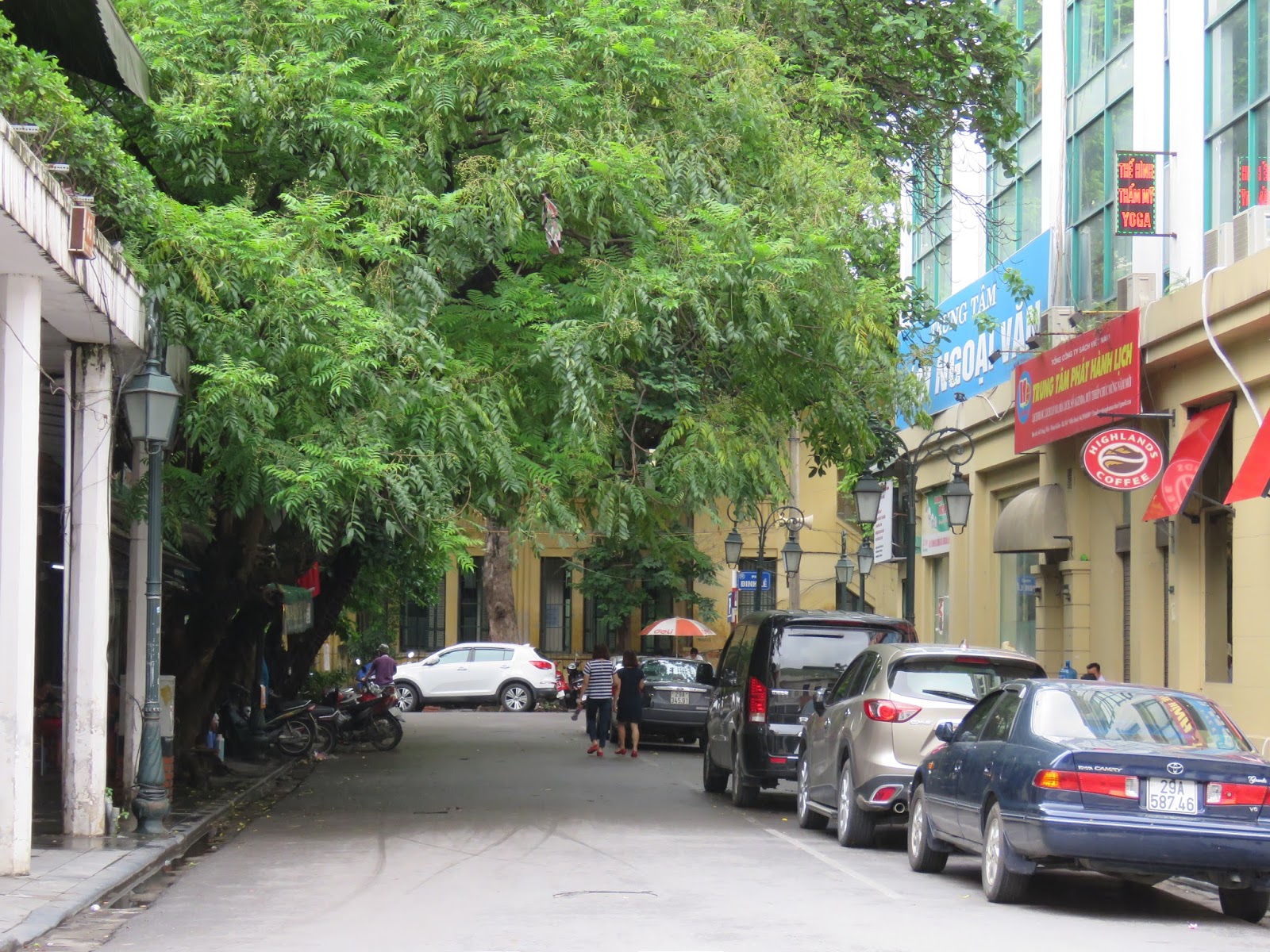
Many large beautiful trees remain in Hanoi.

Add what we’re finding so far during this short period in Hanoi and we’ll leave with a happy heart even before the cruise actually begins. Tonight at 5:00 pm, we’ll attend a Viking cruise meeting to get our bearings including a description of the itinerary and activities over the next many days.  With a maximum of only 60 passengers on the entire cruise/tour, it should be enjoyable in many ways.

An old woman selling fruit on the street.

We’ll be back with more photos tomorrow with an update on the timing for future posts based on the upcoming cruise/tour schedule. 

May familiarity enhance your day in many ways.

Photo from one year ago today, July 7, 2015:

A year ago today, we posted this photo of Nash’s remaining fuzz  which didn’t deter him from being ready to fledge out to sea. Only five months old, he’d yet to shed his chick fluff but the dark lined eyes were very grown up. Our friends in Kauai sent us videos of the  actual which we missed having left before the momentous events. For more photos and videos, please click here.