Day 46…Port of call…Airlie Beach…Ten key facts about Airlie Beach…Two days until disembarkation…

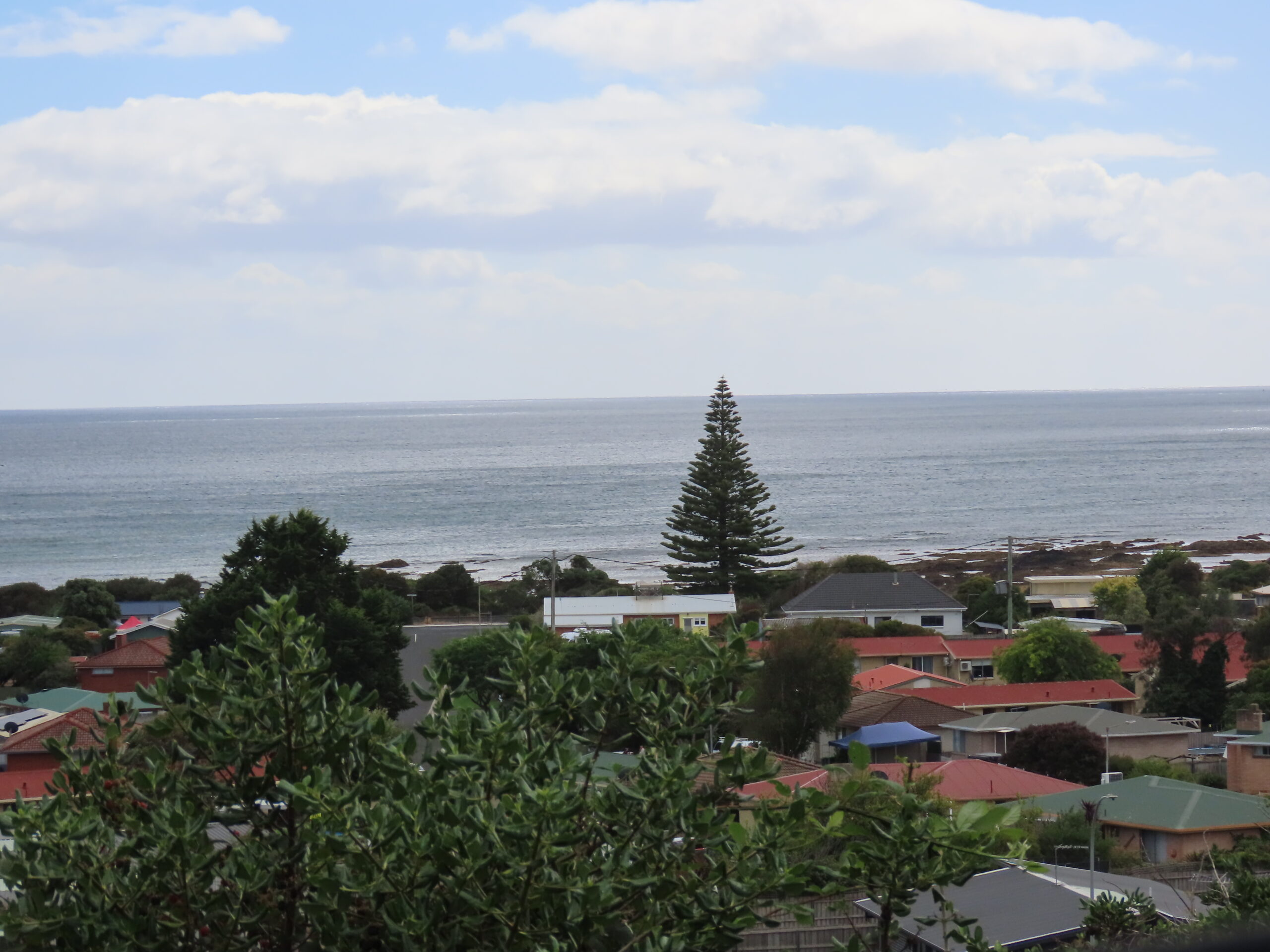
View of Airlie Beach. Not our photo.

There’s a particular sensation that settles in during the final stretch of a long cruise, a blend of anticipation and nostalgia, mixed with that subtle itch to move on to whatever comes next. As we inch closer to Saturday, when we’ll disembark in Brisbane and catch our flight to Auckland, I find myself perched somewhere between savoring these last few days at sea and mentally sorting through what lies ahead. It always amazes me how, even after weeks of cruising, the end seems to arrive in a sudden whoosh, as if the ship picks up emotional speed as well as physical momentum.

The flight to Auckland is 3½ hours, compared to the 90-minute drive afterward, the one that will take us through unfamiliar territory to Kaiwaka, our newest temporary “home,” though that word takes on a funny shape after so many years of living nomadically. We’ve settled into countless rentals, guesthouses, and countryside cottages around the world, but each new landing still carries that flutter of curiosity: What will the view look like out the kitchen window? Will the bed be comfortable enough? Will the laundry situation be workable? These things matter more than guidebooks ever admit.

And yet, despite the familiar uncertainties, there’s an eagerness growing in both of us. The cruise has been fantastic in many ways, relaxing, entertaining, indulgent in ways that land-life isn’t, but after this many days at sea, we begin to crave the ordinary again. For some passengers, the idea of leaving the ship seems almost tragic, but for us, it means the return of simple routines that have somehow become luxuries in themselves. I’m oddly excited for grocery shopping, for finding the local market aisles where the produce is freshest and discovering which New Zealand brands I’ll grow attached to during this stay. There’s comfort in the small rituals of settling in.

We’ve already started the mental packing, though the suitcases remain half-emptied for now. A cruise has a way of scattering your belongings into every corner of the cabin, chargers here, shoes there, a stack of paperwork that we’ll dispose of, somehow keeps migrating across the desk. I can already picture myself doing that pre-departure sweep, opening drawers I forgot existed, folding and refolding clothes more times than is necessary, as if the precision of packing could somehow make the transition smoother. After all these years, I know it never does, but it gives me a sense of order amid the change.

Kaiwaka will be entirely new for us. We’ve never stayed there, never driven its winding roads, never watched its sunsets from whatever angle the house allows. There’s something refreshing about that blank slate. Instead of returning to familiar rentals in Marloth Park,  where I know which pan overheats or which lamp flickers, we get to learn it all anew. And perhaps that’s why, even after a lovely cruise, I’m ready to step off the gangway and lean into the next chapter.

Tom, ever the more dedicated cruiser between us, has mentioned several times how quickly these 47 nights have passed, how each port and sea day blended into a kind of easy pattern. And he’s right. But even he seems ready now for a dining room that isn’t shared with hundreds of fellow passengers, for nights without announcements, and for mornings when the only schedule is the one we choose.

By Saturday afternoon, the ship will be behind us, the laughter, the meals, the gentle rocking at night, and ahead will be the cool, familiar air of New Zealand, the promise of new scenery, and the long-awaited chance to stretch out in a home-like space again. As always, we’re grateful for the journey, for the comforts onboard, for the ability to move from one life to another with relative ease.

But more than anything, we’re ready. Kaiwaka, here we come.

Ten key facts about Airlie Beach:

  1. Gateway to the Whitsundays: It’s the primary launching point for boat trips to the 74 Whitsunday Islands and the Great Barrier Reef.
  2. Man-Made Lagoon: Features a large, free, stinger-proof public swimming lagoon with fresh, chlorinated water, perfect for year-round swimming.
  3. Tropical Climate: Enjoy hot, humid summers and warm, pleasant winters, ideal for outdoor activities.
  4. Backpacker Hub: A popular spot on Australia’s East Coast route, known for its lively atmosphere and backpacker-friendly amenities.
  5. Proximity to Reef: Offers easy access to the stunning coral reefs and beaches of the Great Barrier Reef.
  6. Markets & Food: Home to local markets selling crafts, coffee, and fresh, delicious seafood.
  7. Name Origin: Believed to be named after the Scottish Parish of Airlie by a local councillor in the 1930s.
  8. Transport Hub: The closest airport is Proserpine (PPP), about 30 minutes away, making it easily accessible.
  9. Stinger Protection: Natural beaches have stinger nets, but the lagoon provides safe swimming during stinger season.
  10. Vibrant Town: A mix of natural beauty, town amenities, shops, pubs (like the Airlie Beach Hotel), and entertainment, including fire performers.

Be well.

Photo from ten years ago today, December 11, 2015:

Wherever we travel, water views always offer photo ops, as in Pacific Harbour, Fiji. For more photos, please click here.

Day 45…Port of call…Cairns, Australia…Ten key facts about Carins…

Tom was busy inspecting this giant tree at the Cairns Botanic Garden.

Note: Today’s photos are from our 2015 visit to the Cairns Botanic Gardens. If you’d like to see more of our posts from Cairns, including photos from the Great Barrier Reef,  please use our “search box” on the right side of our main page and type in “Cairns.”

Today, our ship is tendering passengers to Cairns, Australia, giving everyone a window until the 4:00 pm “back-on-board” deadline to explore this vibrant tropical city. Under ordinary circumstances, Cairns is the kind of place that tugs at you to come ashore, with its casual outdoor cafés, wide esplanades, and that unmistakable Queensland humidity that clings to your skin like a warm embrace. But after our extended stay here back in 2015, three full months of exploring every corner we could reach by foot, shuttle, or rental car, we both knew, without hesitation, that again, we’d stay onboard today.

A beautiful bouquet already made by nature.

It wasn’t that we didn’t love Cairns. Quite the opposite. Some places leave you saturated with memories, so full that returning doesn’t feel necessary. Cairns carries a certain nostalgia for us: the lazy afternoons wandering along the Esplanade, pausing to watch kids splash around the lagoon after school; the early mornings when the air felt soft and forgiving, and we’d stroll down quiet streets searching for photo ops and the day trips to the rainforest and Kuranda, the reef tours, and the quiet little moments that shaped that season of our lives. Those experiences were rich enough that we’ve never felt compelled to chase a “better version” of them.

And honestly, the logistics alone were enough to discourage even the slightest flicker of temptation to go ashore. Tendering in a busy port always adds layers of waiting and uncertainty. There were long queues to get tender tickets to board the tenders. Tom read a Facebook post about the pushing and shoving to get the tender tickets, which led to a passenger being pushed to the ground. Good grief.

Neither of us felt like spending the day in long queues, first to get off the ship, and then later for the shuttle from town back to the dock, only to queue once again for the tenders returning to the ship. My knee is improving day by day, and although I’m grateful for every bit of progress, I’m still not interested in testing it on long, uneven walks in hot, sticky weather if there’s no real motivation behind it.

A pretty waterfall.

There was also nothing in the immediate area calling our names. Cairns is lovely, but its charm lies in wandering, dining, and partaking in activities we’ve already done, absorbed, and appreciated. I didn’t feel any tug of curiosity, none of that familiar spark that usually pushes us into an impromptu adventure. We both felt content to stay put, letting the day unfold peacefully rather than in the stop-and-start of tender days.

In a way, I think our decision reflects how our travel style has evolved over the years. Early in our journey, we felt a pressure to see everything, to step ashore in every port, to make the most of every chance. There was a fear of missing something, an impulse to collect experiences like souvenirs. But somewhere along the way, perhaps after enough wanderlust has been satisfied or enough corners of the world become familiar, you permit yourself not to “do it all.”

Now, especially on longer cruises, we often favor these quiet, shipbound days when the decks are nearly empty, and the usual bustle gives way to a rare stillness. There’s a peacefulness that settles in when most passengers are ashore. You can find seats in every lounge, claim a quiet table near a window, and savor a leisurely cup of tea without interruption.

This was one of my favorites.

We’re also only a few days away from disembarking the ship completely, and the anticipation of settling into our new routine in Kaiwaka adds a layer of contentment to everything. I find myself craving simple, ordinary things: grocery shopping, cooking meals in a real kitchen, doing laundry with detergent whose scent I actually like. It’s funny how long-term travel rewires your sense of what feels exciting. Right now, the idea of standing in my own kitchen in New Zealand, chopping vegetables, stirring a pot, and opening the fridge to a wide array of dining options is most appealing.

We’ll likely spend part of the afternoon catching up on emails, perhaps sitting at the café with our laptops and watching the tenders shuttle back and forth. Maybe we’ll wander out to the deck railing later to look at the coastline we once knew so well, admiring it with a fondness that doesn’t require us to set foot on land.

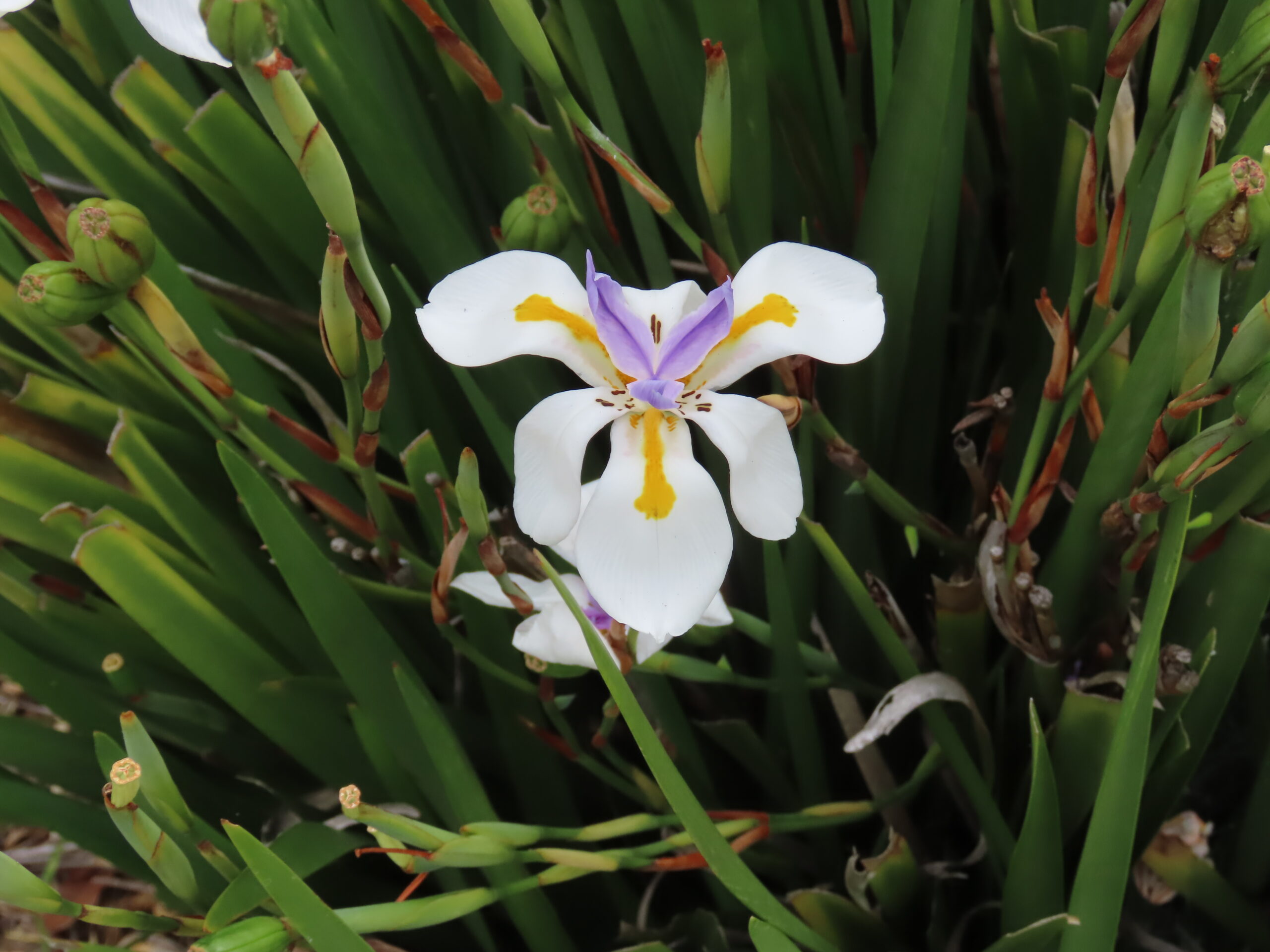
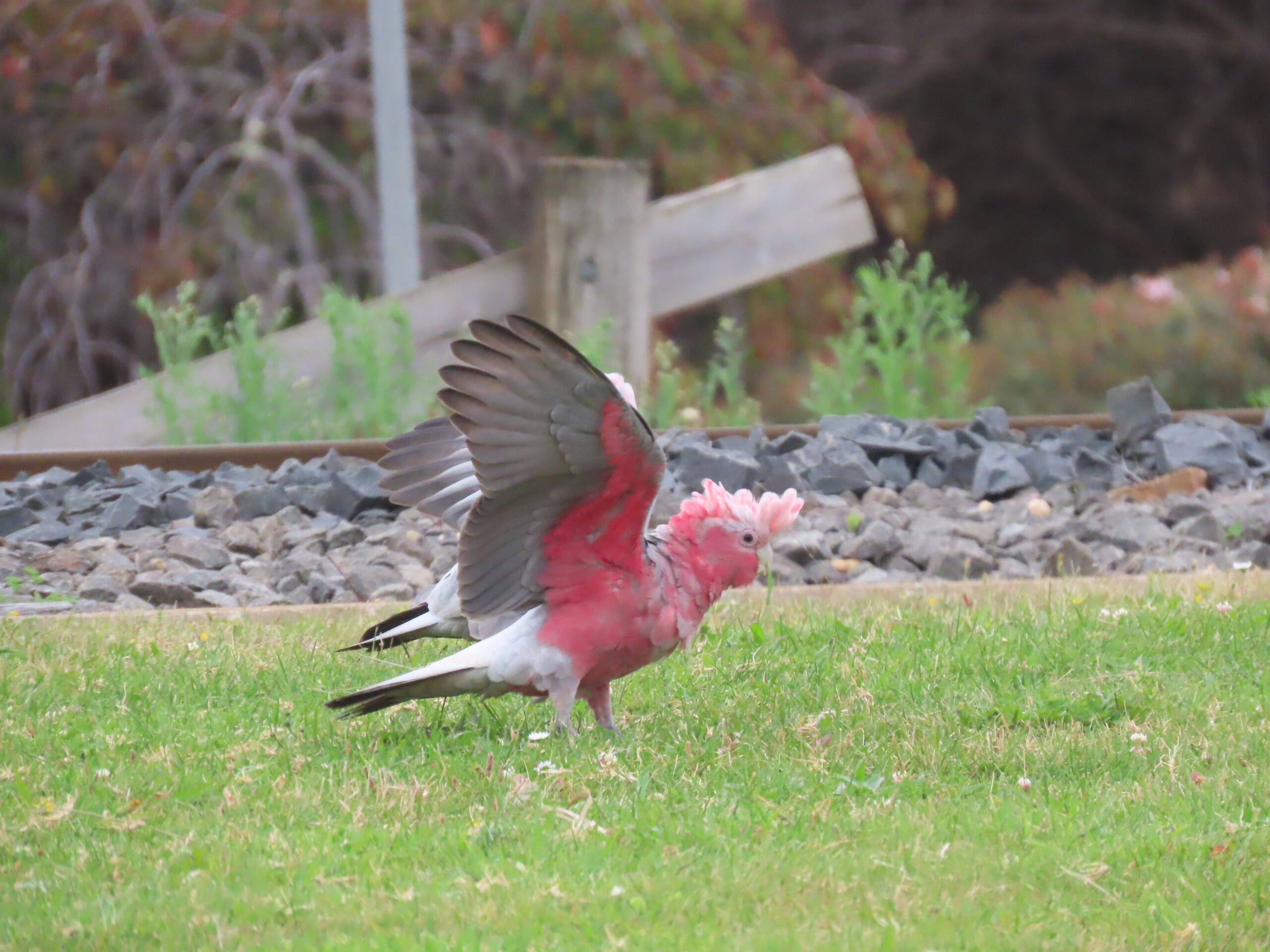
Pink beauty.

Sometimes, the best travel days aren’t the ones filled with motion and activity. Sometimes, they’re the ones when you permit yourself to stay still, to appreciate where you are, where you’ve been, and where you’re headed next. Today is one of those days.

Here are ten key facts about Cairns, Australia:

  1. Gateway to Natural Wonders: Cairns is the gateway to the Great Barrier Reef and the ancient Daintree Rainforest, both UNESCO World Heritage sites. We visited these areas in 2015.
  2. Tropical Climate: Enjoy warm, tropical weather year-round, though it experiences distinct wet (summer) and dry (winter) seasons.
  3. The Esplanade Lagoon: A popular free, saltwater swimming lagoon on the city’s foreshore, perfect for locals and tourists.
  4. Biodiversity Hub: Home to unique wildlife, including the iconic cassowary, crocodiles, and the giant Hercules Moth, the world’s largest.
  5. Multicultural City: A diverse community with many languages spoken, including a significant Papua New Guinean population.
  6. Adventure Capital: A base for adrenaline activities like bungee jumping, white-water rafting, and exploring vast off-road trails.
  7. Rich Aboriginal Heritage: The region is the traditional land of the Gimuy-walubarra yidi people, with a rich cultural history.
  8. Home to QLD’s Highest Peak: Queensland’s highest mountain, Mount Bartle Frere (1,611m), is located just south of the city.
  9. Vibrant Markets & Food: Known for lively Night Markets offering local crafts, street food, and diverse cuisines.
  10. Scenic Transport: Features iconic experiences like the historic Kuranda Scenic Railway and the Skyrail Rainforest Cableway. 

Be well.

Photo from ten years ago today, December 10, 2015:

The market in the Arts Village in Pacific Harbour, Fiji, has few items suitable for our diet, but it’s ideal for most tourists, with lots of “western” snacks, chips, soda, and other processed, packaged items. They don’t sell “real” butter, only tub margarine, which we won’t buy. For more photos, please click here.

Day 42…Port of call…Darwin…Ten key facts about Darwin…

An overcast day in Darwin, Australia.

We have decided to stay on the ship today while we’re docked in Darwin, Australia. Having been here several times over the years, the sense of urgency to disembark and explore simply wasn’t there. We’d walked through the town on our last visit, slowly weaving along the waterfront, pausing in little patches of shade under the sparse trees, and feeling that familiar Darwin blend of heavy heat and easy charm. It’s a pleasant enough place, and one we’ve appreciated in the past, but today, neither of us felt compelled to push ourselves out into the sweltering conditions “just because.”

Declining the ship’s tours was easy. The popular “crocodile jumping” boat tour, a favorite among first-timers, held no appeal for us. After years spent in South Africa, where we’d quietly observed enormous crocodiles sunning themselves on the banks of the Crocodile River, creatures far more massive and awe-inspiring than the ones that leap for dangling meat in the tourist video, it’s hard to feel the same excitement for a staged spectacle. Those moments in the wild, when you’re close enough to feel the rumble of nature but still respectfully distant, set the bar impossibly high. And so, the idea of a choreographed thrill couldn’t compare.

As for the five or six-hour walking tours, they were out of the question from the start. Even in ideal weather, such long treks are more than I would attempt these days, especially after the lingering knee troubles. Add Darwin’s infamous heat and humidity, the kind that wraps around you like a wet blanket the moment you step off the gangway, and the decision became obvious. There’s no point in forcing ourselves to endure discomfort on a day when enjoying the quiet on the ship is much more appealing.

From our cabin balcony, we observed the pace of the day: enthusiastic passengers rushing ashore in the morning, full of energy and resolve, only to reappear a short time later looking wilted and dazed.

By noon, the ship felt unusually still, as if it too were trying to conserve its energy against the oppressive heat outside. Many guests who remained on board seemed to settle into the same slow, languid pace we had adopted, drifting between the coolness of the Promenade Cafe or a quiet corner in the library. There’s something peaceful about staying behind in port when so many passengers are ashore. Hallways become quiet, elevators arrive instantly, and the crew moves about with a more relaxed cadence, unburdened by the full intensity of a sea day.

Port of Darwin from the ship’s balcony.

In a way, these port days spent onboard often feel like stolen chapters of rest within an otherwise full itinerary. Travelers sometimes forget that it’s okay, necessary, even, to choose stillness over sightseeing. Long-term travel teaches you that not every destination has to be explored again and again, especially when you’ve already walked those streets, taken those photos, and made those memories.

So we’re here, contentedly tucked away, watching the day unfold from our floating home. And rather than feeling as though we missed something, we think the opposite, grateful for the quiet, for the comfort, and for the gentle reminder that sometimes the best choice is the simplest one.

Here are ten key facts about Darwin, Australia:
  1. Named After Charles Darwin (Who Never Visited): The city was named by explorer John Lort Stokes in honor of his former shipmate, naturalist Charles Darwin, though Charles himself never set foot in the area.
  2. Crocodile Capital: Darwin has more crocodiles than people, offering unique encounters at places like Crocosaurus Cove, where you can even swim with them.
  3. Cyclone Tracy Devastation: In 1974, Cyclone Tracy destroyed over 70% of the city, leading to a massive rebuilding effort and a new building code.
  4. World War II History: Darwin was a crucial Allied military base during WWII, heavily bombed by the Japanese.
  5. Unique Markets: The Mindil Beach Sunset Market is an iconic weekly event featuring food stalls, arts, and stunning sunsets.
  6. Harbor Size: Darwin Harbour is five times larger than Sydney Harbour.
  7. Multicultural Melting Pot: The city boasts over 60 nationalities, creating a vibrant Asian-influenced food scene and cultural mix.
  8. Beer Can Regatta: It hosts the world’s only Beer Can Regatta, where people build boats from beer cans to raise money for charity.
  9. Aboriginal Name & Culture: Its Indigenous name is Garramilla, and Aboriginal culture is a significant part of the city’s identity.
  10. Remote but Connected: Despite its remoteness from other Australian capitals, Darwin is a modern city well connected by air and offers a relaxed, tropical lifestyle. 

Be well.

Photo from ten years ago today, December 7, 2015:

View of the pool and patio from the veranda at our new holiday home in Pacific Harbour, Fiji. For more photos, please click here.

Day 41…Still out to sea…Heading to Australia…Immigration and many time changes…

Our photo in Australia in 2015…The natural bond between mom koala bears and their offspring is always precious to observe.

Tomorrow morning, the ship will ease its way into Darwin, Australia, gliding into yet another port on this long voyage. Even after all these years of travel, there’s always a slight flutter in my chest on arrival days, not out of excitement for disembarking, necessarily, but because of the choreography of logistics, immigration procedures, and the small rituals that seem to come with every country we enter.

Even with our e-visas for Australia already applied for and approved months ago, there was still the somewhat tedious, time-consuming process of immigration officers boarding the ship. They set up in the dining room on Deck 5, checking visas and passports, making sure all the papers lined up with whatever boxes needed ticking. And, of course, there was yet another form for us to fill out, because no border crossing ever seems complete without one more form.

While Tom headed down to the Promenade Café with our laptops to settle in for his usual morning routine, I stayed behind in the cabin a little longer, gathering my laundry for the wash-and-fold service. It’s one of those small luxuries of cruise life that I hesitate to admit I’ve come to depend on. Once everything was neatly bagged, I left it for our ever-reliable stateroom attendant and made my way to Deck 5. Fortunately, the immigration line moved quickly, filled with the usual mix of sleepy passengers, early-morning chatter, and the soft hum of people fishing through their bags for the required additional documentation.

Even with today’s clearance complete, this won’t be our last tango with immigration on this trip. Once we reach the airport on December 13, we’ll go through Australian immigration again, not to stay, but to head onward to New Zealand. For anyone who hasn’t traveled this part of the world, the geography and politics can be a little confusing. New Zealand may seem close enough to Australia on a map to assume some shared visa or easy transit. Still, it’s an entirely separate country with its own rules, its own immigration procedures, and its own long-established identity.

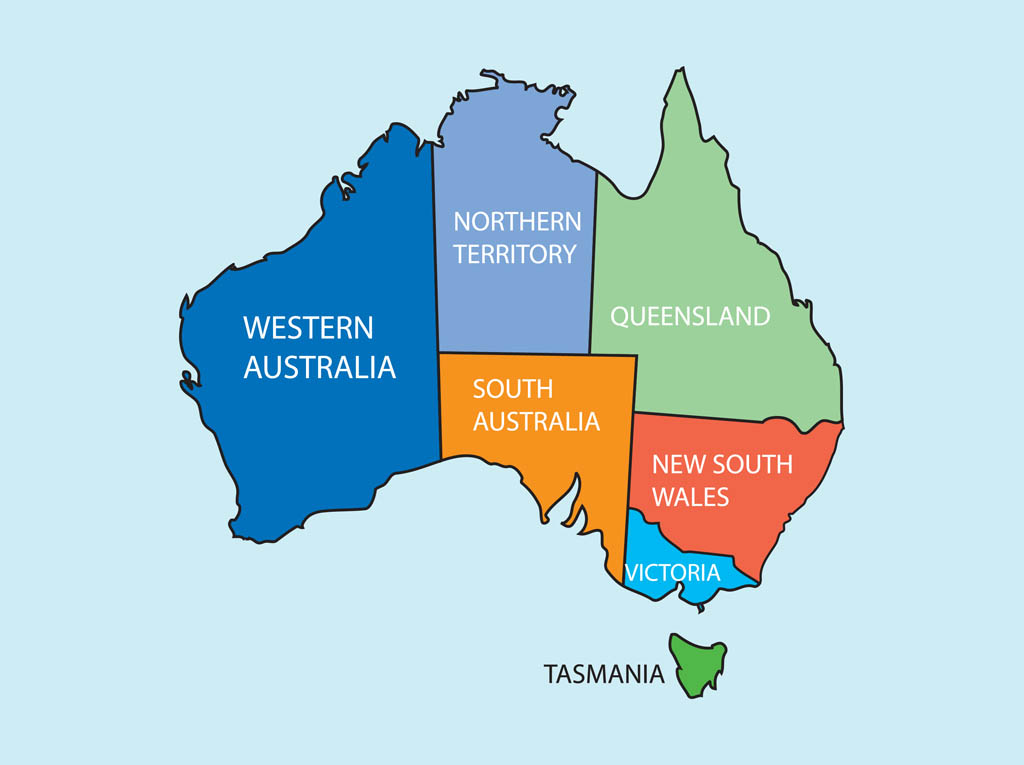
And then, in a twist that always makes me laugh at the sheer bureaucracy of travel, when we return to Australia two months later to visit Tasmania, we’ll go through Australian immigration yet again. Tasmania, of course, is part of Australia, a full-fledged state, not a separate nation. It’s an island state located south of the mainland, separated from the mainland by the Bass Strait, rich in rugged wilderness, unusual wildlife, and the charming capital city of Hobart. It always amuses me that entering Tasmania from abroad requires the same formalities as entering Sydney or Melbourne, even though one feels like a frontier of wilderness and the other like the heart of bustling civilization.

For travelers new to all of this, these processes can feel overwhelming. The lines, the passport checks, the obscure forms asking questions that seem oddly specific, are enough to make anyone’s head spin. But for us, after thirteen years of full-time world travel, it’s familiar territory. Not necessarily enjoyable, but predictable, and that predictability helps.

One thing that has been less predictable this past month is the sheer number of time zone changes we’ve endured while cruising. Tom, ever the numbers guy, counted ten in total, including last night’s puzzling 30-minute time zone change as we approached the Northern Territory. These half-hour oddities are always a bit jarring, as if time itself decided to shrug and say, “Why not split the difference?”

Darwin, the capital of the Northern Territory, sits up at the “Top End” of Australia, bordering the Timor Sea. We’ve visited several times over the years, and while it’s a pleasant enough city, the port area doesn’t offer much beyond shopping, most of which will be closed anyway since we arrive on a Sunday. With that in mind, we have no intention of getting off the ship tomorrow. Sometimes, staying aboard is the more peaceful choice, especially when we’ve already been there, done that.

Despite the logistical dance, the time changes, and the length of this voyage, 41 days so far, it’s a long stretch, even for me; we’re still enjoying ourselves. There’s something comforting about settling into shipboard life, finding small routines, and letting the world drift by outside the balcony door.

We’ll share more as we move through this final week aboard Royal Caribbean’s Voyager of the Seas. Until then, may your own travels, wherever they take you, be smooth and pleasant.

Be well.

Photo from ten years ago today, December 6, 2015:

We moved to another island in Fiji for our remaining month in the islands. This is the kitchen in the new vacation home in Pacific Harbour, Fiji. For more photos, please click here.

An exciting new booking…What a hassle sending money internationally these days!…

Large open Lounge with ocean views
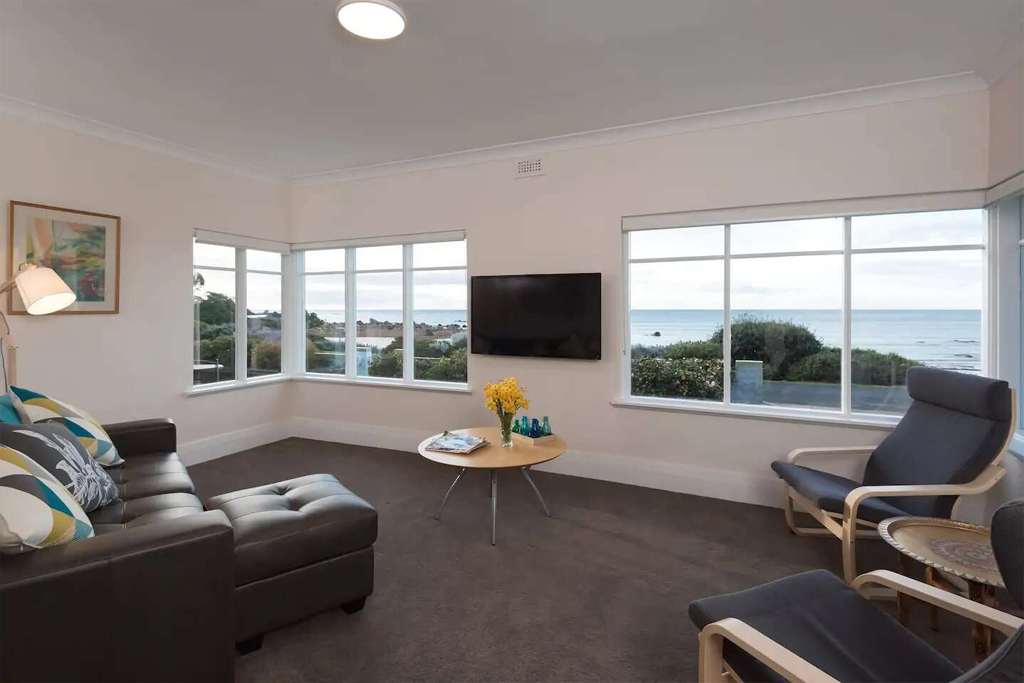
This is the living room at Sunrise at Penguin in Penguin, Tasmania, which we’re renting next year, returning after a nine-year absence. This location is Tom’s favorite in the world, and it’s about time we return.

We knew as time marched on that, we needed to begin booking some of the gaps in our most recent itinerary, first posted on Christmas Day here.

After  nine years and the number of times we’ve been asked, “What are your favorite places in the world?’ to which I always answer, “Marloth Park, South Africa,”  Tom always answers, “Penguin, Tasmania.”

And yet, after nine years, we are finally returning to Penguin from March 1 to April 13, 2026. We would stay longer, but we are boarding a cruise in Brisbane, Australia, on April 14, 2026, and it just worked out this way. Besides, we will have been in Australia on cruises, and their strict visa requirements make it essential that we leave the continent around that time.

Thus, yesterday, we contacted the owner, Terry, who was happy to hear from us and excited for us to book his lovely house in Penguin, across the street from the ocean, the Bass Strait. It”s comforting to know we’re returning to a home we found to meet our criteria easily.

Since we contacted Terry directly, we didn’t have to go through any booking company, incurring added fees for each of us. But the tricky part was getting the funds to Terry for the deposit and eventually the balance on our 43-night stay.

We decided we wouldn’t do bank transfers to foreign countries when we first began traveling. We’d encountered many stories about lost funds, errors, and the inability to receive funds if something went wrong. Over these past 12+ years, we’ve used vacation homes/holiday homes booking services or PayPal to transfer funds. It’s been easy in the past

But, nowadays, with so much fraud, it’s not so easy to send funds internationally without using a bank transfer, which many use freely, without giving it a thought.

However, in this case, booking directly through Terry, who doesn’t use credit card services for his bookings, prompted me to explain PayPal to him and send the deposit to him, which, after processing, he’d received in an email that would prompt him to enter his banking information securely and efficiently.

Using PayPal for this type of international transaction isn’t as easy as a few years ago. After researching details, we discovered it would take 21 days for the recipient, Terry, in this case, to receive the funds. That isn’t acceptable when he may have been able to book it with other people during those 21 days. We understood and respected that asking him to wait three weeks wasn’t appropriate. We didn’t ask. Instead, we looked for other options.

Many of us use various apps, such as Venmo, PayPal, Cashapp, etc., when we purchase products and services that may not directly accept a credit card or prefer to be paid via these apps. When researching these other options, the fees and restrictions made it costly and inconvenient to process the payments for the deposit and future payments.

Plus, using any of these apps using a credit card as opposed to cash, which we didn’t want to do (we get lots of points using credit cards), results in a credit card payment referred to as a “cash advance” with many fees incurred by the credit card company. I called a few of our cards to determine the best route, and it proved that using Western Union and a credit card was our least costly and easiest route.

Terry will have the funds in his bank in 2 to 4 business days. No problem with that. We all saved hundreds of dollars, and it worked out fine. I sent him the confirmation I received today that the transaction was completed. Who knew that old-fashioned Western Union would be a good option?

If we’d booked through an agency, none of this would have been relevant since apps like VRBO and AirBnB have their own payment processing services. But, there can be hefty fees to use these services, and if we can avoid them, all the better. We were able to use PayPal to pay our rent here in Lake Las Vegas since the transaction occurred in the US. When it’s an international transaction, it gets tricky.

That’s our news from today. Tomorrow, we’ll share photos from our delightful dinner at the Speakeasy. We’ve decided to go to The Pub again tonight instead of the long walk to the hotel.

Be well.

Photo from ten years ago today, January 11, 2015:

Beautiful pods growing on a palm tree in Kauai, Hawaii. For more photos, please click here.

Day #276 in lockdown in Mumbai, India hotel…OK, here goes…17 days and counting!!!…A frustrating Christmas Day…

This was our favorite photo of the day, a giant Billy Goat with quite the beard and defined facial markings.

Today’s photos are from this date in 2016 while staying in Penguin, Tasmania, Australia. For more details and photos, please click here.

Yep, we’ve started the countdown until we leave India. In 17 days, on January 12, 2021, we’ll hopefully be on our way. The only scenario that could prevent us from going to South Africa, as planned, will be that President Cyril Ramphosa decides to close the borders once again due to the new strain of Covid-19.

On a drive through the countryside in Penguin, Tasmania, the ocean can be seen in the distance.

From this site, the following was posted:

“Scientists and officials have warned the country’s 56 million people that the new variant, referred to as 501.V2, carries a heavier viral load and appears to be more prevalent among the young. “It is still very early, but at this stage, the preliminary data suggest the virus that is now dominating in the second wave is spreading faster than the first wave,” Prof Salim Abdool Karim, the chairman of the government’s ministerial advisory committee (MAC), said.”

Over the next few weeks, Cyril will announce any changes necessary regarding this update. We continue to hold our breath, awaiting any news, striving to stay upbeat and hopeful. At this point, it’s been incredibly challenging to do so. Christmas Day was undoubtedly a memorable day in this hotel, but not in a good way.

Cattle are curious when humans pass by.

I’d considered not mentioning what transpired yesterday in an attempt to remain upbeat. But, after what happened and our goals of being “transparent” in our experiences, good and bad, we decided we’d share our highly disappointing Christmas Day.

Many of our readers have kindly written to us, espousing our determined attitude and resilience in bearing the brunt of this situation. We appreciate all those thoughtful comments. But, we are no different than many of you when managing a challenging situation. We “buckle up” and make the best of it. Thankfully, our loving relationship with one another and generally good demeanor have been instrumental in getting us through this.

Cute countryside signs.

We’ve often reminded ourselves how fortunate we’ve been that we are staying safe from the virus and have comfortable surroundings. However, lacking in space, and no matter what, we’ve been able to remain calm and composed. This acceptance served us well until yesterday, Christmas Day.

The morning started OK. Then, as the day continued, we encountered several guests in the corridors, talking loudly to one another, spewing spittle as they spoke, talking on cell phones, pacing in the halls, not wearing masks. Regardless of them being on the phone or in conversation, we kindly asked them to put on a show or return to their rooms.

Cattle on a hill.

Our comments were of no avail. We stayed back from them, by no less than five meters, 16 feet in each case, except once when I was carefully rounding a corner, and three unmasked individuals ran right into me. I couldn’t help but raise my voice, “You must wear a mask in the hotel!” They ignored me. I bolted in the other direction.

This scenario continued throughout the day. I finally gave up and discontinued my last walk for the day. Twice, I notified the front desk to hear once again their apologies and statements that have told every guest to wear a mask in all public areas. The guests don’t care for their well-being or care to follow the hotel’s government-mandated requirements,

Once back in our room, all was fine for the next few hours. Later on, as we settled in, watching the new Netflix period series, Bridgerton, a delightful bit of mindless drivel, we were conscientious of excessive noises spewing from the corridors. People were yelling and talking loudly while outside of their rooms. Why not go into the room and make noise? Since it was daytime, and we weren’t leaving our room, we didn’t make a fuss.

Highland Breed cattle. See this link for details on this breed.

By 9:00, we settled in bed, continuing to watch another episode of the series. We were well aware that the door to the suite next to us was banging every minute or so during this time. Each time someone on the floor opened or closed a door, that partially opened door slammed so loud it startled us each time. Whoever was in that room engaged the deadbolt, leaving the door ajar. The air pressure in the hallway causes this.

No less than 20 times in the past months, we had reported this issue to the housekeeping manager when the staff was cleaning the large suite, going in and out, not wanting to use their keys to enter each time. All they had to do was push the door open with the deadbolt engaged with the door ajar but not locked. Each time we complained, within a half-hour, someone came and locked the door properly.

At times, this happened at night when we were trying to sleep. On occasions, guests were leaving the door in this state when they snuck into the stairwell to smoke (not allowed) or go back and forth between rooms where their friends or family members were located. This happened several times after 1:00 or 2:00 am, and as late as 4:30 am, at which point, we had to call the front desk, again complaining.

This annoyed male approached the fence when we stopped for photos.

During the next few hours, people were going in and out of that room, slamming the door each time and often leaving the deadbolt engaged for the big jolt in our room. We must have fallen asleep five or six times to be startled awake after we’d reported this.

As it turned out, the staff was having a party in that suite next door, unbeknownst to management, since we were told (after calling again) that no guests had booked that room. After reporting it a short time later, the door banging finally stopped, and the noise died down, but not entirely.

The only time a guest should be awakened during the night in a hotel would be in the event of a fire or other type such an emergency. But, the worst of it was yet to come when at 11:30 pm, during one of those times we were attempting to doze off, our doorbell rang. Tom bolted out of bed, opened the door with the chain engaged, and handed a letter stating the restaurant could only service 50% occupancy at any given time due to Covid-19. Tom lost it.

Although this one mooed at us, they didn’t bother to get up.

I won’t write what he said. But the question remains in our minds today, why didn’t he place the letter under the door (it fits) or on the little table outside of our room?

Finally, at around 1:00 am, when I was falling asleep, I heard the dreadful sound of a phone vibrating in the room next door, loudly and repeatedly every 20 minutes throughout the night. The head of the beds in our room and the room next door abut one another, and once again, whoever was in that room, didn’t turn off their “notifications.”  They’d have to be passed out not to hear the noise!

This morning, my FitBit indicated I’d slept one hour and 56 minutes. I’m exhausted. This morning, after speaking to my son Greg’s family in Minnesota, I decided to see how I’d do walking the corridors in my current state. No way! I did 1.5 miles, 2.4 km, and gave up, dragging too much to continue through the day.

The countryside in Tasmania certainly reminded us of New Zealand, where we stayed for three months in 2016.

However, during the 1.5 miles, I saw no less than six guests without masks, with as many wearing masks, and heard a woman “coughing up a lung.” No way was it safe to walk the corridors today. I gave up.

Tom is watching football on his laptop using his earbuds. I’ll spend the remainder of the day working on the corrections on our site with Nat Geo Wild on the TV in the background. It’s comforting to see wildlife in Africa and other parts of the world, so hopeful that soon we’ll be face to face. So hopeful, in 17 days.

Thanks for listening to my rant.

Be well.

Photo from one year ago today, December 26, 2019:

During the cocktail hour before dinner on Christmas Day in 2018, Tom and Kathy posted last year on this date. For more, please click here.

Day #249 in lockdown in Mumbai, India hotel…A great memory from 2016…A good Thanksgiving after all…

It had been a long time since I’d done a seminar, but in my career in my old life, I had done many.

Today’s photos are from this date in 2016 while sailing on Royal Caribbean Radiance of the Seas on the circumnavigation of the Australian continent when we were asked to do two seminars about our world travels. For more on that story, please click here.

Four years ago, we were asked to conduct a seminar on world travel on a cruise ship? We did the first seminar on this date in 2016 and a few days later did a second seminar when asked by the ship activity director to do another when there were many requests from passengers who’d missed it.

Tom chimed in on several occasions and did a fabulous job. Fluffy hair, that day! I love him anyway!

Of course, we were pleased and flattered. We both enjoyed meeting all the people that flocked around us for the remainder of the cruise, asking question after question. We are so grateful for every one of you! I have no doubt many of those participants are still following us now, four years later.

After we’d done the seminars, we spent some time inquiring about the possibility of conducting such workshops on future cruises, but the compensation offered was not worth it to us. Many speakers on cruises think they are getting quite a perk to speak on their favorite topic and return repeatedly.

Note our talk scheduled at 11:15 am on the ship activities program.

For us, it wasn’t a worthwhile undertaking. The cruise line pays only for transportation to a specific port of call and the time spent on the ship. Once the “talks” are completed, the speaker(s) are dropped off at the next port of call to “fly away.” This didn’t work for us at all. It simply wasn’t worth it.

Of course, all the days and nights socializing with many Australians and a handful of Americans, including two couples with whom we spent most “happy hours” and many dinners. However, we thoroughly enjoyed those two experiences on that 33-night cruise. It was a fantastic cruise that we’ll never forget, among others.

I love the look on Tom’s face in this shot.

Now, with COVID-19 raging worldwide, the prospects of cruising again anytime soon are limited. A few days ago, we posted a story about enthusiastic cruise passengers volunteering for “test” cruises to see how a cruise line will handle COVID-19 breakouts during a cruise. Here is the link to that post, entitled “Ten reasons to avoid test cruises.”

As for yesterday’s Thanksgiving, we made it through with ease and nary a moment of disappointment. We heard from so many family members, friends, and readers. It proved to be a busy day while we responded to everyone. We couldn’t have felt more loved with the many good wishes and concern for our well-being during our peculiar situation.

Tom managed the video presentation while I talked. We were (we are) a good team.

Did we miss the Thanksgiving dinner? Not at all. I had my usual chicken dinner (tonight is salmon night), and Tom had only breakfast and some bananas he’d saved for later. We now refer to his daily bananas as “banana cream pie,” making our mouths water at the prospect of any pie at this point. However, I’ve only eaten low-carb/gluten-free pies in the past many years.

Now, with my drastically reduced carb regime and my lowest morning fasting blood sugar reading this morning of 82 mg/dl, 4.6 mmol/L, in 20 years, I continue to be ecstatic over my recent health improvements. For the first time in 20 years, this morning, I didn’t take any blood pressure medication. Of course, if it rises over time, I will revert to small doses of the drug to keep it in check. Time will tell. In the interim, I will proceed with the utmost caution, checking it several times a day.

There were over 100 people in attendance at our first seminar, with many more at the second, a few days later.

Subsequently, in the future, I doubt I will be eating any of those “low carb” modified desserts that may raise blood sugar/blood pressure as I continue to strive to maintain these good numbers well into the future. Eliminating such sweet treats may add many good years to my life.

Today? Another low-key day. In the evenings, we’ve been watching a fantastic show with many seasons and episodes, streaming on Hulu, ‘This is Us.” In the past, we’d considered streaming this popular show but never got to it until now. If you haven’t seen it, we highly recommend it. Any recommendations you may have for Netflix, Amazon Prime, or Hulu, please send them our way!

Happy day to all, and again, thank you for all the warm and heartfelt wishes over the holiday!

Photo from one year ago today, November 27, 2019:

About 8 inches of snow fell in Eden Prairie, Minnesota, staying with friends Karen and Rich. For more photos, please click here.

Day #113 in lockdown Mumbai, India hotel…Health Insurance during lockdown…

We loved seeing this flower growing in our yard in Campanario, Madeira, as it broke free from its pod.

Note: To all of our readers visiting our site via a smartphone, please click the “View web version” tab under the word “Home” at the bottom of the page to access the web version enabling you to access all of our archives on the right side of the page. We’ll be updating our site shortly, making these extra steps unnecessary. Thank you. 

Today’s photos are from July 14, 2014, while in Campanario, Madeira, Portugal. See the link here for more details.

At the end of this month, our world travel health insurance policy expires. Generally, we purchase a 90-day policy from United Healthcare Global Safe Trip from this online site.

Before COVID-19, it was a breeze to choose our preferred policy and purchase it online, taking less than 10-minutes to complete. The documents arrive shortly after that, leaving us with 90 additional days of coverage.

Colorful steps, located at an elementary school in Campanario.

At the time, purchasing a year-long policy wasn’t possible when the requirement stated we had to return to the US every 90-days. However, the cost of the 90-day policy was no higher in shorter increments than an annual policy. It simply meant we’d have to visit the company’s site, enter some general information and pay online.

Fortunately, my previous pre-existing condition hasn’t been an issue, providing I haven’t had any recent additional treatment or significant medication changes within the prior 90-days. 

This house appeared to be unfinished, as frequently observed everywhere we’ve traveled.

As of this date, we have not made a single claim since we began purchasing these two individual policies (one for each of us) with this reliable company. Years ago, we had United Healthcare as our insurance provider for several years. All was handled well without incident, giving us confidence in using them for our world travel policy.

The only drawback to the policy is the fact that we are not covered when visiting the USA. Yes, it’s possible to purchase an add-on for short visits to the US, but the cost was and continues to be prohibitive. 

A stairway to a cave.

Thus, when we visit the US, we only have Medicare, Part A. We’re not willing to pay the additional INR 90426, US $1200, a month in the future for Part B plus supplements. 

If and when the time comes that we’ll return to the US to live, when we cannot continue to travel, we’ll sign up for full Medicare insurance and accompanying supplements. Once one commits to the complete Medicare package, you’re locked in for life. 

We haven’t wanted the burden of this significant expense while traveling the world, although some new supplemental insurance provides some coverage while traveling. Instead, we pay INR 31122, US $413 a month for both of us combined with an INR 15071, US $200 deductible. Additional features may be found online. 

We didn’t see any reason to enter this cave.

Currently, due to COVID-19, United Healthcare Safe Trip website doesn’t allow purchasing without calling the company or sending an email requesting information. They are quick to respond.

With the current policy, which we’d renewed while in India in April, expiring on July 28th, I was a little concerned that COVID-19 and the lack of international travel may mean they no longer offer this type of policy. A few days ago, I sent an email requesting we renew the policy for the next 180 days to see how they’d respond.

Most likely, kids in the area played in these caves over the years.

This morning I received an email from the company authorizing the new 180-day period, asking if they could charge our credit card on file. I couldn’t respond quickly enough, thrilled they’d provide us with an extended period. 

With over 2,000,000 US citizens losing their health insurance since the onset of COVID-19, for a variety of reasons, we didn’t want to take a chance and wait another day to find out if they’d renew us.

The pods growing in the garden finally bloomed, as shown in the above main photos.

During our last visit to the US from November 8, 2019, to January 30, 2020, (when we first arrived in India), I had a few medical appointments, all of which we paid out of pocket; one a visit to a cardiologist for a check-up and another to an urgent care facility when we both had an outrageous cough and flu that wouldn’t go away. 

Had that cough and fever occurred a month later, we may have thought it was COVID-19 when we both coughed for over six weeks. After sailing on a 15-night cruise from the UK to the US, we’ve often wondered if it was arriving on November 8th.

Gina, our property manager, explained that the number of cloudy days we’d experienced while there was unusual. 

Hopefully, we’ll continue to be able to avoid making claims on the policy. After our previous insurance company failed to pay for my emergency heart surgery in South Africa, which included four surgeries and follow-up, all of which we paid out of pocket, we now feel at ease working with a reliable company.

That’s it for today, folks! Stay safe and healthy!

Photo from one year ago today, July 14, 2019:

Cow grazing by the fence along our driveway in Connemara, Ireland. Please click here for more details.

Day #112 in lockdown Mumbai, India hotel…Adding comfort for the end of days for a loved one…Seashells from a beach in Australia…

The Aztec-type lines in this shell are unique, found on a beach in Australia five years ago.

Note: To all of our readers visiting our site via a smartphone, please click the “View web version” tab under the word “Home” at the bottom of the page to access the web version enabling you to access all of our archives on the right side of the page. We’ll be updating our site shortly, making these extra steps unnecessary. Thank you. 

Today’s photos are from July 13, 2015, while in Trinity Beach, Queensland, Australia. See the link here for more details.
Had we been anywhere else in the world in a COVID-19 free world, I have no doubt I would have flown back to the US for a few weeks to say goodbye to my dear sister Susan in person.
This shell had a rough exterior.

When I last saw her in Las Vegas, Nevada, in December 2019, and we hugged goodbye on the last of my many visits, we both cried when she said, “This will be the last time we see each other.” 

I shook my head, insisting, “No, no, no! We’ll see each other again! We’ll be back to visit again before you know it.” In the back of my mind, I knew I could be so wrong. 

This shell appeared to have an eye looking at us.

And now, as her time nears, I almost wish I would have accepted that reality at that time, when now, during these impossible circumstances, I know I’ll never see her again. Thankfully, we’ve both already expressed our love for one another, even going as far as expressing all the reasons we’ve loved each other throughout our lives.

Like most siblings, we had occasional ups and downs, during childhood but as adults, we became closer, relying on one another as the years passed.

This shell was an exciting find.

She lived a tumultuous life consisting of notable success while receiving considerable respect for her outstanding business acumen. And then, over the past 15 years or so, her health tumbled out of control with chronic conditions, leaving her a near invalid, lying in bed 24 hours a day, with countless situations, ingesting multitudes of prescribed medications with little to no hope of returning to a productive, meaningful way of life.

There’s never been a time we didn’t stay in close touch. Since we began our travels in 2012, I called her at least once a week, if not more, and we engaged in thought-provoking conversations often interspersed with outrageous laughter leaving us in tears. 

This shell stood alone for its unique texture and color.

As her health and memory deteriorated in the past months, our conversations became short when she had little strength to engage in lively banter. All I could do was tell her I loved her and let her know I was thinking about her every day.

As the dementia worsened, I would often remind her we were in lockdown in India to understand why I was not at her side. She seems to grasp this concept and sounds content to hear my voice.

An intriguing three shells.

This past week, my sister Julie and Susan’s daughter Kely, both living in California, were tested for COVID-19 and drove to Las Vegas, staying in a nearby hotel, well-gloved and masked, and visited her each day. The nursing/hospice facility where she is living only has 10 patients and they haven’t had a single case of the virus.

Under these particular circumstances, with proof of their health, Julie and Kely were allowed to visit Susan all day over eight days, creating a familiar environment to provide Susan with some comfort. 

The variance in color makes the shells particularly interesting to find.

They visited her storage facility finding pictures, wall hangings, and treasured items. They proceeded to fill the walls of her private room with a lifetime of memorabilia, all of which made the sterile, single space feel more like a home than a hospital room.

They helped her in preparing the necessary “end of life” documents, including medical directives, posted on the wall to ensure the staff would know exactly what to do “when the time comes.”

This was one of the more giant shells we discovered.

My phone number is posted in large letters on the wall, stating that I am her “middle of the night contact” should she awaken and need to talk or feel frightened. She seemed aware of this when I spoke to her this morning. With the time difference here, her middle of the night would be our middle of the day. 

Knowing she can call during the night when she’s scared or wants to hear a familiar voice gives her great comfort. During the daylight hours (while we’re sleeping), she can call Julie and Kely. We’ve got it covered around the clock. 

These three were similar. The next day, we returned all the shells to the beach where we found them.

This isn’t easy for any of us with loved ones in poor health, with COVID-19, in nursing homes, those requiring surgery and tests in hospitals or even, dealing with the ravages of the virus in lockdown in their own homes. 

The issues of senior/disability care have become all the more pronounced during these challenging times. And yet, our emotions and love remain firmly in place to ease our loved ones through these sorrowful phases of life.

May you and your loved ones find peace, comfort, and love together now and always.

Photo from one year ago today, July 13, 2019:

“Do you have any carrots?” asks this Connemara Pony in Ireland one year ago today. For more photos, please click here.

Day #111 in lockdown Mumbai, India hotel…Mask or no mask???…More photos from Australia…

Nothing was as beautiful as a sunny day at the beach in Queensland, Australia, five years ago today. 

Note: To all of our readers visiting our site via a smartphone, please click the “View web version” tab under the word “Home” at the bottom of the page to access the web version enabling you to access all of our archives on the right side of the page. We’ll be updating our site shortly, making these extra steps unnecessary. Thank you. 

Today’s photos are from July 12, 2015, while in Trinity Beach, Queensland, Australia. See the link here for more details.
As much as I try to avoid posting about COVID-19, it’s become challenging to skirt around the issue when it has such a tremendous impact on our current and future lives of world travel.
A substantial contemporary house near the beach.

A while back, I polled our readers, and the majority (by a slim margin) stated they didn’t want to see controversial posts, conspiracy theories, or politically inspired posts regarding COVID-19. We have stayed true to our promise to avoid these types of topics. 

In the process, even Tom and I have gone away from even discussing many of these varying positions to avoid becoming more stressed and agitated. This has been a wise decision.

Generally speaking, Tom and I agree on most aspects of self-protection from the virus. However, our opinions may vary on wearing face masks, which I adhere to with determination and diligence. He has readily embraced the hotel’s policy that face masks are to be worn at all times when out of our room. His only resistance is the fact that his glasses become fogged. 

Contemporary house in Holloways Beach.

He’ll undoubtedly comply with the airline and airport policies when we finally have the opportunity to fly away. I do not doubt that many couples may not agree on wearing face masks, although most agree that social distancing and vigorous hand washing are imperative, including both of us.

Our reader’s comments asked that we stick to travel-related topics, particularly regarding COVID-19, and thus, we’ll continue with today’s post in that vein. In today’s news, which impacts us significantly in the future, we see that the UK is allowing visitors from 59 countries to enter on international flights (this doesn’t include India or the USA) without any quarantine measures in place.

Another large home in Holloways Beach.

Doesn’t this seem foolhardy? Almost all of those 59 countries (most in the EU) still have rising cases and deaths from COVID-19. Why would England, which is the #9 position in the world for most cases and deaths (out of 215 entries), so freely allow international visitors without regard for quarantine?

This baffles me. Also, it baffles me why some people in mask-required states in the US can receive exemptions from wearing a mask due to “health reasons.”

This morning on my first walk, I listened to a podcast that popped up on my phone by a highly regarded immunologist/physician stating that there are no health conditions that should prevent a person from wearing a mask if they are physically able to be out shopping at Trader Joe’s pushing a grocery trolley and screaming when they are confronted, claiming a medical condition.

A small park at Holloway’s Beach.

If a person had a severe enough case of asthma, COPD, or other respiratory illness, most likely, they’d be unable to shop and would be under care at home or in a medical facility.

I don’t love wearing a mask. I have asthma and heart disease, so the mask makes it difficult to breathe when I walk fast in the corridors. But I do so regardless. If I couldn’t walk with a mask, I’d stop walking. I am no exception to the rule.

Most times, while walking, I walk past several staff members and an occasional guest. If I had the virus, what right would I have to infect others while breathing heavily from a fast walk if I had the virus without apparent symptoms? And, the opposite is true.

Double Island made us curious as to what it would be like to visit. Here are the details of visiting Double Island.

Finally, research is coming out that illustrates that wearing a mask prevents the spread from infected individuals and protects the wearer. Yes, there’s been conflicting information regarding this fact and others since the onset of COVID-19. 

But, as world travelers, it’s our responsibility to stay informed as information “changes” as more and more studies are completed in such articles as this and numerous other recent articles.

Tom was looking out to the sea under a roof at the beach.

Suppose we intend to continue to travel in the future, including land, sea, and air. In that case, we must stay on top of each location’s safety requirements and laws, as well as methods in which we can best protect ourselves once we travel and eventually land somewhere, regardless of where that may be.

So far, travel prospects out of India continue to look bleak, although there are discussions among leaders about reopening international flights. India has now moved into the world’s position #3 of the most cases and deaths, from #4 a week ago, directly bypassing Russia with the US in #1 position, Brazil in #2, as we predicted one week ago. See this chart here.

More views of the park at the beach.

As mentioned in earlier posts, even if India opens international flights, we’ll have to consider which countries will accept us when US citizens and Indian visitors are banned. Time will tell.

Let’s put an end to this dreadful time in our history! Please, folks, wear a mask, social distance, and wash your hands obsessively. Please pass this post on to your friends and loved ones.

Photo from one year ago today, July 12, 2019:

These dilapidated farm buildings represent a period of strife in Ireland when many left the country due to the potato famine. For more details, please click here.