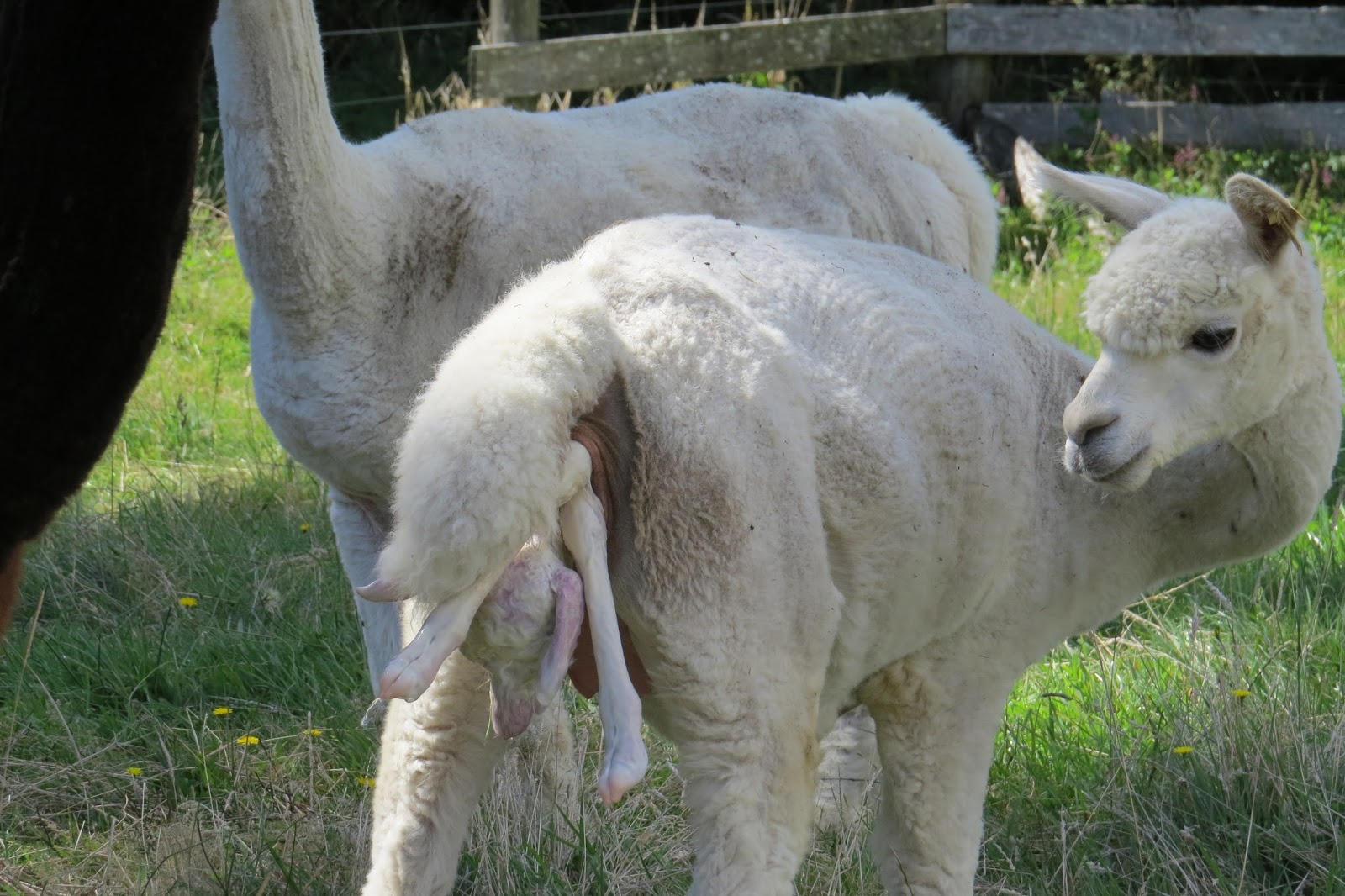
Heartbreaking “Bali Sighting on the Beach”…Paradise isn’t always as pretty as it seems…

We’ve seen no less than 20 dogs wandering the beach each day, some looking fit and healthy while others are scrawny and unfit. The beach in front of our house is clean and pristine, cleaned daily by house pool guy, Ribud. However, other beachfront areas aren’t maintained and are littered with trash and various items washed ashore.

Watching beach life in this remote location is different than observing beachgoers anywhere else in the world we traveled to date.

“Bali Sightings on the Beach”

Sorry, the photo isn’t clear. We were too far away and my hands were unsteady after seeing the dog shot.  This guy picked up the dead dog by one hind leg and placed him in a laundry bag as he carried him away. More on this below.

Before we get into today’s story, I want to mention that we placed an order from BaliBikeRental.com for a hot spot rental for the remainder of our time in Bali. Their driver made the four hours (each way) harrowing drive to deliver the device for which we paid IDR $3,885,577.50, US $291 plus an additional IDR $1,068,200, US $80 for a deposit.

Alas, the driver arrived with two devices to ensure at least one would work, but neither would acquire an adequate signal. At that point, we were worried we wouldn’t get our money back or be charged a high transport fee. Much to our surprise, we were refunded the entire amount including the deposit 

Although these dogs seem friendly and harmless, many have rabies and other diseases.

Of course, we felt bad. It wouldn’t work in this remote location for us and for the efforts of the company. But, the honorable company, BaliBikeRental.com, immediately refunded our entire payment inspiring us to mention them here. 

If you’re looking for a motorbike or hotspot rental while in Bali, this company appears highly reputable. They’ve never had a request for a device from this remote area in the past and didn’t realize it wouldn’t work. Apparently, they work well near the resorts and Denpasar, the capital city. 

As a result, we have no choice but to use the slow wifi signal in the house, which works off and on.  Downloading photos is challenging which I will do late at night for the next day’s post. We’ll do our best to get at least six or seven photos posted each day along with our stories.

Not only do the dogs wander the beaches searching for food, they often play together and roll in the sand. They drink the water in the river and go into the river water to cool off but we’ve yet to see one enter the ocean.

On to our story of the day…

As much as we’d like to assume living each day in Paradise is perfect, as our regular readers so well know from experience, we tell it like it is…the good, the bad, and the ugly.

The beach in front of our house is a constant stream of activity, some interesting, some mundane, and some shocking. We’ve seen children as young as four or five years old, alone playing on the beach with no parent in sight. 

We’ve seen naked young boys between five to nine years old, swimming and playing in the river for hours at a time, alone without adult supervision, later to throw on their shorts and wander away. 
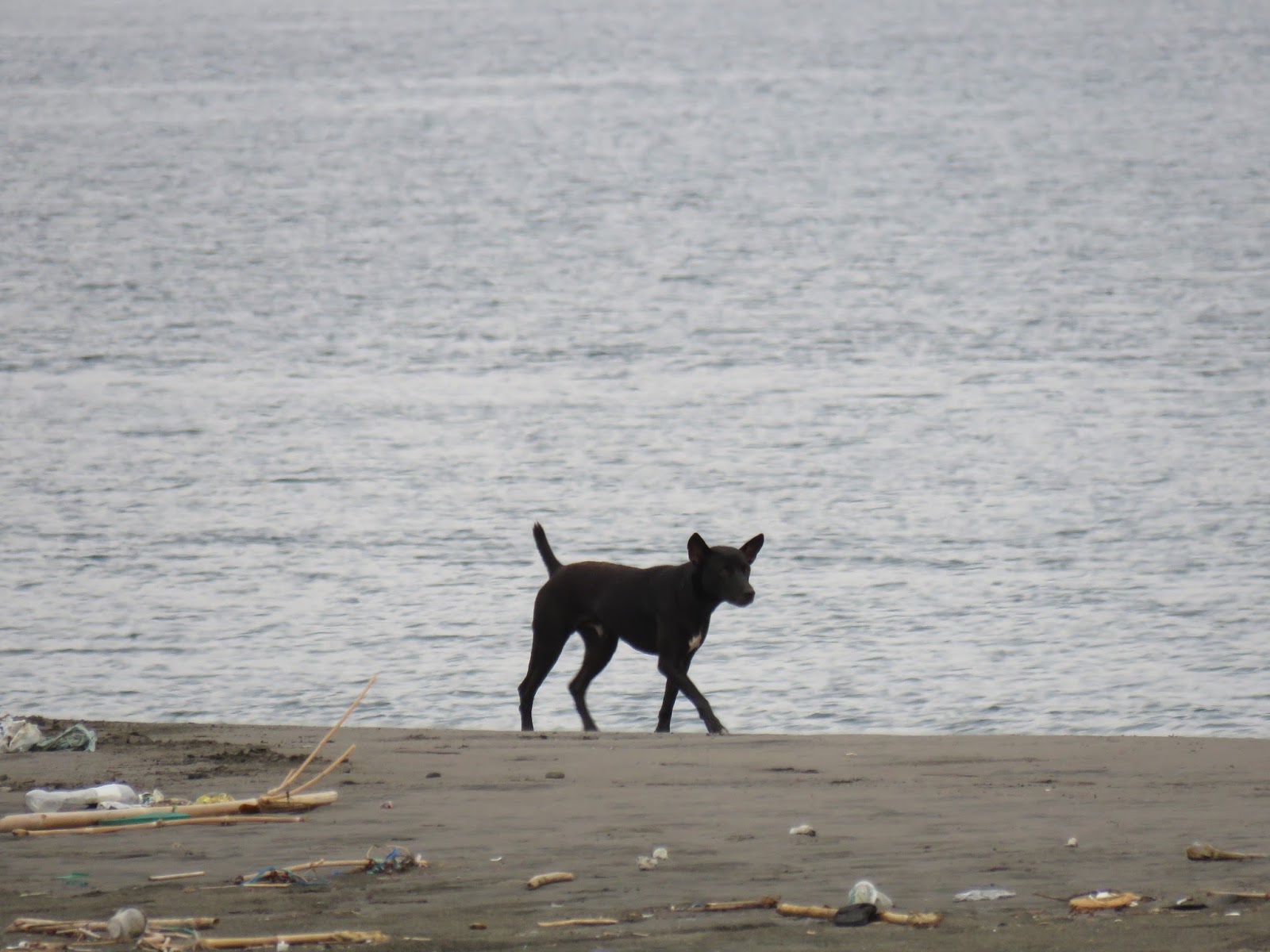
As we closely watch the activity on the beach, we wonder which dog will be “next.”

We’ve seen “seedy” looking characters on the beach, occasionally looking our way. We’ve seen an endless stream of motorbikes traveling up and down the beach all day, into the early evening. 

We’ve seen moms and kids walking along the beach, women with pots on their heads, and as shown, buffalo and horses being escorted to the river for a cooling soak.

Of considerable interest to us both, dog lovers that we are, we’d enjoyed watching the seemingly friendly busy dogs running up and down the beach, searching for tidbits of food and companionship, mostly with one another.

The dog on the right is with the guy who brings the buffalo to the river each day. She plays with the other dogs while he cools down the buffalo, catching up with him when he departs. 

For safety’s sake, we’ve avoided getting too close not knowing if they’d become aggressive with humans, although they seemed oblivious of people on the beach. 

Nor, did we want to encourage any of them to hang around refusing to leave. We made the wrong assumption that most of them belonged to local homeowners. How wrong we were! We’ve since discovered most are feral dogs, born near the beaches and left to fen for themselves as soon as they stop nursing. 

On Wednesday afternoon we were lounging in the cabana with the camera in close proximity. My eyes were peeled on a dog wandering the beach in their usual helter-skelter pattern in a sniffing frenzy. Suddenly, we both heard a quick “splat” and the dog began yelping miserably.

Coconut husks are used in many ways, including being made into fiberboards for construction.

We didn’t know what to do. Watching the dog teeter to and fro, within 30 seconds, it fell to the ground.  Someone had shot the dog! Horrified we looked down to the beach to a house no more than three doors from us to see a guy in a red shirt with some type of pellet gun in hand. We couldn’t do a thing but watch and wait. He saw us watching with our camera in hand.

Moments later another guy walked over to the dog, picked it up by its hind leg placing it in what appeared to be an open weave laundry bag. The dog was dead from what we could tell. Had it been an annoyance? Had it bit someone?

Gede (had also misspelled his name as “Gaday”) was gone to Denpasar and we couldn’t ask him. The two Ketuts don’t speak English well enough to be able to answer our questions. Egon, the owner, was on his way back to Holland with his family. We had no choice but to wait.

Hindu temple on the road into town.

By the next morning, after thinking about this overnight with a heaviness in our hearts, Gede arrived and answered our questions. Rabies is rampant in Bali. Dogs are “culled” in an attempt to lessen the risks to humans and other animals. 

The guy in the red shirt was an indication of a vet using a “tranquilizer” type gun to shoot the dog. Some are tranquilized and tested for rabies and vaccinated if healthy and others are shot to the death if rabies is suspected. 

How this determination is made, is unknown to us. We surmised most are shot to death unless they have a collar, may belong to a local resident, and have already been vaccinated.

It is traditional in the Hindu faith to have numerous statues in the yard of their homes as a means of expressing their love, faith, and devotion to God.

This explained the horrific sighting, but it still left us reeling and sad over this reality. In the wild in Africa, we watched animals hunt and kill, accepting this reality making us able to watch and take photos knowing this is a reality of life. 

Now, as we’ve observed this dog culling, we feel sad over this reality as a part of life in Bali, not only in the busy cities but also in remote areas such as we’re living in Sumbersari, Negara.

Many object to the culling stating it’s a poor means of protecting against rabies. See this link for more information. We’ll reserve our opinions for a future date when we know more as we continue to research and speak to local citizens.

This photo was taken from the backseat of the van of the road as we exit the property to head to the village. 

This morning we noticed two little girls no more than four or five years alone running along the beach.  We’ve never seen unattended children of these ages alone on a beach. Its the nature of life and culture in Bali, one we must accept.

Obviously, if a child or adult needs to be rescued from the sea, we’d be all over it.  We keep our eyes peeled when anyone enters the sea. But, as for the dogs, we can only continue to observe them, never knowing, only accepting, their eventual fate.

We’d planned to get out today or tomorrow but much to our surprise, Tom has a sunburn on his feet (the first sunburn he’s had in our travels) and is unable to put on his shoes for a few days.  In the interim, we’ll stay put until he heals.

Then again, staying put certainly is no hardship. There are plenty of passing pleasant experiences to observe each day on the beach as we continue to revel in these extraordinary surroundings.

May you revel in your surroundings today!

Photos from one year ago today, May 6, 2015:

There’s never a shortage of roosters wandering about in Kauai when there are literally thousands of feral chickens and roosters on the island supposedly as a result of hurricanes destroying chicken coops over the years. For more photos, please click here.

Mont Blanc…A sad story of a little life lost…

It was hard not to fall in love with this face.

I don’t know how I became so attached to the little guy, alpaca Mont Blanc, born January 10th, nine days before we arrived in New Plymouth. 

Perhaps, it began during the harrowing few hours we spent trying to figure out how to get him back into the paddock when his tiny body easily maneuvered under the wire fence of the paddock next to our house leaving him separated from his mom, Giselle.

They both cried the sorrowful alpaca hum over and over again, afraid and frustrated by their separation, while we stood by helpless to figure out what to do.  We wrote about this event in this post using this photo below.

Mont Blanc’s mom Giselle, standing at the fence (left) was very worried that he’d escaped the fence to the paddocks. The other alpacas looked on, worried as well.

Finally, we called Trish to report the incident. In a short period, she and Neil arrived to gently pick him up and place him back over the fence to reunite with his worried mom and the other equally worried alpacas who cried along with them. 

We’d have lifted him over the fence, but at the time, so new to the farm, we were uncertain as to how to do so safely to avoid hurting him or us with his razor-like hooves. Watching him and his mom reunite was heartwarming. For days, if not weeks, he remained close at her side as shown in this photo below.

We took this photo within a few hours of Mont Blanc and his mom Giselle being reunited. He seldom left her side, although at times he attempted to play with the other crias.

At this point, I was hooked, and with his greenish collar and name tag, I began watching him each day; his gentle demeanor and more than anything… the way he looked into my eyes with his pale blue eyes. His little pink mouth and nose combined with his blue eyes made him easy to spot.

On rare occasions, he’d play with the other cria for short periods. They often ran with vigor through the paddock in the early evenings as the heat of the sun waned but he was unable to keep up.

Mont Blanc would wander off by himself when he wasn’t napping or hugging close to his mom.

When the cria joined together in a pile to rest in the sun, often in the dirt patch outside our sliding door, he’d easily participate in “nap time.” It was during these periods and many others that I could spend hours watching him. 

He was different from the others, not only with his lash-hidden blue eyes, an anomaly in alpacas, but in the way he hung close to his mom and seldom munched on the grass as the other cria had begun after their first month of life.

Mont Blanc in the left front was smaller than the other cria many born weeks after him. The cria would gather in this dirt spot for their naps, one of few interactions he had with the others.

In his own little way, without ever holding him in my arms, a special affinity grew over these past almost three months. (Alpacas don’t like to be touched by humans but will engage in eye to eye communication with their gentle moans and hums easily expressing interest and love).

And when I began to notice how little he actually nursed while seldom munching on the grass, his tiny stature became more and more evident as the more newly born cria passed him in size when they were but a few weeks old.

Reporting our observations to Trish and Neil they weighed him to discover he was considerably underweight.  Then, when we took this below photo of him trying to nurse while another unrelated fast-growing cria nursed from his mom, we knew something was terribly wrong. We reported this to Trish and Neil immediately showing them the photo.

It was this photo that further prompted us to notify Trish and Neil when we suspected something was terribly wrong when tiny Mont Blanc (on the left) was attempting to nurse from his mom while another born-this-season cria nursed from her as well, an uncommon scene. Even Giselle looks surprised by this event.  Click here for the post on that date.

At that point, Trish and Neil separated Mont Blanc and Giselle from the others in another paddock closer to their house, a distance from ours. Each day, we walked to that paddock to see how he was doing. Once they moved them, he gained a little weight, later losing it all. At times we spotted him with a few blades of grass in his mouth in an attempt to eat as shown in this photo below. 

Last week the vet came to the farm to check on him. The report wasn’t good. Mont Blanc wasn’t thriving. When Trish and Neil had left for the Easter holiday last week, we continued to walk to the distant paddock to check on him.

Recently, we wandered through the other paddocks looking for him. When we didn’t see him, I wrote to Trish asking where we’d find Mont Blanc and she wrote:

“Mount Blanc…. I had the vet look at him and he was very worried.  We discussed ideas and possibilities. I had already realized something was definitely wrong and the vet agreed. I took him to the vet clinic on Thursday where he was euthanized.  Horrible outcome but as it turned out the vet and we knew it was something untreatable – He did a post-mortem and found the outlet from the second to third stomach was restricted to only a pinhole so no food was getting through and no nutrition. We were never going to win with him.  Being blue-eyed may have had something to do with it because they may often have malformations. Sad but he is no longer suffering.”

At this point, we all thought he was doing better.

Tears welled up in my eyes as I read her message, my heart heavy for his little life, so sweet, so precious, now taken away. As I write this now, the tears flow once again. 

It’s ironic how when we lose an animal, however short a period we loved them, we are reminded of all of God’s creatures that we’ve lost in times past. It was only a few weeks ago that Tom and I reread the blog I wrote when we lost our last dog, Willie in 2011. 

The five-year anniversary of the day we lost Willie is in a few days and reading it still makes us cry. Here’s the link to the first day I wrote Willie’s blog (the balance follows in the archives) after he was diagnosed with cancer and given only weeks to live. 

For a period of time, he seemed to be doing better. But that soon faded and again he lost weight.  We were so hopeful.

I wrote the blog in the first person as if in his own words, picking it up “in my words” after he was gone. Writing Willie’s blog, my first foray into blogging was a healing process and inspiration in writing here now, all these years later.

In a funny way, writing here today, after discovering that Mont Blanc will no longer be found in any of the paddocks hanging out with his mom, is also a healing process. 

And yet, a sense of sorrow remains; for Mont Blanc, for Willie, for all the other dogs we’ve lost along the way, for all the people we’ve lost along the way, and for all the sorrows we’ve all experienced in our lives.

As happy as we are in our lives of traveling the world, we’re never exempt from the feelings of love or for the caring of those we’ve lost both human and animal, and for those we’ve left behind. Love travels well.

Photo from one year ago today, April 5, 2015:

The rushing waters below at high tide in Princeville, Kauai.  For more photos, please click here.

Worried about Mont Blanc…Delilah…Watching over the alpacas this week…

Little Mont Blanc, dirty from days of rain, still small and fragile.

With Trish and Neil gone for Easter until next Wednesday, we’re keeping an eye out on the alpacas. Their friend Barb is stopping by each day to give them their daily vitamin feed which is placed in dozens of colorful bowls at the edges of the various paddocks.

Mont Blanc’s mom, Giselle’s half-hearted grin.

We don’t have much to do other than to check on pregnant mom, Delilah, who’s due to deliver at any time. Her photo is shown below.

Much to our heavy hearts young Mont Blanc isn’t doing well. He’s now in a separate paddock with his mom and another mom that is also not doing well. Her cria, Latle is also in the paddock.

Latle, the healthy fast-growing youngster with Giselle, Mont Blanc’s mom, in the background.

On Wednesday the vet came to examine Mont Blanc and determined he’s having some type of digestive disorder preventing him from growing and thriving. 

A few weeks ago when we alerted Trish and Neil that Mont Blanc didn’t seem to be nursing or pecking at the grass and appeared tiny and skinny compared to the other fast-growing cria of similar age, they separated him and his mother to another paddock. 

Mont Blanc is much smaller than one month older Latle.

During that period, we’d spotted another cria nursing from Mont Blanc’s mom, leaving less for him. We sent Trish a photo showing the two babies attempting to nurse simultaneously, which proved to be an oddity. Less than a week ago we posted the story with photos as shown here.

Latle is 29 days older than Mont Blanc and is growing well.

At first, once separated from the others, he gained weight and was seeming to improve. Then, a few days ago he began to take a turn for the worse, losing the weight he’d gained, prompting Trish and Neil to call the vet to determine what was wrong. The diagnosis of a digestive disorder left them uncertain as to his fate.

As for Delilah, the only remaining pregnant mom due to give birth this year, she’s yet to deliver her cria.  We’ve been watching her progress daily but see no signs of impending birth. In Trish and Neil’s absence we’ll keep a close watch to ensure all goes well should she soon deliver. She seems fine, is eating well. 

Mont Blanc does appear to munch on a bit of vegetation.

Delilah, pregnant and soon due to deliver, is one of the largest alpacas.  She is a less common rich dark brown. Delilah appears to be the leader of her herd, always at the peak of alertness for any possible intruders.  She’s become used to us visiting the paddock and expresses no concern when we come by.

Yesterday, we walked the distance to the paddock close to their house where Mont Blanc and his mom are located. We made our way over the fence to get inside the paddock and gingerly approached. They didn’t move away as they were unconcerned by our presence having been around us for over two months. Their means of communication, a tender little hum, was escalated by our presence.

Delilah, the last of the pregnant moms yet to deliver this season.

The other youngster in the paddock with his ailing mom is four weeks older than Mont Blanc but was easily triple his size. This is worrisome. We can only hope that somehow Mont Blanc survives this condition and soon begins to grow. He seems alert and active.

After checking on Delilah with no obvious evidence of impending birth we headed back home, planning to stay home over the next few rainy days checking on them several times each day.

Happy day to all!


Photo from one year ago today, March 26, 2015:

One year ago, we met with Curly, owner of the Princeville Ranch, at the entrance that adventure seekers use for the myriad activities offered on the ranch.  He took us on a tour of the vast property in his 4X4 vehicle which was quite an adventure in itself. For more details, please click here.

A heartwarming story of a little life…

Only a few days ago, Mont Blanc approached the fence welcoming us.  Perhaps somehow he knows how much we care. See his story below

When we first arrived on the Watson Alpaca Farm on January 19, 2016, we had an experience with one of the cria, Mont Blanc, son of Giselle that we’ll never forget as shown in this post from January 26th. 

Mont Blanc was born on January 10th with blue eyes considered an anomaly, which Trish explained could indicate possible future health problems often observed in rare blue-eyed alpacas.

It’s been hard to get a good photo of Mont Blanc’s blue eyes with his long lashes. 

Somehow the tiny alpaca had maneuvered his way under the wire fence and was separated from his mother when they were in the paddock next to our house. 

We were inside when this occurred, but with the doors wide open we couldn’t help but hear his cries, his mother’s cries, and the cries of the others as they all worried about the fate of the separated cria at this point only a few weeks old.

Mont Blanc, the day he was reunited with his mom after escaping the fence.

Inexperienced as we were, we feared lifting Mont Blanc over the fence would be stressful for him or risky for us if Giselle was upset if we’d picked him up. Now we know better. We could have lifted him over the fence, returning him to his distressed mom.

Contacting Trish by phone she explained that she and Neil were on their way home from work to check on the alpacas as they do each day at lunchtime. In no time at all, they arrived, lifted Mont Blanc over the fence as we watched the joyful reunion of mother and son. 

Mont Blanc, on the left wearing his green collar sitting on the patch of dirt with the other much larger, younger cria only a few weeks ago.

We watched Mont Blanc and Giselle for days noticing how he never left her side, remembering all too well the distress of being separated for almost an hour. It was during this period we developed a special attachment to Mont Blanc and his quiet shy demeanor, less playful than the other cria who romped about the paddock in the evenings as the sun began to fade.

Since the alpacas are moved to “greener pastures” every week to allow grass to regrow from their constant grazing and to restore the area from parasites as a natural part of the animal’s defecation contributes to the growth of a variety of parasites that can ultimately affect the health of the alpacas.

Mont Blanc, a few days after he and his mom were moved out of the paddock with a few new moms and cria as opposed to the larger herd. 

Trish and Neil are diligent in managing control over the general health of the alpacas including management of the parasites both in the paddocks and the alpacas to ensure their continuing well-being. We’re continually amazed by the alpaca’s great health as a direct result of their diligent love and care.

When the alpaca group we’ve been observing these past two months spent time in the paddocks nearest the house, we couldn’t help but notice Mont Blanc’s small stature and over time, how he didn’t seem to thrive. 

Mont Blanc, a few days ago, bigger and healthier, nursing without sharing.

The many other younger cria surpassed him in height and weight. He seemed to struggle to get up and down when he hunkered down on the patch of dirt outside our living room door where the babies often cuddle together. Over time, we noticed his rib cage showing. 

When I mentioned our concerns to Trish, she mentioned they’d tried to bottle feed him but with the alpacas at a distance from their house, they weren’t able to see him as easily each day as we were at such close proximity.

About 10 days ago, as I sat on the deck lost in watching the adorable behavior of these precious beings, I observed this unusual scenario, another larger cria nursing off Mont Blanc’s mom. 

Mont Blanc, the smaller of the two in this photo, was being pushed out from nursing by this other youngster. Alpacas only have one cria each year and rarely nurse another baby.

Immediately, I sent Trish the photos, and that evening after work, Trish and Neil came and moved Mont Blanc and Giselle to another paddock where he wouldn’t have to compete for food from his mom. We’d rarely seen him nursing or even grazing that all the younger cria had begun doing regularly.

Each day after they were moved we walked to the distant paddock to see how he was doing and much to our delight, he was often nursing and munching on grass.  In only a matter of a few days, he began to fill out. His ribs were no longer showing. Now, he’s thriving and quickly growing.

Mom growled a little at the other cria when she noticed what was going on.

Yesterday, Trish stopped by to drop off our insurance documents that had arrived in the mail from the UK and to tell us that Mont Blanc has gain 2 kilos, 4.4 pounds since they were moved. 

When she said to us, “You may have saved his life,” our heart flipped in our chests. How much better could this experience have been for both of us? 

The pinkness of his nose and mouth is changing as he matures and grows healthy.

To be instrumental in the birth of a two cria while we “babysat” in Trish and Neil’s absence and then to play a small role in alerting them to the critical situation with Mont Blanc, our experience on the farm is complete. 

Although we haven’t had to “do the work” that Trish and Neil do each day and the work and responsibility of our ancestors living on farms, we’ll be eternally grateful for a new understanding and appreciation for life on a farm.

Mont Blanc with a blade of grass in his mouth is looking great!  His name tag says, “Mt. Blanc” like the name of the pricey pen.

Soon, our journey continues on with more life-changing opportunities to expand our personal growth and embrace the scope of the world around us.

Be well, dear friends…

Photo from one year ago today, March 18, 2015:
One year ago, the food in the Oasis restaurant at the resort was delicious according to my sister Julie who was visiting us in Kauai. Her lunch of fish taco was prepared perfectly. Unfortunately, there wasn’t one item on the menu that worked for me and I wasn’t hungry enough to ask for special modifications. I ordered an iced tea and was content to be with my sister as we looked out at the sea. For more photos please click here.

Unusual sighting on a drive…Who knew?…New photos!

Later, upon arriving home we laughed over this photo that appears to be what??? A six-legged cow? No. The photo is a fluke which one cow standing behind the other.  We didn’t stay long for better photos when they began showing a few signs of aggression.

After days of bad weather, yesterday as the winds diminished we took off for a drive anxious to get out. The sun was shining and we couldn’t have been more thrilled to be on our way. 

It was Saturday and the roads were busy with outdoor activities including a motocross event and a bike race requiring we make a few detours to get around the road that runs along the ocean.

We were able to take many photos often getting out of the car when possible to walk down country roads for better shots when parking wasn’t readily available at the most scenic locations.

The air was cool, but we’d dressed accordingly. This area is an amazing wealth of unique sights to see, unlike many countries we’ve visited in the past inspiring us to take advantage of sunny days.

This sign is posted at the entrance to the Belted Galloway farm.

Many sightings, unique to New Zealand, only add to the excitement as we wander onto road after road, making an effort to avoid repeats.  I almost hold my breath as we drive anticipating something special at the next turn. 

It’s no wonder we haven’t wanted to drive far away, incurring hotel bills, costs of meals, and expensive fuel when everything that appeals to us is within a two-hour drive.

This morning, prior to preparing today’s post we headed to town again to purchase eggs at the Farmers Market Taranaki, a trip we make every other Sunday morning. Open only in the mornings and having taken my time getting up this morning after a fitful night, we decided to head out as soon as we were up, showered, and dressed, even waiting for our usual morning coffee.

The egg farmer from whom we purchase usually purchase six dozen free-range, organic eggs, asked if we’ve traveled much throughout the country. We explained how much we’ve loved this general area and he laughed saying, “Many locals never visit all that you two have in their entire lifetime in this area!”

The line of demarcation of the white and black hide is fairly defined in these unusual cattle.

We certainly understand this often typical scenario. Who goes sightseeing in their own town unless they’re taking out-of-town visitors to see a specific venue or visiting a few popular sites with their children and/or grandchildren?

By the time we leave the Taranaki Region, we feel we’ll know it quite well as opposed to knowing a little of “this and that” from frequent travel outside the area. 

Perhaps, this is a rationalization for our lack of interest in making long road trips at this time. As we explained to the egg rancher, we do what we love to do which ultimately brings us the most joy and meaning and, hopefully, provides a modicum of entertainment for our worldwide readers.

Taking dozens of photos which we’ll share over the next many days, we were able to see a “story” in many of our camera subjects, especially the photos we’re sharing today, that of the unique (to us anyway) Belted Galloway Cattle. 

We’d never seen this breed of cattle in all of our world travels where over and over we’ve seen a wide variety of the more common breeds.

What a sight to see…these belted cattle!

This website is a good resource for information about the Belted Galloway who originated in Scotland in the 1700s.  Here’s a little about these special looking cattle from the online source:

“Belted Galloway cattle originated from western Scotland, a region whose weather is strikingly similar to Ireland’s own damp climate! This makes Belted Galloways perfectly suitable for the wet, cold winters and the boggy soft terrain of Irish farms. Their long, curly outer coat is ideal for rainy weather, as its coarseness deflects moisture from the animal’s skin. They also have a soft undercoat to keep them warm in colder temperatures. The head of the Belted Galloway has long hair around its ears, preventing frostbite in a case of an extreme Irish freeze.”

These unique animals are often referred to as the “Oreo” cattle. We “borrowed” the below photo from the website to illustrate that point which once seen clearly makes sense of such a nickname:

Yep, kind of similar to an “Oreo.”  Tom misses those for sure but looking at these cows didn’t make his mouth water as much as eyeballing a package of Oreos at the grocery store.

Standing on the side of the road, having parked on the narrow weedy road’s edge we proceeded with caution. (Few local roads in New Zealand have a “shoulder” for any necessary or desired stopping).

Wading through the tall grass and weeds we were able to get close enough for today’s photos. This breed of cattle may be aggressive as noted in these comments from the website:

“The dams also have strong mothering instincts, which is a plus for farmers who worry about the safety of vulnerable calves. Any nearby predators can be warned off by protective Belted Galloway dams; however, as with every breed, this kind of aggression should be treated with caution, and extra care should be taken around a volatile dam and her offspring. In the case of bulls, visitors should always be wary of the danger! Have a look at our article on Bull Safety to remind yourself of the right practices.”

It’s the females that are more aggressive in this breed as may be the case with this mom who may have a calf nearby.

As we stood and watched the cattle we could sense a bit of possible aggression as we noticed the double electric fence. As we’ve seen most recently cattle have certain movements such as kicking up a leg at a time and snorting indicating agitation.

Preferring not to upset their daily routine, we took these few photos and were happily on our way to see more treasures in this special area. We’ll be back with lots more over the next several days.

May you have a day of new discoveries!

Photo from one year ago today, March 13, 2015:

In Kauai, Tom spotted these two chickens. “Must have been a double yolker,” Tom clucked as I laughed. Kauai has one of the largest feral chicken populations in the world. For more photos, please click here.

Part 1…Beautiful and hilarious faces…Take a peek for a warmed heart and a hearty laugh…Part 2 in a few weeks…

Check out that smile with grass!

Perhaps it’s just us. Maybe we’re somewhat daft for loving animals as we do finding joy, humor, knowledge, and a passion for their health and well-being as we tour the world.

They often appear to be smiling.  Perhaps, these gentle animals are as happy as they appear.

Whether it’s a bird, an insect, a lion, or one of the endearing alpacas on this beautiful farm in New Zealand, we stop to observe, to analyze, to study online to learn as much as we can.

Many moons ago we wrote about the therapeutic benefits for animal lovers when spending time in their presence. Whether it’s one’s own pet or an animal in the wild, many find a surge of feel-good hormones rushing through their bodies.

The noses and lips of the cria are pink until they mature. This cria is only 24 hours old, hugging close to mom.

Yesterday, as we walked the grounds of the farm, I commented to Tom how spending time with the alpacas makes me feel as if I’ve been infused with an added dose of happiness, unable to wipe the smile off my face.

The bottom teeth are of varying sizes and shapes on each of the alpacas, not unlike in humans.

Looking at Tom, I saw that same smile and sense of peace on his face as we got up close to the alpacas, many of whom have come to know us as we approach the fences at the various paddocks.

Again, we stopped to see the pink cockatoos capture this funny photo from the moment they saw us. Surely, visiting them will be a frequent stopover our remaining time on the farm. 

“Look,” she says, “That weird pair of humans are back, staring at us!”  Even the faces of birds are expressive.

Against the narrow diamond-shaped galvanized chain-link which houses the cockatoos, I tightly positioned the lens of the camera to ensure I got a good shot without any major amounts of chain link appearing in the photo.

Using photo editing software I was able to “erase” any remaining vestiges of the chain links, allowing as clear a view as possible of these exquisite cockatoos.

It’s not unusual to see alpacas with grass sticking out of their mouths.

As I sit here now, sipping Tom’s perfectly made French press coffee, I need only lift my head to peer outside on this chilly morning to see a number of alpacas munching on the dew-covered grass in the side paddock to which they were moved a few days ago. 

Posing for the camera!

They’re moved each week to one of the many paddocks to allow the grass to refresh and regrow. Our favorite paddock is the one closest to the house, essentially in our immediate yard, where we can reach out and touch them from the deck. 

This is Gypsy Rose who loves to look in the kitchen window while I cook.This photo was taken through the glass.

Within a few weeks, they’ll be back close at hand which may be for the last time while we’re still here, as our time winds down and we’ll soon have to go. Over this past almost two months we’ve come to know and love them not unlike we’ve adored other wildlife in our travels; warthogs, kudus, zebras, giraffes, and more in Marloth Park and “Birdie”, albatross and chicks and whales in Hawaii.

There are only a few dark fleece alpacas that appear larger and very expressive.

If we weren’t determined to see many parts of the world, I could easily spend all of our travel time living in wildlife areas or on farms with animals (after this amazing farm experience). 

We love visiting these two located in a paddock further down the road, although still on the farm.  They often appear side by side although they are of the same gender.  Adult females (dams) and males (machos) are kept apart unless mating.

Its not beyond my realm to conceive of spending most of our time in Africa and other wildlife-rich locations although doing so would be less ideal for Tom. Instead, we both relish in one another’s preferences making our travels meaningful to both of us. 

No, I haven’t been disappointed living in countries where a passing bird or an insect may be the only creature within the range of the camera. We always seem to find points of interest and other pleasing aspects of every country we’ve visited.

This female appears to have a mouthful of teeth.

Today, we share Part 1 of some of our favorite alpaca photos…faces…adorable, heartwarming, and funny, if not hilarious.  We’ll share Part 2 on another date over these next remaining weeks. 

Most of these faces shown today were taken with our old camera. I’m anxious to capture more with the new more advanced camera, especially now as their fleece has begun growing back after their annual springtime shearing, making them even more adorable.

Ears tucked back for the photoshoot.

Smile with us, laugh with us, and hopefully, you too will feel a little rush of endorphins and feel-good hormones from the sheer joy of such simple beauty in the faces of these somewhat peculiar-looking creatures.

Today, we’re off to the winery.  Back tomorrow with new photos!

Photo from one year ago today, March 9, 2015:

It’s hard to believe it was a year ago we visited new friends Bev and Sam in Kauai who’d invited us to movie night at their home. Bev and Sam are the couples from whom we’ll be renting the fabulous villa in Costa Rica in 2017. This photo is of a small portion of the grounds of their beautiful home in Kauai.  Bev explained that these red bamboo stalks on the right as Lipstick  Bamboo.  We continued on the pavers set in dense grass for an interesting tour of their gorgeous, former botanical gardens home.  For more photos, please click here.

Each day bring more wonders, more laughter and more surprises…

Trish and Neil recently acquired these two pink cockatoos, a mating pair, from an elderly couple whose health is failing. This pair is living in a chained link cage on the grounds with lots of space and plenty of food. To get this photo, I placed the new camera, touching the closely woven chain link cage. Our old camera would never have been able to capture this photo through the wire.  More photos of these gorgeous birds will follow on sunnier days.

In an attempt not to think too far ahead, I’ve avoided checking how much time until we leave New Zealand.  Why do we ever count the days? Often, we have necessary steps in the process of moving to a new location that require advance planning.

Also, when we’re in a location which we won’t be disappointed to leave, counting down the days seems to make the transition and remaining time easier. It’s never that we want LIFE itself to move along more quickly. 

We treasure each day in its content and length, both arising early and staying up until sleepiness overtakes us; me, always before Tom. We never lie down or nap during the days, never wanting to miss a moment.

The alpacas sleep in this tree lined area of the paddock at night.  We took this photo very early this morning. As the day warms, they move close to our house, where we can observe them all day.

Living in this glorious location, the alpaca farm in the Taranaki Region of New Zealand, leaves me a feeling a little sad over the prospect of its eventual end.  In an attempt to stay in touch with reality, today for the first time since our arrival, I checked this “date to date” calculator to see how much time we actually have left here, although we both had a good idea in our minds.

When the calculator indicated only 41 days until we depart on April 15th, my heart sank. Only 41 days left on this farm. It will be hard to leave. Plus, from what little we’ve seen of New Zealand, this amazing country has wrapped its arms around us making us feeling welcomed and included.

Sorry, readers. We haven’t traveled much to share the endless scenery and tourist attractions. In essence, we’re chasing joy however it may come our way. We’ve found it right here. And, if staying close to New Plymouth has given us joy, we don’t question it for a moment.

From time to time a family member mentions, perhaps even criticizes that we don’t travel about enough. Maybe that’s what “they” would do in our circumstances.  

Yesterday, we walked down the road to visit the cows at the adjacent farm. This mating pair were “necking.”

With our goals of “living” throughout the world, we find ourselves living exactly as we’d like, as the locals, in their environment and in their world of simple pleasures surrounded by the treasures they appreciate each and every day.

The difference for us is that eventually we have to leave behind that which we’ve come to embrace, the beauty of this simple life with few responsibilities other than life’s daily maintenance of a healthy existence and a warm and loving environment with one another, with our surroundings and with nature. 

It’s a simple prescription for happiness by our standards, one we don’t question, one we find works for us. Even Trish and Neil who have the daily responsibility of managing this 35 acre farm and over 100 alpacas who require daily tasks and attention in order to maintain their good health and well being, are fulfilled and happy in their lives.

Another cria born in the “pregnant moms” paddock. We missed the birth of this one! The mom and cria were located in the far rear of this paddock. With out old camera, I wouldn’t have been able to get this distant shot.

With outside jobs and coming home nightly to many tasks, they never complain and seem to relish in every aspect of this monumental responsibility. They easily dismiss the amount of work to choose happiness instead, to embrace the quality of life they’ve chosen with grace and dignity.

Many throughout the world talk of feeling “overwhelmed” a word we frequently hear as common in the harried lives of those in the US and other countries. In our old lives while we were working, at times, we felt as if it was “too much,” too much stuff, too much responsibility, too much obligation.

We sent this photo to Trish indicating something they’d never seen, two cria nursing from one mom simultaneously, which may determine why the smaller of the two isn’t thriving as it should. Today, she thanked us for keeping an eye out to bring such an anomaly to their attention which may result in separating the mom and baby from the others.

Now, we are free of those feelings, never feeling overwhelmed. Well, maybe once…when we first arrived and the newly born cria, Mont Blanc, had escaped the confines of the fence and couldn’t get back to his mother while both cried loudly. We didn’t know what to do. Now, we’d pick him up and place him on the other side with his mother. 

Life is good. No complaints here.

Photo from one year ago today, March 5, 2015:

Our old camera took good photos in Kauai one year ago.  We think it was the high humidity after four months in Fiji that finally caused the issue. For more photos, please click here.

Another extraordinary day on the farm…Graphic birthing video and photos…

This is the first full birthing video we’ve taken since our arrival at the alpaca farm over six weeks ago.

I get it. Some of our readers may be tired of hearing about the alpacas. For you, we apologize for our one-track minds while living on this farm. Were any animal lovers living here, it would be easy to see how enthralled we have become with these amazing animals.

We both giggled over our “safari luck” to be able to see the birth when we happened to be walking past.

While living in  South Africa, we were equally wrapped up in the animals on a daily basis as they wandered about our vacation rental, in the same manner, they do here. 

The only difference here is the lack of variety in breeds of animals when instead we have the immense variety of the differences in personalities of the alpacas the more and more we come to know them. Even the rapidly growing cria have developed their own demeanor setting them apart from the others.

Elliouse walked about the paddock as the birth progressed, never far from the other mom or our easy viewing.
Yesterday morning, Tom and I walked toward Trish and Neil’s home to check out birds they invited us to see at any time. Although they weren’t home we were sensitive in respecting their privacy by avoiding any photos of their house itself instead, taking photos of some of the interesting surroundings which we’ll soon post.

We never saw the birds they’d described but will return again soon to see what we may find and when we do, we’ll certainly post those photos as well.

More ears crowning.

On the way toward their home, I mentioned to Tom that one of the four pregnant moms was moaning all of which have been kept in the separate paddock along the road awaiting the birth of their cria.  

With his less-than-ideal hearing from years of working on the railroad, at times he’s unable to hear certain sounds.  On the walk back from their home, I noticed the moaning has escalated a little, not outrageously loud but slightly more detectible. At that point, Tom was able to hear her as well.

For a moment, Elliouse sat down to rest while the other moms watched with their heads up as they waited for the birth.

We stopped, camera in hand, and with our limited experience we could tell a small portion of the cria’s face was “crowning.” The birth of the cria could be imminent. As small as she was compared to the others, we wondered if she may be a young mom having her first birth. Would her small stature present as an issue? 

With Trish and Neil at work, with him as a physician (not a vet) and both highly experienced in the delivery of the cria, if we needed to reach them we could do so quickly when they both work in town and could get back to the farm in 20 minutes, if necessary.

Elouise almost looks as if she is smiling as she sees the cria’s birth was going as nature intended with the front legs showing. We were also relieved.

Seeing the face crowning through the membranes gave us comfort in hoping we’d soon see the front legs.  Trish and Neil explained that if face and front legs come first, most likely the remainder of the birth will go well, providing there were no other unforeseen complications. 

Having had this experience when Miss Jessica was born one week before my birthday, we’d joyfully watched over her birth when Trish and Neil were out of the town.  With both of them in close proximity and, based on our past experience, we weren’t worried, instead, feeling excited. 

Our goal during yesterday’s occasion was to make a video of the miraculous birth in its entirety with a number of photos accompanying the experience, should anything go wrong with the video.

The cria gently landed on the ground listless only for a few minutes while we watched in anticipation.

With our relatively modest lightweight camera which soon must be replaced after substantial humidity has caused issues over these past 18 months, taking videos is tricky. Regardless, we forged ahead, managing to get the video we hoped at the exact moments of the birth. 

Holding up the camera up for so long was challenging but my motivation didn’t falter. Pain or not, I held it up in place as we waited, attempting to anticipate the moment to begin the video when our intention was to keep it short with uploading issues on metered wifi. 

Few readers care to watch a 10-minute video when we’ve determined keeping a video under two minutes is ideal which we managed in this case albeit a bit shakily when I’d been holding up the camera for quite some time. There was no time to run back to our house for the tripod.

This is at 10 minutes after the birth, as the cria wiggles on the grass attempting to stand.

It was interesting watching the three other moms as they stood to watch over her during the birth of her cria.  There was no doubt in our minds they were well aware of what was transpiring as they spent less time grazing and more time on the lookout and engaged in the birth. 

Once the baby was born we started the countdown on the 20 minutes requirement for the cria to stand on its own. If the cria struggled to stand after this time frame or seemed listless, we may have had to help which we were prepared to do if necessary.

This cria hardly needed human intervention when he (we later discovered it was a male), squirmed about almost constantly during that 20 minute period raising his head in less than 8 minutes after his birth.

Smaller mom, Eliouse, didn’t seem to want aunties intruding with the cria, hissing at this pregnant mom a few times.

In precisely 24 minutes from the birth, the cria was on his feet. Wobbly on spindly legs we laughed over and over as he attempted to stand, finally doing so with little certainty but considerable enthusiasm.

We’d be standing at the paddock for over an hour. With the cria and mom both looking healthy and happy we returned home anxious to email Trish, check our photos, and upload the video to YouTube. 

Finally, 24 minutes after birth the cria stands on wobbly legs while mom watches. It’s amazing how the moms know the cria must stand quickly to ensure their good health.

A short time later, we spotted Trish and Neil at the paddock. As it turned out, they were on their way home for lunch, a daily occurrence on workdays. We’d sent an email but they’d yet to see it. 

They were as excited as we were when we shared the experience in their absence.  They explained the mom, named Eliouse, was in fact 12 years old, having given birth to many cria over the years, and was an attentive and loving mom.

Now, with only three pregnant moms yet to give birth, we chuckled over how timely our stay on the farm has been. Had we arrived at any other time of the year, we’d have missed these delightful experiences of the births and the pure pleasure of watching these playful youngsters as they quickly grow.

If showing these funny lower teeth (alpacas don’t have upper teeth) can indicate an emotional state of happiness, Eliouse was indeed happy with the birth of her new offspring. We were happy too!  What an experience!

Today, when the cleaning people arrive soon, we’ll be off to town to shop at a variety of markets. We both enjoy the shopping each week, especially stopping at a number of locations.

Each day offers some degree of magic, whether it’s the birth of a cria, the singing of a bird, or a flower blooming as summer winds down in New Zealand. It only requires us to pay attention to our surroundings. May your surroundings provide YOU with some magic today!

Photo from one year ago today, March 3, 2015:

Kealia Beach as we walked along the Kauai Path on a sunny day in Kauai one year ago. For more photos from the Kauai Path, please click here.

Alpacas mating…Video…Time consuming process…Not as simple as one may assume…

We took this video during the mating.

This morning at 9 am we’re heading an hour south for an exciting local event, returning late in the day. We’ll be back with photos over the next several days which we’re looking forward to sharing.

The males, called Machos, are kept in a separate paddock in order to maintain control over the mating process.

Today’s post prepared late yesterday and completed early this morning is a bit more rushed than usual.  Hopefully, the included video and photos speak for themselves.

We’re continually amazed by the amount of work required by Trish and Neil to manage this 100 alpaca farm, both of whom are also working away from the farm in a high level profession requiring considerable work and commitment.

The pair are placed in a smaller paddock for the purpose of mating. Notice the others looking on with considerable curiosity.

In itself, managing this farm could easily be a full-time commitment.  ]And yet, effortlessly and diligently they both spend many hours each week with nary a complaint. They love and care for these unique creatures with the utmost of love and concern.

Not only are they busy providing nutrient-rich foods a few times each day laid about the paddocks in dozens of colorful bowls as an adjunct to the hay and grass the alpacas graze, but, several entire herds in the various paddocks must be moved frequently to newly greened pastures.

The courtship is rather quick but the event can last for 45 minutes.

Moving the various herds of alpacas from one paddock to another is quite a sight to watch. The alpacas have become accustomed to this process and in their gentle ways, they respond to the carefully managed process that Trish and Neil perform with what appears to be relative ease.

We couldn’t help but laugh over the looks on the faces of the others during the mating.

For us neophytes, it looks a lot easier than it really is. Add the constant handling of baled hay as an additional food source for the alpacas, the annual shearing of all the alpacas, the attendance at alpaca shows throughout the country where they frequently win blue ribbons and awards.

Trish and Neil oversee the mating to ensure all is going well.  The Macho is wearing the harness used to bring him to the mating pen.

The record-keeping is a big part of the management of the farm with each alpaca tagged and named, as is the case for the cria shortly after birth. As much as we’re enjoying the playful entertainment by these amazing animals, we don’t take lightly the responsibility required in all of the above…including the mating process.

We don’t profess to know much about the breeding of alpaca other than the answers to questions we’ve asked of Trish and Neil as time has allowed with their busy schedules.

We were up close during this particular mating.  Others we’ve observed from a distance.

Today, we share the snippets we’ve gleaned, hoping if any of our readers have more specific questions they’ll refer online for more information with many sites providing details. Here are a few points of interest we gleaned in the process:

  • Females referred to as the “Hembra” with the male referred to as the “macho.” Males and females do not live together in the paddock and are only brought together for mating purposes.
The other hang close, so they can watch The crias were chasing one another mimicking the making behavior.
  • Hembra can be bred at one year of age and continue to breed until they are 14 to 15 years old. Machos reach maturity at 2 to 3 years of age.
  • Hembra are referred to as “induced ovulators” meaning they do not have a specific cycle. They can be mated at any time while ovulation is induced by the actions of the macho.
The female will only resist if she’s impregnated from a prior session which immediately is terminated ensuring Trish and Neil there no need to continue.
  • Gestation is approximately 11.5 (from 335 to 342 days) months. Hembra can be mated two weeks after giving birth of the “cria” of which there is only one birth per year.
  • 14 days after mating, the female is reintroduced to the male. If she is pregnant she will not sit down for the mating process. Instead, she will engage in what is referred to as the “spit off” test by kicking, running away, and spitting at the male. It’s this process that enables the farm owners to determine the Hembra is in fact pregnant until further blood tests at a later date. If the “spit off” doesn’t occur, this means the Hembra is not pregnant and she cooperates in the mating.
He was no worse for the wear after the event.

Having witnessed this entire life cycle at various stages since our arrival over one month ago we feel honored for the experience as we continue to observe this miracle of life.

He even offered a little smile for the camera.

Now, we’re off for our upcoming busy day and will return tomorrow with a new story and photos of a popular annual event in the Taranaki Region.  Have a great day!

Photo from one year ago today, February 26, 2015:

One year ago, we visited Spouting Horn in Kauai where spouts in the lava formed from which the ocean spouted as the waves washed in and out to the shore. We could only imagine how majestic it would have been on a day when the waves were more aggressive. For more photos, please click here.

A birthday gift like none other!!…Alert!…Graphic birthing photos!

There I am with my namesake, Miss Jessica, when she’s only a week old.

For those on the other side of the International Dateline its currently February 19th.  For us here in the South Pacific its February 20th, the date of my actual birthday. As a result, we’re celebrating today.

We didn’t have to physically assist in the birth, although we were prepared to do so just in case. Another pregnant mom observed the miracle of life. 

Oh, gee, what’s to celebrate about turning another page on the old age calendar other than one simple fact..it’s one more blessed day of life, the greatest gift of all. For this, I’m eternally grateful whether it’s my birthday or not.

Mom, while in labor, moved about the paddock for the perfect birthing spot.

In our old lives, we had certain expectations of our birthdays. A bit of fanfare was definitely in order when both Tom and I, family, friends, and co-workers made every effort to make us feel loved and acknowledged on our birthdays. 

Now, my fourth birthday since leaving the US, it’s an entirely different scenario; no printed birthday cards, no balloons, no banners, no gifts, no cake (which I can’t eat anyway), and no “surprise” party (or any party for that matter). (Although my new girlfriends in South Africa went over the top to make it special in 2014).

The exact moment when the cria gently hit the ground. The dark spot on mom’s side is dirt, not a permanent mark on her coat.  These alpacas are sheared once a year. With enough rain, she’ll clean off soon.  Alpacas love to roll around in the dirt.

Now, a phone call on Skype, an acknowledgment on Facebook, or an email makes my heart sing with appreciation as if unwrapping the finest of gifts. Who needs gifts when every day is a gift of life?

Within 25 minutes after birth, Miss Jessica struggled to stand.

This morning immediately upon awakening Tom wished me “happy birthday” with a kiss and that’s all I need or want. Throughout the day, I have no doubt he’ll continue to make me feel special. Then again, each day with Tom makes me feel special.

Almost standing.

Tonight we’re heading out to dinner at another well-reviewed restaurant in New Plymouth, leaving early to meander about the town on late Saturday afternoon if it’s not raining. But, even this is unnecessary. A fine dinner at home and a good movie is a great way to spend an evening, any evening, including my birthday. 

Her collar is pink partly not visible due to the dense coat.

I guess my age as of today is also not a big deal. I have no qualms about sharing the news that it’s my 68th year of life as of today. For this, I’m less frustrated and more grateful. I never expected to spend these later years of life, living this glorious life in good health with my wonderful husband, lover, friend, and travel mate. 

Miss Jessica hovers close to mom and aunties except when playing with the other youngsters. She’s already playfully running through the paddock with the others, especially in the late afternoon, typical for cria.

Although I must admit, I did receive a special birthday week gift, one I never expected and couldn’t appreciate and enjoy more…Trish and Neil,  the thoughtful owners of our house here in the Taranaki countryside, named the baby alpaca after me, “Miss Jessica” after we’d overseen her birth while they were away.

I couldn’t have been more flattered and appreciative. For me, this simple act of kindness meant the world. On the first sunny day after the good news this week, we dashed over to the side paddock to take photos of “Miss Jessica.”

Their adorable pink lips and noses turn dark as they mature.

The 35 or so alpacas we’ve been observing and interacting with were moved from the paddock nearest the house to allow the grass to generate. We’ve missed their close proximity but surely they’ll return to this area someday soon. For now, we need only walk down the driveway to see them.

Trish was outside when we arrived to take the photos, busy setting out the few dozen colorful bowls filled with nutritional pellets used to keep the alpacas healthy in addition to their constant grazing. She helped us with Miss Jessica so we could take these photos. Also, included today are a few new photos of her birth a week ago that we hadn’t posted previously.

Alpacas have long eyelashes as shown here on Miss Jessica. 

We hope you enjoy these photos of this special gift as much as we enjoy sharing them with all of our readers, which…having you beside us as we continue on our journey is truly a gift we both treasure each and every day!

Photo from one year ago today, February 20, 2015:

The Queen’s Bath from the last point until descending into the water. With the number of fatalities occurring as a result of swimming in this area, we opted to stay on the land.  The hike was treacherous enough for us.  For more details, please click here.