
Why did I fall on the cruise?…Warning for wearers of certain styles of shoes…Packing for tomorrow’s move…
In a mere forty-five days, six and a half weeks by the calendar, we will once again be boarding the Royal Caribbean ship Voyager of the Seas, returning to familiar spaces that still linger vividly in my memory. It feels both comforting and slightly surreal to be heading back so soon after our last voyage on this very ship, the 47-night back-to-back cruise that began on October 27 and concluded in Brisbane, Australia, on December 13. That sailing gave us many wonderful moments, but it also taught me a few hard lessons I have not forgotten.
It was on that cruise that I took the fall that injured my right knee. At the time, it felt like one of those sudden, disorienting moments when everything happens too quickly for the mind to catch up with the body. One second, I was walking along, completely at ease, and the next, I was down, startled and shaken. Thankfully, my knee has improved greatly in the months since then. The swelling is gone, the sharp pain has faded, and most days I move about quite comfortably. Still, I would not say it is 100%. It remains a quiet reminder that healing, much like travel itself, is often a gradual journey rather than a quick fix.
As if the fall were not enough excitement for one voyage, that same cruise delivered another unwelcome surprise. Somewhere between the buffets, drinks in the bars, dinner in the dining room, and the sea days, Tom and I each managed to catch not one, not two, but three different strains of flu. Looking back, it almost seems comical in its excess, but at the time, there was very little humor to be found. For nearly the entire 47 nights, we were coughing, sneezing, and doing our best to rest while the ship carried on around us. It was certainly not the carefree sailing we had envisioned when we first stepped onboard.
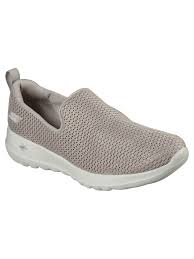
In the weeks after we returned, I kept thinking about that fall. I replayed it in my mind more times than I can count, wondering what exactly had gone wrong. Eventually, I decided to take a closer look at the shoes I had been wearing that day. They were a pair of Skechers slip-ons with a thick, cushioned sole. Comfortable, yes. Supportive, I had assumed. But as it turns out, comfort and safety do not always walk hand in hand.
What I discovered during my research gave me pause. Reports indicate that certain Skechers models, particularly the Go Walk and other slip-on styles, may contribute to tripping and falling for some wearers. The very features that make them feel so soft and forgiving underfoot can, in certain situations, work against stability.
One of the primary concerns is sole compression. Memory foam soles, while wonderfully plush at first, can compress over time. When that happens, toe clearance may be reduced, which increases the likelihood of catching the front of the shoe on the floor. It is a small mechanical change, but one that can have very real consequences, especially on smooth indoor surfaces like those found throughout cruise ships.
Another issue some users report is what might best be described as too much grip. On highly polished floors such as tile or linoleum, the outsole can occasionally stick rather than glide. When the foot stops abruptly, but the body continues forward, balance can be lost in an instant. Reading that explanation sent a chill through me, because it sounded uncomfortably familiar.
There is also the matter of overall stability. Some of these shoes use a rocker-bottom or very soft-sole design. While marketed for walking comfort, this construction may create a subtle sense of instability for certain people. For anyone with even a slightly altered gait, such as mine, or for those of us who may not lift our feet quite as high as we once did, that instability can increase the risk of ankle twists or falls.
Fit plays a role as well. Slip-on styles, convenient as they are in the hurried pace of travel days, may not hold the foot as securely as a properly laced walking shoe. When the foot moves within the shoe, even slightly, the body unconsciously works harder to maintain balance. Over time, that extra effort can matter more than we realize.
Medical professionals often suggest that individuals concerned about stability consider footwear with a firmer, more structured sole. Greater support and less compression can provide better control, particularly on smooth indoor flooring. In hindsight, throwing away that pair of Skechers felt less like an overreaction and more like a sensible step forward.
As we count down these final weeks before boarding Voyager of the Seas again, I find myself feeling both excited and wiser. Travel has always been our classroom, and sometimes the lessons arrive in unexpected ways. This time, I will be stepping on board with better shoes, a stronger knee, and a healthy respect for the small details that can make a big difference.
After all, the goal is simple. Stay upright, stay healthy, and savor every beautiful mile at sea.
Please read below if you wear Sketchers or similarly styled shoes:
“Reports indicate that certain Skechers shoes, particularly the Go Walk and slip-on models, which I was wearing when I fell, may cause tripping and falling due to design features like soft, compressible soles and high-traction outsoles. These shoes can catch on surfaces, offer less support, and cause instability, leading to potential ankle, knee, or back issues.
- Sole Compression: The soft memory foam soles can compress excessively over time, reducing toe box clearance and increasing the risk of tripping.
- High Grip/Sticking: Some users report that the soles are too sticky on certain floors (e.g., tile, linoleum), causing the foot to stop abruptly while the body continues forward.
- Instability: The “rocker-bottom” or soft-soled design, according to some reports, can cause
 excessive instability, leading to ankle twists or falls.
 - Fit Issues: Slip-on styles may not provide enough support to keep the foot secure, requiring the user to work harder to prevent the shoe from slipping.
- Age and Gait: Some users suggest the shoes are not suitable for those who may shuffle their feet, as the high-grip sole can catch on the floor.
 excessive instability, leading to ankle twists or falls.
- Usage Context: Tripping has been reported on various surfaces, including cruise ships and retail stores with polished floors.
- Potential Injuries: Reported issues include twisted ankles, sprains, broken bones, and hip injuries.
- Medical Advice: Some podiatrists may advise using stiffer, more stable shoes for better control.
If you have experienced issues, it is recommended to consider footwear with greater stability or, for example, to be particularly cautious on smooth, indoor surfaces.
Wow! This information was eye-opening! No more thick-soled shoes for me. This time, with plenty of Tamiflu on hand for both of us, this upcoming 25-night cruise should be more enjoyable.
Be well.
Photo from ten years ago today, February 28, 2016:


About Jess & Tom
We are travel writers, photographers, and slow travelers exploring the world one meaningful experience at a time.
Read More
Interesting post. Thanks Di (Bali)
Thanks. Di! Who would have thought these shoes would be dangerous? Thanks for writing
Much love
Jess & Tom
Thank you so much for a very thoughtful narrative. The slip on Skechers that I bought in Nordstrom Rack will be returned next week. At this point in my life, I cannot afford to trip or fall, so I will lessen my chances with a more secure sneaker, even though I do love the convenience of a slip on sneaker. Safe travels! Stay well!!
Michele, I am so glad you saw this post before it was too late to return them. Thank you for sharing your comment. It means the world to us.
Warmest regards,
Jess & Tom
I have a similar Skechers shoe and I can’t wear it. I almost feel like I’m walking on springs, very unstable. I have found this shoe by Propet to be comfortable and much more grounded. I bought mine on Amazon.
Propet Womens TravelActiv Mary Jane Flats Casual
Pam, thanks for the information. I will check out buying these when we get to the US in May. Thanks for the tip!
Much love,
Jess & Tom