Link to Airbnb listing with pricing.
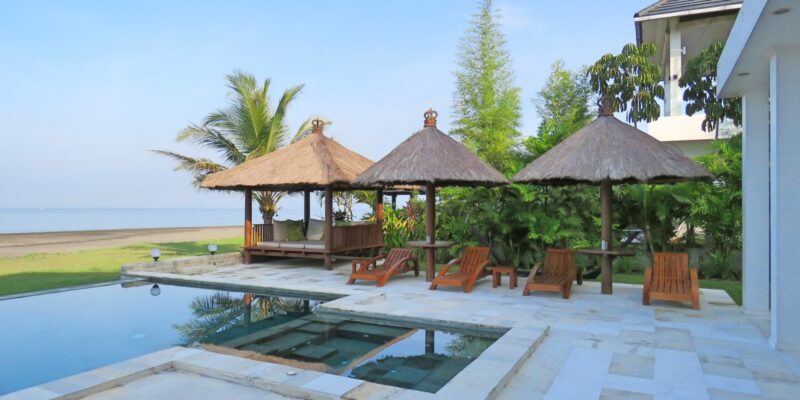
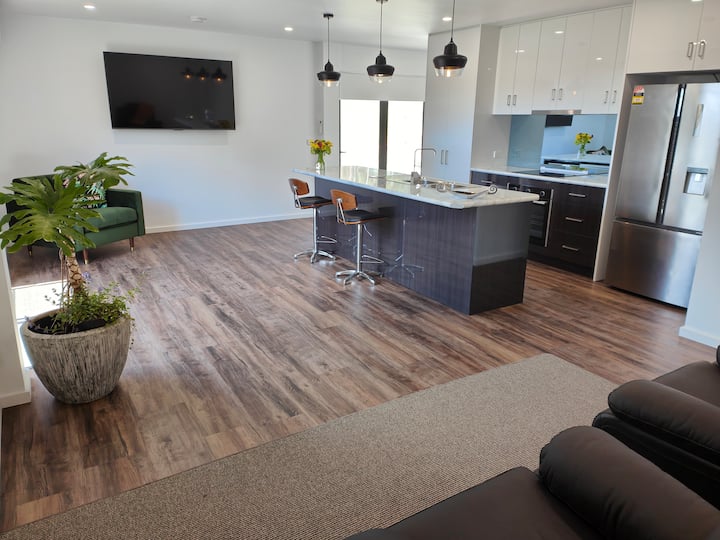
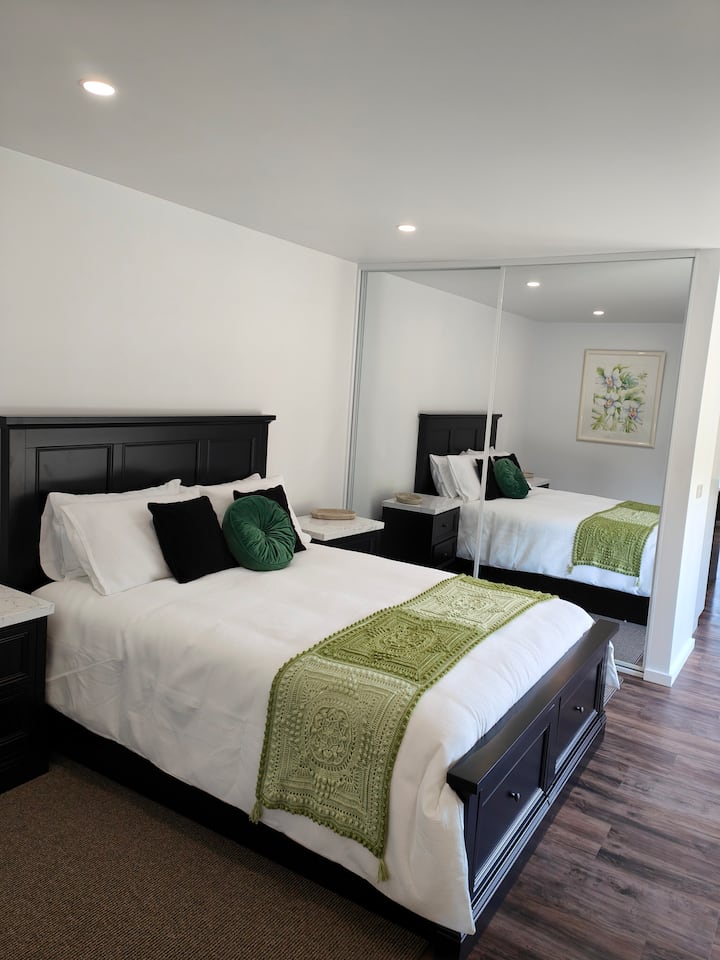
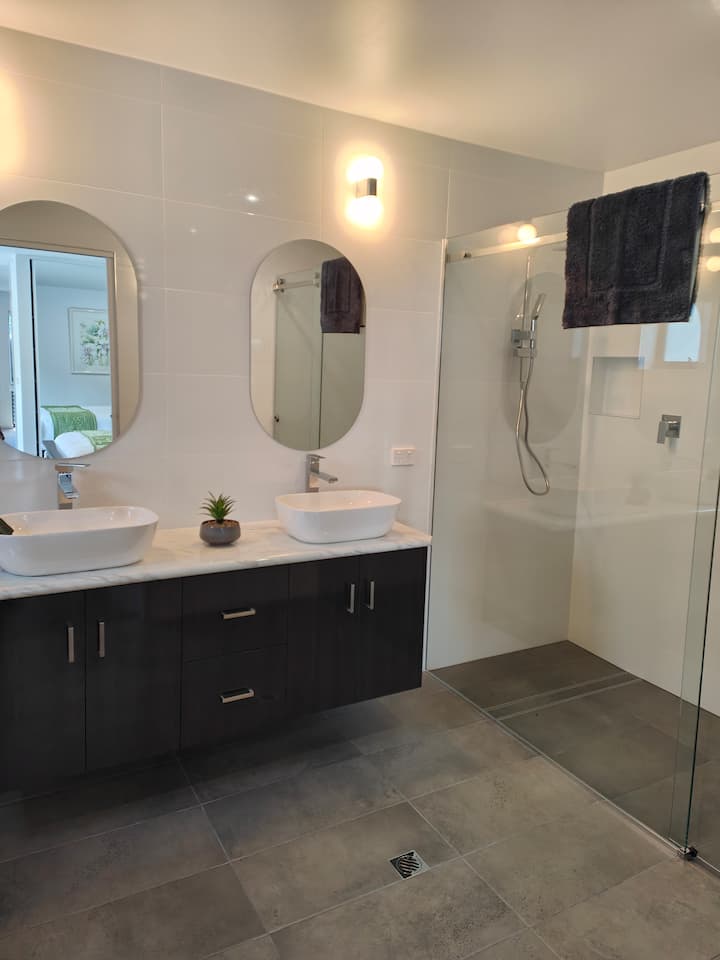
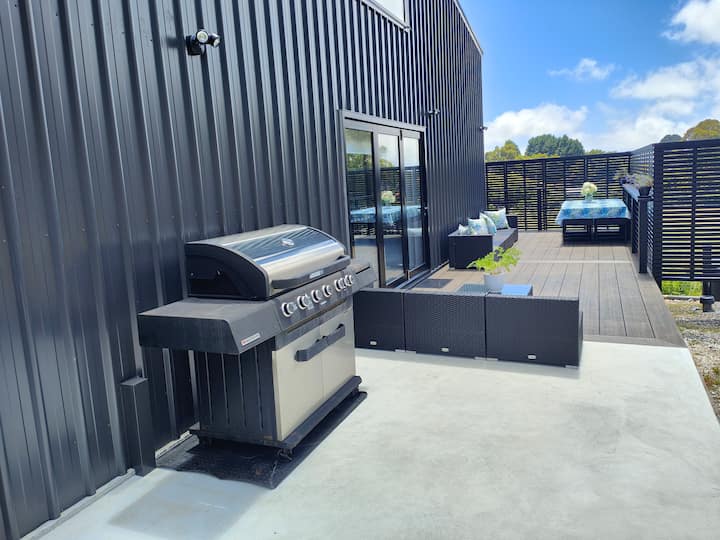
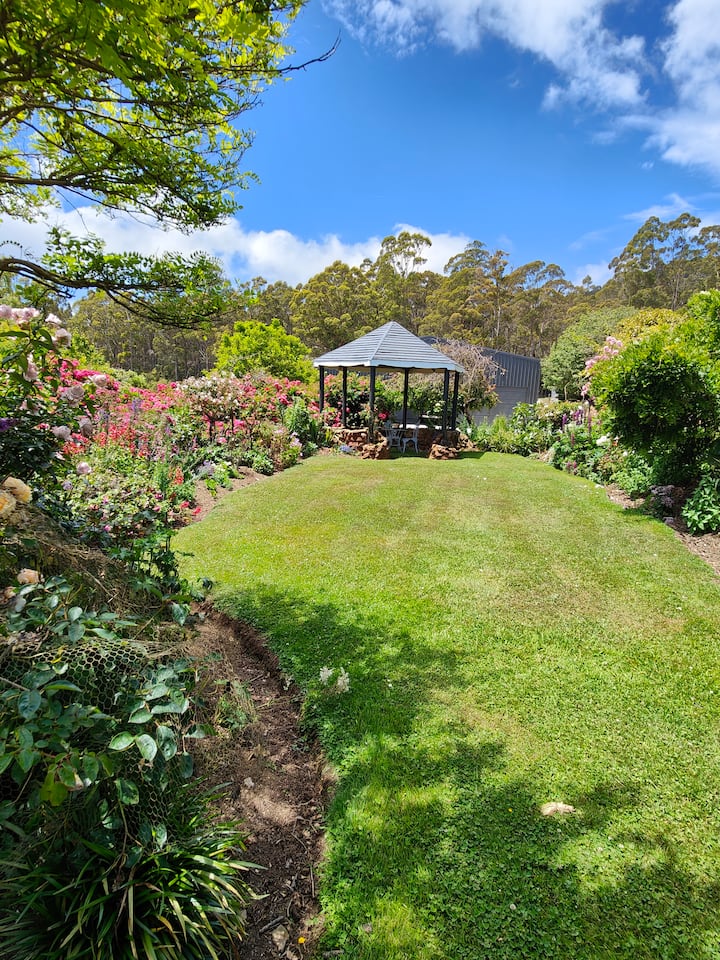
Kaz Retreat offers a peaceful and stylish escape that feels thoughtfully designed for travelers who crave comfort without fuss. The rate is AUD $200, US 142, per night for the first two nights, and AUD $150, US $106.49, per night for each additional evening, not including taxes and service fees. Even before stepping inside, the sense of calm began to settle in for us. Surrounded by beautiful, well-kept gardens, the property feels tucked away from the world in the best possible way, the kind of place where we could instinctively lower our voices and breathe a little deeper.
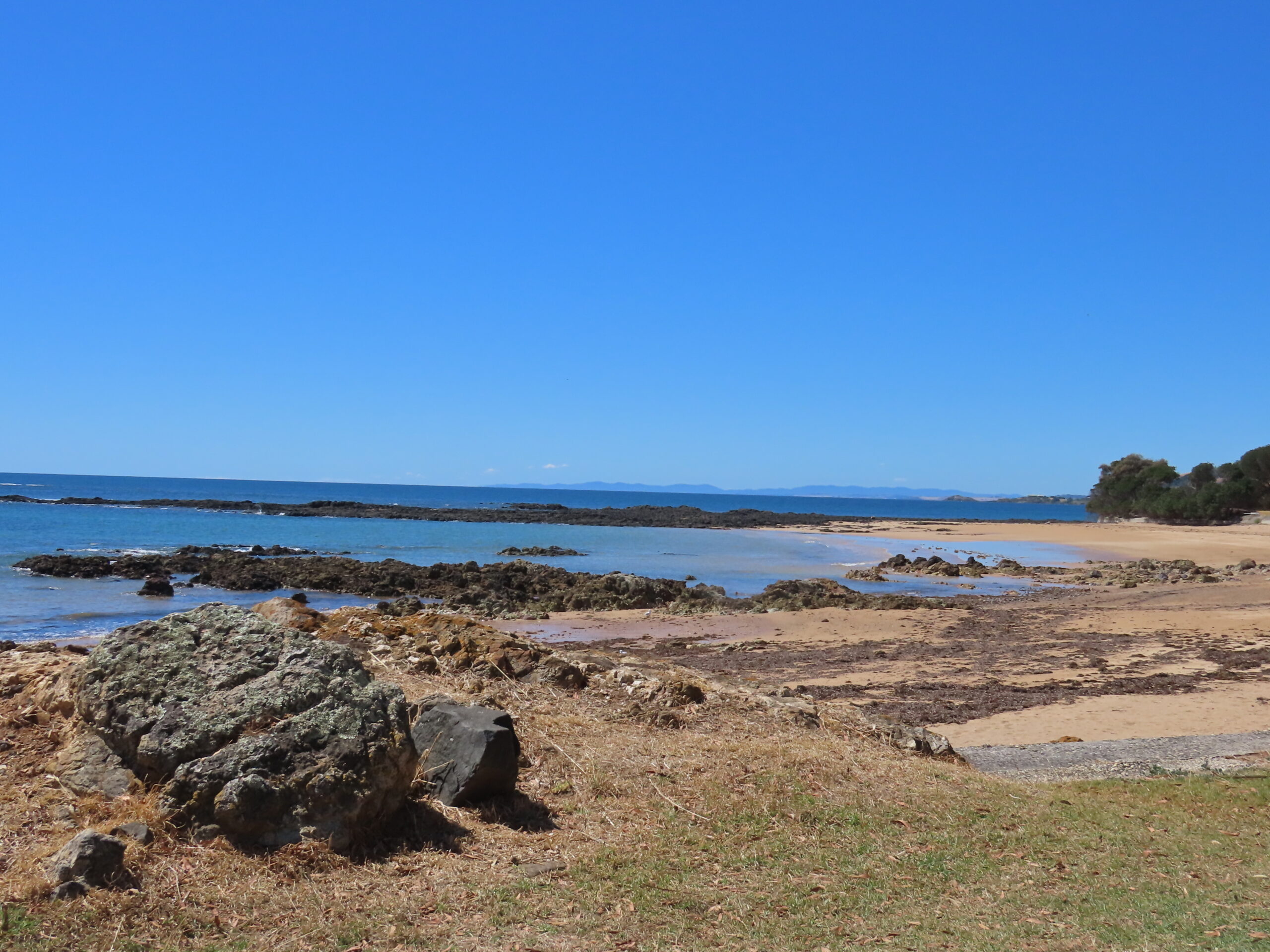
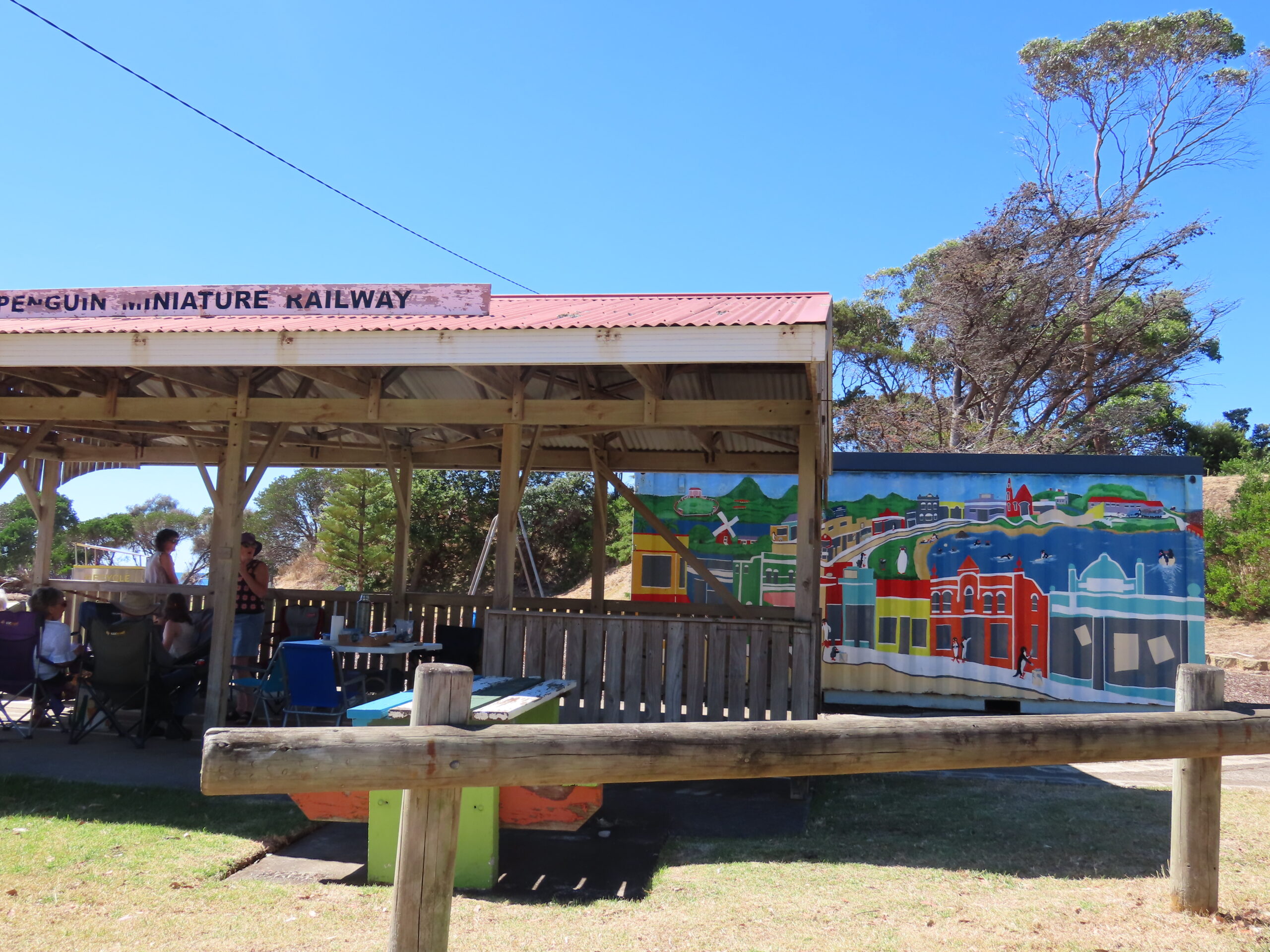
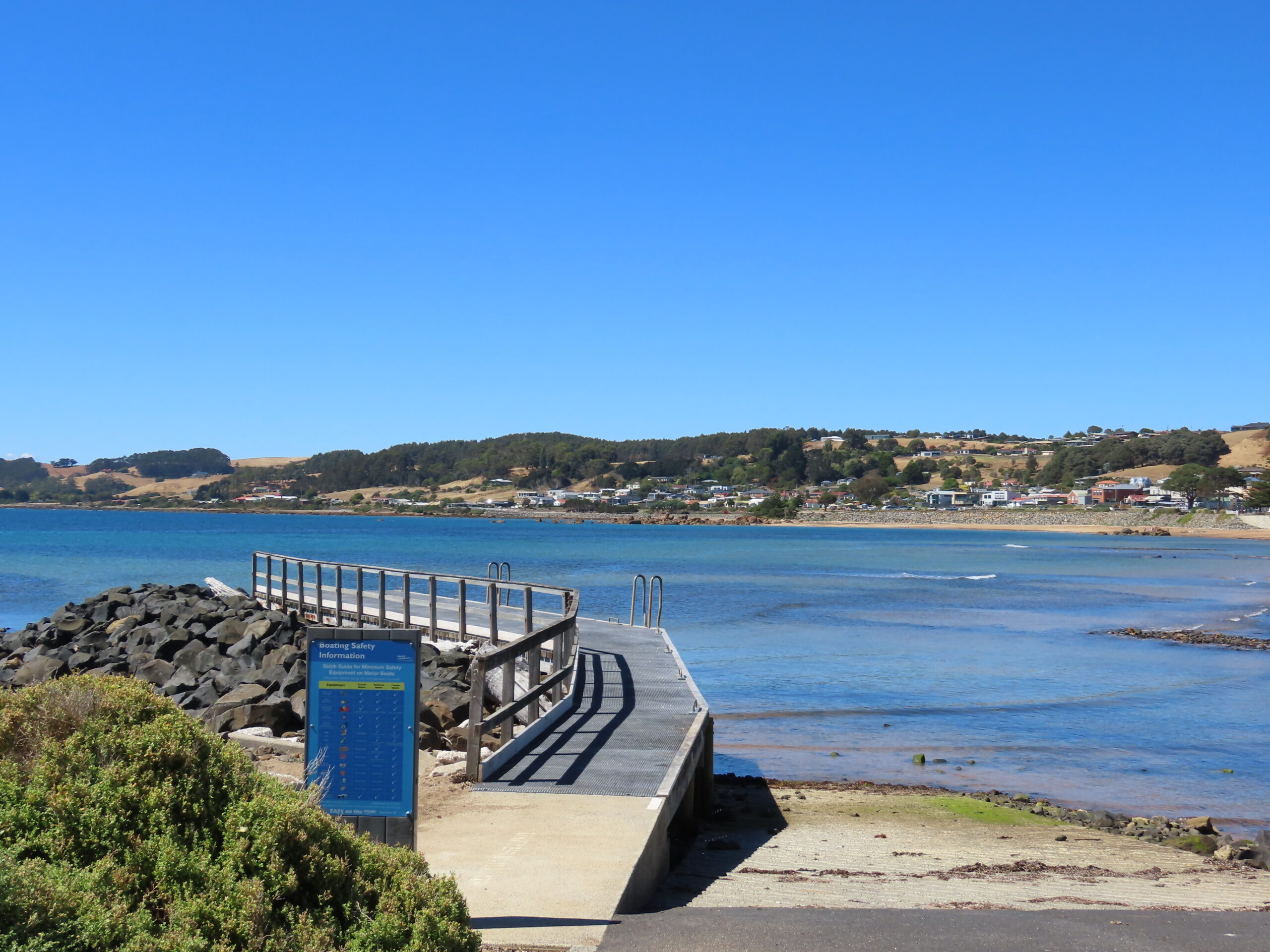
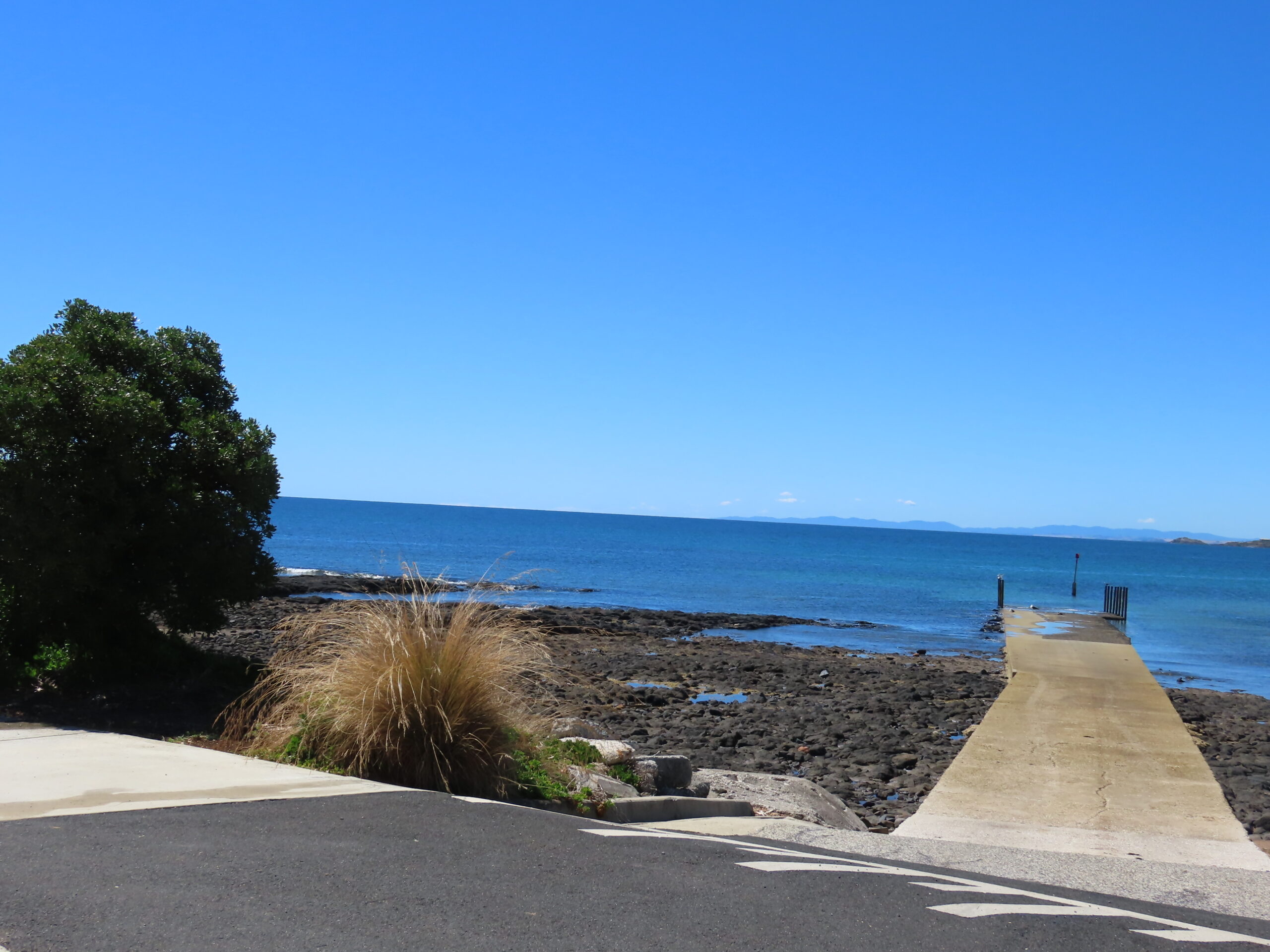
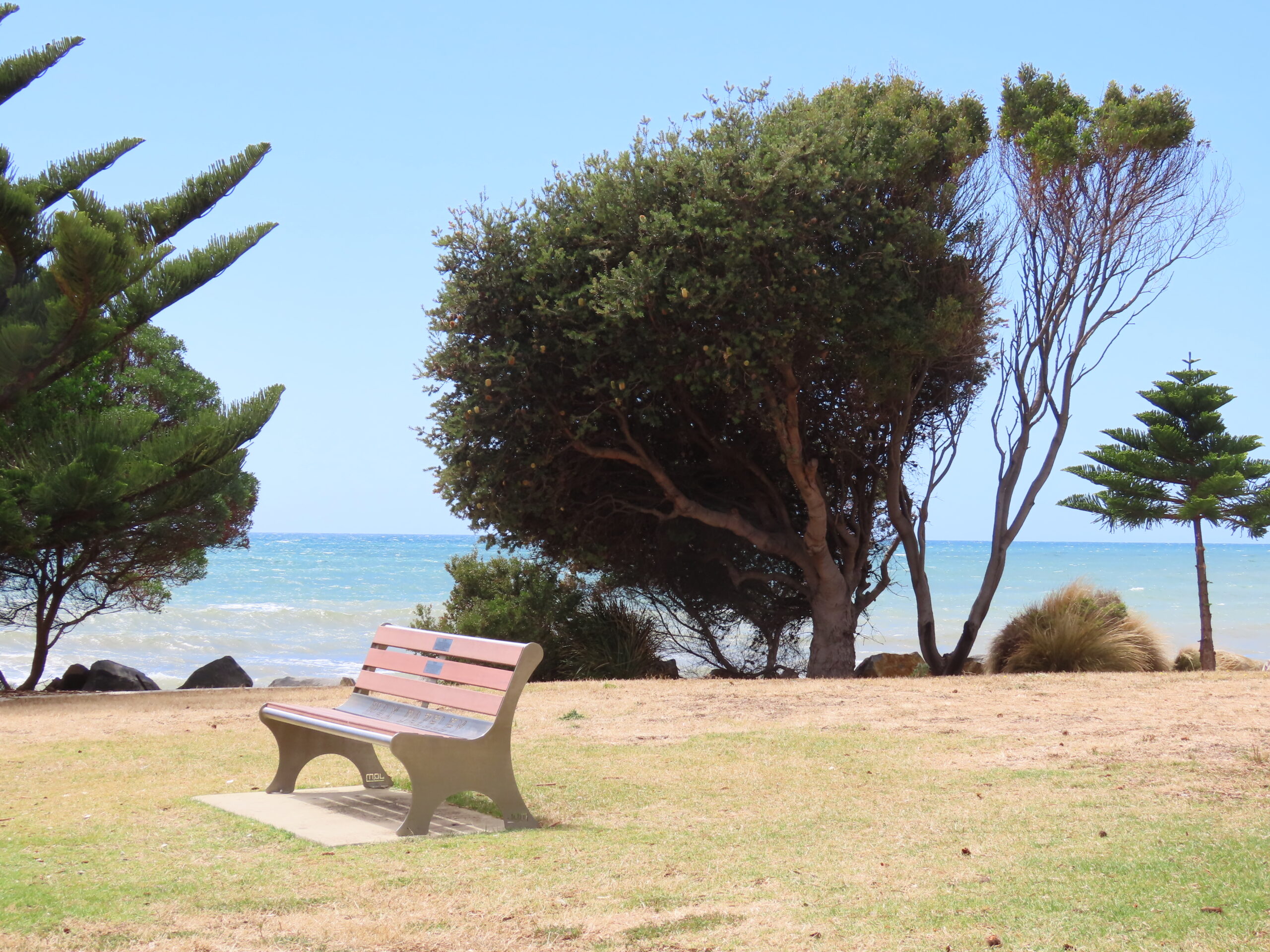
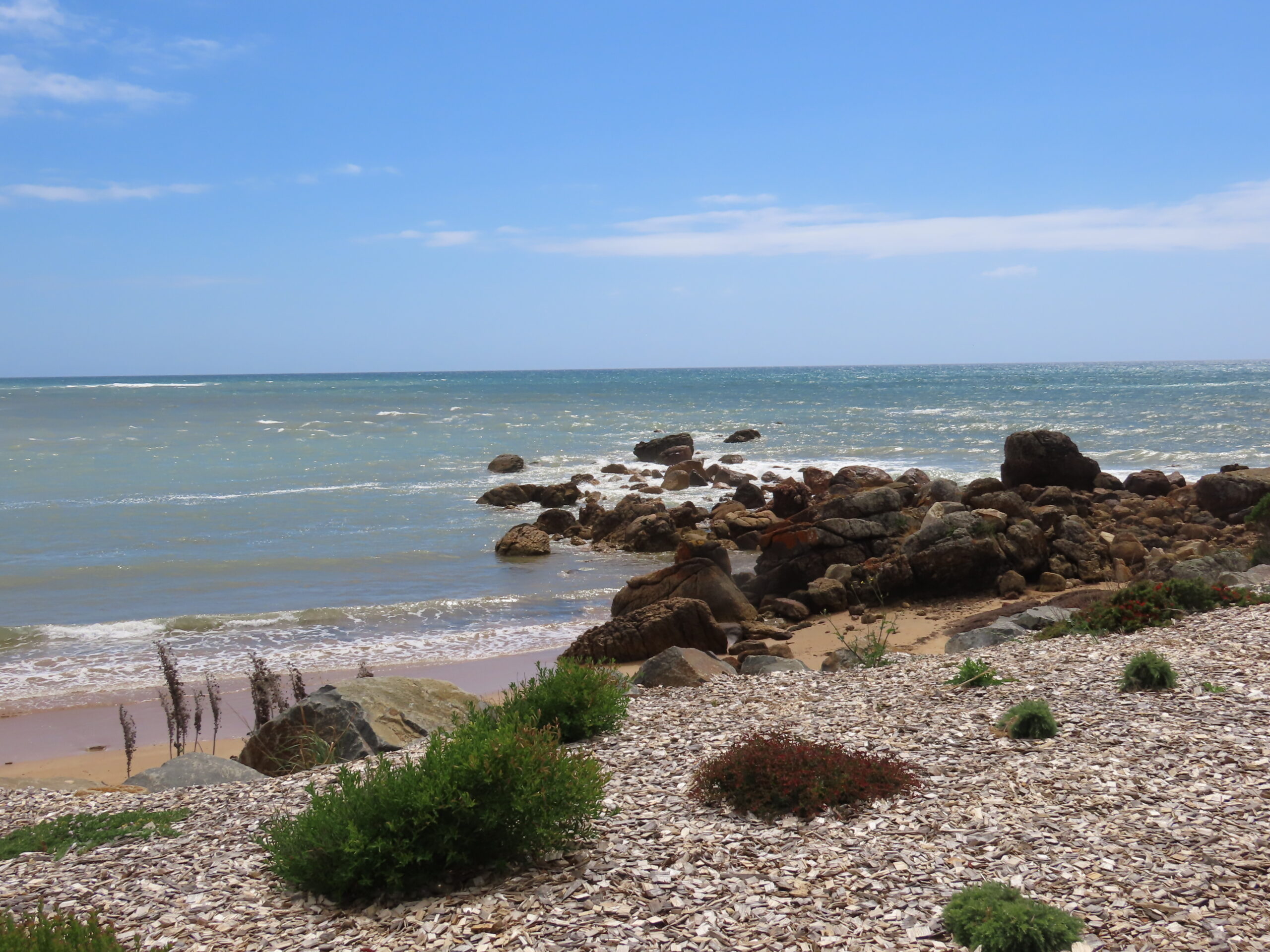
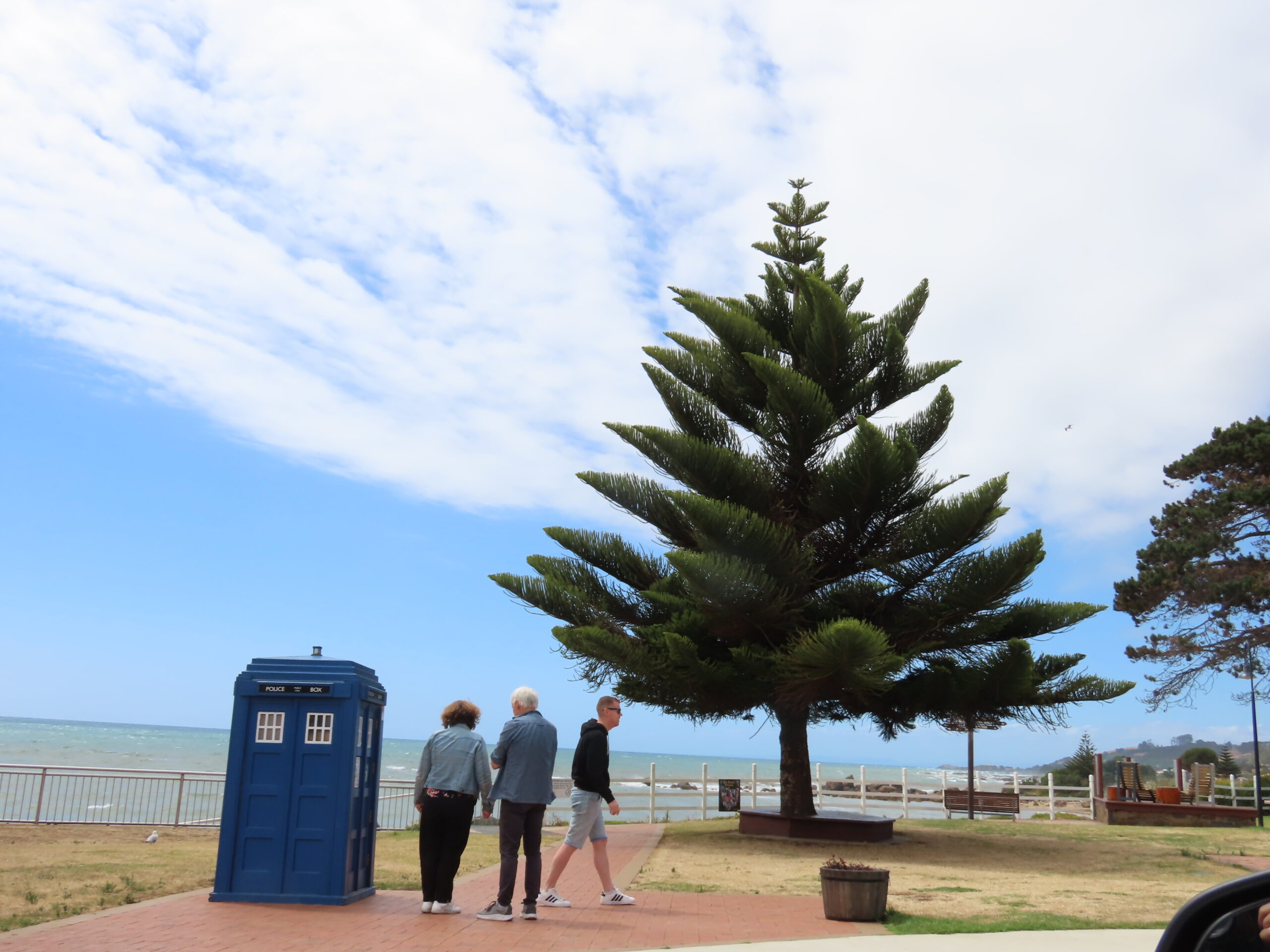
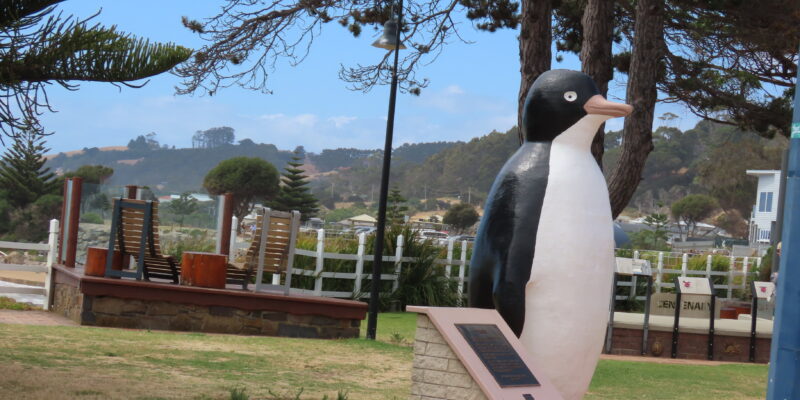
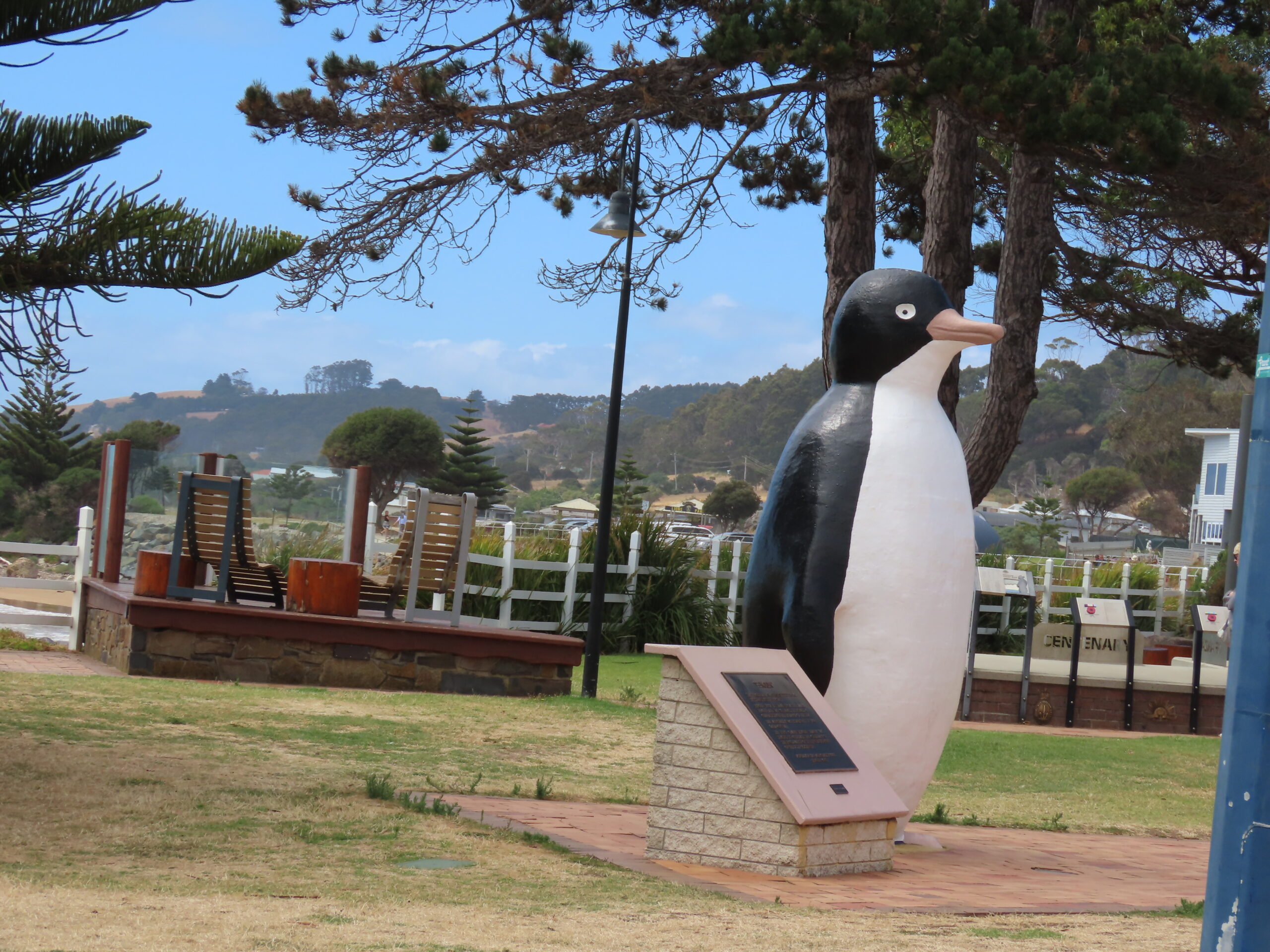
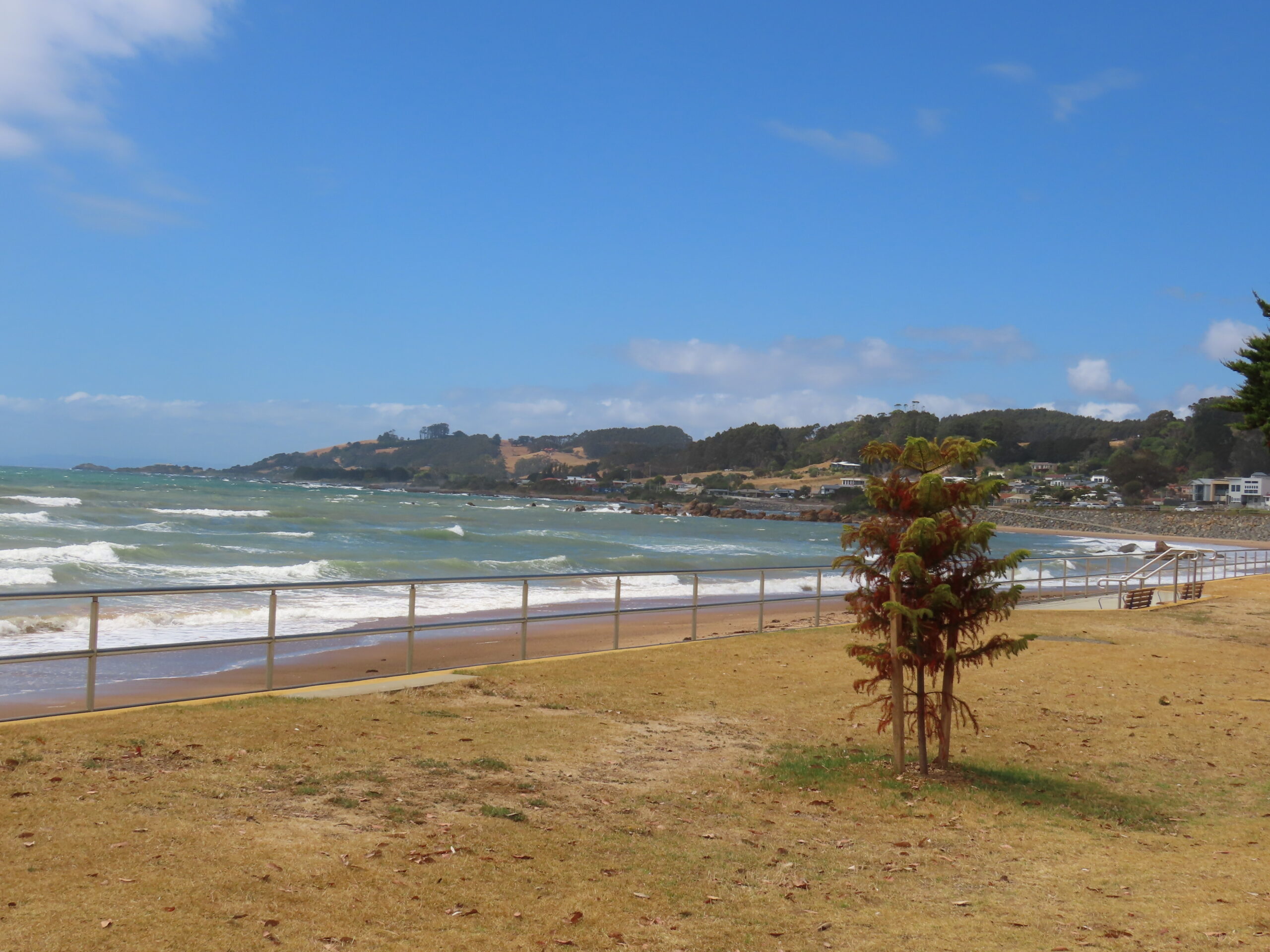
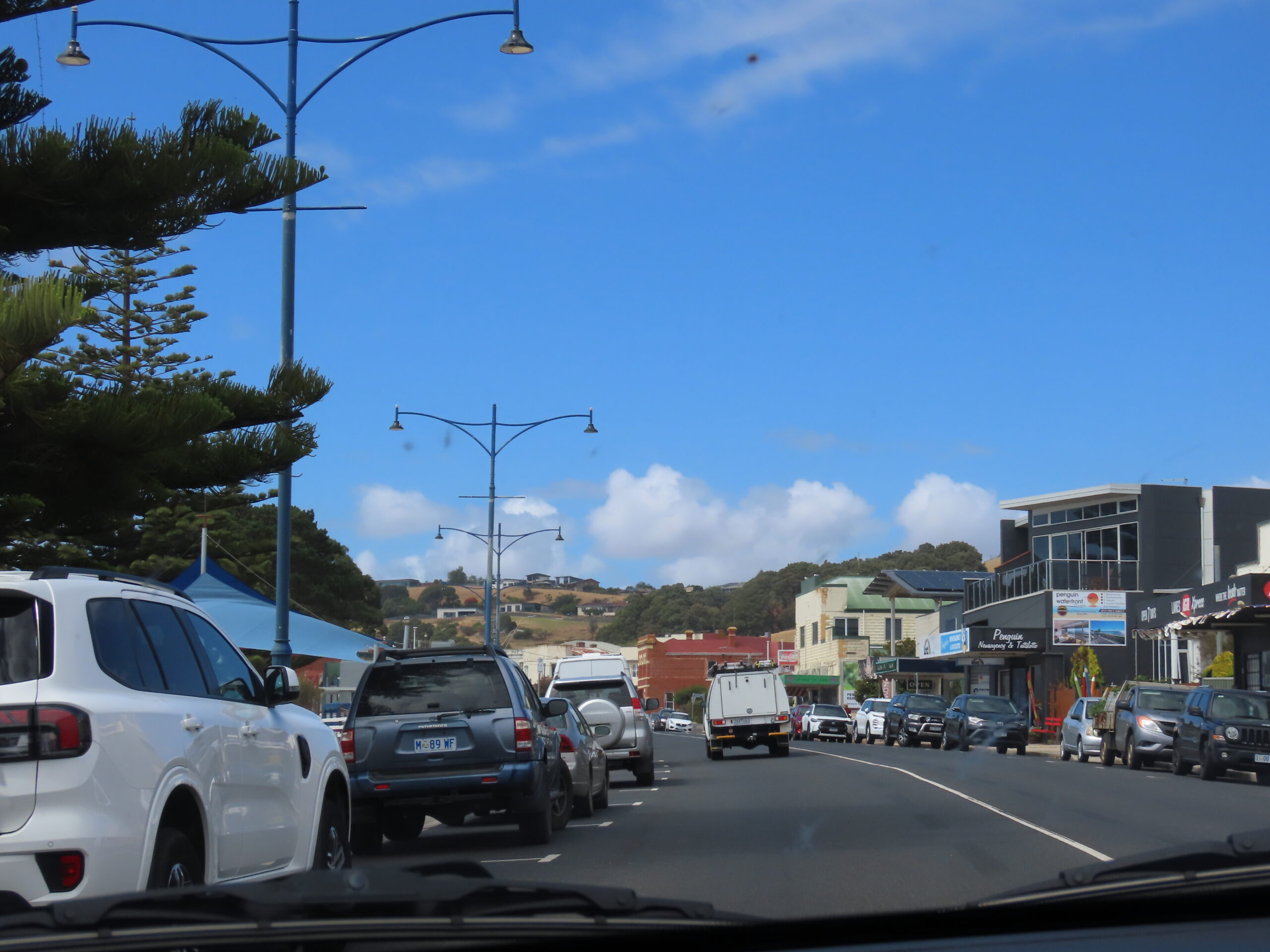
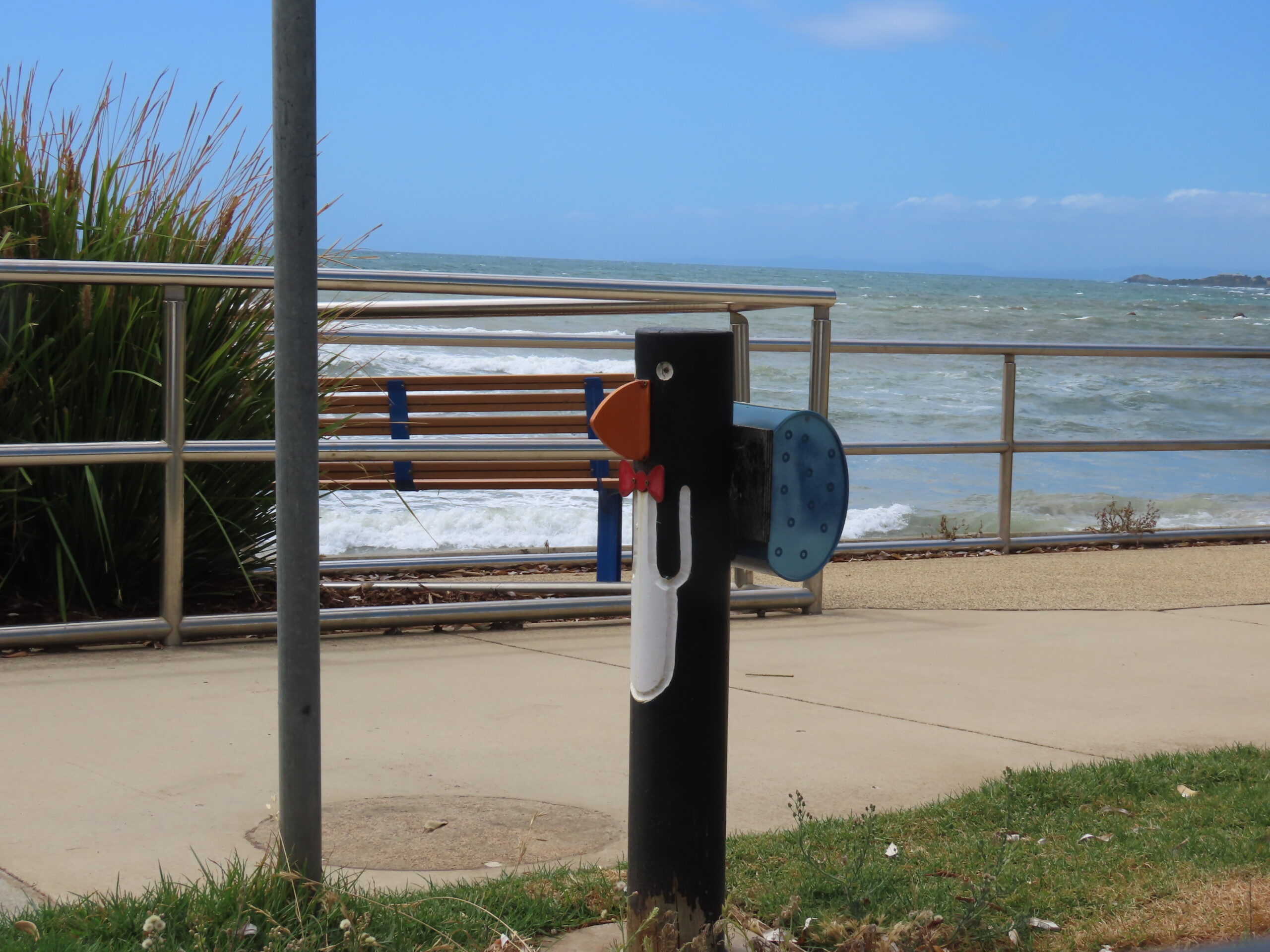
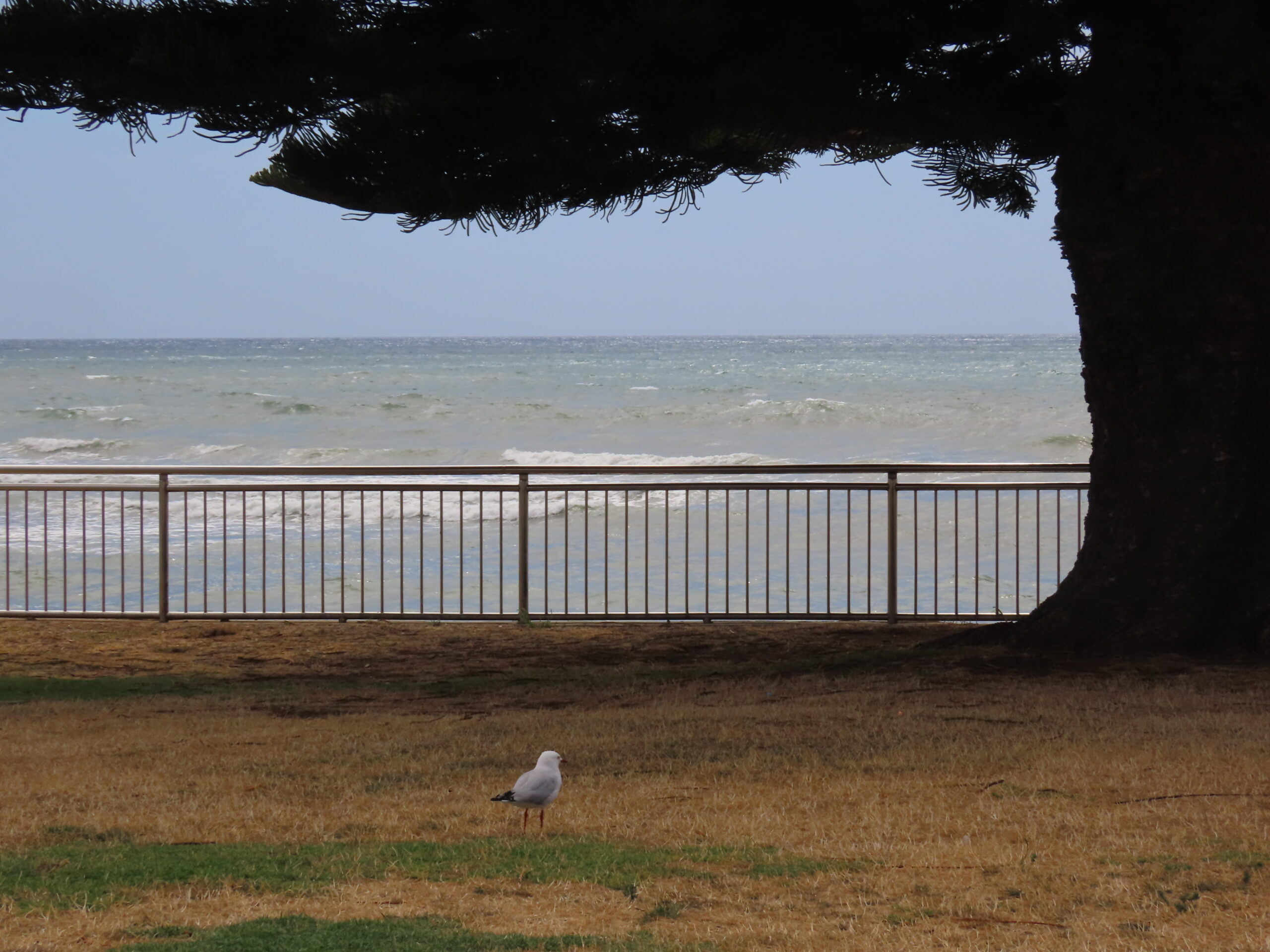
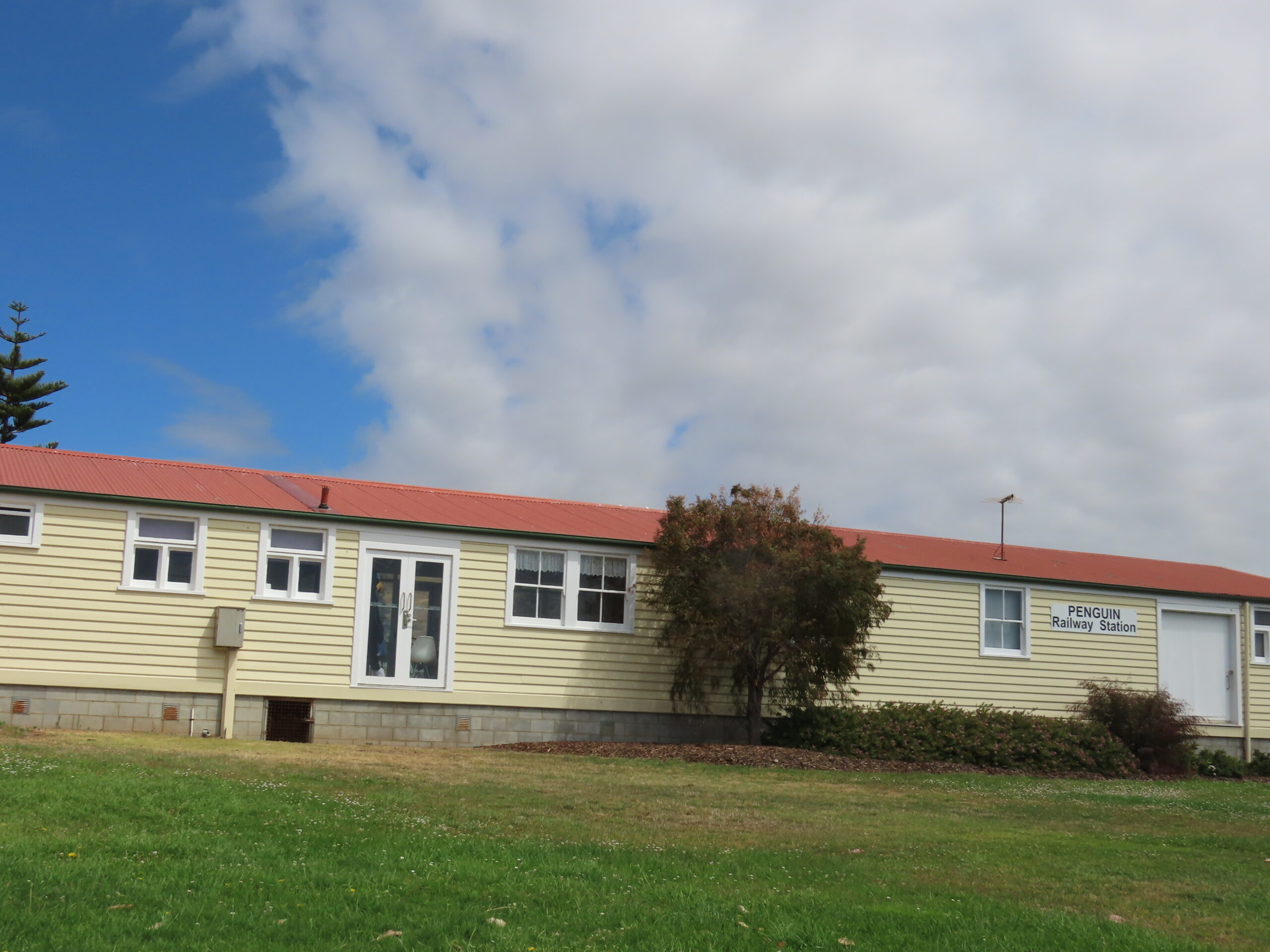
When we think about places that truly allow us to unwind, location always plays a big role. Kaz Retreat sits just 10 minutes from the charming seaside village of Penguin, the town that continues to win hearts with its easy-going coastal personality. We have always found Penguin to be the sort of place that invites lingering. The shops are welcoming, the seaside bars offer relaxed views of the water, and the coastal air carries that clean, slightly salty scent that reminds you why Tasmania is so special.
For those who enjoy staying active while traveling, the area surrounding the retreat offers plenty of appealing options. Scenic bike tracks stretch toward both Devonport and Burnie, making it easy to spend a morning or afternoon exploring the coastline at your own pace. These rides are not just about exercise. They are about the quiet pleasure of movement, the pace of the pedals, and the ever-changing views of sea and countryside that seem to unfold gently with every kilometer.
Even closer to the retreat, within about two minutes, outdoor enthusiasts will find themselves well positioned. The nearby trails at Mount Montgomery are popular with mountain bikers who appreciate well-maintained tracks and varied terrain. For those who prefer their adventures on foot, the bushwalking opportunities at Mount Gnomon provide a wonderful way to experience the natural beauty of the region. There is something deeply grounding about walking through Tasmanian bushland, especially in the early morning when the air still carries a hint of coolness.
Golfers and sports lovers are also well catered for. The nearby Penguin Golf Club offers a pleasant course in a relaxed setting, while the local bowling green and football stadium provide additional options for those who enjoy community sport and recreation. It is the kind of area where staying busy is easy, yet doing nothing at all feels equally acceptable.
For travelers looking to explore further afield, Kaz Retreat makes a convenient base. The town of Smithton is about an hour’s drive away, ideal for a leisurely day trip through Tasmania’s northwest. And for those drawn to the island’s more dramatic natural landscapes, the iconic wilderness of Cradle Mountain can be reached in roughly two hours. That proximity makes it entirely possible to spend the day immersed in alpine scenery and still return to the retreat’s quiet comfort by evening.
What stands out most about Kaz Retreat is the balance it offers. It is peaceful without feeling isolated, stylish without being pretentious, and conveniently located without sacrificing that all-important sense of escape. For travelers like us, who have spent years moving from place to place, accommodations that strike this balance are the ones we remember long after we have moved on to the next location.
The owner, Karen, has been fantastic!
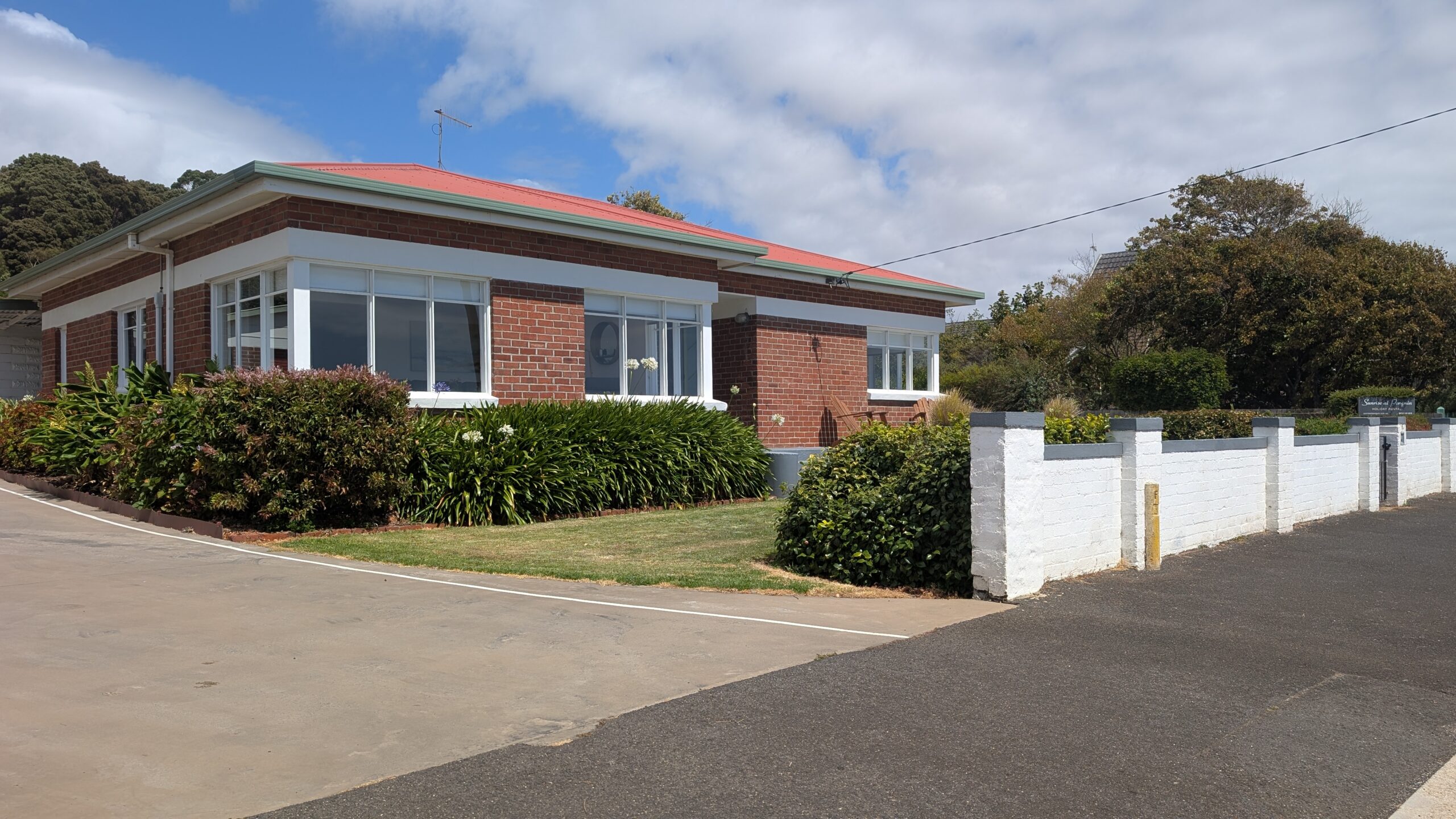
In just two days, on Sunday, we will gather up every last belonging and make our way to the Sunrise at Penguin house by noon, a short 15-minute drive from here. It will take us two trips to move everything, one for our bags in the tiny car, and another for the stash of groceries we have managed to accumulate. We have truly loved every minute at Kaz, settling easily into its quiet comfort. Still, we find ourselves looking forward with warm anticipation to Terry and Fran’s lovely property, where we happily stayed ten years ago while making such pleasant memories.
Be well.
Photo from ten years ago today, February 27, 2016: