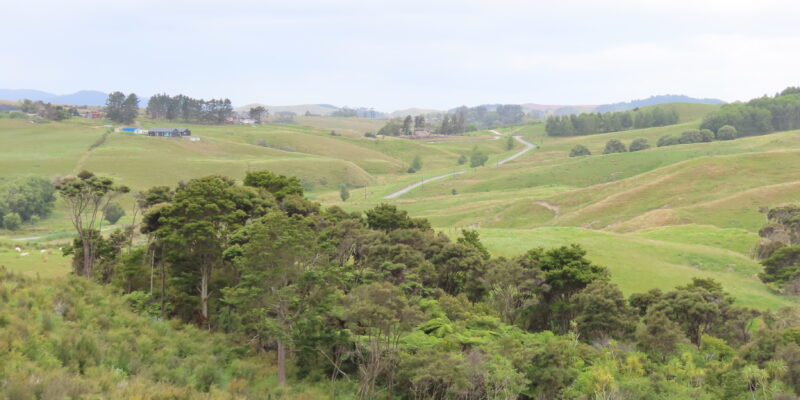
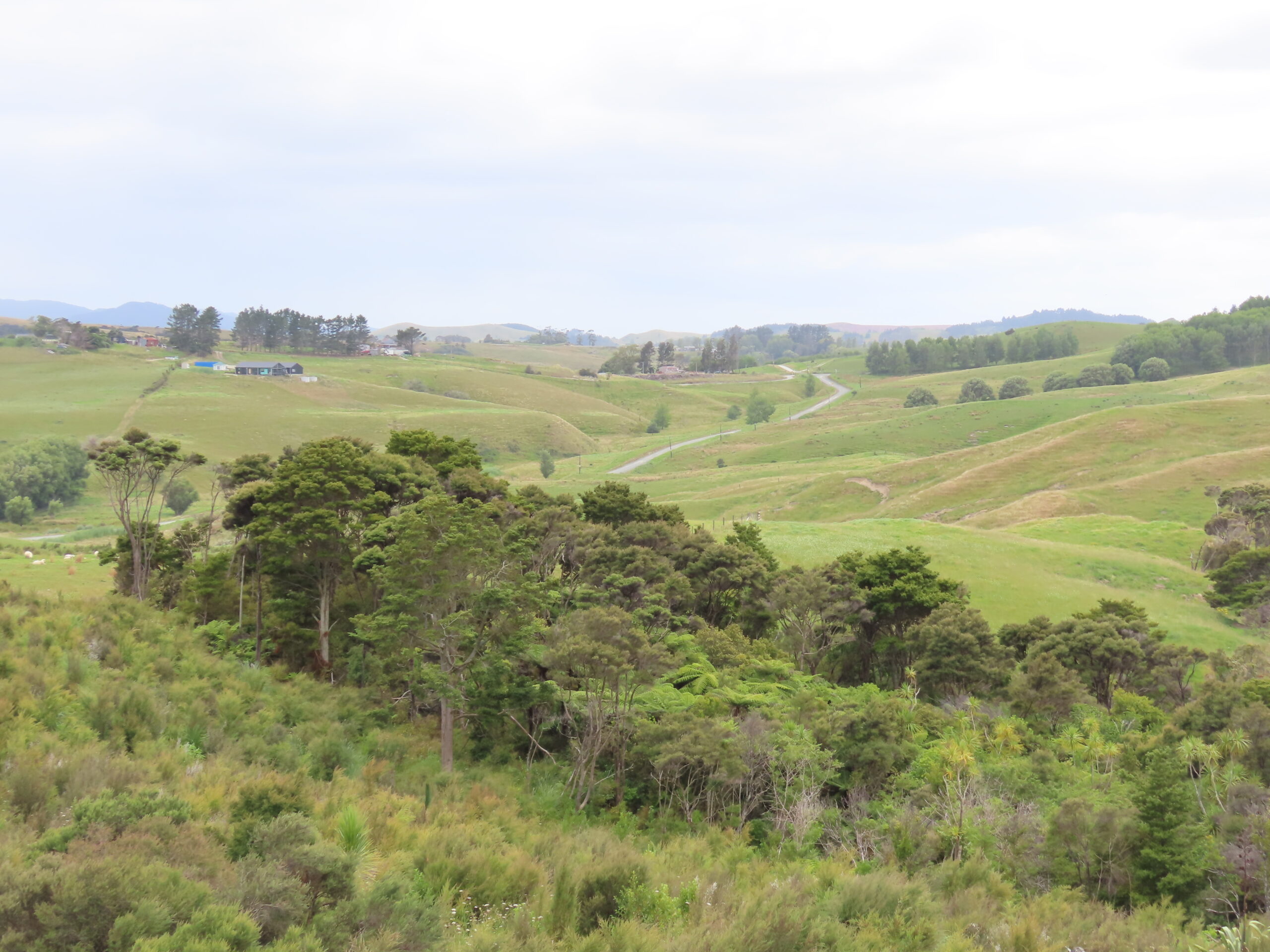
Trying to prepare for Tom’s birthday and Christmas…

It’s been cloudy and rained for several days, with the sun peeking through from time to time.

Since we’re both still sick with this stubborn virus, even the simplest decisions feel heavier than usual. Lately, just thinking about meals for the upcoming week requires more energy than I seem to have. And this isn’t an ordinary week. It includes Tom’s birthday on the 23rd, followed by Christmas Eve and Christmas Day, three occasions I usually mark with intention, care, and a sense of quiet celebration, even when we’re far from those we love. I always try to make something special, something that says this moment matters, no matter where we are in the world. Right now, though, I’m struggling.

The reality is simple and inconvenient: the only way to make those meals happen is to drive to the supermarket, a 36-minute drive from here. Under normal circumstances, that would be mildly annoying. In our current state, still coughing, still weak, still foggy, it feels monumental. This morning, hoping to avoid that drive altogether, I tried another route. I attempted to order takeaway meals that might carry us through Christmas, or at least ease the pressure. Fifteen minutes later, I was still on the phone, unsuccessfully trying to explain our order to the only person working at the restaurant. She didn’t speak English, couldn’t understand what we wanted, and didn’t grasp the importance of delivery. The conversation went in circles, growing more frustrating by the minute. Eventually, I gave up. There was no solution there.

That moment made the truth unavoidable. If we want to eat over the next several days, and especially if we’re going to acknowledge the holidays in any meaningful way, we have to make the drive. Tomorrow, we’ll need to get ready, hop in the car, and drive to the larger supermarket in Mangawhai. I had genuinely thought we’d purchased enough food during our last shop, but as it turns out, we went through it faster than expected. Shopping the morning after we arrived, while exhausted and feeling unwell, wasn’t ideal. In that foggy state, I missed things. Essentials. Items that would have carried us further. The small local market is fine for basics, but it simply doesn’t have what we need right now.
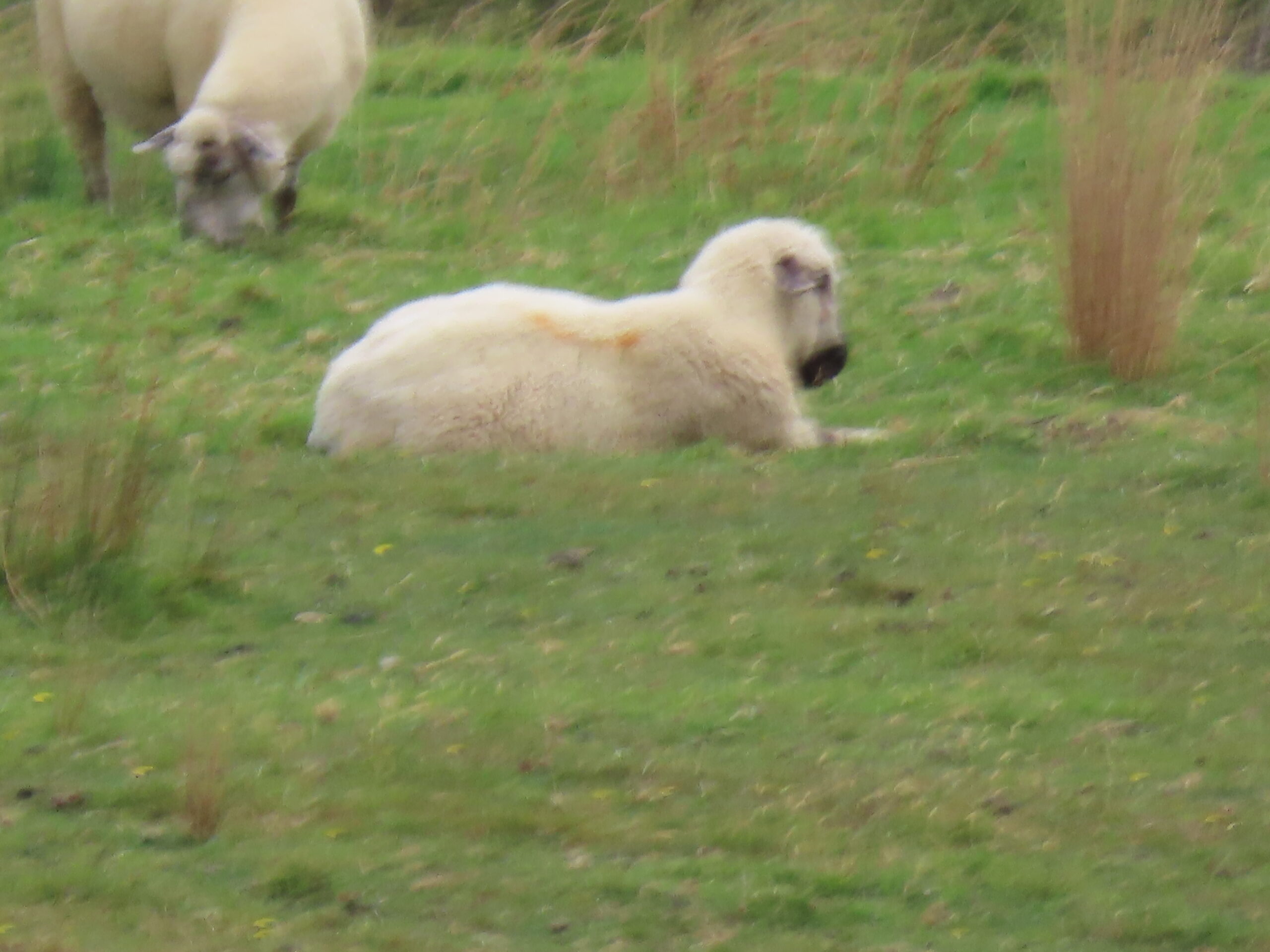
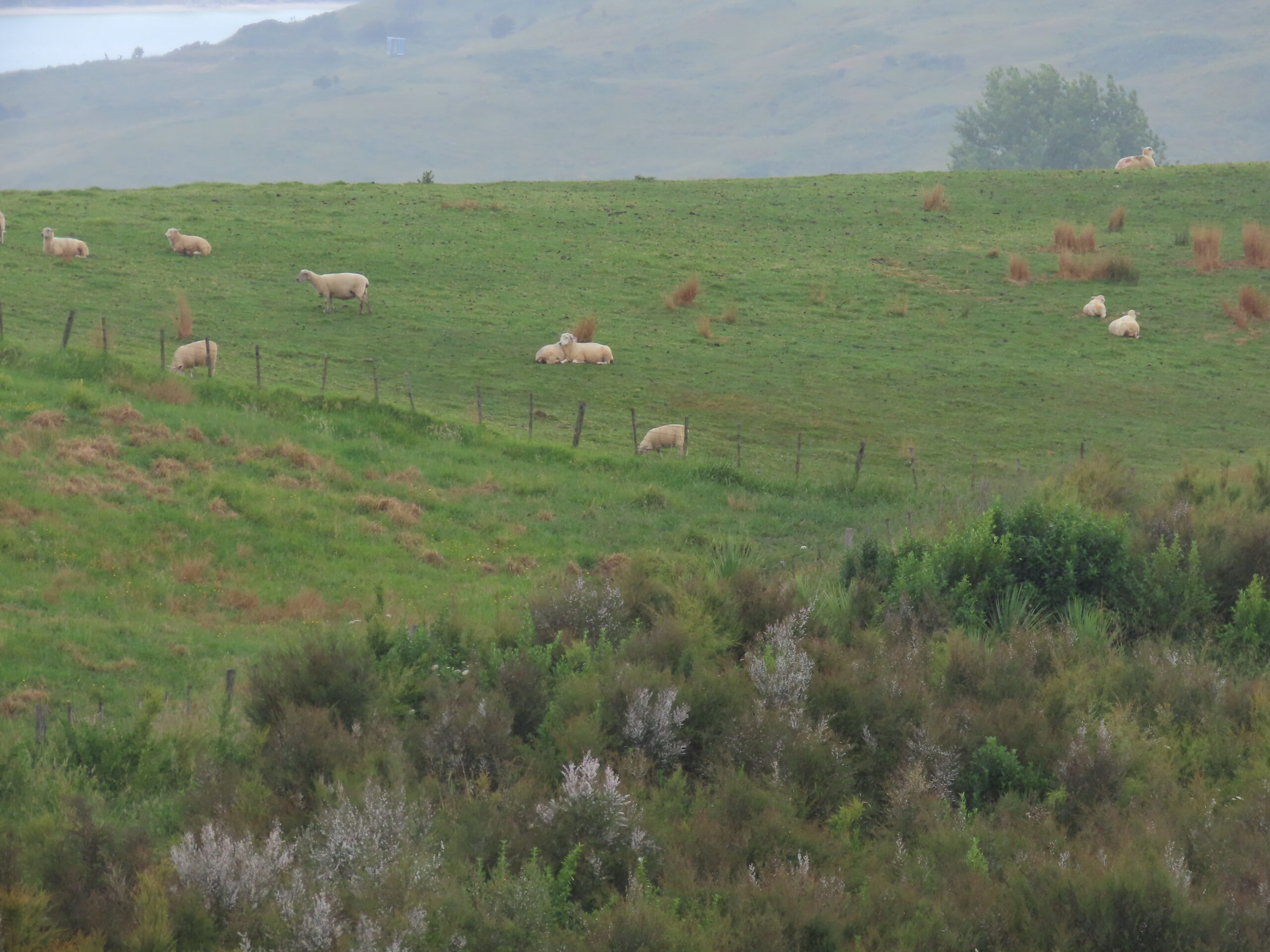
Sheep at a distance.

This, I suppose, is the only real drawback of this location. We’re far from full-sized supermarkets and far from restaurants. Once you’re here, you’re committed. It’s home-cooking from here on out, whether I feel up to it or not. In all our years of traveling, this is the farthest we’ve ever been from a proper supermarket. That fact still surprises me. We’ve stayed in remote places before, bush locations, and tiny villages, but somehow this feels different, perhaps because illness narrows one’s tolerance for inconvenience.

Still, as we always do, we’ll adapt. We always do. Tomorrow we’ll make the drive, and do our best to gather what we need not just to get by, but to mark the days ahead in some small, meaningful way. Even if the meals are simpler than usual, even if my energy runs out halfway through cooking, there will be intention behind them. That matters to me.

And honestly, the drive itself may offer a quiet reward. The scenery along the way is beautiful, rolling and expansive, and I know there will be photo opportunities worth sharing here. New Zealand has a way of offering beauty even when you’re tired, even when you’re sick. For tonight, at least, we’re fine. We have enough for dinner, enough to rest and regroup. But with Christmas approaching quickly, tomorrow is the best and really the only day to go. So we’ll do it, one careful step at a time, and trust that this, too, will become just another chapter in our ongoing lesson in adaptability.

Nonetheless, we are grateful to be getting a little better each day and to be in the beautiful country of New Zealand during the holiday season.

Be well.

Photo from ten years ago today, December 21, 2015:

In Pacific Harbour, Fiji, there were no poinsettias or Christmas cactus in the stores; only colorful flowers bloom year-round. For more photos, please click here.

An update…

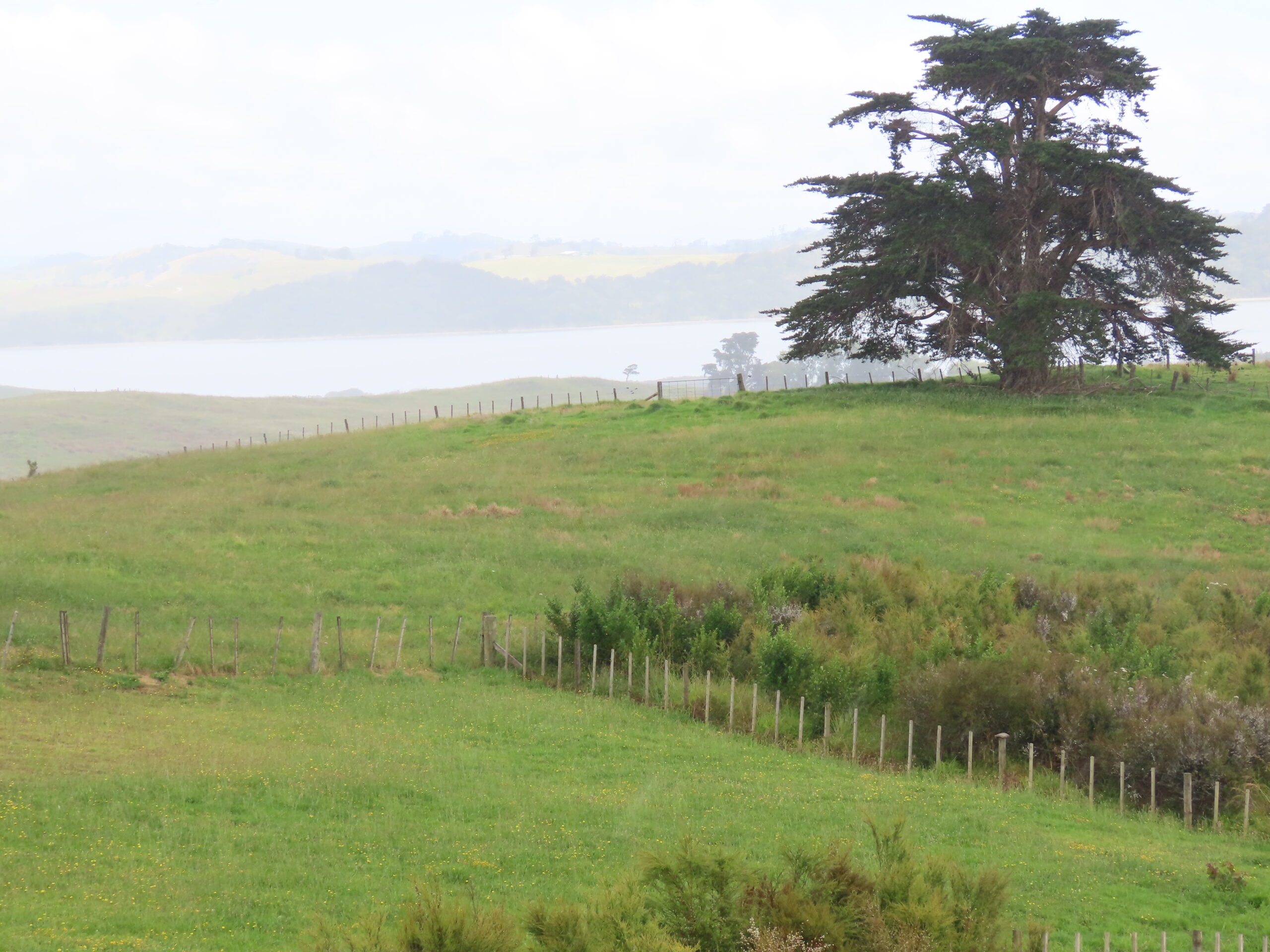
This morning’s rainy view from our holiday home.

We arrived in New Zealand a week ago today, though it feels both longer and shorter than that, depending on the moment. The night we left Auckland for the long drive north, I couldn’t stop coughing the entire way. Mile after mile of riding in the dark, I was hacking, hoping the hum of the road might somehow shake whatever had taken hold of me. By the time we reached our holiday home in Kaiwaka, exhaustion had settled deep into my bones, the kind that doesn’t disappear with sleep.

By Sunday evening, there was a glimmer of improvement. We attended a small neighborhood get-together at our landlords’ home, Dave and Eing, who live just down the road. It was low-key and welcoming, the kind of gathering that reminds us why we have such fond memories of spending time in New Zealand in 2016. Earlier that day, we’d even managed a grocery run, which at the time felt like a small victory. I remember thinking, maybe this thing is passing. Perhaps we’ve turned a corner.

But Monday morning quickly erased that optimism. We woke with the unmistakable feeling of an entirely new virus taking over, uncontrolled coughing, crushing malaise, and a weakness that made even standing feel like an accomplishment. Over the next few days, it worsened for both of us. Ordinary tasks became monumental. Laundry was an athletic event. Making the bed required rest breaks. Preparing meals felt like running a marathon. For me, the most challenging part was the brain fog. I couldn’t think clearly enough to write, let alone take photos or shape words into something coherent. Silence filled the days where stories usually live.

This morning, Saturday, was the first day we awoke feeling a little better. It’s not much, but it’s something, and right now, something feels like everything. In the past few days, Tom read a Facebook post about a survey asking cruise passengers whether they’d gotten sick during the cruise, near the end of the voyage, or shortly after disembarking. Thirty-four percent responded yes. One passenger had even been hospitalized with Legionnaires’ disease, a terrifying and potentially deadly illness. Reading that stopped us both cold.

We have another cruise coming up, fully paid, 25 nights, beginning April 14. Before that, once we reach Tasmania, we plan to get prescriptions for Tamiflu to take for the entire length of the cruise. This experience has made me seriously rethink cruising in the future, unless it’s on much smaller ships, where the risk of getting sick is lower. The romance of it all fades quickly when illness lingers this long.

For now, our only real goal is getting better. Sightseeing can wait. Photos can wait. Even grocery shopping and dining out feel like distant ideas rather than plans. We are deeply grateful to the many readers who’ve written with kind words and well wishes; it means more than we can say.

Despite everything, we’re happy to be in New Zealand, surrounded by sweeping views, wildlife, and genuinely friendly people. When our bodies finally catch up with our hearts, we know this place will be worth the wait.

Be well.

Photo from ten years ago today, December 20, 2015:

In Pacific Harbour, Fiji, a private drive to an upscale home in our neighborhood. For more photos, please click here.

The revealing reason why….Photo of our new location…

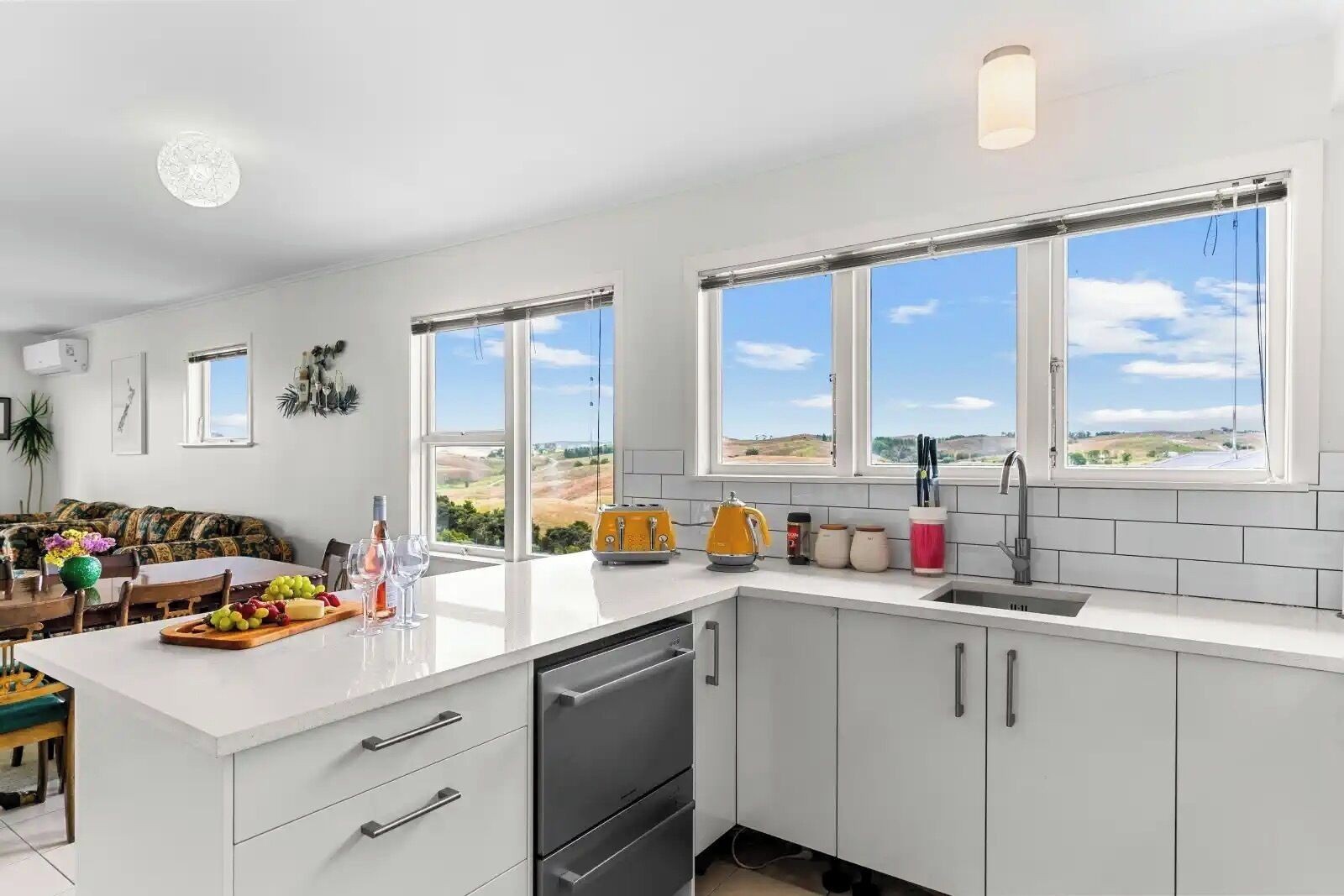
The view from the kitchen in our holiday home in Kaiwaka, New Zealand.

I don’t like sharing this news, but because we’ve always promised transparency in our stories, today I had no choice but to let our readers know what’s really been going on. It’s embarrassing for me, which is precisely why I’ve hesitated to share it sooner. As someone who was once intensely active, committed to health and fitness, and proud of a strong, capable body, admitting vulnerability does not come easily. In fact, it feels like swallowing a truth I’ve been avoiding for weeks.

For the last 42 days of our 47-night cruise, I said nothing. I kept thinking I would get better, that this would pass, and there would be no need to explain why we were doing so little, why I often disappeared early, or why I skipped excursions I would usually jump at. Instead of improving, though, I slowly got worse. And that’s still the case right now.

Since my open-heart surgery in 2019, my immune system has never fully bounced back. It feels fragile, easily overwhelmed. If I’m exposed to someone who’s sick, I almost inevitably get sick within a few days. While we were in Marloth Park, I had far fewer issues, most likely because of the low population and limited close contact with others. When I knew someone was sick, I asked for their understanding and avoided them until they recovered. It worked surprisingly well.

A cruise ship, however, is an entirely different environment. There is no avoiding coughing, sneezing, or close quarters—especially when so many people are curious about our unusual lifestyle and stop to chat. Add to that the fact that about five days into the cruise, I tripped over my own feet and injured my right knee badly enough that I could barely walk. I knew it wasn’t broken, so there was no need to see the ship’s doctor. I did exactly what they would have told me anyway: iced it, rested it, and stayed off it as much as possible. By the final week of the cruise, the swelling had gone down significantly, and I could walk better again.

As I mentioned in an earlier post, at the first sign of a virus, I started taking Tamiflu. Thankfully, it worked incredibly well. What could have been awful turned into a relatively mild case of coughing and sneezing. We stayed in the cabin for a few days and nights, and not long after, I was around people again. Still, I didn’t feel well enough to go on excursions, especially those involving a lot of walking.

When we saw Louise and Danie early on in Cape Town, and later Rita and Gerhard in Bali, I genuinely thought I was improving—even though I continued coughing a lot at night. During all of this, Tom was coughing and sneezing too, though thankfully, he’s doing better now.

Then, during the last few days of the cruise, I started feeling worse again. The worst moment came the night we drove from Auckland to Kaiwaka, a drive that should have taken 90 minutes but turned into three hours after a wrong turn. I was coughing so hard I could barely breathe, and I honestly don’t know how I got through that long drive.

Once we arrived at the house and got settled, I thought I was on the upswing again. We even attended a several-hour party at Dave and Eine’s home, our landlords, and I managed pretty well. But yesterday, everything flared up again, worse than when it first started. Why does it come and go like this? Today, I feel like I could spend the entire day in bed. I took a two-hour nap yesterday, something that is very unusual for me.

Thankfully, our grocery shopping is done, and we have enough food to last a few weeks. Hopefully, by the time we need to shop again, I’ll be on the mend. So there it is, friends. This is why we did so little on the cruise and why I don’t feel well enough to go anywhere right now. I need to get better so we can truly enjoy our time here in New Zealand, in this lovely, albeit remote, location.

And if you’re wondering why we keep traveling, it’s because we’re not done yet. We trust this is a season, not an ending, and we’re holding onto the hope that it will pass, allowing us to continue forward with joy.

Be well.

Photo from ten years ago today, December 16, 2015:

Breathtaking shades of pink bleeding hearts at Suva, Fiji, farmer’s market. For more photos, please click here.

We’re baaaaack!…WiFi issues resolved…Kaiwaka, New Zealand…Our new home for the next two months…

Sheep, at a neighboring farm.

Getting here after we disembarked the cruise wasn’t easy, and that’s putting it gently. After weeks of floating predictably from port to port, we were abruptly returned to the realities of schedules, logistics, and fatigue. Two hours of flight delays set the tone almost immediately, including a long wait before we even lifted off from Brisbane Airport. By the time we landed in Auckland, we assumed the worst was behind us, only to find ourselves sitting on the tarmac for another forty-five minutes while the plane waited for a “parking gate.” It was one of those moments where you’re too tired to be annoyed and too resigned to feel anything at all. You stare out the window and wait.

Collecting the rental car took even longer, and when we finally found it, we both laughed. Tiny doesn’t quite cover it. Tom, however, turned out to be a magician, somehow coaxing an impressive number of bags into a space that looked barely capable of holding groceries. Despite his best efforts, two carry-on bags had to stay in the front seat with us. One was wedged under my feet, making comfort an ambitious goal rather than a realistic one, but at that point, practicality trumped everything else.

The drive from Auckland to Kaiwaka usually takes just under two hours, but we stretched it to three. A wrong turn onto a toll road, with no exits and no possibility of turning around, cost us a whole extra hour. It was late, dark, and the kind of mistake you only make when you’re exhausted and overconfident all at once. By the time we finally pulled up to the house at 1:00 a.m., we were running on fumes.

Taking photos in the rain was tricky this morning. More photos will follow when it clears.

Dave, our landlord, incredibly kind and patient, waited outside to guide us to the house and help Tom unload the bags. That small act of generosity felt enormous at that hour. Even in the dark, we could tell the house was just as lovely as we’d hoped, and despite our exhaustion, there was a quiet thrill in knowing we had arrived. We didn’t unpack that night. We took out what we needed and collapsed, grateful to finally rest.

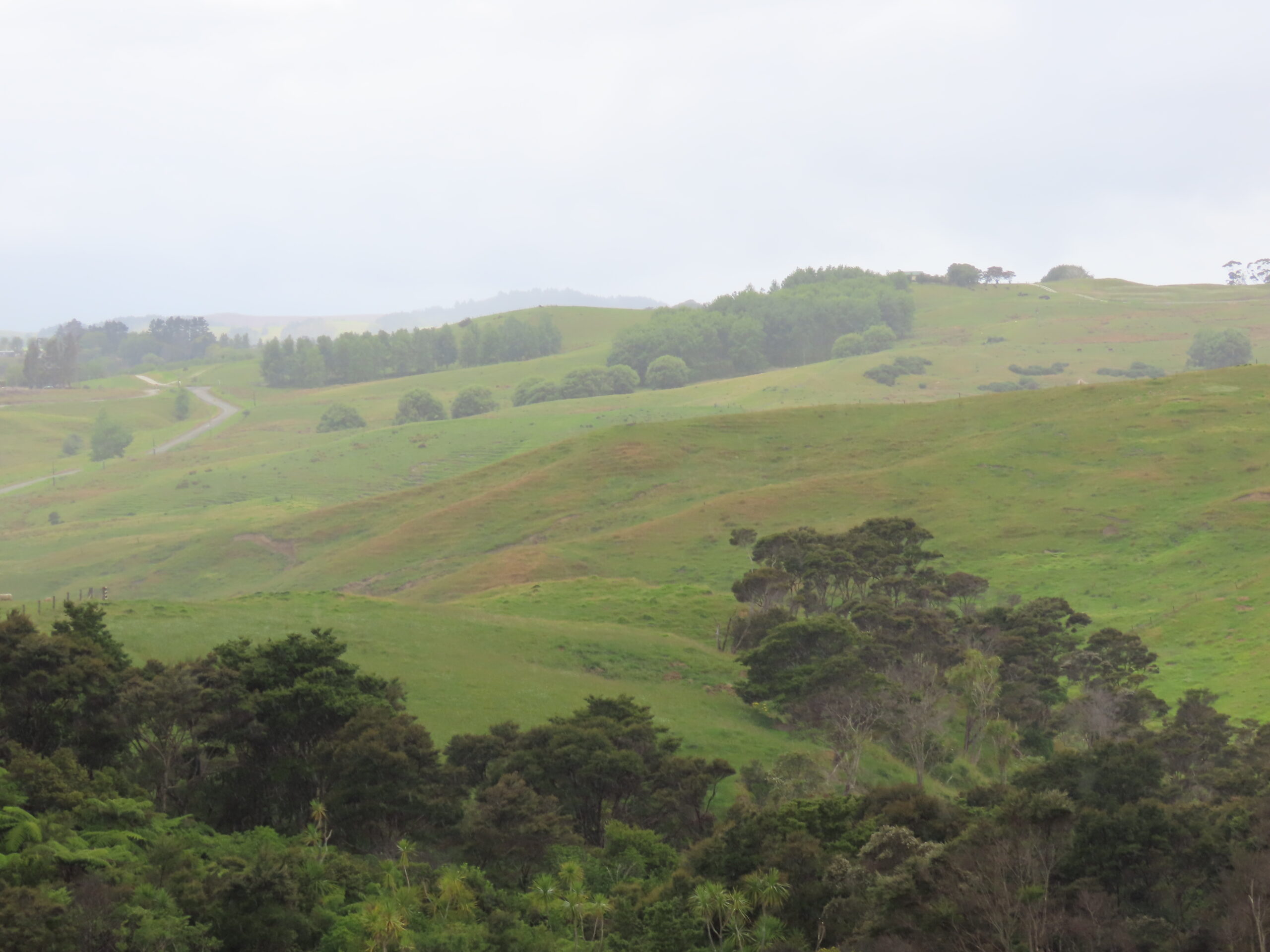
Morning, however, brought an entirely different kind of magic. In daylight, the location revealed itself in full glory, rolling green hills, sweeping ocean views, and, to our absolute delight, sheep and cows everywhere. There’s something deeply grounding about waking up to that kind of landscape, especially after weeks at sea and a long, trying journey. It felt like we had landed somewhere both new and oddly familiar, a place that invited us to exhale.

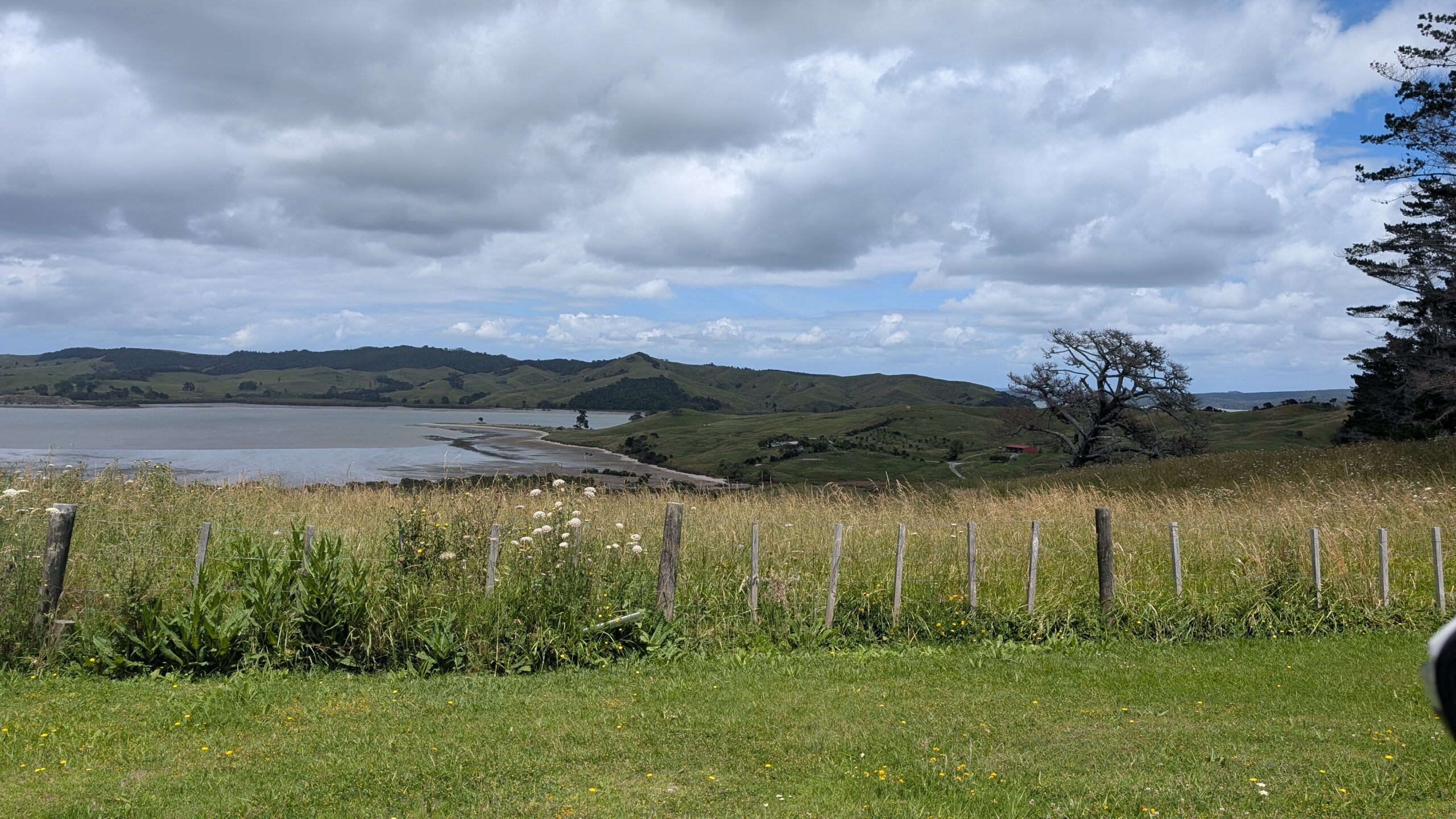
We took this photo on the way to the market on Sunday.

Sunday was devoted mainly to unpacking, though “unpacking” might be an optimistic word. With limited drawer space (but plenty of closet space and hangers, I left many of my clothes in my suitcase. Over the next few days, we’ll wash them, hang them to dry, and I’ll repack everything neatly back into the bag. Since we’re only here for a short time, I don’t mind living partially out of a suitcase. It makes repacking easier when it’s time to leave on February 12, and there’s something freeing about not fully settling in.

Yesterday, grocery shopping topped the agenda. By noon, we were out the door, heading toward the closer of the two markets. The larger supermarket, with better prices and a wider selection, was another twenty minutes beyond the small, minimally stocked (and noticeably more expensive) shop near the mini-mall. Convenience won this round.

We filled the cart carefully, doing the quiet mental math that seems to follow us everywhere these days, and walked out, having spent NZ$ 584 (about US$338.35). It felt like a lot, and it was, but the bags held enough food to last us close to two weeks comfortably. There’s a certain relief in opening a well-stocked fridge and pantry after weeks of ship meals, a feeling of being temporarily anchored.

The rolling hills will look better on a clear day.

When those shelves start to thin out, we’ll make the longer drive to the distant supermarket everyone swears by, the one with better prices and more variety. For now, though, we’re settled and grateful for small but meaningful victories as we ease into daily life here.

As if the day hadn’t already offered enough warmth and welcome, Dave and his dear wife, Eing, who live a short distance down the road, had planned a get-together with local friends and invited us to attend. After such a long and complicated arrival, that invitation felt like a gentle affirmation that we’re exactly where we’re meant to be, for now.

The friends/neighbors were delightful, and we fit right in. The conversation flowed easily, interspersed with laughter, much of it prompted by Tom’s natural gift for entertaining those around him. It was a fun time with more such gatherings to come in the future.

We’d planned to do laundry today, but it’s raining. Tomorrow’s another day.

Be well.

Photo from ten years ago today, December 15, 2015:

In Pacific Harbour, Fiji, colorful trees were blooming in the neighborhood. For more photos, please click here.

Day 46…Port of call…Airlie Beach…Ten key facts about Airlie Beach…Two days until disembarkation…

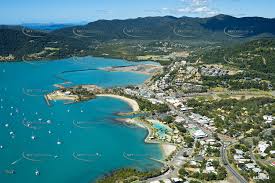
View of Airlie Beach. Not our photo.

There’s a particular sensation that settles in during the final stretch of a long cruise, a blend of anticipation and nostalgia, mixed with that subtle itch to move on to whatever comes next. As we inch closer to Saturday, when we’ll disembark in Brisbane and catch our flight to Auckland, I find myself perched somewhere between savoring these last few days at sea and mentally sorting through what lies ahead. It always amazes me how, even after weeks of cruising, the end seems to arrive in a sudden whoosh, as if the ship picks up emotional speed as well as physical momentum.

The flight to Auckland is 3½ hours, compared to the 90-minute drive afterward, the one that will take us through unfamiliar territory to Kaiwaka, our newest temporary “home,” though that word takes on a funny shape after so many years of living nomadically. We’ve settled into countless rentals, guesthouses, and countryside cottages around the world, but each new landing still carries that flutter of curiosity: What will the view look like out the kitchen window? Will the bed be comfortable enough? Will the laundry situation be workable? These things matter more than guidebooks ever admit.

And yet, despite the familiar uncertainties, there’s an eagerness growing in both of us. The cruise has been fantastic in many ways, relaxing, entertaining, indulgent in ways that land-life isn’t, but after this many days at sea, we begin to crave the ordinary again. For some passengers, the idea of leaving the ship seems almost tragic, but for us, it means the return of simple routines that have somehow become luxuries in themselves. I’m oddly excited for grocery shopping, for finding the local market aisles where the produce is freshest and discovering which New Zealand brands I’ll grow attached to during this stay. There’s comfort in the small rituals of settling in.

We’ve already started the mental packing, though the suitcases remain half-emptied for now. A cruise has a way of scattering your belongings into every corner of the cabin, chargers here, shoes there, a stack of paperwork that we’ll dispose of, somehow keeps migrating across the desk. I can already picture myself doing that pre-departure sweep, opening drawers I forgot existed, folding and refolding clothes more times than is necessary, as if the precision of packing could somehow make the transition smoother. After all these years, I know it never does, but it gives me a sense of order amid the change.

Kaiwaka will be entirely new for us. We’ve never stayed there, never driven its winding roads, never watched its sunsets from whatever angle the house allows. There’s something refreshing about that blank slate. Instead of returning to familiar rentals in Marloth Park,  where I know which pan overheats or which lamp flickers, we get to learn it all anew. And perhaps that’s why, even after a lovely cruise, I’m ready to step off the gangway and lean into the next chapter.

Tom, ever the more dedicated cruiser between us, has mentioned several times how quickly these 47 nights have passed, how each port and sea day blended into a kind of easy pattern. And he’s right. But even he seems ready now for a dining room that isn’t shared with hundreds of fellow passengers, for nights without announcements, and for mornings when the only schedule is the one we choose.

By Saturday afternoon, the ship will be behind us, the laughter, the meals, the gentle rocking at night, and ahead will be the cool, familiar air of New Zealand, the promise of new scenery, and the long-awaited chance to stretch out in a home-like space again. As always, we’re grateful for the journey, for the comforts onboard, for the ability to move from one life to another with relative ease.

But more than anything, we’re ready. Kaiwaka, here we come.

Ten key facts about Airlie Beach:

  1. Gateway to the Whitsundays: It’s the primary launching point for boat trips to the 74 Whitsunday Islands and the Great Barrier Reef.
  2. Man-Made Lagoon: Features a large, free, stinger-proof public swimming lagoon with fresh, chlorinated water, perfect for year-round swimming.
  3. Tropical Climate: Enjoy hot, humid summers and warm, pleasant winters, ideal for outdoor activities.
  4. Backpacker Hub: A popular spot on Australia’s East Coast route, known for its lively atmosphere and backpacker-friendly amenities.
  5. Proximity to Reef: Offers easy access to the stunning coral reefs and beaches of the Great Barrier Reef.
  6. Markets & Food: Home to local markets selling crafts, coffee, and fresh, delicious seafood.
  7. Name Origin: Believed to be named after the Scottish Parish of Airlie by a local councillor in the 1930s.
  8. Transport Hub: The closest airport is Proserpine (PPP), about 30 minutes away, making it easily accessible.
  9. Stinger Protection: Natural beaches have stinger nets, but the lagoon provides safe swimming during stinger season.
  10. Vibrant Town: A mix of natural beauty, town amenities, shops, pubs (like the Airlie Beach Hotel), and entertainment, including fire performers.

Be well.

Photo from ten years ago today, December 11, 2015:

Wherever we travel, water views always offer photo ops, as in Pacific Harbour, Fiji. For more photos, please click here.